
Last week, I wandered through ancient Corinth, and honestly, it felt unreal. My feet hit the same Roman road St. Paul once traveled, and suddenly, history wasn’t just words in a book anymore.
Standing where Paul preached to the Corinthians—and where he wrote those famous letters—changed how I see those biblical texts. I didn’t expect that.
The city isn’t just a pile of ruins—it’s a living testimony to the early church. I stopped at the bema (judgment seat), picturing Paul standing there, facing his critics in a busy trade center. The Corinth canal, even though they built it long after Paul, helped me imagine why this spot mattered so much for spreading Christianity around the Mediterranean.
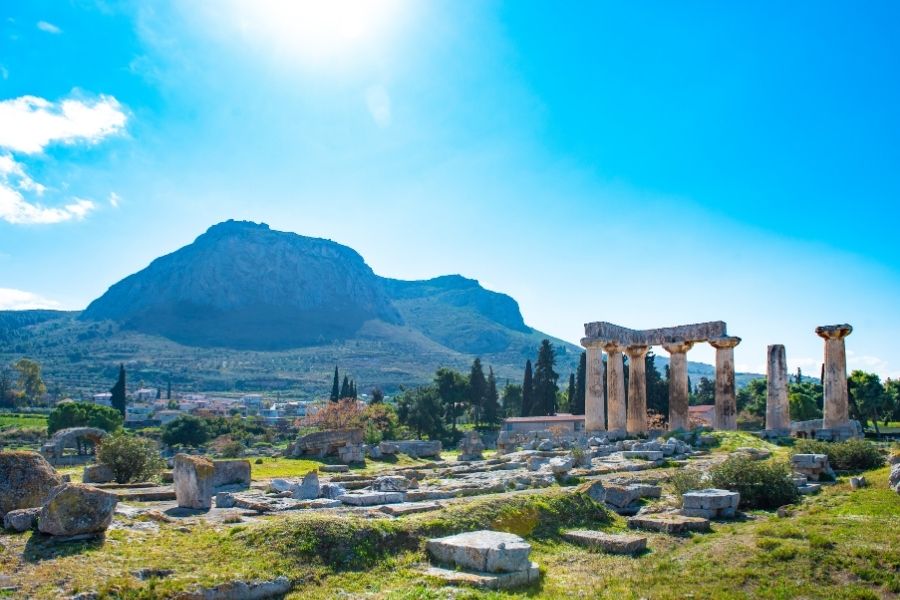
Following Paul’s path through Greece turned into both a spiritual pilgrimage and a wild dive into history. In Corinth, seeing the temples where pagan worship thrived made it clear why Paul focused on those moral issues in his letters. Being there bridged the gap between ancient text and modern faith—Scripture just came alive in ways I didn’t see coming.
Walking in the Footsteps of Saint Paul in Ancient Corinth
In Ancient Corinth, I felt the past come alive as I traced Saint Paul’s journey from almost 2,000 years ago. The stones and ruins told stories of faith, grit, and the birth of one of Christianity’s first communities.
Arrival and First Impressions of Ancient Corinth
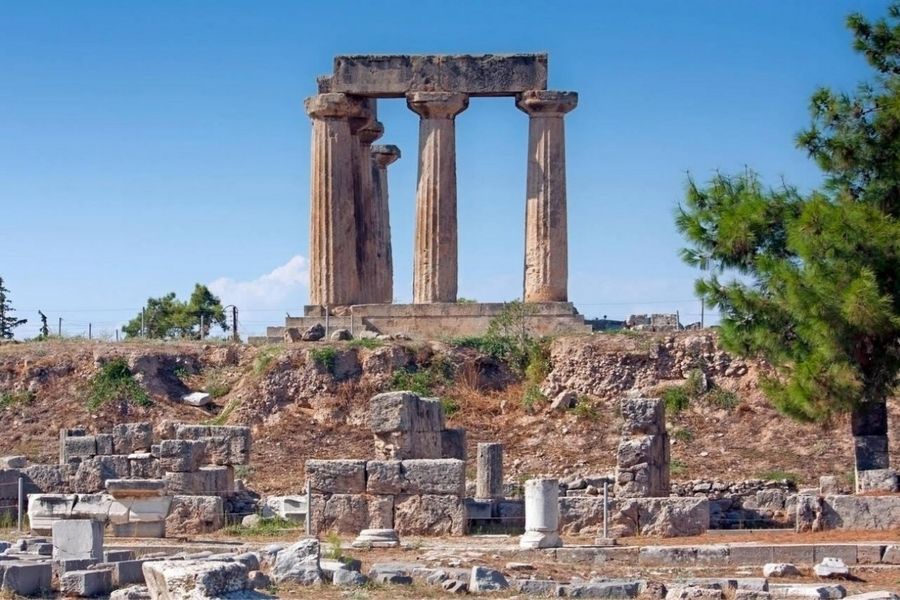
My private tour kicked off with a pickup from my Athens hotel, which, by the way, lots of guides offer for Corinth trips. As we neared the site, the Temple of Apollo stood tall—those seven columns just reaching for the sky.
“This is where Saint Paul first saw the city,” my guide said, pointing out the ancient entrance.
The Corinth canal, even if it’s newer than Paul’s era, still made me understand why this place was so strategic. Ancient Corinth sat right at a crossroads, a melting pot for trade and culture—no wonder Paul chose it.
Walking through the old marketplace, I pictured Paul working as a tentmaker, earning his keep while sharing his message. That thought gave me chills.
Historical Context of Paul’s Visit to Corinth
Paul showed up in Corinth around 50-52 CE, after leaving Athens. He stayed for 18 months—longer than most of his other stops. That couldn’t have been random.
Corinth buzzed with commerce and had a reputation for wealth and, well, not-so-great morals. My guide pointed out shop and tavern remains where Paul probably met all sorts of people.
“The Corinthian church had its own challenges,” my guide said. “Paul wrote two long letters to tackle their struggles.”
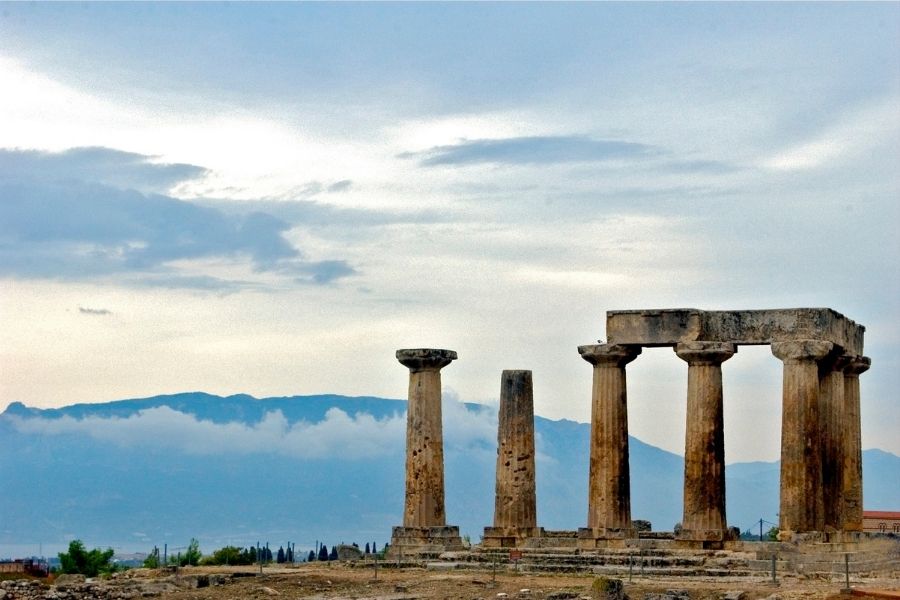
I paused at the bema (judgment seat), the spot where Paul stood trial before Gallio, just like Acts 18:12-17 says. The Roman proconsul dismissed the charges, so Paul kept going.
Personal Encounters Along the Lechaion Road
The Lechaion Road, Corinth’s main street to the northern port, ended up being the most powerful part of my visit. It’s the same path Paul walked every day.
I stopped and touched the stones, worn smooth by centuries of footsteps—Paul’s included.
“See these shop foundations?” my guide said. “Paul probably preached to shopkeepers and passersby right here.”
The road took me to where the ancient synagogue once stood. Not much is left, but just being there felt heavy.
A TripAdvisor Travelers’ Choice award plaque near the entrance kind of summed it up—this place really hits home for anyone into biblical history.
Sacred Sites and Significant Landmarks
Ancient Corinth overflows with sites that connect us to St. Paul’s ministry and the world he knew. These places hold spiritual significance and historical importance for anyone following Paul’s journey.
Exploring the Acropolis of Corinth
The Acropolis of Corinth (Acrocorinth) rises 575 meters above sea level, offering sweeping views and a sense of spiritual weight. I spent almost two hours exploring this huge fortress that has watched over the city for ages.
The hike up isn’t easy—bring good shoes—but the view of the Corinthian Gulf pays you back. Byzantine churches line the way, reminding me that people have worshipped here long after Paul’s time.
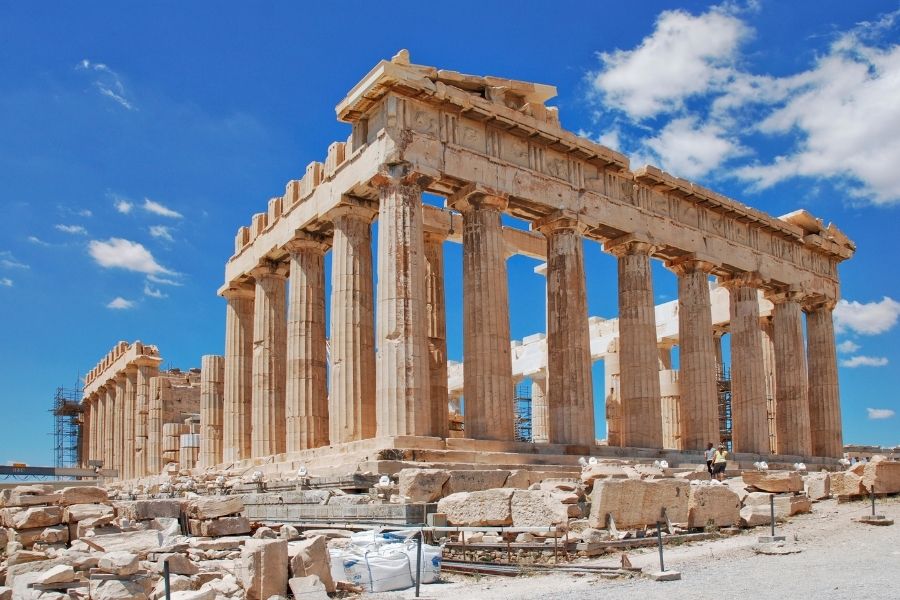
Entrance is just €8, with discounts for students and seniors. I’d say get there early to dodge crowds and the midday sun. Parts are accessible, but if you want to reach the top, you’ll need to climb.
Standing at the Bema: Paul’s Trial
The Bema platform sits in the heart of Ancient Corinth, marking where St. Paul probably stood trial before Gallio. I stood on that raised stone, and it sent shivers down my spine—Paul defended his faith right here.
Nearby inscriptions mention Gallio, backing up the biblical story. This spot feels especially moving for Christian visitors—it ties straight to Acts 18:12-17.
Guides love to point out the acoustics, and I get why. Paul’s voice would’ve carried easily to the crowd. I saw people sitting quietly here, lost in thought—it’s that kind of place.
Most tours give you 20-30 minutes at the Bema, which feels about right.
Corinth Canal and Its Modern Marvels
The Corinth Canal isn’t from Paul’s time, but wow, it’s something. Cutting through solid rock, this 6.4km channel connects the Aegean and Ionian seas—an engineering feat.
I hopped on a small boat tour (€25) that went through the canal. The views of the 90-meter-high rock walls towering above are wild. It’s surprisingly narrow—just 24 meters at the base.
There are a few cafes near the bridge if you want to stay dry and watch the boats. The canal looks especially dramatic at sunset, with shadows crawling up the limestone.
If you have kids, some tours offer infant seats if you ask.
The Archaeological Museum Experience
The Archaeological Museum of Corinth brings Paul’s world into focus. Pottery, sculptures, and everyday objects fill the place, many from Paul’s era.
The “Erastus inscription” jumped out at me—it names a city official who might show up in Paul’s letters. The museum’s religious artifacts help you picture the pagan world Paul addressed.
Displays come with English descriptions, so it’s easy for non-Greek speakers. No wonder the museum snagged a Travelers’ Choice award—it’s well put together.
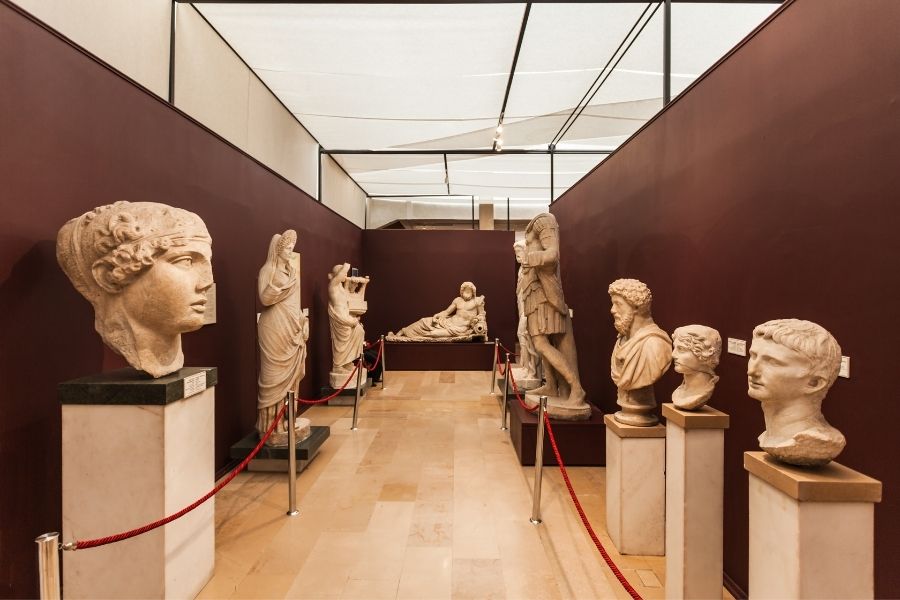
Entry is just €6, so it’s easy on the wallet. The gift shop has cool replicas and books about Corinth’s Christian side.
Reflections on Faith and Transformation
Among these ancient stones where Paul once preached, I felt history’s weight and faith’s lightness mix in ways I didn’t expect. The experience opened my eyes to spiritual lessons that stretch across centuries, tying modern believers to our earliest roots.
Faith in Christ Amid Ancient Ruins
Walking the stone streets of ancient Corinth, I realized faith can grow in the least likely places. Paul brought Christ’s message right into this city of temptation and trade—not so different from today, really. The marble ruins of pagan temples stand in sharp contrast to the simple bema where Paul probably defended his faith.
I pressed my hand to sun-warmed stones that have seen centuries of devotion. It’s strange—ruins like these can actually strengthen faith. In a place full of ancient idols and worldly pursuits, Paul’s message about salvation through Christ hit me hard.
Touching these sacred places made Bible stories feel real. My faith felt both ancient and brand new as I stood where early Christians gathered.
Lessons from Paul’s Letters to the Corinthians
Paul’s letters to the Corinthians started to make sense as I stood where those first readers lived and worshipped. His words about unity, love, and spiritual gifts suddenly felt urgent.
Reading 1 Corinthians 13 near the ruins of the temple of Aphrodite, I got why Paul pushed love above all else. The Corinthian church faced division and pride—stuff we still struggle with.
Paul’s talk about freedom from sin hit differently here. Corinth’s reputation for excess mirrors a lot of our modern issues. His call to become “a new creation” felt immediate, not just historical.
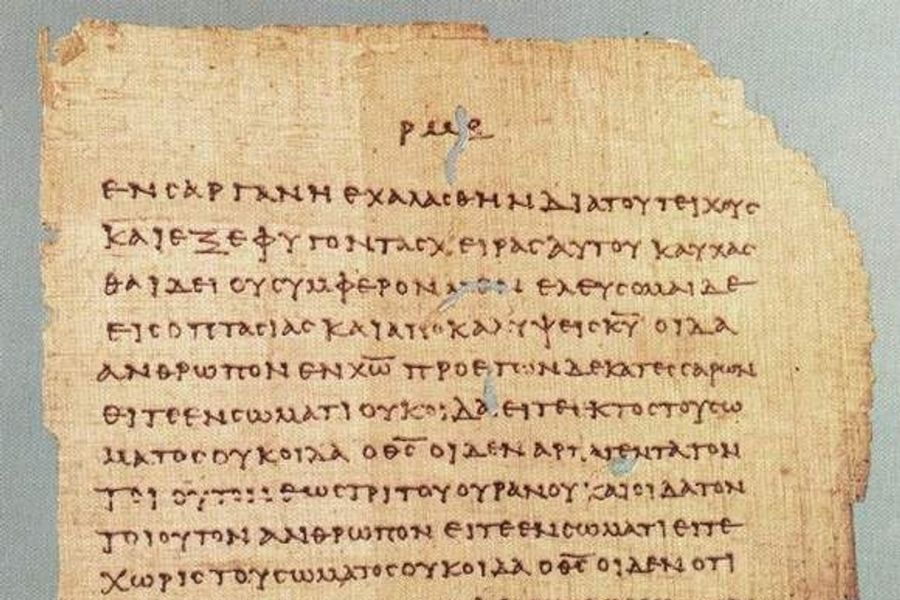
“Do you not know that your bodies are temples of the Holy Spirit?” That line feels heavier when you’re surrounded by fallen temples.
The Presence of the Holy Spirit in My Journey
During my trip, I kept running into unexpected moments of spiritual connection. A sudden breeze at the ancient harbor where Paul might have arrived. Sunlight breaking through the clouds as we prayed at the bema. I couldn’t shake the feeling that God was right there.
I remembered how the Holy Spirit guided Paul through all sorts of trouble. That same Spirit still leads us, even when we’re far from home. Sometimes, I felt nudged to pause, pray, or talk with someone—little pushes I can’t really explain.
Early Christians didn’t have fancy buildings or power—just the Holy Spirit inside them. Standing where they gathered, I felt small next to their courage.
They left pagan worship behind and followed Christ. That took guts. I prayed for that kind of openness in myself.
Trials, Temptation, and Perseverance on Sacred Ground
Paul faced rejection, danger, and opposition in Corinth. Touching the stones where he may have stood against his accusers made his perseverance real to me. My travel hassles seemed tiny by comparison.
The ancient city tempted early believers with wealth, status, and pleasure. Even now, Corinth shows what happens when we chase our own ambitions instead of God.
I thought about Paul’s words on running the race with perseverance as I climbed up to Acrocorinth. That sweaty hike turned into a metaphor for spiritual endurance. The view at the top—the Mediterranean stretching out forever—reminded me how much bigger God’s perspective is than mine.
The journey made me want to face my own challenges with more faith. If Paul could stand firm here, maybe I can too.
Connecting Scripture with Ancient Corinth
In ancient Corinth, the Bible felt suddenly alive. The stones, agora, and temple ruins helped me see Paul’s letters differently. His words weren’t just old theology—they answered real problems in a real city full of real people.
1 Corinthians and the Everyday Life of Early Christians
Walking through Corinth’s marketplace, I could almost picture early Christians shopping next to their pagan neighbors. Suddenly, 1 Corinthians 8:1-13 about eating food sacrificed to idols made sense. These were real-life dilemmas.
“Knowledge puffs up, but love builds up,” Paul wrote. In this busy city packed with temples and merchants, believers faced tough calls about fitting in.
The Temple of Apollo looming over everything reminded me how central idol worship was here. No wonder Paul spent so much time talking about unity, spiritual gifts, and love.
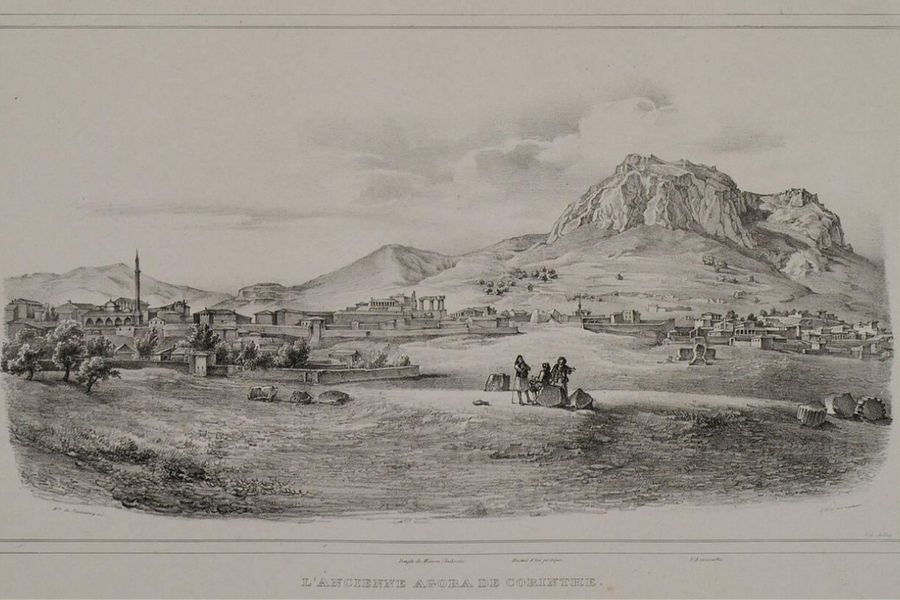
Paul’s warnings about division in the church fit perfectly with Corinth’s competitive, showy culture. His famous chapter on love (1 Corinthians 13) wasn’t just poetry—it was a call to real people dealing with pride.
Echoes of 2 Corinthians in Modern Reflection
Sitting on the ancient Bema where Paul probably stood trial, 2 Corinthians hit differently. Paul’s words about suffering and glory made sense in the place where he faced real threats.
“We have this treasure in jars of clay,” he wrote, reminding everyone that God’s power shines through our weaknesses. I felt my own limits as the Mediterranean sun beat down.
Paul dictated his letters but his voice still comes through strong. His passionate defense in 2 Corinthians shows both his vulnerability and his fire.
The contrast between Corinth’s old wealth and Paul’s message about spiritual riches really struck me. In a city famous for luxury and excess, Paul offered a different prosperity—one rooted in righteousness and a relationship with God.
Bible Study: Righteousness and the Corinthian Church
I turned to Clarke’s Commentary (now in the public domain) to get a better grip on Paul’s focus on righteousness in Corinth—a place pretty much famous for its wild side. Let’s be honest, Paul’s call to holiness must’ve sounded downright shocking in a city with such a reputation.
Paul didn’t just want the Corinthians to behave a little better. He wanted a total transformation. “If anyone is in Christ, they are a new creation,” he wrote. That hits different when you think about a city stuck in its old patterns.
When I visited after Easter, I spent my third week following the lectionary readings from 1 Corinthians. Those passages felt alive as I prayed among the ruins where the earliest Christians gathered.
Paul’s gospel clashed with Corinth’s love of wealth, status, and pleasure. Instead, he pointed people toward a community shaped by Christ’s sacrificial love. I still feel challenged by that as I wander the same ancient streets.
Practical Travel Advice for Exploring Ancient Corinth
If you’re planning to visit Ancient Corinth, you’ll want to prepare a bit. I pulled together some tips about transportation, tours, costs, and nearby sights from my own recent trip—hopefully, this helps if you want to walk in St. Paul’s footsteps.
Booking Your Private Corinth Tour
Booking a private tour from Athens to Ancient Corinth turned out to be the best way for me to experience the site. A lot of companies will pick you up from your hotel or even the port if you’re coming by cruise.
The drive takes about 1.5 hours each way. That gives you enough time to really see the ruins without feeling rushed.
When I used Tripadvisor, I looked for tours with the Travelers’ Choice badge. That made it easier to find a company I could trust. Most tours let you cancel for free up to 24 hours ahead, and they’ll refund you if your plans change.
Having a guide who actually knew the biblical background made a huge difference. They connected St. Paul’s letters to the places we stood, which brought the history to life for me.
Tips on Accessibility and Family Travel
Ancient Corinth is partly accessible if you have mobility concerns, but I noticed the ground can get pretty uneven. The main site has some paved paths, but you’ll want good shoes.
If you’re bringing kids, I’d go for a family-friendly tour. Some companies offer infant seats in the vehicles and guides who know how to keep younger visitors interested with stories about ancient life.
I noticed a lot of families came prepared with water, snacks, and sun protection. The Greek sun gets intense, especially in summer. There’s not much shade, so hats and sunscreen are absolutely necessary.
Try to go in the morning if you can. I started my tour at 9 AM and found the temperatures much more comfortable—not to mention, the lighting is better for photos.
Nearby Destinations: Ephesus, Crete, and Santorini
You can’t really do Ephesus as a day trip from Corinth since it’s over in Turkey, but a lot of travelers pair their time on the Greek mainland with some island hopping. After Corinth, I decided to check out a few more places connected to Paul’s story.
Crete is a great choice if you’re interested in early Christianity—Paul’s friend Titus started churches there. The island has beautiful beaches and historical sites, so you get a mix of both.
Santorini isn’t directly linked to Paul’s ministry, but wow, it’s a stunning place to reflect on your journey. Those white buildings and the blue sea made me think about Timothy’s travels with Paul along the coast.
Ferries run often between these islands in summer, but they slow down once the season ends. Plan ahead if you’re traveling off-peak.
What to Know About Gratuities and Entrance Fees
When I visited Ancient Corinth, the entrance fee was about €8. Prices seem to change with the seasons, so keep an eye out for updates.
I’d suggest carrying some cash, since a few places still don’t take credit cards. That caught me off guard at first.
Private tours usually don’t bundle entrance fees into their main price. I liked that my tour operator explained exactly what was included and what wasn’t.
For gratuities, I went with the usual advice: tip your private guide around 10-15% of the tour cost. My guide actually spent extra time showing me the spot where Paul addressed the Corinthians at the Bema. That really felt worth a little extra.
Your entrance fee covers the Archaeological Museum of Ancient Corinth too. Seriously, don’t skip it. I found some amazing artifacts in there that made it easier to imagine daily life back in Paul’s era.
