
Wandering through Ancient Messene just hit differently than any other trip I’ve taken in Greece. The quiet ruins sprawl across these green hills, and it almost feels like you’re the last person walking these ancient streets, surrounded by all that history.
Exploring Messene was like stepping right into the past, where ancient Greek stories still linger in every broken wall and silent theater.
I didn’t have to imagine what the city looked like centuries ago—the remains are bold and easy to follow, from grand gateways to old stone roads. Every part of Messene shows off a slice of daily life and culture, making it surprisingly easy to picture the city as it once was.
There’s something about wandering all day, moving from columned temples to open stadiums, with barely anyone else around.
If you want to feel connected to Greek history without the crowds and chaos of tourist spots, Messene lets you wander and explore at your own pace. Every corner seems to hide a new discovery, so each step feels both relaxing and just a bit exciting.
Stepping Into the Spirit of Messene
As I walked through Messene, I felt like I was moving through layers of history, surrounded by the city’s original walls, streets, and temples. Every stone, column, and inscription seemed to reveal the intentions and myths that shaped the lives of its people.
A Living Ancient City
Unlike the crowded ruins packed with tourists, Messene felt surprisingly open and alive. The city stands well-preserved, with long stretches of original roadways and gates still in place.
As I wandered, I spotted where homes, public spaces, and theaters once buzzed with activity. Old stone benches tempted me to pause and imagine ancient Greeks debating philosophy or sharing news.
The layout makes it easy to picture the routines of daily life, not just ceremonies or battles. Even the olive trees and wildflowers growing among the ruins brought the landscape a little closer to what it looked like centuries ago.
I noticed how the silence would sometimes break with the sound of birds or a sudden gust of wind, making the experience feel even more immersive. It’s possible here to feel like you’re part of a city that thrived for over 700 years, its spirit lingering in the open air.
Purpose and Philosophy Embedded in Stone
Messene didn’t just happen by chance. The city’s founders—led by the Theban general Epaminondas—designed Messene to welcome back exiled Messenians and to create a new place for freedom and cultural identity.
Wide streets cut straight through the city, and each neighborhood was laid out on purpose. The architecture says a lot about what the ancient Greeks believed.
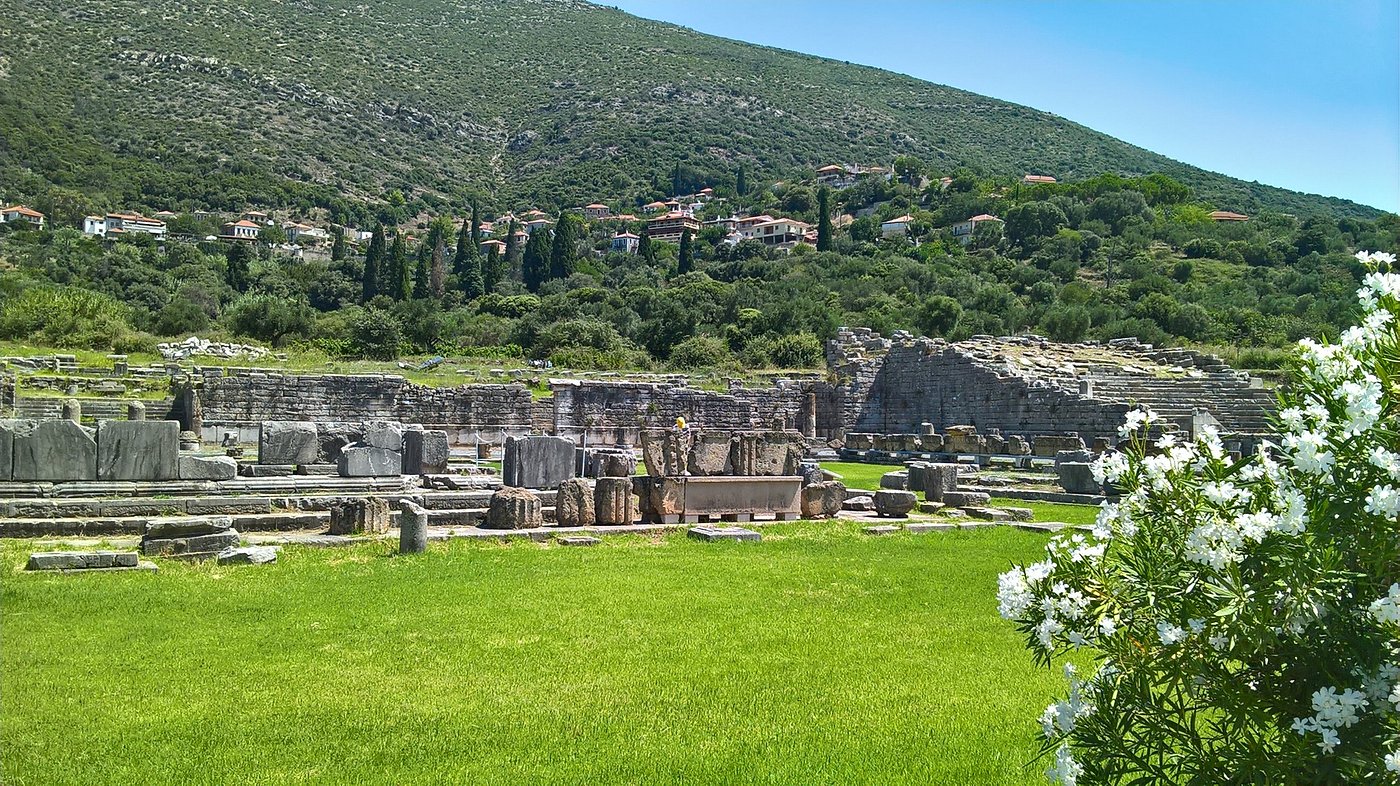
I saw temples dedicated to gods and public buildings for meetings and learning. The gymnasium, agora, and theater all sit where people could access knowledge, art, and debate.
Messene’s stonework shows a real dedication to democracy, philosophy, and sharing ideas. Inscriptions on certain walls and monuments capture principles like justice and unity.
As I traced my fingers over the old stones, I could sense an intentionality designed to shape not just a city, but the values of its citizens.
Encounters With Myth and Truth
Throughout Messene, myth and real history blend together. Stories of legendary kings, heroes, and gods echo in the city’s temples and squares.
One minute, I was reading about the great Theban general who rebuilt the city; the next, I stumbled across references to the hero Aristomenes and the Messenian resistance. Local guides and signs point out where myths meet reality.
I found shrines where ancient Greeks prayed for guidance or honored their ancestors. At the Sanctuary of Asclepius, both historical records and legends come together, showing how the search for knowledge and healing crossed into the sacred.
Messene’s surviving art and inscriptions challenge visitors to weigh stories against facts. Each site offers a chance to reflect on how truth was shaped by both evidence and imagination, making a visit here a journey through both knowledge and wonder.
History and Legends: Messene’s Timeless Narrative
Ancient Messene overflows with stories of struggle, heroism, and myth. As I wandered its streets, each broken column and mossy gate seemed to whisper of exiles, philosophers, and wandering kings whose legacies shaped not just Messene, but all of Greece.
From Spartan Exile to City of Resilience
Messene started as a symbol of resistance. In the 8th century BCE, the Spartans conquered the region and turned its people into helots, or serfs. Generations lived under harsh rule, their grief woven into local legends.
That changed in the 4th century BCE, when exiled Messenians—fugitive survivors scattered by conflict—returned. Guided by the Theban general Epaminondas, they rebuilt their city on the slopes of Mount Ithome.
Walking the wide streets today, I could almost sense that history of exile and hope. The massive defensive walls, among the best-preserved in Greece, reflect a city built to survive future threats.
Messene’s foundations stand as a testament to its people’s determination to reclaim their home and identity, even after centuries of hardship.
Mythical Figures and Heroes
Messene’s story is packed with mythic heritage. In ancient times, storytellers claimed the city’s founder was Messene herself, a legendary queen.
Places here are layered with tales recorded by Herodotus and Plutarch, whose writings bring to life battles, sieges, and sacrifices. Lycurgus, the famous Spartan lawgiver, shaped Spartan society just across the border, deeply influencing life in Messene—especially through stories of rivalry and ambition.
I often walked past shrines, echoing old rituals for gods and heroes who watched over these lands. Every legend built onto the landscape.
Some say a visit to the Sanctuary of Asclepius still carries a hint of ancient healing miracles and collective memory from a city that saw both betrayal and belonging.
Plato, Socrates, and Philosophical Footprints
Messene wasn’t only about warriors. The city fostered thinkers and debates, with philosophy threading through its agora.
I pictured Plato and Socrates debating under shady porticos, their search for wisdom linking the city to the golden age of Greek thought. Plato never settled in Messene, but his ideas about the ideal city felt alive as I walked the streets.
The remains of civic buildings hint at a community built for public discourse—just the kind described in Plato’s “Republic.” Socratic logic, too, echoed in the orderly planning and in the open spaces where citizens gathered.
If you wander here, pause in front of the bouleuterion (council house) and imagine ancient voices arguing justice and truth. It brings a deeper connection to Greece’s intellectual past.

Odysseus and the Spirit of Wandering
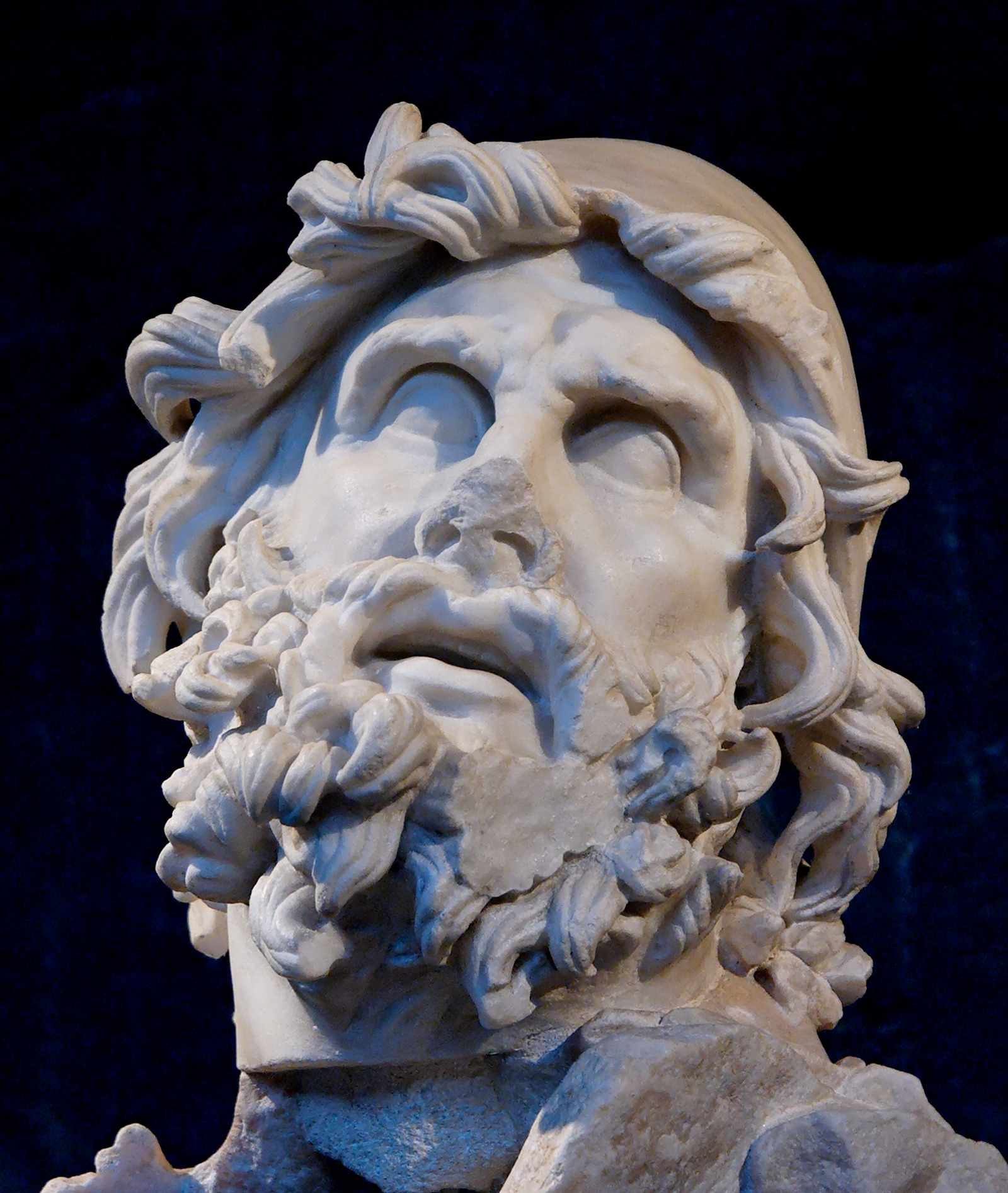
Messene’s hills and ancient stones bring Odysseus to mind, especially his grief, exile, and longing for home—stories sung by Homer.
While Odysseus didn’t rule here, his restless, searching spirit fits the city’s history. The ancient Messenians admired Odysseus for his cunning and endurance.
Their own struggles mirrored his, with periods of fugitive existence and gritty returns. Every footpath feels like a nod to his blisters and clever escapes.
Some local legends even place Odysseus in nearby lands, said to have wandered through or inspired regional customs. As I followed the winding roads out of Messene, I felt a kinship with the travelers of old—a reminder that wandering these ruins means sharing in a timeless search for belonging and wisdom.
Exploring Messene’s Architectural Treasures
Walking through Ancient Messene, I found myself surrounded by grand stadiums and crumbling towers. Every corner hides a story, while old legends still echo at the city’s southern gates.
Stadiums, Temples, and Ancient Theaters
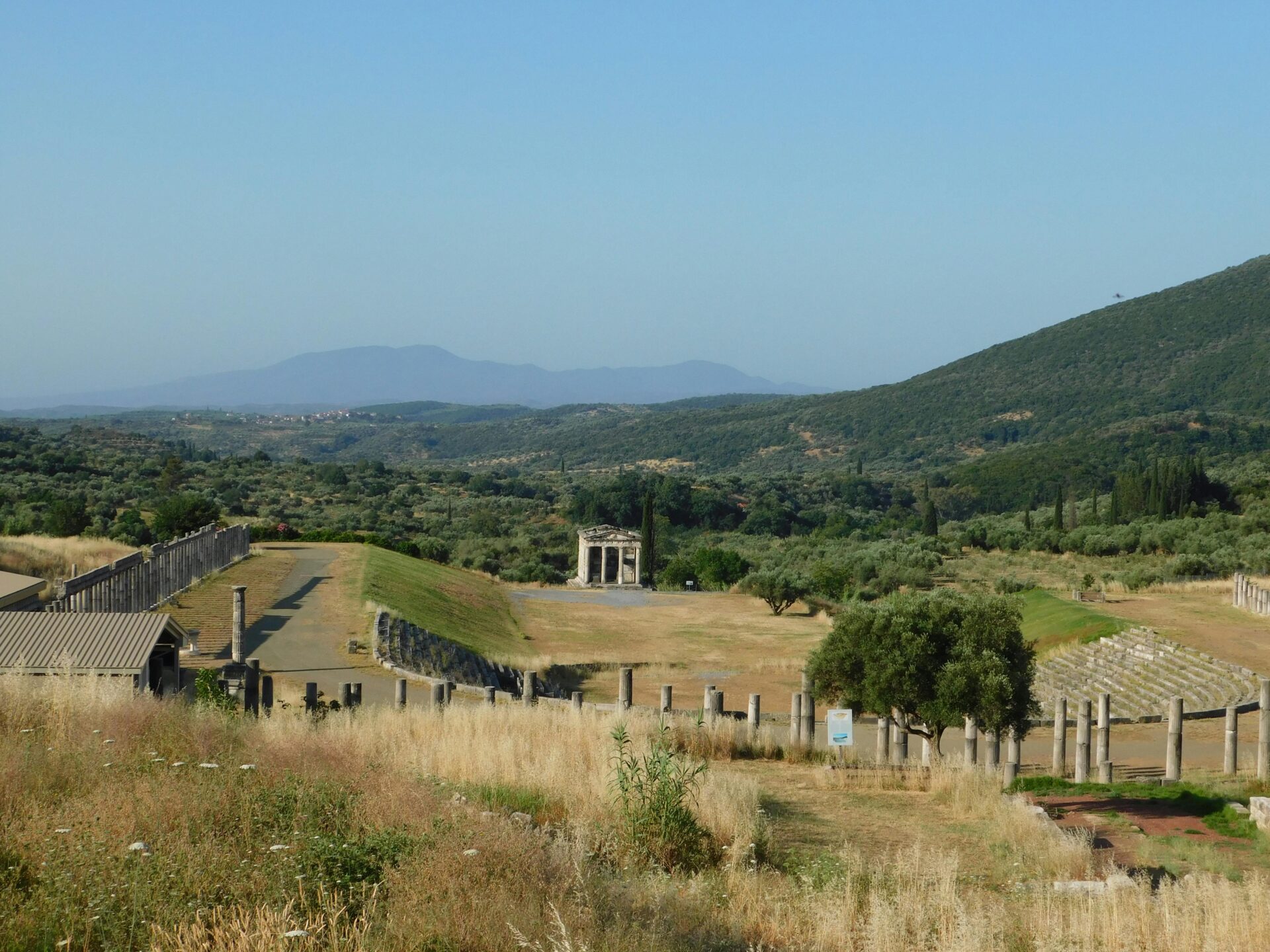
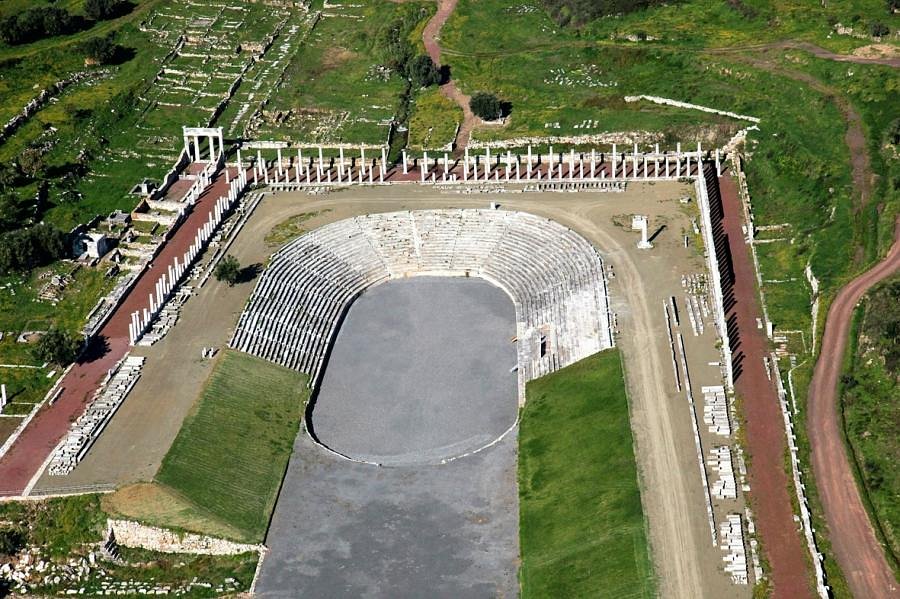
Messene’s stadium is one of its most famous landmarks. When I stood near its long marble steps, I could picture crowds cheering on runners thousands of years ago.
The size of the stadium really made me realize how important sports and gatherings were to this ancient Greek city. Nearby, the remains of temples dedicated to gods like Zeus and Asclepius showcased impressive columns and weathered statues.
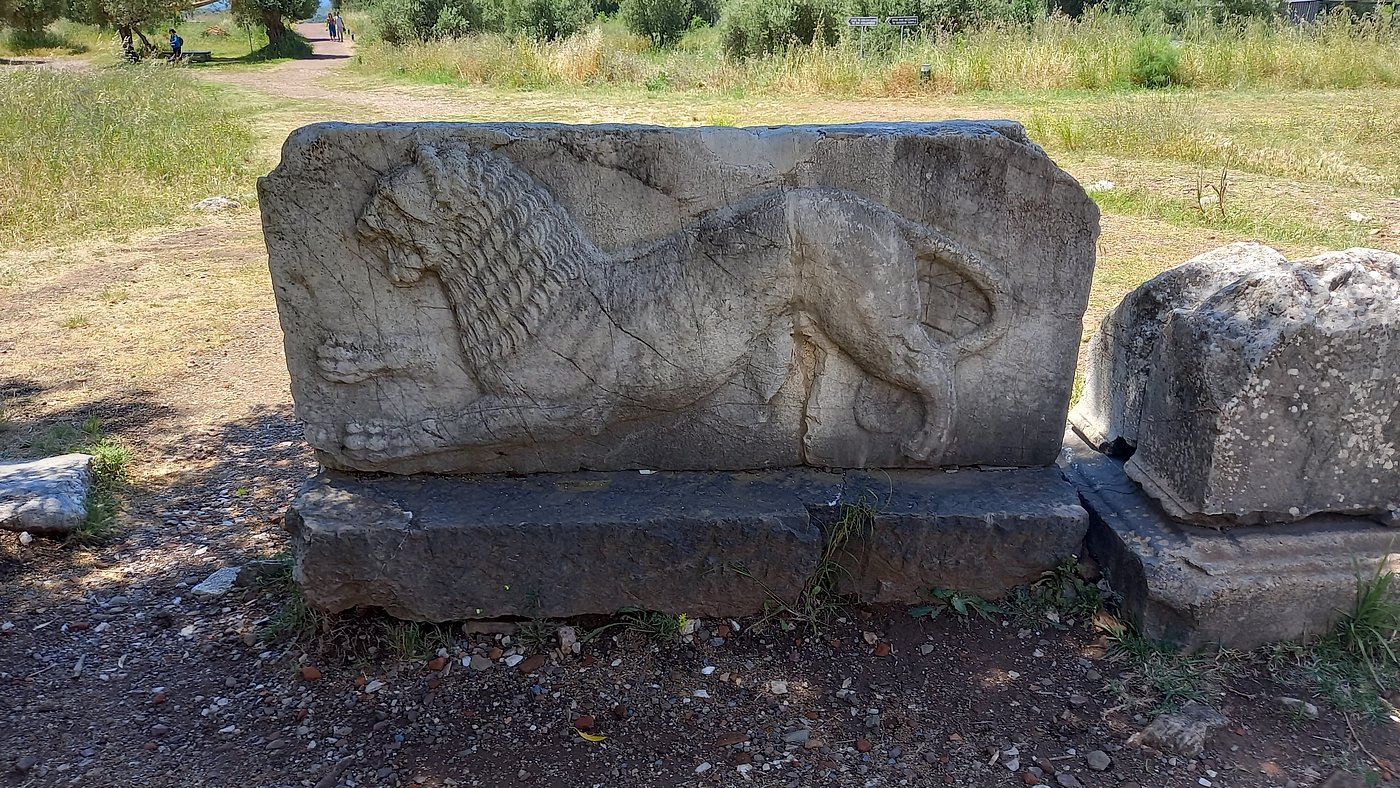
The temple to Asklepios, the god of medicine, once had fountains and healing springs. I took a while to admire the intricate carvings left behind.
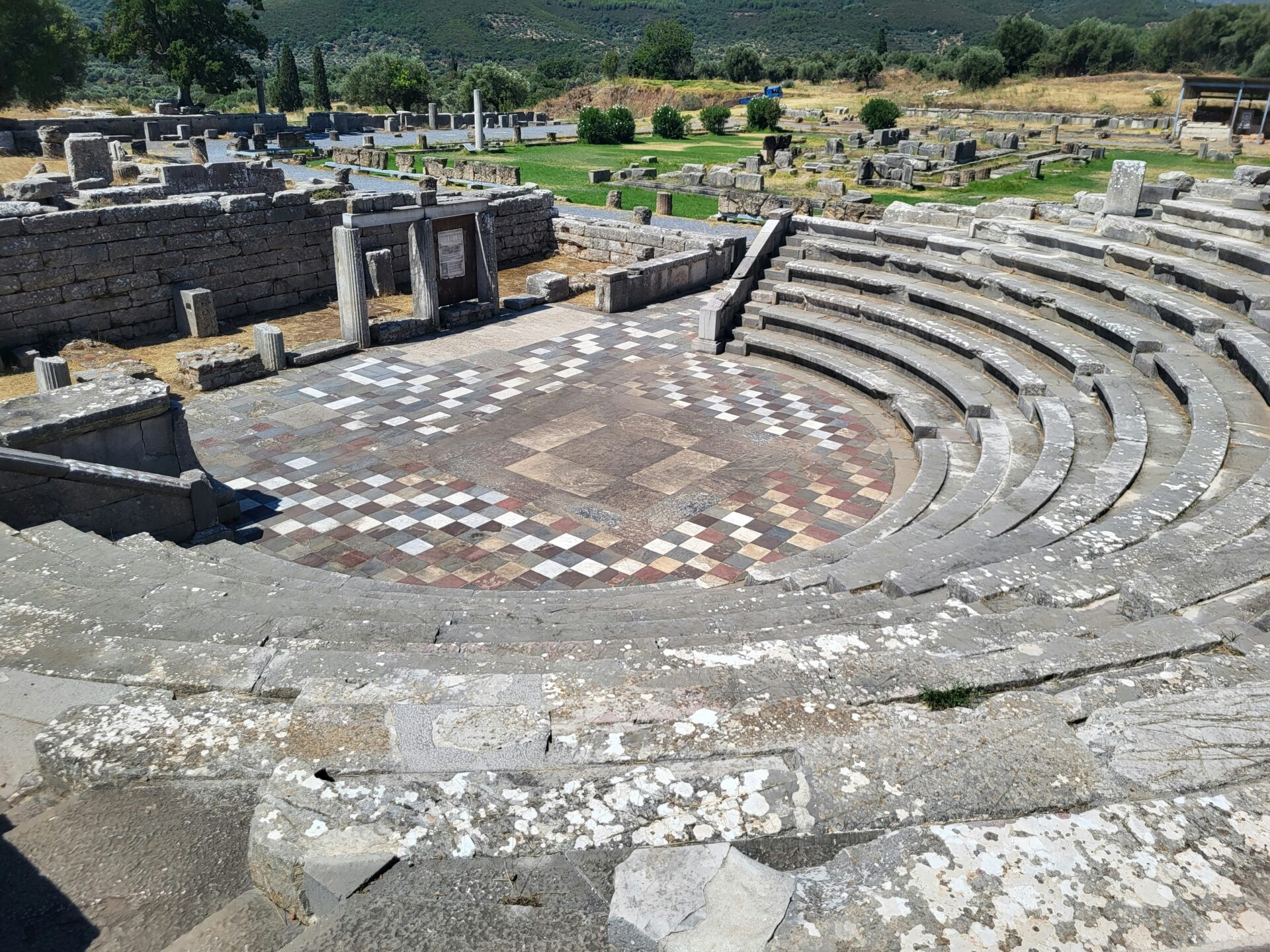
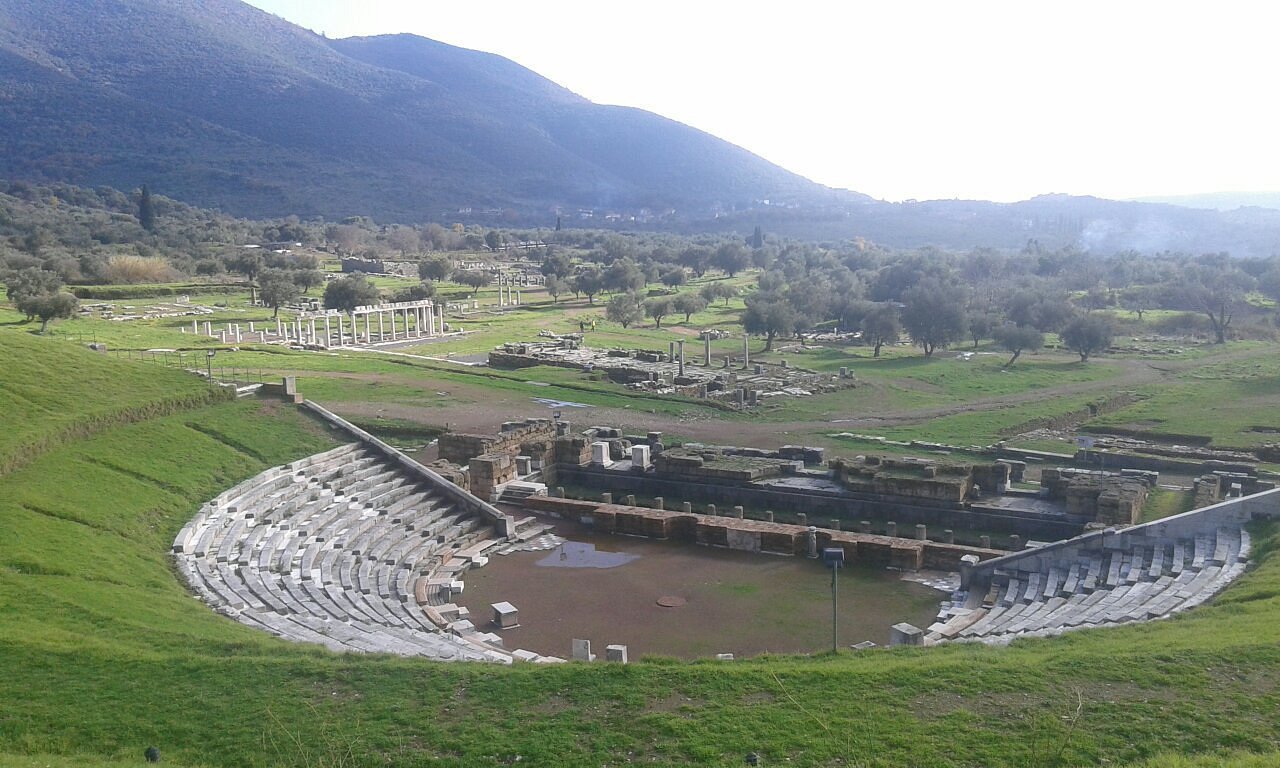
Messene also has a well-preserved theater built into the hillside. Here, dramatic performances took place under the open sky.
Actors might have performed for powerful visitors, especially during times when the Roman Empire held sway over Greece.
Hidden Corners and Forgotten Gates
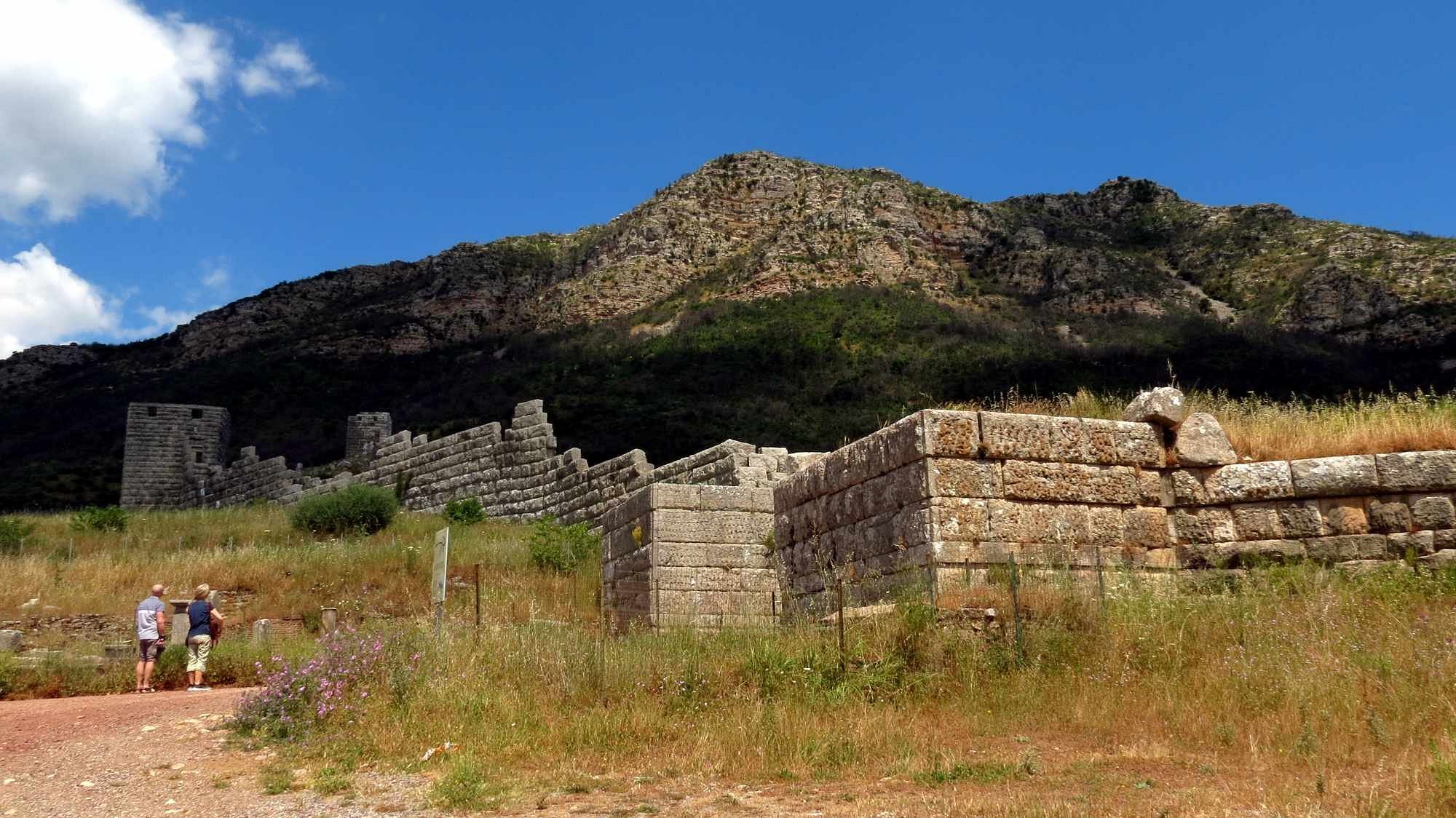
As I drifted away from the main avenues, narrow paths led to quiet ruins, old walls, and arched doorways hidden by wildflowers. Messene’s city walls are among the best-preserved in the Peloponnese, with massive stone blocks and guard towers overlooking the valley below.
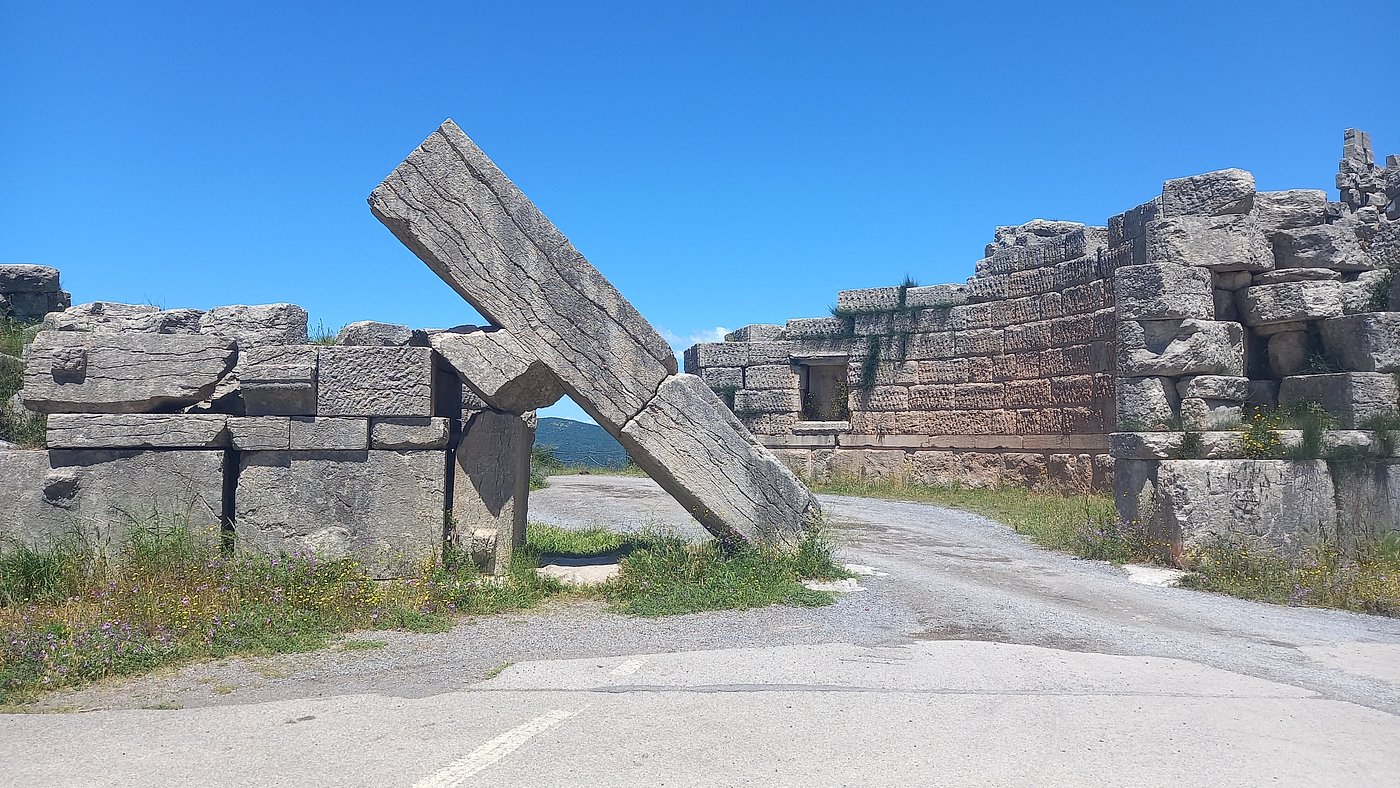
Some sections feel untouched, almost secret. There are half-collapsed gates and passages that once guarded the entrance to Messene.
Exploring these forgotten spots feels like searching for treasure. These hidden gates played a big role in the city’s defense, standing firm as empires rose and fell.
Sometimes, I’d spot stray carvings or almost invisible plaques, left as a mark by builders from the time of Nero or even earlier.
Gates of Hell: Legends and Stories
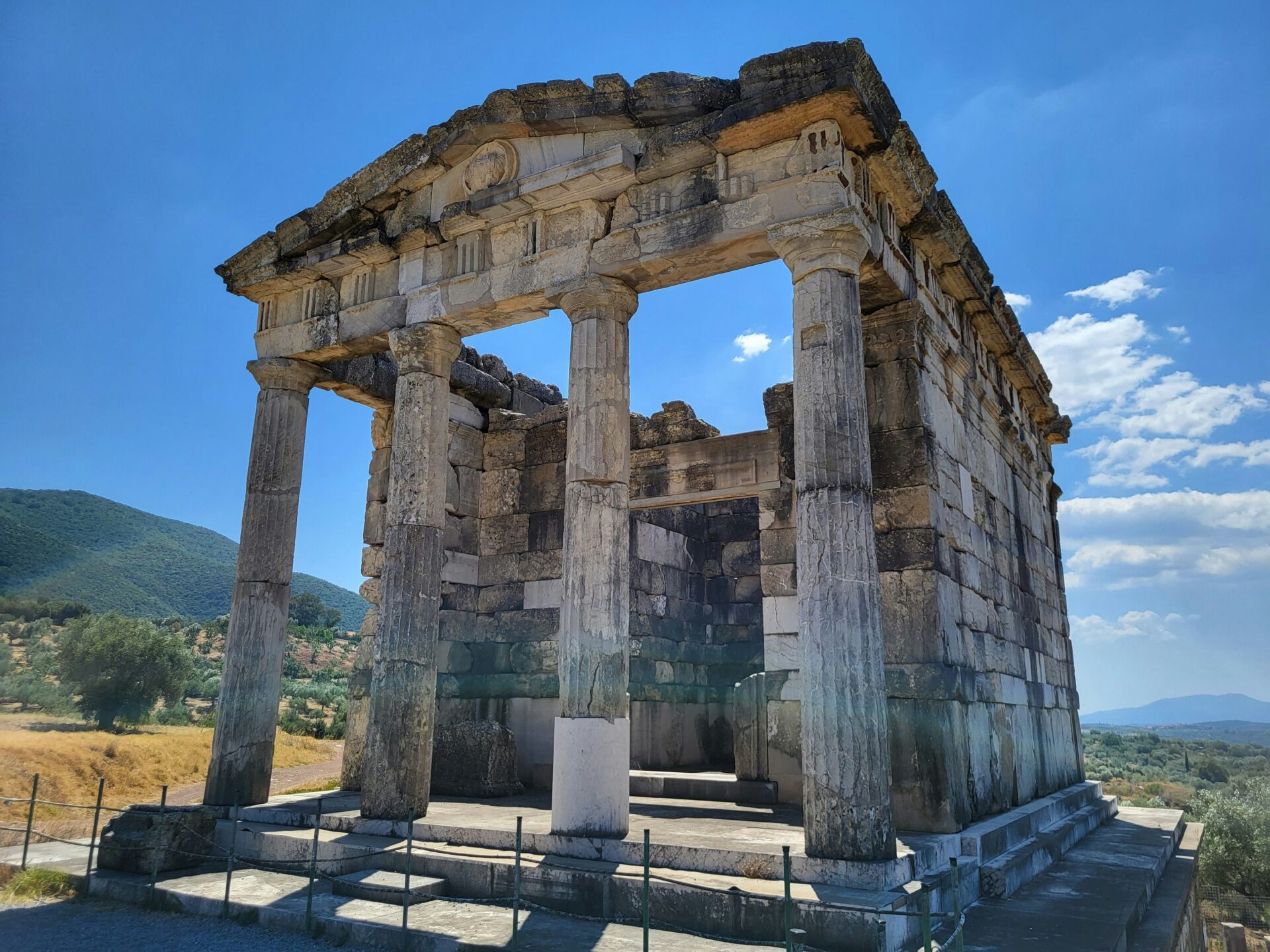
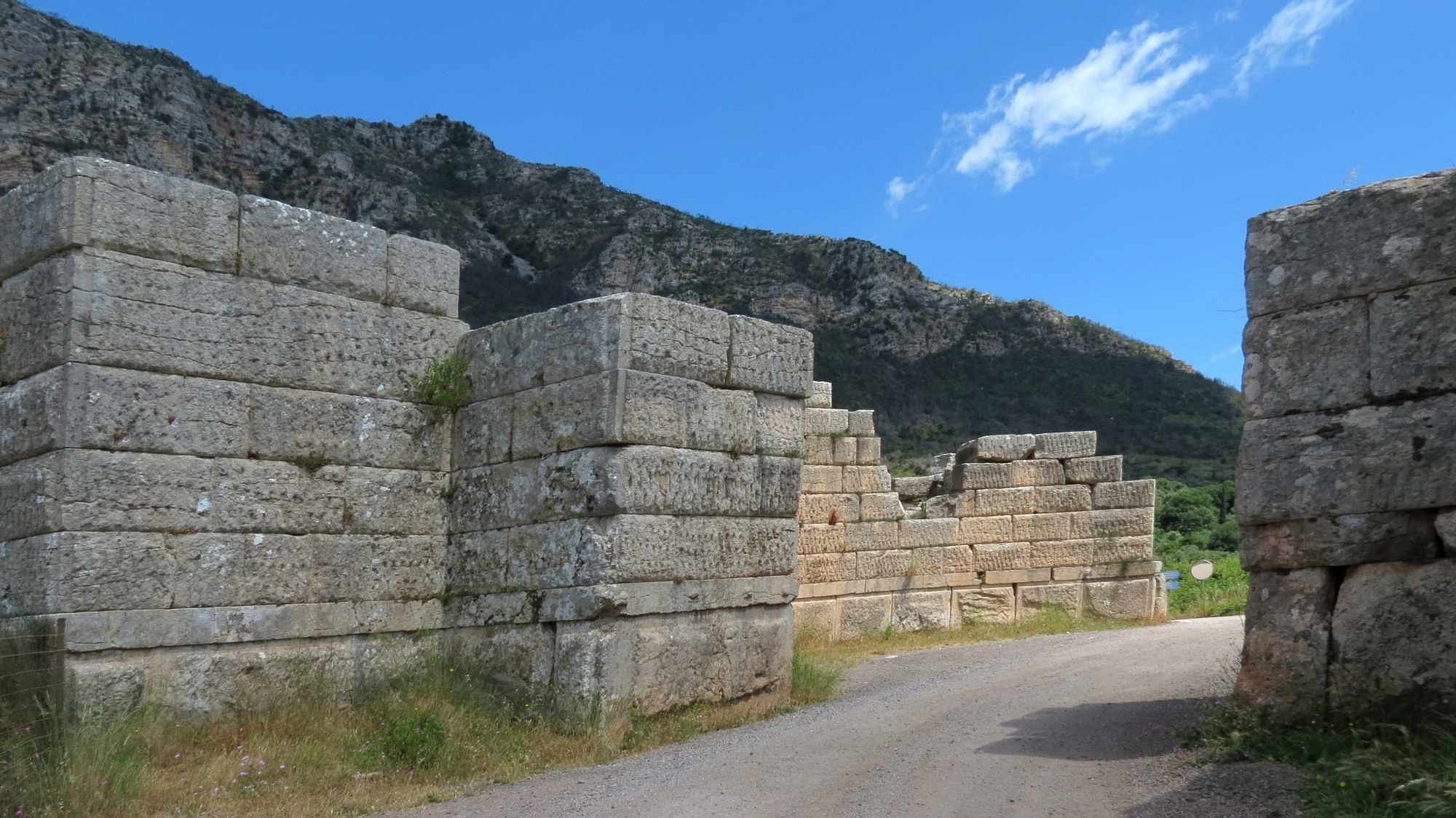
One of the most intriguing parts of Messene is the so-called “Gates of Hell.” You’ll find these at the southern edge of the city.
According to local legend, these gates were believed to open into the underworld. Some say the myths began with the city’s dark, gaping burial tunnels nearby.
Standing at the mouth of these old gates, I couldn’t help but feel a chill. Stories of spirits and lost souls have stuck with people here for centuries.
Even now, guides share tales about the Roman period, when emperors like Nero supposedly sent lavish gifts or decrees to Messene. The legends and haunted reputation of these gates give the city a mysterious edge, making every step feel like you could stumble upon ancient secrets or lost treasures.
Layers of Belief: Religion, Ritual, and the Gods
Walking through ancient Messene, I was struck by how religion wove itself into every part of city life. Every temple, shadowy alley, and odd monument seemed to hold stories about gods, spirits, and the mysteries people believed in.
Dionysus and Sacred Spaces
One afternoon, I wandered past low, mossy columns and ended up in front of a shrine to Dionysus. Known as the god of wine and ecstasy, Dionysus was celebrated with passionate festivals right in the city’s heart.
I imagined crowds gathering there, singing, dancing, and pouring out wine under the open sky. Messene’s temples weren’t just for prayer.
They acted as gathering spaces for community rituals and even political meetings. The city’s calendar was packed with holy days, and people built their lives around religious activities.
I noticed how even small corner shrines—sometimes tucked behind stone walls—hinted at everyday worship, subtle and persistent. Messene’s religious life felt accessible, yet mysterious.
Even first-time visitors can sense the deep respect for the gods and understand that belief shaped every ritual. Standing there, I realized these sacred spaces were more than ruins—they once buzzed with excitement, hope, and a touch of wildness.

Relics, Spirits, and Legends of Darkness
As dusk settled, the city’s mood shifted. Locals still whisper stories about spirits and relics lost in the ruins.
Some believe ancient tokens and carved stones carry pieces of the past, holding the memories—or even spirits—of those who lived here. There’s a chill to walking the back streets at night, where legends blend old fears with new imaginations.
People spoke of elves or unseen beings said to lurk in the shadows, closer to fairy tales than modern faith. My mind wandered to darker stories from texts like the Bible, where figures like Satan explained loss and mystery.
While Messene’s main gods filled days with ritual, the city’s nights belonged to rumors about darkness and hidden forces. I found the blend of mythology and superstition captivating.
Locals honored the spirit world with both caution and curiosity. It made the city feel alive in a way most ruins just don’t.
Wandering Through History: Travel Insights and Practical Advice
Messene feels like a city paused mid-story. Stone streets and ancient columns show off layers of daily life, along with hints of legendary battles.
To really get the most from my visit, I tried to match my pace to the slow, steady rhythms of the ruins. There’s a quiet that hangs over these lost neighborhoods—almost like the past is still catching its breath.
Must-See Routes and Neighborhoods
I began at the main entrance, the Arcadian Gate. Its round towers and heavy stones pulled me in right away.
Stepping through felt like crossing into another era. The main street stretched ahead, straight and lined with the bones of old shops and houses.
I wandered past the large theater, where footsteps still echo. Sitting on its ancient steps, I let my mind drift to the voices and stories that once filled the air.
Not far from there, the gymnasium and stadium sprawled out. I imagined crowds gathering, athletes training for games, and maybe a few wild celebrations after naval victories.
Everywhere I turned—marketplace, Sanctuary of Asclepius—something tugged at my curiosity. I slowed down, drifting between sun-warmed stones and broken columns, trying to piece together the everyday scenes that played out here.
Suggested Walking Order:
| Start Point | Next Stop | Final Stops |
|---|---|---|
| Arcadian Gate | Theater | Stadium, Marketplace, Temples |
Guiding Wisdom for the Modern Explorer
Messene taught me a few things, both practical and personal. Wear comfortable shoes—the paths are rocky and uneven, and I felt every step.
I always packed water and snacks. You won’t find many shops inside the site, which caught me off guard at first.
Curiosity guided me, but I tried to stay respectful. Some spots are off-limits, and I picked up details from signs or guides instead of risking damage. If I wasn’t sure, I just asked someone nearby—staff or even another visitor.
Taking time to listen and respect boundaries changed the whole experience. I wandered slowly, letting myself notice carvings, mosaics, or odd viewpoints that never show up on maps.
Rushing would’ve meant missing those little moments, and honestly, that’s where the magic usually hides.
Moments of Light and Loss
During my walk, I found these quiet moments when the ruins just seemed heavy with history. I passed broken statues and toppled walls—reminders of the city’s defeat, and the grief people must’ve felt here ages ago.
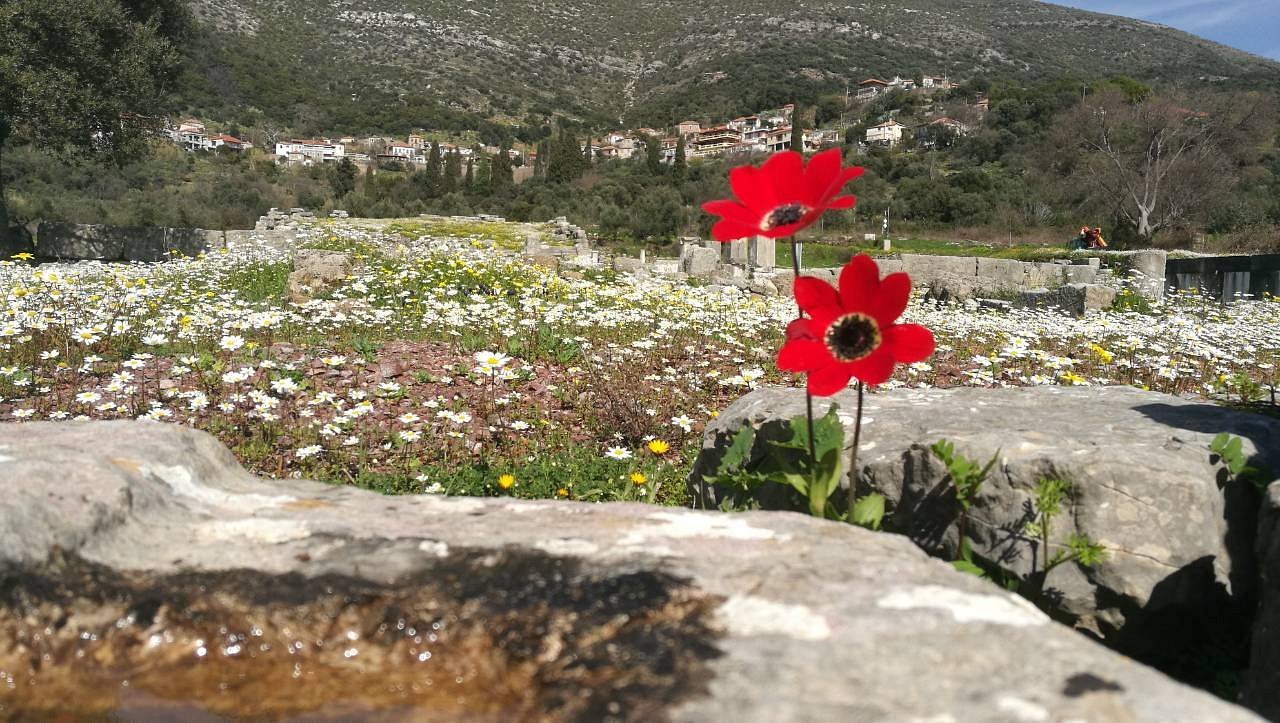
Sunlight slipped through gaps in the stone and made the ruins almost glow. In one old neighborhood, wildflowers pushed up between flagstones.
That gentle contrast—loss and renewal, right next to each other—caught me off guard.
Sometimes I’d stop and wonder about the lives touched by war or naval battles. Isn’t it strange how wisdom can grow from remembering stories like these?
Wandering through Messene wasn’t just about seeing old stones. I felt like I was connecting to cycles of light, loss, and resilience that still linger in the quiet corners of this ancient city.


