
I’ve wandered through Berlin in every season, and honestly, each one brings its own vibe. Spring wakes up the city with blossoms and busy outdoor cafes. Summer feels like a big street party—long days, festivals, and all kinds of life spilling onto the sidewalks.
Autumn? That’s when art takes over and the parks turn golden. Winter, though cold, has its own magic with glowing markets and plenty of cozy corners.
If you’re asking for the sweet spot, I’d say May to September wins out. The weather’s usually pleasant, days stretch on, and Berlin’s energy just feels electric. You get open-air everything, buzzing plazas, and a packed calendar.
But honestly, Berlin’s always got something cool going on. I’ll break down what makes each season worth your time, so you can figure out what fits your style best.
Understanding Berlin’s Climate and Seasons
Berlin sits in a moderately continental climate zone. Every season brings its own quirks—think temperature swings, rain, sunlight, and even how many people crowd the museums.
Weather in Berlin Throughout the Year
Berlin cycles through four seasons. Spring (March to May) feels fresh, with mild temps and flowers popping up everywhere. It usually stays between 8°C and 19°C (46°F to 66°F). Rain shows up here and there, but it never ruins the fun.
Summer, from June to August, heats things up. Daytime highs often hit 25°C (77°F), and sometimes you’ll even see 30°C (86°F). Quick storms pass through, but they don’t last long.
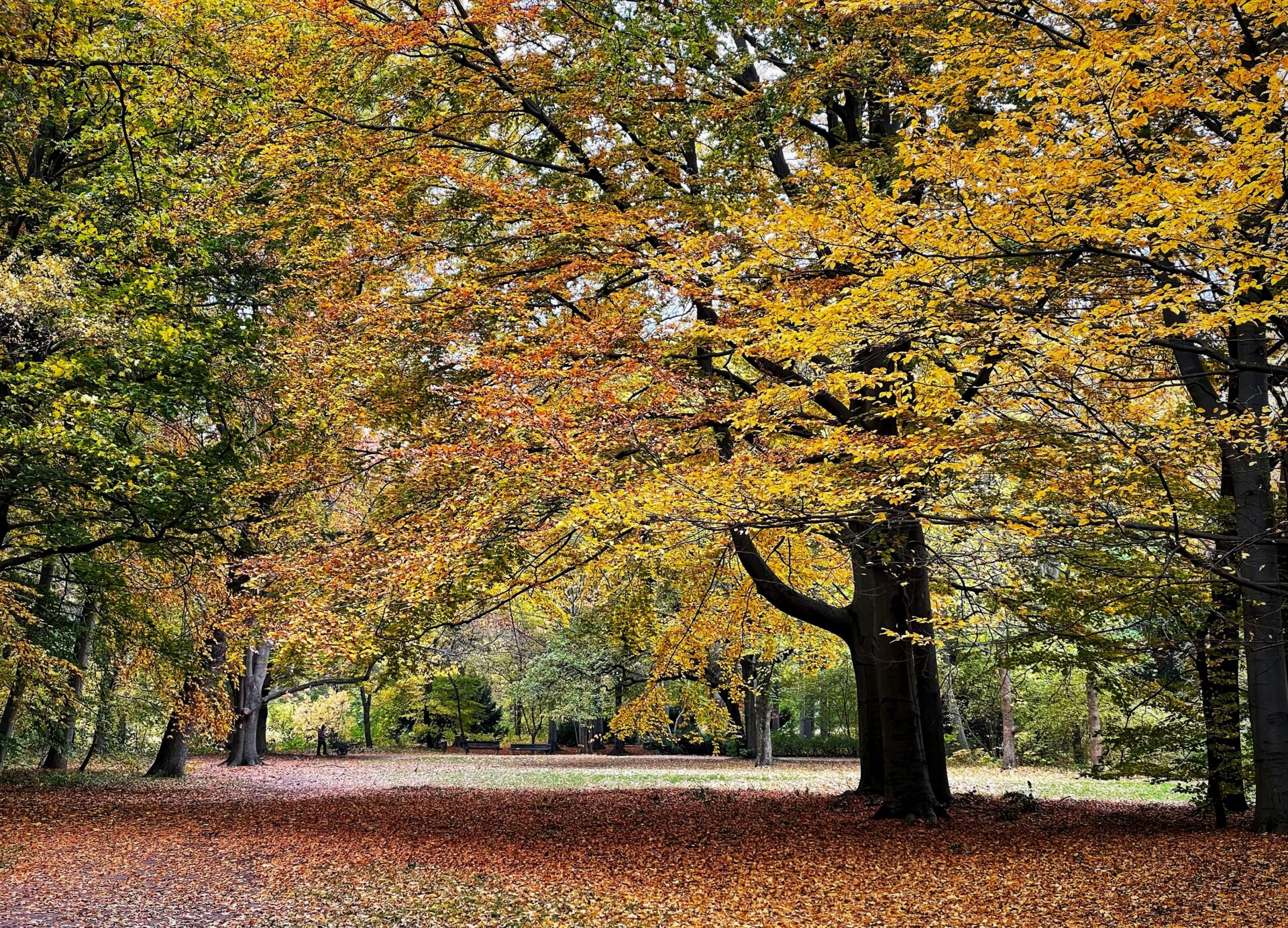
Autumn (September to November) starts off mild, then cools down. By November, it can dip to 5°C (41°F). The city’s parks turn into a patchwork of red and gold.
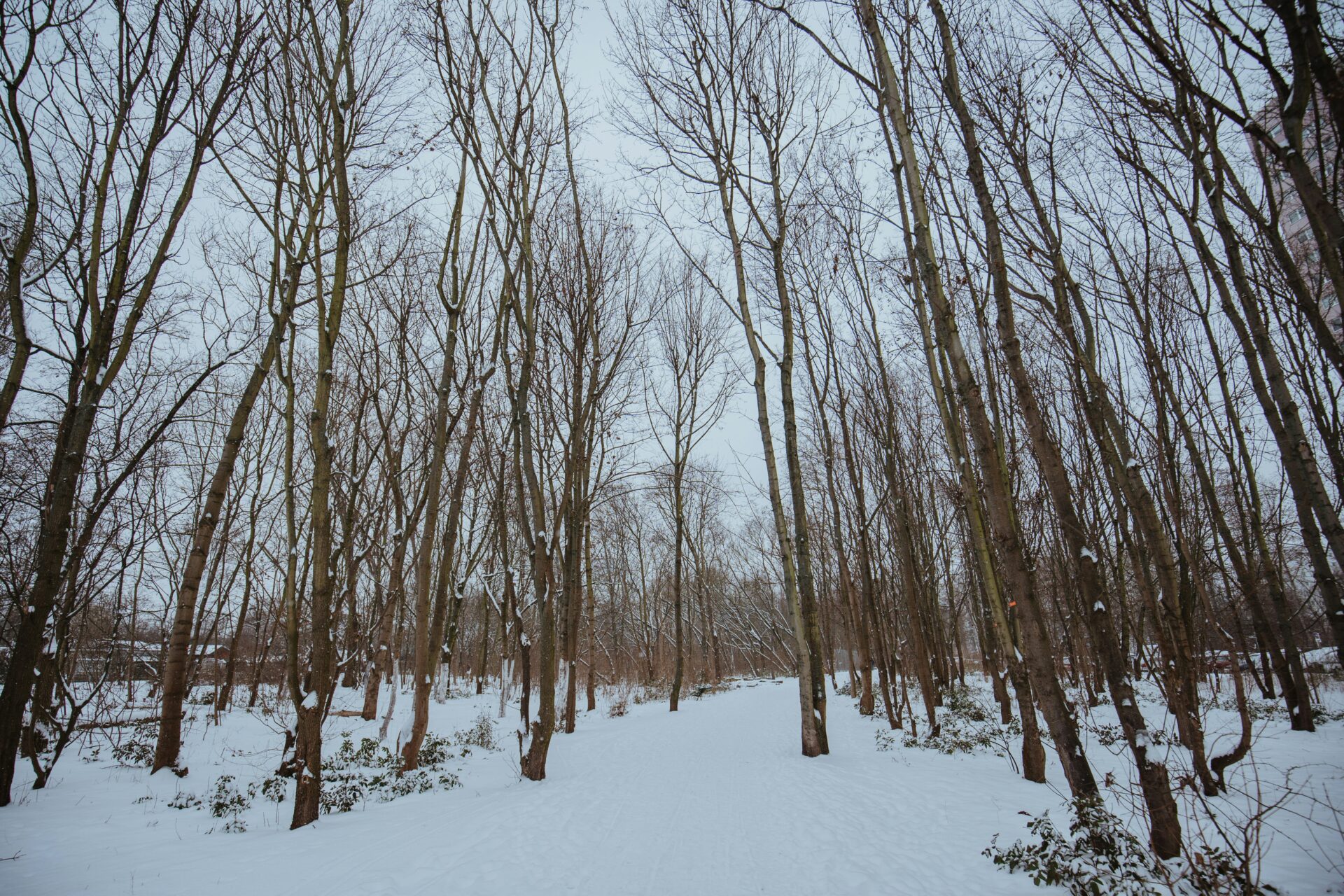
Winter rolls in cold and gray. December to February usually sees temps from -1°C to 4°C (30°F to 39°F). Snow falls now and then, but rarely piles up.
Peak, Shoulder, and Low Tourist Seasons
Berlin’s peak season runs June to August. Festivals fill the calendar, and crowds fill the streets. Hotels cost more, and lines at major sights get long.
The shoulder seasons—March to May and September through early November—are my favorite for balance. Fewer people, better prices, and still pretty great weather. If you’re not into elbowing through crowds but want decent temps, this is your window.
Low season hits in the colder winter months, from late November through February (except for the Christmas and New Year’s spike). Fewer tourists show up, so deals on hotels and attractions pop up. Some outdoor spots close early, but museums, galleries, and winter events keep the city interesting.

Temperature, Precipitation, and Daylight Trends
July usually claims the title for hottest month—average highs around 25°C (77°F). January and February? Those are the coldest, often dipping below freezing.
Rain falls most in summer, especially July and August. Berlin gets about 50–60 mm (2–2.4 inches) of rain each summer month, and a bit less in winter. Snow? It’s a wildcard—sometimes a dusting, but rarely much more.
June brings the most daylight—up to 17 hours. In December, you might only get 7–8 hours of light.
Here’s a quick look:
| Month | Avg High (°C) | Avg Low (°C) | Rain (mm) | Daylight (hrs) |
|---|---|---|---|---|
| January | 3 | -1 | 42 | 8 |
| April | 14 | 4 | 38 | 13 |
| July | 25 | 15 | 55 | 16.5 |
| October | 14 | 7 | 36 | 11 |
So, when should you go? It really depends—do you want sunshine, quiet streets, or something in between?
Summer in Berlin: Festivals, Lakes, and Culture
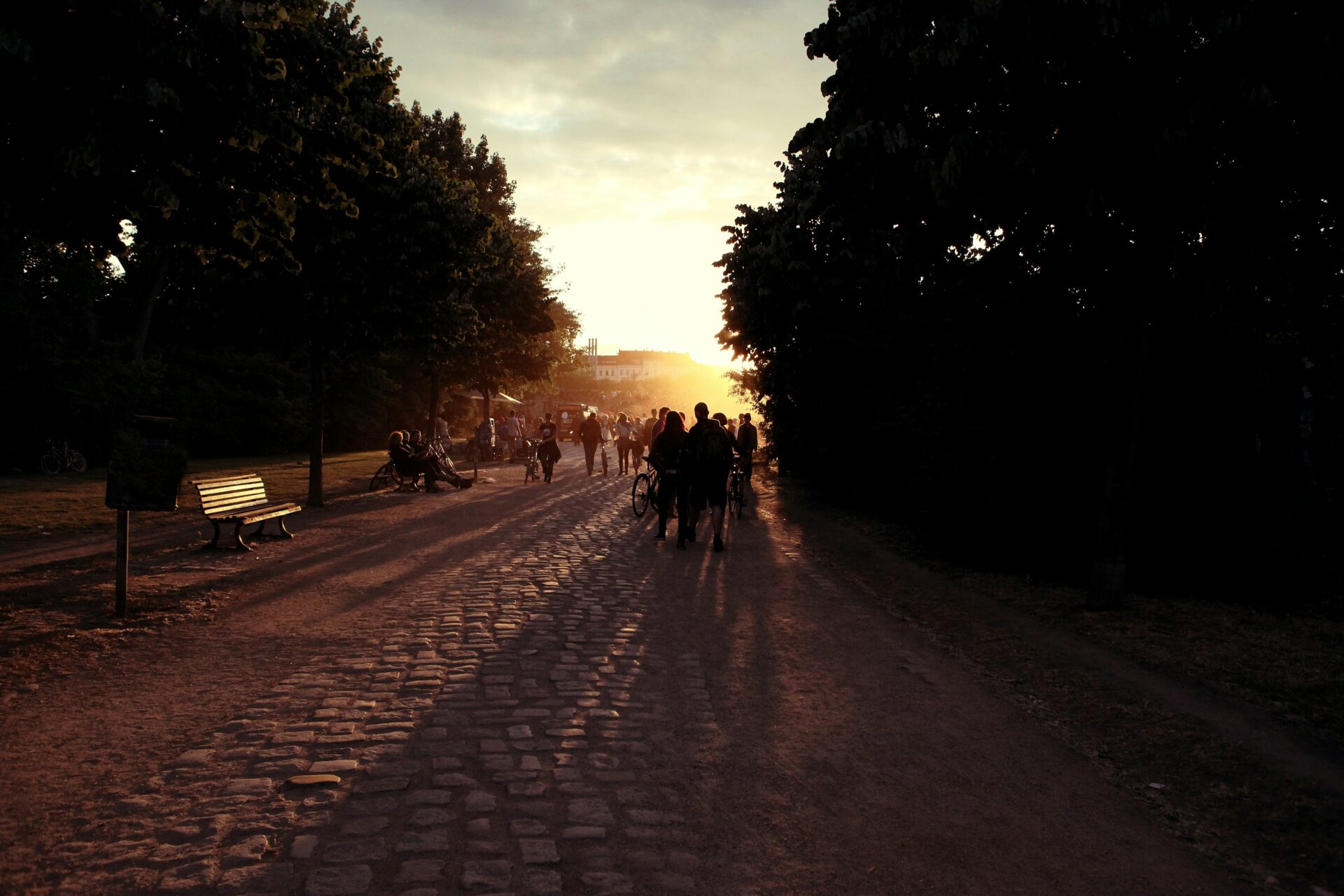
Summer in Berlin is wild in the best way. Long sunlight hours, warm nights, and a city that feels like it never sleeps. Parks fill up, festivals take over, and even the lakes call your name.
Major Summer Events and Festivals
Summer means festival season. In June, Fête de la Musique takes over every corner with free concerts. Musicians play on sidewalks, in squares, even from balconies. It’s a blast—no tickets, just follow your ears.
Berlin Pride (Christopher Street Day) brings a huge, joyful parade in July. Costumes, music, speeches—it’s a celebration of LGBTQ+ rights that spills into every bar and club. The energy is unreal.
If you love beer, Berlin Beer Week and the Berlin Beer Festival happen in August. Craft breweries and international favorites set up tents along Karl-Marx-Allee. I always end up sampling too many styles and chatting with brewers at workshops.
Local fairs like Volksfestsommer pop up with rides, food, and games. They’re a fun way to try old-school German snacks and mingle with locals.
Highlight Festivals Table:
| Festival | Month | Main Attraction |
|---|---|---|
| Fête de la Musique | June | Free concerts citywide |
| Berlin Pride (CSD) | July | Parade, street parties |
| Berlin Beer Festival/Week | August | Beer tastings and workshops |
| Volksfestsommer | July | Traditional fair and food |
Outdoor Activities and Parks
When Berlin’s sun comes out, everyone heads outside. Tiergarten, the city’s big green heart, is perfect for picnics or a lazy jog. Görlitzer Park in Kreuzberg and Viktoriapark are my go-tos for people-watching or just stretching out with a book.
Berlin’s lakes—Wannsee, Müggelsee, Schlachtensee—are all easy to reach. I like to swim, sunbathe, or rent a paddle boat for a lazy afternoon. If you want something different, check out the Badeschiff, a floating pool on the Spree with skyline views.
Cycling is huge here. Bike paths snake along rivers, through leafy parks, and into quiet neighborhoods. Renting a bike lets you see Berlin like a local—plus, it’s just fun.
Top Outdoor Spots List:
- Tiergarten
- Görlitzer Park
- Badeschiff
- Wannsee and other lakes
- Viktoriapark
Nightlife and Rooftop Experiences
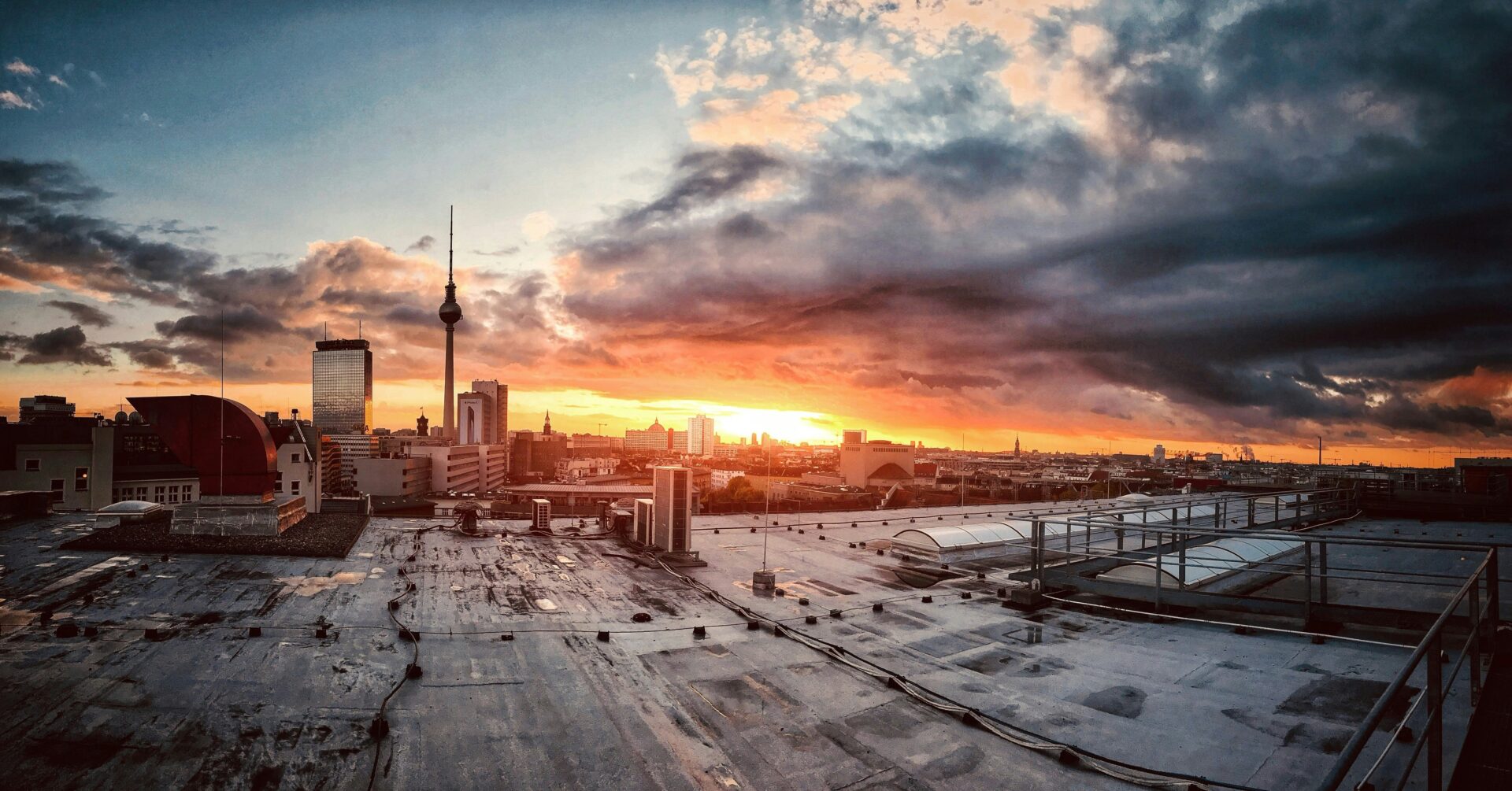
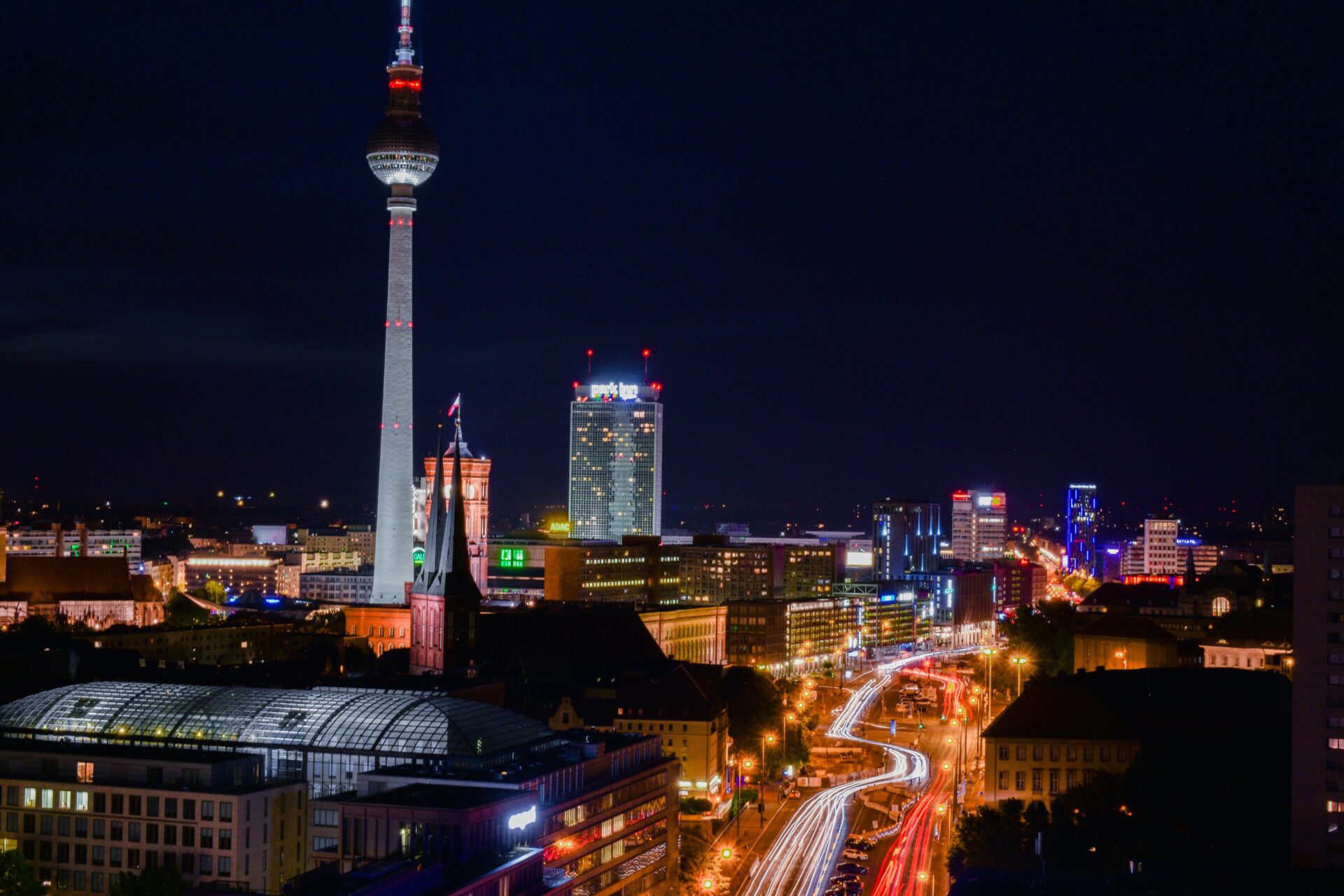
Summer nights in Berlin are something else. Rooftop bars fill up as the sun sets late. I always recommend Klunkerkranich in Neukölln for its urban garden and killer views. The House of Weekend, right by Alexanderplatz, throws parties on a terrace with city lights all around.
Clubs like Berghain are legendary, but summer brings open-air parties by the canal or in old industrial spaces. You’ll find everything from techno to jazz, and the vibe is always relaxed—dancing under the stars feels special.
Not into clubs? Beer gardens like Prater in Prenzlauer Berg or BRLO Brwhouse by Gleisdreieck Park are perfect for a chilled evening. Dress codes loosen up, and everyone just wants to hang out.
Nightlife Highlights:
- Klunkerkranich (Rooftop bar & urban garden)
- House of Weekend (Rooftop club)
- Prater (Beer garden)
- Berghain (Famous techno club)
- Open-air parties (Various locations)
Best Places to Stay for Summer
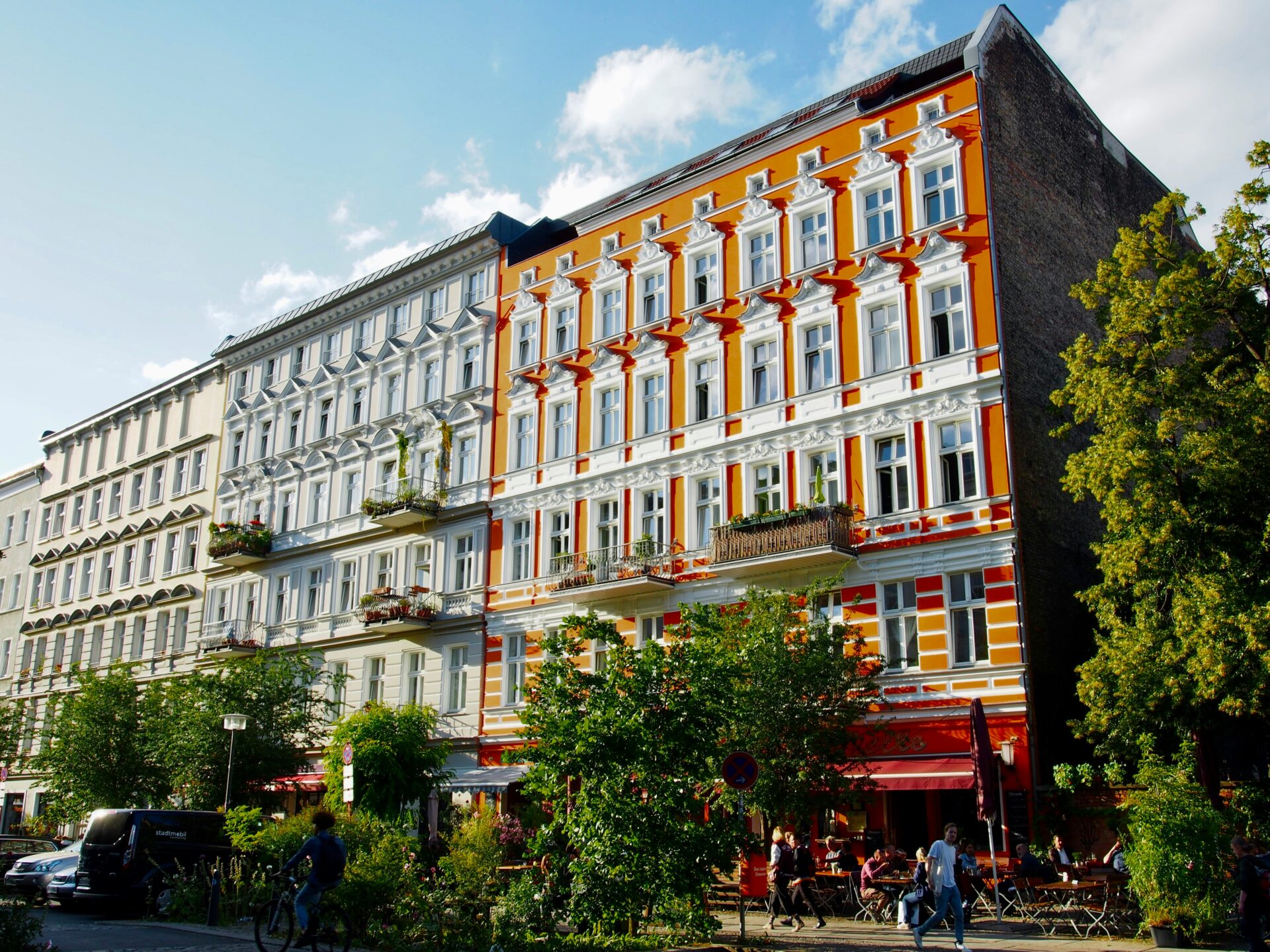
Summer is easiest if you stay near parks, outdoor spots, or lively neighborhoods. Kreuzberg and Neukölln have loads of hostels, boutique hotels, and apartments. You’ll be close to cafes, nightlife, and summer festivals along the Spree.
Mitte is perfect if you want luxury and proximity to Museum Island, Alexanderplatz, and big events. Prenzlauer Berg is quieter but puts you near Mauerpark—flea markets, street food, and lazy Sundays.
Staying near public transport helps, especially if you’re hopping to lakes or late-night events. Berlin’s U-Bahn and S-Bahn run often, so you’re never far from the action.
Recommended Areas Table:
| Area | Why Stay Here | Example Hotels |
|---|---|---|
| Kreuzberg | Near nightlife & parks | Orania Berlin |
| Neukölln | Trendy, great food & cultural mix | Hüttenpalast |
| Mitte | Central, close to museums & attractions | The Circus Hotel |
| Prenzlauer Berg | Quiet, near parks and cafés | Hotel Oderberger |
Spring in Berlin: Cherry Blossoms, Events, and Mild Weather
When winter finally lets go, Berlin feels like it’s waking up. Blossoms, gentle weather, and a calendar full of quirky festivals—spring’s got its own charm.
Cherry Blossom Season and Festivals
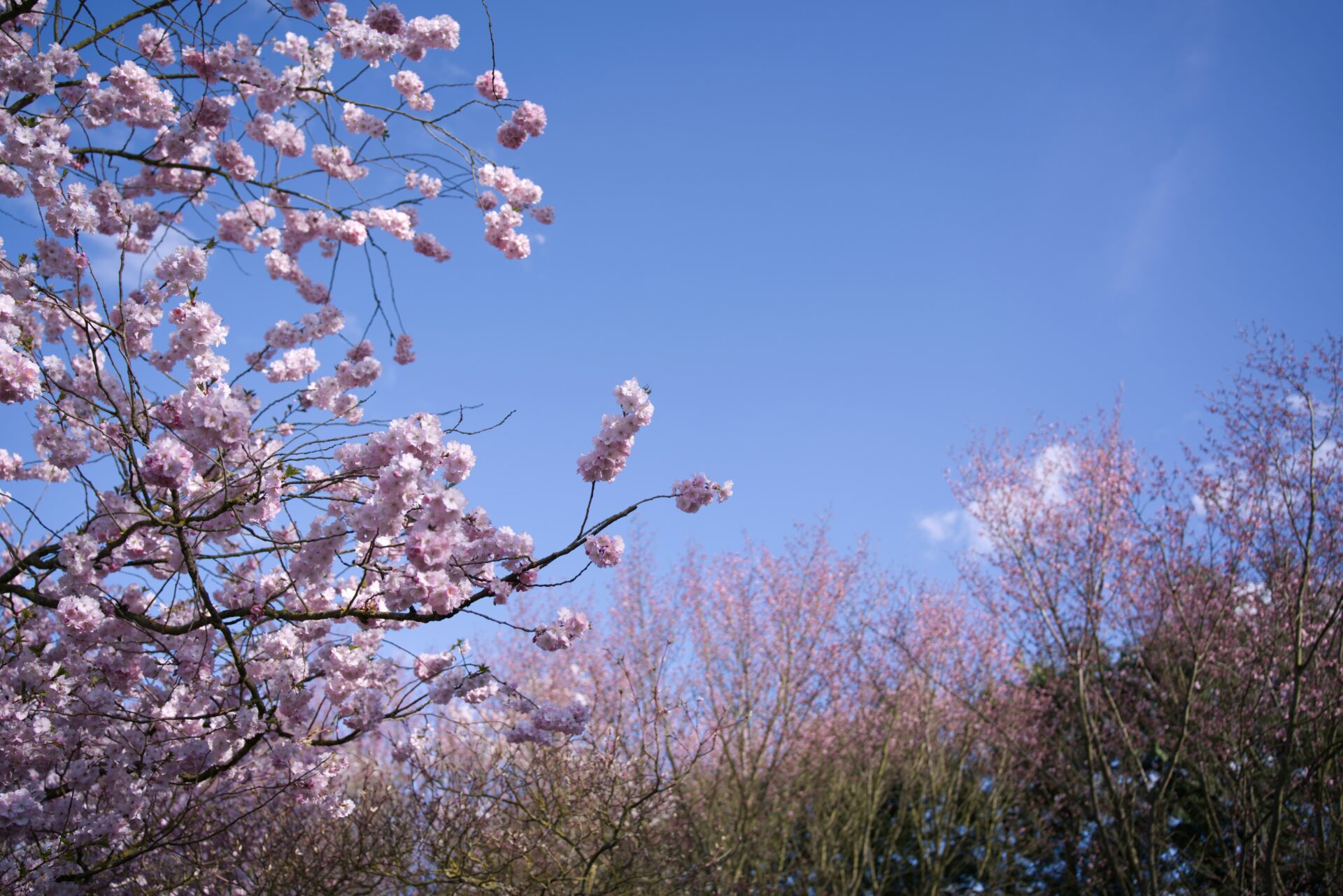
Late March through early May, cherry blossoms take over the city. Sakura trees—gifts from Japan—line parks and streets. One of my favorite stretches is at Bornholmer Straße. Cherry trees frame the view of the TV Tower, and the whole place glows pink for a few weeks.
Gärten der Welt (Gardens of the World) throws a cherry blossom festival in April, with Japanese gardens and live events. If you want something quieter, wander the old railway line in Blankenfelde for peaceful walks under the petals. Each spot feels like a different side of spring in Berlin.
Spring Festivals and Outdoor Activities
April and May are packed with festivals and outdoor fun. The Frühlingsfest (Spring Festival) brings rides, food, and music for all ages. May Day is huge in Kreuzberg—think street parties, music, and food everywhere.
With warmer weather, everyone heads to Mauerpark for the flea market and open-air karaoke, or spreads out on Tempelhofer Feld for picnics and cycling. Cafés spill onto sidewalks, and the Spree River sparkles in the sun.
Top Sights During Spring
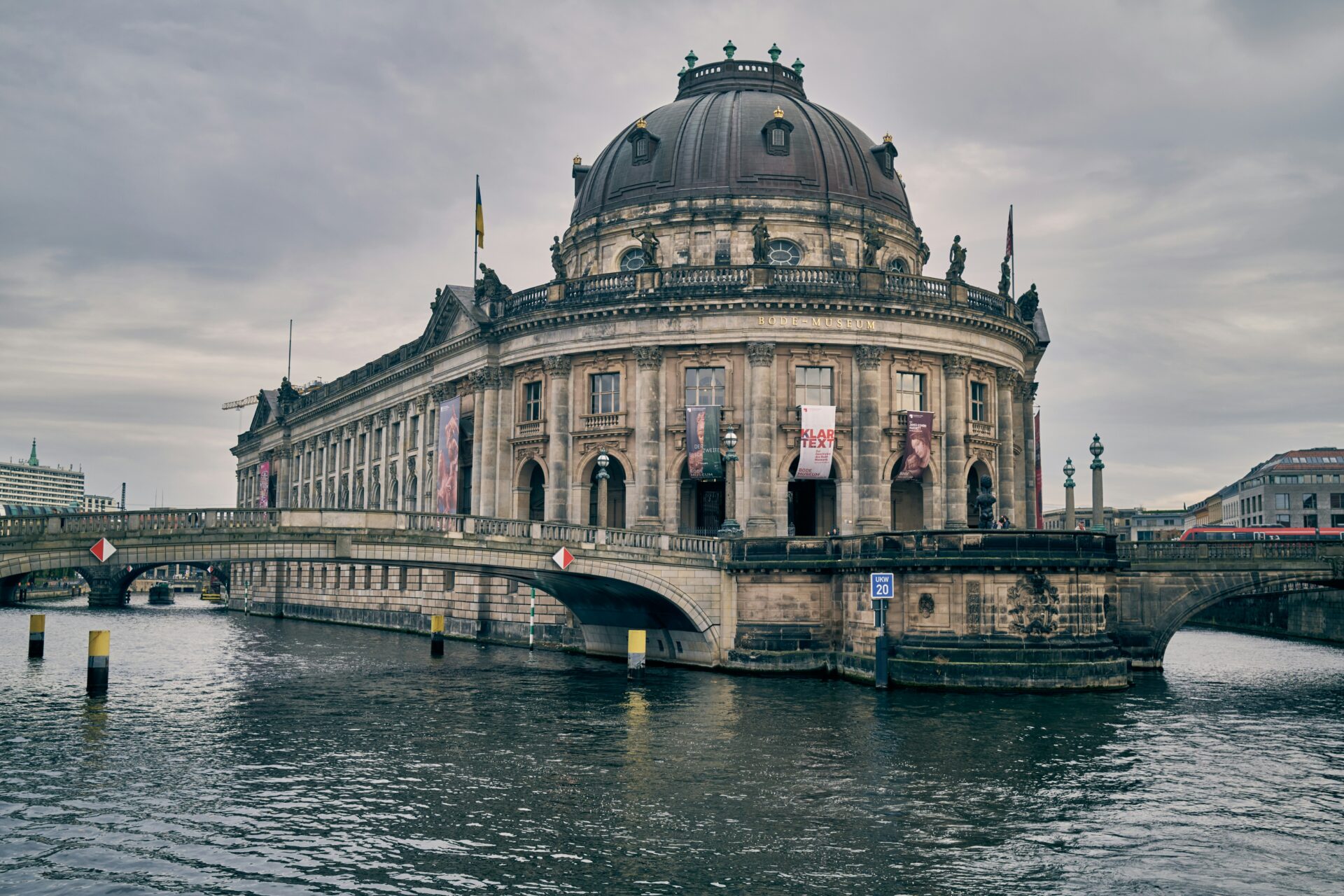
Berlin’s landmarks look their best in spring. Museum Island is great for wandering between world-class museums and blooming gardens. The East Side Gallery—that long stretch of the Berlin Wall—is especially colorful on sunny days.
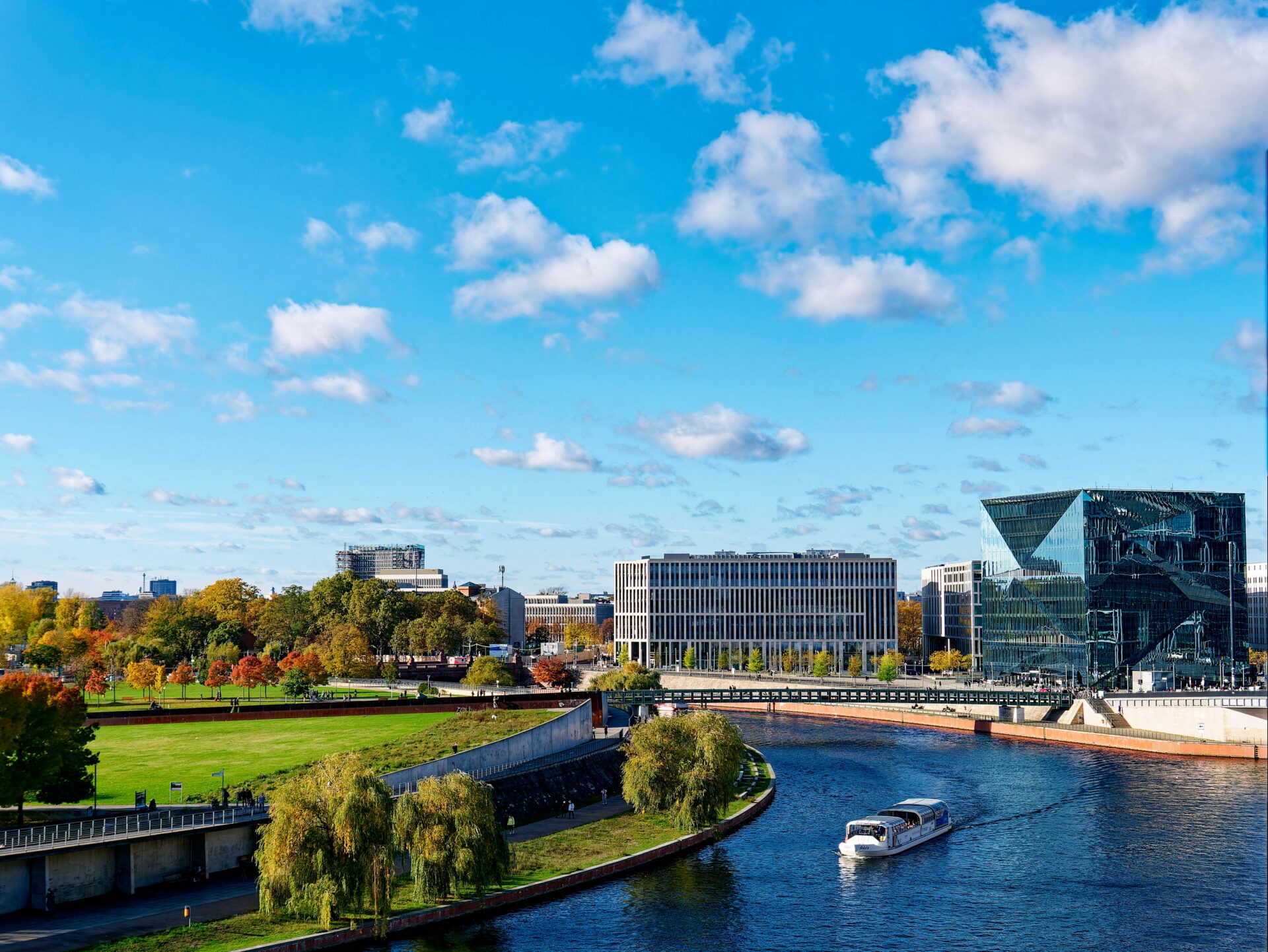
Places like the Brandenburg Gate and Reichstag Dome stay less crowded, so sightseeing is actually relaxing. Spring is perfect for a boat tour along the Spree, with fresh air and a new angle on the city’s mix of old and new.
Autumn in Berlin: Art, Culture, and Colorful Parks
As the leaves turn, Berlin transforms. Art takes center stage, parks become a painter’s dream, and the city feels both lively and reflective.
Berlin Art Week and Cultural Highlights
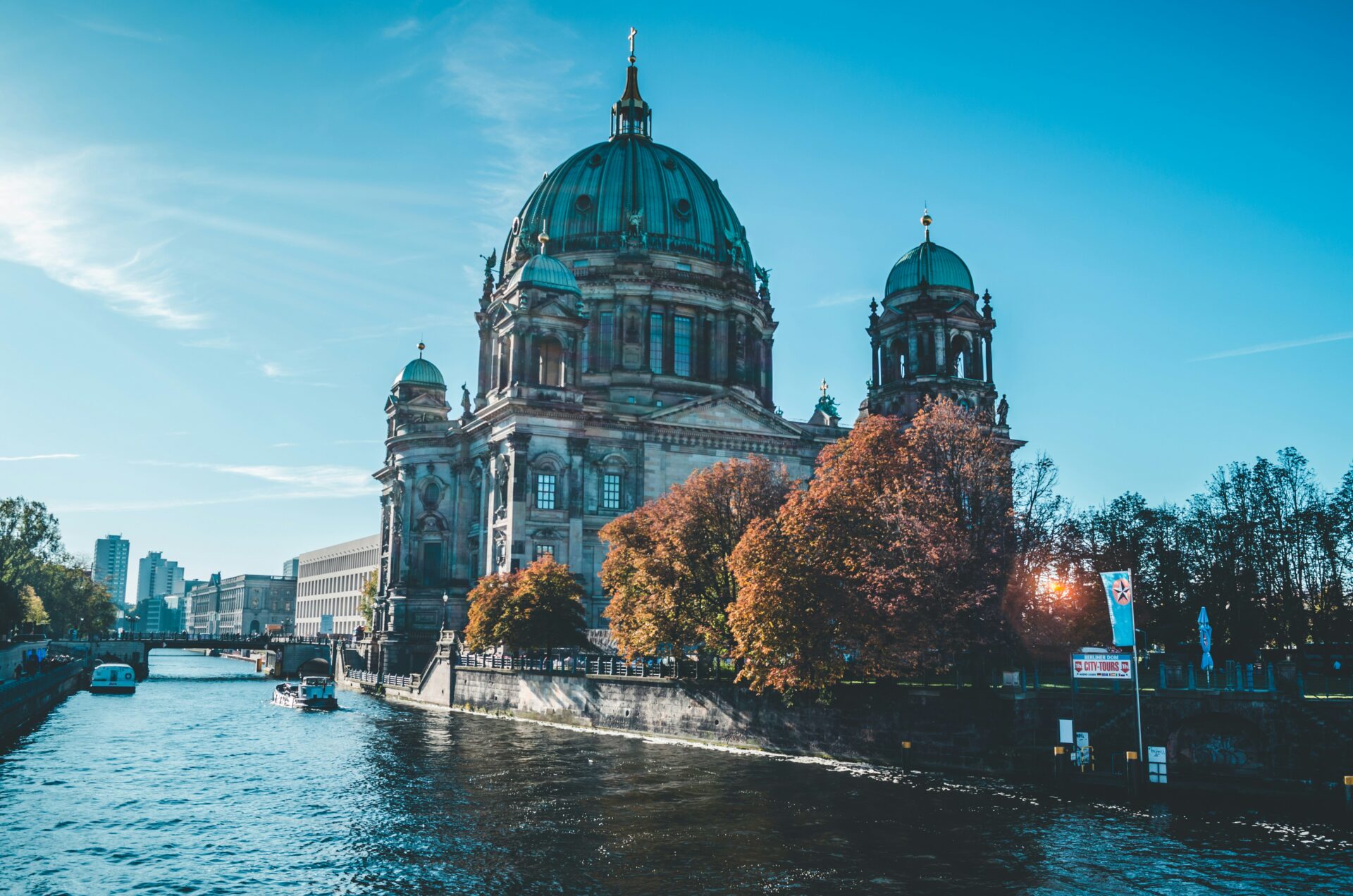
September always gets me excited for Berlin Art Week. Galleries, museums, and pop-up spaces all over the city launch fresh exhibitions and performances. Hamburger Bahnhof and KW Institute for Contemporary Art are just two favorites. Artists from everywhere show up, and you’ll stumble on something new around every corner.
Sometimes Fashion Week lands in September, bringing runway shows and pop-ups near Alexanderplatz. While the Berlinale film festival happens in winter, autumn still has plenty of indie screenings and cultural talks. It’s also when opera, theater, and concert seasons kick off.
If you’re into culture, this is Berlin at its most creative. I always find a surprise—maybe an art show in an old warehouse, maybe a late-night gig in a tucked-away bar.
Oktoberfest and Food Festivals
Oktoberfest is world-famous in Munich, but Berlin adds its own twist to this autumn tradition. Brauhauses and beer gardens throw their own celebrations, pouring Oktoberfest beers and serving up Bavarian foods like pretzels while bands play live music.
I usually wander over to Alexanderplatz or Spandau Old Town when the season hits. Big tents and food stalls pop up, and honestly, the vibe feels both lively and laid-back.
Autumn brings plenty of food festivals, too. Local markets pile up with mushrooms, apples, and pumpkins—so many colors and smells. Some weekends, street food fairs take over spots like Markthalle Neun in Kreuzberg.
The city buzzes, but you can still move at your own pace. Sampling new dishes and catching a local band or two? That’s what makes fall weekends in Berlin feel special to me.

Best Parks for Autumn Foliage
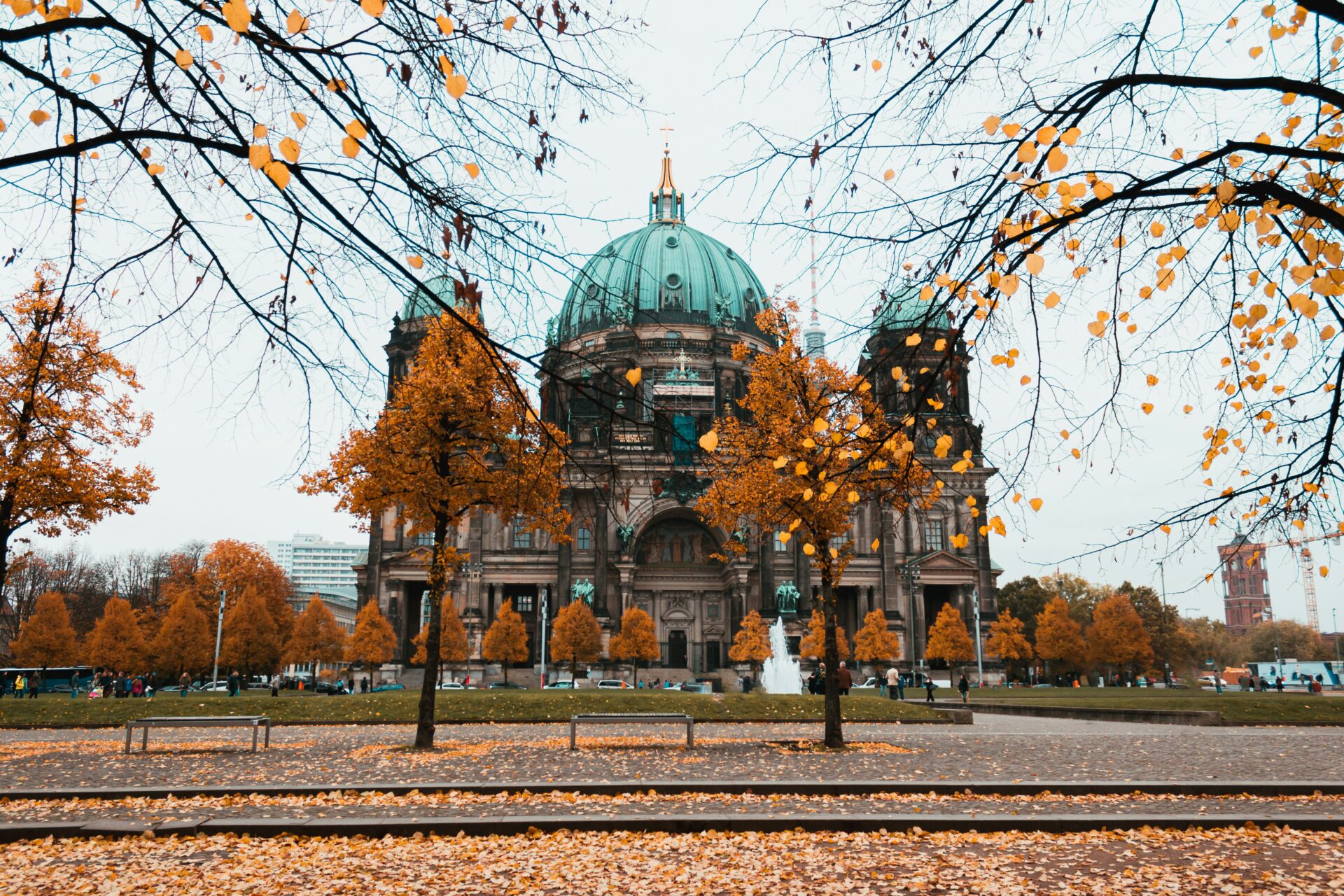
Berlin’s parks explode with gold and red every autumn. I always start at Tiergarten, the city’s biggest park, where trees stretch along wide paths behind the Reichstag and reach toward Brandenburg Gate.
Quiet lakes and old monuments look even more dramatic under the fall leaves. It’s a photographer’s dream, honestly.
Charlottenburg Palace gardens shine in autumn, too. The lawns stay perfectly trimmed, and the old trees make a stunning backdrop for photos.
I’d suggest coming early in the morning if you want a peaceful stroll. There’s something about the crisp air and empty paths that feels just right.
Tempelhofer Feld gives you a totally different scene—open fields and sweeping skyline views. It’s less about trees and more about space.
Here’s a quick list of parks I keep coming back to:
| Park | Best For |
|---|---|
| Tiergarten | Classic fall views |
| Charlottenburg | Palace gardens |
| Tempelhofer Feld | Wide open spaces |
As I wander through these parks, I love the crunch of leaves under my boots. Berlin slows down in autumn, and the city practically invites you outside.
Winter in Berlin: Festive Markets and Cozy City Life
When winter rolls into Berlin, everything changes. Lights brighten up the streets, markets get busy, and the city’s culture feels richer than ever.
I actually enjoy the cold days—they’re perfect for soaking up Berlin’s festive mood, ducking into museums, or just celebrating the season’s big events.
Christmas Markets and Seasonal Festivities
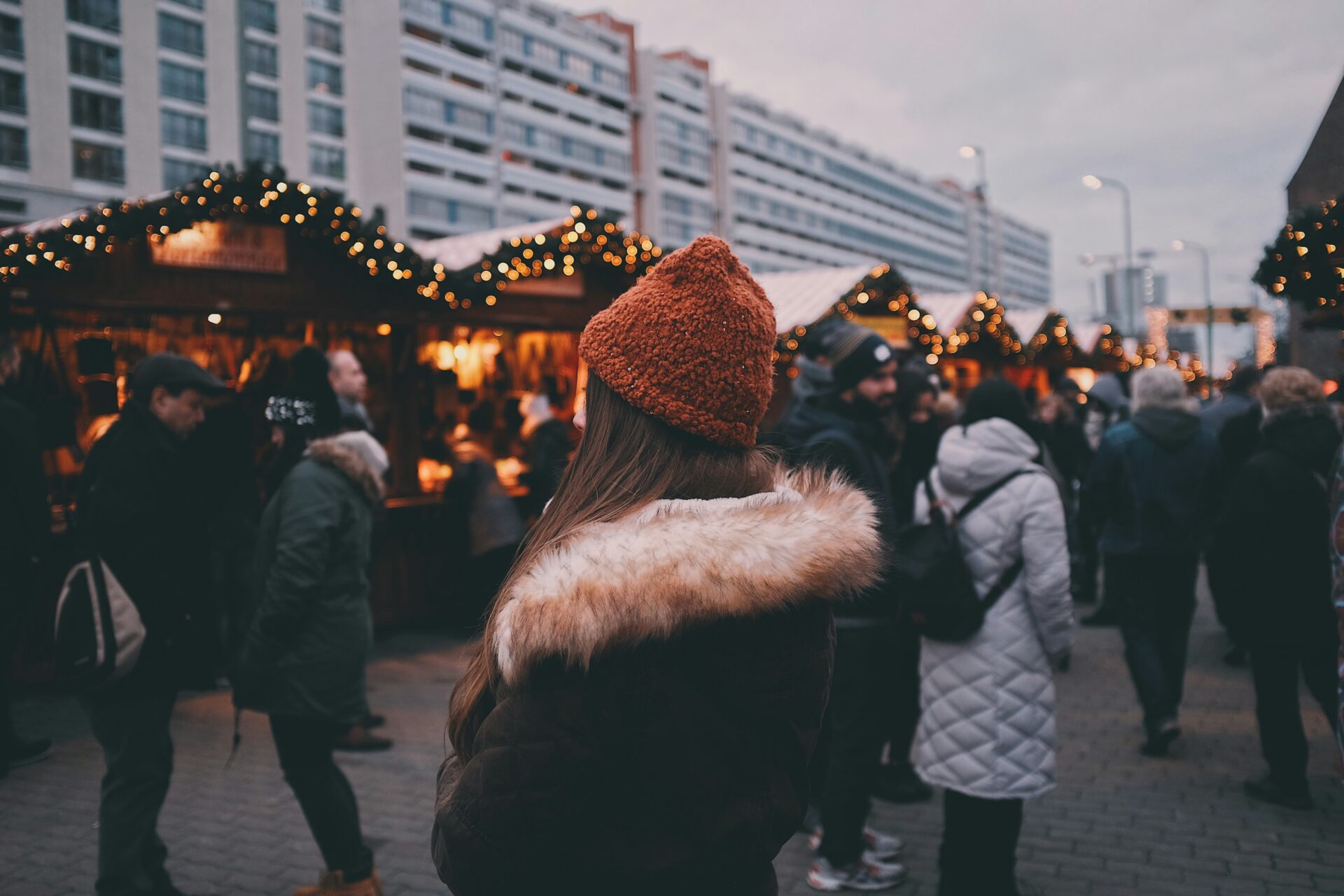
From late November until Christmas, Berlin’s Christmas markets take over the city. There are more than 60 of them, each with its own style—some old-school and charming, others modern or super family-friendly.
Alexanderplatz and Gendarmenmarkt always draw crowds. Stalls overflow with handmade gifts, ornaments, and all sorts of local treats.
I never skip the mulled wine (Glühwein) and roasted chestnuts. They’re classic, and honestly, nothing warms you up faster.
Carolers, twinkling lights, and festive decorations fill the air. Some markets even set up ice rinks, rides, or petting zoos for kids.
If you want something quieter, check out the smaller neighborhood markets. No matter which one I visit, I always feel like the winter markets are the heartbeat of Berlin’s holiday season.
Museum Visits and Indoor Culture
Short days and chilly air make winter ideal for exploring Berlin’s museums. Museum Island, a UNESCO site, houses the Pergamon Museum, Neues Museum, and more.
I can easily lose a whole day wandering from ancient artifacts to famous paintings. The time just flies by.
Berlin’s cultural scene doesn’t stop at museums, either. Theaters, galleries, and concert halls offer a warm escape and plenty of entertainment.
You’ll find concerts, ballet, and opera happening all winter long. For a different perspective, I like to visit the Berlin Wall Memorial or the Jewish Museum.
Events like MaerzMusik in March bring in fans of contemporary music. With fewer tourists around, I get to really enjoy these spots without feeling rushed.

New Year’s Eve and Winter Events
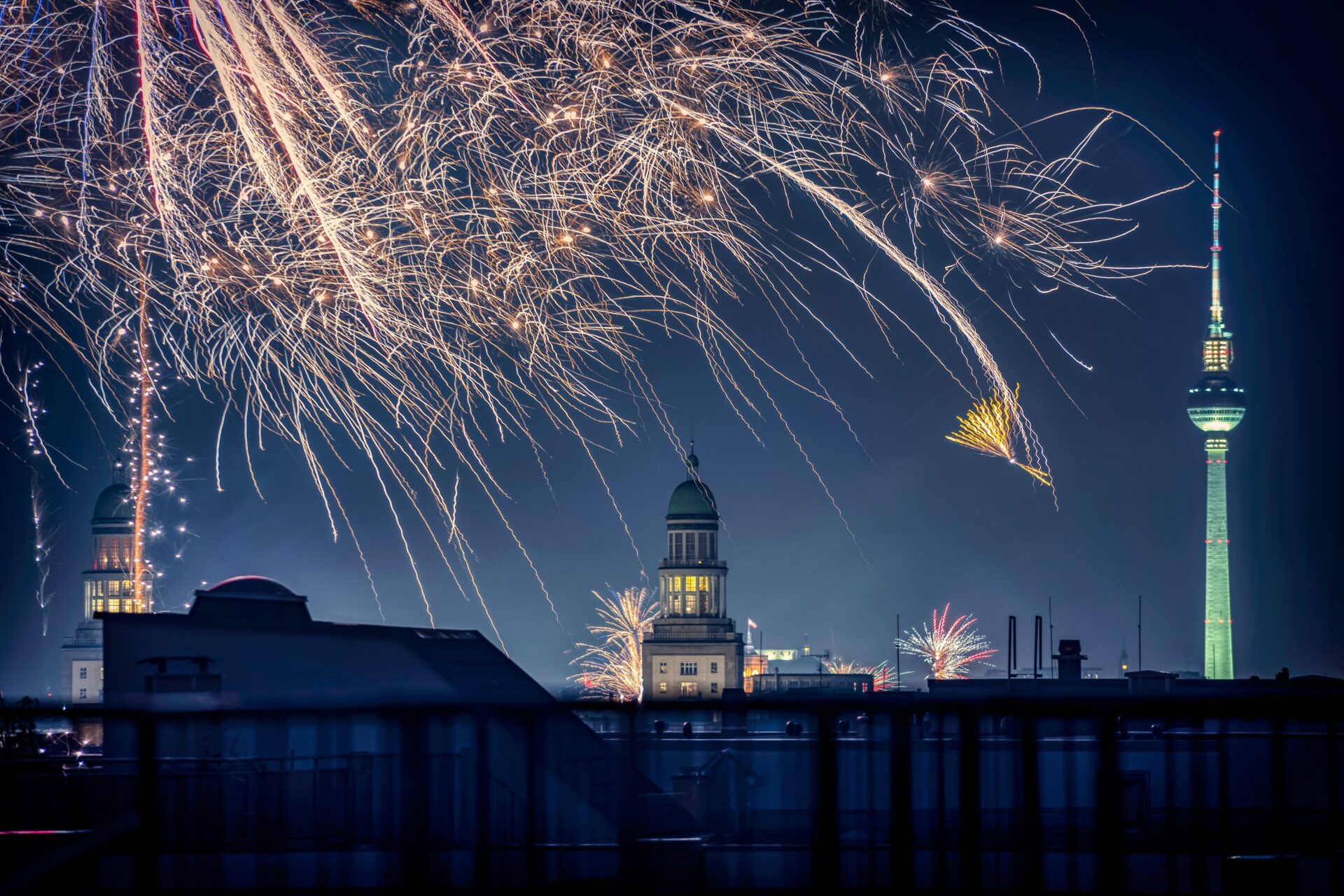
New Year’s Eve in Berlin has a reputation for wild energy. The biggest party happens at Brandenburg Gate, where crowds gather for live music, street food, and one of Europe’s largest open-air celebrations.
At midnight, fireworks light up the whole sky. It’s loud, a little chaotic, and completely unforgettable.
Once January and February hit, Berlin’s nightlife moves indoors. Clubs and bars stay open late, and the city doesn’t really slow down.
The Berlin International Film Festival (Berlinale) kicks off early in the year, drawing filmmakers and movie buffs from all over.
You’ll also find smaller winter festivals that spotlight local arts and traditions. Whether I’m dancing in a club or catching an indie film, Berlin’s winter calendar never gets boring.
Tips for Enjoying Berlin in Winter
First things first: dress for the cold. I always pile on layers, plus a warm coat, scarf, hat, and gloves—especially in January and February when it can get seriously cold.
Good shoes are a must for icy sidewalks, particularly near outdoor spots like the Berlin Wall Memorial.
I try to mix indoor and outdoor plans. Hot drinks—mulled wine or hot chocolate—are my go-to for warming up between sights.
A lot of museums and markets have heated tents or cozy cafés, so I can always duck inside for a break.
Public transit keeps running smoothly, even when it snows, so I don’t worry about long, freezing walks.
Winter means fewer tourists, which brings better hotel deals and more space at big attractions. With a bit of planning, winter in Berlin feels both festive and surprisingly comfortable.
Insider Tips: Planning Your Perfect Time to Visit Berlin
Berlin changes its personality with every season. I always check the weather, crowd levels, and local events before I book a trip.
It’s worth thinking about what kind of Berlin you want to experience.
Matching Your Interests to Berlin’s Seasons
If you’re after buzzing streets and outdoor events, summer is your sweet spot. Berlin comes alive with open-air concerts, festivals, and those long, sunny days perfect for sightseeing around Brandenburg Gate or lounging near Alexanderplatz.
Spring brings mild weather and parks bursting into bloom—great for walking tours or just hanging out at outdoor cafés.
Autumn draws in art lovers, thanks to film festivals and gallery openings. The trees in Tiergarten and along Museum Island turn every shade of gold and red.
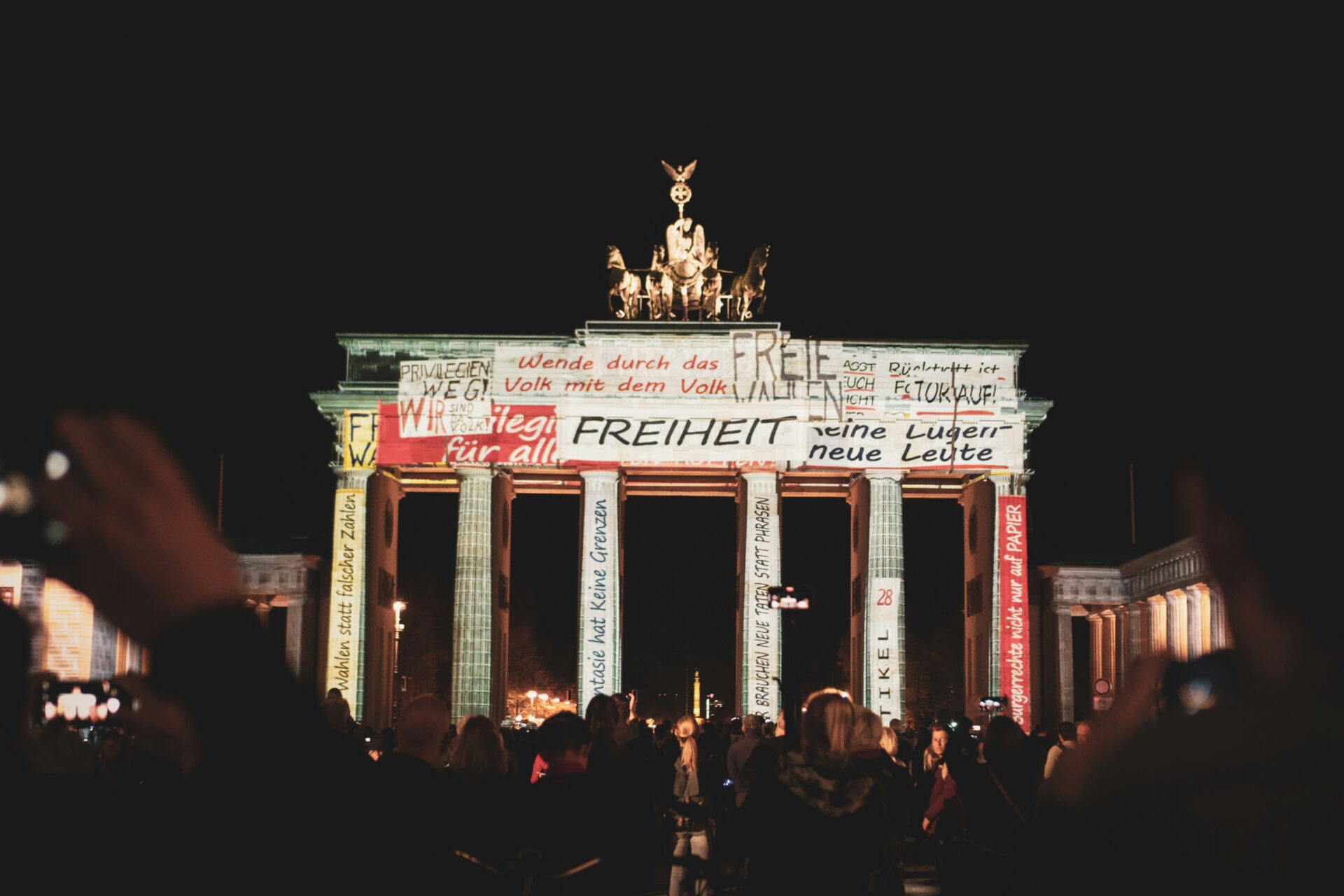
Winter flips the switch, transforming Berlin into a festive wonderland. Christmas markets fill the squares, skating rinks appear, and famous sights like Brandenburg Gate glow with lights.
Where to Stay Across the Year
Berlin hotels book up fast in summer and around Christmas, so I try to reserve early for the best deals. Alexanderplatz and the area near Brandenburg Gate put you right in the center of the action.
Spring and autumn are quieter, which means more hotel choices and better prices. Mitte is my favorite for easy walks to museums and cafés, while Prenzlauer Berg offers a bit more local flavor and calm.
In winter, I like staying near the main train stations—makes getting around easier if snow or rain hits. Many hotels drop their prices during the cold months, so it’s a great time for an affordable Berlin trip.

Month-by-Month Highlights
| Month | Weather/Tips | Events & Activities |
|---|---|---|
| March-May | Mild, blooming | Sightseeing, open parks, fewer tourists |
| June-Aug | Warm, crowded, festivals | Outdoor concerts, beach bars, open-air cinema |
| Sept-Nov | Cool, colorful, cultural | Berlin Art Week, film fests, museums |
| Dec-Feb | Cold, festive, quieter | Christmas markets, skating, Museum visits |
I love June for those endless sunny evenings and the city’s buzzing nightlife. September, though, feels perfect if you’re into art festivals and that cozy, early autumn vibe.
December in Berlin? Honestly, it’s pure magic with all the festive markets lighting up the city. But if you’re hoping to dodge the crowds and actually hear yourself think, March or November work really well for a laid-back, still-interesting visit.
Want to make the most of your time? I’d suggest picking a hotel near Alexanderplatz or Brandenburg Gate. Staying close to the action saves you time and makes it way easier to experience Berlin’s changing seasons without the usual stress.