
Portugal really does have a little magic tucked into every season. I’ve wandered these cobblestone streets and sun-drenched hills at different times of year, and honestly, each season feels like its own adventure—wildflowers bursting in spring, summer festivals that last until dawn, autumn’s golden vineyards, and even winter’s gentle sun.
So, when’s the best time to go? It depends on what you want. If you’re after pleasant weather, fewer crowds, and prices that won’t make you wince, spring and autumn usually hit the sweet spot. Summer’s unbeatable for beach days and those wild, unforgettable festivals. Winter? It’s surprisingly bright and local, with a lot fewer tourists and a laid-back vibe you might not expect. (Yes, you can even ski!)
I’ve found that picking the right time to visit Portugal can turn a good trip into a story you’ll tell for years. Let’s break down what each season brings, from autumn’s grape harvests to winter’s cozy traditions. Hopefully, you’ll find your perfect moment.
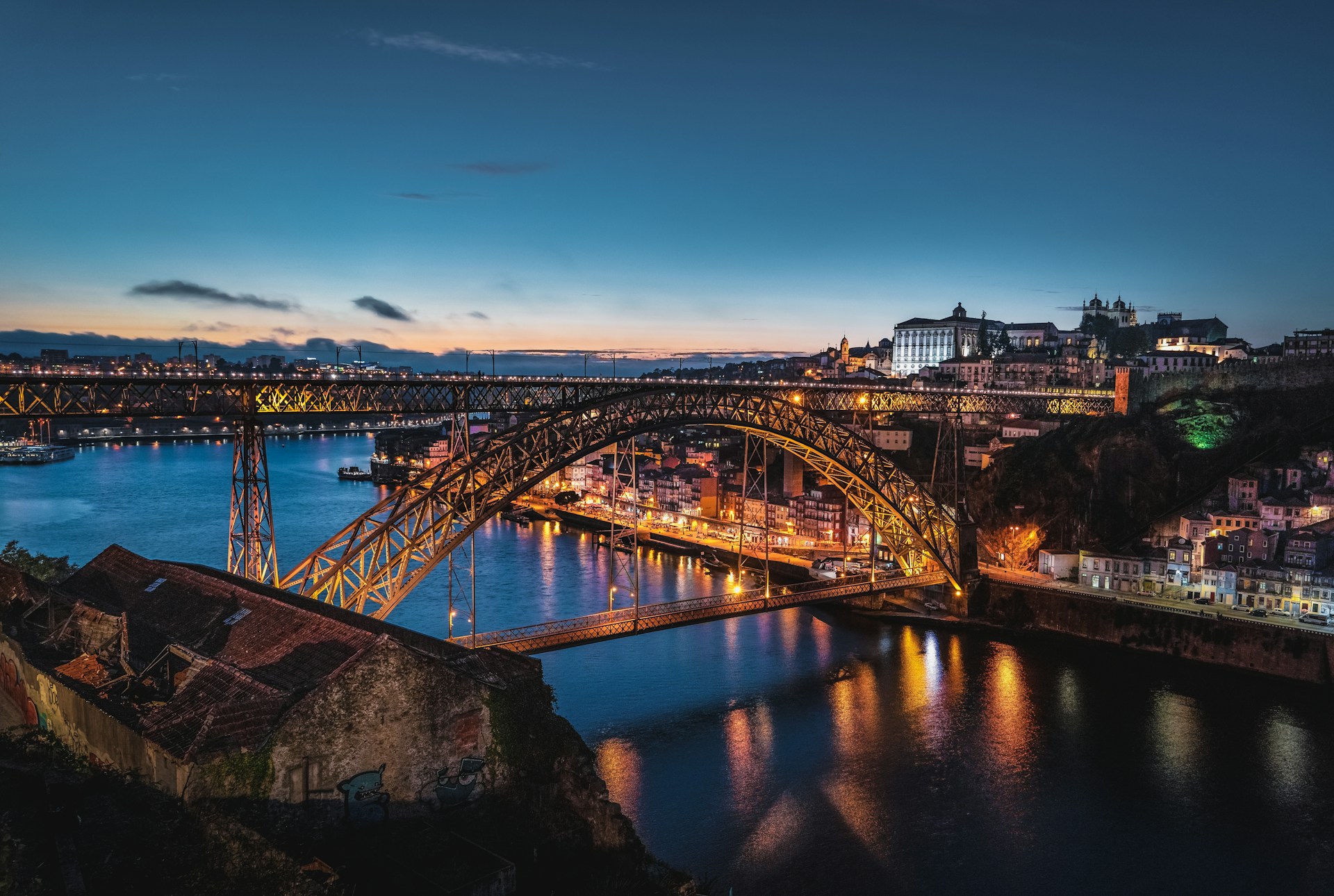
Choosing the Ideal Season for Your Portugal Trip
Portugal’s mild climate makes it a solid year-round option. But the “best” time? That depends on what you want to do. Weather, crowds, and even which part of the country you’re eyeing—they all play a role.
Factors That Influence the Best Time to Visit
Your travel style shapes your ideal season. Love the beach? Aim for June through September, when the coast heats up and the Atlantic sparkles.
If you’re into hiking or city exploring, I’d nudge you toward spring (March-May). The cities feel alive and the weather’s just right for wandering.
Budget matters too. Winter can save you a bundle—flights and hotels drop by 30-50% compared to summer.
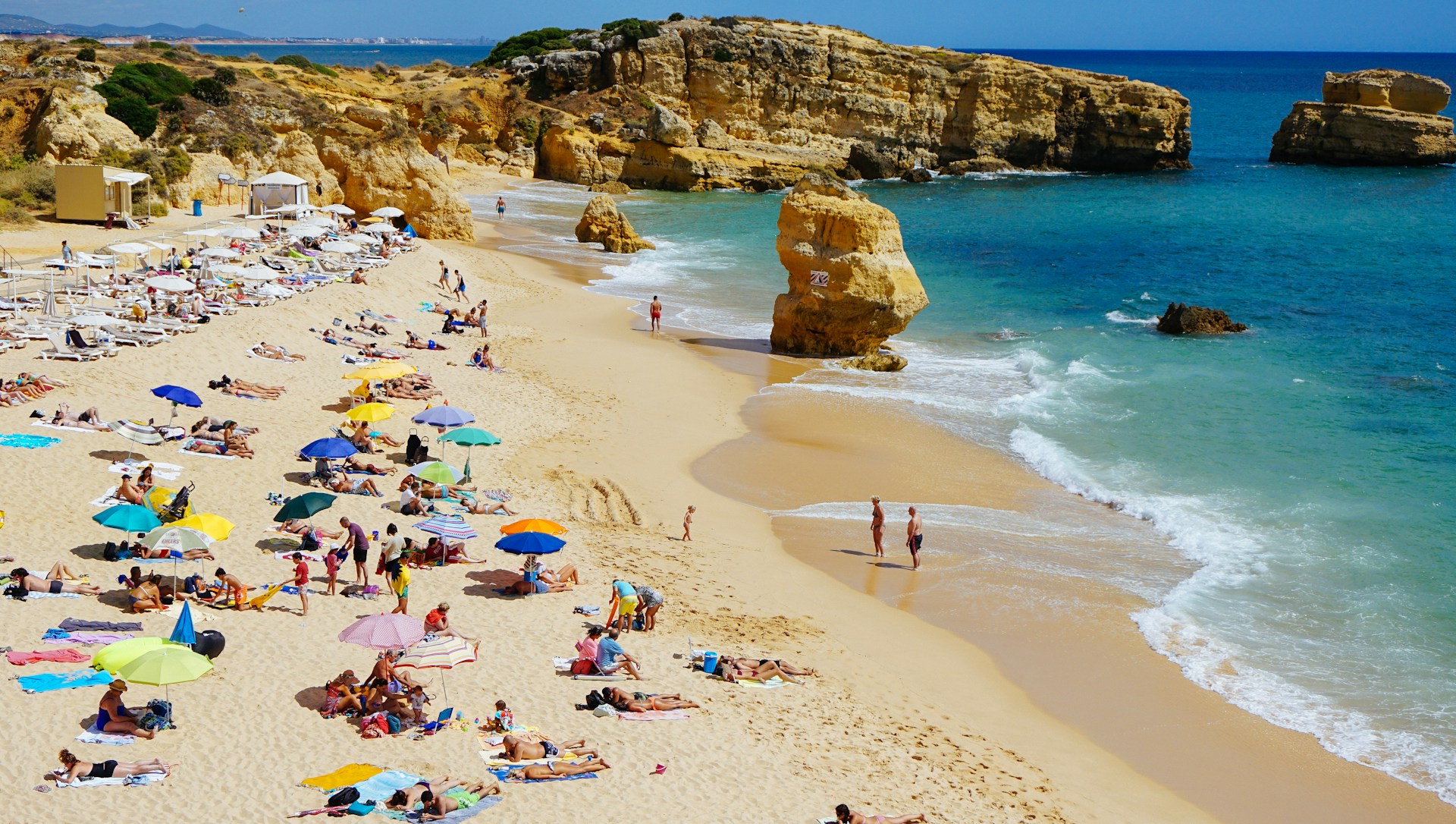
Think about your comfort with heat and crowds. The Algarve sizzles in summer, sometimes hitting 95°F, and the beaches fill up fast.
The Douro Valley comes alive during harvest season in September. Wine tours and river cruises strike a perfect balance—warm, but not sweltering.
Festival schedules can tip the scales too. In June, Santos Populares festivals take over Lisbon and Porto—think street parties, music, and so much food.
Crowds, Prices, and Regional Differences
Peak season? That’s June through August. Lisbon and Porto buzz with travelers, and prices climb.
If you want a quieter vibe but still crave good weather, I’d go for the shoulder seasons—April-May or September-October. You’ll dodge the crowds and still get sunny days.
Timing shifts depending on the region:
- Algarve: Wildest in July and August, but honestly pleasant most of the year.
- Lisbon: Crowded in summer, but spring and fall feel just right.
- Porto: Busy in summer, rainy in winter.
- Douro Valley: Harvest crowds in September, sleepy winters.
Prices swing a lot, too:
| Season | Accommodation | Flights | Activities |
|---|---|---|---|
| Winter | 40-60% less | Cheapest | Limited hours |
| Spring | 20-30% less | Moderate | Full schedule |
| Summer | Peak prices | Most expensive | Fully booked |
| Fall | 25-35% less | Good deals | Wine season premium |
Winter’s the cheapest, but daylight’s short and rain can make an appearance.

Weather Patterns Across Portugal
Northern Portugal (think Porto) gets more rain, especially in winter, but summers stay warm and dry.
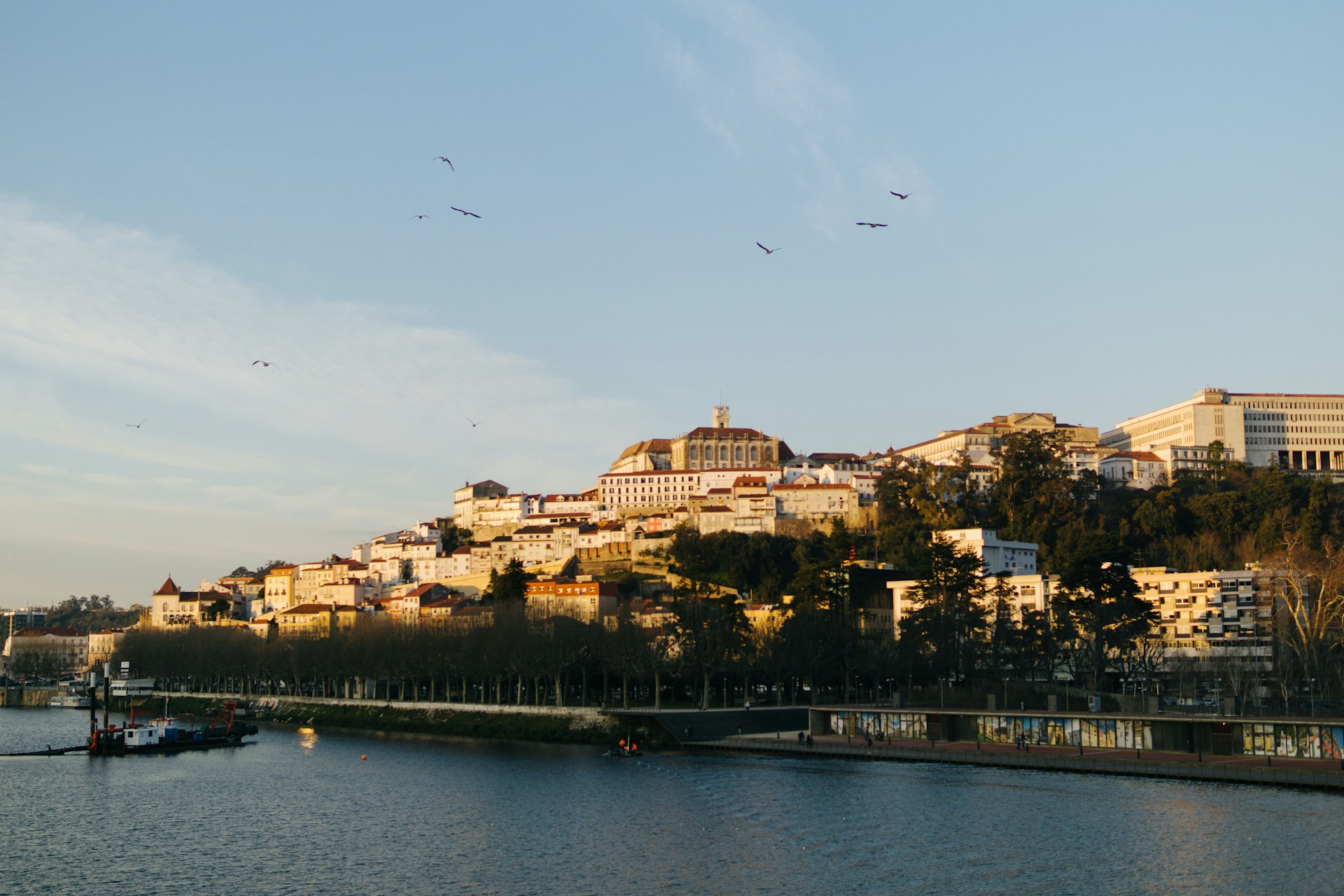
Central spots like Coimbra enjoy mild temps year-round. Spring paints the hills with color—perfect for walks.
Head south to the Algarve for the best weather. Even in winter, it rarely dips below 60°F.
Lisbon stays pretty moderate. Summers average around 81°F, and winters drop to about 46°F. Rain hits hardest from November to February.
Here’s a quick temperature rundown:
- Spring: 60-72°F, some rain
- Summer: 75-85°F, barely any rain
- Fall: 65-75°F, wetter as the season goes
- Winter: 50-63°F, rainiest months
Rain loves the north (40+ inches a year) but mostly skips the south (under 20 inches).
The Atlantic keeps things mild but brings breezy afternoons to the coast. Inland, you’ll notice bigger swings between warm days and cooler nights.
Portugal in Bloom: Experiencing Spring Flowers
Spring in Portugal feels like someone just turned the saturation up. From March to May, wildflowers take over the countryside and locals celebrate the season’s return with festivals. The Alentejo region, especially, bursts into color, while mountain areas like Serra da Estrela offer killer hiking surrounded by blooms. (See more here)
Most Beautiful Spring Destinations
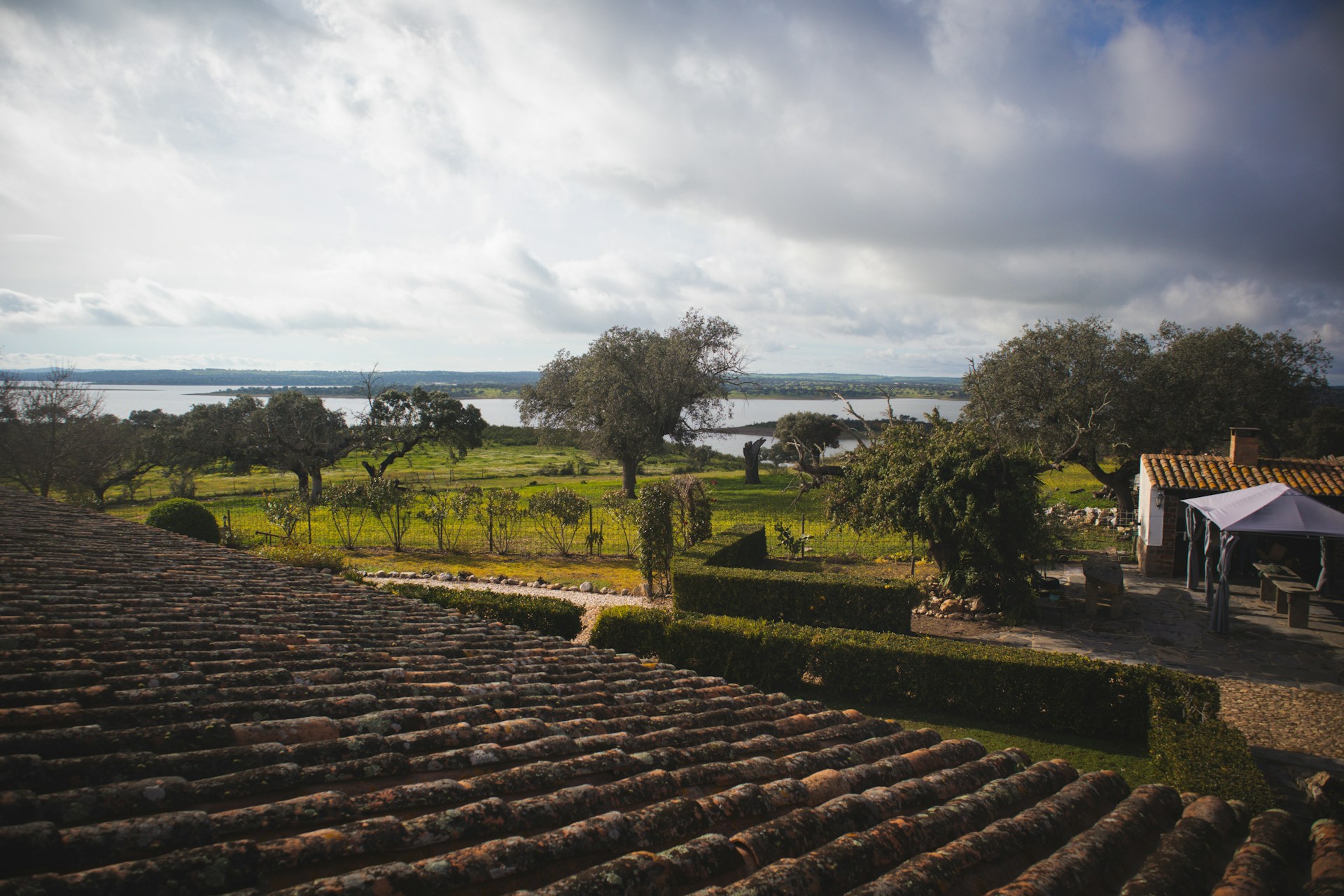
Alentejo easily tops my list for spring flowers. Rolling hills turn into a patchwork of wildflowers after the winter rains. Even the roadsides look like someone planted them on purpose.
Along the Algarve coast, almond trees bloom in February and March. Towns like Tavira glow with white blossoms against old stone buildings.
Central Portugal’s schist villages feel like hidden treasures in April and May. These stone hamlets, tucked into green hills, connect by trails lined with waterfalls at their fullest.
Sintra’s botanical gardens? Absolutely worth a stroll. Jardim Botânico d’Ajuda feels straight out of a storybook in spring.
The Azores stand out too. Volcanic soil gives you flowers you won’t see anywhere else in Portugal.
Wildflower Hiking in Douro Valley & Serra da Estrela
Serra da Estrela stole my heart for spring hiking. In April and May, meadows explode with color, and the trails in Parque Natural da Serra da Estrela wind through endless blooms.
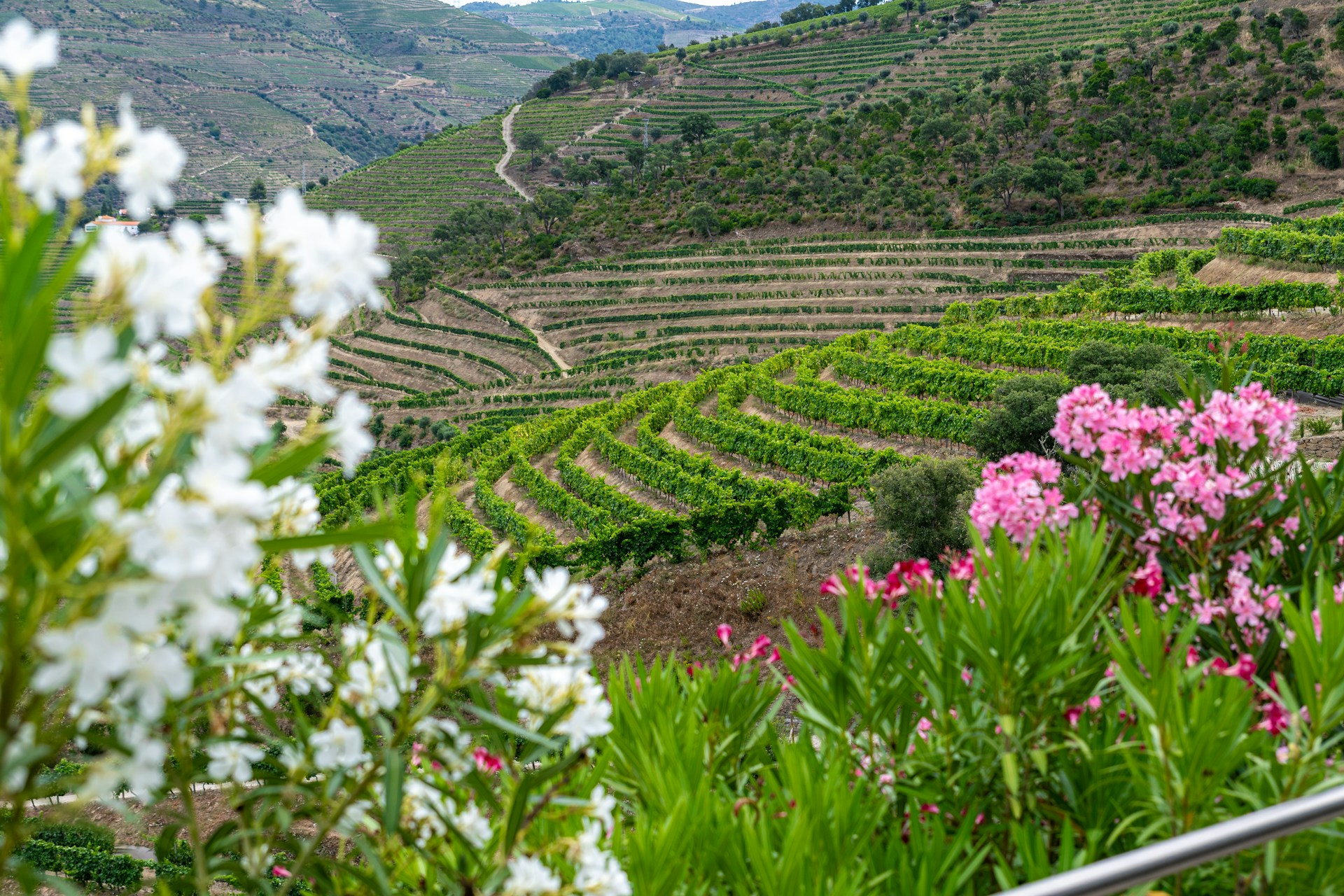
The Douro Valley mixes wine country with spring beauty. Terraced vineyards get framed by wildflowers and new growth. If you take a river cruise, you’ll see the colors from a totally different angle.
Here’s what works best for wildflower hikes:
- Early mornings—cooler and quieter
- April and May—peak bloom
- After a rain—the colors really pop
Spring trail conditions are a dream. Melting snow fills streams and waterfalls. You can hike all day without baking in the summer sun.

Spring Festivals and Events
Festa de São João in Porto technically happens in late June, but the city starts buzzing with preparations well before. Decorations pop up everywhere.
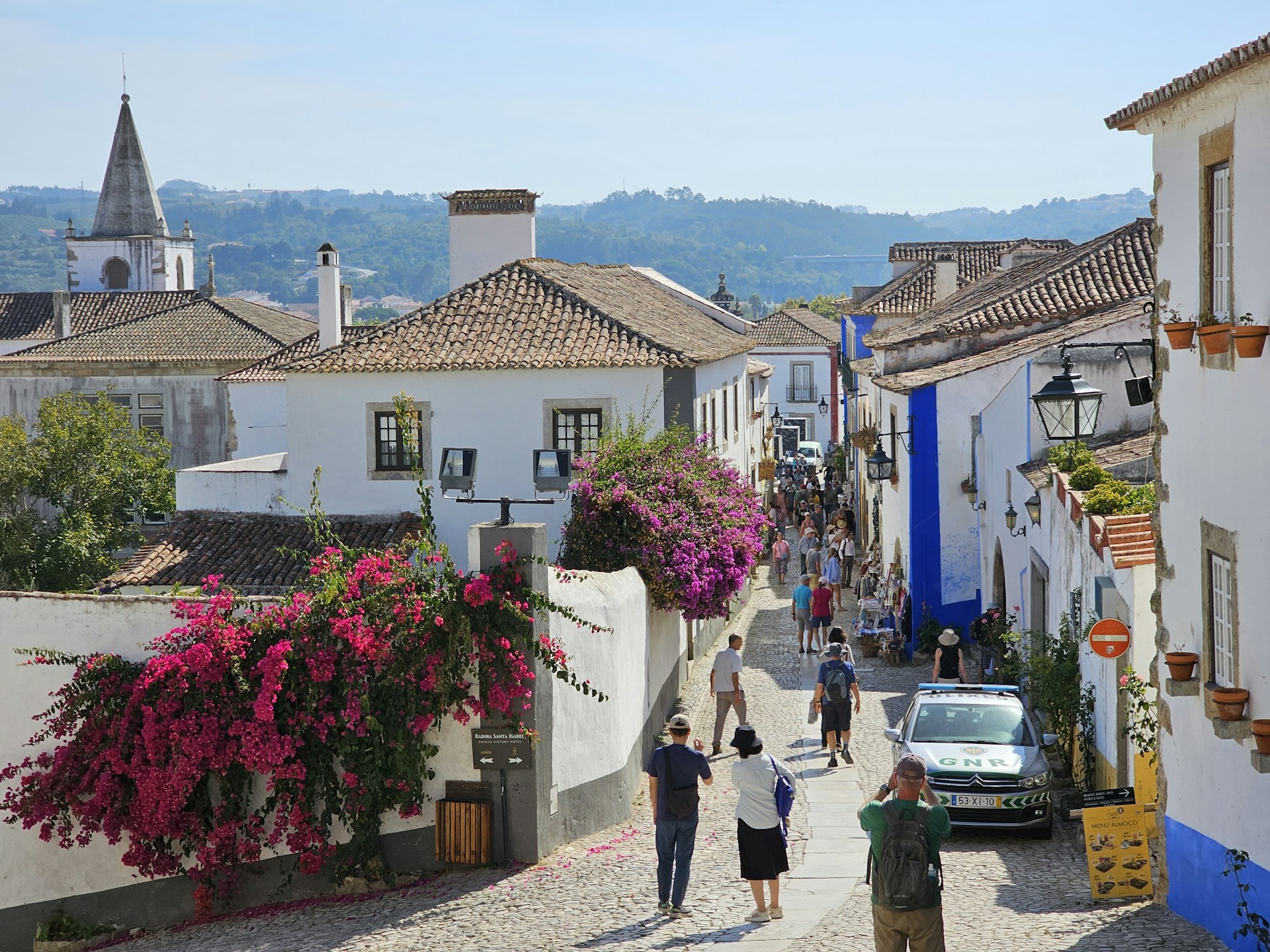
Madeira’s Flower Festival in May is a riot of color. Streets get blanketed with flower carpets, and parades feel like a moving garden.
Easter brings religious processions all over Portugal. Semana Santa fills towns with flowers and tradition.
And if you’ve got a sweet tooth, Óbidos Chocolate Festival pairs spring sunshine with chocolate everything. The medieval setting just adds to the magic.
Spring festivals feel lighter and more relaxed than summer’s heat-soaked parties. The weather makes it easy to stay outside all day.
Summer in Portugal: Sun, Beaches, and Fiestas
Summer flips the switch—suddenly, Portugal is all about the coast. The Algarve becomes a playground of golden sand and turquoise water. The Atlantic coast calls surfers from everywhere. And the festivals? Pure energy, from Porto’s Festa de São João to Lisbon’s Santos Populares—music, grilled sardines, and dancing until sunrise.
Top Beaches for Summer Getaways
The Algarve takes the crown for beaches. Praia da Marinha near Lagoa is almost unreal—think golden cliffs, clear water, and hidden coves.
Albufeira is great for families. The main beach gets busy, but nearby Praia da Falésia stretches for miles, bordered by red cliffs.
Lagos offers dramatic scenery. Ponta da Piedade is famous for its rock formations and little coves you can reach by boat or on foot.
For something different, try Cascais near Lisbon. The water’s cooler, but the vibe’s classy and the surfing’s top-notch.
Up north, Porto’s beaches feel wild. Praia de Matosinhos gives you city convenience and decent waves.

Can’t-Miss Summer Festivals and Fiestas
June is festival season. Festa de São João in Porto (June 23rd) takes over the entire city. Locals whack each other with plastic hammers, release lanterns, and eat grilled sardines. It’s chaos, but the best kind.
Lisbon’s Santos Populares runs all June, peaking on June 12th for Santo António. Every neighborhood throws its own party—think pimba music, sardines, and streets draped in streamers.
Alfama and Bairro Alto turn into open-air dance floors. Each area tries to outdo the others with decorations and food.
In August, Viana do Castelo’s Romaria stands out. Locals show off traditional costumes and what’s billed as the world’s biggest public gold jewelry display.
Best Coastal Towns for Summer
Cascais always draws me back. It’s a former royal hangout with great food, beaches, and a quick train ride from Lisbon.
The town mixes old-world charm with modern comforts. Boca do Inferno gives you those dramatic sea views, while the center buzzes with shops and cafes.
Tavira, over in the eastern Algarve, feels more laid-back. Its old town is gorgeous, and you can hop a boat to Ilha de Tavira for untouched beaches.
Comporta’s got a wild, upscale vibe—luxury resorts, endless sand, but still relaxed.
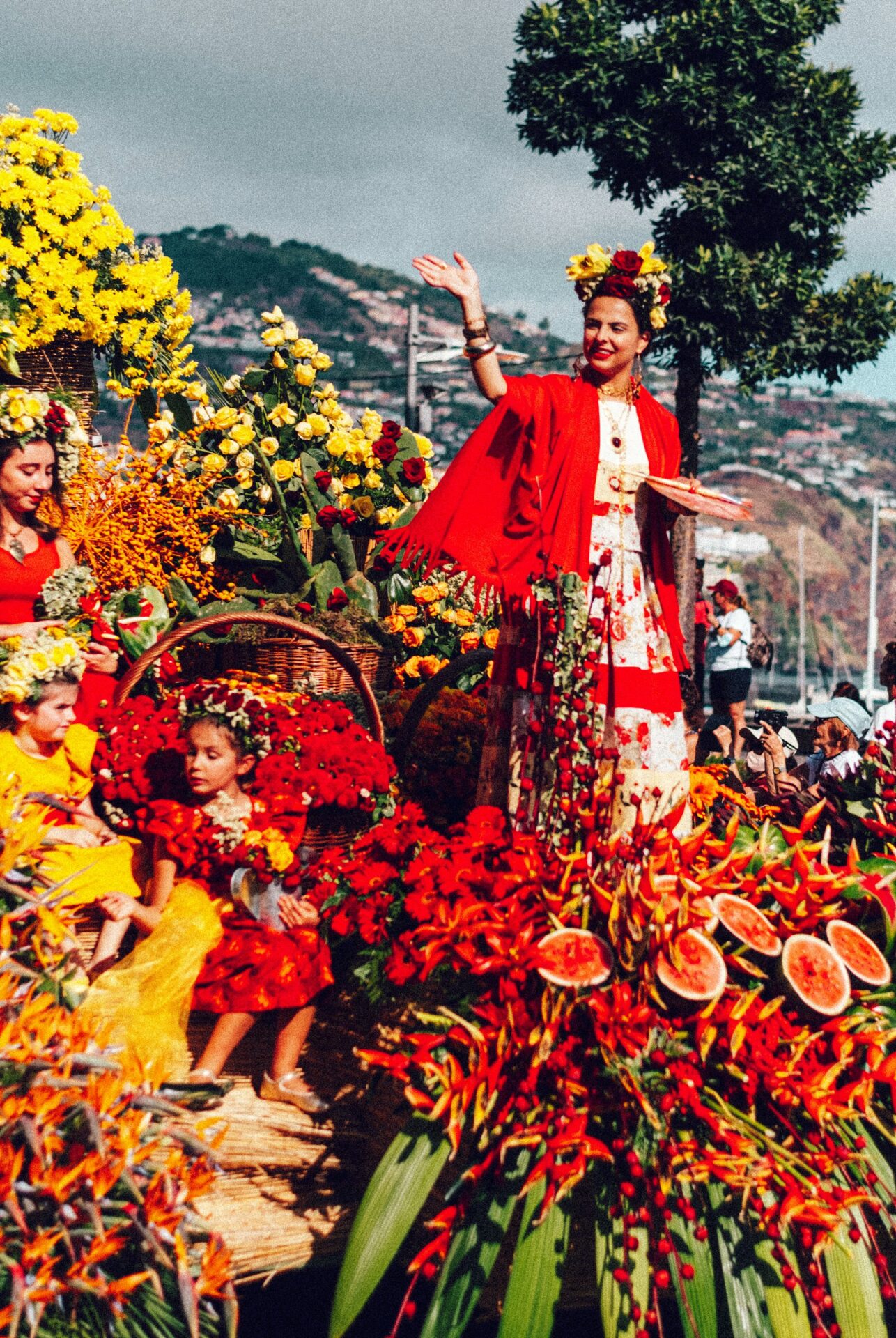
Aveiro charms with its canals and colorful boats. Costa Nova nearby is famous for its striped houses and fresh seafood.
Nazaré keeps its fishing village soul. In summer, the waves calm down, so you can actually swim and wander the old town.
Autumn’s Golden Harvest: Wine, Food, and Scenic Retreats
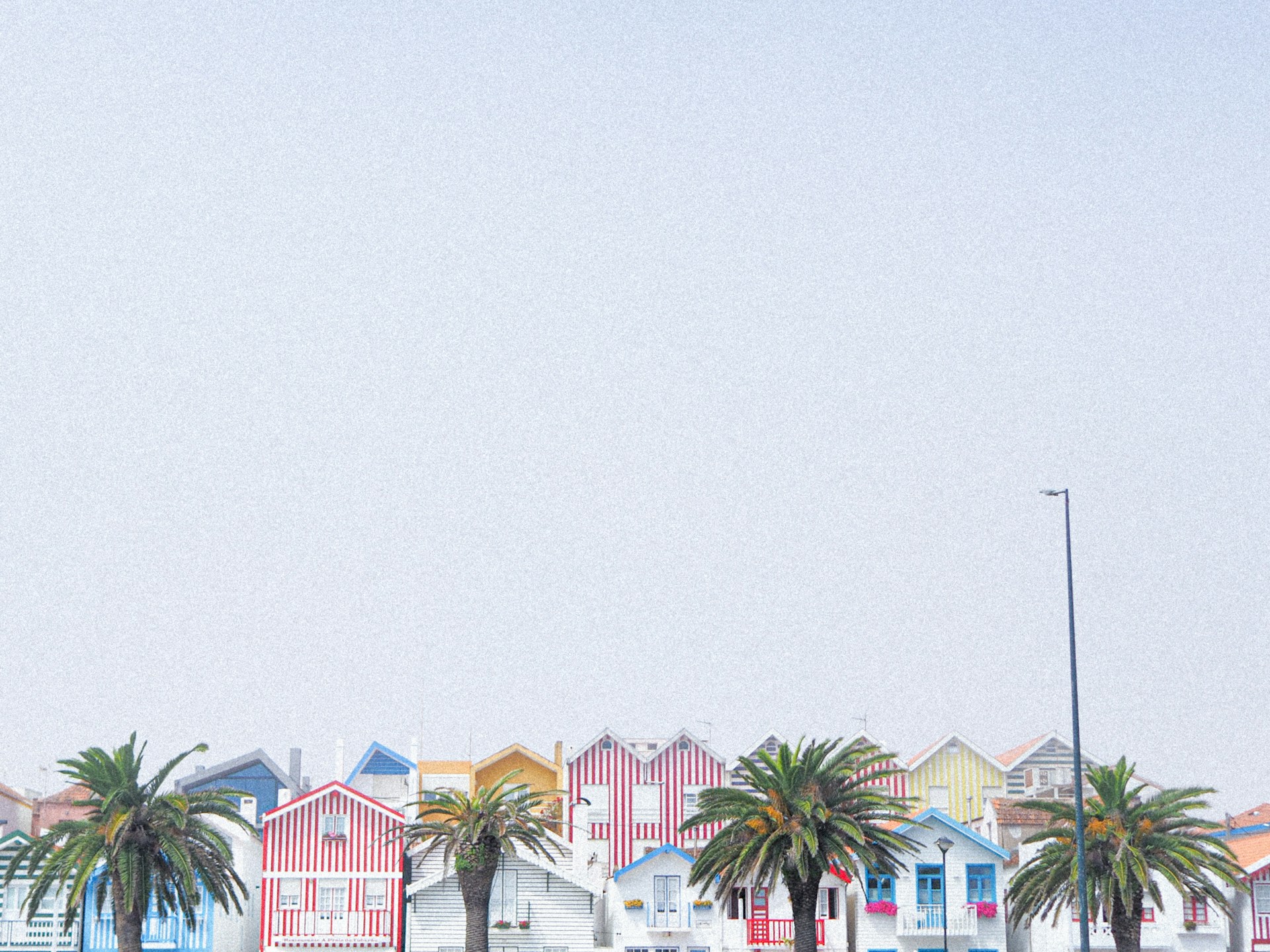
Autumn flips the script—Portugal turns gold, vineyards buzz with harvest, and the air cools just enough for long walks. From September through November, grape picking and wine festivals take over, and scenic drives through the countryside become unforgettable. (Curious about the grape harvest?)
Wine Harvest in Douro Valley and Alentejo
The Douro Valley feels almost magical during harvest. I always aim for September or October, when vineyards open up for grape stomping and tastings.
Here’s what you can do:
- Join locals for grape stomping at a quinta
- Take guided vineyard tours and chat with winemakers
- Visit the famous port cellars in Porto
- Ride the train along the Douro River for epic views
Alentejo offers a different flavor—literally. This region’s known for bold reds, and towns like Borba and Palmela throw lively harvest festivals.
You’ll get to taste local cheeses, olive oils, and cured meats alongside the wines. It’s the kind of food-and-wine pairing that makes you want to stay forever.
Best spots for harvest fun:
- Douro: São João da Pesqueira, Peso da Régua
- Alentejo: Borba, Évora, Palmela
- Setúbal Peninsula: Moscatel wines are the star here
Most vineyards welcome visitors all year, so even if you miss the grape rush, you can still sip and learn about the craft.
Best Autumn Hiking and Scenic Drives
Autumn in Portugal just feels right—warm days, barely any rain, and that perfect crispness by October. Hiking gets a whole lot more comfortable as the summer heat fades.
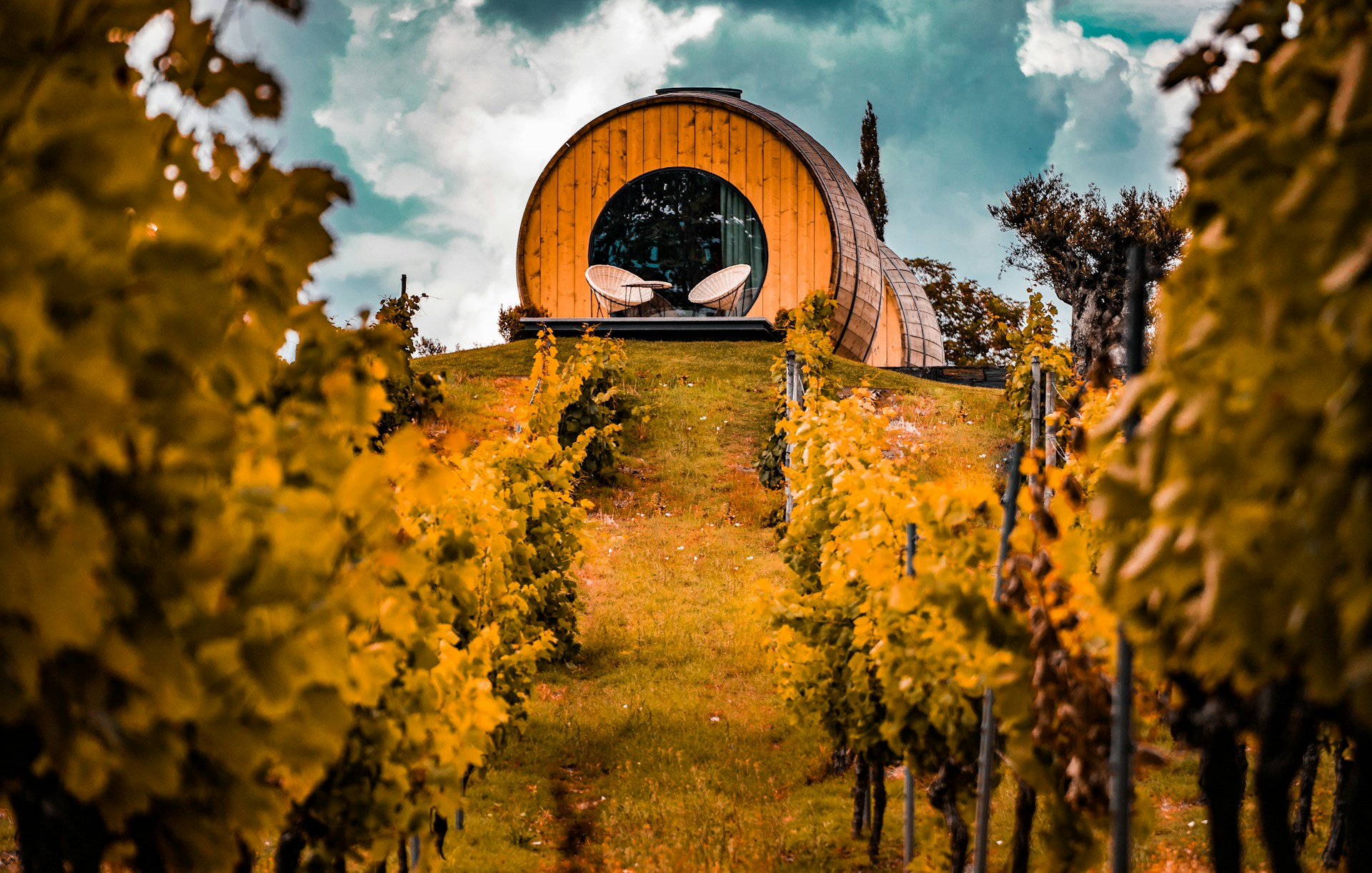
If you’re into scenic drives, the N222 through the Douro Valley is a stunner. Those golden vineyard terraces? They beg for a photo stop or two.
Top autumn hiking areas:
- Douro Valley vineyard trails
- Beira region mountain paths
- Alentejo countryside walks
- São Mamede mountain range near Marvão
Try heading out on weekdays if you want peace and quiet. Weekends can get lively, especially in popular spots.
As the leaves change, the landscapes turn into a painter’s dream—think golds, reds, and deep purples. The vineyards seem to glow.
Driving distances from Porto:
- Douro Valley: About 1.5 hours on the A4/IP4
- Viseu (Beira region): Also roughly 1.5 hours via A25

Visiting Portugal’s Historic Villages in Fall
Autumn just sets the scene for exploring Portugal’s historic villages. The weather lets you wander cobblestone streets without breaking a sweat.
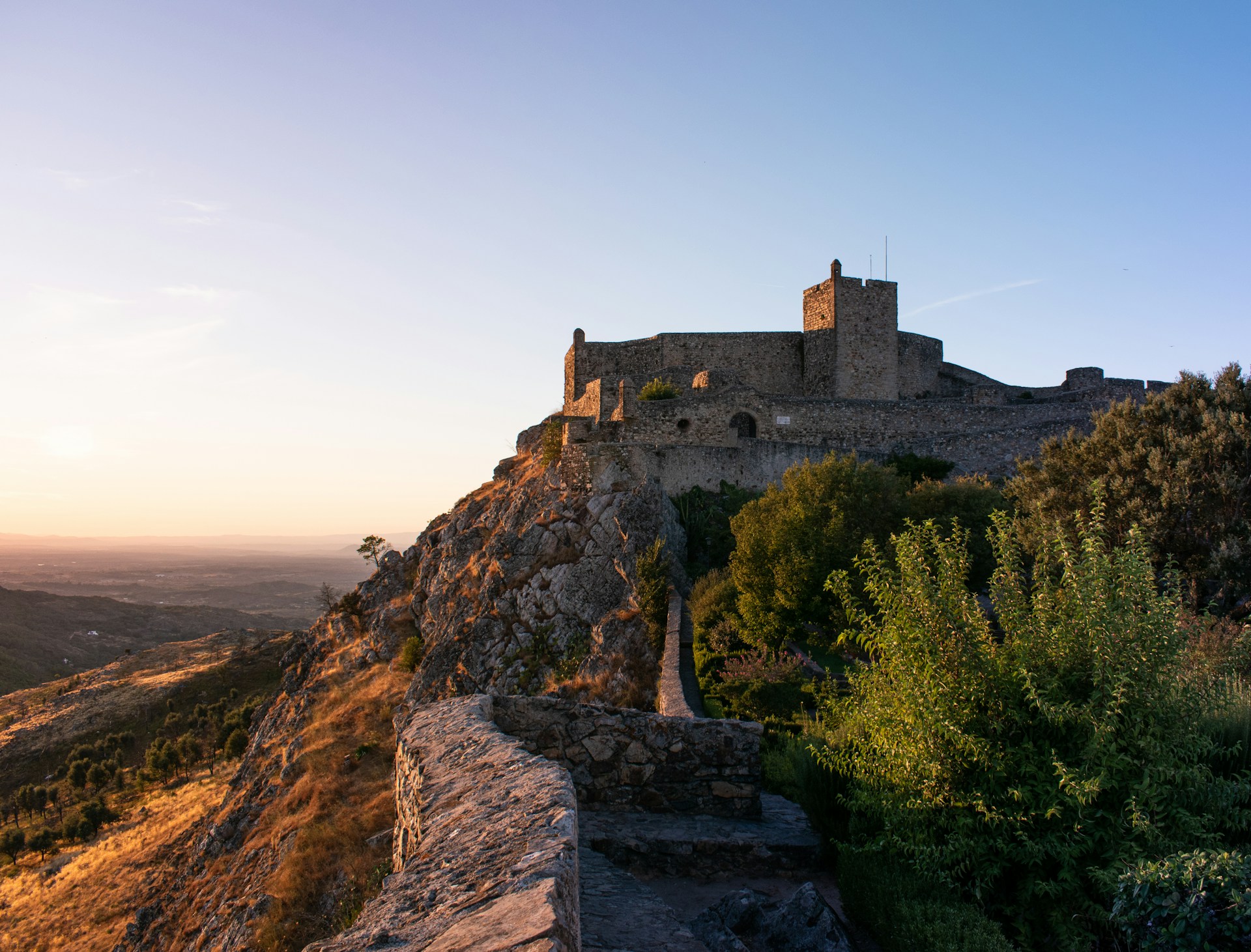
Tomar really shines in fall. The Convent of Christ stands out against those dramatic autumn skies. Fewer tourists means you get more space and better chats with locals.
Must-visit autumn villages:
- Marvão: Mountain village with chestnut festivals
- Tomar: Historic Templar town
- Évora: Roman temple and bone chapel
- Monsaraz: Walled village in Alentejo
Villages in Alentejo put on harvest celebrations every autumn. Local markets brim with fresh chestnuts, new wines, and handmade crafts.
Outdoor dining feels extra special with that mild weather. Terraces and courtyards fill up as village restaurants serve seasonal dishes.
Many villages celebrate local traditions with autumn festivals. These gatherings offer a taste of real Portuguese culture, far from the big tourist crowds.
Seasonal Culinary Experiences
Autumn in Portugal is a treat for food lovers. Harvest festivals bring out the best local ingredients and the first sips of new wine.
Seasonal autumn foods:
- Fresh chestnuts from the north
- New olive oil just pressed
- Wild mushrooms from the forests
- Classic sopa da pedra
The National Gastronomy Festival in Santarém runs from October into November. Chefs show off their skills and share secrets using the season’s bounty.
Wine and food pairings just hit differently during harvest. Vineyards open their doors for tastings that match local wines with regional dishes.
Best autumn food festivals:
- Santarém National Gastronomy Festival
- Palmela Harvest Festival (hello, wine tastings!)
- Torres Vedras Wine Festival
- Lisbon Wine and Flavors Fair in November
Restaurant menus get cozy in autumn—game meats, wild mushrooms, and hearty stews pop up everywhere.
Some quintas invite you in for wine tastings and farm-to-table meals. These moments really show how food and wine go hand in hand in Portugal.
Winter Wonders: Mild Sun, Culture, and Off-Season Charm
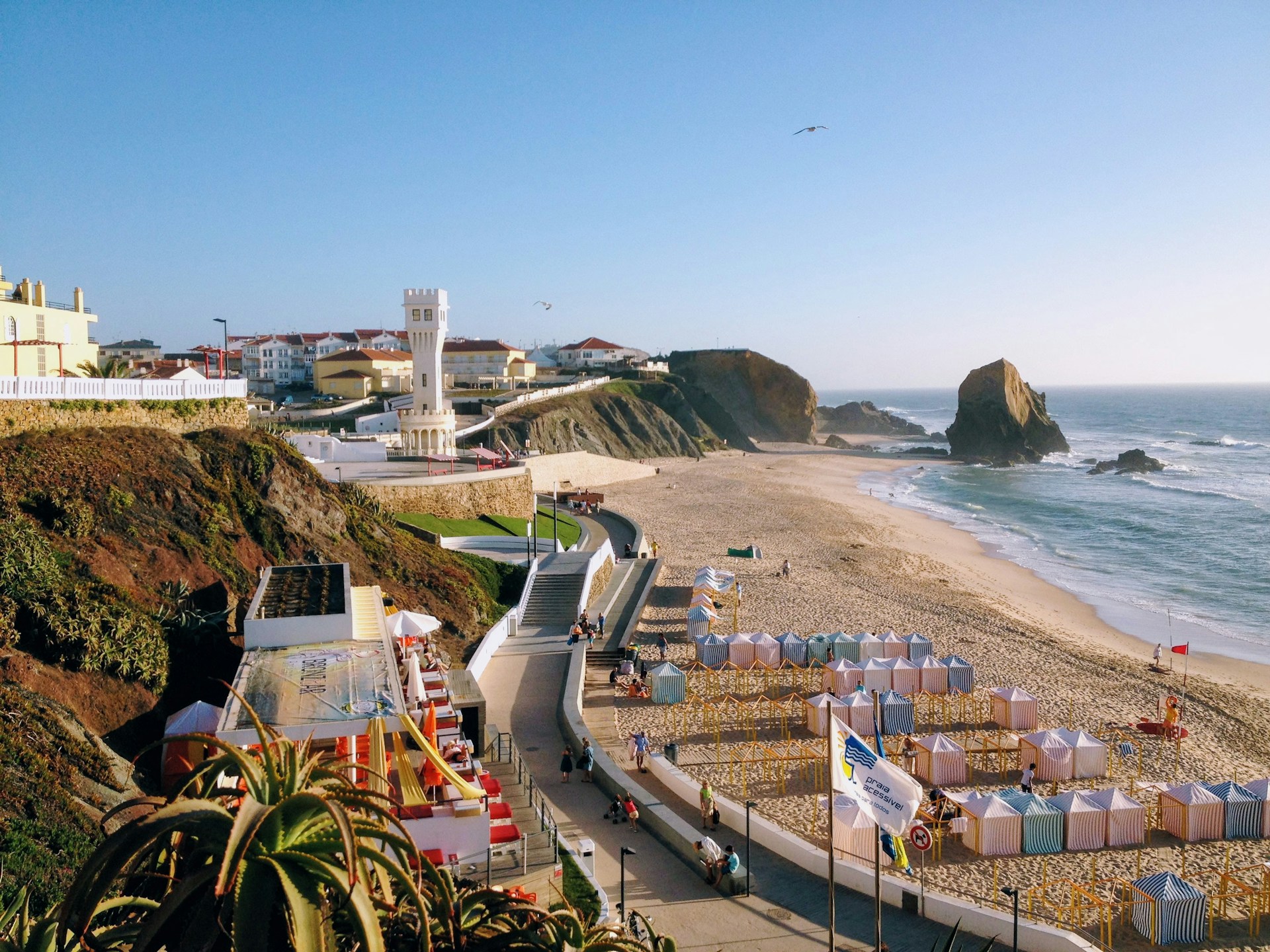
Winter in Portugal? It’s a bit of a secret. Down south, the Algarve keeps things mild, and you’ll stumble on festive events like Christmas markets in Lisbon. Fewer crowds, lower prices, and still plenty of sun for exploring.
Best Places for Winter Sun
The Algarve is my go-to for winter warmth. Days hover around 15-18°C, and the beaches feel almost private. You can even eat outside most days.
Madeira might just outdo the mainland. Temperatures stay comfy—16-20°C—and the subtropical vibes mean you can hike, garden-hop, or just watch the waves.
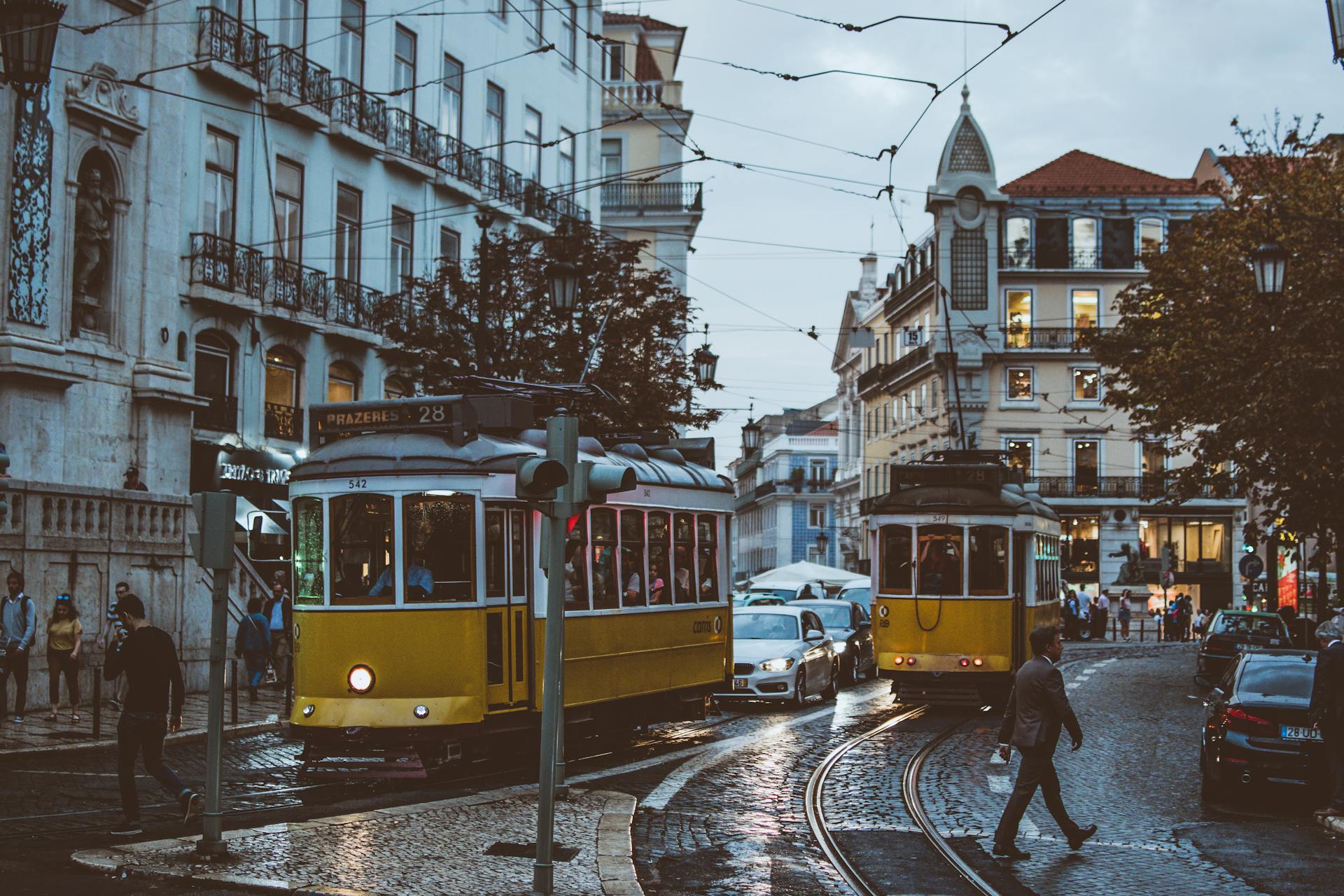
Lisbon stays mild, with winter days around 15°C. Sightseeing gets easier with fewer lines, and the city’s hills and trams are all yours.
The Azores surprise me every time. Even in winter, it’s about 14-17°C. After a hike, soaking in a hot spring feels pretty magical.
Costa Verde gets its fair share of rain, but it’s still mild. If you don’t mind a little drizzle, you’ll find lush green hills and empty stretches of sand.
Festive Events and Markets
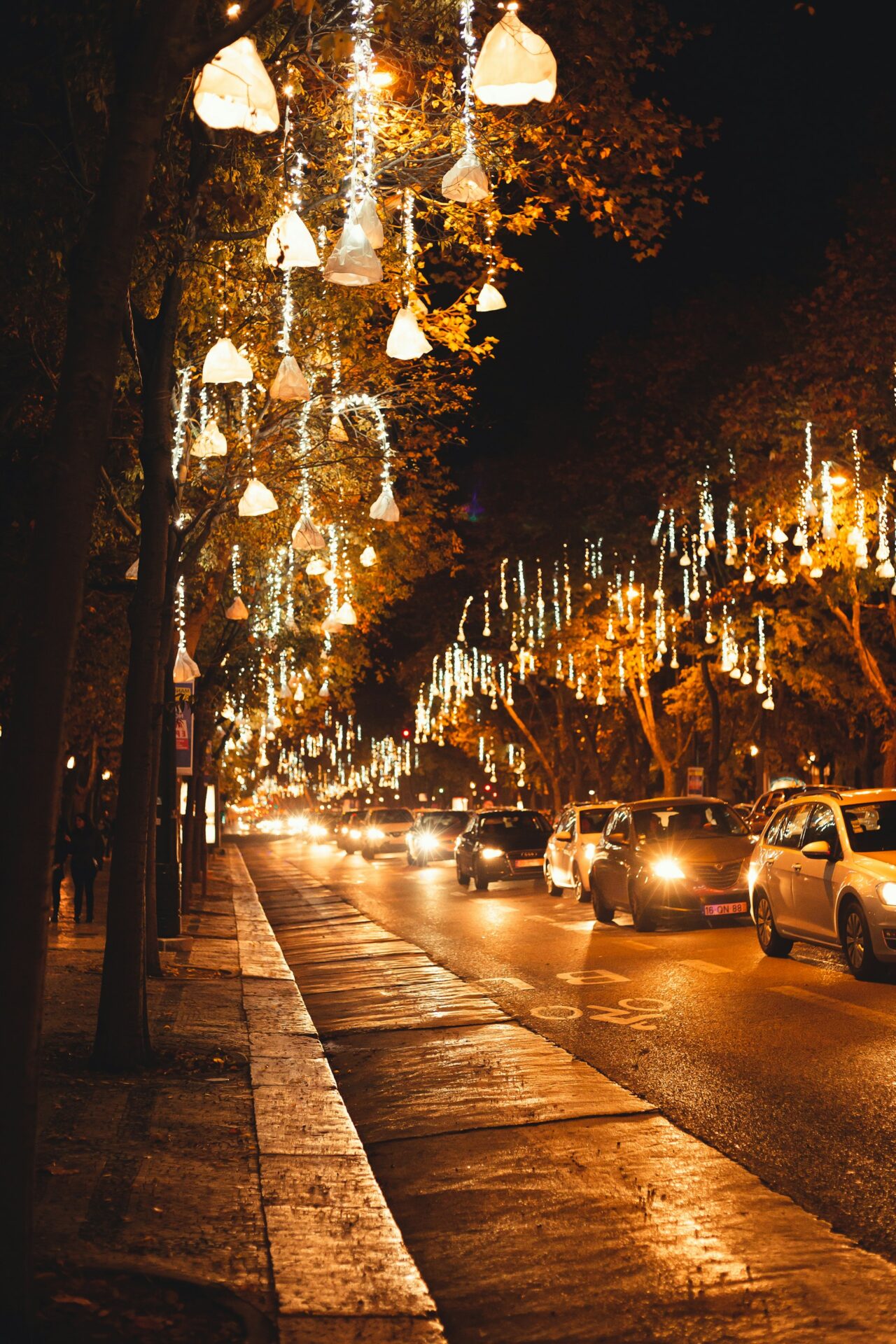
Lisbon lights up with Christmas markets. Terreiro do Paço turns into a wonderland with food stalls and handmade gifts all December.
New Year’s Eve in Madeira? The fireworks over Funchal Bay are legendary. People travel from all over Europe just to see it.
Traditional Santos Populares parties pop up even in winter. Expect music, dancing, and plenty of local eats.
Braga goes all out with Christmas displays at its historic cathedral. The city’s religious traditions make winter visits feel special.
Plenty of towns throw wine festivals in winter. You’ll get to sample local bottles and chat with winemakers.
Cultural Highlights During Winter
Museums and galleries in Lisbon become havens on chilly days. The Gulbenkian and others roll out special winter exhibitions, and you won’t have to jostle for space.
Fado houses turn cozy in winter. Nothing beats listening to Portugal’s soulful music on a cold night.
Porto’s old town glows under winter lights. With fewer people around, you can really soak up the architecture.
Serra da Estrela gives you Portugal’s only snow. Skiing and winter sports are just a few hours from Lisbon.
Traditional thermal spas offer warm escapes. Caldas da Rainha and others invite you to relax in healing waters.
Winter cooking classes pop up everywhere. Learn to make caldo verde and other comfort foods that warm you from the inside out.

Regional Highlights for Every Season
Portugal’s regions each have their moment. Lisbon shines in spring, Madeira feels like paradise year-round, and the Algarve promises sunshine even in winter. Porto and the north deliver cooler summers if you want a break from the heat.
Lisbon and Central Portugal
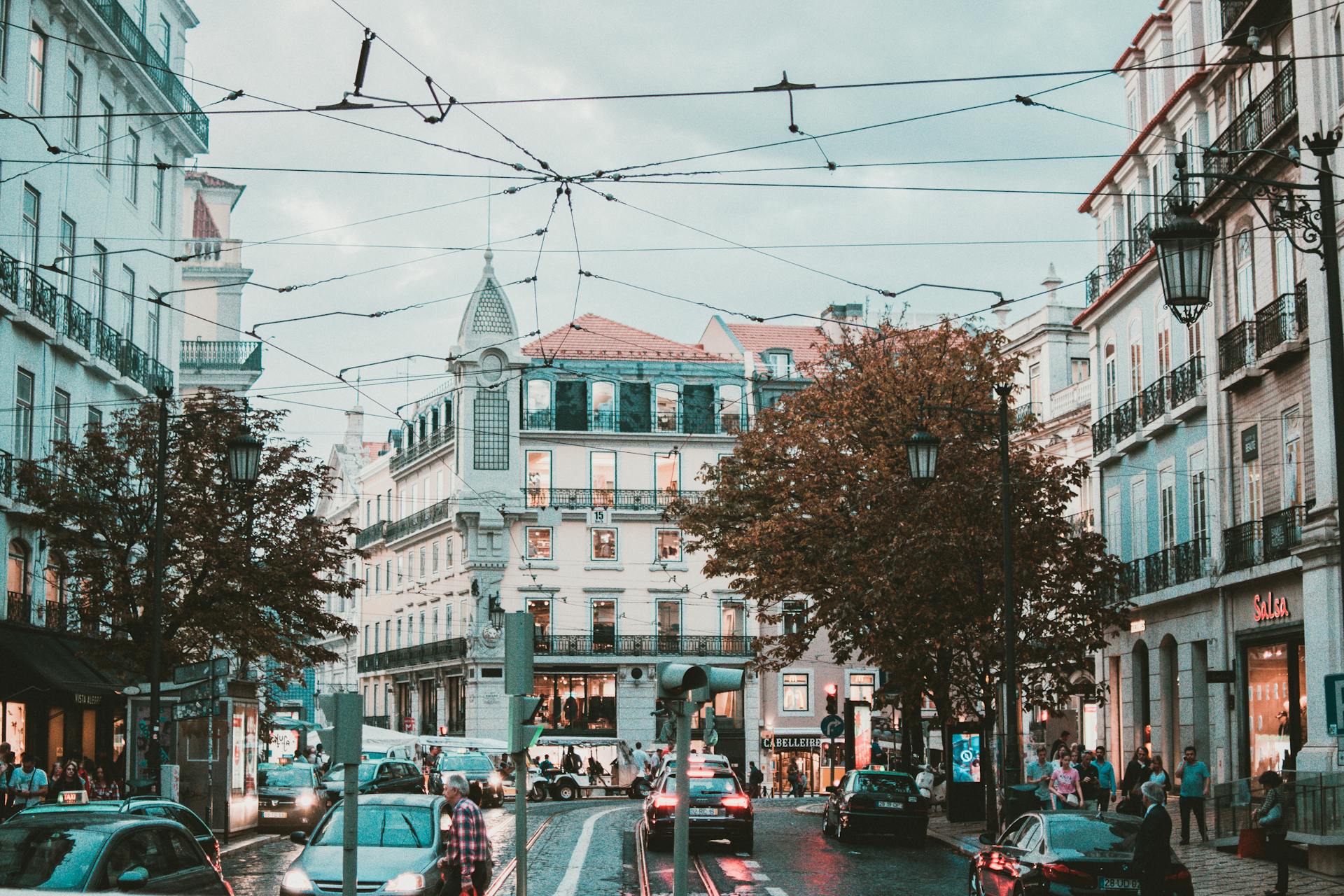
Spring in Lisbon is pure magic. March to May brings perfect walking weather—São Jorge Castle, Sintra’s palaces, and cherry blossoms in nearby towns.
Outdoor cafés fill up, and locals linger over coffee in the sun. I love sneaking in day trips to Cascais before the summer rush.
Summer means long, warm evenings. Rooftop dining is a must, though July and August can get toasty—up to 35°C.
Cascais transforms into a beach town in summer. The sea breeze keeps it pleasant, even when Lisbon bakes.
Autumn brings golden light and a calmer city. September to November is spot-on for museums and city strolls.
Winter doesn’t get harsh here. December rarely dips below 10°C, so you can still enjoy Christmas markets and culture without freezing.
Northern Cities and the Douro Valley
Spring wakes up the Douro Valley. Vineyards turn bright green, and Porto stays cooler than the south—great for exploring.
April and May are perfect for river cruises and vineyard hopping. The weather stays gentle, no need to hide from the sun.
Summer in Porto feels manageable. With highs around 25-28°C, you can wander the city or visit port cellars without melting.
The Douro Valley looks lush, but midday vineyard tours can get warm.
Autumn is harvest time in the Douro. September to November brings grape picking, wine festivals, and those famous fall colors.
Porto enjoys mild days and clear skies. Wine lovers, this is your season.
Winter means more rain up north. Porto sits at about 15°C, but expect regular showers from December to February.
Southern Gems: Algarve and Alentejo
Spring turns Alentejo into a wildflower wonderland. Temperatures stay gentle, perfect for exploring Évora or sipping wine at a rural estate.
The Algarve starts to warm up by May—think 20-25°C. Beach towns wake up, but it’s still peaceful.
Summer crowns the Algarve as Portugal’s beach capital. July and August bring 30°C+ days and packed shores from Lagos to Tavira.
Alentejo gets really hot in summer. I usually stick to early mornings or evenings for activities there.
Autumn is my favorite in Alentejo. Harvest time means olives and grapes, and the heat finally gives way to cool, comfortable days.
The Algarve stretches summer into October, so you can still hit the beach without the crowds.
Winter delivers the mildest mainland weather. Algarve averages 15-18°C and lots of sun, though some beach bars and shops close up.

Islands: Madeira and the Azores
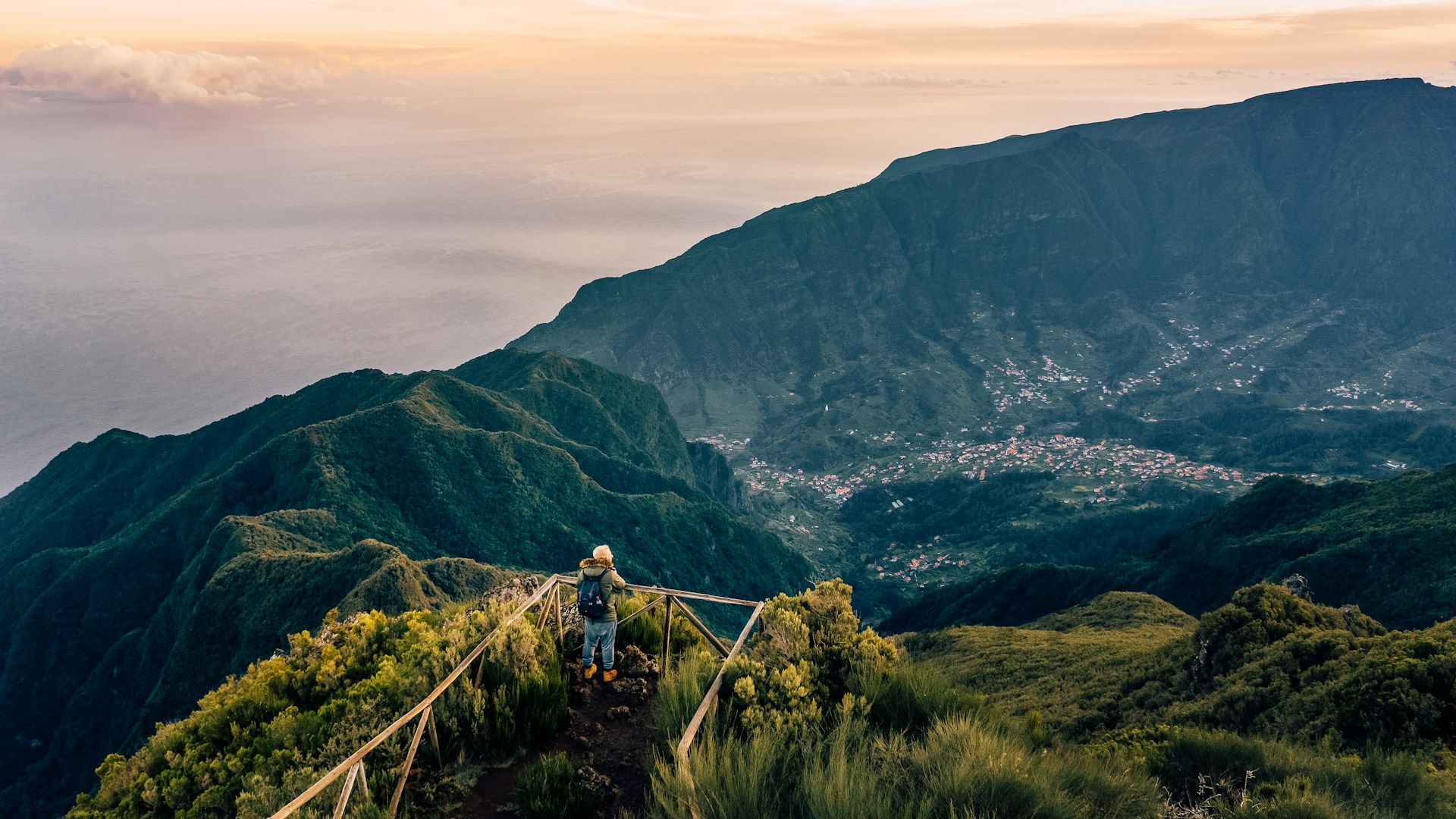
Madeira never really gets cold. Temperatures hover between 16-25°C, and spring brings blooming flowers and epic hiking on levada trails.
Summer means warm seas and long, sunny days. Autumn is perfect for exploring Funchal and the mountains.
Winter stays mild and draws Europeans looking to escape the chill.
The Azores have a maritime climate—mild all year. Spring and summer are best for hiking volcanoes and watching whales.
Autumn can bring storms, but there are still plenty of good days for exploring. Winters are mild but rainy, so pack a jacket.
Frequently Asked Questions
Portugal’s seasons make every trip unique. Winter brings bargains and quiet, while summer means crowds and high prices.
June to September brings the best beach days. If you love swimming and sunbathing, this is your window.
July and August get hot—mid-to-high 80s (Fahrenheit) and almost nonstop sun. The Atlantic keeps things fresh, even at the peak.
September stretches the season with warm water and fewer people. October still works for beach time, especially down south in the Algarve.
September and October are a dream for wine lovers. Temperatures sit comfortably between 20-25°C.
The Douro Valley and Alentejo become the place to be for vineyard tours. Outdoor tastings feel just right.
Vineyards explode in gold and red as the leaves turn. Rain tends to hold off, so grape picking stays pleasant.
Summer is festival central—think NOS Alive, Super Bock Super Rock, and packed beaches.
Spring means wildflowers and hiking from March to May. Carnival parades light up February and March.
Autumn focuses on wine harvests and food festivals. Winter is all about city life, cozy cafés, and cultural events.
Summer brings the crowds and the price hikes. Expect 25-28°C days and busy beaches.
Winter chills out—temperatures drop to 15-18°C, and the crowds disappear. City walks and local experiences feel more authentic.
In summer, it’s all about the outdoors and festivals. Winter leans into museums, cafés, and quiet sightseeing.
October keeps things warm—about 22°C—and the countryside glows with autumn colors. Sightseeing feels easy.
November cools down to around 19°C as winter creeps in. Rain picks up, especially in the north.
Both months see far fewer tourists than summer. For wine tours and slow-paced city days, this is a sweet spot.
Let’s talk about timing. March, April, and November usually bring the lowest flight prices and hotel rates. If you’re hoping to save a good chunk of change, these quieter months really deliver.
Winter—think December through February—takes the crown for the absolute cheapest travel costs. Hotels often slash their rates, and you’ll notice your wallet thanks you.
I’ve found that booking flights and hotels early during these months helps snag even better deals. Just a heads-up: skip June through August if you want to avoid sky-high prices.