
The best season to travel Germany’s Romantic Road really depends on what you’re after—spring bursts with flowers and fresh green hills, summer brings sunshine and lively towns, autumn turns the vineyards golden, and winter transforms everything with cozy Christmas markets. Every time of year has its own magic, whether you’re into gardens in bloom or twinkling holiday lights.
I’ve wandered the Romantic Road in all kinds of weather and want to help you pick the right time for your adventure. Maybe you crave mild afternoons, long golden sunsets, sleepy villages, or festive celebrations—there’s a season that’ll fit your vibe.
Overview of Germany’s Romantic Road
Germany’s Romantic Road, or Romantische Straße, stretches from Würzburg to Füssen in Bavaria. This route links up medieval towns, fairy-tale castles, and rolling countryside. Travelers come from all over to get a taste of real German culture and history.
History and Origins of the Romantic Road
People created the Romantic Road in the 1950s, hoping to bring visitors back to Germany after World War II. They wanted to showcase the region’s medieval towns and peaceful landscapes. It worked—today, it’s probably the most famous road trip in the country.
I always find it fascinating how towns like Rothenburg ob der Tauber, Dinkelsbühl, and Augsburg have stories that stretch back centuries. These places once sat on major trade routes. Their old town walls, timber-framed houses, and cobblestone streets still give you that medieval feeling.
The Romantic Road draws travelers into quiet, “off the beaten path” villages, too. These spots move at a gentler pace and let you soak up Bavarian life in a way that big cities just can’t.
Romantic Road Route and Must-See Towns
The Romantic Road runs about 350 km (just over 200 miles), starting in Würzburg up north and winding down to Füssen near Austria. Sure, you could drive it in a day, but I’d say give yourself at least four or five days to really enjoy the highlights.
Here are some main stops:
- Würzburg: Famous for its Residenz palace and vineyards.
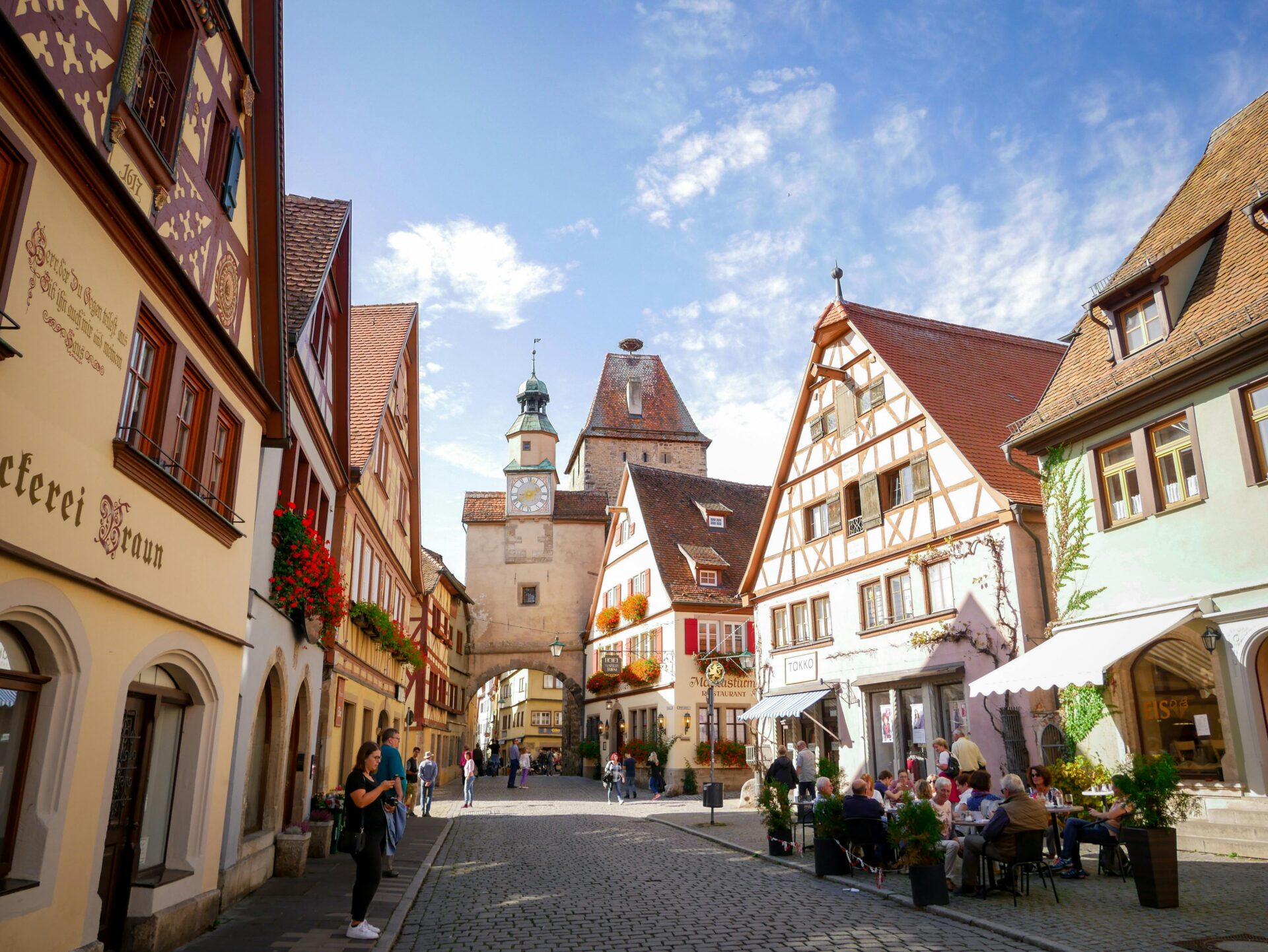
- Rothenburg ob der Tauber: A medieval old town straight out of a storybook.
- Dinkelsbühl: Walled, colorful, and a bit less crowded than Rothenburg.
- Augsburg: One of Germany’s oldest cities, packed with Renaissance buildings.
- Landsberg am Lech: Pastel houses and river views make it a great photo stop.
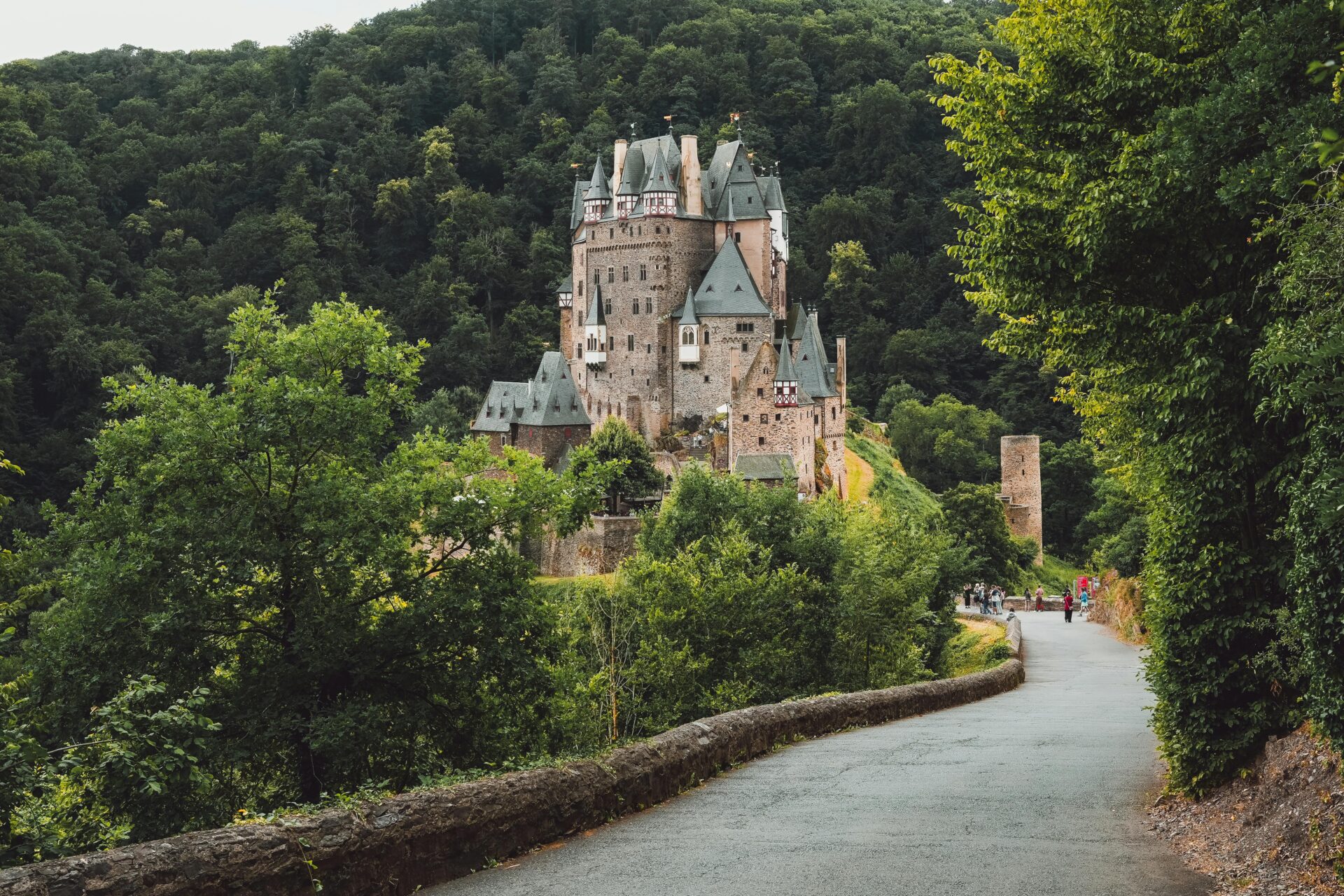
- Neuschwanstein Castle near Füssen: That iconic fairy-tale castle everyone dreams about.
I always keep a map handy so I don’t miss out on smaller villages or hidden gems along the way.
Essential Travel Information and Transportation Options
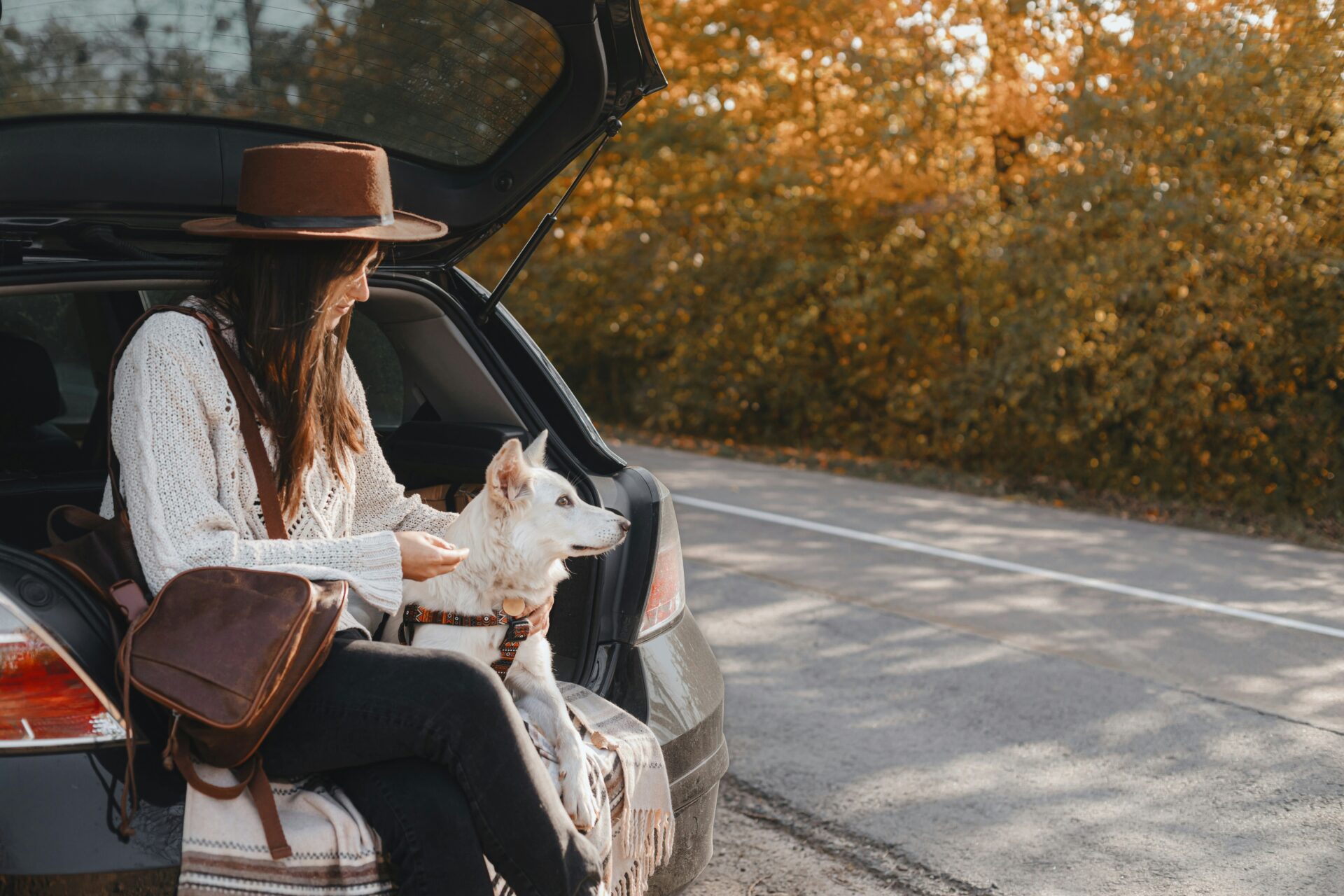
If you rent a car, you’ll have the freedom to stop wherever you want. I think it’s the easiest way to explore, honestly. But if driving’s not your thing, the Romantic Road Coach bus covers the whole route and stops in the main towns.
Public transport—trains and buses—links up most bigger towns, though reaching the tiniest villages without a car can get tricky. If you like to go with the flow, a car wins. Still, buses and trains work if you plan ahead.
You’ll find everything from cozy guesthouses to city hotels. In summer, it gets busier, so booking ahead saves headaches. Tourist offices in most towns help with maps, events, and tips.
Cultural Highlights Along the Route
The Romantic Road is packed with local festivals and traditions. I love dropping into a town during a festival—there’s always music, markets, and plenty of Bavarian food. Summer brings outdoor parties, spring is full of flower parades, and Christmas markets light up the winter.
Art, history, and architecture fans will have a blast—think Gothic churches, Baroque palaces, and quirky museums. The old town centers, with their winding lanes and ancient buildings, are perfect for a slow stroll or a spontaneous photo shoot.
Local crafts pop up everywhere—pottery, woodcarving, hand-painted souvenirs. And don’t skip the regional eats: sausages, pretzels, and the local wine are all worth a try.
If you want something less touristy, stay overnight in a family-run guesthouse. You’ll get a real taste of local life.

Best Season to Travel Germany’s Romantic Road
The Romantic Road looks and feels different every season. Weather, festivals, and the whole vibe of the towns shift as the year rolls on.
How Each Season Transforms the Romantic Road
Every season brings its own look and mood.
- Spring delivers fresh flowers and green hills. Cherry blossoms and wildflowers really brighten up the route.
- Summer means long, sunny days. Towns feel alive and there’s plenty to do outdoors.
- Autumn brings colorful leaves and quieter streets.
- In winter, snow sometimes dusts the villages, and Christmas lights make everything feel magical.
Most people show up between May and September for the weather and open attractions. Weekends and holidays get busy, but if you go just before or after peak season, you’ll find fewer crowds.
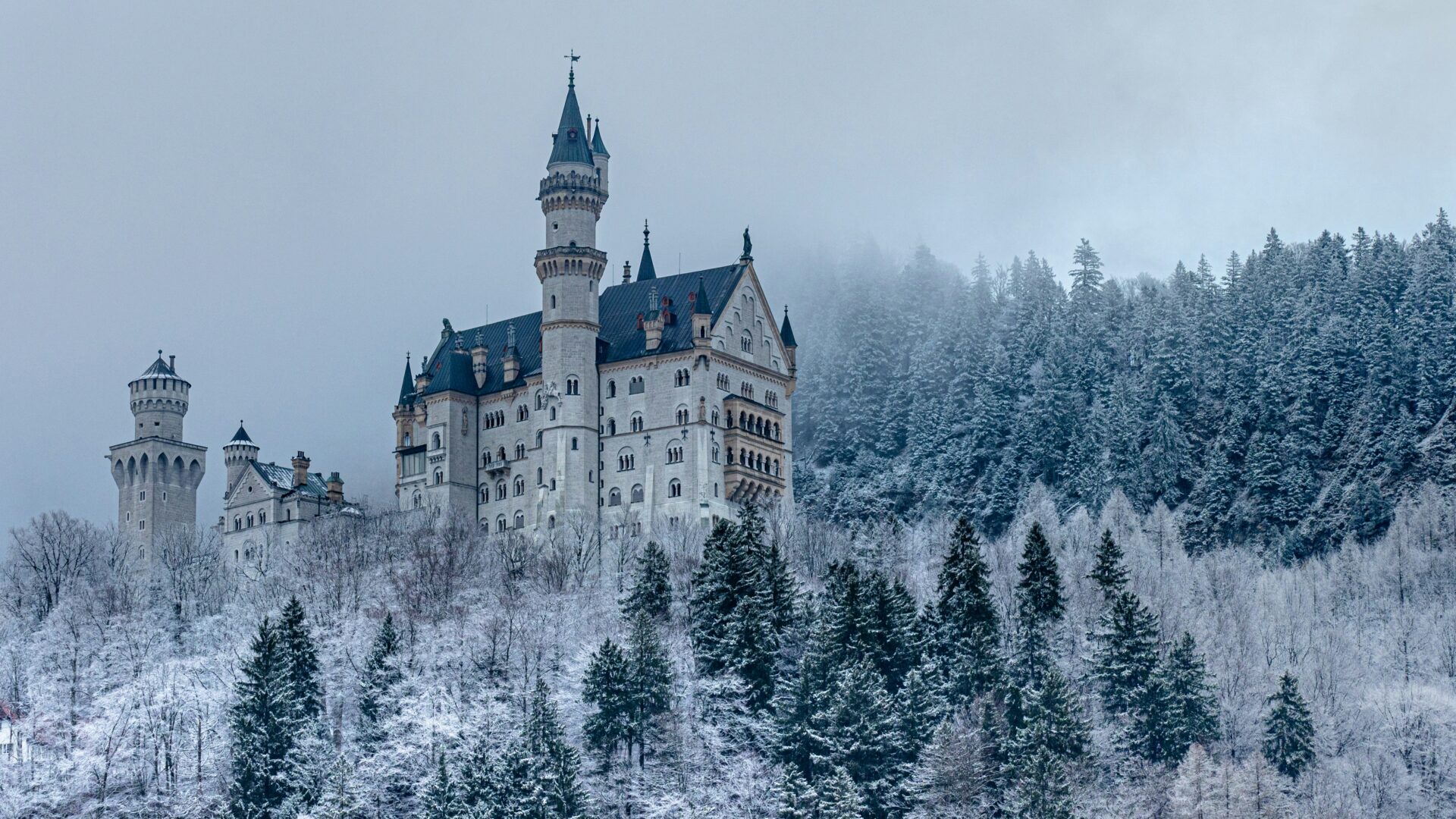
Spring: Cherry Blossoms, Fresh Greenery, and Spring Festivals
Spring along the Romantic Road feels like a fresh start. Towns like Rothenburg ob der Tauber and Dinkelsbühl burst with cherry blossoms and blooming gardens.
April and May warm up, but mornings and nights can still be chilly. Daytime highs usually land between 10°C and 18°C (50-64°F). Rain shows up now and then, so I always pack a light jacket.
Spring festivals kick off with Easter, music, or food celebrations. Outdoor markets reopen, and beer gardens fill up on sunny days. The roads and towns stay pretty quiet compared to summer, making it easy to wander at your own pace.
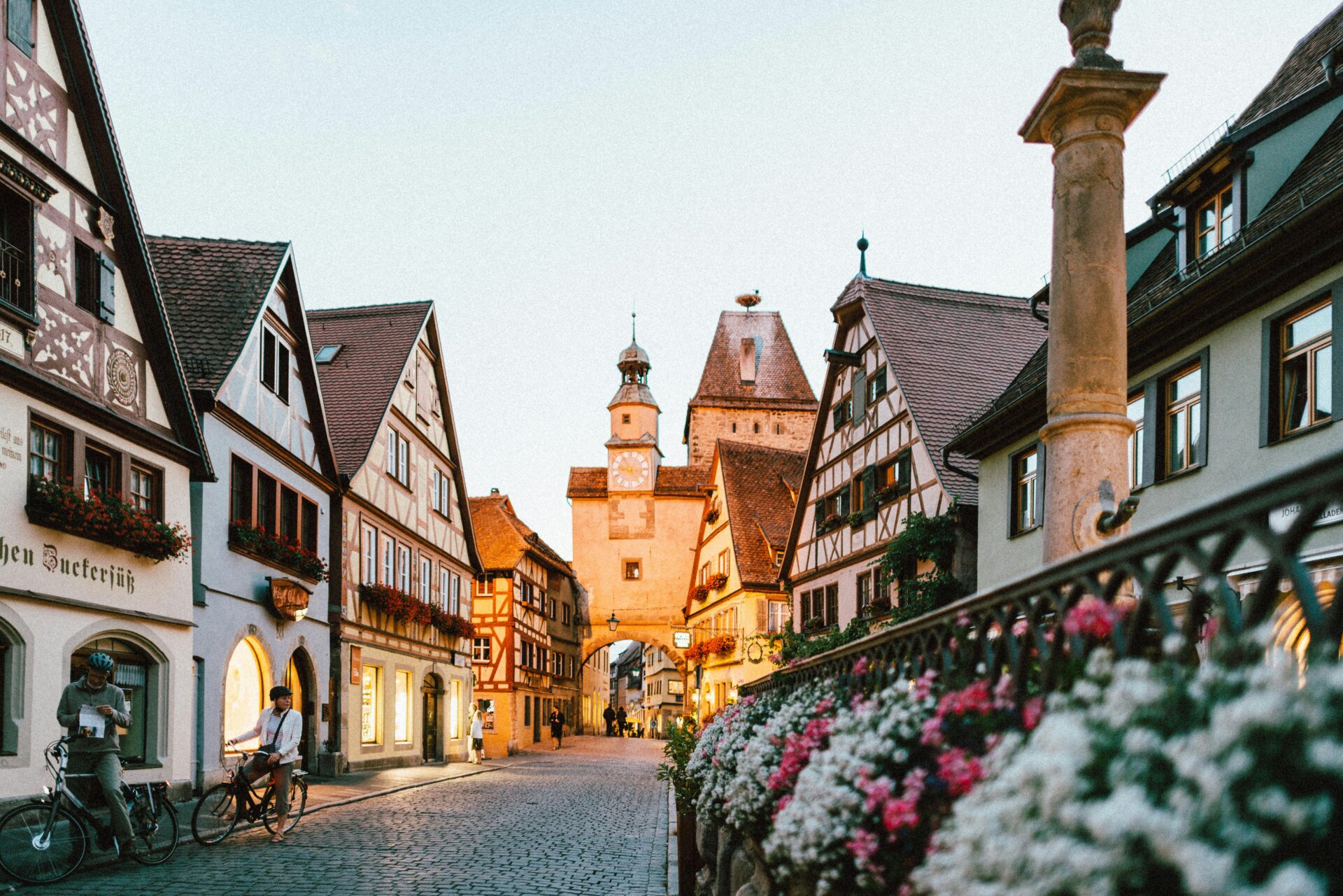
Summer: Warm Weather, Outdoor Activities, and Lively Events
Summer is when the Romantic Road really buzzes. Most days are warm, with temperatures between 18°C and 28°C (64-82°F). June through August brings long daylight—perfect for castle-hopping or exploring walled towns on foot.
Towns throw open-air concerts, theater, and food festivals. Cafés and terraces are packed from lunch through late evening. Swimming in lakes, cycling, and hiking are all on the table.
Major sites like Neuschwanstein Castle and Würzburg Residence can get crowded quickly. I recommend booking hotels and tickets early. Rental cars and trains are in high demand, especially during German school breaks.
Autumn Colors Along the Romantic Road
Autumn along the Romantic Road is honestly my favorite. The landscape explodes with color, and the harvest season brings out the best in the wine regions and little towns.
Foliage, Harvest Festivals, and Wine Regions
Trees and vineyards turn gold, orange, and red. The Tauber Valley, in particular, is a dream for autumn scenery—rolling hills and changing leaves everywhere. Around Würzburg, vineyards hang heavy with ripe grapes.
September and October bring in harvest festivals and wine celebrations in towns like Würzburg and Rothenburg ob der Tauber. Winemakers offer tastings, and stalls serve up pumpkin soup and roasted chestnuts. Fewer crowds, crisp air, and lively markets make this season feel special but not overwhelming.
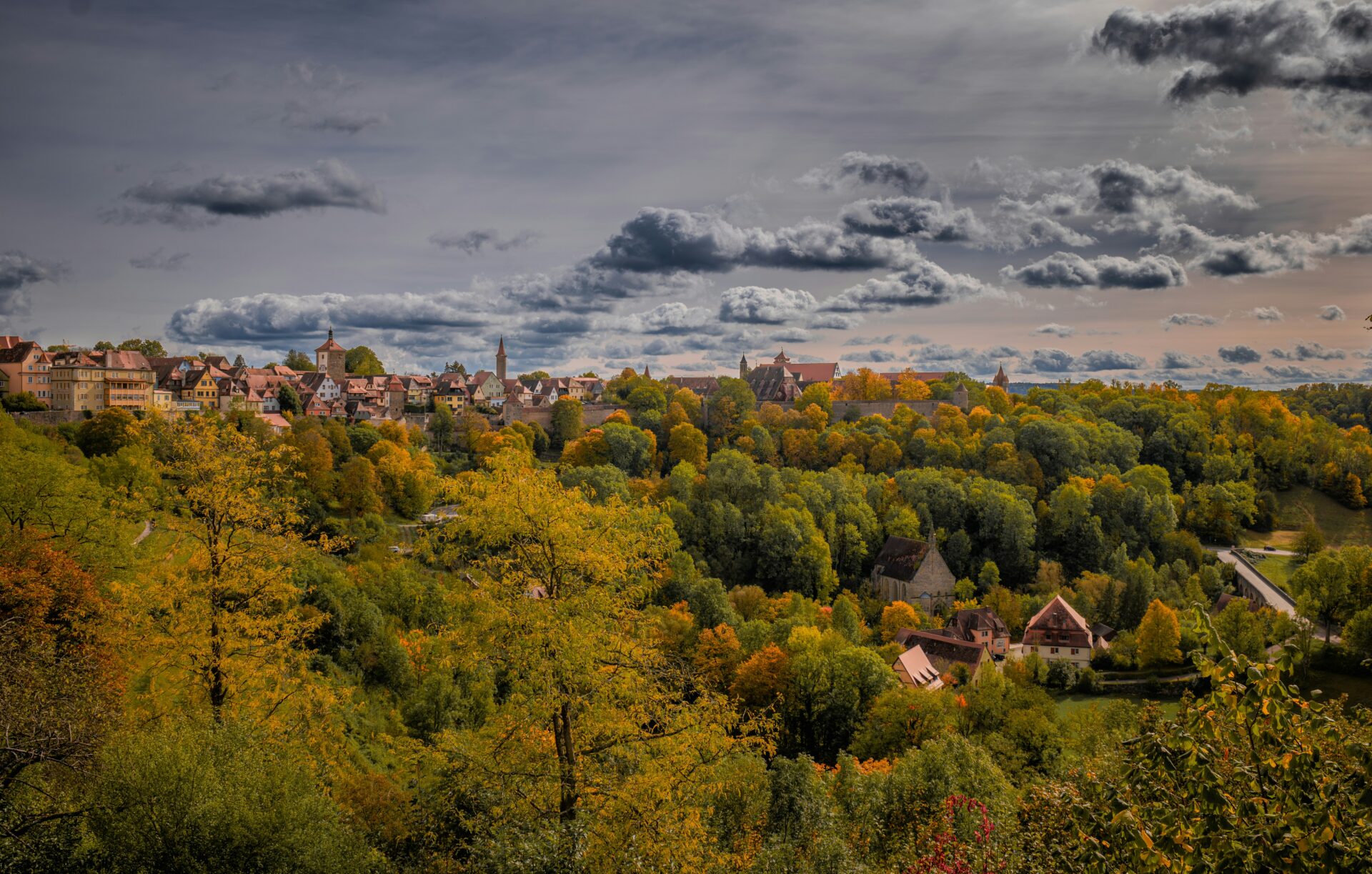
Notable Autumn Destinations and Photo Spots
I always suggest stopping at Rothenburg ob der Tauber, Dinkelsbühl, and Tauberbischofsheim in autumn. Their old walls and climbing ivy look amazing against the fall colors. Down south, near the Bavarian Alps, you’ll catch forests and sometimes snow-dusted peaks by late autumn.
Photographers gather on Würzburg’s old stone bridge at sunset, when the city and vineyards glow in golden light. The Franconian vineyards and Tauber Valley viewpoints are fantastic for autumn photos. For a quieter walk, I like the lakes and forest trails near Füssen when the leaves start to fall.
Festive Christmas Markets & Winter Highlights
In winter, the Romantic Road turns magical with Christmas markets, twinkling lights, and cozy places to stay. The towns really go all out with traditions and treats.
Best Christmas Markets Along the Route
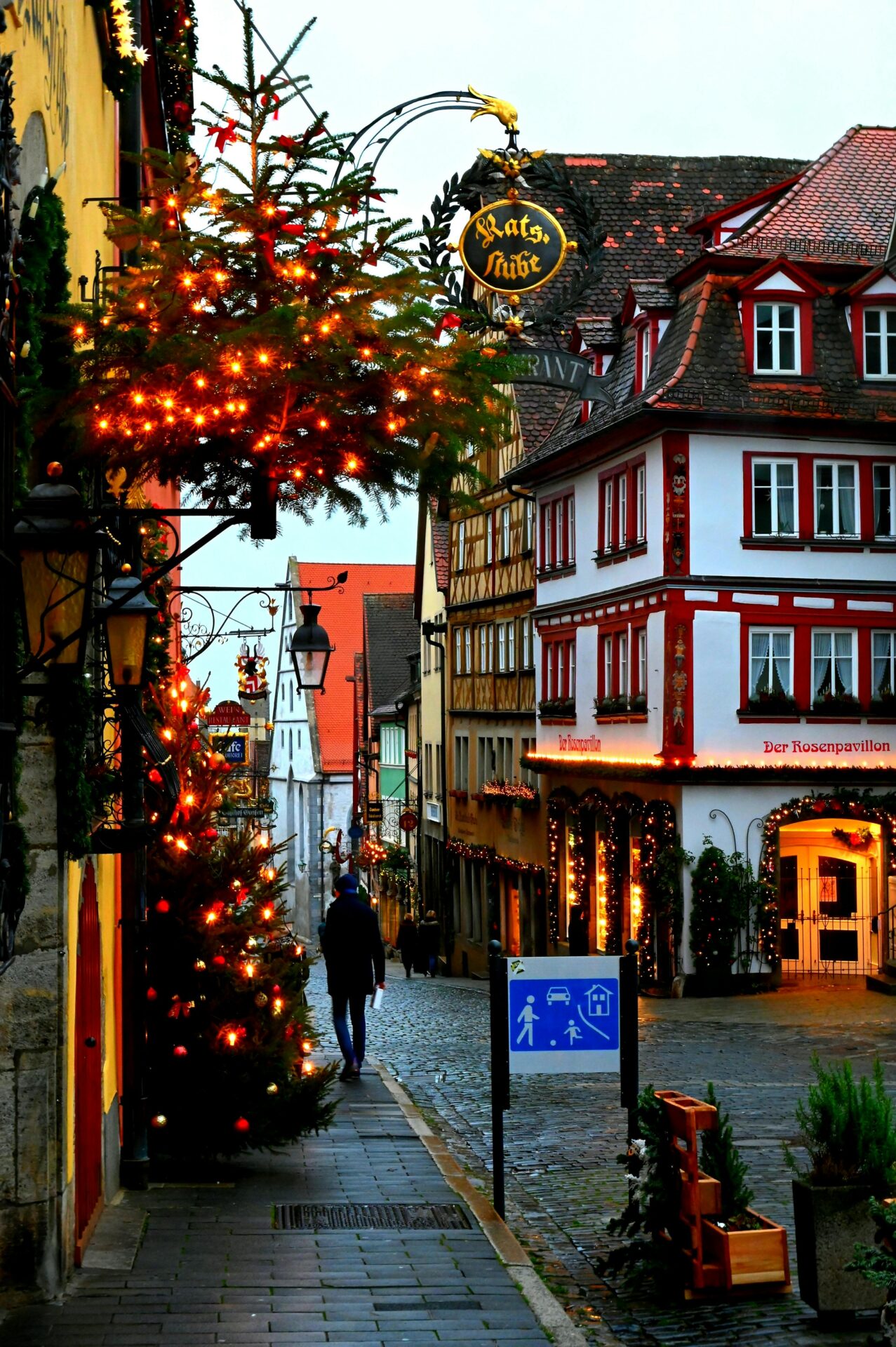
Rothenburg ob der Tauber hosts one of Bavaria’s most enchanting Christmas markets. The Reiterlesmarkt fills the old town with wooden stalls, glowing lights, and the smell of mulled wine. You’ll find local crafts, Lebkuchen (gingerbread), and ornaments everywhere.
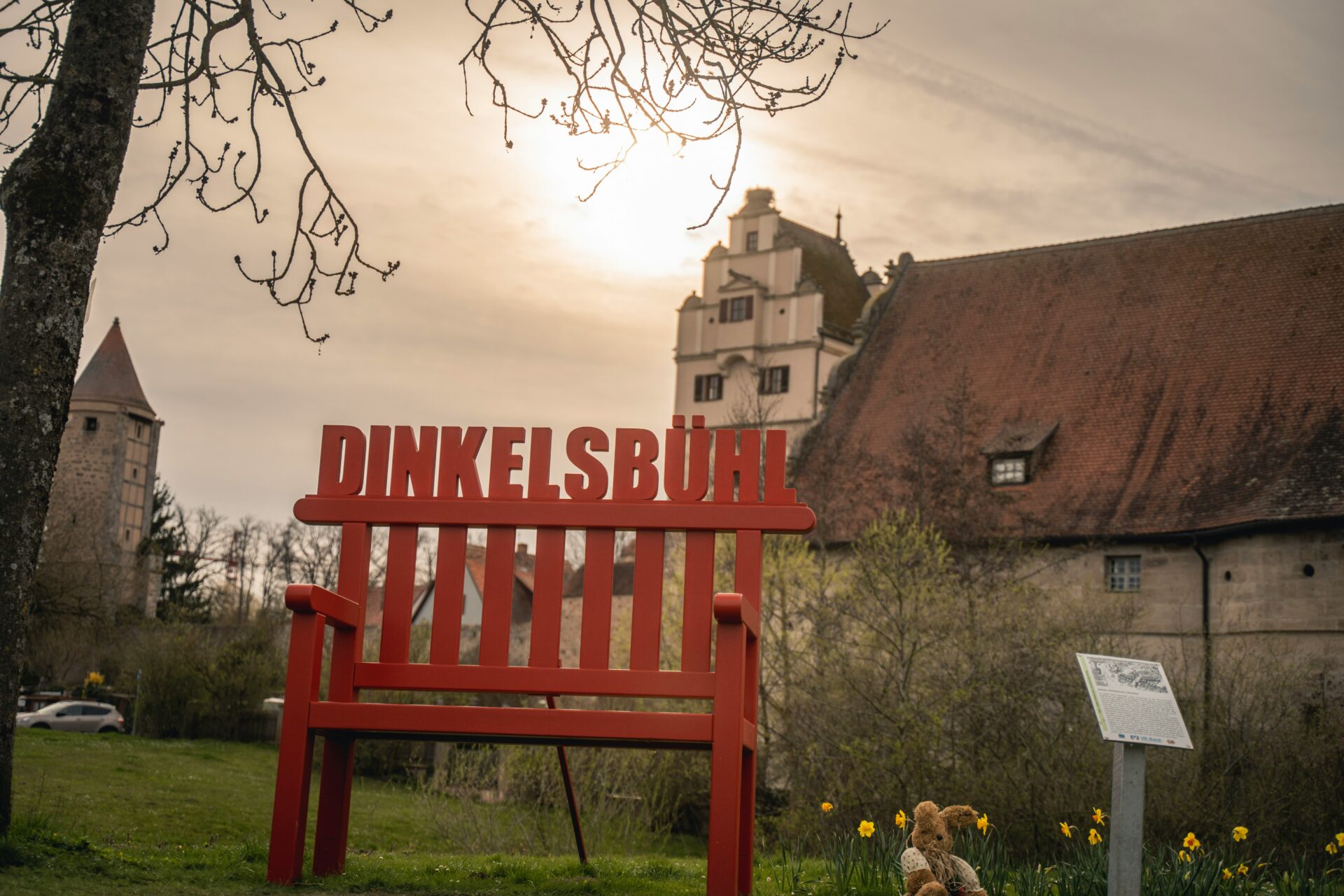
Dinkelsbühl sets its market near St. George’s Minster, and it feels simple but authentic. Nördlingen‘s market winds along the city walls, giving it a medieval vibe.
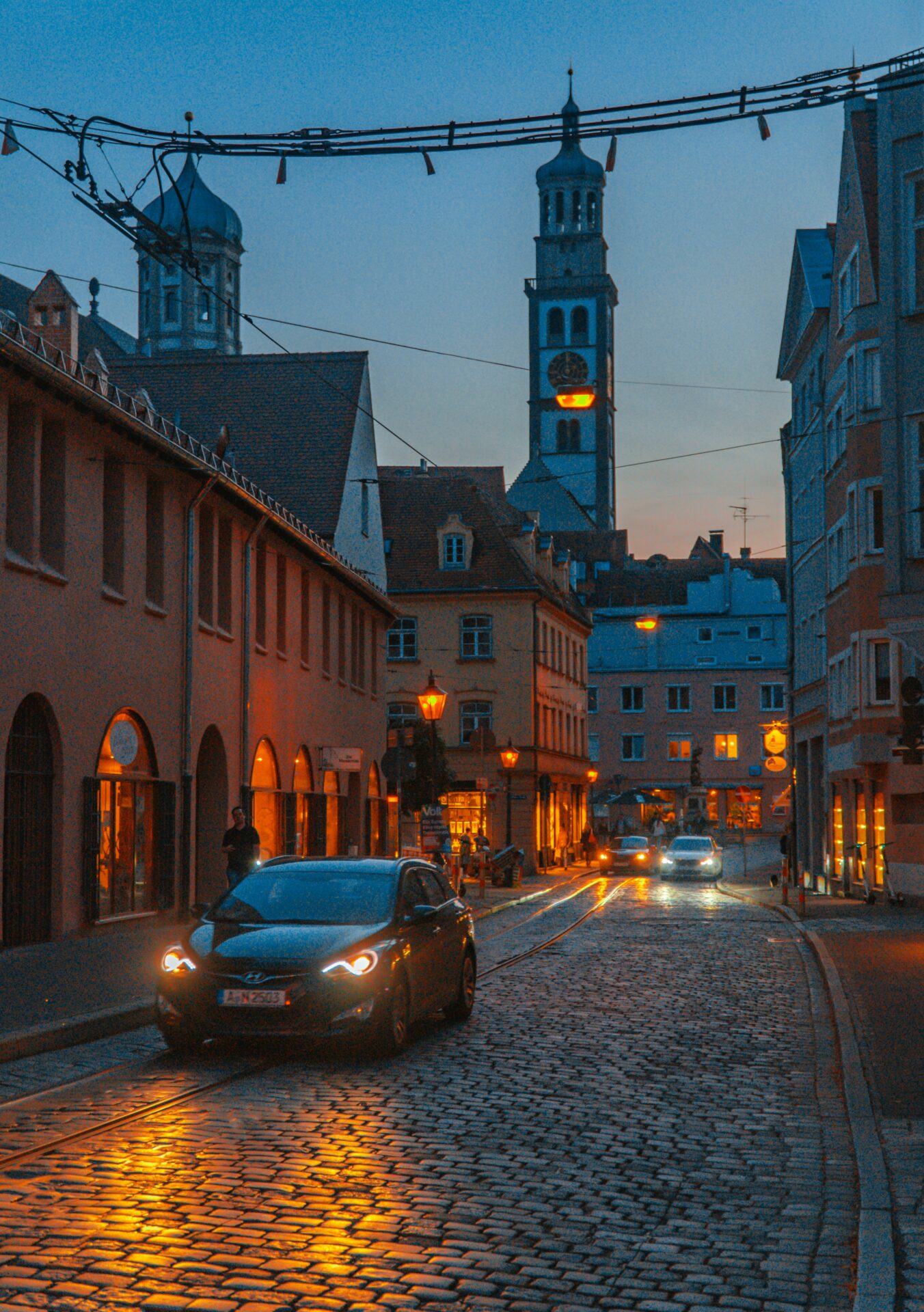
Augsburg has one of the region’s oldest and biggest Christmas markets. The Christkindlesmarkt features a giant advent calendar, with town hall windows opening each night. Each market offers something different—crafts, food, or local traditions—so it’s worth visiting more than one if you can.
Holiday Events, Illuminations, and Local Traditions
Every town along the route puts on special holiday events. In Rothenburg ob der Tauber, I’ve joined candlelit evening tours that share legends and history. Choirs sing in church squares, and costumed figures from German folklore show up at the markets.
Augsburg’s “Angel Performance” is a highlight—performers dressed as angels open the market from the town hall balcony. Nördlingen offers guided walks through the glowing old town, and Dinkelsbühl sets up nativity scenes and craft demos. Traditional foods like bratwurst, stollen, and roasted chestnuts are everywhere.
Towns decorate their old quarters with lights, making evening strolls feel magical. Most markets run from late November until just before Christmas, so I try to time my visit to catch them.
Winter Travel Tips and Accommodations
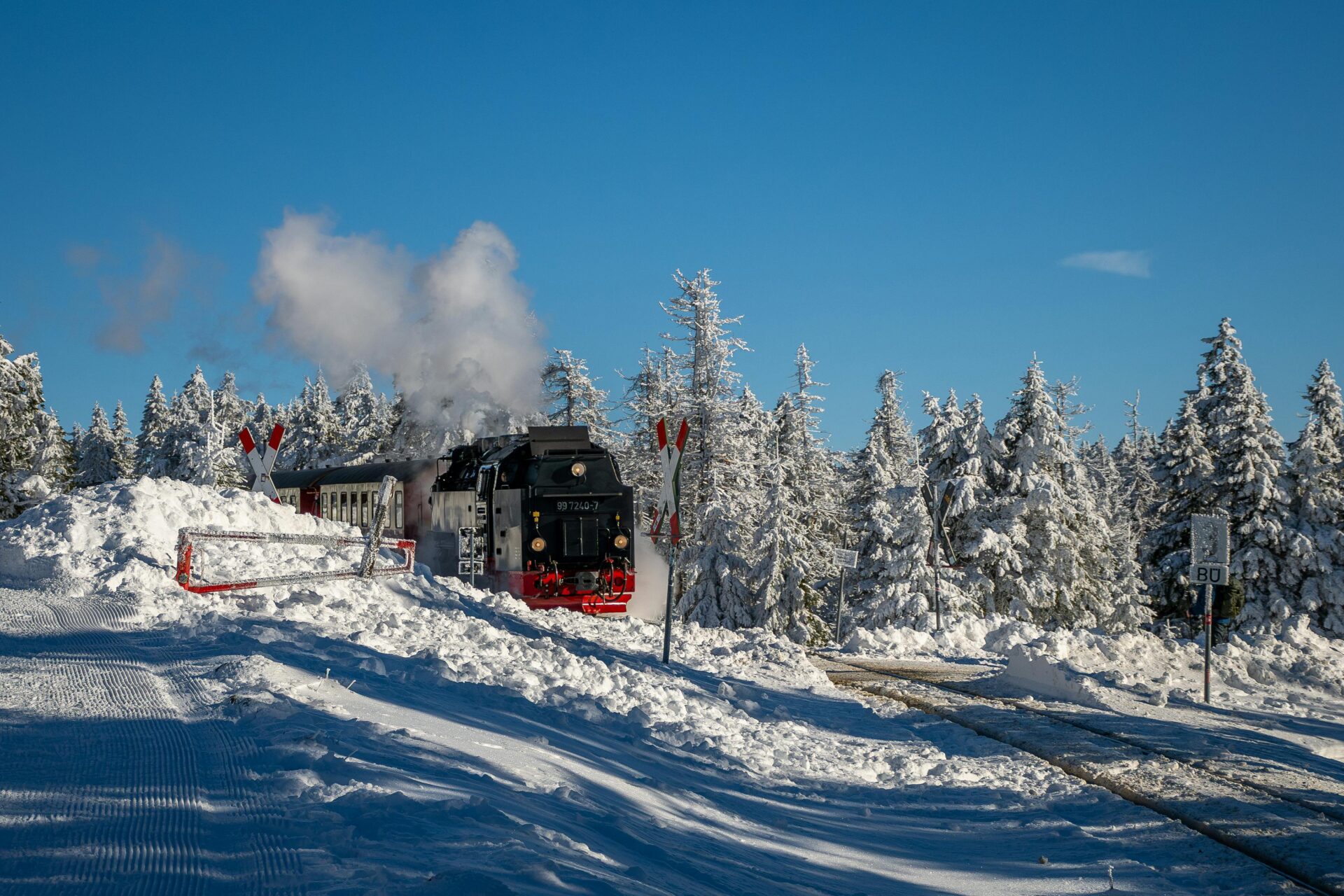
Winter can get cold on the Romantic Road, and snow sometimes falls—especially in December. I always bring warm clothes, comfy boots, and layers for wandering the markets. Cobblestone streets can get icy, so watch your step.
You’ll find boutique hotels in medieval buildings and family-run guesthouses in old town centers. Book ahead for the holidays—rooms fill up fast. Some places even offer little perks like afternoon tea or mulled wine.
Trains and buses run year-round, though snow can cause the odd delay. I usually use local buses for short hops between towns in winter. Public transport makes it easy to enjoy the festive vibe without stressing about parking or driving on icy roads.
Exploring Castles, Historic Sites, and Medieval Towns
Germany’s Romantic Road is packed with castles, UNESCO-listed palaces, and medieval towns that ooze charm. Every stop brings a new slice of history, striking buildings, and scenery you’ll want to remember.
Neuschwanstein Castle and Hohenschwangau
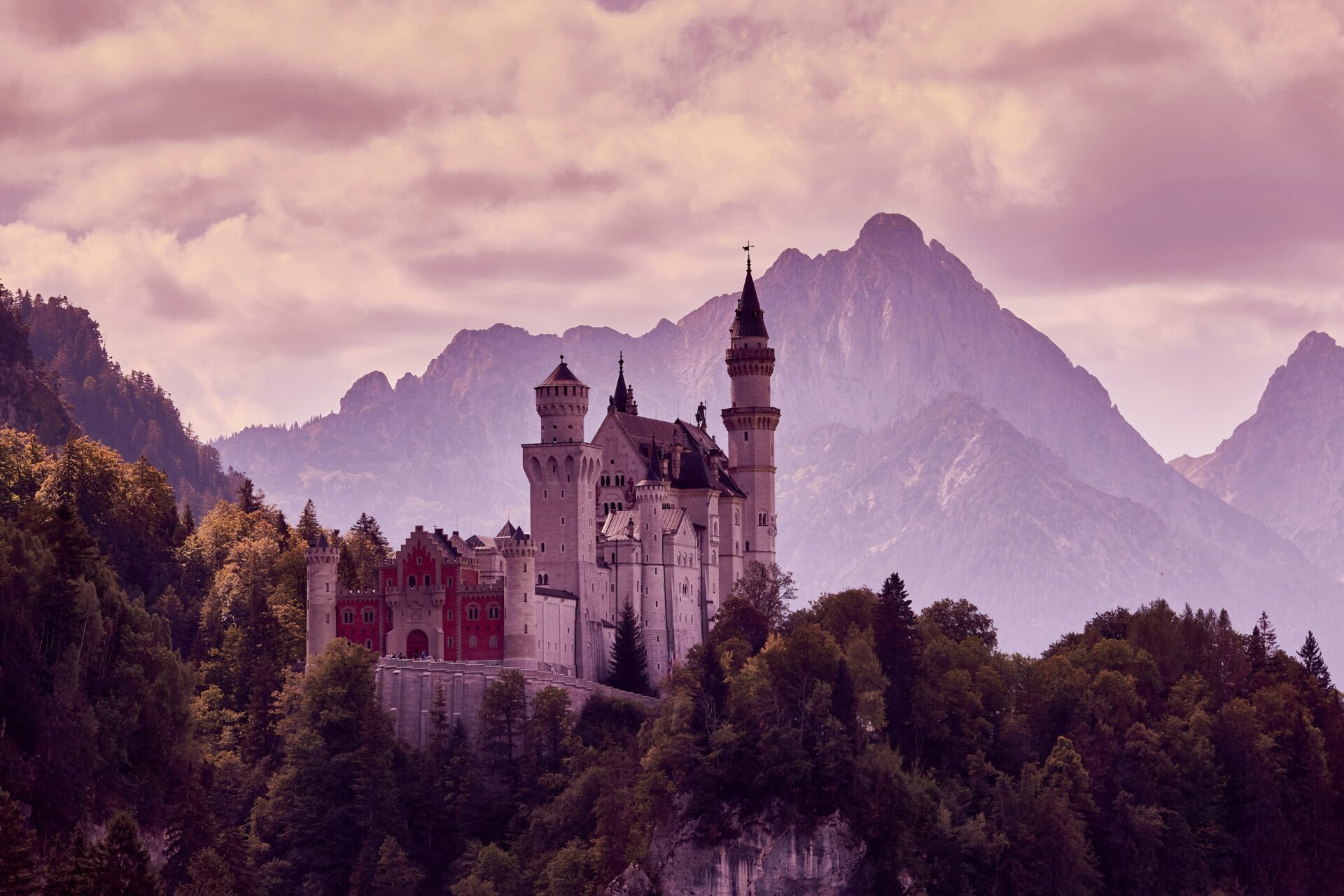
Neuschwanstein Castle is probably the most iconic sight in Bavaria. King Ludwig II built it in the 19th century, and its towers rise dramatically above the forests near Schwangau.
Honestly, the place feels straight out of a fairytale. Those white limestone walls look so striking against the green hills and blue sky, it almost seems unreal.
Just below Neuschwanstein, you’ll find Hohenschwangau Castle. This yellow-painted residence was King Ludwig II’s childhood home, surrounded by peaceful gardens and shimmering lakes.
Tours here guide you through detailed rooms and share stories of Bavarian royalty. Walking between these two castles, the Alps in the background create a view you won’t soon forget.
Key details:
- Location: Schwangau
- Neuschwanstein: Fairytale style, late 1800s, guided tours required
- Hohenschwangau: Older residence, 19th century, portraits and original furniture
Würzburg Residence and UNESCO Heritage Sites
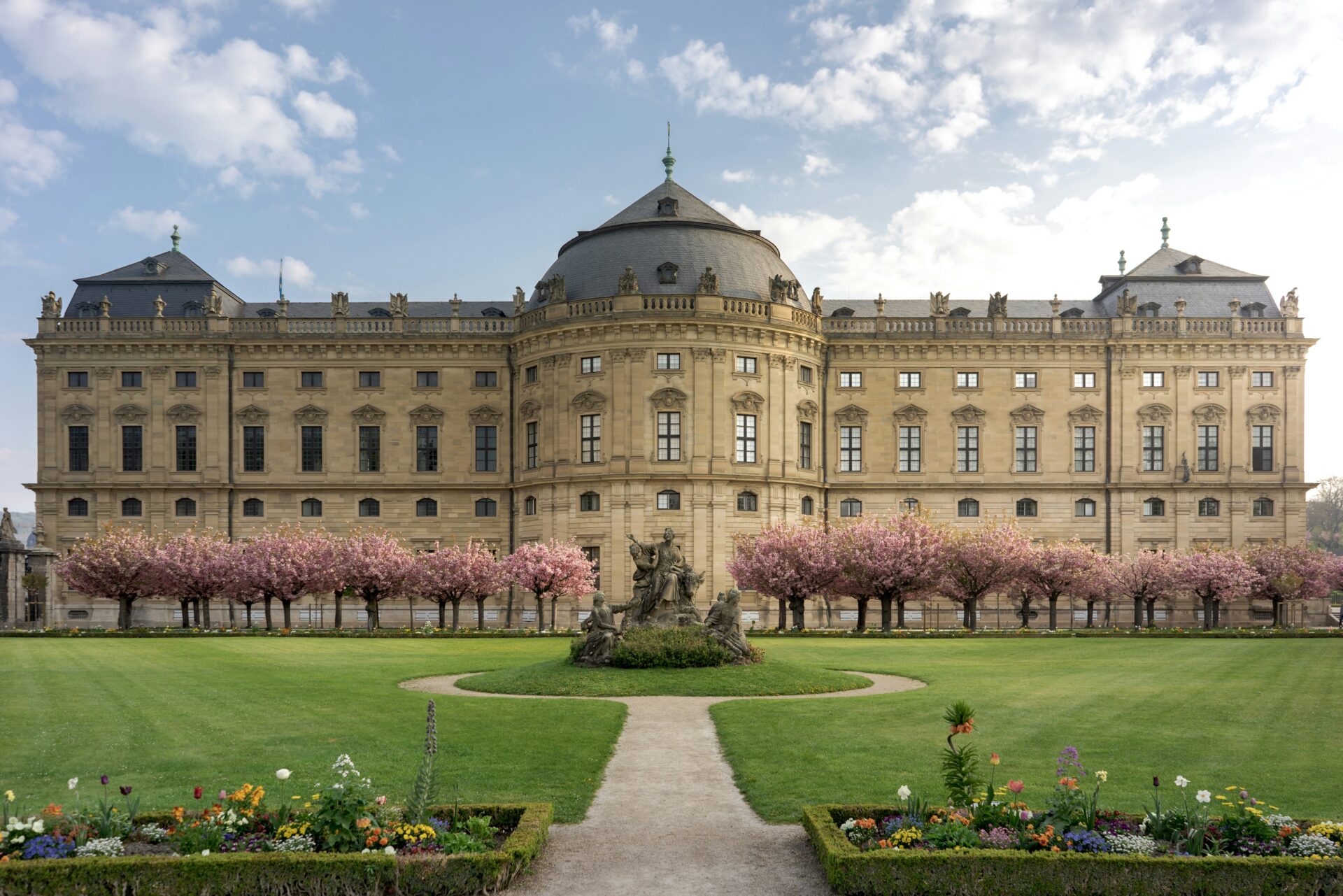
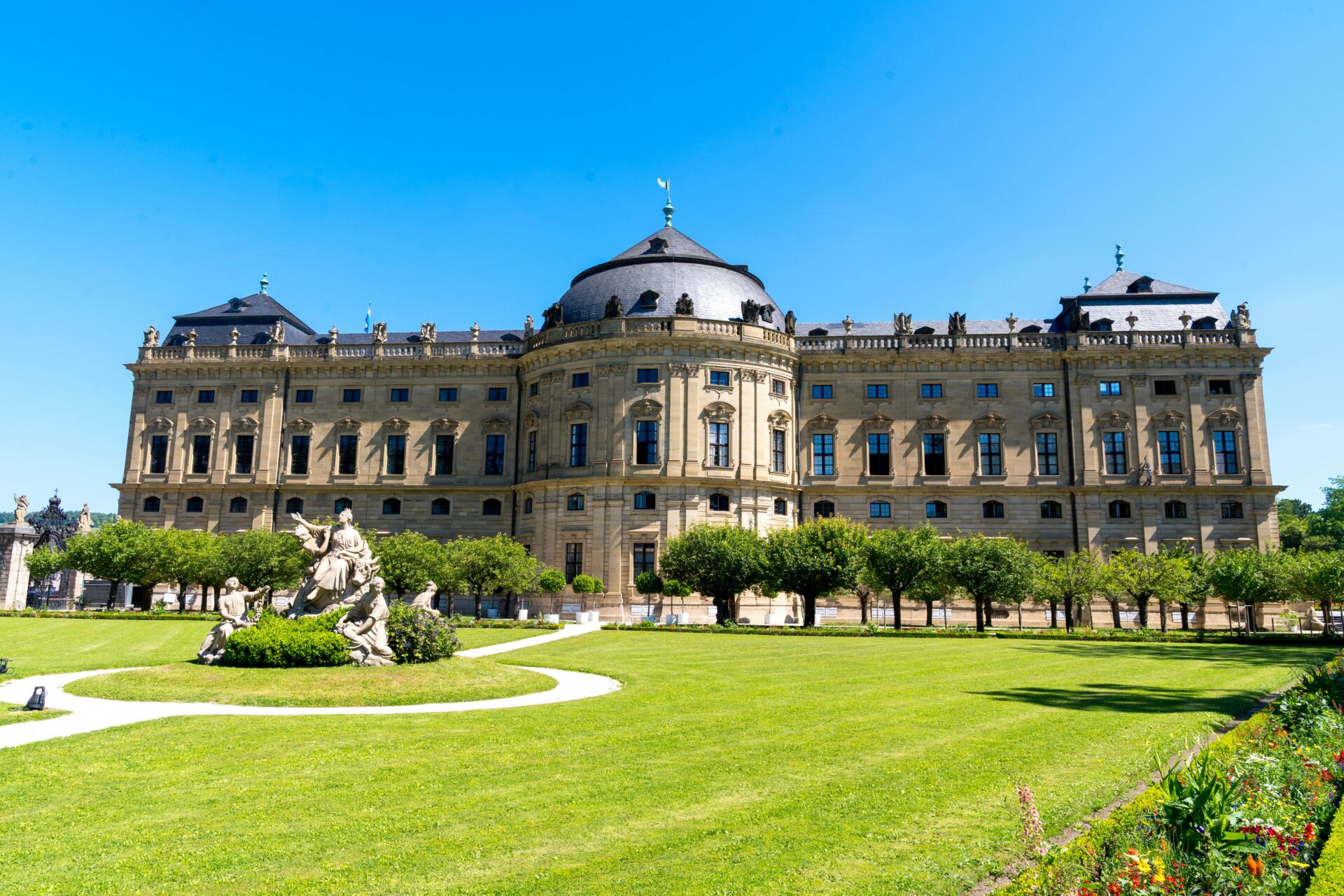
The Würzburg Residence stands as a gorgeous example of baroque architecture and has earned its spot as a UNESCO World Heritage Site.
Inside, you’ll climb the grand staircase and gaze up at ornate frescoes and mirrored halls. Every time I visit, I make sure to admire Tiepolo’s ceiling painting above the staircase—it’s massive, and honestly, it’s hard not to be impressed.
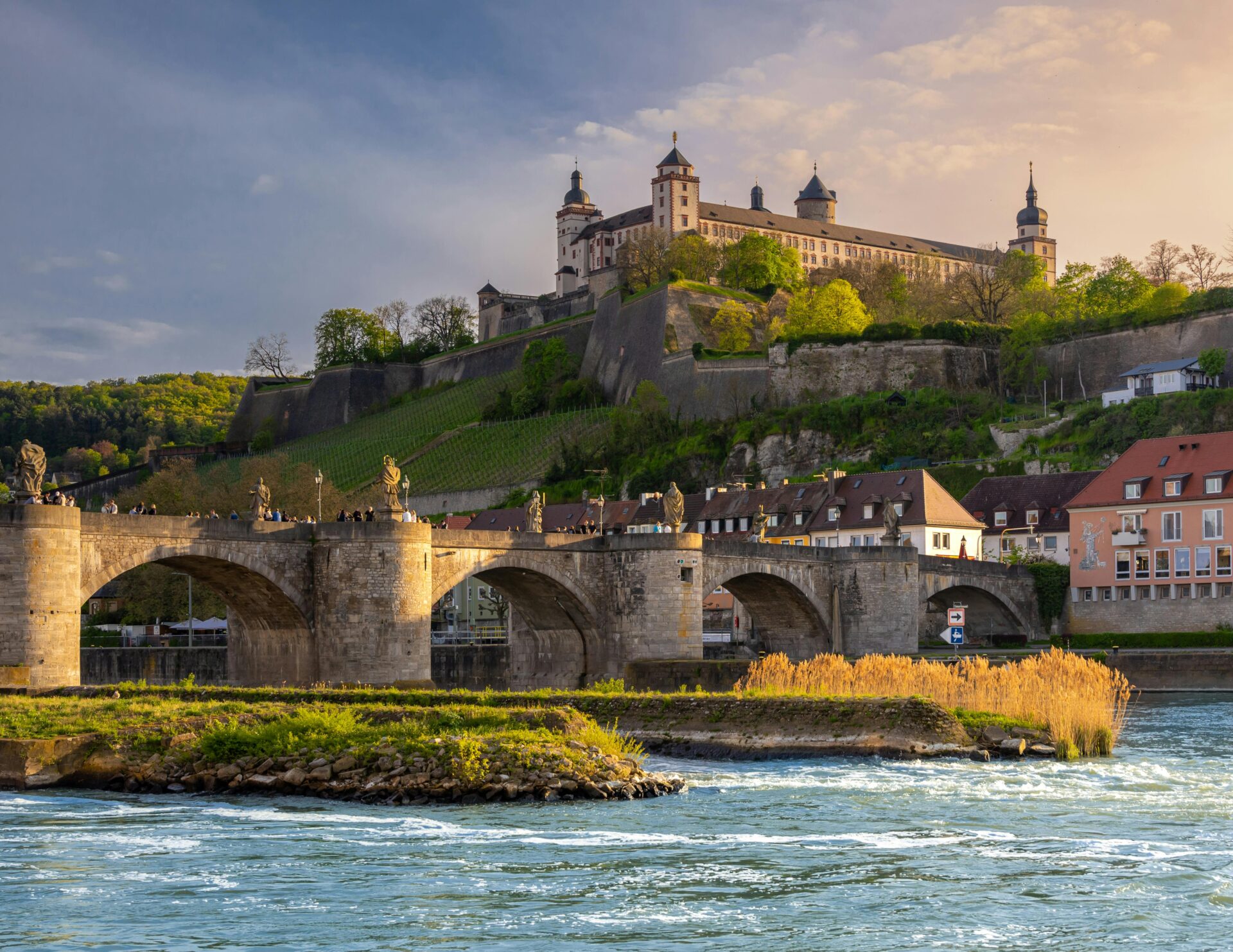
Outside, the gardens invite you to stroll, especially when spring breathes color into every corner. Würzburg’s Old Main Bridge (Alte Mainbrücke) and Marienberg Fortress watch over the Main River, offering up some seriously scenic city and vineyard views.
| Site | Style | Notable Features |
|---|---|---|
| Würzburg Residence | Baroque | Grand staircase, ceiling fresco |
| Marienberg Fortress | Medieval | City and river views |
| Old Main Bridge | Renaissance | Stone statues, riverside walk |
Picturesque Towns: Rothenburg, Dinkelsbühl, and More
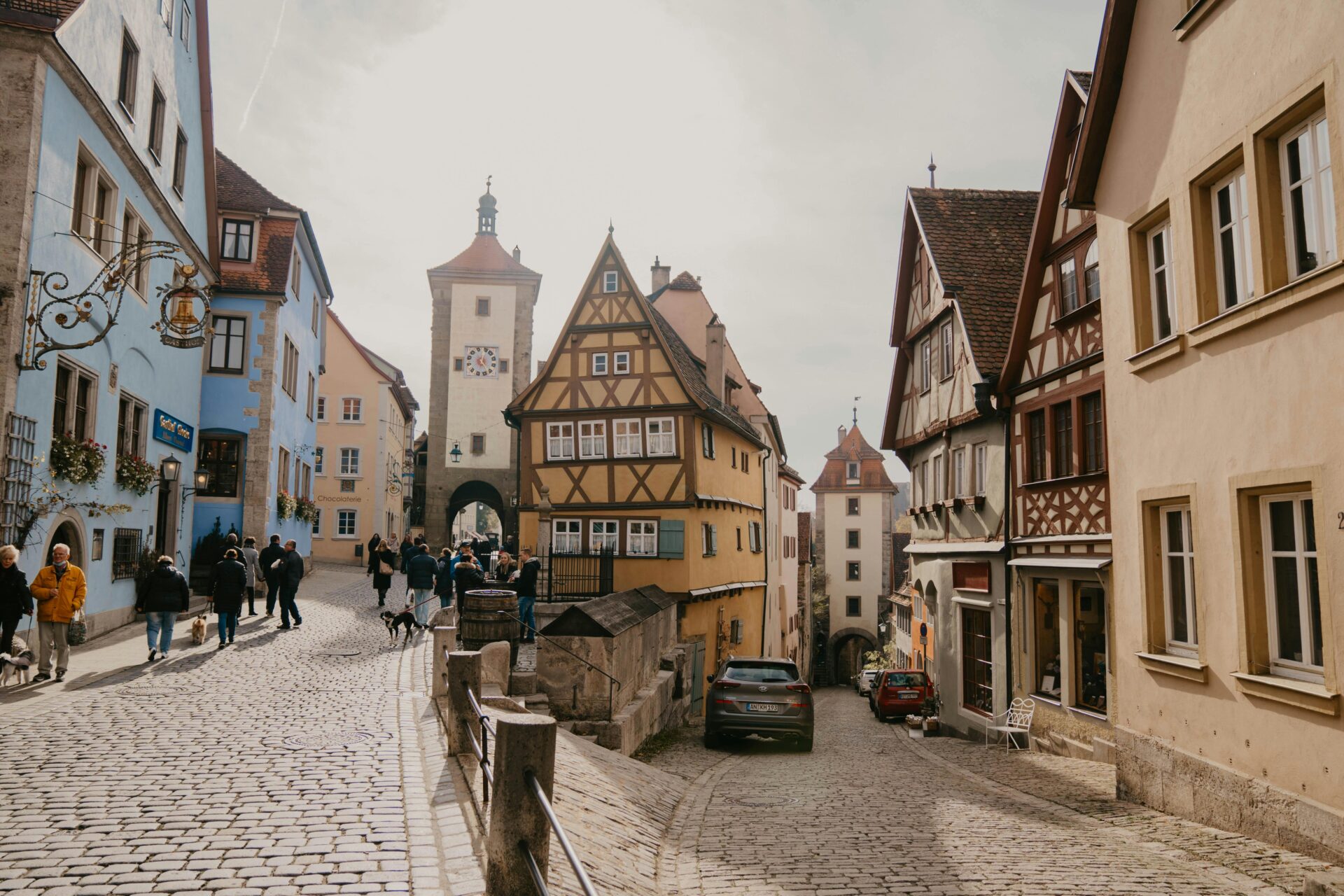
Rothenburg ob der Tauber is exactly what you imagine a medieval town to be—city walls, cobblestone lanes, and those classic timber-framed houses.
Wandering through the Altstadt, I spot watchtowers and the postcard-perfect Plönlein corner. It’s almost too charming.
Dinkelsbühl has a quieter vibe but plenty of pastel-colored homes and lively market squares. These towns have kept their medieval character, right down to the original gates and fortifications.
Nördlingen, with its perfectly round street plan inside ancient walls, adds a quirky twist to the historic feel.
Best experiences:
- Wandering cobblestone streets
- Checking out town gates and towers
- Grabbing local sweets and pastries
Baroque & Medieval Architecture Highlights
Traveling the Romantic Road, you’ll notice the architecture swings between grand baroque palaces and sturdy medieval buildings.
The Würzburg Residence shows off elaborate facades, while Rothenburg’s towers have a simpler, more fortified look.
Baroque buildings dazzle with dramatic staircases, stucco, and frescoes. Medieval spots rely on thick stone walls, narrow windows, and wooden beams.
Stone bridges, old churches, and half-timbered houses keep the scenery interesting. Each town really has its own flavor.
Major elements include:
- Baroque: Detailed plasterwork, high ceilings, symmetrical gardens
- Medieval: Defensive walls, timber framing, narrow alleys
There’s just something about the mix of styles that makes the Romantic Road feel genuinely historic.
Tips for Planning Your Romantic Road Journey
Planning a trip along Germany’s Romantic Road can be a bit of a puzzle, but it’s worth it.
I get the most out of the journey by mapping out my route, picking places to stay and eat that have some character, and paying attention to local events. Little things—like timing your trip with a festival—can make your visit unforgettable.
Travel Itineraries and Tour Options
When I plan a Romantic Road itinerary, I start with how much time I’ve got and what I actually want to see.
A five-day trip works well for me—enough time to enjoy castle towns, cobbled streets, and big views without feeling rushed.
I usually break up the drive by staying in Würzburg, Rothenburg ob der Tauber, Dinkelsbühl, and wrapping up in Füssen near Neuschwanstein Castle.
Some travelers go for a guided tour, which helps with language barriers or if you’d rather not drive. Many tours begin in Munich or Frankfurt and hit the highlights, sometimes sneaking in lesser-known stops.
Personally, I like renting a car for the freedom, but public buses and cycling routes are options too. If you enjoy being active, the cycling and hiking paths let you really experience the countryside.
Where to Stay and Eat Along the Route
You’ll find everything from no-frills guesthouses to fancy hotels along the Romantic Road.
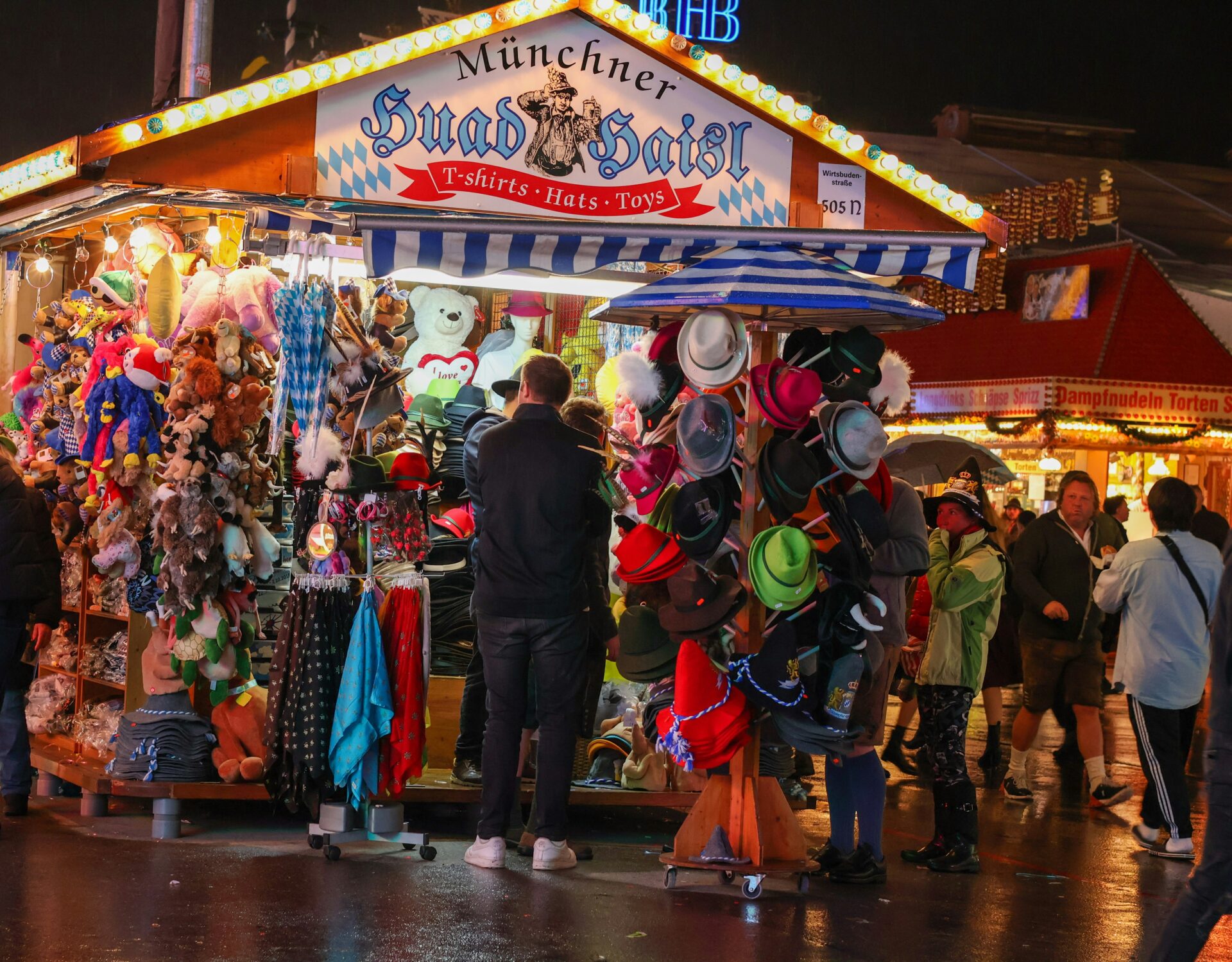
I have a soft spot for family-run inns in old town centers—they add so much local charm. Booking ahead is smart, especially during busy times or big festivals like Oktoberfest.
Food-wise, you can’t go wrong. There are cozy cafés, classic beer gardens, and plenty of hearty German breakfasts.
Rothenburg is famous for its bakeries and local specialties. When the sun’s out, nothing beats a meal in a biergarten with a good view.
For dinner, I hunt down Bavarian or Swabian classics—think schnitzel, sausages, and spätzle. You really can’t skip those.
| Town | Accommodation Style | Food to Try |
|---|---|---|
| Würzburg | Boutique Hotel | Franconian Wine |
| Rothenburg | Historic Guesthouse | Schneeballen Pastry |
| Augsburg | Modern Hotel/B&B | Local Sausages |
| Füssen | Alpine Lodge | Bavarian Roast Pork |
Local Culture, Events, and Day Trips
There’s a lot more to the Romantic Road than just the sights. I always suggest timing your trip with traditional markets or festivals if you can.
Christmas markets, for example, turn towns like Nördlingen into something out of a snow globe. Spring and summer bring flower parades, and autumn means wine tastings and colorful leaves everywhere.
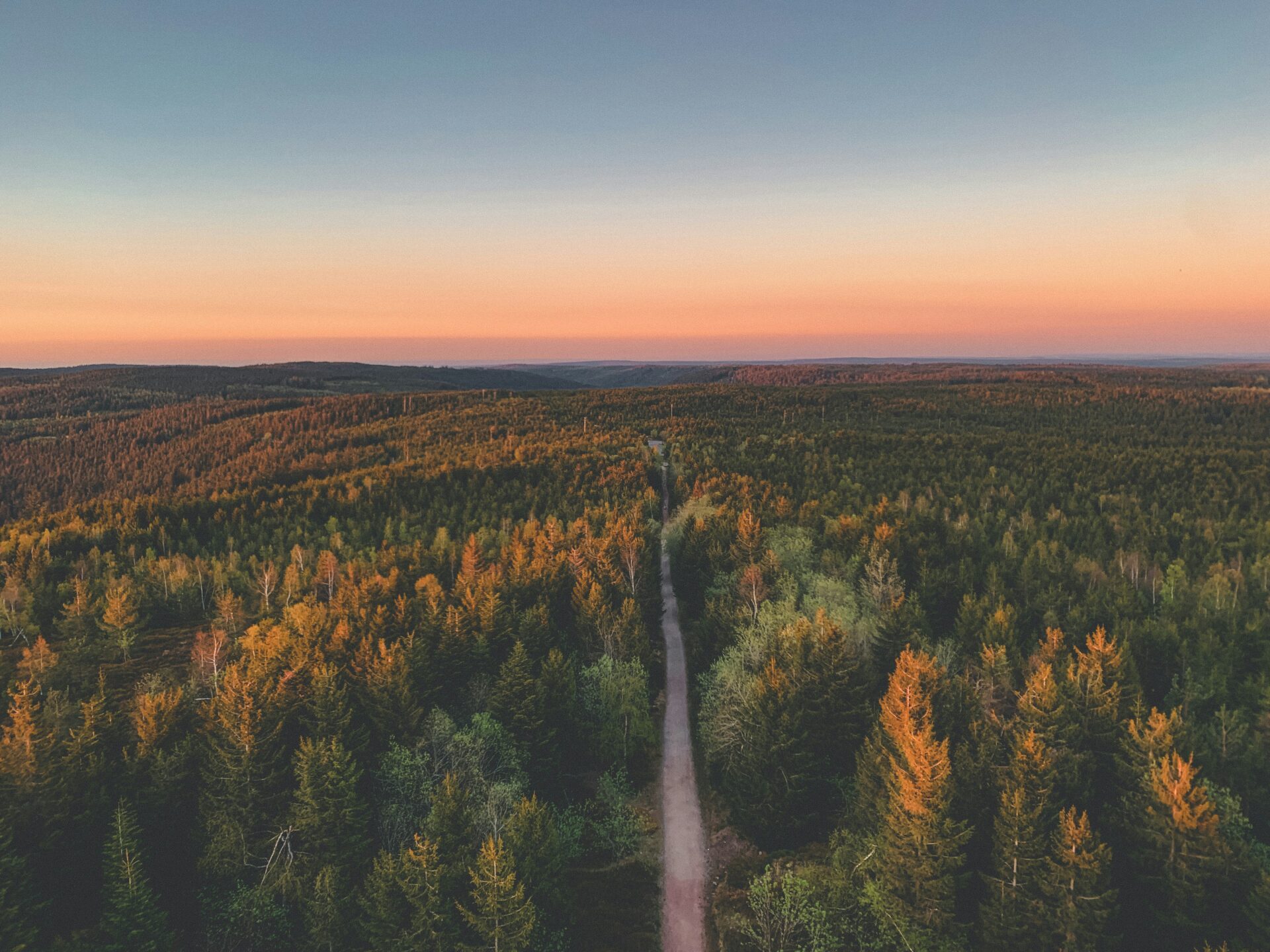
Day trips? Absolutely worth it. The Black Forest isn’t far, and cities like Munich offer a different vibe.
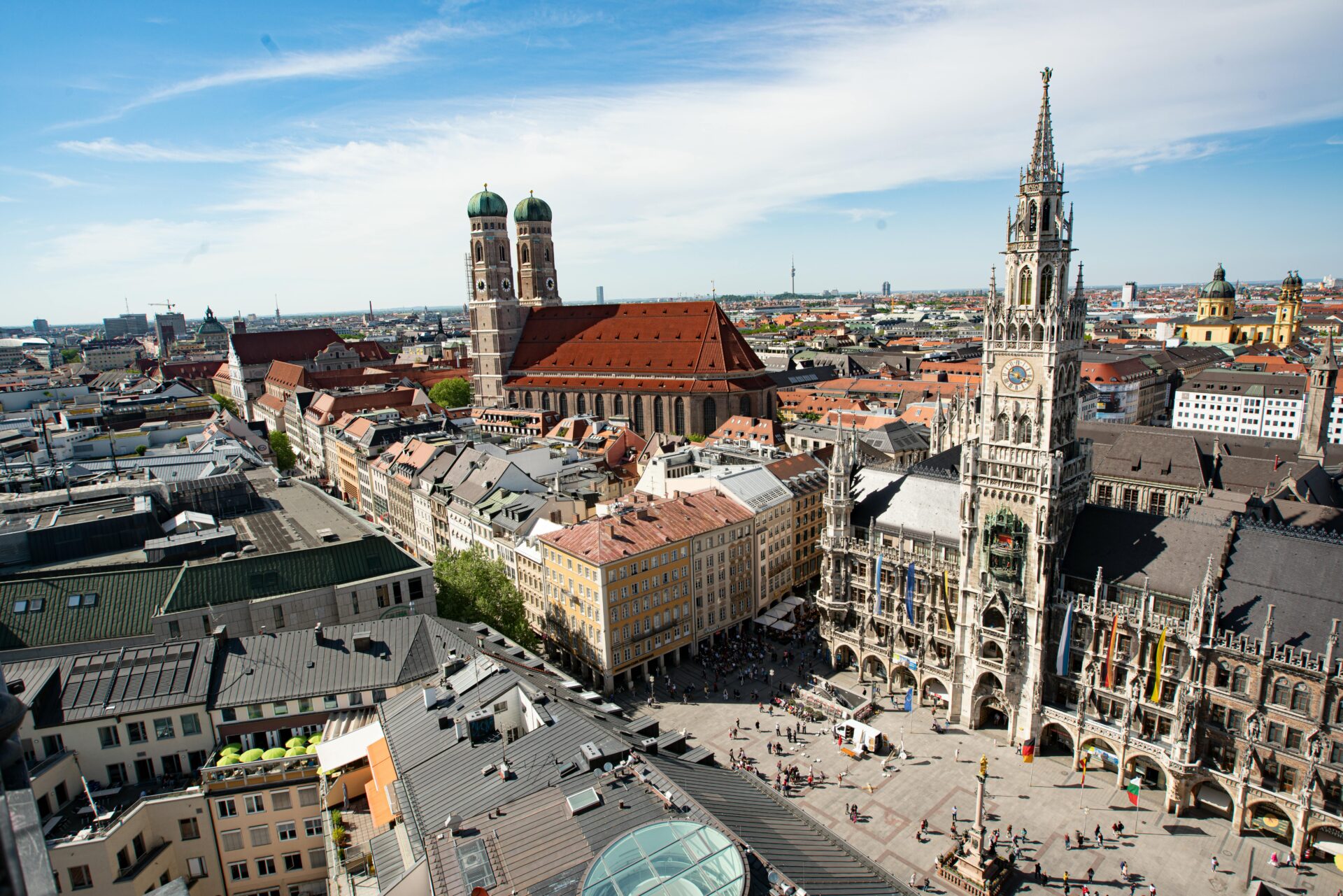
Stopping in Marienplatz to watch the Glockenspiel is classic Munich. For quieter moments, I love ducking into small museums, local craft shops, or churches tucked away from the crowds.
Transportation, Safety, and Packing Advice
Honestly, I love the freedom that comes with driving. There’s nothing like having your own car, but I always make sure to have a solid GPS or at least some offline maps—just in case.
Traffic jams? Oh, they’re real in bigger cities like Frankfurt or Munich. I usually try to dodge the rush by planning my route ahead of time and steering clear of peak hours.
If you’re not into driving, trains and buses run pretty often between the main towns. Still, I always double-check the schedules, especially on weekends. You never know when there’ll be a random gap or a delay.
When it comes to packing, I lean into layers. The weather loves to surprise you, especially during spring and autumn.
A good pair of walking shoes? Absolutely necessary. Those cobbled streets and hiking trails don’t care if your feet hurt.
I like to toss a small daypack over my shoulder for snacks, water, and my camera. You just never know when you’ll stumble on something photo-worthy.
As for safety, Germany feels very safe to me. Still, I make it a habit to lock my car and keep an eye on my stuff when I’m in crowded spots. Better safe than sorry, right?
