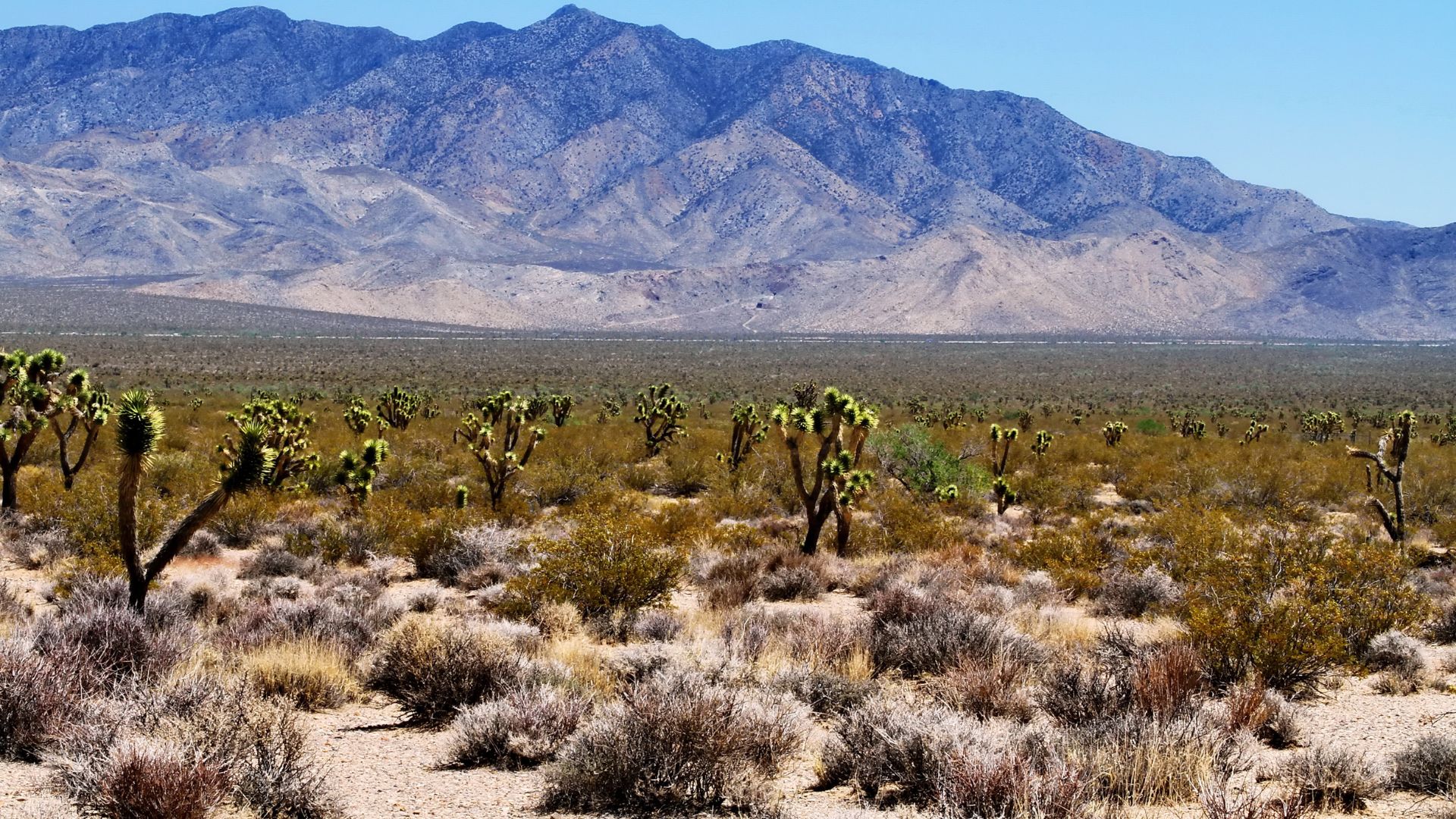
Ever wondered when it’s actually safe—and, let’s be honest, enjoyable—to explore California’s deserts? You’re definitely not the only one. The only truly safe and best season to visit California’s deserts is during winter and early spring. That’s when temperatures stay mild, the skies open up, and every outdoor adventure feels comfortable and, well, possible.
I keep coming back to places like Joshua Tree and Death Valley from November through April. The weather just works. Hiking, camping, and wandering around without battling dangerous heat? Yes, please. If you’re hoping for wildflowers or those peaceful, starry desert nights, these months deliver the perfect experience.
Through my own trips (and a few rookie mistakes), I’ve realized that timing is everything in California’s deserts. So, here’s what I’ve learned—why winter and spring are the sweet spot, what you’ll find, and a few tips to make your next desert escape unforgettable.
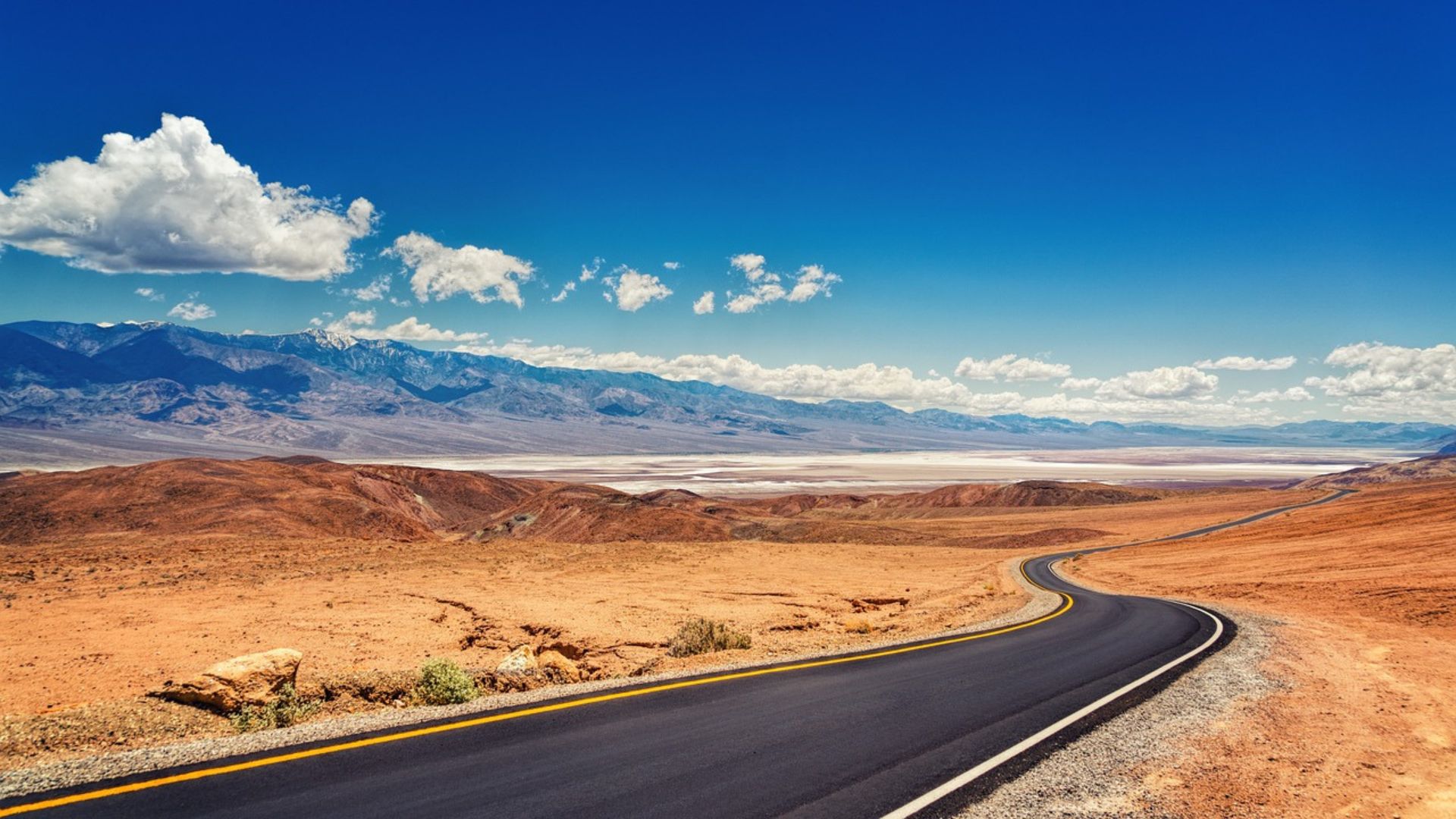
Why Winter and Spring Are the Only Safe Seasons for California’s Deserts
You really have to time your desert trips right in California. Extreme summer heat and wildfire risks can turn a dream adventure into a disaster.
Risks of Visiting During Summer and Fall
I’ve stopped even considering summer or fall for California desert trips. Summer days in Death Valley or Joshua Tree regularly hit over 100°F (38°C). That’s not just uncomfortable—it’s risky. Heatstroke, dehydration, and sunburn can sneak up fast, even if you’re just out for a short walk.
Fall doesn’t bring much relief. High temps stick around, and many trails still feel unsafe. Shade is rare, and the dry air makes things tougher than you’d think. Late summer and early fall can also surprise you with thunderstorms that cause flash floods in dry washes and canyons. Those floods don’t give much warning.
Wildfires also become a big issue, especially near the edges of the desert where the Mediterranean climate takes over. Smoke can make it hard to breathe, and fire danger often means parks close or change their plans suddenly.
Benefits of Cooler Temperatures
Winter and spring flip the script completely. Daytime temps usually hang between 60°F and 80°F (15°C to 27°C), which finally makes hiking, camping, and exploring safe and fun. That’s when I feel comfortable taking longer treks or bringing family along.
Cooler air means you don’t have to worry about heat illness. Nights can get cold—sometimes below freezing up in the higher spots—but with the right layers, it’s honestly not a big deal.
After winter rains, wildflowers sometimes explode across the landscape, especially from February to April. Those “super blooms” in Anza-Borrego or the Mojave? They’re unreal. Trails and parks stay open, and you can soak up the views without worrying about heat exhaustion.
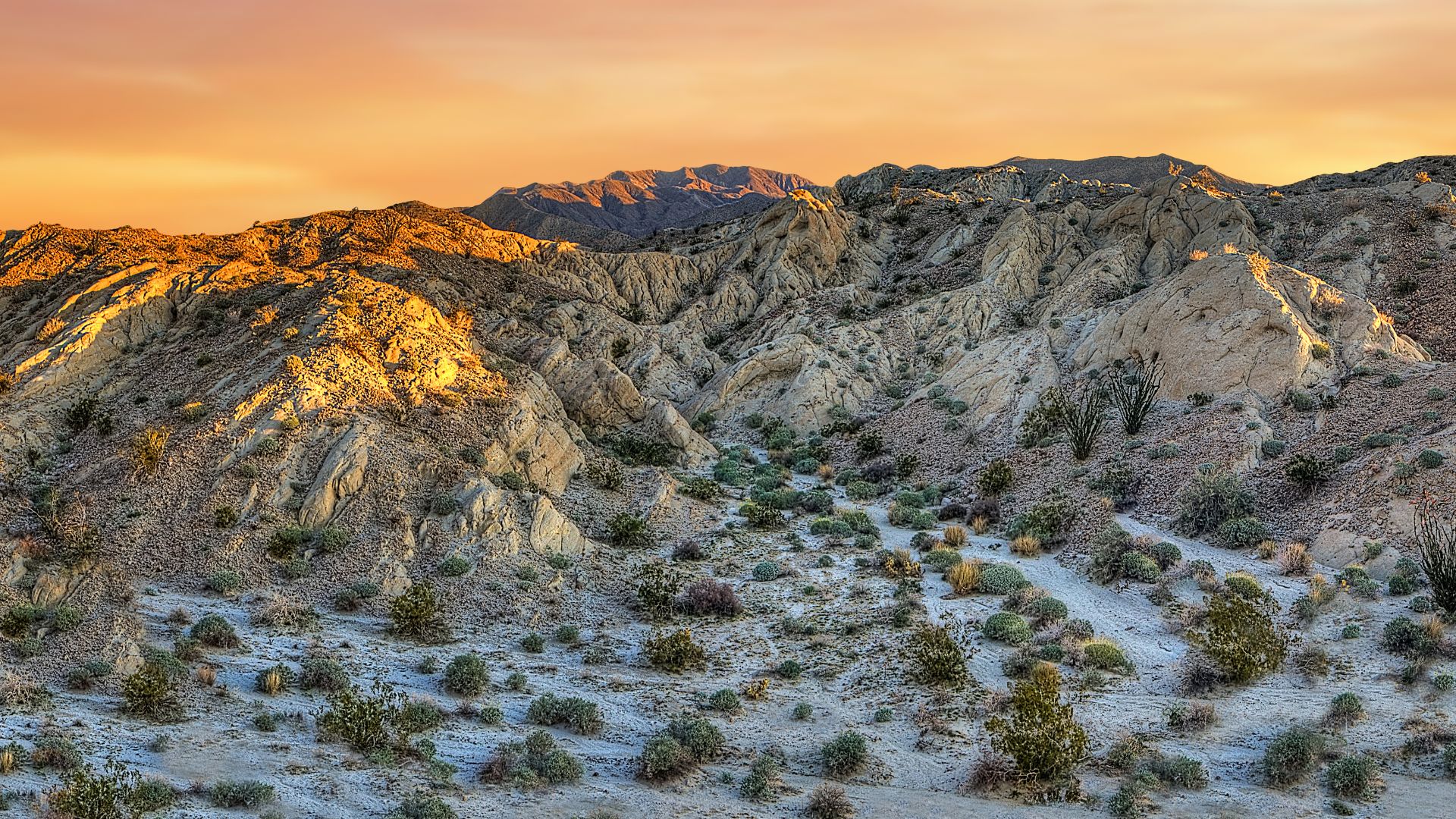
Impact of Wildfires and Weather
Wildfires usually calm down in winter and spring. Cooler air and rain keep things safer, so parks are open and the risk of closures drops.
Winter showers, especially in the Mediterranean zones, help keep dust down and plants alive. Sometimes trails get muddy after a storm, but honestly, a little water just brings the place to life.
Clearer skies are almost a guarantee. Stargazing becomes magical—desert parks have some of the darkest, most open skies around. I always look forward to those nights. If you’re after the safest, healthiest, and most memorable desert trip, winter and spring are where it’s at.
Top Destinations in California’s Desert Regions
California’s deserts pack in all kinds of parks, quirky towns, and landscapes you won’t see anywhere else. Every time I visit, I find new trails, views, and surprises—especially in the cooler months.
Joshua Tree National Park Adventures
Joshua Tree National Park is a classic for a reason. Those massive boulders and the odd-looking Joshua trees never get old. I love hiking Hidden Valley and Barker Dam—there’s something about the rocks and wide-open views that just feels epic.
Climbers come for the famous routes, and photographers show up for those wild, star-filled skies. The park has great picnic spots, some surprisingly good visitor centers, and easy nature walks for families.
Spring brings a flush of wildflowers and the kind of weather that makes you want to stay outside all day. Camping’s huge here, too. There are several year-round campgrounds, but they can fill up fast. Here’s a quick rundown of what most people (myself included) love doing:
- Hiking: Hidden Valley, Ryan Mountain, Arch Rock
- Stargazing: Some of the clearest skies you’ll find
- Rock Climbing: All skill levels, endless routes

Exploring Death Valley National Park
Death Valley National Park sprawls across southern California and Nevada. Sure, it’s famous for being insanely hot, but in winter and early spring, it’s actually comfortable.
Badwater Basin is a must—standing at the lowest point in North America feels surreal. Zabriskie Point at sunrise or sunset is unforgettable. Artist’s Palette and the Mesquite Flat Sand Dunes are favorites for anyone with a camera or a sense of adventure.
Wildlife comes out more in the cooler months, and rangers run fun walks and talks. Even when it feels cool, I always bring extra water. Here are a few highlights:
| Landmark | Highlight |
|---|---|
| Badwater Basin | Lowest elevation in North America |
| Zabriskie Point | Epic sunrise/sunset views |
| Dante’s View | Sweeping valley panoramas |
| Mesquite Flat Sand Dunes | Easy access for sand dune fun |
Palm Springs and the Coachella Valley
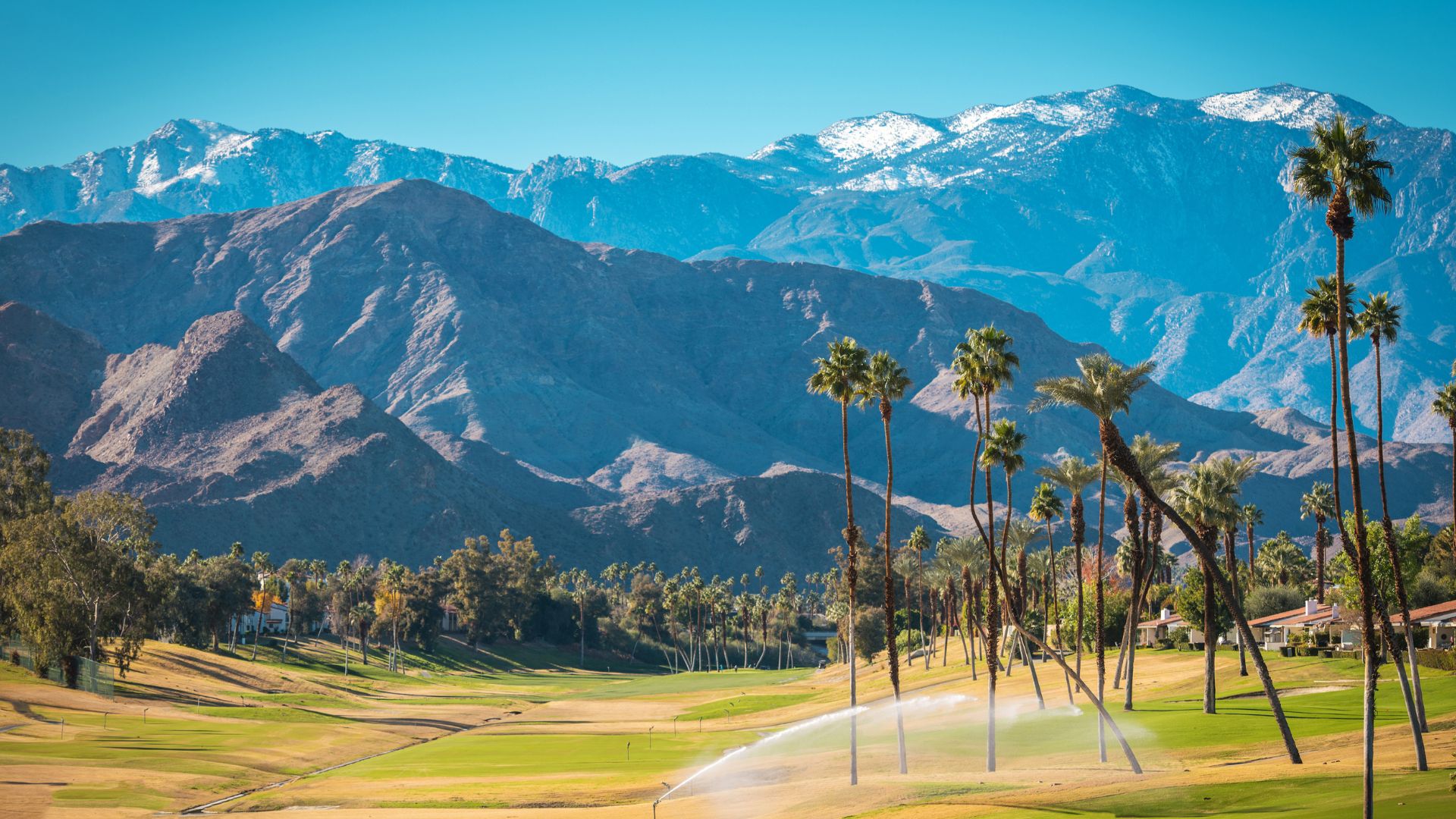
Palm Springs sits right in the heart of the Coachella Valley and gives you a totally different desert vibe. It’s lively and makes a great base for exploring nearby mountains, canyons, and even Joshua Tree—it’s just a short drive away.
The city’s famous for its resorts, hot springs, and that cool mid-century look. I always tell people to try the Palm Springs Aerial Tramway. It whisks you up to Mount San Jacinto State Park, where the air is crisp and the hiking trails are a welcome change of pace.
Coachella Valley has golf, shopping, dining, and a packed events calendar in winter and spring. The Living Desert Zoo and Gardens is worth a stop if you’re into native plants and animals.
- Top Activities in Palm Springs:
- Soaking in mineral pools
- Riding the tramway for mountain views
- Checking out galleries and shops
- Hopping over to nearby parks
Unique Experiences During Winter and Spring
Winter and spring don’t just make the desert bearable—they make it special. Wildflowers, outdoor events, and those crystal-clear nights turn every trip into something memorable.
Outdoor Adventures and Hiking Trails
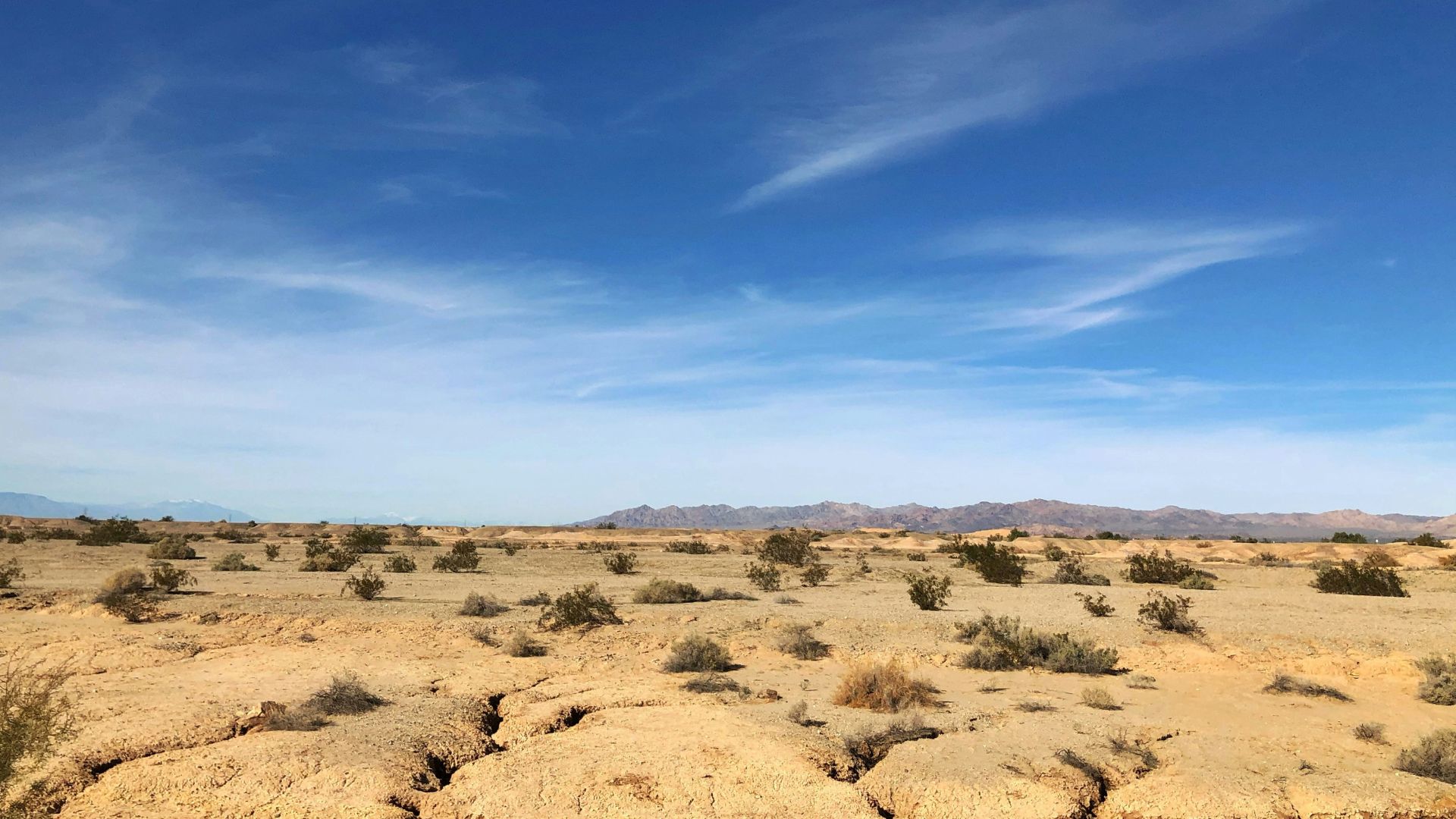
Hiking in California’s deserts is best in winter and spring. Temperatures hit that sweet spot—mid-60s to low 80s Fahrenheit—so long walks are actually enjoyable. No more worrying about dropping from heat exhaustion.
Joshua Tree National Park and Anza-Borrego Desert State Park both have awesome, well-marked trails. Hidden Valley and Borrego Palm Canyon are favorites. In spring, you’ll find the crowds are thinner, which is always a plus.
Mountain biking, rock climbing, and guided tours are easy to find from December to April. The weather just makes everything safer and more fun.
Tip: Always bring more water than you think you’ll need, and start early, especially if you’re heading off the beaten path.
Wildflower Blooms and Natural Wonders
Spring wildflowers are legendary in places like Anza-Borrego Desert State Park and the Mojave. If winter brings enough rain, you might see entire valleys covered in poppies, verbena, and lupines. It’s a sight you won’t forget.
I always check wildflower reports before heading out—blooms can be unpredictable and don’t last long. Usually, late February to early April is the window. Photographers and nature lovers flock to these spots, and honestly, it’s worth joining them.
Besides flowers, the soft light and clear air make rock formations and slot canyons in Death Valley and Joshua Tree look even more dramatic. You can spend hours exploring without worrying about dangerous heat.
Desert Festivals and Seasonal Events
Winter and spring also mean festival season in the desert. The Coachella Valley Music and Arts Festival draws people from everywhere each spring. Music, art, and a wild crowd—it’s a whole scene.
Earlier in the year, the Palm Springs International Film Festival is a personal favorite. Great films, lively people, and a fun atmosphere. Smaller desert towns throw their own parties—car shows, food festivals, art fairs. There’s always something going on.
Here’s a quick peek at a few big events:
| Event | Location | Usual Dates |
|---|---|---|
| Coachella Music Festival | Indio | April |
| Palm Springs International Film Festival | Palm Springs | January |
| Borrego Springs Circle of Art | Borrego Springs | March |
If you want to go, book tickets and places to stay early—these festivals fill up fast.

Stargazing and Nighttime Activities
Desert nights in winter and spring are something else. The air is crisp, and the skies are so clear you can see the Milky Way. Joshua Tree, Anza-Borrego, and Death Valley are all top spots for stargazing.
I like to bring a telescope or join local astronomy groups for “star parties.” Sometimes I just lay back and watch the show. Night hikes and ranger-led programs are popular too. Without the heat, wandering after dark feels comfortable and safe.
Wildlife gets active at night—owls, bats, and other nocturnal critters come out. It’s a whole different world compared to daytime. For the best stargazing, check the moon phase and see if any local clubs are hosting events.
Weather Conditions and Travel Tips for Desert Trips
Winter and spring bring mild weather, beautiful views, and quieter trails to California’s deserts. Planning your trip for these seasons just makes everything easier and safer.
Typical Winter and Spring Climate
From December to April, you’ll usually get daytime temps between 60°F and 80°F. Nights can get chilly—sometimes down to the 30s or 40s.
Unlike the brutal summer, winter and spring let you hike and explore without worrying about the heat. Spring sometimes brings wildflowers, especially after good rain.
There are fewer tourists, so you get the trails mostly to yourself. The clear skies and fresh air make it perfect for photography and stargazing. I always look forward to those peaceful mornings and evenings.
What to Pack for Your Journey
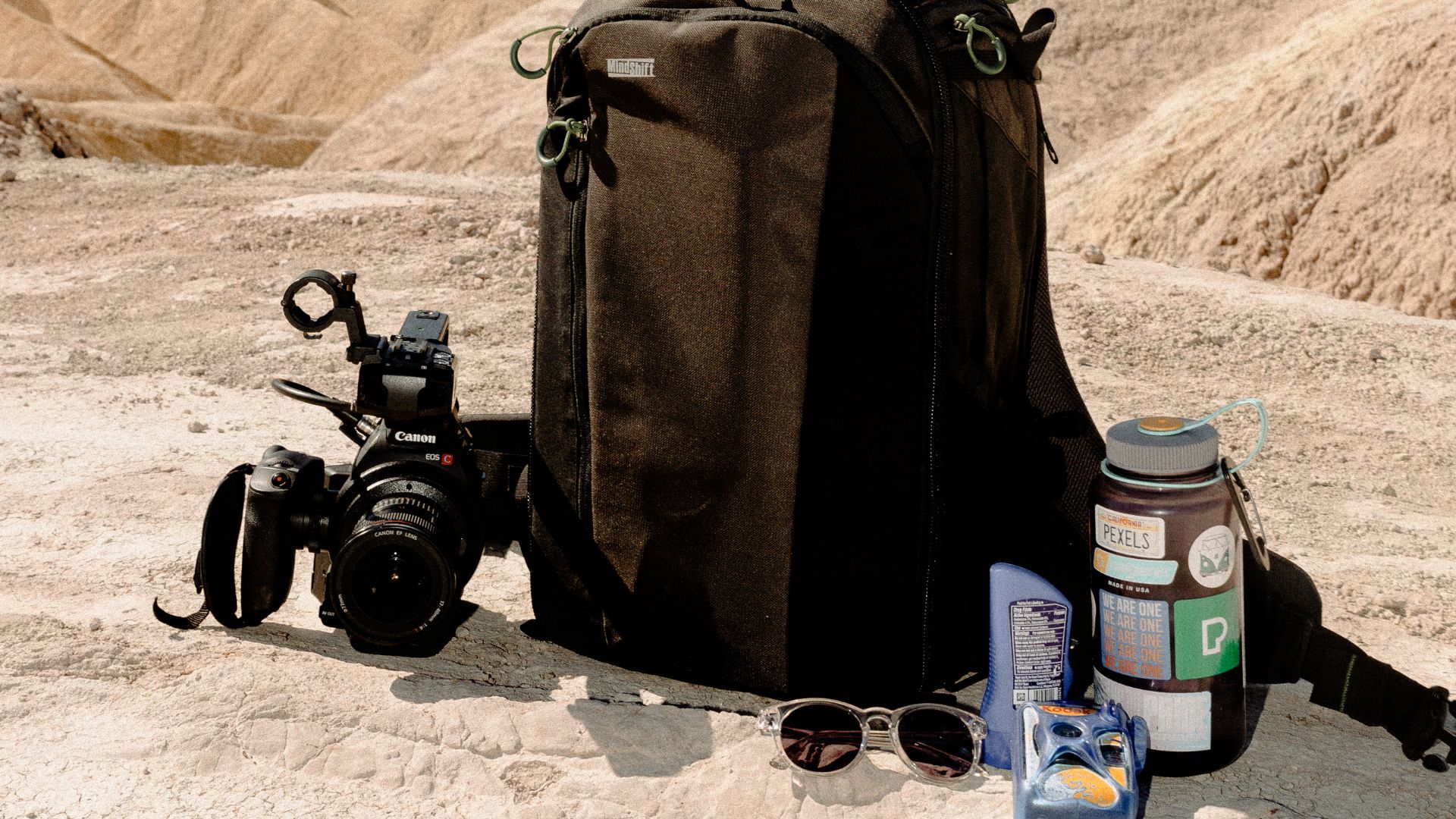
Packing right makes all the difference. Here’s what I always toss in my bag:
- Layers: Weather changes fast. I bring a lightweight jacket and a warm hat for cold nights.
- Sun Protection: Sunglasses, a wide-brim hat, and sunscreen. The sun can still be harsh, even in winter.
- Sturdy Shoes: Desert boots with ankle support help on rocky or sandy trails.
- Hydration System: A reusable water bottle or hydration pack is a must. Dry air will sneak up on you.
- Snacks and Emergency Supplies: Protein bars, a first aid kit, and a flashlight—just in case.
This list works for both winter and spring. If I’m heading out in January or February, I’ll add an extra warm layer.
Safety Precautions and Travel Advice
Before I go, I plan my route and let someone know where I’ll be and when I expect to get back. Cell service can be spotty or nonexistent out there.
I always check the weather before leaving. Storms can bring sudden rain and cold, sometimes closing roads or making things tricky.
Even in spring, I avoid hiking in the hottest part of the day and keep extra water in my car. Traveling with a buddy is safer, but if I go solo, I carry a personal locator or a paper map.
Some parks and stores have shorter hours in the off-season, so I double-check opening times. It’s saved me from a few surprises.
With a little planning, you can enjoy California’s desert magic and stay safe while you’re at it.
Combining Desert Adventures With Other California Highlights
Traveling through California means you can see deserts, beaches, vibrant cities, and stunning coastlines all in one trip. If you plan your route right, you’ll get the best of everything—from quiet desert mornings to lively coastal nights and cultural festivals.
Route Ideas: Deserts to Beaches and Beyond
I usually kick things off in Southern California’s deserts—think Joshua Tree National Park or those wild, sunbaked stretches near Palm Springs. The crazy thing? It’s just a quick drive west and suddenly I’m at the beaches in Los Angeles or San Diego. That contrast always surprises me.
One route I genuinely enjoy is the drive from Palm Springs to Santa Monica on Interstate 10. I’ll admit, I rarely pass up a chance to swing by Disneyland in Anaheim for a dose of nostalgia.
If I’m in the mood for a longer adventure, I’ll head north from the desert and set my sights on the Central Coast. Highway 101 or the Pacific Coast Highway winds through Santa Barbara, Big Sur, and Monterey. There’s something about those cliffside views—sometimes you’ll spot whales, or pull over to watch elephant seals lounging near San Simeon. It’s never boring.
| Start | Route | Key Stops |
|---|---|---|
| Palm Springs | I-10 to LA | Disneyland, Venice Beach, Santa Monica Pier |
| Joshua Tree | PCH/101 to SF | Santa Barbara, Big Sur, Monterey, San Francisco |
Incorporating National Parks and Coastline
I can’t resist mixing in California’s national parks to balance out those desert vibes with forest hikes and ocean views. After wandering through Joshua Tree, I’ll sometimes drive north to Sequoia or Kings Canyon National Park. There’s nothing like standing under those giant trees—they make you feel tiny in the best way.
Once I’ve soaked in the forests, I’ll usually swing west toward the coastline. Paso Robles wine country calls my name now and then, or I’ll just cruise along the dramatic cliffs of Big Sur.
Monterey always pulls me in for a stop—can’t skip the aquarium there. If I’ve got time, I’ll head up to the San Francisco Bay Area and wander through Golden Gate Park. The drive along the Pacific Coast Highway? It’s packed with charming beach towns and scenic lookouts. Every mile feels like its own little adventure.
Notable Events Throughout the State
Whenever I start planning a trip, I always skim through the event calendar. California’s cities and those breezy coastal towns love to throw unique festivals in winter and spring, and I never want to miss out.
If you’re into music, you really shouldn’t skip the Monterey Jazz Festival. It’s a classic. And if wine is more your thing, there are some fantastic tastings in places like Napa, Sonoma, and Paso Robles. I’ve stumbled upon some incredible new blends just by wandering through these regions.
Spring in the deserts? That’s a whole different vibe. Wildflowers pop up everywhere, and Palm Springs hosts some quirky cultural events that make you feel like you’re in on a local secret.
Down in San Diego or LA, I usually find myself wandering through art fairs or sampling my way through food festivals. There’s always something happening—sometimes it feels impossible to choose.
Up north, spots like San Francisco and Sacramento keep things lively with outdoor concerts and bustling farmers markets. Every stop seems to offer its own flavor, and honestly, that’s what keeps me coming back.