
Whenever I plan a trip to Portugal, I always wonder if there’s really a perfect season to explore its heart—the Centro region.
After spending time there, I realize every season in Centre Portugal has its own magic. Peaceful spring days lead me through historic monasteries. Summer brings warm breezes on the Atlantic coast. Colorful autumn hues splash across the mountains. Each visit feels different, and I love that.
Traveling through Centre Portugal taught me that timing really depends on what you want to do. Spring bursts with wildflowers and quiet corners of history. Summer buzzes with festivals and fresh seafood in the beach towns. Autumn wraps the mountains in gold and brings crisp air—just right for hikes and scenic drives.
I’m excited to share my guide so you can find your own favorite season in Portugal.

The Essence of Portugal’s Seasons
Every season here paints a new scene. Fall colors fill the mountain valleys, while summer comes alive with festivals and energy.
Knowing when to go can really shape your trip—weather, local life, and those little moments you remember.
Understanding Portugal’s Climate
Portugal’s climate blends Atlantic and Mediterranean vibes, so every region feels a bit different. Centre Portugal, where I keep coming back, gets hot, dry summers and cooler, wetter winters.
Spring brings wildflowers after the rain, making it a great time to get outside.
Average Temperatures in Coimbra (Centre Portugal)
| Season | High (°C) | Low (°C) |
|---|---|---|
| Spring | 17-22 | 7-12 |
| Summer | 25-30 | 13-16 |
| Autumn | 18-22 | 8-13 |
| Winter | 12-16 | 5-8 |
Summer rain? Almost nonexistent. But from October to March, sudden showers can make mountain trails pretty slick.
The coast stays mild thanks to the sea breeze. Inland towns? They get much hotter.
What always catches me off guard is how quickly the weather can shift. One morning, I’ll wander misty April monasteries. By July, I’m searching for shade on the Silver Coast.
When Is the Best Time to Visit Portugal?
Personally, I’d say late spring (April–June) and early autumn (September–October) are the sweet spots. If you want to dodge the crowds, these months are perfect.
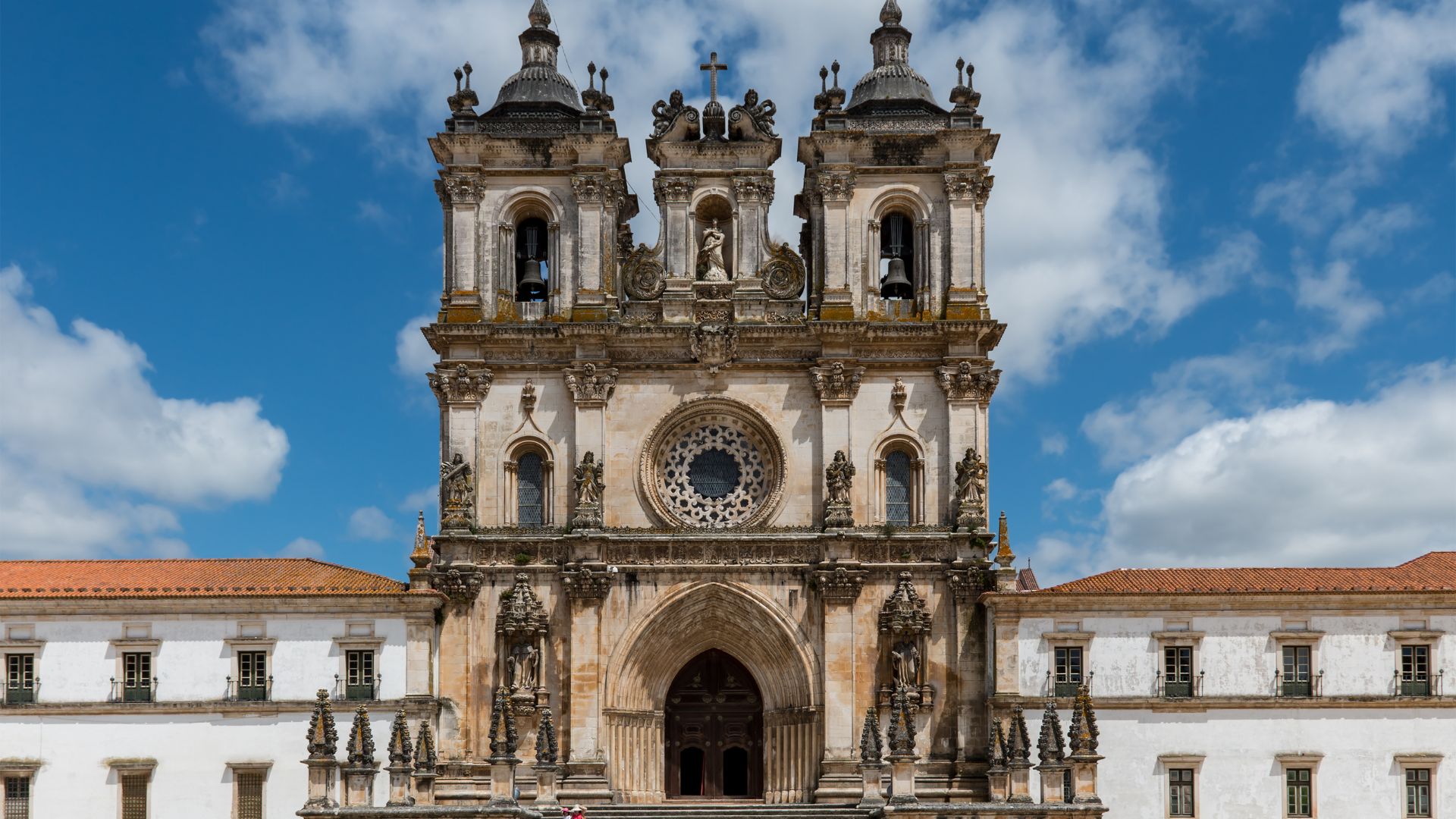
The weather feels warm but not overwhelming. Exploring Alcobaça or Batalha monasteries is actually pleasant, not a sweaty ordeal.
These months fall into Portugal’s “shoulder season.” Prices drop, and the whole region slows down a bit.
I avoid July and August if I can. Most of Europe holidays here then—the beaches get packed, and inland towns can bake above 35°C.
Winter is quiet, and I appreciate its charm, though some places cut their hours.
If you’re into hiking in the Serra da Estrela mountains, autumn is a dream. Golden forests, clear trails, and that crisp air.
Here’s my quick breakdown:
- Best months for tourism: May, June, September, early October
- Best for festivals: June, December
- Avoid (for crowds/heat): July, August
Cultural Calendar: Festivals and Traditions
Portugal’s calendar bursts with festivals and traditions that change with the seasons.
In spring, I can’t resist the colorful Quemima das Fitas student festival in Coimbra and the lively Easter celebrations. Parades, flowers, music—towns buzz with life.
Summer is all about the legendary Festas de Lisboa and Santos Populares. Streets fill with dancing, grilled sardines, and laughter.
June stands out—festivals almost every weekend, especially in Lisbon and Porto. I’ve joined locals for the wild Festa de São João—fireworks and music until sunrise.
Autumn brings wine festivals in the Dão and Bairrada regions. I have a soft spot for these—local reds, friendly winemakers, and a relaxed vibe.
December wraps up the year with cozy Christmas markets and twinkling lights in old towns. Portugal’s history and culture feel alive, no matter when you visit.

Spring’s Spiritual Awakening: Monasteries and Pilgrimages
When spring hits Centre Portugal, everything feels fresh and alive. Ancient monasteries, blooming gardens, and lively celebrations seem to welcome the warmer weather.
Monastery Marvels and Pilgrimage Trails
Exploring Centre Portugal’s monasteries in spring feels like stepping into a storybook. The Monastery of Batalha—UNESCO-listed, with its Gothic spires and quiet cloisters—always amazes me.
Light pours through stained glass, coloring the stone floors. It’s peaceful, almost meditative.
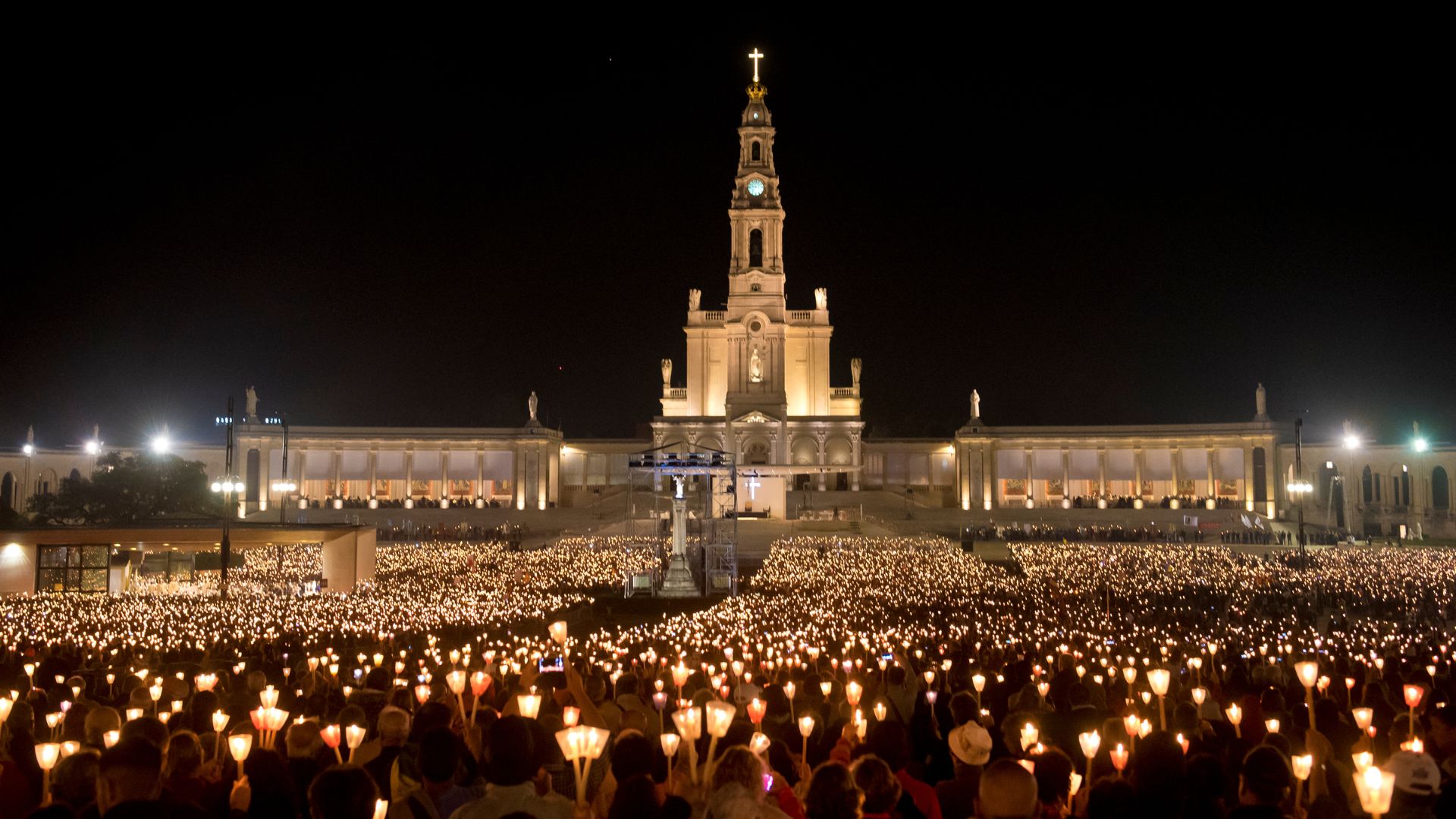
Pilgrims flock north to the Sanctuary of Fátima, especially in May. Walking even a short stretch of the Fátima pilgrimage trail, I spot groups biking or hiking through wildflower fields.
Local guides share old pilgrim stories and point out hidden corners for quiet reflection.
Coimbra, with its ancient university and convents, buzzes with spiritual retreats and open-air worship in the spring.
Easter Celebrations and Local Festivities
Spring in Portugal means Easter, and towns start preparing weeks ahead. I get swept up in the processions and open-air markets, especially in the Beira region.
Altars overflow with flowers, and locals gather in the main squares, dressed in traditional clothes for Procissões—bright public parades celebrating the season.
Music, folk dancing, and food stalls pop up around the monasteries after services. I can’t resist grabbing a slice of folar da Páscoa (Easter bread).
These festivals make it easy to join in, whether you’re sightseeing or just soaking up the spring energy.
Gardens and Parks in Bloom
This is honestly my favorite time for gardens and parks near Centre Portugal’s historic sites.
In spring, Buçaco National Forest bursts with wildflowers, ancient trees, and quiet trails. I usually recommend cycling here—the marked paths wind past new blossoms and birdsong.
Coimbra’s botanical gardens offer shady benches and rare plants. After a day of exploring, wandering among blooming azaleas and wisteria is a treat.
Local parks host outdoor yoga, meditation, and art classes. The region really leans into wellness and outdoor fun in spring.
Summer Escapes: Algarve Beaches and Coastal Charms
When summer heat rolls in, I almost always head south. The Algarve’s golden sands, lively towns, and Atlantic breezes make summer here unforgettable.
Lisbon, Porto, and the coast buzz with open-air events and outdoor adventures.
The Ultimate Portugal Beach Season
As days get longer, I feel the pull of the Algarve. The beaches are something else—over 100 stretches of sand, from busy Albufeira to the wild cliffs near Lagos.
Praia da Marinha stuns me with its cliffs and turquoise water. Praia de Dona Ana, just outside Lagos, is another favorite—especially early in the day before anyone else shows up.
Water hovers around 20°C. It’s cool, but refreshing.
I always tell folks to try surfing near Sagres. It’s a great spot for beginners (I still wipe out a lot). Paddleboarding, snorkeling, and beach volleyball fill my afternoons.
If you’re curious, boat tours from Benagil Beach show off hidden grottos and the famous Benagil Cave.
A quick look at my top Algarve beaches:
| Beach | What I Love Most |
|---|---|
| Praia da Marinha | Stunning cliffs and scenery |
| Benagil Beach | Cave tours and sea stacks |
| Praia de Dona Ana | Calm water, perfect mornings |
| Praia da Falésia | Long, golden stretches |

Summer in Porto, Lisbon, and the Coast
It’s not all about the south—summer changes Lisbon and Porto, too.
In Lisbon, riverfront cafés in Belém and the beaches in Cascais offer a break from city heat.
I love hopping on the train from Lisbon to Cascais for a sunset swim and a seafood dinner.
Porto’s hills and the Douro River get crowded, but I enjoy wandering the Ribeira district in the evening when it finally cools down.
Northern Portugal’s coastline has hidden coves and local surf schools. The sea feels wilder up here, and I’ve found the best surfing near Matosinhos.
For quieter sands, I head to Praia da Adraga near Sintra. Fewer tourists, and those sunsets are unreal.
Outdoor cafés in Porto and Lisbon spill onto plazas, full of laughter and music.
Seaside Festivals and Summer Vibrance
Summer in Portugal isn’t just about beaches—festivals take over, and I look forward to them all year.
In Porto, Festa de São João fills the city with street parties, barbecues, and fireworks. People fill the streets with plastic hammers and lanterns drifting over the Douro.
Lisbon becomes a maze of color during the Festas de Lisboa. I follow the processions for Santos Populares, with the smell of sardines on the grill and fado music everywhere.
Music festivals keep the coast lively. From indie bands at NOS Alive in Oeiras to wild dance parties near Albufeira, there’s always a reason to stay out late.
Locals and travelers mix, and the nights just feel endless.
Autumn’s Colorful Retreat: Mountain Hues and Wine Valleys
Autumn in Centre Portugal turns the mountains into a patchwork of reds, golds, and oranges.
The season buzzes with wine harvests, cozy festivals, and outdoor escapes. It’s about natural beauty and local tradition.
Discovering Autumn Colors in the Mountains
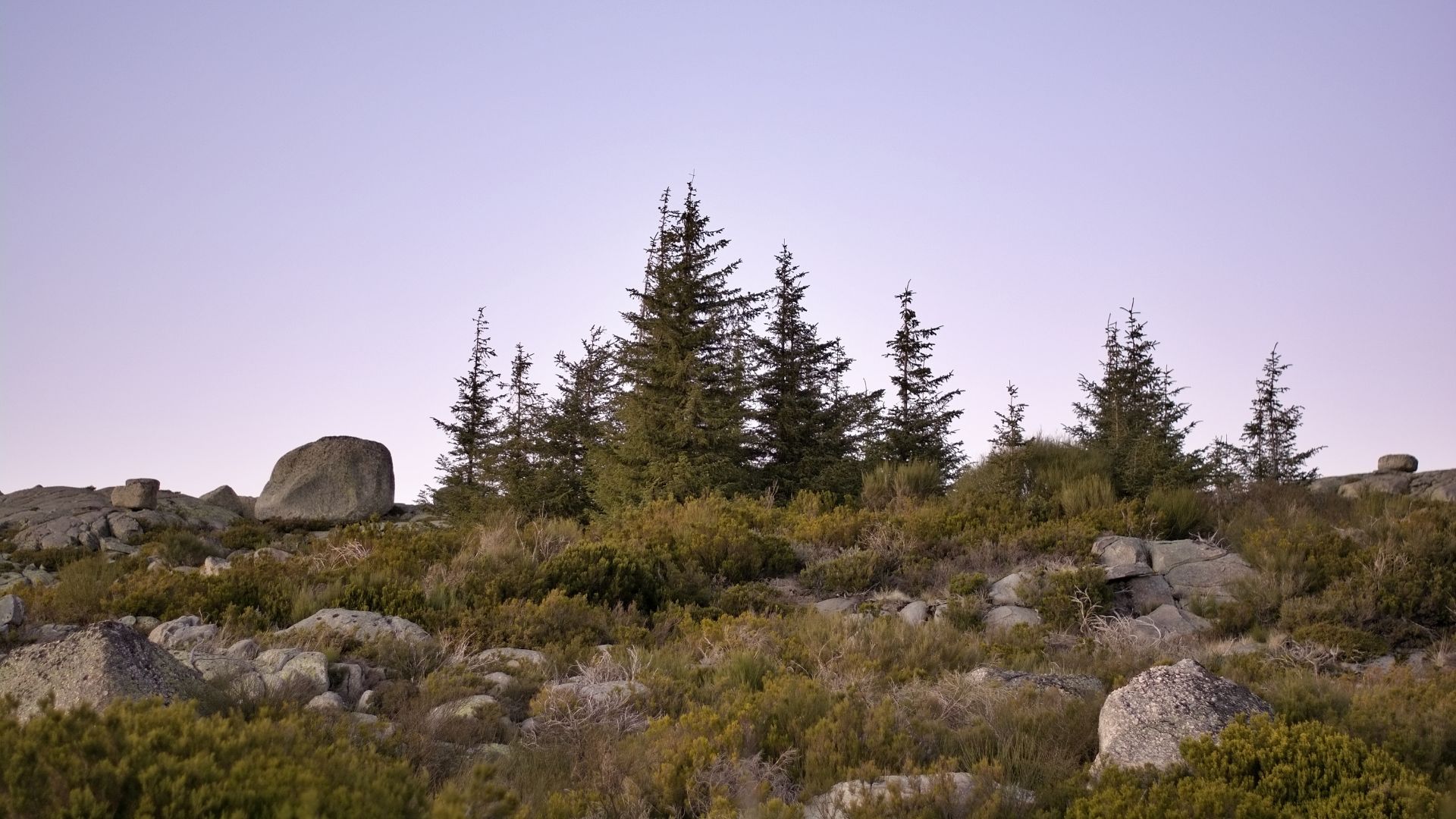
The Serra da Estrela mountains take my breath away in autumn. Chestnut and oak forests blaze with color.
Tiny stone villages seem to glow at sunset, surrounded by fiery hills.
Parks like Serra da Lousã or Serra do Açor look incredible this time of year.
One of my best memories: driving narrow mountain roads, golden leaves everywhere. At Miradouro do Penedo de São Lourenço, I always stop, breathe deep, and just take it all in.
The colors almost look painted on.
I can’t help but pull over for photos and short walks as the light shifts late in the day.
This is autumn in Portugal—quiet, vivid, and a little bit magical.
Harvest Celebrations and Wine Festivals
Fall means grape harvest—or vindima—across Centre Portugal.
In October, I love visiting the Dão wine region. Vineyards buzz with locals picking grapes by hand.
Afterward, everyone celebrates with music, big meals, and wine in the cool air.
Top Wine Spots to Explore:
| Region | What to Expect |
|---|---|
| Dão | Ruby red wines, vineyard tours, harvest events |
| Bairrada | Sparkling wine, traditional grape-stomping |
| Alentejo | Bold reds, long lunches, open harvest cellars |
Walking through golden vines, I end up chatting with winemakers about their craft.
The young wine, called mosto, tastes sweet and fresh.
If you’re around, check local tourism sites for festival dates—many are open to everyone.
Hiking, Cycling, and Outdoor Adventures
Autumn just feels right for hiking and cycling—crisp air, fewer people, and those colors. I usually head for marked trails in Serra da Estrela or wander along the Zêzere and Mondego rivers.
You get views that go on forever, with valleys covered in mist and forests blazing with color. Renting a bike or joining a guided hike is a good idea; plenty of local operators run half-day or full-day tours.
It’s not just about getting exercise. I like slowing down, maybe stopping at a mountain café for a pastel de nata and a hot coffee to warm up.
Don’t skip the smaller parks like Mata da Margaraça or Bussaco. Ferns, old trees, and waterfalls make every trail different.
Autumn brings out a wilder side in nature. Every so often, deer or wild boar cross the path at dawn, which always catches me off guard.
São Martinho: Chestnuts and Tradition
Every November, villages all over Centre Portugal celebrate São Martinho’s Day. Honestly, it’s one of my favorite parts of autumn.
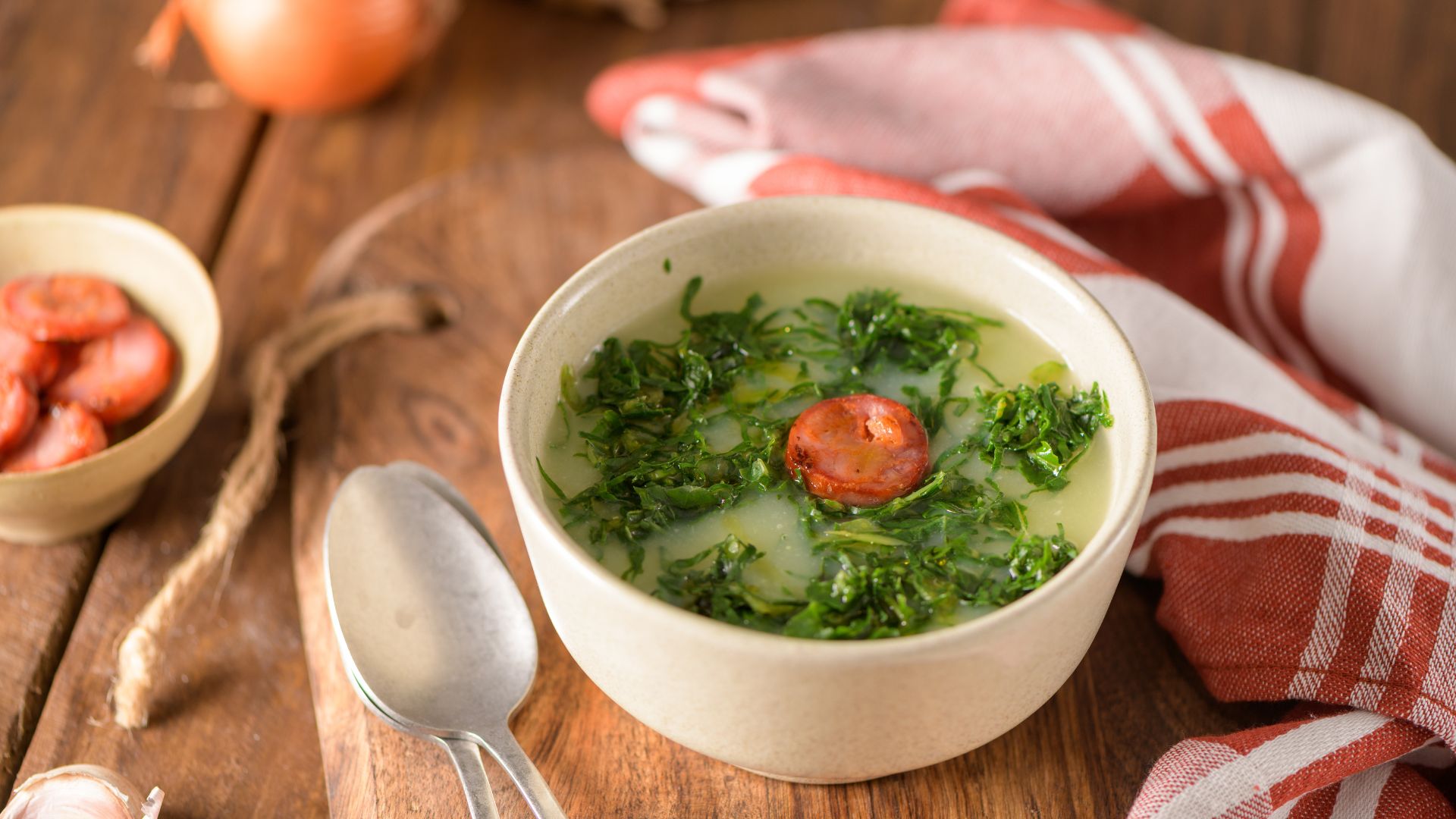
Street fires roast chestnuts right out in the open, and the sweet, smoky smell fills the lanes. Locals gather to eat chestnuts, drink the first wine of the season, and share simple foods like caldo verde soup or chouriço sausage.
These feasts pull everyone together—kids, grandparents, neighbors. People sing and swap stories late into the night, and there’s just something special about it.
If you’re planning a visit, check out São Martinho festivals in places like Covilhã, Seia, or Vila Nova de Poiares. The mix of food, music, and tradition gives the season a real taste of Portuguese culture.

Beyond the Seasons: Insider Tips for Unforgettable Portugal Travel
Portugal’s got experiences that stick with you, no matter the time of year. From traditional food in tucked-away taverns to squeezing a little more joy out of each day, these details turn a holiday here into something memorable.
Where to Savor Bacalhau and Caldo Verde
Whenever I’m in Central Portugal, I can’t resist the local restaurants where bacalhau (salted cod) is the star. The best spots? Usually tiny, family-run tascas. I still remember stumbling into a village eatery near Batalha—no English menu, but the smell of grilled fish and olive oil drew me right in.
For caldo verde, that classic green soup with kale and potatoes, I look for cafes in towns like Tomar or Coimbra. Locals often toss in a slice of chouriço for extra flavor.
Ordering the daily special (“prato do dia”) is my go-to move—it’s fresh and usually a bargain.
A quick table of classic dishes to try:
| Dish | Region | When to Eat |
|---|---|---|
| Bacalhau | All | Lunch or Dinner |
| Caldo Verde | All | Starter, Dinner |
| Pastéis de Nata | Lisbon/Central | Dessert, Snack |
Avoiding Crowds and Making the Most of Your Trip
It’s tempting to visit the famous spots in summer, but I really think spring and early autumn are the best times for Portugal. There are fewer crowds, lower prices, and the weather’s still great—especially in Centre Portugal.
Even at the big monasteries or along the coast, if I arrive early, I get quiet moments before the tour groups show up. During big festivals like the Festa dos Tabuleiros in Tomar, I book rooms months ahead or stay in nearby towns for some peace.
When I take the train, I go for midday departures to dodge rush hour. Buying tickets online saves me from standing around in long lines, especially in the cities.
For a smoother experience:
- Visit early or late in the day
- Book train and attraction tickets online
- Stay in smaller towns nearby big sites
Planning Your Portugal Adventure
Before I head out to Portugal, I like to sketch a flexible itinerary that really matches what I want—maybe it’s hiking up mountain trails, or just chilling on some quiet beaches. I’ve found it’s smart to check for local holidays and festivals; sometimes, those tiny towns just shut down for family parties or wild religious celebrations.
I usually pack light, but I never skip comfy walking shoes since cobblestone streets and spontaneous hikes are pretty much unavoidable. For the latest travel tips, I open up Portuguese apps like Comboios de Portugal for train info, and honestly, I trust local recommendations for food way more than anything in a guidebook.
Here’s what I always do when planning:
- Set a realistic budget that covers meals, transport, and entry fees
- Check out festivals and public holidays
- Download offline maps and local language apps
- Chat with locals to find their favorite spots
Little steps like these really end up shaping the whole trip. You’ll stumble into the best parts of Portugal if you leave some room for surprises.
