
In Sussex, bluebells usually carpet the woods from mid-April to late May, reaching their peak when spring is mild and the leaves on the trees are just starting to unfurl. I always look forward to this time of year. There’s nothing quite like spotting those deep violet-blue flowers spreading across the woodland floor.
These blooms tend to be among the last spring flowers before the tree canopy thickens up and sunlight struggles to reach the ground.
Every year, I try to catch this short window when bluebells look their best. The timing can shift a bit depending on the weather.
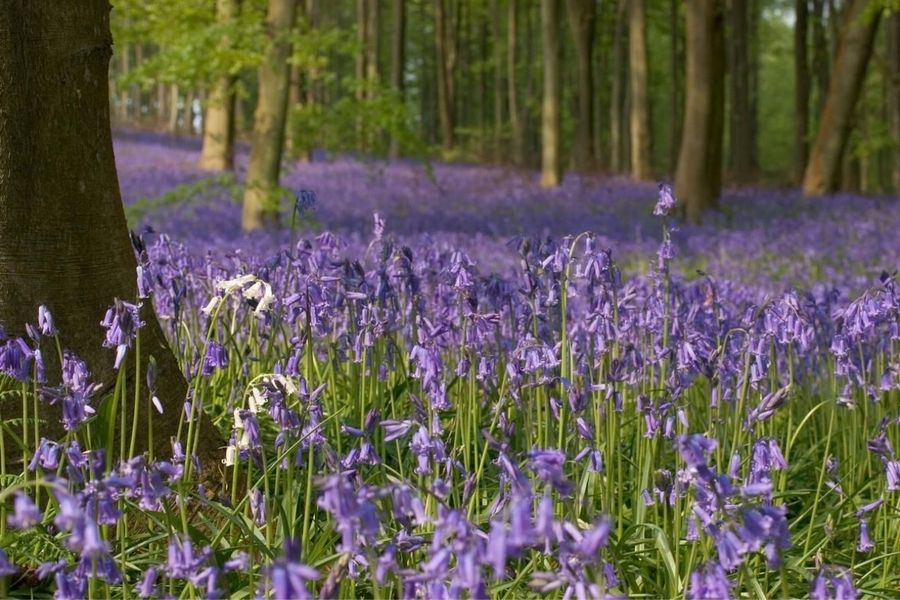
You’ll often find woods bursting with bluebells in late April, and if the spring’s been cool, you might get lucky into May. If you’re hoping to catch this magical moment, I’m happy to share how I spot them at their peak.
Understanding Sussex Bluebells and Their Spring Spectacle
Sussex bluebells really stand out for their deep violet-blue color and those thick carpets that roll through ancient woodlands. As native spring flowers, they hold a special place in the UK’s wild landscape.
Sussex just happens to be one of the best spots to see this wildflower display.
What Makes Sussex Bluebells Unique
I’ve always found Sussex bluebells special because they thrive in ancient woodlands. Their dense carpets take hundreds of years to form, with bulbs multiplying slowly beneath the soil.
Sussex woodlands offer exactly what bluebells need: loose, shaded soil and gentle spring temperatures. These native bluebells (Hyacinthoides non-scripta) bloom just before trees leaf out, soaking up the early spring sunlight.
Almost half of the world’s bluebells grow in the UK. Sussex woods, in particular, have a reputation for their vibrant displays.
Their scent is sweet, but not overwhelming. The deep blue color really pops against all that new green.
The Significance of Native Bluebells
Native bluebells are more than just a pretty sight. Their thick carpets reveal that a woodland’s ancient, since bluebells take decades—sometimes centuries—to reach such density.
These flowers support local wildlife, too. I often spot bees and hoverflies buzzing around, and woodland insects munch on their leaves.
Protecting native bluebells matters because they face threats from habitat loss and hybridization with Spanish bluebells. Picking bluebells or digging up bulbs in the UK is illegal, which helps keep them around for future generations.
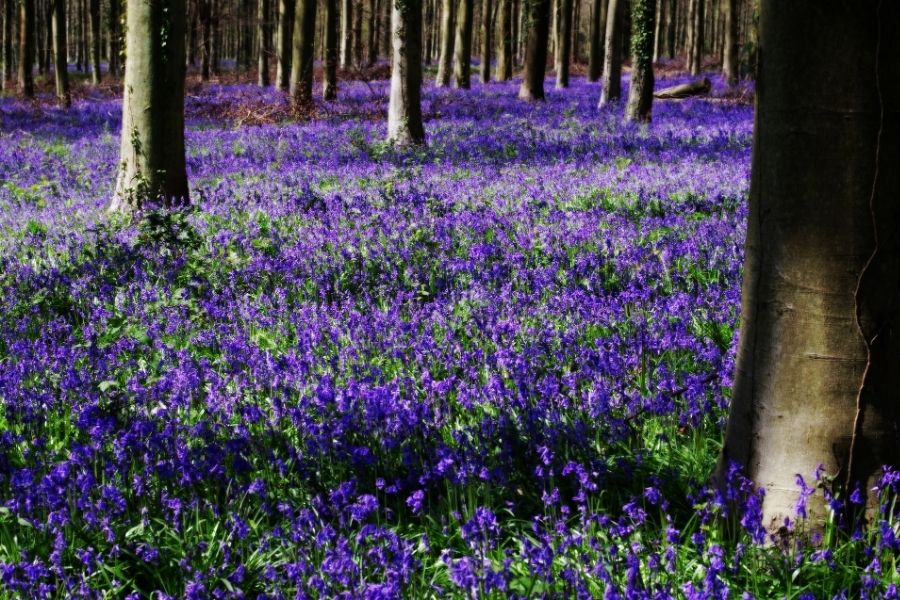
Sussex takes conservation seriously, and it shows in the health of its bluebell woods every spring.
Identifying Bluebells and Wildflower Varieties
It’s surprisingly easy to mix up native bluebells with lookalikes, especially the Spanish bluebell (Hyacinthoides hispanica). I usually run through a mental checklist to tell them apart:
| Feature | Native Bluebell | Spanish Bluebell |
|---|---|---|
| Color | Deep violet-blue | Pale blue or white |
| Flower Shape | Narrow, bell-shaped, drooping | Upright, open, less drooping |
| Scent | Strong, sweet | Faint or none |
| Pollen | Cream-colored | Blue or pale green |
Native bluebells have those classic curved stalks and flowers mostly on one side of the stem. Spanish bluebells look stiffer and often pop up in gardens or near towns.
Spotting the difference just makes me appreciate Sussex’s wildflower heritage even more.
Bluebell Seasons: When Do Sussex Woods Come Alive?
Bluebell season in Sussex is one of spring’s highlights. The timing changes a bit each year, depending on the weather, but there are patterns you can look for if you’re hoping to catch the woods at their best.
Typical Bluebell Blooming Timelines
In Sussex, bluebells usually start blooming around mid-April and keep going into early May. The best displays often happen between the last week of April and the first week of May.
Woods like Brede High Woods and Ashplats Wood become a sea of blue during these weeks. If the winter’s been mild or spring temperatures shoot up, the bloom can start earlier.
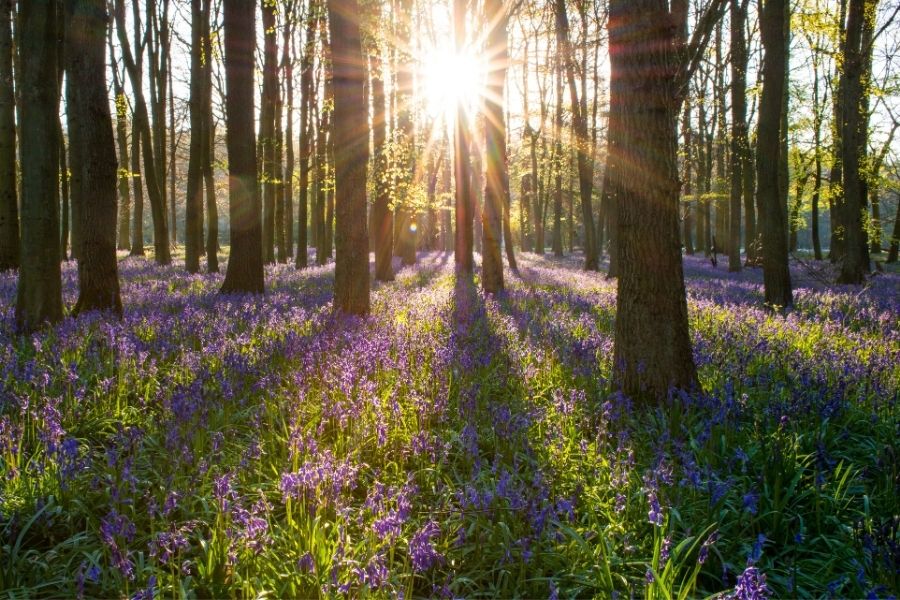
Colder years push the display back by a week or two. Most years, though, late April is your safest bet for the brightest views.
The flowering lasts only about three to four weeks. After that, bluebells fade, and their leaves die back as the trees fill out.
Springtime Conditions That Affect Flowering
Bluebells really depend on spring light and temperature. They need sunlight before the trees leaf out and block it.
Mild days and cool nights help the buds open quickly. Damp, but not soggy, soil is perfect for bluebells.
Heavy spring rain helps, but flooding or drought can mess with the bloom. Woods with rich, moist ground—like those near Powdermill Reservoir—usually put on the best show.
Too much shade stunts the flowers, since bluebells need that open woodland floor in early spring. Human activity, like trampling or picking, can also hurt future blooms.
How Weather Influences Bluebell Displays
The weather before and during spring really changes when bluebells show up in Sussex. Mild winters mean earlier blooms, while cold, late winters push the season into May.
Big temperature drops or late frosts can slow things down or damage the flowers. Rain is good, but heavy storms and wind can flatten the blooms or strip petals away.
Dry spells or heatwaves cut the season short. I always keep an eye on the weather in March and April because it gives clues about how strong and long the bluebell carpets will last.
If you want to plan a trip, check local bluebell updates and watch temperature trends. Local wildlife trusts usually post regular bloom reports, which helps you time your visit just right.
Best Places to See Bluebells Carpet the Sussex Woods
Every spring, bluebells transform woodlands across Sussex into a sea of blue and violet.
Here are some of my favorite spots to catch these beautiful flowers at their best.
Top Sussex Bluebell Woods
Brede High Wood (East Sussex) and Heaven Farm (Furner’s Green, East Sussex) are two of the most famous bluebell woods in Sussex. At Brede High Wood, winding paths lead you through stunning bluebell carpets beneath tall trees.
It’s part of the High Weald Area of Outstanding Natural Beauty, with accessible trails for most visitors. In West Sussex, the Ashington Bluebell Loop stands out.
This trail takes you through shaded woods filled with native bluebells in late April and early May. Arlington Bluebell Walk and Wakehurst also offer organized routes, making it easy to get up close to the blooms.
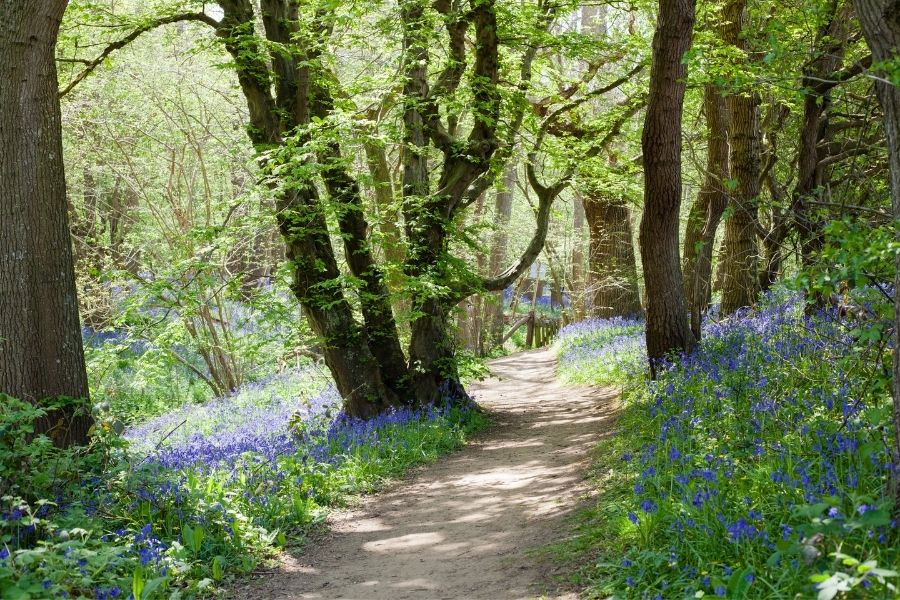
I think these places are especially great for families and anyone who loves taking photos.
Ancient Woodlands and Nature Reserves
Ancient woodlands and nature reserves often have the thickest bluebell carpets. Ebernoe Common, a National Nature Reserve in West Sussex, is well-known for its untouched ancient woodland.
Bluebells here bloom in impressive numbers. Abbots Wood (near Hailsham, East Sussex) is another favorite for its open glades and gentle footpaths winding through bluebell-rich patches.
Rowland Wood and Plumpton Wood are quieter, with plenty of wildflowers besides bluebells. Many of these reserves protect rare plants, making them peaceful spots for spring walks.
Unmissable Bluebell Walks and Trails
Sussex is famous for its bluebell walks. Each spring, locals and visitors head out to explore woods and trails filled with blue carpets, winding paths, and perfect picnic spots.
Recommended Bluebell Walking Routes
Each route offers a unique way to experience Sussex’s countryside and bluebell displays. My top picks include Townhouse Copse at Clemsfold, a quiet spot near Warnham where the flowers show up thick every April.
Another favorite is Abbots Wood near Hailsham, with well-marked trails through ancient trees. If you’re up for a longer walk, the Nore Wood Walk near Slindon takes you past dense bluebell patches and offers views of the South Downs.
Angmering Park Estate has easy paths and reliable bluebell carpets, especially in late April.
| Walk | Difficulty | Best Time | Notable Features |
|---|---|---|---|
| Townhouse Copse | Easy | mid-late April | Quiet, accessible, shaded |
| Abbots Wood | Moderate | late April | Extensive trails, parking |
| Nore Wood | Moderate | late April | South Downs views, longer walk |
| Angmering Park | Easy/Moderate | late April | Accessible, picnic options |
Highlights of Woodland Walks in Sussex
Sussex’s woodland walks feel especially magical when bluebells are in bloom. The scent of flowers and the sound of birds fill the air.
I always notice how the light filters through the new leaves, making it perfect for photos. Places like Woods Mill near Henfield and Arlington Bluebell Walk are peaceful, with marked trails and benches for taking it all in.
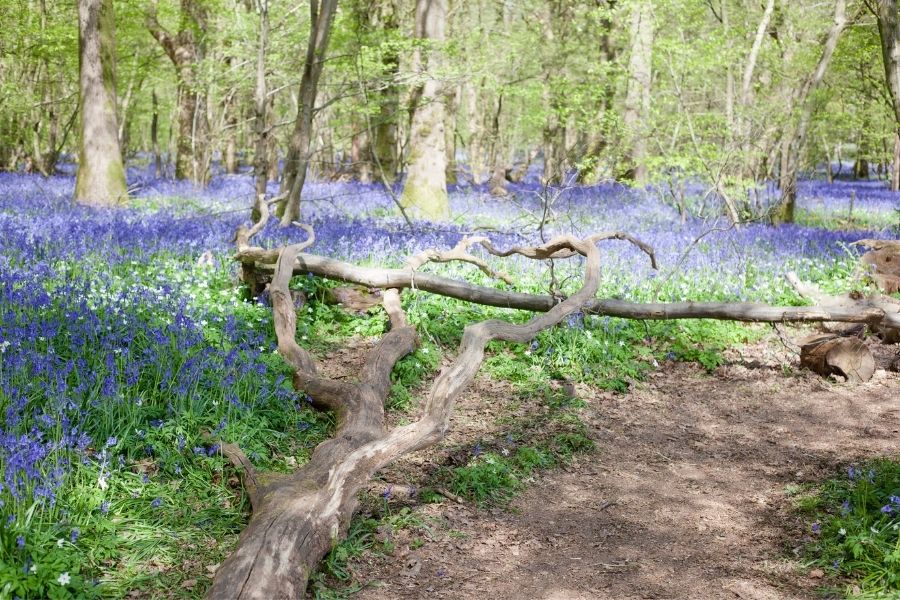
Some woodlands, like Standen Estate and Michell’s Wood, have signs about the plants and wildlife, which adds a bit of education to the walk. I recommend wearing sturdy shoes since the trails can get muddy after rain.
Family-Friendly Bluebell Walks
Many bluebell walks in Sussex are great for families. Arlington Bluebell Walk is especially family-friendly, with short circuits, clear paths, and plenty of places to rest.
You’ll also find tearooms and small play areas for younger kids. In Woods Mill, the trails aren’t too long and there’s a nice mix of woodland and lakeside scenery.
Picnic tables are available, so it’s easy to stop for a snack. Toilets and parking make visits with little ones much simpler.
Other good options include Tilgate Park in Crawley, which has wide paths for strollers, and Sheffield Park Gardens with level routes and lots of seating. These spots also provide maps so you can choose a route that matches everyone’s energy.
Iconic Bluebell Locations in Sussex
Sussex is home to some of the UK’s most stunning bluebell displays each spring. From ancient forests to nature reserves, there are several special places that promise a bright carpet of blue every year.
Ashdown Forest and High Weald Gems
Ashdown Forest, in the High Weald, is famous for its open views, but it also hides woodlands where bluebells bloom thickly under old trees. Walk Wood and Costells Woods are two of my favorite spots for quiet, bluebell-filled strolls.
These areas tend to be less crowded, so you can enjoy the flowers and birdsong in peace. Over in Brede High Woods, I’ve seen some of the largest bluebell carpets in Sussex.
The Woodland Trust manages these woods, and they explode with blue in late April and early May. You’ll also find unique wildlife and ancient woodland features here.
Flatropers Wood near Rye is another highlight. The mix of oak, birch, and hazel creates just the right conditions for bluebells. Marline Valley’s winding paths often reveal thick patches of wildflowers, too.
Coastal Bluebell Spots and South Downs
Along the South Downs, bluebells thrive in both woods and open spaces. Angmering Park Estate stands out with mile-long trails beneath arching trees—perfect for long walks among endless blue.
Nearby, Angmering Woods also puts on a strong display every spring. The historic Nymans gardens near Handcross have woodlands full of bluebells, winding paths, and shady corners.
At Slindon Estate, I’ve followed footpaths through centuries-old woods that glow blue in the spring sunlight. Wakehurst, managed by Kew, mixes native bluebells with landscaped gardens, which gives you a slightly different experience.
Ebernoe Common in West Sussex is a quieter spot. It’s managed for wildlife, and I’ve spotted not just bluebells, but also bats and rare birds.
Hidden Woodland Treasures
Some of Sussex’s best bluebell spots fly under the radar—peaceful, uncrowded, and just a little bit magical. The Arlington Bluebell Walk, for example, weaves through several private woods like Beatons Wood. Locals only open the gates to visitors during the peak weeks, so timing matters.
Selwyns Wood and The Mens, both managed reserves, invite you in for quiet strolls beneath broadleaf canopies. I’ve wandered through Woods Mill, a Sussex Wildlife Trust reserve, and honestly, the late spring bluebell displays there blew me away.
If you head a bit further, Standen offers a mix of house tours and woodland paths. Bluebells line the trails, and you’ll catch lovely countryside views peeking through the trees.
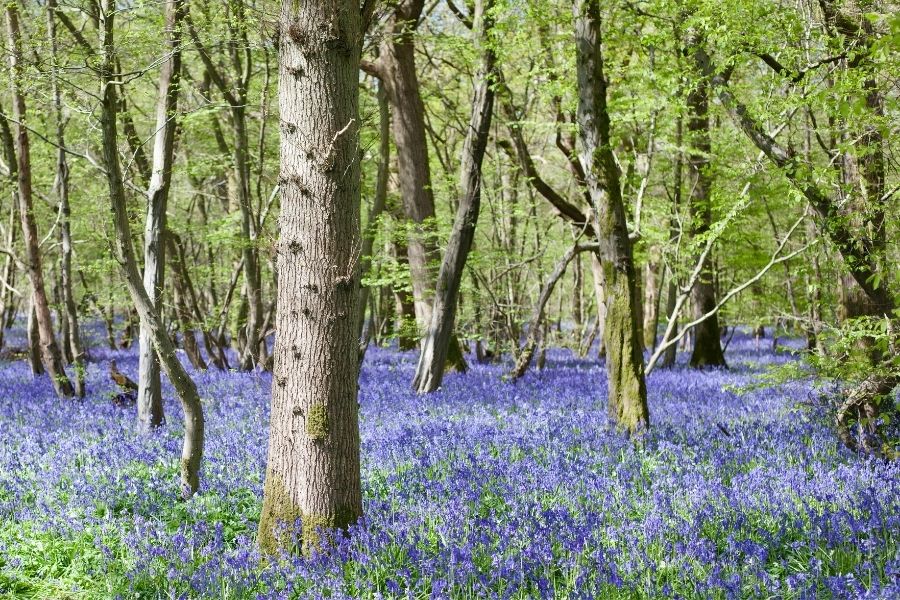
Every one of these woods has its own vibe. Still, all of them reward patient walkers with clouds of blue and that unmistakable earthy scent of spring.
Nature, Wildlife, and Conservation in Sussex Bluebell Woods
Sussex bluebell woods bustle with life—animals, plants, and plenty of conservation efforts. These habitats shelter a wild mix of species, and keeping them healthy takes careful management plus a bit of help from the community.
Wildlife and Wild Garlic Plants Among Bluebells
Every spring, I spot signs of a rich ecosystem whenever I visit Sussex bluebell woods. Robins and woodpeckers flit between the trees, and sometimes a deer slips quietly through the bluebells. Small mammals like mice and voles dart in and out of the undergrowth, using it for cover.
In some areas, wild garlic grows right alongside the bluebells. Its strong scent and white flowers give the woods a different feel. The Woodland Trust likes to remind visitors that wild garlic helps bees and other early pollinators get a good start to the season.
Common wildlife in bluebell woods:
| Animal | Role in habitat |
|---|---|
| Deer | Browsing and seed spread |
| Mice and voles | Ground-dwellers |
| Birds | Insect control/nesting |
| Bees & pollinators | Pollinate wild plants |
Protecting Bluebells and Ancient Woodlands
Protecting bluebell woods isn’t as simple as roping off a few paths. I’ve watched how even a handful of careless footsteps can crush delicate stems and roots. When that happens, bluebells have a tough time coming back the next year.
It’s actually illegal to pick bluebells or dig up their bulbs, and for good reason—taking them home means fewer wildflowers for everyone. Groups like the Woodland Trust step up to shield ancient woods all over Sussex.
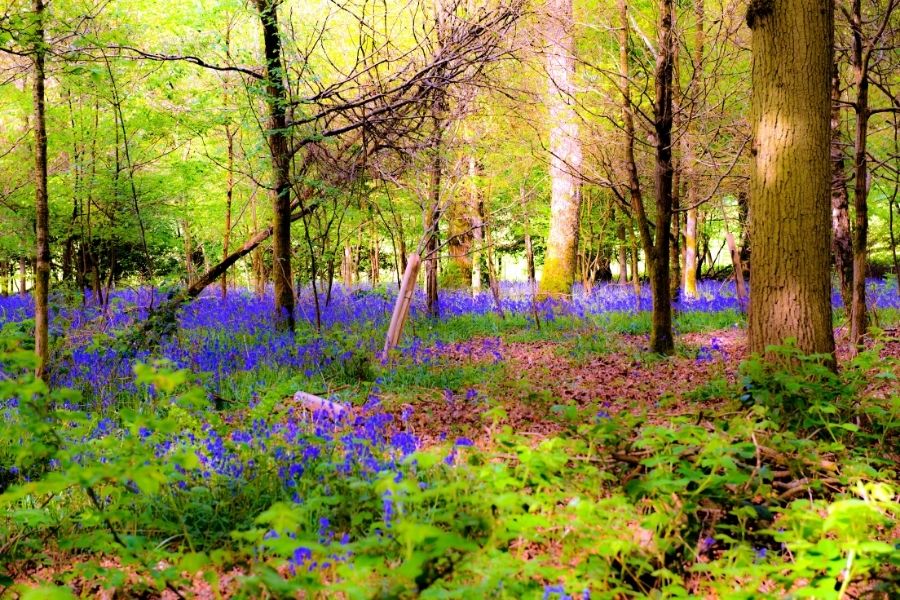
They plant native species and pull out aggressive, non-native plants that hog the light and space. Honestly, it’s a big job, but it keeps these magical places thriving for future wanderers.
Key threats to bluebell woods:
- Habitat destruction from building or agriculture
- Illegal picking of bluebells or bulbs
- Invasion by non-native plant species
The Role of Grazing Animals in Woodland Health
Grazing animals like sheep and pigs shape bluebell woodlands in ways you might not expect. When I’ve watched sheep at work, they munch down the grass just enough to let sunlight filter through, giving bluebells and other wildflowers a real chance.
Pigs bring a different energy. In bigger woods, people sometimes let pigs roam, and these animals root around for food, churning up the soil in the process. Their digging actually gives wild seeds a better shot at sprouting.
Still, it’s tricky. Too many animals, or letting them graze too long, can really damage bluebells. Managers have to pay close attention and adjust the numbers, always aiming for that sweet spot.
When they get it right, ancient woodlands stay open and vibrant. Natural regeneration happens, and those breathtaking bluebell carpets return each spring. Isn’t that what we all hope to see?