
Kreuzberg’s Turkish Market on Maybachufer truly bursts to life every Tuesday and Friday from 11 AM to 6:30 PM. The whole area buzzes as local vendors roll out their colorful stalls along both sides of the canal.
It’s impossible not to get swept up in the lively mix of fresh produce, Turkish delicacies, and vibrant fabrics that seem to stretch on forever.
When I wandered through, the sounds and scents immediately told me this wasn’t just any market. Shoppers chatted in a jumble of languages, sampling homemade treats and haggling with a smile.
If you time your Berlin visit with a market day, you’ll find the real heart of Kreuzberg—full of flavors and surprises you just won’t get at a grocery store.
Looking for a proper local experience? This market is buzzing, a little chaotic, and absolutely worth the trip.

When and Where Kreuzberg’s Turkish Market Comes Alive
Kreuzberg’s Turkish Market brings color and flavor to Berlin every single week. Locals and visitors flock to Maybachufer in Neukölln for food, crafts, and a truly lively crowd.
Days and Opening Hours
The Turkish Market (Wochenmarkt am Maybachufer) pops up every Tuesday and Friday year-round, except for the occasional holiday.
- Hours run from 11:00 AM to 6:30 PM.
- Mornings are quieter, but things really pick up around noon.
- The place fills up with both locals and tourists from late morning on.
- Fridays often feel even busier, especially as the weekend approaches.
I’ve learned that if I show up before 1:00 PM, I can actually browse in peace. By mid-afternoon, the walkways get packed—especially when the weather’s nice.

Location on Maybachufer and Accessibility
The market snakes along Maybachufer Straße, right beside the Landwehrkanal in Kreuzberg. Stalls line both canal banks, making it easy to stroll from one end to the other.
- The closest U-Bahn stop is Schönleinstrasse (U8), just a quick walk away. Kottbusser Tor isn’t far, either.
- The market hugs the border between Kreuzberg (SO36) and Neukölln.
- Kottbusser Damm is the main road nearby.
- Look for signs saying “Markt am Maybachufer” or “Turkish Market”—they’ll steer you right.
Sidewalks and canal paths are wide enough for strollers and wheelchairs. There’s always a cluster of public bikes nearby.

Atmosphere from Morning to Afternoon
Mornings feel calm, with vendors setting up and chatting over coffee. By late morning, shoppers start flowing in to check out produce, fish, Turkish pastries, textiles, and spices.
Noon to mid-afternoon is when the market really pulses. The air fills with the scent of fresh börek, the sound of bargaining, and a jumble of Turkish and German voices.
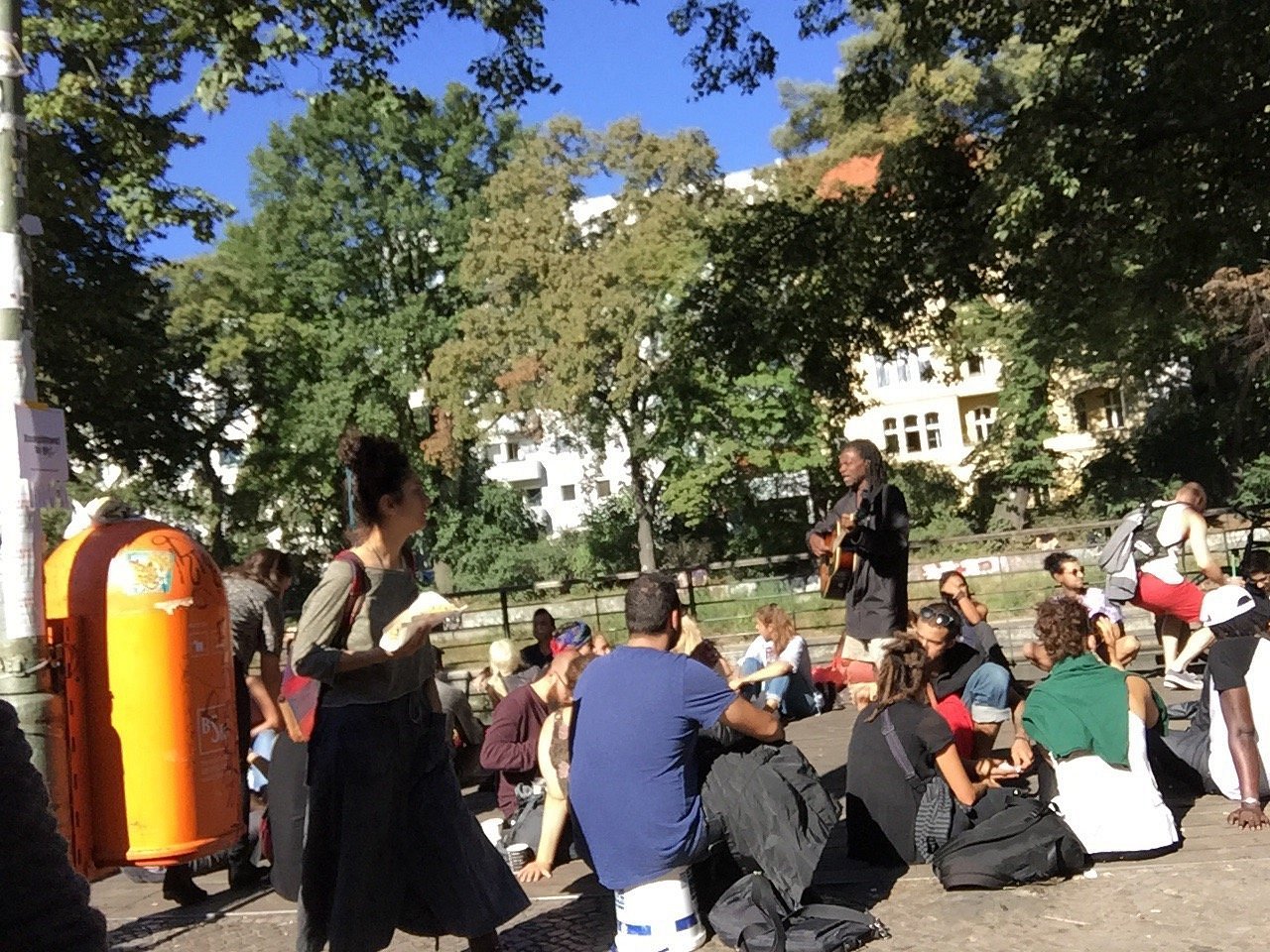
I often spot musicians setting up along the canal, adding another layer of energy.
As the afternoon rolls in, the crowd swells. Around 5:00 PM, vendors start dropping prices, so you can snag a few bargains as they pack up.
The canal backdrop keeps things feeling relaxed, even when the market’s at its busiest.
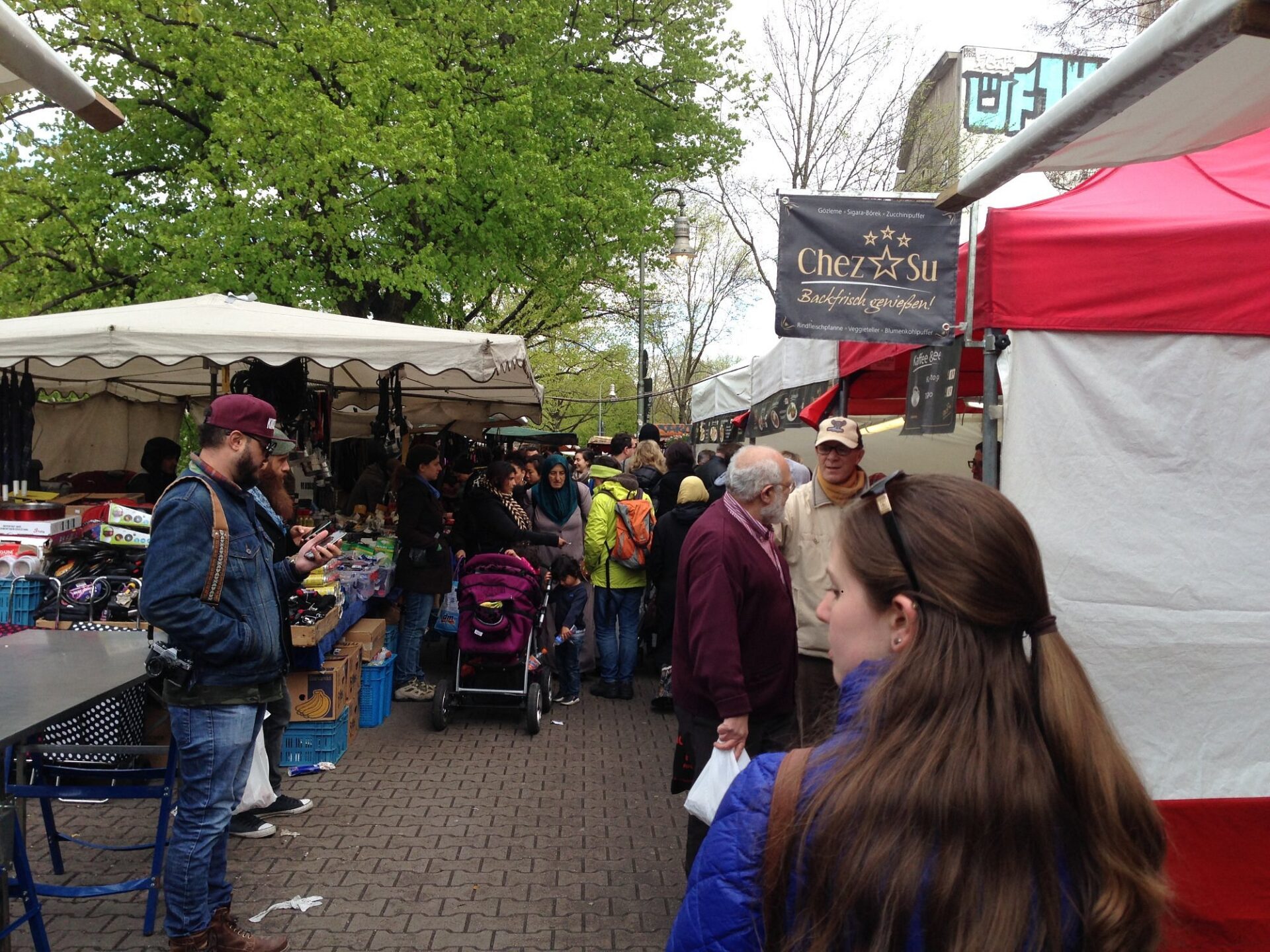
Sights, Sounds, and Flavors: Experiencing the Market
This market is a feast for the senses. Fresh food, music, and street life all blend together, and every visit feels different.
The people, the art, the culture—they shape the vibe along this lively canal street.
Bustling Crowds and Lively Musicians
As soon as I step into the market, I get swept up by friendly vendors and a steady stream of shoppers. People of all ages weave between the stalls, bags overflowing with veggies, herbs, and Turkish bread.
The scent of grilled köfte and warm börek hangs in the air.
Musicians pop up along the path, from solo violinists to guitar duos and even the occasional drum circle. Their tunes range from Turkish folk to jazz and the kind of upbeat street music that makes you want to linger.
Sometimes locals and tourists pause to listen, maybe clap along. If a Turkish holiday is near, the music and crowds get even more spirited, with special songs and traditional instruments.
Street Art and Urban Culture
The market’s backdrop is just as wild as the stalls. Nearly every wall near Maybachufer bursts with graffiti, murals, and stickers—some in German, some in Turkish.
I love how the street art tells Kreuzberg’s story, showing off its changing community.
It’s not just big murals, either. Even the stall signs show off hand-painted designs and bold Turkish script. Occasionally, artists set up temporary installations or display prints for sale, adding a creative spark to the market.
Strolling through this mix of food, music, and graffiti gives you a real taste of Berlin’s urban culture. The art often shouts about social issues, celebrates Turkish roots, or marks special holidays.

Tuesday vs. Friday Market Vibes
Tuesdays and Fridays each have their own energy. Tuesdays feel more chill—fewer people, easier chats with stallholders, and a relaxed pace for sampling foods or soaking up the music.
It’s a favorite for locals doing their weekly shopping.
Fridays? The market turns up the volume. More tourists, more young Berliners, and more musicians crowd the canal. Lines at the food stalls get longer, but the buzz is contagious.
If a Turkish holiday lands on a Friday, expect a proper party—live bands, special sweets, and a festival vibe. Want the classic bazaar chaos? Go Friday. Prefer space to wander? Tuesday’s your best bet.

A Gastronomic Paradise: What to Eat and Drink
The food at Kreuzberg’s Turkish Market is honestly incredible. From Turkish street snacks to fresh fruits and sweet treats, the smells alone will pull you in.
Turkish Delicacies and Street Food
Right by the canal, sizzling pans and mouthwatering aromas call out to you. My first stop? Gözleme, a savory flatbread griddled with spinach, cheese, or meat. It’s warm, comforting, and always made fresh.
Stalls serve up falafel wraps loaded with crunchy pickles and creamy sauces. There’s kebab, lamb köfte, and börek stuffed with feta. I spotted a line for grilled halloumi and another for roasted corn on the cob.
Most of these bites are meant for eating right away—true street food. People gather at little tables and benches, tucking into lunch. Prices are fair, and you’ll leave full.

Fresh Produce, Fruits, and Vegetables
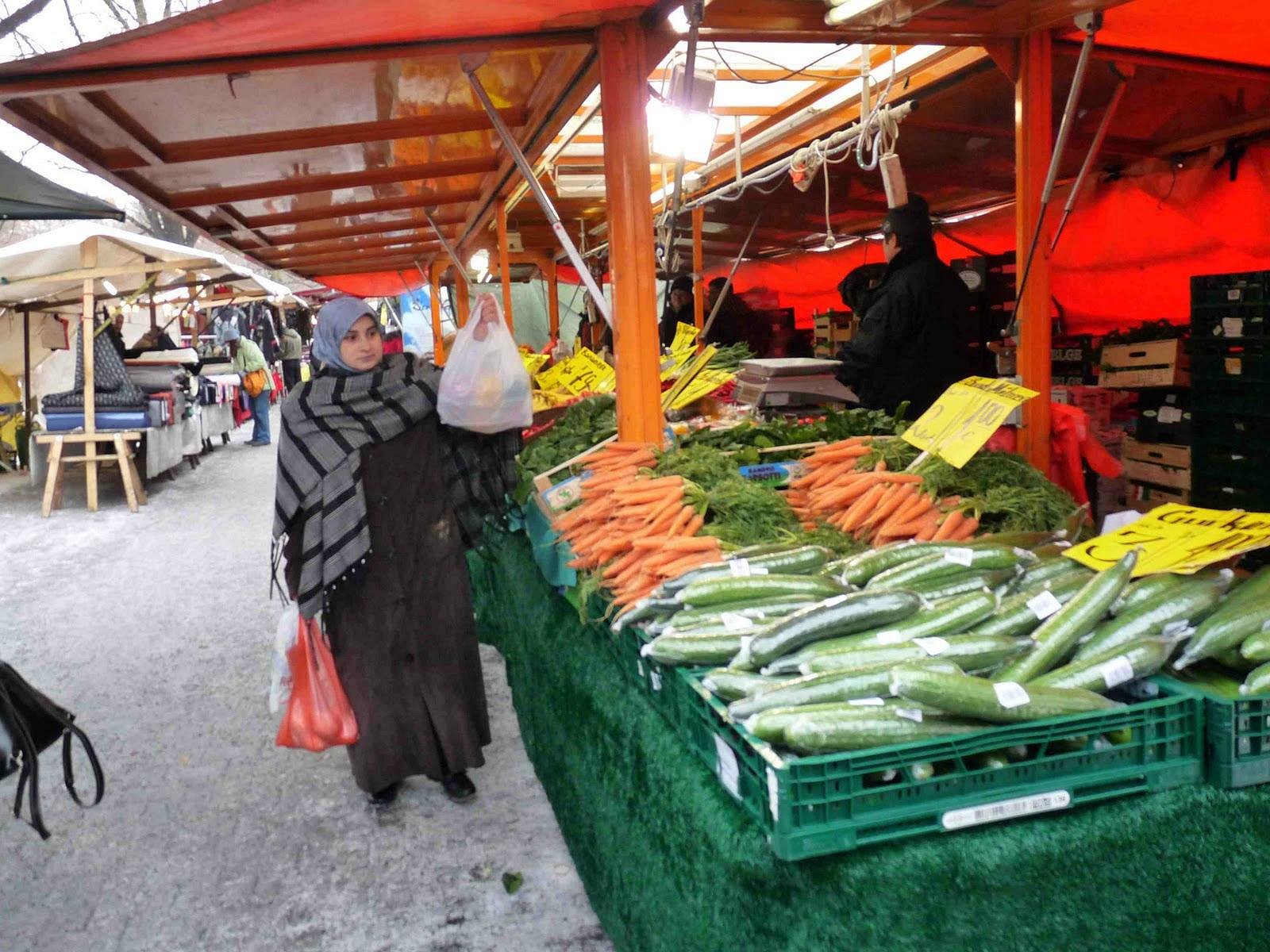
Half the market overflows with fruits and vegetables. Stalls display piles of lemons, pomegranates, leafy greens, and bunches of parsley and mint. Everything looks just-picked.
Vendors call out prices and sometimes offer samples. I grabbed a handful of cherries and crunched into a cucumber. Depending on the season, you’ll find figs, peaches, tomatoes, or fresh spinach.
Shopping here feels easy, and some vendors even group snacks for eating on the go. The produce is gorgeous and often cheaper than at the supermarket.
Sweet Treats and Beverages
Dessert lovers, you’re in luck. Stalls brim with Turkish sweets like baklava, chewy lokum (Turkish delight), and nutty pastries with honey and pistachios. The aroma is irresistible.
Fresh pomegranate juice stands out. Vendors press it right in front of you and hand it over in a cold paper cup. There’s also hot black tea in glass cups, and sometimes fruity quark desserts.
If you’re feeling adventurous, ask a vendor for their favorite dessert. They’re usually happy to recommend something new.
Shopping Beyond Food: Fabrics, Textiles, and More
This market isn’t just about eating. It’s a treasure trove of textiles, crafts, and even a few practical odds and ends.

Colorful Fabrics and Clothing Finds
The fabric stalls really pop. Bolts of bright cotton, patterned silks, and bold synthetics cover tables and hang in waves. Shopkeepers cut fabric to order, prices marked clearly.
Designers, students, and hobbyists sift through prints for sewing projects or fashion. You’ll also find scarves, light shawls, and dresses with Turkish flair. Some vendors offer on-the-spot repairs, so people drop off pants or get hems fixed while they shop.
I love the variety—workwear cloth, embroidered home textiles, even fun shirts for summer. If you want to make something or just pick up a new tablecloth, you’ll find options.

Unique Handicrafts and Accessories
Handicraft stalls bring another layer of charm. Tables overflow with handmade jewelry, knitted hats, and colorful tote bags. Some pieces come straight from Turkey, like beaded bracelets and nazar (evil eye) keychains.
You’ll see leather pouches, wallets, handwoven rugs, and detailed embroidery. Many items are made by independent artists or small family businesses.
If you’re on the hunt for a unique souvenir, this is the place to browse. Vendors often chat about how they made something or what a pattern means. Shopping here feels personal and direct.

Electronics and Household Items
Between the fabric and produce stalls, I spot tables with everyday electronics and home goods. It’s not the latest tech, but you’ll find toasters, mixing bowls, phone chargers, headphones, and kettles.
Vendors stock extension cords, light bulbs, and handy tools for quick fixes. Sometimes I even see secondhand radios and phones—almost like a mini flea market.
Prices are usually low, and bargaining is common, especially if you buy a few things. If you’re new to Berlin or setting up a home, this corner of the market is surprisingly helpful. I’ve left with veggies and a new clothes iron more than once.
Navigating and Enjoying Your Visit
Exploring the Turkish Market on Maybachufer is a lively adventure. A little know-how goes a long way when it comes to shopping, finding the best stalls, and chatting with vendors.
Tips for First-Time Shoppers
When I first visited, I found it smart to arrive near opening—around 11am. The crowds are smaller, so it’s easier to check out each stall.
Bring a sturdy tote bag; most stalls don’t hand out free bags. You really don’t need a map since the market runs straight along the canal.
Wear comfy shoes—I always end up walking the whole stretch twice. Cash is king here, and small bills are best since not all vendors take cards.
For the best selection of produce, come early. If you’re after discounts on fruit or Turkish pastries, swing by later in the day as vendors clear out their stock.
Many foods can be tasted before you buy, so don’t hesitate to ask for a sample.

Hidden Gems Around Maybachufer
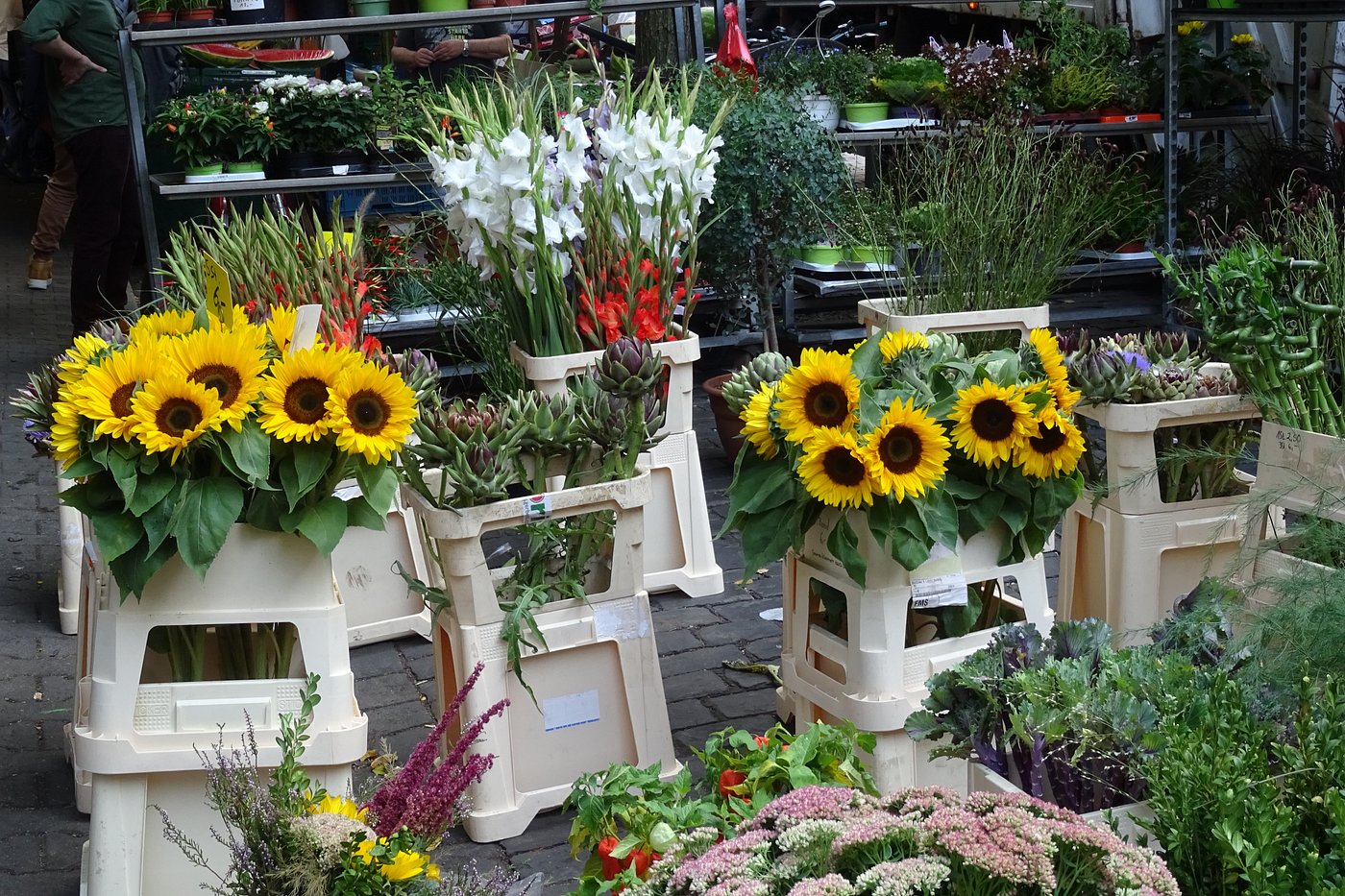
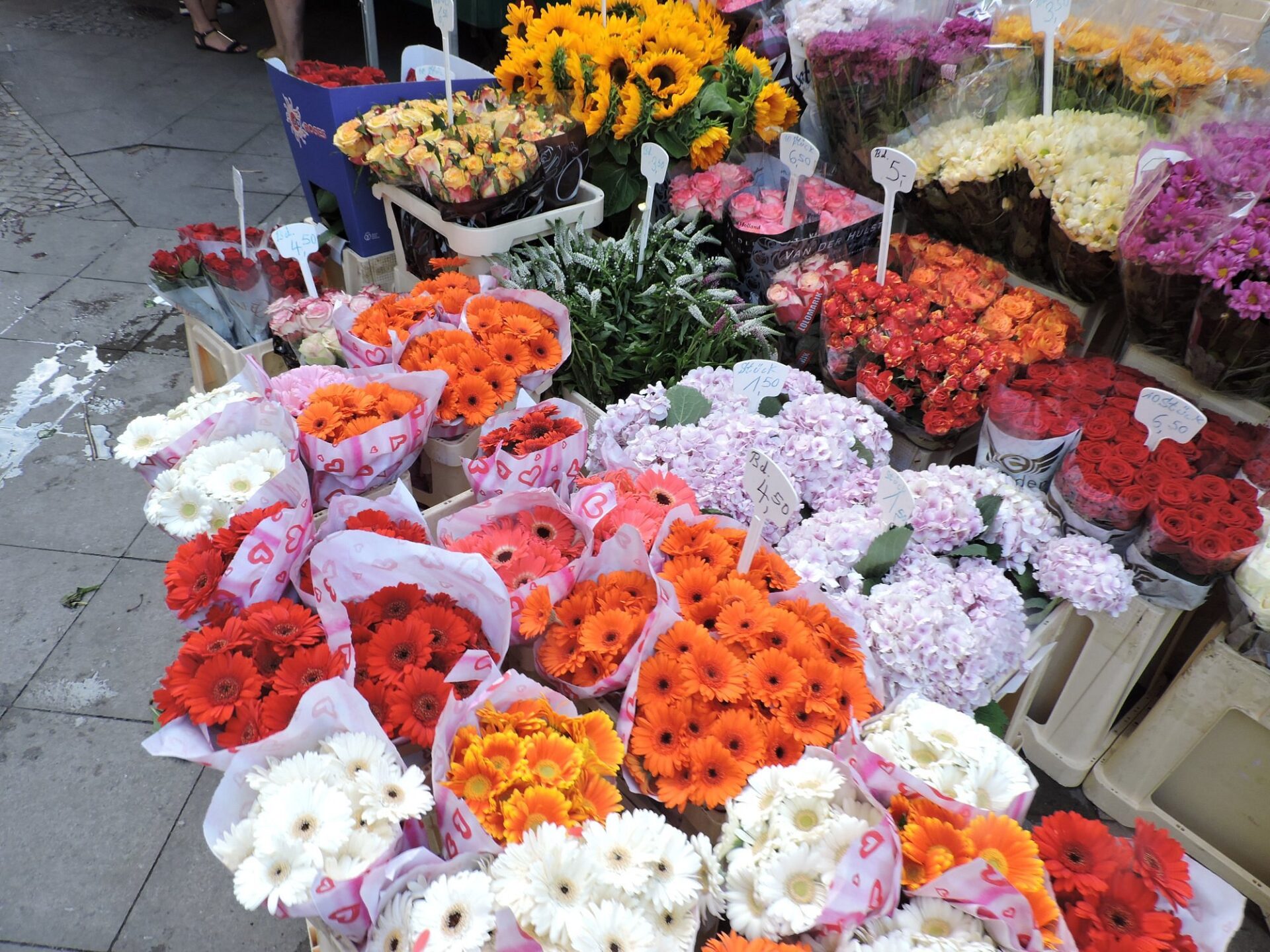
When I wander the market, I can’t help but scan for stalls bursting with fresh flowers. Those colorful bouquets always catch my eye, and sometimes I spot varieties I’ve never seen in a regular shop.
I get a little thrill hunting for textiles—think hand-woven towels or beautifully embroidered linens. Some pieces instantly transport me back to the markets in Istanbul.
You’ll see old vinyl records tucked between food stands, along with racks of vintage clothes and the odd quirky household item. One time, I found a stall full of handmade ceramics and ended up taking home a bowl that’s now a kitchen favorite.
If you’re feeling hungry, grab a gözleme or a piece of baklava. Honestly, the flavors here come pretty close to what I’ve eaten in Turkey.
Don’t overlook the smaller stands. They sometimes carry spices that are tough to find elsewhere, like dried sumac or pul biber—crushed Turkish pepper. You might walk right past if you’re not paying attention.
Connecting with Local Vendors
Honestly, I always enjoy my visits more when I slow down and chat with the vendors. Most folks light up if I show genuine interest in what they’re selling.
Just tossing out a simple “Merhaba!” in Turkish can turn a quick transaction into a real conversation. Sometimes, that little bit of effort leads to friendly banter or even a story or two about their products.
Some vendors have deep family roots in Istanbul. When I ask about their produce or the way they prepare certain foods, they often toss in a cooking tip or share a bit of local wisdom. The vibe isn’t pushy at all—there’s room to ask questions or just soak in how things are made.
I’ve noticed that making small talk while browsing really helps build trust. If I keep coming back to the same person for bread or olives, I’ll usually get a free sample or at least a warm smile. That kind of friendly connection honestly keeps pulling me back to Maybachufer.
