
Montmartre has this charm that feels worlds away from the rest of Paris. Cobbled streets, cozy cafés, and artists’ corners make it the perfect spot to wander and discover a different side of the city.
If you want to really see Montmartre’s beauty and skip the busiest crowds, try going early in the morning on a weekday. The village feels peaceful and the streets are almost empty then.
I remember stepping onto the hill just after sunrise, feeling like the whole neighborhood belonged to me. By going early, I could hear birds instead of chatter and snap photos without a single tour group in sight.
If you’re hoping to capture that authentic, local feeling—even just briefly—timing your visit makes all the difference. It’s really worth it.
For anyone planning a Paris adventure, I’ve learned that skipping the afternoon rush and exploring Montmartre before most travelers show up lets you see its real character. I’ll share what I’ve picked up so you can enjoy this unique neighborhood at its best.
Understanding Montmartre’s Unique Allure
Montmartre pulls me in with its layers of history, lively art scene, and the way it stands out from the rest of Paris. When I walk its hilly streets, I find stories everywhere—from famous buildings to murals and bursts of creativity in the open air.
Historic Evolution of Montmartre
Montmartre started as a rural village on the edge of Paris before joining the city in the 19th century. It still holds on to that old-world charm with winding cobblestone streets and leafy staircases.
When I wander here, I feel like I’ve slipped back in time, far from the fast pace of central Paris.
Montmartre grew into a hub for free-thinkers and creatives—a neighborhood alive with music, conversation, and independent spirit. The famous “Moulin Rouge” sits at the heart of its nightlife and history, reminding everyone that this area always danced to its own beat.

Many old cabarets and artists’ studios still hide in quiet lanes. Local schools and bakeries stay in families who’ve been here for generations. This deep sense of history and local pride gives Montmartre its welcoming feel.
Montmartre in Parisian Arts and Culture
Montmartre inspired painters like Picasso, Renoir, and Toulouse-Lautrec. Honestly, it’s easy to see why—there’s always something happening, from café life to impromptu music on the steps.
Street art covers the walls, and each mural or graffiti piece adds to Montmartre’s ongoing story. I stop often to snap photos of the colorful walls, especially near Rue de l’Abreuvoir and Place du Tertre, where artists still paint right out in the open.
Cafés buzz, and conversations mix English, French, and sometimes even Italian. That creative atmosphere never really fades.
If you’re interested in Parisian culture, Montmartre feels like a living gallery. Its mix of modern art and classic talent gives every corner a vibrant, unique energy you won’t find anywhere else in Paris.
Architectural Landmarks and Iconic Views
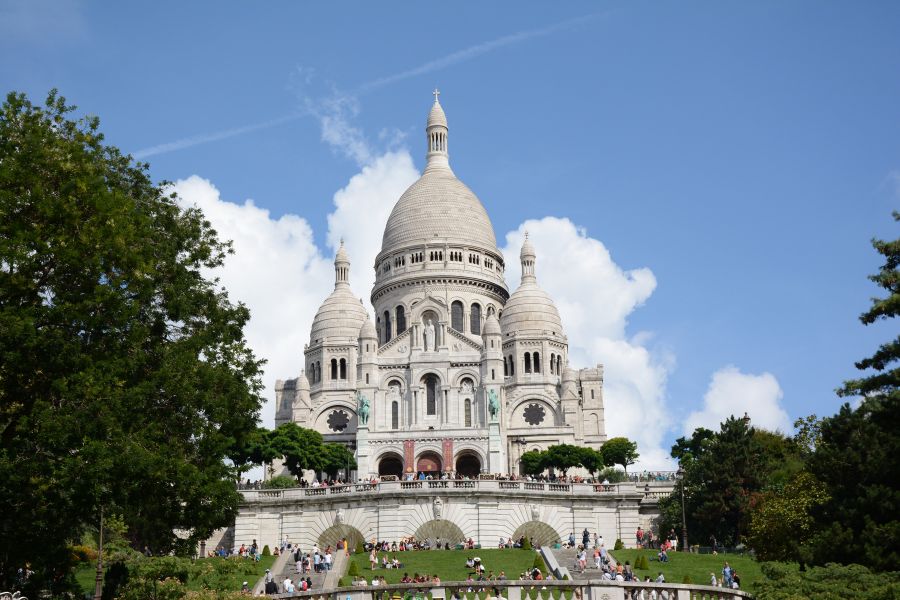
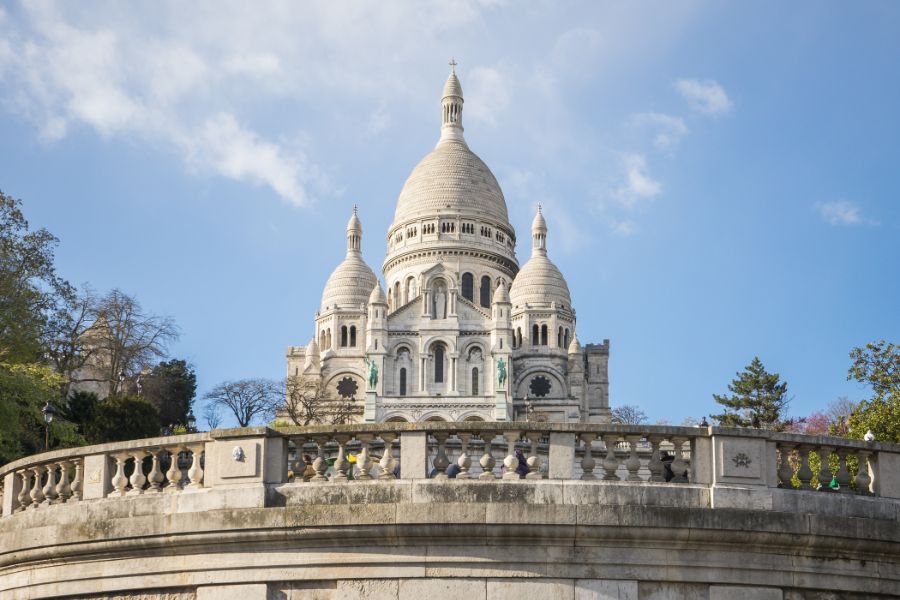
The Sacré-Cœur Basilica crowns Montmartre, perched at Paris’s highest point. I always pause on its steps to take in the view of the “City of Light” below.
The white domes pop against the blue sky, especially early in the morning when crowds haven’t shown up yet.
Montmartre’s architecture blends Belle Époque details, bohemian townhouses, and even working windmills like Moulin de la Galette. These landmarks give the area its unique style—part rustic, part grand Parisian.
When I wander through, I always spot something new: a hidden garden, a quirky doorway, or a charming café tucked into a corner.

If you’re looking for unmistakable Paris charm, Montmartre’s mix of old and new, sacred and spirited, is a highlight. Its landmarks and sweeping city views really are some of the most impressive in Paris. Exploring at different times of day brings out a new kind of beauty each time.
Best Times of Year to Visit Montmartre
Montmartre changes with the seasons, from lively spring air to cozy winter evenings. The best moments depend on Paris weather, local festivals, and your own style of exploring.
Montmartre in Spring and Autumn
Spring wakes Montmartre up after winter. Trees bloom, artists return to Place du Tertre, and the temperature feels just right for walking uphill to Sacré-Cœur.
I notice the crowds stay smaller than in summer, especially if I arrive early.
Autumn brings its own magic. Golden leaves line the narrow streets, and every photo looks like a painting. Paris weather in these months is mild, so I don’t have to worry much about rain or heat.
Fewer tourists in spring and autumn make popular Paris activities—like climbing to the basilica or visiting the Musée de Montmartre—way more pleasant. The neighborhood feels local and alive, not packed.
Enjoying Summertime Festivities
Summer is when Paris really buzzes. Montmartre fills up with outdoor events, street musicians, and open terraces.
Long daylight hours let me linger, watching the sunset from the top of the hill.
The weather can get hot, especially in July, but I just wear light clothes and carry water. Bastille Day on July 14th brings fireworks and celebrations citywide, including Montmartre.
Local bakeries and markets tempt me with fresh pastries and cheese.
Outdoor Paris activities hit their peak in summer. I love joining locals at Place des Abbesses or checking out concerts and art fairs.
If crowds aren’t your thing, the best trick is to start your day super early or visit late in the evening, when tourists thin out but the streets stay lively.
Winter Charms and Christmas Markets
Winter in Montmartre is way quieter and almost magical. Lights twinkle above Rue Lepic, and the cold air sharpens everything.
Snow is rare, but when it falls, the Sacré-Cœur turns into a postcard scene.
December brings my favorite Christmas markets. Stalls pop up with mulled wine, roasted chestnuts, and handmade gifts.
It’s a cozy way to enjoy local traditions and find unique souvenirs.
It can get chilly, but there are plenty of warm cafés and crêperies. I like ducking into small art galleries or catching a film at Studio 28 cinema, a true Paris hidden gem.

The area feels peaceful, perfect if you’re after an authentic local vibe.
Seasonal Events to Experience
Montmartre offers special events all year that shift the neighborhood’s rhythm. In early October, the Fête des Vendanges celebrates the grape harvest from Montmartre’s own little vineyard.
Locals parade in costumes, and everyone samples wine and cheese in the streets.
Spring brings outdoor art fairs and live music, which really connect me with the neighborhood’s creative spirit.
Summer festivals add color—jazz concerts, open-air movies, you name it.
During the holidays, the Christmas markets shine, but there are also Advent concerts in Sacré-Cœur and light displays. If I want to match sightseeing with local festivities, I always check the event calendar before my trip.
Timing Your Day: When to Explore for Fewer Crowds
Montmartre changes a lot depending on the hour. I’ve found quieter times when the neighborhood feels peaceful, and the crowds disappear, making space for real discovery.
Early Mornings: The Quiet Side of Montmartre
Early mornings in Montmartre are the best. The streets feel calm, and there’s that fresh glow before the city wakes up.
When I visit just after sunrise, I rarely see tour groups or lines at the popular spots, like the steps of Sacré-Cœur or Place du Tertre.
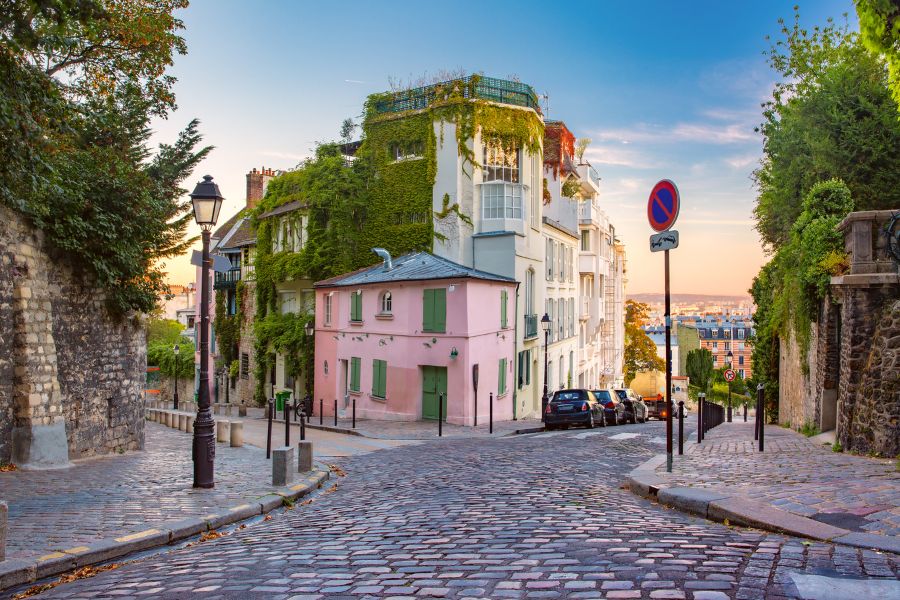
Walking past shuttered cafés, I get to focus on small details—old cobblestones, ivy on the walls, and neighborhood cats stretching under street lamps.
This is when I spot hidden gems: a mural down an alley or a bakery just opening for locals.
I usually hop on the Paris Metro to arrive early, then stroll as the city lights fade. These peaceful moments make it easy to snap photos or just enjoy a warm croissant on a bench.
Late Afternoon and Evening Magic
By late afternoon, most tour groups have headed out, and Montmartre starts to feel like a village again.
The golden hour light dances across artists’ easels, and outdoor terraces fill with locals winding down.
Evenings bring a special charm. Place du Tertre quiets down, and I can watch painters work or even chat with them.
The best part is finding a quiet café for dinner—maybe away from the main square—where I can linger and watch the sunset over the rooftops.
Street musicians play near Sacré-Cœur, and the whole district takes on a relaxed, almost magical vibe.
It’s the time for slow exploring and noticing details that get lost in the midday rush.
Weekdays Versus Weekends for Peaceful Wanders
Weekdays are the real secret for a peaceful Montmartre. I always notice fewer people on Tuesdays, Wednesdays, and Thursdays.
There’s less waiting and more chances to enjoy those famous views in quiet.
On weekends, Montmartre gets busy fast—especially by late morning. If I have to go then, I still aim for the earliest hours or use the Metro to slip into quieter northwest streets where tour groups rarely wander.
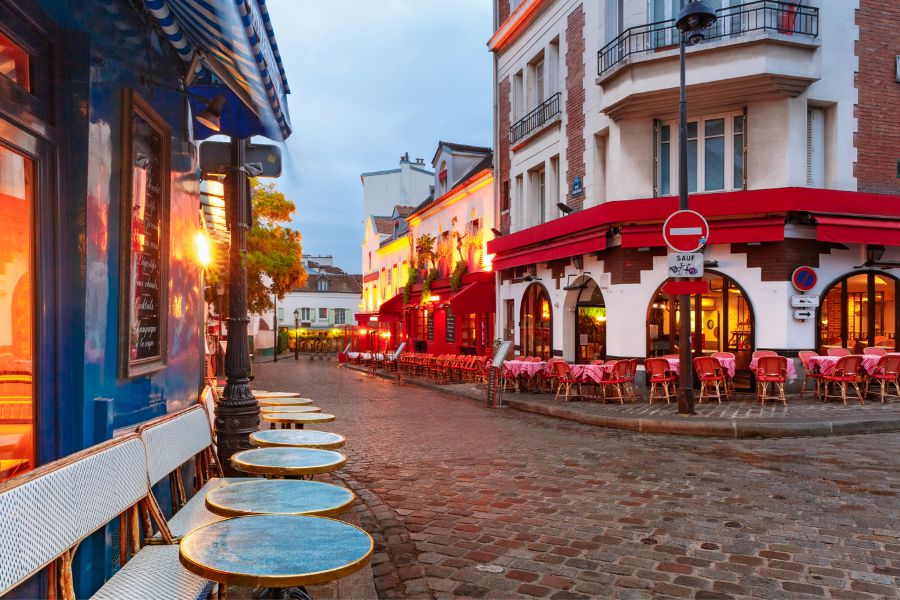
Hidden gems and authentic cafés are easier to enjoy when the neighborhood isn’t packed.
Weekdays make it so much easier to notice little details and actually chat with locals. That’s how I feel the true Montmartre spirit.
Hidden Corners and Authentic Experiences
Every time I walk through Montmartre, I find something fresh and unexpected. The area’s quiet streets, small local cafés, and lively art spots offer experiences most tourists miss.
Wandering the Lesser-Known Lanes
There’s so much more to Montmartre than just the main paths. I love slipping away from the crowds to explore side streets like Rue de l’Abreuvoir or Rue des Saules.
These winding lanes stay calm, filled with ivy-covered homes and hidden street art that pops up in the most surprising places.
Some mornings, the only sounds are my own footsteps and the distant notes of an accordion. I run into local artists setting up their easels, ready to start a new painting.
Each corner feels like a snapshot of a romantic Paris from another time.
Walking without a plan sometimes leads me to small public gardens or old staircases with sweeping city views. Early mornings or late afternoons, these quiet spots show Montmartre’s real charm.
Local Cafés and Artistic Boutiques
Stopping for a coffee in Montmartre isn’t just about the drink. Local cafés like Le Consulat or Le Refuge act as gathering spots for neighbors and artists.
I’ve spent hours tucked in tiny booths, people-watching or chatting with friendly baristas about the latest art opening nearby.
Boutiques here feel different from the big stores in central Paris. Many are run by local designers or artists who take pride in one-of-a-kind items—vintage finds, handmade jewelry, and bold paintings.
I often walk out with a small treasure or a story to tell.
A few of my favorite finds:
- Hand-painted ceramics
- Vintage postcards
- Small art prints from local painters
Each stop feels personal, like I’m discovering a side of Montmartre that belongs to the people who live here.
Place du Tertre: More Than the Famous Square
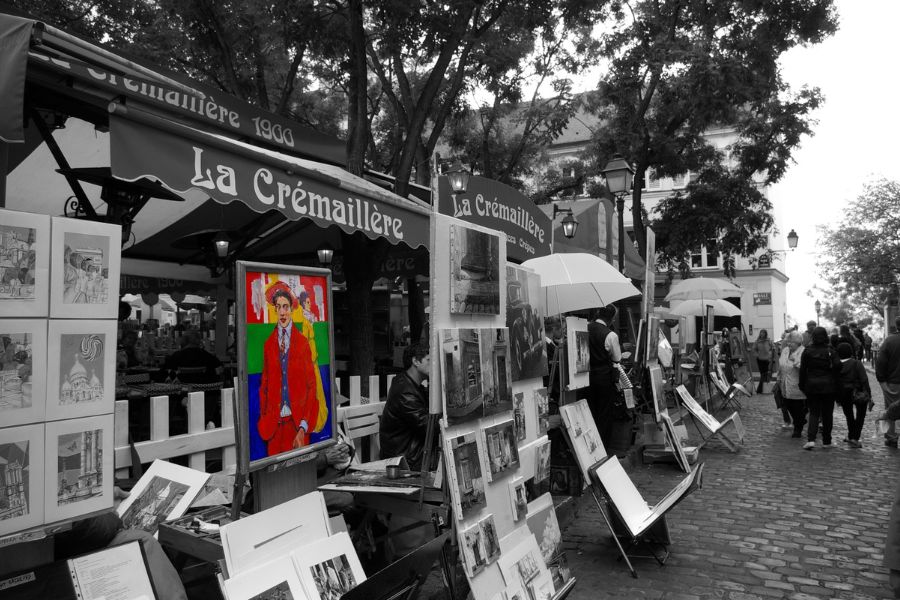
It’s easy to think of Place du Tertre as just another busy square. But if I linger for a while, I notice layers of local life behind the art stalls and easels.
Each artist has their own style—some paint classic Paris scenes, others experiment with bold colors or modern designs.
When the crowds thin out in the early evening, I find it’s the best moment to actually talk with the painters.
They share stories about their favorite corners nearby or how long they’ve been coming to the square. I’ve watched simple sketches turn into vibrant portraits in minutes.
Small side streets behind Place du Tertre often have murals or playful mosaic art. Exploring these areas gives me a sense of discovery, far from the tourist rush.
For anyone who loves watching art come alive in front of them, this is where Montmartre’s creative heart beats loudest.
Montmartre in the Context of Paris
Montmartre gives off a totally different vibe compared to most of Paris. Sure, the Eiffel Tower and Louvre dazzle with crowds and that classic Parisian flair, but Montmartre’s got this quiet, almost secret charm I can’t help but love.
Contrasts With Other Parisian Neighborhoods
Every time I wander through Montmartre, it immediately strikes me how much it stands apart from places like the Latin Quarter or the Champs-Élysées. The narrow, winding streets and steep hills kind of force you to slow down—nothing like the wide, busy boulevards or the polished, grand halls you find at the Grand Palais or Notre Dame.
You’ll stumble on tiny cafés, tucked-away gardens, and art studios that make the neighborhood feel more like a village than a city. Meanwhile, areas by the Seine are flatter and always buzzing, packed with museums and steady streams of people.
The atmosphere changes the most in the early morning or after dark. Montmartre grows quiet, almost like it’s keeping a secret, which feels rare in a city as energetic as Paris.
Connecting Montmartre to Iconic Paris Landmarks
Getting to Montmartre from most tourist spots isn’t tricky at all. I usually hop on the Metro—Abbesses or Anvers stops are perfect—or just walk if I’m feeling up for it, especially from places like the Louvre or Notre Dame since they’re not that far by train.
Standing at Sacré-Cœur, I catch an amazing view of the Eiffel Tower and the whole city stretching out below. It’s easy to pair a Montmartre visit with stops at the Arc de Triomphe, Sainte-Chapelle, or the Panthéon, since the Metro connects them all. One time, I started my day with the Mona Lisa at the Louvre and ended up watching the sunset from Sacré-Cœur. Not a bad way to spend a day.
Here’s a simple connection guide:
| Landmark | Closest Metro to Montmartre | Estimated Travel Time |
|---|---|---|
| Louvre | Abbesses / Anvers | ~20 min |
| Eiffel Tower | Abbesses / Anvers | ~30 min |
| Notre Dame | Abbesses / Anvers | ~25 min |
| Arc de Triomphe | Charles de Gaulle–Étoile → Anvers | ~25 min |
Making the Most of Paris Museum and Travel Passes
Whenever I get my hands on a Paris Museum Pass or Paris Pass, I try to map out my days to really squeeze out those perks and skip-the-line moments. Montmartre’s got a few small museums, like the Musée de Montmartre, and they’re actually included with the pass.
I like mixing Montmartre with bigger spots—the Louvre, Grand Palais, Sainte-Chapelle, or even Versailles. That combo seems to make the most of both my time and the pass’s value.
On one trip, I saved a bunch just by hopping between museums in a single day. I wrapped things up with an evening wandering Montmartre, popping into weird little art spaces and climbing Sacré-Cœur’s steps.
Honestly, I’d say always double-check what each pass covers. I usually group places by neighborhood so I’m not running all over town. That way, I save my energy for those unexpected Paris moments.
