
Honestly, the best time to explore Schorfheide-Chorin really depends on what you’re after. Spring wakes up the forests with birdsong and fresh green everywhere, while autumn wraps the beech woods in gold and a gentle, peaceful hush.
I’ve wandered these trails in both seasons. Each time, the reserve near Berlin feels totally transformed—spring feels energetic and full of promise, autumn feels like nature’s curtain call.
In spring, the air buzzes with rare birds and the soft rustle of new leaves. Cool breezes and blooming flowers make every hike feel like a fresh start.
But autumn? That’s when the forests absolutely glow. The lakes mirror the golden canopy, and the crisp air just begs you to slow down.
Some folks love the lively soundtrack of spring, while others crave the quiet, colorful beauty of fall. I’ll try to lay out what truly stands out to me about each season, so you can pick your favorite.

Seasonal Highlights of Schorfheide-Chorin
Spring in Schorfheide-Chorin bursts with wildlife and the constant chatter of birds. In autumn, golden beech trees steal the show, lighting up the forests and quiet trails.
Each season brings its own kind of magic, and I always notice something new.
Spring Birdsong and Wildlife Encounters
When I visit in spring, birds seem to fill every pocket of fresh air. Early mornings are the sweet spot—cranes, ospreys, and woodpeckers call out loud and clear.
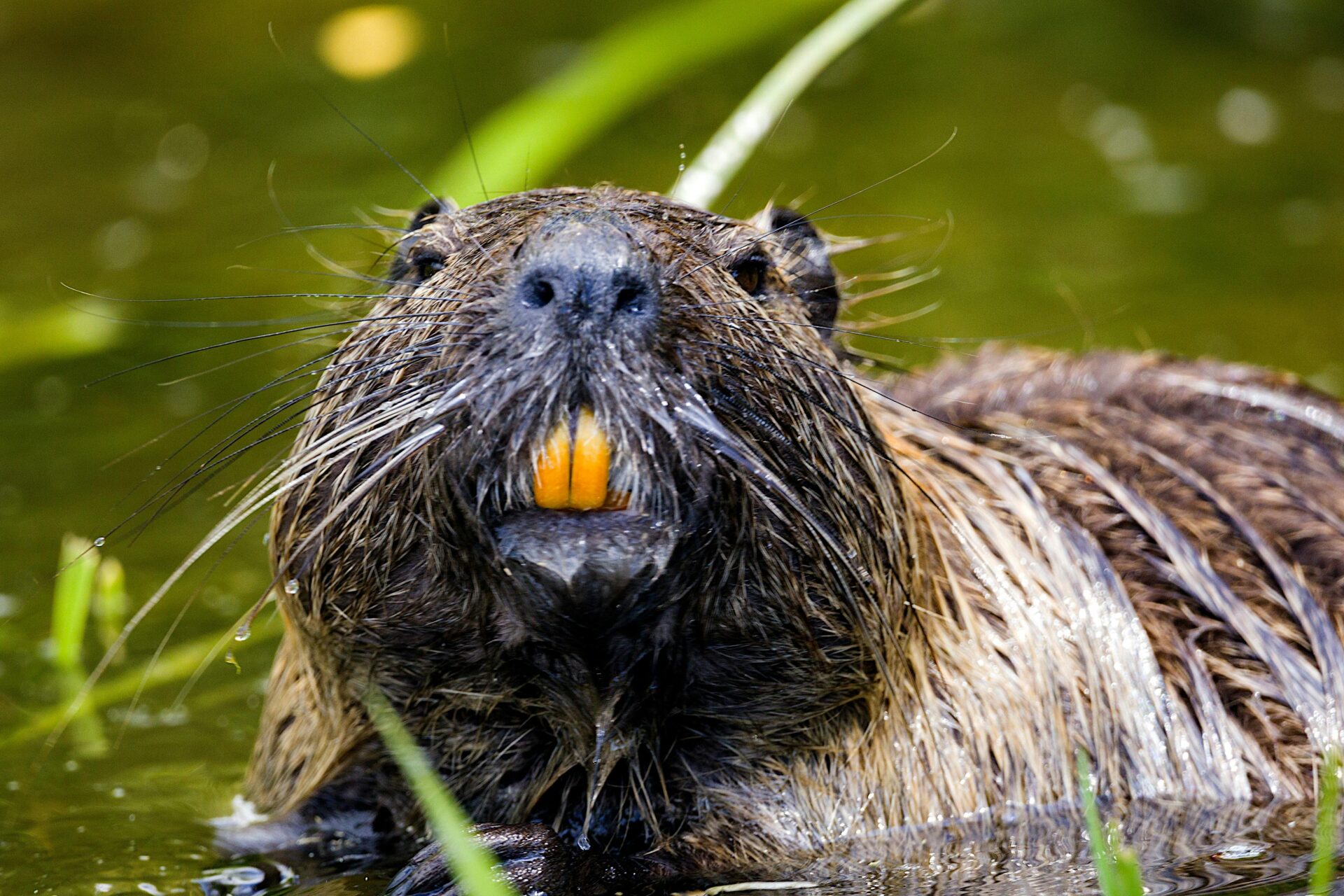
You’ll find rare animals here, like beavers, otters, and several types of bats. As trees bud and wildflowers pop up, wildlife becomes easier to spot.
Trails hug the water, and I often spot ducks, swans, and herons gliding by.
Spring also means migratory birds flock back. I always feel the buzz as birds build nests and forage for food.
Here are a few wildlife highlights I’ve come across:
| Animal/Bird | Where to Spot |
|---|---|
| White-tailed eagle | Lakes & open skies |
| Crane | Wet meadows |
| Beaver | Quiet streams |
Autumn’s Golden Beech Canopy and Foliage
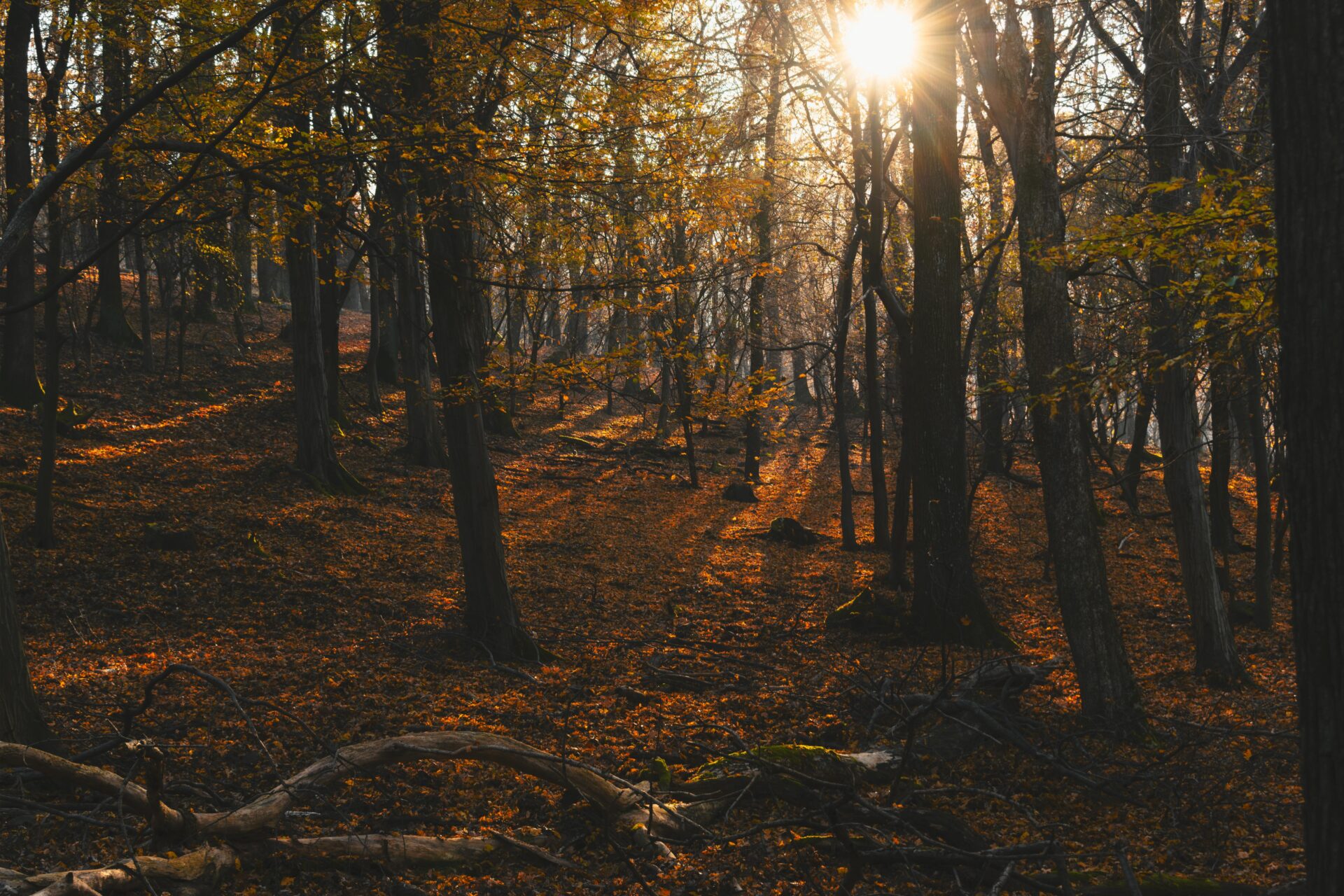
Come autumn, the beech forests around Grumsin put on a show. Walking these trails in late September or October, I crunch through a thick carpet of leaves.
Morning mist and a lower sun make the woods feel extra calm. Beeches, in particular, seem to glow in every shade of yellow and orange.
Cooler air and empty paths slow me down in the best way. Monasteries and lakes peek through colorful woods—perfect for photos.
I often spot squirrels and deer darting between the trees, busy gathering food before winter.
Hiking here feels peaceful. Wide views over the Biesenthal Basin really show off the changing season.
Comparing Spring and Autumn Atmospheres
Spring and autumn feel worlds apart, and honestly, I can’t pick a favorite.
In spring, everything’s alive—birds, animals, the whole forest. Longer days mean more time to wander and wake up to nature’s soundtrack.
Autumn, though, brings a softer quiet. The forests are a riot of color but not crowded. I love the stillness and the mild weather, which makes for long, mellow hikes.
Here’s a quick side-by-side from my own trips:
| Feature | Spring | Autumn |
|---|---|---|
| Wildlife | Active, visible, vocal birds | Subtle, mammals more active |
| Scenery | Budding trees, fresh green | Golden leaves, mature canopy |
| Trails | Sometimes muddy, lively | Drier, quieter, leaf-carpeted |
Birdwatching Opportunities Throughout the Year
Schorfheide-Chorin is a birdwatcher’s dream, no matter the season. From rare species to jaw-dropping migrations, timing your visit can really up your chances of spotting something special.
Best Months for Rare Bird Species
I’ve found that late spring and early summer—think May and June—are prime for rare birds. Warblers, woodpeckers, and wetland birds settle here to breed.
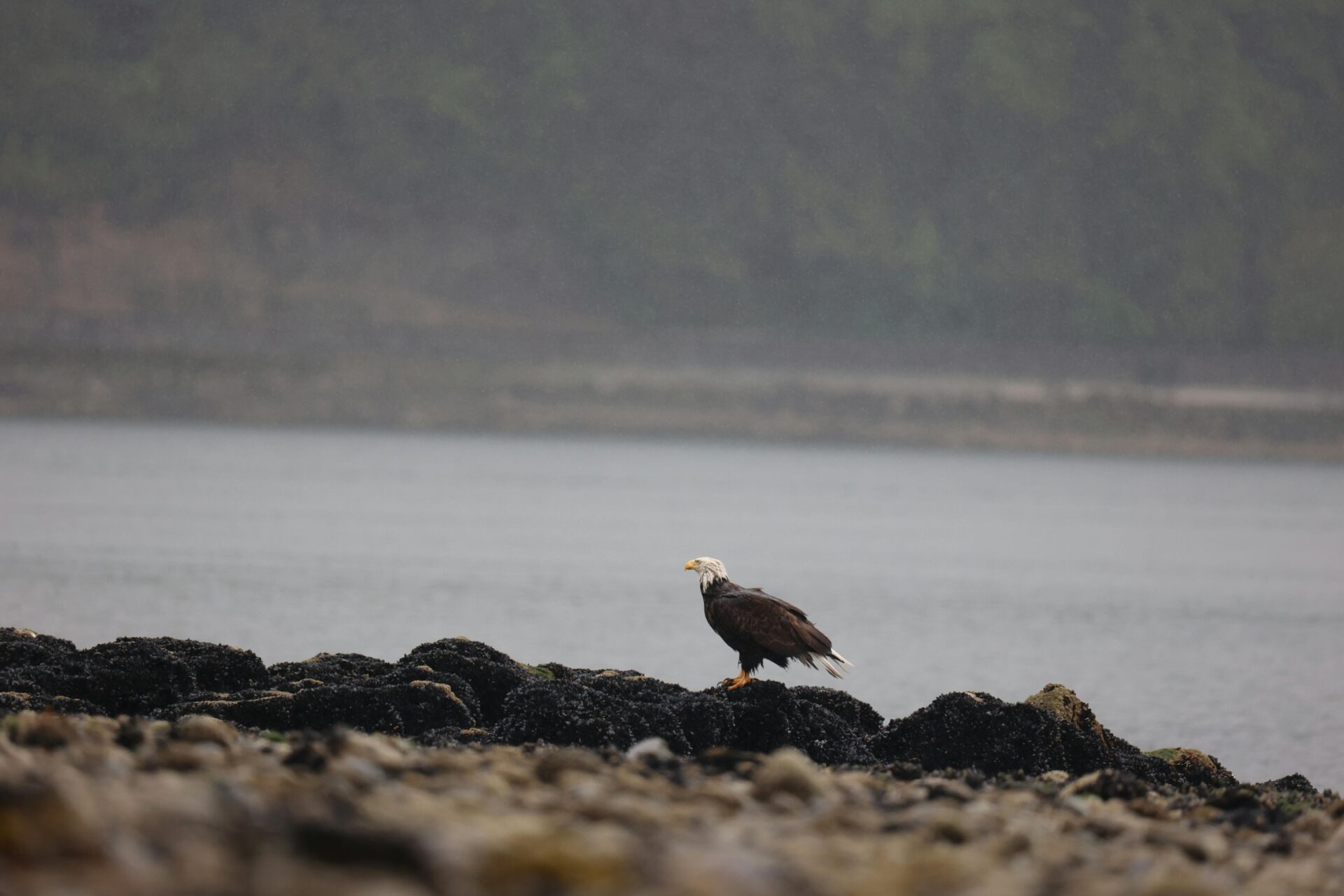
Early mornings work best for birdwatching. Raptors like the white-tailed eagle and the lesser spotted eagle often soar above open fields.
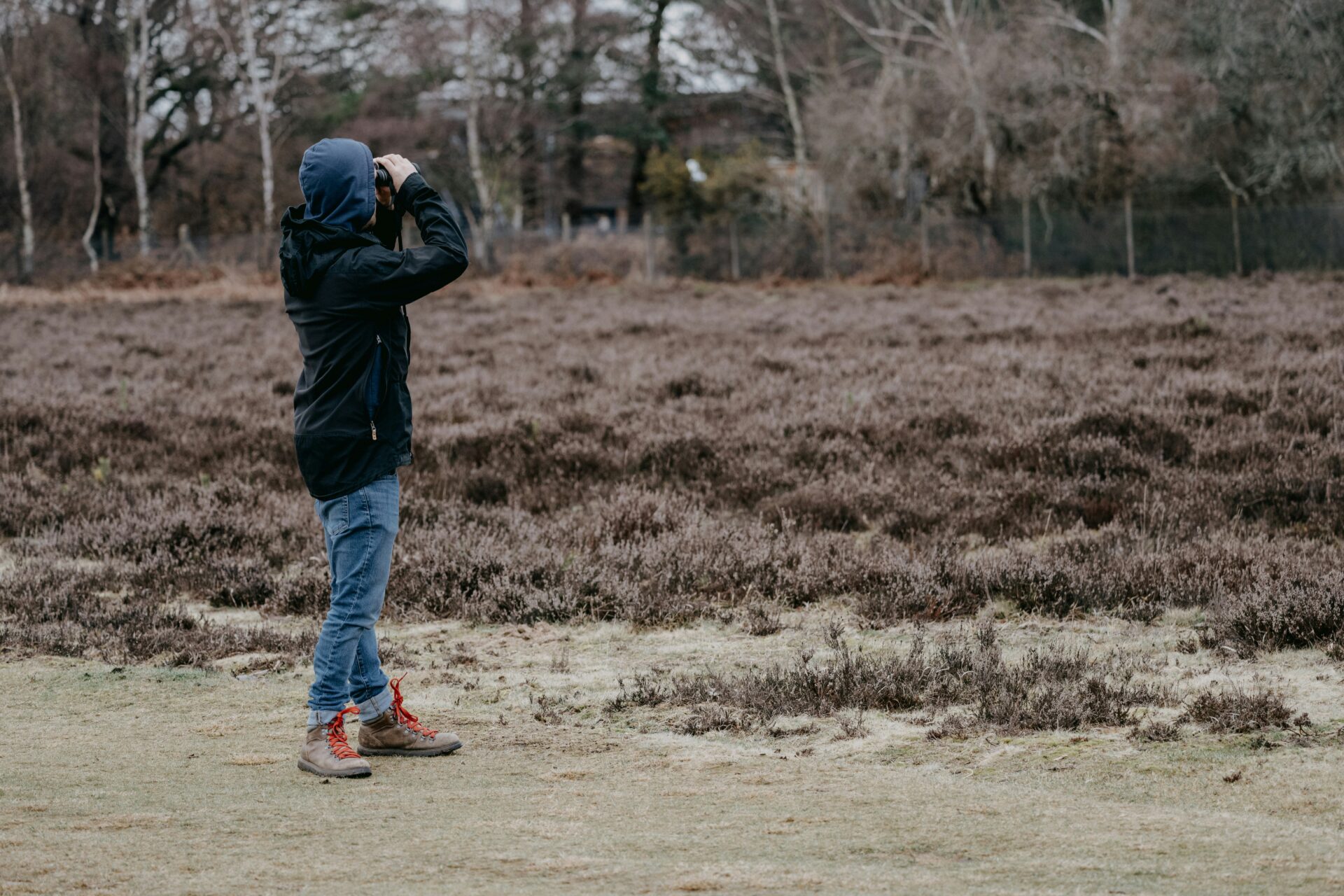
European cranes and black storks hang around the lakes and wetlands. I always bring binoculars and keep an eye on both the water and sky.
A few rare species I always hope to see:
- White-tailed eagle
- Black stork
- Lesser spotted eagle
- European crane
Migratory Patterns and Peak Viewing Times
Bird migration is something I never get tired of here. Spring migration kicks off in mid-March, peaking in April and May. In fall, migration heats up in August and goes through November.
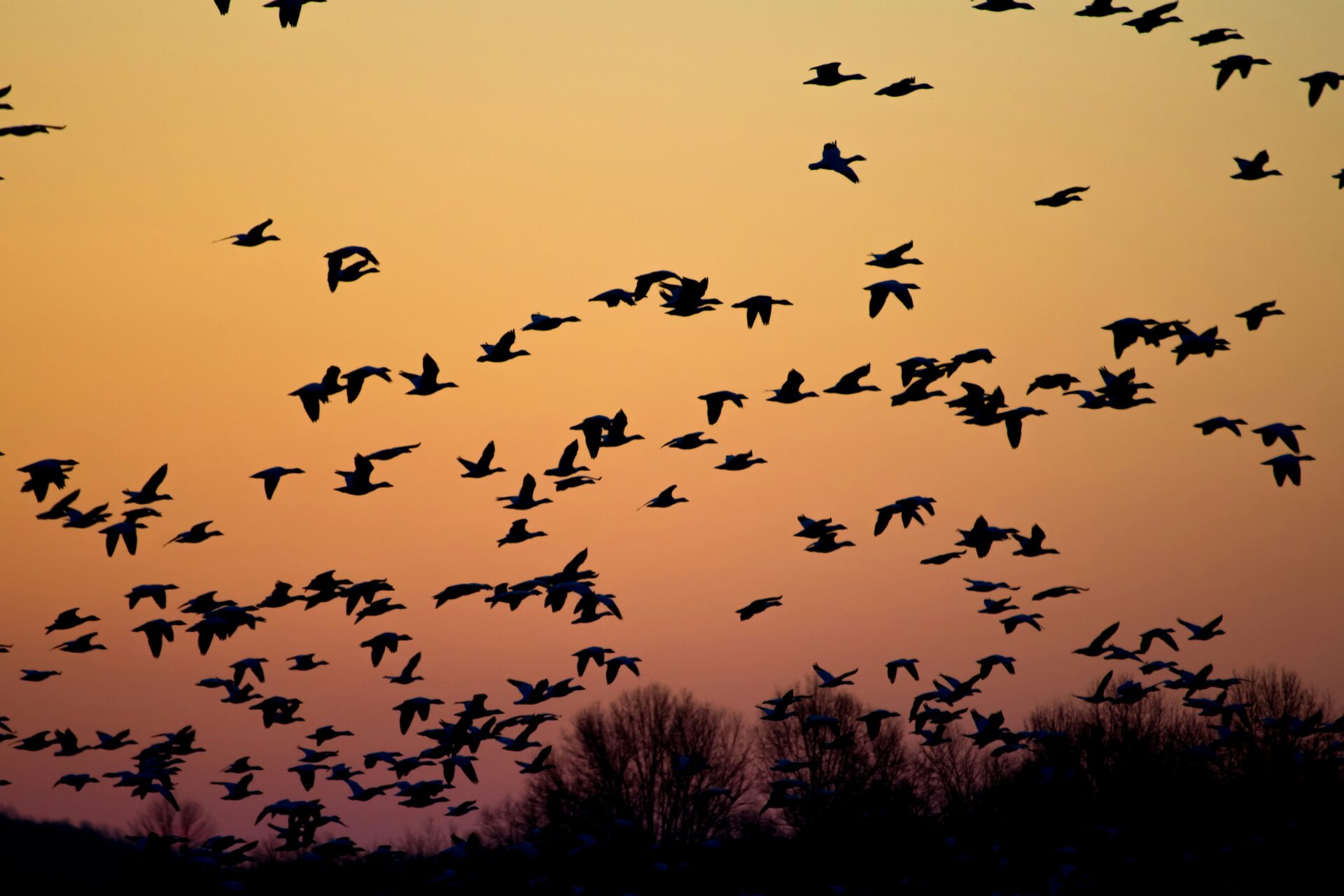
These are the months when geese, cranes, and songbirds fill the skies or gather in fields. I try to get out at dawn or dusk—those are the busiest times.
Spring is all about energetic songs and courtship, while autumn’s migration brings big, dramatic flocks and haunting calls overhead.
Here’s a simple calendar:
| Season | Main Species Seen | Best Viewing Time |
|---|---|---|
| Spring (Mar-Jun) | Cranes, geese, songbirds | Dawn, April-May |
| Autumn (Aug-Nov) | Cranes, waterfowl, raptors | Dusk, September-October |
Exploring Nature Trails and Forest Paths
Spring and autumn each change the whole vibe of Schorfheide-Chorin’s trails. What you see and hear shifts with the season—from bursts of birdsong to the golden hush of beech trees.
Top Routes for Spring Exploration
In spring, I love to start with the Weg der Artenvielfalt (“Path of Biodiversity”). This loop winds through old forests and wetlands. Mornings here are alive with bird calls, especially near Werbellinsee lake.
Woodpeckers, blackbirds, and nightingales are regulars. For a longer walk, I usually take the path from Althüttendorf to Chorin Abbey. New leaves and wildflowers fill the woods, and streams run high from the last of the snowmelt.
Benches along the way are great for quiet birdwatching. If you’re heading out early, a field guide or birding app can be handy for identifying calls.
Quick trail rundown:
| Trail Name | Approx. Length | Best for |
|---|---|---|
| Weg der Artenvielfalt | 5 km | Birdsong, flora |
| Althüttendorf to Chorin | 8 km | Wildflowers, birds |
| Around Werbellinsee | 10 km | Lakeshore views |

Recommended Autumn Hiking Experiences
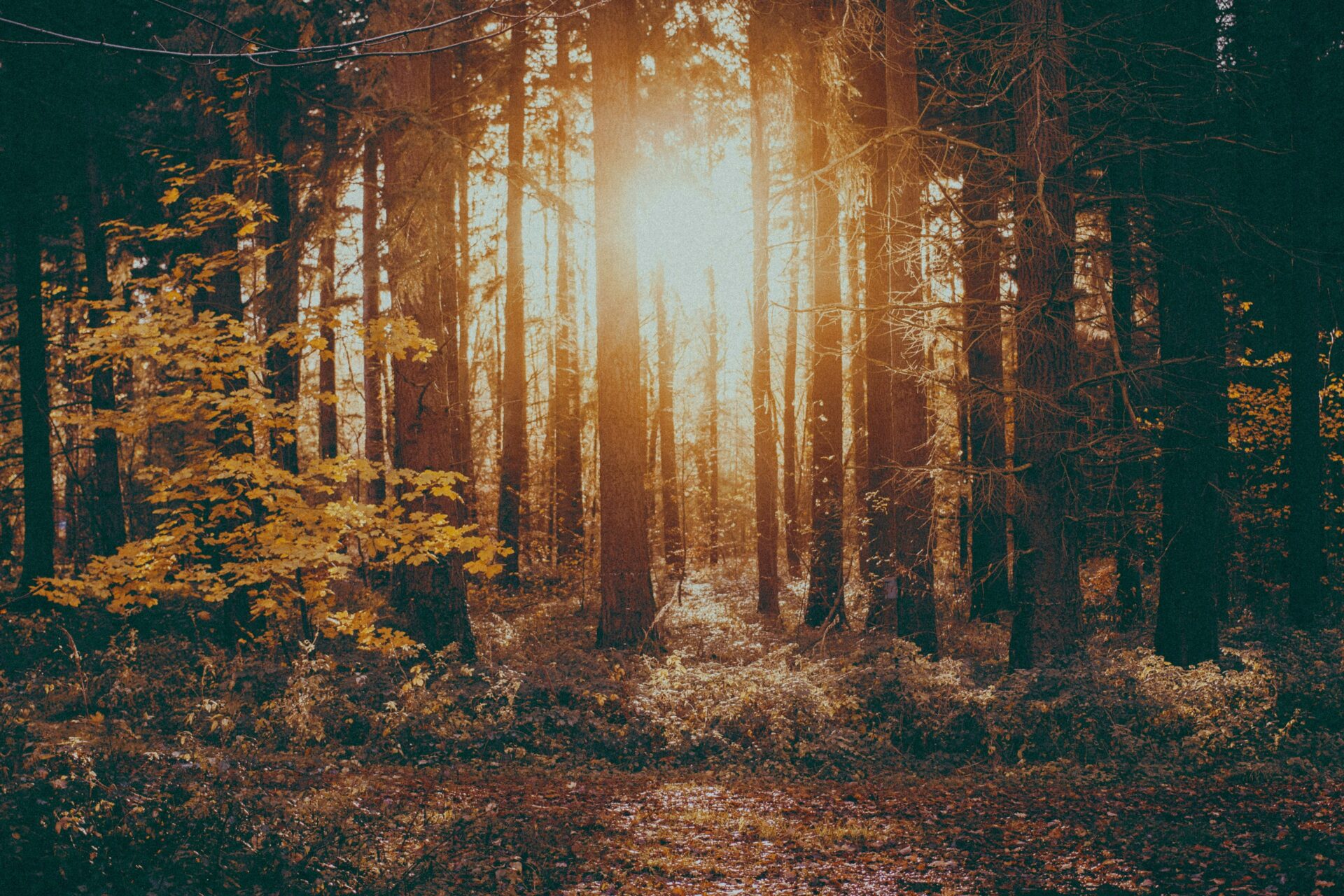
In autumn, the beech forests near Buckowsee and Grumsiner Forst always call to me first. Gold and orange leaves make every path glow, especially on sunny afternoons.
I can walk for hours under arches of beech and oak, the ground soft with fallen leaves. The Grumsin UNESCO World Heritage Trail is a clear favorite—well-marked, easy to follow, and dotted with viewpoints for photos.
I always bring a light jacket, as the air can flip from chilly to warm fast. Late October is peak color, in my opinion.
Watch for red squirrels and even wild boar along quieter stretches. The forest’s stillness, broken only by the crunch of leaves, keeps me coming back.
Photography and Scenic Spots
Spring draws me in with wildflowers and busy birds, while autumn transforms the beech woods with jaw-dropping color and dreamy light.
Each season shapes the reserve’s scenery in ways that make photographers and nature lovers swoon.
Capturing Spring Blooms and Wildlife
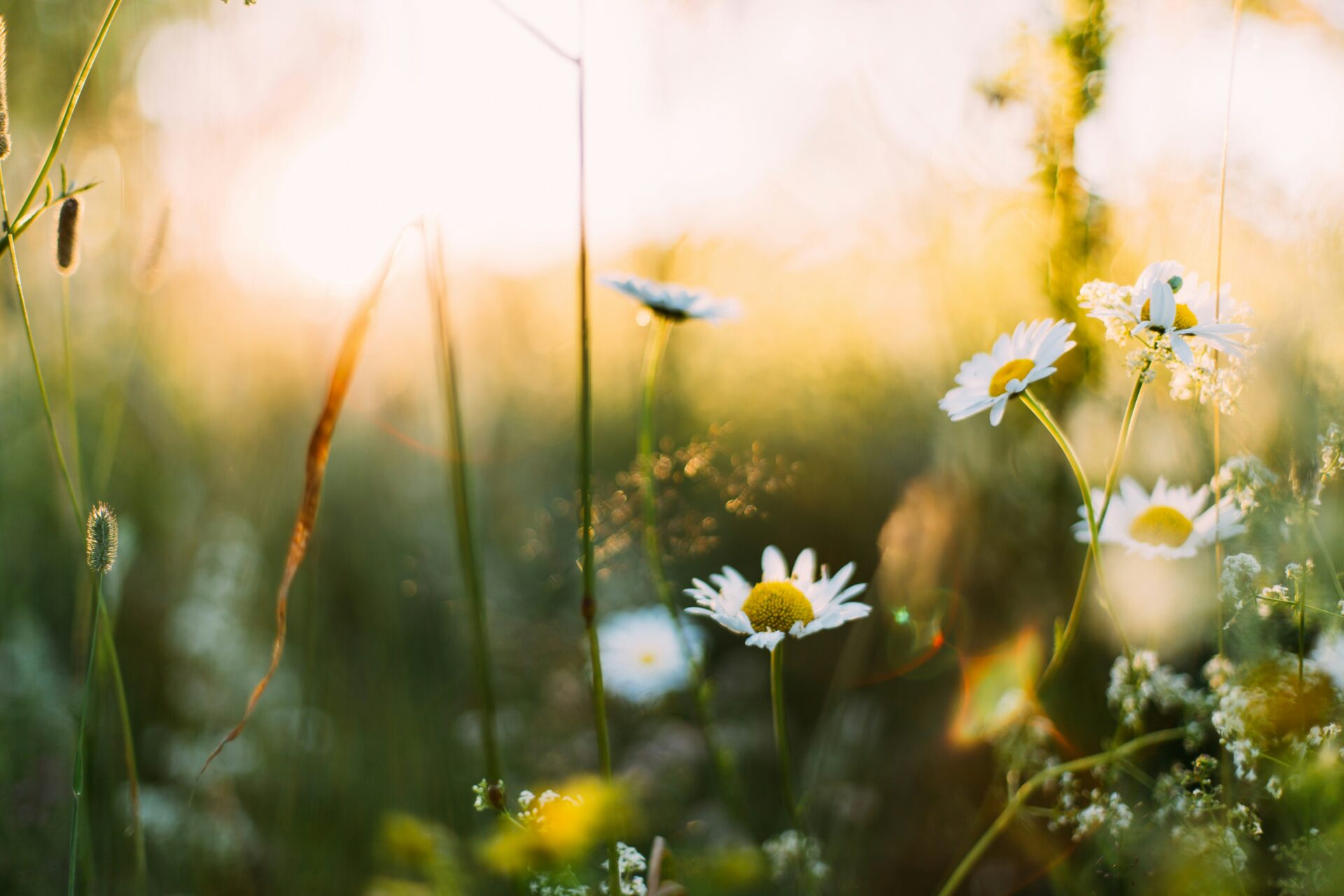
In spring, meadows and forests explode with color. Wildflowers—anemones, violets, and more—blanket open spaces and shady trails.
Fresh green leaves make every photo feel hopeful. Mornings are best for catching the forest alive with birdsong.
I usually bring a telephoto lens since birds can be skittish here. Soft light before noon works best, and early mist over lakes adds a moody touch to landscapes.
Boardwalks and forest edges are great for close-ups of plants or spotting insects and amphibians.
Iconic Autumn Landscapes and Light
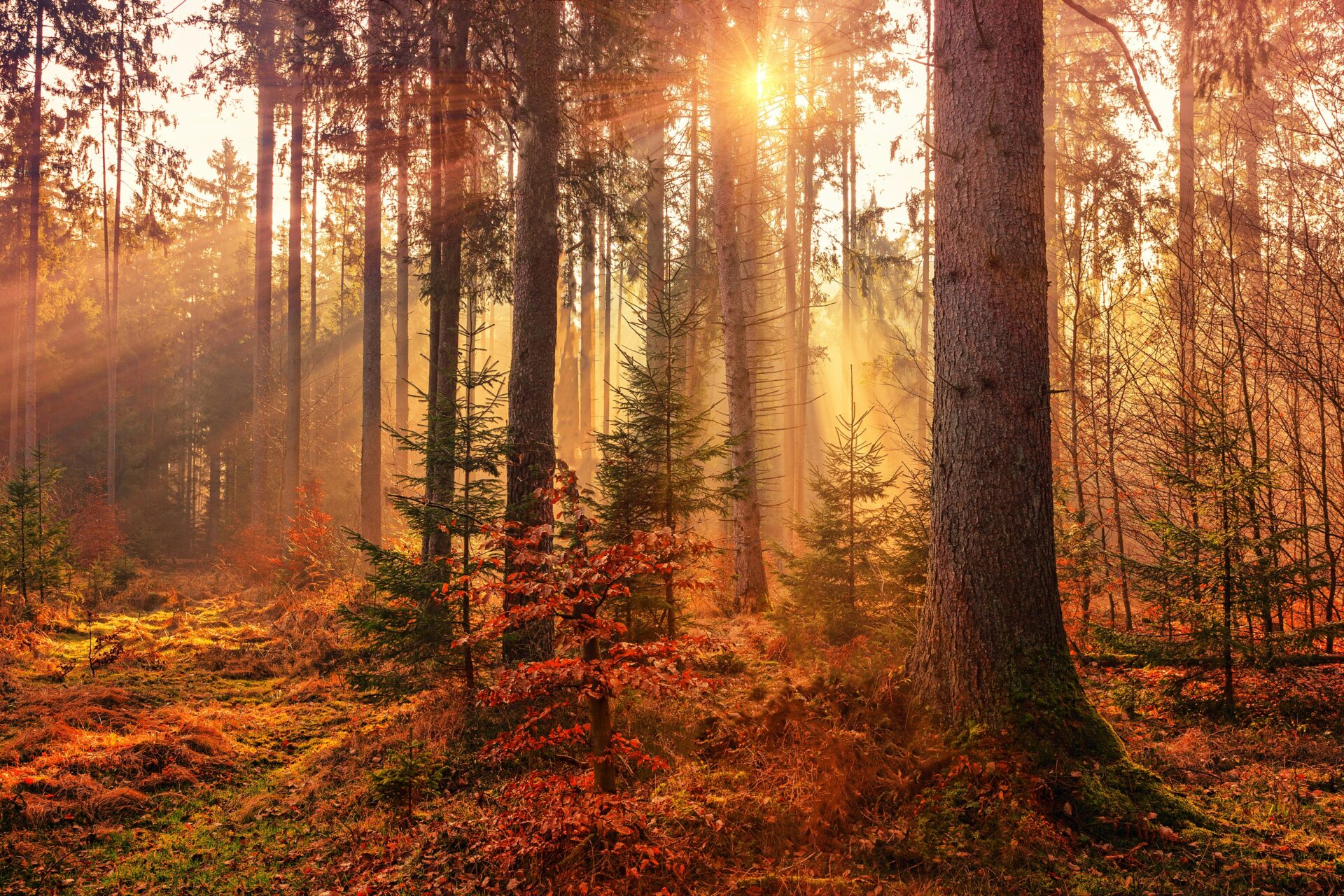
Autumn here is all about warm color and soft light. The beech forests turn into glowing canopies of red, orange, and yellow.
Late afternoons, especially after rain, are made for photos—the sun cuts low, shining through colored leaves and making everything look magical.
I like to look for sunbeams filtering through tall trees. Leaf-covered paths create natural lines for photos.
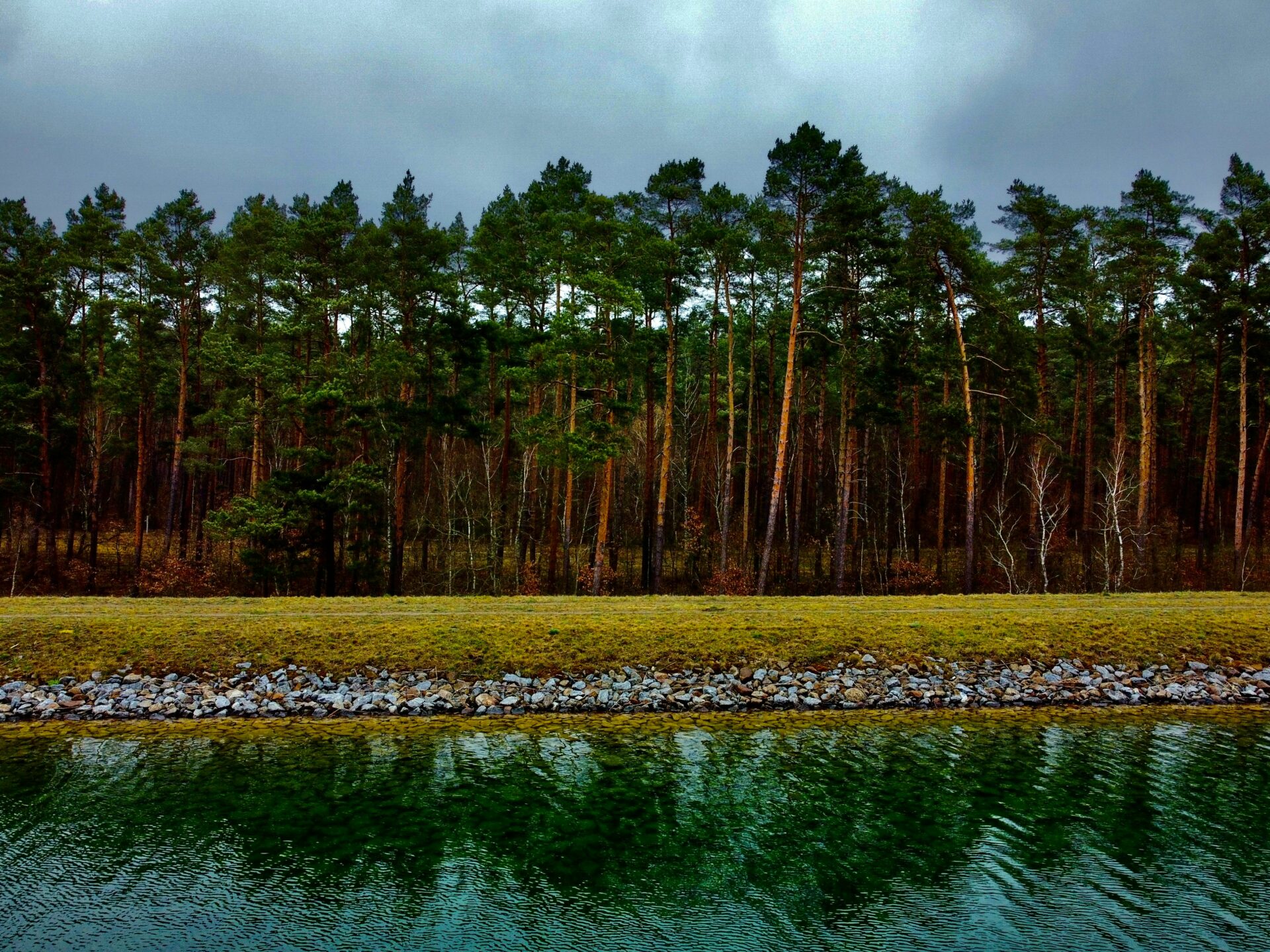
Reflections on lakes double the impact of the foliage. Open meadows and high points give broad views over golden forests.
With fewer crowds and calm weather, it’s much easier to take your time with big scenic shots or patient time-lapses.
Local Insights and Sustainable Visiting Tips
Whenever I visit Schorfheide-Chorin, I try to dig deeper—learning from locals and treading lightly. Getting hands-on and making mindful choices always adds something special to the trip.
Guided Tours and Experiential Activities
Guided tours have taught me so much about the region’s wildlife and history. Birdwatching walks in spring are a highlight, especially at dawn when the woods wake up.
Local rangers and ornithologists often lead these walks, pointing out eagle and stork nests I’d never spot on my own.
Visitor centers usually have up-to-date info on walks, boat trips, and themed hikes. In autumn, mushroom foraging tours feel like a real-life treasure hunt, plus you learn which fungi are safe.
Some farms and eco-villages open their doors for cheese-making or beekeeping workshops. If you’re after interactive experiences, check out the Ökodorf Brodowin or Gut Sarnow.
I recommend booking ahead, especially on weekends or holidays—groups stay small for a better experience, and spots go fast.
Eco-Friendly Exploration Recommendations
Every time I travel here, I try to keep my impact as low as possible. I usually hop on local trains or buses to reach the main entry points.
Once I arrive, I’ll rent a bike or just wander around on foot. The network of marked trails makes it pretty simple to steer clear of sensitive wildlife habitats.
I always toss a reusable water bottle in my bag, and snacks go into containers I can use again. Out here, you’ll find plenty of picnic spots, but honestly, trash bins are rare once you’re deep in the woods.
When I’m exploring lakes like Werbellinsee or Amtssee, I stick to official bathing areas. It just feels right to help protect those beautiful shorelines and keep the water clean.
Supporting local businesses that care about the environment is a big deal for me. I look for restaurants using organic, local ingredients—sometimes you’ll see little labels or signs showing they’re part of conservation efforts. Those are the spots where I like to spend my money.
A few other things I try to remember:
- Stick to marked trails and boardwalks.
- Don’t get too close to nesting birds.
- Pack out everything I bring in—leave no trace.
- Choose eco-certified places to stay.
If enough of us follow these steps, I really believe Schorfheide-Chorin will stay wild and welcoming for everyone, animals included.
