
If you’re like me, you probably dream about capturing that stunning, mirrored surface of Königssee. This lake, tucked deep inside Berchtesgaden National Park in Bavaria, Germany, offers scenery that honestly takes my breath away—especially when the water turns still and the mountains reflect back like a painting.
I’ve found that the best time for that magical, mirror-like reflection is early on a calm summer morning, ideally from June to August. The weather’s more predictable, and you’ll beat the crowds.
Standing on the dock as the sun rises, I watch the surface become flawless glass—each peak and tree perfectly mirrored. Planning your trip for this window gives you the best light for photos and lets you enjoy the peaceful side of Königssee before tour boats and hikers show up.
Every visit here reminds me why Bavaria’s lakes are so famous for their calm, breathtaking views and undeniable beauty.
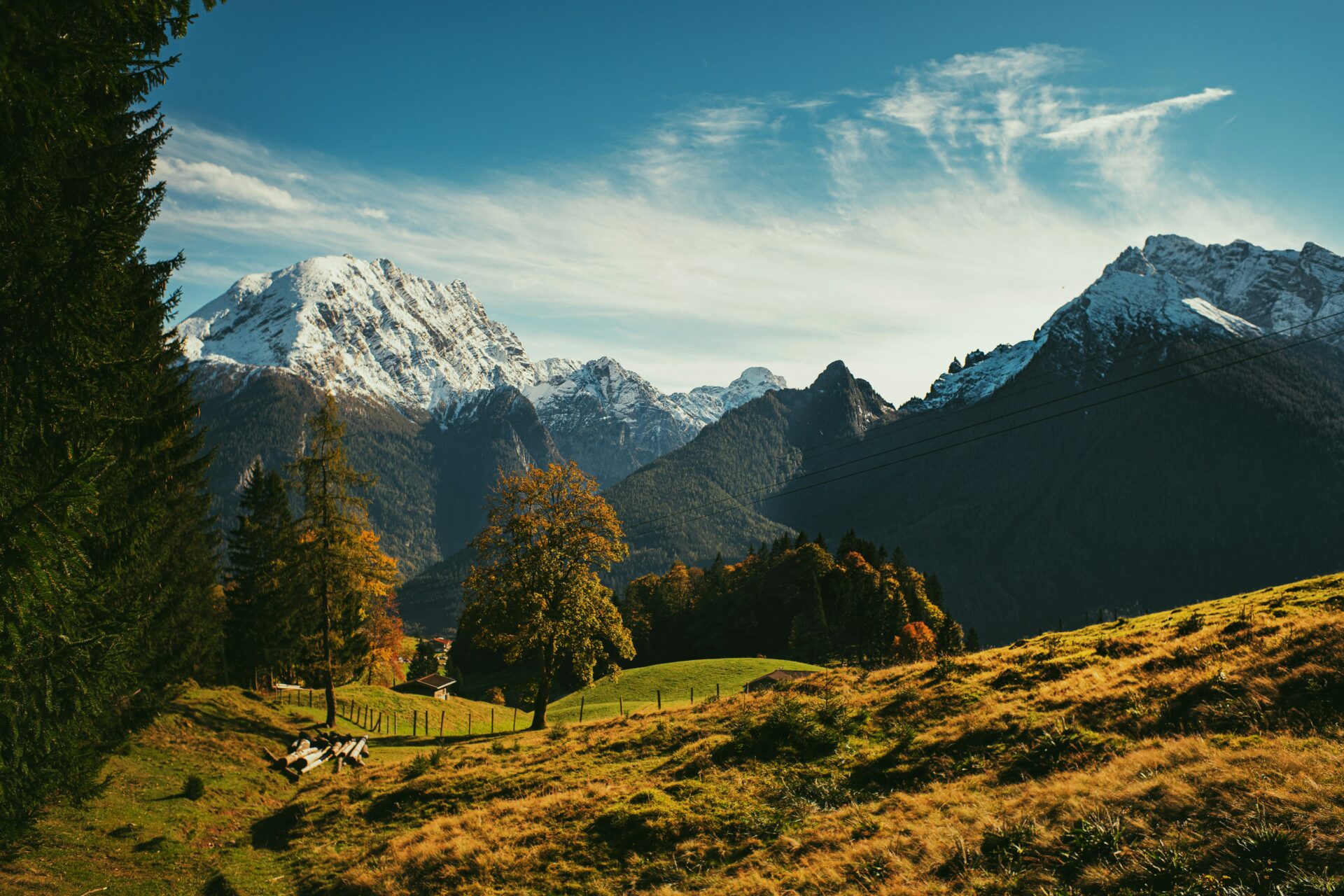
Seasons at Königssee: When to Visit for Mirror-Like Reflections
Light and weather shape Königssee’s moods in striking ways. Throughout the year, dawn mist, lush foliage, and snowy peaks turn the lake’s glassy waters into a photographer’s dream.
Spring: Gentle Mornings and Emerging Greenery
In spring, snow melts from the Bavarian Alps and feeds Königssee with crisp, clear water. Early mornings work best for reflection shots—the air stays cool, and the lake barely ripples.
Sometimes, mist hangs over the surface, giving everything a softer, dreamy feel. I love watching the forests wake up this time of year. Pale green leaves frame the lake, and crowds are low, so it’s peaceful.
You’ll hear birdsong echo off the cliffs—a detail that makes spring special. Mornings can be chilly, so I always bring a jacket, but those pastel reflections make it worth the extra layer.
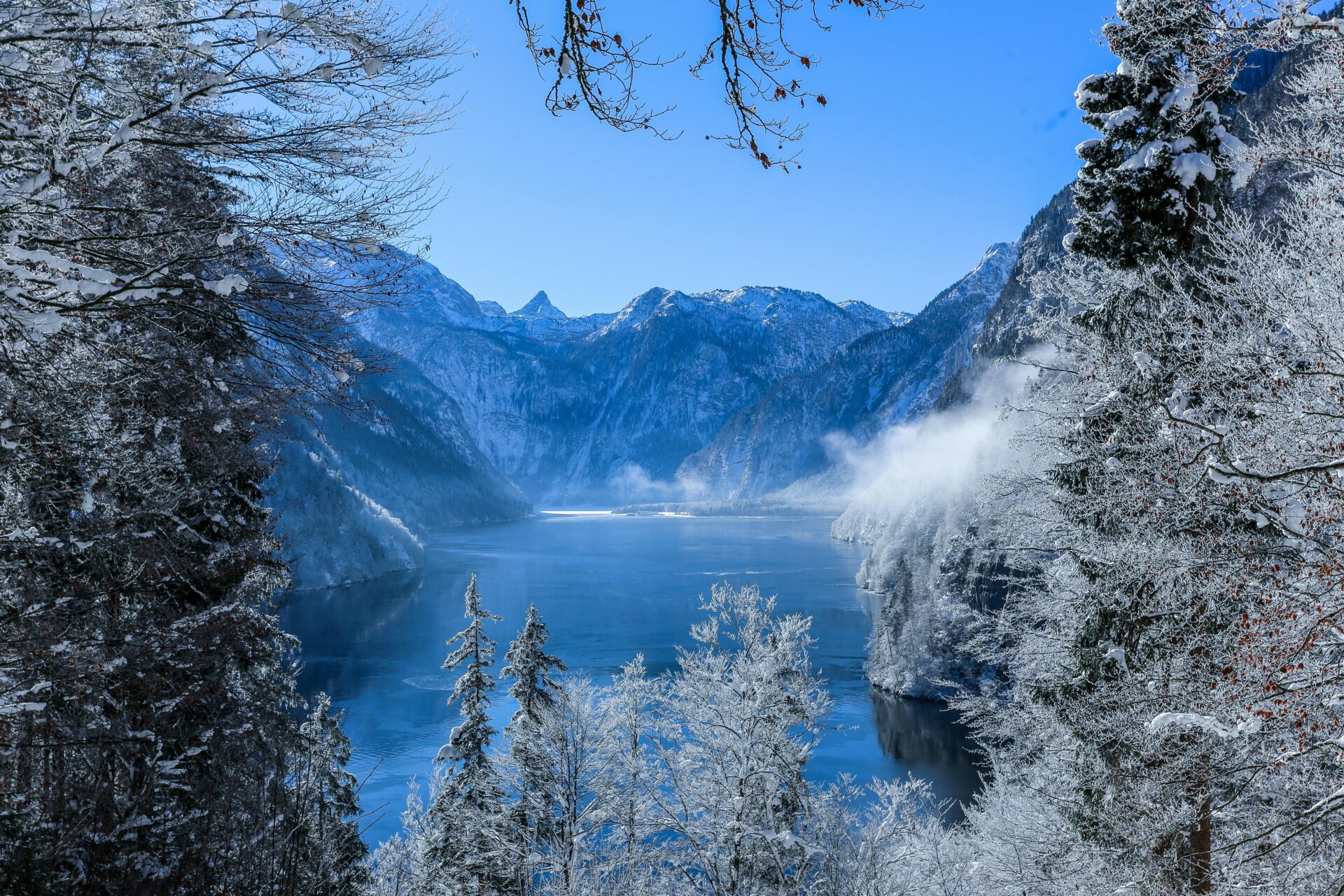
Summer: Vivid Colors and Crystal Water
Summer brings longer days and a punchier color palette. The water in Königssee almost glows emerald, reflecting the sapphire sky and the thick green woods of the national park.
Mornings usually stay calm, but as the day heats up and more visitors arrive, boat wakes start to break the surface. I make sure to visit right after sunrise, before the first tourist boats leave, to catch those perfect mountain reflections.
Temperatures hover around 20-24°C (68-75°F), so it feels just right for walking and exploring. Photography here means bold contrasts—green forests, blue skies, white clouds all blending into one pristine reflection. July and August get busy, but an early start really helps.
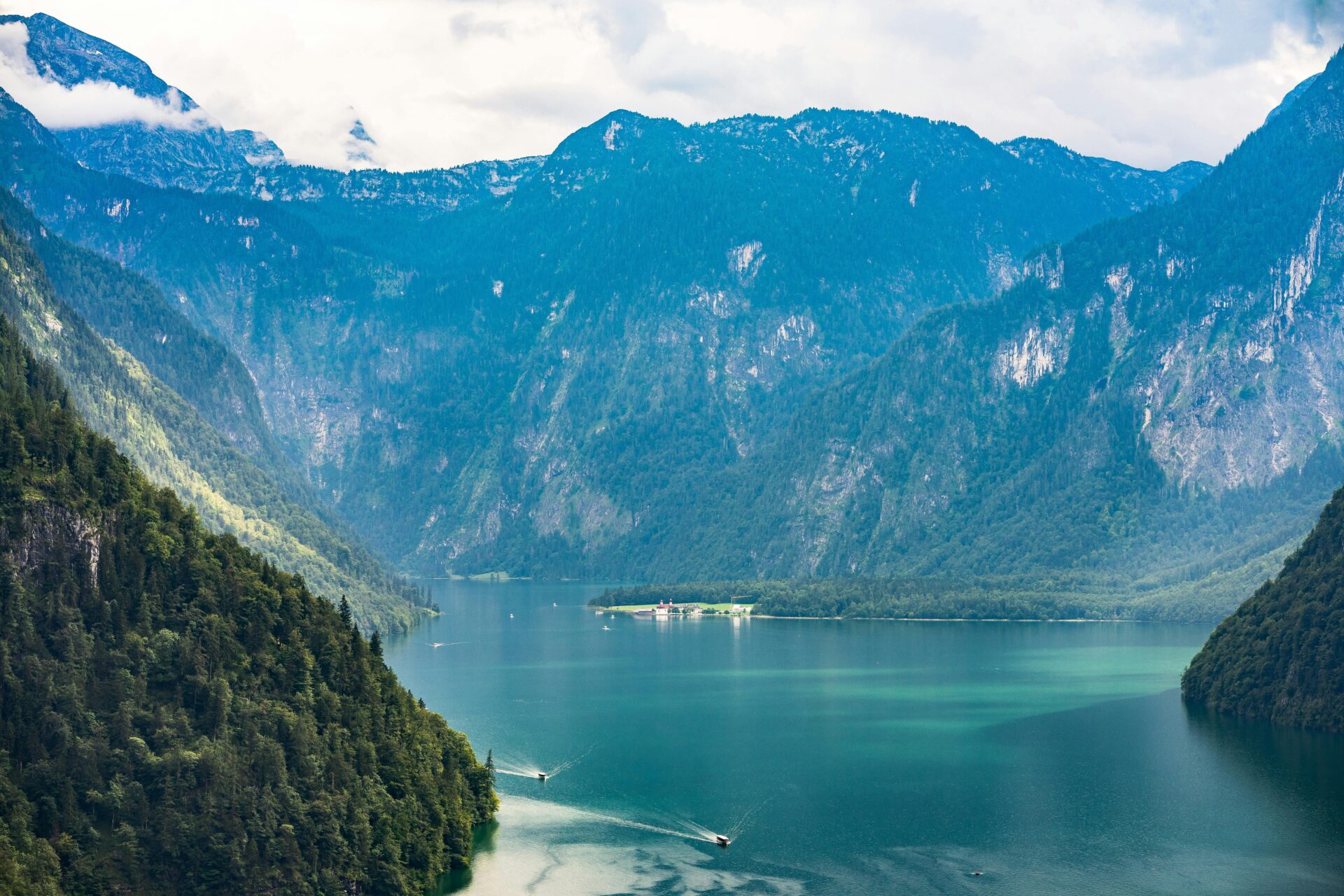
Autumn: Vibrant Foliage and Calm Conditions
Autumn at Königssee is honestly my favorite. The trees in Berchtesgaden National Park explode into orange, gold, and red, transforming the whole landscape overnight.
Early mornings and late afternoons give you great reflections, with calm water and soft sunlight that highlights the seasonal colors. The crowds drop off compared to summer, and a peaceful hush settles over the lake.
Cool air keeps the surface still, making the “mirror effect” even stronger. I love walking the lakeside trails, hearing leaves rustle, and then suddenly seeing snow-capped peaks reflected in the water. If you’re into photography or just want a quiet hike, this is a beautiful time to go.
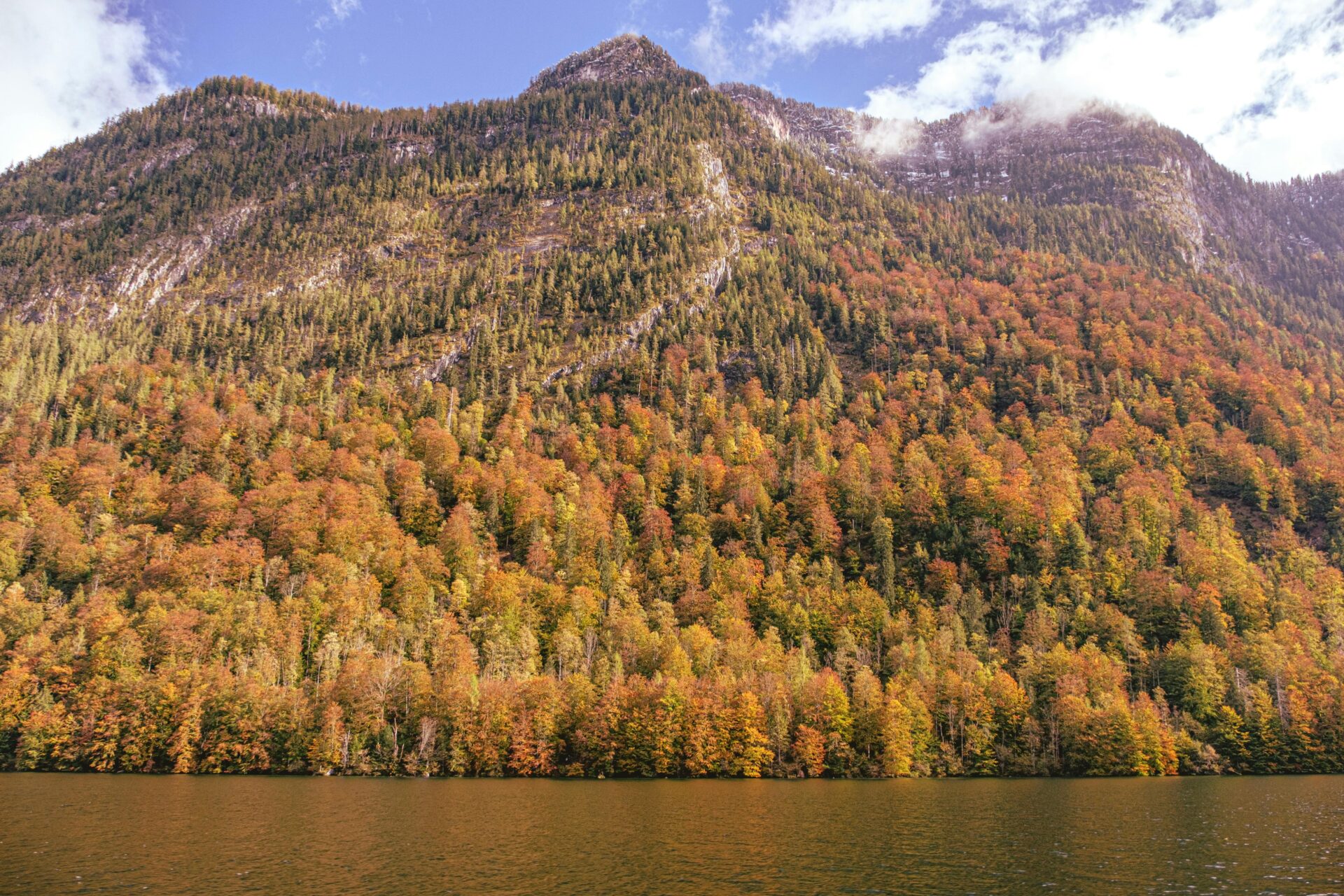
Winter: Snow-Capped Peaks and Serene Stillness
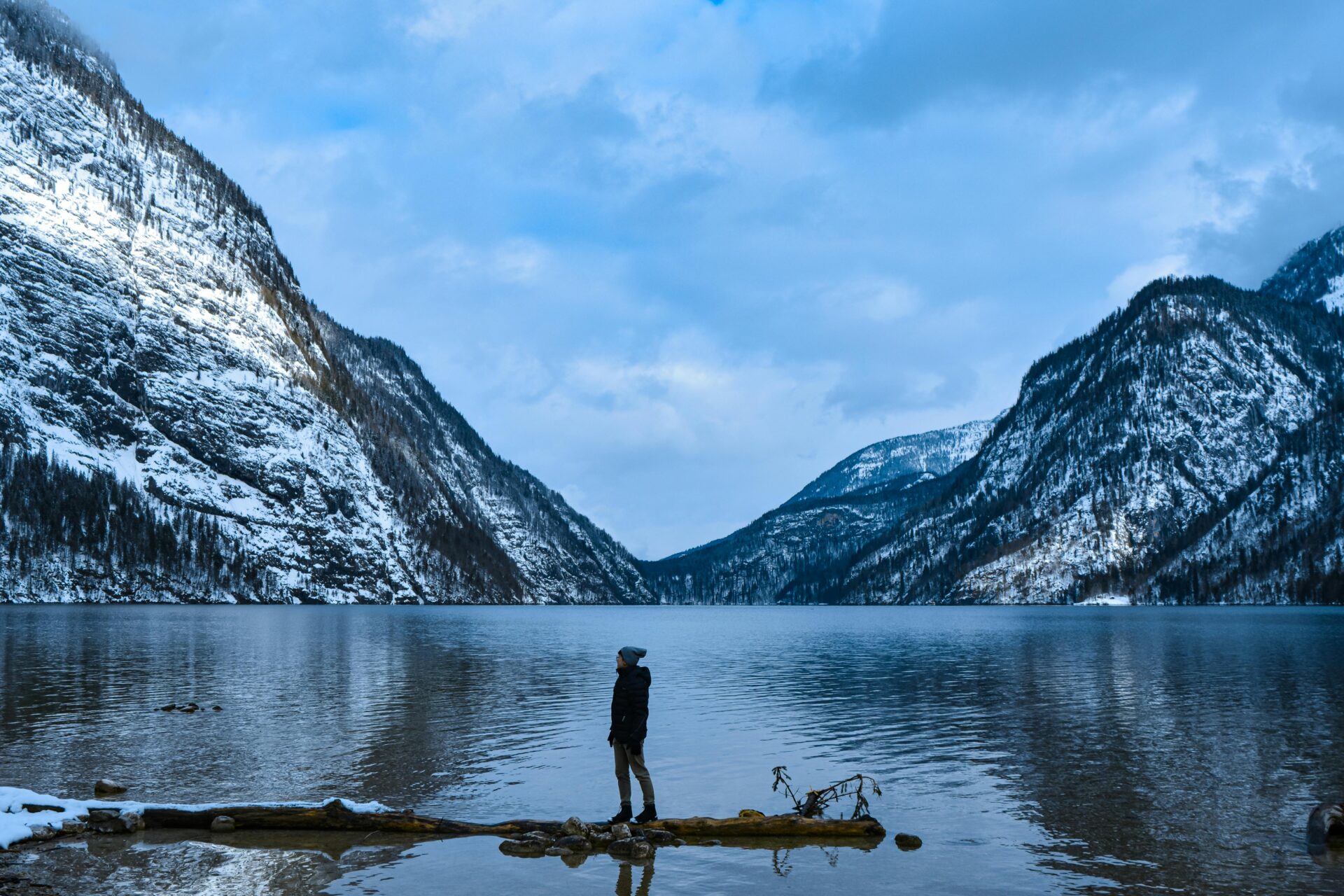
In winter, Königssee transforms into a hidden secret. Snow covers the Bavarian Alps and the woods, creating crisp white reflections along the shore.
If the lake isn’t frozen, the water often turns clearest and most still all year. The air feels sharp and invigorating, and sometimes I spot thin ice on smaller bays.
Visitors are rare, so silence settles in—broken only by footsteps in the snow or a distant bird call. Winter light is soft and blue, making photos look almost magical. It’s cold, but with the right gear, exploring this snowy wonderland feels like walking into a winter postcard.
Chasing the Perfect Light: Best Times of Day for Reflection Photography
Königssee’s clear waters and dramatic alpine backdrop make it one of the best spots for reflection photography in Germany. When you visit changes everything—sunlight and crowds can make or break your shot.
Golden Hour: Early Morning Tranquility
Early mornings at Königssee always feel a bit magical. I like to arrive just before sunrise for a quiet, almost private moment by the water.
That’s when the lake stays calmest and the air is still, letting the water act like a perfect mirror. The soft golden glow during this golden hour lights up the jagged mountains and forests in gentle colors.
Fewer people mean less movement on the water and fewer distractions in each shot. For anyone chasing dramatic alpine worlds without crowds, sunrise is the time to set up your camera.
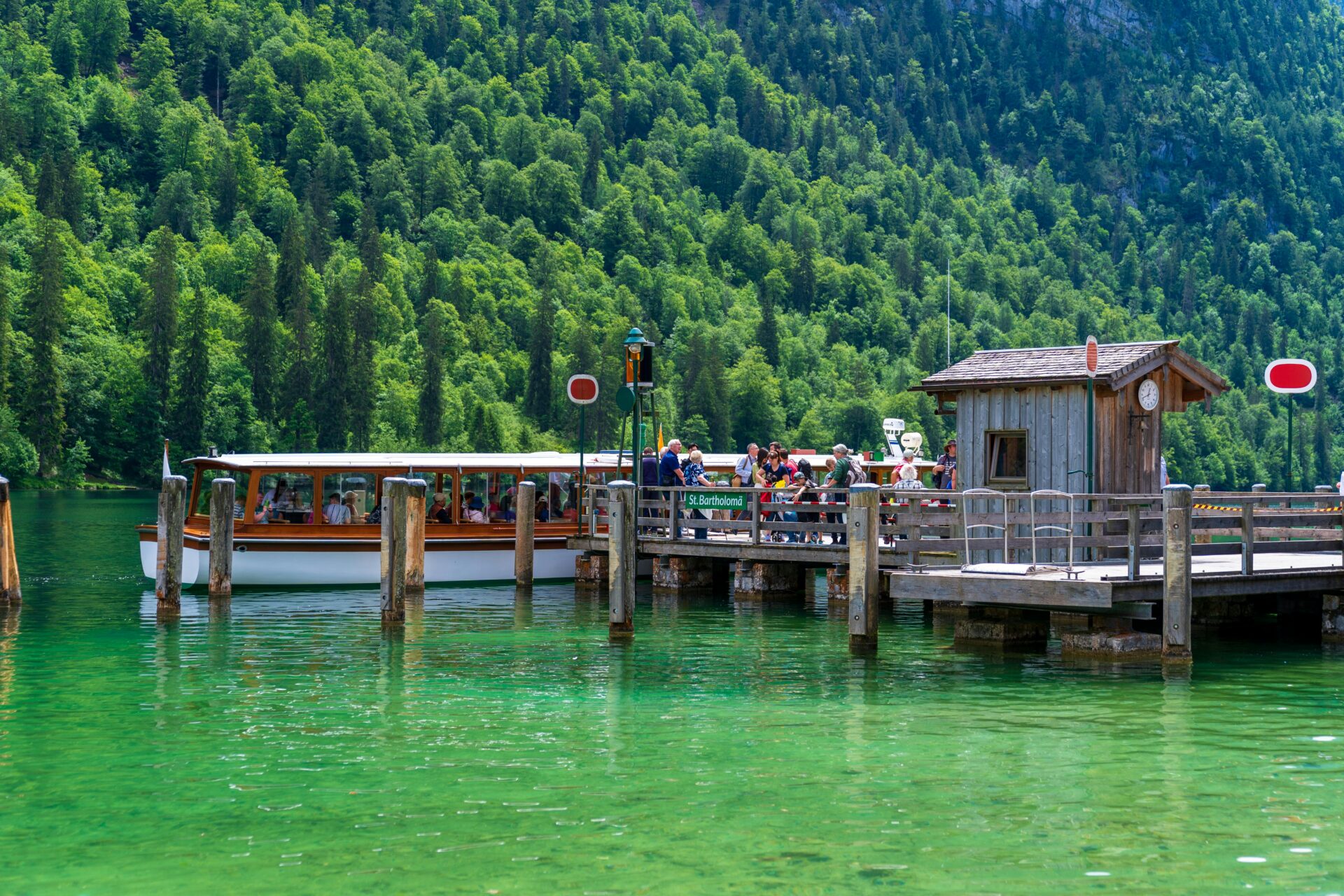
I sometimes bring a tripod and head right to the shore or catch the first boat to St. Bartholomä. Watching the first sunlight hit the peaks over still water is hard to put into words, but it’s always worth waking up early.
Midday Contrasts and Challenges
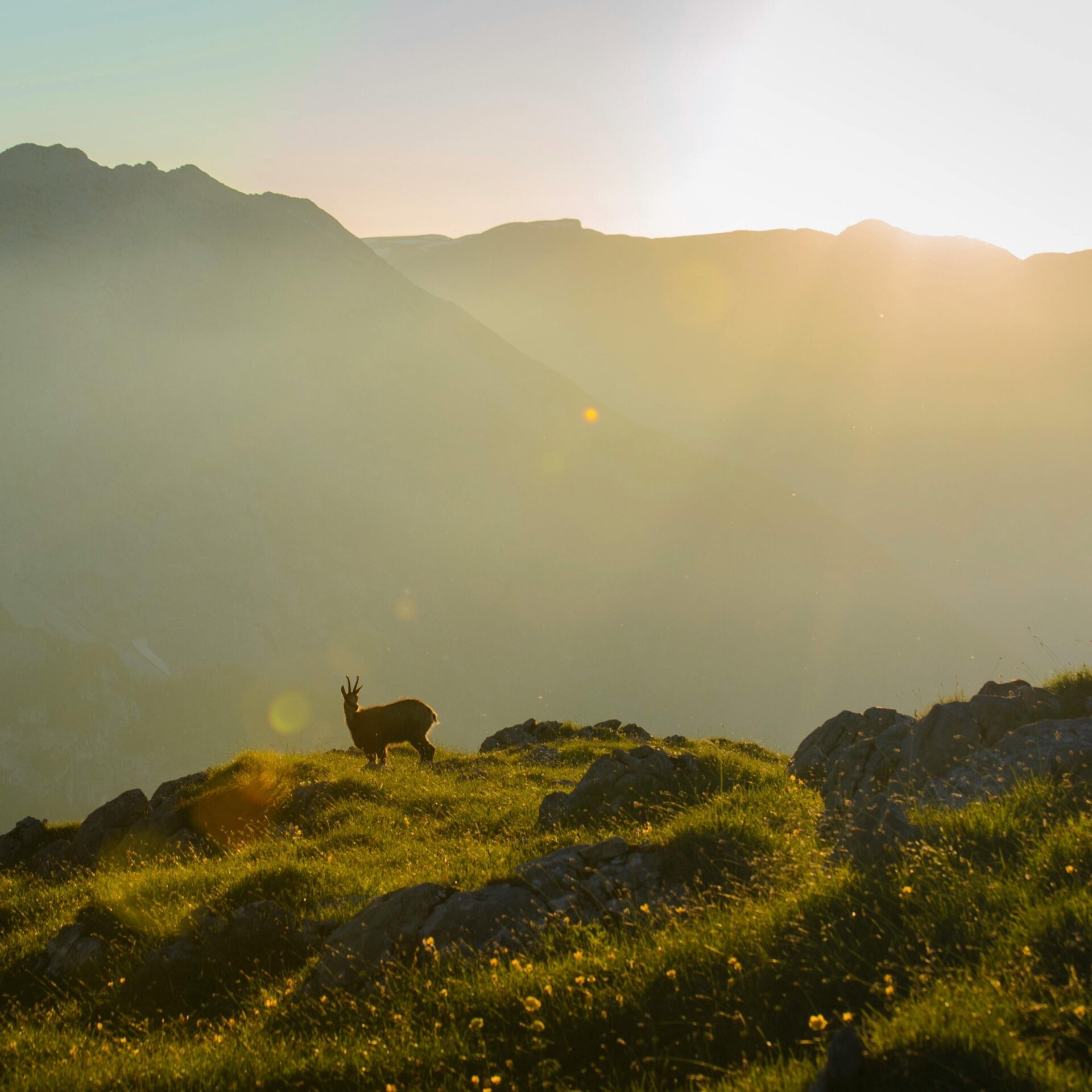
Midday changes everything. The sun climbs high, shadows shrink, and the colors pop.
Scenery stays beautiful for hiking and exploring, but getting that perfect reflection becomes tough. Winds pick up, and tourist boats start running, creating ripples across the lake.
Strong sunlight often causes glare and blown-out highlights, especially on clear days. Reflections get distorted, and the lake’s subtle mood fades.
Midday is better for wide landscape shots where green slopes and blue sky shine. If I want reflections, though, I usually skip this time or look for shaded ledges, hidden coves, or quick moments when the lake calms.
Late Afternoon and Sunset Magic
Late afternoon brings a warmer glow to both sky and water. After hikers and day-trippers leave, things quiet down and the wind drops, making the water smooth again.
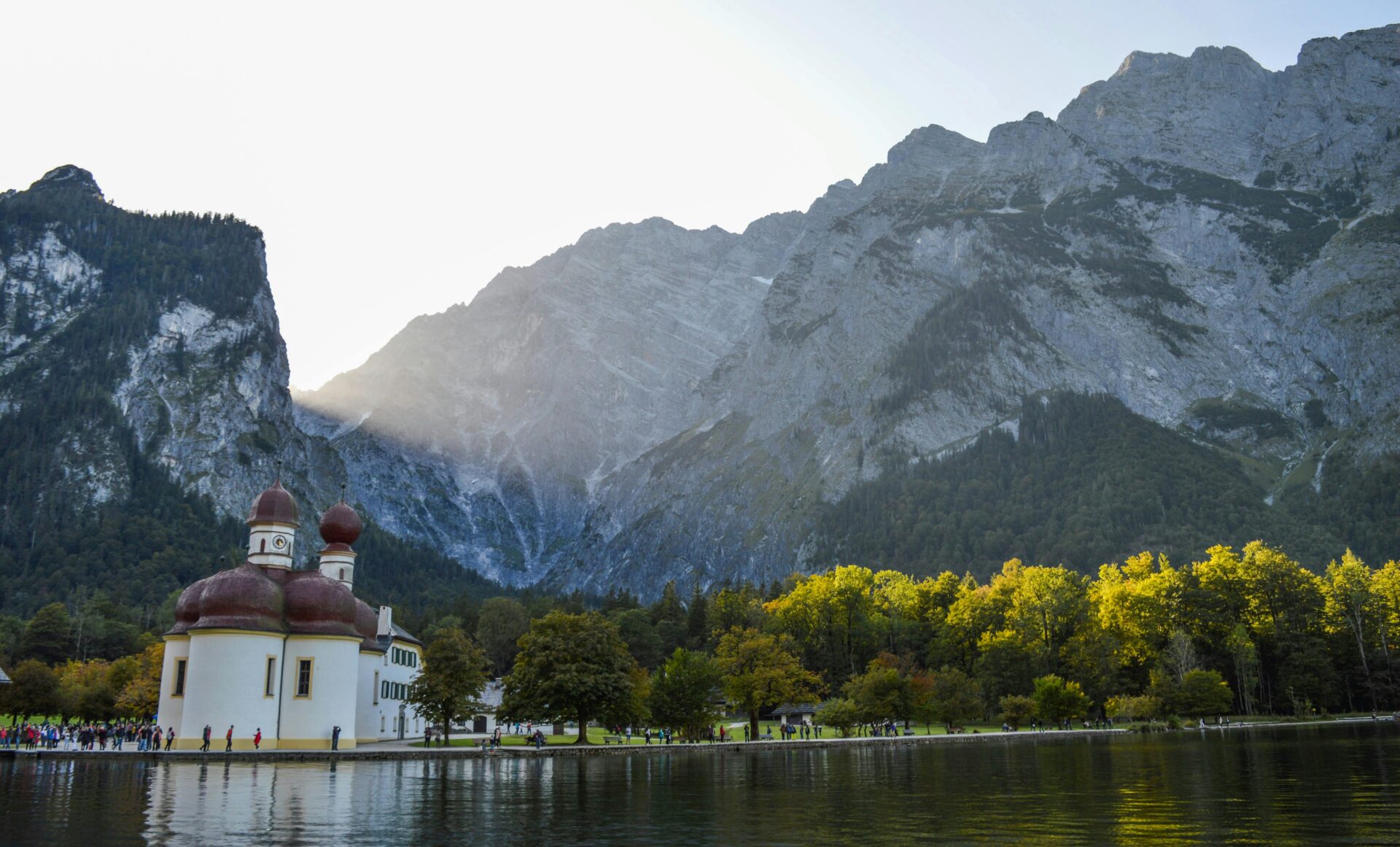
As the sun drops behind alpine ridges, deep colors return and reflections start to sharpen. The hour before sunset is one of my favorites for catching the alpenglow on snow-capped peaks or the rich greens of the forests mirrored in the lake.
Light turns soft and golden, so details in the mountains and church are easier to photograph without harsh contrasts. If you can, stay until after sunset. Colors linger in the sky, and the calm surface creates dreamlike images—especially if you’re patient and wait for the last boats to dock and the area to fall quiet.
Where to Go at Königssee: Iconic Spots and Hidden Gems
Königssee rewards anyone who looks beyond the classic postcard scenes. Between historical landmarks, quiet hiking trails, and peaceful alpine corners, I’ve found the lake offers much more than most people expect.
There’s a mix of easy-to-reach views and hidden places for those who like to wander.
St. Bartholomä and the Classic View
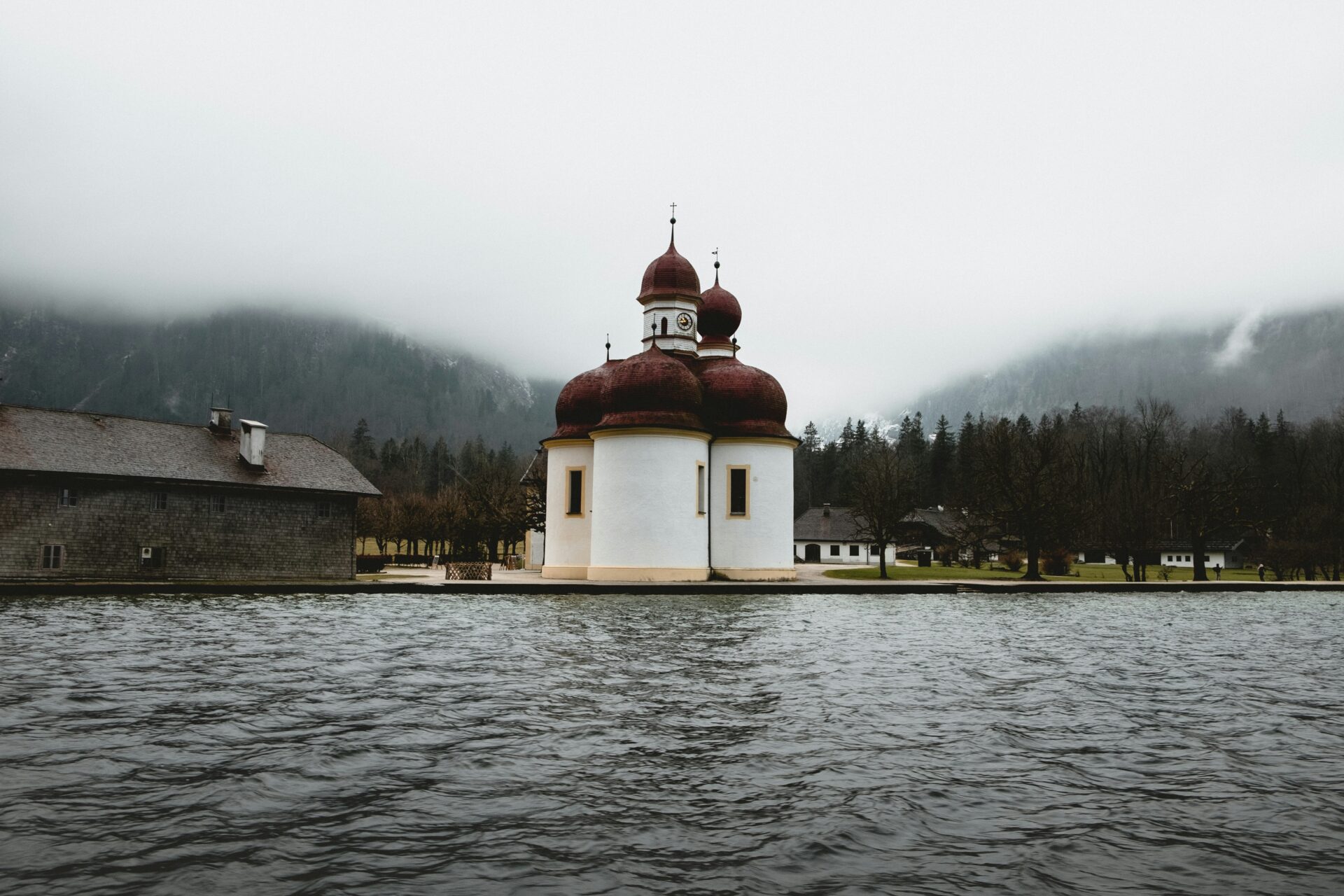
Arriving by electric boat at St. Bartholomä feels like a must. The white church with its bright red domes stands against the giant limestone cliffs.
This spot is one of the most photographed in Germany, and honestly, it’s easy to see why—it looks just like the pictures. If you catch the early morning light, the lake turns to glass, reflecting the church and mountains perfectly.
It’s hard not to stop for a quiet moment and try to soak it all in. Walking paths behind the church lead to peaceful corners, and if you’re hungry, a nearby inn serves fresh fish from the lake. For a taste of classic Bavaria in a breathtaking setting, I can’t think of a better spot.
The Eiskapelle Trail: Secluded Beauty
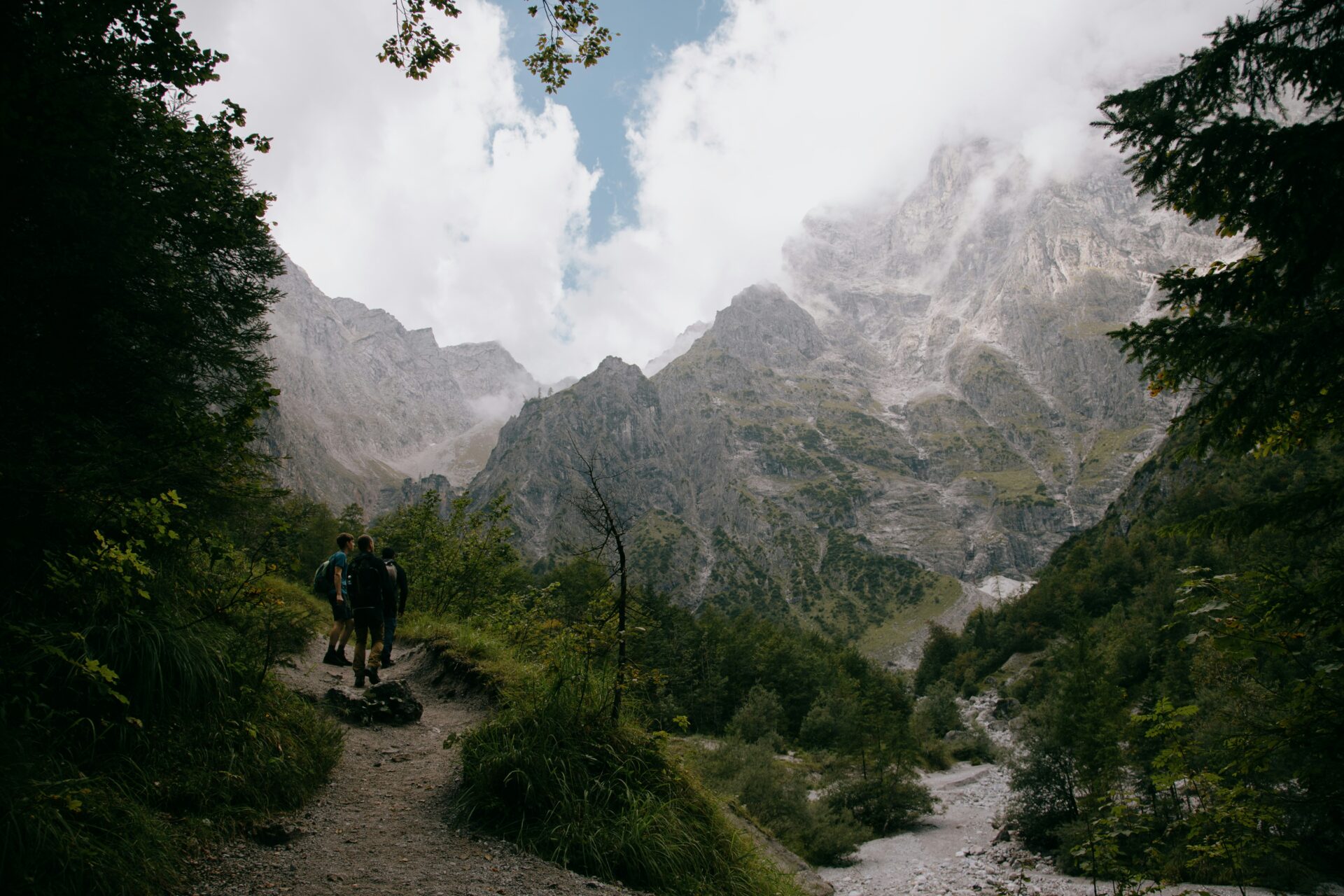
The Eiskapelle (Ice Chapel) trail hides at the end of a valley behind St. Bartholomä. Not many people walk this route, especially compared to the main harbor.
The hike is about 6 kilometers round trip, winding through cool forests and wild streams. As you approach the Eiskapelle, the air gets colder and patches of snow linger late into summer.
The cave forms from melting glacial snowmelt—like a natural ice sculpture at the base of a cliff. Standing inside, the world feels silent and untouched.
I recommend sturdy shoes and checking conditions before you go, since the trail can get slippery. The blend of alpine adventure and quiet solitude makes this one of my favorite hikes in Berchtesgaden National Park.
Obersee: The Still Lake Within a Lake
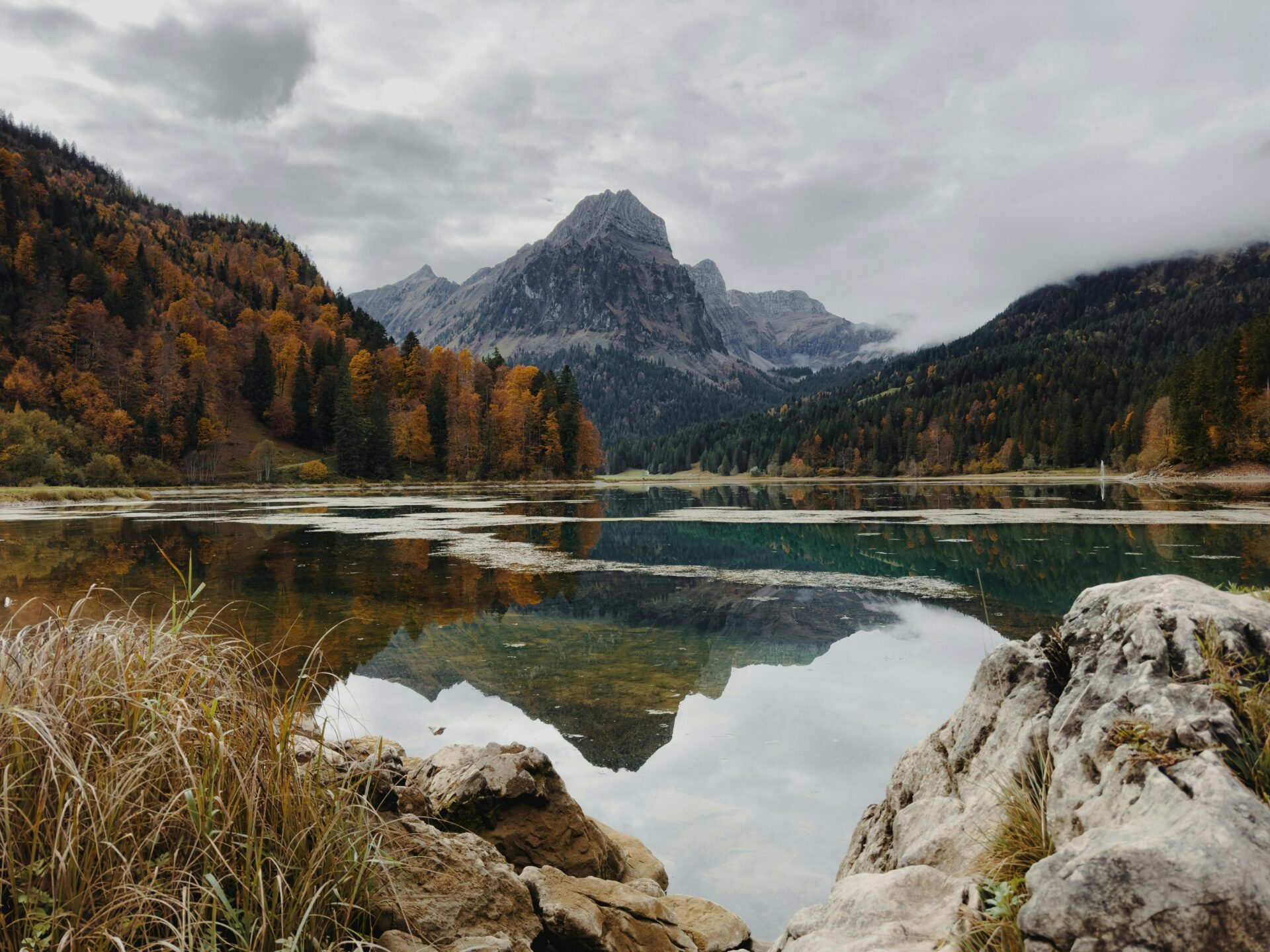
Most visitors miss Obersee, tucked just beyond the eastern end of Königssee. To reach it, I take a boat to Salet and then follow an easy, scenic trail for about 15 minutes.
When I first saw Obersee, I could barely believe how perfectly the mountains mirrored in its water. Steep cliffs surround Obersee, making it feel untouched—a secret world.
If you walk along the shore to the Fischunkelalm hut, you’ll find snacks and a peaceful meadow. Visiting early or late in the day, the reflections here seem almost unreal.
This smaller lake is as quiet and photogenic as Königssee itself, and it’s the perfect spot for a relaxed morning or afternoon away from crowds.
Exploring Nearby Alpine Villages
Königssee isn’t just about the lake. The surrounding area is full of charming Bavarian villages.
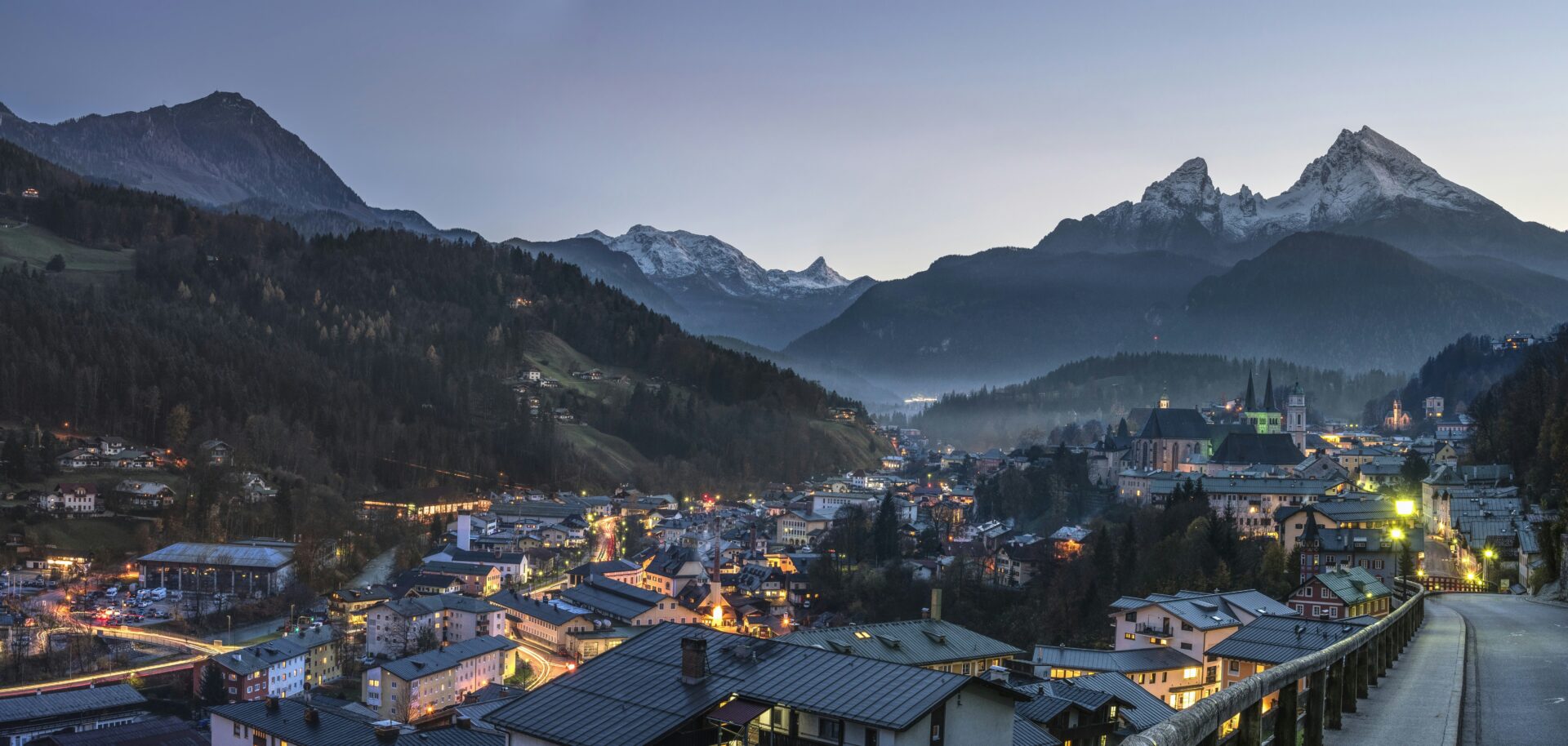
Schönau am Königssee, right at the foot of the lake, offers cozy hotels and local bakeries. Staying here lets me wake up to mountain views and walk to the boat dock each morning.
The town of Berchtesgaden is only a short bus or taxi ride away, with traditional markets, brewery tours, and friendly alpine inns. I’ve even splurged on a night at a luxury hotel overlooking the valley—after a day of hiking, the local sauna and mountain panoramas felt like a real treat.
Exploring these villages means you get warm Bavarian hospitality and local dishes, all set against the Alps.
Top Activities Beyond Reflections: Hiking, Boat Rides & Local Culture
Königssee offers so much more than just those famous mirrored views. Whether I lace up my hiking boots, hop on a boat, or chat with local farmers, there’s a blend of adventure, nature, and Bavarian heritage around every corner.
Hiking Options for Every Adventure Level
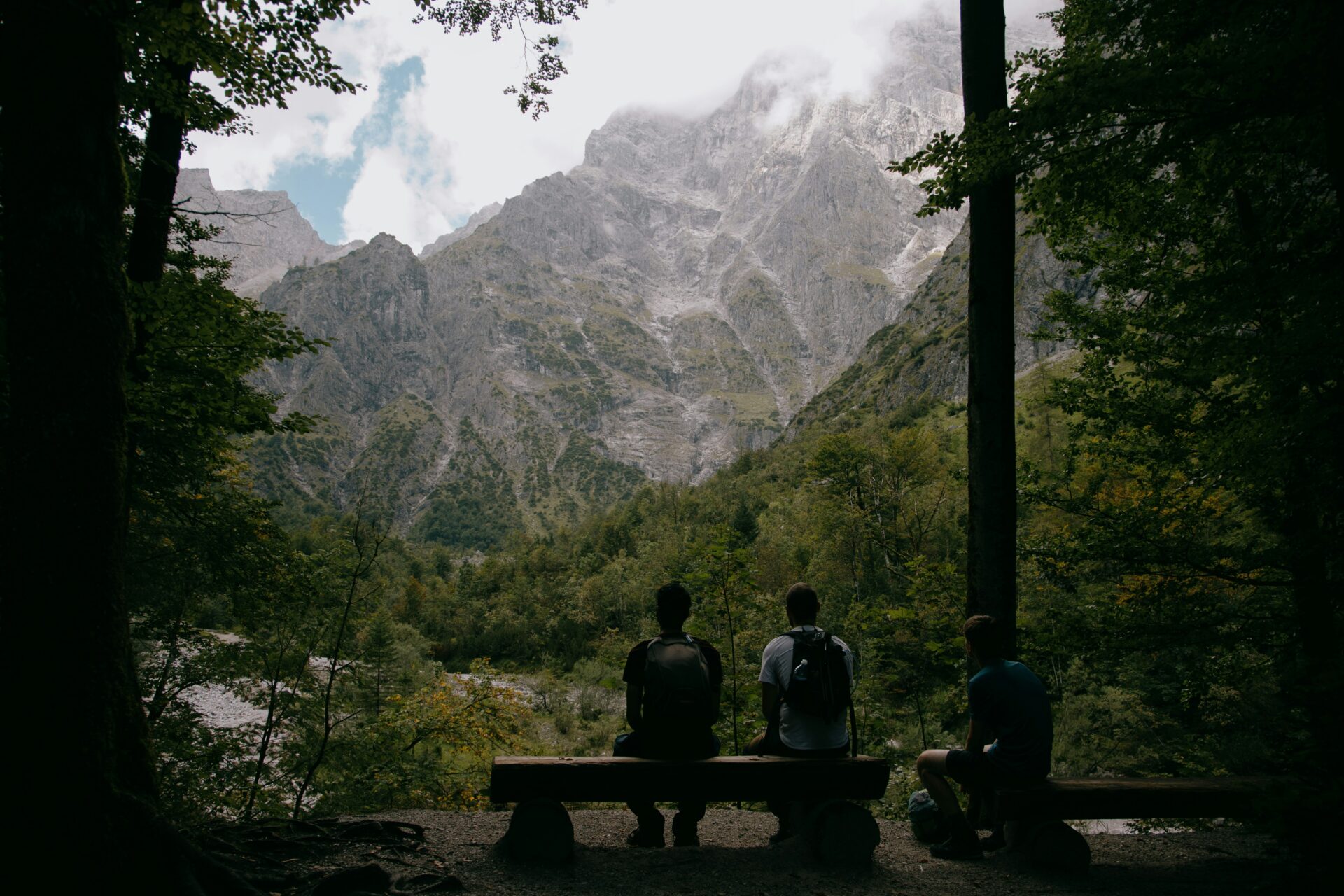
Hiking at Königssee feels accessible and rewarding, no matter my energy level. For an easy start, the flat lakeside trails are great for families, relaxed walks, or just soaking in the scenery.
One popular short route is the walk from the lake’s main pier to St. Bartholomä Church. It takes less than an hour and gives you lovely views of the emerald water.
If I want a bit more of a workout, I head up to Malerwinkel (Painter’s Corner). In about 30 minutes, I’m looking out over a classic postcard scene.
Advanced hikers can tackle steeper climbs like the path to Obersee. The hike from Salet to Obersee is a favorite—it leads through alpine forest right up to the quiet, glassy water, and if you keep going, you’ll reach the Röthbachfall, Germany’s highest waterfall.
Hiking Essentials Checklist:
- Sturdy walking shoes or boots
- Water and snacks
- Weather-appropriate gear
- Camera or phone for snapping lake views
Taking a Scenic Boat Ride Across the Lake
Every time I visit Königssee, I look forward to the boat ride across the lake. These electric passenger boats move quietly, gliding over the water and showing off some incredible views.
The boats leave from Schönau am Königssee and travel the length of the lake. They stop at some fun spots, like St. Bartholomä and Salet.
My favorite part? The quirky echo demonstration. Somewhere in the middle of the ride, a crew member pulls out a trumpet or flugelhorn and plays a few notes. The sound bounces off the cliffs and it’s honestly kind of magical.
Sometimes the water is so clear, I can see straight to the bottom. I love how the light shifts throughout the day—it never gets old. Since private boats aren’t allowed, the whole place stays peaceful and undisturbed.
Boat Ride Tips:
- Get there early, especially if it’s summer or a weekend.
- Bring a light jacket—it’s often cooler out on the lake.
- Stop at St. Bartholomä for the baroque church, and Salet if you want to hike.
Connecting with Local Farmers and Bavarian Traditions
Königssee isn’t just about the scenery; it’s a place where Bavarian culture still feels alive. I like wandering into small villages or by the lake, where local farmers set up stands with cheeses, sausages, honey, and fresh bread.
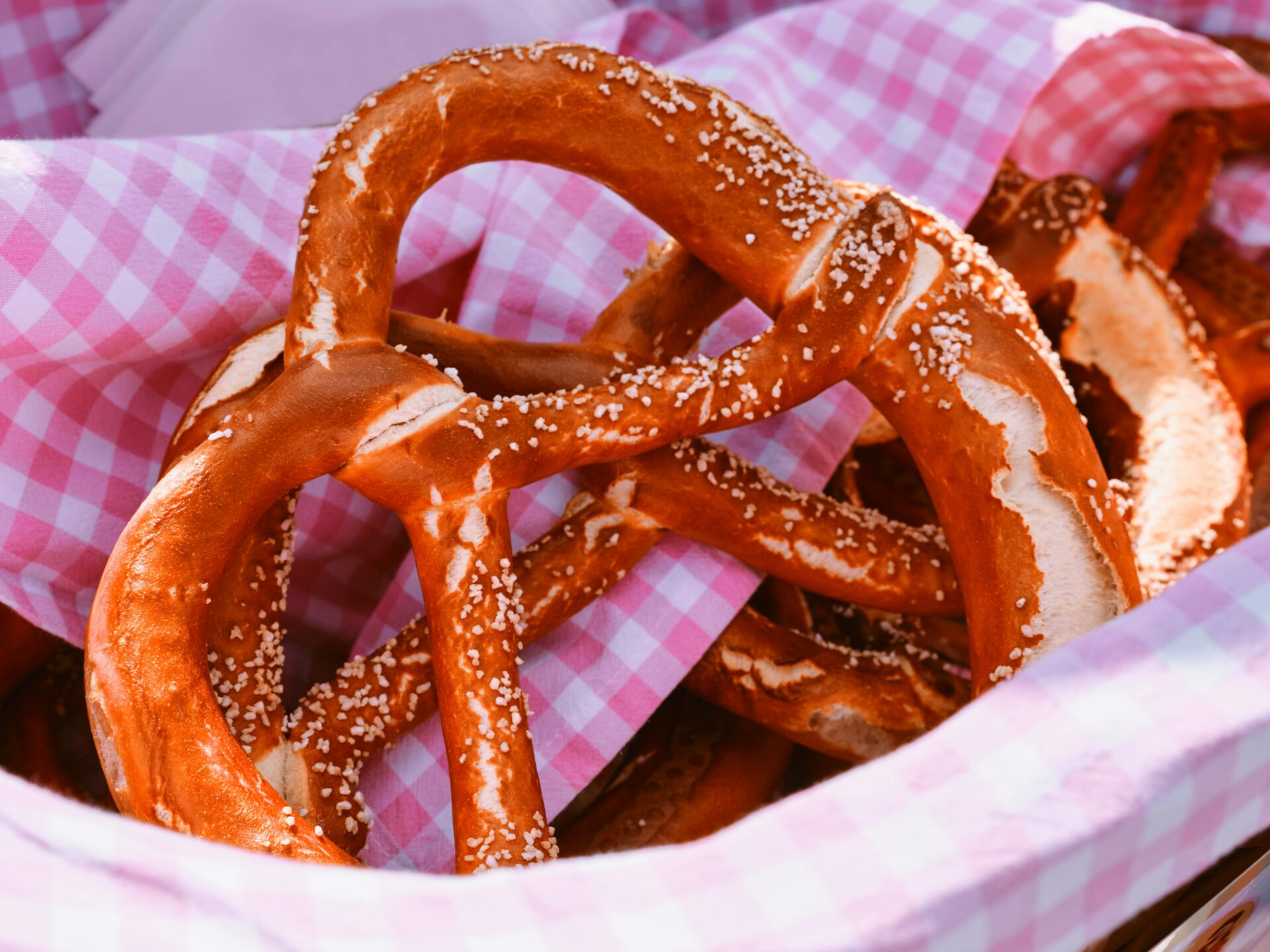
Trying Obatzda (that’s a creamy Bavarian cheese spread) or a pretzel with mountain cheese always feels like a treat after a hike. These little food moments really stick with me.
You’ll often see farmers in traditional outfits—lederhosen and dirndl are everywhere during festivals like the Almabtrieb, when the cows come down from the mountains. Sometimes, I get lucky and catch a folk band playing live. It just feels so connected to the land and the past.
When I buy something from these local producers, I know I’m supporting real people and getting a taste of Bavaria’s roots.
Experience Checklist:
- Grab fresh dairy or meats from local stalls
- Check out seasonal festivals or markets if you spot one
- Chat with the farmers—most are happy to share stories
Exploring the Region: Day Trips from Königssee
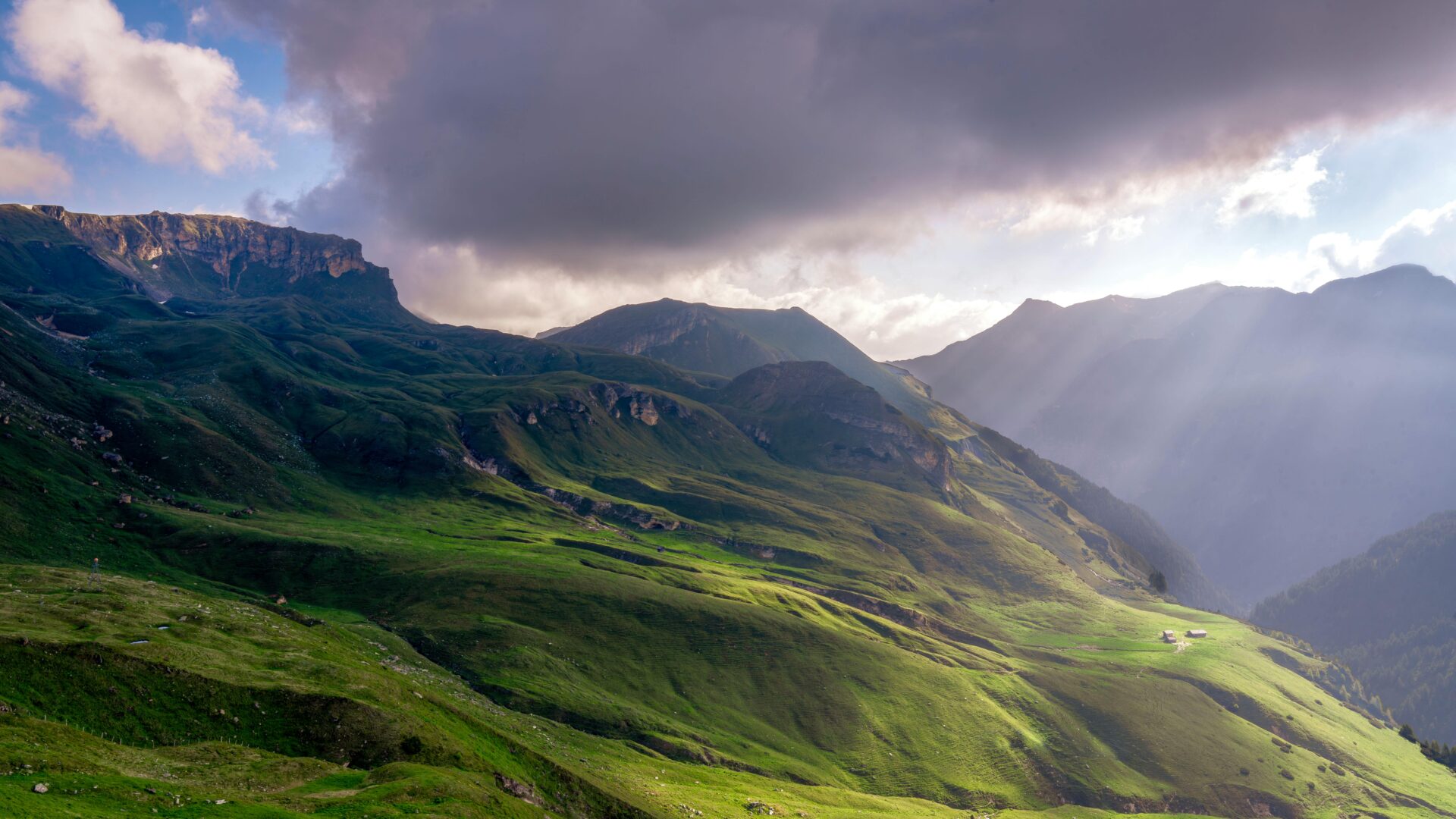
There’s so much to do around Königssee, from lakeside walks to heading up into the mountains. In every direction, I stumble onto something new—maybe Salzburg’s old-world charm, the wild peaks of Zugspitze, or those fairytale forests Bavaria is known for.
Journey to Salzburg and the Austrian Alps
Salzburg is just a short drive from Königssee, and honestly, it always feels a bit like a movie set. I like to start at Mirabell Palace, especially when the gardens are blooming.
The old town has these winding cobblestone lanes and historic buildings, with Mozart’s birthplace right in the middle of it all.
Crossing into Austria is easy—it’s about a 30-minute drive. The city buzzes with street performers and markets, which I always find fun. If you’ve got time, take a quick trip into the Austrian Alps; the views always surprise me. You can ride a cable car up Untersberg or hike above the Salzach River valley.
Tips:
- Don’t forget your passport if you’re crossing the border.
- Salzburg’s Saturday market is perfect for picking up local cheese and bread.
- For photos, try Getreidegasse for old-town vibes, or Hohensalzburg Fortress for those sweeping city views.
Mittenwald, Garmisch-Partenkirchen, and Zugspitze
If you head west, Mittenwald is a treat with its painted houses and violin-making history. It’s like time slows down here.
Garmisch-Partenkirchen is only about 40 minutes away by car and has classic alpine scenery.
Garmisch leads you right to Zugspitze, Germany’s tallest mountain. I hopped on the cogwheel train, which winds through tunnels and then suddenly you’re above the clouds.
At the top, I crossed into Austria just by walking across a platform—kind of wild, right? The views stretch out forever, and there are short walking paths that families can easily manage.
Must-see highlights:
- Mittenwald’s violin museum and painted houses
- The Olympic ski jump in Garmisch
- Zugspitze panorama with a glacier and a quick border hop

Neuschwanstein Castle and the Black Forest
I drove southwest and finally arrived at Neuschwanstein Castle, that iconic fairytale fortress perched above Füssen.
You really have to book tickets ahead, especially in the summer months. If you want the best photos, head to the Marienbrücke bridge—just be warned, the crowds start piling up by midday.
After wandering through the castle, I usually steer west into the Black Forest (Schwarzwald).
The place feels enchanted, honestly. Dark pine woods, half-timbered houses, and those winding roads—it’s like stepping into a storybook.
I love stopping in scenic villages like Triberg. It’s famous for its waterfalls and, of course, those classic cuckoo clocks.
Local bakeries tempt you with Black Forest cake, and it’s hard to resist.
| Stop | Main Highlight | Pro Tip |
|---|---|---|
| Neuschwanstein | Castle tour/photos | Early morning for fewer crowds |
| Black Forest | Nature & villages | Try hiking the Triberg waterfalls trail |
If you can, set aside a whole day for both spots. The scenery alone makes the long drive totally worth it.
