
The best time to visit Santa Catalina Island really comes down to whether you crave the lively energy of summer or the peaceful charm of the quieter off-season. I’ve spent time on the island during both the busy and slow months, and honestly, each season brings its own vibe. Summer packs in crowds and events, while the off-season offers mild weather and a lot more space to breathe.
Maybe it sounds obvious, but sometimes less really is more. There’s a certain magic in wandering Catalina’s streets when things slow down. In this guide, I’ll break down what you can expect from the summer buzz and the off-season quiet, so you can figure out which fits you best.
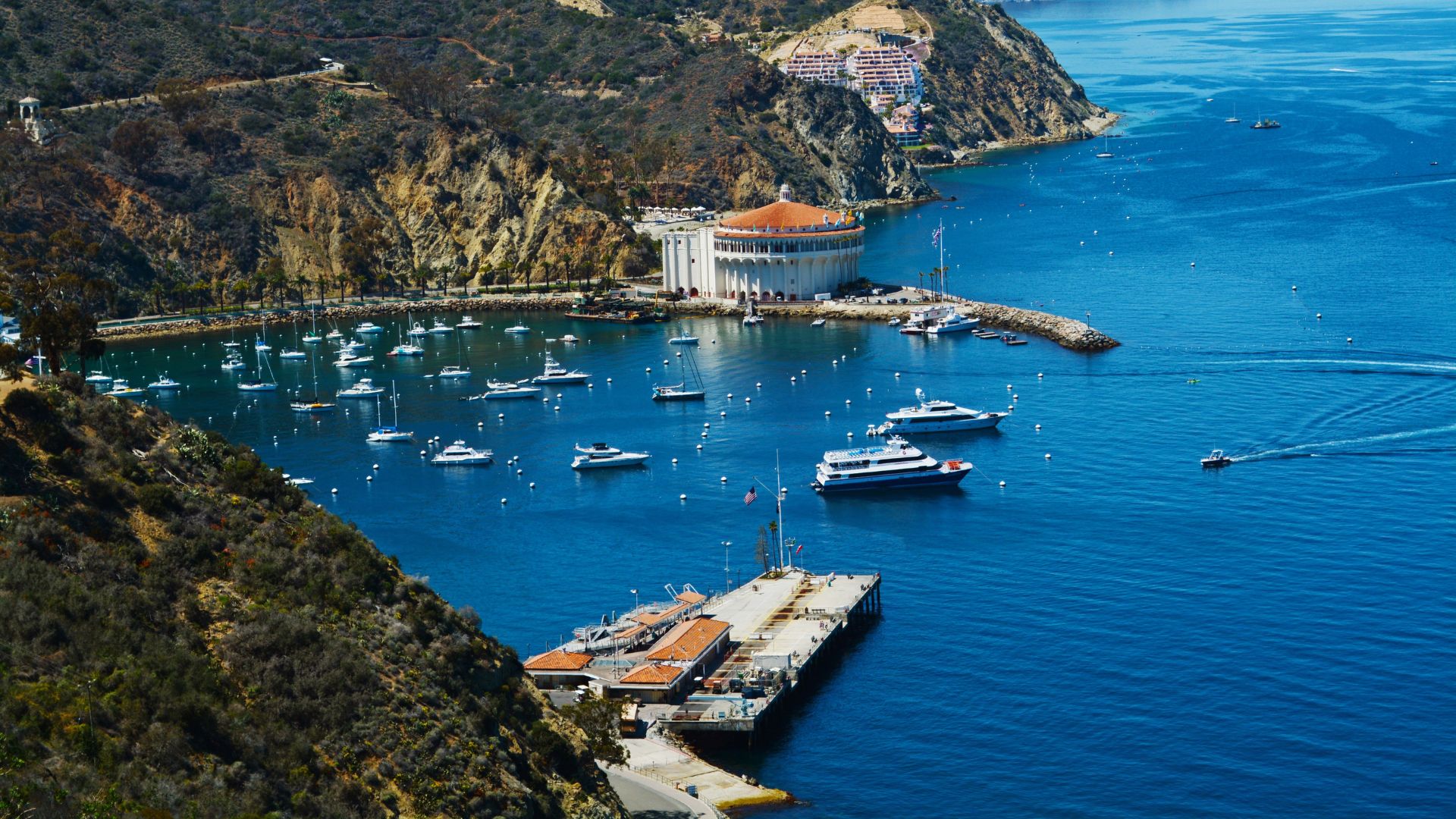
Understanding Santa Catalina Island’s Climate and Seasons
Santa Catalina Island enjoys mild weather year-round, with just small shifts in temperature as the months go by. Knowing the basics about rain, crowds, and sunshine makes trip planning way easier.
Overview of Weather Patterns
Santa Catalina sits in that sweet Mediterranean climate zone. Most days feel pleasant, with highs hovering around 70°F (21°C). In the summer—June through August—temperatures can climb to 75°F (24°C), and the ocean warms up, perfect for swimming and snorkeling.
Spring and fall are gentle, with temps usually between 60°F and 70°F (16°C to 21°C). You’ll get more clear skies, fewer foggy mornings, and almost no humidity. Even in winter, the weather stays mild, though I’d pack a jacket for those brisk evenings.
The ocean here is warmer than in most of California, especially during the summer. This makes kayaking or paddleboarding comfortable most of the year. If you’re heading inland, remember the higher elevations run a bit cooler than the coast.
Rainy Season Considerations
Rain doesn’t show up often on Santa Catalina, but if it does, it’s usually from late November to early March. Winter storms can bring the most rain, and sometimes the ferry ride gets a little bumpy or delayed.
Even when it rains, the total annual rainfall is low—usually under 14 inches (36 cm). Most days are still sunny, but you might notice the island looking greener in March and April, thanks to wildflowers and fresh growth.
If you’re coming during these months, toss a rain jacket in your bag. Some hiking trails get muddy, but closures almost never happen, and flooding is rare around Avalon or other touristy spots.
Peak and Low Visitor Periods
Santa Catalina gets busiest in summer, from late June to August. Families flock in, and activities are everywhere. Warm weather draws crowds to beaches, ferries, and restaurants.
Spring (especially April and May) and fall (September and October) are less hectic, with mild temps and fewer people. If you’d rather have some peace, these are great months.
Winter, from December to February, is the quietest season. Shops might shorten their hours, and some tours run less often. But honestly, the calm streets and cooler weather are really appealing if you want to slow down.

The Summer Buzz: High Season Advantages
Santa Catalina Island totally comes alive in summer. Warm days mean more visitors, exciting activities, and special events you just won’t see in other seasons.
Popular Summer Activities
Water activities steal the show in summer. Swimming, snorkeling, and kayaking are huge because the water’s warm and visibility is great. Descanso Beach Club is a go-to spot for families and groups wanting to chill on the sand or try parasailing over the blue Pacific.
Sailing and cruising around the island get super popular, too. Tour companies offer boat rides, glass-bottom tours, and dolphin-watching trips. Fishing fans can book more charters, and the weather’s usually on their side.
A lot of people book cabins or rooms with balconies, just to soak up the breeze after a full day outside. Some hotels even offer room service, so you can catch the sunset right from your bed.
Vibrant Island Events
Summer’s calendar is packed. Avalon and Two Harbors buzz with events. The annual Catalina Island JazzTrax Festival brings live music and draws crowds from all over. The Fourth of July celebration? It’s a big deal—think boat parade and fireworks over the bay.
You’ll find open-air movie nights, art festivals, and food events almost every week. These fill up fast, so it pays to plan ahead. Restaurants, bars, and shops stay open late, keeping the party going from morning till night.
If you’re into meeting new people or just soaking up a lively scene, summer is hands-down the friendliest, most energetic time to visit.
Travel Tips for Peak Times
Since summer is packed, you’ll need to plan ahead to get the most out of your trip. I always book hotels, cabins, and ferry tickets months in advance. Expect higher prices, especially for ocean views or room service perks.
Pack light clothes, sunscreen, and definitely a swimsuit. Bringing your own snorkeling gear or booking tours early can save you some hassle—rentals do sell out.
Weekends, especially with folks coming from the Bay Area, get really crowded. If you can, travel midweek to skip the worst lines and waits. Restaurants fill up at dinner, but many offer takeout or even delivery to your room or boat if you’d rather stay in.
Off-Season Charm: Serene Experiences on Santa Catalina Island
Visiting Santa Catalina Island in the off-season means fewer crowds and, honestly, a more affordable and peaceful trip. If you want to focus on nature or snag special deals, this is your window.
Tranquil Nature and Wildlife
From November to March, the hiking trails and beaches are blissfully uncrowded. It’s so much easier to appreciate Catalina’s natural beauty without the usual distractions. The Garden to Sky Trail gives you wide-open views, and I’ve spotted bison, deer, and native birds roaming more freely when things are quiet.
Cool, crisp air is perfect for nature walks, photography, and birdwatching. The island’s plants and flowers seem brighter without the summertime rush. The Catalina Island Conservancy hosts small-group walks and talks about local ecosystems, and these are way easier to join in the off-season. If you’re on sabbatical or just need to recharge, the calm setting really helps.
Exclusive Off-Season Deals
Hotels and activities usually drop their prices in the off-season, which is great for your wallet. You’ll often find discounts for rooms, tours, ferry tickets, and even meals. Sometimes, hotels throw in extras like breakfast or late checkout—great value, especially if you’re planning a longer stay.
Restaurants and local shops run special deals in winter to bring in visitors. It’s a great chance to try kayaking or spa treatments at a friendlier price. Traveling when it’s quiet also helps the island’s economy stay steady year-round, which feels good from a sustainability angle.
How to Choose the Best Time for Your Trip
The right season really depends on your group, your travel style, and what kind of experience you’re after. The island shifts from lively summers to calm winters, and activities, prices, and services change along with the seasons.
Family Vacations and Group Travel
For families and groups, summer is the classic choice—schools are out and the weather’s perfect. Activities like snorkeling, glass-bottom boat tours, and kids’ programs are at their peak from June to August.
If you’d rather skip the crowds and save money, try spring or fall. You’ll get mild temps (60°F–70°F, or 15°C–21°C), and hotels often have package deals, making it easier to book multiple rooms or a family cabin.
Some hotels offer room service or special group amenities, especially during busy summer months. Booking early helps you snag connecting rooms or business class ferry tickets. I’d also look for family-friendly festivals that happen outside the main tourist crush for a more chill vibe.
Romantic Getaways
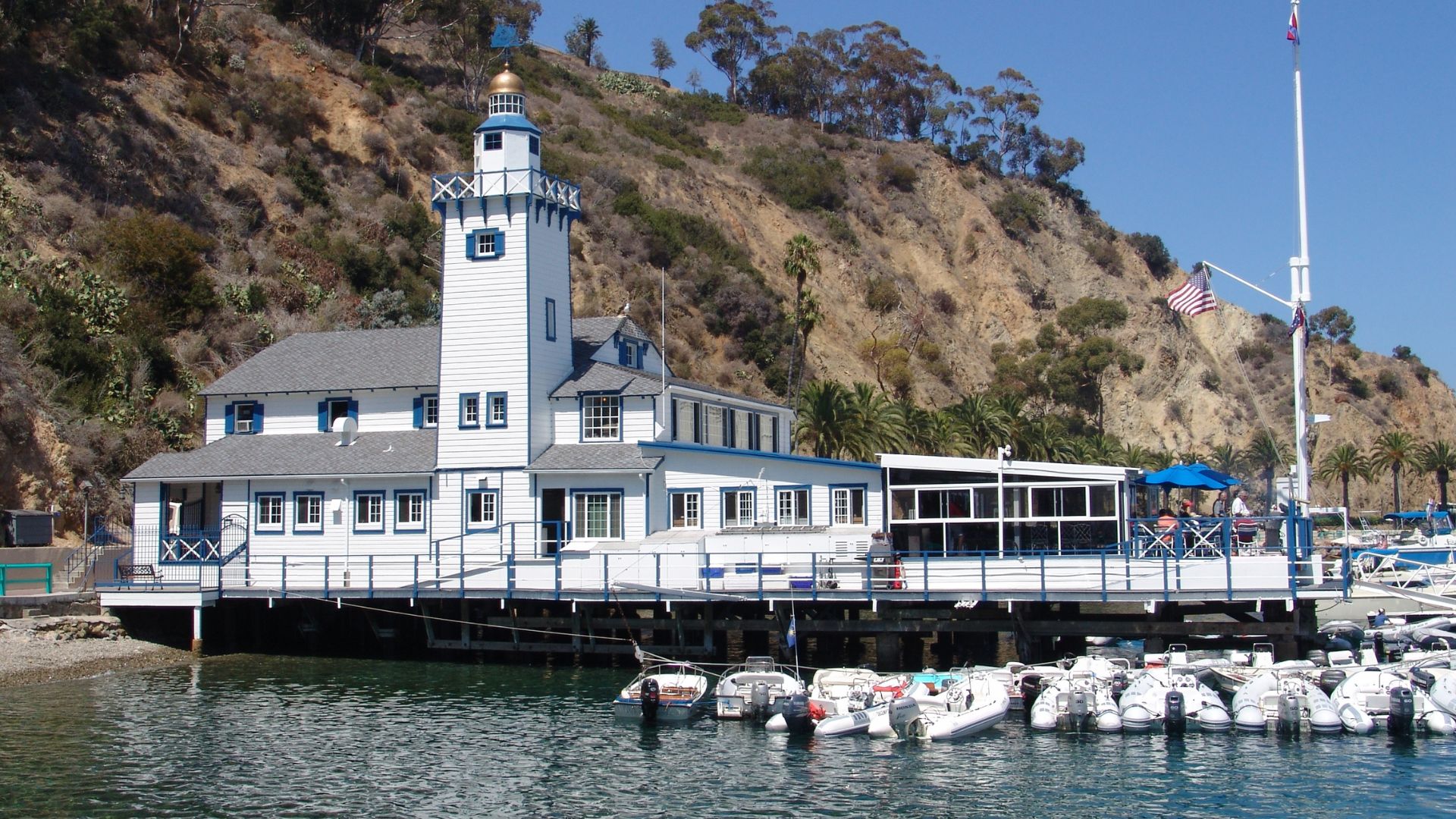
Spring and fall are my favorites for couples. The crowds thin out, and the ocean views feel more intimate. Lots of boutique hotels and resorts offer romantic packages—sometimes with room service breakfasts or private cabin upgrades.
Cooler evenings are ideal for outdoor dinners or cozying up by a firepit. Many places have suites with ocean balconies if you want privacy. The slower pace lets couples explore at their own speed.
February and March are especially budget-friendly. Some luxury hotels offer deals on business class ferry rides or late checkouts for couples. I always check for seasonal special offers and book early for anniversaries or special occasions.
Solo Adventures and Relaxation
When I travel solo, I aim for late fall to early spring. The island is peaceful, and single rooms or cabins are more affordable. Local cafes and quiet beaches are never busy, so you can take your time.
Solo travelers often get good rates on ferry upgrades. Off-season makes it easy to book last-minute hikes, kayak trips, or spa days. Some small inns or hotels even throw in perks for independent guests.
It’s easier to meet locals and learn about the island’s nature when things are slow. Trails are open, and spots like Lover’s Cove or Descanso Beach feel almost private. For deep relaxation, I skip the summer rush and visit when Catalina’s charm is at its most laid-back.
Comparing Santa Catalina Island to Other Popular Destinations
Santa Catalina Island has a few things in common with other island getaways, but it also stands apart with its own style, climate, and local flavor. Where you’re coming from—and what you’re hoping to find—can really shape your trip.
Similarities with Mallorca and the Caribbean
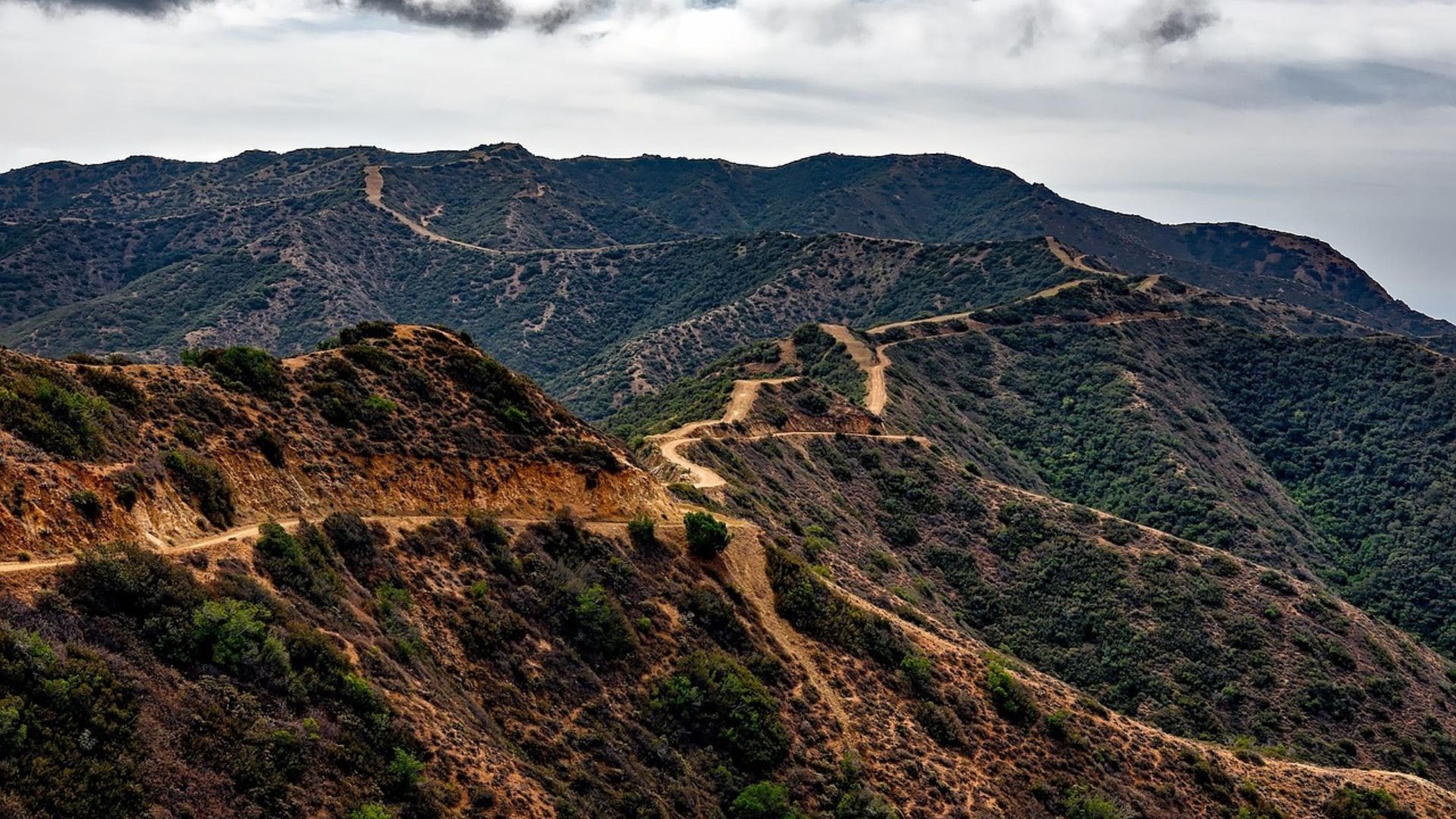
Santa Catalina reminds me a bit of Mallorca and the Caribbean. All three offer clear blue water, mild weather most of the year, and a relaxed pace. People love snorkeling, sailing, and hiking on these islands. Catalina’s Spanish influence even pops up in the architecture and street names, giving it a touch of Mallorca’s vibe.
Like the Caribbean, Catalina gets busier in summer, with lively towns and lots of festivals. You won’t find Mallorca’s medieval history here, but Avalon—the island’s main city—offers charming streets, shops, and ocean views that feel familiar.
Contrasts with Lake Tahoe, Costa Rica, and Panama
Santa Catalina’s climate is drier and milder than Lake Tahoe, Costa Rica, or Panama. Tahoe is all about snowy winters and pine forests, while Catalina focuses on ocean adventures and sunny days. Weather on Catalina barely shifts, even in winter.
Costa Rica and Panama are famous for tropical rainforests, wildlife, and humid heat. Catalina stays less humid and gets way less rain. Activities here revolve around the sea—think snorkeling, boating, and relaxing on the beach. Meanwhile, Costa Rica and Panama lean into eco-tours, rainforests, and cultural visits in places like San Blas.
Travel Connections from Major Hubs
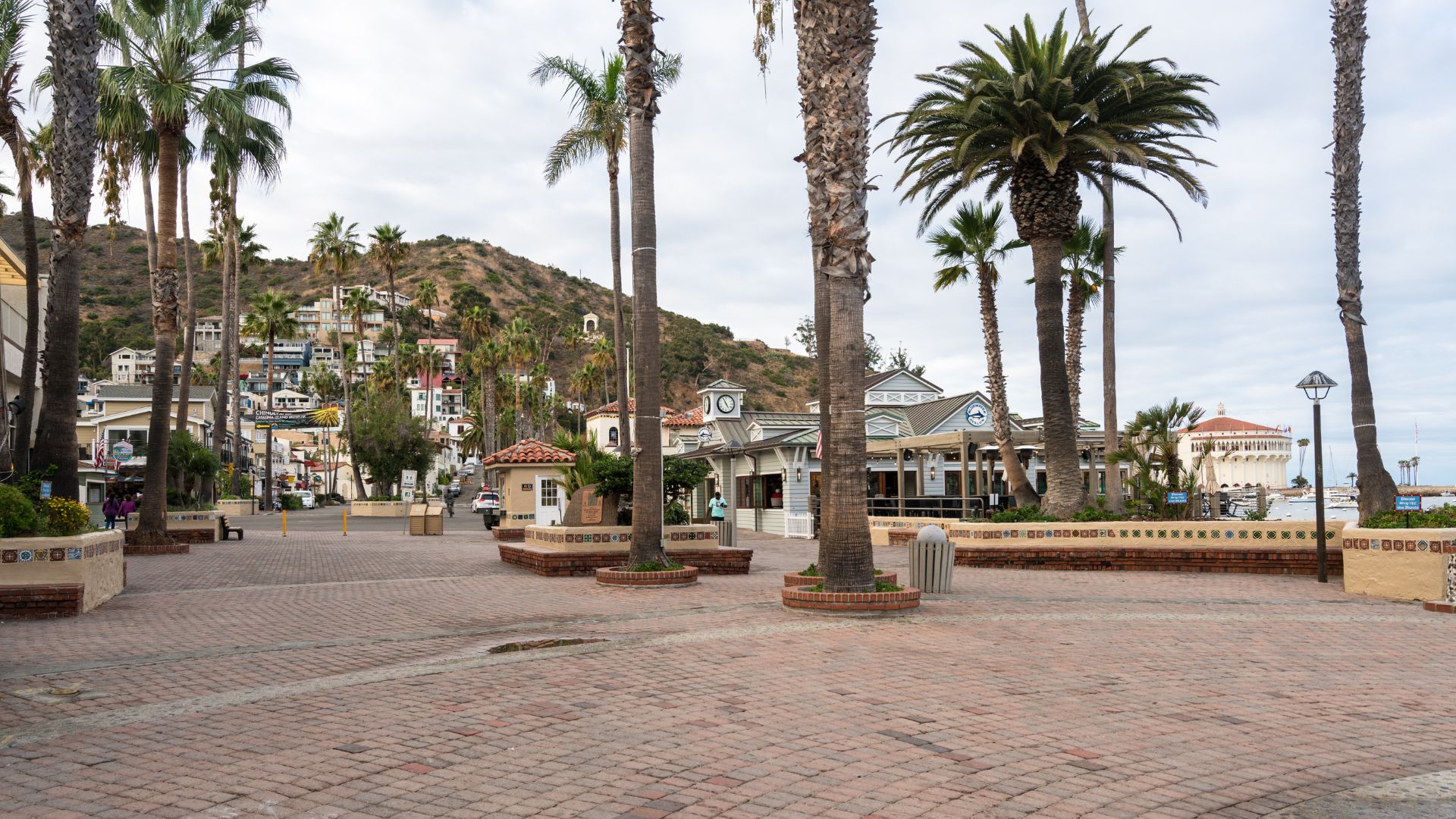
Getting to Santa Catalina Island feels refreshingly simple compared to a lot of other island escapes. If you’re coming from Los Angeles or San Francisco, you just drive out to the coast, hop on a ferry in Long Beach, Dana Point, or San Pedro, and you’re on your way. There’s even a tiny airport for those who want to splurge on a private plane or helicopter—definitely not my usual style, but it’s an option.
Mallorca’s a bit different. Most people start out somewhere in Spain, or maybe they catch a flight from Rome. When I think about Caribbean spots like Puerto Vallarta or those dreamy South Pacific islands, I can’t help but sigh—they usually mean juggling several flights and plenty of layovers.
Getting to Costa Rica or Panama? You’ll probably land in San José or Panama City, but then there’s often a longer drive or even a boat ride waiting for you. Sometimes I wonder if the journey is half the adventure.
Travel Tip Table:
| Destination | Typical Access Point | Common Transport |
|---|---|---|
| Santa Catalina | Los Angeles, San Pedro | Ferry, Helicopter |
| Mallorca | Rome, Madrid, Barcelona | Flight, Ferry |
| Lake Tahoe | San Francisco, Reno | Car, Train |
| Costa Rica, Panama | San José, Panama City | Flight, Shuttle, Boat |
| Caribbean | Miami, San Juan | Flight, Ferry |
