If you want to explore the Convent of Christ in Tomar, Portugal without the crowds, aim for spring (March to May) or fall (September to October), when the weather feels mild and the town quiets down. I still remember arriving in Tomar on a crisp April morning; the winding streets felt almost empty, and I barely waited at the convent’s entrance.
Wandering those ancient corridors without anyone bumping into me made every step feel a little magical.
Tomar is a real treat for anyone who loves history or just wants to soak up Portugal’s past. The whole town feels different during these quieter months. I got to enjoy everything at my own pace, which is so much harder in the packed summer.
If you want a more relaxed experience, your timing really matters.
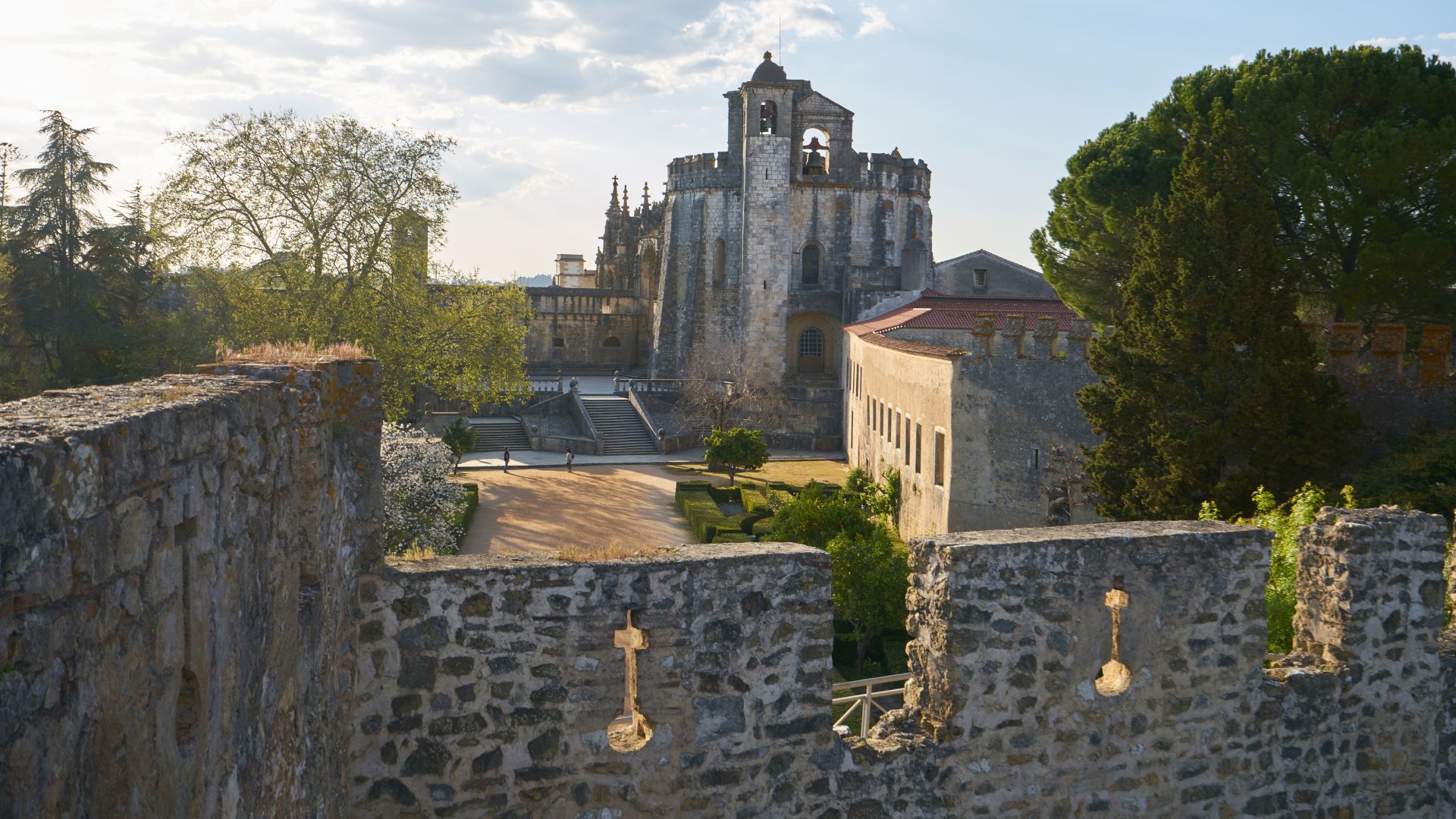
Why Tomar Captivates: Exploring Its History and Culture
Tomar pulls you in with its centuries of history, striking buildings, and a daily rhythm that sort of nudges you to slow down. Some places just look nice, but Tomar? It makes you want to dig deeper, especially once you hear the stories behind its stones and winding streets.
Legacy of the Knights Templar
As I walked through Tomar, I kept picturing the 12th century when the Knights Templar first made this place home. Gualdim Pais, a seasoned Templar master, founded the city, and the Order quickly turned it into a stronghold.
The castle and the Convent of Christ went up not just for defense, but as bold symbols of faith and wealth.
When the Templars dissolved across Europe, Portugal did something clever. They turned the order into the Order of Christ, keeping the legacy alive. That move saved priceless knowledge and treasures when things got risky for the knights.
You can feel history buzzing here, from the old coat-of-arms carved in stone to stories of explorers who kicked off the Age of Discoveries under the Order’s banner.
That mix of legend and fact keeps Tomar’s past endlessly fascinating—and it’s why the city stands proud as a UNESCO World Heritage Site.
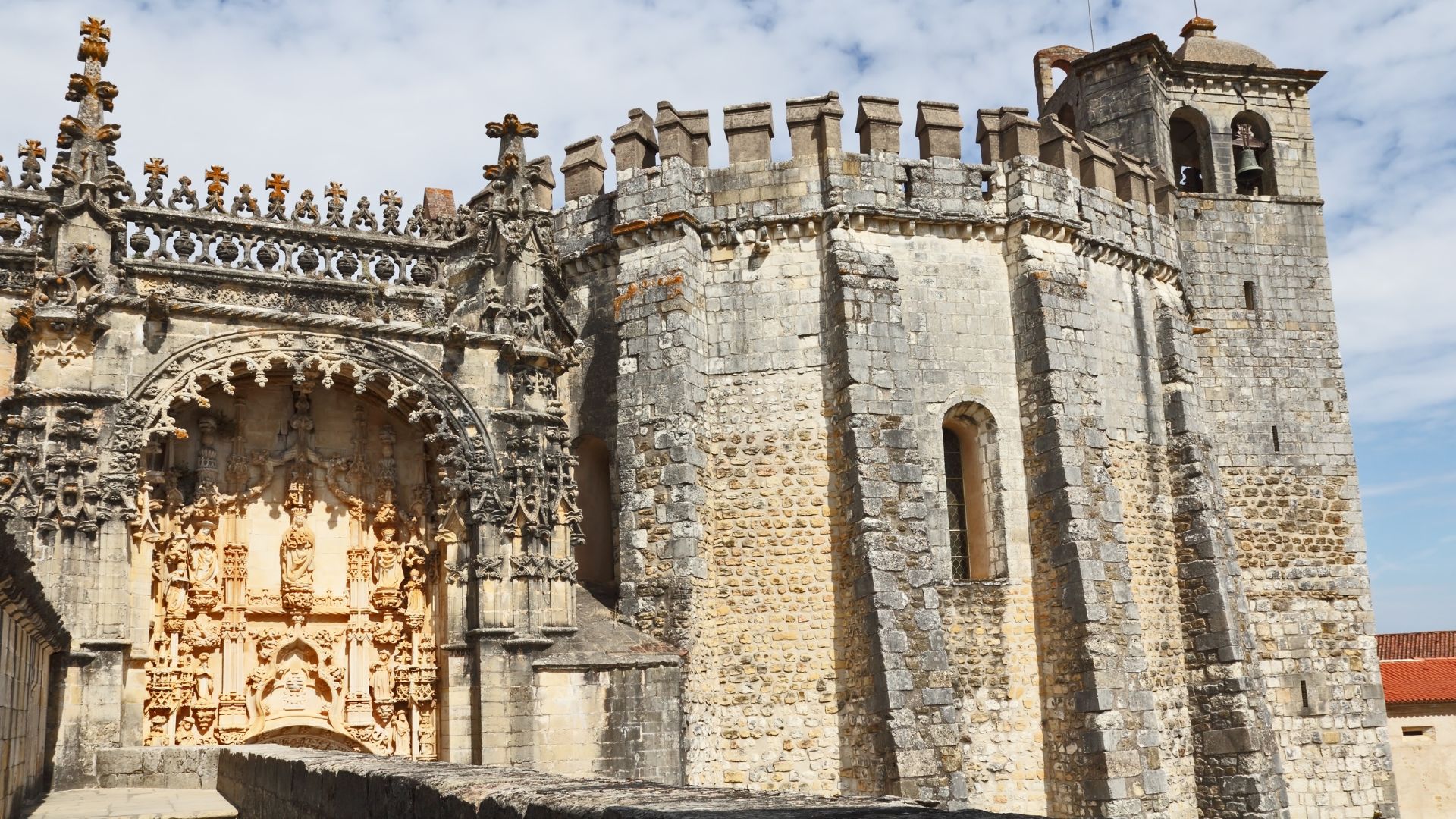
Tomar’s Unique Architectural Tapestry
One thing that really surprised me about Tomar is how many styles the architecture blends together. You can trace the centuries just by strolling from the castle gates down to the old town.
The Convent of Christ especially feels like it holds all of Portugal’s history in its walls.
Manueline windows twist into ropes and spheres, hinting at Portugal’s seafaring roots. Gothic arches, Renaissance cloisters, and Baroque touches pop up everywhere. The Charola—a round church built by the Templars—feels almost otherworldly, with its painted columns and mysterious symbols.
Even outside the main sights, tiny medieval streets show off tiled facades, little chapels, and sunlit squares. This blend isn’t just beautiful—it makes every visit feel new, even if you’ve already been.
The Charms of Everyday Life in Tomar
Tomar’s magic isn’t just in its big monuments. One morning, I sat with coffee in a local café and listened to neighbors chat about family and the weekend’s market. Life moves slowly here, and that’s part of the charm.
Seasonal festivals add bursts of color and music, like the Festa dos Tabuleiros, which fills the historic center with flowers and traditional costumes. Locals take a lot of pride in their deep roots and love sharing stories about their families and the city’s past.
As I wandered the Old Town, I noticed how modern life and tradition blend so easily. Shops sell handmade lace right next to trendy clothes. Evenings usually wrap up with simple pleasures—a walk by the river or church bells echoing over the Nabão.
Tomar isn’t just about the Templar legends; it’s about how that history shapes everyday life.
When Is the Best Time to Visit Tomar?
Every season in Tomar has its own flavor, whether you want warm days, fewer visitors, or a taste of local culture. The crowds and weather shift, so picking the right time really helps if you want to enjoy the Convent of Christ comfortably.
Spring: Blossoms, Festivities, and Comfort
Spring in Tomar feels like a fresh start. March through May brings mild afternoons and cool nights. I noticed the city waking up—orange trees bloom, gardens burst with color, and folks flock outside to soak up the sun.
The top event is the Festa dos Tabuleiros, held every four years in June. Streets fill with color as locals parade with trays of flowers and bread balanced on their heads. Even if the big festival isn’t on, April and May have small fairs and events.
I love how spring means lighter crowds. Getting tickets for the Convent of Christ is easy, and I can wander without bumping into big tour groups. Restaurants and cafés feel more relaxed too.
For me, spring hits the sweet spot—good weather, local life, and manageable crowds.
Tip: Bring a light jacket. Evenings still get chilly, especially in April.

Fall: A Serene Escape with Fewer Crowds
When I want peace and a slower pace, I pick fall for Tomar. September and October bring warm, comfortable weather that’s perfect for walking. The city calms down after the summer rush, so I can enjoy the sights almost to myself.
I love wandering beneath the turning leaves near the Convent of Christ. Local farms start harvesting, so autumn food festivals pop up. Menus switch to heartier dishes and fresh wine grapes.
It’s easy to find hotel deals, and restaurants never feel packed.
Fall is also a great time for photos. The light gets softer, the river reflects golden trees, and locals have more time to chat. For me, it feels like a real serene escape.
Highlights in Fall:
- Fewer tourists
- Lower prices on accommodation
- Mild, comfy temperatures
Navigating Tomar’s Summer Crowds
Summer brings a lot more visitors, especially in July and August. The sun shines almost every day, with highs often hitting 30°C (86°F) or more. The city feels lively, but popular sites can mean long waits.
If you visit in summer, I always suggest arriving early. Most tour groups show up mid-morning, so if you get to the Convent of Christ first thing, it’s still pretty quiet. By afternoon, the heat makes exploring tough, so I usually duck into a shaded café or take a siesta.
Tomar hosts open-air concerts and cultural events in summer, which is fun if you love nightlife. But expect crowded streets and higher prices. Book hotels and tours ahead of time for this season.
Summer Tips:
- Get to main attractions early
- Reserve dining and accommodation
- Don’t forget sunscreen and water
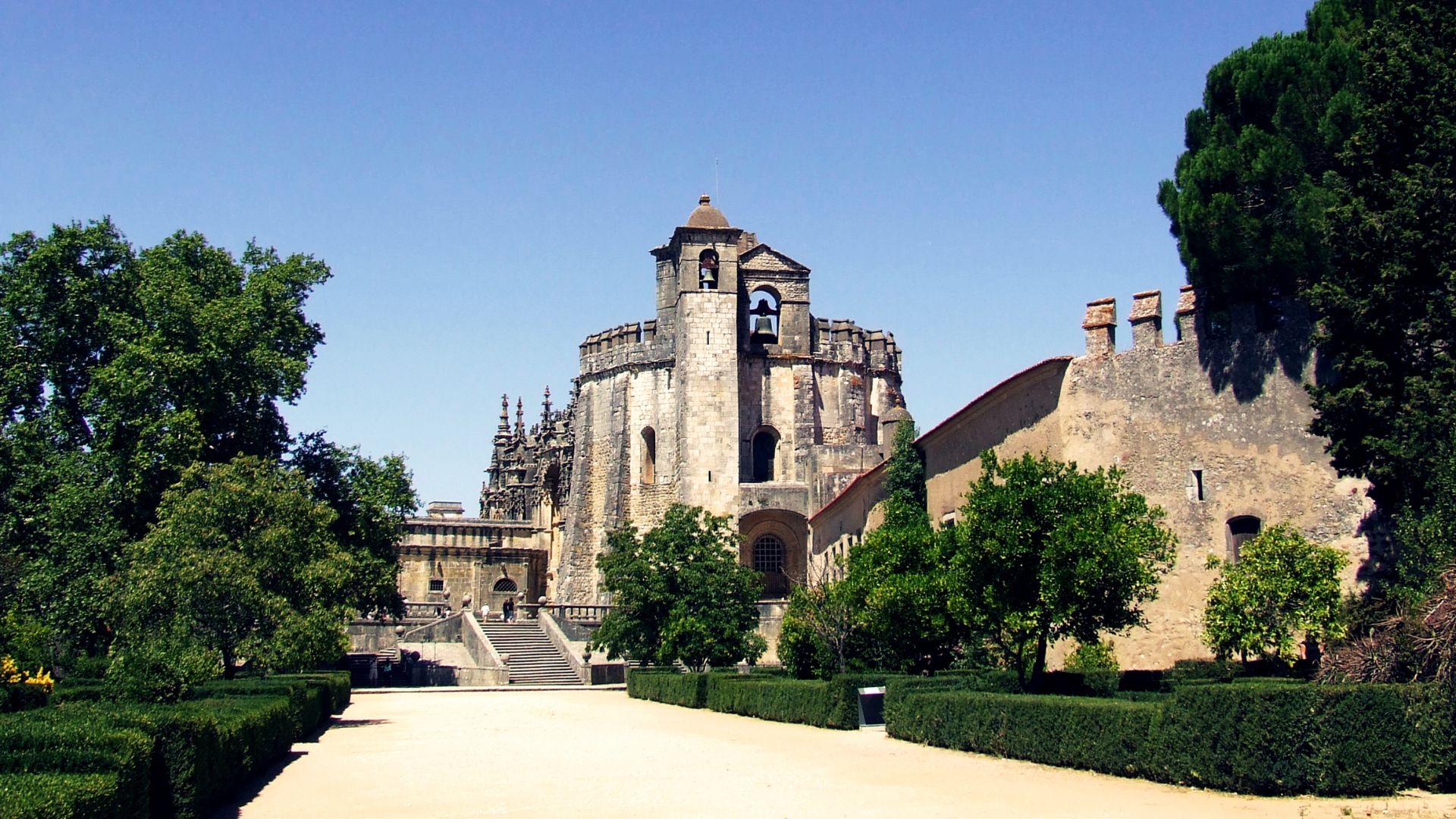
Winter: Quiet Explorations and Authentic Encounters
Winter in Tomar feels peaceful. From late November through February, it gets chilly—think cold mornings and afternoons around 10°C (50°F)—but rarely freezing. The slow pace means the Convent of Christ and other sites are often almost empty.
I like winter visits because I can move at my own speed. Locals have more time to chat, and bakeries serve warm pastries and Ginjinha (cherry liqueur). Some tourist shops and small sights might open for fewer hours, but the calm makes up for it.
There are still a few cultural events, like Christmas and New Year’s. Hotel deals are easy to find. If you want authenticity and hate crowds, winter’s a solid choice.
Good to Know:
- Shorter daylight hours
- Occasional rain, so bring an umbrella
- Great for quiet, stress-free sightseeing
Journey Through the Convent of Christ: My Experience
When I explored the Convent of Christ in Tomar, I felt Portugal’s layered history everywhere. The mix of architecture, the quiet rooms, and the details made every step a new discovery.
Wandering the Charola and Chapter House
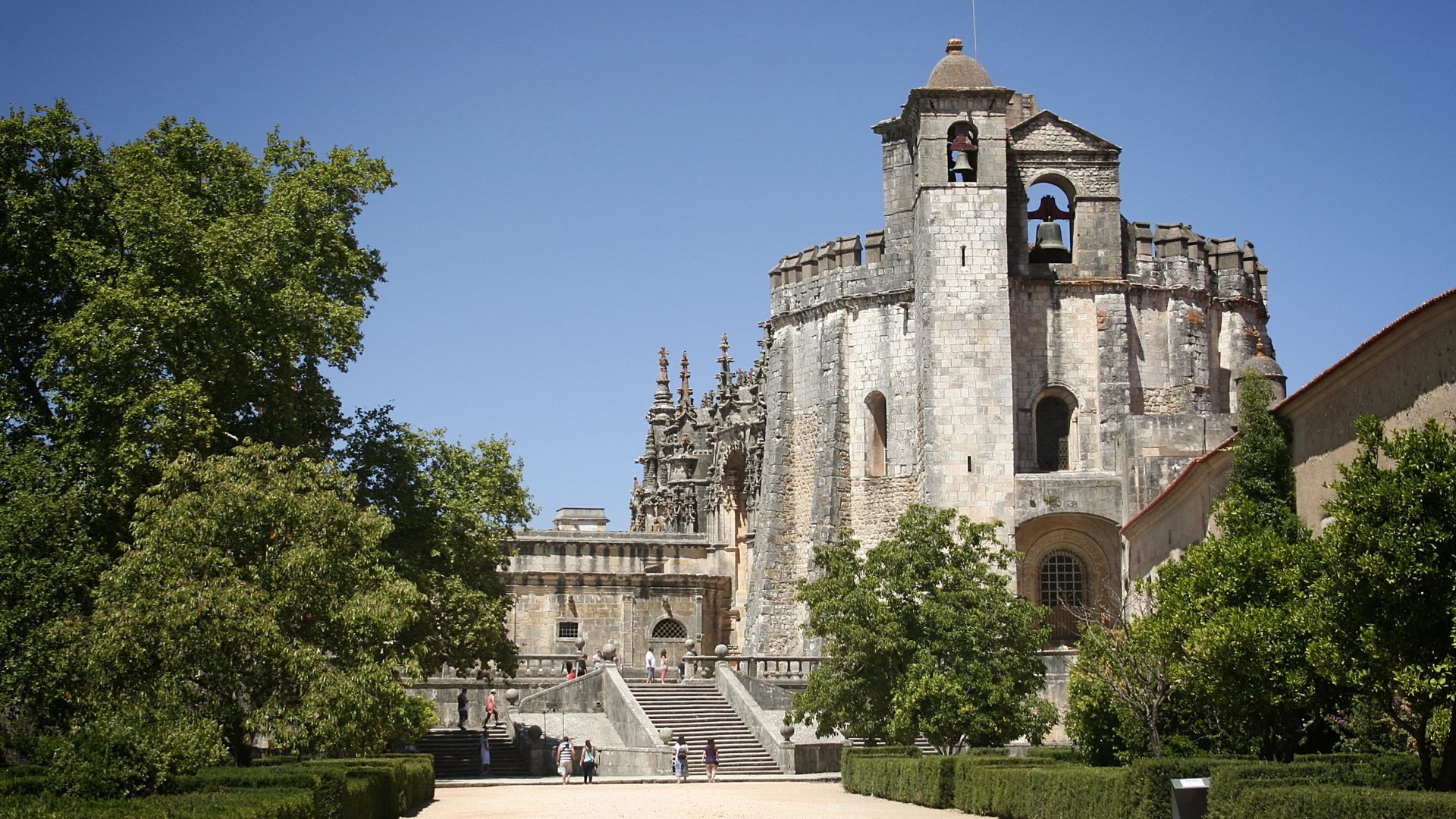
The Charola, the round Templar church at the convent’s heart, grabbed my attention first. Romanesque columns and arches surrounded me, colored light streaming through the windows. In the hush, I could almost picture the Knights Templar standing in prayer centuries ago.
Next, I wandered into the Chapter House. The mix of Gothic and Manueline details really stood out. Stone carvings lined the walls, including symbols from the Order of Christ. This felt like the convent’s administrative center, where big decisions shaped history.
I took my time and looked up—vaulted ceilings and worn floor tiles showed how much care went into every corner. The peacefulness made it easy to pause and soak it all in.
Discovering Manueline and Gothic Marvels
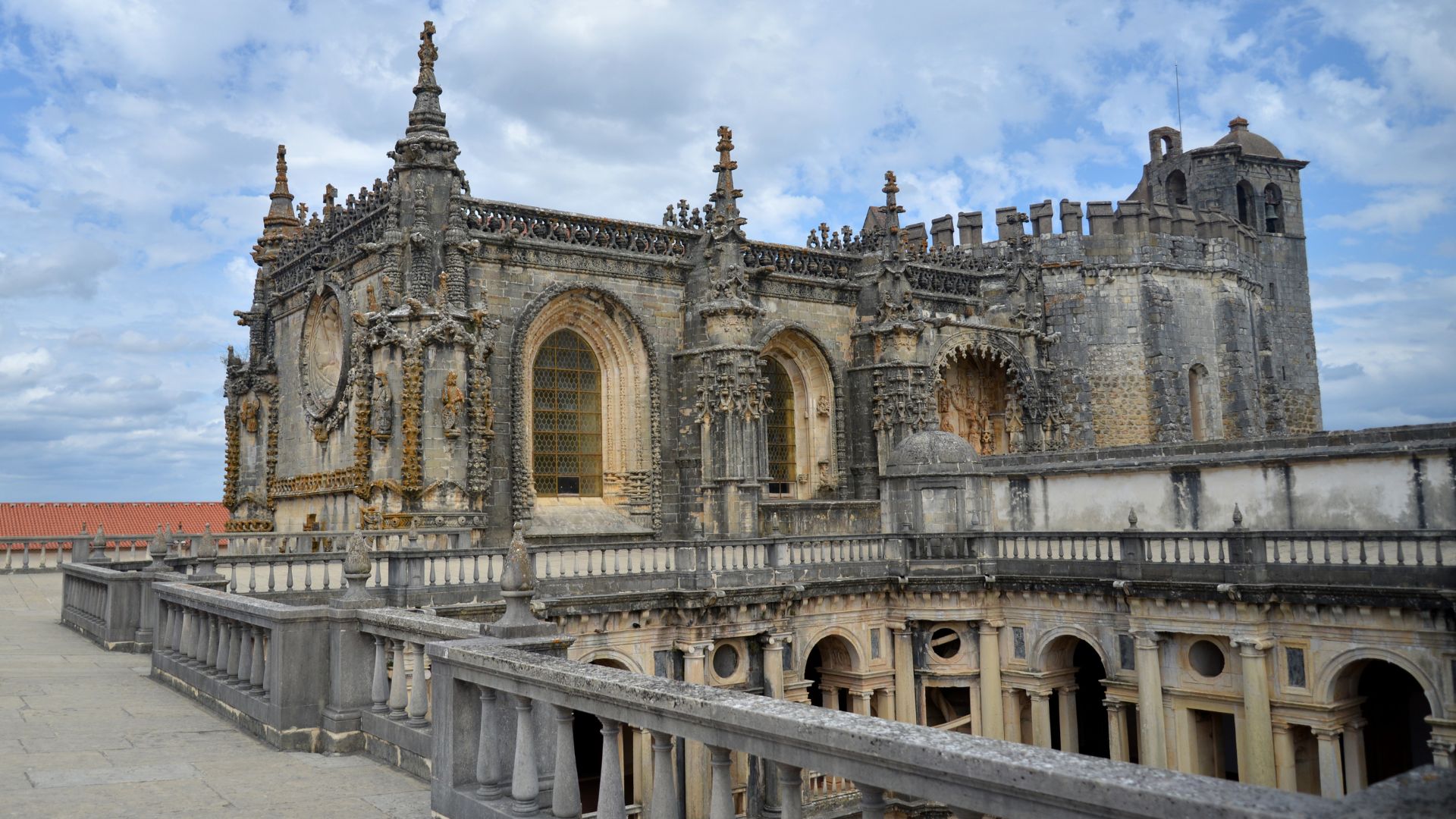
As I walked deeper into the convent, the shift in architecture jumped out at me. The Manueline style, with its ornate stonework and maritime symbols, stood out—especially around the famous window on the west façade. Ropes, spheres, and crosses made it a real highlight for anyone curious about Portuguese art history.
Gothic arches linked the courtyards, casting dramatic shadows and letting in cool breezes. I lingered in the cloisters, just watching sunlight play on the stone. The Manueline flourishes really pop against the older Gothic and Romanesque features, showing off how the convent changed over time.
Bringing a simple architectural guide—on my phone or in a book—helped me spot the details and understand what I was looking at, without getting lost.
Must-See Frescoes and Hidden Corners
One of my favorite things was searching for old frescoes and hidden nooks. Some walls have faded, but a few rooms still show painted saints, Bible scenes, and Templar symbols. The colors, though subtle, stand out against the stone, hinting at how lively these spaces once looked.
Hidden corridors near the fortress walls led me to quiet spots where I barely saw another person. Some staircases connected tiny chapels or storage rooms, giving me new views of Tomar and its UNESCO status.
If you want a real sense of discovery, try exploring early or late in the day to dodge crowds.
Bringing a small flashlight or using my phone light helped me spot faded frescoes and details in dim corners. These little discoveries turned my visit into a bit of a personal adventure.
Beyond the Convent: Attractions and Panoramic Views in Tomar
Tomar has so much more than the Convent of Christ. During my visit, I kept finding historic sites, beautiful views, and quiet corners just a short walk from the convent.
Whether you’re a history buff, a scenery lover, or just want a laid-back stroll, Tomar makes it easy to fill your day.
Exploring the Tomar Castle and Aqueduct of Pegões
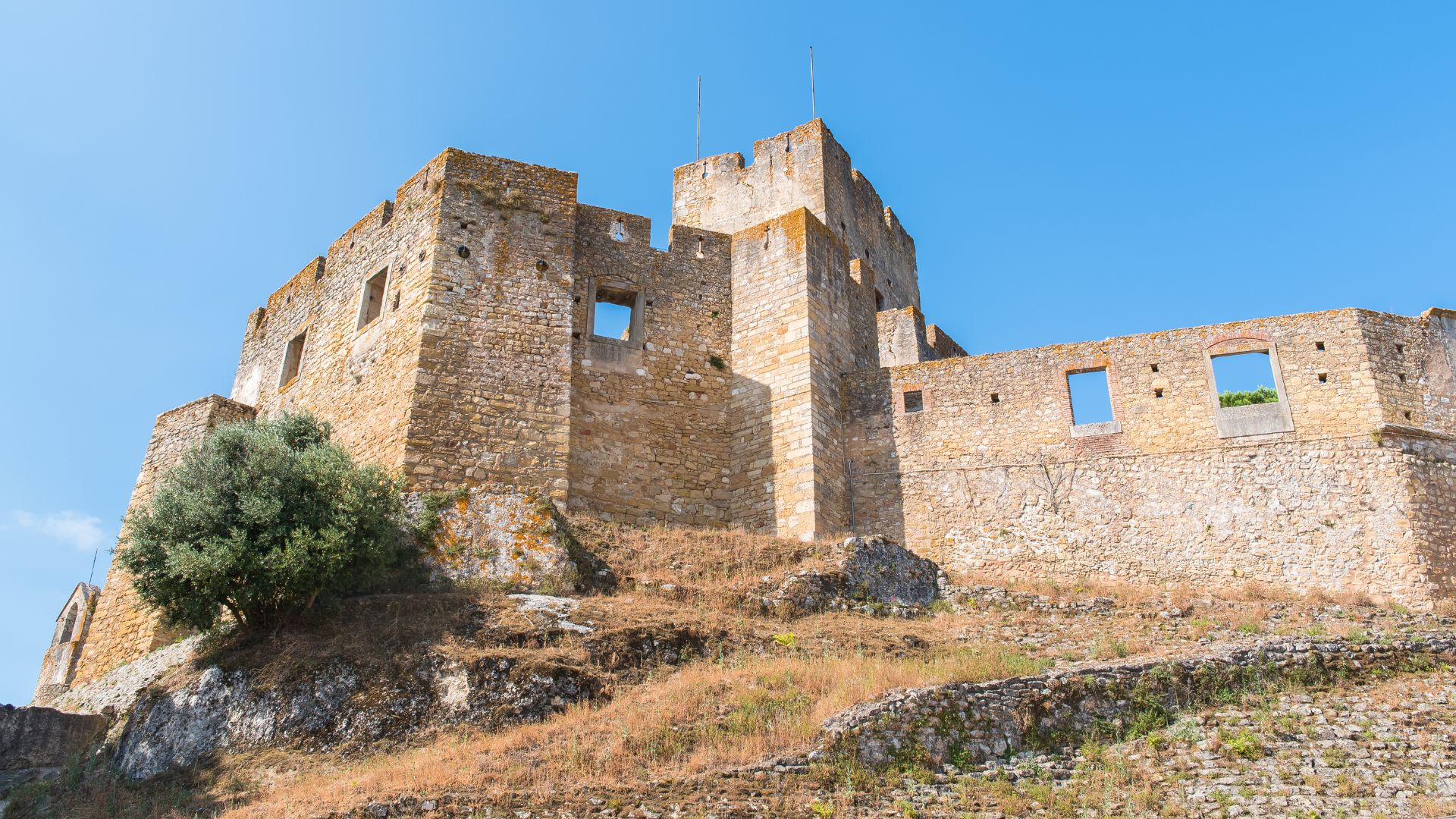
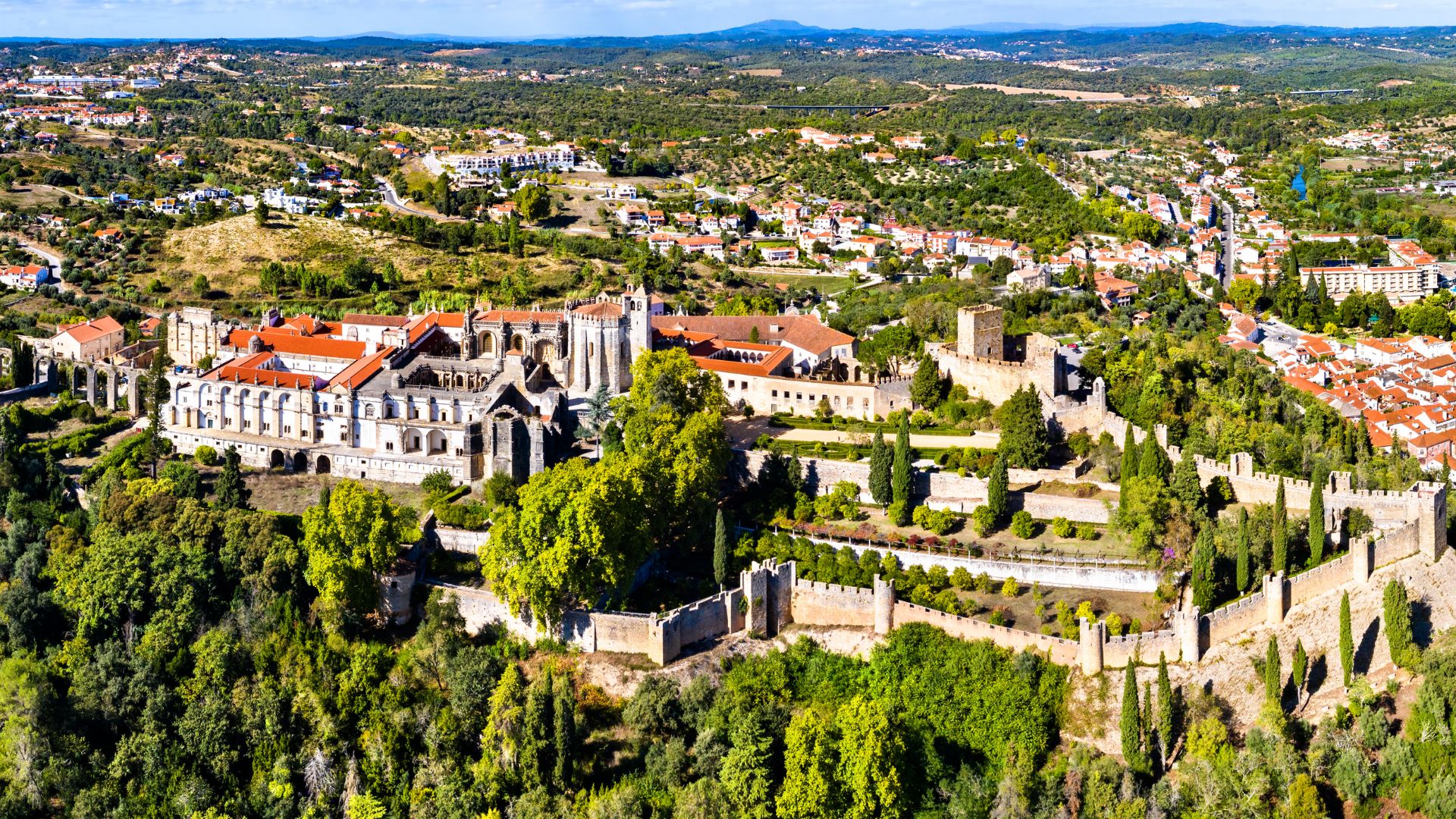
The Castle of Tomar stands tall next to the convent, looking out over the town. Climbing the old stone steps felt like stepping back in time.
I explored the castle’s thick walls and watchtowers, then took in sweeping views over Tomar’s red rooftops and green hills. The views are perfect for photos, especially near sunset.
A short drive or a longer walk led me to the Aqueduct of Pegões. This 16th-century marvel once brought water to the convent. Standing beneath its tall arches, I admired how it fits into the landscape. If you’re into architecture or old engineering, it’s definitely worth seeing.
Quick Tips:
- Climb the castle towers for the best skyline photos.
- Visit early or late for quieter moments.

A Stroll Along the Nabão River and Mouchão Park
One thing I really loved about Tomar? The peaceful Nabão River winding right through the center. Riverside paths stretch out with trees, benches, and these little gardens you just want to linger in.
I spent a while wandering from the old stone bridge toward Mouchão Park. Locals and visitors both seem to favor it, and I totally get why.
Mouchão Park invites you in with its green spaces—perfect for a break. There’s this charming old waterwheel that hints at Tomar’s past.
Picnic tables are scattered around, so you can snack or just sit and watch the ducks float by. When the sun gets hot, the shade here feels like a real treat.
Sometimes, I’d just slow down to listen to the water and let the day drift by.
Don’t Miss:
- Check out the waterwheel (Nora)—locals see it as a symbol of the city.
- Evening river walks offer a quiet break from the bustle.
Town Treasures: Praça da República, Synagogue, and Town Hall
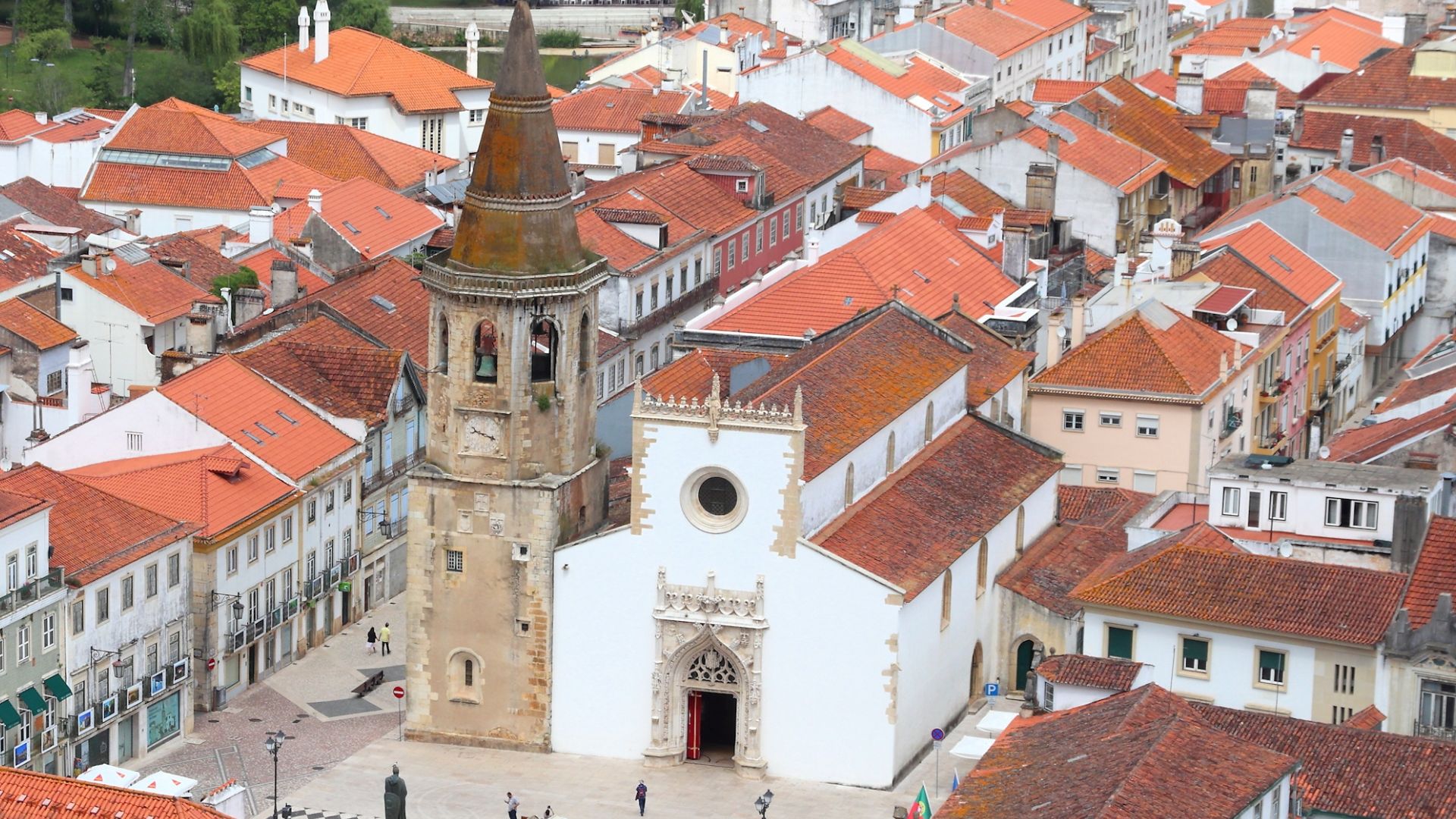
Praça da República sits at Tomar’s heart, buzzing with life and surrounded by white and pastel buildings. I kept coming back, whether to hear a busker play or just sip coffee at a café table.
The square is edged by the old Igreja de São João Baptista and the Town Hall. Both buildings have those medieval details that make you stop and look twice.
Just a few minutes’ walk away, I found the Synagogue of Tomar. It’s one of the oldest in Portugal, and inside there’s a small museum that shares stories about the town’s Jewish community.
The synagogue made me think about the importance of tolerance in Tomar’s history. These places really blend art, culture, and everyday life in a way that feels genuine.
Highlights:
- Visit the synagogue and take in its quiet, moving interior.
- The Town Hall and nearby buildings are just asking for a photo or two.
- Grab a seat at Praça da República and soak up the mix of daily life and centuries-old history.
Planning Your Visit: Insider Travel Tips for Tomar
Tomar mixes medieval charm with a friendly, small-city energy. Planning a trip here mostly comes down to how you’ll get around, where you’ll stay, what local food you’ll try, and which outdoor adventures you want to squeeze in.
How to Get to Tomar from Lisbon, Porto, and Coimbra
Getting to Tomar from the big cities is pretty straightforward. I’ve found public trains super convenient.
From Lisbon, I just hop on a direct regional train at Santa Apolónia or Oriente station. Trains run often, and the ride takes about two hours.
When I travel from Porto, I take a train to Entroncamento and switch lines. The journey usually takes between 2.5 and 3 hours.
Coimbra is closest—just an hour by regional train, or a little less if you drive.
If I want a bit more flexibility, bus routes also connect Tomar to nearby cities, though buses don’t run as often. Renting a car is handy if I’m itching to explore the countryside. Roads are good, and even first-timers won’t struggle with the signage.
Here’s a quick breakdown of the main routes:
| Route | Train Time | Bus Time | By Car |
|---|---|---|---|
| Lisbon–Tomar | ~2 hours | ~2 hours | ~1.5 hours |
| Porto–Tomar | ~3 hours | ~3 hours | ~2 hours |
| Coimbra–Tomar | ~1 hour | ~1.25 hours | ~1 hour |
Where to Stay for an Immersive Experience
Tomar is compact, so picking where to stay is really about the vibe you want. For a real local feel, I like staying in hotels or guesthouses in the historic center.
Waking up in a traditional townhouse, I can stroll to the Convent of Christ or the leafy main square in just a few minutes.
Boutique hotels and smaller guesthouses sometimes offer river views or nestle inside old buildings. If I’m after something quieter, a countryside B&B just outside town gives me that peaceful retreat.
Either way, staying central means I can wander to markets, bakeries, and o tabuleiro (the main street) without any hassle.
Booking in December? Hotel prices drop, and I’ve found some great deals while enjoying Tomar with fewer crowds.
Sampling Tomar’s Local Cuisine and Markets
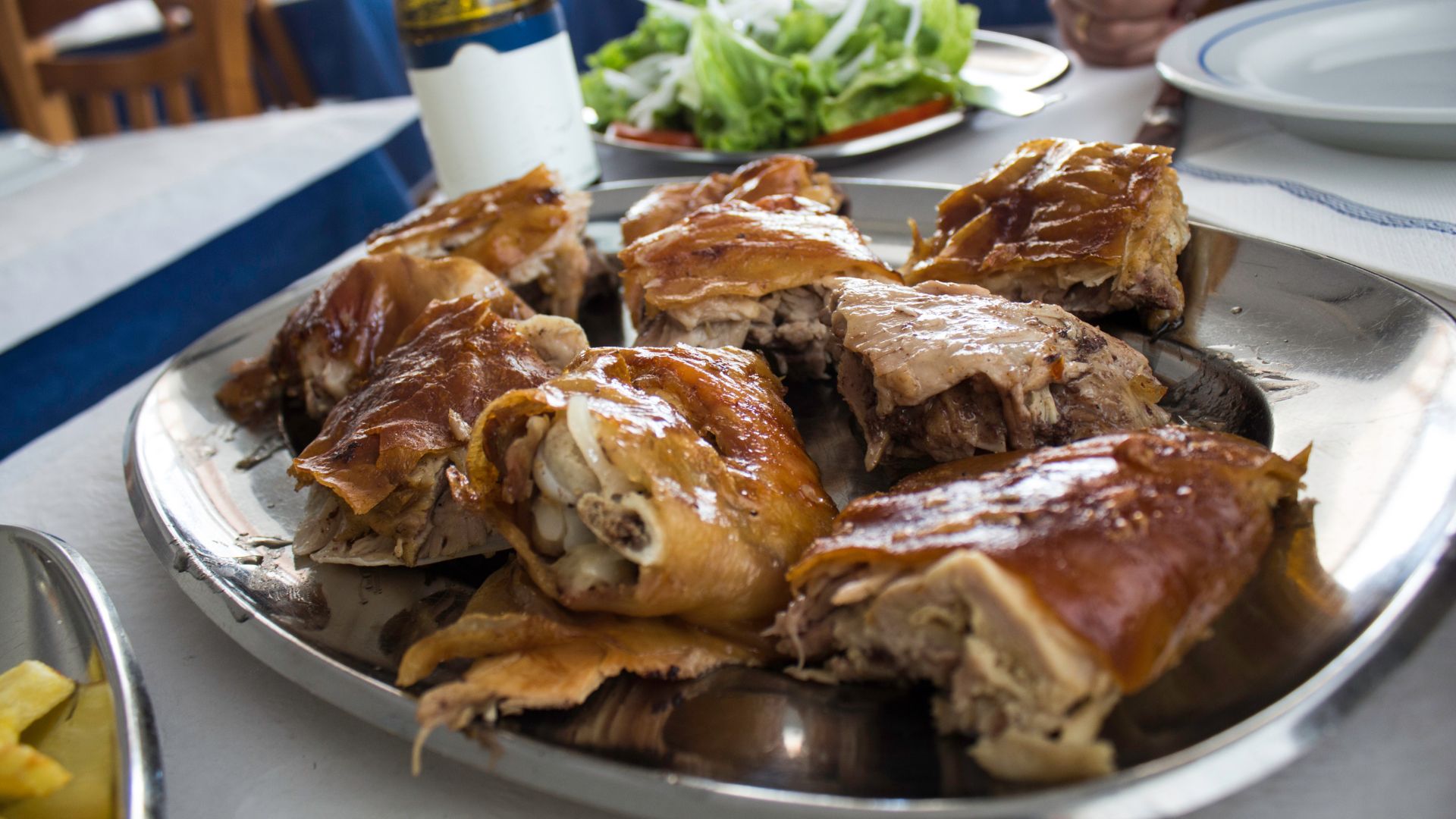
The food scene in Tomar is honestly one of my favorite things about the place. Leitão à Bairrada (roast suckling pig) is a must—crispy, juicy, and usually served with orange slices and potatoes.
When I want something sweet, I grab “Fatias de Tomar,” these eggy, spongey cakes you’ll find in the center.
I like to visit the fresh market in Praça da República, especially on Fridays and Saturdays. Stalls overflow with seasonal fruit, olives, cheeses, and local honey.
I usually end up chatting with vendors, sampling cheeses, and picking up picnic supplies for later.
Some of my top picks for meals:
- Leitão à Bairrada: Go for it at traditional taverns.
- Ginja cherry liqueur: Try it at the small bars on Rua Serpa Pinto.
- Fresh bread and pastries: Don’t miss O Tabuleiro bakery.
Outdoor Activities and Nearby Discoveries
Tomar isn’t just for history buffs—there’s so much to do outside, honestly. I love paddling or swimming at Castelo de Bode lake, which sits only about twenty minutes away by car.
The water feels super clear, and the shores make an easy spot to spend a summer afternoon. Sometimes I just want to move, so I’ll hit the local hiking trails that twist through pine forests and olive groves right outside town.
If you walk to the old aqueduct, the Aqueduto dos Pegões, you’ll get these wide, peaceful views of the whole region. I usually toss some fruit and pastries from the market into my bag for a simple picnic along the way.
You can try kayak rentals, hop on a bike tour, or just wander the shady public gardens by the Nabão River. Tomar’s natural side doesn’t get enough love, but honestly, I find it every bit as magical as the monuments everyone talks about.