
People often ask me about the best time to visit Dartmoor National Park, especially if they’re chasing the right blend of weather and scenery.
If you’re dreaming of warm days, purple heather, and endless walks, late spring through early summer is honestly hard to beat. The moors glow with color, and the temperatures usually feel just right.
But if you like things a bit quieter and moodier, early autumn transforms Dartmoor with golden grasses, gentle mists, and way fewer crowds.
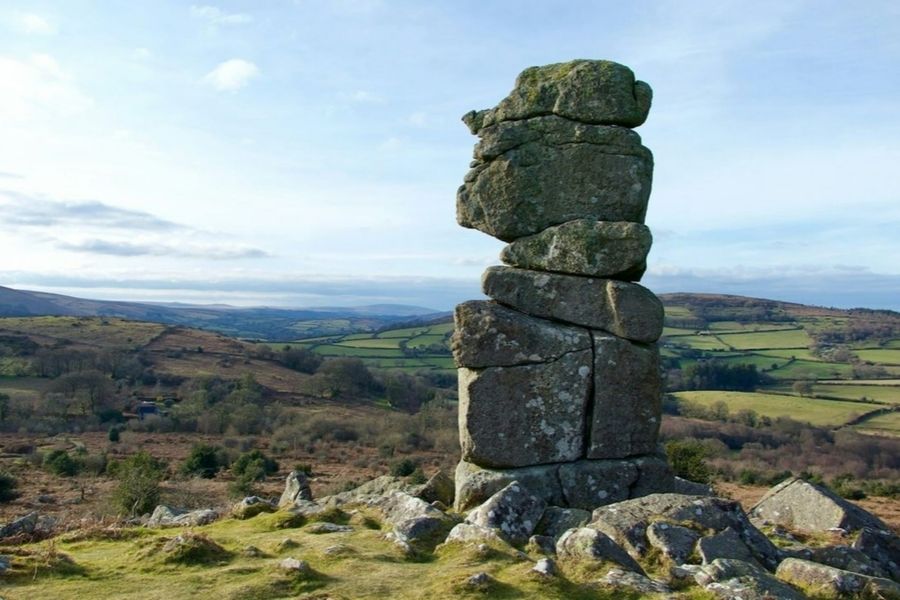
Each season brings something special. Summer pops with color and life, while autumn wraps the landscape in soft fog and earthy tones. I always find my visits in these months leave totally different, but equally vivid, memories.
Understanding Dartmoor’s Seasonal Weather Patterns
Dartmoor’s weather likes to keep you guessing. Every season brings a fresh experience, so knowing a bit about the local climate helps a lot before you head out.
I’ve learned that paying attention to temperature shifts and daylight hours really helps me plan the best visits.
Climate Overview
Dartmoor National Park stays cool and often pretty wet. The weather can flip on a dime—rain and mist show up even in summer.
Winters (December to February) get cold, damp, and really windy up on the higher ground. Humidity hangs around all year, thanks to those frequent showers.
From May through September, things mellow out. Most visitors flock here in these milder months, when you get longer days and comfier temps. Autumn brings dramatic mists, while summer is when the purple heather really struts its stuff.
Monthly Weather Guide
The temperatures swing a lot across the year. January usually brings the most rain—over 13 wet days on average. Expect chilly winds, steady rain, and daytime highs between 5°C and 8°C.
July feels the warmest, with highs near 21°C and cooler nights around 13°C. June and July usually give you the best weather for hiking or just being outdoors. May to August tends to be the driest stretch.
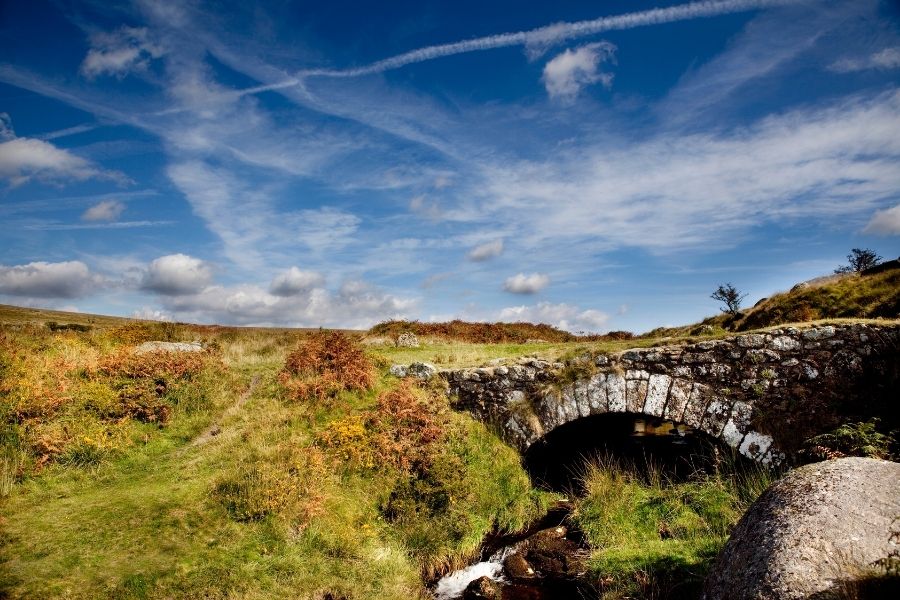
Autumn (September to November) cools down and gets wetter, with thick mists blanketing the moors. Spring (March to April) teases new growth, but you’ll still run into cold snaps and rain.
| Month | Avg. High Temp (°C) | Avg. Rain Days |
|---|---|---|
| January | 8 | 13+ |
| May | 15 | 9 |
| July | 21 | 8 |
| October | 14 | 12 |
Daylight Hours and Sunshine
Daylight hours really swing between seasons. In December and January, the sun sets as early as 4:15 pm, so you only get about 8 hours of daylight. Not exactly ideal for long walks or hikes.
But come June and July, you can enjoy up to 16 hours of daylight, with sunsets after 9 pm. That’s when you can really make the most of Dartmoor’s wild spaces.
Sunshine is never promised here, but May through August usually brings the brightest days. Winter sun is rare—clouds and rain stick around from November to February.
Summer in Dartmoor: Heather Blooms and Vibrant Landscapes
Summer in Dartmoor feels alive—bright days, wild colors everywhere, and endless chances to get outside.
Nature and local life both seem to wake up, from wildflowers on the hills to village fairs in Devon’s heart.
Peak Wildflower and Heather Season
From June to August, the moorland explodes with wildflowers and tall bracken. By August, the heather peaks, painting everything in purples and pinks.
I usually spot three kinds of heather—ling, bell, and cross-leaved heath—on my walks.
Bright yellow gorse mixes in, making the hills look almost unreal. Long hours of sunshine make everything feel especially vibrant.

Butterflies, rare bumblebees, and those famous Dartmoor ponies all show up among the blooms.
Outdoor Activities During Summer
With comfortable temps between 15°C and 22°C (59°F to 72°F), summer is prime time for hiking and walking. I like to try popular routes like Haytor or Hound Tor—each trail has its own vibe and level of challenge.
The clear weather helps you spot wildlife and flowers everywhere.
People love cycling the quiet lanes, and wild swimming in the rivers or granite pools is a real treat on warm days. I’ll sometimes pack a lunch for a riverside picnic or just find a scenic spot to relax.
Camping and even wild camping are allowed in some areas, so you can wake up to sunrise views and cool, misty mornings.
Summer Events and Local Atmosphere
Villages across Dartmoor throw all kinds of summer events during school holidays. The Okehampton Show, Chagford Show, and Widecombe Fair are highlights—think livestock, local food, crafts, and music.
There’s a buzz in the air. Cafés and pubs fill up with both visitors and locals swapping stories and tips. Long days mean I can wander, snap photos, and soak up Dartmoor’s summer scenes without rushing.
Autumn in Dartmoor: Mists, Mystery, and Changing Moods
Autumn in Dartmoor feels like stepping into another world. The moors turn mysterious, with thick mists and a whole new palette of colors.
Brooding Autumn Mists and Landscapes
September hints at the change, as mists begin to drift over the moors in the mornings and late afternoons. They hang low, wrapping granite tors and valleys in a soft, ghostly haze.
By October and November, daylight shrinks and the air gets crisp. Rain falls more often, making the ground damp and the mossy rocks even greener.
Heather and bracken fade into rust, gold, and amber across the hills.
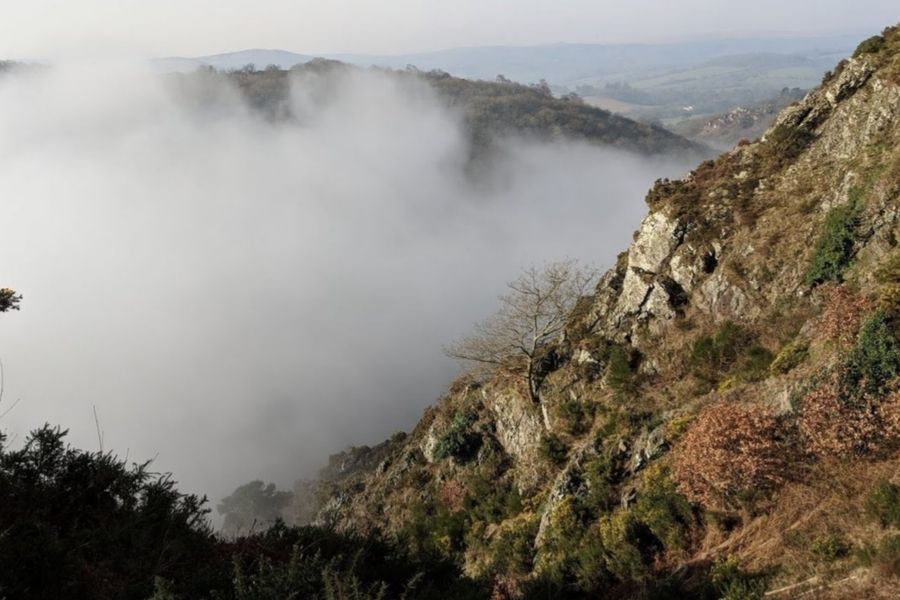
Granite tors like Haytor and Hound Tor look especially dramatic in the fog. The whole landscape starts to feel a bit otherworldly—perfect if you love nature’s wilder side.
Wildlife and Scenic Views in Autumn
Wildlife patterns shift as the air cools. Dartmoor ponies gather in small herds, often sheltering by stone walls or grazing in the autumn grass.
Sometimes I spot deer or foxes at dawn or dusk, when things are quiet.
Birdwatching gets interesting as flocks of migrating birds pass through. After rain, the air feels fresh and clear, and you can catch stunning long-distance views with mists still clinging to the valleys.
Photography in autumn is a treat—the light changes constantly, and the mix of moor, fog, and autumn color makes every shot feel unique. Even puddles and wet rocks reflect dramatic skies.
Outdoor Pursuits and Quiet Trails
I think autumn is the best time for walking and hiking here. By October, the summer crowds have faded, and the trails feel peaceful and remote.
Walks like the Teign Gorge or around Burrator Reservoir are especially quiet.
Early autumn works for cycling, though by late autumn some paths get muddy. I always plan with the weather and shorter daylight in mind—and never forget my waterproof jacket.
Cool air and empty paths mean I can take my time, listen for wildlife, or just enjoy the changing views. Stopping for hot chocolate or soup in a cozy café after a misty walk is a little ritual of mine.
Practical Guide: Visiting Dartmoor for the Best Weather and Mood
I always check the forecast before heading to Dartmoor. The weather can flip from blue skies to heavy mist in no time.
Knowing when to visit, where to stay, and how to get around really makes the trip more relaxing—or adventurous, if that’s your thing.
Accommodation and Hotels
When I plan a trip, I look at everything from hotels and B&Bs to classic pubs and cozy inns. I love places like the Warren House Inn or Rugglestone Inn—they’re warm, welcoming, and serve up classic Devon fare.
Hotels in and near the park fill up fast in summer, especially when the heather blooms.
I suggest booking months ahead for the best deals, especially in July and August.
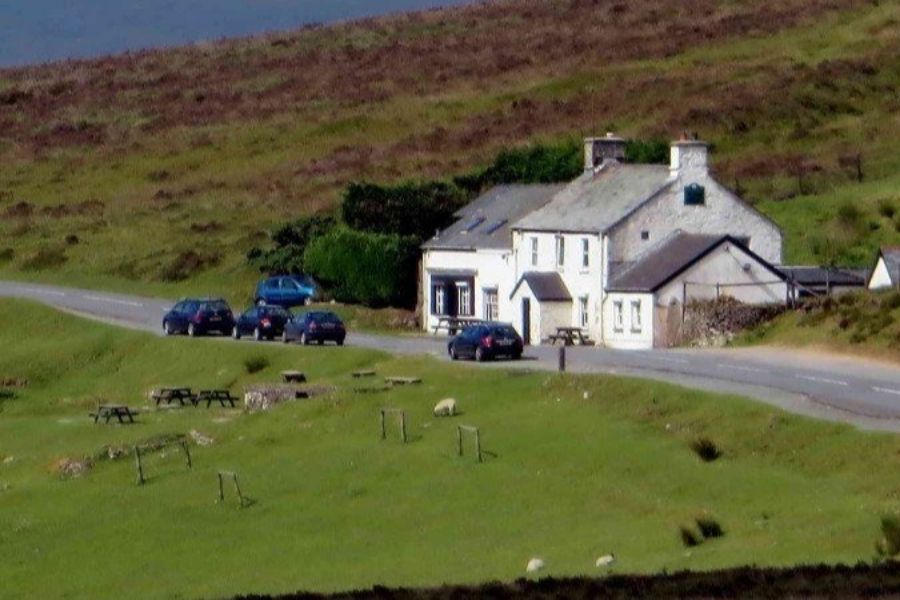
If you want a quieter stay, autumn is your friend—more availability and often better prices. Self-catering cottages are great if you’re traveling with family or want a base close to the trails.
Here’s a quick look at your options:
| Type | Features |
|---|---|
| Hotels | En-suite rooms, often with a restaurant |
| Traditional Pubs | Cozy setting, hearty food, local charm |
| B&Bs | Personal touch, breakfast included |
| Self-Catering Cottages | Great for families, privacy, kitchen facilities |
Getting to Dartmoor and Local Transport
I usually drive to Dartmoor. The A38 gives direct access from Plymouth or Exeter—both have good train links, so sometimes I rent a car after arriving by rail.
Newton Abbot is another handy gateway on the main train line.
If I fly, I use Bristol Airport (about two hours away), and I’ll look for airport parking or book a lounge if I have an early flight. Local buses do run from Exeter and Plymouth to some Dartmoor villages, but service is limited—especially on weekends or out in the wilds.
To really explore, you’ll want a car. Guided tours and local taxis are available, but public transport only gets you so far. Many sights need at least a short walk from wherever you park or hop off the bus.
Parking and Facilities
Parking is usually easy at big sites like Haytor, Postbridge, and the larger villages. I check for council or national park car parks—they usually charge a small fee.
Summer weekends and school holidays can mean packed car parks, especially when the sun’s out.
Most main spots have toilets and info boards. Moorland inns often serve food and the famous cream tea.
Some remote tors have no facilities, so I always bring water, snacks, and a map.

For airport parking, I compare prices and book ahead—peak travel months get busy fast. Saves hassle, trust me.
Tips for Planning Your Visit
I always pack for Dartmoor’s changeable weather—layers, a raincoat, and solid shoes, no matter the season.
Summer brings long days and the best shot at heather blooms. Autumn offers cool air, fewer people, and those atmospheric mists that make photos pop.
Booking your place to stay and a table at popular pubs like the Warren House Inn is a must in busy months.
I check travel guides and England travel features for extra tips. If you’re with family, plan stops at historic spots like Postbridge or treat yourself to cream tea in a local café.
Some top travel brands offer package deals that bundle transport, activities, and airport perks. Devon hides plenty of gems, so leave some space in your plans to wander off the main trails.
Dartmoor Highlights: Scenic Spots and Experiences by Season
Dartmoor shines in both summer and autumn. Each season has its own magic, whether you’re after wild landscapes or dramatic weather—or just want to find a new favorite spot.
Must-See Locations in Summer
In summer, Dartmoor’s trails wind through blooming heather and wildflowers. The moorland turns purple and green—perfect for a peaceful walk or a photo session.
Haytor stands out, with its granite tors rising above the hills and offering sweeping views.
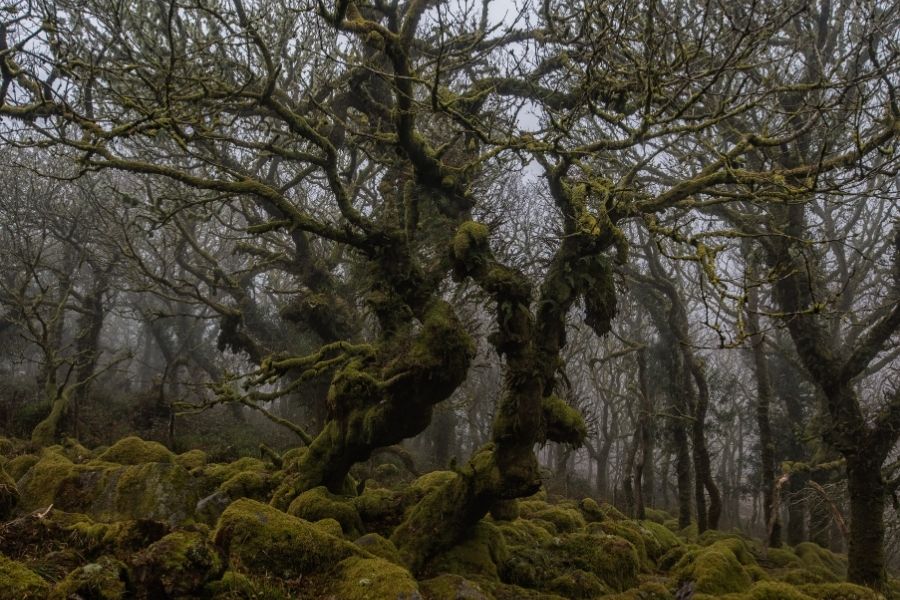
Wistman’s Wood is a magical spot, with twisted, mossy oaks that feel ancient and cool under the summer sun.
Chagford and Postbridge make great stops for local food, or you can explore nearby stone circles that blend history with the summer scenery.
Some favorite summer experiences:
- Climbing Haytor for those epic views
- Walking around Princetown
- Exploring stone circles near Merrivale
- Picnicking by Two Bridges
Iconic Autumn Landscapes
When autumn rolls in, Dartmoor shifts its entire mood. Mists settle over the granite tors, and those forests and hills burst into deep gold and rusty shades.
The heather starts to fade away, making room for amber grasses and that soft, misty light—honestly, it’s perfect for dramatic photos. I always find myself drawn to the quieter trails this time of year.
Wistman’s Wood feels almost enchanted, with its twisted oaks and moss. Haytor stands out too, especially when the sun hangs low and clouds swirl around the rocks.
Fog frequently swallows up the Princetown area, and I’ve watched photographers gather there, hoping to capture that moody atmosphere. There’s something about it that just pulls you in.
Wandering around Postbridge and near Two Bridges, I spot forests glowing orange. Rivers rush higher, and ancient stone circles almost vanish in the morning mist.
Autumn in Dartmoor isn’t just pretty—it reveals a wilder, more secretive side of the moor. And honestly, that’s what keeps me coming back every year.
