
Moving somewhere new usually feels awkward, like trying on a shirt that just doesn’t suit you. But Ithaca? It felt different right from the start.
I remember my first morning there—watching the sunrise spill over Cayuga Lake, stumbling onto waterfalls hidden between limestone cliffs. This little college town in New York’s Finger Lakes region just sort of wrapped around me. It felt like a real embrace, not a forced one.
Ithaca’s got this quirky mix of natural beauty, intellectual buzz, and a community spirit that’s hard to fake. It’s the kind of place where adventurers and introverts both manage to find their groove.
What really grabbed me wasn’t the obvious stuff that lands Ithaca on those “best small towns” lists. Sure, the scenery is gorgeous, but it’s more than that.
There’s something about the way the morning mist curls out of the gorges while students argue about philosophy over coffee. Hiking trails and art galleries just blend together, and you can lose hours in a bookshop or at a farm-to-table spot without meaning to.
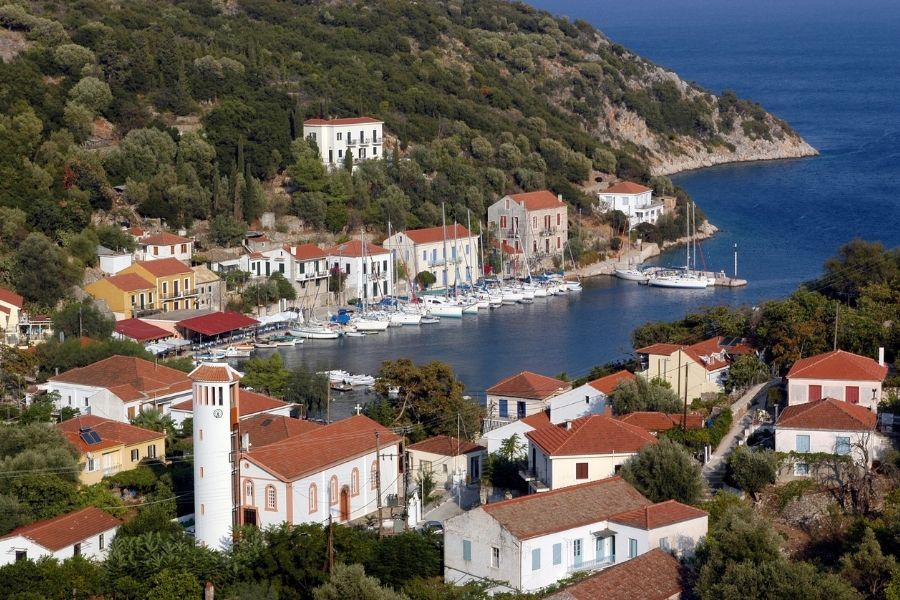
Ithaca doesn’t try to win you over with big, flashy attractions. Instead, it offers these little, authentic moments that stack up until suddenly, you feel like you belong.
That might happen while you’re wandering a creative neighborhood, finding your peace in a quiet park, or just realizing that a place can change your idea of home.
The Essence of Ithaca’s Understated Charm
Ithaca draws you in with its genuine community spirit and authentic character. Visitors feel welcome right away, which is honestly pretty rare.
The city blends small-town warmth with a surprising richness of culture. It’s a place that lets creativity and inclusivity thrive without much effort.
Welcoming Small-Town Spirit
Strolling through downtown, I noticed locals genuinely smiling and waving even if they didn’t know you. The diners pour coffee with a side of conversation, and after a few visits, the staff remembers your order.
Shopkeepers actually chat about local happenings and toss out recommendations like you’re already part of the community. You never really feel like a tourist here.
This welcoming spirit stretches across Tompkins County. People seem to value connection over just ticking off their daily to-do lists.
A few things that really stand out:
- Local businesses focus on personal service.
- Neighbors help newcomers get settled.
- Folks check in on each other when times get tough.
- Public spaces make it easy to strike up a conversation.
Because the city isn’t huge, it’s easy to bump into familiar faces. I started recognizing people in just a few weeks, and that’s not something I’ve found in bigger cities.
A Culture of Authenticity and Inclusivity
Ithaca’s reputation as an enlightened city feels earned, not just hype. People here genuinely accept all backgrounds and lifestyles.
You’ll see diversity celebrated everywhere—through restaurants, festivals, and all sorts of cultural events. Downtown, LGBTQ+ friendly businesses display their pride right in the windows.

Places like the legendary Moosewood Cafe show off the city’s values. Moosewood pioneered vegetarian food and still draws people who want a thoughtful, real dining experience.
What makes Ithaca’s culture feel inclusive?
- Tons of restaurants representing different cultures.
- Open acceptance of all kinds of beliefs and lifestyles.
- Big support for local artists and makers.
- Welcoming spaces for everyone from students to retirees.
This isn’t about putting on a show. The authenticity grows from a real respect for differences and shared values.
Ithaca’s Vibrant Community Atmosphere
Downtown is compact, so you get these natural gathering spots where community just happens. Street art tells local stories, and the weekly farmers market brings neighbors together.
Events pop up all the time—outdoor concerts, art walks, you name it. There’s always something going on.
Cornell and Ithaca College add a spark of intellectual energy, but they don’t overpower the town’s vibe. Students mix in with locals, working in shops and joining in on community stuff.
What gives Ithaca its spark?
- Farmers markets every week with local vendors.
- Festivals and celebrations throughout the year.
- Locals supporting musicians and artists.
- Outdoor spaces that invite people to hang out.
The real magic comes from residents who choose to get involved. People don’t just live here—they participate. That’s what makes the city feel alive.
Soulful Serenity in Nature
Ithaca’s landscape offers a peacefulness that’s tough to describe until you feel it. Dramatic gorges, gentle lakeshores, and hidden parklands create space for your mind to rest.
The waterfalls rush, the trails around Cayuga Lake stay quiet, and the green spaces invite you to just breathe.
Gorges, Waterfalls, and Scenic Trails
The gorges here honestly feel like nature’s cathedrals. Standing at the base of Taughannock Falls, watching water drop 215 feet, I just stood there—mesmerized.
The roar of the falls drowns out all the noise in your head. The mist and echo off the rocks become all you notice.
Buttermilk Falls State Park is a softer experience. Water tumbles down in steps and pools, and you can sit on warm rocks listening to the rhythm for as long as you want.
The Cascadilla Gorge Trail cuts right through downtown. Stone steps run alongside Fall Creek, connecting city life with wild nature in just a few minutes.
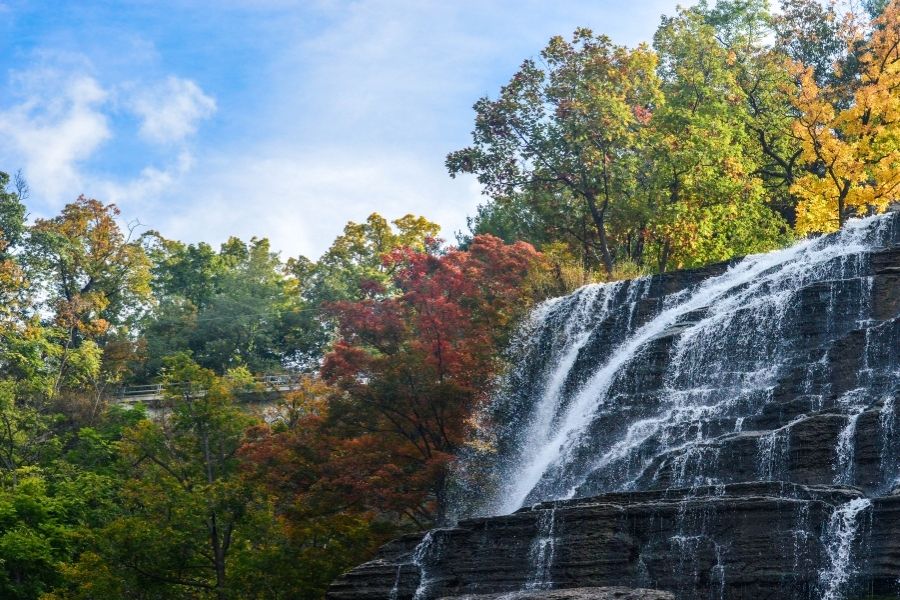
Each gorge has its own mood. Some are loud, some just whisper. The trails let you find your own pace and your own favorite spots.
Cayuga Lake’s Calming Influence
Cayuga Lake—it’s long and narrow, stretching 40 miles through the Finger Lakes. Depending where you stand, it can feel completely different.
Mornings are the best. The water turns into a perfect mirror, reflecting the sky. I’d watch the sunrise paint it in colors that changed every few minutes.
Walking along the shore, you find quiet paths, small beaches, and fishing spots. I loved grabbing a bench and just watching boats drift by.
When storms roll in, the lake transforms. Waves crash, the water shifts from blue to gray to green. Even when it’s wild, Cayuga feels steady—like the region’s anchor.
The lake ties the towns together and shapes the whole landscape.
Parklands and Quiet Green Spaces
Ithaca tucks small parks into all sorts of corners. Stewart Park sits on the lake, with big lawns and old trees where families gather, but somehow it never feels crowded.
Cascadilla Park winds along the creek, shaded by tall trees. Even on hot days, it’s cool and feels miles away from the busy streets.
Buttermilk Falls State Park offers more than just waterfalls—there are trails through forests and meadows, and you can find spots where you won’t see anyone else for hours.
These parks don’t demand your attention. They’re just there, waiting for you to breathe and think.
Some have playgrounds and pavilions, others are just grass and trees. Trails and greenways link them together, so you can walk from downtown to the lake surrounded by nature the whole way.
Downtown Energy and Local Flavor
Downtown Ithaca buzzes with a mix of college-town energy and a dash of small-city sophistication. The pedestrian-friendly commons always has something going on, and the food scene? It’s surprisingly good for a town this size.
The Ithaca Commons Experience
The Ithaca Commons really is the heart of downtown. It’s a pedestrian mall—no cars, just people—stretching across several blocks.
What makes it special?
- Car-free, so you can actually stroll.
- A mix of restaurants and shops, all close together.
- Community events pop up all the time.
- Easy to get to from any neighborhood.
The commons stays lively from morning to night. At lunch, you’ll see office workers grabbing food and students studying outside. By evening, families and couples take over.
It’s kind of like Ithaca’s living room. People run into friends, stop to catch up, and sometimes street performers set up near the fountain.

The variety of food and shops surprised me. Korean for lunch, Italian for dinner, all within a couple blocks. Most places are local, not chains, which I love.
Ithaca Farmers Market Traditions
The Ithaca Farmers Market sits right on the lake in a covered pavilion. Saturday mornings, it’s packed with locals stocking up and visitors just wandering.
About 150 vendors make up this co-op, and they’ve been at it since the 1970s. The market goes year-round, just shifting for the seasons.
Here’s what I found:
- Super fresh produce from 60 local farms.
- Artisan cheeses and dairy.
- Prepared foods from all over the world.
- Local crafts and handmade goods.
The range of food blew me away—I tried dim sum, Persian rice, and fresh ramen all in one morning. Vendors actually know regulars by name, which gives the place a friendly vibe.
There’s a playful side, too. The annual Rutabaga Curl Championship? People literally throw root veggies while a costumed chorus cheers them on. It’s weird and wonderful—totally Ithaca.
Inventive Plant-Based Dining
Moosewood Restaurant was my intro to Ithaca’s vegetarian scene. It’s downtown in The Dewitt Mall—a converted old schoolhouse.
Moosewood’s been around since 1973 and has cranked out 14 bestselling cookbooks. The place feels welcoming, not at all stuffy about its plant-based focus.
They keep things simple: fresh, local ingredients, seasonal menus, and a laid-back atmosphere.
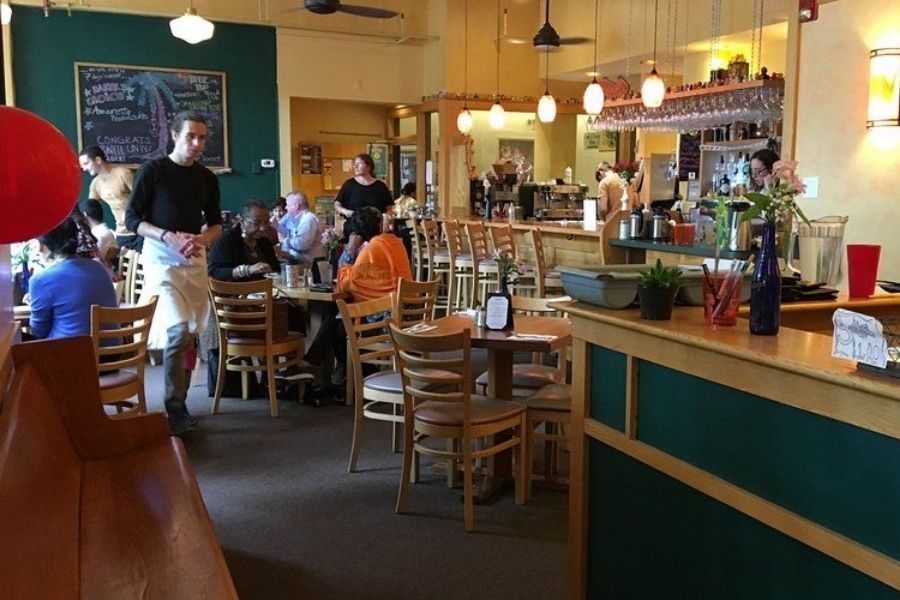
Turns out, Ithaca’s been doing plant-based long before it was cool. Beyond Moosewood, I found plenty of other spots with great vegetarian and vegan options. The college crowd and the local food scene make it easy to eat well, no matter your diet.
Craft Beverage Scene
Ithaca Beer Company sits just outside of downtown. They brew five fresh barrels every week, and their food menu features produce from their own farm.
A couple local favorites:
- Ithaca Beer Co: Farm-to-table eats, big outdoor patio.
- Liquid State Brewing: In the West End, lets you order food from nearby restaurants.
Liquid State Brewing stood out for its community vibe. They actually encourage you to bring in food from other local spots, which keeps small businesses connected.
It’s not just beer, either. I found coffee shops roasting their own beans and cideries using local apples. Each place felt like it belonged here, not like a chain trying to fit in.
Creative and Academic Inspiration
Ithaca pulses with intellectual energy thanks to its world-class universities and a lively arts scene. The city combines Ivy League excellence with accessible, down-to-earth cultural spaces.
Cornell University and Ivy League Influence
Cornell University sits up on the hill, almost like a lighthouse for learning. Even if you’re not a student, walking the campus feels inspiring.
The whole town buzzes because of Cornell. Students and professors fill coffee shops, talking about everything from research to poetry. That energy spills into every corner of downtown.
A few campus highlights:
- Historic buildings from the 1800s.
- Libraries open to the public.
- Public lectures and events.
- The Arts Quad—a favorite student hangout.
The mix of undergrads and grad students creates a unique vibe. I’d overhear conversations about molecular biology and philosophy at the same café table.
Art and Architecture at the Johnson Museum
The Herbert F. Johnson Museum of Art stands out—literally and figuratively. Designed by I.M. Pei, it’s a modern concrete-and-glass building on Cornell’s campus.
Inside, you’ll find Asian art, contemporary pieces, and rotating exhibitions. Admission is free, which makes art accessible to everyone.
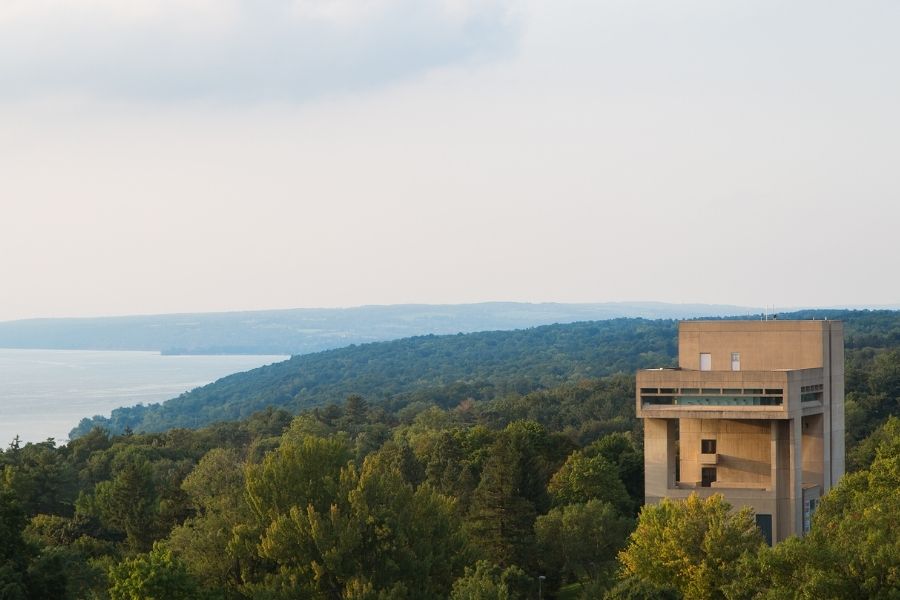
The building itself is a story:
- Designed by I.M. Pei in 1973.
- Five floors of galleries.
- Huge windows with lake views.
- A sculpture court that blends indoors and outdoors.
Smaller galleries in the Commons district showcase up-and-coming artists. These spots give the local creative community space to experiment.
Music and Performance Hubs
Cornell and Ithaca College both bring a ton to the city’s performance scene. I found venues hosting everything—from classical concerts to indie rock.
Ithaca College’s music programs put on performances that honestly rival pros. The student musicians are that good.
Performance spots all over town:
- Bailey Hall for bigger concerts.
- Campus theaters for experimental shows.
- Downtown bars with local bands.
- Outdoor summer festivals in the parks.
The State Theatre downtown is the main stage for touring acts and local productions. It’s a beautifully restored venue that draws crowds of all ages.
Wildlife, Wellness, and Connection to Place
Ithaca’s natural world just pulls you in. There’s something about the way people and place connect here—maybe it’s the top-tier wildlife research, or those outdoor spaces that feel almost healing, or the way the community comes together to celebrate each season.
Conservation isn’t just a buzzword in Ithaca. The city’s wild beauty and commitment to protecting it seem to work hand in hand, nurturing both body and spirit.
The Cornell Lab of Ornithology
The Cornell Lab of Ornithology? Honestly, it’s a must-see if you care even a little about birds (or just want to see what all the fuss is about). This place leads the world in bird research, but it does more than study—it creates ways for everyone to connect with wildlife.
Take eBird. It’s not just an app; it’s a global network. Anyone can report bird sightings, and that info actually helps with climate change research. I caught myself opening it constantly during lakeside strolls, hoping to spot something rare.

Then there’s Sapsucker Woods. The trails wind through peaceful forest, and the observation decks are perfect for slowing down. I started noticing details I’d usually miss—little flashes of color, quiet bird calls, the way sunlight filters through the leaves.
Researchers here get hands-on with climate change, tracking migration and habitat shifts that ripple across the Finger Lakes and way beyond.
Healing Power of the Outdoors
If you’ve ever needed a reset, Ithaca’s outdoors delivers. The gorges and waterfalls aren’t just for Instagram—they actually help you breathe easier, think clearer.
Buttermilk Falls ended up being my favorite spot for quiet reflection. I’d just sit on the grass, listening to the falls, letting the noise of the day fade out. Supposedly, those negative ions from waterfalls really do boost your mood. I can’t argue with that.
Cayuga Lake is a year-round wellness playground:
- Summer swims in crisp, cool water
- Slow walks along the shore
- Winter brings wild ice formations—perfect for just standing and thinking
- Early mornings? The sunrise from the hills is unreal
Trails crisscross the city, connecting downtown coffee shops to wild forests in minutes. I loved grabbing a coffee and heading straight into the woods, drink still warm in my hand.
Year-Round Festivals and Celebrations
Ithaca knows how to throw a festival. These aren’t just parties—they’re ways the community comes together, celebrating nature and each other in a way that feels genuine.
Seasonal celebrations keep pace with the changing landscape:
- Spring brings wildflower festivals
- Summer means lakeside concerts
- Fall is all about harvest at local farms
- Winter solstice? There’s always a gathering
The Commons area buzzes with art and nature-inspired events. Local galleries fill with work that captures the gorges and lakes.
Community festivals often spotlight environmental stewardship. You’ll find plenty of education about the Cayuga Nation’s deep roots here and the ongoing work to protect this land.
Joining these celebrations, I realized that feeling at home in Ithaca means embracing the rhythm of the seasons and showing up for community moments.
Frequently Asked Questions
Why does a place like Ithaca feel so much like home? Turns out, there’s real psychology behind it. Theories about happiness and belonging help explain why certain places just click for people.
What are the fundamental principles of positive psychology?
Positive psychology flips the script—it focuses on what makes life feel good, not just what goes wrong.
The field looks at three big areas: positive emotions, character strengths, and healthy institutions.
Martin Seligman, a big name here, mapped out five core elements: positive emotions, engagement, relationships, meaning, and achievement. This is the PERMA model.
Researchers want to know what helps people thrive. They study things like resilience, optimism, and satisfaction with life. It’s all about human flourishing.
How does the concept of flourishing relate to personal happiness and well-being?
Flourishing isn’t just feeling happy for a minute—it’s living your best life, every day.
When I’m flourishing, I find both joy and meaning in what I do. I feel connected to others and genuinely engaged.
Flourishing covers psychological and social well-being. It’s about purpose, growing as a person, and positive relationships.
People who flourish tend to be more satisfied with life. They’re also usually more optimistic and emotionally steady.
Who is considered the founder of positive psychology and what is their most notable contribution?
Martin Seligman kicked off positive psychology in 1998, back when he was president of the American Psychological Association.
His big idea? The PERMA model—a framework for understanding well-being and happiness.
Seligman steered psychology away from just treating illness and toward studying what helps people thrive.
He also came up with learned optimism. This idea shows that people can actually train themselves to think more positively—and it really can change lives.
Can you list the key components that contribute to an individual’s happiness according to positive psychology?
The PERMA model breaks happiness down into five pieces. Positive emotions like joy and gratitude start things off.
Engagement is all about losing yourself in activities that fit your skills—think flow states.
Relationships matter a lot. Strong social connections give happiness a serious boost.
Meaning comes from being part of something bigger than yourself—family, work, or community all count.
Achievement is about setting goals and reaching them. Success in areas that matter to you increases satisfaction.
How do positive interventions influence an individual’s sense of belonging and serenity?
Positive interventions are simple activities that lift your well-being. They help you feel more connected to others.
Gratitude exercises, like writing thank-you notes, build stronger relationships.
Acts of kindness lift the spirits of both the giver and the receiver. These small moments create community bonds.
Mindfulness helps you stay present and calm. It’s a great way to ease anxiety.
Knowing your strengths makes it easier to find your people. Using those strengths in social settings helps you feel like you belong.
In what ways has the field of happiness theory evolved within the study of psychology?
Back in the early days, psychology mostly zoomed in on mental illness and what went wrong in our minds. Honestly, hardly anyone bothered to ask about happiness or treat it as a serious scientific question.
But then the 1960s rolled around, and things started to shift. Humanistic psychology came onto the scene, bringing ideas like self-actualization. Abraham Maslow, for example, got really interested in those rare, amazing peak experiences and what humans could truly become.
Fast forward to the late 1990s, and positive psychology started to make some noise. Researchers finally gave happiness and well-being a seat at the research table.
These days, happiness theory digs into neuroscience, too. Scientists use brain imaging to figure out the biological roots of positive emotions—pretty wild, right?
Now, researchers are looking at how happiness shows up in different cultures. They’re also asking how our surroundings and communities shape our sense of well-being.
