
When I walked through the ancient stone archway of Patras’ Roman Odeon, the weight of history pressed down on me. This 1st-century AD amphitheater isn’t just another archaeological site in Greece—it’s a living testament to the deep influence Roman culture had on Greek cities.
The Roman Odeon is one of Greece’s best-preserved ancient performance spaces. Art and politics once merged here, honoring both Greek theatrical traditions and Roman imperial power.
Honestly, I didn’t expect to feel so moved by a place most tourists skip over. The semicircular rows of stone seats, still standing after nearly 2,000 years, rise up toward the sky.
As I sat there, I tried to imagine the echoes of ancient orators and performers, much like Cicero and other Roman luminaries who supported similar institutions across Greece.
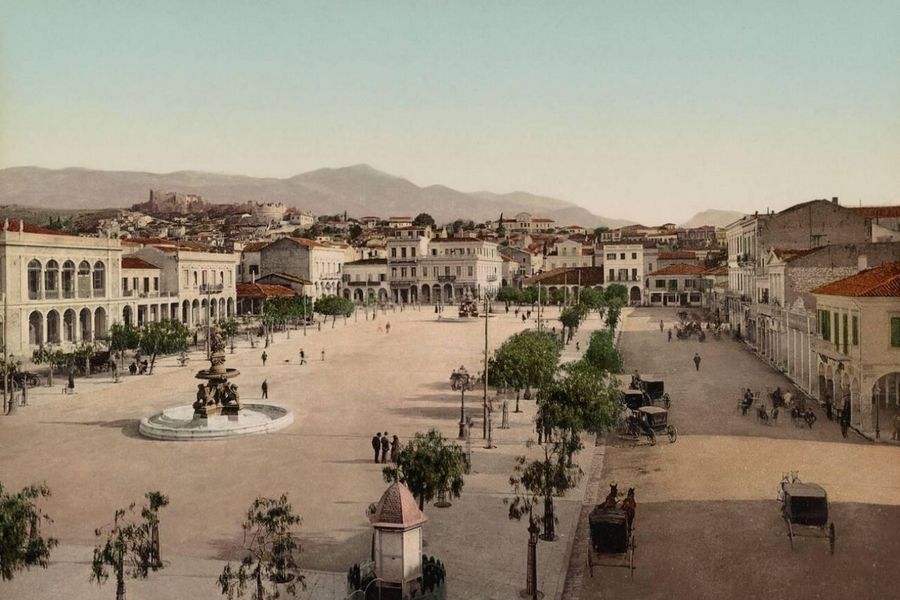
The way this Roman structure connects to ancient Greek theatrical traditions tells a fascinating story of cultural exchange. Greeks invented theater to entertain, educate, and preserve tradition through storytelling.
Then the Romans built this magnificent odeon, adapting Greek culture but making the space their own. Alone at sunset, watching golden light spill over weathered stone, I realized this hidden gem deserves far more attention.
The Timeless Echoes of Patras’ Roman Odeon
The Roman Odeon in Patras connects ancient Rome’s influence with modern Greek culture. Even now, performances take place here just as they did centuries ago.
A Hidden Gem Beyond Athens
Athens usually gets all the attention, but Patras hides one of Greece’s most impressive Roman structures. I stumbled across this ancient theater by accident while wandering through Greece’s third-largest city.
Built in the 1st century AD, the Roman Odeon hosted music and theater in antiquity. What really surprised me was how well-preserved it is, considering it lay buried for centuries.
Unlike the crowded sites in Athens, here I sat alone on ancient stone seats, picturing performances from two millennia ago. The quiet gave me space to notice details I’d miss at busier places.
The acoustics blew me away—I whispered at the center and heard my voice reach the upper tiers.
Unraveling The Layers of Greek History
The Odeon fascinates me because it represents the layering of Greek history. It tells a story that goes beyond the Roman period.
After its glory days, earthquakes and wars buried the Odeon. Over time, a small hill formed as new buildings rose above it.
For generations, locals walked over this hidden treasure, unaware of what lay beneath. Only in the early 20th century did archaeologists uncover it.
Restorers worked carefully, balancing preservation with practical use. The site connects Bronze Age foundations, Roman engineering, and Byzantine touches.
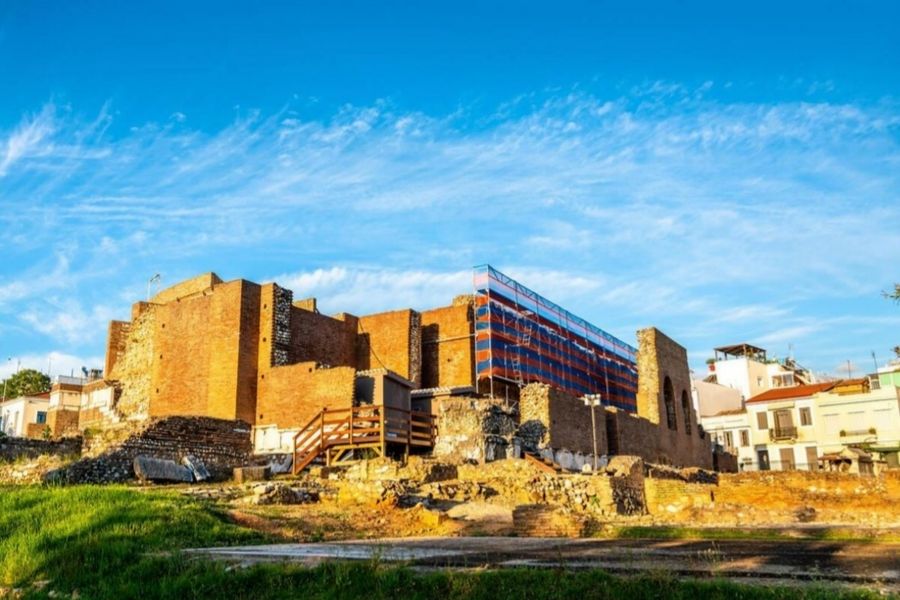
Each stone holds a piece of Greece’s complex journey from ancient times through occupation to modern revival. The Odeon proves Patras was a cultural center in its own right.
Why The Roman Odeon Resonated Personally
Standing in this ancient space, I felt a connection that crossed centuries. Performances here 2,000 years ago aimed to move audiences, just like today’s shows.
Now, the Odeon hosts modern concerts and plays, carrying on its original purpose. During a summer festival, I sat where Romans once sat, hearing music under the same stars.
What really got me was realizing how this place survived so many conflicts, disasters, and empires. It shows human resilience and our need for artistic expression.
If you want a real connection to ancient Greek history, this place offers something rare—a living monument still doing what it was built for.
The Roman Odeon made me see how places can keep their soul across millennia. In a world that changes so fast, that kind of continuity feels precious.
Architectural Marvels and Modern Discoveries
Patras’ Roman Odeon showcases ancient engineering brilliance and cultural exchange. Its preserved structure reveals layers of history that connect Greek and Roman traditions in ways I didn’t expect.
Restoration Stories and Preservation Efforts
Walking through the Odeon now, it’s wild to think this place once lay forgotten under layers of earth. Restoration started in the 1960s, kind of like that story in Turkey where someone found an ancient city during a home renovation.
Workers numbered each original stone, removed it, cleaned it, and put it right back in place. This careful process kept the authentic character while making the venue usable again.
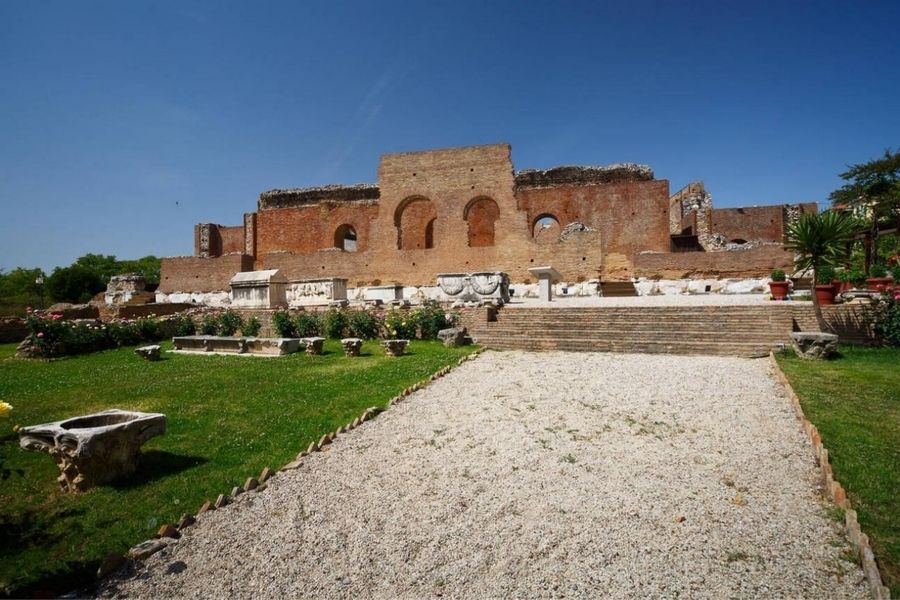
I loved learning that the Odeon now hosts regular performances. The acoustics are still amazing—a whisper from the stage carries to the upper seats. It really shows how preservation and modern use can work together.
Design Roots: From Pagan Greeks To Romans
The Odeon’s architecture tells a story of cultural transition. Built in the 1st century AD, it reflects the Roman adoption of Greek design principles.
As I explored the semicircular seating, I noticed the Romans kept Greek harmony but added their own practical touches. They used arches and vaults—things you don’t often see in older Greek buildings.
You can spot Pagan Greek influence in the marble carvings. They blend Greek and Roman deities, showing how religious practices merged after the Macedonian conquests and migrations.
Comparing the Odeon and the Parthenon
The Odeon and the Parthenon each reflect their civilization’s priorities. The Parthenon, with its perfect proportions and optical illusions, is all about Greek idealism and devotion.
The Odeon, though, shows Roman practicality. When I visited both, I saw how the Romans focused on function—creating spaces for entertainment and civic gatherings instead of just religious use.
The materials are different, too. The Parthenon’s Pentelic marble glows, while the Odeon uses a mix of local stone and Roman concrete. That concrete—cutting-edge for its time—let the Romans build the arched ceilings that give the Odeon its famous acoustics.
Even with all these differences, both buildings have lasted for centuries. That’s a testament to the engineering genius of the ancient Mediterranean.
Echoes of Art: Performances Through the Ages
The Roman Odeon of Patras has hosted all kinds of artistic expression over the centuries. This ancient space still brings performances to life, connecting us with both past and present.
Ancient Poetry and Philosophy On Stage
I arrived at the Odeon just as the sun set, golden light spilling across the stones. A group of actors performed scenes from Sophocles’ tragedies.
Their voices echoed through the space, just like they would have centuries ago. The acoustics let even whispered lines reach the back rows.
During summer festivals, I’ve seen performers recite Aristotle and Plato, bringing ancient wisdom to life. The Romans designed this place for poetic recitation and debate.
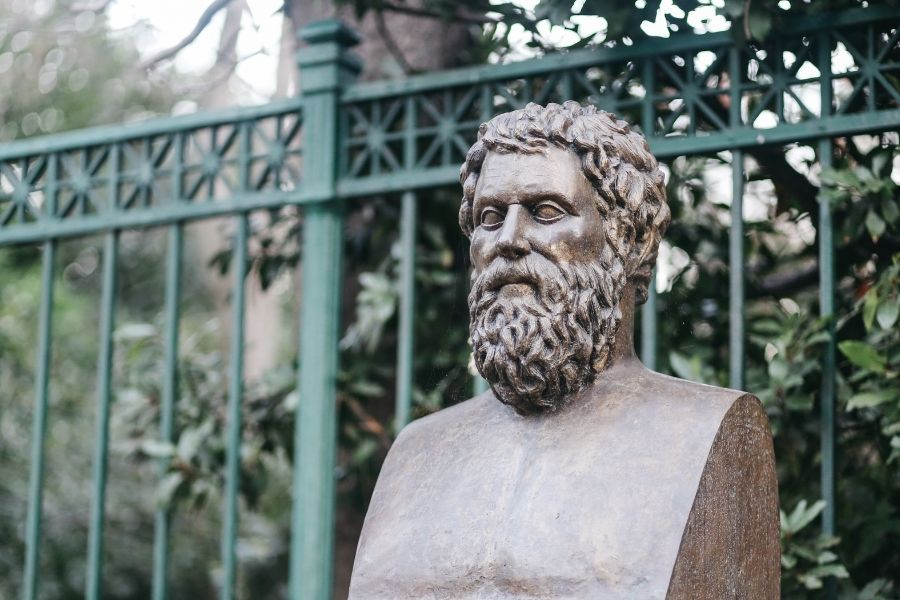
The semi-circular seating creates an intimate vibe where ideas flow between performers and audience.
Modern-Day Performing Arts and Popular Music
Today, the Odeon hosts all sorts of concerts and shows. Last night, I caught a folk music performance blending traditional Greek instruments with modern sounds.
The summer concert series brings in local and international musicians. Jazz, opera, rock—you name it, the ancient stones give exceptional acoustics for every genre.
What makes these events so special is the mix of modern sound and ancient setting. I watched people’s faces light up as contemporary music filled a space that’s echoed with performances for nearly 2,000 years.
During festival season, the Odeon becomes the heart of Patras’ cultural life. Tickets go fast, so book ahead if you can.
Cinematography, Storytelling, and Greek Cinema
On warm summer nights, the Odeon transforms into an open-air cinema. I watched a set of short films by up-and-coming Greek filmmakers, their stories made even more powerful by the historic backdrop.
Film festivals here show both classic Greek cinema and new works. The ancient stones create a screening environment that links modern filmmaking with old theatrical traditions.
Local storytellers often share legends and myths between screenings. These oral traditions feel especially moving in a space built for performance.
Some acclaimed directors have filmed at the Odeon. Its unique look pops up in both art house and mainstream Greek movies, making it a favorite for film fans.
The Spirit of Community: People, Democracy, and Social Change
The ancient stones of Patras’ Roman Odeon have seen centuries of social transformation. From democratic gatherings to religious shifts and humanitarian moments, traces of community life linger in this structure that was always more than just a stage.
Democracy, Migration, and The Odeon’s Role
When I first visited, the Odeon reminded me of Athens’ democratic spaces. But Patras developed its own mix of Greek ideals and Roman influence.
The semi-circular design wasn’t just for sound—it encouraged equal participation and visibility. During Roman times, migrants from all over the Mediterranean settled in Patras, bringing their own traditions.
The Odeon became their meeting place, hosting debates on civic issues. When democracy faced trouble, citizens gathered here to speak out.
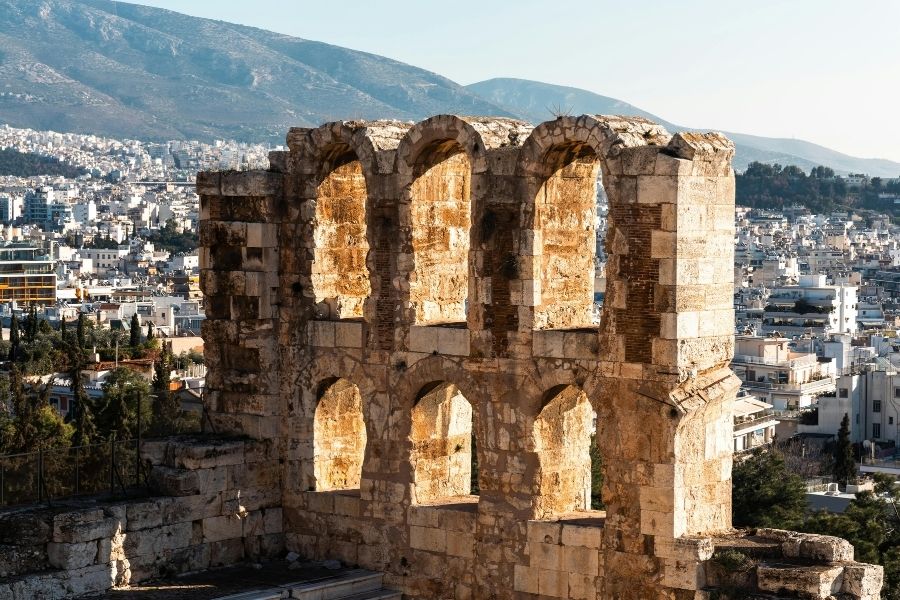
It worked like an ancient town hall, where different voices could be heard, no matter their status. For its time, that was pretty radical.
Christians, Minorities, and Social Meltdown
Walking through the restored arches, I could almost hear the heated debates from when Christianity was spreading. Patras went through real religious tension during that shift.
St. Andrew’s martyrdom here changed local history. Christian communities grew from a persecuted minority to the majority.
The Odeon, once a place for pagan festivals, witnessed this dramatic change. Jewish, Egyptian, and Syrian minorities kept their traditions even under pressure to blend in.
They found ways to join civic life while holding onto their identities. During social unrest—those “meltdowns” historians talk about—minorities often suffered most.
I was genuinely moved learning how these groups built alliances to help Patras through hard times. Their resilience shaped the city’s tolerant character, which still exists today.
Dancing, First Steps, and Humanitarian Moments
The Odeon wasn’t just about politics and religion—it celebrated life. Ancient dance competitions brought everyone together, breaking down social barriers.
I watched a reenactment and felt like I’d been transported back in time. Children took their first public steps here during civic ceremonies, marking their entry into the community.
Family traditions and civic duty merged in these moments. Patras became known for humanitarian efforts during crises.
The Odeon hosted fundraising events for earthquake victims and refugees throughout its history. This continues today—last year, a humanitarian award ceremony honored locals who rescued migrants from a capsized boat.
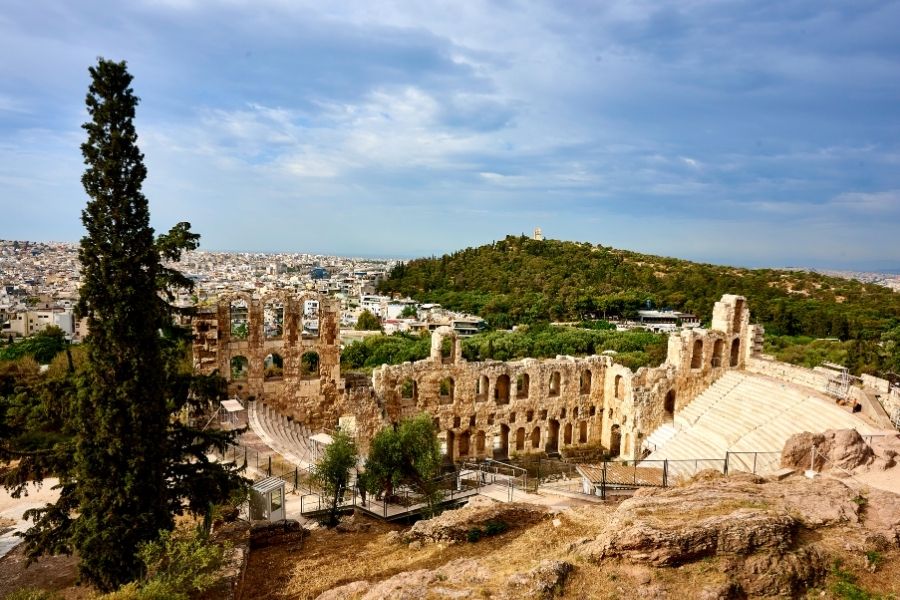
When I joined a community dance workshop in the restored section, I finally understood why this place matters. It’s not just about old stones—it’s about keeping the spirit of community alive.
Personal Journeys: Reflections, Narrative History, and Autobiography
Standing among the ancient stones of Patras’ Roman Odeon, I connected with history in ways that went far beyond typical tourism. My experiences there became personal, weaving into my own story and changing how I see both ancient sites and my place in the world.
My Life and The Odeon’s Lasting Impact
The first time I visited Patras’ Roman Odeon, the acoustics stunned me. Even a whisper carried across the theater.
That unexpected connection to the past changed how I approach historic sites. My background in classical studies never prepared me for the emotional punch of standing where Romans once gathered.
The Odeon became a touchstone—a place I return to in my mind whenever I need creative inspiration. On my third visit in early 2024, I met an elderly local who shared stories passed down through his family.
His perspective added depth no guidebook could offer. The Odeon has shaped my writing and my appreciation for preservation.
It reminds me that ancient spaces aren’t just artifacts—they’re living links to our shared human experience.
Travel Inspiration and Balkan Peninsula Adventures
I started out thinking I’d just take a short vacation, but my trip to Patras ended up kicking off a three-month trek across the Balkan Peninsula. Honestly, the region’s tangled history and wild mix of cultures just drew me in.
Greece pulled me in first, and Patras—well, that city surprised me. After that, I headed north through Albania, Montenegro, and Croatia, trying to stick to old Roman roads whenever I could.
You can really see the difference between places like Patras’ Odeon, which locals have kept in great shape, and some of the ruins off the beaten path that nature has mostly taken back. It makes you wonder how people decide what’s worth saving, or how tourism changes those choices.
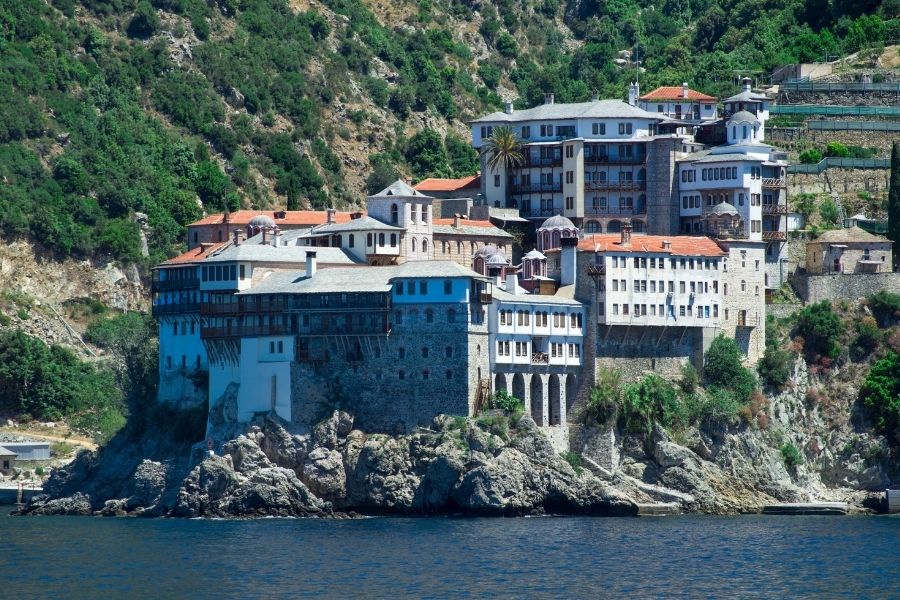
I traveled in April and May, which seemed like the sweet spot—good weather, barely any crowds. Despite what I’d read online, I found the local buses worked just fine.
Staying in family-run guesthouses made the whole thing feel more real. I got to know people and see a side of the Balkans I’d have missed otherwise.
Must-visit sites near Patras:
- Ancient Olympia (90-minute drive)
- Rio-Antirrio Bridge (stunning engineering marvel)
- Castle of Patras (panoramic views of the city)
Encounters with Chronic History and Military Service
Years ago, my time in the military took me to Greece for a short stint. I never managed to reach Patras back then.
Coming back as a civilian changed everything. I could finally see the country without the filter of orders and routines.
I remember sitting in the Odeon, thinking about this idea of “chronic history” that Roderick Beaton talks about. It hit me hard—time here felt both stacked up and stretched out, with old and new brushing up against each other in ways that just made sense.
During my service, I learned to notice Patras’s strategic importance. The city sits right between East and West, which honestly explains why the Romans bothered to build such grand things here.
Some local veterans told me how, during WWII, people used the Odeon as a secret meeting spot for the resistance. Hearing those stories, I could almost feel the weight of all those years layered together. It left me with a real sense that this place has always mattered, in ways that go way beyond just bricks and ruins.
