
Spring in America, honestly, feels like a secret the country can’t keep. One minute, you’re trudging through gray slush or staring at bare branches, and then—bam—everything’s awake and humming.
I love how spring cracks open the landscapes. Suddenly, cherry blossoms in Washington D.C. rain down petals on joggers, wildflower fields explode in Texas, and Arizona’s desert heat chills out just enough to make hiking actually fun.
But it’s not just the scenery. Spring changes the way we connect with nature. Maple sugaring in Vermont? It’s a thing. Desert blooms in Joshua Tree? Unreal. Tennessee’s azaleas and Florida’s turquoise springs each have their own spring mood, and it’s wild how different they feel.
Spring also brings out the best in people. Communities get together for festivals, cherry blossom parties, and all kinds of local celebrations. There’s this sense of renewal everywhere—like everyone’s ready to come out of hibernation and enjoy what makes their region unique.
The Transformative Effects of Spring on Mind and Body
Spring doesn’t just look good—it actually rewires us. More sun, longer days, and a shot of vitamin D? That’s a recipe for feeling better, inside and out.
The Science of Seasonal Positivity
When spring shows up, our brains notice. Sunlight ramps up serotonin, which is basically nature’s happiness booster.
I read that serotonin jumps by about 15-20% in spring. That means less anxiety, more calm, and a general sense that things are looking up.
Cortisol, the stress hormone, drops. Sleep gets easier. I swear, my brain feels sharper after a few sunny days.
Longer daylight hours reset our internal clocks. After months of winter, suddenly I’m waking up before my alarm and not dragging through the day.
Just 20 minutes outside can drop your stress levels. I’ve felt it myself—sometimes all it takes is a walk in the park to shake off a bad mood.
Boosting Health With Vitamin D and Outdoor Activity
Spring sunlight is magic for vitamin D. After winter, I crave that first real sun on my skin.
Ten to fifteen minutes outside is usually enough for most people. Those with fair skin might need even less, while darker skin needs a bit more.
Vitamin D does a lot: it strengthens bones, keeps the immune system humming, and even helps with mood. I notice I just feel sturdier after a week of springtime walks.
Spring weather lures me outside for walking, hiking, or even just pulling weeds in the garden. Physical activity plus sunshine? That’s a double win for mood and energy.
Endorphins from moving around combine with vitamin D to make you feel genuinely happier. Sure, allergies might hit, but honestly, the benefits outweigh a few sneezes for most folks.

Why Longer Daylight Hours Improve Energy
More daylight changes everything. I find myself with extra energy, even if I didn’t sleep more.
Spring days get longer by a couple of minutes each day. That slow stretch helps my body adjust naturally.
Melatonin, which makes you sleepy, drops off. I feel more alert, and my appetite and metabolism seem to wake up too.
I get more done in spring. Studies say people accomplish about 20% more tasks during these longer days. Maybe it’s the light, maybe it’s the mood, or maybe it’s just the excitement of a new season.
Morning sunlight is especially helpful. A 15-minute walk after breakfast can set the tone for the whole day.
Nature’s Spectacle: How Spring Blooms Across America
Spring in America feels like living inside a painting. Wildflowers burst open, trees leaf out, and animals come out of hiding. Every region puts on its own show.
Blossom and Wildflower Displays
I’ve chased cherry blossoms in D.C. and wandered through California’s poppy fields. The color is unreal.
Desert cacti in Arizona bloom in wild reds and yellows, usually in April and May. You’d never guess the desert could look so lively.
In the eastern forests, spring wildflowers pop up before the trees leaf out. Bloodroot, trout lily, trillium—they’re here and gone in a flash.
Top Wildflower Hotspots:
- Great Smoky Mountains: Blooms from March to June
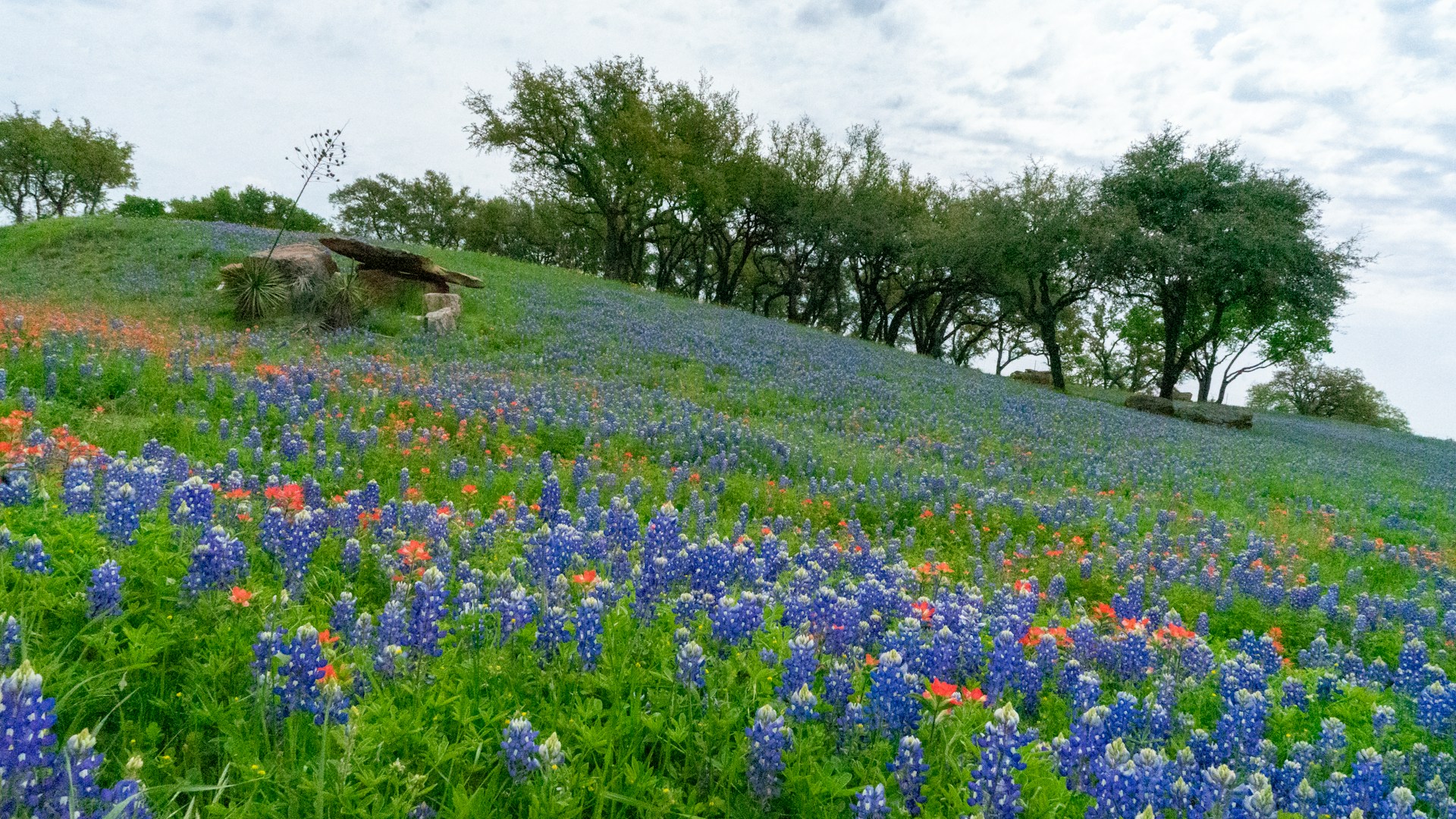
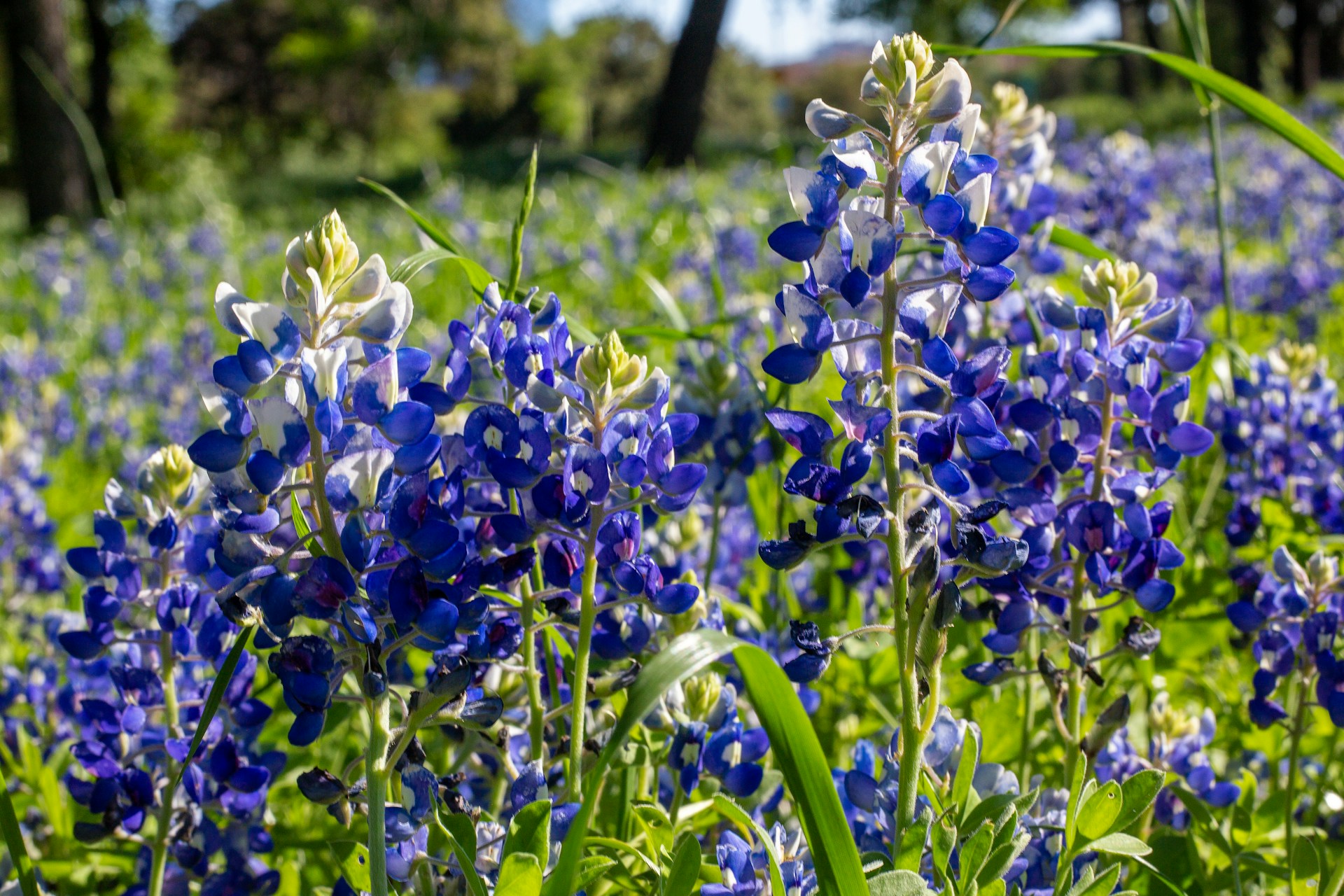
- Texas Hill Country: Bluebonnets peak in April
- California deserts: Wildflowers from February to May
- Northeast forests: April and May are best
Mountains keep the show going. As you climb higher, blooms arrive later, so you can chase spring for months if you want.
Awakening Wildlife and Baby Animals
Spring means baby animals everywhere. I’ve stumbled across fawns wobbling after their moms and watched ground squirrels dart around with their young.
Meadows are alive with rabbits, prairie dogs, and even baby foxes playing outside their dens. Bears come out with cubs, and deer give birth to fawns in late spring.
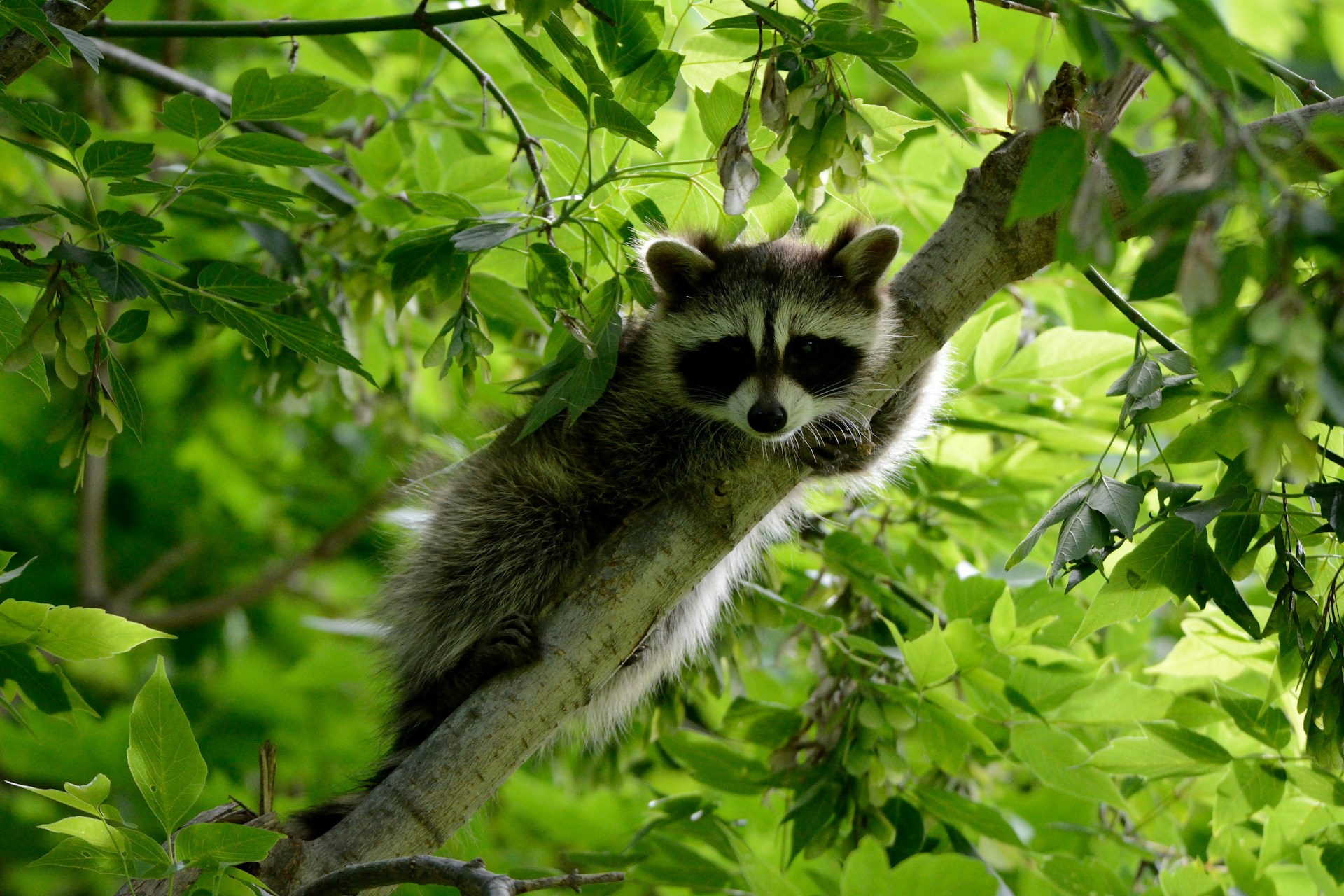
Urban parks aren’t left out—raccoons, opossums, and birds all raise their young right in the city.
Migratory Birds and Seasonal Changes
Spring migration is a spectacle. Millions of birds return, filling the air with song.
Warblers show up first, then hummingbirds, then swallows building nests under bridges and eaves.
Major Bird Highways:
- Pacific Flyway: Alaska to South America
- Central Flyway: Canada through the Plains
- Mississippi Flyway: Canada to the Gulf
- Atlantic Flyway: Arctic to the Caribbean
April and May are peak months. Wetlands become pit stops for ducks, geese, and shorebirds before they head north.

The Role of Photosynthesis in Spring Renewal
Photosynthesis powers spring’s green explosion. More sunlight means plants wake up and start cranking out energy.
Trees push out new leaves, turning everything that fresh, almost neon green. Plants use stored energy from winter and the boost of sunlight to grow fast.
Photosynthesis Perks:
- More oxygen in the air
- More carbon dioxide absorbed
- Faster plant growth
- Stronger food webs
All that green feeds herbivores, which in turn feed predators. The whole ecosystem feels like it’s in overdrive.

Regional Wonders: Why Spring Feels Magical in Every Area
Every part of America has its own spring magic. Snow melts in the mountains, wildflowers take over meadows, and southern gardens explode with color. Travelers flock to these places as each region puts its unique stamp on the season.
Spring in Northern and Mountain States
Up north, spring feels like a miracle after months of snow and ice. It usually hits in May, but when it does, wow.
Mountains put on a real show. Snow lingers on the peaks while valleys fill with wildflowers. The contrast—white summits above green fields—is one of my favorite sights.
Great Lakes states warm up slowly. Ice cracks on the water, forests turn green, and Michigan’s tulip festivals draw crowds for a reason.
New England does spring in classic style. Maple trees go from syrup taps to bright green canopies. Apple orchards burst into pink and white blossoms.
Trails open up, and people head outside again. Bears wake up, birds return, and everything feels new.

Southern Charm: Color and Warmth
The South gets a head start—sometimes as early as February. Warm weather and long growing seasons mean months of blooms.
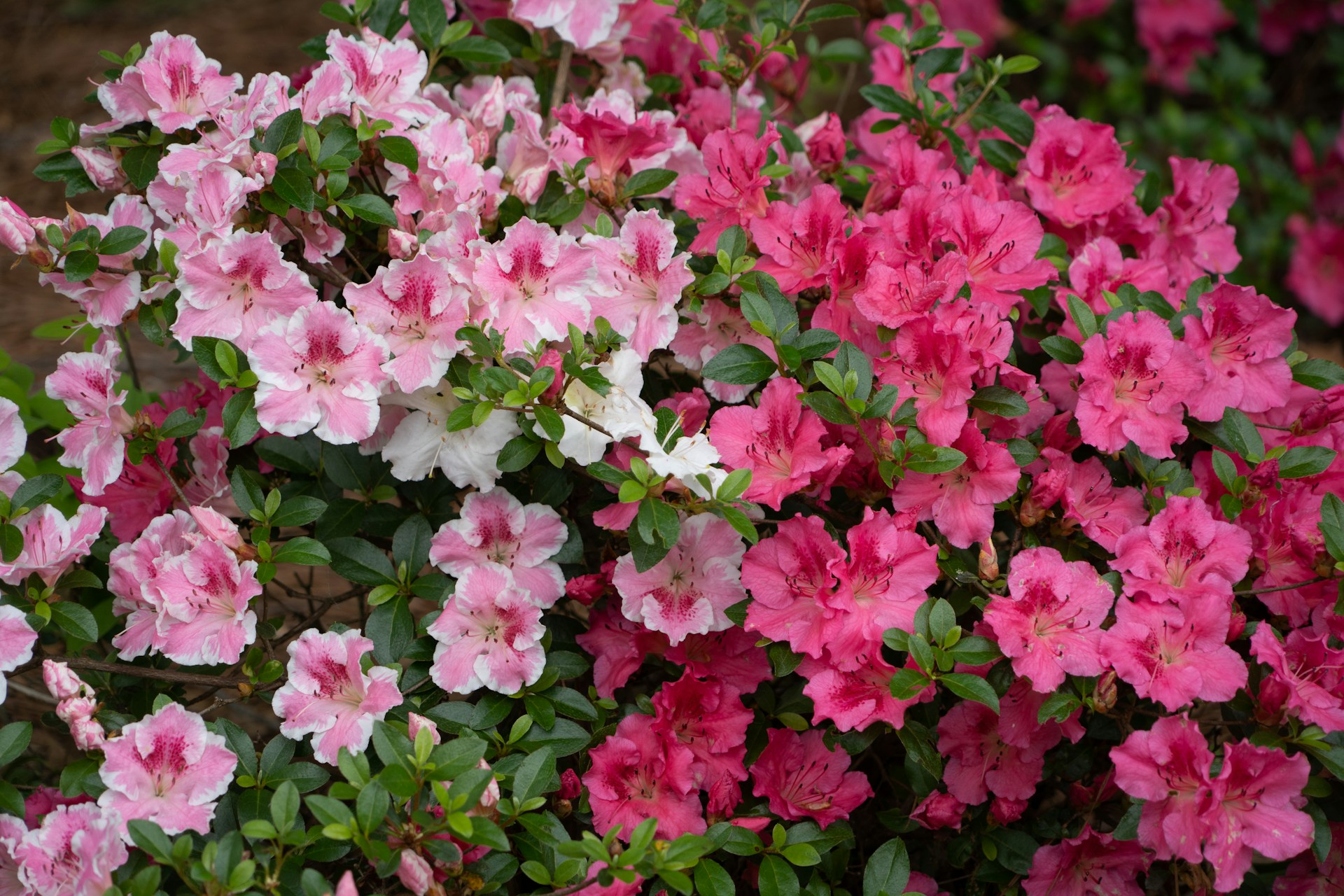
Azaleas and dogwoods light up cities like Savannah and Charleston. Historic homes look even better framed by pink and white flowers.
Wildflowers don’t quit. Texas bluebonnets blanket fields in April. Louisiana iris bloom in the swamps. Florida’s springs stay warm enough for swimming, and manatees come in for a visit.
Outdoor dining and festivals take over. Jazz, gardens, food—spring is when the South really shines.
Farmers markets overflow with fresh produce, and suddenly everyone’s grilling outside again.
Coastal Delights: Beaches and Blooms
Coastal regions balance ocean breezes with land blooms. Spring brings perfect beach days before the summer rush.
On the Pacific, California poppies color the cliffs while whales migrate offshore. You can hike, hit the beach, and spot wildflowers all in a single day.
Atlantic beaches warm up slowly, which means fewer crowds and lower prices. Sea turtles start nesting along the southern coasts.
Coastal gardens thrive with salt-tolerant plants. Beach roses and sea lavender add a special touch.
Ocean temps stay cool, but beach walks and seafood feasts are in season. Restaurants serve up fresh catches, and the vibe is relaxed.

Urban Springtime: Parks and Cultural Festivals
Cities wake up in spring. Parks turn green, and everyone heads outside.
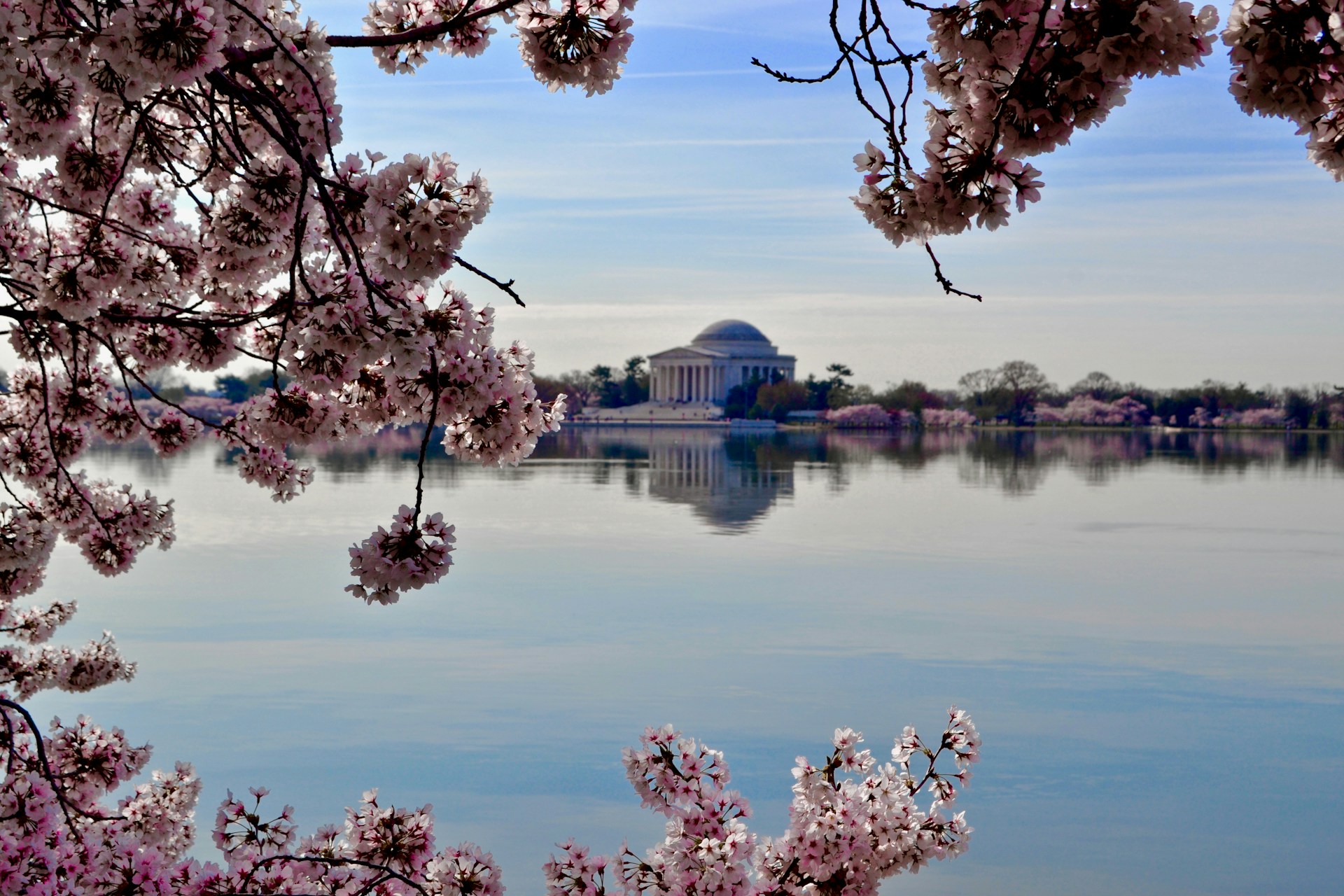
Cherry blossoms in D.C. are legendary. The National Cherry Blossom Festival packs the city with parades and events.
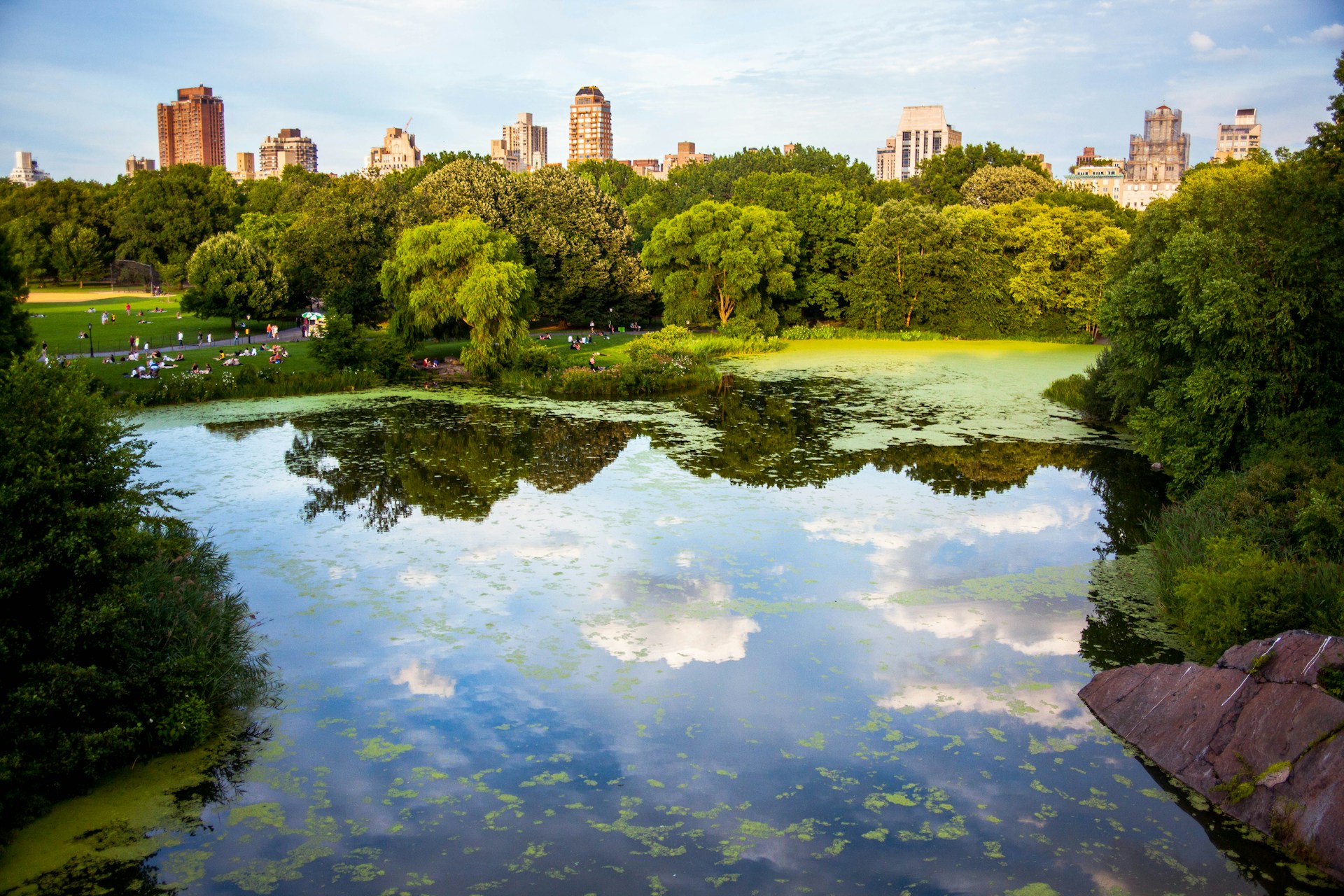
Central Park in New York fills with picnics, street performers, and a sense of possibility. Golden Gate Park hosts outdoor concerts and art shows.
Museums and theaters take things outside. Food festivals pop up everywhere, and rooftop dining finally returns.
Community gardens and urban farms bloom. Even in the middle of the city, you can feel spring’s renewal.
Walking tours and bike rentals become way more appealing. Exploring on foot just feels right when the weather’s this good.
The Cultural Heartbeat of Spring: Art, Traditions, and Celebrations
Spring stirs America’s creative side. Easter, art shows, and neighborhood festivals fill calendars. There’s something about the season that brings people together—not just for the weather, but to celebrate, create, and connect.
Easter and Springtime Rituals Across America
Easter has always felt like the heartbeat of spring in the U.S. You’ll see churches everywhere throwing special services, mixing old traditions with that hopeful feeling of new beginnings.
Local parks buzz with Easter egg hunts. Kids dash around, baskets in hand, searching for those bright eggs. Meanwhile, families sprawl out on blankets, soaking up sun under trees just starting to bloom.
Traditional Easter Activities:
- Egg decorating workshops (so much dye on little fingers)
- Palm Sunday processions
- Good Friday services
- Easter sunrise gatherings
Down South, Easter often blends right into lively spring festivals. Towns in Georgia or South Carolina put on events with both heartfelt ceremonies and craft booths that spill into the streets.
Native American tribes, like the Cherokee, celebrate spring with dances honoring the return of growing seasons. There’s something powerful about those rhythms echoing through the hills.
Spring cleaning also takes center stage in many homes. It’s a ritual that ties spiritual renewal to the simple satisfaction of flinging open windows and getting rid of winter’s dust.

Spring’s Influence on Art and Literature
Spring just seems to nudge artists and writers into action. Museums roll out exhibitions that burst with color and life, especially in March and April.
The old Hudson River School painters? They captured spring’s wild energy in sweeping American landscapes. Their legacy still shapes how we look at rolling hills and blossoming trees.
Popular Spring Art Themes:
- Cherry blossoms in Washington D.C.
- Wildflower meadows across Texas
- California’s bright coastal scenes
- Mountain blooms up in Colorado
Poetry readings pop up everywhere this time of year. Local writers gather at libraries, sharing verses inspired by the scent of rain or the first daffodils.
Art schools move classes outside as soon as the weather lets them. Students rush to paint the fleeting colors of new growth before they change again.
Photography clubs love spring. They organize outings to snap gardens exploding with color and flocks of birds winging north.

Community Events and Local Festivities
Spring festivals seem to sprout overnight as the air warms up. These celebrations bring folks together and shake off the last of winter’s chill.
Cherry blossom festivals aren’t just a D.C. thing. Portland and San Francisco both throw huge parties, complete with food trucks and bands playing under a canopy of pink petals.
Common Spring Festival Features:
- Food trucks serving up seasonal treats
- Live music that gets everyone moving
- Arts and crafts stalls bursting with handmade finds
- Children’s games and activities tucked into every corner
Small towns love to plan their biggest events for spring weekends. Main streets fill with vendors selling everything from fresh honey to quirky art.
Garden tours? They’re a spring staple. Locals open their yards, showing off tulips and landscaping projects they’re just a little too proud of.
Farmers markets come alive again. Growers bring in the first strawberries and greens, and the whole place turns into a hub for catching up with friends you haven’t seen since fall.
Cities often pull together volunteers for street cleanups. It’s a hands-on way to get public spaces ready for the season’s outdoor adventures.

Global Connections and Inspirations in Spring
Spring’s arrival doesn’t care about borders. The equinox, that perfect balance of day and night, sparks celebrations everywhere—from ancient rituals to wild modern festivals. India’s Holi, for example, turns the world into a riot of color and laughter, showing just how infectious spring’s energy can be. You can see more about these joyous cultural expressions around the globe.
How the Spring Equinox Shapes Cultural Celebrations
The spring equinox lands around March 20th, when day and night finally call a truce. I’ve always found it fascinating how so many cultures use this moment as their official start to spring.
Ancient people even built monuments to track the equinox—imagine waiting all winter just to see sunlight line up perfectly with a stone doorway.
Key Cultural Responses to the Equinox:
- Persian Nowruz – A 13-day New Year celebration full of feasts and visits
- Japanese Hanami – Cherry blossom viewing picnics that feel almost magical
- Celtic Ostara – Ceremonies for fertility and fresh starts
- Mayan festivals – Blessings for the coming harvest
The equinox seems to spark a shared rhythm in people everywhere. There’s a shift in the air, and everyone feels it, whether they’re in a city or out in the countryside.
Many major holidays, especially religious ones, line up with spring’s arrival. Easter, for instance, always hovers near the equinox, following the moon’s lead.

Worldwide Festivals: Holi in India and Beyond
Every March, Holi turns India into a living rainbow. For two days, people rush into the streets, tossing colored powders and dancing with abandon.
Spring wins over winter—that’s the heart of Holi. The festival also pays tribute to the Hindu god Krishna and those legendary love stories that seem to linger in the air.
Traditional Holi Elements:
- Colored powders known as gulal
- Water balloons and spray guns that never seem to run out
- Sweet treats, especially gujiya, which disappear fast
- Huge bonfires lighting up the first night
It’s wild how Holi has traveled. I’ve seen New York and London light up with their own color festivals, each city adding its own twist.
During Holi, social boundaries just seem to melt away. You’ll see everyone—kids, grandparents, strangers—throwing colors at each other and laughing like old friends.
Other spring festivals pop up with similar vibes. In Thailand, Songkran swaps powder for water, but the playful spirit and sense of community feel familiar.
Honestly, if you’re looking for a festival that brings people together and leaves you smiling (and probably stained with color), Holi’s hard to beat.
