
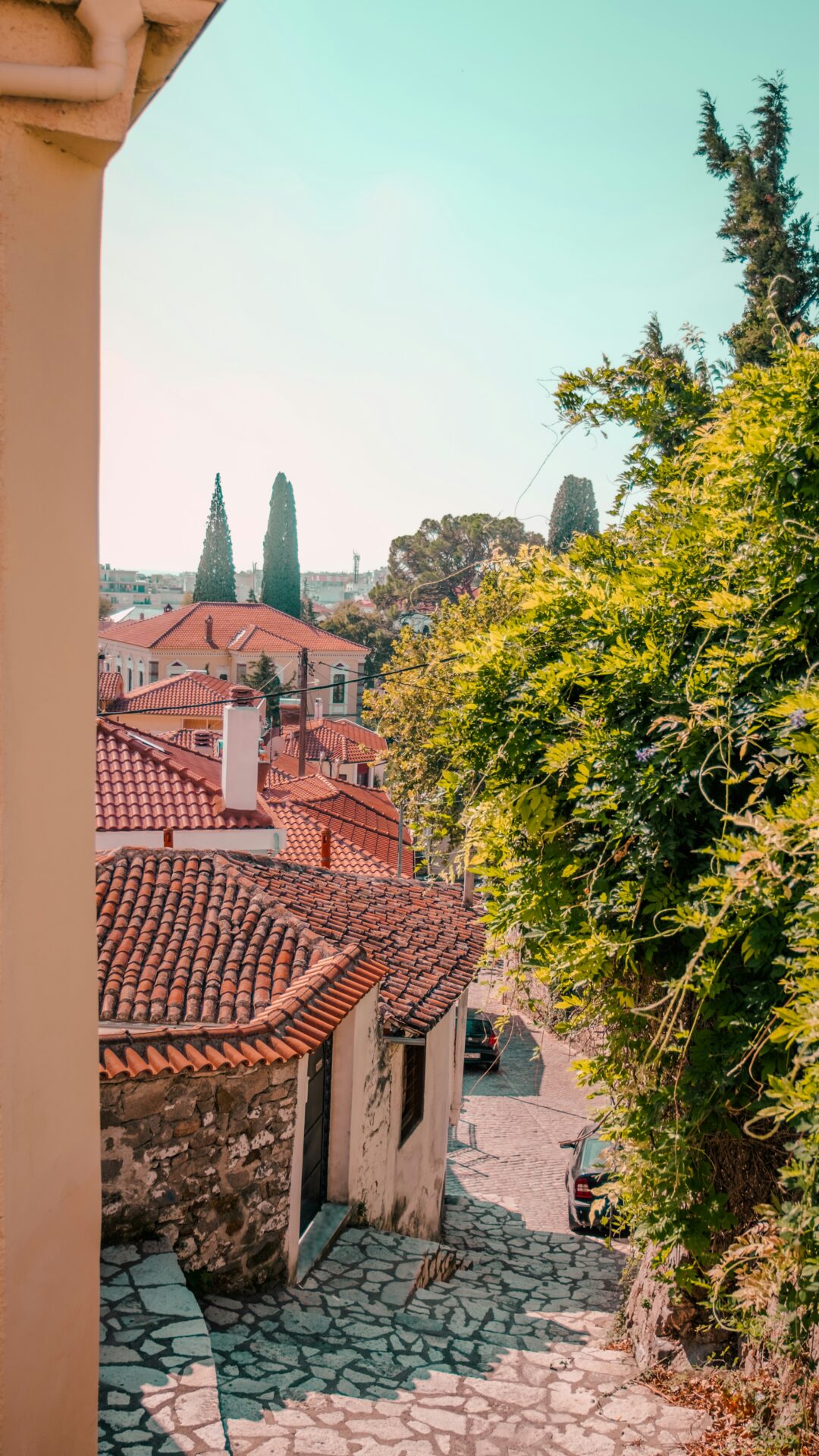
I wandered into Xanthi’s Old Town without any real plan, just letting my feet take me where they wanted. Suddenly, I was surrounded by winding cobblestone lanes, splashes of color on every house, and this sweet scent drifting through the air.
Every corner felt like stepping deeper into a storybook. Each building had its own personality, and every turn seemed to reveal something new. I got lost pretty quickly, but honestly, that’s where the magic is.
The neoclassical mansions and cheerful squares made me stop again and again, just to take it all in. This is the kind of place where you want to slow down and notice the little things—ornate doorways, hidden courtyards bursting with flowers.
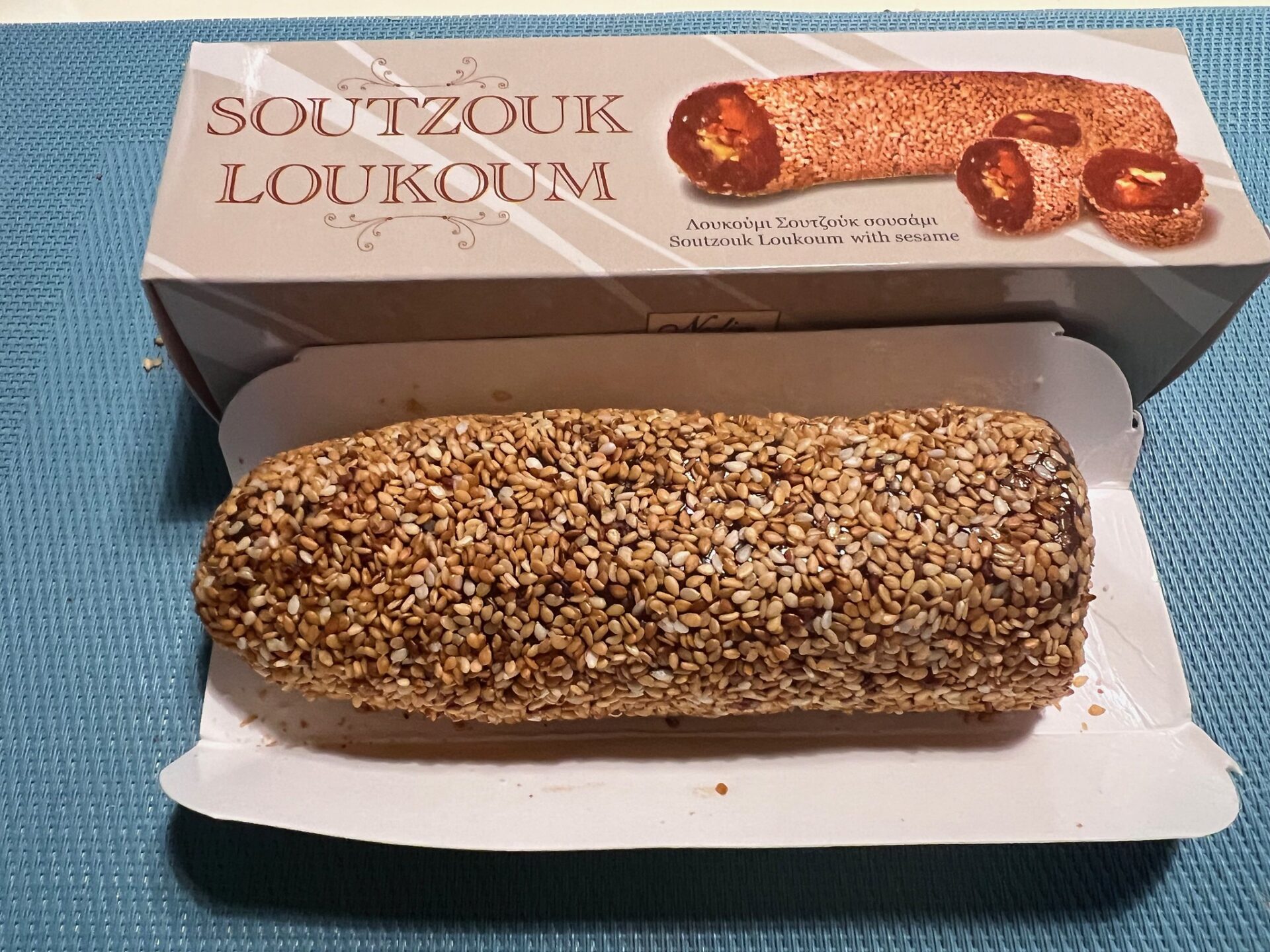
Of course, I couldn’t resist trying the famous soutzouk loukoum. That sweet treat made the day even more memorable.
Wandering through Xanthi’s Old Town, I honestly felt like I’d stumbled into a living fairytale. Maybe you’ll feel the same if you give it a try.

Stepping Through Time: Arriving in Xanthi’s Old Town
With every step on those old cobblestones, I felt the history and energy of the place. Narrow alleys, pops of color, and the sound of locals chatting pulled me in right away.
First Impressions of Xanthi
When I turned the corner into the Old Town, houses in soft blues, yellows, and pinks greeted me. Each one seemed to have its own story—wooden balconies, stone arches, details that belonged in a fairytale.
Locals leaned in doorways, sharing gossip over strong coffee. The air carried the smell of pastries, and street cats dozed on sunny steps as if they ran the place.
There was a calm vibe, but surprises waited everywhere. I spotted traditional shops squeezed between Turkish mansions and neoclassical homes. The place buzzed with life, but never felt rushed.
Every detail, from iron lamp posts to mosaic courtyards, begged to be noticed.
How to Get to the Old Town
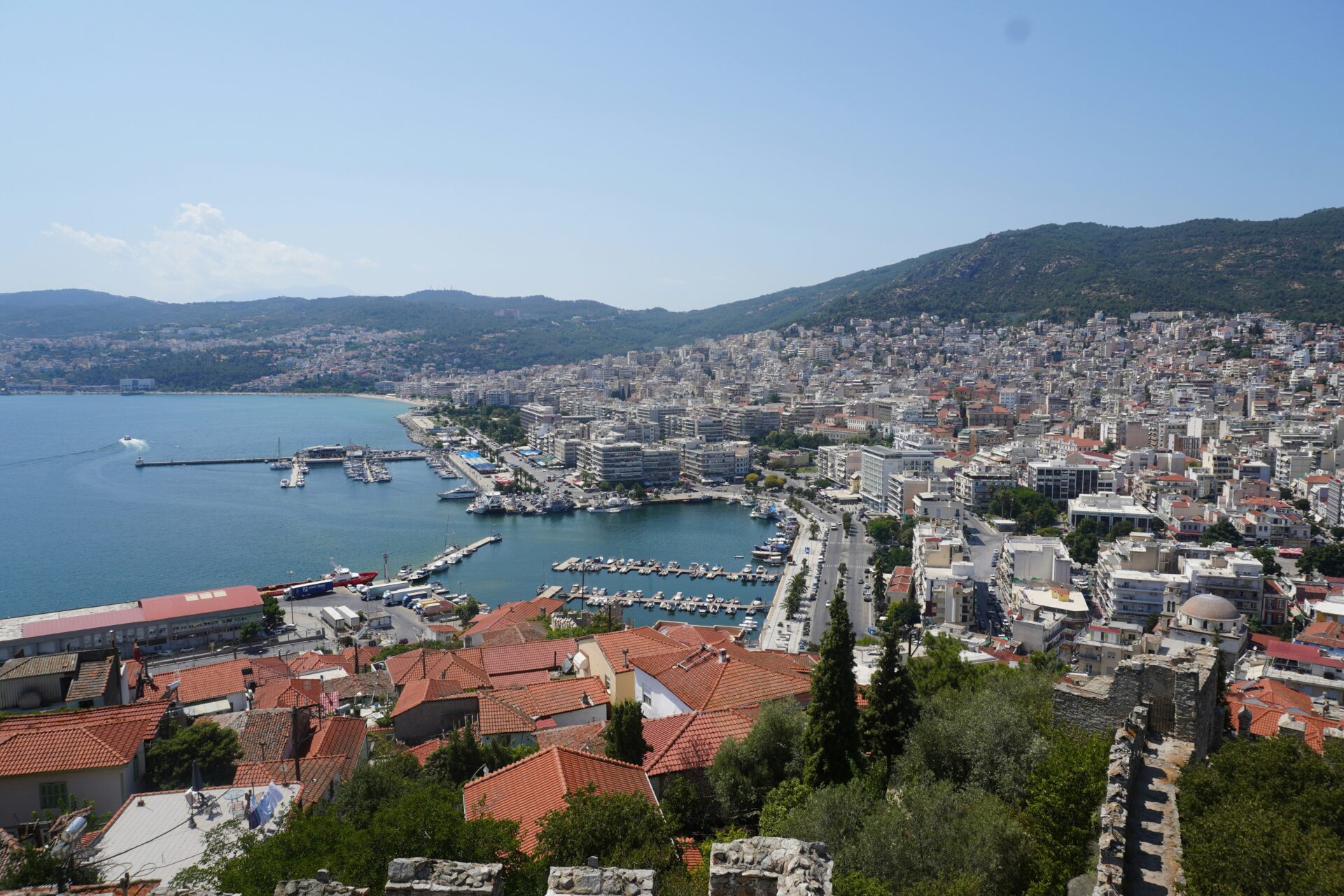
Getting to Xanthi turned out to be pretty straightforward from nearby cities like Thessaloniki or Kavala. I took the train, which rolled past hills and wildflowers. Buses come in from bigger Greek cities, and you can also drive—just know you’ll need to park on the edge of the Old Town.
Here’s a quick look at your options:
| Transport | From | Estimated Time |
|---|---|---|
| Train | Thessaloniki | 3.5 hours |
| Bus | Kavala | 1.5 hours |
| Car | Komotini | 40 minutes |
Most streets in the Old Town are narrow or closed to cars, so I left mine outside and walked in. Signposts in Greek and English pointed me in the right direction.
The Unique Spirit of Xanthi
What really stood out to me? The mix of influences everywhere. Ottoman details sit next to Greek Orthodox churches and Jewish heritage sites. In tiny squares, street music sometimes drifts out, often with a bouzouki’s twang.
People smiled easily and made time to chat, even with strangers like me. Coffee shops and sweet shops lined the streets, each with its own specialty. I saw soutzouk loukoum in nearly every window—chewy, nutty, and made with grape syrup.
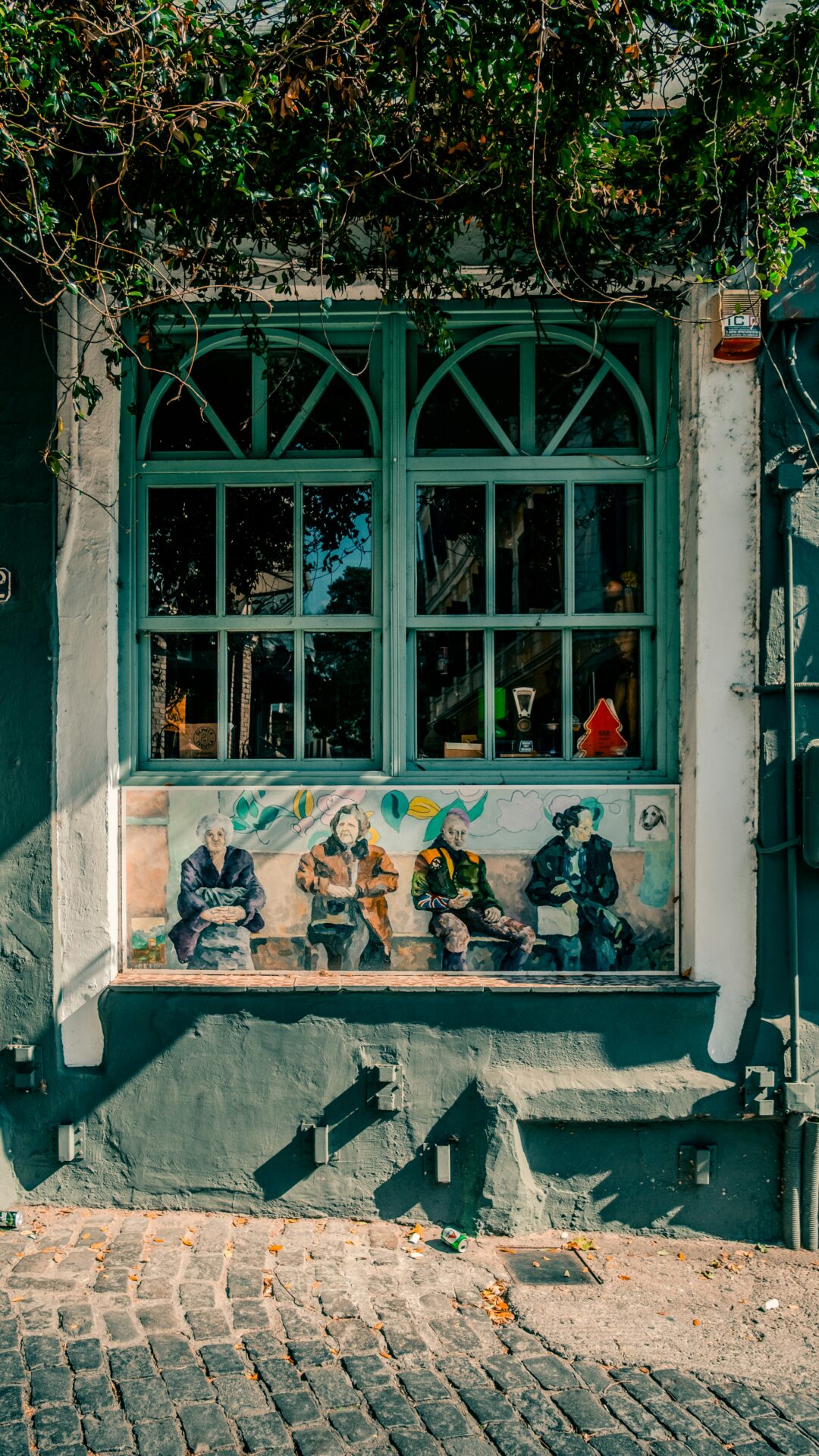
Festivals, markets, and murals brought out the playful side of the Old Town. Yet, nothing felt fake or staged. It was just daily life, lived with warmth and a kind of unhurried hospitality.
Even as a visitor, I felt like I belonged.
Wandering the Labyrinth: Xanthi’s Cobblestone Streets
Every step in Xanthi’s Old Town turned up something new. The twisting alleys, bright facades, and tucked-away patios made my walk feel like a mini adventure.
Getting Lost Among Winding Alleys
I figured out fast that there’s no straight path here. The cobblestone streets twist and split, leading you in circles or to unexpected dead ends. Honestly, getting lost was half the fun.
Map apps barely work, but that’s a blessing in disguise. As I wandered, I noticed little things—an old iron gate, a painted tile, a vine crawling up a faded wall.
Locals passed by, nodding or smiling. I stumbled upon a tiny bakery with fresh bougatsa, the smell of sweet custard pulling me inside. It made me want to slow down and just enjoy being there.

Architectural Gems and Neoclassical Houses
Xanthi’s Old Town really shows off through its architecture. Houses crowd together, each painted a different pastel—blue, peach, mustard, rose.
Some have wooden balconies that jut over the street, carved with old patterns. Others stand out with neoclassical columns and tall, shuttered windows. I kept stopping to snap photos, unable to pick a favorite.
Here’s a quick list of what caught my attention:
| Feature | Description |
|---|---|
| Wooden Balconies | Ornate carvings, painted shutters |
| Stone Doorways | Heavy, arched frames with ironwork |
| Colorful Facades | Soft pinks, blues, greens, and golds |
| Ceramic Tiles | Intricate patterns, especially by doors |
A lot of these buildings date back to the 1800s, reminders of Xanthi’s busy days as a merchant town. As I walked, I pictured traders and artisans wandering these same cobblestones generations ago.

Hidden Courtyards and Secret Corners
Behind many old walls, I found quiet little courtyards. Some had grape vines overhead, casting cool shade below. Others hid gardens, with pots bursting with basil and bright red geraniums.
Sometimes, a heavy wooden door stood half open, letting me peek at tiled floors or a stone fountain inside. In one peaceful corner, laundry fluttered above a chair where an old woman sat with her cat. It felt like a private world—quiet, personal, and far away from the modern bustle.
Now and then, I’d spot a tucked-away café where only a few locals gathered. Chalkboard menus listed Greek coffee and homemade sweets. Finding these places made me feel like I’d discovered a secret part of the city.

A Symphony of Colors: Xanthi’s Picturesque Facades
Every step through Xanthi’s Old Town felt like wandering an open-air gallery. The buildings, painted in everything from soft pastels to bold blues, stood out along the stone paths, each telling its own story.
Vibrant Mansions and Painted Balconies
The mansions here grabbed my attention right away. Their facades glowed in yellows, pinks, and deep blues, lighting up the narrow streets. Some houses had upper floors that jutted out over the alleys, casting playful shadows below.
The balconies were something else. Wrought iron railings, usually green or white, wrapped around them and overflowed with flowerpots and vines. Walking under these balconies, I honestly felt like I’d stepped into a storybook.
Each house seemed to compete for attention in its own way. Some had bright red shutters, others had doors in teal or mustard. The colors gave the streets a cheerful, welcoming feel. If you love photography, you’ll be in heaven here.
Historic Frescoes and Ornate Details
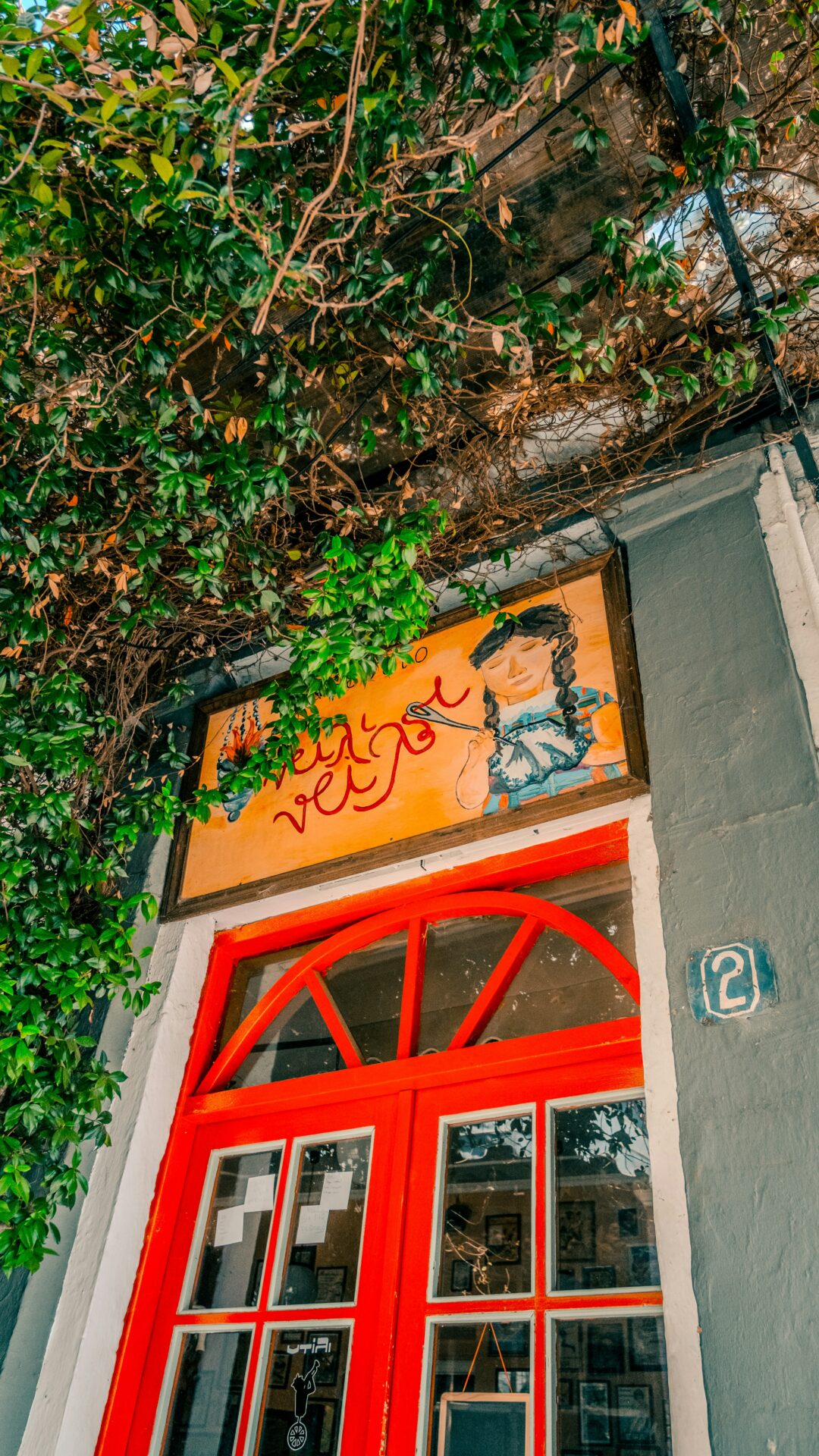
Up close, I started to notice the details that make Xanthi’s buildings special. Many houses showed off painted frescoes and carved designs above windows and doors.
Some facades displayed delicate floral patterns, others had geometric shapes in faded gold or blue. The frescoes sometimes stretched across whole walls, showing scenes from daily life or nods to Xanthi’s tobacco history.
Even the doorknobs, knockers, and window frames had character. Some buildings had decorative tiles and stained glass, while wooden beams above the doors bore hand-carved symbols. I found myself pausing often, just to admire these small touches. They really showed how much locals care about preserving their heritage.
Sweet Encounters: Tasting Soutzouk Loukoum in Xanthi
Xanthi’s Old Town offers painted houses and winding streets, but nothing beats the taste and story behind its famous sweet, soutzouk loukoum. Every bite pulled me a little closer to the town’s traditions.
Discovering the Art of Soutzouk Loukoum
The first time I saw soutzouk loukoum, I was honestly surprised. It’s not just candy—it’s a delicacy that takes real skill to make.
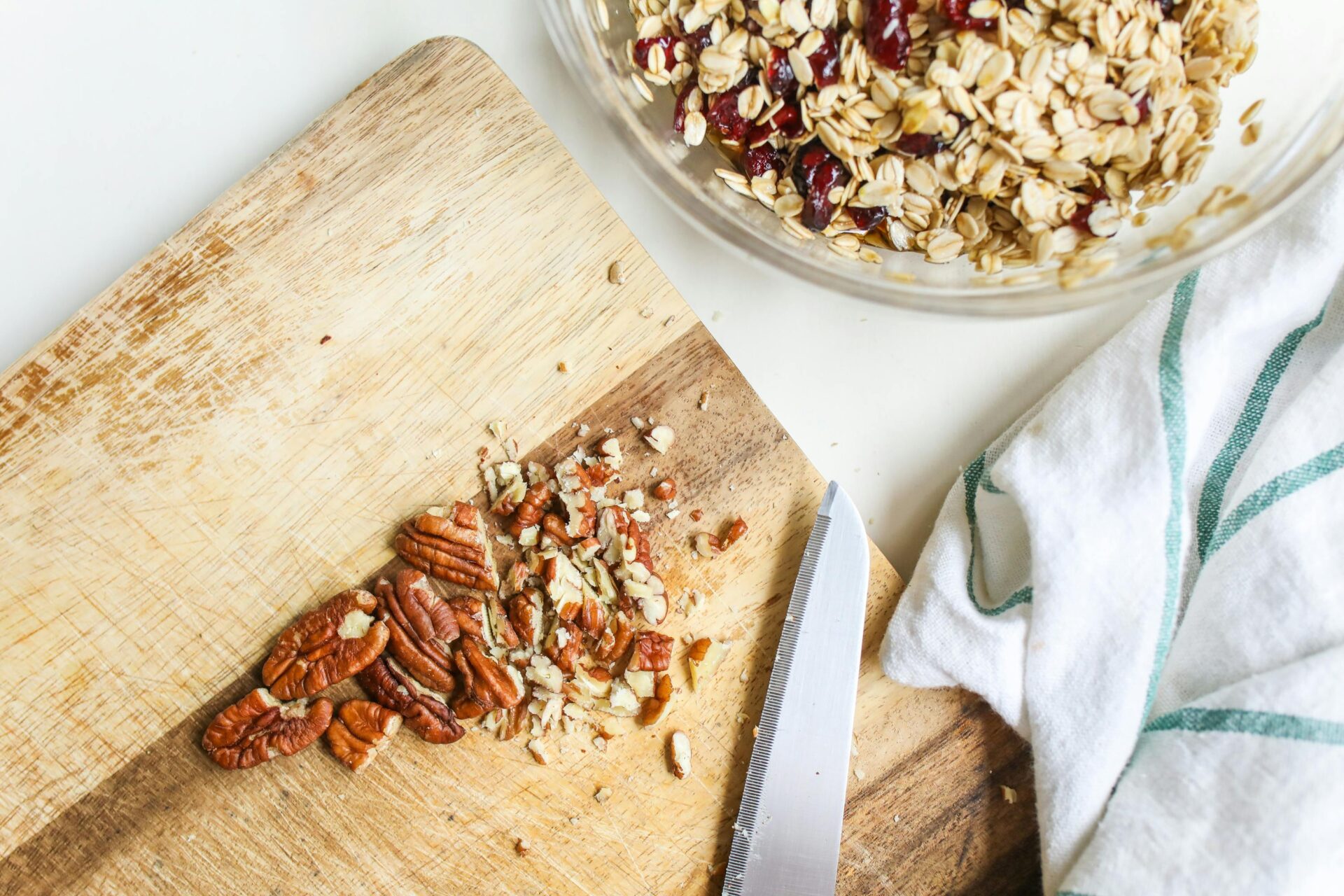
Candy makers start by boiling sugar and starch until the mix turns smooth and stretchy. They string chopped nuts, usually walnuts or almonds, onto a thread. Then, they dip the string again and again into the warm, sweet mixture, building up soft layers.
After it cools, they roll it in powdered sugar and slice it up. Fresh from the pan, the flavor is rich and nutty, with a hint of rose or mastic. Watching them shape each piece by hand made me appreciate the effort behind this sweet.
Top Dessert Shops in the Old Town
As I wandered the cobbled lanes, a few spots stood out for soutzouk loukoum. Here are the ones I liked best:
| Shop Name | Specialty Flavor | Address |
|---|---|---|
| Konstantinidis | Rose & Walnut | 12 Komninou Street |
| Zaxaroplastio Aroma | Pistachio | 7 Vasilissis Sofias Ave |
| Glyko Glyko | Mastic | 4 Old Town Square |
Konstantinidis won me over with classic flavors and a friendly welcome. They offered me a sample before I bought anything. Zaxaroplastio Aroma felt cozy, and their pistachio version was something I’d go back for. Glyko Glyko mixes tradition with new ideas, serving both old-school and modern twists.
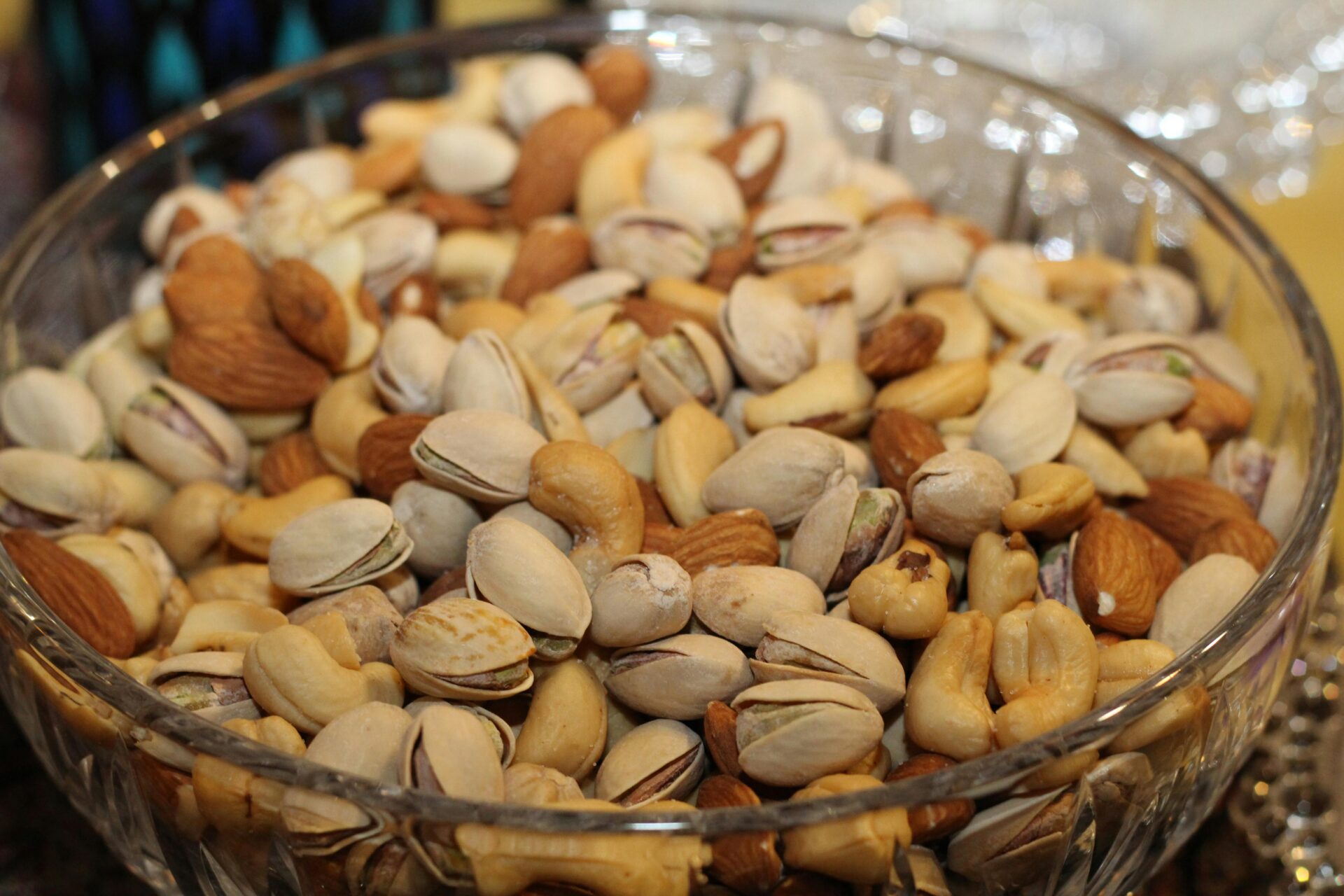
Each shop has its own style, but all use fresh nuts and top-notch ingredients. The smell of sugar and nuts drifting out onto the street is impossible to ignore.
Traditions and Stories Behind the Sweets
Soutzouk loukoum isn’t just a snack here—it’s woven into Xanthi’s culture. Locals serve it at weddings, holidays, and family get-togethers. Some families pass down their recipes for generations.
Older residents shared stories about making it at home in the winter, then handing it out to neighbors. During the city’s annual “Old Town Festival,” everyone gets to taste different versions.
A bite of soutzouk loukoum connects you to Xanthi’s past. As I walked the narrow streets, I spotted old posters peeling off doors, showing family shops that once sold these sweets. It’s more than just a treat—it’s part of the city’s story.

Cultural Charms: Life and Festivities in Xanthi’s Old Town
Exploring Xanthi’s Old Town, I stumbled into lively corners bursting with flavors, traditions, and friendly faces. Markets buzzed, festivals popped up, and everyday customs made me feel like I was welcomed into a real community, not just passing through as a tourist.
Local Markets and Artisan Boutiques
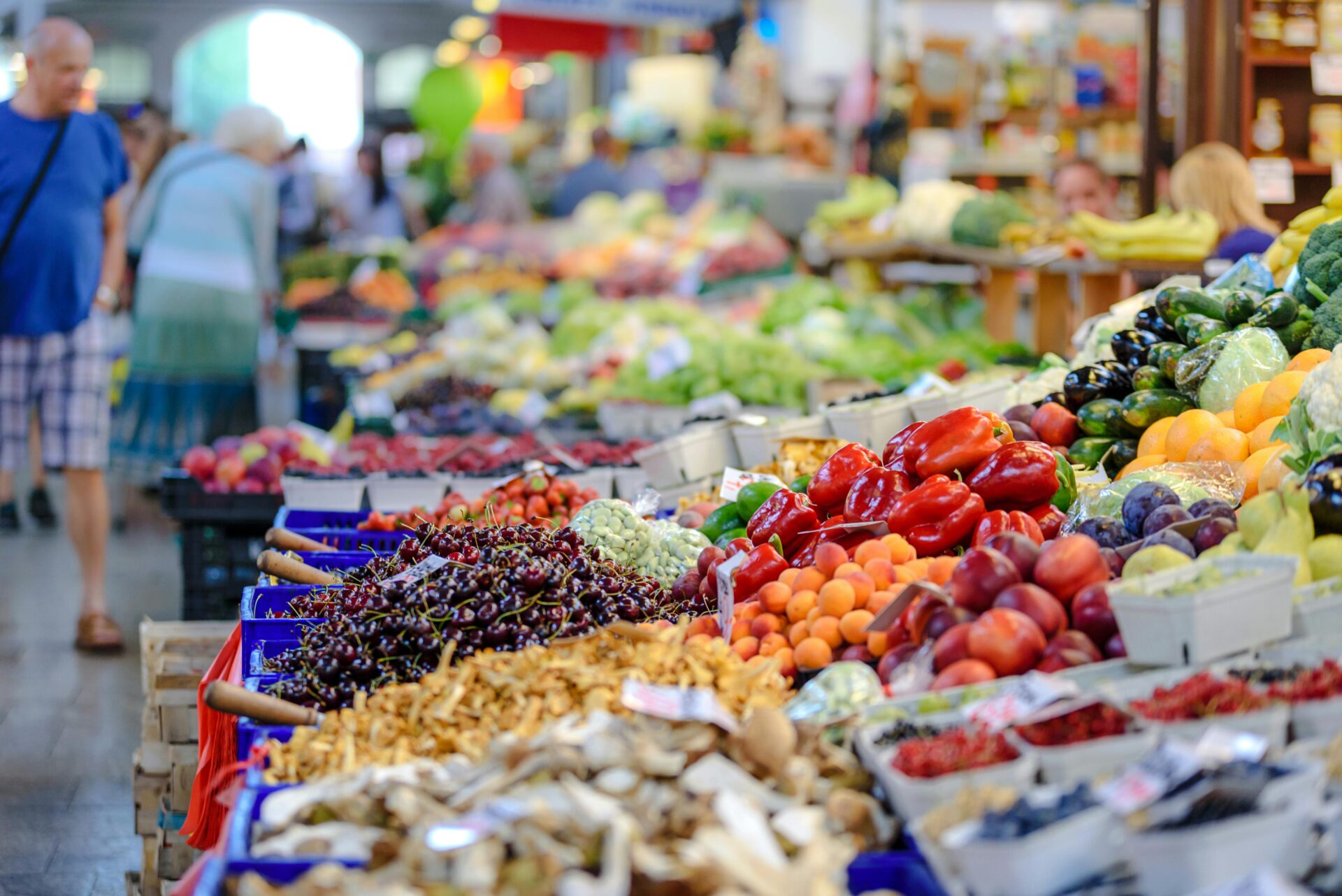
I kicked off my mornings at the local market, just steps from the cobblestone square. Stalls overflowed with fresh fruit, olives, and big blocks of feta.
Vendors shouted prices, and honestly, I couldn’t help but get caught up in the buzz. It’s hard not to smile when everyone’s so lively.
Little boutiques squeezed between old neoclassical mansions drew me in. Handmade crafts—lace, ceramics, and woven fabrics—waited around every corner.
Most of these shops are still family-run. The artisans love sharing the stories behind their work, and their pride really shows.
I grabbed a hand-painted bowl as a souvenir. Sampling spice blends and sweet soutzouk loukoum made the morning even better—nutty, sticky, and just the way locals like it.
Must-See Markets & Shops:
- Xanthi Central Market (for food and produce)
- Old Town Artisan Street (for home goods and gifts)
- Local sweet shops (for soutzouk loukoum and baklava)
Festivals and Vibrant Street Life
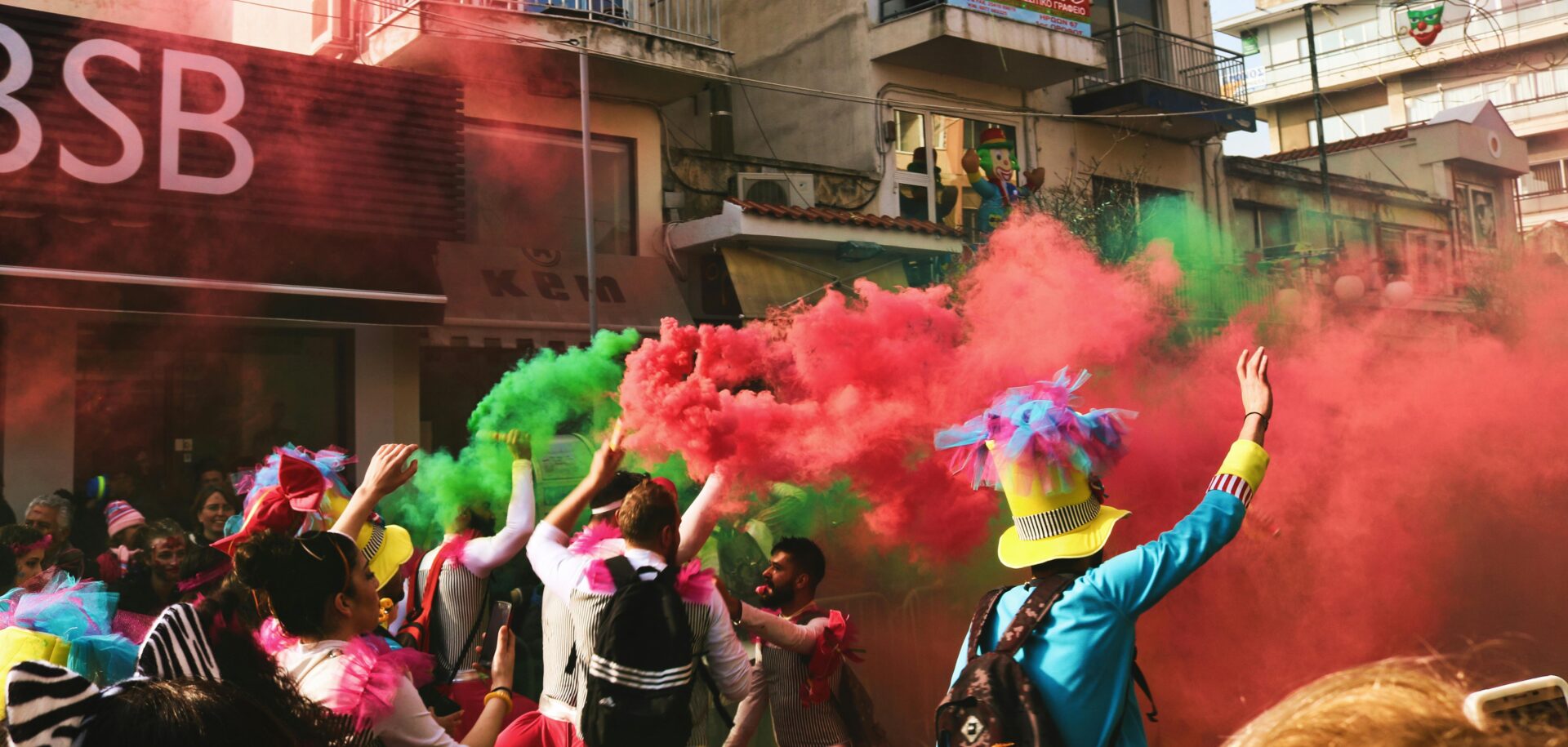
Xanthi really knows how to throw a party. I actually wandered into a parade during the annual carnival—dancers in bold costumes snaked through the alleys, music bouncing off every painted wall.
Summer brings outdoor concerts and folk dances to the Old Town. Cafés and tavernas spill onto the pavement, packed with families and friends who chat late into the night.
Street artists set up easels, jugglers show off, and market stalls pop up with snacks and handmade goods. It’s a bit chaotic, but in the best way.
Carnival, or “Apokries,” takes the energy up a notch. Confetti flies, costumes are everywhere, and parades celebrate old traditions.
Locals take real pride in their mixed cultural roots. You can feel it in every celebration—honestly, it’s a little infectious.
Key Festivals:
- Xanthi Carnival (Apokries)
- Old Town Festival (Late summer, music and food)
- Religious processions (Easter and local saints’ days)
Tips for Immersing in Local Culture
If you want to understand Xanthi’s way of life, you’ll need to slow down a bit. I always greet shopkeepers, stumble through a few Greek hellos, and never skip the local sweets with my coffee.
I like to wander into small museums or strike up a conversation with street artists. Sometimes I join a traditional dance or just savor home-cooked dishes in a cozy taverna.
That’s when it hits me—folks here really care about sharing their stories.
Quick Tips Table
| What To Do | Why It Matters |
|---|---|
| Say “Kalimera” (Good morning) | Instant smiles and friendlier service |
| Try soutzouk loukoum | Can’t-miss local flavor |
| Attend a festival | See town spirit in action |
| Shop from artisans | Unique, meaningful souvenirs |
| Watch for street music | Adds magic to evenings |
Every chat, every bite, and every step through the buzzing lanes pulls you in a little deeper.
