
Europe doesn’t have to drain your wallet. A lot of people skip this continent, thinking it’s just too pricey, but honestly, that only happens if you stick to the classic tourist traps.
Cities all over Central and Eastern Europe offer jaw-dropping history, culture, and food—often at prices that are a pleasant surprise. Why pay more?
In 2026, your dollar will go 30% to 50% further in some European cities compared to places like Paris or London. The trick? Knowing where to go.
These affordable cities deliver the rich European vibes you crave, minus the sticker shock.
Let’s check out ten cities where your budget feels bigger. I’ll share real-world tips on daily costs, what to see, where to eat, and how to squeeze every last bit of value from your travel budget while exploring Europe.
1) Budapest, Hungary
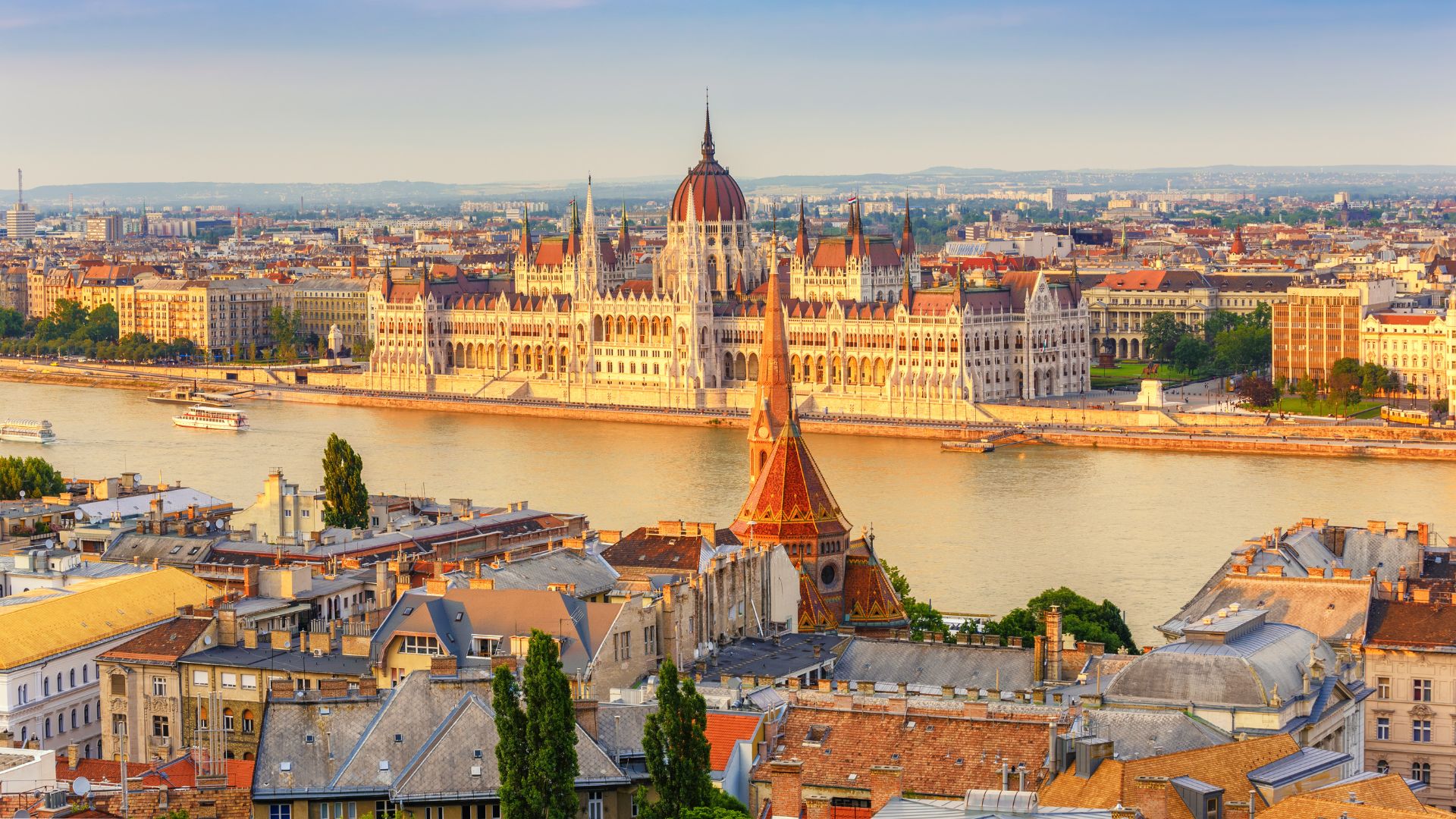
Budapest keeps showing up as one of Europe’s best values for travelers in 2026. The city’s grand architecture, iconic thermal baths, and hearty food honestly make you forget you’re not in a pricier capital.
You can grab a full dinner with wine for about $15. Spa days at those famous thermal baths? Still cheaper than a basic meal in Paris or London.
Getting around is a breeze. Public transport is efficient, easy, and super cheap, so you don’t have to worry about blowing your budget on taxis.
The Parliament Building, Buda Castle, and the Chain Bridge all welcome you without the sky-high prices you’d expect in similar cities. Even hotels here offer great deals.
Budapest feels right for everyone—from students to retirees. It’s got old-world charm, modern comforts, and a price tag that’s way less intimidating than you’d think.
2) Kraków, Poland
Kraków really is a gem for budget travelers in 2026. Here, your dollar goes a long way, whether you’re munching on pierogi for just a few bucks or booking a comfy hotel room for way less than you’d pay out west.
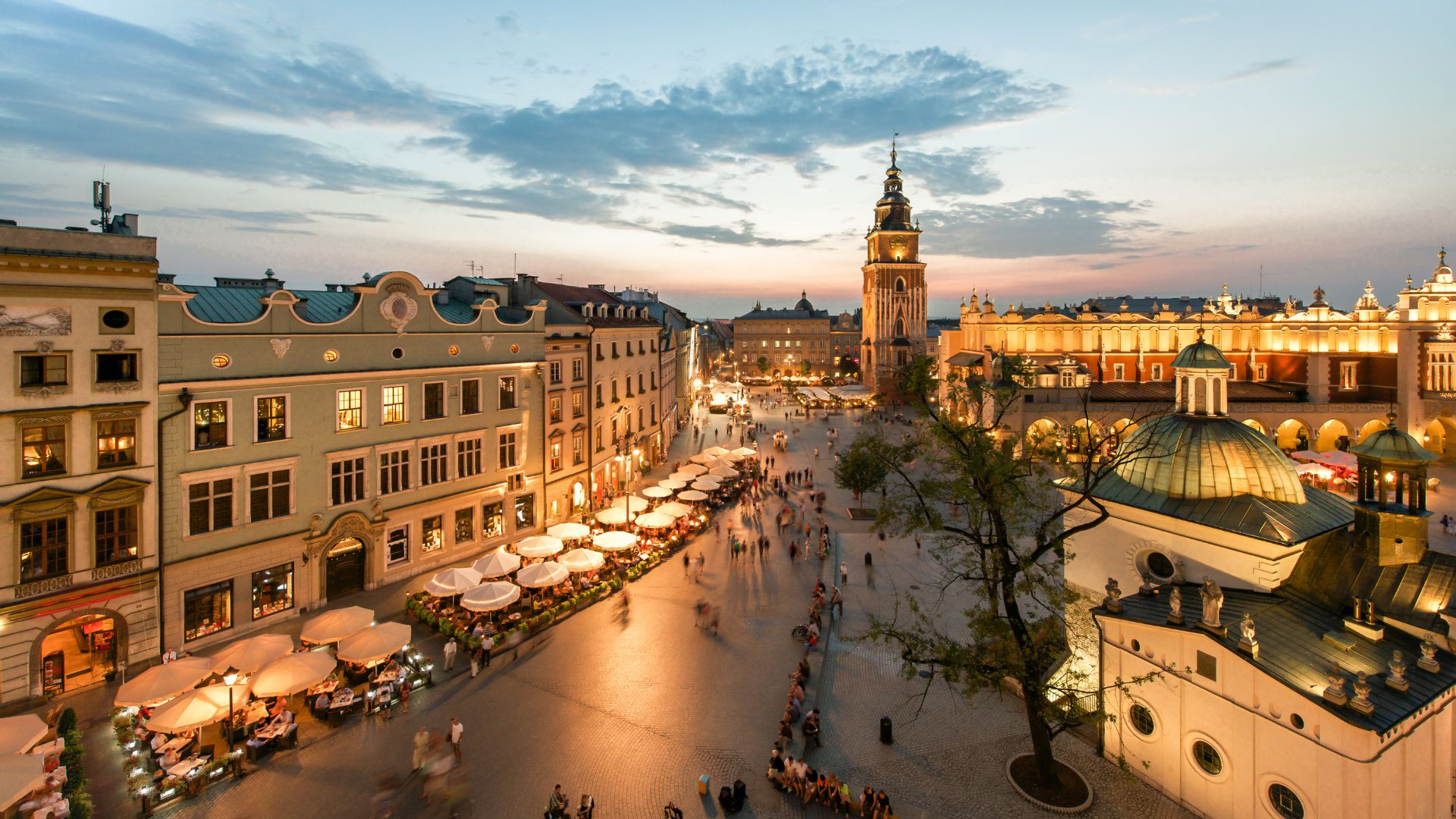
The city’s heart beats around one of Europe’s largest medieval squares. You can wander the old town for hours and barely touch your wallet.
Poland’s exchange rate works in your favor. Public transport costs next to nothing, and you can enjoy three-course meals at local spots for a fraction of what you’d spend elsewhere.
Museums and attractions keep their entrance fees reasonable, especially compared to Paris or Rome.
Kraków also makes a fantastic base for day trips. The Wieliczka Salt Mine is just outside the city and offers a unique experience at budget rates.
You get rich history, beautiful architecture, and authentic Polish culture—without the tourist markups. For anyone watching their spending, Kraków is a smart pick.
3) Prague, Czech Republic
Prague keeps its spot as one of Europe’s best value destinations. The city brings together historic sights, lively neighborhoods, and a cultural buzz—all at prices that don’t sting.
Eating out here costs much less than in most other capitals. A classic Czech meal at a local eatery? It’s way cheaper than anything you’ll find in Paris or London. And the beer? Expect pints for about 2 Euros at plenty of pubs.
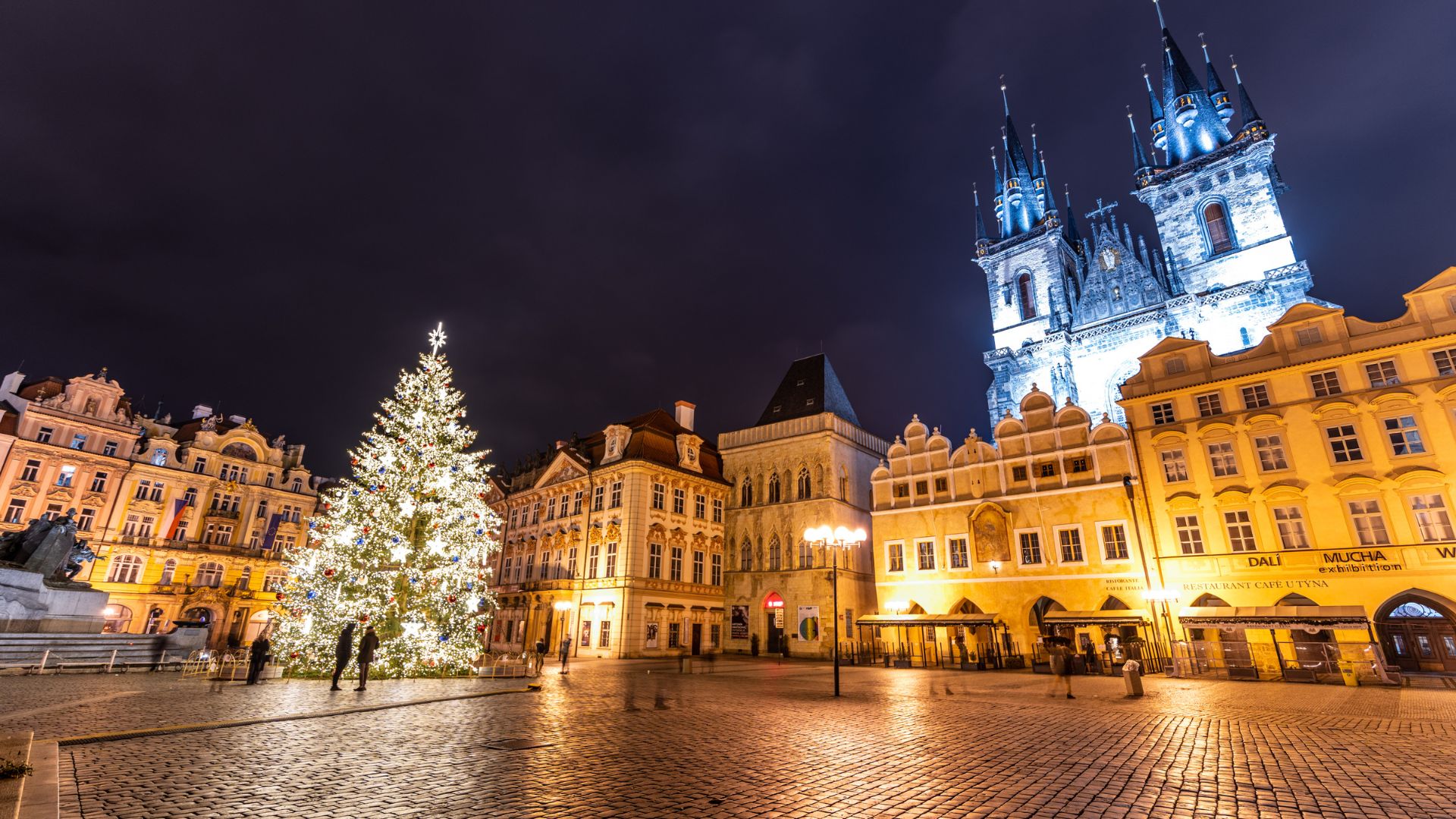
The old city center is compact and walkable. You can stroll across the Charles Bridge, check out Prague Castle, and lose yourself in Old Town Square without spending big on transport.
When you do need to hop on a tram or metro, it’s easy and affordable. Even though Prague’s popularity has grown, it still delivers better value than many European hotspots.
You’ll find accommodation for every budget, from hostels to mid-range hotels and rentals—your money just goes further here.
4) Lisbon, Portugal
Lisbon is one of those cities where your dollar just seems to stretch. In 2026, this coastal capital remains a top pick for travelers who want European flair without the hefty price tag.
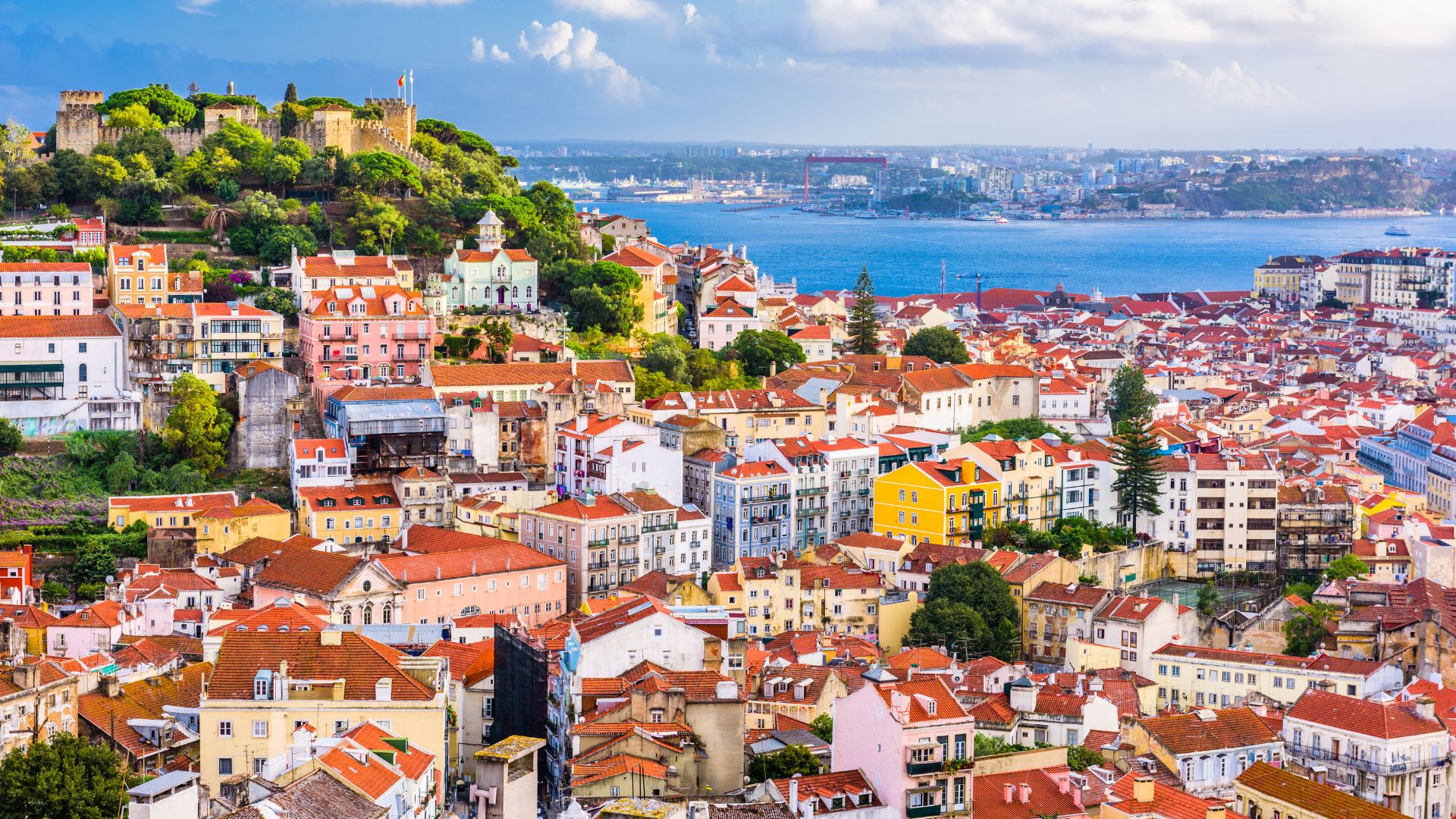
You can snag a cozy guesthouse or a family-run hotel for what a budget chain would cost in Paris or London. Neighborhoods like Alfama and Bairro Alto give you authentic vibes without the tourist tax.
Getting around? The iconic yellow trams and the metro are just a few euros per ride. If you’re staying a while, grab a multi-day pass and save even more.
Foodies will love Lisbon. Local restaurants serve up fresh seafood and classic Portuguese dishes at prices that won’t make you wince. Dinner with wine here might cost what you’d pay for a sandwich in other capitals.
The mild weather means you don’t have to overspend on gear or indoor activities. With sweeping sea views, historic sites, and vibrant culture, Lisbon makes longer stays totally doable for travelers on a budget.
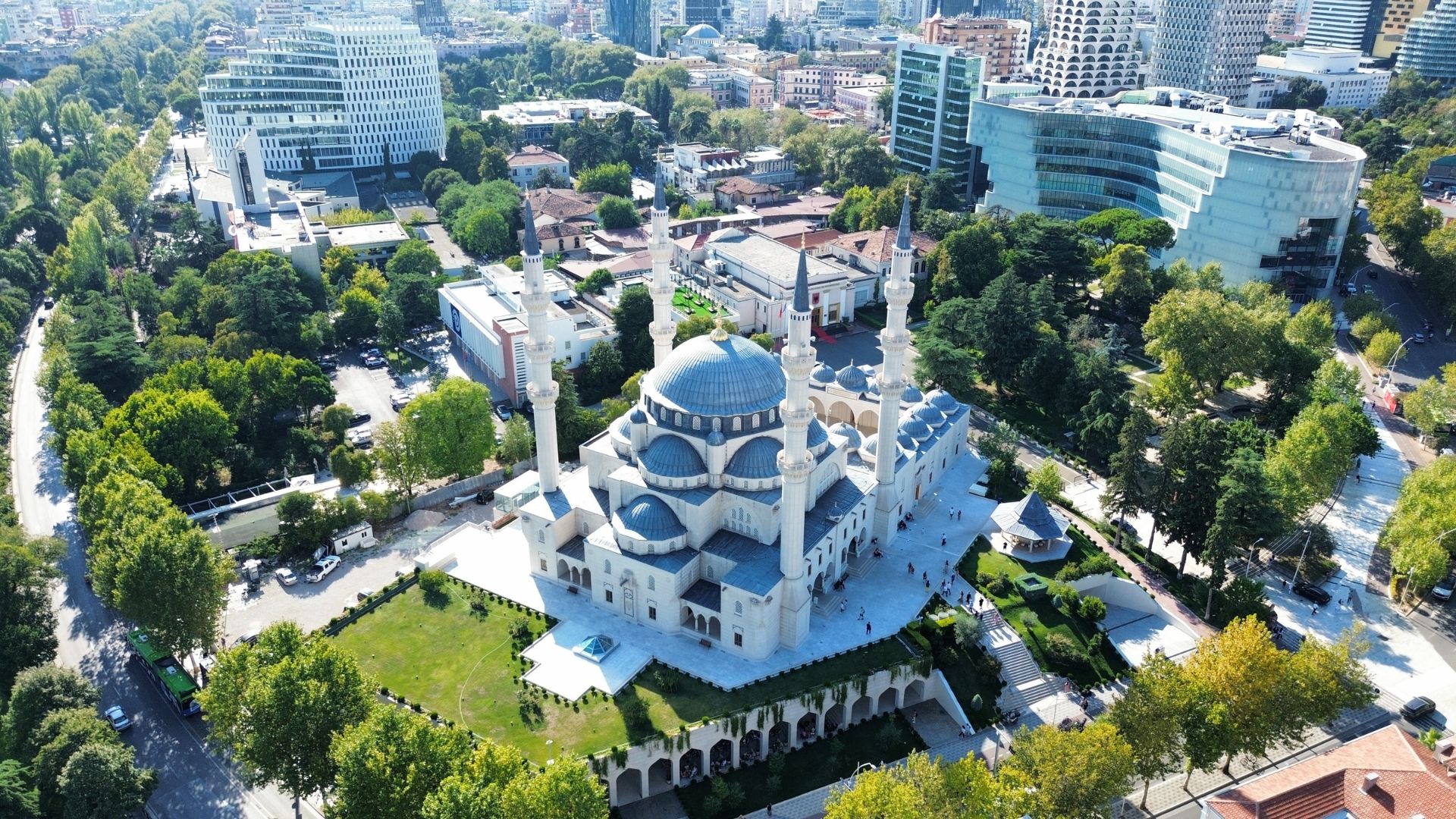
5) Tirana, Albania
Tirana might surprise you. As one of Europe’s best budget destinations for 2026, this city offers serious value.
In early 2025, 4.76 million foreign visitors came here—a 5% jump from the previous year. Even with its growing popularity, Tirana keeps prices low for hotels, meals, and attractions.
You’ll spot colorful Ottoman-era buildings and plenty of Soviet-era architecture downtown. The food scene? Mediterranean and Balkan flavors at prices that are refreshingly affordable.
Getting around costs just pennies. Public transport is simple and cheap, so you can explore without thinking twice.
Tirana lets you dive into Albanian culture without breaking the bank. Museums, local restaurants, and comfortable hotels all come at a fraction of what you’d pay in Western Europe.
It’s also a great base for checking out Albania’s gorgeous coast and mountain regions. Who knew?
6) Sarajevo, Bosnia and Herzegovina
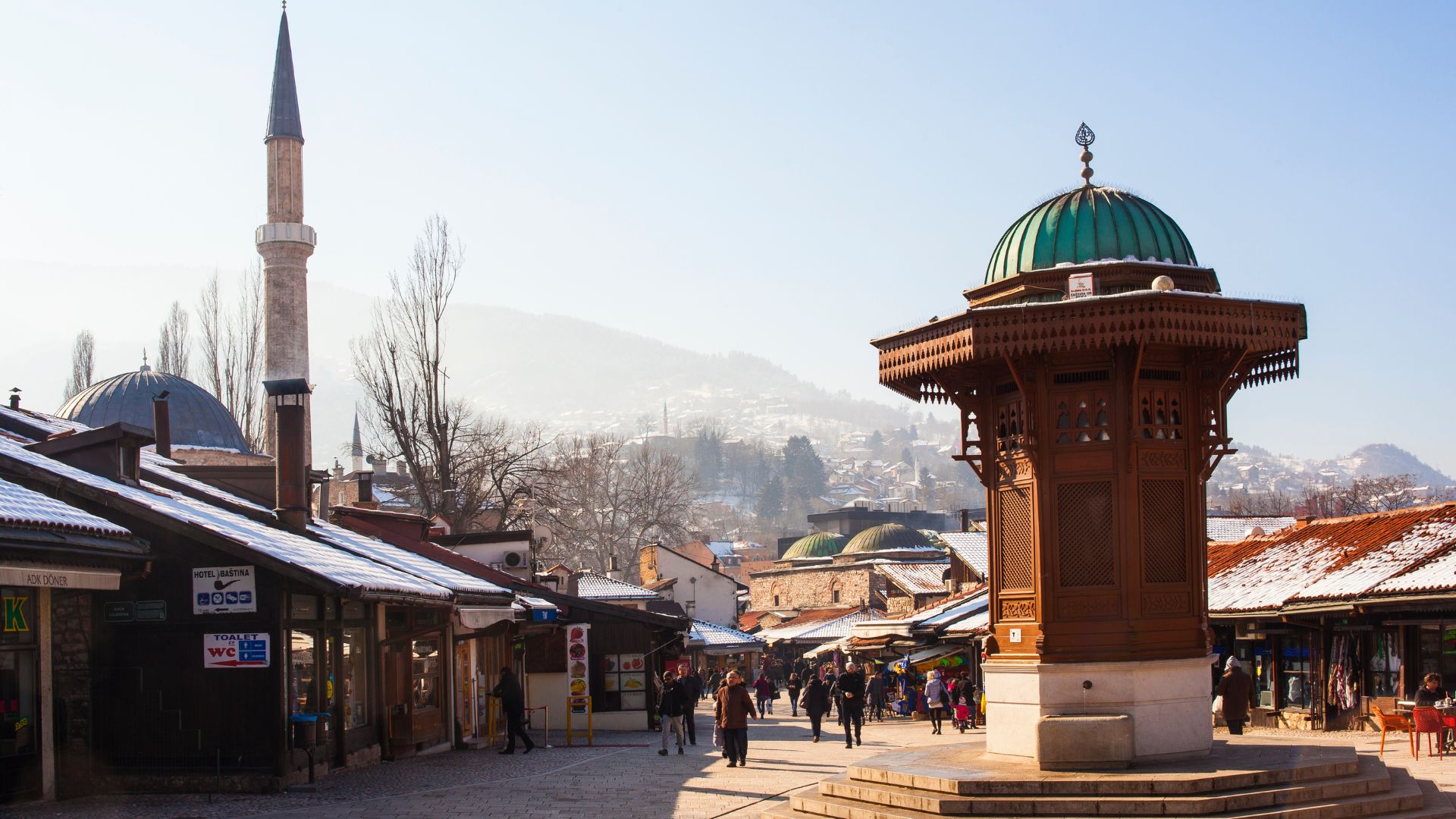
Sarajevo delivers big on value. You can find Airbnb rooms for around 35 euros per night—pretty tough to beat in Europe.
The city offers free walking tours, so you get a sense of the place without blowing your budget. Meals and utilities like electricity or gas cost way less than in Western capitals.
Sarajevo mixes East and West in ways you won’t see elsewhere. Minarets and church spires share the skyline above the Miljacka River. The city’s history runs deep, especially from the Bosnian war in the ‘90s, and you can learn a lot at the local museums.
Getting around is easy and cheap. Most attractions are walkable, and local markets offer fresh food at bargain prices.
You don’t have to sacrifice comfort or culture here. Sarajevo lets you experience authentic Balkan life and history while keeping your costs low.
7) Brno, Czech Republic
Brno gives you the Czech experience without Prague’s crowds or prices. As the country’s second-largest city, it’s got history and culture—just with a much friendlier price tag.
You’ll notice right away that accommodation costs less. Hotels and apartments are affordable, and public transport is almost laughably cheap.
Dining out is a treat here. Three-course meals at local spots won’t drain your wallet, and you’ll find everything from traditional Czech fare to modern cafes and beer halls.
Brno’s packed with historic sites, museums, and beautiful architecture. Many attractions cost little or nothing at all.
The city’s university vibe keeps things lively but not overwhelming. You can easily spend under $100 a day and still soak up everything Brno offers.
Honestly, it’s one of Central Europe’s best-kept secrets for travelers who want more for less.

8) Plovdiv, Bulgaria
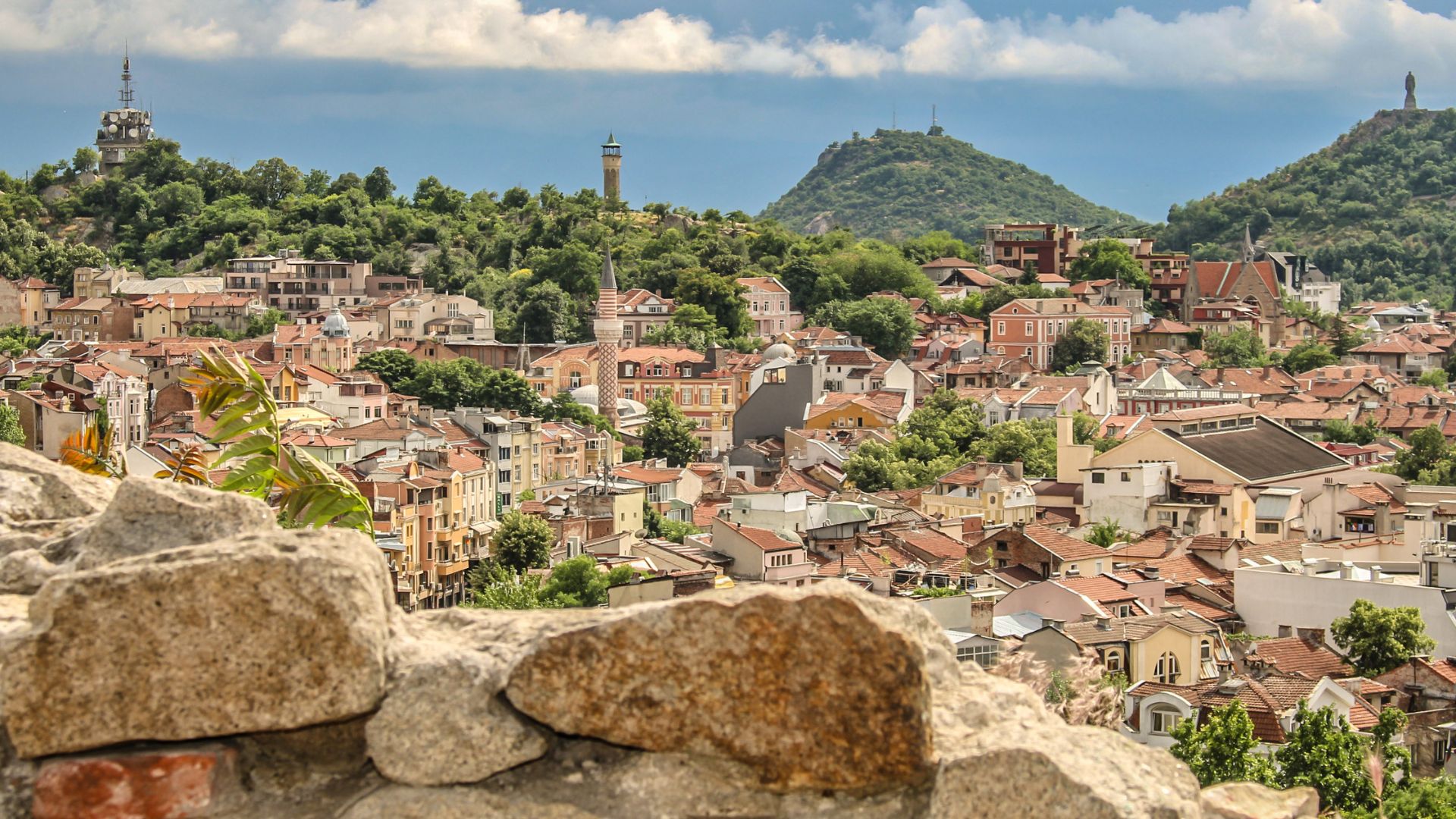
Plovdiv is one of those places where your money just seems to go further. This Bulgarian city mixes ancient Roman ruins with colorful architecture from the Revival era.
You can explore historic sites, visit museums, and wander the old town without spending much. Many galleries are free, and local restaurants serve up traditional meals at prices that feel almost too good to be true.
If you visit in winter—say, January or February—you’ll find even better deals. Midweek stays often cost less than weekends, and there’s no shortage of budget accommodation.
Public transport is just a few dollars a day, but walking is easy since everything’s close together. Local markets sell fresh produce and snacks for next to nothing.
Plovdiv delivers a real European experience without the crowds or high prices. The city’s relaxed pace and quiet streets make it ideal for slow travel. You get culture, history, and surprisingly low daily expenses—what’s not to like?
9) Porto, Portugal
Porto is a treat for budget travelers who want authentic Portuguese vibes and gorgeous views. You can soak up the city’s charm without spending big.
Most folks manage on $40 to $70 a day here. Local meals rarely top $15, and the portions? Generous.
Accommodation is easy on the wallet. Hostels start at $20 a night, and mid-range hotels usually run between $50 and $80.
You can walk across the Dom Luís I Bridge for free and get lost in the historic Ribeira district without spending a cent. Port wine tastings in Vila Nova de Gaia are a bargain, too—often just $5 to $15.
Public transport is a steal. Metro or bus tickets cost about $2, and day passes are around $7. The city’s walkable neighborhoods help you save even more while seeing the sights.

10) Lviv, Ukraine
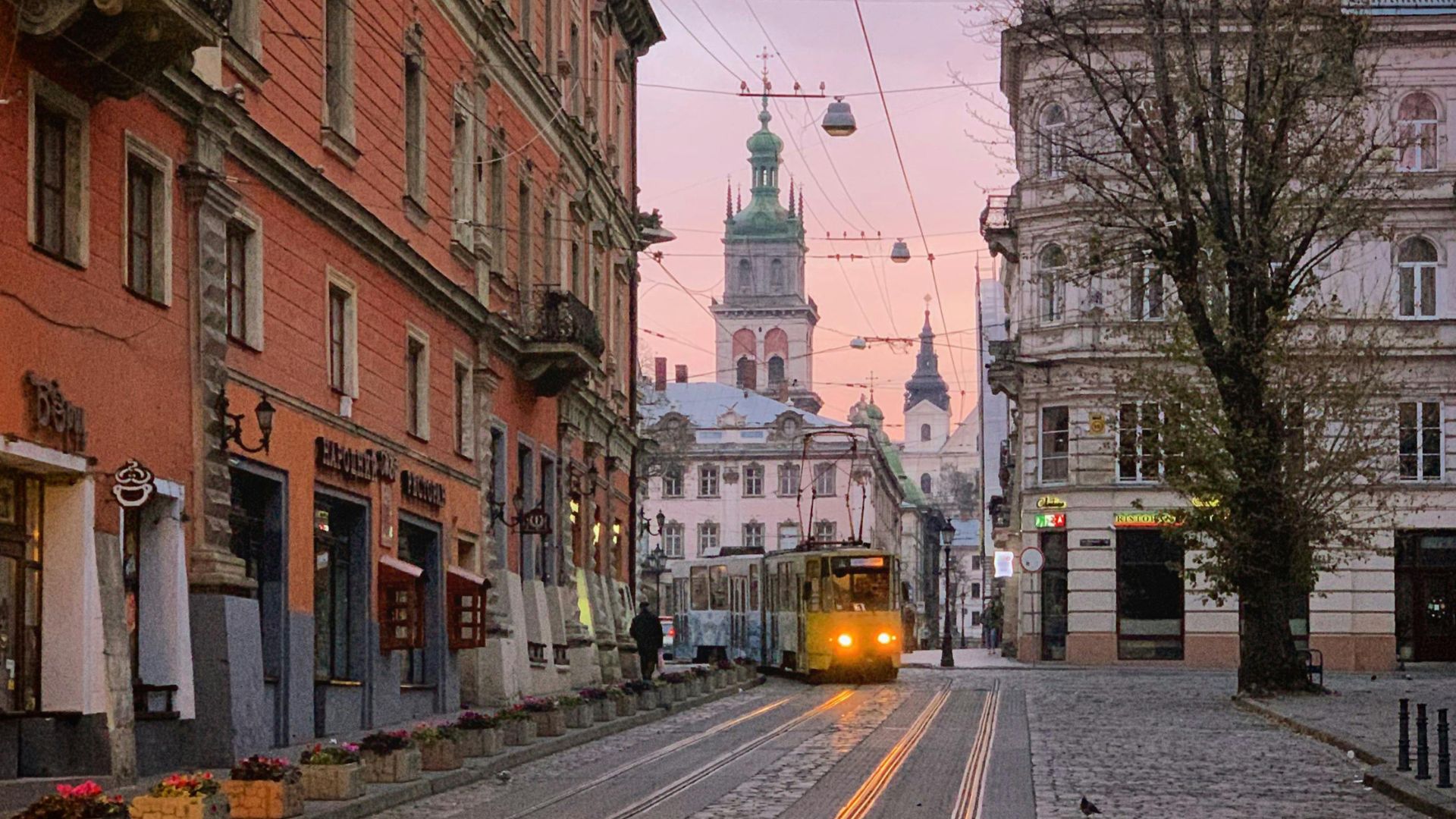
Lviv might just be Europe’s best-kept budget secret for American travelers. Your dollar stretches a long way in this western Ukrainian city, with daily costs well below most European capitals.
The city’s got cobblestone streets, preserved architecture, and a thriving coffee culture—all at prices that seem almost unreal if you’re used to Western Europe.
Meals at local restaurants cost just a few bucks, and you’ll find affordable accommodation at every comfort level.
Lviv’s Old Town is packed with colorful buildings and historic churches that rival anything you’ll see in pricier cities. The arts scene is growing, and museum entrance fees rarely go above a couple dollars.
Getting around is easy and cheap, whether you hop on public transport or just stroll the compact city center. Coffee shops are everywhere, and you can linger for hours without worrying about the bill.
For travelers watching their spending in 2026, Lviv offers an unbeatable mix of value and experience.
Key Considerations When Stretching Your Dollar Abroad
Making your money last on the road takes more than just picking a cheap city. Exchange rates, timing, and those everyday choices—think meals, transport, and attractions—can make or break your travel budget.
Understanding Local Costs and Currency Exchange
Exchange rates shift every day, and honestly, they can really affect your travel budget. I always check the latest rates before I leave and keep an eye on them during my trip with a good currency converter app.
ATMs usually give you better rates than those currency exchange booths at the airport. I try to withdraw more cash at once so I don’t rack up a bunch of transaction fees. Some banks charge 1-3% on every foreign purchase, which adds up fast. A travel credit card with no foreign transaction fees? Total game-changer.
Local prices can surprise you, even in countries known for being cheap. For example, that meal in Poland might set you back $8, but in Portugal, it’s $12 for something similar. Always look up prices for your specific city—country averages can be misleading.
Payment habits differ from place to place. In some European cities, cash is king, especially at markets or small restaurants. Others are card-first. I like carrying both cash and card, just in case, and to avoid those terrible exchange rates at touristy spots.
Travel Seasons and Timing Your Visit
Most European cities hit peak season from June through August. Hotel prices? They can double or even triple. Not exactly ideal for budget travel.
Shoulder seasons—think April to May or September to October—are where the real value hides. You get lower hotel rates, fewer crowds, and a more local vibe. Plus, the weather usually stays pleasant enough for exploring.
Traveling in winter brings the lowest prices, but you’ll face some trade-offs. Some attractions close or cut their hours. Eastern Europe gets downright freezing, but hey, that’s when you find the best deals. December (before Christmas week) can be a sweet spot: reasonable weather, low prices.
I always try to book flights on Tuesdays or Wednesdays. Flying mid-week, instead of weekends, can save you $100-300 on round-trip tickets. Worth it.

Budget Accommodation and Transportation Options
Hostels aren’t just for backpackers in their twenties. Many now offer private rooms for $30-50 a night, and kitchens where you can whip up a meal. Apartment rentals are another solid option—often cheaper than hotels and you get more space.
Public transportation passes save a ton compared to buying single tickets. In cities like Budapest or Krakow, a weekly pass costs $15-20, while a single ride is $2-3. Walking between sights is free and lets you stumble on hidden gems most tourists miss.
Budget airlines connect cities for as little as $20-60 if you plan ahead and pack light. Trains are perfect for short hops, especially when you snag an advance discount. Overnight buses and trains double as transport and a night’s accommodation—two birds, one stone.
Cultural Insights for Budget-Conscious Travelers
Eating where locals eat (not in the touristy zones) and hitting up free museum days can slash your travel costs while giving you a way more authentic experience.
Dining Like a Local
Skip the restaurants near big landmarks. Walk a few blocks into a neighborhood, and you’ll spot family-run places where locals actually eat. Prices drop by 40-60% compared to the tourist traps.
Look for daily lunch specials—”menu del día” in Spain or “prato do dia” in Portugal. For $8-12, you get a full meal, often with a drink thrown in.
Markets are my go-to for fresh produce, cheese, and bread. Budapest, Krakow, Sofia—they all have big indoor markets. Buy a few ingredients and cook at your hostel or budget hotel. Most places have a kitchen these days.
Street food is another wallet-friendly option. Grab langos in Budapest, trdelník in Prague, or burek in the Balkans for $2-4. Locals always know the best stands, so just ask someone instead of picking the busiest spot in the tourist square.
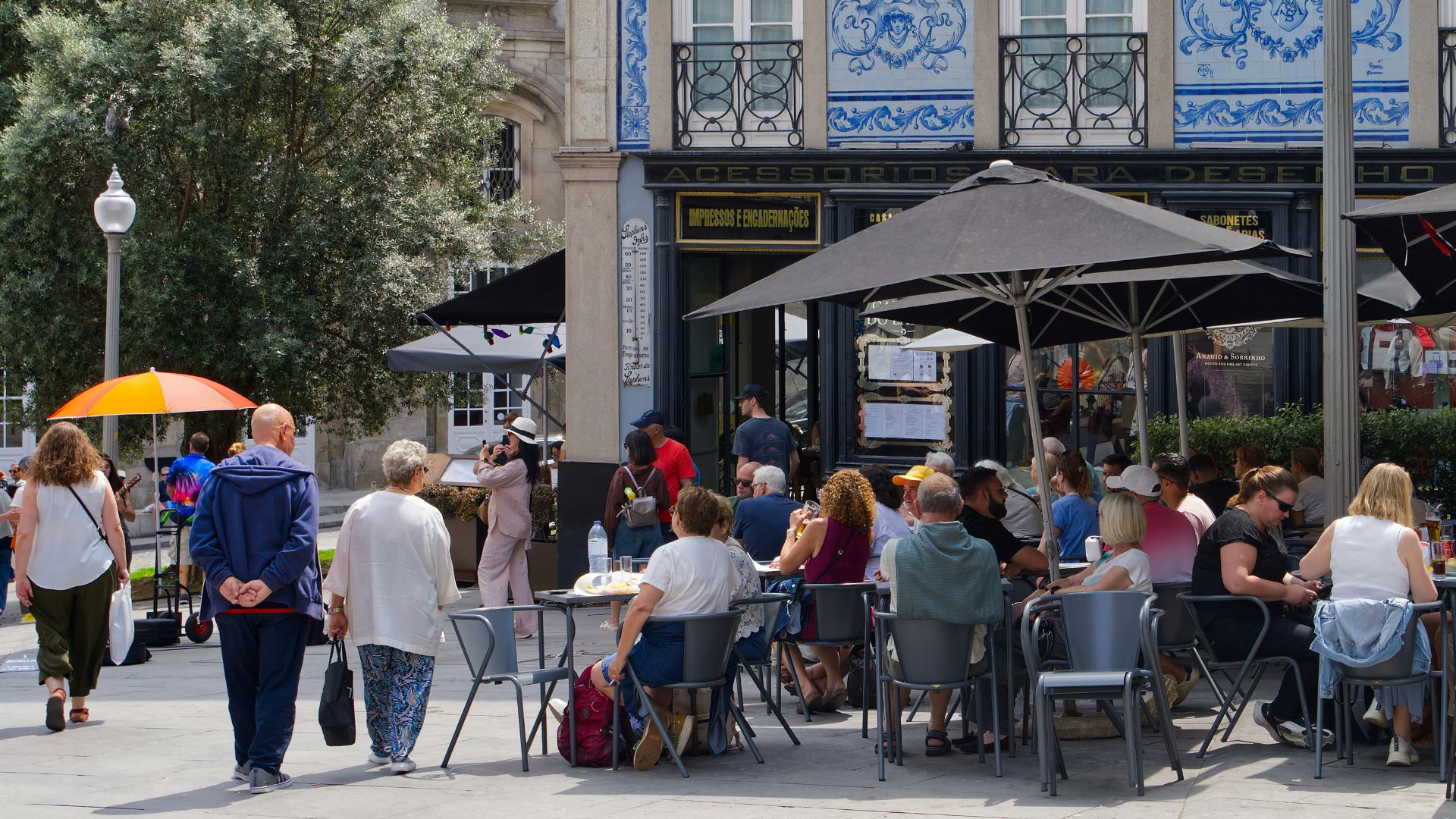
Free and Low-Cost Activities
Most European cities offer at least one free museum day a week or month. Sofia’s museums are free on the first Monday, and in Berlin, you can visit many museums for free on Thursday evenings.
Walking tours often run on a tip basis in cities like Porto, Tallinn, and Bratislava. You pay what you think the tour was worth—usually $5-15 per person.
Public parks, churches, and historic neighborhoods are free to explore. Krakow and Prague have these beautiful old towns where you can spend hours just wandering. Some churches with amazing art or architecture only ask for $1-3 for entry, if anything.
If you’re a student or senior, bring your ID. Most attractions offer discounts—sometimes up to 50% off.
Frequently Asked Questions
Budapest is a top pick for budget travelers, with daily expenses between $24-$50. Cities like Kraków, Prague, and Tirana are just as affordable and packed with culture. Eastern Europe almost always gives you more for your money—accommodations, food, and attractions cost 40-50% less than in Western Europe.
Budapest is about 47% cheaper than places like Paris or London. You can soak in thermal baths, check out historic buildings, and dive into the nightlife without spending a fortune.
Kraków has hostels and budget hotels starting at $20-30 a night. The Old Town, Wawel Castle, and salt mines are all worth seeing and easy on the wallet.
Prague offers cheap beer, affordable transit, and free walking tours. Your money stretches a lot further here than in most Western capitals.
Tirana is one of Europe’s most budget-friendly capitals. You can try Albanian food, explore quirky museums like Bunk’Art, and stay comfortably for way less than you’d expect.
Lisbon is a gem—affordable, full of coastal charm, and historic neighborhoods to wander. Ride the old trams, try pastéis de nata, and visit castles without emptying your wallet.
Budapest’s thermal baths are just a few bucks for a soak. You can stroll along the Danube or wander Castle Hill for free.
Kraków’s main market square is always lively, and you can grab pierogi for under $5. Day trips to Auschwitz-Birkenau are affordable and deeply meaningful.
Prague’s Charles Bridge and Old Town Square are free to visit. Hearty Czech meals with beer usually run $8-10 per person.
Poland stands out for affordability. Hotels, transit, and meals in places like Kraków and Warsaw are all budget-friendly.
Hungary is another solid choice—Budapest especially. Thermal baths, wine regions, and old towns are all accessible on a tight budget.
Albania is probably the cheapest country in Europe for travelers. Accommodations, food, and tours are all easy on the wallet.
Portugal gives you Western European vibes without the price tag. Lisbon and Porto cost less than similar cities in France or Germany.
The Czech Republic keeps prices reasonable, even as tourism grows. Prague can be busy, but smaller cities offer even better deals.
Tirana has the lowest living costs of any European capital. You can rent an apartment for $300-500 a month in a good area.
Budapest draws digital nomads and expats for a reason—rent, utilities, and groceries all cost much less than in the West.
Kraków offers a great quality of life at lower prices than Warsaw. Affordable housing, cheap public transport, and decent healthcare all add up.
Lisbon’s prices have climbed, but it’s still cheaper than most Western European cities. The city has good infrastructure, mild weather, and a growing expat scene.
Absolutely! Two weeks in Europe on $2000 is doable if you pick the right cities. In places like Budapest, Kraków, or Tirana, you can get by on $24-50 a day.
That $2000 breaks down to about $143 per day. It covers budget accommodation, local transit, groceries with the occasional meal out, and plenty of free or cheap sights.
Stick to Eastern Europe if you want your money to last. Skip pricey cities like Zurich or Copenhagen.
Book your stay ahead of time and travel during the shoulder season if you can. Cooking for yourself and taking public transport instead of taxis saves a lot.
Skip the expensive tours and explore on foot or join free walking tours. Tons of museums have free days or discounted evening entry—just check ahead.
Tirana? It’s still a bargain, even when July hits and other cities crank up their prices. The weather’s warm, and honestly, you won’t be elbowing your way through massive crowds like in some Mediterranean hotspots.
Budapest keeps things pretty chill price-wise during the summer. I love how the city comes alive—outdoor thermal baths, riverside walks along the Danube, and plenty of festivals.
Lisbon does get busy in July, but it somehow manages to hold onto its value. If you book your place to stay early, you’ll dodge the worst of the price hikes.
Kraków draws more tourists in summer, sure, but it’s still noticeably cheaper than cities out west. Those long daylight hours? Perfect for squeezing in one more museum or wandering the old town squares.
Prague can get crowded and a bit pricier in the center, but don’t worry—budget-friendly spots are out there. Try staying just outside the Old Town, and you’ll find better deals without missing out on the city’s charm.
