
Croatia’s farmers markets feel like living museums, where old traditions blend with the daily buzz of local life. Every morning, vendors stack their harvest on wooden tables, and the scent of fresh herbs and ripe tomatoes drifts through the air.
If you want the real taste of Croatian culture, these markets deliver. You’ll meet farmers and artisans who’ve been feeding their communities for generations—there’s nothing quite like it.
Honestly, exploring a Croatian farmers market goes way beyond shopping for groceries. You step right into the heart of how Croatians eat, gather, and connect.
From the lively Dolac market in Zagreb to quiet island stalls overlooking the Adriatic, each place tells its own story. You’ll spot regional specialties you’d never find in a guidebook.
Want Pag cheese? Curious about homemade rakija? Maybe you’ll pick up a few Croatian phrases from a cheerful vendor. The mix of incredible produce, fair prices, and real cultural moments makes these markets a must for anyone hoping to get under Croatia’s skin.
The Essence of Croatian Farmers Markets
Croatian farmers markets aren’t just about selling food. They’re about traditions, community, and the deep roots of agriculture in daily life.
These markets buzz with energy, blending the past and present in ways you can see, smell, and taste.
Local Flavors and Seasonal Produce
Croatian markets overflow with seasonal abundance, and the variety depends on where you wander. Coastal markets in Split and Zadar tempt you with seafood and Mediterranean veggies—think tomatoes, peppers, and olive oil.
Inland, the story changes. Zagreb’s Dolac Market piles up mountain cheeses, wild mushrooms, and hearty root vegetables. Every season brings something new.
Spring brings:
- Fresh asparagus and artichokes
- Early strawberries
- Wild herbs and greens
Summer offers:
- Peak tomatoes and peppers
- Stone fruits like peaches
- Fresh lavender from islands
Fall delivers:
- Grapes and wine products
- Chestnuts and walnuts
- Preserved foods for winter
Winter? Markets focus on stored produce, cured meats, and pickled veggies. Each season paints its own picture of Croatia’s agricultural story.

Traditions and Daily Life
Markets in Croatia run on a rhythm that’s lasted generations. Vendors open at dawn, and the best stuff goes early.
Locals arrive with wicker baskets, eyeing the produce and catching up with vendors they know by name. Sometimes, they even reserve their favorite items ahead of time.
You’ll notice a few unwritten rules:
- Greet vendors (it’s just polite)
- Don’t touch the produce unless invited
- Bring small bills if you can
- Shop early for the best picks
Families visit markets several times a week. Grandmothers teach grandkids how to spot the ripest fruit or the freshest fish. These simple moments keep traditions alive.

Farmer-Vendor Connections
Croatian markets thrive on direct relationships. Farmers bring their goods straight from small family plots just outside the cities.
They talk about their products with genuine pride. You’ll often get tips on how to cook something or hear a family recipe. It’s a real exchange, not just a transaction.
Some vendors specialize—one family might offer only cheese, another just organic veggies. This creates a cool mix of expertise and variety.
Why shop direct?
- Fresher produce
- Better prices (no middlemen)
- Personalized suggestions
- Support for local agriculture
During harvest, island farmers sometimes sail over to mainland markets with olive oil or wine. Those fleeting connections stick with you.
Unmissable Farmers Markets Across Croatia
If you’re after fresh local produce and a real slice of Croatian culture, these markets deliver. Each one has its own flavor, from Zagreb’s iconic Dolac to coastal favorites in Split and Dubrovnik.
Dolac Market in Zagreb
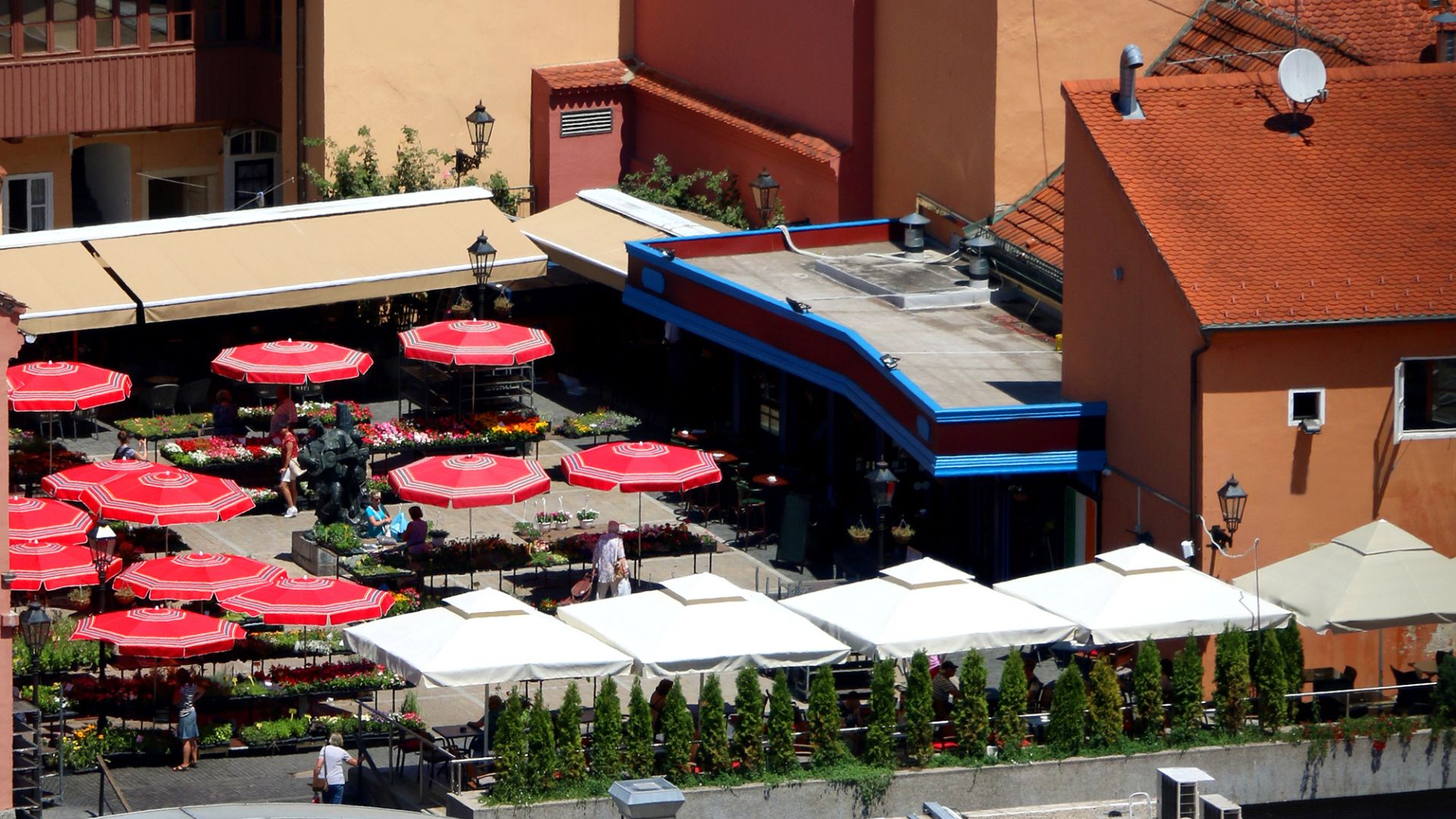
Dolac Market sits at the heart of Zagreb’s food scene. Locals have flocked here since 1930.
You’ll find two levels. Upstairs, outdoor stalls burst with fruits and veggies, all brought in fresh each morning.
Head downstairs for meat, fish, and dairy. The range is wild—Croatian cheeses, fresh Adriatic seafood, and more.
Why Dolac stands out:
- Bright red umbrellas shading the stalls
- Direct sales from farmers
- Homemade honey and other treats
- Right by Zagreb’s main square
I’d suggest arriving early, around 7 AM, for the best picks. It’s busiest in the morning, but that’s when the vibe is best.
Split Green Market (Pazar)
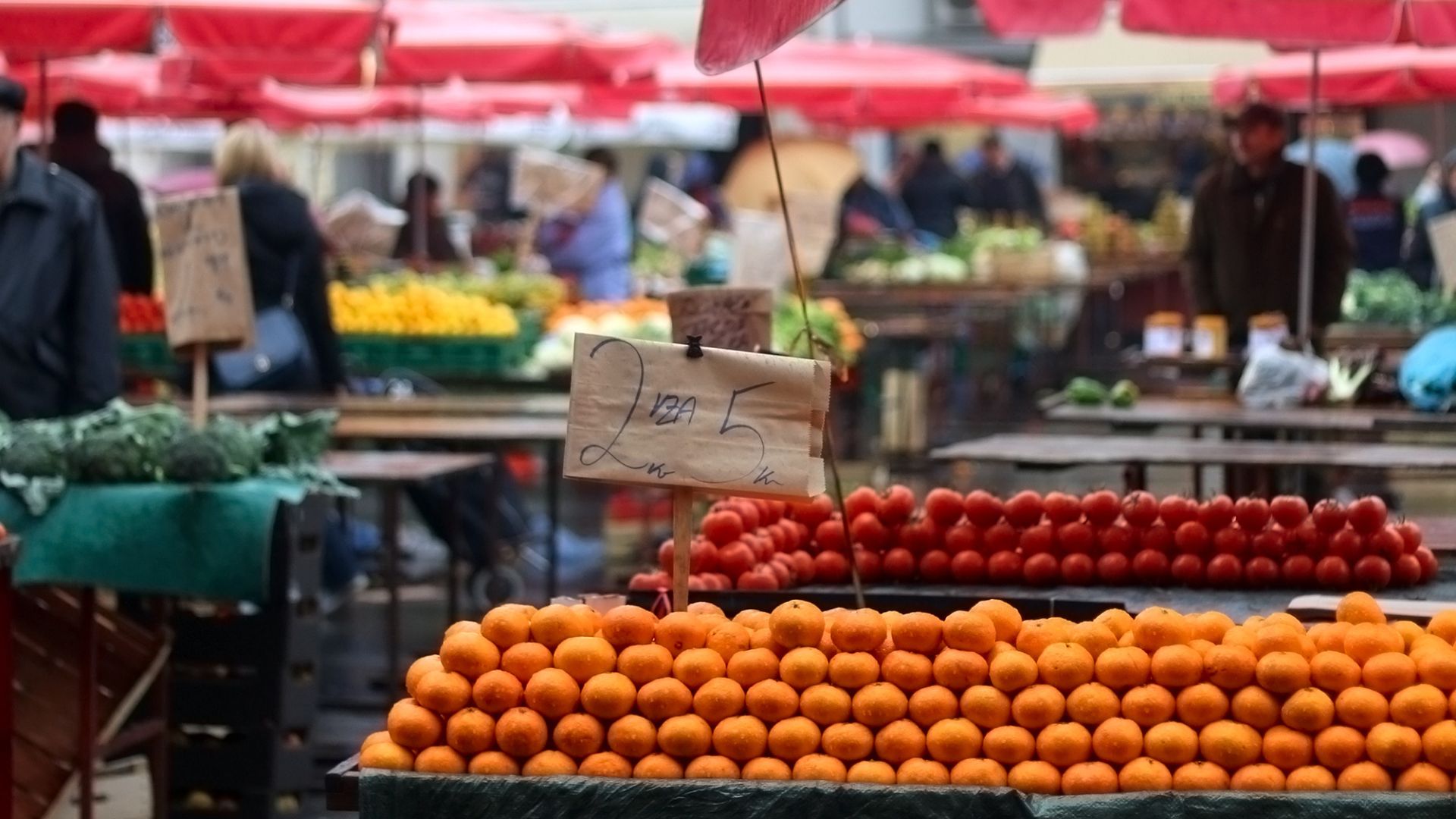
Split’s Green Market, or Pazar, is a feast for the senses. It sits just steps from Diocletian’s Palace—so, super convenient if you’re sightseeing.
Farmers bring in veggies, fruits, and herbs from the Dalmatian countryside. You might even find wild asparagus or unique Mediterranean greens.
The fish section? Always lively. Sardines, sea bream, octopus—whatever the Adriatic offers that day.
Don’t miss:
- The location near historic sites
- Dalmatian seasonal specialties
- Fresh seafood, straight from local boats
- Classic olive oils and wines
Vendors love to chat about their products, and you’ll probably get offered a taste or two.
Pula Central Market
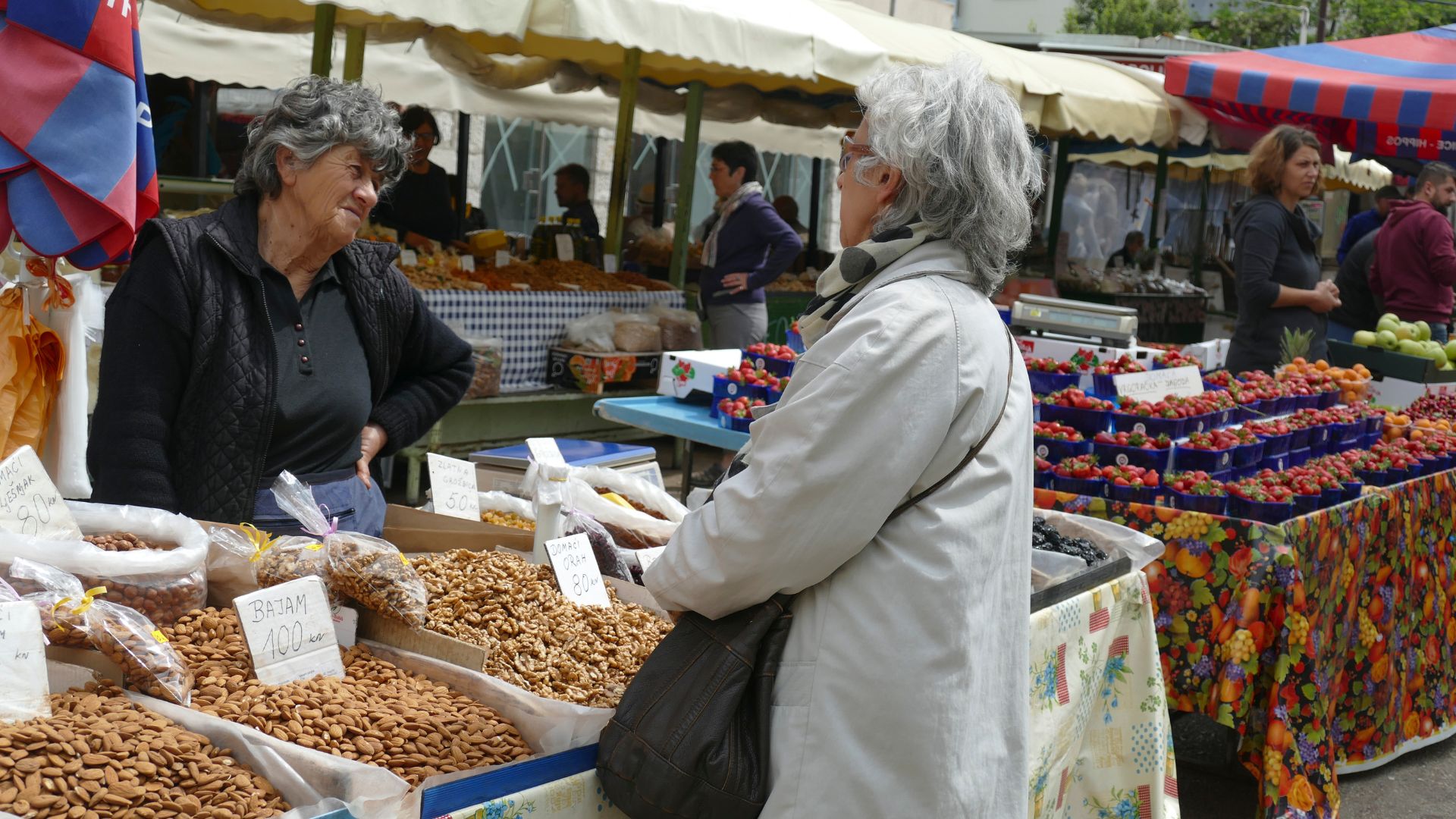
Pula’s market blends Italian flair with Croatian tradition. The covered hall keeps things cozy, but you still feel that open-air buzz.
Istrian specialties take center stage—truffles, olive oils, and local wines are everywhere.
Veggie stalls brim with produce from nearby farms. Istrian prosciut and regional cheeses make perfect gifts (or snacks for later).
Highlights:
- Truffle products galore
- Premium olive oils
- Local wines and brandies
- Traditional cured meats
The market runs all year, and vendors often speak a few languages, thanks to the steady stream of tourists.
Dubrovnik Gundulic Square Market
Gundulic Square Market sits in one of Dubrovnik’s prettiest spots. The history adds something special to the experience.
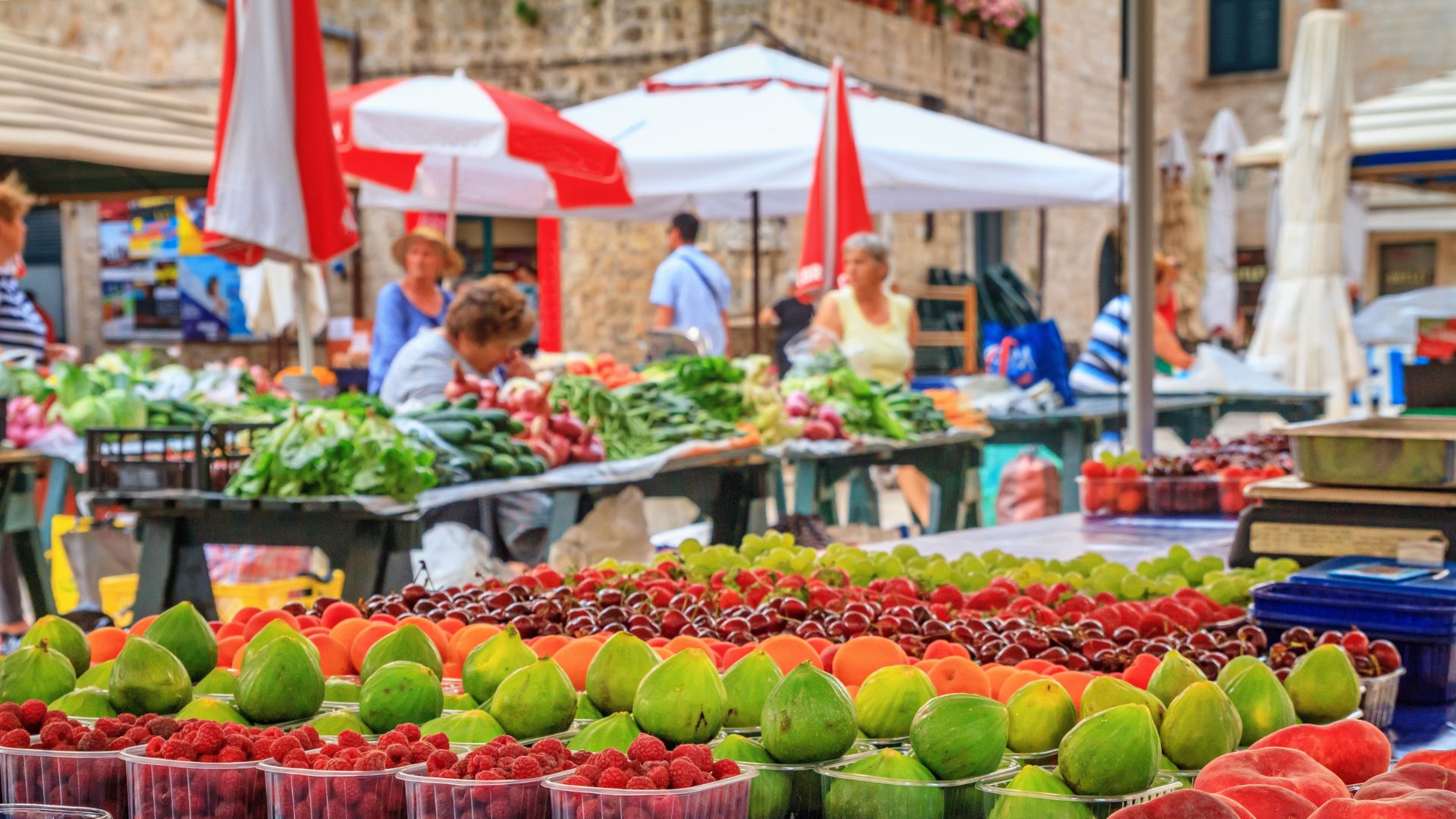
Farmers from the countryside bring their freshest produce. Southern Croatian specialties shine here, especially in summer.
Tomatoes, peppers, Mediterranean herbs—everything looks and smells amazing.
What makes it unique:
- Historic square setting
- Southern Croatian flavors
- Ever-changing seasonal fruits
- Handmade, traditional products
The market opens every morning except Sunday. Show up early for the best selection.
Authentic Tastes: Signature Foods to Try
Croatian farmers markets overflow with regional specialties. From classic štrukli to Adriatic seafood and seasonal produce, you’ll taste the country’s culinary soul.
Štrukli and Traditional Baked Goods
Štrukli is a must-try. This pastry, filled with fresh cottage cheese, comes boiled or baked.
You’ll spot štrukli at many markets in northern Croatia. Some are sweet, with sugar and raisins; others are savory, with herbs and spices.
Other baked treats you’ll find:
- Fresh bread from local grains
- Honey cakes and pastries
- Regional breads like pogača
Vendors often bake these goods themselves, using recipes passed down through the family. It’s a world apart from supermarket fare.
Seafood and Freshwater Specialties
Coastal markets serve up fresh seafood from the Adriatic. You’ll see sea bass, sardines, and octopus on ice, all caught that morning.
Dalmatian markets, in particular, impress with their daily catches. Vendors love to suggest ways to prepare something new.
Seafood favorites:
- Whole fish and fillets
- Mussels and clams
- Cured fish (great for snacks)
Inland? You’ll spot freshwater fish like trout and carp. Smoked fish pops up too, keeping old-school flavor alive.
Seasonal Fruits and Vegetables
Markets shift with the seasons. Spring brings asparagus and fresh greens. Summer explodes with tomatoes, peppers, and juicy stone fruits.
Produce here tastes richer—maybe because it ripens on the plant, not in a truck.
Seasonal standouts:
- Spring: Wild asparagus, fresh herbs
- Summer: Tomatoes, peppers, melons
- Fall: Grapes, apples, root veggies
- Winter: Cabbage, potatoes, preserves
Some farmers offer heirloom varieties you won’t find anywhere else. It’s a direct link to Croatia’s farming heritage.

Hidden Gems and Unique Market Experiences
Some of Croatia’s best market moments happen in small villages, far from the crowds. Here, you’ll find authentic connections and traditions that city markets just can’t match.
Off-the-Beaten-Path Villages
Rural villages host some of the most genuine farmers markets. On Brač island, the market in Bol shines with organic veggies and fruit—no pesticides in sight.
Coastal towns like Primošten and Vrbnik hold weekly markets in the main square. Fishermen show up with their morning catch. Farmers bring whatever’s ripe from their gardens.
Mountain villages near Zagreb host Saturday markets. I’ve found wild mushrooms, forest honey, and homemade cheese. These markets run on trust and long-standing relationships.
Village market picks:
- Bol (Brač Island): organic produce, island specialties
- Primošten: seafood, local wines, olive oil
- Vrbnik (Krk Island): famous cheese, crafts
Local Artisans and Handmade Products
Markets here aren’t just about food. You’ll spot handwoven textiles, wooden kitchen tools, and pottery made with old-world techniques.
Istrian markets offer truffle products and handmade pasta. Artisans sometimes demonstrate their craft right at their stalls.
Lavender from Hvar island fills the air at Dalmatian markets. Soaps, oils, and dried bouquets make unique souvenirs—and your suitcase will smell amazing.
Artisan finds:
- Linen and wool textiles
- Wooden utensils and décor
- Pottery and ceramics
- Lavender and herb goodies
- Handmade soaps and cosmetics
Countryside Culinary Retreats
Out in the countryside, you can join farm-to-table experiences at family estates. I’ve enjoyed meals where everything—eggs, veggies, wine—comes straight from the backyard.
In Istria, agritourism spots let you stay overnight and visit markets with your hosts. Mornings start with fresh eggs, and you pick lunch from the garden.
Wine estates across Croatia host autumn harvest festivals. You’ll taste new wines paired with local cheese and meats.
Some farms even run cooking classes. You’ll shop the market for ingredients, then learn to make dishes like peka or sarma. It’s hands-on, delicious, and a little messy—in the best way.
Island Markets: Distinctive Flavors and Atmosphere
Croatia’s island markets feel different—more relaxed, more Mediterranean. Each has its own vibe and signature flavors.
Hvar Town Market
Hvar’s market is honestly one of my favorites. It sits right in town, with gorgeous harbor views as you shop.
What you’ll find:
- Local figs and grapes
- Fresh rosemary and lavender
- Veggies from island farms
- Fish and seafood, caught nearby
The fruit here tastes extra sweet—maybe it’s the island sun. Stalls also brim with handmade crafts.
The market runs daily in summer. Early morning is best for fresh picks.
Korčula’s Fresh Finds
Korčula’s market reflects the island’s deep farming roots. Families have sold their goods here for generations.
Olive oil and wine are stars. Many vendors offer tastings of their family’s specialties. I’d say don’t miss the local white wines made from Pošip grapes.
Market highlights:
- Fresh seafood from local boats
- Homemade jams and preserves
- Goat cheeses unique to the island
- Handwoven textiles
Market stalls line the old town’s stone streets. Vendors open early and often sell out by afternoon.
Prices tend to be better than on the mainland. Most vendors speak a little English and are happy to chat.
Island Heritage and Products
Croatia’s island markets keep coastal food traditions alive. You can really taste the difference from one island to the next—each spot seems to have its own specialty, shaped by the climate and the stubborn, rocky soil.
Regional Specialties by Island:
- Brač: Think juicy stone fruits and some of the best lamb you’ll ever try.
- Vis: Blue fish straight from the sea and local wines that honestly surprised me.
- Pag: The sheep cheese here is legendary, and don’t even get me started on the salt.
- Krk: Olive oil that tastes like sunshine, plus prosciutto that’s cured just right.
You can feel the history in every bite. Farmers on these islands stick with old-school methods, sometimes passed down for generations.
At the markets, vendors light up when they talk about their goods. They’ll tell you about their grandma’s recipe or how their family tends the fields—sometimes with a bit of pride, sometimes with a laugh.
If you time your visit right, you might stumble into a festival. Locals throw these seasonal celebrations to show off their island’s best, and honestly, it’s the perfect mix of shopping and soaking up the culture.
Living on an island isn’t always easy, but it shapes the food in the best way. With limited space, farmers pour their energy into making every batch count—so what ends up on your plate is something truly special.
