
Summer 2026 feels like the right moment to hit the open road and see America up close. Nothing beats the freedom of pulling over wherever you want, whether you’re chasing mountain views or craving a detour for pie in a tiny diner.
This guide rounds up ten epic road trips that crisscross the country’s most scenic routes. Each one offers something a little different—some hug the ocean, some climb the mountains, and others cut right through the heartland.
I’ve included a few practical tips too, because let’s be honest, packing and planning can make or break a trip. Whether you’re dreaming of iconic highways or hidden gems, these routes will help you squeeze every drop out of summer.
1) Route 66 from Chicago to Santa Monica
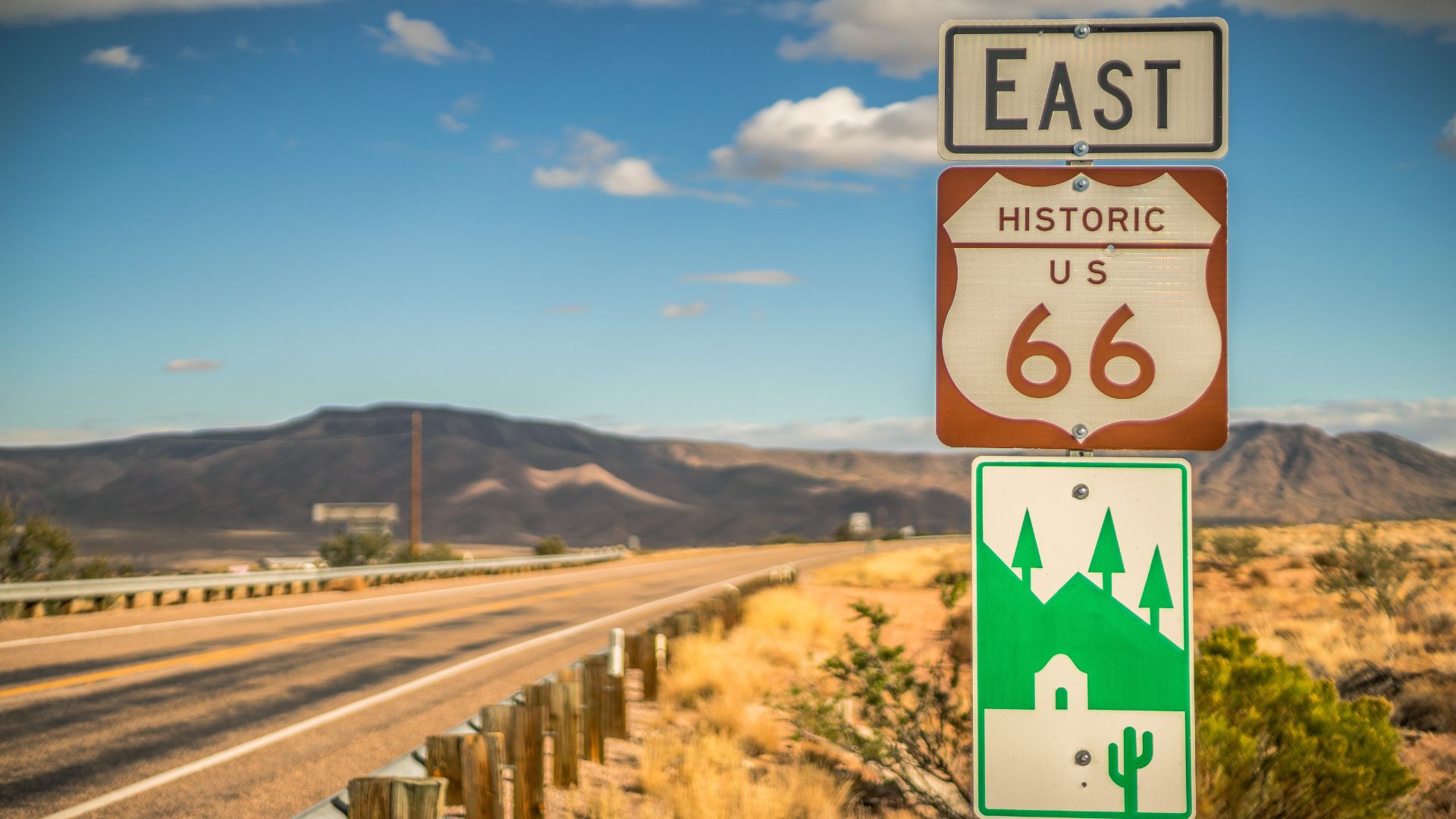
You can’t talk American road trips without mentioning Route 66. Spanning about 2,400 miles and eight states, it connects Chicago, Illinois to Santa Monica, California.
Since its opening in 1926, this historic road has lured travelers west with neon-lit motels, quirky museums, and those classic roadside diners. You’ll weave through small towns and big cities, each with a vibe all its own.
Give yourself at least two weeks to really soak it in. The route jumps across three time zones, so don’t forget to factor that in.
2026 marks the centennial anniversary of Route 66. If there was ever a year to go, it’s this one.
You’ll cross everything from Midwest plains to Southwest deserts and end up on the California coast. Some original stretches of the old road are still out there, waiting for you to drive them.
2) Pacific Coast Highway, California
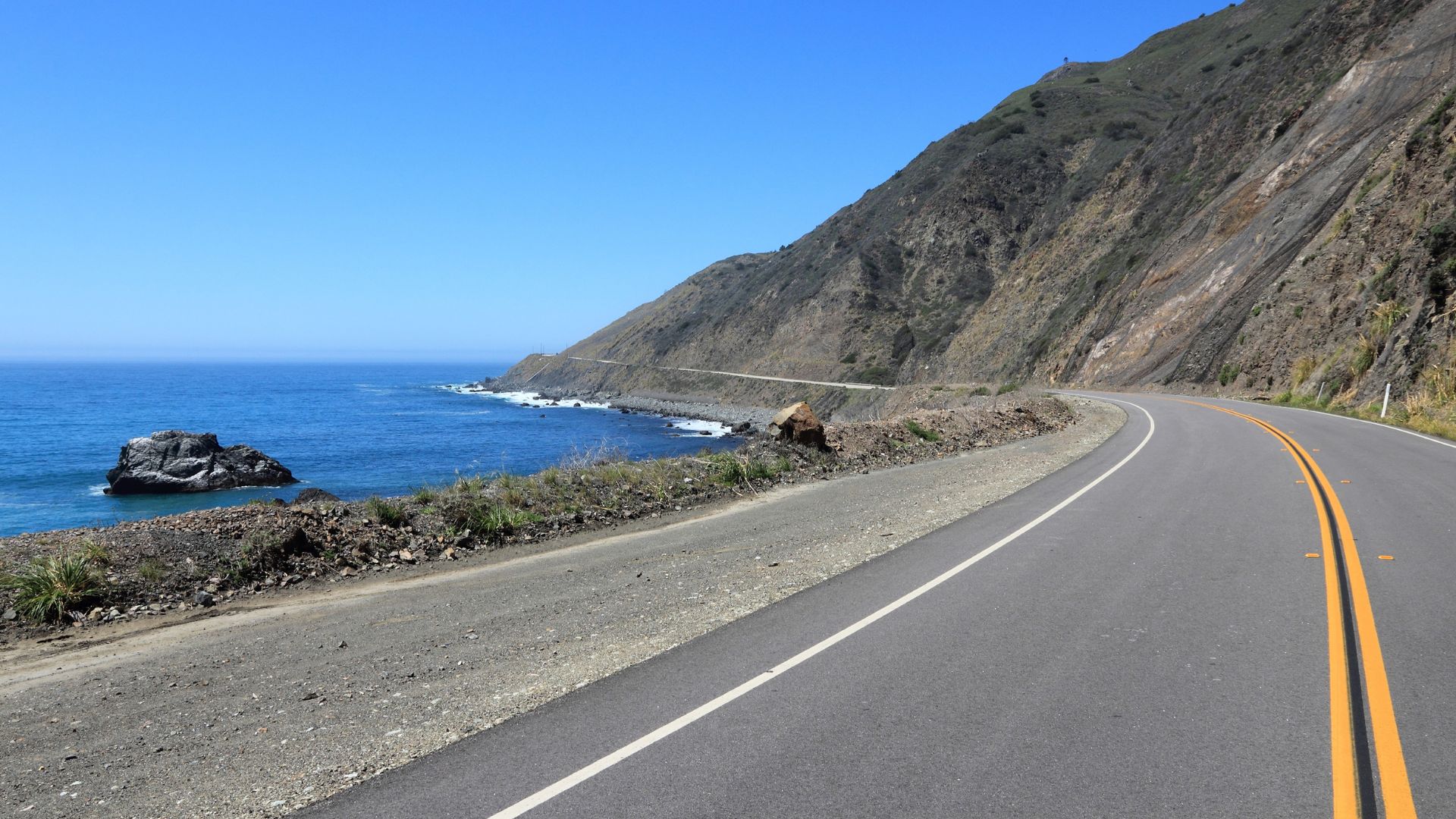
The Pacific Coast Highway (Highway 1) is pure California magic. It winds along the coastline, giving you ocean cliffs, sandy beaches, and redwood forests.
You’ll cruise through Big Sur, Monterey, and Santa Barbara. Honestly, every curve seems to reveal another jaw-dropping view.
You can do the trip in a few days or stretch it to two weeks if you want to linger in those small coastal towns. State parks and natural landmarks pop up everywhere.
Summer 2026 should bring warm, clear days. Book your hotels early though—everyone else has the same idea.
Most folks like driving north so the ocean is on their side. I can’t blame them. It’s one of those drives you’ll remember forever.
3) Blue Ridge Parkway, Virginia to North Carolina
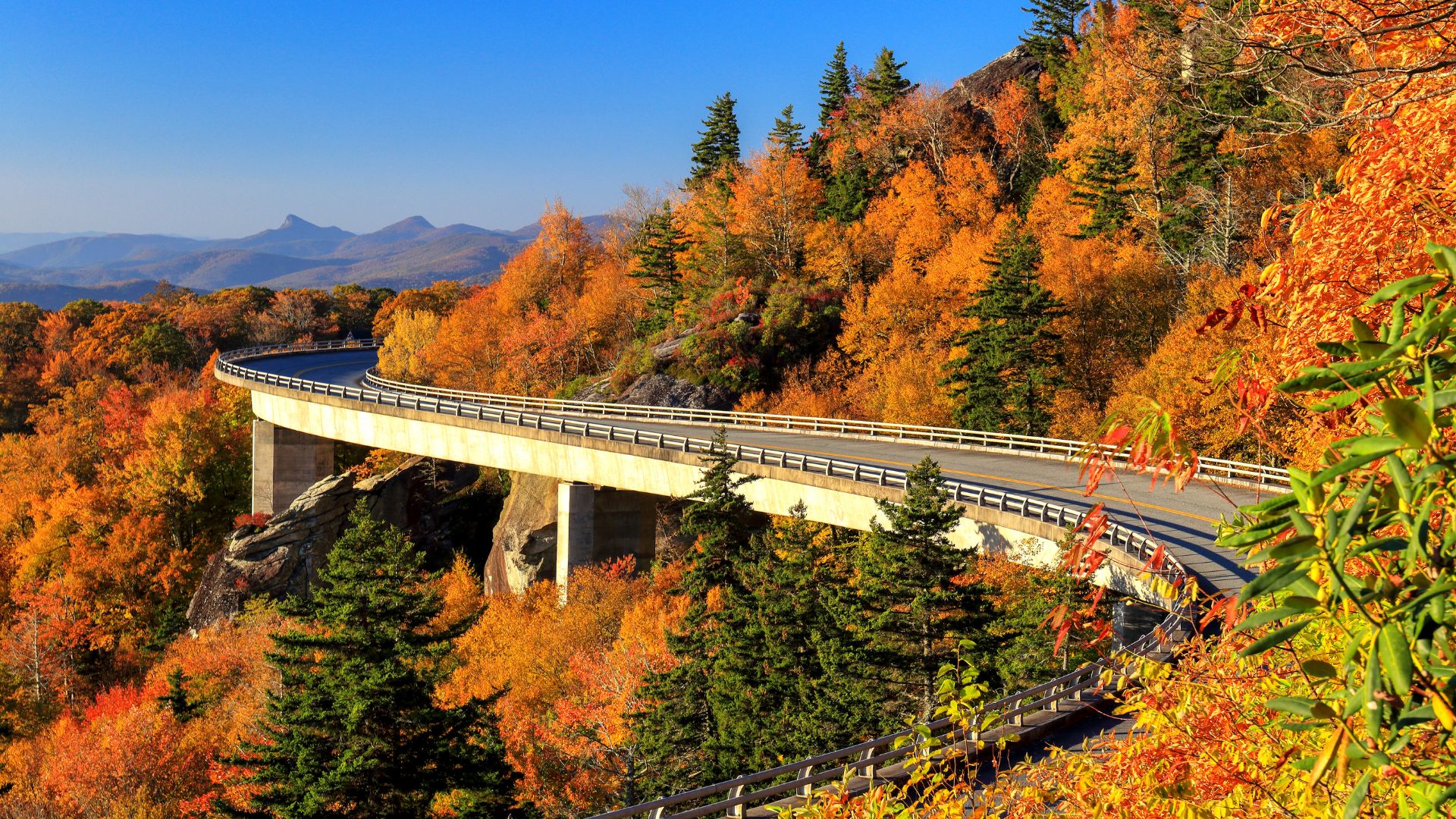
The Blue Ridge Parkway runs 469 miles through the Appalachian Mountains, linking Shenandoah National Park in Virginia to the Great Smoky Mountains in North Carolina. This scenic byway follows the mountain ridges and gives you endless views of rolling hills.
You’ll find plenty of overlooks to pull over and just take it all in. Small mountain towns dot the route, offering local eats and cozy places to rest.
Summer is perfect for hiking the trails that branch off the parkway. Waterfalls, historic sites, and picnic spots are everywhere.
Give yourself two or three days for the highlights. The speed limit rarely tops 45 mph, so don’t rush—this is a drive you want to savor.
Campgrounds line the parkway, or you can grab a room in towns like Asheville or Roanoke. The drive itself is free, though a few attractions might charge for entry.
4) Great River Road along the Mississippi River
If you want a road trip that feels like a journey through the heart of America, the Great River Road delivers. It traces the Mississippi River for about 3,000 miles across 10 states, from Minnesota down to Louisiana.
You’ll pass through Minnesota, Wisconsin, Iowa, Illinois, Missouri, Kentucky, Tennessee, Arkansas, Mississippi, and finally Louisiana. Each state adds its own flavor to the experience.
Instead of a single highway, you’ll follow a patchwork of local roads. Expect scenic river views, small towns, and a few oddball roadside attractions. Historic landmarks pop up all along the way.
Summer is a great time for this one. Warm weather means you can hop out and explore riverside parks or snack on local food. The landscape shifts as you head south, and so does the culture.

5) Florida Keys Overseas Highway
The Overseas Highway is a sun-soaked adventure stretching 113 miles from mainland Florida to Key West. You’ll cross 42 bridges as you skip from island to island, surrounded by brilliant blue water.
Start in Key Largo, where you can snorkel in clear water or visit John Pennekamp Coral Reef State Park. As you keep heading south, fresh seafood, quirky shops, and waterfront bars pop up everywhere.
Don’t miss the key lime pie—it’s a must at every stop. The drive itself dishes out nonstop ocean views.
Give yourself a full day so you can pull over and explore. Mile markers make it easy to find the best spots.
Key West sits at the end, just 90 miles from Cuba. You can do this as a day trip, but honestly, spending a night or two on the islands is worth it.

6) The Loneliest Road, Nevada
Highway 50 slices across central Nevada for nearly 400 miles, from Carson City to Great Basin National Park. Life Magazine dubbed it “The Loneliest Road in America” back in 1986, and the name stuck for good reason.
You’ll follow the old Pony Express Trail through empty desert valleys and over mountain passes. Mining towns pop up here and there, and wild horses sometimes cross your path.
There are eight historic towns along the way. You might find yourself soaking in a natural hot spring or poking around a ghost town.
The draw here is the isolation. Miles of open road, nothing but sagebrush and sky. Services are few and far between, so plan your gas stops carefully.
At the eastern end, Great Basin National Park waits with its caves and ancient bristlecone pines.

7) Going-to-the-Sun Road, Glacier National Park
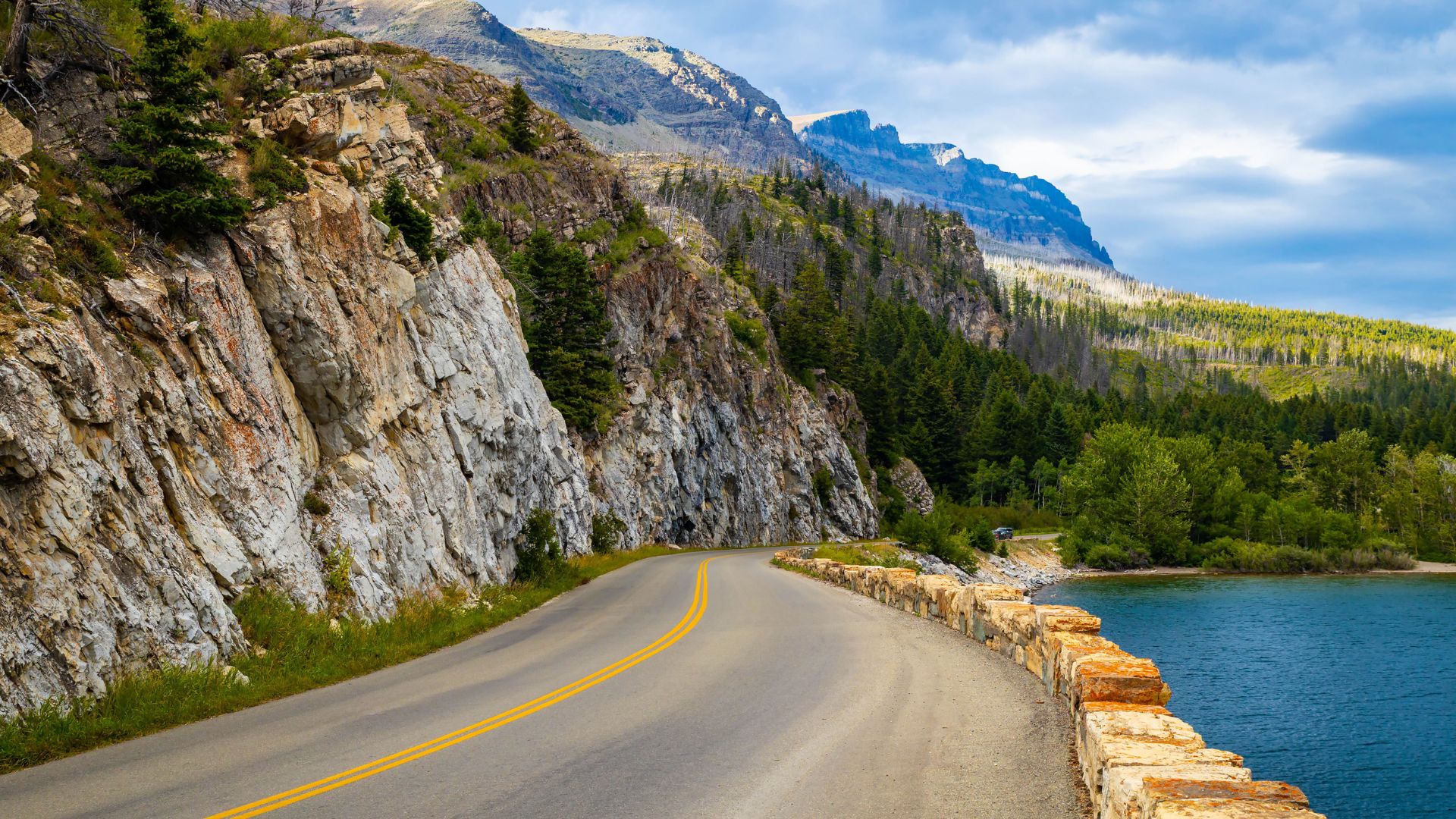
Going-to-the-Sun Road slices right through Glacier National Park in Montana. It’s just 50 miles long, but wow, what a drive.
The road climbs over the Continental Divide at Logan Pass. It took nine years to build, finally opening in the 1930s.
You’ll pass glacial valleys, alpine lakes, and mountains that look like something out of a painting. Waterfalls spill down the cliffs as you wind your way through the park.
Be sure to stop at Logan Pass. Hiking trails start there, and wildlife—think mountain goats and bighorn sheep—often make an appearance.
The road usually opens in late June or early July, after the snow melts. It closes again by mid-October. Check ahead for weather updates and see if you’ll need a reservation or entry ticket during peak months.
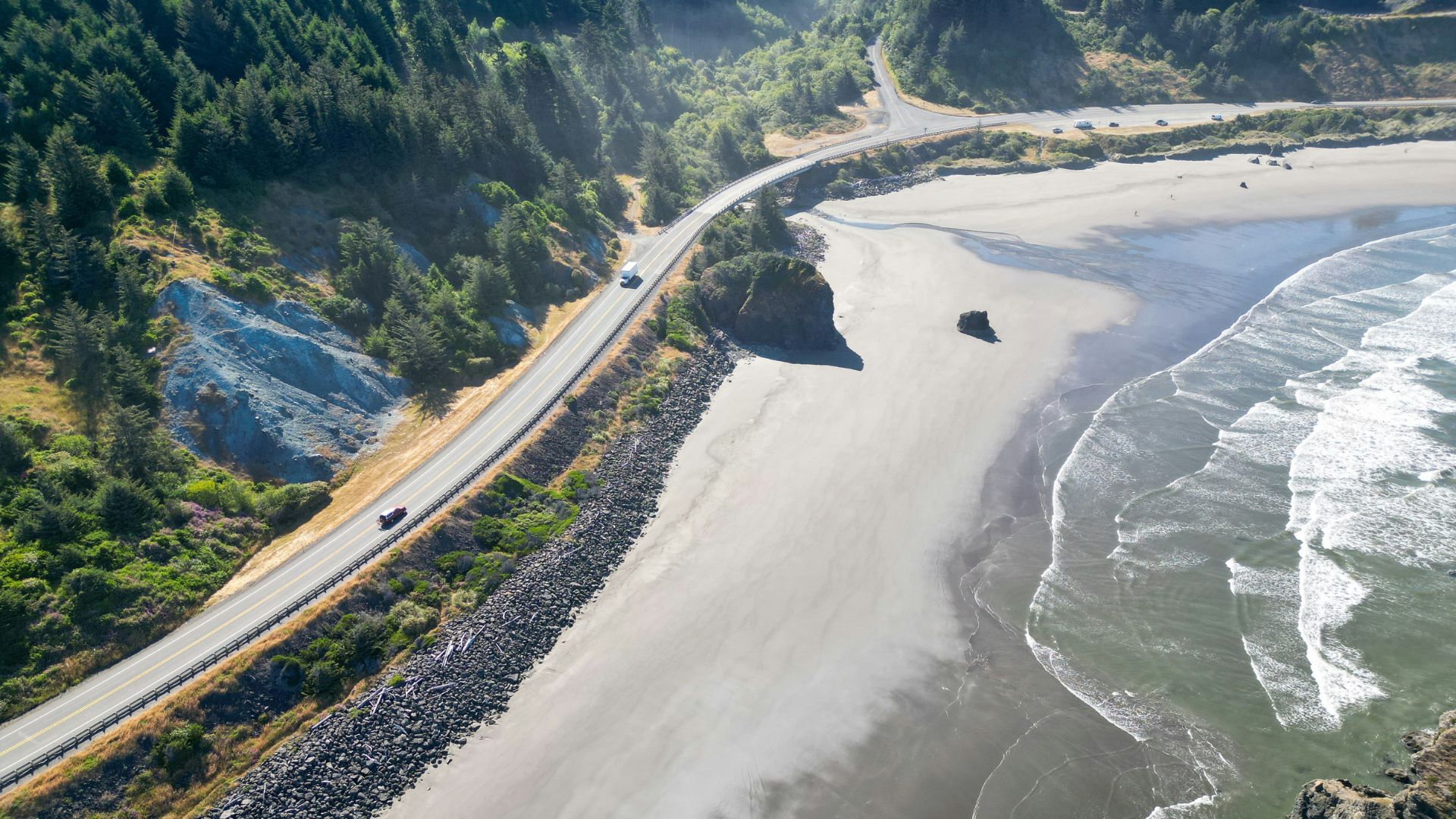
8) The Oregon Coast Scenic Byway
The Oregon Coast Scenic Byway stretches 363 miles along Highway 101, from Astoria to Brookings. It earned All-American Road status in 2002, and honestly, it deserves it.
You’ll hug dramatic cliffs, wander sandy beaches, and spot historic lighthouses. Sea caves, blowholes, and rocky headlands make every mile interesting.
Oregon law keeps all beaches public. That means you can stop anywhere to explore tide pools or watch the waves crash.
Give yourself a week—maybe even ten days—if you want to see the highlights without rushing. Summer brings cool, comfortable weather, even when the inland heat is raging.
Coastal forests, scenic viewpoints, and small towns with fresh seafood line the road. It’s easily one of the best coastal drives in the country.
9) The Alaska Highway
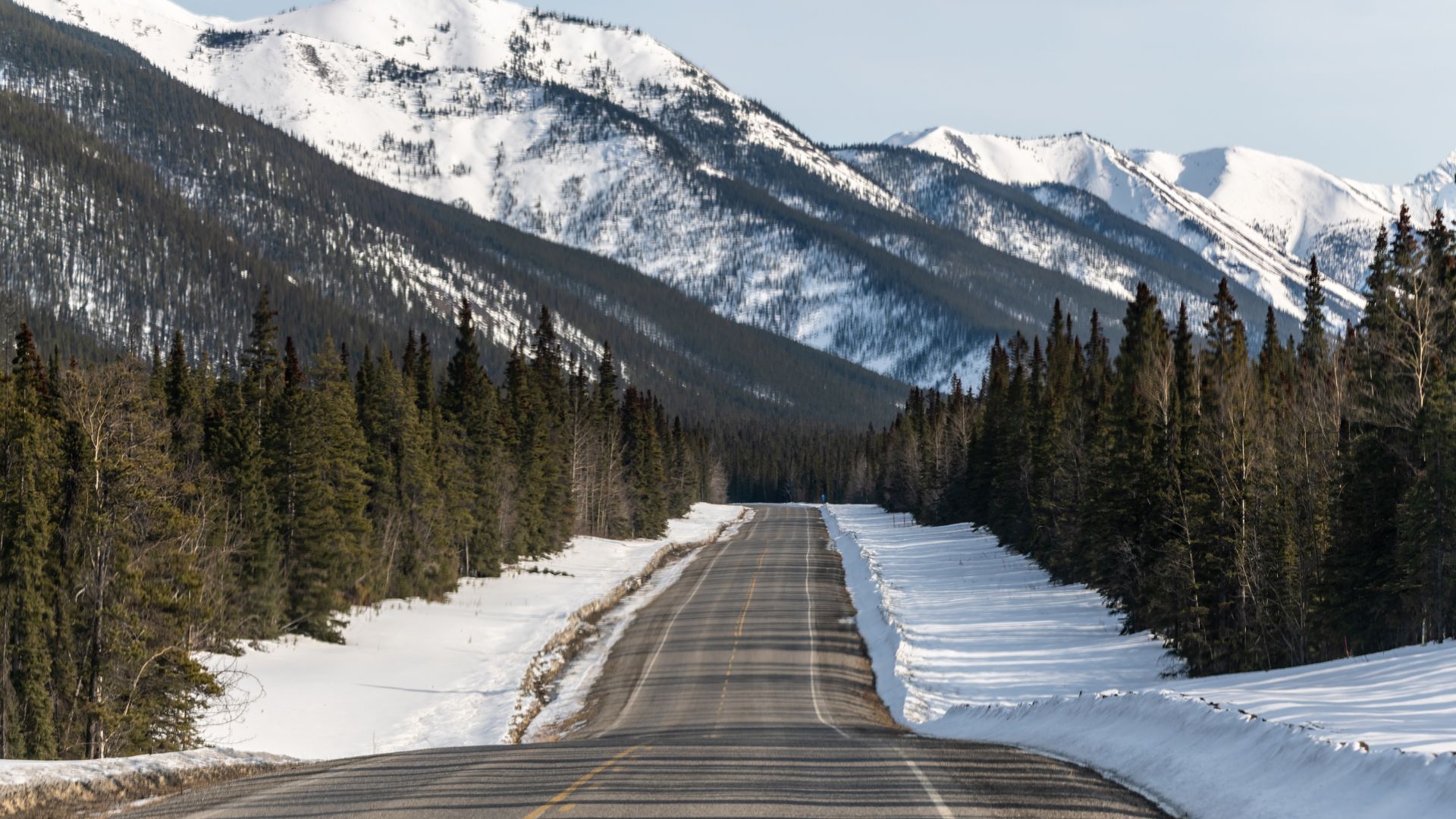
The Alaska Highway is the stuff of legends. It runs over 1,300 miles from Dawson Creek in British Columbia to Delta Junction in Alaska, cutting through some of North America’s wildest country.
You’ll pass dense forests, mountain ranges, and pristine lakes. The road crosses British Columbia and the Yukon before reaching Alaska. Wildlife—bears, moose, bison—shows up often, so keep your camera ready.
The best time to go is between mid-May and mid-September. Services are few and far between, so fill up on gas whenever you can.
Most of the road is paved now, but some stretches can be a little rough. The trip takes four to five days if you drive straight through, but you’ll want to stop and explore.
Costs run higher out here—gas, food, lodging—so budget accordingly. Make sure your car is in good shape before you set out. This is one road trip where preparation really pays off.
10) The Million Dollar Highway, Colorado
If you’re looking for a drive that’ll stick with you, the Million Dollar Highway is it. This 25-mile stretch along U.S. Route 550 cuts right through Colorado’s wild San Juan Mountains.
I’ve driven it between Silverton and Ouray, and let me tell you, those cliffside roads hug the mountain so tight you’ll grip the wheel a little harder. The highway is open all year, but winter? That’s only for the brave. Summer’s where it shines—think crisp air, blue skies, and temps that bounce between 50 and 90°F, depending how high up you get.
You’ll find trailheads for hiking, steaming hot springs, and mountain biking routes just off the road. Old mining towns dot the way, and their history is everywhere if you’re curious enough to stop.
Families, couples, solo adventurers—everyone seems to love this drive. Motorcyclists and RVers flock here too. The drive itself only takes about an hour, but honestly, who rushes through scenery like this? Make time for the overlooks and quirky roadside stops.
If you ask me, summer is the sweet spot. Roads are clear, and everything’s open. Spring and fall are quieter, though, if you’d rather skip the crowds.

Essential Packing Tips for a Cross-Country Summer Road Trip
Packing right can make or break your road trip. I always aim for comfort, safety, and the ability to handle whatever weather or weirdness the road throws at me.
Must-Have Gear and Safety Items
Before I even think about snacks, I load up my car with an emergency kit. Jumper cables, a spare tire (and the know-how to change it), and a first-aid kit with the basics—those are non-negotiable.
I stash a flashlight with extra batteries, a couple of road flares or reflective triangles, and a multi-tool or small wrench set. My phone charger (plus a backup power bank) stays within arm’s reach. It’s my GPS, camera, and lifeline rolled into one.
I keep my insurance card, registration, and roadside assistance info in the glove compartment—no digging around needed.
Sunscreen and bug spray go in the door pocket. I usually bring paper maps just in case my phone loses signal, and I tuck a small fire extinguisher under the seat. Hand sanitizer, wipes, and trash bags help keep the car from turning into a disaster zone.

Clothing and Footwear for Changing Climates
Summer weather is unpredictable. I pack layers—light jackets, long sleeves, and a raincoat always find their way into my bag.
For shoes, I bring a comfy pair for driving, plus sturdier ones for hikes or exploring. Flip-flops or sandals are perfect for hot, lazy stops.
Three to five days’ worth of clothes is usually enough, especially if you stick to quick-dry fabrics. I throw in shorts, tees, a pair of jeans, and a swimsuit for unexpected swimming holes.
A hat and sunglasses are must-haves. If you’re planning a fancy dinner, one nicer outfit won’t take up much space.
Healthy Road Trip Snacks and Hydration
I never hit the road without a cooler. I fill it with ice packs, fresh fruit, and water bottles that I refill every chance I get. Staying hydrated is a game-changer, especially when the sun’s relentless.
My go-to snacks? Apples, grapes, and oranges. I add cut veggies and hummus, nuts, trail mix, protein bars, string cheese, and whole grain crackers. Jerky’s great for long stretches between towns.
I steer clear of super salty or sugary snacks—they just make you crash or crave more water. Variety keeps things interesting, so I mix it up each day.
If I’m planning a long hike or a day in the sun, I’ll toss in a couple of sports drinks for the electrolytes. I always keep a stash of non-perishable snacks somewhere in the car, just in case.

Planning and Customizing Your 2026 Road Trip Adventure
The best road trips are a blend of planning and freedom. I like to map out a few scenic detours, set a budget that won’t stress me out, and download all my must-have apps before I go.
Choosing Scenic Routes and Alternate Highways
Sure, interstates are fast, but I’d rather take the long way if it means better views. National Scenic Byways like the Blue Ridge Parkway or Highway 1 in California? Worth every extra mile.
State tourism sites often list their best drives, complete with maps and quirky stops. I like to mix these into my main route for a change of pace.
I always plan to hit scenic roads during daylight. Overlooks and viewpoints usually close at sunset, and winding mountain roads get tricky in the dark. Flexibility is key—sometimes the best stops aren’t on the itinerary.
Budgeting for Fuel, Food, and Lodging
Gas prices can be all over the place. I figure out my vehicle’s mileage, estimate the total gallons I’ll need, and then check local prices. For a 2,000-mile trip at 25 mpg, I’ll need about 80 gallons. At $3.50 a gallon, that’s $280—give or take.
Food can eat up your budget fast. If I eat out every meal, it’s $40-60 a day, easy. Groceries and a cooler drop that to $15-25. I usually do a mix—splurge on local spots, but picnic when I can.
Lodging is the wild card. Budget motels run $60-90, while mid-range hotels are $100-150. Booking ahead helps, especially in busy places. Camping’s a great way to save, usually $20-40 a night.

Tech Tools and Apps for Navigation and Roadside Assistance
I rely on Google Maps or Apple Maps, but I always download offline maps for those no-signal zones out west.
GasBuddy’s handy for finding cheap fuel along the way. I use Roadtrippers or Furkot to plan stops and estimate drive times.
I make sure I’ve got a roadside assistance app ready. AAA is great if you’re a member, but HONK and Urgently work for everyone. Download them before you leave—no one wants to be stuck without help.
Weather Underground is my go-to for forecasts. Mountain storms can pop up fast, and knowing what’s coming helps me avoid trouble.
Frequently Asked Questions
Route 66 turns 100 in 2026. If you’re planning a summer road trip, it’s a pretty special year to hit the road. Picking the right route, timing your trip, and knowing the can’t-miss stops can make your adventure unforgettable.
The Pacific Coast Highway is a classic—endless ocean views, dramatic cliffs, and beach towns you’ll want to linger in.
The Blue Ridge Parkway winds through Virginia and North Carolina, offering hiking, waterfalls, and those rolling Appalachian vistas.
The Great River Road traces the Mississippi, letting you dip into river towns and watch the scenery shift from forests to farmland.
Travel magazines love the Florida Keys Overseas Highway for 2026. It’s a wild ride over turquoise water, hopping from island to island.
Route 66 gets a lot of attention for its centennial. You’ll cruise from Chicago to Santa Monica, crossing eight states and a century of history.
California’s Pacific Coast Highway keeps its place as a favorite—San Francisco to San Diego, with beach stops all along the way.
Start in Chicago, finish in Santa Monica, and soak up every bit of Americana in between. The full 2,448 miles take you through Illinois, Missouri, Kansas, Oklahoma, Texas, New Mexico, Arizona, and California.
Give yourself at least two weeks. You’ll want to stop at classic diners, oddball roadside attractions, and vintage motels.
Look for original Route 66 signs and stretches of the old highway. Many towns celebrate the road’s legacy with museums and restored landmarks.
Route 66 is a wild mix—prairies, deserts, mountains, and icons like the Grand Canyon and Cadillac Ranch.
The Pacific Coast Highway delivers nonstop ocean views and some of the most photogenic coastline in Big Sur.
The Blue Ridge Parkway gives you 469 miles of mountain beauty, with plenty of overlooks, hiking trails, and charming small towns.
The Florida Keys are perfect in April—warm, not too humid, and less crowded. You can swim, eat fresh seafood, and hop between islands.
Southern stretches of Route 66 (think Texas, New Mexico, Arizona) are comfortable before the summer heat kicks in.
Lower elevations on the Blue Ridge Parkway open up with spring wildflowers. Higher spots might still have snow, but you’ll get a taste of the season’s first blooms.
Let’s talk Route 66 first. You just can’t skip Cadillac Ranch in Texas—giant, graffiti-covered cars sticking out of the ground? It’s weird and wonderful. Petrified Forest National Park in Arizona will blow your mind with those ancient, rainbow-hued logs.
And of course, the journey ends (or begins, depending on your direction) at the Santa Monica Pier. The ocean breeze, the carnival rides—it’s a vibe you don’t want to miss.
Hungry? Pull over at Lou Mitchell’s in Chicago for a real-deal diner breakfast. Later, rest up at the Blue Swallow Motel in New Mexico, a retro gem that feels like stepping into a postcard.
Cruising the Pacific Coast Highway? Hearst Castle towers over the coastline, dripping with old Hollywood glamour. Bixby Bridge will have you pulling over for photos, trust me.
Monterey Bay Aquarium is a must for anyone who loves sea life. If you’ve got extra time, wander through Point Lobos State Natural Reserve. The trails wind through cypress groves and along dramatic cliffs.
Don’t rush past Carmel-by-the-Sea. The town’s storybook cottages and cozy bakeries make it feel like a fairy tale.
If you’re heading down the Blue Ridge Parkway, Shenandoah National Park is an essential stop. The mountain views stretch for miles, and you’ll probably want to linger.
Asheville buzzes with artsy energy and great food. Mount Mitchell, the highest peak east of the Mississippi, is perfect for a quick hike and panoramic views.
Finally, swing by Mabry Mill. The old waterwheel and local craft demos are classic photo ops—plus, there’s usually fresh cornbread on offer.
