
Most coastal towns get crowded in the summer, then quiet down as the seasons change. But a few special places along America’s shores just keep their magic going, no matter when you show up.
The best evergreen coastal towns let you plan your escape on your terms—no need to fight crazy crowds or sky-high prices. These year-round destinations dot both coasts, stretching from the misty Pacific Northwest to the breezy Mid-Atlantic.
Each spot brings its own blend of scenery, local flavor, and things to do that don’t depend on blazing sun or summer break. Planning ahead for 2026? You’ll probably snag better places to stay and catch these towns at their most authentic. Whether you love quiet beach walks in January or lively festivals in July, these places flex with the seasons but never lose their charm.
1) Long Beach, Washington
Long Beach hugs Washington’s Pacific coastline, with 28 windswept miles of sandy beaches. You can actually drive right onto some stretches, which is pretty rare and makes hauling your stuff a breeze.
Every August, the Washington State International Kite Festival fills the sky with color and draws a crowd from all over. If you geek out over kites, the World Kite Museum stays open year-round and tells you everything you didn’t know you wanted to learn.
Fresh seafood? Oh, absolutely—razor clams and other local catches pop up on menus all over town. The beaches here feel wild, with dunes and driftwood everywhere, perfect for long walks or a little beachcombing.
Long Beach sits within driving distance of both Portland and Seattle, so weekend escapes are totally doable. The town keeps a laid-back vibe, and outdoor lovers get trails winding through coastal forests and plenty of beach exploration.
Most mornings start foggy, but the sun usually burns through by lunchtime. That’s when the kite flyers come out, and the whole place feels alive. Whether you want a quiet retreat or an active adventure, Long Beach just works—any time of year.
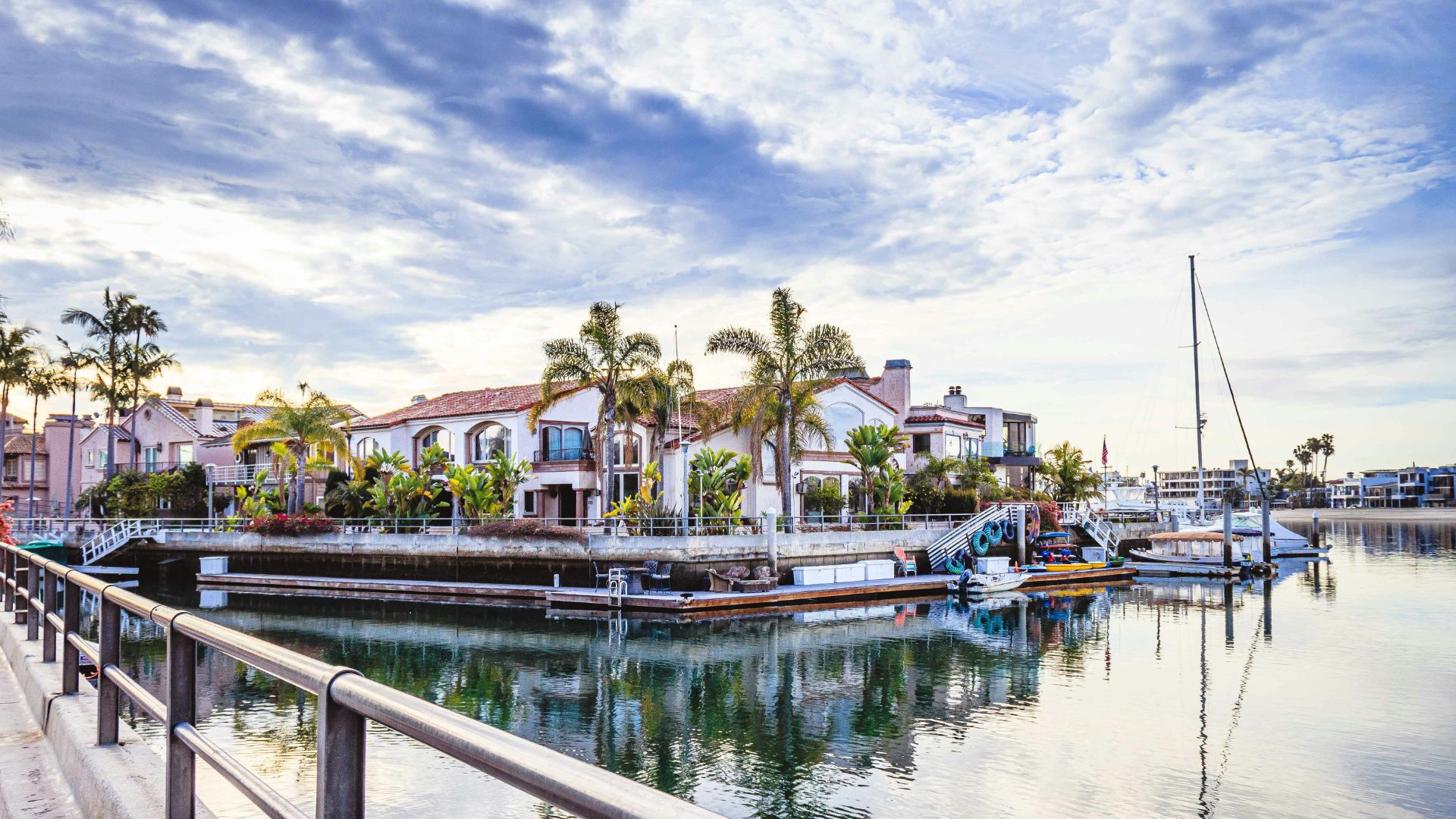
2) Port Orford, Oregon
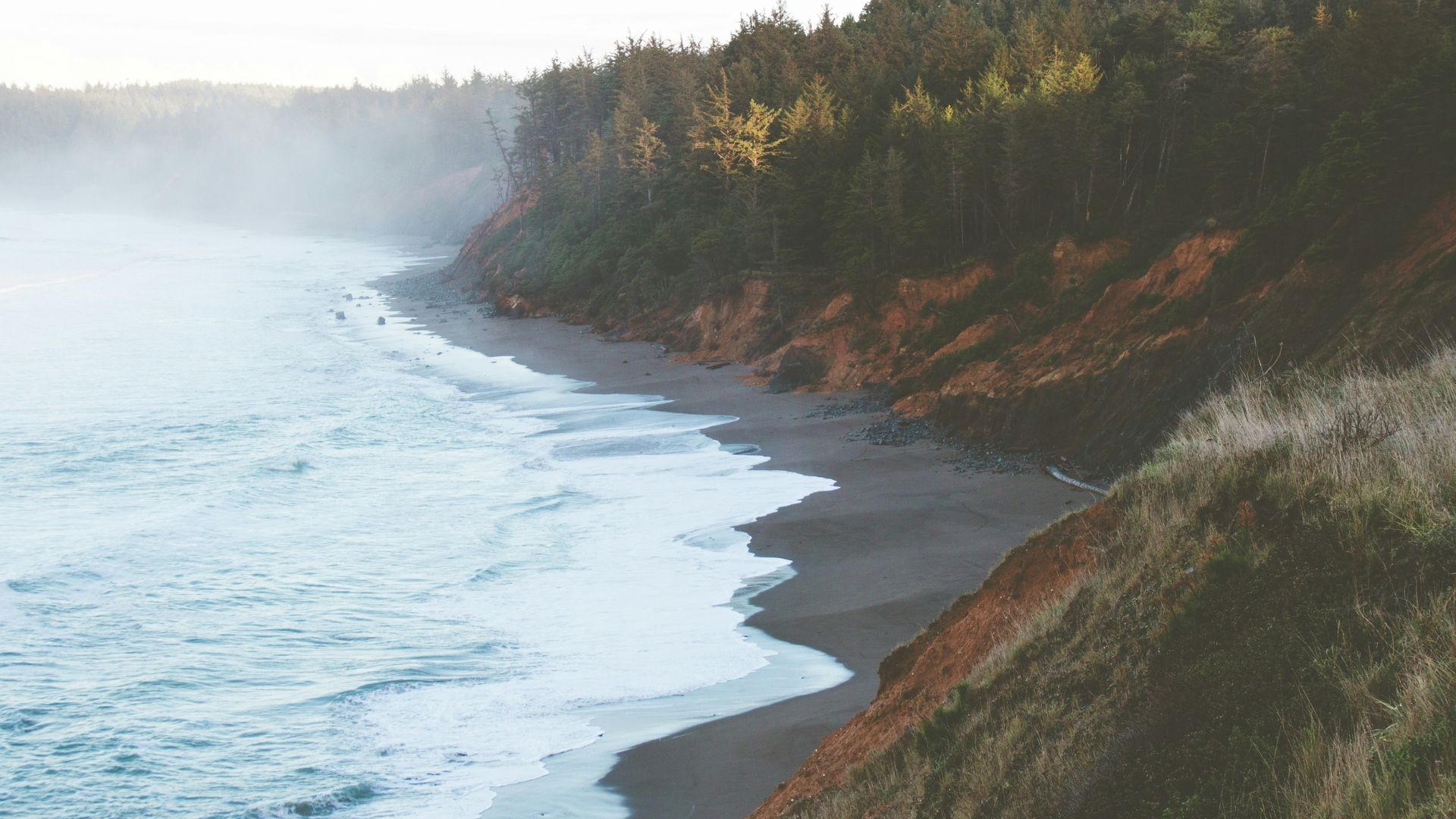
Port Orford claims the title of westernmost incorporated city in the lower 48. It’s tucked away on Oregon’s southern coast, and honestly, it feels a world apart from the usual touristy spots.
Down at the historic port, dramatic headlands crash into the Pacific. If you like rocky beaches and watching working fishing boats, this is your place. Cape Blanco looms nearby, and the whole area stays pretty untouched.
Weather here? Mild, mostly, though winter brings a fair bit of rain. Summers warm up and the skies clear, but even then, you won’t find the crowds you’d get farther north.
Port Orford makes a solid base for outdoor adventures. Hike nearby trails, hunt for agates, or check out Cape Blanco Lighthouse. The port still buzzes with activity, so you get a real taste of Oregon’s coastal roots.
Shops and restaurants stick around all year, though they might shorten hours in winter. The uncrowded beaches and epic viewpoints are reason enough to put Port Orford on your 2026 wish list.
3) Avila Beach, California
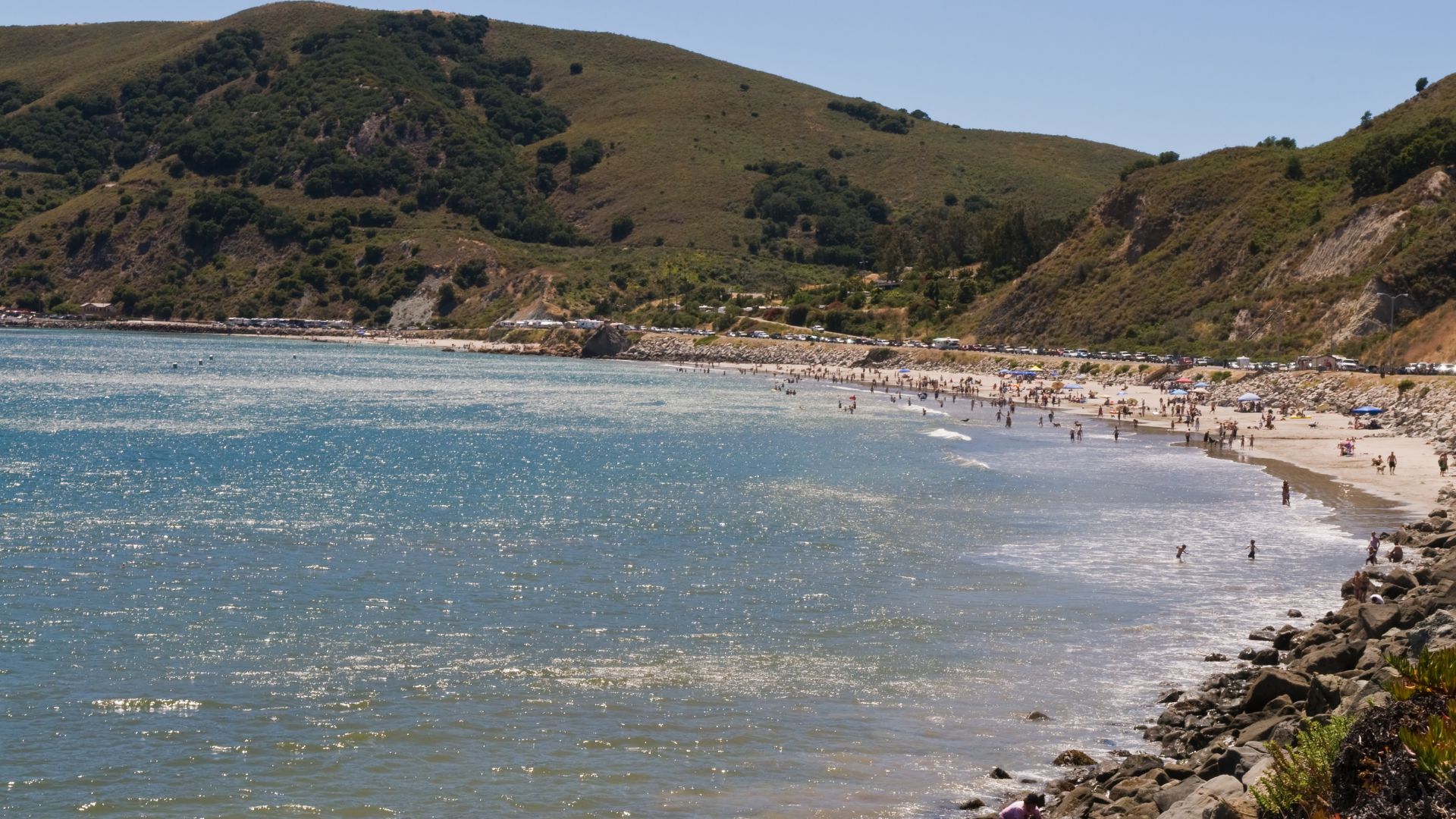
Avila Beach hides in a sheltered cove on California’s Central Coast, and it’s got this easygoing vibe that bigger towns just can’t fake. With fewer than 2,000 locals, the place feels like a real escape.
The hills wrap around the cove and block out most wind and fog, so Avila runs 10 to 15 degrees warmer than its neighbors. More sunshine? Yes, please.
You can walk almost everywhere—Front Street and the beach are the main attractions. The pier stretches right into the Pacific, and it’s a sweet spot for fishing or just watching the sun dip below the waves.
Avila Beach works for year-round visits. Even in January, you’ll get warm afternoons that make beach days possible when other towns are shivering.
You’re close to wine country and state parks, too. It’s easy to plan day trips, but honestly, Avila’s relaxed pace and quiet beach town feel might make you want to stay put.
4) Bethany Beach, Delaware
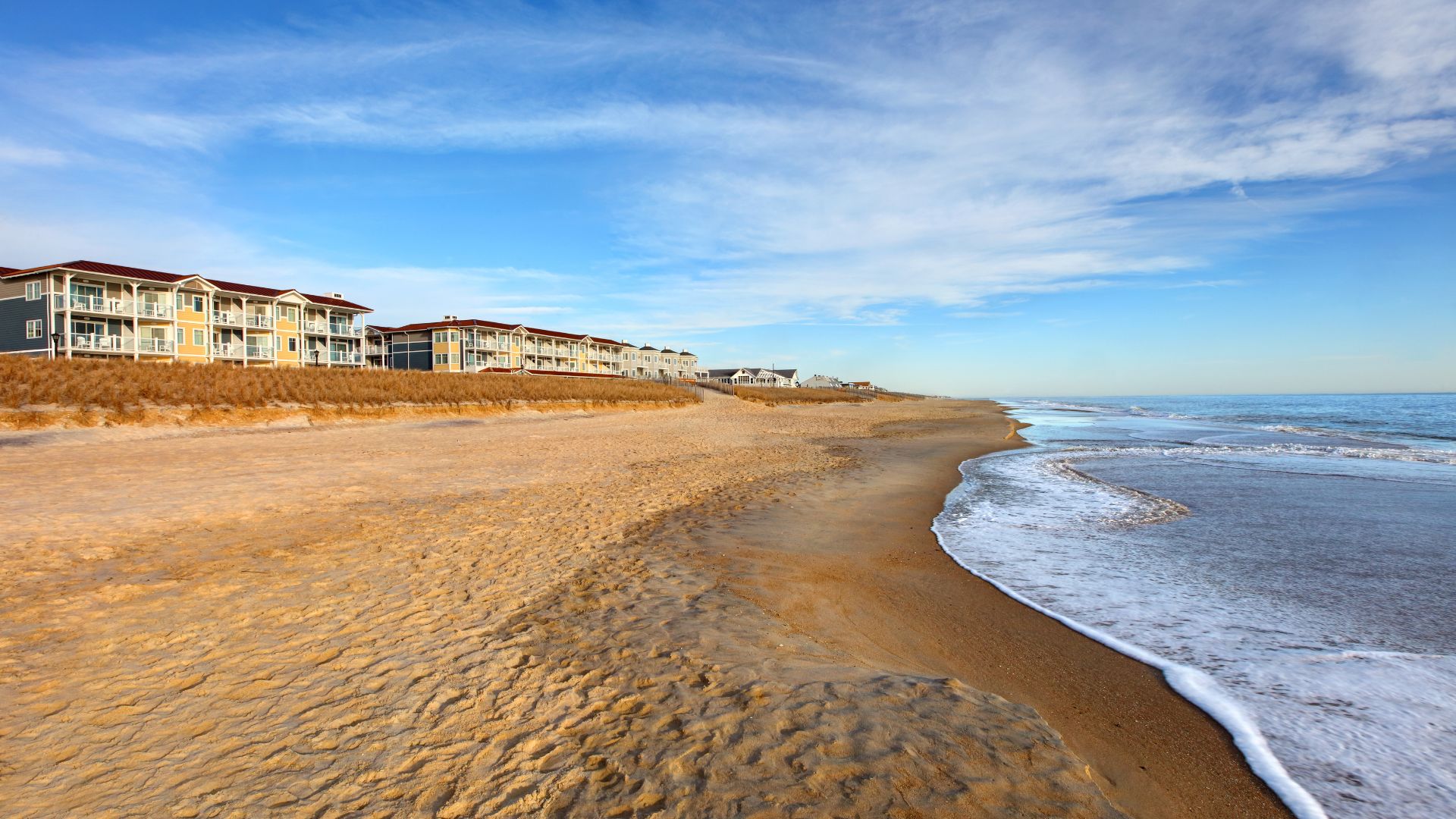
Bethany Beach stands out as a peaceful alternative to the busier Atlantic hotspots. Locals call it part of Delaware’s “Quiet Resorts,” and the calm, laid-back vibe sticks around all year.
The boardwalk is compact—just enough shops and restaurants to keep things interesting, but not overwhelming. The beach stays clean and open year-round, though most people swim from late spring to early fall. Off-season walks along the shore are peaceful, and you’ll often find better deals on places to stay.
Bethany sits between the Atlantic and inland waterways, right along Route 1. It’s easy to get to but doesn’t feel crowded. Delaware Seashore State Park borders the north side, so you’ve got protected trails and wildlife watching close by.
Spring brings perfect weather for getting outdoors. Summer draws loyal families who come back every year for that classic beach town feel. Fall? It’s ideal for biking and exploring nearby towns like Fenwick Island.
Bethany Beach doesn’t hinge on peak season. Most businesses stay open across multiple seasons, and the small-town spirit never really changes—whether you’re there in March or October.
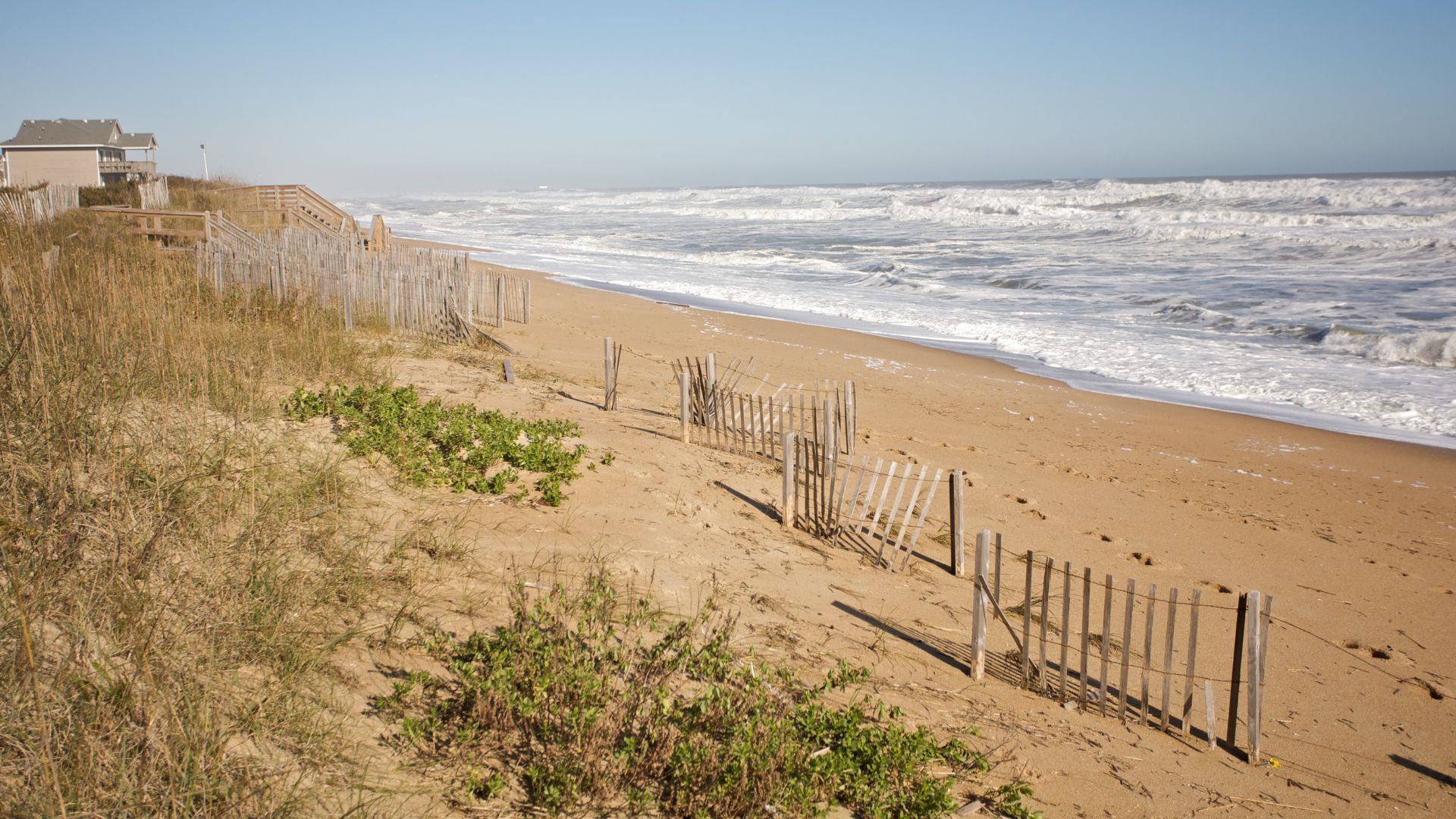
5) Duck, North Carolina
Duck sits up on the northern Outer Banks and keeps things mellow compared to the party scenes farther south. With just 742 full-time residents, it’s tiny—though that number explodes in summer.
Even when the vacationers roll in, Duck hangs onto its low-key charm. The two-mile wooden boardwalk runs along the sound, making it easy to wander between shops and restaurants without fighting traffic.
The beaches stay open all year. Winters get chilly, but you can still stroll the sand or spot migrating birds if you’re lucky.
Duck only became a town in 2002, so it’s pretty new as far as Outer Banks spots go. The local rules keep big developments in check, which helps the place feel cozy.
Vacation rentals are everywhere, and you can book a spot with soundside or oceanside views any season. Duck sits close to other Outer Banks attractions, but you’re far enough away to dodge the crowds.
If you want a coastal getaway that’s all about relaxation—no wild nightlife or flashy amusements—Duck’s got you covered.
6) Cannon Beach, Oregon
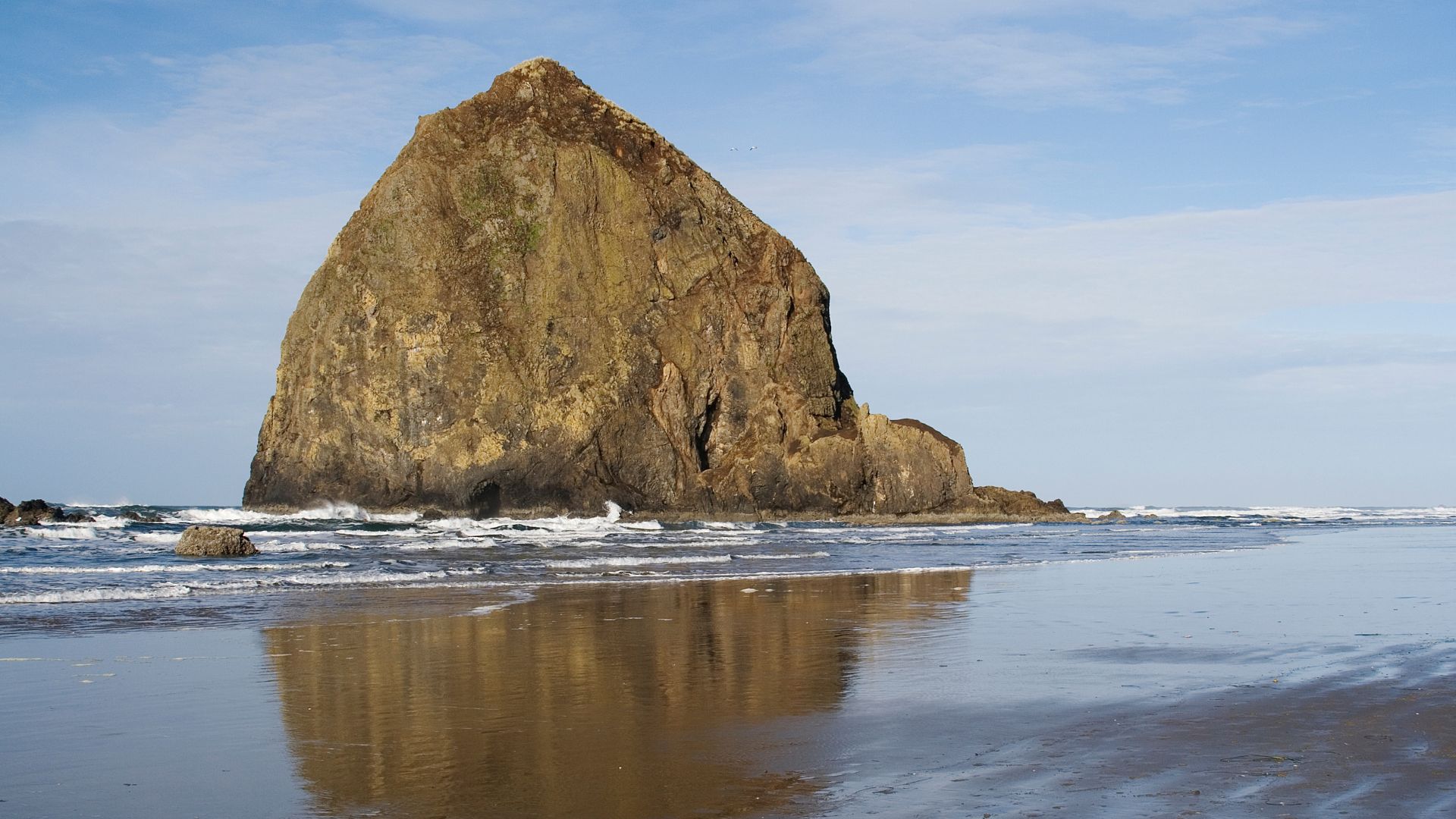
Cannon Beach offers a peaceful escape that works any time of year. Up on Oregon’s northern coast, the town charms visitors with its quaint downtown and wild scenery.
Haystack Rock towers over the shoreline—a 235-foot sea stack that’s basically the town’s mascot. At low tide, you can poke around tide pools and spot starfish and anemones.
Art galleries, local shops, and cozy restaurants line the main streets. You can browse for coastal treasures without dodging the crowds you’d find in bigger towns.
Winter here means dramatic storms and wave watching. Spring and fall are perfect for long, uncrowded beach walks. Summers stay warm but rarely get uncomfortably hot.
Nearby state parks serve up hiking trails through lush forests. You can explore miles of sand stretching in both directions from town.
Cannon Beach makes a great base for checking out other small coastal communities nearby. If you want variety without a long drive, you’re in luck.
7) Morro Bay, California
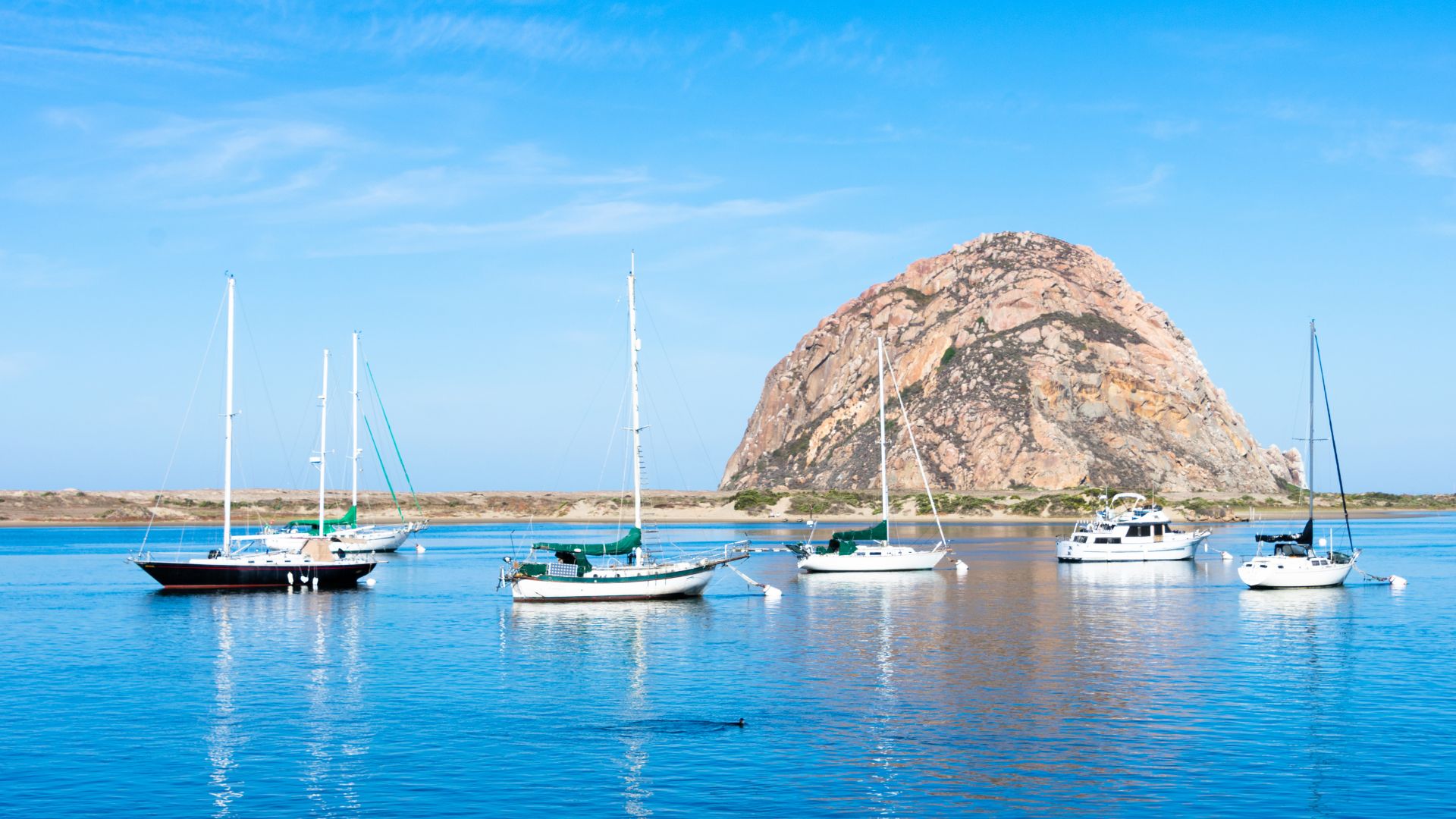
Morro Bay sits halfway between LA and San Francisco on California’s Central Coast, with around 10,757 people calling it home. The massive volcanic rock—Morro Rock—rises 576 feet above the harbor and gives the town its name.
You can visit any time of year, thanks to the temperate climate. The weather stays sunny and comfortable most of the time, which really takes the guesswork out of planning.
The harbor buzzes with boats—both working and recreational. Seafood restaurants serve up the day’s catch, and you might spot sea otters floating in the bay if you keep an eye out. Wildlife watching is a big deal here.
If you’re road-tripping Highway 1 or 101, Morro Bay makes a perfect stop. USA Today even named it a top-five small coastal town in the country. You can stroll the waterfront, look for whales during migration, or just chill out and take in the coastal views.
The natural embayment protects the harbor, creating a thriving marine ecosystem. Fishing boats and sailboats share the water, giving the place a working-port vibe that’s hard to find elsewhere.
8) Port Townsend, Washington
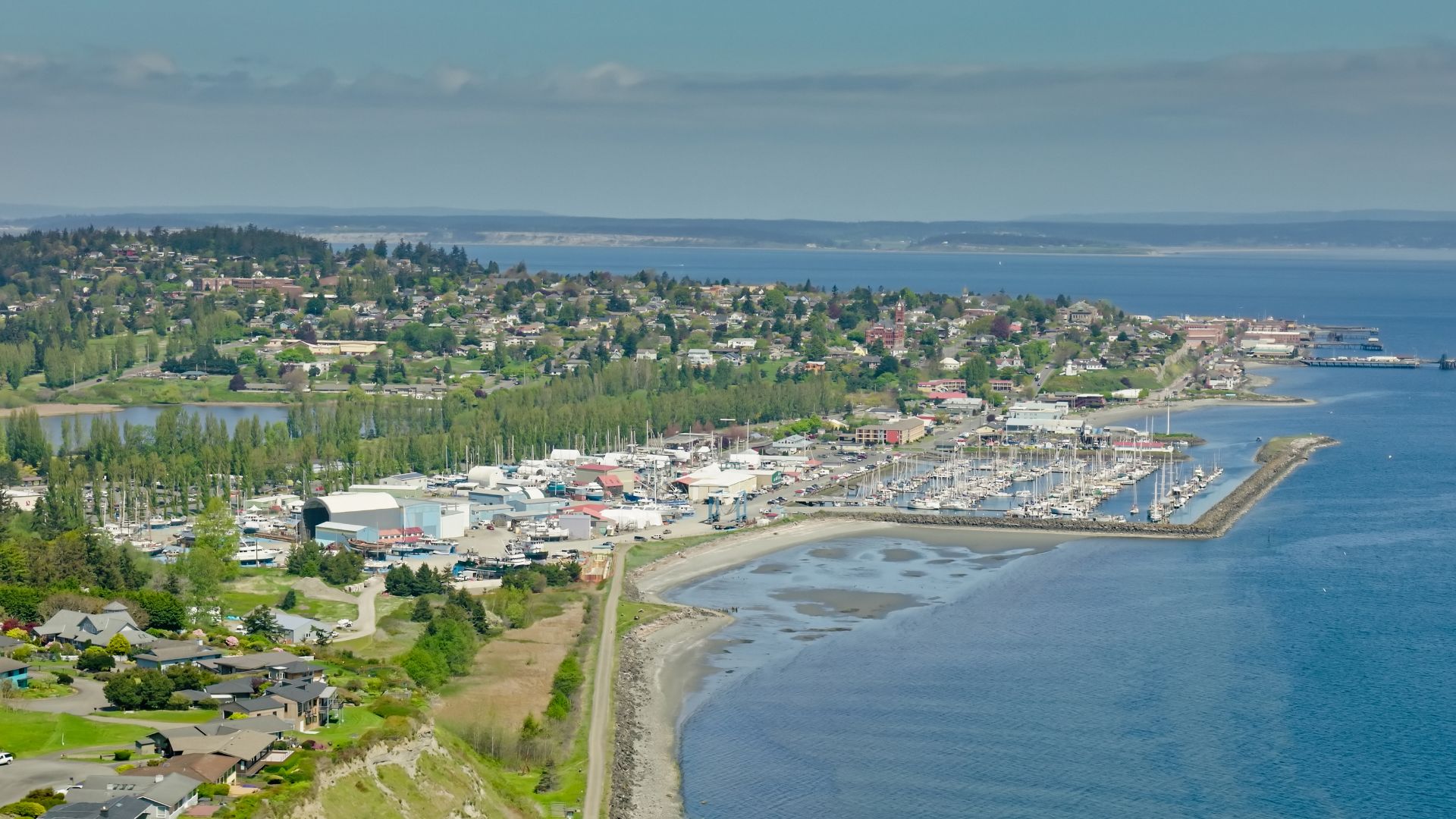
Port Townsend perches on the northeastern tip of the Olympic Peninsula, about 45 miles from Seattle. This Victorian-era seaport gives you year-round coastal beauty minus the crowds.
The climate stays mild, so you’ll feel comfortable visiting any time. Historic downtown streets are lined with well-kept Victorian buildings—some dating back to the 1800s.
You’ll find miles of beaches along the Puget Sound, perfect for kayaking, beachcombing, or just watching ships drift by. If you want to stretch your legs, plenty of trails wind through coastal forests nearby.
The food scene leans heavily on fresh seafood, with small restaurants serving up regional flavors all year long.
Art breathes life into the town. Local galleries, studios, and cultural events keep things lively, and the maritime heritage is everywhere—from museums to the still-busy port.
Whether you’re coming for a weekend or a longer escape, Port Townsend is just a couple of hours from Seattle, making it easy to reach.
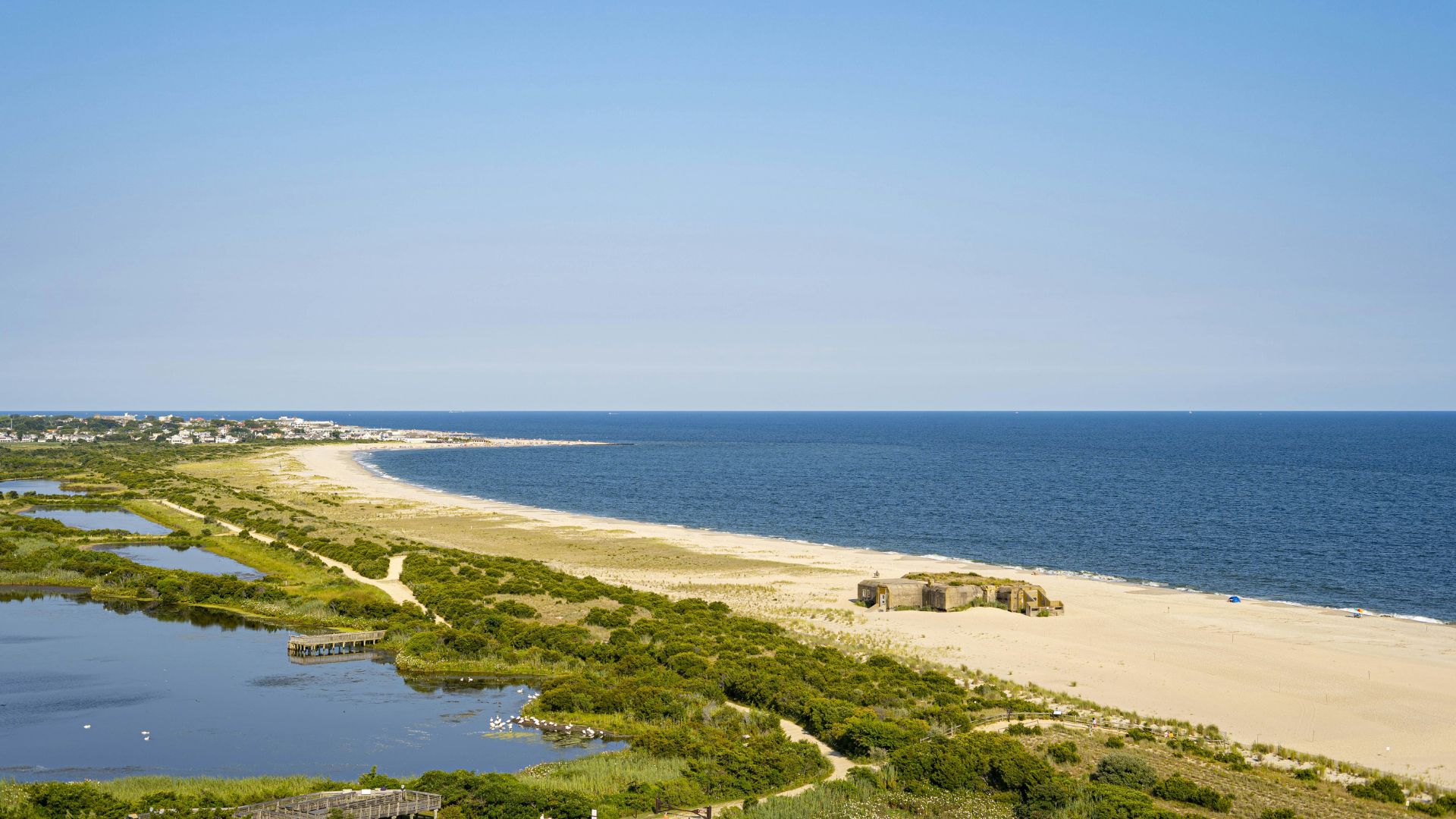
9) Cape May, New Jersey
Cape May claims the title of America’s oldest seaside resort, with over two centuries of hospitality under its belt. The Victorian houses and pristine beaches give the town a distinct, almost storybook feel.
This place works in every season. Winter brings twinkling lights and festive events, while the warmer months are all about beach days and outdoor fun.
The town is super walkable. You can easily wander between historic homes, local eateries, and the waterfront—no car required. That convenience makes relaxing here a breeze.
Cape May County keeps popping up on travel lists for a reason. The area mixes historic charm with modern comforts, and you’ll find it’s quieter than other shore towns but still packed with great food and places to stay.
The beaches draw people all year. Spring and fall deliver mild weather for walks and birdwatching, while summer brings classic beach town energy—just without the overwhelming crowds you might expect.
10) Ocean City, Maryland
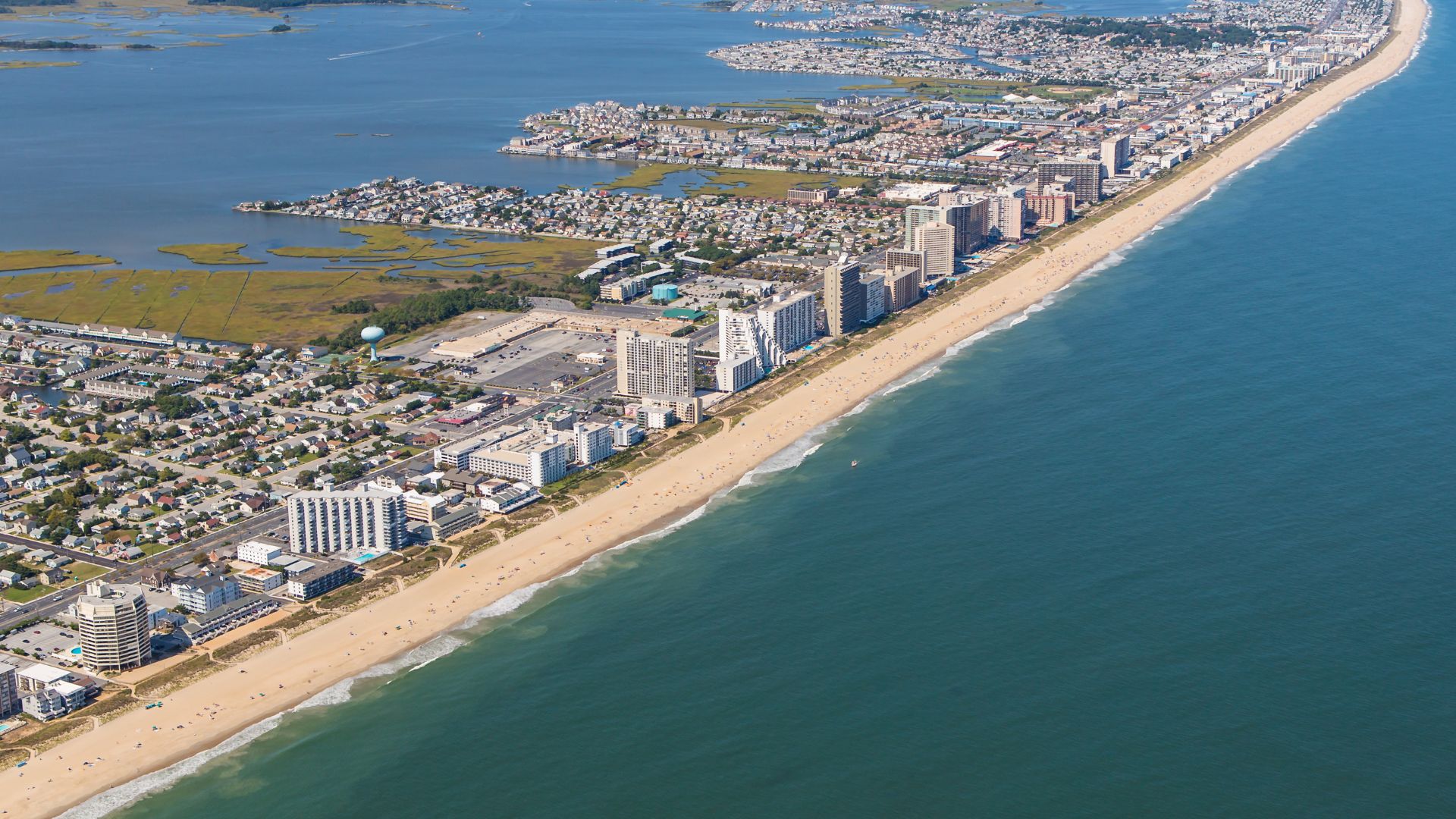
Ocean City sprawls along Maryland’s Eastern Shore, boasting 10 miles of Atlantic beaches and a boardwalk that feels straight out of a postcard. The town itself is home to just about 6,900 people year-round, but every summer, the population swells as millions pour in.
Honestly, Ocean City isn’t just a summer fling. The boardwalk doesn’t close up shop when the weather cools, and you’ll still find local restaurants serving up crab cakes to off-season wanderers. If you’re like me and hate crowds, winter’s the time—suddenly, you have space to breathe and can explore at your own pace.
Tourism keeps the town humming, so there’s no shortage of hotels or places to eat, no matter your budget. When you need a break from the sand, you can hit up Trimper’s Amusement Park or test your skills at the Ocean Bowl Skatepark.
I love using Ocean City as a jumping-off point. Berlin, Maryland is just 8.7 miles away—super charming and a bit quieter if you need a breather. And if you’re itching for wild horses or untouched beaches, Assateague Island is right next door.
Timing really shapes your trip here. Summer means non-stop action (and higher prices), but spring and fall? Perfect weather, better deals, and you won’t have to elbow your way down the boardwalk.
Factors That Make a Coastal Town Evergreen
So what keeps a coastal town lively all year? It’s not just the weather—though that helps. It’s about strong community vibes, easy access, and a spirit that welcomes visitors no matter the season.
Climate and Seasonality
The best coastal destinations never really shut down. They keep things comfortable, skipping those wild temperature swings that make you want to stay inside. Winters usually hover above freezing, and summers rarely get sticky or sweltering.
If you ask me, the real winners don’t close up shop for half the year. Restaurants, shops, and attractions stick around, even in January. And because rain doesn’t come all at once, you won’t find yourself trapped indoors for days.
Key climate features:
- Winter temps: 40-65°F
- Summer highs: usually under 85°F
- Minimal hurricane or storm drama
- Outdoor fun, all year long
Local Culture and Community
A town with real locals feels alive any month you visit. When a place relies just on summer crowds, it can feel a little ghostly in the off-season. You want somewhere people actually call home—not just a tourist playground.
Look for towns with festivals, farmers markets, or art walks that pop up in every season. If you see a concert in January or a bustling farmers market in March, you know you’ve found somewhere special. These towns keep their soul because residents come first.
Local businesses stick it out, too. You’ll spot coffee shops and bookstores that don’t vanish when the leaves fall.
Ease of Access Year-Round
Getting there shouldn’t feel like a seasonal gamble. Major airports within a couple of hours? Check. Roads that stay open and safe, even in winter? Absolutely.
You want hotel rooms and rentals available no matter when you visit—not just in July. Sometimes, shoulder season means you’ll snag that dream spot with zero competition.
Ferries, buses, and local shuttles keep running, even if the weather gets a little moody. Travel hiccups are rare and usually clear up fast.
Planning the Perfect 2026 Getaway
Want to turn a good coastal trip into an unforgettable one? Timing, packing smart, and making eco-friendly choices all matter. Here’s what I’ve learned (sometimes the hard way).
Best Times to Visit for Fewer Crowds
Shoulder season is where the magic happens. Think late April to early June, or mid-September through October—mild days, open tables at restaurants, and way more space on the sand.
Most towns get packed in summer and around holidays. If you can, skip July, August, and long weekends like Memorial Day. Your wallet (and sanity) will thank you.
Weekdays are your friend. Arrive Tuesday to Thursday, and you’ll dodge the weekend rush.
Always check the local calendar—sometimes a surprise festival means the whole town’s booked. And if you’re headed south, winter can be surprisingly lovely.

What to Pack for Year-Round Comfort
Bring these:
- Layers—think lightweight tees, a cozy fleece, and a waterproof jacket
- Comfy walking shoes with good grip
- Sun protection (wide-brimmed hat, sunglasses, SPF 30+)
- A light jacket for those breezy nights
Go for clothes that dry fast; coastal air can get damp. I always toss in a small backpack for water, snacks, and whatever you pick up at the beach.
Weather changes fast. Mornings might be foggy, afternoons sunny, and evenings cool down quick. A packable rain jacket barely takes up space and saves the day when showers roll in.
Tips for Sustainable Travel
Pick places to stay that care about the planet. More hotels use solar, save water, or buy local these days.
Eat and shop local, too. That way, your money helps the community and you’ll get better stories to tell.
Easy eco habits:
- Carry a refillable water bottle
- Use reusable shopping bags
- Grab any litter you spot on the beach
- Stick to marked trails and boardwalks
- Choose tour companies that respect the environment
Walk or rent a bike when you can. Most coastal towns are compact, so you won’t need a car for everything. Public transit and bikes help keep the vibe relaxed and parking easy.

Frequently Asked Questions
Figuring out coastal living takes a little homework. Here are some answers to the questions I hear most.
Port Orford, Oregon is a gem for budget-minded folks. Housing prices stay low compared to other Pacific Northwest spots.
Bethany Beach, Delaware is more affordable than many Mid-Atlantic beach towns. Living costs drop once summer crowds leave.
Long Beach, Washington draws people with its reasonable property taxes and housing prices. Everyday expenses like groceries and utilities stay manageable.
Duck, North Carolina is all about peaceful vibes and tight community. Less than 500 people live here full-time, but amenities are solid.
Avila Beach, California mixes small-town charm with good healthcare and services. With under 2,000 people, it feels close-knit.
Port Orford, Oregon is perfect if you want rural coastal life and basic services nearby. The town’s population hovers around 1,100.
Skip the big cities and tourist hotspots. Smaller towns usually have cheaper homes and lower daily costs.
Look up state and local taxes—some coastal states skip income tax or offer property tax breaks for residents.
Check out utility, insurance, and grocery prices before you commit. Costs can swing a lot depending on where you land.
Bethany Beach, Delaware stands out for families. Safe beaches, good schools, and activities all year make it a winner.
Duck, North Carolina offers loads of outdoor fun and a family-friendly vibe. The small school system gets strong community support.
Avila Beach, California has gentle waters for little ones and access to quality education. The weather means you can play outside any month.
West Coast towns like Long Beach, Washington, Port Orford, Oregon, and Avila Beach, California barely worry about hurricanes. They get winter storms, but tropical systems aren’t really a thing.
The Pacific Coast has its own weather quirks—think strong winds and heavy rain in winter, not hurricane season.
Bethany Beach, Delaware can see hurricane impacts, but storms usually weaken by the time they reach this far north. Risk is lower compared to places farther south.
Duck, North Carolina feels like a cozy coastal secret. Locals here genuinely know each other, and that tight-knit vibe keeps crime rates low. I’ve strolled down its quiet streets at sunset, and honestly, it just feels safe.
Long Beach, Washington draws you in with its laid-back pace. People wave hello, and it’s the kind of place where neighbors keep an eye out for one another. Basic amenities are close by, so you won’t feel isolated.
Avila Beach, California blends a sense of security with easy access to healthcare and a bunch of fun things to do. You can walk almost everywhere, which makes daily life a breeze. Residents stay involved, and that really lifts the overall quality of life.
