
Ever scrolled through Instagram and felt the urge to book a ticket somewhere magical? The beaches look empty, the water sparkles, and every landmark seems straight out of a dream. But let’s be real—when you finally get there, it’s often a whole different story.
So many “bucket list” places look nothing like the flawless images online. I’ve shown up to world-famous sights only to find crowds, tiny attractions, and scenes that don’t match the hype at all.
Honestly, knowing which destinations get overhyped can save you a ton of time, money, and disappointment. Some of the most iconic spots turn out to be selfie-stick jungles or beaches so packed you can’t see the sand. The gap between what’s online and what’s actually there? It’s bigger than ever.
Here’s my list of 10 travel spots where Instagram and reality just don’t line up in 2026. I’ll break down what’s really waiting for you and throw in some better alternatives nearby—because you deserve the trip you’re dreaming of, not just the one you’ve seen filtered.
Key Takeaways
- Social media hides crowds, high prices, and the letdowns at big tourist spots.
- Plenty of “famous” places have less crowded, more authentic alternatives nearby.
- If you visit at off-peak times and peek beyond Instagram, you’ll probably have a way better trip.
Why Instagram vs. Reality Travel Destinations Matter
Social media shapes our travel dreams and expectations. It’s wild how the gap between those polished photos and real experiences doesn’t just mess with travelers—it can totally change communities too.
How Social Media Skews Traveler Expectations
I’ve watched travelers show up expecting perfection, only to get let down fast. Instagram and TikTok serve up those flawless moments, but they don’t show the 200 people elbowing for the same sunset shot.
It’s easy to scroll and see blue skies, empty beaches, and spotless streets. But the reality? Bad weather, crowds, and the usual city mess.
People plan whole trips based on these curated feeds. They spend big on flights and hotels, chasing an experience that doesn’t exist. The result? Wasted money and a lot of frustration—something honest info could have prevented.
Photography, Filters, and the Travel Illusion
I’ve seen how pro photographers and influencers work their magic. They’ll wait for hours, use fancy lenses, and then edit the heck out of the shot.
Some classic tricks:
- Boosting colors to make water look impossibly blue
- Swapping out boring skies for epic sunsets
- Erasing people, trash, or ugly buildings
- Using wide-angle lenses to make places seem huge
- Cropping out crowds and chaos
None of this is “wrong,” but it sets up false expectations. That empty, turquoise beach? In real life, it’s probably packed and the water’s not nearly as dreamy.

The Impact of Viral Destinations on Local Communities
Overtourism can ruin what made a place special in the first place. I’ve seen sleepy towns turn into tourist traps in just a few months after going viral.
What really happens:
- Housing prices shoot up as rentals replace homes
- Local shops vanish, replaced by touristy chains
- The infrastructure buckles under the crowds
- Natural sites get trashed by too many visitors
Venice now feels like a theme park, not a city. Santorini runs out of water every summer because there are just too many tourists. These are more than just annoyances—they threaten local culture and even survival.
Local governments try to keep up, but they can’t always build new roads or enforce rules fast enough to stop the damage.
Top 10 Travel Spots: The Instagram Dream vs. the Real Experience
Those perfect Instagram feeds? They don’t show the lines, the noise, or the weather that can totally change your experience. Here are five spots where the gap between dream and reality is honestly kind of shocking.
Blue Lagoon, Iceland: Crowds vs. Solitude
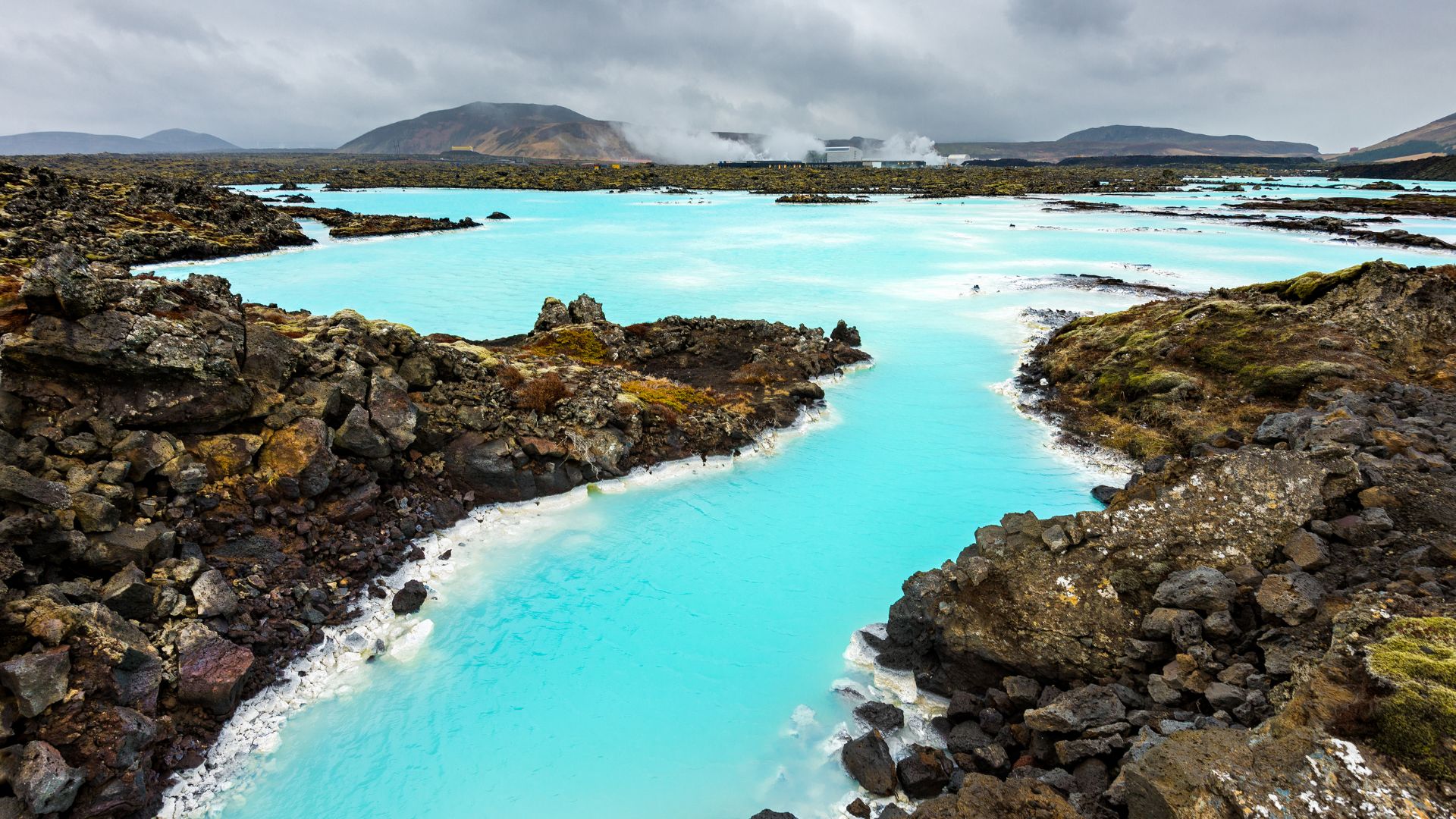
Photos make the Blue Lagoon look like a peaceful, milky-blue paradise. In reality, it’s a bit of a zoo.
Over 700,000 people visit every year. Those empty pool shots? They’re either staged, taken at odd hours, or cropped to hide the crowds. Most days, you’ll find yourself surrounded by hundreds of other tourists, especially in the summer.
Here’s what you’re really in for:
- Entry runs $70-$150 USD, depending on your package
- Summer visits need to be booked weeks ahead
- The water smells like sulfur (not exactly spa vibes)
- Showers and locker rooms get crowded
- There’s a geothermal power plant right next door—never in the photos
Winter’s less crowded, but stepping out of the water into freezing air is rough. The water stays hot, but your walk to the locker room? Not so much.
Great Wall of China: Photogenic Angles and Realities
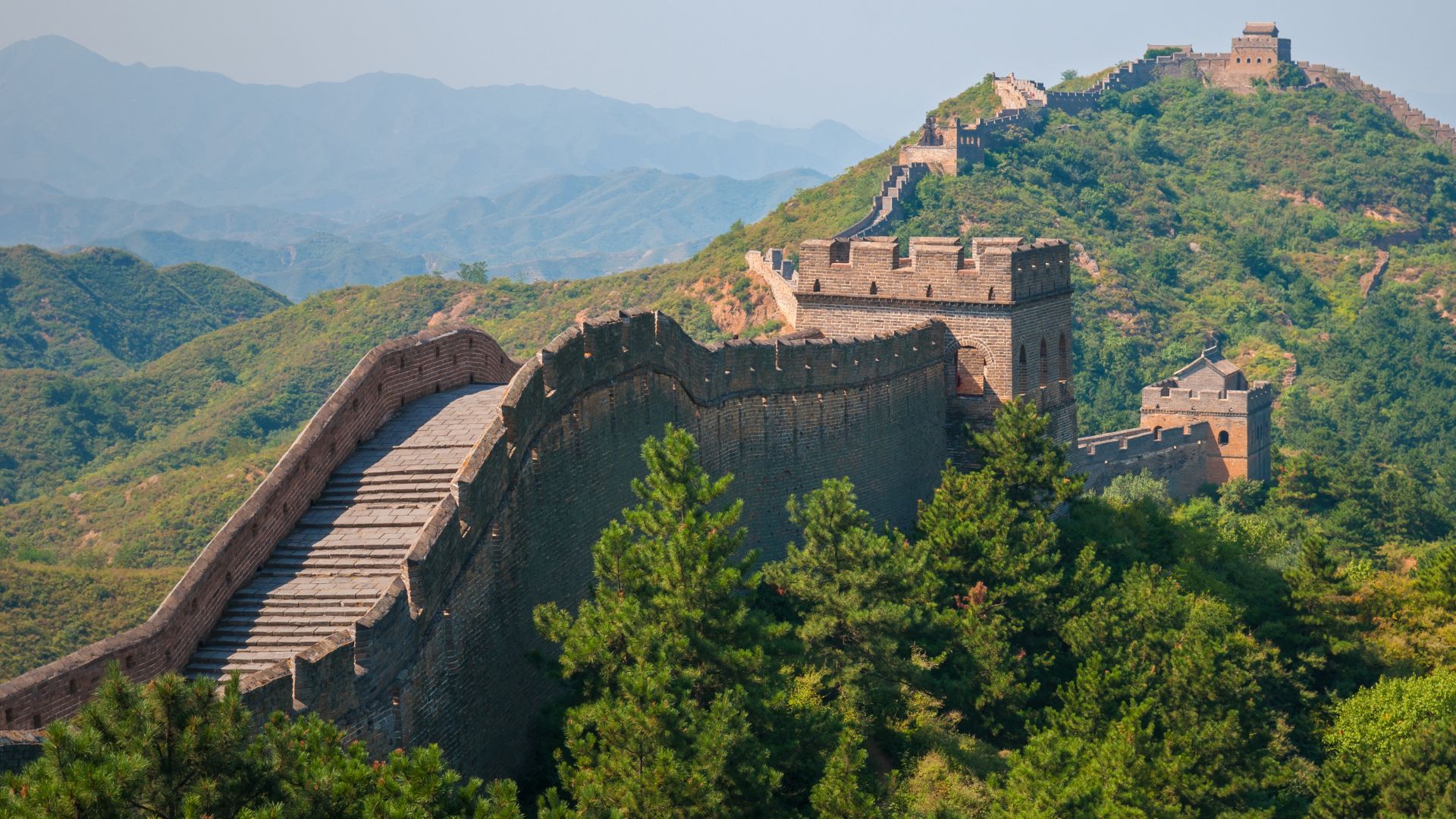
Those epic photos of the Great Wall snaking over empty mountains? Yeah, not what you’ll find at the main sections.
Badaling, the most popular part, can see up to 100,000 people a day. Sometimes you can’t even see the stones under all the feet. During holidays and summer, it’s basically a slow-moving line.
The restored bits near Beijing look perfect, but they feel kind of fake. Everything’s new, there are handrails everywhere, and vendors set up shop right on the wall.
Better options:
- Jiankou is wild and unrestored
- Jinshanling has fewer people
- Mutianyu is manageable, with cable cars for the climb
You’ll need to travel 2-3 hours from Beijing for these. The unrestored parts are steep, crumbly, and lack safety rails. Weather can flip fast, and summer heat gets brutal.
Terme di Saturnia, Italy: Hot Springs Beyond the Edits
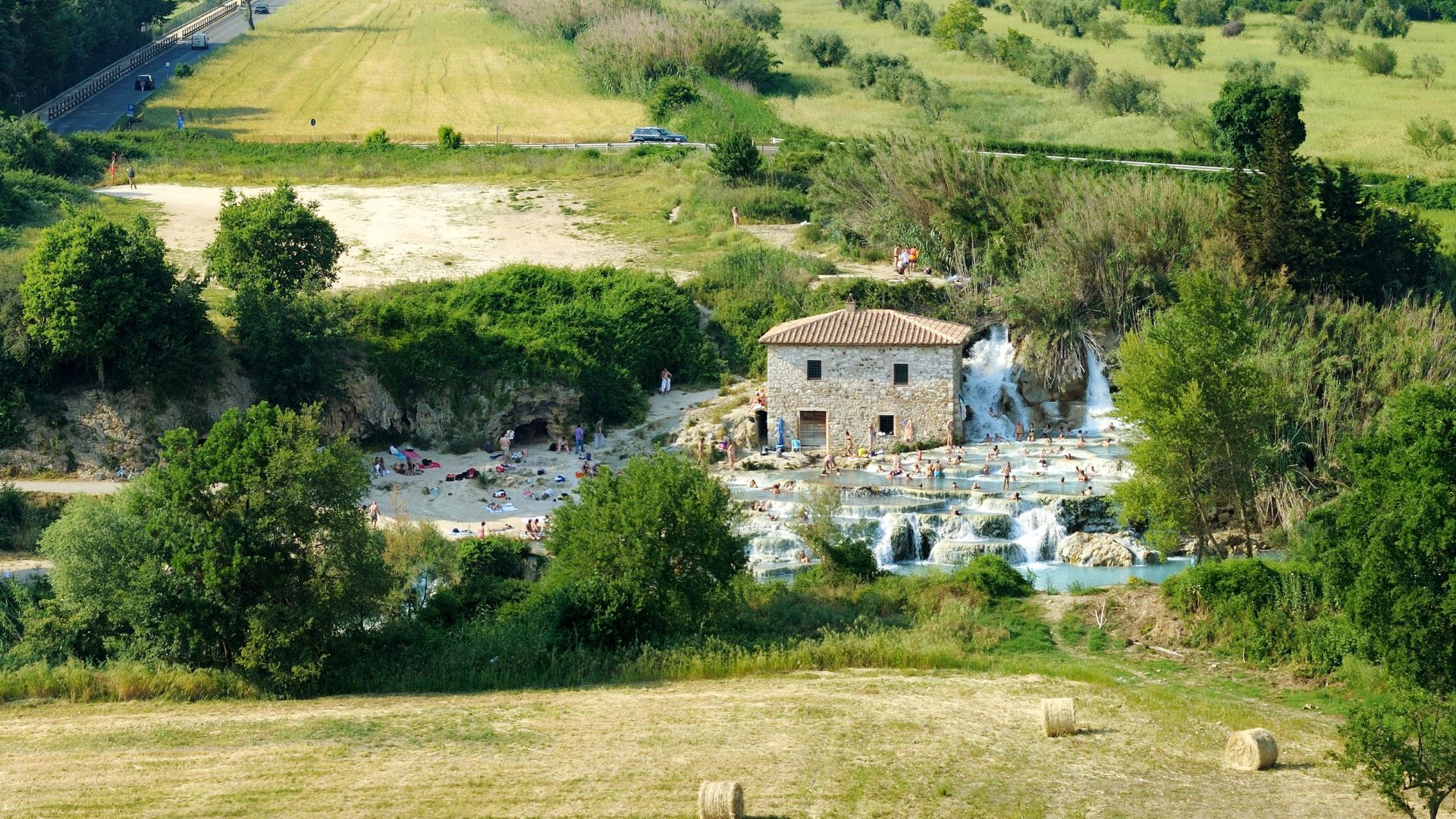
Saturnia’s hot springs look unreal in photos—turquoise water, white stone, total peace. But the truth? It’s a hot spot in more ways than one.
Thousands show up in peak season. Tour buses roll in from Rome and Florence, and the pools turn into a giant people soup. People claim spots at dawn and just camp out.
The water’s always 37°C and smells pretty strongly of sulfur. The rocks are slippery and can cut your feet. There aren’t any real facilities, so most people just change behind their cars or towels.
Locals beat the crowds by coming at sunrise or after dark. The fancy resort nearby costs €30-€50 for a day pass, but you get real changing rooms and a less chaotic vibe.
Summer weekends are the worst for crowds. Spring and fall are much better—warm air, fewer people, and a more relaxed scene.
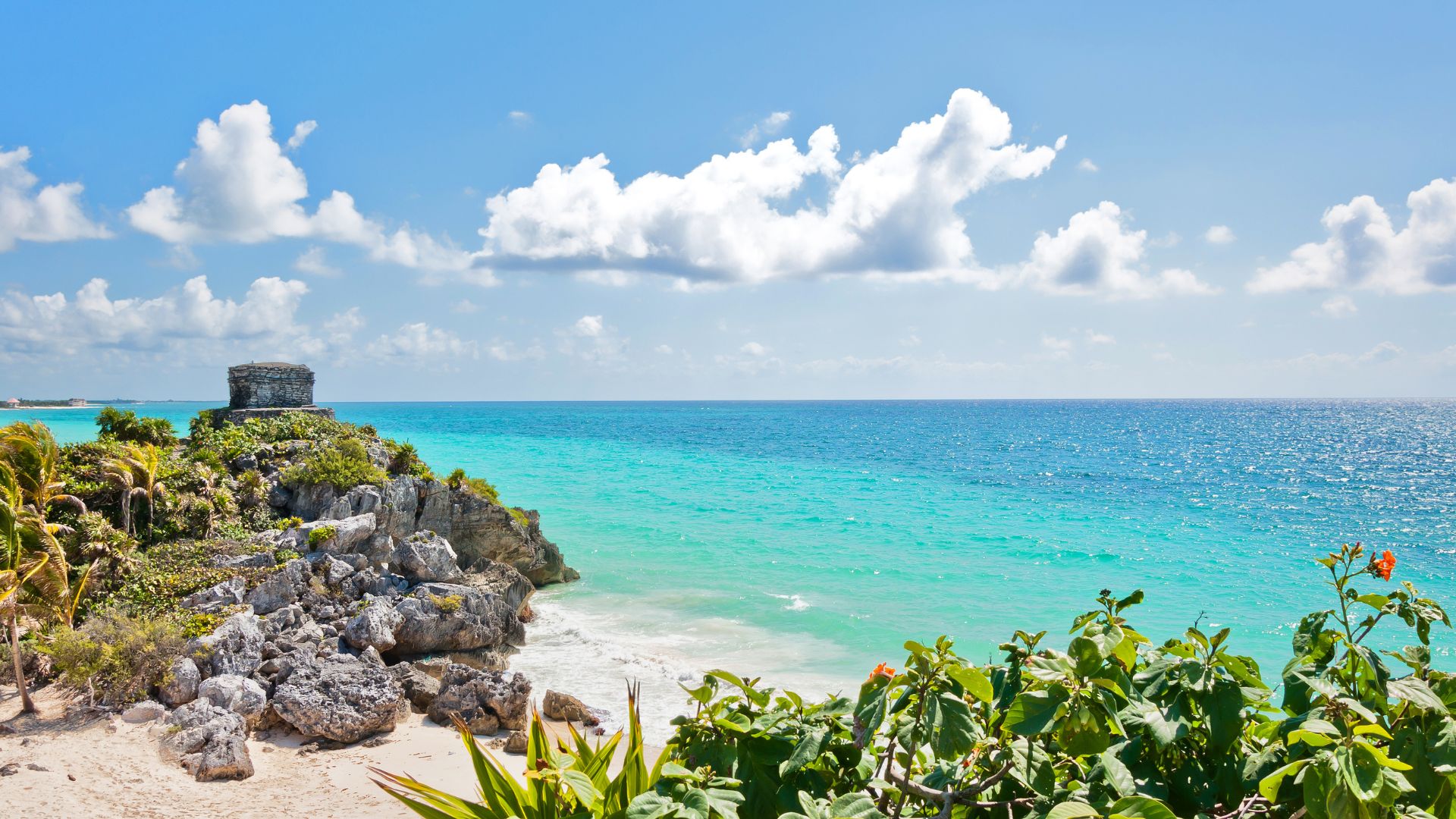
Tulum Ruins, Mexico: Hidden History or Hotspot?
Every Instagram post from Tulum shows Mayan temples perched over turquoise beaches. But visiting? It’s a very different vibe.
The ruins open at 8 AM. By 9, tour groups from Cancun and Playa del Carmen flood in. Over 2 million people visit every year, and the site gets packed fast.
What you’ll actually deal with:
- Entry is about $5 USD
- There’s almost no shade
- Beach access below the ruins is now off-limits
- Vendors aggressively push souvenirs at the entrance
- Parking scams are common
The ruins themselves are small compared to Chichen Itza. You’ll see everything in under an hour. The buildings look weathered and gray—not the bright white you see online.
By late morning, the heat and humidity get intense. I’d suggest arriving right at opening or waiting until after 3 PM. Tulum town has gotten pricey and a bit wild, with party crowds and costs to match.
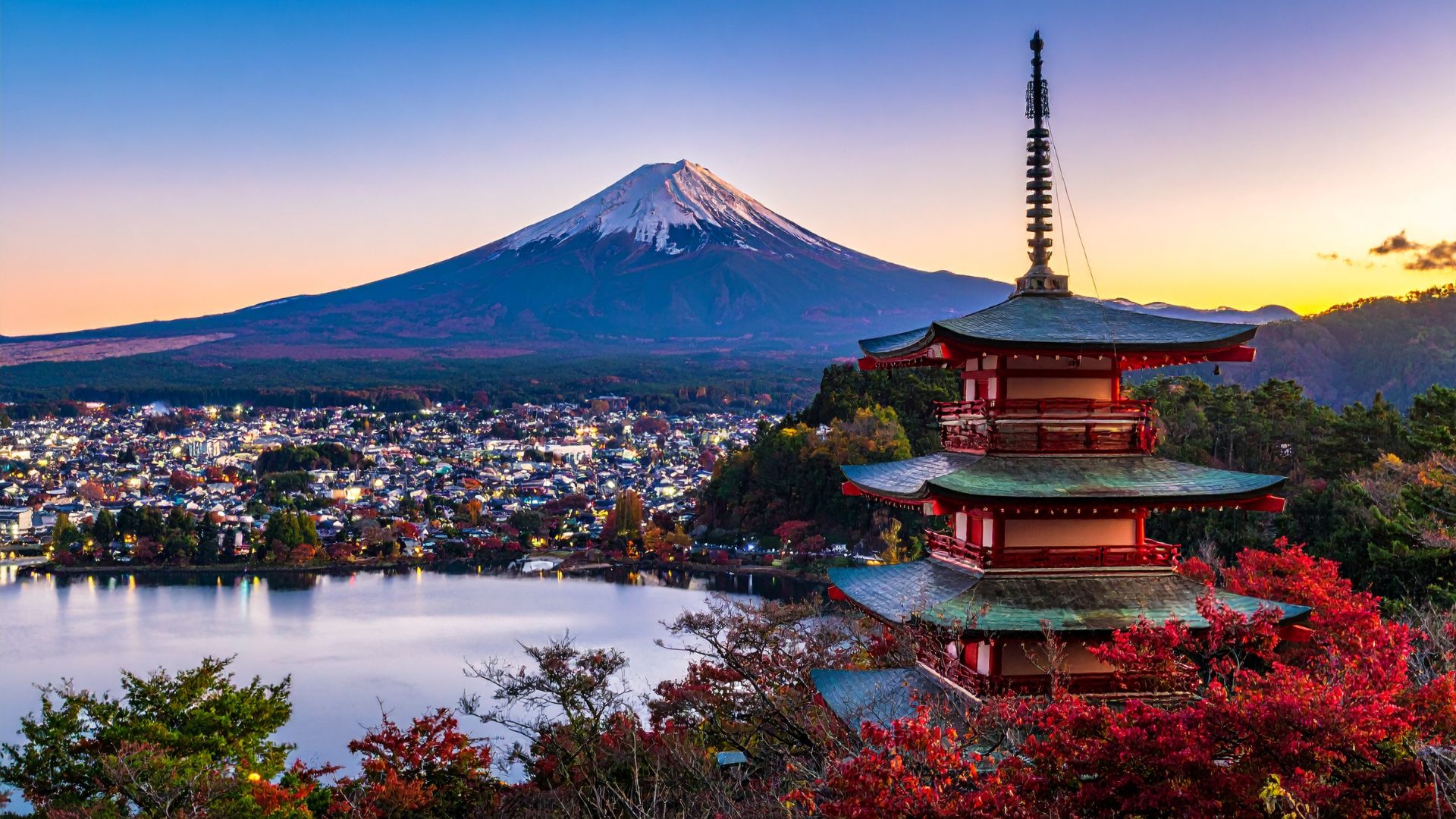
Mount Fuji, Japan: Nature’s Unpredictable Canvas
Mount Fuji looks perfect in photos, but actually seeing it? That’s a gamble.
Clouds cover Fuji about 70% of the year. Winter is your best shot for clear views, but even then, you might wait days. Summer’s climbing season is actually the worst for visibility—hot, humid, and cloudy.
Things that can throw off your Fuji plans:
- Weather flips quickly
- Air pollution from Tokyo sometimes blocks the view
- Trails are packed during climbing season
- Winter climbing needs serious gear and experience
- Popular photo spots at Kawaguchiko Lake get mobbed by tour buses
Those perfect reflection photos? You need still water, clear skies, and just the right light—a rare combo. Photographers camp out for days waiting for it.
Climbing Fuji sounds epic, but in peak season, it’s more like a slow parade. Over 300,000 people climb each year. Mountain huts are crowded and pricey, and the altitude messes with a lot of people.
Winter climbs offer quiet, but only for the well-prepared. The summit can hit -20°C with brutal winds.
European Destinations With Surprising Contrasts
Europe’s most photogenic places often hide a messier reality behind the filters. Here are three spots where the Instagram version and the real deal feel worlds apart.
Lisbon: Tile-Lined Lanes Versus Bustling Streets
Lisbon’s Instagram game is strong—gorgeous tiles, vintage trams, pastel buildings, and sunlit views. Empty alleys and peaceful miradouros fill my feed.
But on the ground, it’s a different story. The famous Tram 28 is jam-packed, and you have to keep an eye on your bag. Lines for top viewpoints can stretch on forever.
Alfama, the most charming district, now overflows with tour groups and selfie sticks. Locals have been pushed out as rentals take over.
If you go, be ready for:
- Huge crowds at Belém Tower and Jerónimos Monastery
- Steep hills that wear you out fast
- Tourist prices at most central restaurants
- Late-night party noise in Bairro Alto
The tiles really are stunning. Just expect to share every photo spot with a crowd.
Wine Country: Tranquil Vistas or Tourist Throngs
Douro Valley and La Rioja look so peaceful in photos—rolling vineyards, cozy tastings, riverside estates. I’ve seen the reality swing wildly depending on when you visit.
Peak season brings busloads of tourists. That intimate vineyard vibe? It disappears when 30 people crowd the tasting room.
Wineries now focus mostly on day-trippers. Tastings can feel rushed, and prices have climbed with their Instagram fame.
It’s most crowded when:
- You visit during harvest (September-October)
- You show up at big-name wineries without booking
- You stay at “Instagram-famous” estates
If you go off-season or pick lesser-known regions, you’ll still find the magic. But those postcard spots? They rarely deliver the peaceful escape you expect.

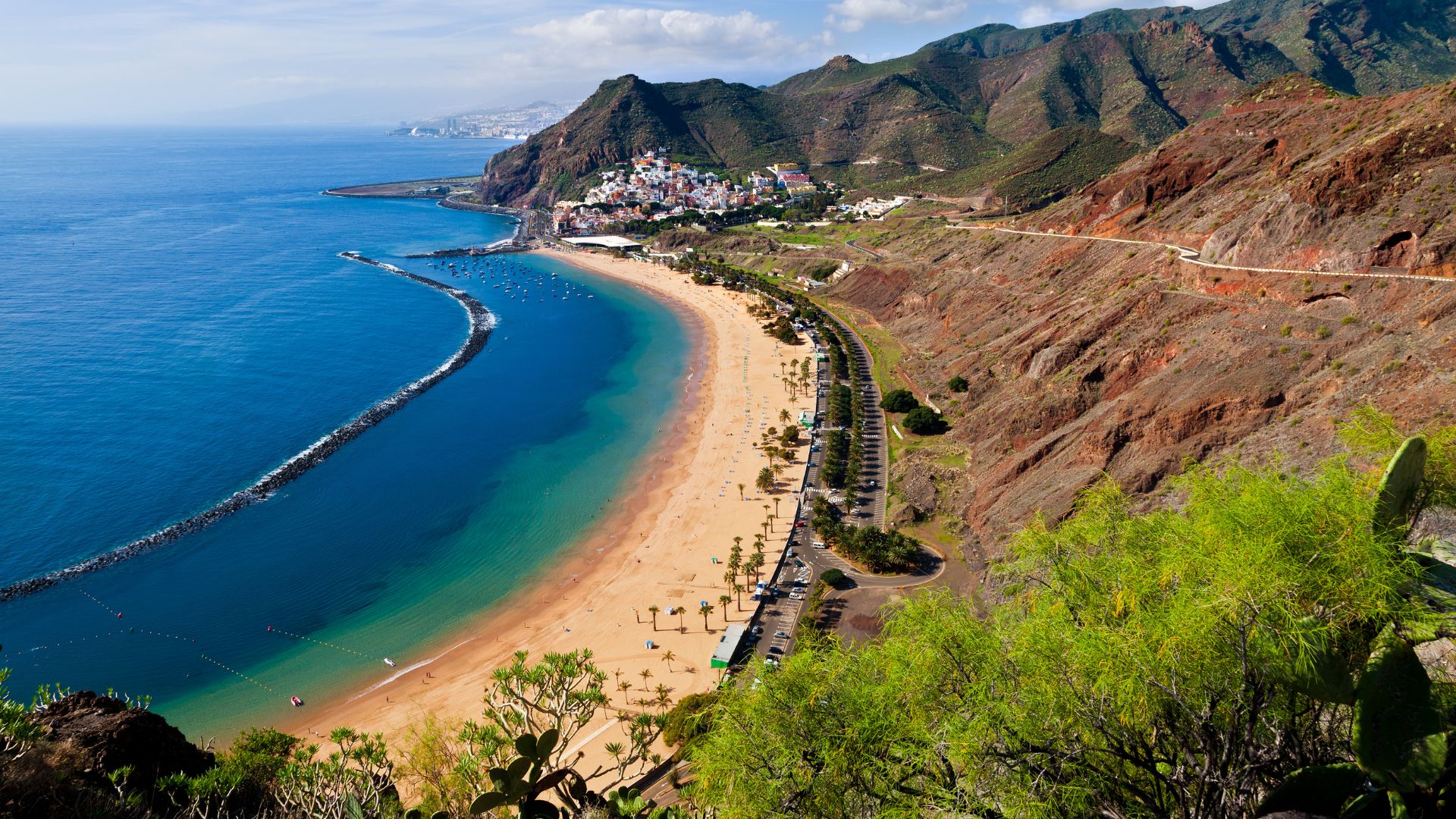
Canary Islands, Spain: Island Retreat or Tourist Magnet
The Canary Islands are all over social media—volcanic beaches, epic cliffs, endless sun. Lanzarote and Tenerife look untouched online.
In reality, mass tourism has taken over. Tenerife alone gets more than 6 million visitors a year. The south is wall-to-wall resorts and package tourists.
Beaches like Playa de las Teresitas are often crowded. Teide National Park now requires advance permits because of the demand.
What you don’t see on Instagram:
- Black sand beaches are pretty, but windy and not always comfy
- Resort towns don’t feel very Spanish or Canarian
- Rental car prices spike in high season
- Some areas feel more like generic beach resorts than unique islands
The natural beauty is still there. But you’ll share it with plenty of others, and the “hidden paradise” vibe is hard to find among the crowds and tourist traps.
Emerging Destinations to Watch for 2026
Let’s talk about two places that keep popping up on my radar for totally different reasons. Antarctica’s getting swamped by travelers who want to see it before climate change changes everything, and Mexico City’s buzzing as a cultural heavyweight—mixing authentic local life with some of the best food and art anywhere.
Antarctica: Last Frontier Under Pressure
Antarctica bookings? They’re exploding. People treat the continent like a bucket-list trip with a ticking clock. Just twenty years ago, 30,000 people visited. Now it’s over 100,000 every year.
Instagram loves showing off those silent icebergs and perfect penguin colonies. But let me tell you, the reality feels a lot more crowded these days.
Landing sites run on strict rotation schedules to keep the crowds under control. Ships actually line up at the most popular spots, and your “remote wilderness” moment might include 200 other tourists snapping the same photo.
The Antarctic Peninsula gets the biggest rush, especially from November through March. You’ll notice the difference.
What to expect:
- Expedition cruises run $8,000 to $15,000+ per person
- Most trips last 10-14 days, usually starting from South America
- Weather can cancel landings, and refunds aren’t guaranteed
- Strict environmental rules control where you can walk
If you’re after that Instagram-perfect shot, you’ll need patience—and maybe a 5 a.m. wakeup call for the best light. Wildlife? They’re on their own schedule, not yours.
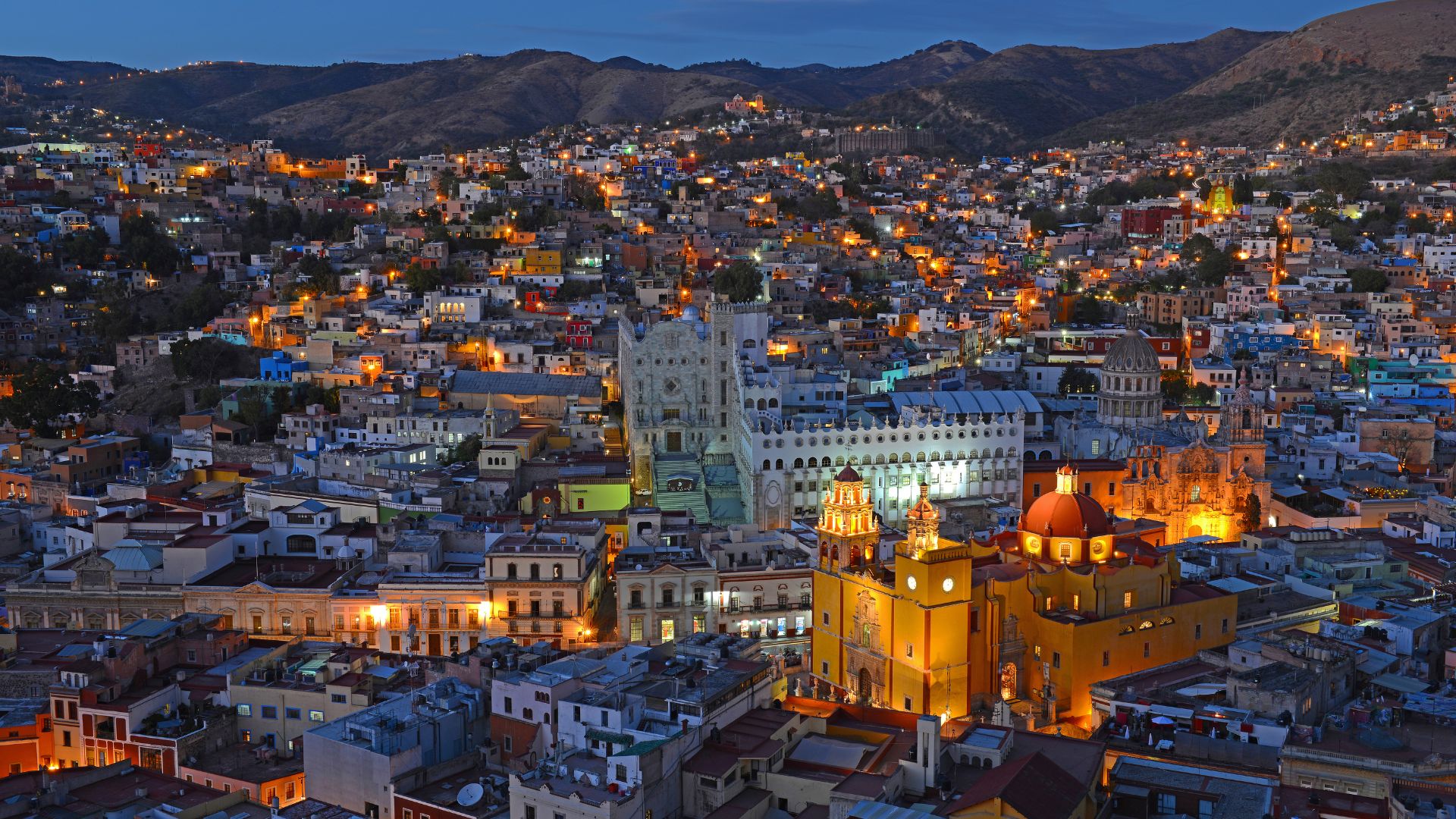
Mexico City: Authentic Culture Meets Global Buzz
Mexico City didn’t just become cool overnight. It’s now a top pick for travelers who want big-city energy without losing the local vibe. I keep hearing people compare it to Barcelona or Paris, but honestly, it’s got its own flavor—and it’s way more affordable.
Neighborhoods like Roma, Condesa, and Coyoacán overflow with murals, leafy streets, markets, and some of the best restaurants in Latin America. You can eat street tacos for 50 pesos, or splurge on fine dining that’s ranked among the world’s best.
Instagram makes it look like a nonstop party of color and perfect lattes. But the real city comes with heavy traffic, a surprising altitude (over 7,000 feet!), and the need to keep your wits about you after dark.
Key facts for planning:
- With 22 million people, crowds at tourist sites are real
- Air quality swings a lot depending on the season
- Best weather? October through May
- Public transit works well, but rush hour is a squeeze
You’ll find the most genuine moments in markets like La Merced or at tiny fondas where locals actually eat. Skip the Insta-famous cafes at lunchtime—you’ll get a better sense of the city’s real spirit.
Key Issues Travelers Should Know Before Visiting
There’s a lot going on behind those shiny travel photos. Overtourism, sustainability challenges, and some pretty big reality checks can hit you if you’re not prepared.
Overtourism: What It Means in 2026
Overtourism isn’t just a buzzword—it’s everywhere now. I’ve seen places buckle under the pressure.
Landmarks that used to feel special now come with three- or four-hour waits. Venice, for example, caps daily visitors at 25,000 and charges you to enter. Barcelona limits cruise ships just to keep the crowds down.
You’ll notice the impact. Sometimes, you’ll spend more time in line than actually seeing the sights. Snapping a photo without strangers in the background? Good luck.
Common overtourism effects include:
- Hotels sell out months ahead
- Walk-in restaurant tables? Rare
- Traffic jams on the way to attractions
- Prices climb for basic stuff
- Natural sites suffer from all the foot traffic
Try the shoulder seasons—think April-May or September-October—when things quiet down. Early mornings are your friend if you want famous spots to yourself.
Sustainable Choices Beyond Social Media Trends
Viral destinations can’t always handle the crowds that social media sends. I’ve watched spots lose their magic because they just weren’t built for it.
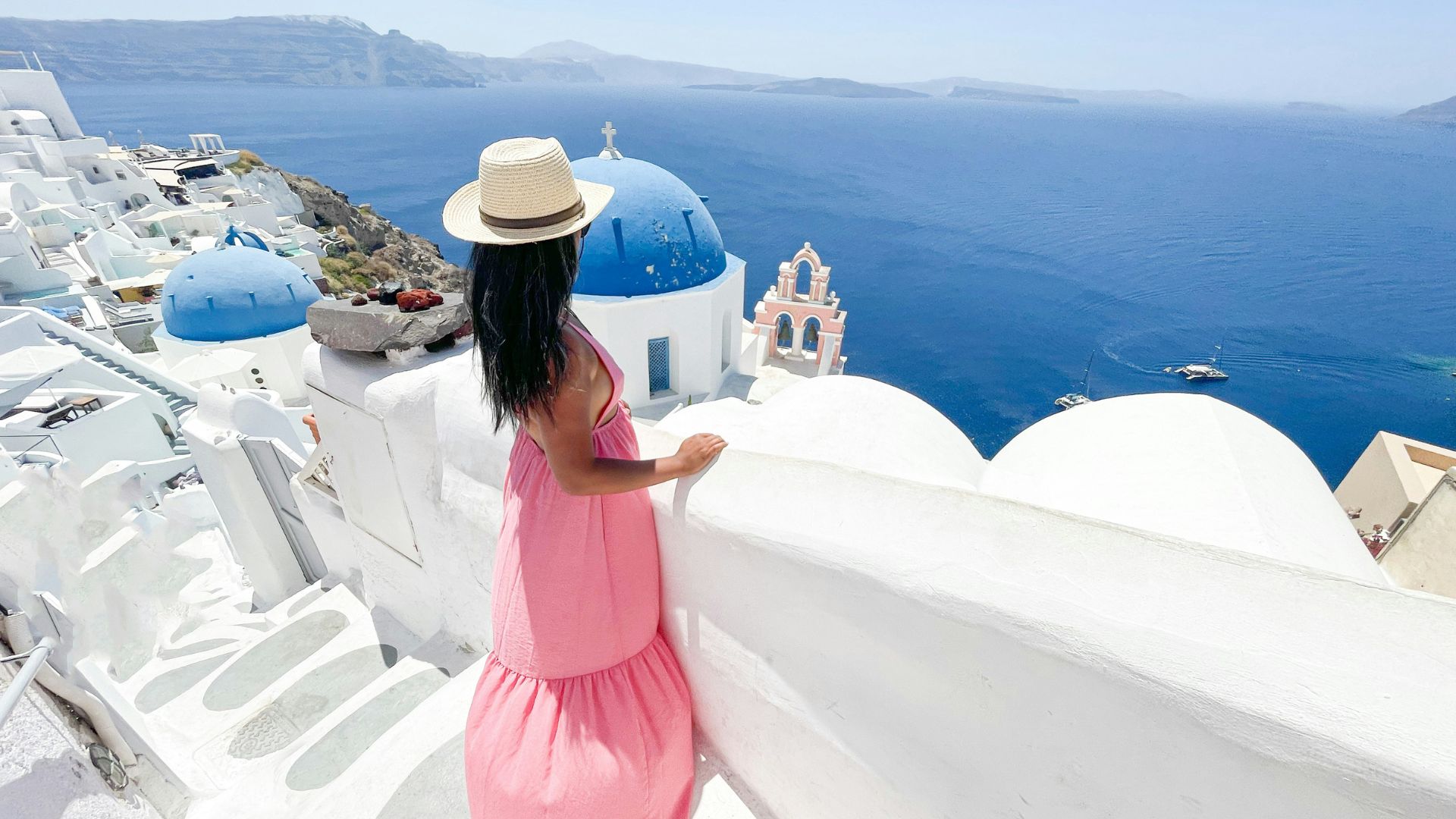
Don’t just follow the latest trend—pick places that actually interest you. Lesser-known towns can give you that same wow factor, minus the chaos. For example, a small coastal village in Portugal can feel just as dreamy as Santorini, but without the selfie sticks.
Support local businesses when you can. Stay in family-run hotels, eat home-cooked meals, and hire guides who actually live there. That way, your money goes straight to the community.
Follow local rules, especially in protected areas. More natural sites require permits now, and they limit daily visitors for a reason.
Design and Architecture: A Dose of Reality
Let’s be honest—photos lie. That vibrant building might sit next to a construction zone or a noisy highway.
The “secluded” bungalow? Sometimes it’s a stone’s throw from a packed road. Clever angles crop out the mess.
What photos often hide:
- Scaffolding and ongoing repairs
- Busy streets or industrial zones nearby
- Rooms that look huge but aren’t
- Dim lighting or stuffy spaces
- Buildings that have seen better days
I always check recent reviews and look for unfiltered photos before booking. Google Street View is a lifesaver—you can see what the neighborhood actually looks like. Satellite maps help too.
Historic areas might be gorgeous, but they often skip modern comforts like AC or elevators. Make sure the charm lines up with what you actually need.
Frequently Asked Questions
Instagram’s great at hiding crowds, using fancy angles, and editing photos until they barely resemble real life. Most places don’t look like the feed when you show up.
So many travelers expect empty beaches and peaceful landmarks because of Instagram. But famous spots like the Blue Lagoon or the Great Wall? Crowded almost all the time.
Photographers wait for hours or visit in the dead of winter to get those magic shots. That dreamy sunrise at Mount Fuji? You might just get clouds and a hidden peak.
Photos get heavy edits—colors boosted, people erased. The turquoise water you see online? Often a lot duller in person.
Social media sets a bar that’s impossible to reach. Influencers use pro gear and editing tricks that make everything pop.
Platforms reward the most dramatic, flawless images. So people tweak reality. A quick phone snap never matches a planned shot with fancy equipment.
Travelers end up expecting picture-perfect experiences everywhere. When reality falls short, disappointment follows.
Check the time of day and season in those photos. A lot of Instagram magic happens at golden hour or in the off-season.
Wide-angle lenses make rooms and plazas look massive. The Taj Mahal? Not as blindingly white as you might hope, and the area around it is much busier than most photos show.
Weather’s a wild card, too. That clear view you saw online could be foggy or rainy when you arrive.
The Mona Lisa looks huge and close in photos. In reality, you’ll see it from behind a crowd and a barrier.
Terme di Saturnia in Italy? Instagram makes it look like a private spa, but it’s usually packed with people.
Railay Beach in Thailand shows off empty sands and emerald water, but the real scene is less vibrant, and boats rarely line up as neatly as you see online.
Plitvice Lakes in Croatia look insanely blue and green in drone shots, thanks to filters. In person, the colors are softer, and you can’t see the whole park from one spot.
I look for unedited photos and reviews from regular travelers, not influencers. Search for “vs reality” posts or browse Google Images for a mix of snapshots.
Comments on travel posts can be gold—people often share honest stories when they feel let down by the hype.
Check the photographer’s feed. If every photo looks filtered and flawless, take their travel shots with a grain of salt.
Let’s be honest—Instagram makes every place look dreamy, but I never trust just one source. I always check out travel blogs, poke around on YouTube, and sometimes lose hours reading Reddit threads. You get a much more honest vibe that way.
One trick? I zoom in on the background details in those perfect photos. It’s easy to miss, but things like crowds, weird weather, or even random buildings in the background can give away what a place is really like.
I also check the time stamps on posts. Someone might snap a shot during a quiet festival or when it’s off-season, but if you go during peak tourist time, expect a totally different scene.
Honestly, I try to research the best and worst times to visit based on what matters to me—sometimes that means skipping the pretty Instagram shot and going for the real adventure.