
Mexico City sprawls over almost 2,000 neighborhoods, and honestly, each one has its own vibe. Every time I visit, I’m amazed by how much these areas can surprise you.
Some neighborhoods here make you feel like you’ve landed in a totally different country. There’s everything from Korean pavilions and Japanese gardens to Parisian art nouveau buildings and kiosks that remind me of Morocco. You don’t even need to leave Mexico to sample the world.
Let’s wander through nine neighborhoods where you’ll swear you’ve crossed a border. Expect colonial Spanish streets, bohemian artist enclaves, luxury districts, and melting pots full of Korean barbecue and European bakeries.
How Mexico City’s Neighborhoods Offer a World of Experiences
Mexico City’s neighborhoods are like little worlds, each blending international influences with Mexican roots. Immigration waves, economic booms and busts, and city planning quirks have all left their mark.
Diversity of Cultures and Influences
People from all over the globe make Mexico City their home, and you can see it everywhere. Roma Norte? It’s got this European, almost Parisian energy—think art nouveau buildings and sidewalk cafés.
Condesa feels totally different. The tree-shaded streets and art deco architecture remind me of Miami’s South Beach or certain Buenos Aires barrios. Those curved roads? They’re leftovers from an old race track, so the layout is nothing like the usual Mexican grid.
Coyoacán holds onto colonial Spanish influences but mixes them with indigenous traditions. Cobblestones, plazas, and a vibe that feels like a Spanish village. Artists and intellectuals have flocked here for decades, and it shows.
Polanco? That’s modern, international Mexico City. Upscale shops and restaurants serve everything from sushi to French pastries. I’ve found Japanese spots here that rival anything in Tokyo.
Key Cultural Influences by Neighborhood:
- Roma Norte: European cafés, art nouveau buildings
- Condesa: Art deco, global food
- Coyoacán: Colonial Spanish, indigenous vibes
- Polanco: International luxury, world-class dining
Neighborhoods as Microcosms
The best neighborhoods in Mexico City feel like self-contained cities. Locals often spend whole days without leaving their own little world.
Roma Norte buzzes with creativity—design studios, galleries, tech startups, and cafés perfect for working remotely.
Coyoacán is all about its twin plazas, weekend markets, and street performers. The area near the university bustles with students, cheap eats, and bookstores.
San Rafael keeps its middle-class, family feel but also welcomes new creative businesses. I see old-school shops next to trendy galleries and theaters that keep things lively.
Each neighborhood builds its own food scene, shopping streets, and nightlife. People become fiercely loyal to their local spots and join in on community events.
Urban Evolution and Identity
Change never stops in these neighborhoods, but each one holds onto something special. Big events, like the 1985 earthquake, shook up Roma Norte, but rebuilding brought in fresh architecture. New buildings now nod to the original art nouveau while adding a modern twist. It’s wild how a disaster sparked a cultural renaissance.
Condesa went from an elite enclave to a creative hotspot. The ‘90s brought in young artists and professionals, and suddenly the neighborhood was full of cool bars and restaurants.
Immigration keeps shaping these areas. Jewish families left a lasting imprint in certain neighborhoods, and more recent arrivals from other parts of Mexico bring their own food and traditions.
Evolution Timeline:
- 1920s-1940s: Growth and unique architecture
- 1980s: Earthquake and tough times
- 1990s-2000s: Gentrification and revival
- 2010s-Present: Tourism boom and global recognition
Every neighborhood finds its own way to grow, keeping what makes it unique.
Centro Histórico: A Blend of Colonial, Pre-Hispanic, and International Heritage
Centro Histórico is this wild mashup of Spanish colonial buildings on top of Aztec ruins, tiny Chinese restaurants, and old-school Mexican markets. It’s a place where history and global flavors collide.
Colonial Landmarks and Architecture
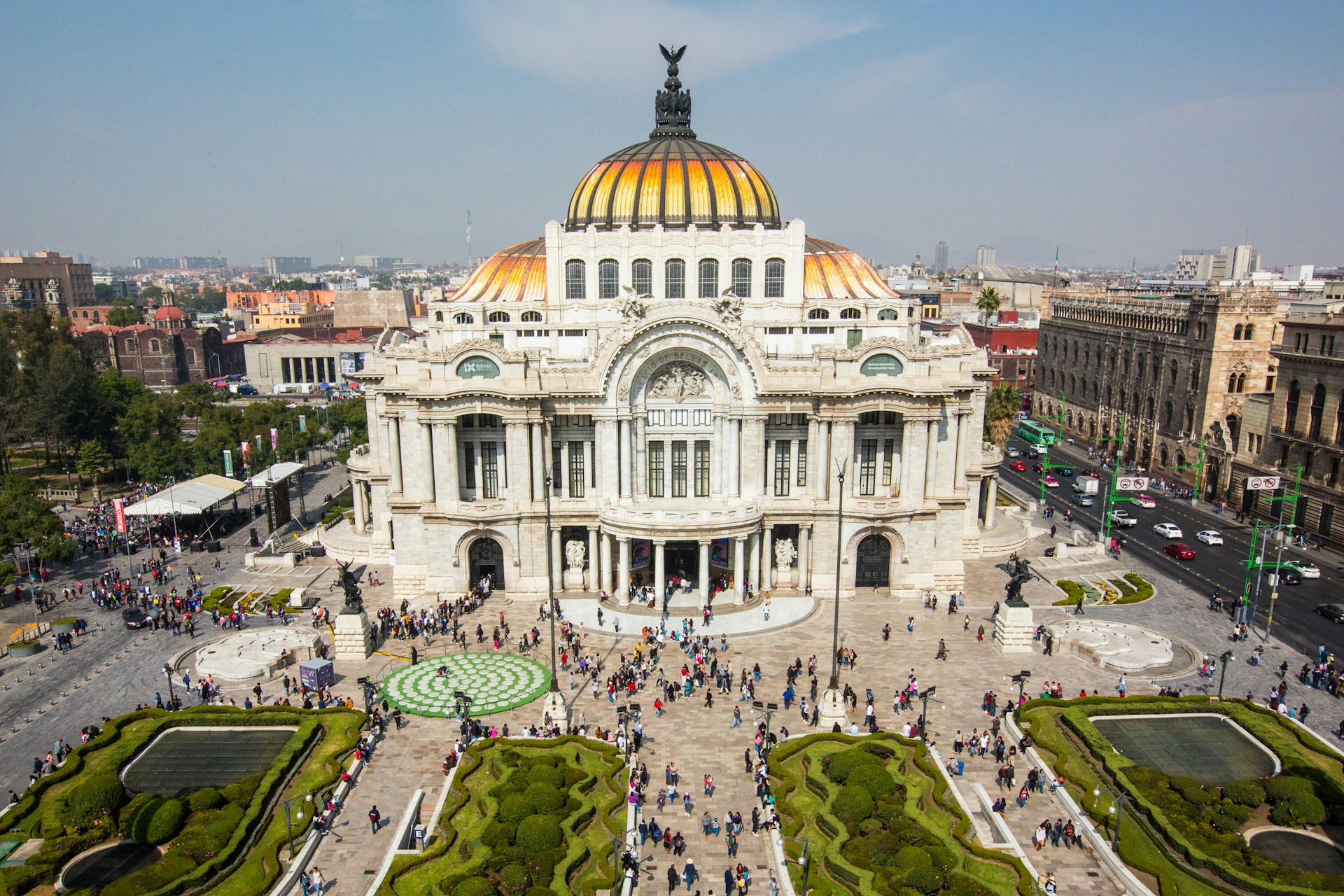
The historic center boasts some of Mexico’s most jaw-dropping colonial landmarks. Palacio de Bellas Artes stands out with its white marble and Art Nouveau flair.
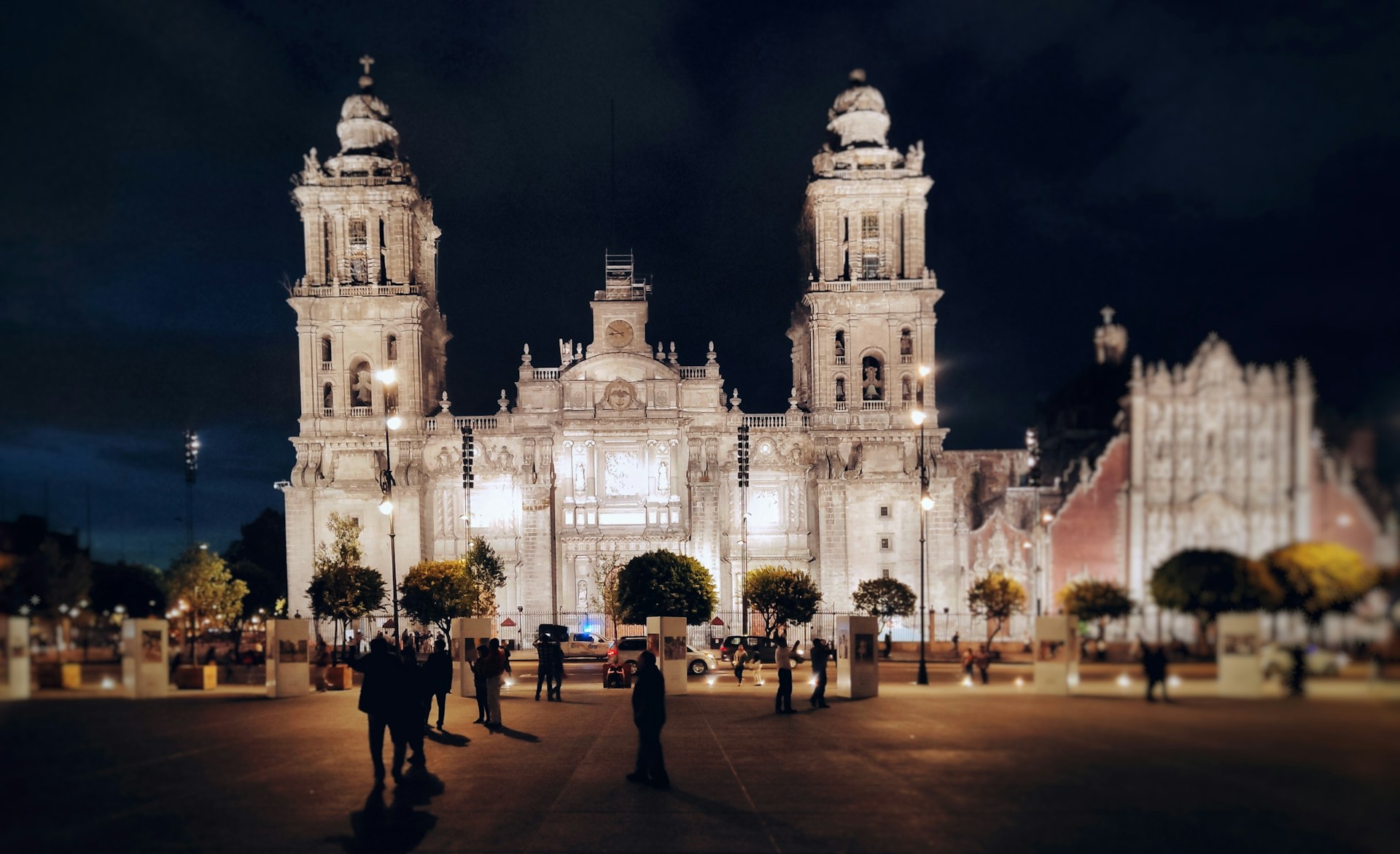
I love wandering streets lined with 16th-century buildings. Spanish colonists built them with stones from razed Aztec temples. The Metropolitan Cathedral towers over the main square, all baroque drama and twin bells.
Many colonial palaces now hold museums, shops, and restaurants. You’ll spot inner courtyards, colorful tiles, and ornate doorways everywhere. Wrought-iron balconies and religious carvings tell stories of the city’s Spanish era.
Chinatown and Global Cuisines
Right in Centro Histórico, there’s a pocket-sized Chinatown near Dolores Street. Red lanterns dangle above alleys packed with Chinese eateries, herbal shops, and import stores.
Here, I can order dim sum, Peking duck, and hand-pulled noodles—sometimes right next to a taquería. Chinese-Mexican fusion is real: tacos de pastor with an Asian twist, anyone?
Other communities—Lebanese, Jewish, Spanish—have also left their mark. You’ll find Spanish tapas in old cantinas and challah bread in local bakeries.
Aztec Roots and Modern Mexican Life
Just steps from the cathedral, the Templo Mayor ruins peek out, revealing what’s left of the Aztec city. You can actually see original walls and platforms that survived the Spanish conquest.
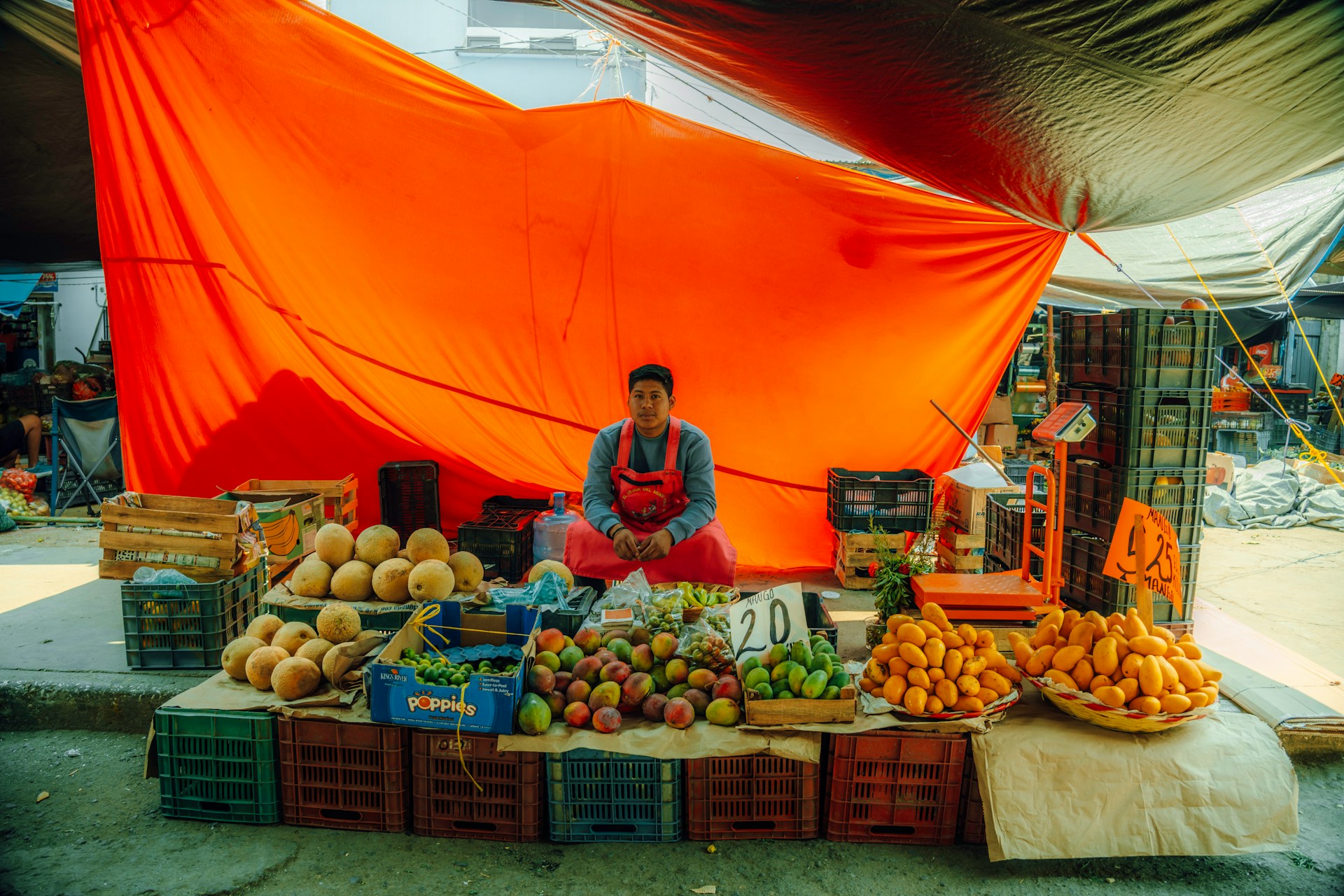
Street vendors sell elote, tamales, and fruit sprinkled with chili. These snacks connect straight back to pre-Hispanic recipes.
Family-run stalls in ancient markets keep indigenous languages alive. The neighborhood feels alive, where ancient traditions mix with modern life every day.

Roma and Condesa: Art Nouveau, Café Culture, and Green Oases
These side-by-side districts dazzle with Art Nouveau buildings, leafy streets, and some of the city’s best cafés. Roma Norte pulses with creativity, while Condesa’s parks offer a peaceful escape.
Roma Norte’s Bohemian Flair
Roma Norte is Mexico City’s creative heartbeat. Building walls burst with street art, and indie boutiques fill every block. Artists, musicians, and young professionals give it a bohemian, slightly rebellious edge.
Café culture thrives here:
- Local roasters pour killer coffee
- Cozy corners perfect for remote work
- Brunch spots with global menus draw crowds
The neighborhood feels totally different from the rest of the city. Around Álvaro Obregón, galleries and cultural spaces cluster together, and the energy is contagious.
Roma Norte’s nightlife is something else. Small bars and live music venues host everything from indie bands to DJs. The crowd is young, artsy, and always up for something new.
Art Nouveau and Local Artistry
A walk through Roma and Condesa is like stepping into an early 1900s postcard. Art Nouveau buildings line the streets, with curved lines, ornate balconies, and colorful tiles.
Look for:
- Wrought-iron balconies
- Mosaic tiles and stained glass
- Curved facades and arched windows
Street art brings a modern twist. Murals tackle social issues, and small art pieces pop up on doorways. Local galleries, especially near Plaza Río de Janeiro, showcase Mexico’s contemporary talent.
The old and new blend seamlessly. Elegant historic buildings set the stage, but fresh art keeps things lively.
Parks and Outdoor Life in Condesa
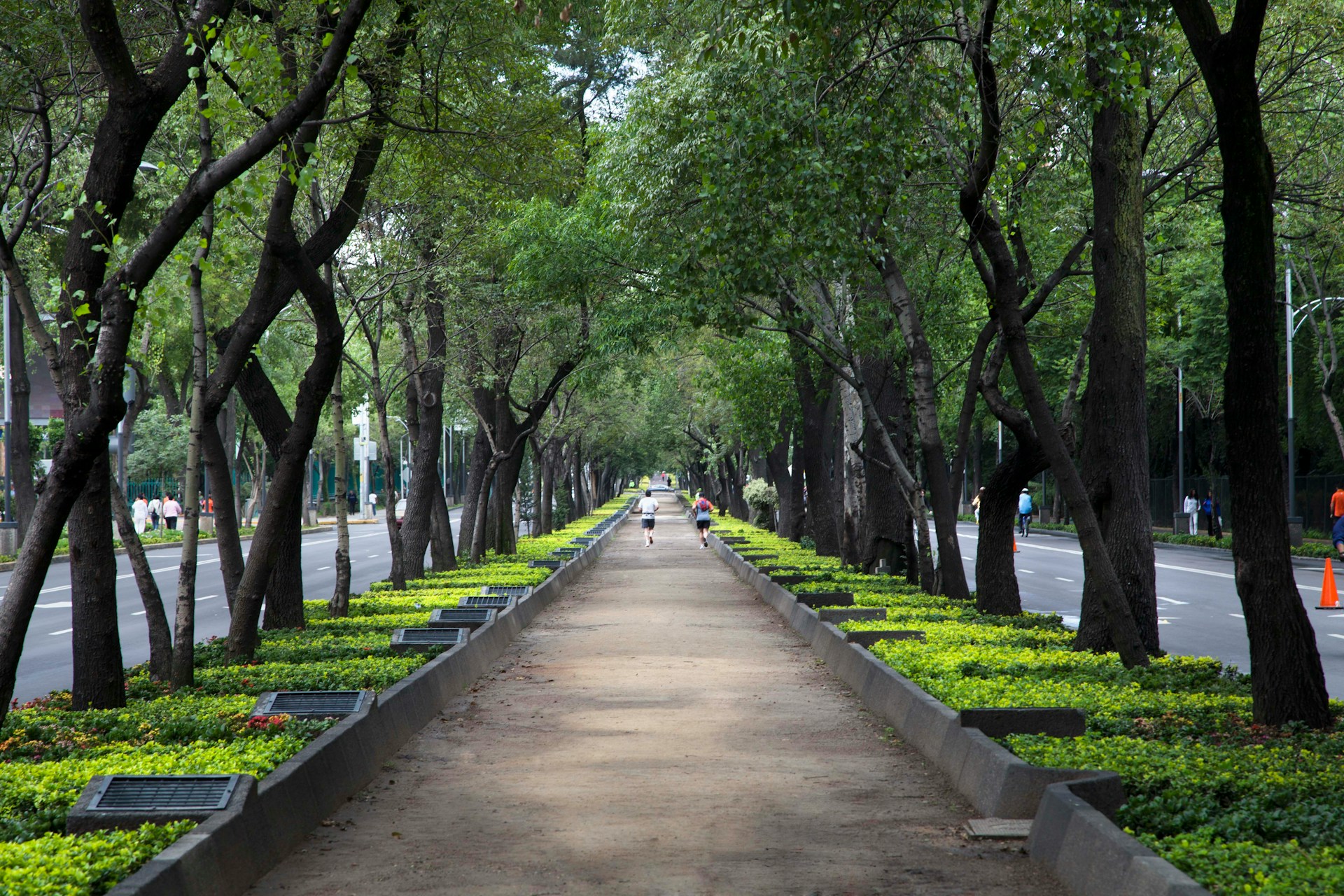
Condesa’s green spaces really set it apart. Parque México is the star, with its circular layout and towering trees—a true urban oasis.
Parque España is another favorite. Both parks feature:
- Shady walking paths
- Dog runs that are always busy
- Outdoor gyms
- Weekend markets and events
Sidewalk cafés spill out around the parks, and with the city’s mild weather, outdoor dining is a year-round treat.
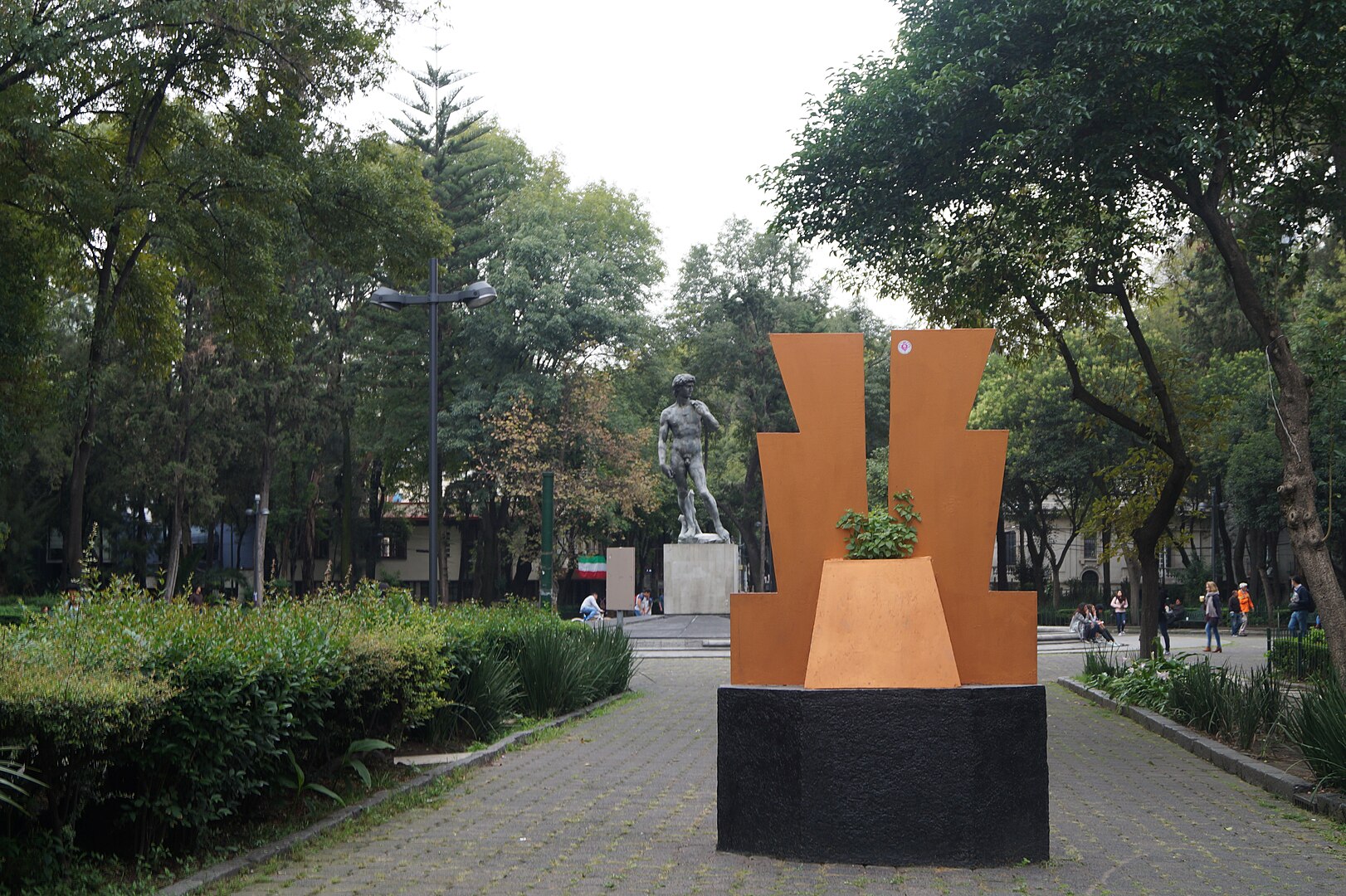
Plaza Río de Janeiro adds a quirky touch—a replica of Michelangelo’s David stands right in the middle. It’s a little slice of Europe in the city.
These parks give Condesa its relaxed, community-focused vibe. Locals walk dogs, jog, and catch up with neighbors under the trees.

Polanco and Chapultepec: Cosmopolitan Luxury Meets Culture
These neighborhoods show off Mexico City’s upscale side. World-class museums, luxury boutiques, and leafy boulevards make it feel like a cross between Paris and Manhattan.
World-Class Museums and Attractions
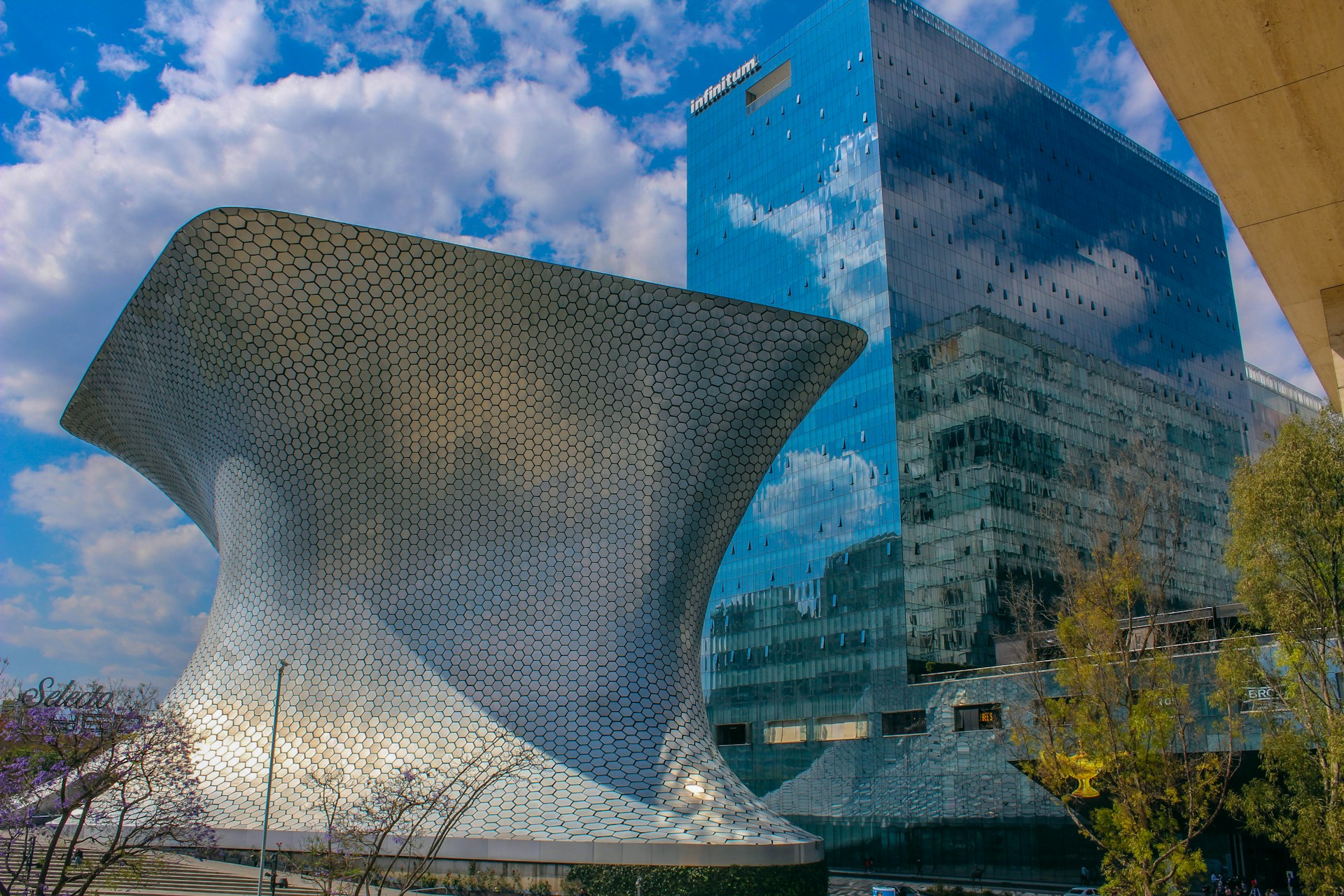
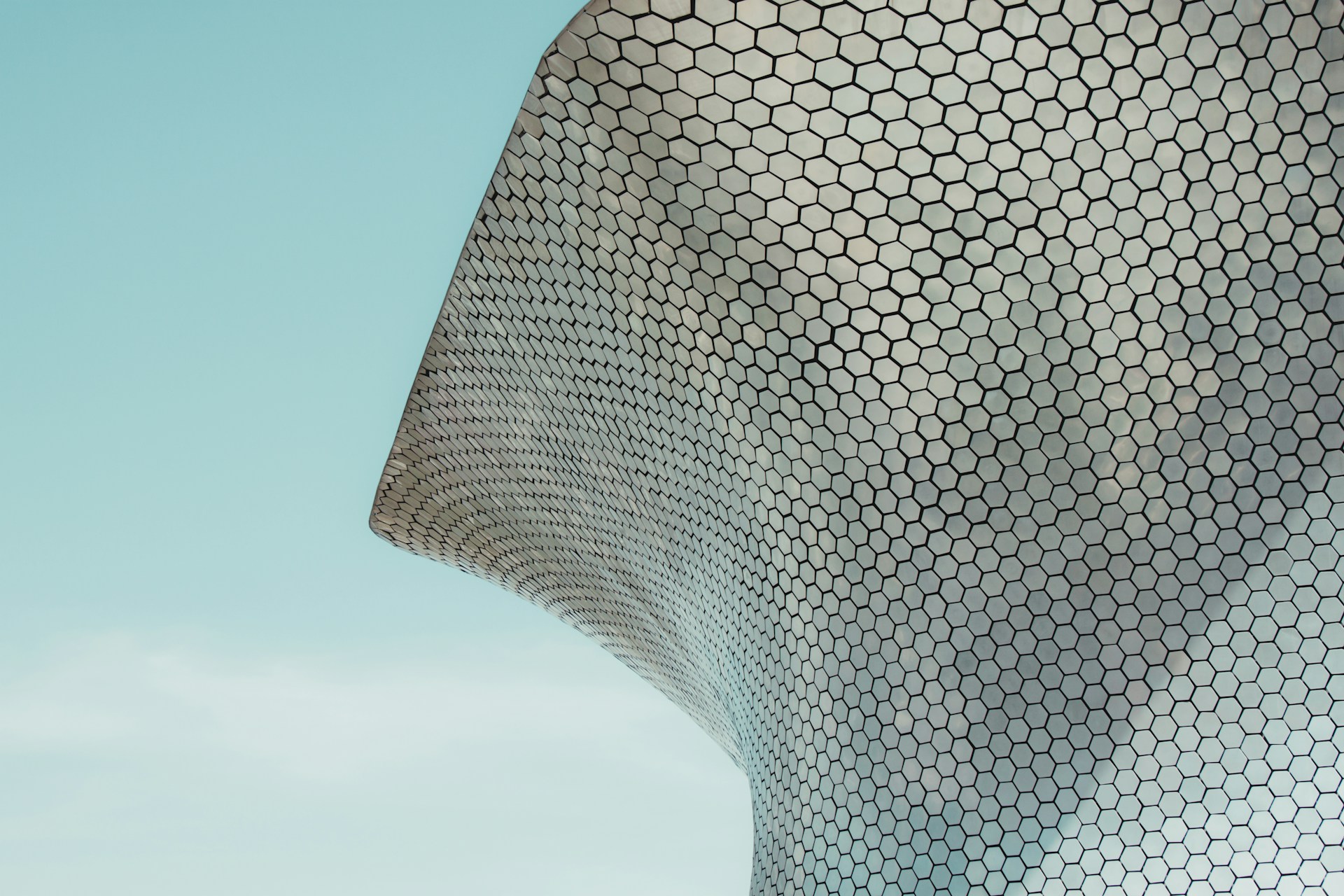
Polanco houses some of the city’s most impressive museums. The Soumaya Museum, with its eye-catching silver curves, is packed with Rodin sculptures and Mexican art.
Nearby, the Anthropology Museum in Chapultepec Park is hands-down one of the best in the world. I always tell friends to set aside half a day—there’s just so much to see.
Museo Jumex brings contemporary art to life in a sleek, modern space. The rotating exhibits feature big-name international artists and bold installations.
This cultural corridor packs a punch. You can walk from one world-class museum to another, all without leaving the neighborhood.
High-End Shopping and Dining
Polanco is luxury central, especially along Presidente Masaryk Avenue. I’ve strolled past Hermès, Louis Vuitton, and more flagship stores than I can count.
Top dining spots? Try these:
- Pujol – Enrique Olvera’s creative Mexican tasting menus
- Quintonil – Farm-to-table dishes by Jorge Vallejo
- Dulce Patria – Martha Ortiz’s colorful, artistic plates
Antara Fashion Hall offers open-air shopping with a European feel. Modern architecture and high-end boutiques make it a stylish destination.
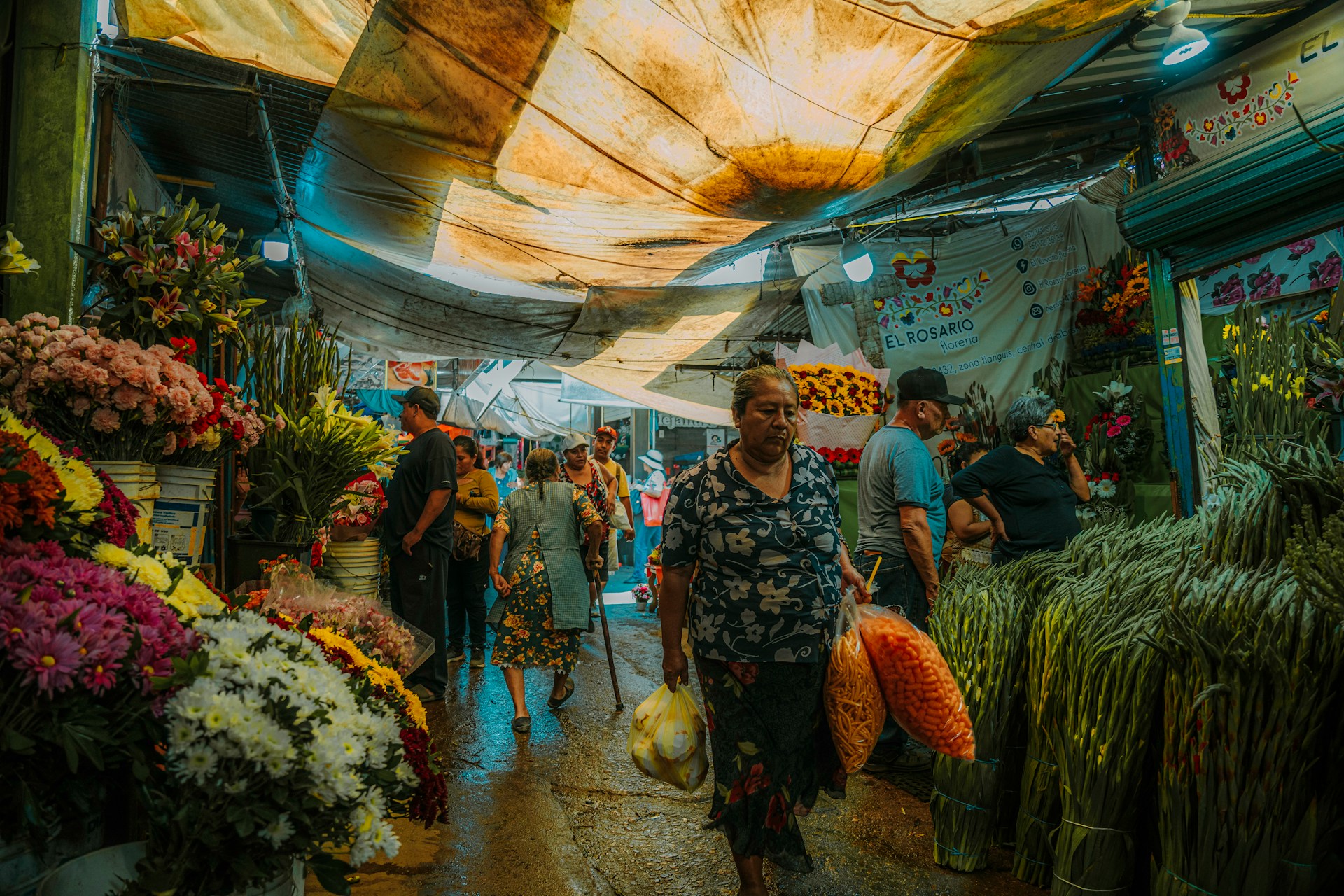
Local markets like Mercado de Polanco balance things out with gourmet Mexican ingredients and artisanal treats.
Green Spaces and Parks
Chapultepec Park is massive—one of the biggest city parks in the Americas. I love walking its trails, boating on the lakes, or just people-watching under the trees.
Polanco links up with smaller parks like Lincoln Park, which has art installations and quiet paths.
These green corridors wind through the neighborhoods, giving everything a lush, garden-city vibe.
Outdoor events and festivals happen year-round. The mix of nature and urban luxury here really does feel like another country inside Mexico City.

Coyoacán and San Ángel: Historic Villages with Artistic Traditions
These two spots, about 10 miles south of downtown, keep their colonial charm alive with cobblestone streets and a deep artistic heritage. Coyoacán draws crowds for its Frida Kahlo connections and twin plazas. San Ángel comes alive on weekends with art markets and historic mansions.
Frida Kahlo’s Legacy and Museums
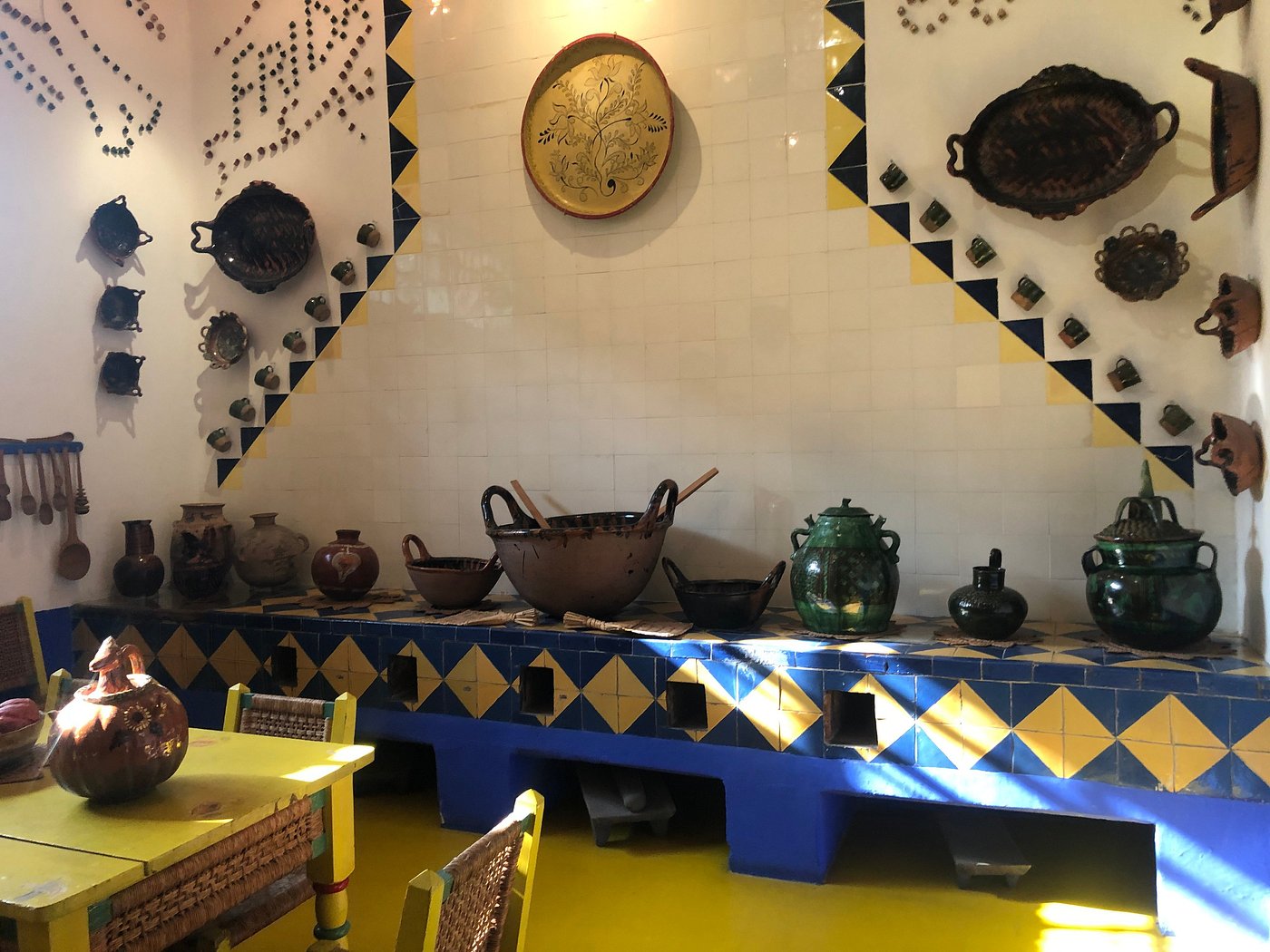
Coyoacán’s artistic reputation? Yeah, it pretty much revolves around the Frida Kahlo Museum—or Casa Azul if you’re in the know. That brilliant blue house grabs your attention right away; it’s where Frida grew up and, honestly, it still feels like she could walk back in at any moment.
Inside Casa Azul, you’ll come face-to-face with Frida’s own belongings, her art, and even personal items from Diego Rivera. You’ll need to book ahead—this place fills up fast, and I’m not surprised.
Just a few blocks away, you’ll find the Leon Trotsky Museum. Trotsky himself lived here during exile, and the house tells a wild story of political drama. You can even see where he was assassinated back in 1940.
In nearby San Ángel, the Museo Casa Estudio Diego Rivera y Frida Kahlo gives you a fresh angle on the couple’s creative lives. No need for reservations here—just show up and wander in if you’re feeling spontaneous.
Colonial Plazas and Local Markets
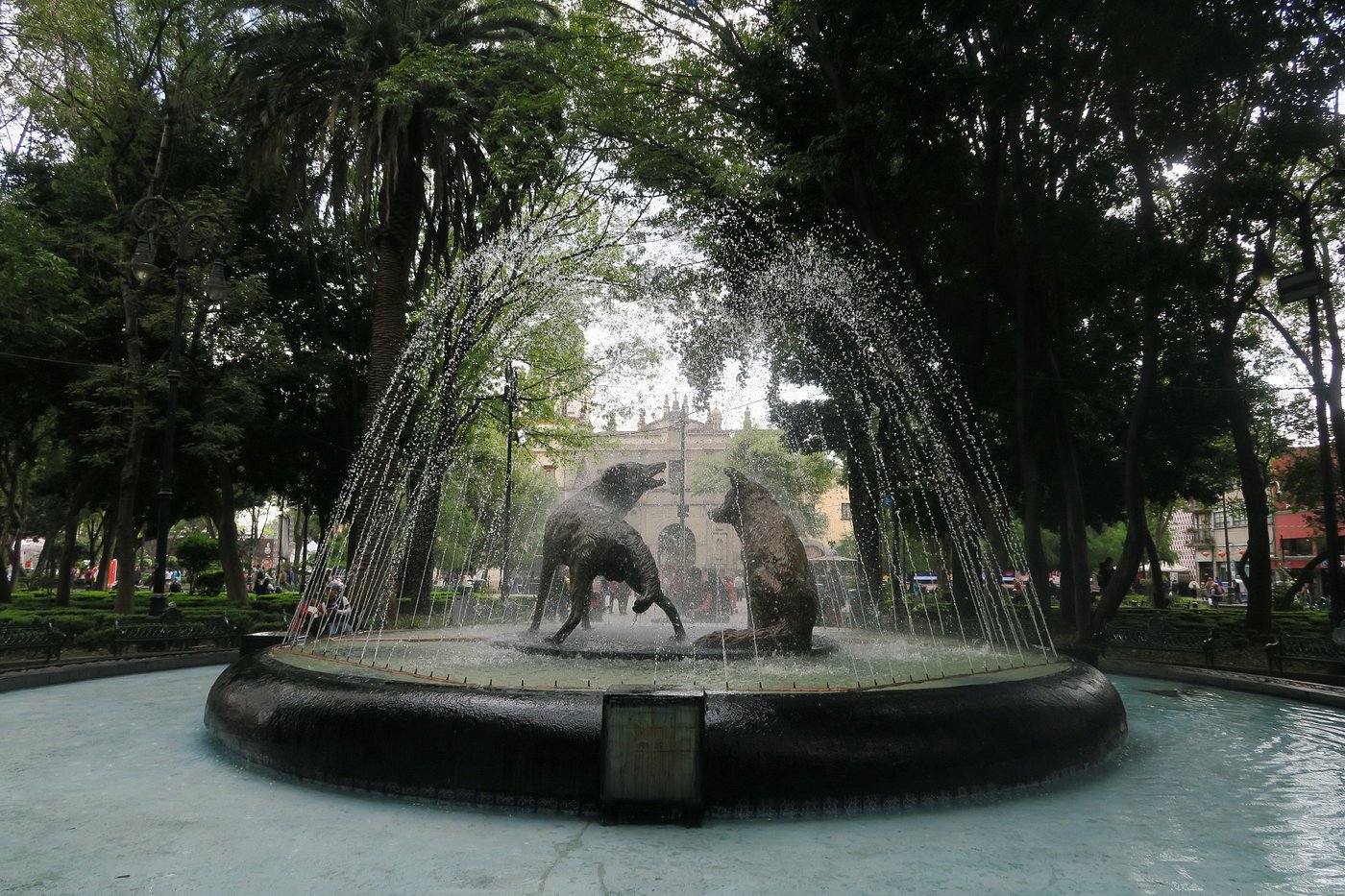
Plaza Hidalgo and Jardín Centenario make up the beating heart of Coyoacán. These twin plazas draw in around 70,000 visitors every weekend—second only to the Zócalo.
Jardín Centenario stands out with its coyote fountain, a nod to the neighborhood’s Nahuatl name: “place of coyotes.” Cafes and restaurants cluster on the south side, while the north buzzes with a lively crafts market.
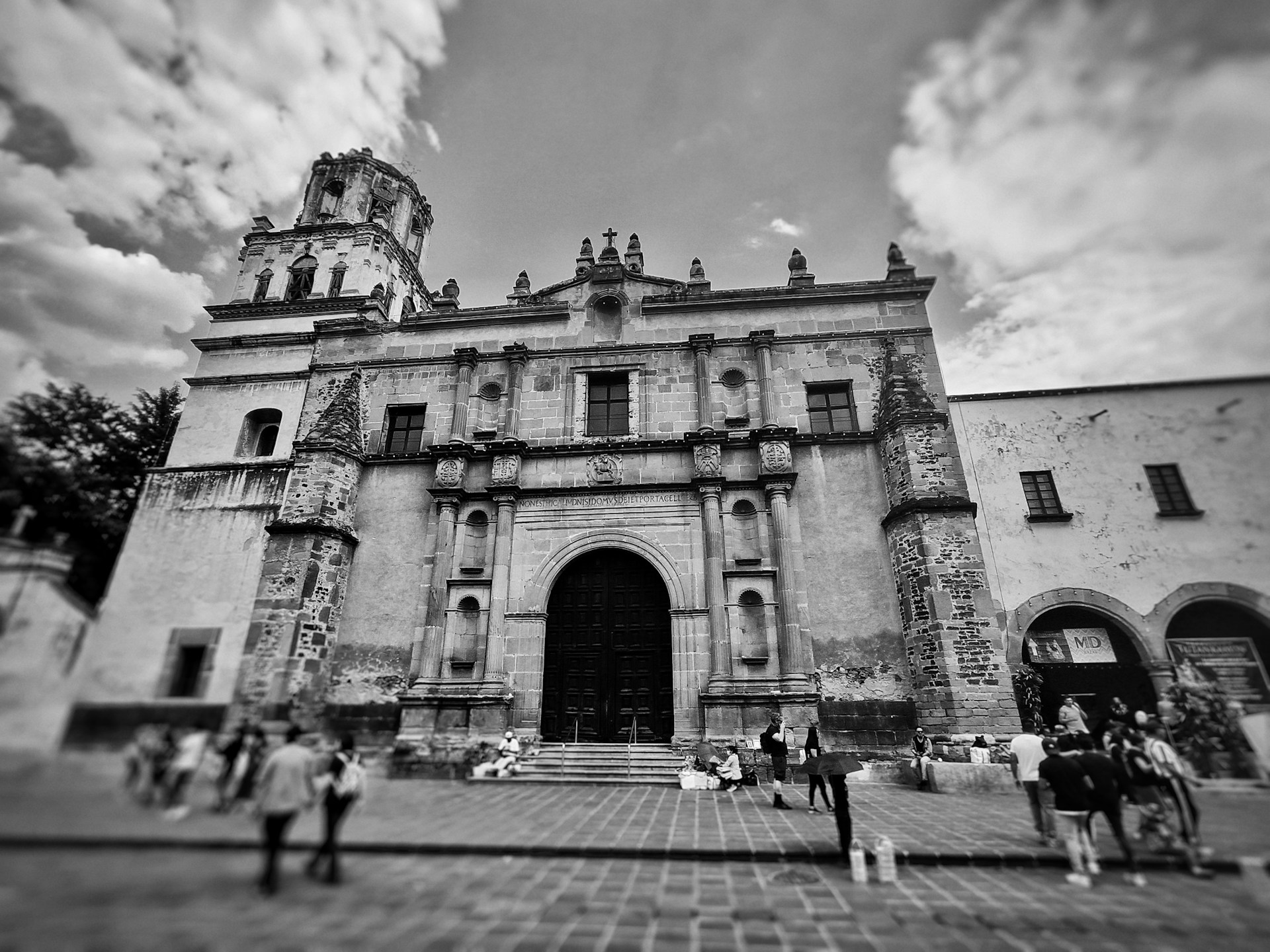
The San Juan Bautista Church sits right off the plaza, connected by old stone archways. Built back in 1552, it’s one of the city’s oldest, filled with colonial art and intricate paintings.
Over in San Ángel, Plaza San Jacinto is where you’ll stumble upon the Bazar San Ángel. This indoor market bursts with local boutiques, galleries, and handmade treasures—especially on Saturdays when it’s packed.
Cultural Festivals and Artistic Life
Weekends? That’s when these neighborhoods really come alive. Street performers, musicians, and artists fill the plazas, giving the whole area a festive energy.
San Ángel’s Saturday art market transforms the streets into an open-air gallery. Local artists set up shop, selling everything from paintings to quirky sculptures.
Coyoacán isn’t just about museums. Cantina La Guadalupana, which opened its doors in 1932, was a favorite hangout for Frida and Diego. It still keeps its old-school vibe and, if you order a drink, you’ll get free snacks.
If you’re hungry, food markets in both neighborhoods serve up the best of regional Mexican cuisine. Mercado de Coyoacán dishes out classic street food, while Mercadaroma offers gourmet bites from all over Mexico.
Throughout the year, these neighborhoods celebrate everything from Day of the Dead to art exhibitions. San Ángel’s historic mansions often double as cultural centers and galleries, constantly switching up their displays.
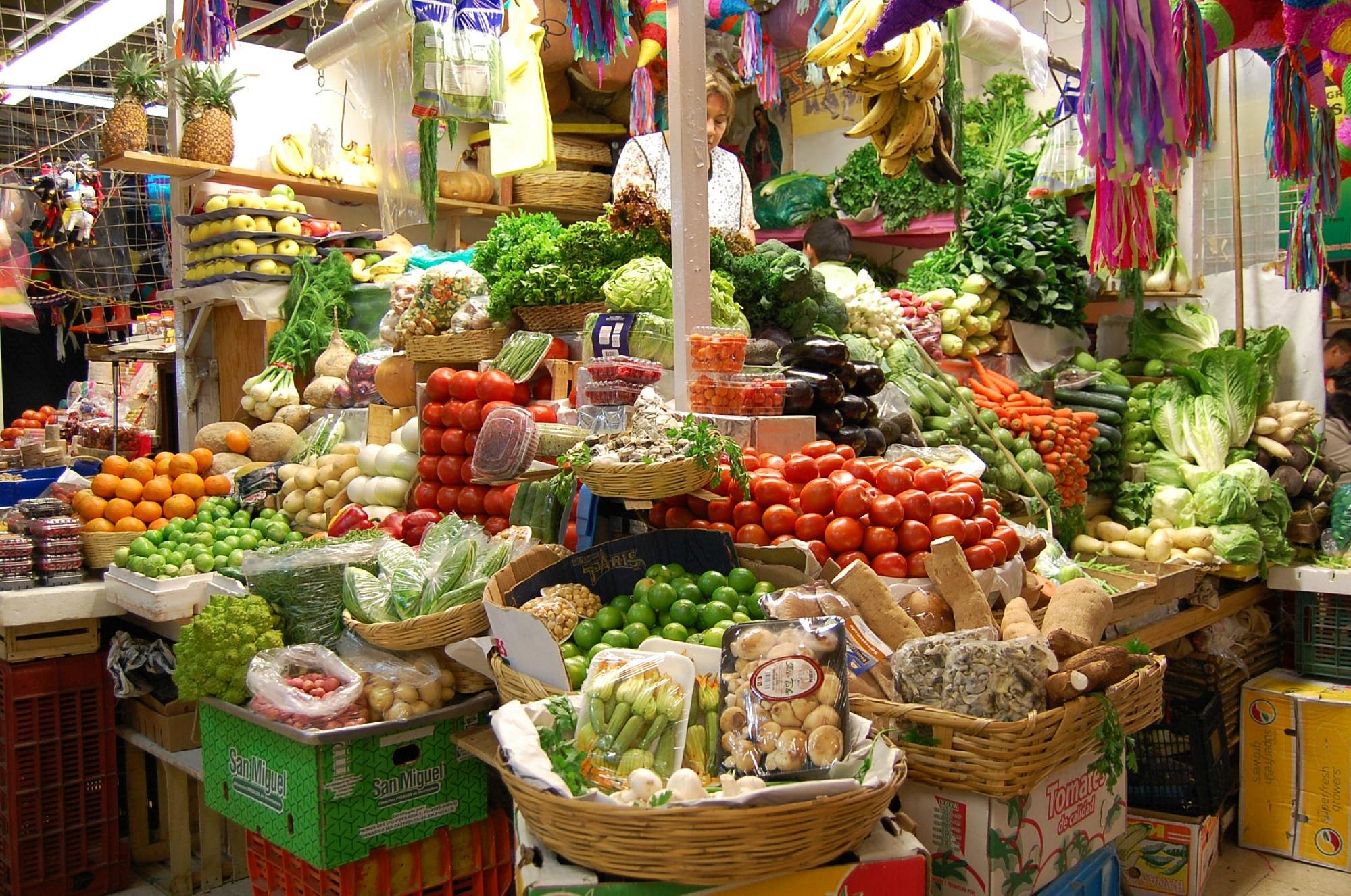
Eclectic and Local Sides: Juárez, Zona Rosa, San Rafael, and More
If you want to see Mexico City’s true diversity, these neighborhoods are where it’s at. Juárez has a bustling Korean community, Zona Rosa’s nightlife is legendary, San Rafael oozes old-school charm, and places like Narvarte and Tepito keep things real with authentic local vibes.
Juárez’s International Influences and Korean Community
Juárez sits just north of Roma Norte and honestly feels like a multicultural crossroads. I’ve noticed the Korean community here keeps growing, and it brings a cool twist to the neighborhood.
Korean Town highlights:
- Real-deal Korean BBQ joints and restaurants
- Grocery stores stocked with Korean favorites
- Community centers hosting cultural events
There’s this fun mashup of Korean and Mexican culture everywhere. You might grab Korean tacos or end up in a karaoke bar where K-pop meets reggaeton.
Juárez also draws in artists and young professionals. Streets pop with colorful murals and indie galleries, and the cafes serve everything from Korean coffee to classic Mexican drinks.
The vibe shifts as the day goes on. In the morning, families shop at markets. By night, the bars and restaurants fill with a hip crowd.
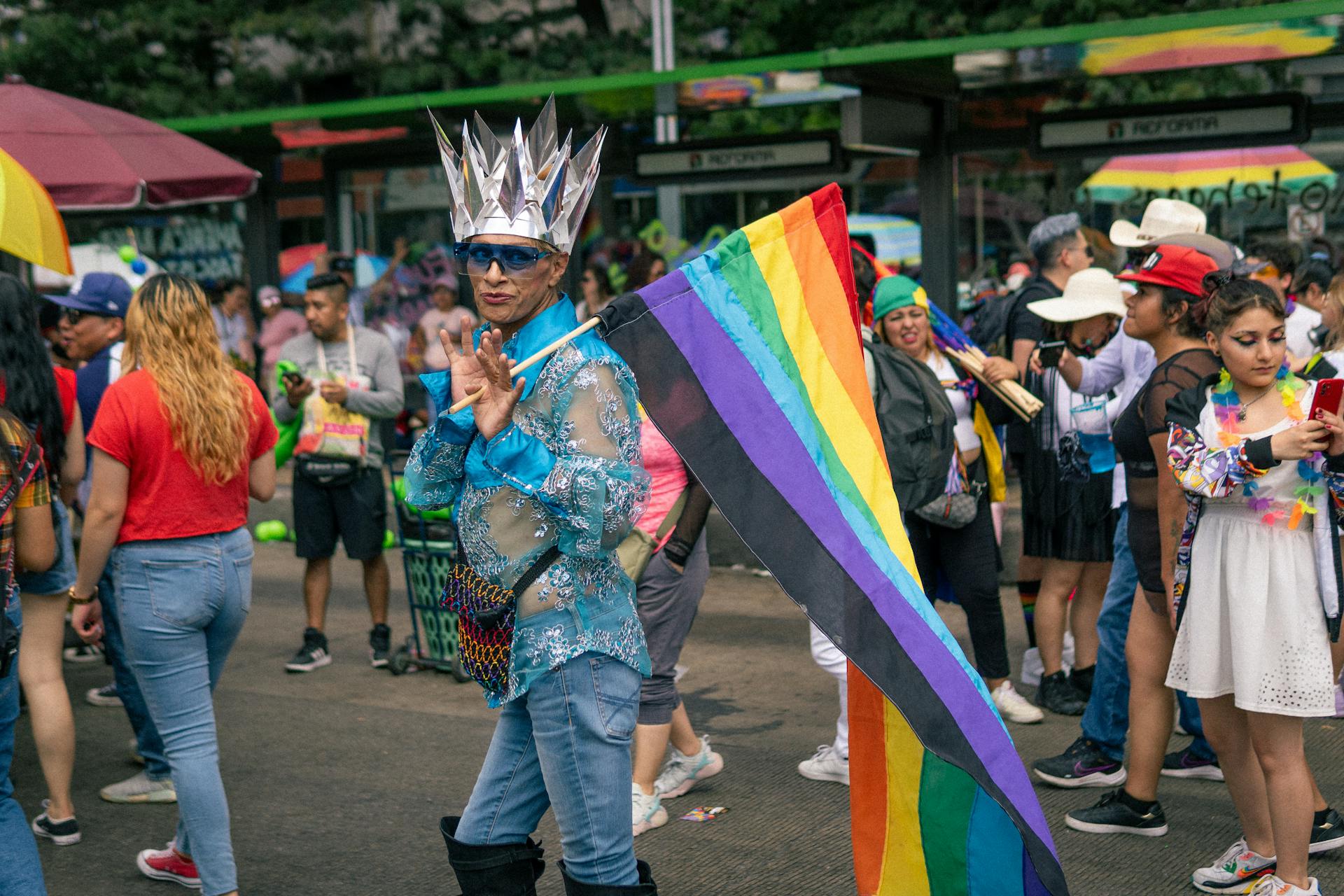
Zona Rosa’s Nightlife and LGBTQ+ Culture
Zona Rosa gets its name from its pink-hued buildings and lively streets. It’s pretty much the go-to spot for LGBTQ+ nightlife in Mexico City.
Once the sun sets, the area lights up with bars, clubs, and late-night food stands. Many spots cater to LGBTQ+ folks, and you’ll find drag shows, dance floors, and chill cocktail lounges all within a short walk.
Zona Rosa features:
- Gay bars and LGBTQ+-friendly hangouts
- Street food and restaurants open late
- Shopping centers and quirky boutiques
- Art galleries and cultural venues
During the day, there’s still plenty to do—shopping, eating, or just people-watching. The mix of modern and older buildings gives the area a unique look, and vendors sell everything from tacos to handmade jewelry.
It’s got a safe, welcoming feel. Locals and tourists both flock here for the nightlife and the sense of community.
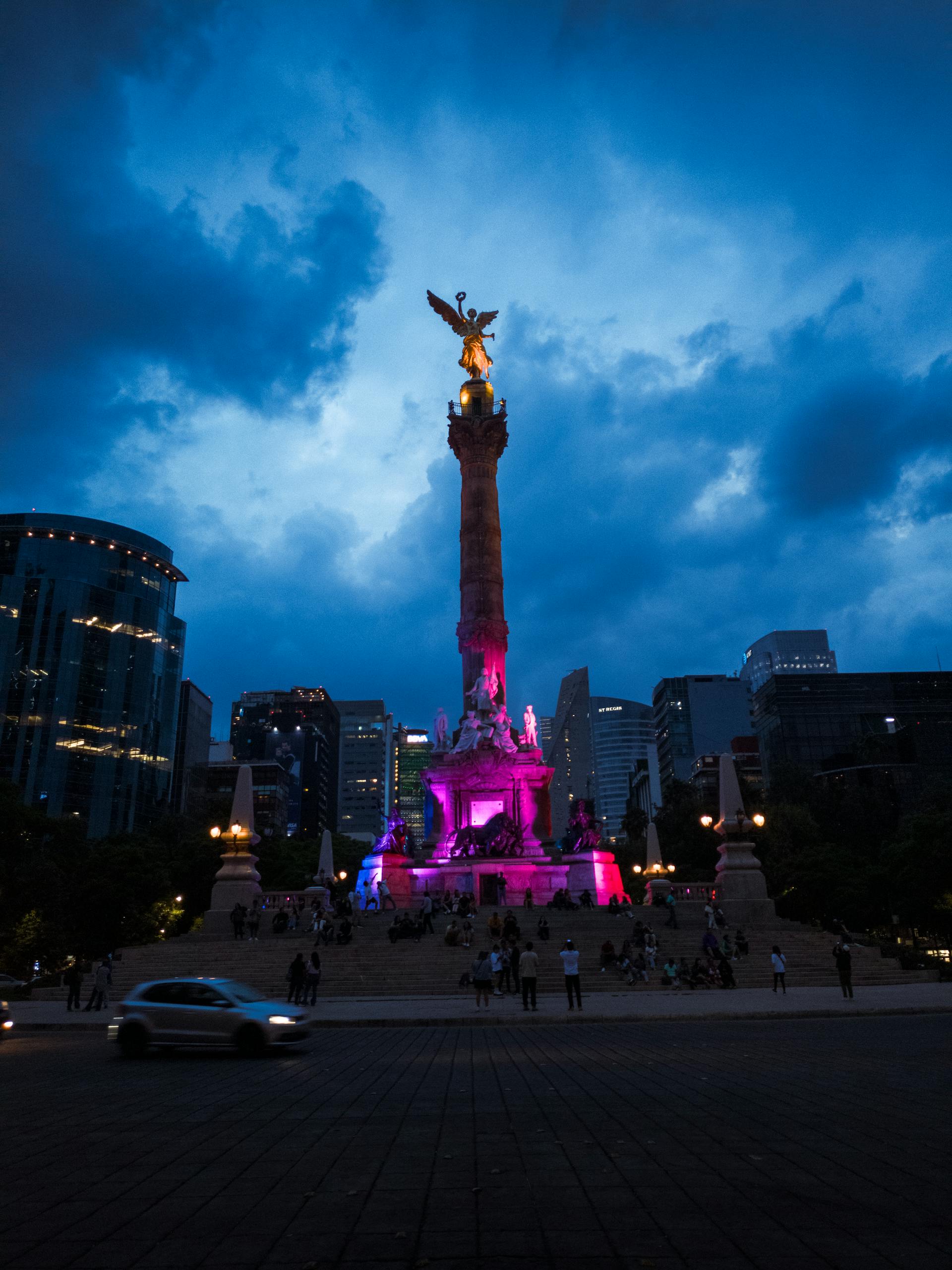
Old World Charm in San Rafael
San Rafael used to be called the “Broadway of Mexico” thanks to its theaters and live shows. These days, it’s still got that vintage charm, but with a fresh crowd moving in.
You’ll spot gorgeous Art Deco buildings from the early 1900s, many of which now house trendy cafes or art galleries. The tree-lined streets almost make you forget you’re in a mega-city.
Some of my favorite hidden restaurants are tucked away here. The local markets sell fresh produce and classic Mexican dishes. It feels more like a neighborhood than a tourist hotspot.
San Rafael highlights:
- Restored mansions and Art Deco gems
- Traditional cantinas with real character
- Up-and-coming art scene
- Affordable places to live
The Metrobús makes it super easy to get around, so a lot of young professionals pick San Rafael for its charm and lower rent.
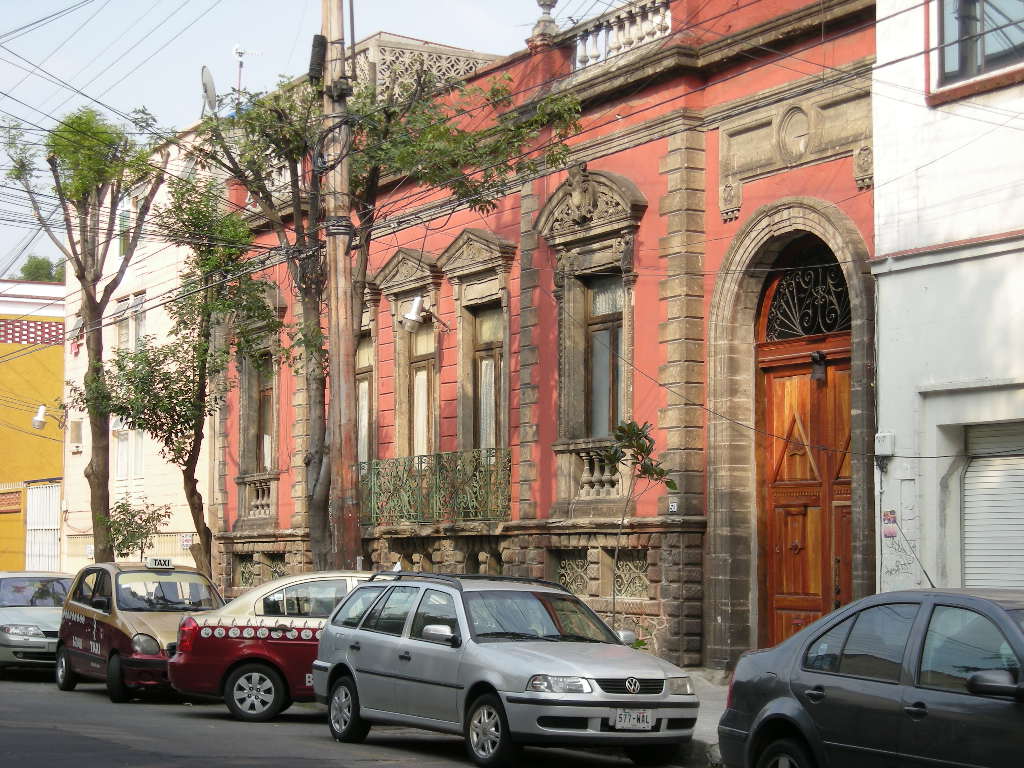
Underrated Neighborhoods: Narvarte, Tepito, and Iztapalapa
If you’re itching to experience Mexico City like a local, these working-class neighborhoods might surprise you. They’re not polished for tourists, but honestly, that’s part of the charm.
Narvarte gives off a laid-back, residential vibe. Picture leafy streets, friendly faces, and street vendors selling tamales in the morning. I’ve wandered into family-run taquerias here that serve tacos I still dream about. There’s no shortage of traditional Mexican restaurants either, and the parks? Perfect if you’re traveling with kids or just want to relax under the trees.
Tepito might raise some eyebrows, but it’s legendary for its sprawling street market. You’ll find everything from electronics to vintage sneakers, all while soaking in the neighborhood’s gritty energy. The locals here have built a tight-knit community, and you can really feel their pride and creativity. It’s not for everyone, but if you’re up for a bit of adventure, Tepito’s market scene is unforgettable.
Iztapalapa comes alive during religious celebrations—especially Holy Week. The passion play here draws massive crowds, and honestly, the energy is contagious. Throughout the year, different neighborhoods celebrate their patron saints with colorful processions, music, and food stalls lining the streets.
Sure, these spots call for a bit more street smarts than your average tourist haunt. But if you want genuine culture, it’s worth it. I’d recommend finding a local guide—they’ll help you explore safely and show you how to respect the community’s traditions.


