
Zagreb, Croatia’s lively capital, feels like a city that rewards curiosity—especially when you’re exploring on a budget. You don’t need to spend a single euro to get a real taste of its history and culture. Some of my favorite experiences in Zagreb have been completely free, and honestly, that’s when the city’s true personality shines through.
If you want to peel back the layers of Zagreb, start with historic walking tours, wander past iconic landmarks, and lose yourself in local markets or neighborhoods where everyday Croatian life unfolds. The cobbled Upper Town, the hum of open-air markets, and the rhythm of the city’s streets all tell stories you won’t hear on a typical tour.
Let’s jump into some of the best free adventures I’ve found—walking tours led by locals, ancient districts where history lingers, and little-known corners where Zagreb’s real life happens. These are the reasons I keep coming back and why Zagreb has quietly become one of Europe’s most beloved cities for travelers who want something genuine.
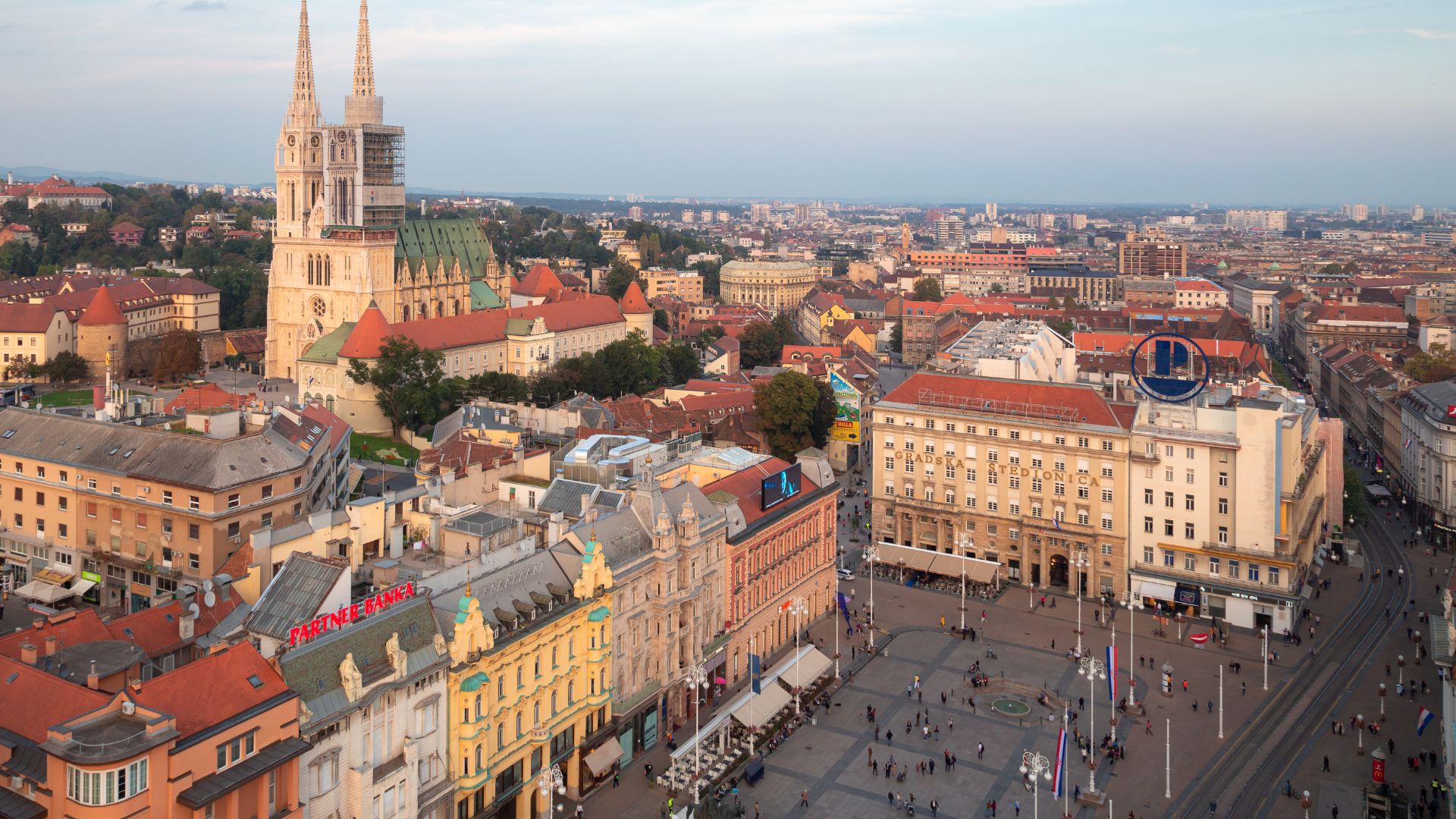
Essential Free Walking Tours
Free walking tours are the best way to get your bearings in Zagreb. Local guides bring the city’s history and quirks to life, and you’ll pick up stories you’d never find in a guidebook.
Self-guided tours are great too. Sometimes I just want to wander and linger wherever I feel like. Both options show off the city’s mix of old and new.
Top Guided Free Walking Tours in Zagreb
Free Spirit Tours organizes daily tours at 11 am, every day of the year. These English-language tours last about two hours and cover everything from Zagreb’s medieval roots to its modern-day vibe.
The timing is spot on. At noon, you’ll catch the Grič Cannon firing—a tradition that makes you feel like you’re in on a city secret.
Essential Free Tours also run similar routes, focusing on big landmarks and the city’s communist past. The guides always have a story or two about Croatian culture that sticks with you.
These tours use a pay-what-you-want model. You decide what to tip at the end—no awkwardness, just appreciation.
Most tours hit these highlights:
- St. Mark’s Church and its colorful roof
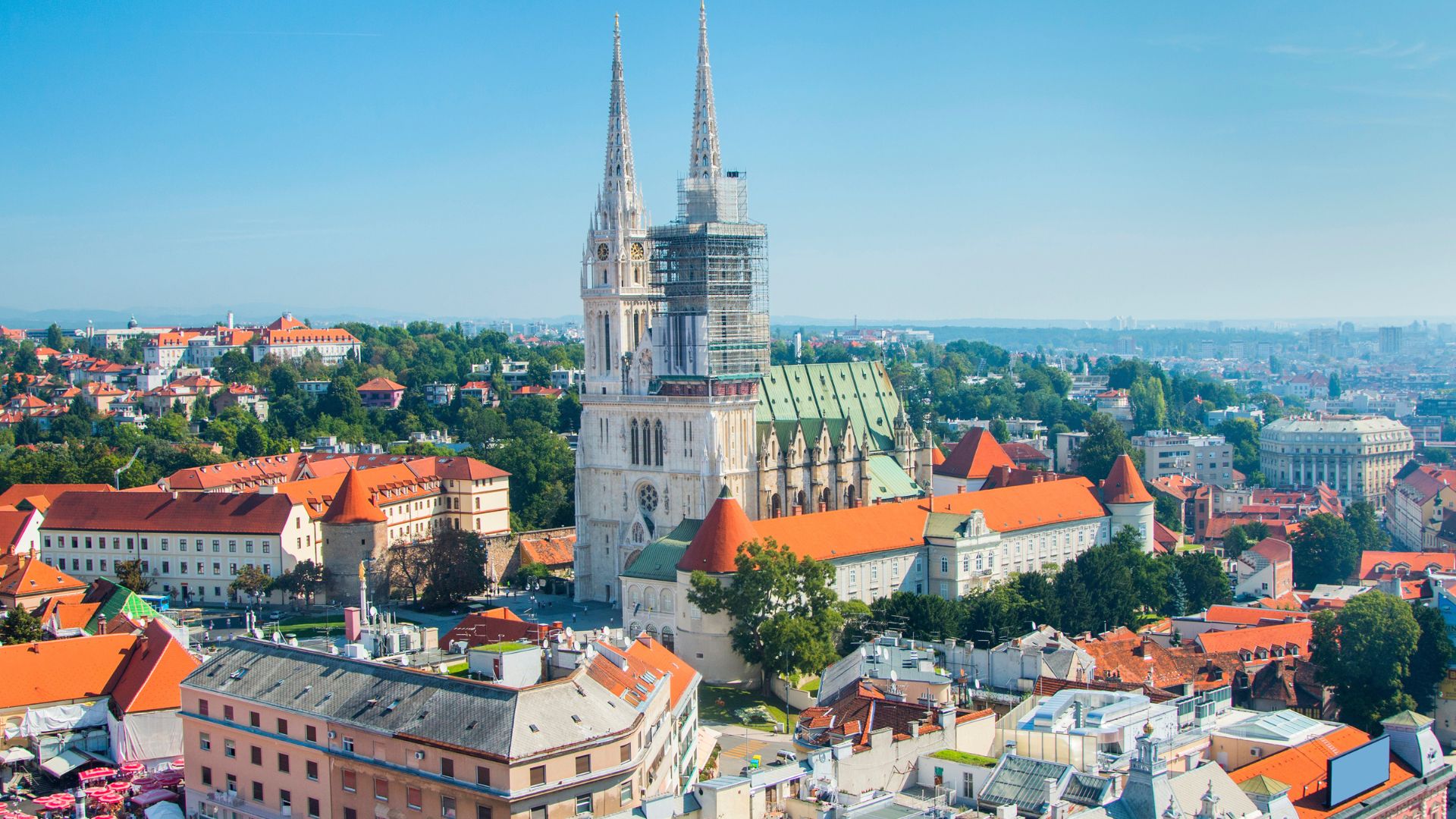
- Zagreb Cathedral
- Historic Upper Town squares
- Local life and quirky legends
Highlights of Self-Guided Walking Tours
When I want to explore at my own pace, I grab a self-guided route. I love having the freedom to linger at spots that catch my eye.
Must-see stops on self-guided routes:
- Ban Jelačić Square (the city’s heart)
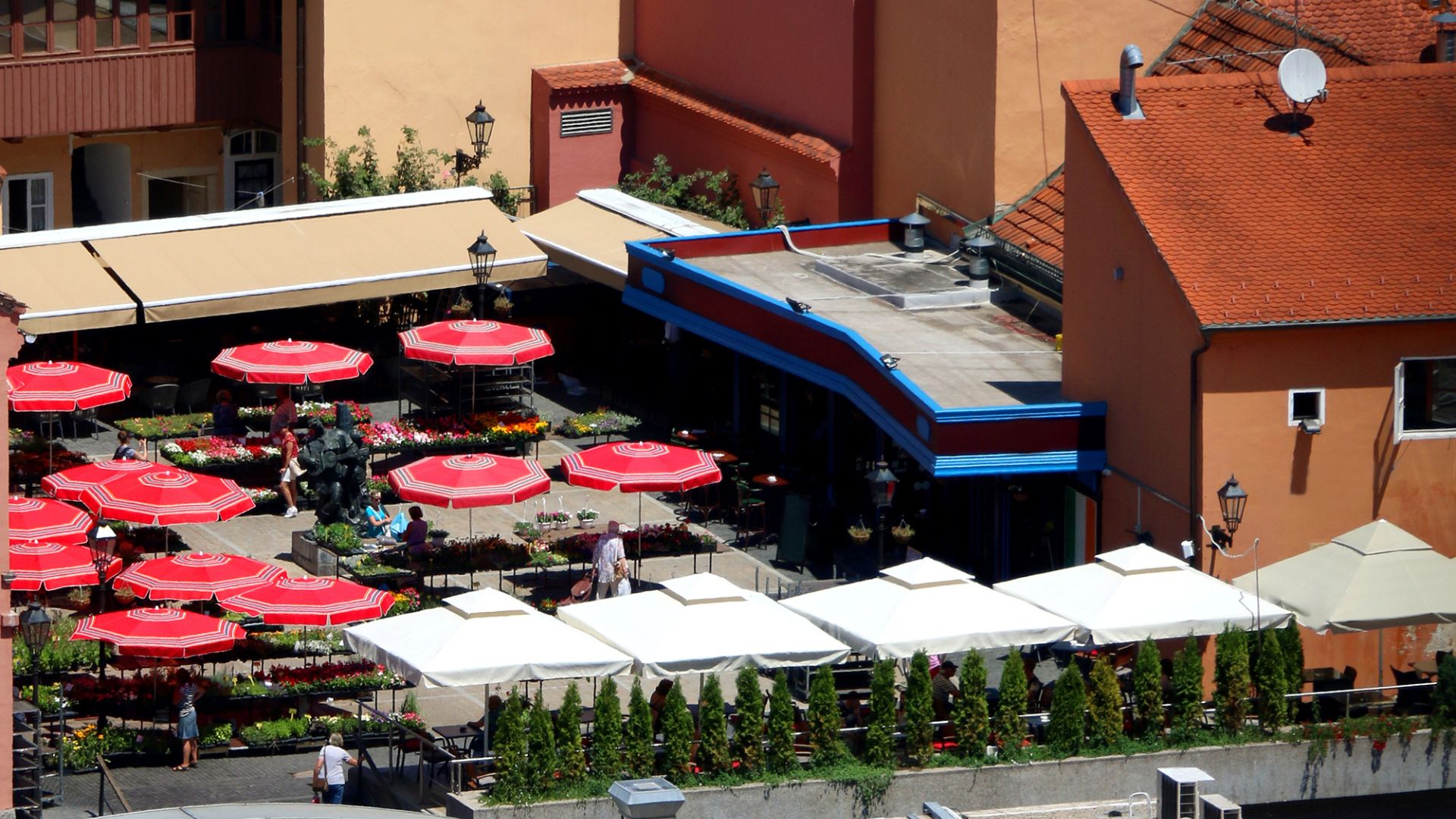
- Dolac Market for a real slice of local life
- Stone Gate and its tiny chapel
- Lotrščak Tower for sweeping views
You can find free walking itineraries online. These usually come with maps and a bit of history for each stop.
If you start early, you’ll dodge the crowds. Zagreb’s compact center makes walking a breeze.
Street art pops up everywhere, and little cafés tempt you to slow down. That’s the real Zagreb, if you ask me.
Tips for Joining Free Zagreb Tours
Book ahead if you’re visiting during busy months. Most tours let you reserve a spot online.
Show up a bit early—about 10 minutes—to find your guide and get settled. Tours usually kick off from Ban Jelačić Square or nearby.
Wear comfy shoes. Those cobblestones and hills will test your feet.
Bring cash for tips. Guides rely on gratuities, and a little goes a long way.
The weather can flip in an instant. I always pack a light jacket or umbrella, just in case.
Tours run in English, but some companies offer other languages on select days.
Groups are usually 10 to 25 people. Smaller groups mean you’ll actually get to chat with your guide.
Historic Upper Town Experiences
The Upper Town, or Gornji Grad, is where Zagreb’s medieval soul hides in plain sight. Cobblestones, centuries-old mansions, and the city’s most famous church—this area feels like a living museum.
St. Mark’s Church, with its bright tiled roof, stands right at the center. The Croatian Parliament sits just across the square, giving the area a sense of history and purpose.
Exploring Gornji Grad’s Medieval Streets
Every time I walk Gornji Grad’s winding lanes, I feel like I’ve slipped into another era. Narrow streets snake between 13th-century buildings.
You don’t need a ticket—just time and a bit of curiosity. I suggest starting near the funicular and letting yourself get lost in the quieter residential parts.
Streets worth wandering:
- Opatička Street, lined with grand old mansions
- Kamenita Vrata, the legendary Stone Gate
- Radićeva Street, which links Upper and Lower Town
The architecture here is a mix of Gothic and baroque. Some houses still have their original stonework and creaky wooden shutters.
I always pause in the tiny squares tucked between buildings. It’s easy to imagine what life looked like centuries ago.
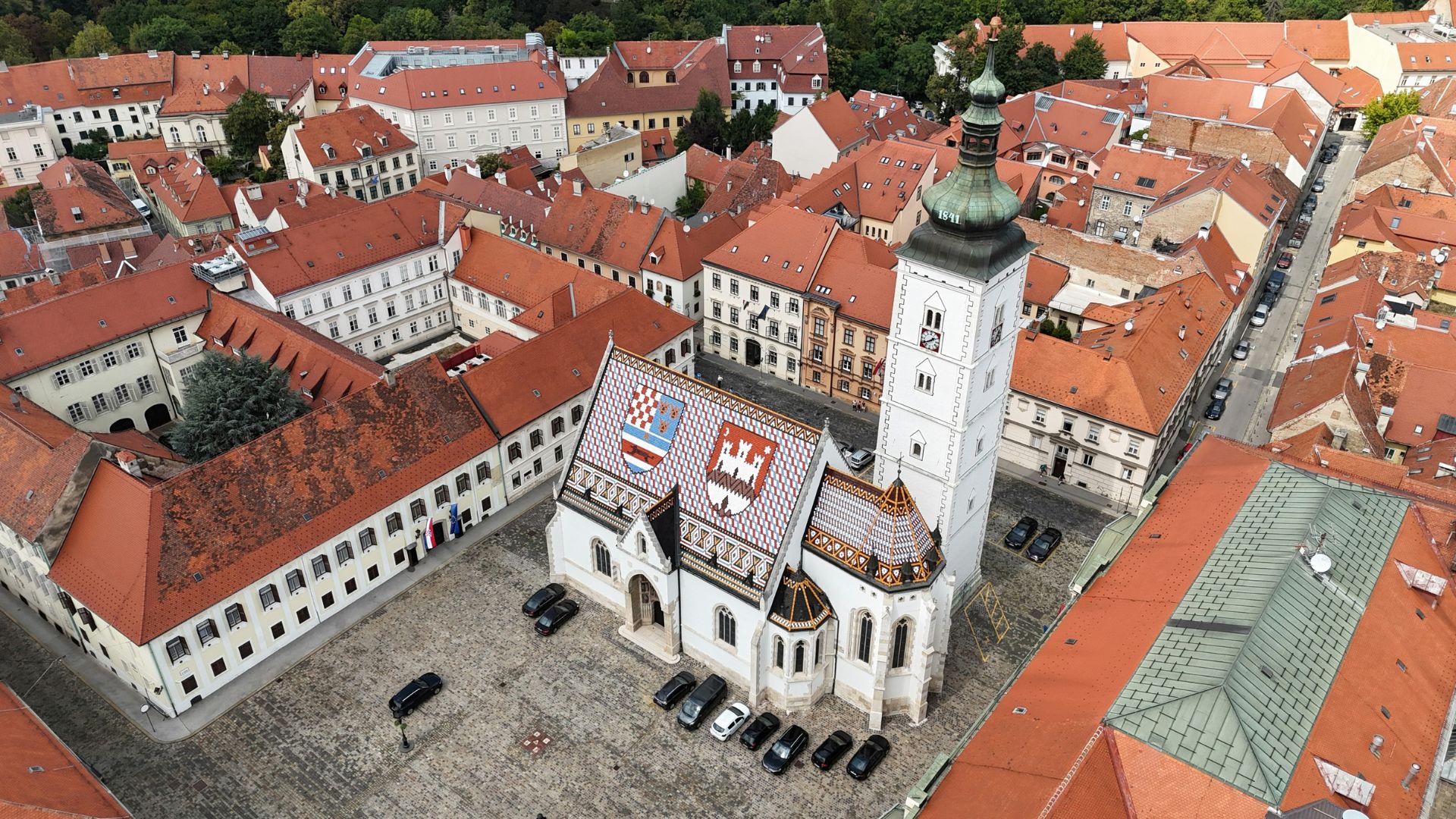
St. Mark’s Church and Square
St. Mark’s Church grabs your attention with its colorful roof, tiled in Croatian and Zagreb coats of arms. Built back in the 1200s, it’s probably the most photographed spot in town.
Inside, you’ll find medieval frescoes and wooden sculptures. The plain stone walls create a cool contrast with the vibrant roof.
Don’t miss:
- The checkerboard roof tiles
- The 14th-century Gothic portal
- The bell tower, rebuilt after a big quake in 1880
St. Mark’s Square feels more like a village than a capital city plaza. Government buildings surround it, but it’s still surprisingly peaceful.
Free concerts sometimes pop up here in summer. It’s worth checking local event listings if you’re around.
Croatian Parliament and Historic Landmarks
Croatia’s Parliament sits across from St. Mark’s in a pale yellow neoclassical building from 1908. This is the country’s political heart.
You can’t go inside, but I like to circle the building and admire the architecture. The stonework and columns have a stately charm.
Nearby, the Banski Dvori (Government Palace) adds more history to the mix. It’s a baroque complex that’s played many roles over the years.
Other historic spots close by:
- Lotrščak Tower, a 13th-century fort
- Museum of Broken Relationships, for something quirky
- Croatian Historical Museum, packed with national treasures
All these landmarks sit within a few blocks. You can see the highlights in a couple of unrushed hours.
Iconic Landmarks and Living History
Zagreb’s skyline tells stories—medieval towers, Gothic spires, and ancient gates that have seen it all. These landmarks aren’t just pretty; they’re a window into the city’s wild past.
Stone Gate and Lotrščak Tower
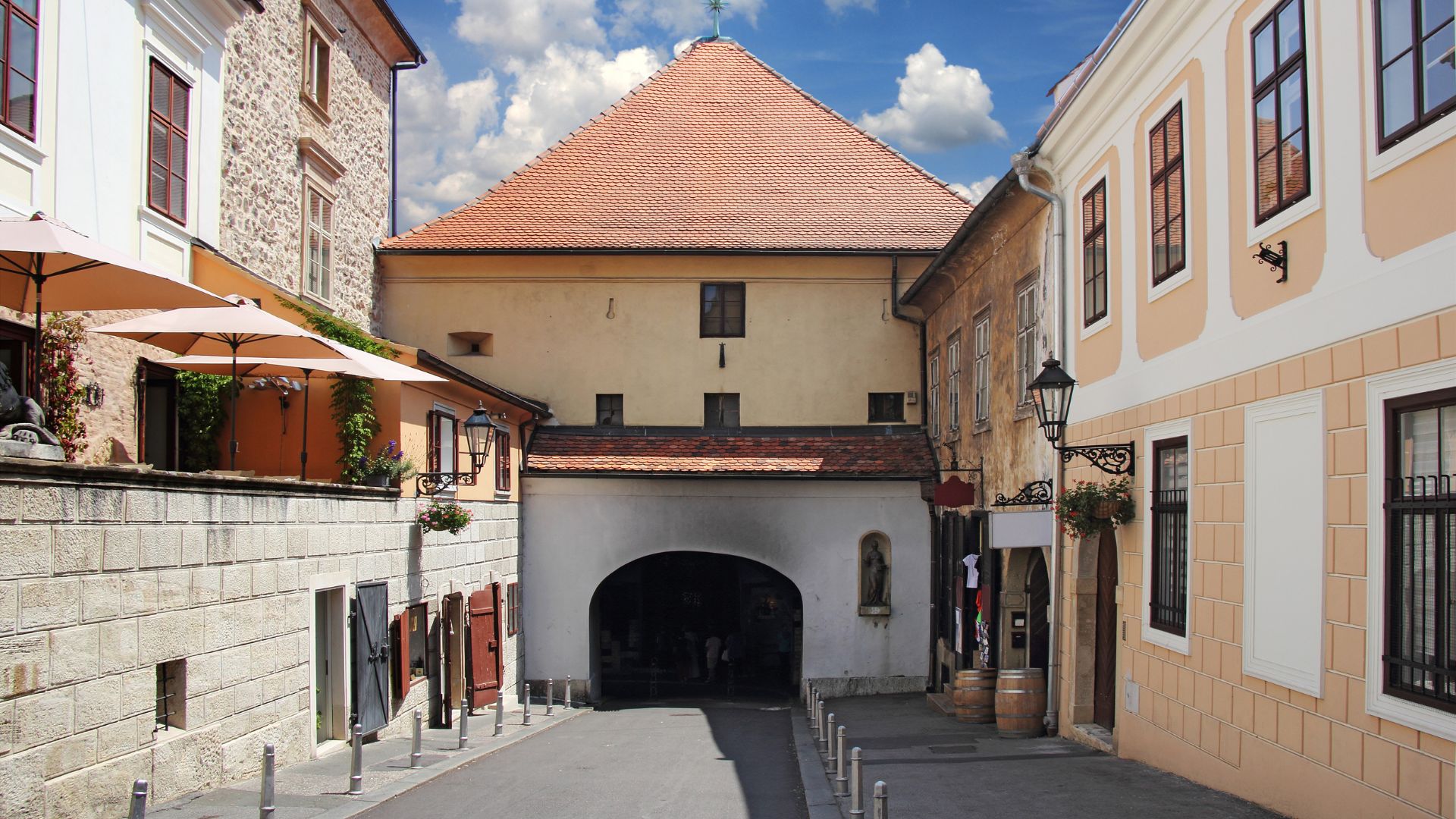
The Stone Gate is one of those places that feels sacred, even if you’re not religious. It’s the last medieval gate still standing.
Step inside and you’ll find a tiny chapel. Locals light candles here every day for a painting of the Virgin Mary—a painting that survived a massive fire in 1731, when everything else burned.
Why it matters:
- Only medieval gate left in Zagreb
- The shrine glows with candlelight, day and night
- Always open and free to visit
Just a short walk away, Lotrščak Tower rises above the rooftops. If you’re up for a climb, the view from the top is worth every step.
Every day at noon, the cannon booms. This tradition started in 1877 to help folks set their watches.
Lotrščak Tower at a glance:
- Built in the 1200s
- Cannon fires at 12:00 sharp
- There’s a small fee to climb, but just watching from below is free
Zagreb Cathedral and Surrounding Sights
You can’t miss the Zagreb Cathedral—its twin spires soar 105 meters above the city. They’re the first thing I notice when I arrive.
Construction kicked off in the 11th century, but earthquakes and wars forced several rebuilds.
Inside, sunlight streams through stained glass, and ornate altars line the walls. The treasury, which requires a ticket, holds ancient manuscripts and religious relics.
Cathedral highlights:
- Twin Gothic spires
- Free entry to the main church
- Stunning architecture
- Bustling square outside
The plaza in front buzzes with life. Street musicians play, and in winter, the Christmas market transforms the space.
Krvavi Most and Arches
Krvavi Most—literally “Bloody Bridge”—links Upper and Lower Town. Despite the name, the bridge is calm and kind of charming.
Butcher shops once lined the area, inspiring the name. Now, cafés and little shops fill the arches below.
Why visit Krvavi Most:
- Connects two historic districts
- Stone arches house cozy cafés
- Street art adds character
I often see locals catching up over coffee in these hidden nooks. The bridge also offers a great vantage point over Tkalčićeva Street, which is perfect for exploring next.
Vibrant Markets, Streets, and Local Culture
If you want to feel Zagreb’s pulse, head to its markets and streets. This is where locals shop, gossip, and live their daily lives. The city center mixes fresh market energy with old-world charm and modern shopping.
Dolac Market: Fresh Produce and Local Flavors
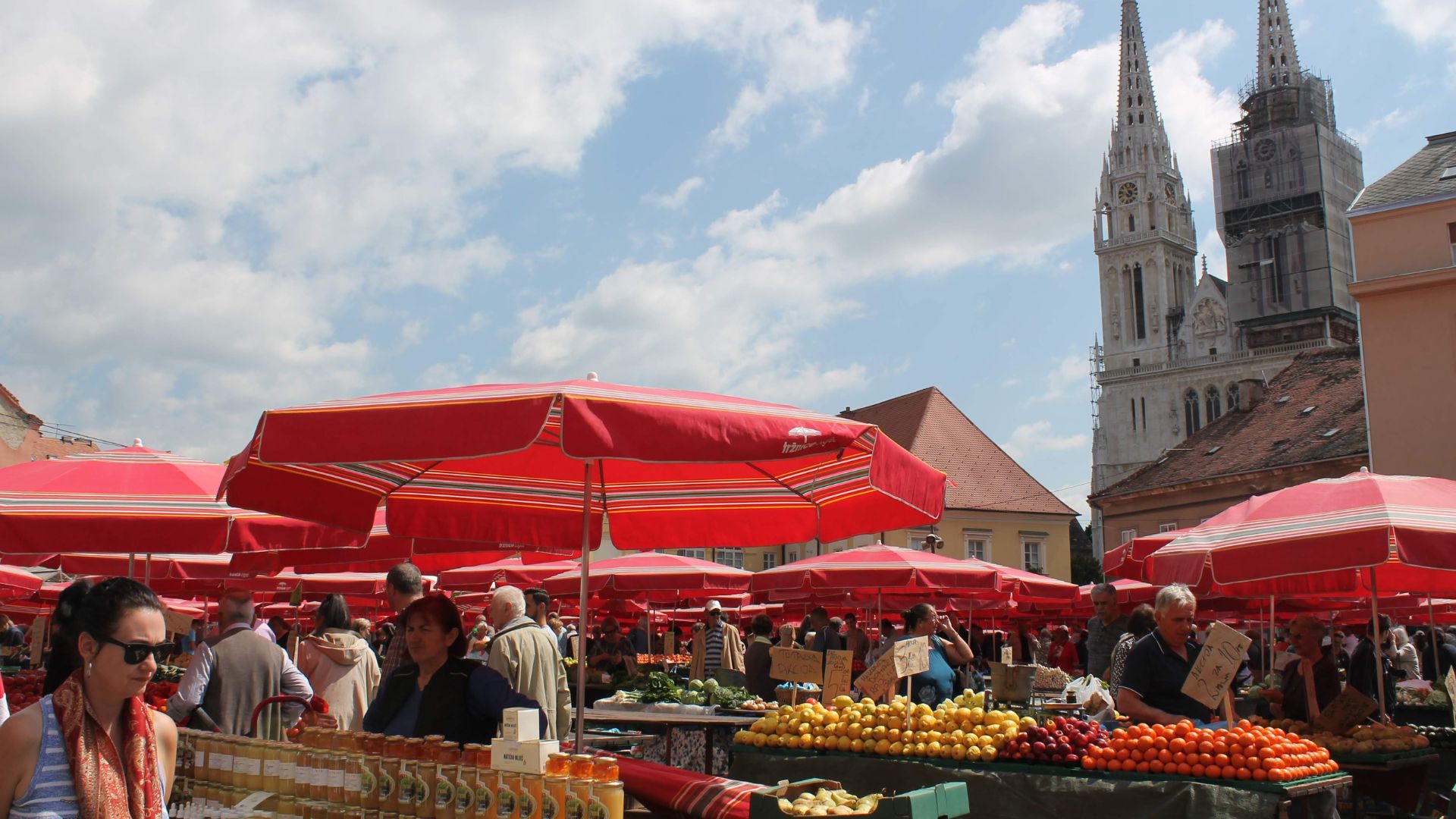
I always kick off my Zagreb mornings at Dolac Market. Since 1930, this open-air market has buzzed with energy just above Ban Jelačić Square.
Red parasols shade stalls loaded with produce straight from Croatian farms. If you’re after seasonal fruit or herbs, this is the place.
Vendors sell homemade cheese, honey, and local specialties. Most are happy to chat, even if their English is basic.
Tasty things to try:
- Juicy, in-season fruit and veggies
- Local honey (so many varieties)
- Homemade cheese and yogurts
- Traditional Croatian snacks
The market runs Monday to Saturday from early morning until 2 PM. On Sundays, you’ll need to get there before noon.
Tkalčićeva Street: Cafés, Shops, and Nightlife
Tkalčićeva Street is Zagreb’s social artery. By day, it’s a chill spot for shopping and coffee. Come nightfall, it transforms into the city’s nightlife hub.
I like to browse the boutiques and souvenir shops tucked between café terraces. You’ll find everything from local jewelry to Croatian design pieces.
Once evening hits, the street fills with laughter and music. Every café spills onto the pavement, making it the best place for people-watching.
What makes Tkalčićeva special:
- Over 20 cafés and restaurants
- Quirky boutiques and galleries
- Live music most nights
- Historic buildings with plenty of stories
I recommend visiting during the day for shopping, then circling back at night for the café culture that defines Zagreb.
Ban Jelačić Square: City Center Pulse
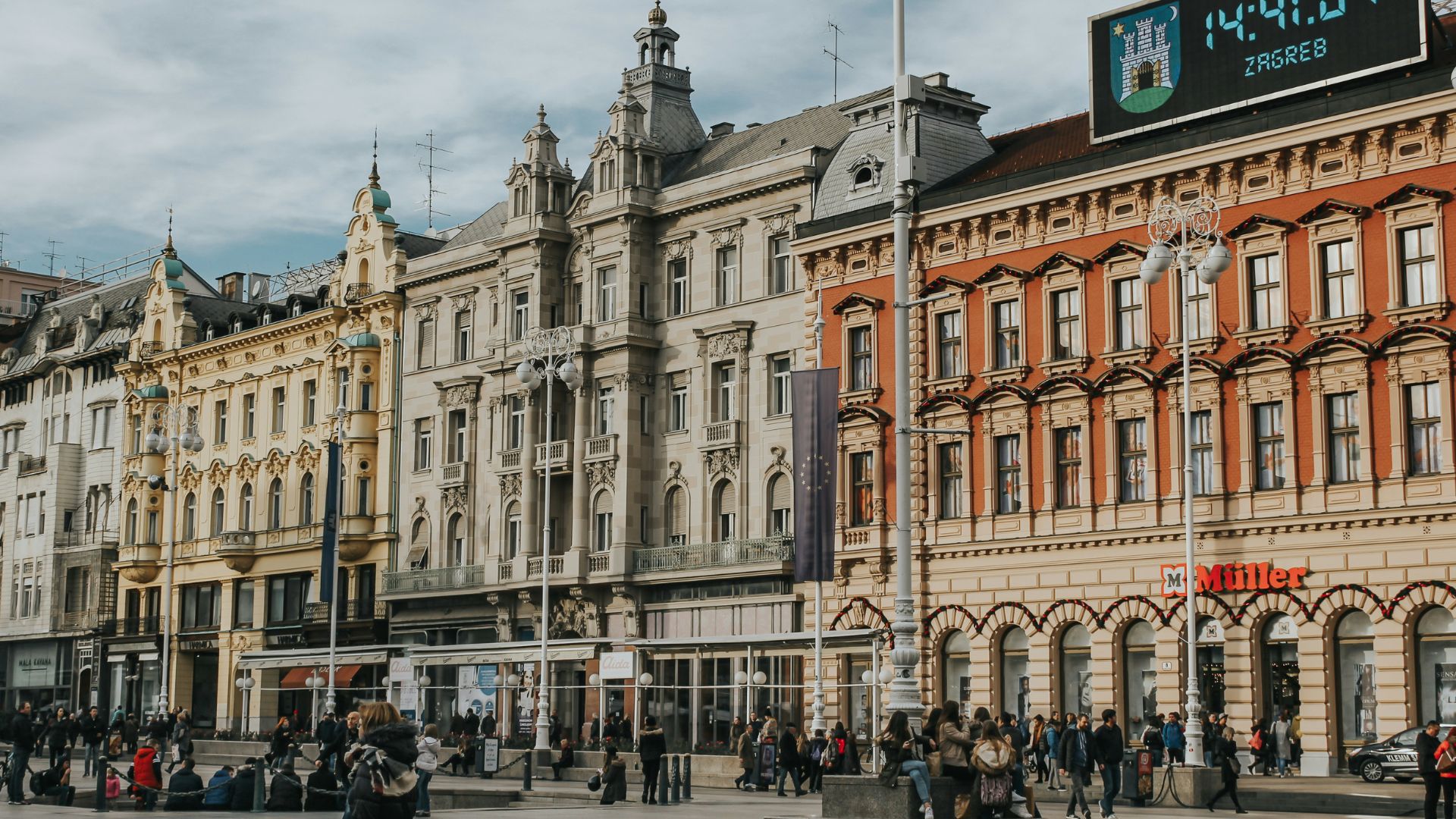
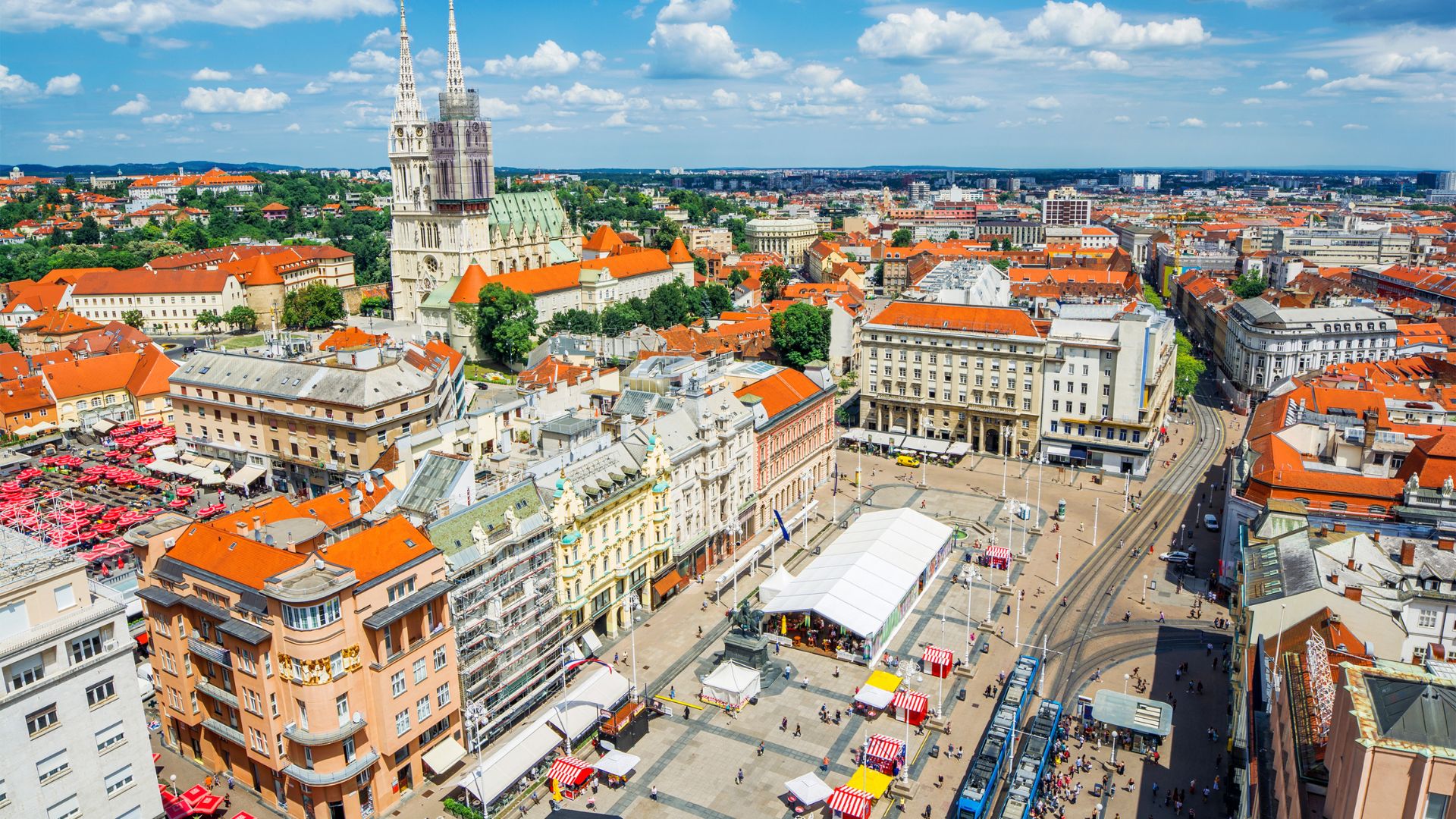
Ban Jelačić Square is the city’s main crossroads. Named after a 19th-century Croatian hero, it’s where everyone seems to gather.
A bronze statue of Ban Josip Jelačić on horseback anchors the square. Historic buildings frame the plaza, showing off a mix of architectural styles.
I usually start all my city walks here. Trams, buses, and main streets all branch out from this spot.
Street performers pop up on weekends and holidays, adding a festive feel.
Throughout the year, the square hosts markets and big events. During Advent, it glows with holiday lights and stalls.
Shopping for Souvenirs and Croatian Specialties
Zagreb’s a fantastic city for picking up truly Croatian-made souvenirs. Skip the generic trinkets—you’ll find plenty of special local treasures if you know where to look.
Best Croatian souvenirs to buy:
- Licitar hearts (those bright, cheerful gingerbread ornaments)
- Croatian wine and rakija (that’s the local fruit brandy—strong stuff!)
- Handmade lace from Pag Island
- Croatian olive oil and anything with truffles
If you love food, don’t miss štrukli. It’s Zagreb’s signature cheese-filled pastry, and honestly, I can’t get enough. Some restaurants even sell frozen packs—ideal for taking a taste of Croatia back home.
You’ll find the best authentic shops clustered around Tkalčićeva Street and near Dolac Market. They keep prices pretty reasonable, especially when you compare them to other big European cities.
I always pop into Croatian design boutiques, too. The ceramics, textiles, and jewelry from local artists make for really unique gifts, and it feels good supporting the creative community here.
Parks, Promenades, and Hidden Corners
Zagreb’s green spaces and secret corners are everywhere, and they’re all free to explore. Whether you want city views, art-filled tunnels, or a quiet bench under the trees, you’ll stumble on something memorable.
Strossmayer Promenade and City Views
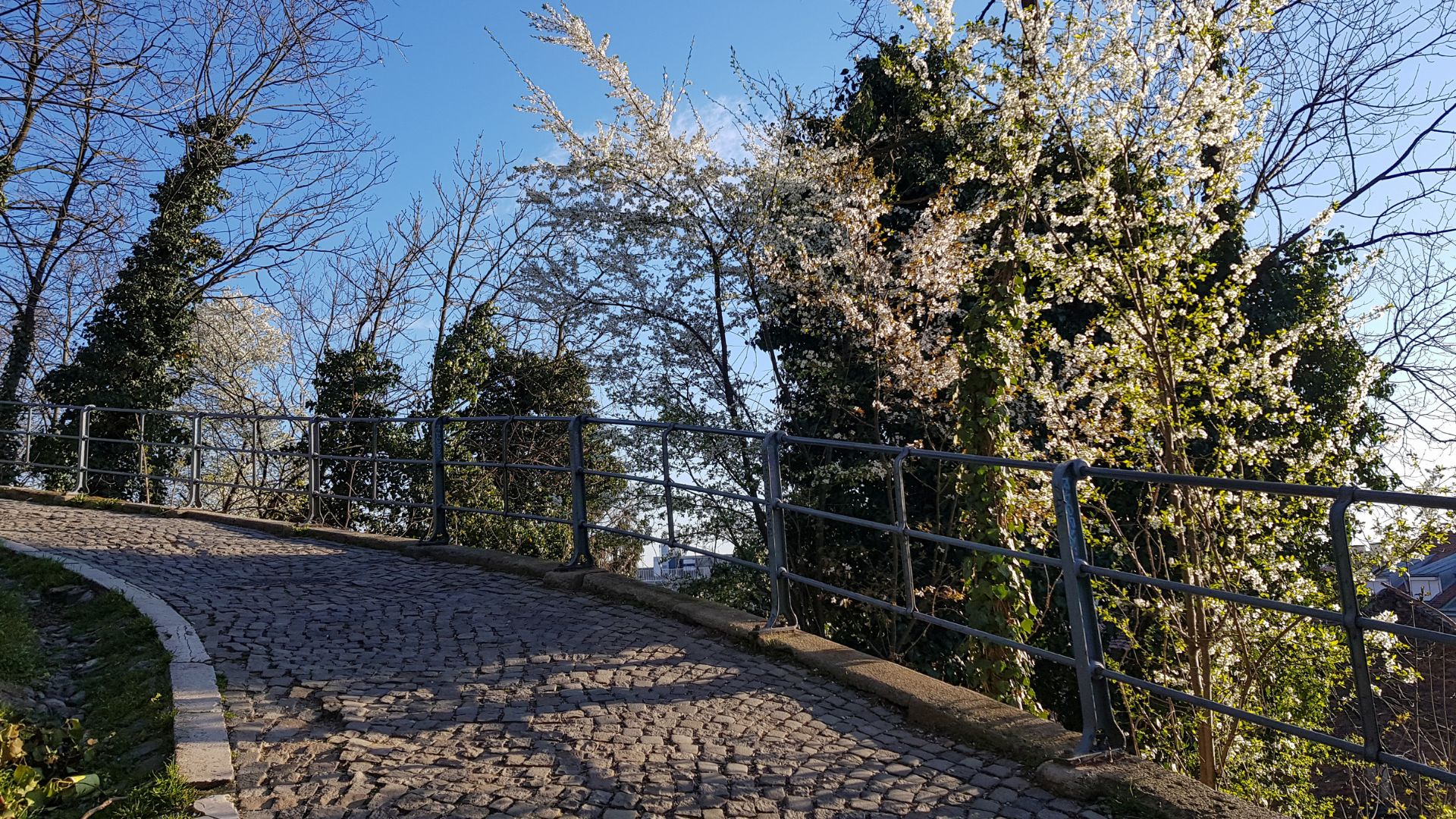
Strossmayer Promenade might just be my favorite spot in the city. This leafy walkway hugs the southern edge of Upper Town and gives you sweeping views over the red rooftops of Lower Zagreb.
You’ll pass monuments and little parks as you stroll from Lotrščak Tower eastward. Benches pop up everywhere—perfect for catching your breath or just soaking in the view.
Best viewing spots include:
- By the Croatian National Theatre overlook
- The eastern tip with cathedral views
- Under the old oak trees (best shade in summer)
A slow walk here takes about 20 minutes, but honestly, I always linger longer at sunset. That golden light makes the city glow.
Buskers often set up on weekends, adding music to the mix. The path stays clean and is easy for most people to navigate all year round.
Relaxing in Zrinjevac Park and Donja Grad
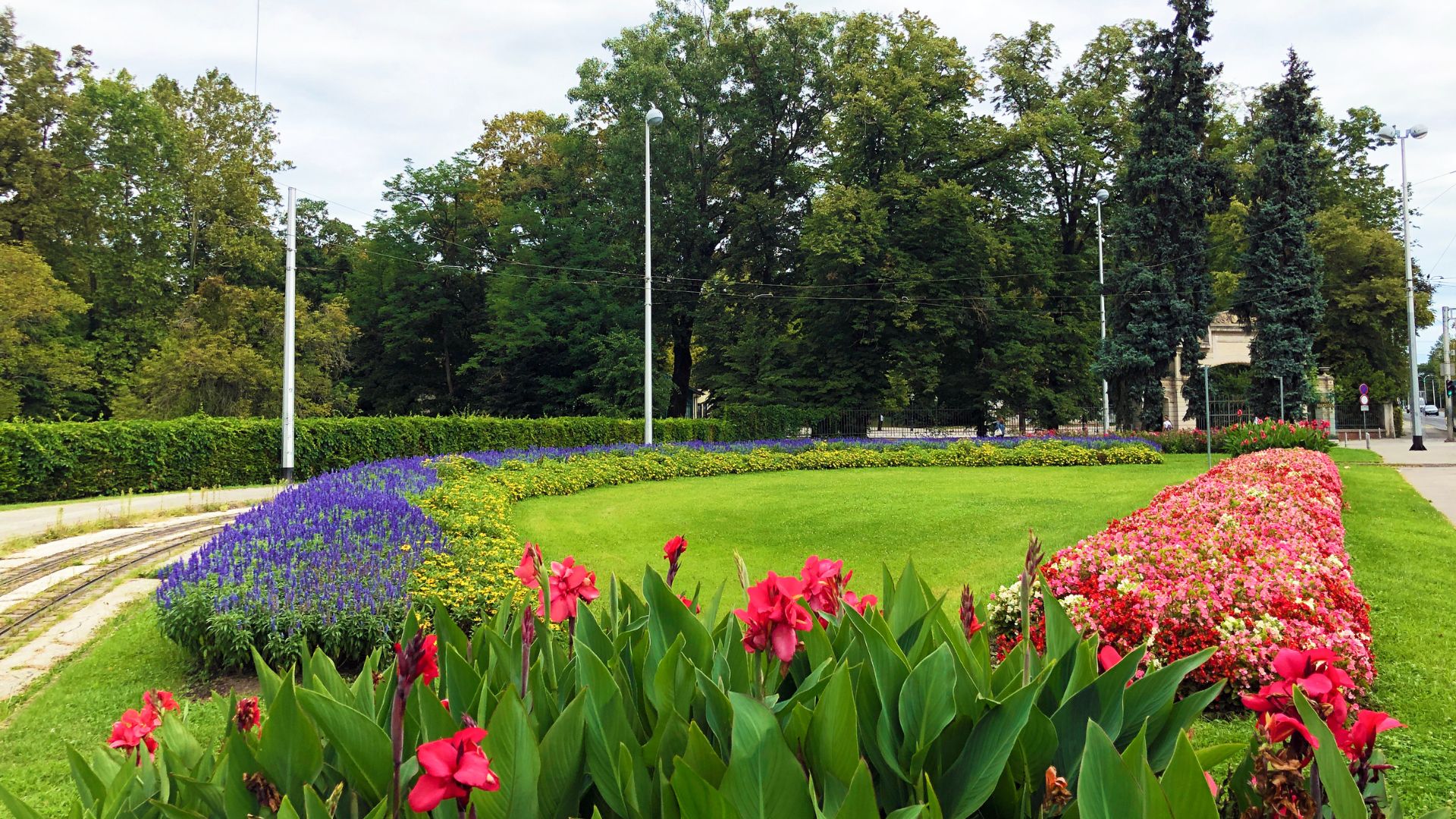
Zrinjevac Park sits right in the heart of Donji Grad. I love how it keeps that 19th-century charm—think manicured lawns, tree-lined paths, and a peaceful vibe.
Zrinjevac forms part of the famous Green Horseshoe, a string of parks in the city. Locals read on benches, kids play by the fountain, and there’s always something in bloom.
Park highlights include:
- The old bandstand—great for catching a summer concert
- A quirky meteorological column from 1884
- Flower beds that change with the seasons
- Monuments honoring Croatian greats
Donji Grad’s full of grand old buildings and lively squares, all within easy walking distance. I love wandering from the park to nearby streets, just admiring the architecture.
Come winter, Zrinjevac transforms with twinkling holiday lights. It’s open all day and night, so you can find a quiet moment whenever you need it.
Maksimir Park: Green Escape in Zagreb
Maksimir Park spreads out over 316 hectares and, honestly, it’s a breath of fresh air. It’s one of Europe’s oldest public parks, and it feels like a wild escape right in the city.
Since 1794, Maksimir’s kept its natural feel—dense woods, open meadows, and winding trails. I can wander for hours and almost forget I’m still in Zagreb.
What you’ll find:
- Five man-made lakes (ideal for picnics)
- Forest trails for hiking or just getting lost
- Wide meadows for sports or sunbathing
- Old pavilions and charming little bridges
Wildlife is everywhere. I spot birds and small animals every time I visit.
You can hop on a tram from downtown and be here in minutes. Pack some snacks and water if you’re planning a long walk.
Summer brings open-air concerts, while winter covers everything in snow for a totally different, peaceful vibe.
Grič Tunnel and Unique Urban Adventures
Grič Tunnel snakes right under Zagreb’s Upper Town. It’s a 350-meter underground passage that’s equal parts history and modern art.
They originally built it as a WWII air raid shelter, but now it hosts art exhibits and cultural events. On hot days, the cool air down here feels amazing.
What’s inside:
- Rotating art shows on the walls
- Colorful, moody lighting
- Bits of local history
- Spaces for small performances
You can enter from Mesnička or Radićeva Street. A walk-through takes about 10 minutes, but I always end up sticking around for the art.
Admission’s always free, and the displays change often, so you never know what you’ll find. Evenings are especially atmospheric with the lights casting wild shadows.
Day Trips and Outlying Zagreb Adventures
The area around Zagreb is packed with adventures. From mountain hikes to national parks, you don’t have to go far for a great day out.
Medvednica Mountain Hikes
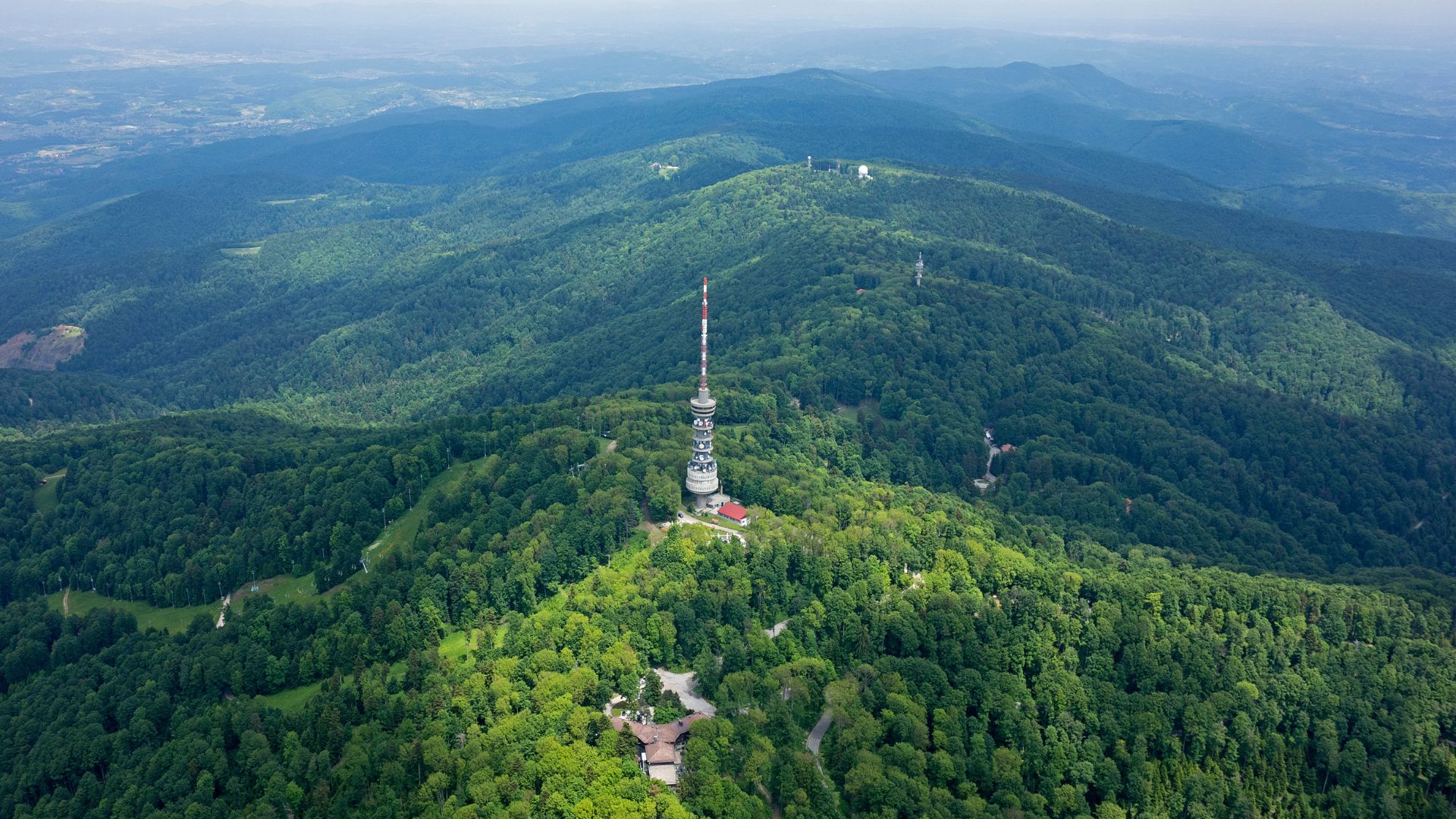
Medvednica Mountain is only 30 minutes from the city by public transport. With over 70 kilometers of marked trails, it’s free to explore and perfect for hikers of any level.
Sljeme Peak stands at 1,035 meters and draws most visitors. You can ride the cable car for a small fee, but I usually prefer hiking up through the forest.
About halfway up, you’ll find the Medvedgrad fortress—a 13th-century castle with sweeping views over Zagreb and the Sava River valley. Exploring the ruins and the area around them won’t cost you a thing.
Trail Options:
- Easy: Maksimir Park to Queen’s Well (2 hours)
- Moderate: Gracani to Sljeme (3 hours)
- Challenging: Medvednica Nature Park circuit (5-6 hours)
In winter, Sljeme’s slopes offer free skiing if you bring your own gear. Rentals are pretty cheap, so it’s a fun way to try winter sports close to the city.
Mirogoj Cemetery’s Art and Architecture
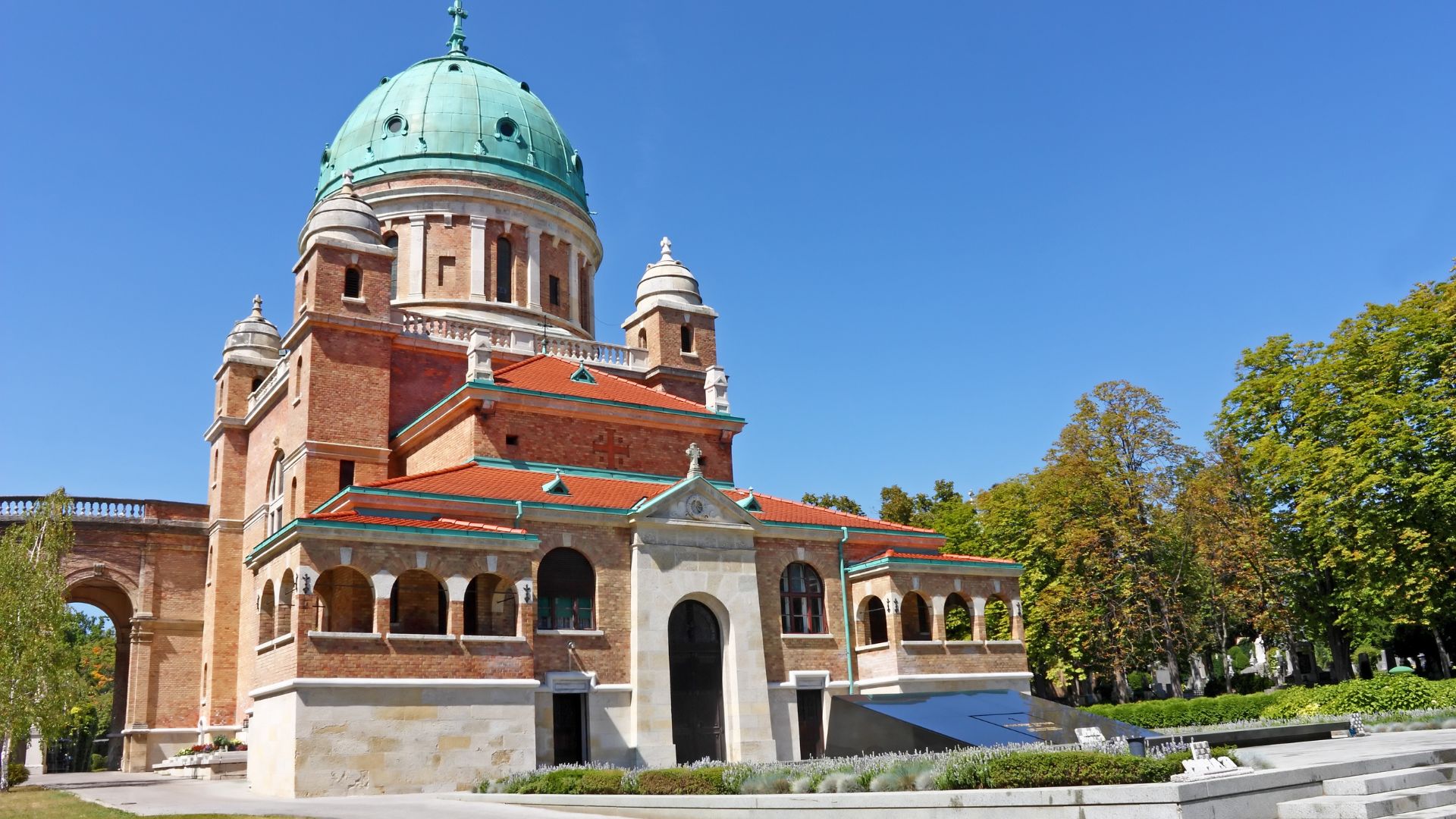
Mirogoj Cemetery is honestly one of the most beautiful cemeteries I’ve ever seen—and it’s free to visit. Tram line 14 drops you right at the entrance in about 20 minutes from downtown.
The neo-Renaissance arcades stretch over 500 meters and are lined with intricate stonework. You’ll find the tombs of Croatia’s most famous citizens here, and the sculptures are seriously impressive.
Notable monuments include President Franjo Tuđman’s tomb and memorials to artists, writers, and politicians. All faiths are represented, so you’ll see Catholic, Orthodox, Jewish, and secular graves side by side.
Golden hour is the best time for photos—the cypress trees and marble monuments cast dramatic shadows that bring out all the details.
Exploring Mimara Museum and Art Spaces
The Mimara Museum holds one of Croatia’s top art collections. There’s a small entrance fee, but you get to see works spanning nearly 4,000 years.
Ancient artifacts fill the galleries—Egyptian mummies, Greek pots, Roman statues. The collection moves through European art history with pieces by big names like Raphael, Rembrandt, and Renoir.
I always spend extra time in the archaeological section. The glassware here is especially stunning, with some pieces dating back two millennia.
If you’re on a budget, the Museum of Contemporary Art lets you in free on the first Wednesday of the month. Smaller galleries in Upper Town also host free exhibitions pretty regularly.
The Mimara sits close to the main train station, so it’s easy to combine with other downtown adventures.
Visiting Plitvice Lakes National Park
Plitvice Lakes National Park sits about 140 kilometers from Zagreb, so it’s honestly a no-brainer for a day trip. I usually just grab a direct bus from the main station—costs around 20 euros for a round trip and saves a lot of hassle.
There are 16 terraced lakes here, all linked by waterfalls and tumbling cascades. Wooden walkways wind right above the insanely clear water. Walking the whole trail system takes me roughly 4 to 6 hours, and it’s about 8 kilometers in total.
The Lower Lakes? That’s where you’ll find the dramatic stuff—think the epic 78-meter Veliki Slap waterfall thundering down. Meanwhile, the Upper Lakes feel a bit more peaceful. I’ve wandered through dense forests there, and sometimes I spot deer or catch a flash of color from some bird I can’t name.
I always try to arrive early, before the crowds swarm in. Packing my own food saves cash (and, let’s be honest, the park snacks don’t wow me). Entrance fees change depending on the season, but honestly, for a UNESCO World Heritage site, I think it’s worth every cent.
Best visiting tips:
- Show up early in the morning or wait for late afternoon—less crowded, better light
- Waterproof shoes are a lifesaver on those slippery walkways
- Dress in layers; it gets chilly near the water, even on sunny days
