
When I walked through Spaccanapoli, the ancient street that literally “splits Naples” in half, I could feel the city’s pulse in its wild, chaotic rhythm.
Locals shout across balconies, scooters dart by, and the scent of fresh pizza drifts everywhere. Naples is an open-air theater where everyday Italian life plays out against a backdrop of centuries-old buildings and bold street art.
My journey through Naples’ historic grid pulled me right into the heart of southern Italian culture.
Here, you’ll stumble onto the real Naples—far from the tourist crowds and deep into neighborhoods where laundry hangs from windows and vendors hawk everything from fresh seafood to handmade trinkets.
The city’s gritty beauty might throw you off at first, but its charm sneaks up on you in the bustling markets and the passionate conversations happening on every corner.
I’ve wandered all over Italy, but nowhere else captures the raw energy of Italian street life quite like Naples.
When you get lost in these ancient alleyways, you’re not just ticking off a destination—you’re getting to know the unfiltered soul of Italy.
The winding streets echo with car horns and barking dogs, a kind of symphony that tells the story of a city that refuses to be tamed or polished for outsiders.
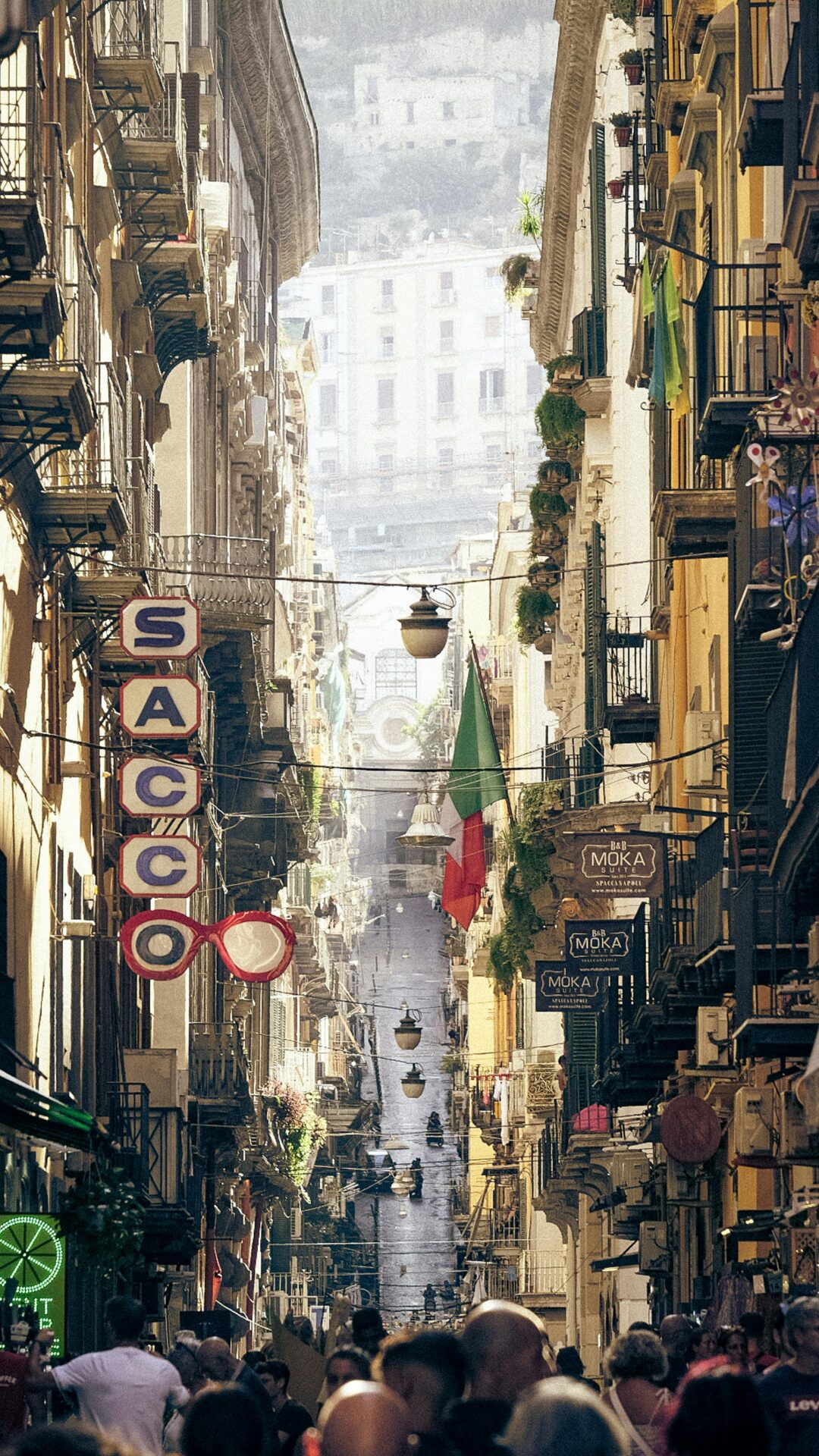
Mapping Naples’ Ancient Grid: Layout and Landmarks
Naples’ historic center is this wild maze of ancient streets, telling nearly 2,500 years of stories.
The grid pattern shows off layers of history, from Greek roots to Roman expansions and medieval twists.
History and Origins of the Centro Storico
Every time I walk through Naples’ Centro Storico, I’m amazed that the ancient Greek grid system still shapes the city.
Neapolis (“new city”) was founded around 470 BCE, and the Greeks laid down the famous grid of three east-west decumani (main streets) crossing a bunch of north-south cardines.
The Romans came in later and built on this layout, reinforcing the grid but tweaking it for their own urban style.
I always find it fascinating that the main decumanus (now Spaccanapoli) literally slices Naples in two, drawing a perfect line through the historic center.
During medieval times, things got messier—buildings crept into the streets, alleys twisted to fit a growing population.
Still, you can spot the ancient foundations under the modern city if you know where to look.
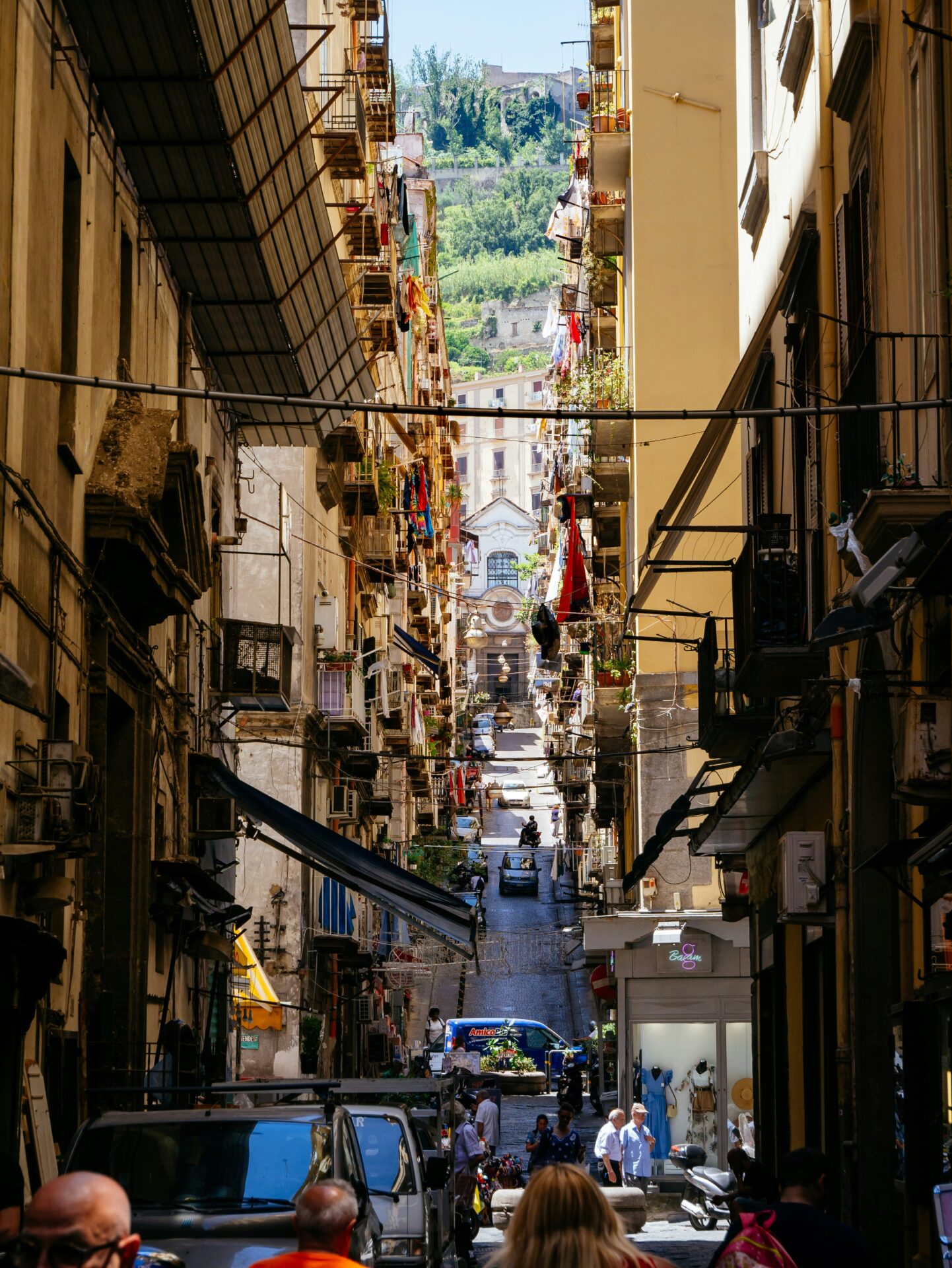
Navigating the Ancient Streets and Topography
Naples’ hills make exploring the old grid a bit of an adventure.
The city rises from the bay in layers, so the streets bend and climb in ways you don’t expect.
I use the three main decumani to get my bearings.
The upper decumanus (Via Anticaglia) hugs the city’s northern edge.
The middle one (Via Tribunali) runs right through downtown.
The lower decumanus (Spaccanapoli) is the most scenic path through the Centro Storico.
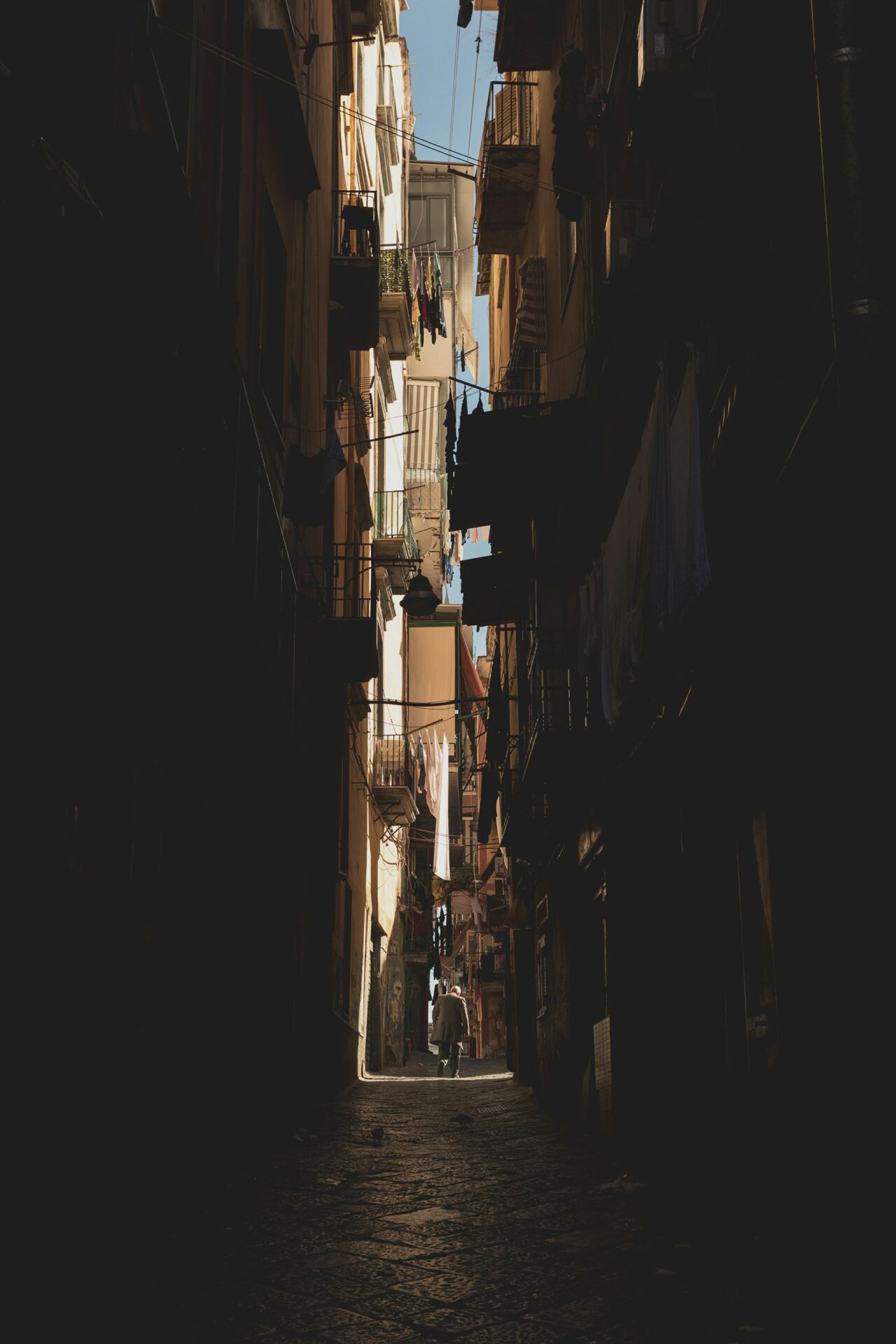
The narrow cardines between these main streets squeeze through buildings that almost touch overhead, creating dramatic shifts of light and shadow as the day goes on.
Archaeological sites dot the grid, offering glimpses of history under your feet.
Sometimes, I’ve gone below churches and found Roman market spaces or ancient Greek walls just sitting there, perfectly preserved.
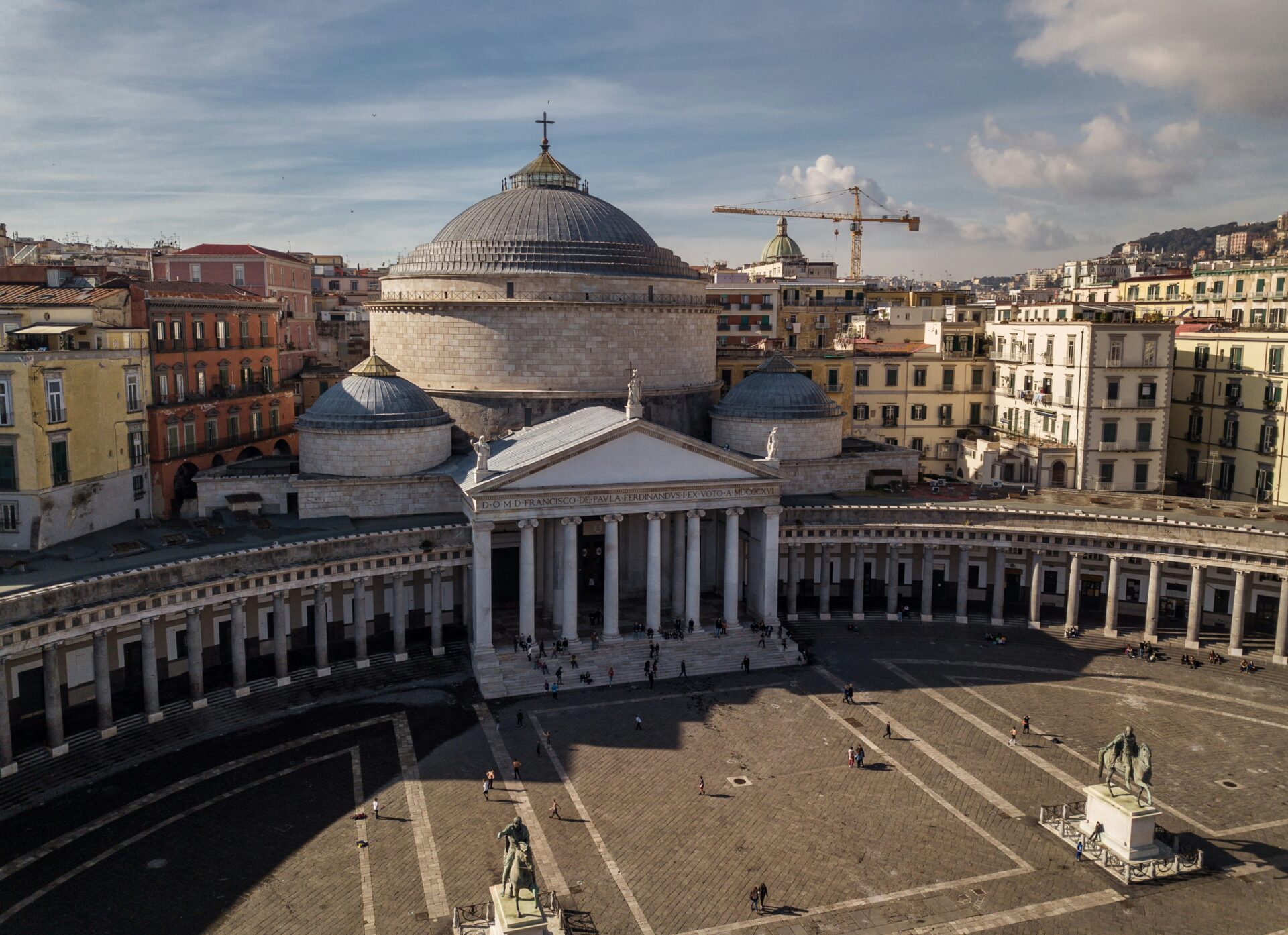
Exploring Iconic Piazzas and Via San Carlo
The ancient grid spills out into piazzas that act as Naples’ living rooms.
Piazza del Plebiscito is the grandest, with the Royal Palace on one side and the domed San Francesco di Paola on the other.
Via San Carlo stands out as Naples’ most elegant street.
It’s named for the San Carlo Theater—the oldest opera house in Europe still running—and it links the royal district to the city’s commercial heart.
I love wandering the smaller piazzas in the grid.
Piazza Bellini shows off real Greek walls below street level.
Piazza San Domenico Maggiore buzzes with students and locals sipping coffee at outdoor tables.
What makes these spaces special isn’t just their architecture but how Neapolitans actually use them.
Every evening, the piazzas come alive as families stroll, friends gather, and street performers entertain anyone passing by.
Street Life and Community: The Pulse of Everyday Naples
Naples breathes through its street life, where old traditions mix with the daily hustle.
The narrow alleyways and busy corners reveal a city that truly lives outdoors, making everyday encounters the heartbeat of Neapolitan culture.
Markets, Groceries, and Produce Traditions
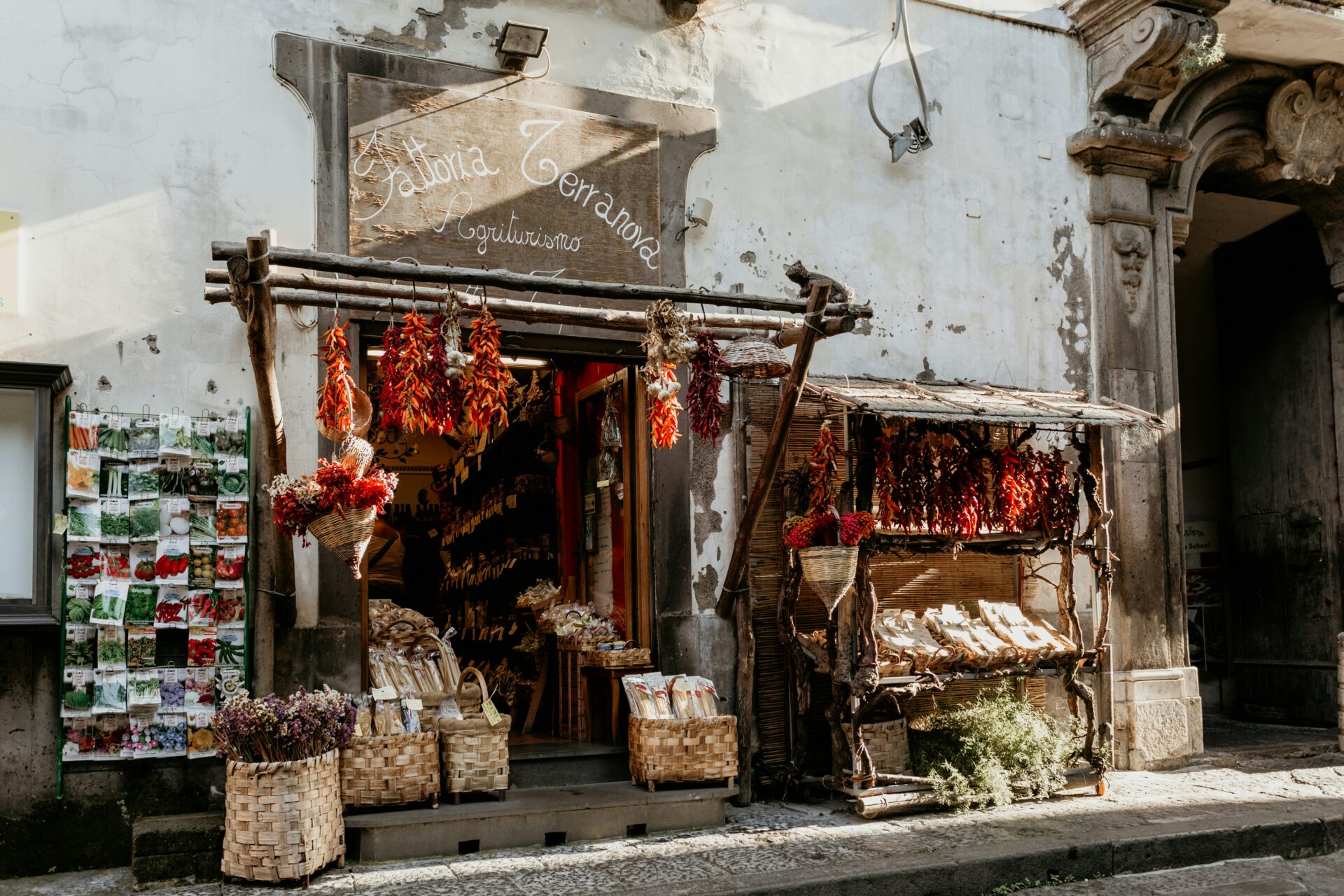
Naples’ markets are a sensory overload.
Locals don’t just shop—they turn it into a social ritual.
Vendors shout in dialect, haggling with a flair that feels almost theatrical.
The Pignasecca Market is my favorite.
Fishmongers arrange their catch with real pride.
Here, shopping becomes a community event.
Elderly women inspect tomatoes and eggplants with expert eyes, swapping recipes and gossip as they go.
Neapolitans care more about freshness than convenience.
Many families shop daily, building relationships with trusted vendors who save the best produce for loyal customers.
Fresh mozzarella di bufala, sun-ripened tomatoes, and fragrant basil aren’t just ingredients—they’re sources of local pride.
Public Spaces: Gathering and Storytelling
Piazzas in Naples are like outdoor living rooms.
I’ve lost count of the evenings I’ve spent watching Piazza Bellini change from a quiet morning spot to a vibrant gathering place as the day fades.
The Spanish Quarter shows how Neapolitans get creative with public space:
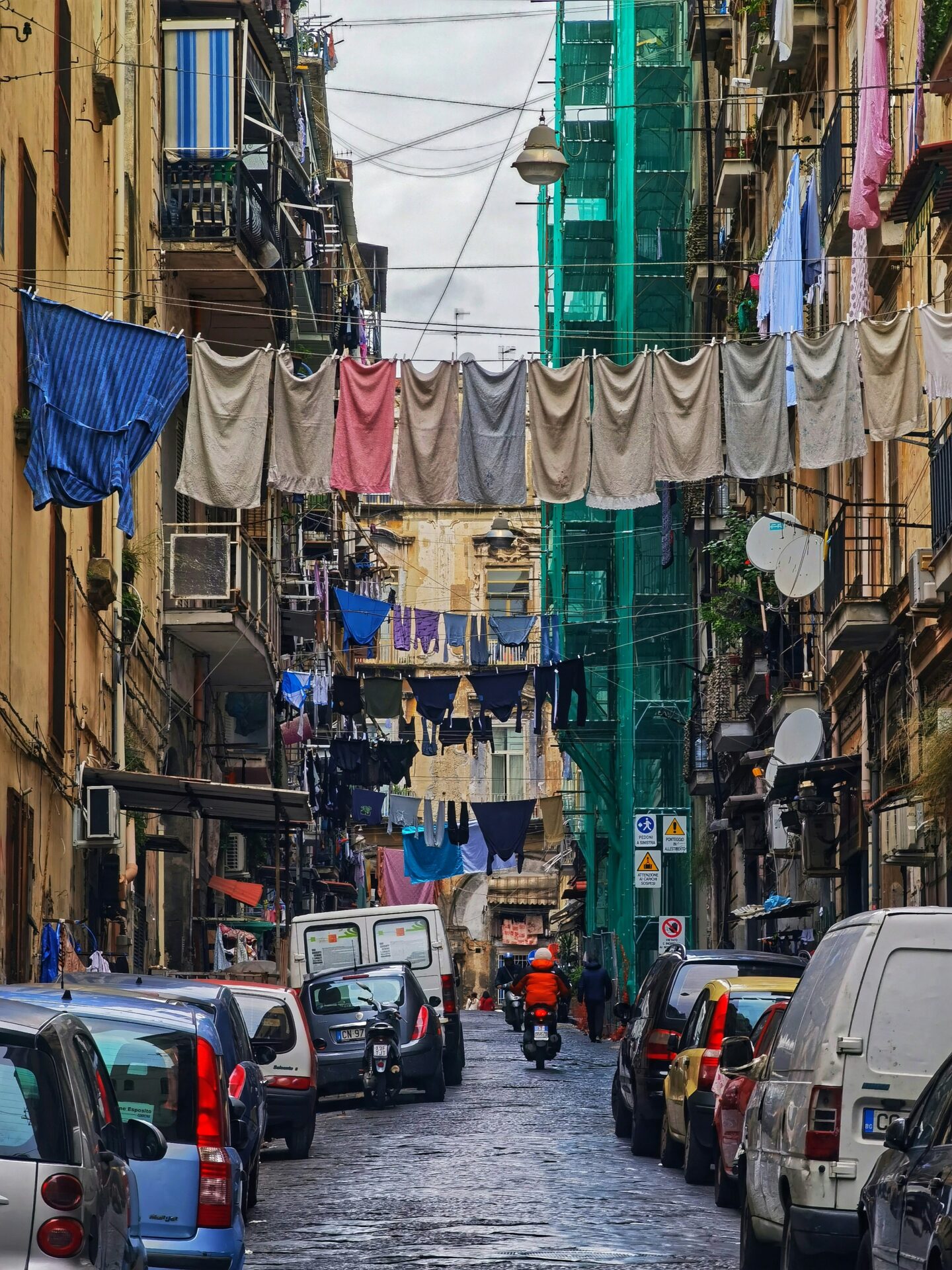
- Laundry strung between buildings like party decorations
- Plastic chairs popping up for spontaneous coffee breaks
- Kids turning narrow streets into makeshift soccer fields
These places bring generations together.
Teenagers on their phones share benches with old men playing cards.
The mix creates a kind of informal community watch that makes even the wildest corners feel oddly safe.
Stories flow in these spaces.
I’ve learned more about Naples’ history from chats in piazzas than from any guidebook.
Poverty, Chaos, and the Camorra
Naples’ energy sits right next to visible hardship.
Unemployment stays stubbornly high, especially for young people.
I’ve seen families squeezed into single-room apartments, their lives spilling out onto the streets because there’s nowhere else to go.
The Camorra—Naples’ mafia—casts a shadow you can’t ignore.
Their presence shows up subtly: some shops pay “protection” money, certain neighborhoods have invisible boundaries, and economic options shift under unseen pressure.
Traffic in Naples is its own beast.
Scooters weave through gaps that barely exist, following rules that only locals seem to understand.
What looks like chaos to outsiders actually runs on deep, unspoken codes.
Somehow, it works.
The city runs on improvisation and quick thinking—skills Neapolitans have mastered after centuries of tough times.

Resilience, Wonder, and Local Heroes
Everyday Neapolitans show off incredible resilience.
I’ve met teachers who run after-school programs in tough neighborhoods and shopkeepers who let struggling families buy on credit.
Local artists turn forgotten corners into community treasures.
The murals by Jorit Agoch transform plain buildings into bold statements about Neapolitan identity and struggle.
What gets me most is the wonder that survives here.
Kids invent games in tiny alleyways.
Musicians appear out of nowhere to play on busy corners.
Families gather at sunset by the bay, genuinely awed by the view.
Food ties it all together.
Even in the poorest parts, family recipes turn simple ingredients into feasts.
The pizza maker who spends decades perfecting his dough captures Naples’ spirit—making beauty from almost nothing.
Flavors of Naples: Cuisine on the Streets
Naples delivers a wild culinary experience right on its old streets.
Food here is woven into daily life, with traditions passed down through generations and served from tiny windows and market stalls.
The Birthplace of Pizza and Iconic Pizzerias
Walking through Naples, I can’t resist the smell of wood-fired pizza.
This isn’t just pizza—it’s the original, born right here.
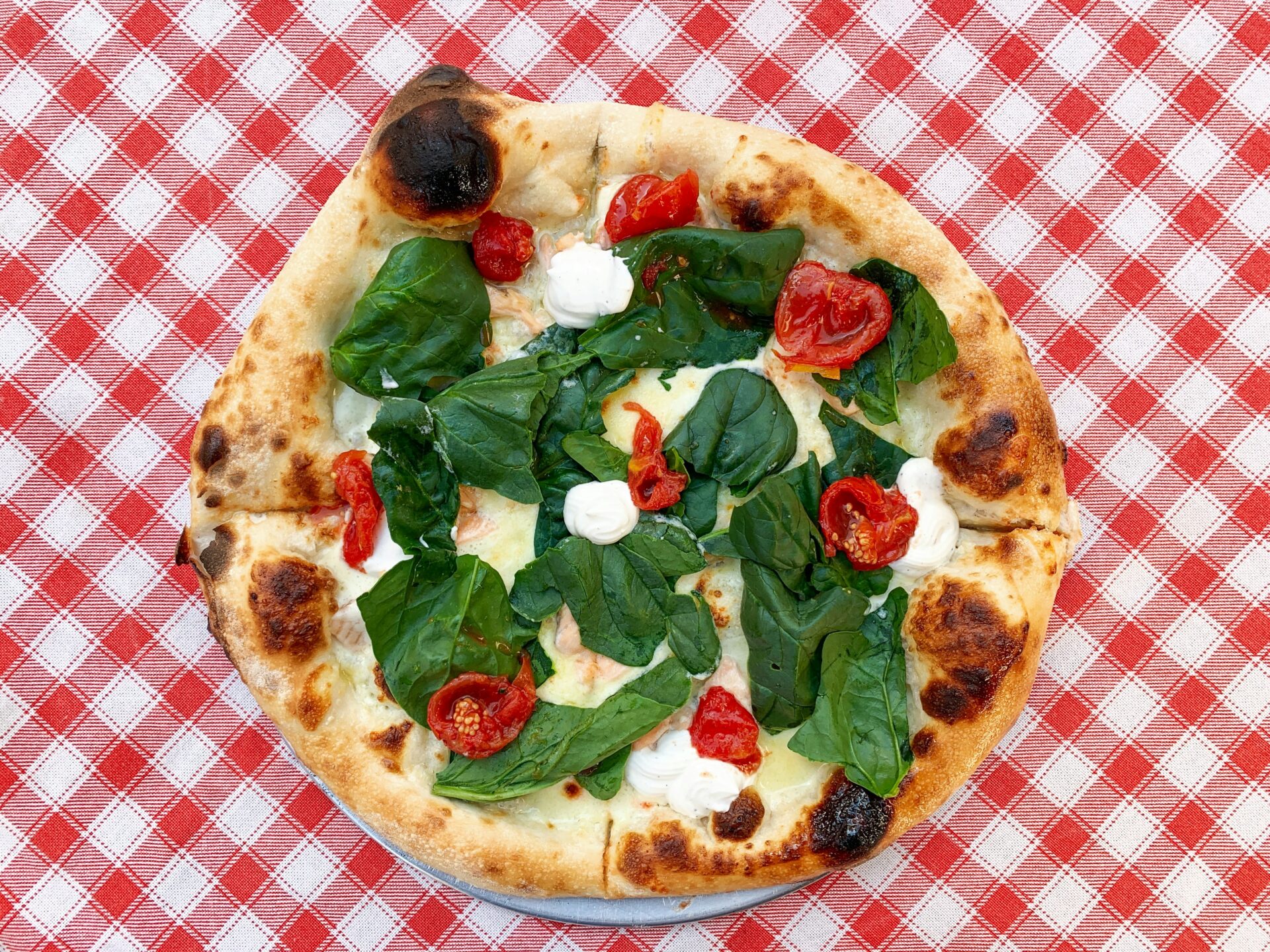
The true Neapolitan pizza comes with a soft, pillowy crust and those signature charred spots from a blazing oven.
Watching the pizzaioli work, stretching dough and topping it with San Marzano tomatoes and fresh mozzarella, never gets old.
For the real deal, I always hit up the classic pizzerias in the Spanish Quarter.
Da Michele and Sorbillo serve a Margherita that’s simple and perfect—red, white, and green like the Italian flag.
Grab a “pizza a portafoglio” (wallet pizza)—folded, wrapped in paper, and made for eating on the go.
Sampling Fresh Pasta and Street Snacks
Naples’ street food goes way beyond pizza.
I love picking up cuoppo—paper cones stuffed with fried treats like arancini and crocchè.
Fresh pasta shops show off homemade shapes in their windows.
Scialatielli, a thick fresh pasta, often comes with seafood and always hits the spot.
Frittatina—fried pasta discs with cheese and meat—is the city’s signature street snack.
For dessert, I go for sfogliatella—shell-shaped pastries filled with sweet ricotta, sometimes still warm.
Locals turned me on to pasta e patate—a humble but delicious pasta-and-potato dish in rich tomato sauce, best found in tiny family-run restaurants.

Italian Markets: Basil, Cheese, and Seasonal Ingredients
Naples’ markets reveal the heart of its food culture.
I like to hit Pignasecca Market early, when it’s loud and lively.
The smell of fresh basil is everywhere—this herb shows up in countless local dishes.
Vendors pile up bunches next to other fragrant greens.
Cheese stalls offer buffalo mozzarella made just hours before.
I’ve watched vendors slice into the milky balls, creamy centers spilling out.
Provolone, ricotta, and caciocavallo hang from stalls, tempting you to try a bite.
Seasonal ingredients drive what’s on tables here.
In summer, you’ll see San Marzano tomatoes, zucchini flowers, and eggplants everywhere.
Winter brings artichokes, wild chicory, and citrus from Sorrento.
Vendors often hand out samples, eager to share their family recipes and tips.
Art, Architecture, and Living History
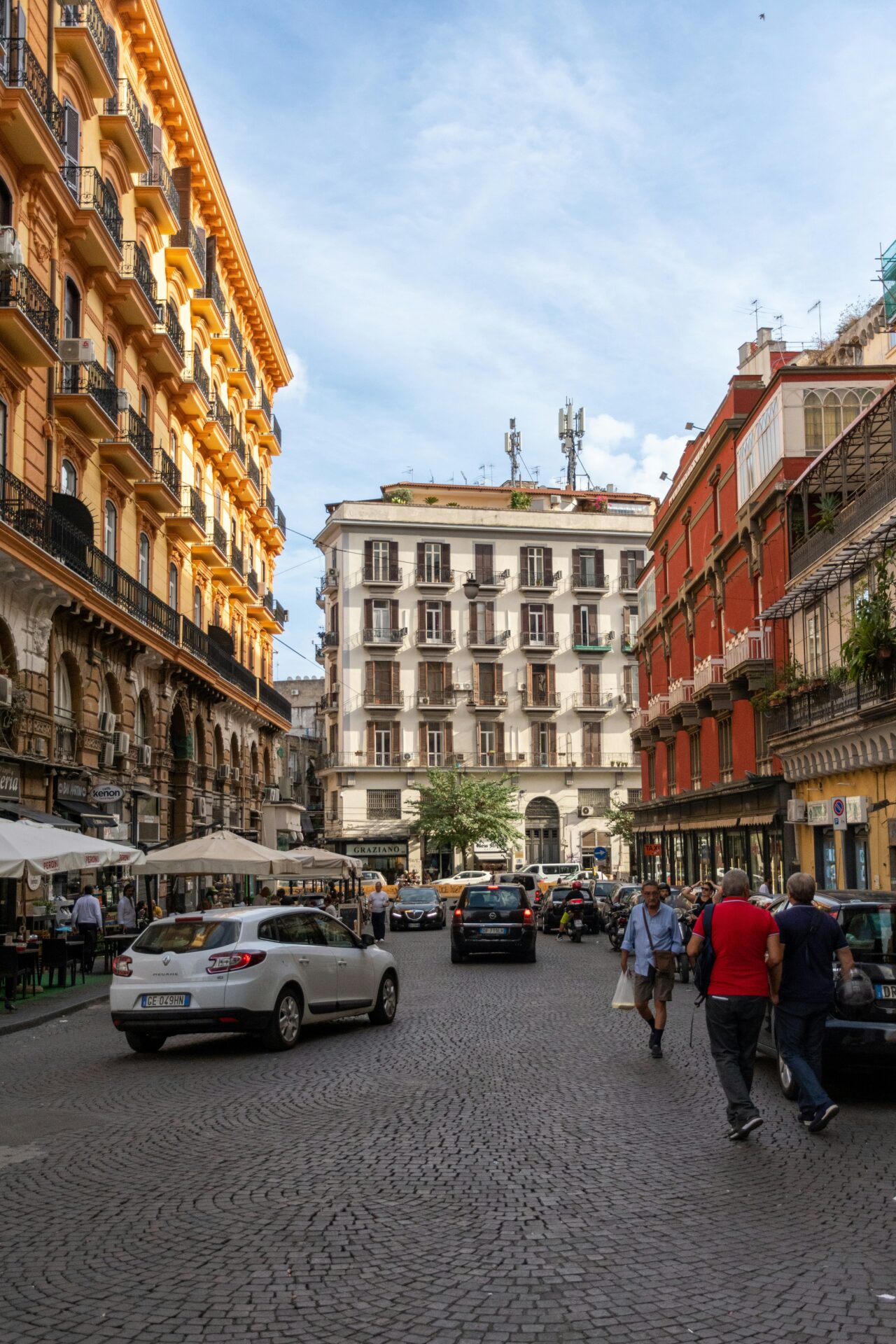
Naples’ ancient streets are packed with art and architectural treasures at every turn.
The city’s layers of history show up in buildings, public spaces, and the creative spirit that still thrives.
Frescoes, Mosaics, and the Greco-Roman Legacy
The frescoes at Naples’ archaeological museum blew me away—vivid scenes of daily life that somehow survived almost 2,000 years.
These masterpieces from Pompeii and Herculaneum give us a peek into ancient Roman society.
You can see the city’s Greek and Roman roots in its grid, especially along Spaccanapoli (literally “Naples splitter”), a dead-straight street dating back to the Greeks.
This main drag cuts through the historic center, tracing the path laid out in the 5th century BCE.
I spent ages admiring floor mosaics—mythological scenes, geometric patterns, hunting images.
The Alexander Mosaic, showing Alexander the Great clashing with King Darius, was my favorite.

Majestic Domes, Villas, and Renaissance Treasures
Naples shines in its religious architecture.
The huge dome of San Gennaro Chapel is breathtaking, especially when the afternoon sun hits the blue and gold interior.
Renaissance influences changed the city’s look with elegant palazzos and villas.
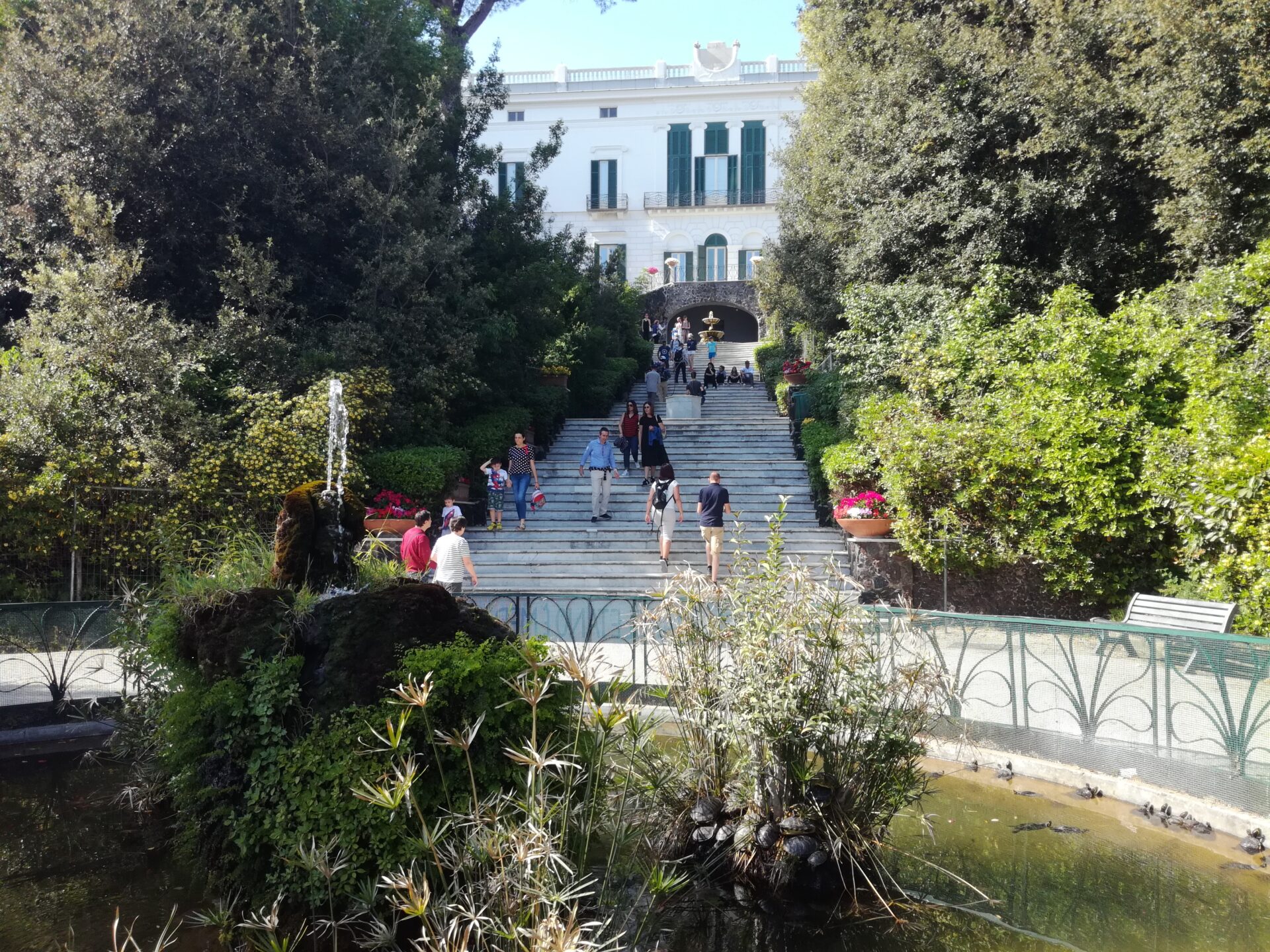
Villa Floridiana offers a peaceful escape, its neoclassical design and gardens overlooking the bay.
I’ve wandered through churches loaded with marble, gold, and stunning paintings.
Each one tells its own story with dramatic ceilings and thoughtful design.
Naples’ Renaissance treasures include works by Caravaggio, Raphael, and Titian.
Artists flocked here for royal patronage, leaving a cultural legacy that honestly rivals Florence or Rome.
Castel Nuovo, Royal Palace, and Other Landmarks
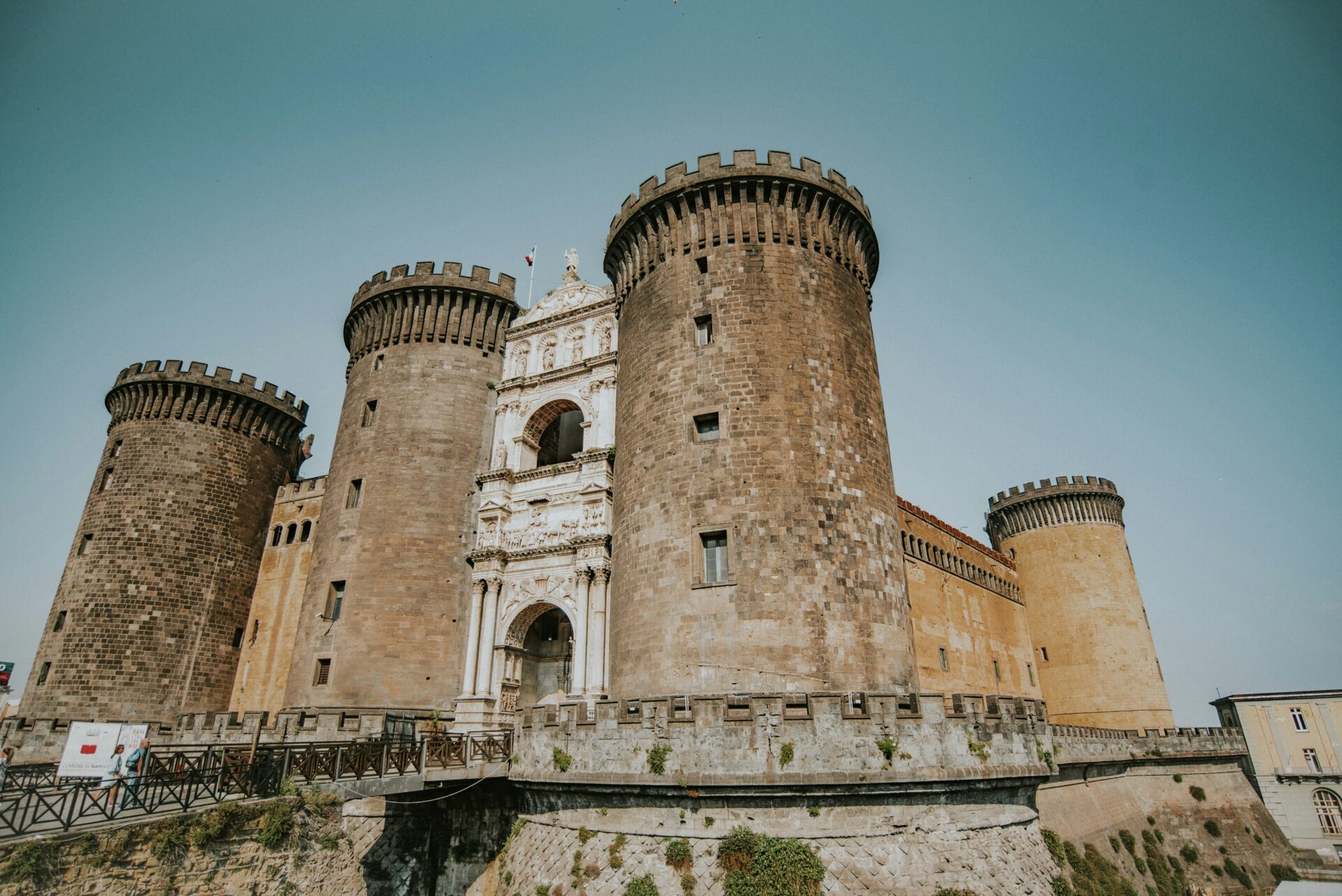
Castel Nuovo (Maschio Angioino) towers over the harbor with its medieval fortifications and triumphal arch.
I spent a morning exploring its halls and museum, imagining the royal events that once filled these rooms.
The Royal Palace (Palazzo Reale) shows off Naples’ power and importance.
Its grand staircase and throne room ooze Spanish-era luxury, while the royal apartments are packed with art and opulent furniture.
Other must-sees:
- Castel dell’Ovo: The oldest castle in Naples, with killer sea views
- Galleria Umberto I: A 19th-century shopping arcade capped by a glass dome
- Teatro San Carlo: One of Europe’s oldest opera houses
These places aren’t just for tourists—they’re part of Naples’ living identity, woven into daily life.
Surroundings and Adventure Beyond the Grid
Naples’ ancient streets are only the start.
Step outside the historic center and you’ll find neighborhoods bursting with life, archaeological wonders, and seaside escapes that really define Campania.
Exploring Quartieri Spagnoli and the Spanish Quarter
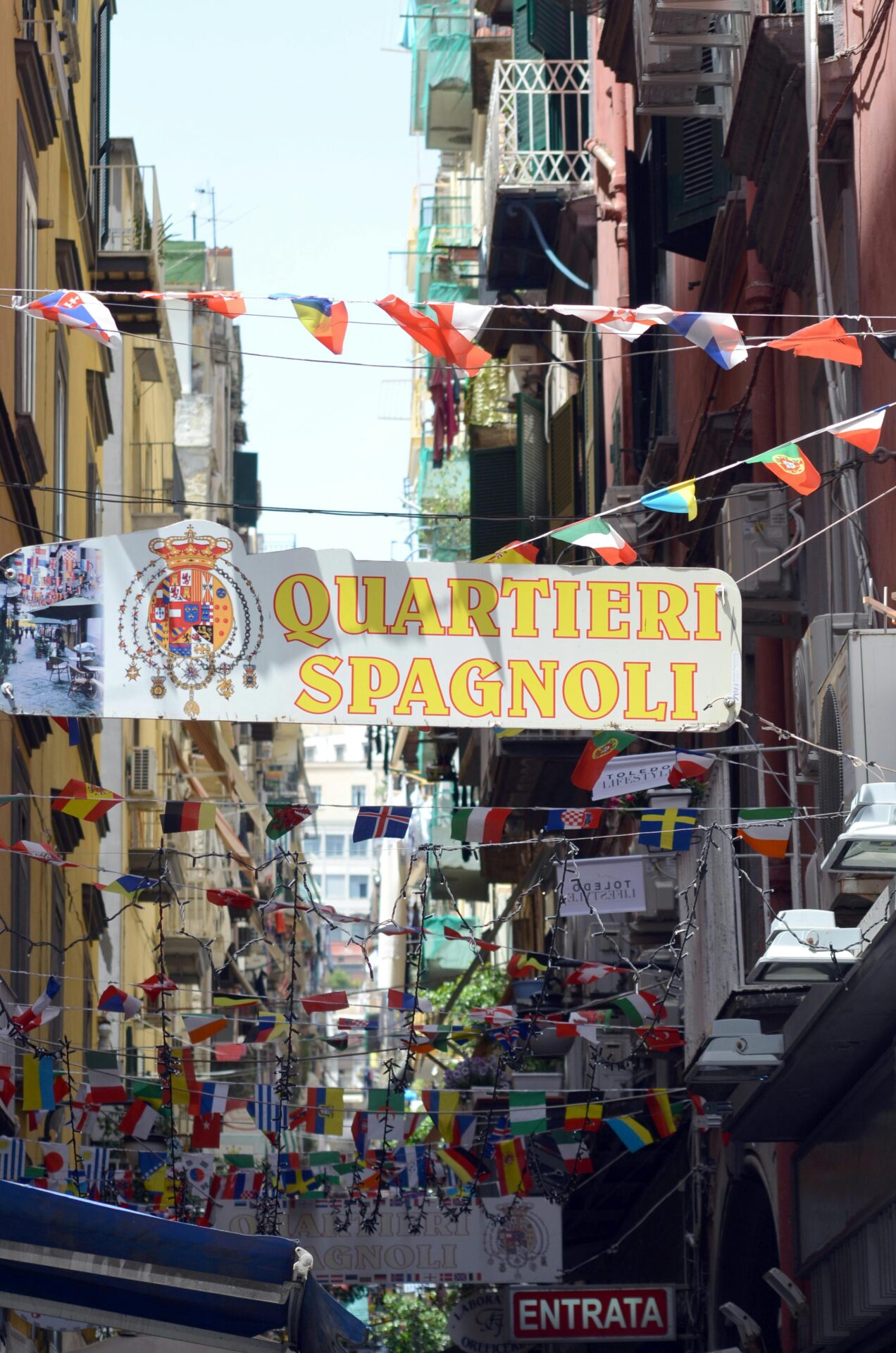
On my first morning in Naples, I wandered into the Quartieri Spagnoli and immediately got swept up in its raw energy.
This tight grid of streets was built in the 1500s for Spanish troops.
Now, it’s a wild maze of laundry, chattering neighbors, and mouthwatering street food.
Walls tell stories with colorful murals, including the famous Maradona painting locals treat like a shrine.
Tiny workshops hum with artisans making everything from nativity figures to guitars.
Don’t miss a chance to duck into a basement restaurant where nonna’s recipes are still the star.
The Spanish Quarter feels a little dangerous but also magical—a place where caution and wonder mix, and where I tasted the best pizza of my life.
Day Trips: Pompeii, Mount Vesuvius, and Archaeological Sites
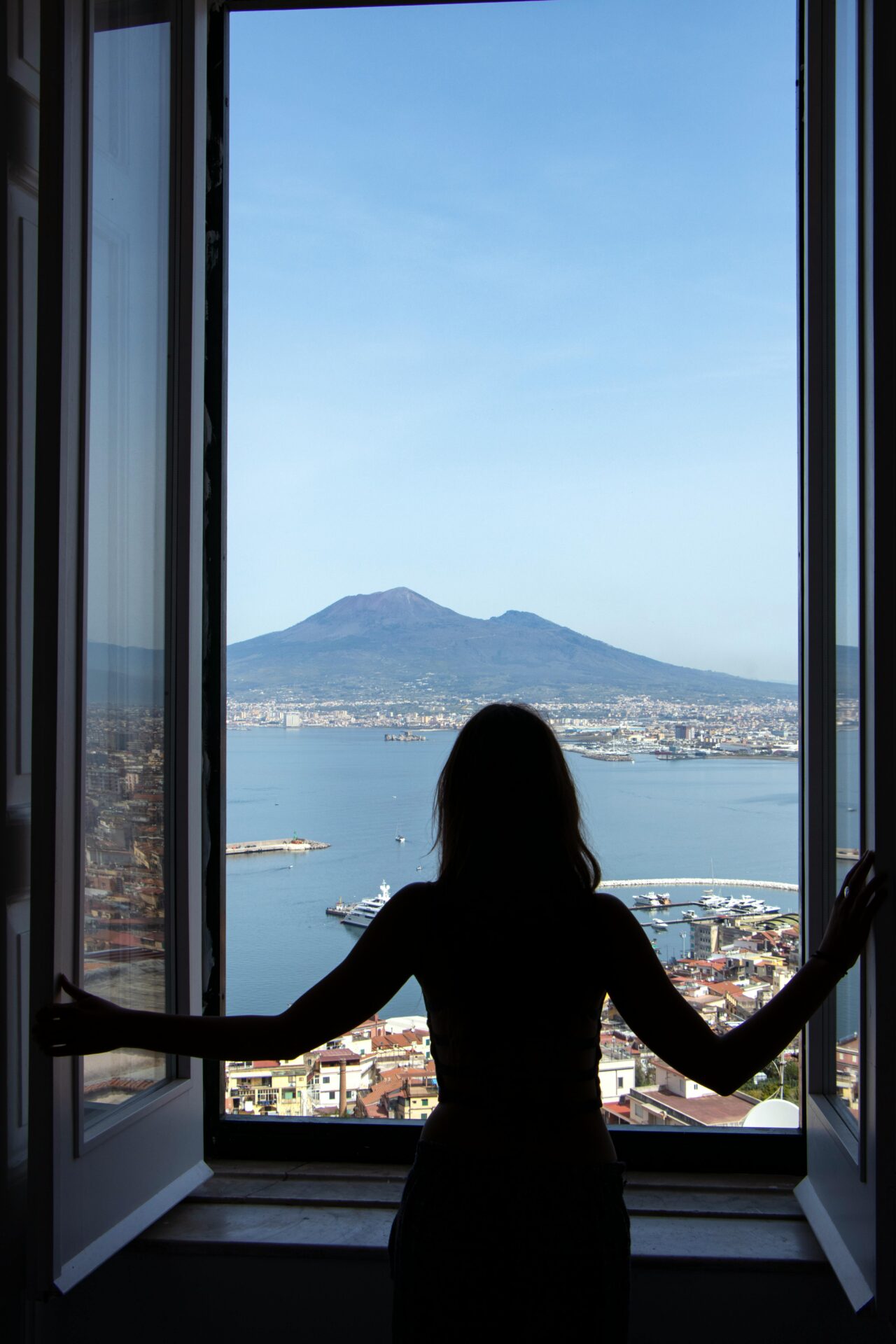
Vesuvius looms over Naples, always reminding you of the archaeological treasures nearby.
I spent a day wandering Pompeii’s preserved streets, where ancient Roman life is frozen in time.
The frescoes, mosaics, and even old bakeries with their stone ovens took me straight back to 79 AD.
The plaster casts of victims are haunting.
If you’re up for it, hiking Mount Vesuvius is worth the effort.
I reached the crater rim in about half an hour from the bus stop.
Looking down into that giant, quiet mouth is both thrilling and a little scary.
Other archaeological highlights:
- Herculaneum: Smaller, but even better preserved than Pompeii
- Paestum: Greek temples that rival anything in Greece
- Oplontis: Villa Poppaea with jaw-dropping frescoes
You can reach these sites easily by Circumvesuviana train or on a tour.
Beaches, the Bay of Naples, and Summer Escapes
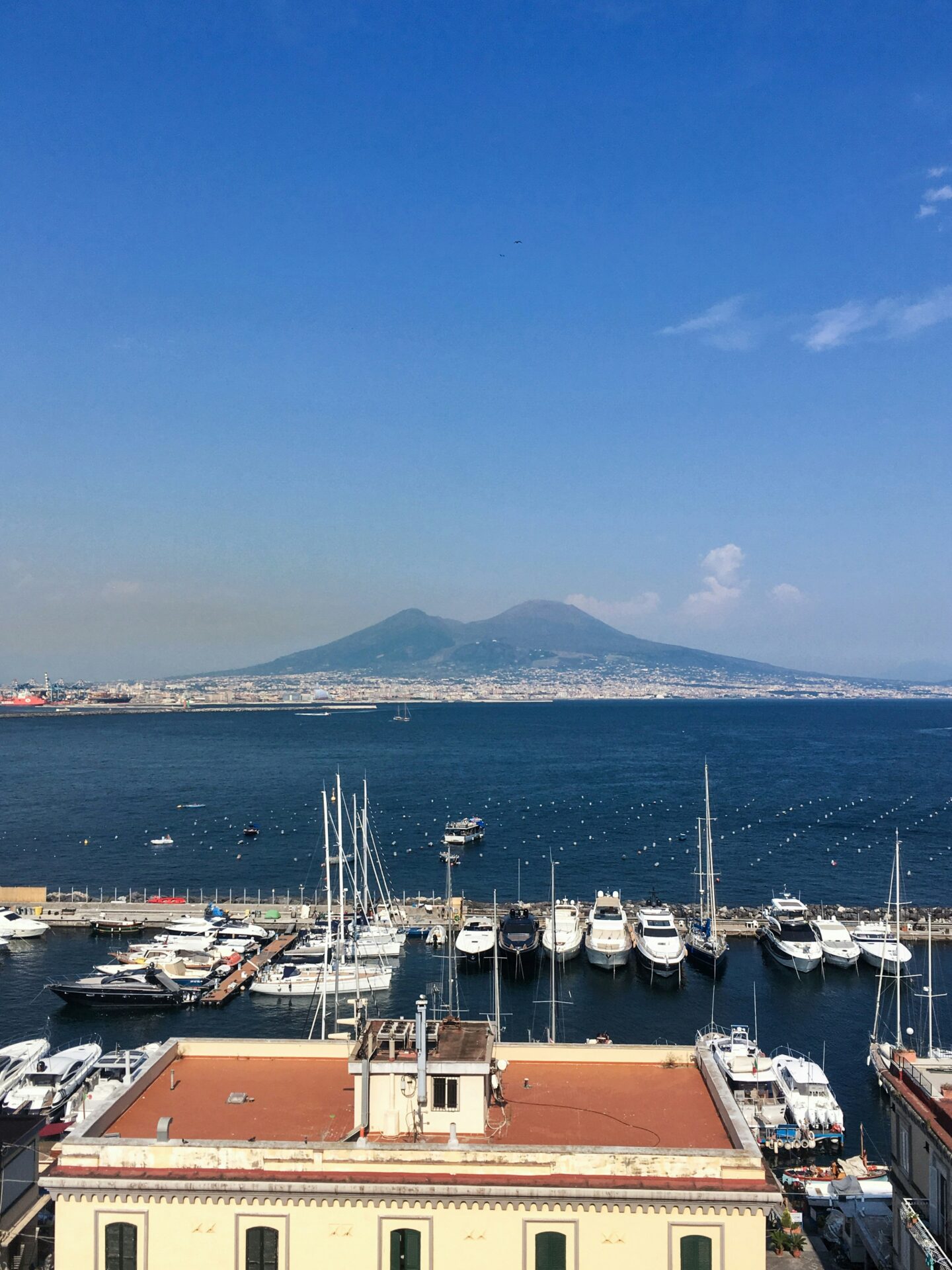
When the summer heat hits, locals escape to the Bay of Naples.
I joined them at the public beaches near Mergellina, where families set up umbrellas and unpack coolers full of homemade food.
The islands offer a different vibe.
Capri is famous for its Blue Grotto and glam scene, but honestly, it gets packed.
I preferred Ischia, with its thermal springs and laid-back mood.
Procida, with pastel fishing houses, feels like a movie set.
The ferry ride gives you those classic views of Naples with Vesuvius in the background.
For quieter beaches and crystal water, I headed to Bacoli and Monte di Procida.
Locals grilled up the freshest seafood I’ve ever tasted—caught that morning, cooked to perfection.
Naples and Campania: Memory, Travel, and Identity
Traveling through Naples and Campania, I found a place living in many eras at once.
Old traditions thrive next to modern life in ways I haven’t seen anywhere else.
Food became my way into local identity.
Every dish tells a story of resilience and creativity.
The humble pizza margherita stands for both poverty and pride—simple ingredients turned into something unforgettable.
Neapolitans carry their history with them everywhere.
People reference centuries-old events as if they happened last week.
One taxi driver told me about the 1944 Vesuvius eruption through his grandfather’s eyes.
Naples changed me.
The chaos that first overwhelmed me became a rhythm I started to love.
This city doesn’t bend to tourists—it makes you adjust to its wild, unapologetic spirit.


