
Croatia’s wine scene used to fly under the radar, but lately, it’s started making some serious waves. Croatian wines from 12 strikingly different regions are popping up on international shelves, turning heads with their wild indigenous grape varieties, top-notch quality, and prices that make even French producers sweat. You’ll find everything here—from zippy, clean whites in the north to big, sun-drenched reds hugging the Adriatic.
I’ve wandered through cellars where winemakers blend ancient family secrets with high-tech gear, and the results? Honestly, they can give France’s best a run for their money. Slavonia pours out fresh whites and bubbly, while Dalmatia leans into powerful reds like plavac mali. Each region has its own quirks—microclimates, wild soils, and a stubborn pride that shows up in every glass.
What’s the real magic? Authenticity, for one. Croatian wines feel honest and unpretentious, and the prices don’t make your wallet cry. French bottles might get all the glory, but Croatia’s putting out the same level of quality without the sticker shock. For wine fans hunting both adventure and value, this country’s starting to look like a goldmine.
Why Croatian Wine Regions Are Captivating Competitors
Croatian wines have started to catch the eyes—and palates—of wine lovers everywhere. Their ancient winemaking roots, offbeat grapes, and a growing list of international medals make them impossible to ignore.
Historical Roots and Winemaking Traditions
People have been making wine in Croatia for over two millennia. That’s a long time to perfect a craft, and you can taste that deep heritage in the glass.
Croatia’s spot along old trading routes helped spread wine culture early on. Romans actually planted vines along the Dalmatian coast—no joke. Those same coastal hills still crank out some of the country’s most sought-after wines.
Lots of Croatian families have been at this for generations. They stick to old-school methods but aren’t afraid to experiment with modern touches. That mix keeps the wines both soulful and polished.
Some traditional hallmarks:
- Picking grapes by hand on steep, rocky hills
- Sticking with local grape varieties
- Aging in a combo of oak barrels and shiny new tanks
- Embracing organic farming
Most wineries here keep things small and personal. You can feel the human touch in every bottle, and honestly, that’s rare these days.
Distinctive Terroirs and Grape Diversity
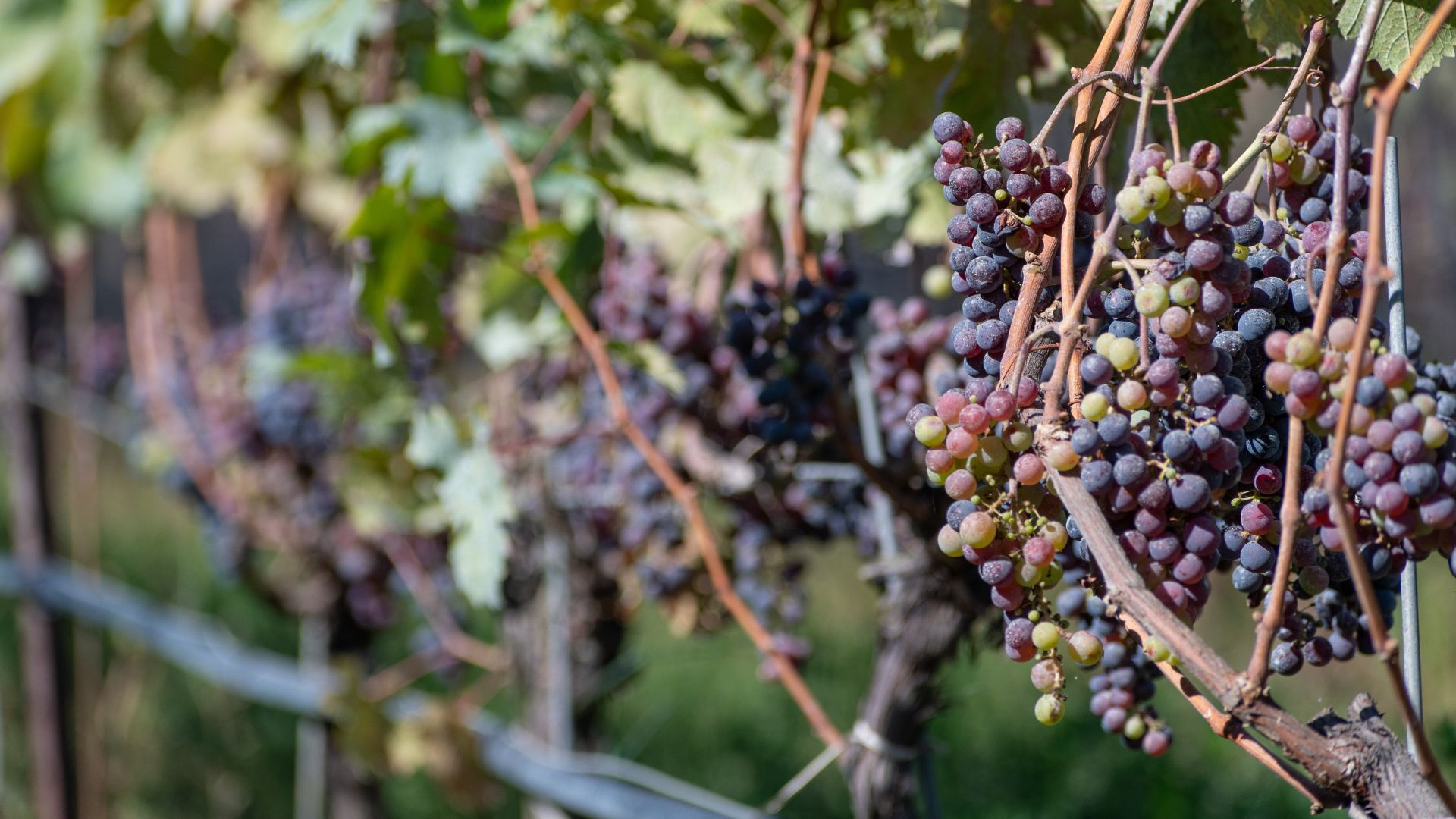
Croatia grows over 60 grape varieties you won’t find anywhere else. That’s not just trivia—it means flavors you probably haven’t tasted before.
The country splits into four main wine regions, each with its own climate and soil. Dalmatia’s got that classic Mediterranean vibe and limestone underfoot, while the inland zones get colder and have different dirt altogether.
Grapes to look out for:
- Plavac Mali – Big, gutsy reds that age well
- Pošip – Whites with zingy citrus and a salty edge
- Malvazija Istarska – Fresh, herbal whites
- Maraština – An old-school Dalmatian white
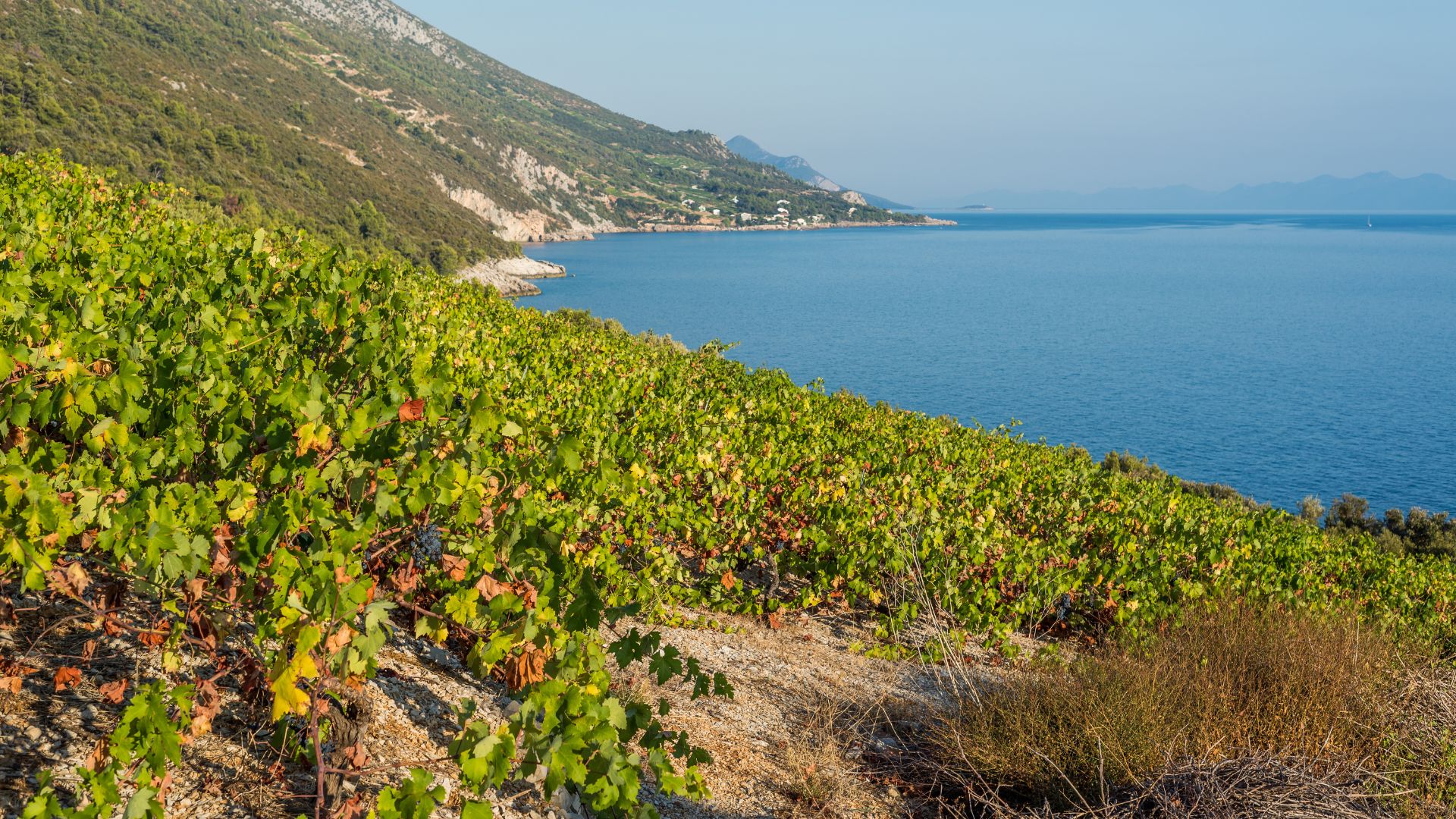
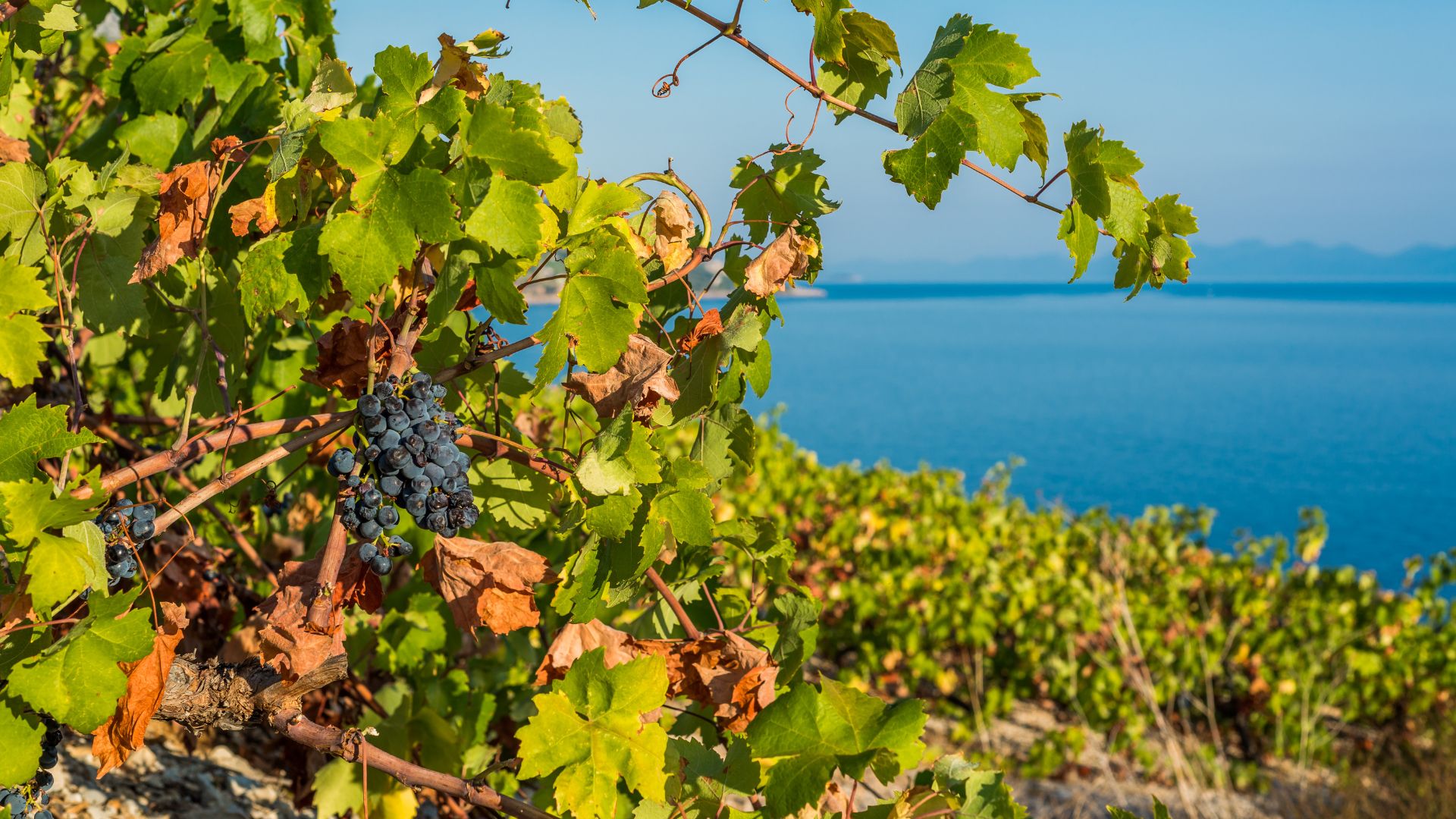
Vineyards cling to steep slopes by the sea. Cool breezes keep the grapes fresh, even in the brutal summer sun. That’s how you get wines with real snap and complexity.
Those rocky limestone soils make the vines work for their survival. The result? Fewer grapes, but with way more flavor packed inside.
Recognition on the International Wine Stage
Croatian wines are starting to rack up awards at big-name shows. Critics who used to ignore the country are suddenly paying attention.
Wineries here now ship bottles to the US, all over Europe, and even Asia. More and more shops and restaurants are adding Croatian wines to their lists.
Some brag-worthy moments:
- Multiple Decanter Gold medals
- Write-ups in top wine magazines
- Endorsements from celebrity chefs
- Spots on luxury hotel wine lists
In 2013, Komarna became Croatia’s first fully organic wine region. Every inch of those 200 acres is certified organic, which is pretty impressive.
Croatian wines stand out in a world of same-old, same-old. Their crazy mix of grapes and places just can’t be copied.
A lot of wineries here are going green, too. That’s a big deal for folks who care about the planet as much as what’s in their glass.
Overview of Croatia’s 12 Wine Regions
Croatia divides its wine world into two big camps, and each brings something different to the table. The continental areas and the coast couldn’t be more different—climate, grapes, even the vibe.
Continental and Coastal Division
Continental Croatia covers the inland north, where things get chilly. Most of the wine here is white—think crisp and zesty.
The main continental regions:
- Slavonia in the northeast
- Pleševica, not far from Zagreb
- Podunavlje, hugging the Danube
- Moslavina in the center
Coastal Croatia runs along the Adriatic and out to the islands. Here, reds rule.
Key coastal regions:
- Istria peninsula up north
- Northern Dalmatia
- Central Dalmatia
- Southern Dalmatia
- The Dalmatian islands
In the continental zones, graševina is the star grape. It actually makes up a quarter of all Croatian wine.
Along the coast, plavac mali is king. That grape just loves the sun and sea air.
Regional Classifications and Quality Standards
Croatia uses a wine quality system that feels pretty familiar if you’ve tried other European wines. There are three main levels to keep in mind.
Table wines are the easygoing, everyday stuff. There aren’t a ton of rules here.
Regional wines have to come from a specific area and follow some stricter guidelines about which grapes go in.
Quality wines are the top dogs. These bottles have to meet tight standards for grapes, alcohol, and how they’re made.
Two special zones—Dingač and Postup—get extra protection. They only let certain vineyards on the Pelješac peninsula use those names, and the rules are strict.
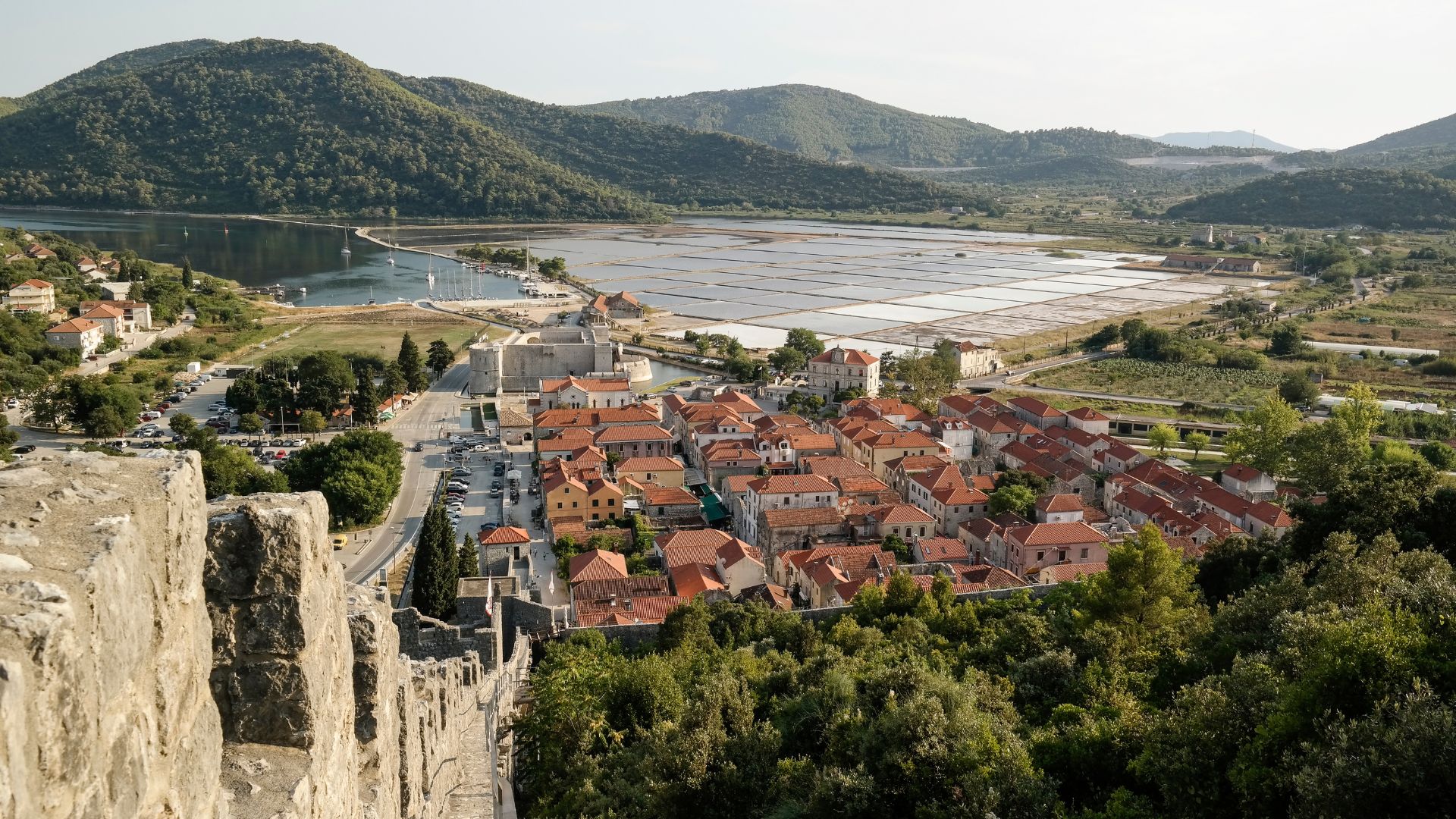
Key Climate and Soil Characteristics
Continental regions get cold winters and pretty warm summers. Rainfall usually falls between 600 and 800mm a year.
Soil types you’ll find:
- Sandy loam in Slavonia
- Clay and limestone in Pleševica
- River deposits in Podunavlje
Coastal regions bask in a Mediterranean climate—hot, dry summers and plenty of sunshine. Sea breezes keep things from getting too scorching.
Coastal soils:
- Red terra rossa in Istria
- Limestone karst in Dalmatia
- Rocky, rugged ground on the islands
- White marl on the steepest slopes
The Adriatic does more than just look pretty—it cools the vineyards and bounces sunlight back onto the grapes.
Inland, the big swings between day and night help keep white grapes zippy and fresh.
Dalmatia: An Iconic Powerhouse
Dalmatia hugs the Adriatic and cranks out some of Croatia’s most distinctive wines. Ancient grapes like Plavac Mali and Pošip thrive here, and the region’s wild coastlines and islands give every wine a sense of place.
Indigenous Grapes: Plavac Mali and Pošip
Plavac Mali runs the show for reds in Dalmatia. It loves the rocky, sun-soaked slopes right by the sea.
You’ll find wines with big tannins and high alcohol—14-15% isn’t uncommon. That’s just how the grape grows here.
But lately, winemakers have started picking earlier and tweaking their methods. The result? Lighter, juicier reds that still feel true to Dalmatia.
Pošip leads the charge for whites. It grows mostly on islands like Korčula.
Pošip wines are all about bright acidity and a salty, mineral edge. The grape is tough, too—it handles the heat and makes whites that can age surprisingly well.
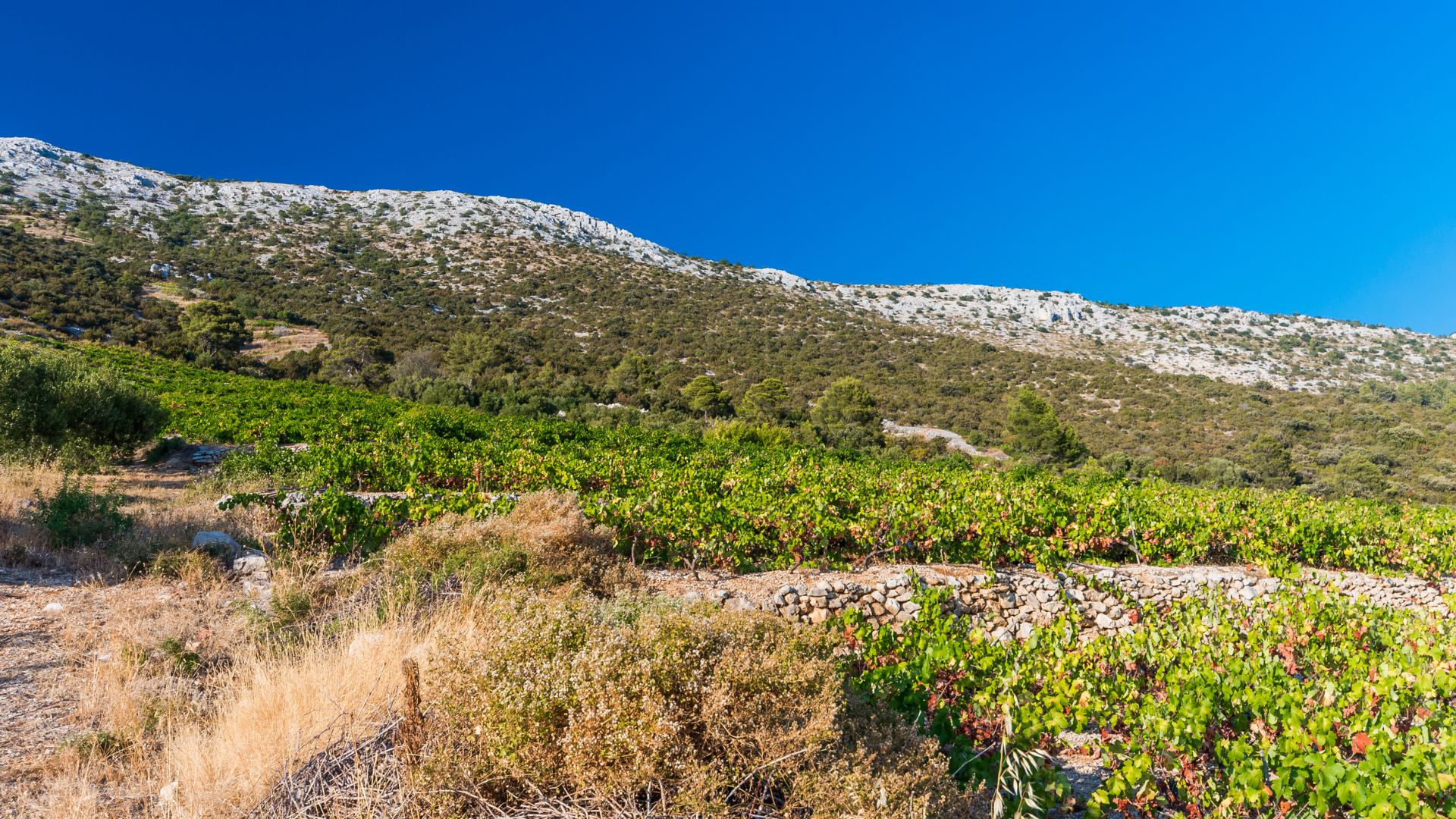
Wine-Producing Islands and Coastlines
Dalmatia’s wine territory stretches from Zadar down to Dubrovnik. The coast and islands each offer something different.
Wine hotspots:
- Pelješac Peninsula – the place for top-tier Plavac Mali
- Korčula Island – best Pošip vineyards around
- Hvar Island – home to some pretty aromatic, sometimes lavender-scented wines
- Split’s hinterland – up-and-coming and worth watching
The islands get constant sea breezes, which keeps the grapes cool and the flavors sharp. Rocky soils force the vines to dig deep, concentrating the juice.
Vineyards right by the water get extra sunlight reflected back at them. Even tough-to-reach slopes manage to ripen grapes fully.
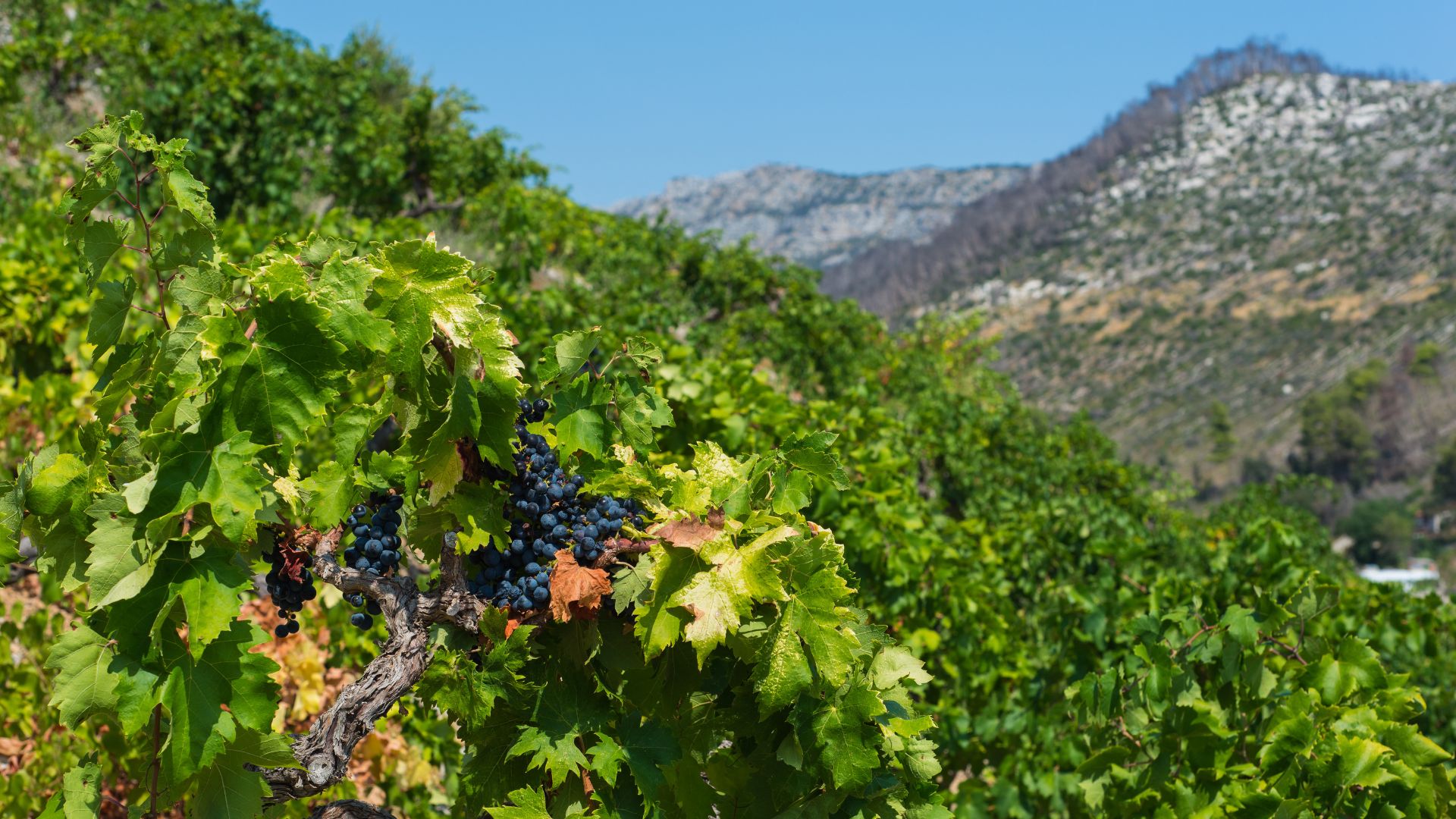
Flavor Profiles and Modern Trends
Old-school Dalmatian reds were all about power—big, bold, and sometimes a bit rough around the edges.
Now, producers are dialing things in. They’re making fresher, more approachable wines, but they haven’t lost the region’s character.
Red wine styles:
- Classic: Big, tannic, 14-15% alcohol
- Modern: More fruit, softer tannins, 12-13% alcohol
White wine vibes:
- Crisp acidity from the sea
- Salty, mineral backbone from the limestone
- Citrus and stone fruit up front
Family wineries have started opening their doors to visitors. Wine tourism is on the rise, and that’s pushing everyone to up their game.
Dalmatian wines are finally making their mark abroad. Their unique grapes and that unmistakable coastal influence set them apart from the usual European suspects.
Istria and Kvarner: Mediterranean Excellence
Istria and Kvarner, two regions rolled into one, are making a name for themselves with distinctive local grapes. Teran and Žlahtina headline here, but it’s the Malvazija that really turns heads—sometimes outshining even the Italians.
Istrian Teran and Malvazija Varieties
Teran has become a signature red for Istria. It grows in the region’s famous terre rosse (red soil), turning out wines that are deep, intense, and just a little wild.
That red soil really gives Teran its backbone. Local winemakers have figured out how to tame its tannins without losing its punch.
Istrian Malvazija is the region’s white wine pride and joy. I’ve tasted versions that are light and floral, but also richer, oak-aged bottles that can stand up to some of the world’s best.
Malvazija grows well in both white and red soils. Producers are experimenting with all kinds of styles, from crisp and mineral to lush and complex.
The Rise of Žlahtina from Kvarner
Žlahtina is Kvarner’s claim to fame, especially on the island of Krk. It’s a white grape that makes lively, super-refreshing wines—perfect for the Mediterranean heat.
Žlahtina brings bright acidity and lots of citrus. The climate here is a cool mash-up of Alpine and Mediterranean influences, which keeps the wines balanced.
Kvarner’s winemakers have taken Žlahtina from a local staple to something worth seeking out. Some bottles now show real depth and can even age for a few years.
The islands—Krk, Cres, Rab—are ideal for this grape. Sea breezes and limestone soils lock in that signature freshness.
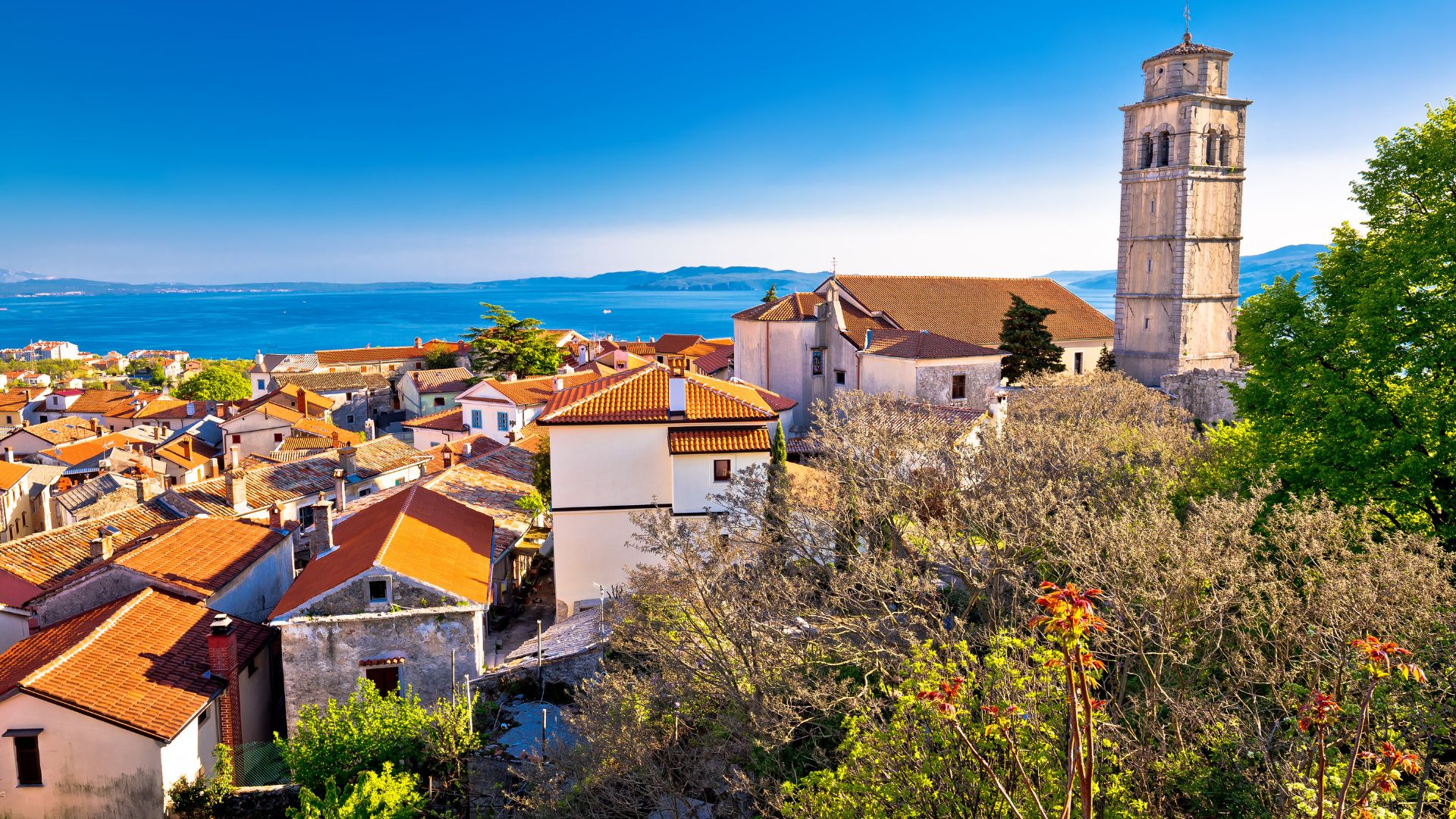
Wine Routes, Culture, and Festivals
Istria and Kvarner have set up well-marked wine roads, making it easy to hop from one producer to the next. Tastings often come with local treats—think truffles, olive oil, and handmade pasta.
Big events like Vinistra, Open Cellars Day, and Wine Day are a blast. These draw in folks from all over and show just how much the region has grown.
The area markets itself as “Croatian Tuscany”—and honestly, it’s not just hype. Medieval towns, cozy boutique hotels, and some truly excellent restaurants make it a dream for wine travelers.
The blend of wine, history, and food keeps visitors coming back. Old traditions and new ideas mingle everywhere you look.
Slavonia and Podunavlje: The White Wine Heartland
Slavonia pumps out more white wine than anywhere else in Croatia, and Graševina leads the charge as the country’s flagship grape. The region’s three main wine areas each bring their own twist, thanks to distinct soils and microclimates that shape the final flavors.
Graševina: Croatia’s Flagship White
Graševina really dominates the vineyards in Slavonia. It’s actually Croatia’s most widely planted grape, and in my experience, Slavonian soil helps it shine at a level that honestly rivals the best in Europe.
The grape loves the region’s continental climate. Those warm summers and chilly winters? They do wonders for Graševina’s signature crisp acidity and that mineral backbone everyone raves about.
Key Graševina characteristics in Slavonia:
- Fresh, food-friendly acidity
- Mineral-driven flavors
- Excellent price-to-quality ratio
- Styles from dry to dessert—there’s a lot of range
Wineries like Kutjevo and Belje really changed the game for Graševina. They moved it well beyond a simple table wine, crafting bottles with surprising complexity and aging potential.
Winemakers across Slavonia get creative with Graševina. Some go for bright, zesty wines meant for early sipping. Others push for depth, using oak or letting the wine rest on lees for extra texture.
Ilok, Baranja, Erdut: Regional Distinctions
Slavonia isn’t just one thing—it’s a patchwork of wine areas, each with its own twist on white wine. I’ve tasted clear differences from zone to zone, and honestly, it keeps things interesting.
Ilok hugs the Danube River, pulling in river breezes. The limestone soils here give the wines a punchy minerality and some real aging chops.
Baranja rolls out gentle hills and all kinds of soils. This mix lets winemakers craft everything from breezy, light whites to concentrated, premium pours.
Erdut sits close to rivers but climbs higher. The combo helps grapes hang onto their acidity and build up layers of flavor.
| Region | Soil Type | Key Advantage |
|---|---|---|
| Ilok | Limestone | Minerality, aging potential |
| Baranja | Mixed soils | Style diversity |
| Erdut | River terraces | Acid-fruit balance |
These differences let producers in Slavonia offer a pretty diverse lineup, so there’s something for just about everyone.
Traminer and Cabernet Sauvignon Success
Traminer seems to thrive in Slavonia’s climate. I’ve tasted some fantastic bottles—aromatic, fresh, and just bursting with character.
Slavonian Traminer leans into those classic rose petal and lychee notes. The temperature swings here help preserve those delicate aromas and really concentrate the flavors.
Cabernet Sauvignon isn’t what you’d expect in a white wine roundup, but hear me out—Slavonia’s rosés are worth a look. These pink wines deliver complexity and pair beautifully with food.
Wineries like Galić and Belje have picked up international awards for both Traminer and Cabernet Sauvignon. Their success proves Slavonia isn’t just a one-grape wonder.
Mixing tradition (Traminer) with innovation (Cabernet Sauvignon rosé) gives local producers more premium options. This kind of variety helps Slavonia compete on a bigger stage.
Notable Northern Regions: Zagorje, Međimurje, and Plešivica
Head north into Croatia’s uplands and you’ll find three wine regions that really stand out. Cooler weather and unique soils shape the wines here, and each area brings something a little different to the table.
Plešivica is basically the home of Croatia’s best sparkling wines. Meanwhile, Zagorje and Međimurje turn out crisp whites that show off the region’s continental influences.
Sparkling Wines from Plešivica Hills
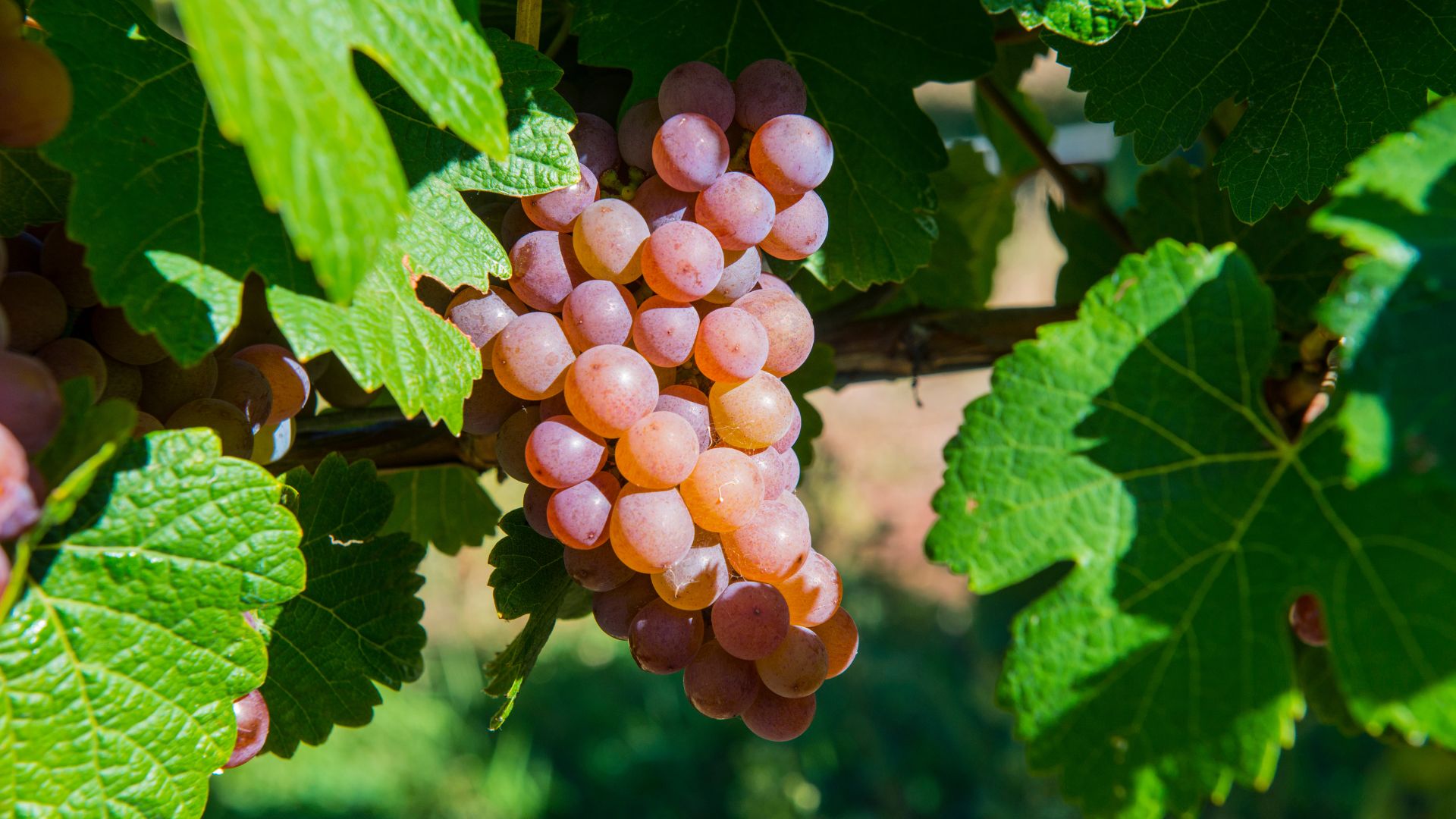
Plešivica’s rolling hills set the stage for top-notch sparkling wine. The traditional method reigns here, and producers put real care into every bottle.
I’ve noticed that the higher elevation and clay-marl soils in Plešivica work wonders for grapes. Cooler temps help keep the acidity lively.
Key Plešivica Sparkling Features:
- Traditional method
- Chardonnay and Pinot Noir as the base
- Lees aging from 12 to 36 months
- Crisp, mineral-driven taste
Local winemakers focus on quality, not just quantity. Many stick to hand-harvesting and small-batch fermentation.
Distinct seasons in Plešivica let grapes develop serious flavor while holding onto that signature brightness.
White Wine Varietals: Sauvignon Blanc and Chardonnay
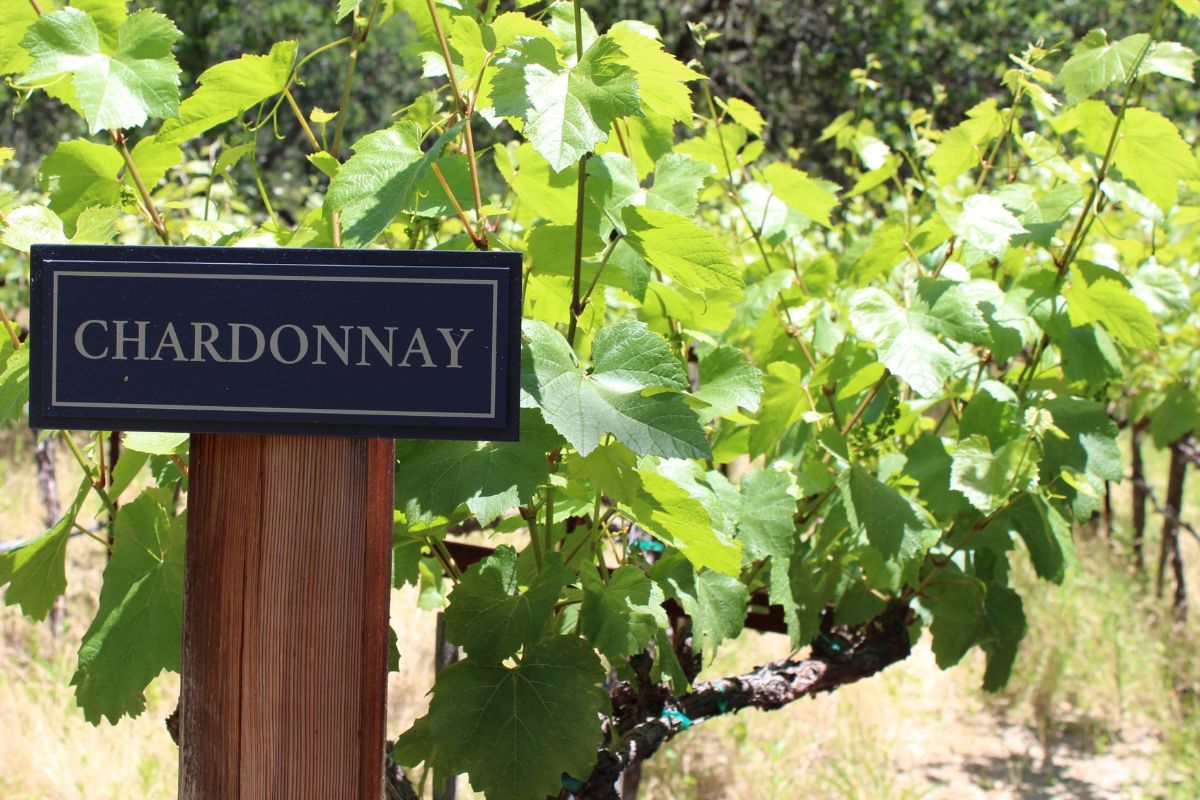
Zagorje and Međimurje have a knack for international white grapes. Sauvignon Blanc and Chardonnay from these regions are some of Croatia’s finest—no exaggeration.
Međimurje’s Sauvignon Blanc stands out for its intensity. Expect tropical fruit and a hint of herbs.
Varietal Characteristics by Region:
| Region | Sauvignon Blanc | Chardonnay |
|---|---|---|
| Međimurje | Tropical, grassy | Mineral, citrus |
| Zagorje | Crisp, gooseberry | Oak-aged, buttery |
Chardonnay here runs the gamut—from fresh and mineral to rich and oaky. Winemakers tweak their approach to make the most of each vineyard’s quirks.
Colder weather stretches the growing season. That means better balance in the finished wines—ripe fruit, but always with a backbone of acidity.
Regional Influences on Taste and Aroma
Northern Croatia’s wines owe a lot to the continental climate. Warm days and cool nights—honestly, that’s a recipe for grapes to ripen just right.
Vineyards here grow mostly in clay and marl soils. These soils hang onto moisture and feed the vines with minerals they crave.
Climate Impact on Wine Profiles:
- Cool nights: They help the grapes keep their zingy acidity.
- Moderate rainfall: Honestly, less need to fuss with irrigation.
- Continental winds: These breezes keep fungal diseases at bay.
- Long growing season: More time on the vine means richer, layered flavors.
I’ve noticed Zagorje wines lean into earthy, mineral-driven notes—kind of grounding, if you ask me. Meanwhile, Međimurje pops with fruit and lively acidity.
Altitude changes everything. Head up to higher vineyards and you’ll find the wines pack more aroma and concentration. They even age better—always a nice surprise.
Being far from the coast, the region gets real seasons. That continental vibe shapes wines with structure and backbone, and they tend to stick around in your cellar for years.
