
Canada’s adventures are just wild—you honestly can’t find most of these anywhere else. Where else can you sip cocktails garnished with a real human toe in the Yukon or float in a salty lake that rivals the Dead Sea? I’ve realized Canada’s magic is this perfect blend of jaw-dropping scenery and quirky cultural traditions that’ll leave you with stories nobody else can top.
Wandering across the country, I’ve stumbled into everything from the totally bizarre to the absolutely awe-inspiring. The real treasures aren’t just the famous sights; they’re the oddball adventures and secret spots that capture Canada’s wild spirit.
Ready? Let’s dive into twelve experiences that scream “only in Canada.” We’ll cover everything—tidal spectacles, salmon swims, mysterious forests, even a night in a prison. Coast to coast, you’ll find cultural deep-dives, outdoor thrills, and plenty of tasty surprises you won’t get anywhere else.
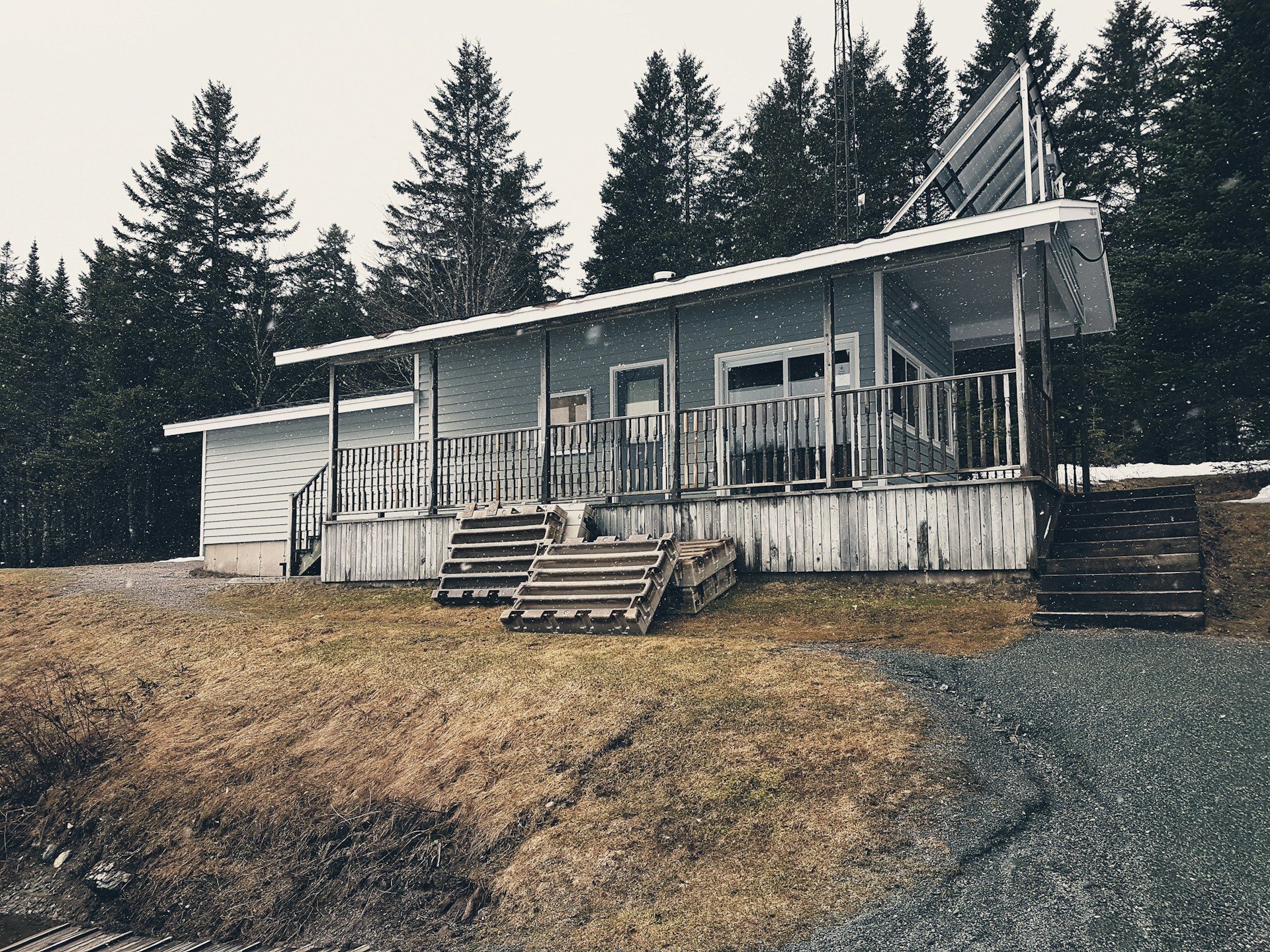
Marvel at Iconic Natural Wonders
Canada’s coastlines are something else. You’ll see tides that move mountains (well, almost) and rock formations that look like they belong on another planet.
The Bay of Fundy puts on the world’s most dramatic tides. Meanwhile, Newfoundland and Labrador’s landscapes are shaped by ancient geological drama.
Witness the World’s Highest Tides at Bay of Fundy
At the Bay of Fundy, I’ve watched water rise and drop an eye-popping 50 feet—twice a day. This spot sits tucked between New Brunswick and Nova Scotia.
The bay’s odd shape actually pulls billions of tons of water in and out every six hours. I’ve seen muddy flats turn into deep channels in no time.
My go-to viewing spots:
- Fundy National Park
- Alma Beach
- Burntcoat Head Park
The tides move so fast, I can barely keep up if I try to walk alongside them. If you visit, time it right—low tide unveils ocean floor as far as you can see.
Fishing boats rest on the mud at low tide, then float again just hours later. It’s all thanks to the bay’s unique shape and the Atlantic’s pull.
Explore the Pillared Hopewell Rocks
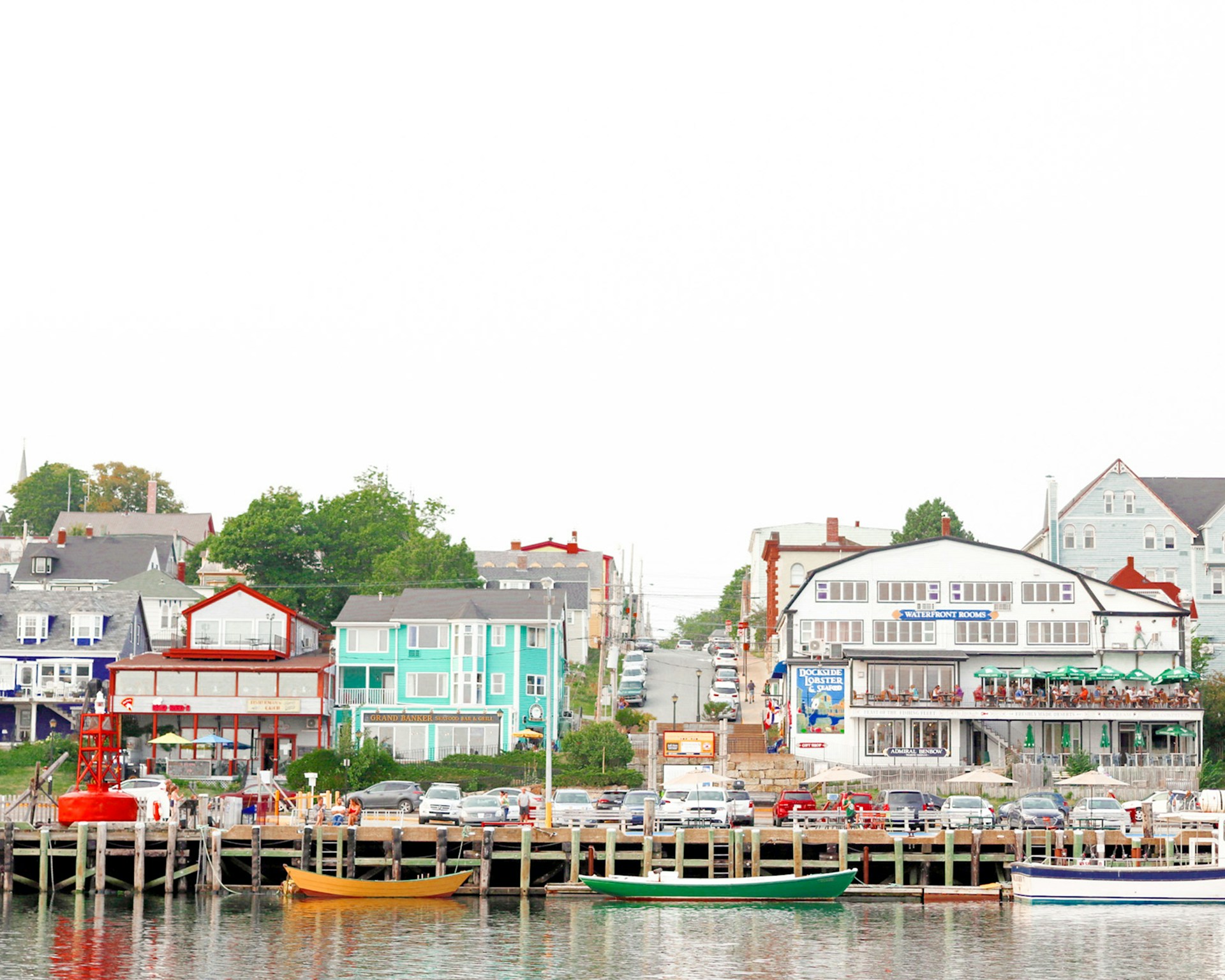
Hopewell Rocks let me wander the ocean floor at low tide. These massive stone pillars—some 40 to 70 feet tall—are topped with scraggly trees.
I love ducking into caves and along walkways carved out by centuries of wild tides. The red sandstone columns look like giant flowerpots, topped with green.
When the tide rolls in, I’ll trade my hiking boots for a kayak and paddle around the same rocks. You really see the power of the tides here.
Why they’re so cool:
- Carved by 100 million years of waves
- Only accessible during certain tides
- Rare plants cling to the tops
I always try to visit for both high and low tide. The “flowerpot rocks” nickname? Totally deserved.
Trek Gros Morne National Park’s Distinct Landscapes
Gros Morne National Park in Newfoundland and Labrador blew my mind. You get to see what the inside of the Earth looks like, right on the surface.
I’ve hiked through the Tablelands—a rusty orange, barren stretch where almost nothing grows. These rocks actually came from deep beneath the ocean.
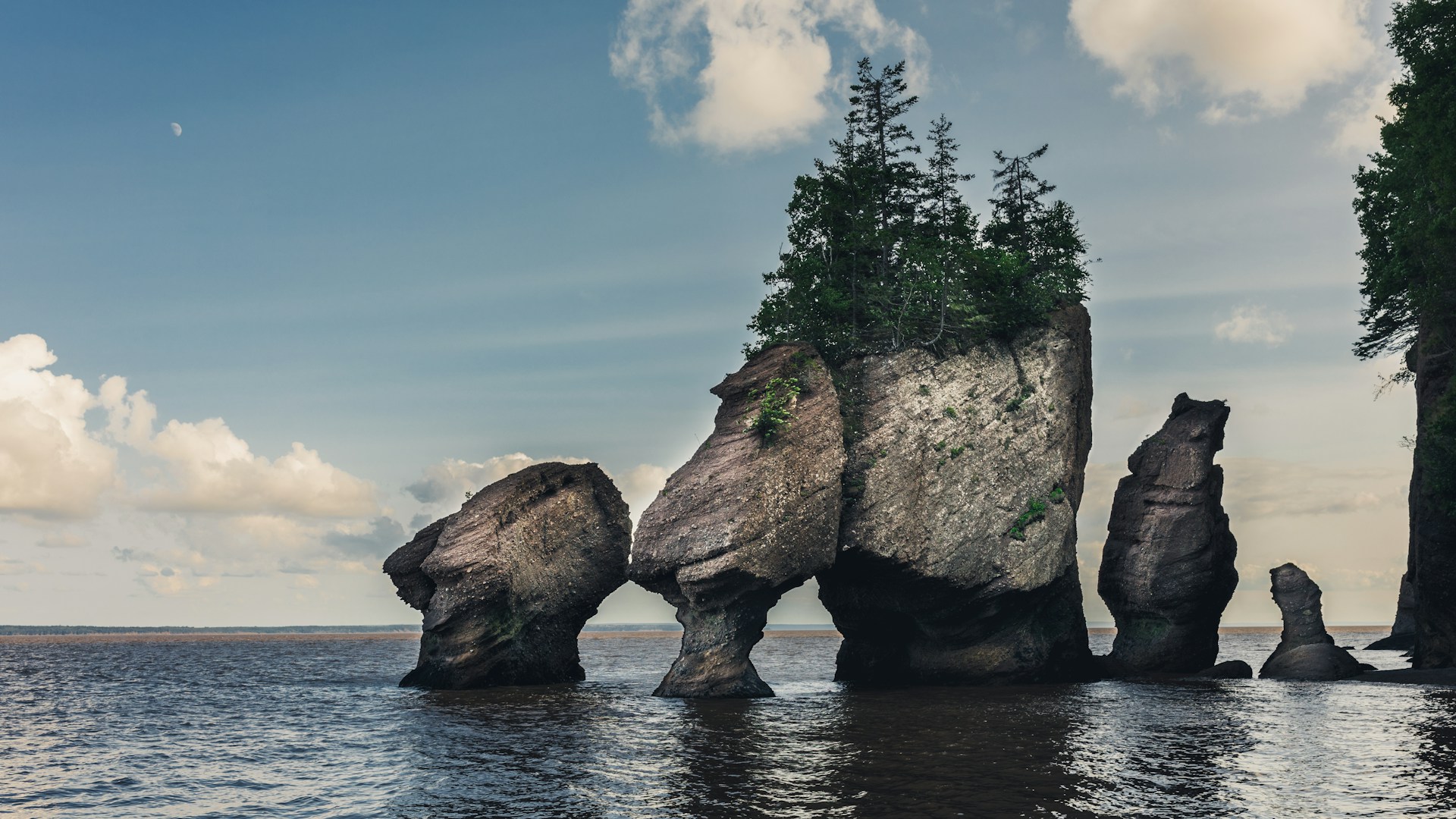
The park’s fjords slice through mountains, and Western Brook Pond stretches for miles, with 2,000-foot cliffs towering overhead.
What stands out:
- Bare ocean floor rocks exposed
- Deep, clear fjords
- Ancient, craggy mountains
Boat tours through Western Brook Pond show off waterfalls tumbling from the cliffs. The whole place is a geology lesson come to life.
These rocks got shoved up when continents collided half a billion years ago. You’ll see rock types that barely exist anywhere else.
Experience Unique Northern Adventures
Canada’s North is a world of its own. Here, you’ll find natural wonders like the northern lights and midnight sun, plus wildlife you won’t find anywhere else.
Chase the Aurora Borealis in Yellowknife
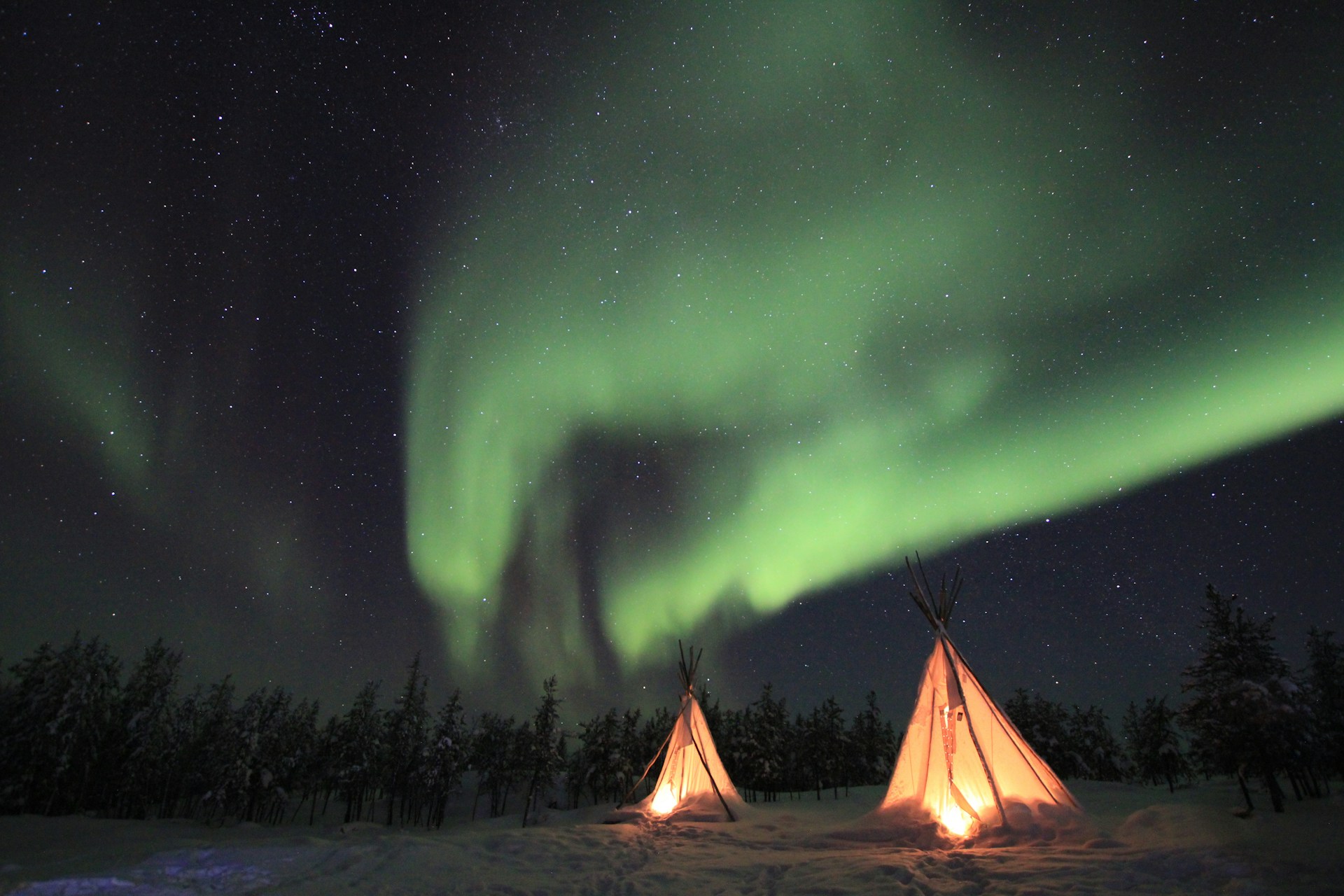
Yellowknife sits right under the aurora oval, making it one of the best places to catch the northern lights.
I’ve seen the aurora here on clear nights—sometimes up to 240 times a year. The city’s at 62° north, so the lights dance overhead from late August through April.
The dry climate means fewer clouds, so you get more chances to see the show.
Best times to go:
- Late August to mid-April
- 10 PM to 3 AM
- Look for clear, dark skies away from town
Local tours offer heated pods, cozy jackets, and hot drinks. Some even share Indigenous legends about the lights.
The aurora usually glows green, but I’ve caught glimpses of purple, pink, and red when solar storms hit.
Embrace Midnight Sun in Dawson City
In Dawson City, Yukon, the sun just refuses to set from mid-May through July.
I’ve read a book outside at midnight, no flashlight needed. The sun hovers just above the horizon, bathing everything in gold.
Midnight sun tidbits:
- Sun’s up 24/7 from May 17 to July 27
- Temps can hit 25°C (77°F)
- Street lights? Who needs ‘em
Locals throw a huge Midnight Sun Festival for the summer solstice. I’ve seen bands playing at 2 AM, and it’s still bright as day.
You can hike, paddle, or explore old gold rush haunts anytime. The endless daylight is perfect for squeezing in more adventures and snapping photos with that magical, never-ending sunset glow.
It feels strange at first—sleeping in daylight takes some getting used to. Blackout curtains are a lifesaver.
Encounter Arctic Wildlife in Nunavut
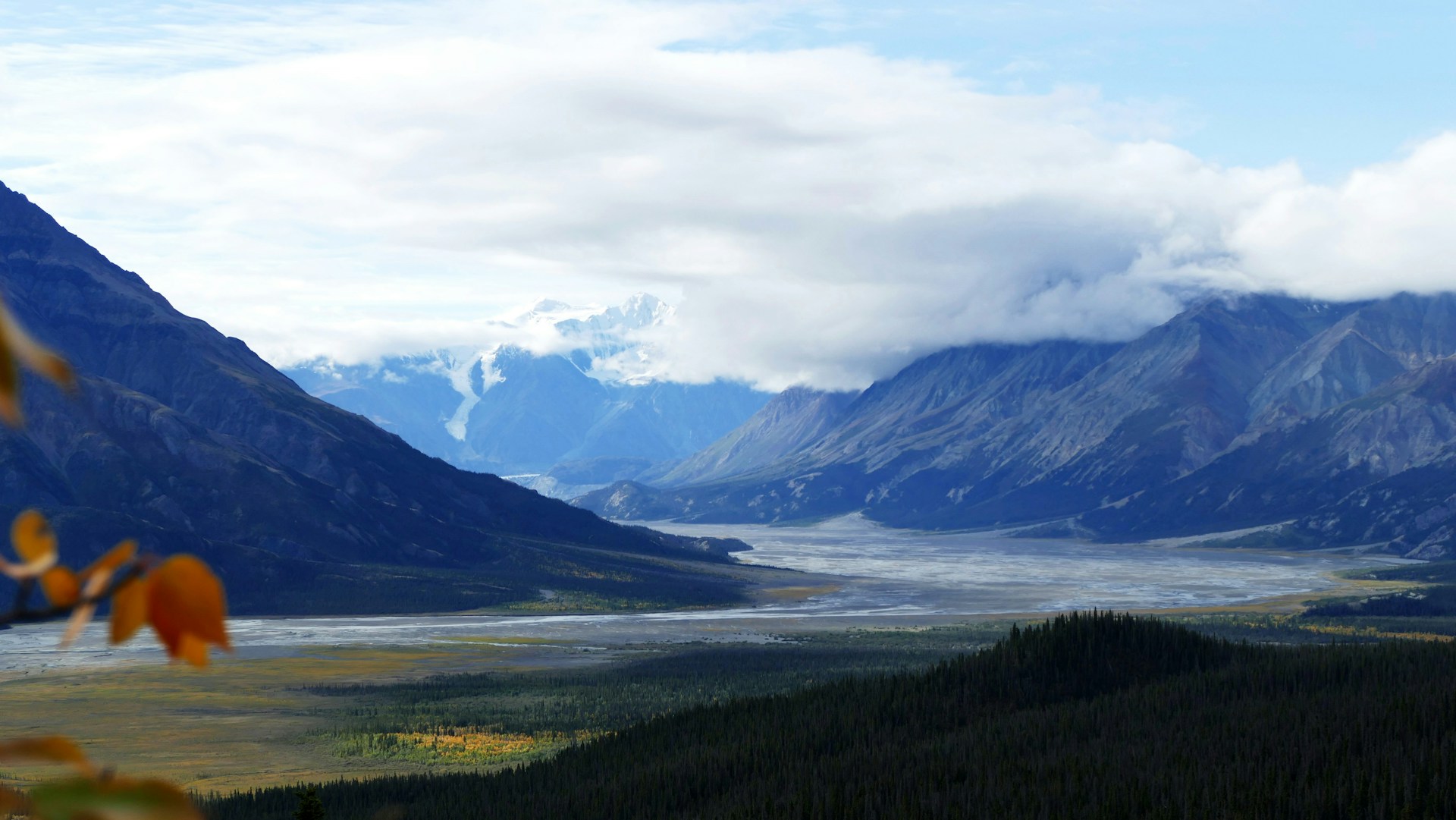
Nunavut sprawls across a fifth of Canada—seriously massive. It’s home to Arctic creatures you won’t find anywhere else on the continent.
Polar bears roam the sea ice and coasts. I’ve spotted them hunting or caring for their cubs. Churchill gets all the hype, but Nunavut’s bear encounters are next-level.
Three separate polar bear populations roam here, each with their own migration routes. Spring and fall are the best times to see them.
Wildlife highlights:
- 15,000+ polar bears
- Arctic foxes darting across the snow
- Caribou herds by the tens of thousands
- Narwhals and belugas swimming offshore
- Snowy owls and Arctic terns overhead
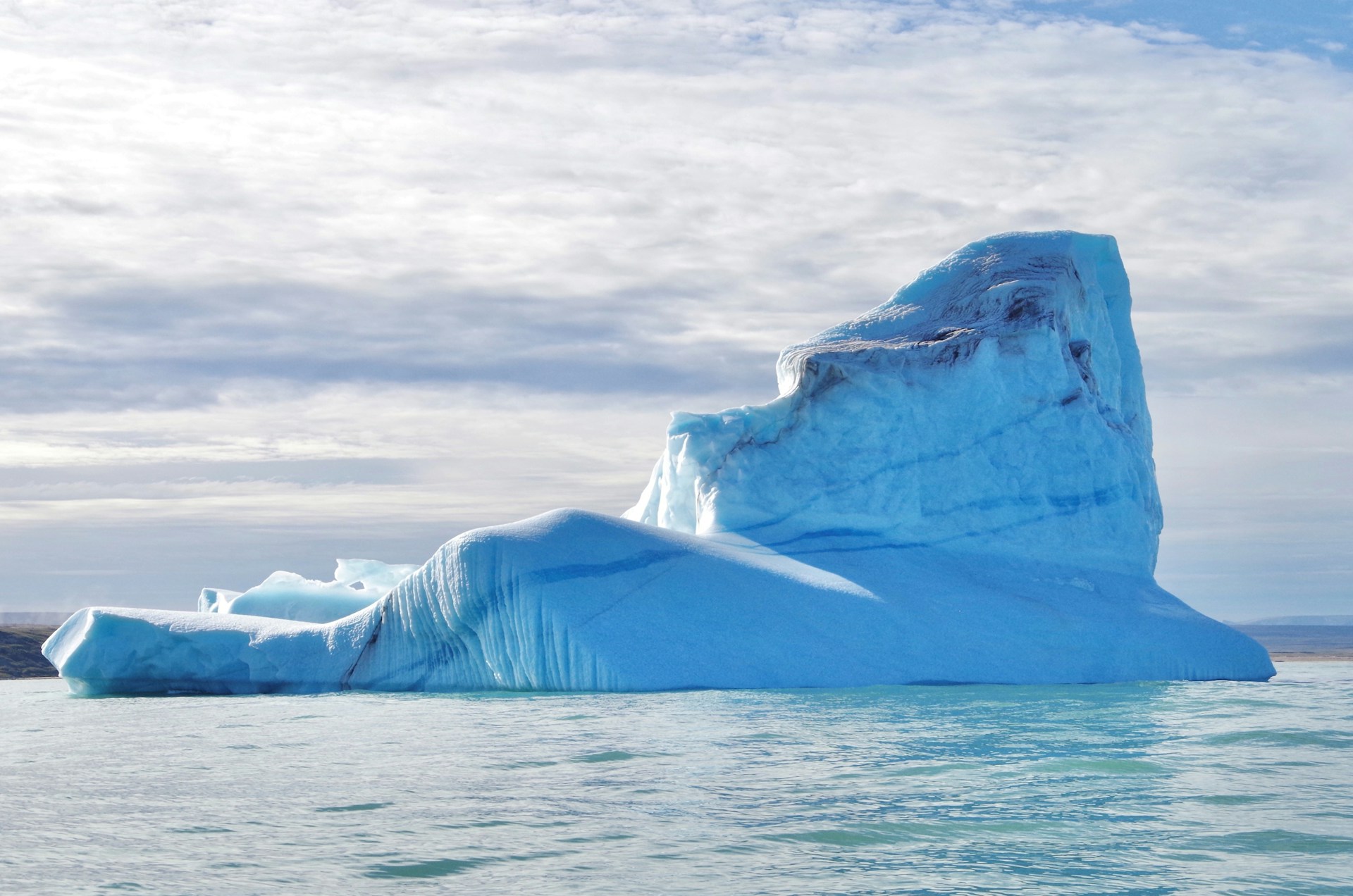
Every summer, narwhals—the “unicorns of the sea”—migrate through Lancaster Sound. Their spiraled tusks can reach 10 feet. I’ve hopped on boat tours to watch them glide past.
Caribou herds, like the Bathurst group, cross the tundra in massive, moving waves. It’s wild to witness.
Inuit guides share stories and wisdom about these animals, explaining how people and wildlife have coexisted for millennia.
Quintessential Canadian Culture and Heritage
Canada’s culture comes alive in its festivals and historic spots. Alberta’s rodeos, Quebec’s old-world charm, and Montreal’s festival energy all reflect the country’s blend of French, English, and global influences.
Get Festive at the Calgary Stampede
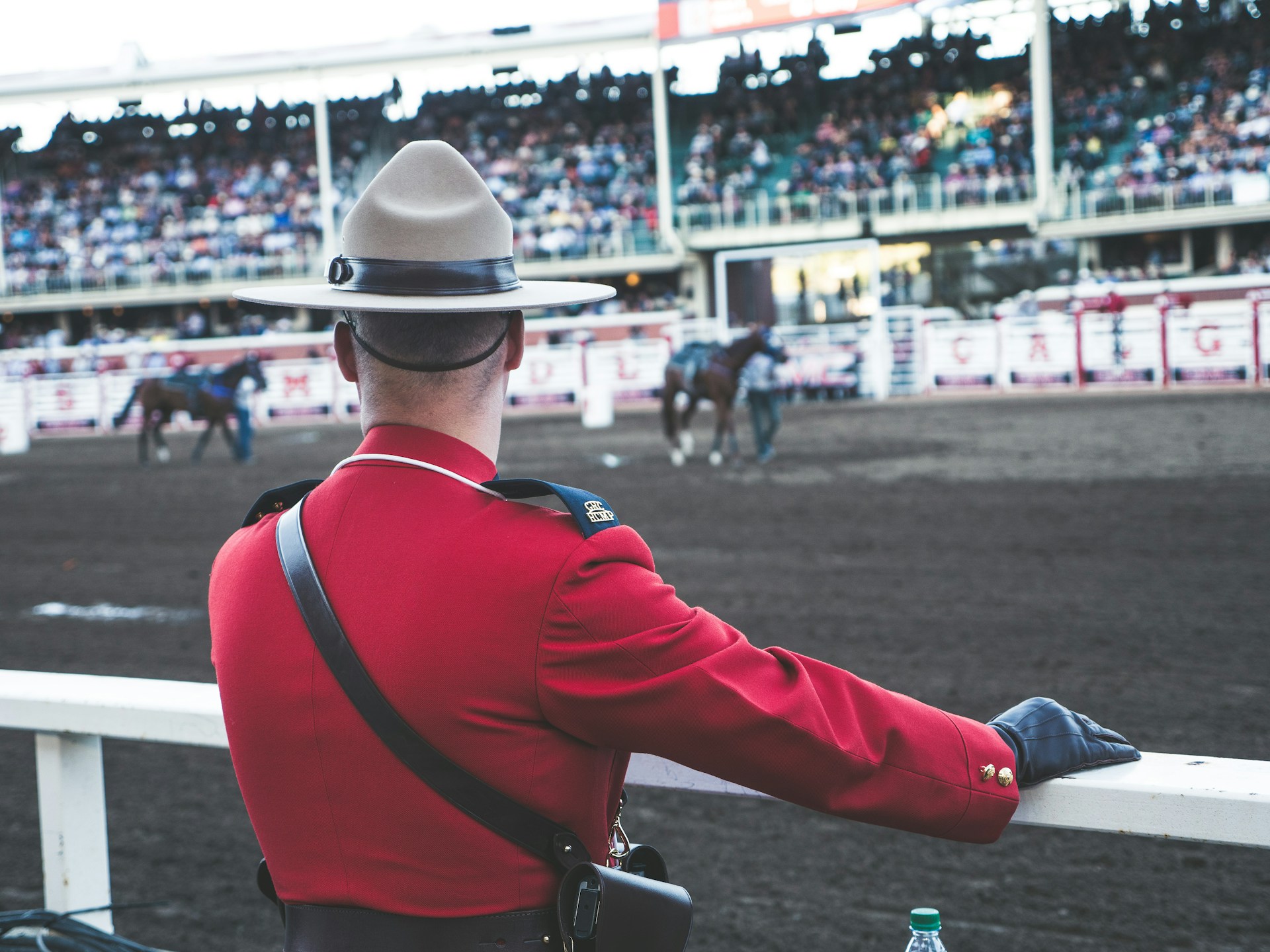
Every July, Calgary transforms for the Stampede. A million-plus people flood the city for a cowboy party like no other.
The rodeo draws the best of the best. I’ve watched bronc and bull riding, plus barrel racing that’ll leave you breathless.
What’s uniquely Canadian:
- Chuckwagon races dating back to 1923
- Free pancake breakfasts everywhere
- Indigenous events and displays
The midway is packed with rides and games, and restaurants serve up elk burgers and bison steaks for the occasion.
Don’t miss:
- Pro bull riding tournaments
- Young Canadians’ high-energy shows
- Nightly grandstand fireworks
Snag tickets early—these events sell out quick. The Stampede truly captures Alberta’s ranching roots.
Explore Old Québec City’s Fortifications
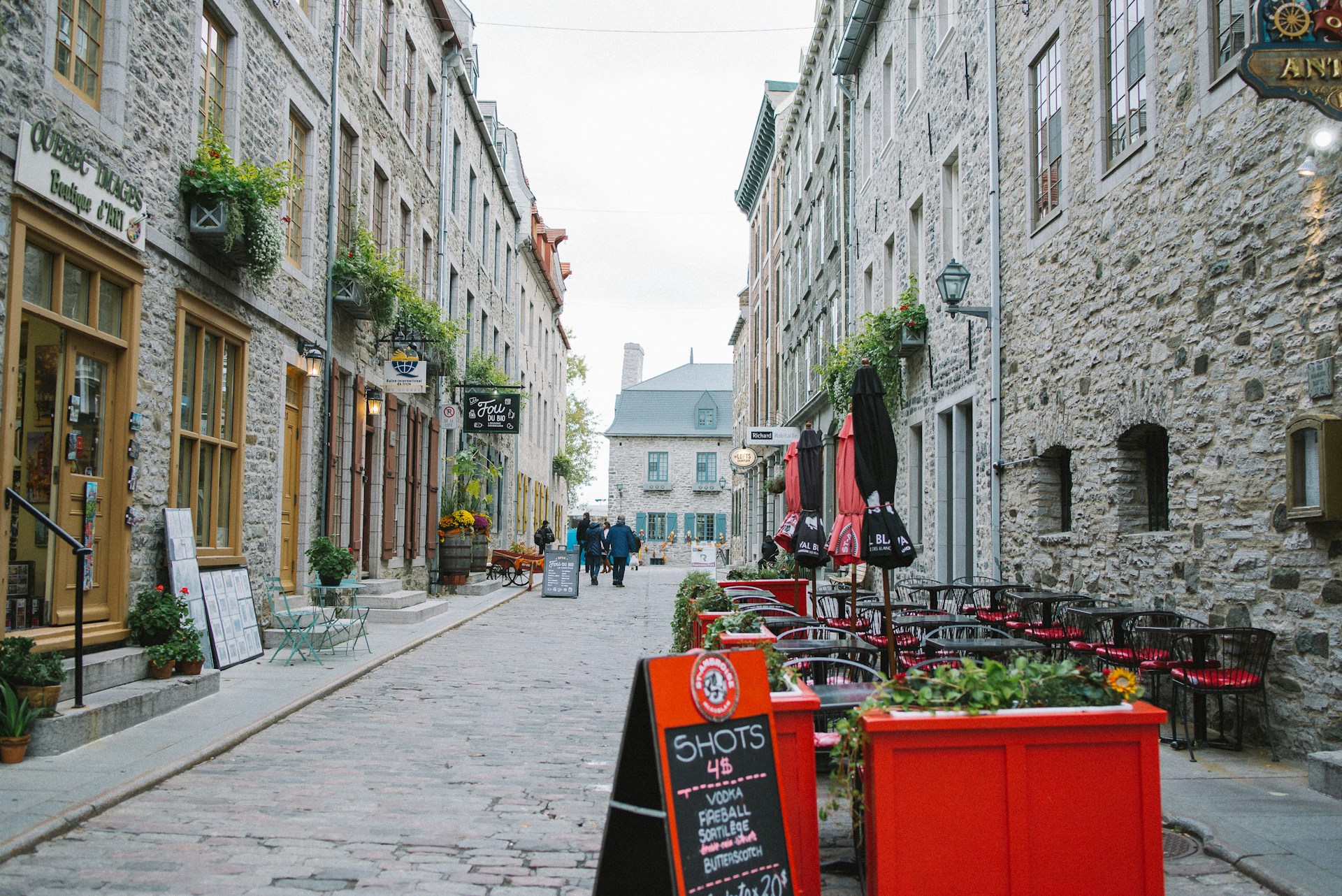
Old Québec City is the only walled city north of Mexico. UNESCO called it a World Heritage site in 1985.
I’ve wandered the 4.6 km of stone walls, some dating back to the 1600s. The gates, towers, and forts tell stories of French and British rivalry.
What to look for:
- Château Frontenac perched over the river
- Plains of Abraham, where empires clashed
- Narrow streets lined with centuries-old buildings
The Citadel still houses real soldiers. I caught the summer changing of the guard—it’s a must-see.
French culture pulses through the city. Street signs, menus, and conversations? Mostly in French.
Top stops:
- Place Royale, where Champlain founded New France
- Quartier Petit Champlain’s cute shops
- Terrasse Dufferin for sweeping river views

Delight in Montréal’s Celebrated Festivals
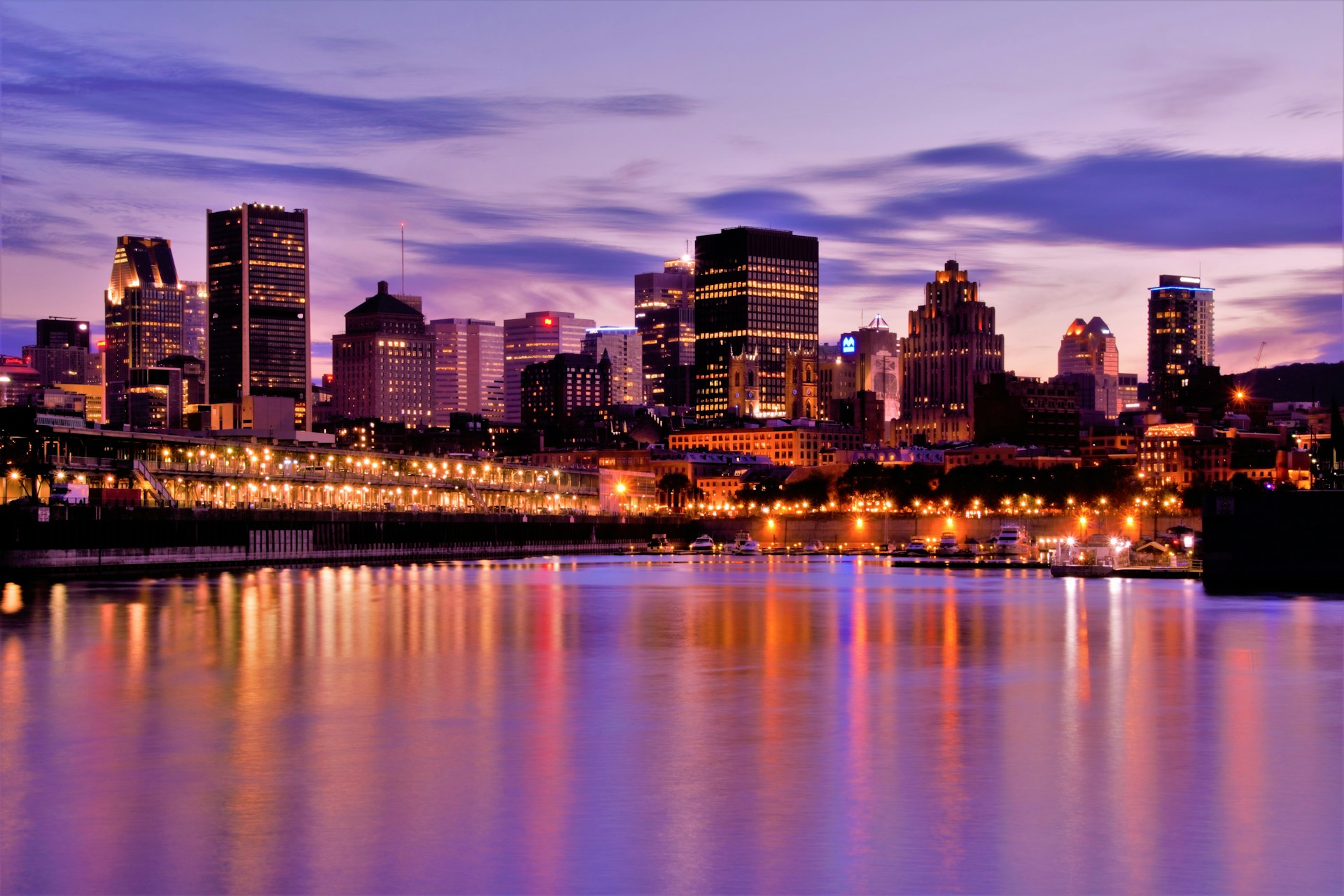
Montréal is festival central, hosting over 100 a year. The city morphs with every season.
I’ve laughed myself silly at Just for Laughs, the world’s biggest comedy fest.
Standout festivals:
- Montreal International Jazz Festival (2 million visitors strong)
- Osheaga music fest with global headliners
- Festival International de Films du Monde
During Jazz Fest, downtown turns into a giant street party. I’ve caught free concerts on every corner.
Winter’s Igloofest is wild—imagine dancing outside in January with snow swirling and DJs spinning.
Why Montreal festivals rock:
- French and English events
- Tons of free outdoor shows
- Metro and bike shares make it easy to get around
The food scene explodes at festival time. I’ve sampled everything from Lebanese shawarma to Filipino lumpia at the pop-up stalls.
Distinctive Outdoor Activities and Adventures
Canada’s wild spaces are packed with adventures you’ll never forget. Whether you’re carving up powder in the Rockies, paddling with whales, or surfing tidal waves, there’s nothing quite like it.
Ski the Slopes of the Rocky Mountains
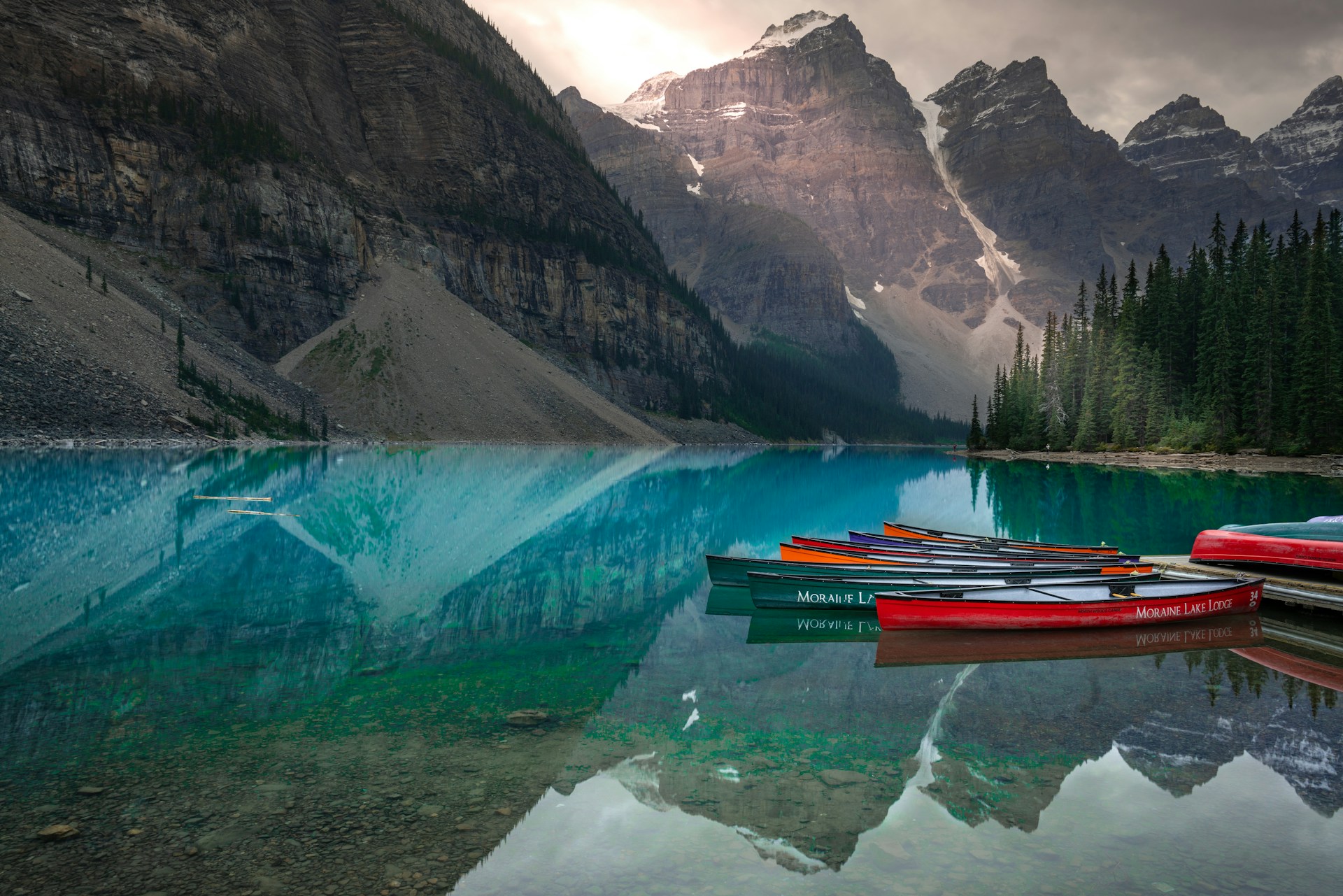
The Canadian Rockies are a skier’s dream. Resorts like Lake Louise deliver epic powder and views you just won’t get anywhere else.
Lake Louise is my top pick. High elevation means good snow from November to May. Nothing beats skiing with frozen lakes and jagged peaks in the background.
Moraine Lake gives thrill-seekers a shot at backcountry lines. If you’re advanced, the Valley of the Ten Peaks has untouched snow and unreal scenery.
The Columbia Icefield area even lets you ski on glaciers year-round. I’ve looked out over endless ice and snow-capped peaks—it’s surreal.
Paddle with Beluga Whales in the St. Lawrence River
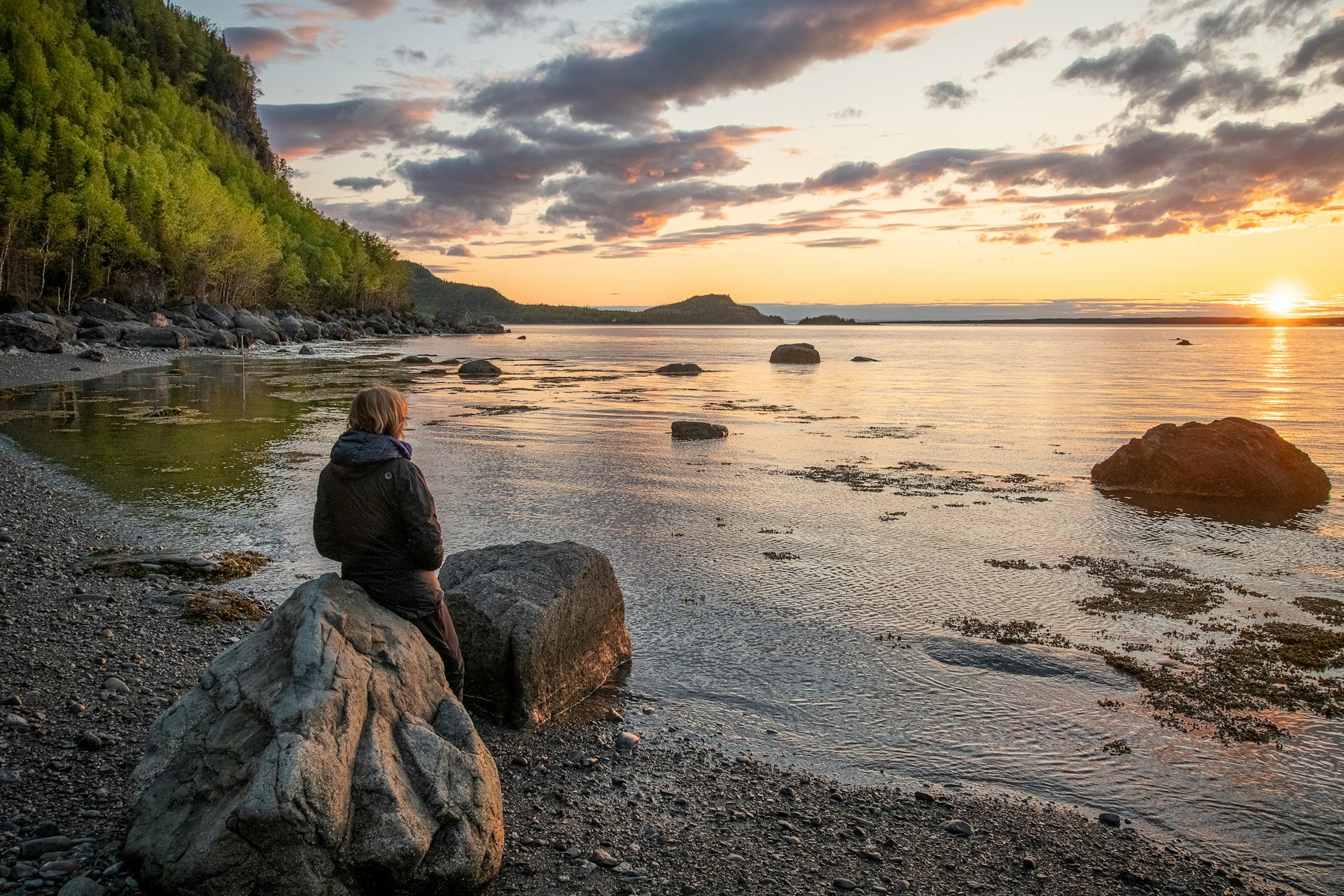
The St. Lawrence River is home to one of the most southern beluga populations in the world. Paddling a kayak here, I’ve come within arm’s reach of these ghostly white whales.
Tadoussac is the launch point. From June to October, about 1,000 belugas gather in the river’s cold, rich waters. They’re curious and often swim right up to you.
I’ve watched them surface just meters away. They’re smaller than other whales, around 15 feet, and that bright white color is unmistakable.
There’s history here too—the area has been a meeting place for Indigenous peoples and traders for centuries.
Kayak Amid the Tidal Wonders
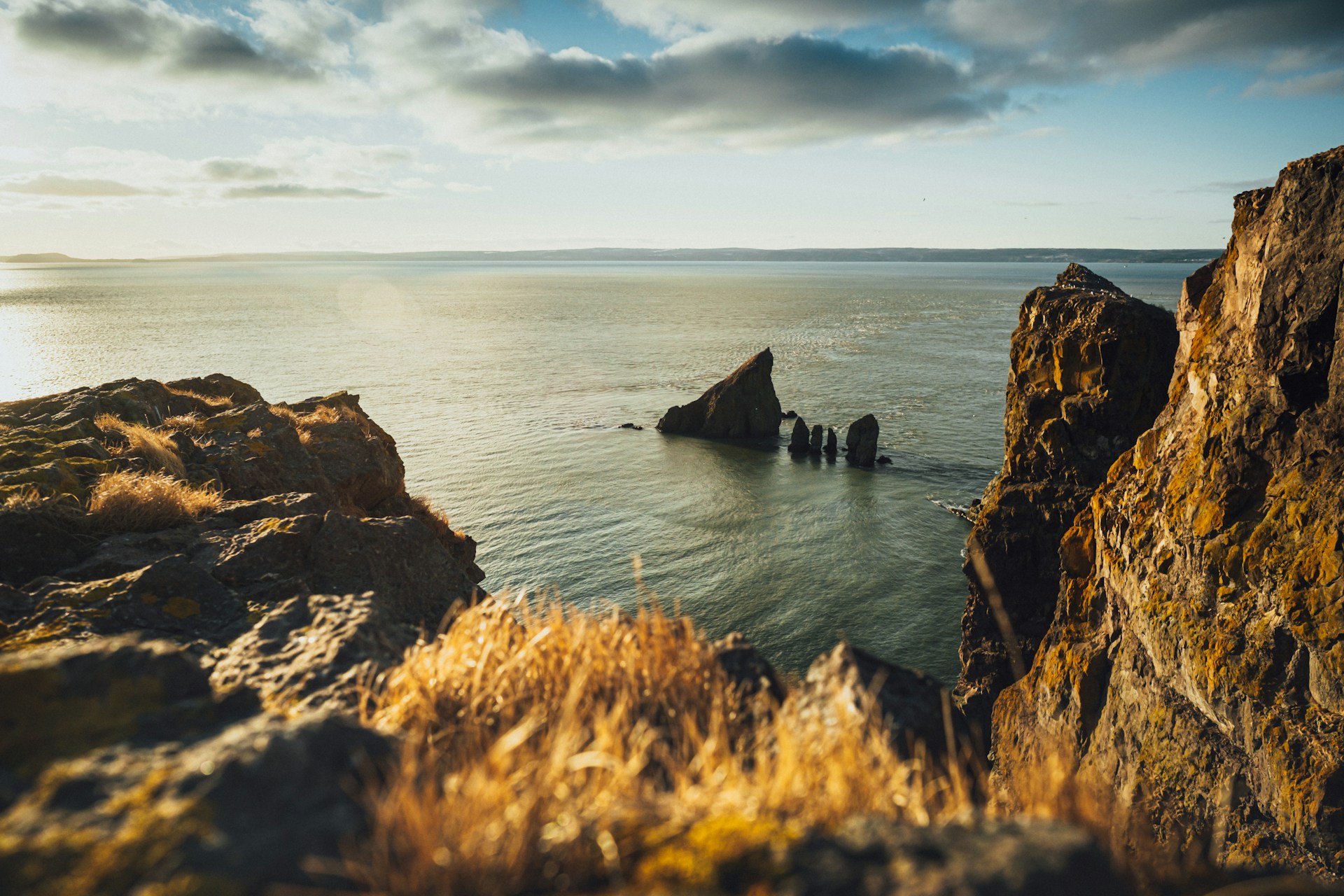
The Bay of Fundy serves up the world’s highest tides, with water rising and falling up to 50 feet each cycle. I’ve kayaked through sea caves and around rock towers that vanish underwater at high tide.
Hopewell Rocks is the star for tidal kayaking. I paddle around the pillars at high tide, then walk among them when the water drains away.
The tidal bore is a rush—imagine surfing upstream on a wave as the tide floods in. The Petitcodiac River near Moncton is the spot for this wild ride.
Fundy National Park has hidden coves and beaches you can only reach by kayak when the tide’s right.
Indulge in Canadian Flavours and Quirky Experiences
Canada’s flavors and oddball adventures are in a league of their own. Where else can you tap maple syrup straight from Quebec’s sugar shacks or skate down the world’s largest frozen canal in Ottawa?
Taste Authentic Maple Syrup in Québec
Did you know Quebec pumps out about 71% of the world’s maple syrup? If you want to catch the magic, try visiting during sugaring season—March to April is the sweet spot.
Sugar shacks, or “cabanes à sucre,” dot the countryside here. Some of these family-run spots have been making syrup for generations, sticking to those old-school traditions.
What you’ll find at a sugar shack:
- Maple taffy poured right onto snow (it’s as good as it sounds)
- Pancakes drowning in pure maple syrup
- Classic Quebecois breakfast plates
- Behind-the-scenes tours of syrup-making
Honestly, the best sugar shacks cluster in the Eastern Townships and Beauce. Some even let you hop on a horse-drawn sleigh and glide through maple forests.
Forget the fake stuff—pure Canadian maple syrup is a whole different experience. The flavor can shift depending on when they collect the sap, which is kind of wild.
Try Classic Poutine and Canadian Treats
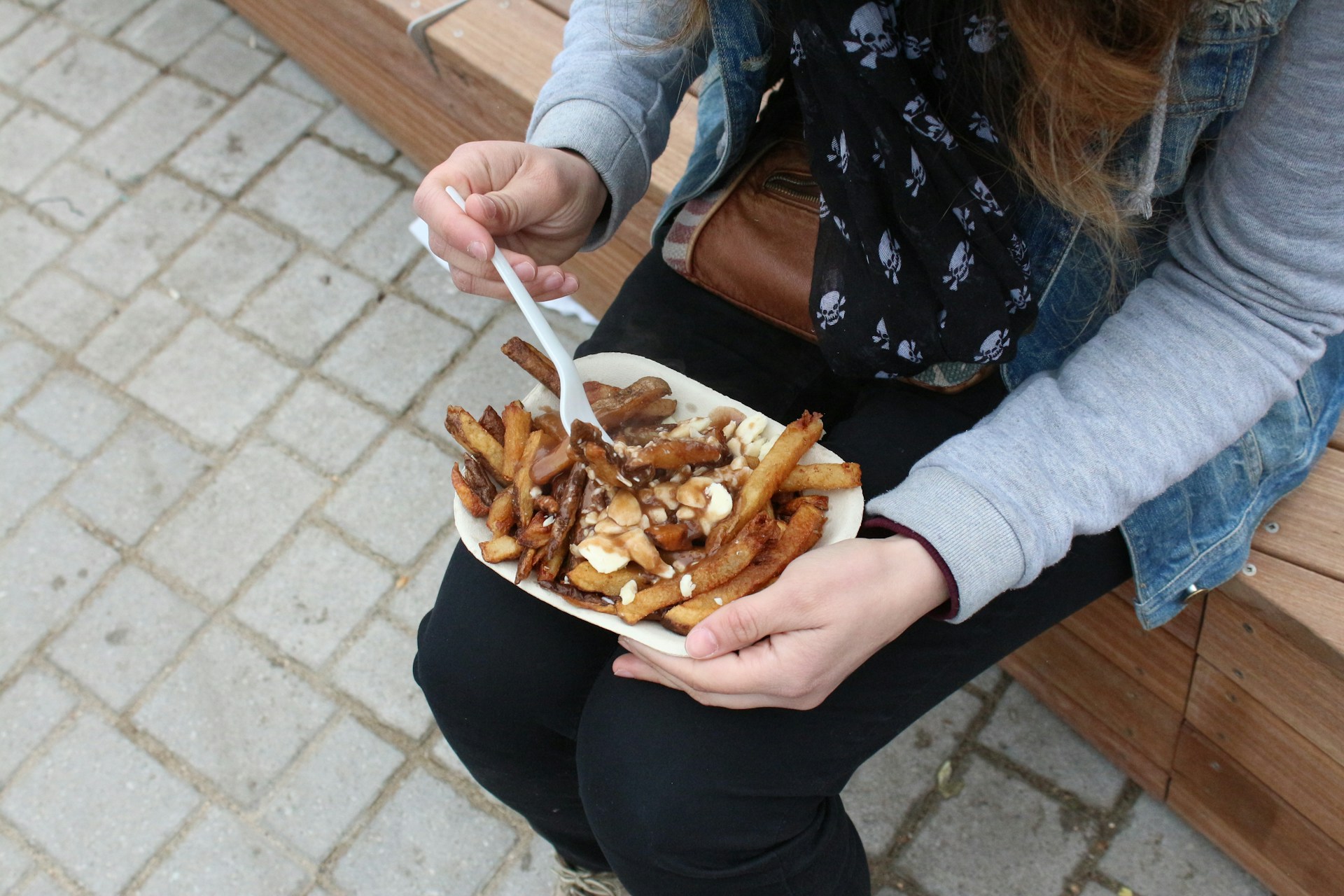
Poutine? It’s a Quebec original from the 1950s. Imagine crispy fries, squeaky cheese curds, and hot gravy—it sounds weird but somehow, it just works.
The real deal needs those fresh cheese curds that squeak when you bite into them. They should be at room temperature, so when the hot gravy lands, they soften but don’t turn into a gooey mess.
Don’t miss these Canadian snacks:
- Gooey butter tarts (with raisins or pecans, your call)
- Nanaimo bars from British Columbia
- Tourtière, a savory meat pie from Quebec
- BeaverTails pastry (grab one in Ottawa if you can)
Every province seems to put its own spin on poutine. Montreal likes to pile on smoked meat, while the Maritimes sometimes toss seafood on top.
You’ll spot poutine everywhere—diners, food trucks, even McDonald’s. If you’re in Montreal, La Banquise is legendary for its 30+ types.
Stay at Fogo Island Inn
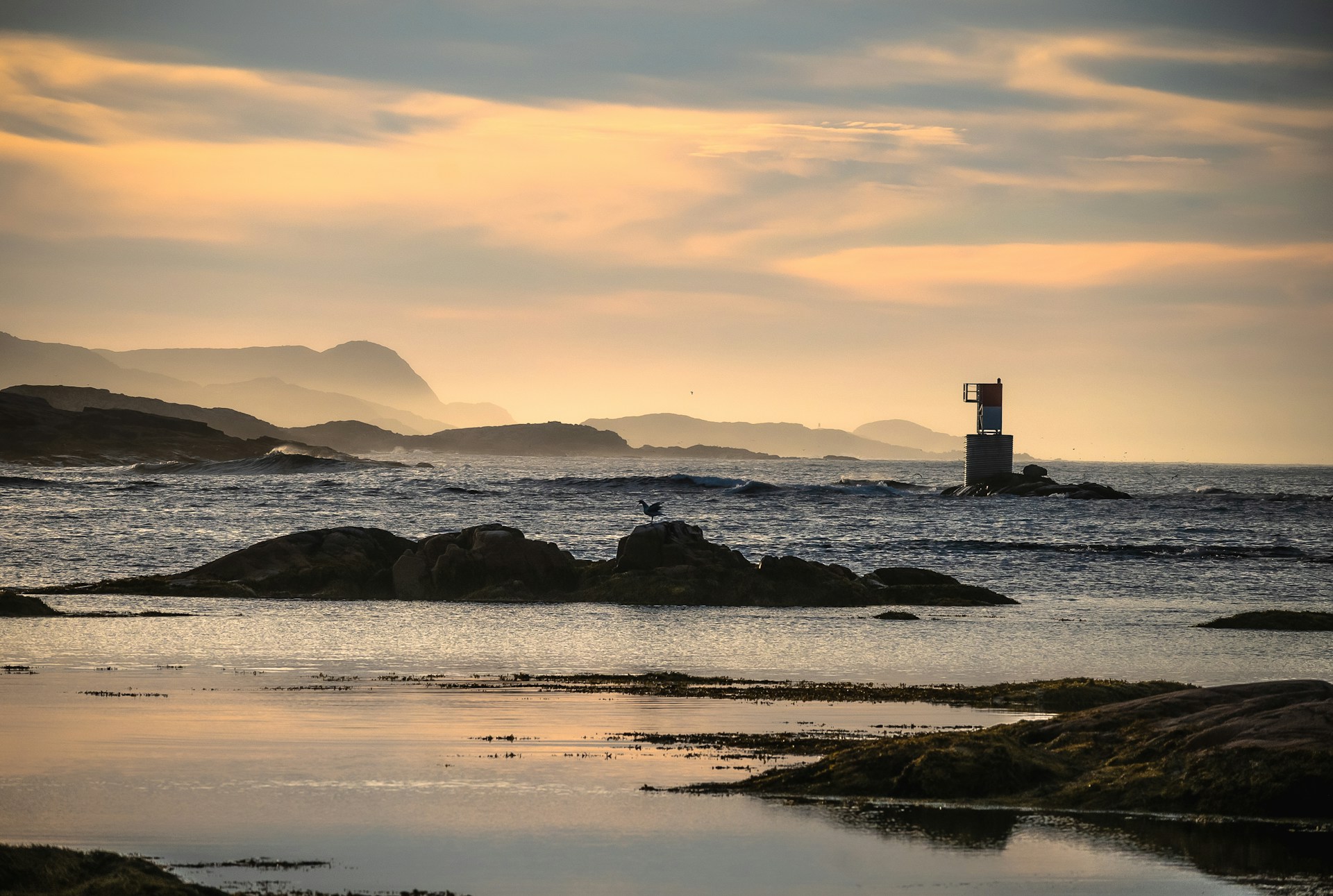
Fogo Island Inn sits way out on a remote Newfoundland island, perched above the wild North Atlantic. It almost looks like modern art landed on a windswept coastline.
Builders used traditional Newfoundland techniques, and local craftspeople made every bit of furniture and textile by hand.
Floor-to-ceiling windows in each room frame endless ocean views. The building’s sharp angles and cool design make it unforgettable.
Why Fogo Island Inn stands out:
- All-inclusive rates cover meals and activities
- Join guided walks with local storytellers
- Explore artist studios scattered across the island
- Catch the northern lights in winter
Chefs whip up meals using ingredients from the island itself. They team up with local fishermen and foragers, so the menu shifts with the seasons.
Rates start at about $2,000 CAD per night. That includes boat transfers from the mainland and access to all the island adventures.
Walk the Rideau Canal Skateway
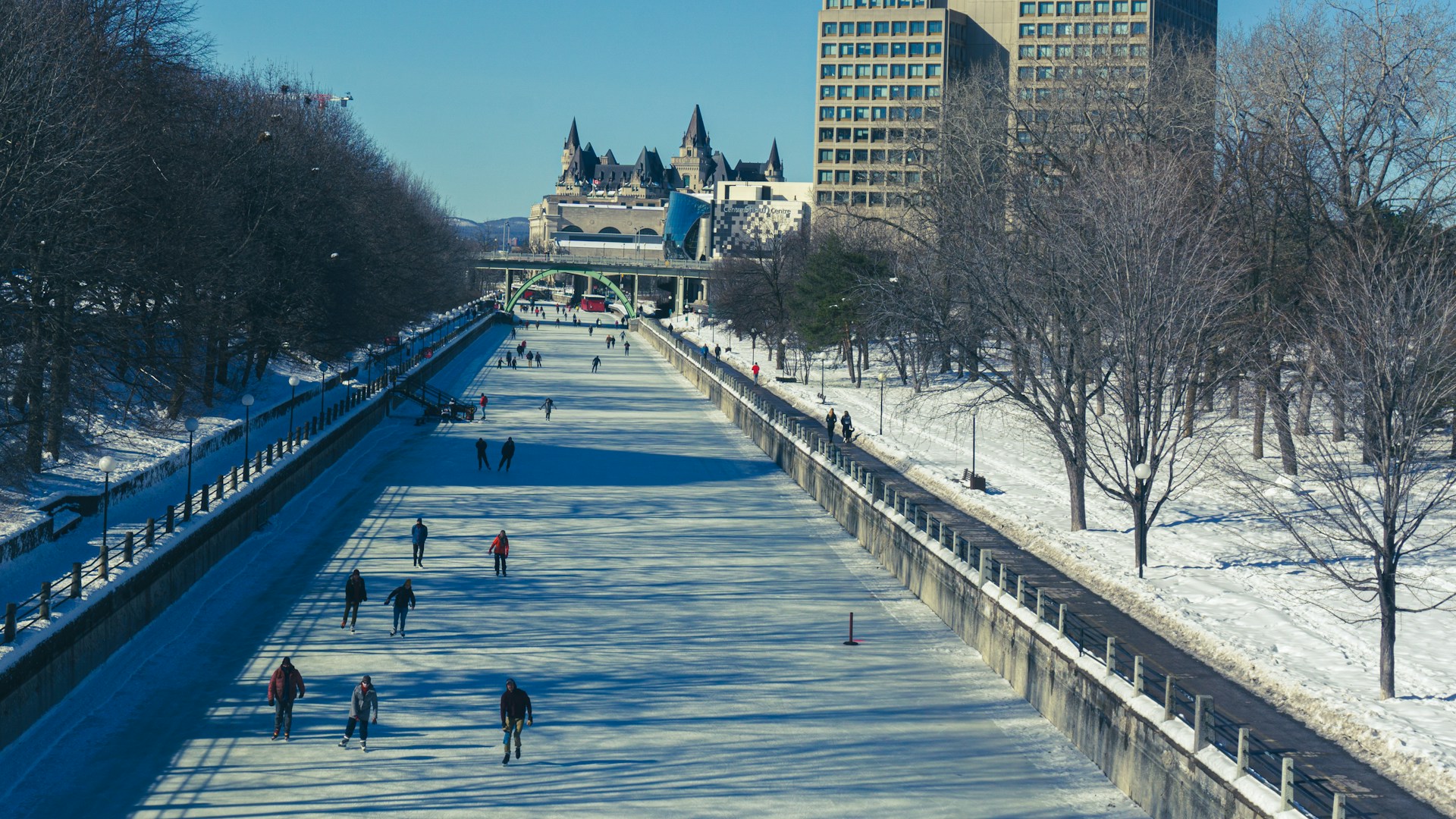
The Rideau Canal Skateway in Ottawa claims the title of world’s largest naturally frozen skating rink. It snakes 7.8 kilometers right through the heart of Canada’s capital.
Usually, the skateway opens in January and stays frozen until early March. The weather calls the shots on exact dates every year.
You can skate all the way from downtown Ottawa to Carleton University. City crews keep the ice in shape, clearing snow and checking thickness daily.
Skateway highlights:
- BeaverTails pastry stands along the ice
- Heated changing huts every few kilometers
- Free skating lessons on weekends
- Safety checks on ice thickness
Locals actually commute to work on skates. Visitors rent skates at several spots along the route.
Warming huts sell hot chocolate and maple cookies, so you can refuel Canadian-style as you go.
Explore Canada’s Hidden and Historic Gems
Canada’s full of surprises—think underground Cold War bunkers turned escape rooms, northern territories with epic ice climbing, and remote islands packed with Indigenous culture. These places mix modern history with natural wonders in ways you won’t find anywhere else.
Visit the Diefenbunker – Canada’s Cold War Museum
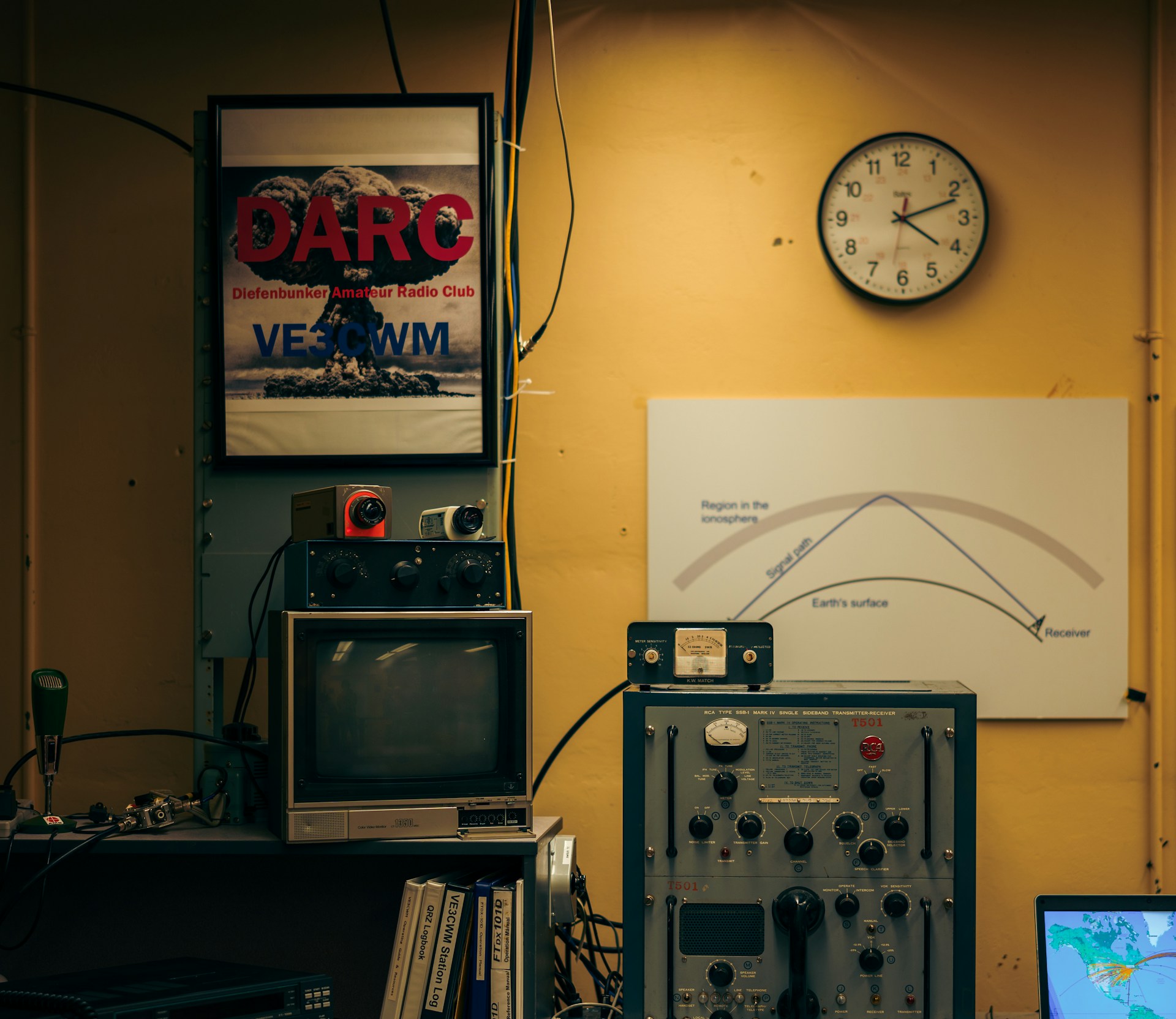
Just outside Ottawa, you’ll find the Diefenbunker in Carp, Ontario. This massive underground bunker once stood ready to shelter government officials during a nuclear attack.
Now, the 100,000 square foot space serves as Canada’s Cold War Museum. You can walk through the Prime Minister’s suite and check out the bank vault built to protect top-secret documents.
What Makes It Special:
- Home to the world’s largest escape room
- Four stories of twisting underground rooms
- Tons of authentic Cold War artifacts
- Only 30 minutes west of Ottawa
You’ll see original communication gear and living quarters. The cafeteria, medical bay, and war rooms all tell stories from Canada’s Cold War years.
Experience Northern Ice Climbing Adventures
Canada’s north offers some of the world’s best ice climbing. Frozen waterfalls and wild ice formations set the stage from December to March.
Top Ice Climbing Locations:
- Banff and Jasper National Parks in Alberta
- British Columbia’s Ouray Ice Park-style spots
- Yukon Territory’s frozen falls
- The Montmorency Falls area in Quebec
You’ll need some gear—ice axes, crampons, helmets. Guided tours make it easy for beginners, supplying equipment and teaching you the ropes.
Many outfitters bundle in meals and places to stay. It’s a mix of adrenaline, breathtaking scenery, and winter adventure you won’t find anywhere else.

Discover the Wonders of Haida Gwaii
Ever thought about escaping to a place that’s truly off the beaten path? Haida Gwaii, an archipelago off British Columbia’s wild coast, might just be the spot. Locals used to call these islands the Queen Charlotte Islands, but honestly, Haida Gwaii feels like a name that fits better.
The Haida Nation has called this place home for thousands of years. You can wander among ancient totem poles, peek inside traditional longhouses, and get lost in the stories woven through Haida art.
Key Attractions:
- SGang Gwaay, a hauntingly beautiful UNESCO World Heritage Site
- Mysterious ruins of ancient Haida villages
- Rare species you won’t find anywhere else on earth
- Hands-on Haida cultural experiences—think cedar weaving or salmon smoking
Towering temperate rainforests blanket the islands, and wildlife is everywhere. If you’re lucky, you might spot a black bear ambling through the undergrowth or catch bald eagles circling overhead. Some animals here evolved in total isolation, which is just wild to think about.
Getting to Haida Gwaii feels like a mini adventure in itself. You’ll need to hop on a ferry or catch a small flight from Prince Rupert. The journey isn’t quick, but that’s kind of the point. Out here, you won’t find crowds or cookie-cutter tourist traps—just authentic Indigenous culture and raw, unspoiled wilderness.
So, is Haida Gwaii worth the trek? If you crave wild beauty and culture that runs deep, I’d say absolutely.
