
Whenever I mention my fascination with Mexico, people usually picture beaches and fancy resorts. But after spending time in Mexico City, I realized there’s something much more captivating than any coastline. The real cultural richness pulses through this massive capital, where more than 21 million people move through a landscape shaped by ancient civilizations, revolutionary art, and traditions that have survived centuries of change.
The city constantly reveals layers of Mexican identity that you won’t find at any beach. Aztec ruins hide beneath modern streets. The world’s largest collection of museums sits right here. Indigenous heritage, colonial history, and contemporary innovation all blend together in a way that just works. I’ve wandered neighborhoods where pre-Hispanic traditions live on right beside edgy art installations.
This city will flip your assumptions about Mexican culture upside down. You’ll stumble on ancient festivals in city plazas, see architecture from five centuries, and taste a food scene that’s way deeper than what most tourists ever discover. Mexico City proves, without a doubt, that this country’s culture runs much deeper than its famous beaches.
Ancient Civilizations and Their Enduring Influence
Mexico City is one of the rare world capitals built directly atop the ruins of an ancient empire. The Aztec city of Tenochtitlán still shapes everything—from street patterns to cultural practices. Archaeological treasures pop up everywhere, tucked right into the city’s daily life.
The Aztecs and Tenochtitlán
Every time I walk Mexico City’s historic center, I’m literally treading on the grounds of Tenochtitlán. The Aztec Empire ruled this valley from the 14th century until the Spanish arrived in 1521.
Tenochtitlán rose from an island in Lake Texcoco. The Aztecs engineered a canal system that still influences the city’s layout.
The Nahua people, at the heart of Aztec society, built complex social and governance structures. You can spot their influence in modern Mexican Spanish—words like chocolate, tomato, and coyote come straight from them.
Key Aztec Contributions You’ll Still Notice:
- Street layouts that echo ancient causeways
- The central plaza (Zócalo) mirrors Tenochtitlán’s main square
- Bustling markets like Mercado de San Juan
- Corn, beans, and chiles in everyday food
The chinampas, or floating gardens, that once fed Tenochtitlán still float in Xochimilco. These UNESCO sites show off Aztec agricultural genius, which once fed more than 200,000 people.
Templo Mayor and Archaeological Marvels
The Templo Mayor is hands-down the city’s most important archaeological site. You can visit this enormous temple complex right in the heart of downtown.
Spanish conquistadors built their cathedral smack on top of Aztec sacred spaces. This layering of civilizations makes for some wild urban archaeology—ancient stones literally support colonial buildings.
Inside Templo Mayor’s museum, you’ll find more than 7,000 artifacts from ongoing digs. A few highlights:
| Artifact Type | Significance |
|---|---|
| Stone sculptures | Religious ceremonies and mythology |
| Offering boxes | Ritual practices and trade networks |
| Jade ornaments | Elite status and craftsmanship |
| Obsidian tools | Daily life and warfare |
Archaeologists keep uncovering new sections of the old city. Recent finds include a ceremonial ball court and residential areas that give us a peek into ordinary Aztec lives.
Ancient Aztec engineering still props up modern buildings in the historic center. The city’s story is older—and deeper—than any colonial church.

Pyramid of the Sun and Influences from Teotihuacán
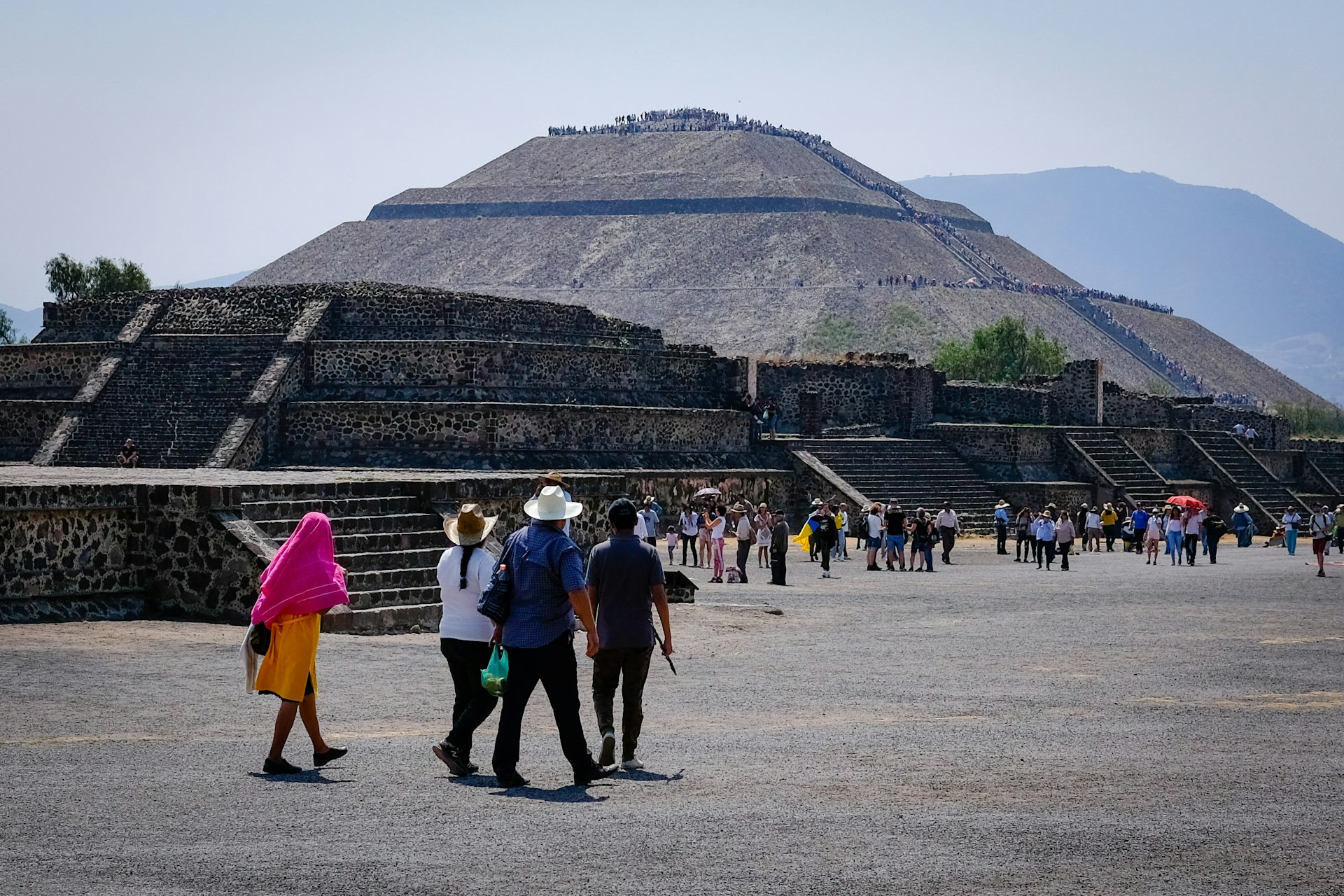
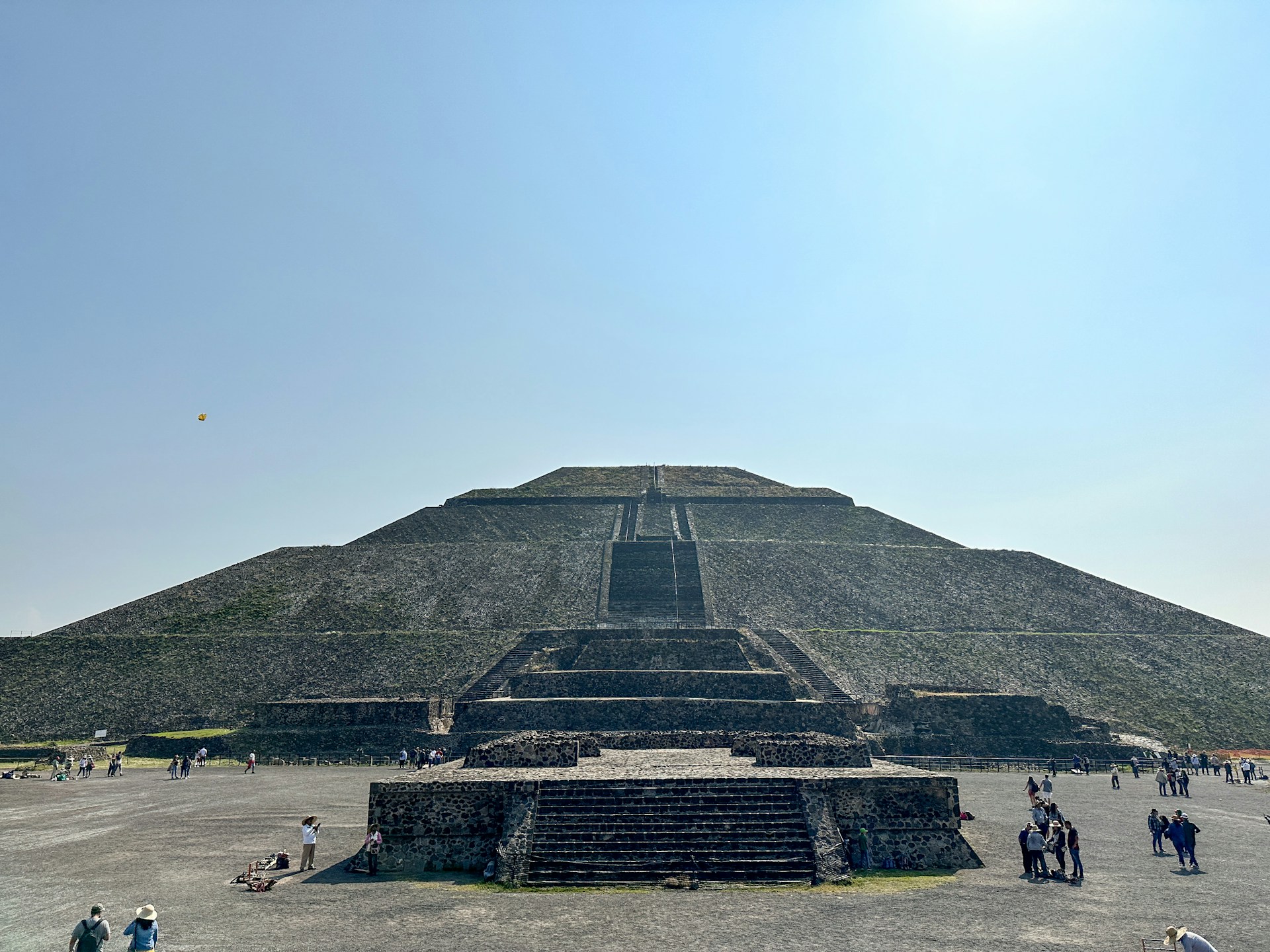
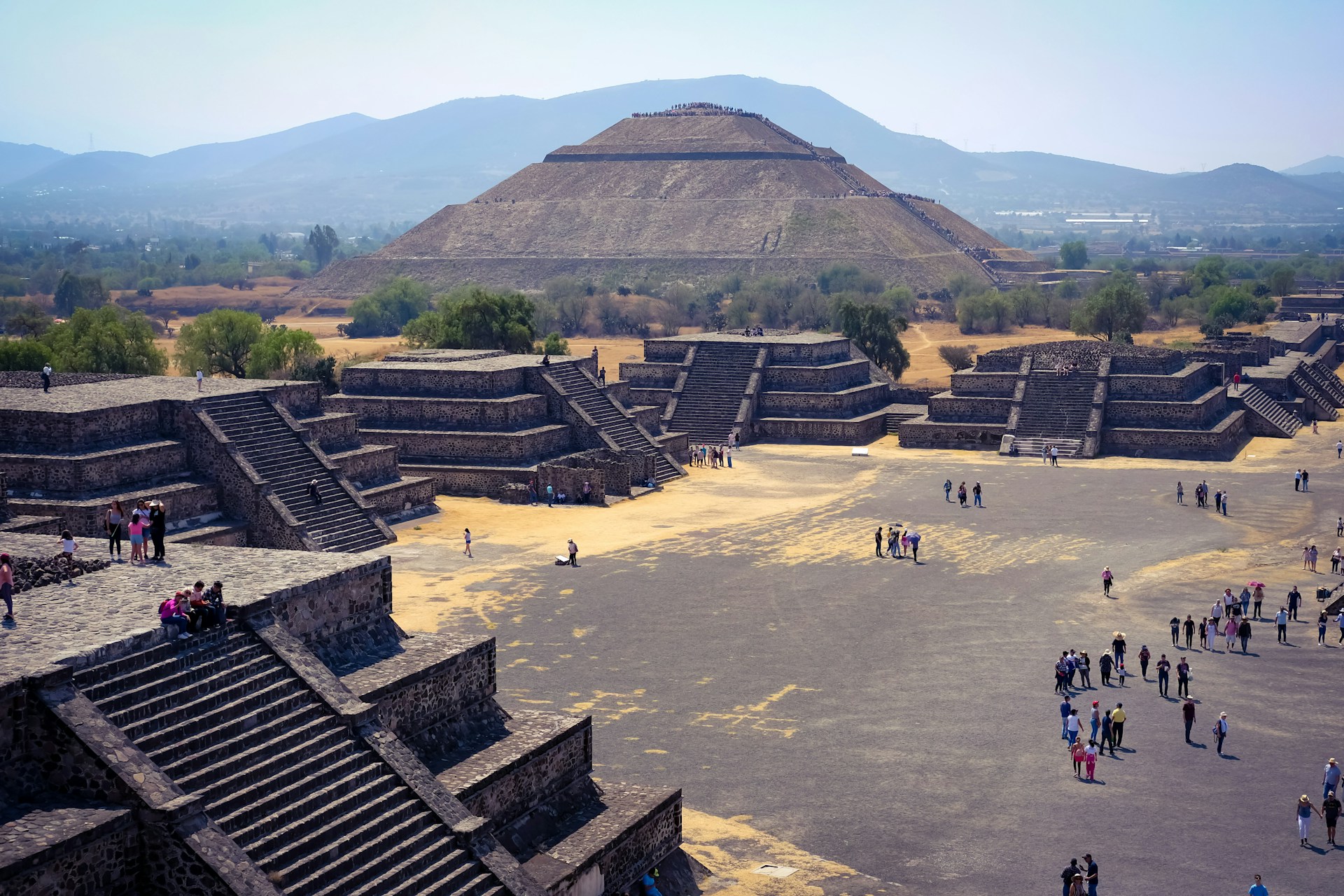
Teotihuacán sits about 30 miles northeast, but its influence runs deep in Mexico City. The Pyramid of the Sun, built around 100 CE, predates the Aztecs by over a thousand years.
The Aztecs considered Teotihuacán sacred. They called it “the place where the gods were created” and borrowed its architectural and religious ideas.
Teotihuacán’s urban planning inspired the Aztecs’ own city design. Both cities featured:
- Central ceremonial complexes with giant pyramids
- Organized residential districts for specific purposes
- Wide avenues for religious processions
- Advanced drainage systems for water
The city’s murals and sculptures set the tone for Mexican art that followed. Museums in Mexico City showcase these connections.
Today, more than two million people visit Teotihuacán every year from Mexico City. The site remains a source of pride and identity for Mexicans.
The Heart of Tradition: Festivals and Celebrations
Festivals in Mexico City weave together ancient indigenous customs and Catholic traditions. These celebrations connect families to their ancestors and show off the city’s unique blend of beliefs.
Day of the Dead: Día de los Muertos in Mexico City
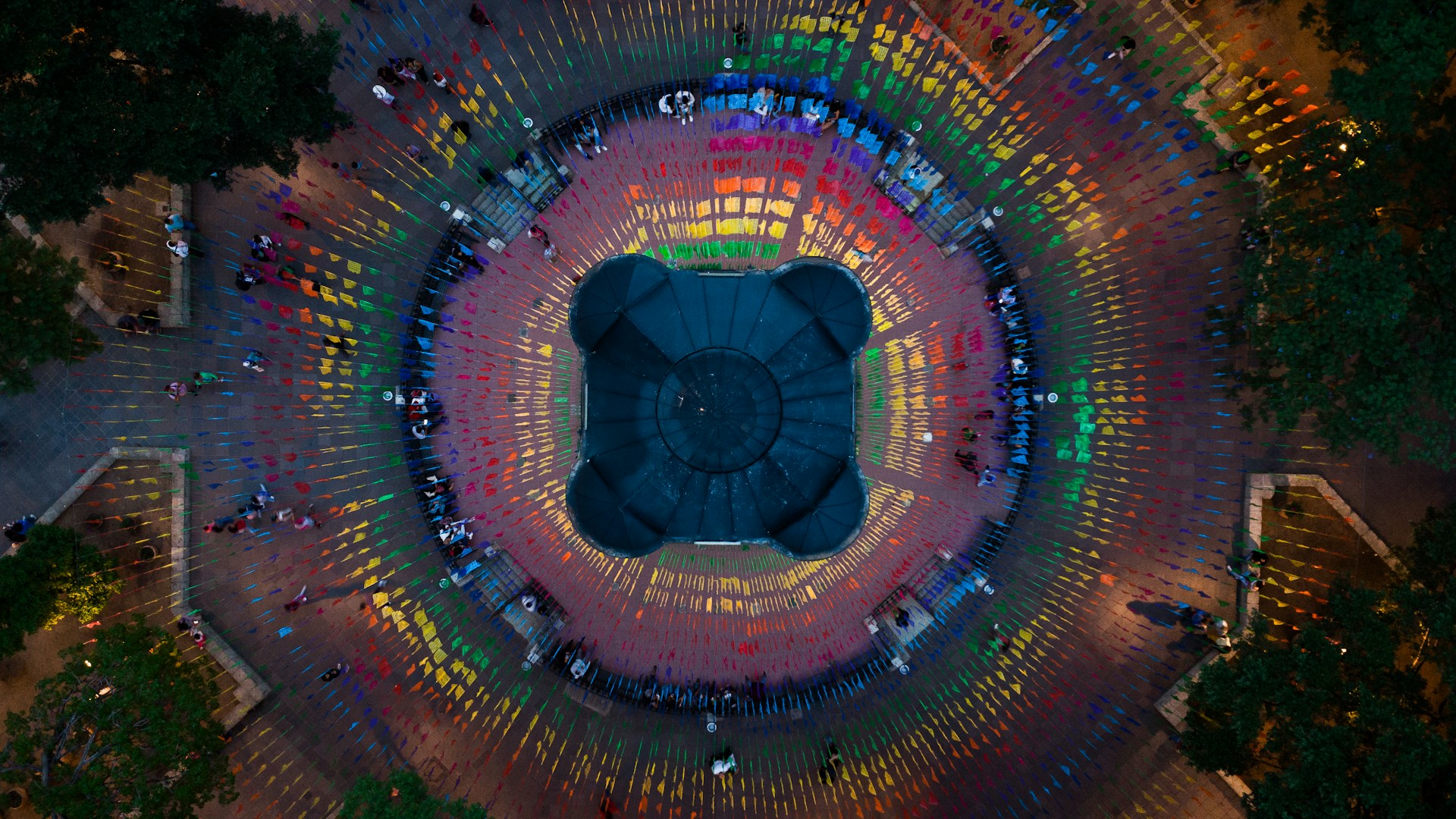
Every November 1st and 2nd, I watch Mexico City transform for Día de los Muertos. Families build beautiful ofrendas (altars) with marigolds, sugar skulls, and photos of loved ones.
This festival fuses Aztec death rituals with Catholic All Saints’ Day. Indigenous beliefs treat death as a transition, not an end.
In neighborhoods like Coyoacán and Mixquic, parades fill the streets. Painted faces, bright costumes, and families gathering in cemeteries to share meals with the departed—it’s moving and unforgettable.
Traditional Ofrenda Must-Haves:
- Pan de muerto (sweet bread)
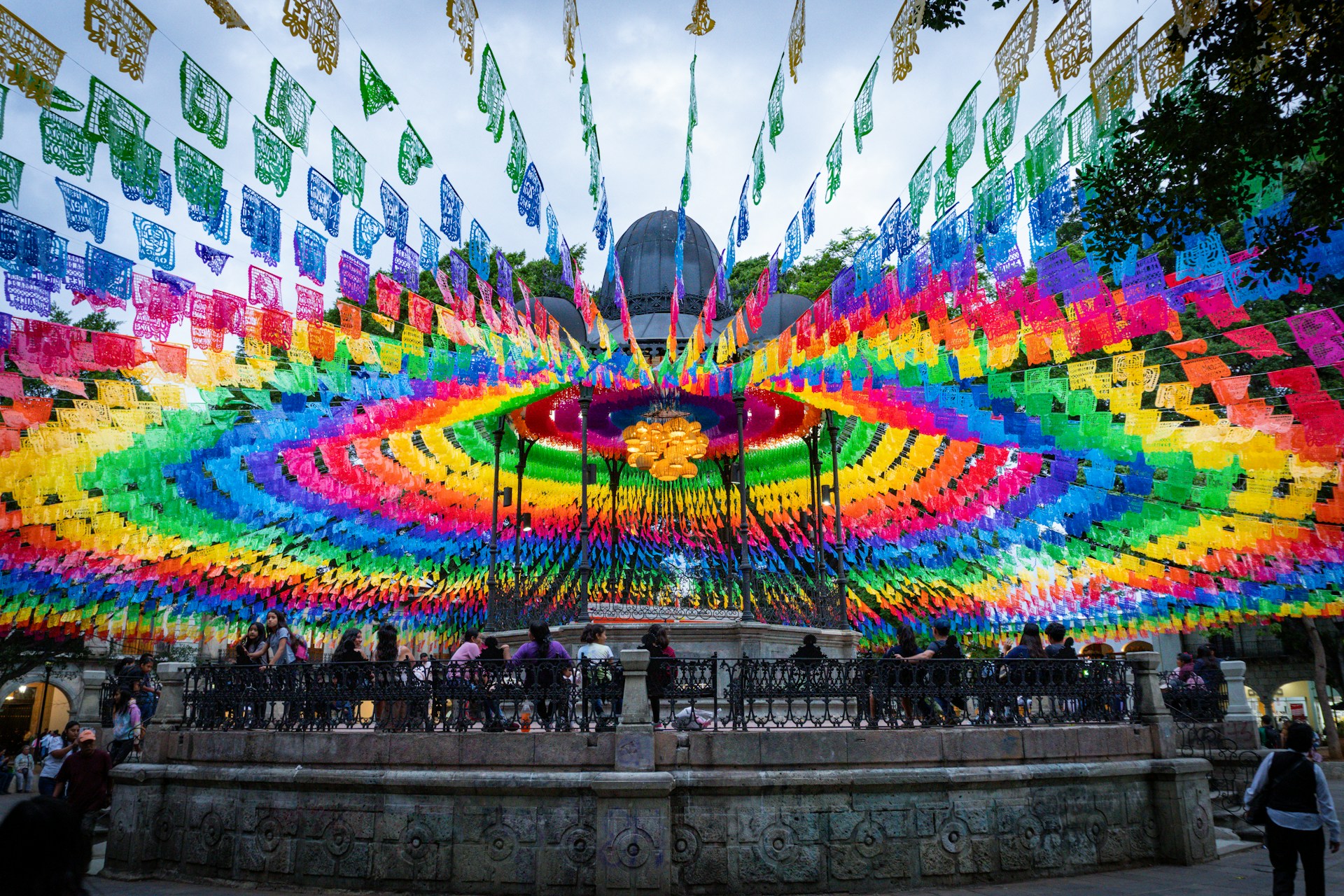
- Papel picado (colorful paper cutouts)
- Candles and incense
- Favorite foods of the deceased
- Water for thirsty spirits
UNESCO even recognized this festival as Intangible Cultural Heritage. It’s that important.

Guelaguetza and Indigenous Festivities
The Guelaguetza festival started in Oaxaca, but its spirit spreads across Mexico City. I’ve seen how this July event celebrates indigenous unity through dance, music, and sharing.
“Guelaguetza” means mutual aid in Zapotec. People exchange goods, labor, and traditions during the festivities.
Indigenous groups from all over Mexico perform traditional dances in the city, wearing vibrant regional costumes. The Danza de los Voladores—where dancers spin from tall poles—always draws a crowd.
These events keep indigenous languages and customs alive in the city. Even far from their homelands, communities stay connected to their roots.
Family Rituals and Religious Syncretism
Mexican festivals mix Catholic saints and indigenous deities, creating religious practices you won’t find anywhere else. I’ve watched families blend ancient rituals into modern Catholic traditions.
The Virgin of Guadalupe celebration, for example, combines the Aztec goddess Tonantzin with Catholic Mary. Pilgrims walk for days to reach her shrine in the city.
Families pass down dances, prayers, and recipes from one generation to the next. It’s a living tradition.
Blended Traditions You’ll Spot:
- Posadas (Christmas processions) with indigenous hospitality
- Blessing of animals—a nod to pre-Hispanic reverence
- Holy Week rituals with indigenous purification ceremonies
Mexican culture adapts, but it never forgets its roots. Religious festivals become places where old and new coexist.
Gastronomic Heritage: Beyond Tacos and Street Food
Mexican cuisine got UNESCO’s stamp of approval as Intangible Cultural Heritage in 2010. The food culture here is ancient, built on farming systems and cooking techniques that still shape what’s on the table today.
Corn, Beans, and the Staples of Mexican Cuisine
Three crops—corn, beans, and squash—form the foundation of Mexican food. Ancient Mesoamericans grew them together, and you still see them in every meal.
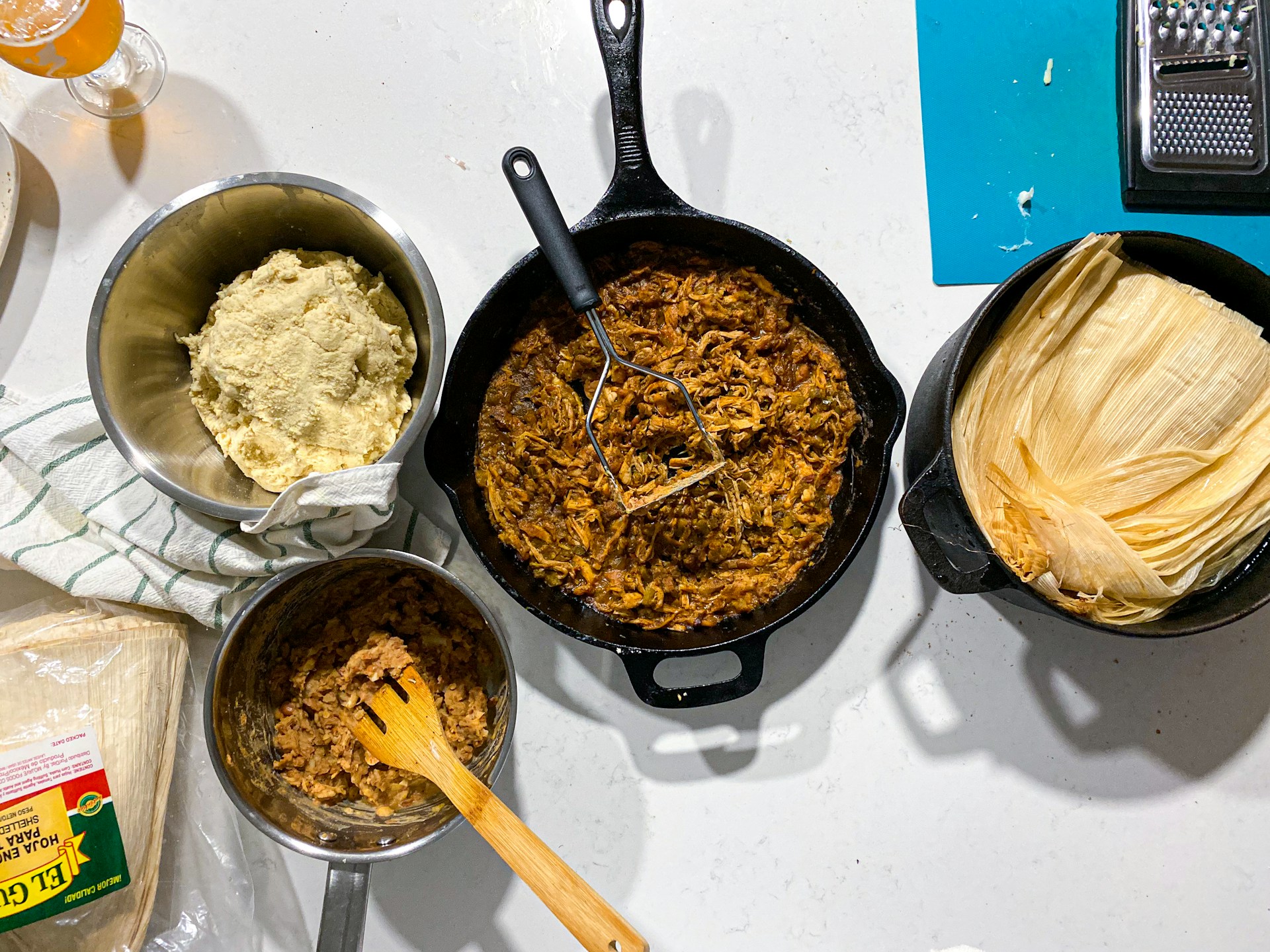
Corn takes the spotlight thanks to nixtamalization, a process that turns dried kernels into masa for tortillas and more.
Staples You’ll Taste Everywhere:
- Corn (maíz) for tortillas, tamales, and beyond
- Black and pinto beans for protein
- Chiles—over 60 kinds, each with a unique kick
- Tomatoes and tomatillos for salsas
When you combine these, you get complete proteins and flavors that are pure Mexico. The milpa farming system that grows them together is sustainable and centuries old.
Iconic Dishes: Al Pastor, Tamales, and Mole
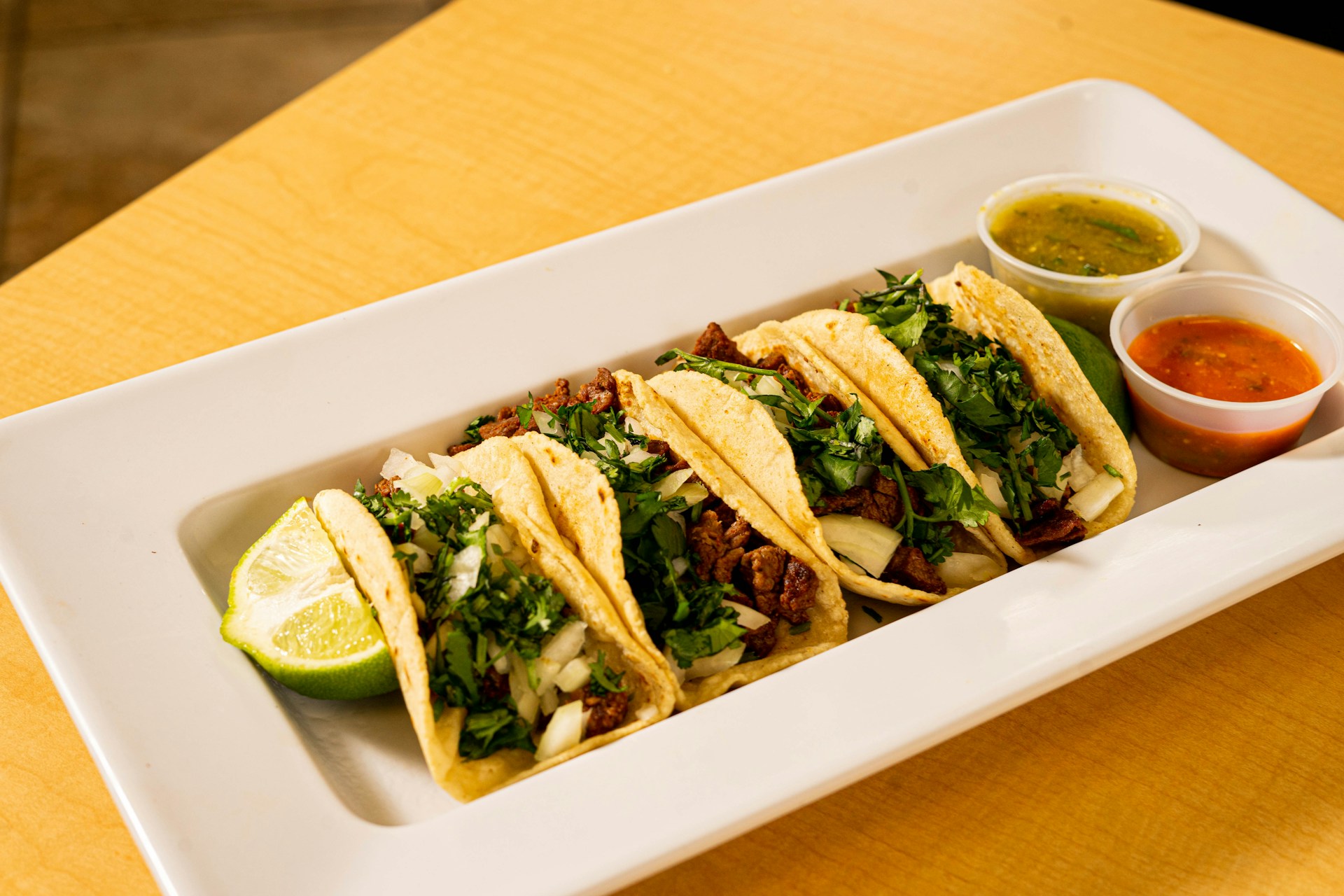
Al pastor tacos are a delicious result of cultures colliding—Lebanese immigrants brought shawarma, and Mexico made it their own with pork and pineapple.
Tamales show off the country’s regional diversity. Every state has its own version, from sweet to savory, stuffed with meats or cheese.
Mole is the crown jewel of Mexican cuisine. It’s a sauce with dozens of ingredients—chiles, chocolate, nuts, spices. Some recipes take days and generations to perfect.
These dishes prove Mexican food is anything but simple. It takes skill, time, and a love for tradition.
Vibrant Street Food Culture
Street food in Mexico City is an adventure. Vendors serve everything from tacos to tlacoyos—thick corn tortillas stuffed with beans and topped with cheese.
Markets in Coyoacán and near the Zócalo turn into food playgrounds. You can taste pre-Hispanic ingredients, sample exotic fruits, and discover chiles you’ve never heard of.
Street Foods You Can’t Miss:
- Elote (grilled corn with mayo, cheese, and chili)
- Quesadillas with squash blossoms or mushrooms
- Sopes loaded with beans, meat, and fresh toppings
Street food isn’t just about eating on the go. It’s about community, tradition, and keeping culinary heritage alive.

Architectural Wonders and Urban Evolution
Mexico City’s architecture tells the story of a place that honors its past while embracing change. You’ll find colonial masterpieces standing proudly beside sleek, modern designs. It’s a city where centuries-old structures and cutting-edge buildings share the skyline.
Colonial and Modern Landmarks: Zócalo and Palacio de Bellas Artes
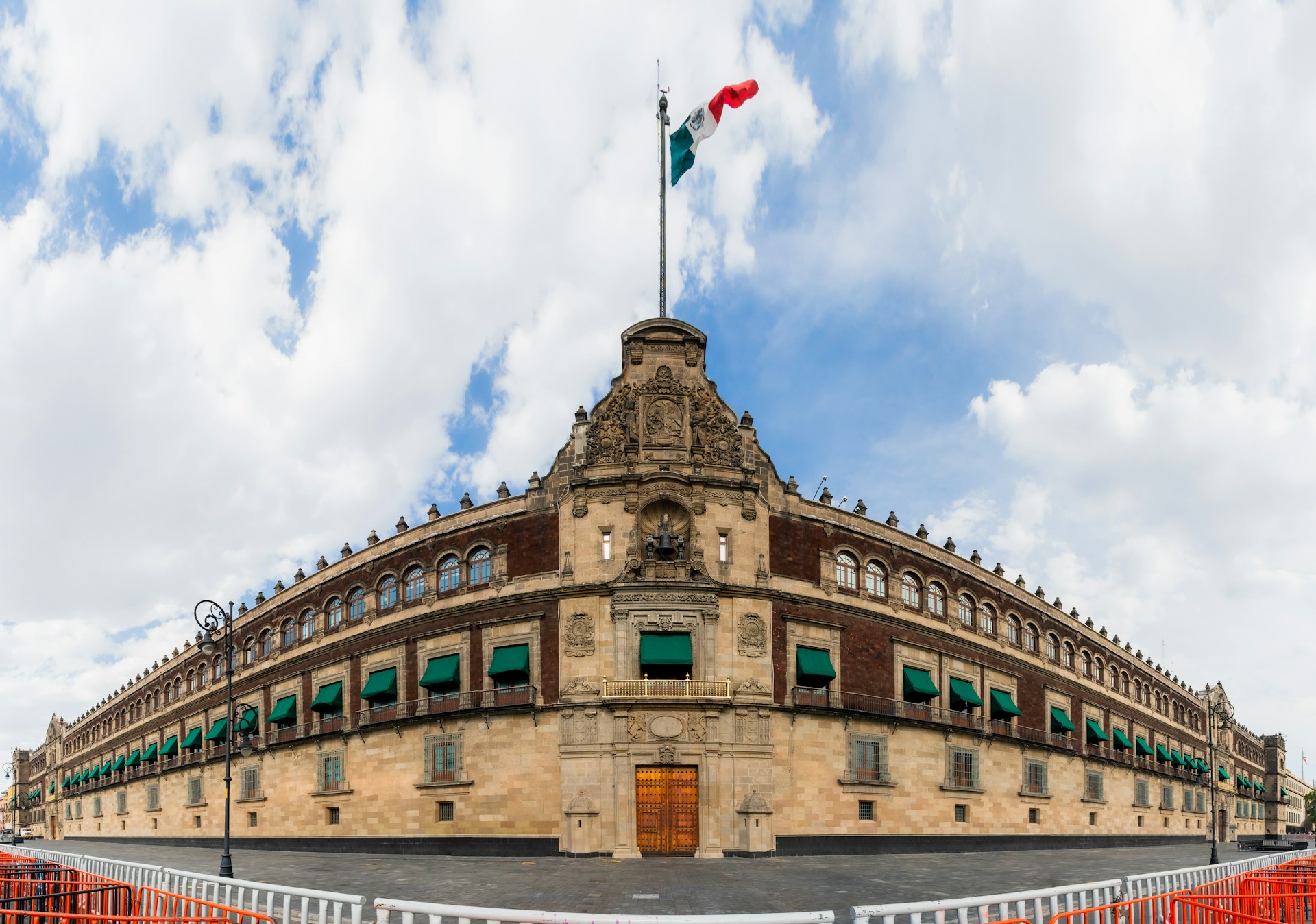
The Zócalo is huge—one of the biggest public squares in the world. I love how it links Aztec heritage with Spanish colonial influence.
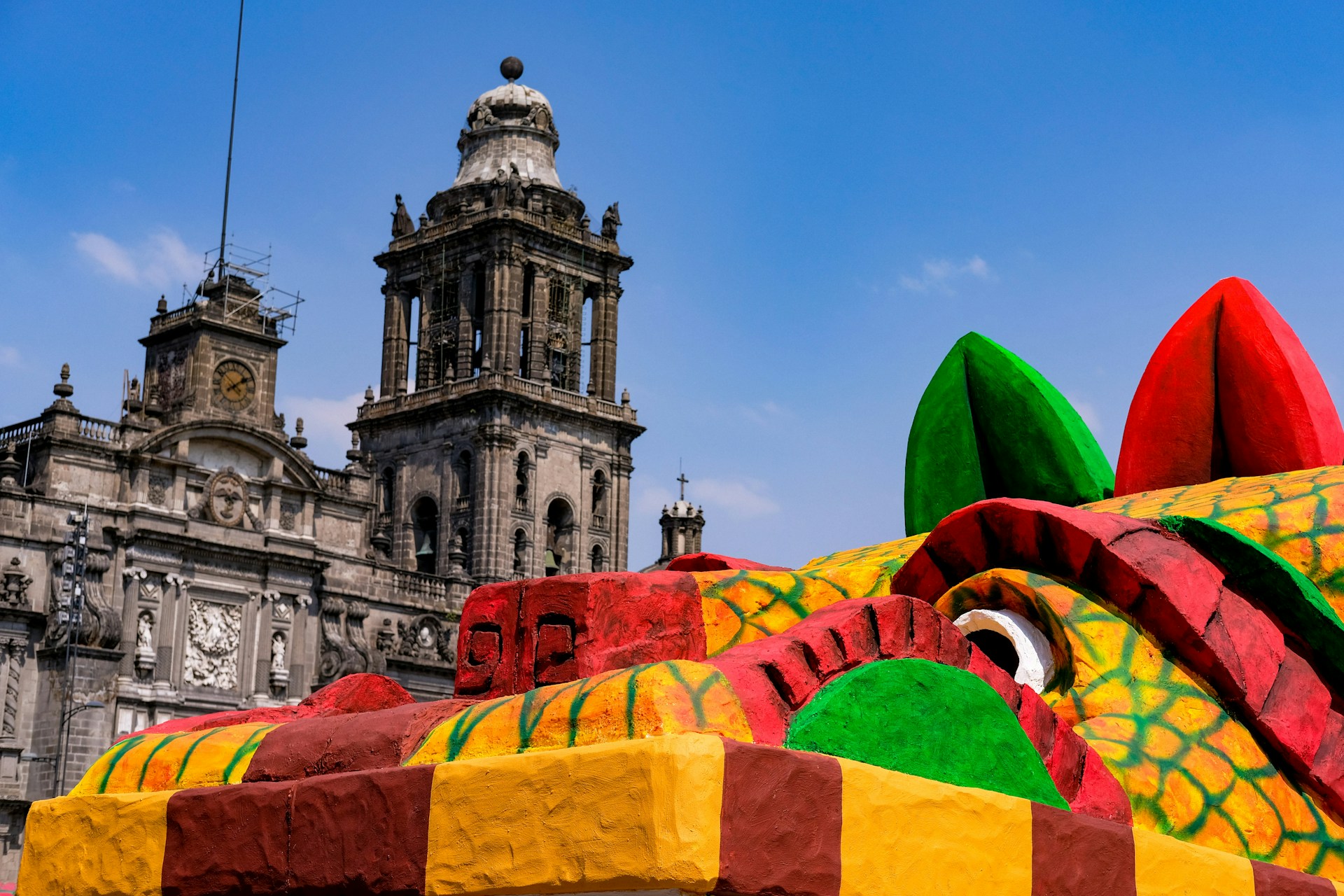
The Metropolitan Cathedral towers over the north side. They started building it in 1573 and didn’t finish for over 200 years. That’s dedication.
Murals by Diego Rivera in the National Palace, which lines the east side, tell Mexico’s story from ancient times to the present.
Palacio de Bellas Artes is the city’s artistic heart. Architect Adamo Boari designed this landmark with a mix of neoclassical and Art Deco styles.
The white marble outside is stunning, but the real magic is inside—murals by Rivera, Orozco, and Siqueiros that define Mexican art.
To me, this building proves Mexico’s passion for the arts and education. The palace draws visitors from all over the world for opera, theater, and exhibitions.
Chapultepec Castle and Green Spaces
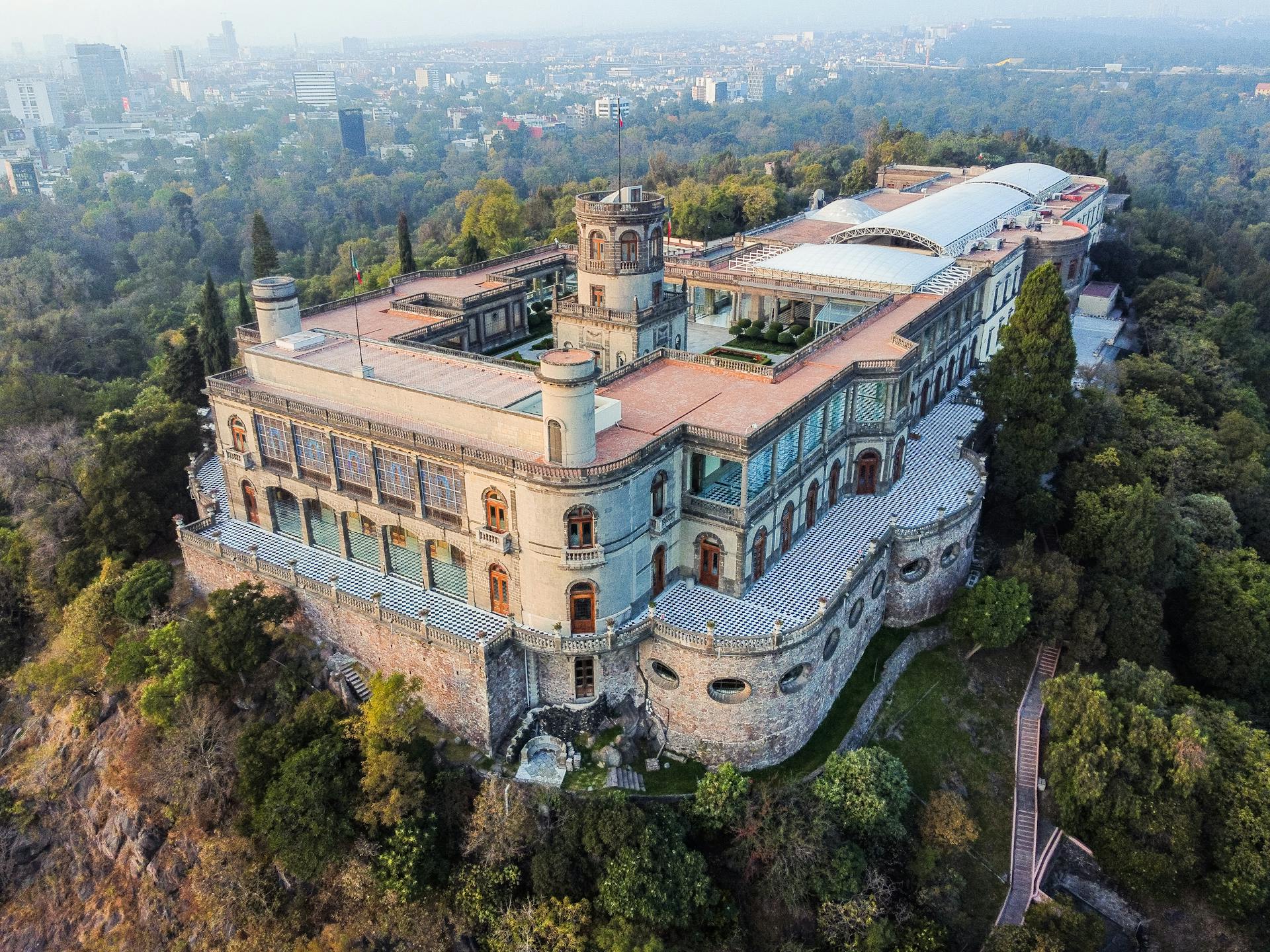
Chapultepec Castle perches on a hill right in the heart of Mexico City. Built back in 1785, this place has seen it all—royal residence, military academy, even a presidential home.
The castle gives you sweeping views of the whole city. From up here, I can spot how urban planners have tucked green spaces into the city’s sprawl.
Chapultepec Park wraps around the castle with a wild 1,695 acres of forests, lakes, and museums. It’s actually bigger than Central Park in New York. Who knew?
Inside the park, you’ll stumble upon some seriously impressive museums:
- National Museum of Anthropology
- Modern Art Museum
- Rufino Tamayo Museum
These places preserve and showcase Mexico’s cultural gems. Chapultepec Park really proves how much Mexico City values both nature and culture—there’s a real balance here.
Roma, Condesa, and Polanco: Neighborhoods of Distinction
Roma feels like stepping into a different era. Early 20th-century mansions line the streets, with Art Nouveau and Neocolonial styles showing off the wealth of families from Mexico’s boom years.
Many of these buildings survived the 1985 earthquake, keeping Roma’s character alive. Now, the neighborhood blends historic charm with trendy restaurants, galleries, and design studios.
Condesa stands out for its Art Deco buildings from the 1920s and ’30s. Two main parks—Parque México and Parque España—anchor the neighborhood.
These parks follow the old horse racing track’s layout, so you get these cool circular and oval green spaces. Locals use them every day, whether for a stroll or just to hang out.
Polanco screams modern ambition. This upscale area features sleek high-rises, luxury shops, and bold residential complexes.
Torre Reforma towers above the skyline as Mexico City’s tallest building. Its sharp design and eco-friendly features show off the city’s push for innovative architecture.
Each neighborhood has a totally distinct vibe, but together they keep Mexico City’s cultural identity strong.

The Artistic Pulse: Music, Art, and Creative Expression
Mexico City’s creative energy is impossible to ignore. From Diego Rivera’s revolutionary murals to the intimate corners of Frida Kahlo’s Casa Azul, art just pulses through the capital.
You’ll catch mariachi bands lighting up Plaza Garibaldi or find yourself drawn to bold street art on nearly every block. The city lives and breathes creativity.
Frida Kahlo, Casa Azul, and Artistic Legacies
If you’re an art lover, Casa Azul in Coyoacán hits differently. This cobalt blue house—Frida Kahlo’s birthplace and final home—now serves as her museum.
Walking through her bedroom, I can’t help but notice the mirror above her bed. She painted so many self-portraits here, especially while recovering from polio and that awful bus accident.
The museum displays her paintings, personal items, and the lush garden that inspired her. Kahlo’s art dives deep into Mexican identity, pain, and the female experience.
She blended surrealism with Mexican folk traditions, using bold colors and indigenous symbols. It’s raw, honest, and unforgettable.
Over 25,000 people visit Casa Azul every month. Kahlo’s influence stretches far beyond Mexico; she’s inspired artists everywhere to dig into their own stories.

Diego Rivera, David Alfaro Siqueiros, and Muralism
Diego Rivera and David Alfaro Siqueiros basically launched the muralism movement in the 1920s. Rivera’s giant murals at the National Palace lay out Mexico’s story from ancient times to the revolution.
Rivera’s murals sprawl across more than 4,000 square feet. He painted indigenous people, the Spanish conquest, and everyday workers. His style mixes European techniques with Mexican stories and a splash of politics.
Siqueiros, though, went wild with his tools—using automotive paint and spray guns. His murals at Polyforum Siqueiros stretch over 12,000 square feet.
Muralism made art public. Instead of painting for the rich, these artists covered city walls so everyone could see their work. Their legacy still shapes Mexican art and even fuels street art movements across Latin America.
Plaza Garibaldi and Mariachi
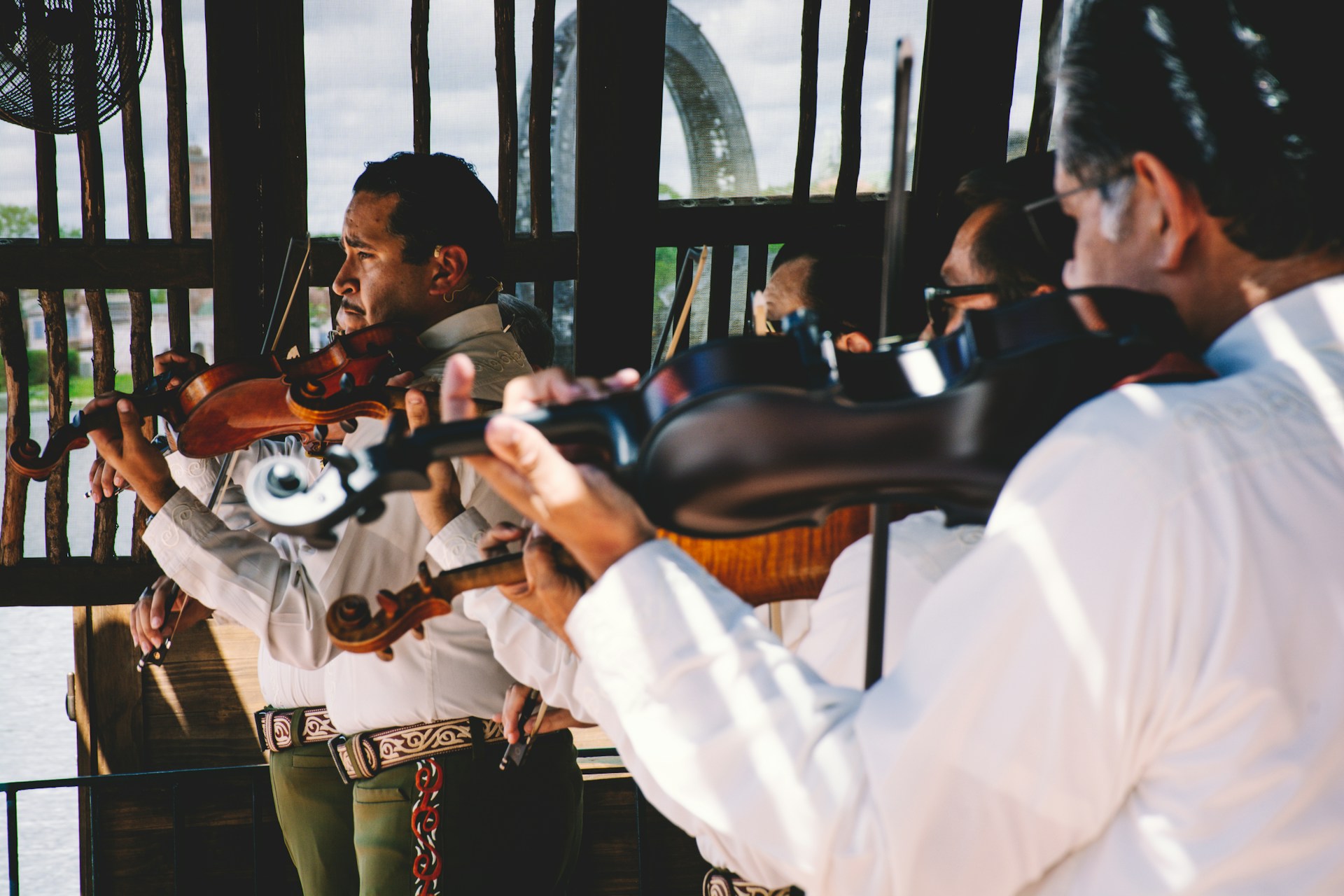
At Plaza Garibaldi, the night comes alive with mariachi music. Musicians in silver-studded suits gather to play for anyone willing to listen (or pay).
Mariachi bands mix violins, trumpets, guitars, and vihuela. The music started in Jalisco but found its true home in Mexico City. The songs? They’re full of love, heartbreak, and pure Mexican pride.
It’s common to see families hiring bands for a song or two—usually around 100 pesos per tune. Some groups have played together for generations, passing down music and tradition.
There’s also the Museo del Tequila y el Mezcal right on the plaza. Live performances run nightly from 7 PM to 2 AM. The tradition of mariachi keeps Mexico City’s cultural roots strong and very much alive.
Community, Diversity, and Urban Realities
With more than 21 million people, Mexico City is a wild mix of old and new. Ancient indigenous communities share space with modern neighborhoods, and floating gardens still keep centuries-old traditions going.
Informal settlements house millions, while historic canals like Xochimilco buzz with life and culture.
Indigenous Roots and Modern Social Fabric
Mexico City keeps its indigenous roots close, even as it grows and changes. I’ve heard over 60 indigenous languages spoken in different neighborhoods.
Nahuatl, the old Aztec language, pops up in everyday Spanish. It’s woven into the city’s slang and street names.
Where you’ll spot indigenous influence:
- Street vendors selling handmade crafts
- Markets packed with pre-Hispanic ingredients
- Neighborhood festivals honoring indigenous saints
- Traditional healing right alongside modern clinics
People from all over Mexico bring their customs to the capital, creating new cultural blends in the city.
Mercado de Medellín is a great example. Vendors from every region sell foods that reflect their roots but adapt to city life. The mix is everywhere.

The Role of Informal Settlements and Urban Change
Roughly 60% of Mexico City’s population lives in informal settlements. These communities build their own solutions to city challenges.
Places like Neza and Iztapalapa started as informal settlements. Now, they’re full-fledged neighborhoods with their own strong identities.
What stands out in these areas:
- Tight-knit neighborhood organizations
- Bustling local markets and small businesses
- Schools and health centers built by the community
- Unique cultural celebrations
These neighborhoods don’t just survive—they thrive. Residents shape vibrant communities with traditions all their own.
Honestly, some of Mexico City’s best urban innovations come from these areas. People figure out creative ways to manage water, transport, and housing on their own terms.

Canals of Xochimilco: Trajineras and Local Life
Xochimilco’s floating gardens and winding canals have kept 1,000-year-old farming traditions alive right in the heart of Mexico City. Locals and visitors alike pile onto colorful trajineras—those iconic wooden boats—for celebrations that seem to spill out onto the water every weekend.
Honestly, it’s hard not to get swept up in the joy. Local families gather here for birthdays, anniversaries, or just because. They’ll hire a whole trajinera, load it up with food and laughter, and drift along the canals for hours.
Traditional activities you’ll still spot:
- Farmers tending to flowers and veggies on chinampas (those little floating gardens)
- Families cooking homemade meals right there on their boats
- Musicians hopping from boat to boat, filling the air with classic tunes
- Vendors gliding by, selling everything from street snacks to handcrafts
These canals weave through neighborhoods where everyone seems to know each other. There’s always a sense of community, especially during local festivals for the Virgin of Dolores or other beloved saints.
I’ve watched three generations squeeze onto one boat—grandparents swapping stories, kids belting out traditional songs, and grown-ups chopping veggies or flipping tortillas. The whole scene feels like a moving family reunion.
It’s wild how Xochimilco manages to blend ancient traditions with the chaos of city life. The canals aren’t just pretty—they’re the beating heart of family and culture here.
