
Zagreb really is Croatia’s cultural heartbeat. Here, centuries of history mix with modern ideas, creating a museum scene that’s honestly one of the most fascinating in Europe. The capital’s museums cover everything from art and science to history—and even heartbreak. These 12 museums show that Croatian culture is more than just folklore and beach holidays; it’s about deep traditions, artistic milestones, and some pretty unique worldviews that have shaped this place for ages.
I’ve wandered through Zagreb’s museums more times than I can count. What always gets me is just how varied the experiences are, even within a short walk. Some are in grand old palaces filled with world-class art. Others are quirky, even a little odd, but all have a story. The Upper Town and nearby streets hide treasures that could easily stand toe-to-toe with what you’d find in bigger European capitals.
Zagreb’s museums have stayed strong through decades of political shifts and even bounced back after the 2020 earthquake. Many reopened with fresh ideas but stayed true to their roots, keeping Croatian heritage alive and well. Whether you’re into ancient artifacts, bold modern art, or something you never expected, these museums open windows into a culture that runs deeper than you’d guess.
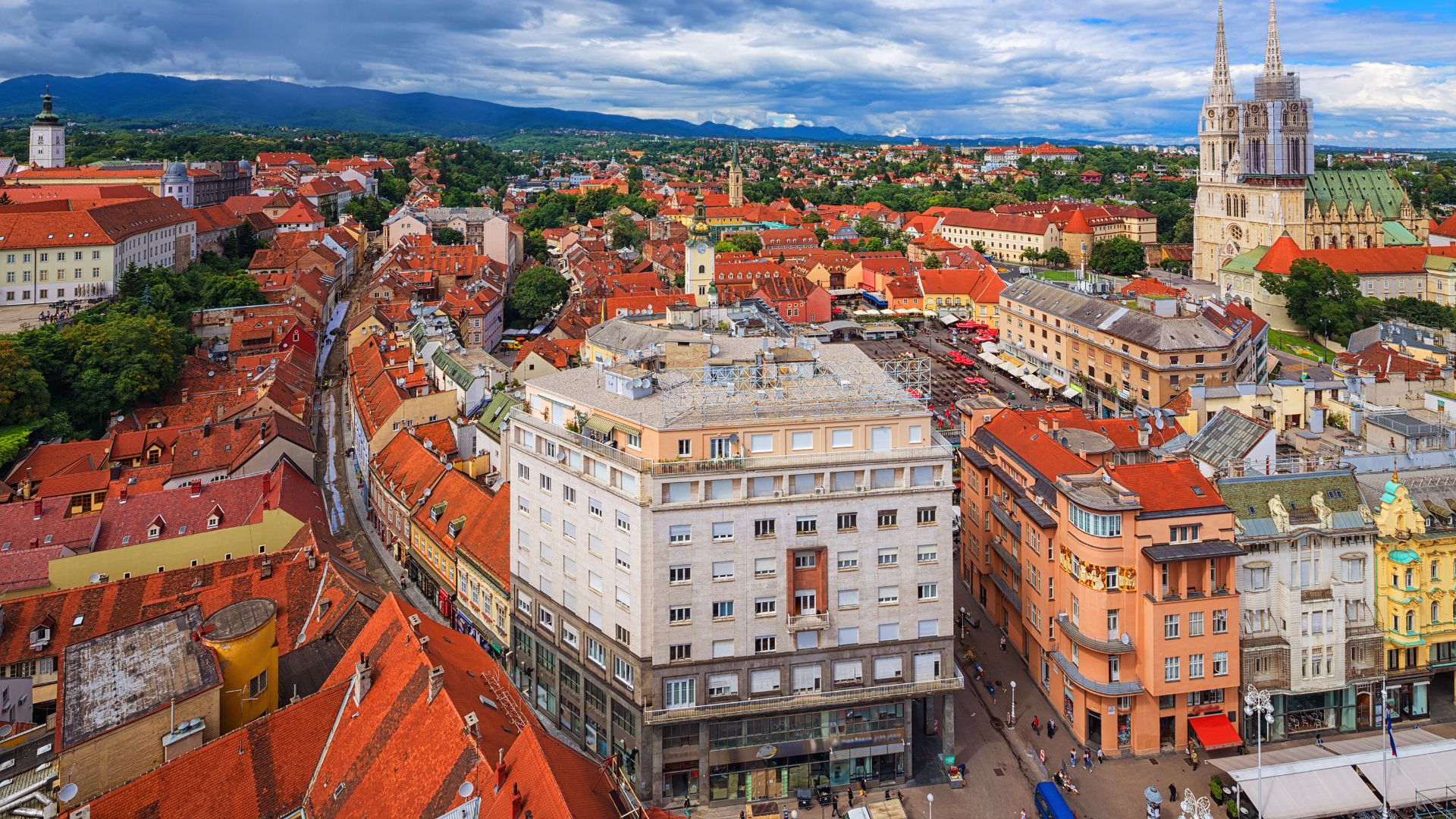
Unveiling the Pillars of Zagreb’s Cultural Heritage
Zagreb’s museums don’t just keep old things safe—they help shape what it means to be Croatian. The city’s oldest institutions have played a huge role in making Zagreb the cultural center it is today.
The Role of Museums in Croatian Identity
With nearly forty museums, Zagreb holds onto the essence of what makes Croatia special. These places keep cultural treasures that matter to the whole country.
The Croatian National Theatre, Archaeological Museum, and University of Zagreb really set the stage for the city’s identity. They rose to fame during some of Croatia’s most important times.
The Ethnographic Museum lets you see folk costumes, tools, and instruments from all sorts of eras. Over at the Arts and Crafts Museum, you’ll find decorative arts from as far back as the 14th century.
The Museum of Naïve Art? That’s something special. Croatia actually gave birth to this art movement, and Zagreb has the world’s very first Naïve Art Museum, filled with works by Ivan Generalic and other pioneers.
These museums keep both physical artifacts and the less tangible parts of culture alive. They help modern Croatians connect with their roots through everyday objects their ancestors used.
How Zagreb Became Croatia’s Cultural Capital
Zagreb’s rise as Croatia’s cultural capital started with some key schools and theaters. The University of Zagreb, founded way back in 1669, is one of Europe’s oldest.
The Croatian National Theatre quickly became a cultural hub. Places like the Lisinski Concert Hall and Zagreb Arena followed, solidifying the city’s reputation.
Most museums here sit right in the pedestrian zone. That makes culture easy to reach for everyone. This tight cluster of museums and venues naturally turned the area into a cultural district.
The Zagreb City Museum and Croatian State Archives keep track of the city’s past with old maps and documents. They show how Croatia’s geography and politics changed over hundreds of years.
Art and culture became part of Zagreb’s fabric, just like in other European cities. The city’s institutions often work together, with venues such as City Drama Theatre Gavella hosting performances that celebrate Croatian heritage.
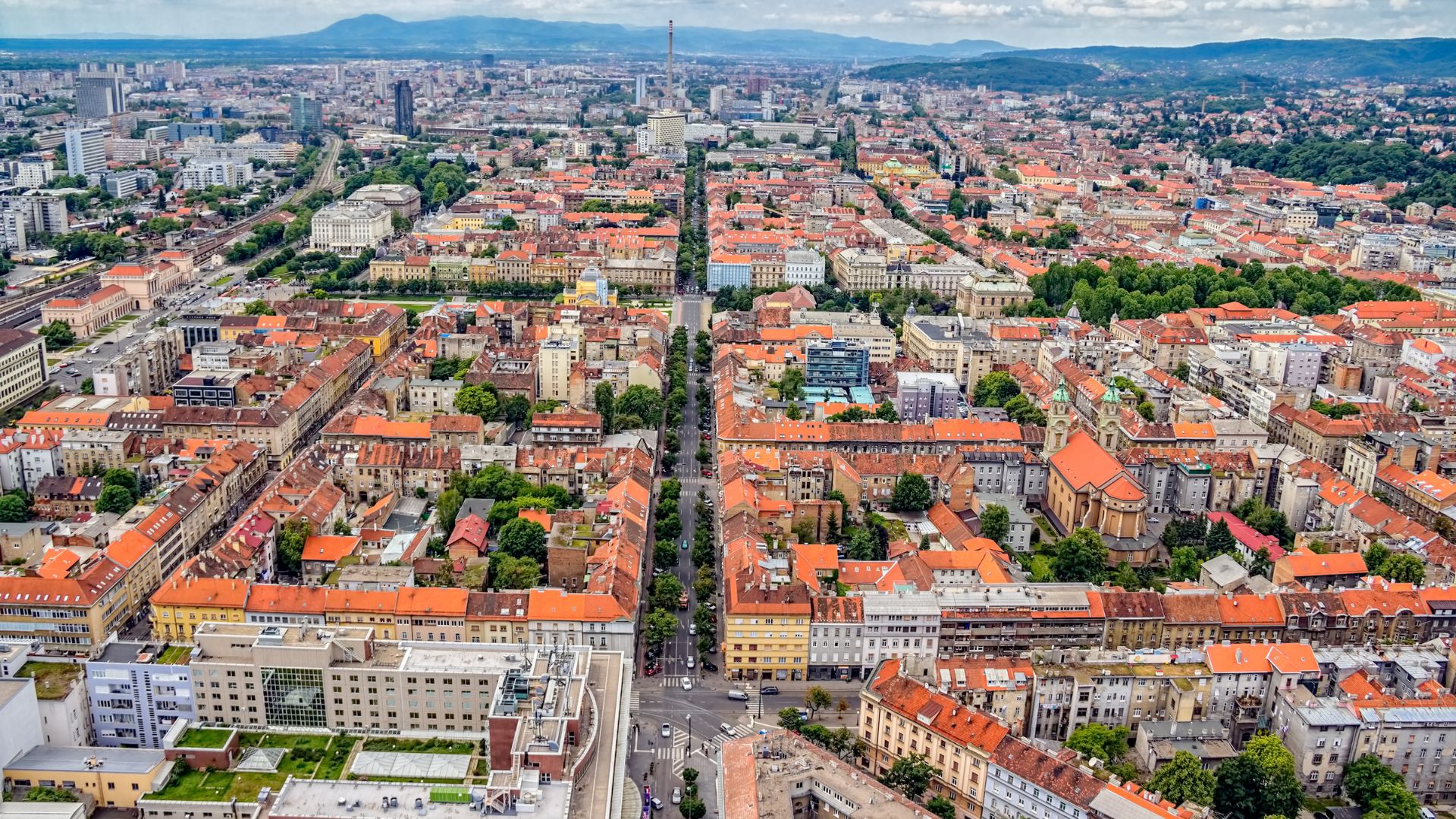
Masterpieces and Fine Arts: Iconic Zagreb Art Museums
Some of Zagreb’s best museums are all about art, and their collections stretch across centuries and continents. Here are three you absolutely shouldn’t miss.
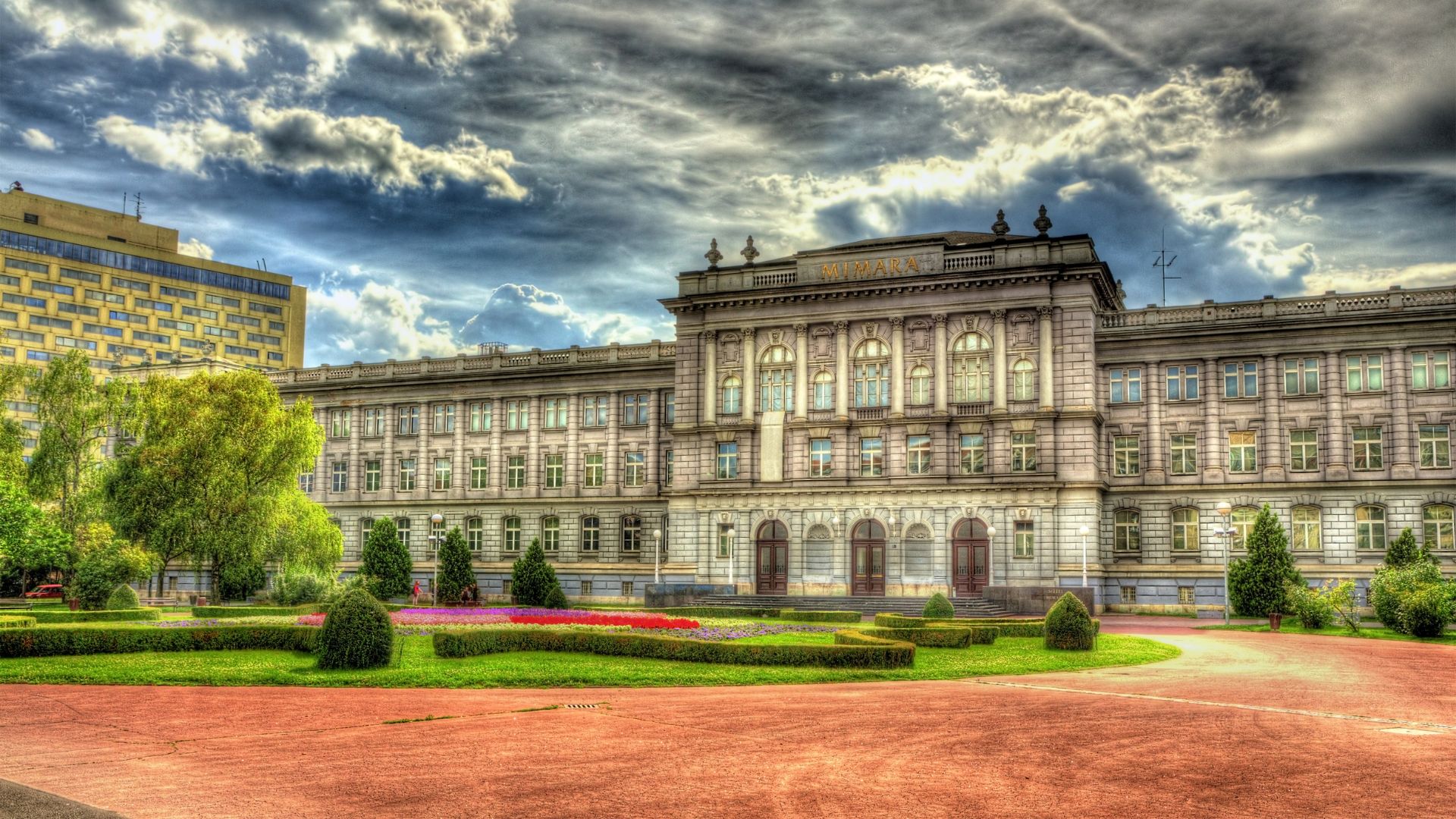
Mimara Museum: Collector’s Legacy and Global Art
The Mimara Museum stands out as one of Zagreb’s most impressive art collections. Ante Topić Mimara, a passionate collector, donated his treasures to create this museum.
You’ll find over 3,700 works spread across several floors. It’s wild—ancient Egyptian artifacts sit just steps from Renaissance paintings and Asian sculptures.
Highlights include:
- European paintings from the 14th to 19th centuries
- Ancient glassware and textiles
- Far Eastern art and ceramics
- Archaeological finds from around the world
The building itself is a stunner. Built in 1895 as a gymnasium, it became a museum in 1987 and now glows with neo-Renaissance charm.
Mimara’s collection reflects his own adventures and tastes. The range really shows how art can bridge cultures and eras.
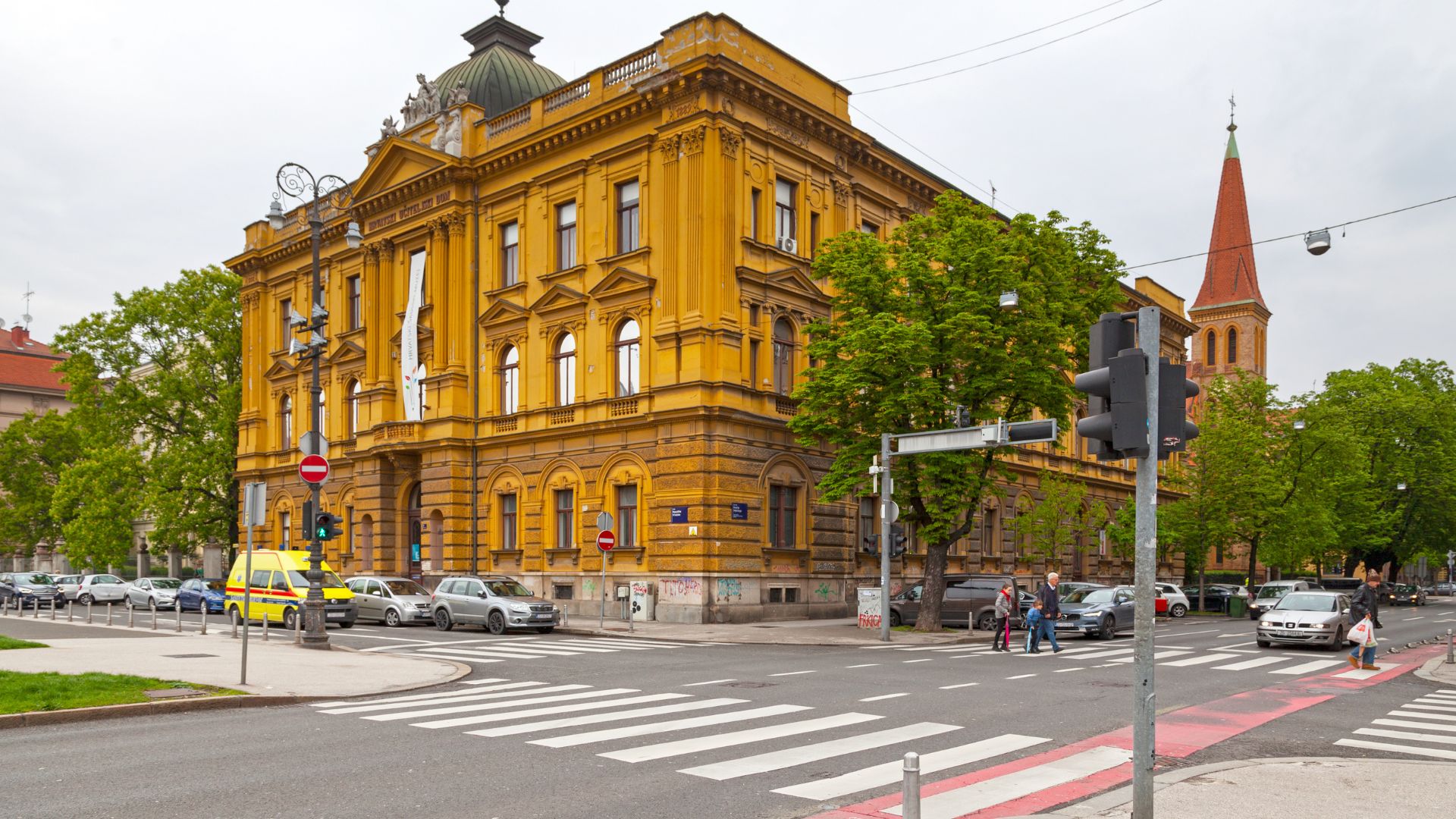
Museum of Arts and Crafts: Decorative Wonders
If you love beautiful things, the Museum of Arts and Crafts is a must. It’s devoted to decorative arts and design, spotlighting Croatian craftsmanship alongside international gems.
I love how they treat everyday objects—furniture, ceramics, textiles—as true works of art. Everything gets the spotlight, not just paintings or sculptures.
The Croatian collection shines with local skill. Folk costumes reveal detailed embroidery, and wooden furniture shows off traditional carving.
Don’t miss:
- Furniture from baroque to modern
- Ceramics and glass—both fancy and practical
- Textiles—especially folk costumes
- Photography—capturing Croatian visual history
Temporary exhibits often connect old crafts with new design trends. It’s a nice blend of past and present.
Croatian Museum of Naïve Art: Self-Taught Genius
The Croatian Museum of Naïve Art is a real gem. It celebrates self-taught artists who made incredible works, holding about 2,000 pieces from the 20th century.
Naïve art in Croatia caught the world’s eye in the 1930s. These artists painted rural life, folk stories, and their own dreams—no formal training needed.
The collection includes paintings, sculptures, drawings, and prints. Most pieces show village scenes, religious moments, or wild fantasy landscapes in vivid color.
Artists to look for:
- Ivan Generalić, the father of Croatian naïve art
- Mirko Virius, famous for detailed village scenes
- Ivan Lacković Croata, with his dreamy compositions
There’s something honest and direct about these works. The artists painted what mattered to them, without worrying about the rules.
The museum sits in an 18th-century palace in Upper Town. The cozy setting fits the personal nature of the art perfectly.
Living History: Exploring the Past Through Zagreb’s Museums
Zagreb’s history museums are packed with treasures from prehistoric times right up to the modern day. The Archaeological Museum shows off the famous Vučedol Dove and Roman artifacts, while the City Museum tells the story of Zagreb’s evolution over eight centuries.
Zagreb City Museum: The Capital Across Centuries
If you want to see how Zagreb grew from a medieval village to a modern city, the Zagreb City Museum is essential. It’s smack in the city center and covers everything from ancient times to today.
What you’ll find:
- Medieval artifacts from the city’s earliest days
- Documents tracing Zagreb’s growth
- Artworks showing daily life through the ages
- Interactive exhibits about the city’s architecture
This museum does a great job of connecting big historical events to local changes. You can follow Zagreb’s journey from two medieval towns to a united capital. The displays use artifacts and timelines to make it all easy to grasp.

Archaeological Museum in Zagreb: Treasures Unearthed
The Archaeological Museum in Zagreb is where you’ll see Croatia’s most important ancient artifacts. If you’re curious about how Croatian culture evolved, start here.
The star of the show is the Vučedol Dove, a ceramic vessel from 2800 BC. It’s a beautiful example of early Croatian artistry from along the Danube.
Collections you’ll see:
- Roman finds from across Croatia
- Medieval jewelry and weapons
- Ancient coins that show old trade routes
- Stone monuments with some of the first Croatian writing
You really get a sense of how deep Croatia’s roots go. The Roman mosaics and early Slavic artifacts are especially impressive.
These collections prove that Croatian culture stretches way back, long before recent history.
Contemporary & Immersive Experiences: Modern Zagreb Museums
Zagreb’s modern museums aren’t just about looking—they’re about experiencing. These spaces blend traditional ideas with new, interactive twists.
Museum of Contemporary Art: Visionaries of Today
The Museum of Contemporary Art is Croatia’s biggest and most modern museum. Croatian architect Igor Franić designed the striking building specifically for contemporary art.
Inside, you’ll find 12,000 works from Croatian and international artists. Only about 600 are on display at once, so the exhibits feel fresh and curated.
Expect to see:
- Photography and graphic art
- Sculptures and installations
- Film and video pieces
- Contemporary Croatian works
The Kožarić Studio inside the museum holds over 6,000 items—sculptures, paintings, drawings, and sketches from this major Croatian artist.
Temporary shows rotate every couple of months, keeping things interesting. There’s even a rooftop café with city views in summer.
Plan Your Visit:
- Location: Avenija Dubrovnik 17
- Hours: Tuesday-Friday and Sunday 11:00-18:00, Saturday 11:00-20:00
- Features: Library, bookstore, multimedia hall
Museum of Illusions: Mind-Bending Attractions
The Museum of Illusions is pure fun. It’s interactive, full of optical illusions and exhibits that mess with your senses.
You’ll want to take your time here—everything invites you to touch, play, and snap photos. The rooms and installations twist your perspective and challenge how you see the world.
This modern spot really shows Zagreb’s playful, innovative side. It’s a hit with all ages and encourages interactive learning.
Unique Perspectives: Quirky and Specialized Museums of Zagreb
Not every museum in Zagreb is grand or traditional. Some focus on personal stories or niche traditions, offering a closer look at what makes Croatian culture tick.
Museum of Broken Relationships: Heartfelt Narratives
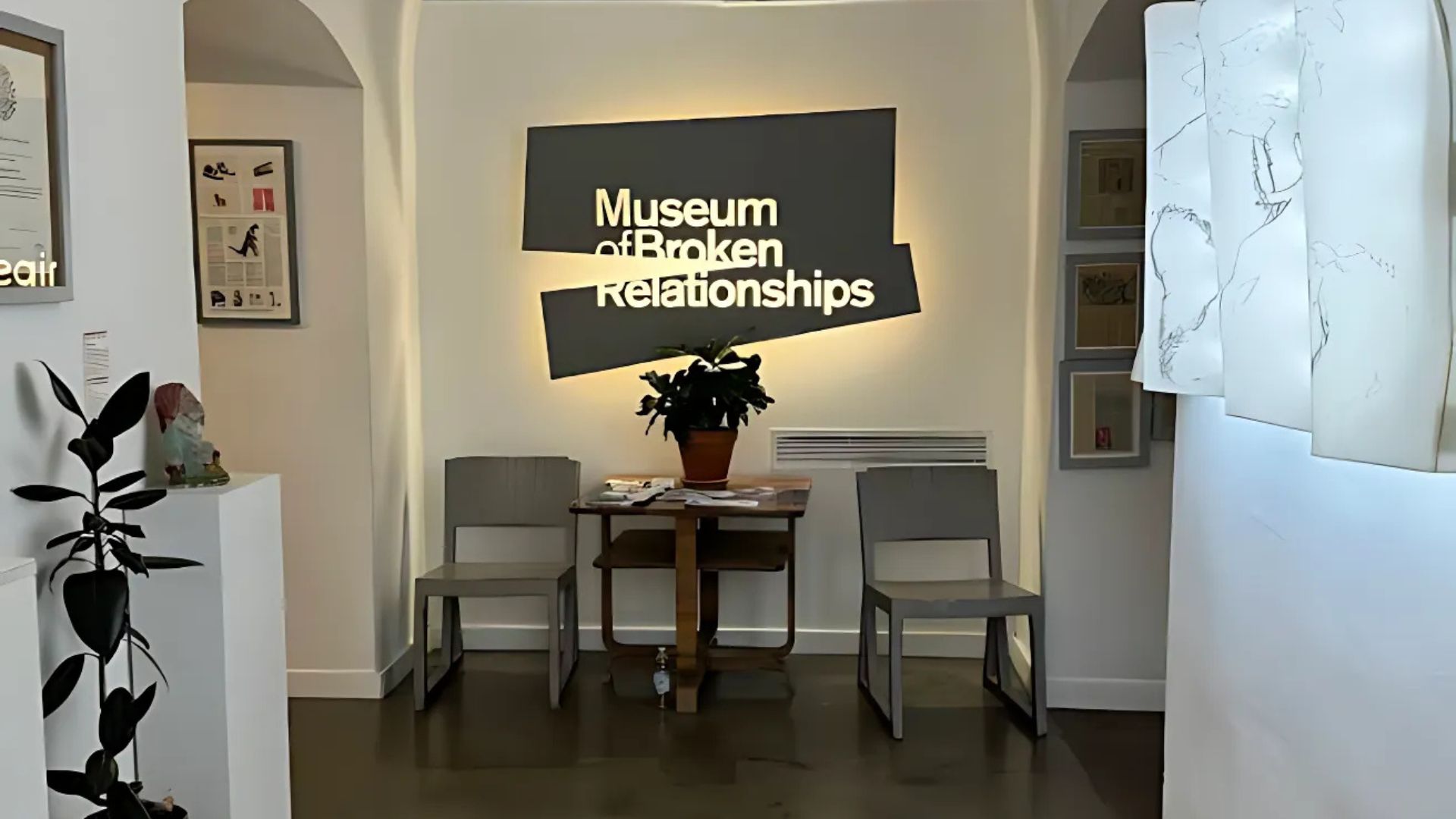
The Museum of Broken Relationships is unlike anything else. It shares stories through personal objects left behind after love ends.
Each display holds things like letters, photos, or everyday items, paired with short notes from their owners.
The stories swing from hilarious to heartbreaking. Some come from long marriages, others from fleeting romances.
What’s special here:
- Real items from real breakups
- Stories from all over the world
- Interactive spaces where you can share your own story
This museum started in Zagreb and now travels globally. It’s a reminder that love and loss are universal.
Ethnographic Museum: Croatia’s Rich Traditions
The Ethnographic Museum keeps Croatia’s folk culture alive with traditional costumes, crafts, and household objects. There are over 80,000 artifacts here—pretty mind-blowing.
You’ll see how each region of Croatia developed its own styles, recipes, and customs.
Collections to check out:
- Traditional costumes from across Croatia
- Folk instruments and music recordings
- Household goods and farming tools
- Religious and ceremonial artifacts
The museum explains how Croatian culture grew and changed over time. It also shows links to neighboring countries, but always highlights what makes Croatian traditions unique.
Many exhibits include audio clips of songs and stories. They help you imagine how culture was passed down before the internet or TV.
Architectural Landmarks and Cultural Icons
Some of Zagreb’s museums are attractions just for their buildings. The Technical Museum features modernist design, the Art Pavilion dazzles with 19th-century grandeur, and the Meštrović Pavilion stands as a prime example of functionalist architecture.
Technical Museum: Science and Innovation
The Nikola Tesla Technical Museum sits along Savska Cesta in a bold modernist building. Honestly, I think its clean lines and functional design just fit the whole science vibe perfectly.
Building Features:
- Modernist concrete facade
- Huge exhibition halls with soaring ceilings
- Dedicated spaces for planetarium shows
- Industrial design details everywhere you look
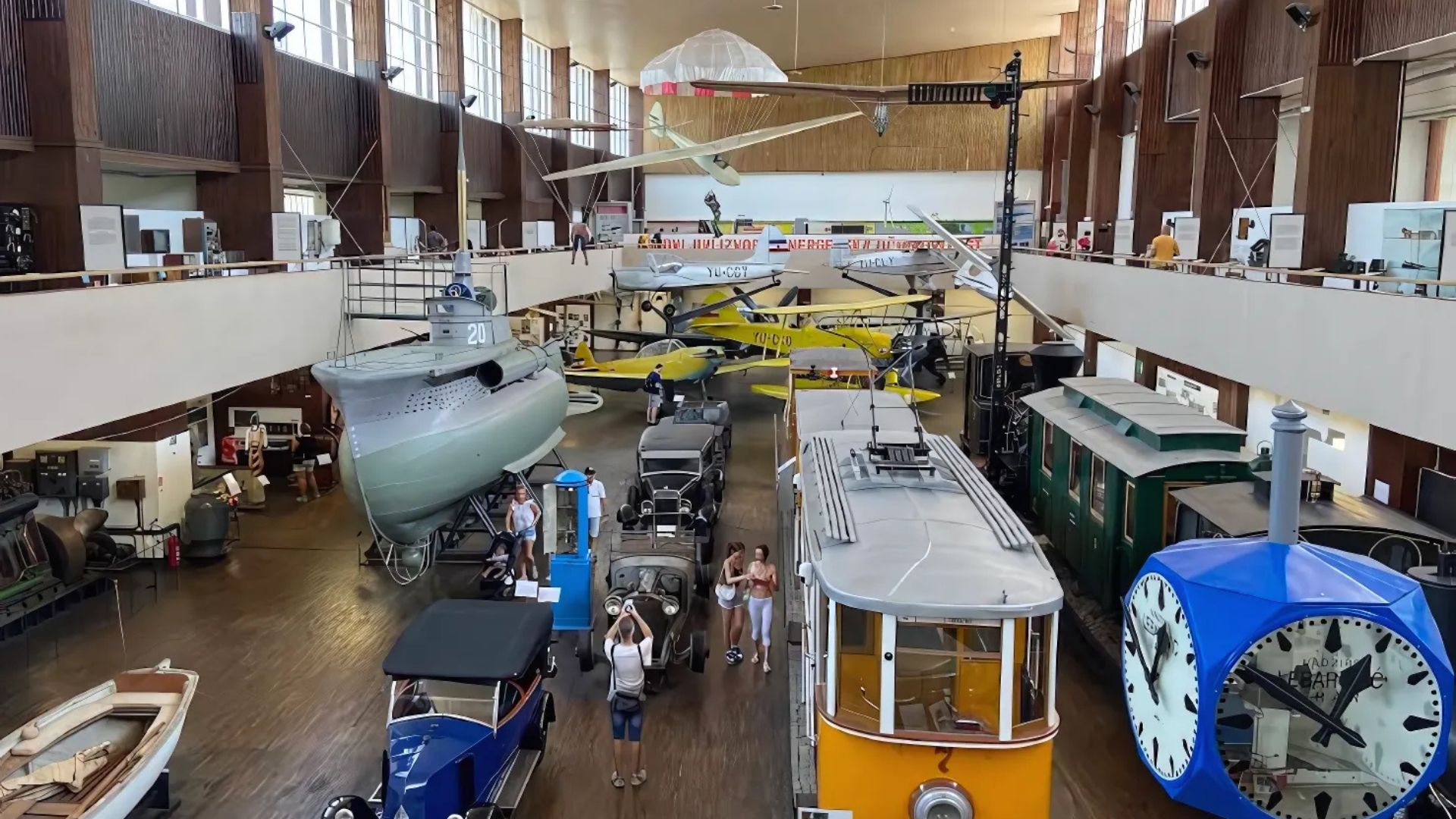
Step inside, and you’ll spot everything from old steam trains to mining replicas and quirky transport exhibits. The planetarium? It’s a total highlight and really pulls you into the world of science.
I love how the open floor plans make space for massive displays, like those vintage trams. Sunlight pours in through windows placed just right, making everything feel bright and alive.
The museum’s architecture doesn’t just look cool—it tells a story about Croatia’s love for technology and progress.
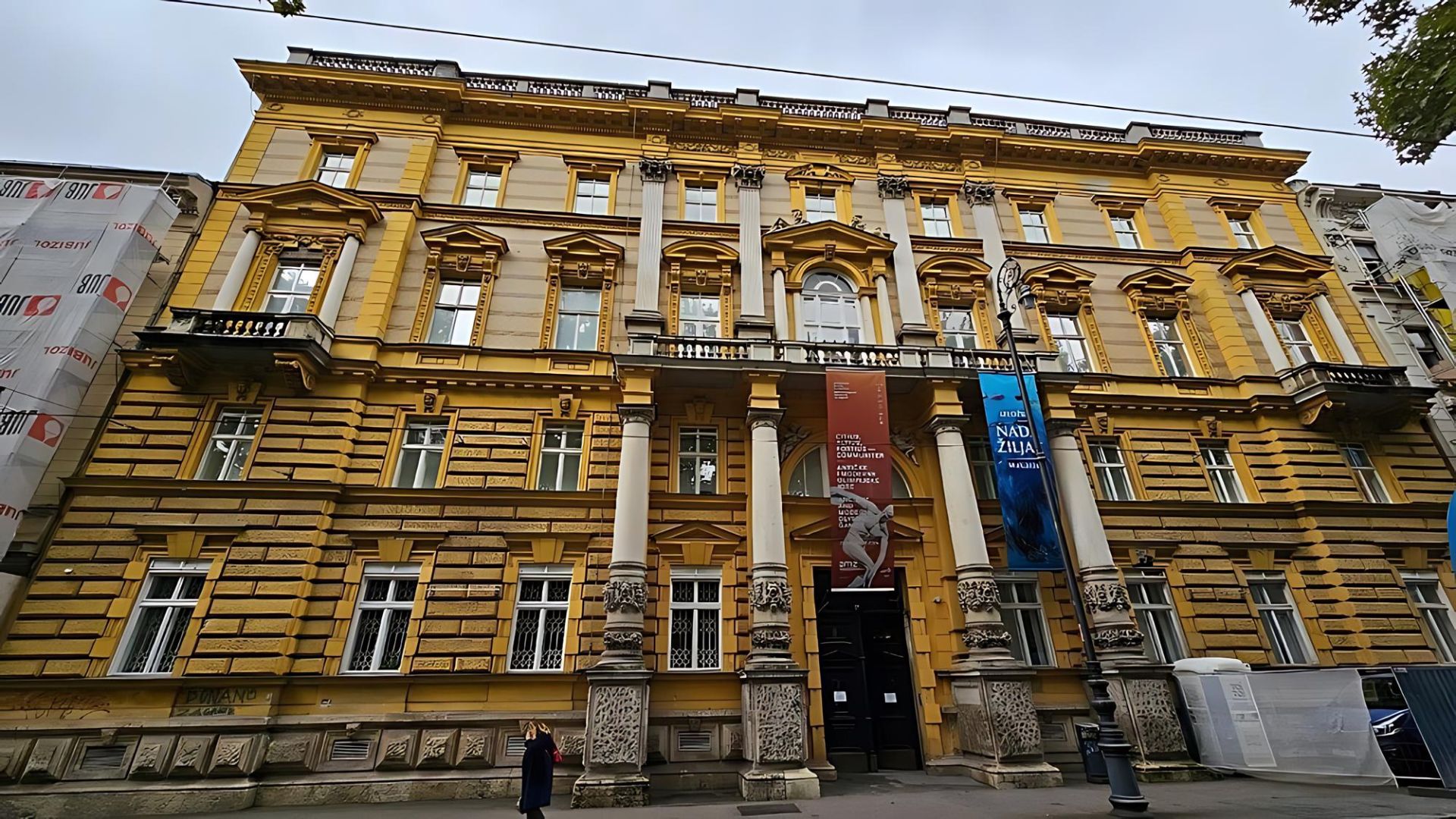
Art Pavilion: Grand Exhibitions
The Art Pavilion is Zagreb’s top spot for exhibitions, and you can’t miss its stunning 19th-century architecture. Built back in 1898, this yellow beauty is packed with ornate details from a different era.
Every time I see it, the neoclassical touches and fancy flourishes really stand out. That perfectly balanced facade draws you in, and those big windows light up the art inside just right.
Architectural Highlights:
- Neoclassical columns and pediments
- Ornate window designs
- Grand entrance hall
- Lofty exhibition ceilings
Inside, the rooms feel both grand and cozy, perfect for wandering through permanent collections or catching new exhibitions. The layout lets you get up close with the art, but never loses that sense of grandeur.
This place has anchored Zagreb’s art scene for over a century. If you love architecture or art—or both—you’ll want to spend some time here.
Meštrović Pavilion: Modernist Design and Purpose
Walking up to the Ivan Meštrović Pavilion, I can’t help but notice how its clean lines and pure functionalist style make it stand out. Built back in 1938, this place is a real testament to the idea that museum design should let art take center stage.
The geometric shapes are simple and bold, and there’s barely any ornamentation to distract you. That white facade? It acts as a blank canvas, letting the artwork inside really shine.
Design Elements:
- Functionalist architecture principles
- Clean geometric forms
- Minimal decorative elements
- Purpose-built exhibition spaces
Ivan Meštrović, Croatia’s most celebrated sculptor, wanted the building to truly serve artists and their work. Inside, the walls stretch high and wide, and the lighting feels just right—almost like the space itself is encouraging creativity.
This modernist gem broke away from Zagreb’s more traditional museum look. For me, it feels like a bridge between Croatia’s rich artistic past and a bold, forward-thinking design. If you’re wandering Zagreb, I’d say it’s a must-see for anyone who loves art, architecture, or just a bit of inspiration.
