
Mexico’s reputation as an affordable travel destination is well-deserved, but wow, it’s easy to blow past your budget if you stick to touristy areas and beach resorts. I’ve definitely learned the hard way that a little planning goes a long way.
The secret to affordable Mexico travel? Making smart choices about where you sleep, how you get around, and what you eat. Swapping private transfers for public transportation alone has saved me hundreds—no exaggeration.
Over time, I’ve realized Mexico is a goldmine for budget travelers who dodge the obvious tourist traps. There’s so much authentic food for under $10 a day, and free attractions are everywhere if you know where to look.
Ready for my favorite hacks? Let’s dive in.
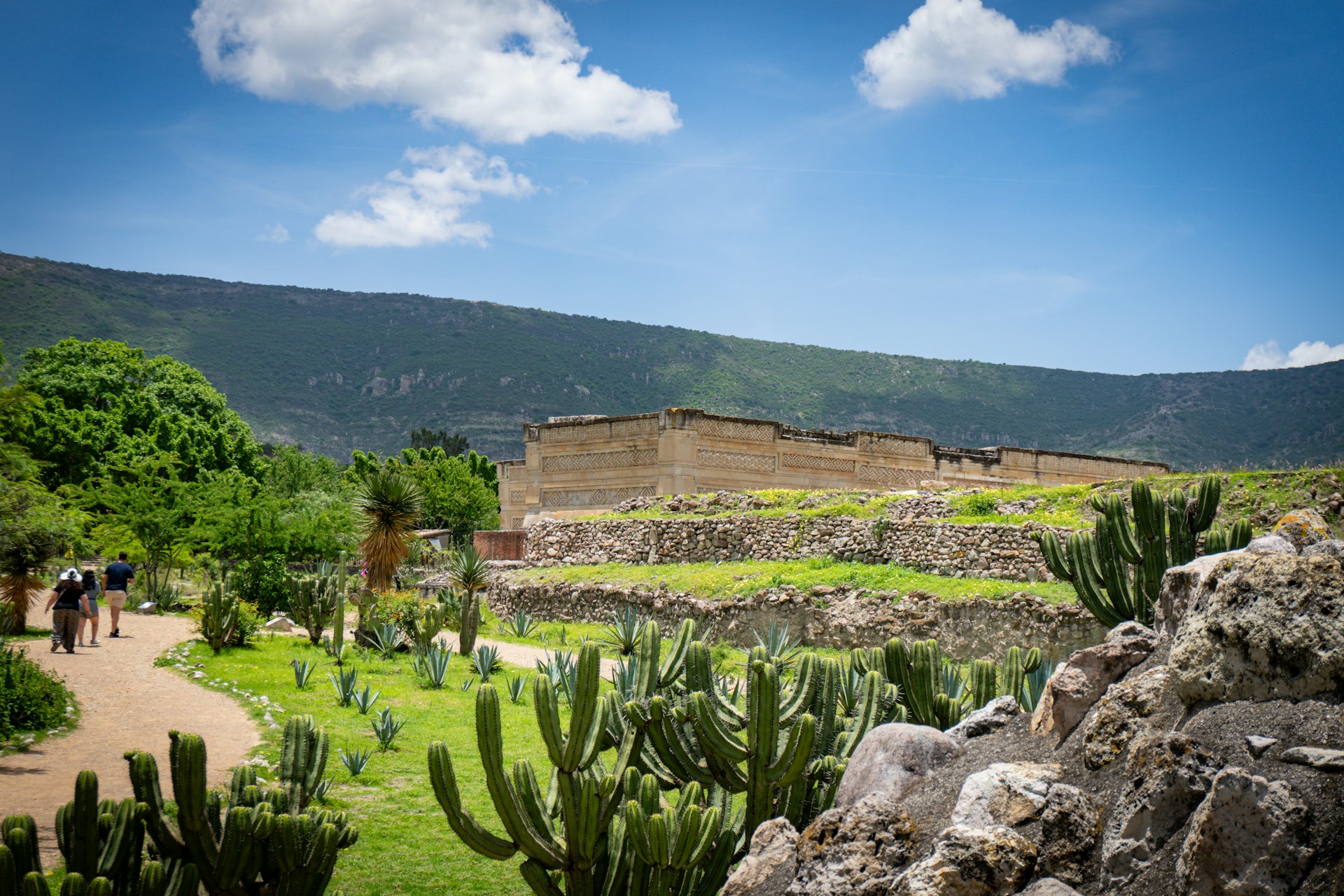
Smart Accommodation Choices
Picking the right place to stay can make or break your budget. Hostels are by far the cheapest, but Airbnb and local guesthouses can be awesome for longer stays.
How to Find Affordable Hostels
I always start with Hostelworld or Hostelbookers. They’re easy to use and show real reviews, which helps weed out the duds.
If a hostel has a kitchen, I’m sold. Cooking just a few meals yourself can save $15-20 a day—seriously, it adds up fast.
Best hostel spots in Mexico:
- Mexico City: Roma Norte and Condesa
- Playa del Carmen: A couple blocks off 5th Avenue
- Puerto Vallarta: Downtown, close enough to walk to the beach
After comparing prices online, I call or email the hostel directly. Most offer at least a 10% discount for booking direct.
I usually pick dorms with 6-8 beds instead of 4-bed rooms. The bigger dorms are $3-5 cheaper per night, and you might meet more travelers.

Airbnb and Local Guesthouses for Budget Travelers
If I’m staying more than four nights, Airbnb almost always works out cheaper. Many hosts throw in weekly discounts—sometimes up to 30%.
I look for places with kitchens and washing machines. That way, I skip restaurant and laundromat costs.
Local guesthouses are a hidden gem. I just walk around and spot “Se Renta Cuarto” signs—usually much cheaper than anything online.
My Airbnb hacks:
- Message the host and ask for a discount if you’re staying a week or more
- Book a few blocks away from the main tourist drag
- For groups, entire apartments are usually a better deal than private rooms
In smaller towns, “casa de huéspedes” rooms can be $10-15 a night. They’re basic but clean, and you won’t find them online.

Booking.com and Other Platforms for Deals
Booking.com has a huge range of hotels, including tiny local places you’d never find otherwise. I love their map feature for scoping out the cheapest spots near whatever I want to do.
I always filter for “Free Cancellation.” That way, I can lock in something early and swap if I find a better deal later.
Top booking sites for Mexico:
- Booking.com: Tons of options, great for last-minute
- Hotels.com: Free night after 10 stays
- Expedia: Bundling hotel + flight can pay off
I set up price alerts six to eight weeks before my trip. Prices usually drop about two weeks before arrival.
If I can, I book Sunday through Wednesday. Weekend rates in places like Cancun or Tulum can be 50% higher—no thanks.
Budget-Friendly Transport Strategies
Transportation can destroy your budget if you’re not careful. I’ve figured out that buses, flight apps, and pre-arranged transfers can cut transport expenses by more than half.
Using Buses and Colectivos Instead of Taxis
For long distances, I always go with ADO buses. They’re comfy and way cheaper than private transport.
A first-class ADO bus from Cancun to Tulum costs about $8, while a taxi for the same trip? Up to $100. Not even close.
For shorter hops, I jump in a colectivo—those shared vans you see everywhere. They’re fast, frequent, and cost just a few bucks.
Second-class buses are even cheaper. Sure, they’re slower and stop more, but I’ve paid $3 for a two-hour ride. Worth it when I’m not in a rush.
In cities, local buses cost less than a dollar. I use them for airport runs and getting around town instead of pricey taxis.

Leveraging Low-Cost Airlines and Flight Apps
I swear by Hopper for finding cheap flights to Mexico. It predicts when prices will drop, and I’ve saved up to 40% by waiting for the right moment.
Volaris and Viva Aerobus are Mexico’s best budget airlines. Domestic flights can be $30 if you book early and pack light.
I search on Google Flights first, then double-check the airline’s own site. Sometimes there are secret deals you won’t see elsewhere.
Flying Tuesday or Wednesday almost always costs less. If I’m flexible, I save $50-150 per ticket just by avoiding weekends.
Saving with Pre-Booked Airport Transfers
I book shared shuttles online before I land. They’re $10-15 per person, while a taxi from Cancun airport? Easily $70.
ADO airport buses are another lifesaver. Cancun to downtown is $5 and runs every half hour.
I skip hotel-arranged transfers—they’re always overpriced. Booking direct with the shuttle company is way cheaper.
Traveling with friends? We split the cost of a private transfer, which sometimes works out as cheap as the shuttle—and it’s way more convenient.

Eat Like a Local: Cheap and Authentic Cuisine
Street food and markets are where you’ll eat like a local and spend next to nothing. I’m talking tacos for under a dollar and tamales for pocket change.
Where to Find the Best Street Food
I always hunt down street food stands with long lines of locals, especially at lunchtime. If locals trust it, I trust it.
Taco stands are everywhere, but the good ones have a sizzling grill right out front. The best spots usually focus on just one or two meats.
In Mexico City, I’ve found tacos for as little as 7 pesos (about $0.35). The stands near office buildings get packed at lunch—always a good sign.
Quesadilla vendors work from carts with big flat grills. If they’re making tortillas fresh, I’m in. Some places sell massive “machete” quesadillas for under $4.
Neighborhood food markets pop up in the evenings. Locals flock there after work, and the variety is wild.

Exploring Local Markets for Affordable Meals
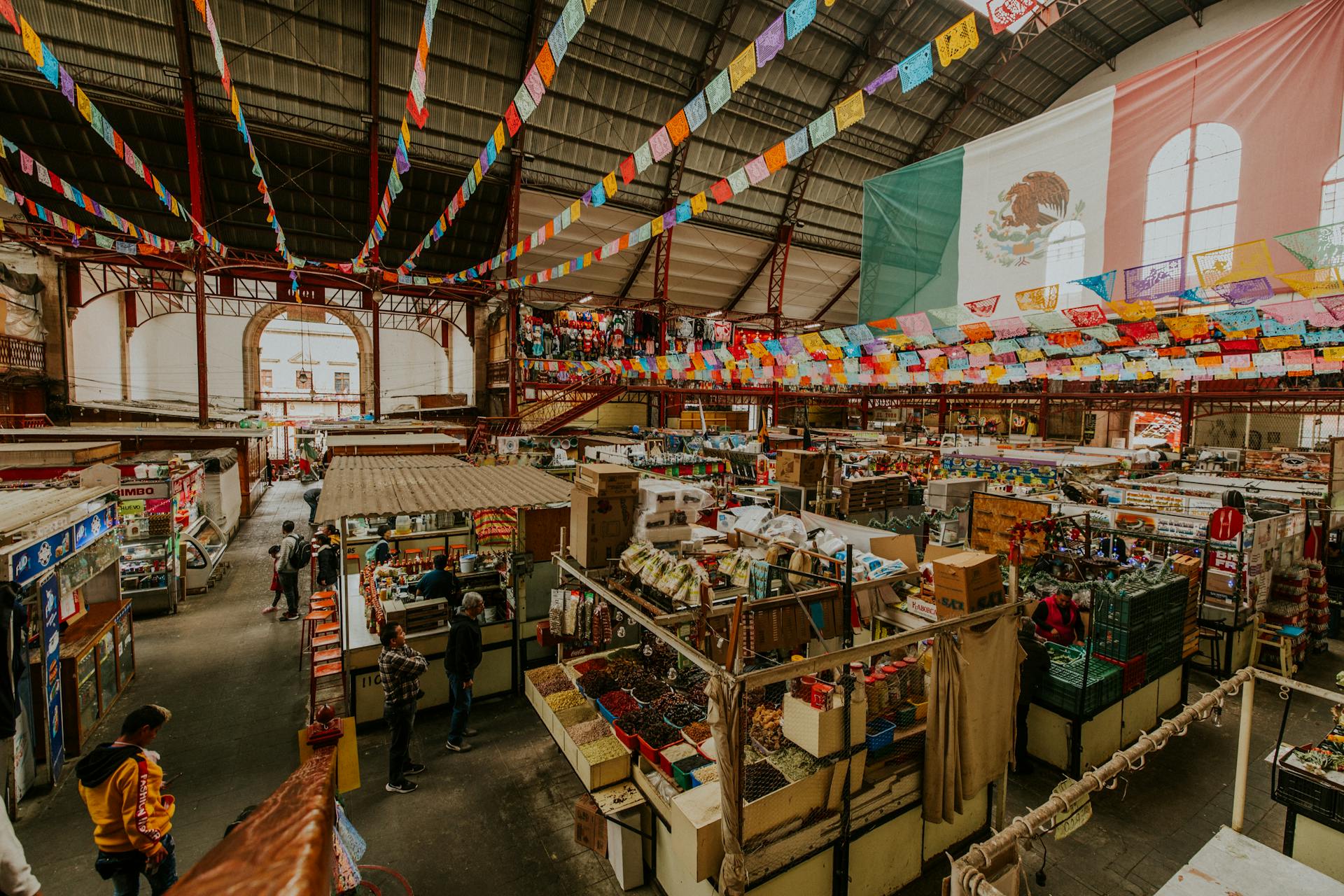
Markets are my go-to for the cheapest eats. I show up early for breakfast—vendors set up before sunrise.
Traditional markets have food courts with little family-run restaurants. You can get a full meal for $1.50-$3.
In Oaxaca City, Mercado 20 de Noviembre is a food lover’s paradise. I grab fresh tortillas, grilled meats, and local specialties for next to nothing.
Market food courts make it easy to sample a bunch of dishes. I’ll order from two or three stalls just to try more things.
Fruit vendors sell big cups of cut fruit with chili and lime for a few pesos—a perfect snack while wandering.
Must-Try Budget-Friendly Dishes
Tamales are everywhere in the mornings. For $0.50-$1, you get a hot, filling meal.
Pozole—a rich, hearty soup—hits the spot after a late night or on a chilly day. Bowls usually run $2-$2.50 and come with all the toppings you want.
Quesadillas with cheese start at 15 pesos. Add veggies or meat for a little extra.
Elotes (grilled corn) and esquites (corn in a cup) are classic street snacks under 20 pesos. Vendors pile on mayo, cheese, chili, and lime.
Tortas are giant Mexican sandwiches—usually $1.50-$2.50 at local shops.
Wash it all down with agua fresca—fresh fruit drinks for 15-25 pesos. Way better than soda, and cheaper too.

Mexico’s Most Affordable Destinations
Some places in Mexico stretch your dollar way further than the usual tourist hotspots. Think colonial cities with $15 hostels, lagoon towns with cheap cenote access, and small towns where a big meal is under $3.
Bacalar: The Lagoon of Seven Colors on a Budget
Bacalar blew me away with its beauty—and how cheap it was compared to Tulum. Hostels start around $20 a night, and the lake is the main attraction.
Swimming and kayaking are free if you have your own gear. Renting a kayak runs about $10 for the day.
Budget-friendly Bacalar highlights:
- Public lake access for free swimming
- Cenote Azul entry for $3
- Fuerte de San Felipe fort for $2
Street tacos are $1, and fresh fish plates at local restaurants cost $5-8. There are also budget grocery stores if you want to cook.
Getting around is simple—just walk or rent a bike for $5 a day. Buses to nearby cenotes are $2-3 each way.

San Cristóbal de las Casas for Budget Adventures
San Cristóbal de las Casas in Chiapas is a dream for budget travelers. Hostels start at $15, and budget hotels go for $25-35.
The colonial center is super walkable. Indigenous markets sell handmade crafts for next to nothing, and street food like tamales is $1-2.
Day trips under $30:
- Sumidero Canyon boat tour ($15)
- San Juan Chamula village ($10)
- El Arcotete natural arch ($5)
Colectivos to nearby villages are just $2-3, and city buses cost less than a dollar.
The climate is cool, so you won’t need AC. Many hostels include breakfast, which is a nice bonus.
Exploring Cheaper Cities Like Oaxaca City and Guanajuato
Oaxaca City is packed with culture and easy on the wallet. Hostels go for $20 a night, and you can join free walking tours in the historic center.
Street food is both delicious and cheap—tlayudas for $3-4, mezcal tastings for $5-10, and markets full of cheap produce.
Monte Alban ruins cost $5 to enter. Hierve el Agua day trips are $15-20. Museums are usually just a couple bucks.
Guanajuato offers similar value, with colorful hillsides and budget beds from $18. The city’s tunnels and alleys are free to explore.
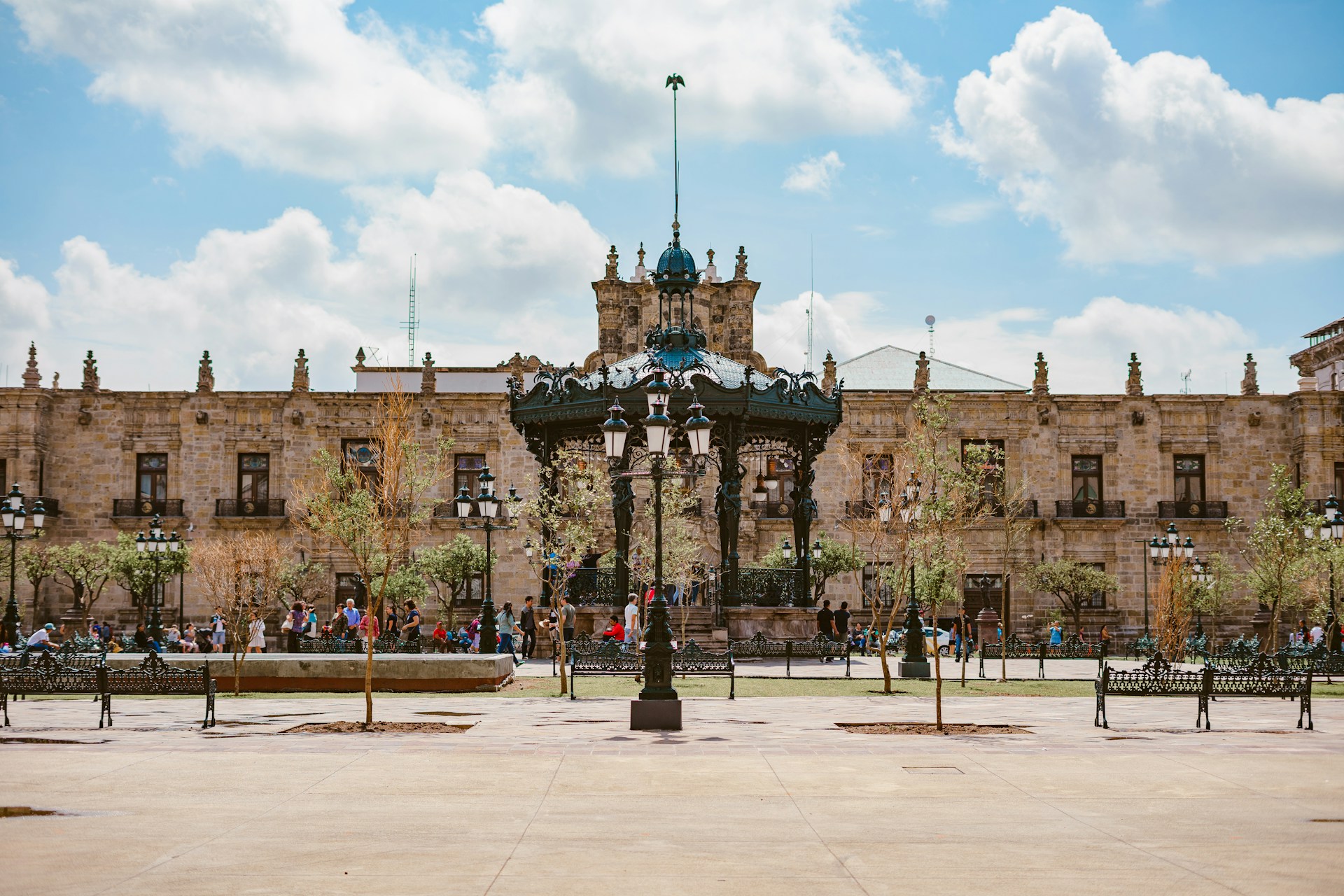
Guadalajara gives you big-city perks for less than Mexico City. Hostel beds are $15-25, and you’ll find free mariachi performances all over.
Valladolid in Yucatan is a great base for cenote hopping. Rooms start at $15, and cenote entries are $3-5—way cheaper than Tulum.
Hidden Gem Destinations
Mazatlán on the Pacific is a classic beach escape without the price tag. Local buses are 50 cents, and seafood at the market is half what you’d pay in a tourist restaurant.
The old town has free music and street shows. Beaches are open to everyone, and hostels near the sand start at $18.
Puerto Escondido is a surfer’s haven with a budget vibe. Beachside rooms are $20-30, and surfboard rentals are $15 a day.
Fishermen sell their catch right on the sand. If your hostel has a kitchen, you can cook up a feast for pennies.
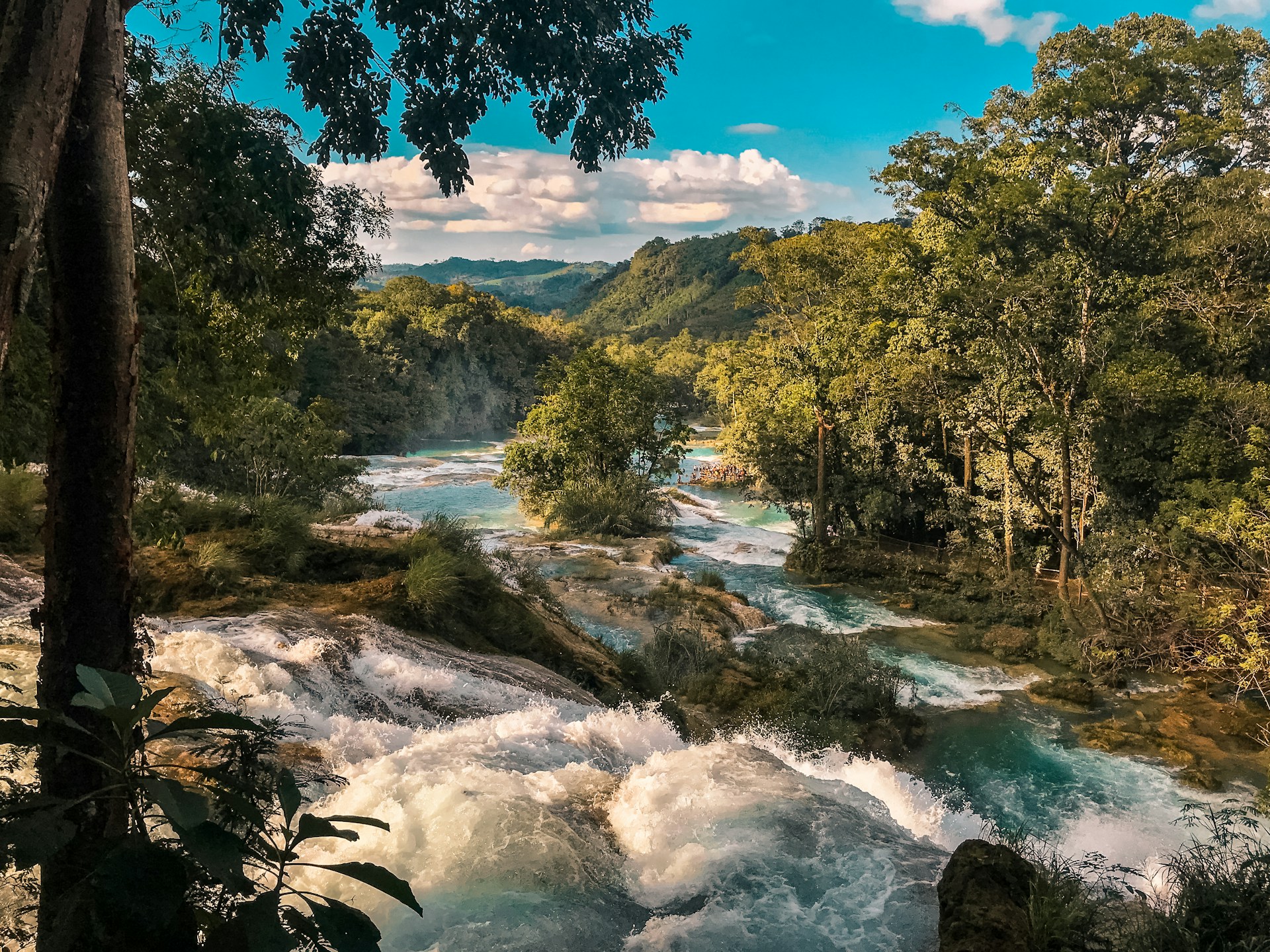
Smaller towns like Palenque are perfect for jungle ruins on a budget. Entry is $5, and nearby waterfalls have free swimming spots. Basic rooms go for $12-18.
These spots give you the real Mexico—without the resort prices. Local transport, food, and activities are all a fraction of what you’d pay in the big tourist centers.

Experience More for Less
Mexico is full of ways to explore on a shoestring. Some of my best memories have cost next to nothing—just a little curiosity and a willingness to try something new.
Free and Low-Cost Activities
It’s wild how many free activities you can find in every Mexican city—if you just poke around a bit. Museums often offer free admission on Sundays, not just for locals but sometimes for tourists too.
Public parks are my go-to for people-watching. I once spent hours in Mexico City’s Alameda Central, just soaking up the buzz—families, street performers, vendors, you name it.
You can wander into churches and cathedrals without paying a peso. The Metropolitan Cathedral in Mexico City’s Zócalo? Totally free, and honestly, it holds its own against anything I’ve seen in Europe.
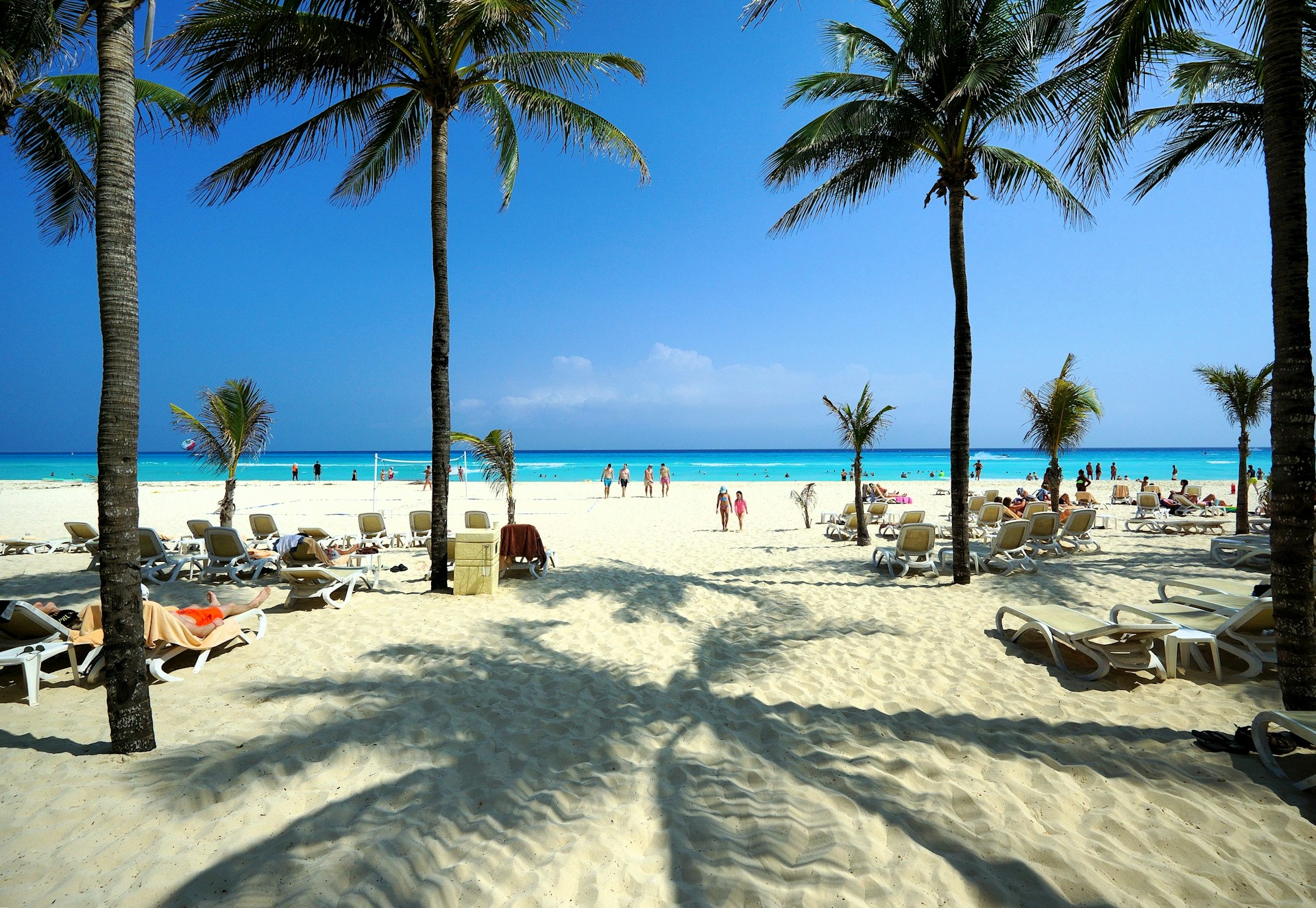
Beach towns are a dream for budget travelers. Walking the malecón in Puerto Vallarta or just chilling on Playa del Carmen’s beaches costs nothing, but the sunset views? Priceless.
Festivals pop up all year, everywhere. I stumbled into a local fiesta once and ended up dancing in the street, eating incredible food, and never paid an entrance fee.
Markets are like free shows. Mercado de la Merced in Mexico City bursts with color and energy. Sometimes I just watch the chaos and skip the shopping.
Taking Advantage of Free Walking Tours
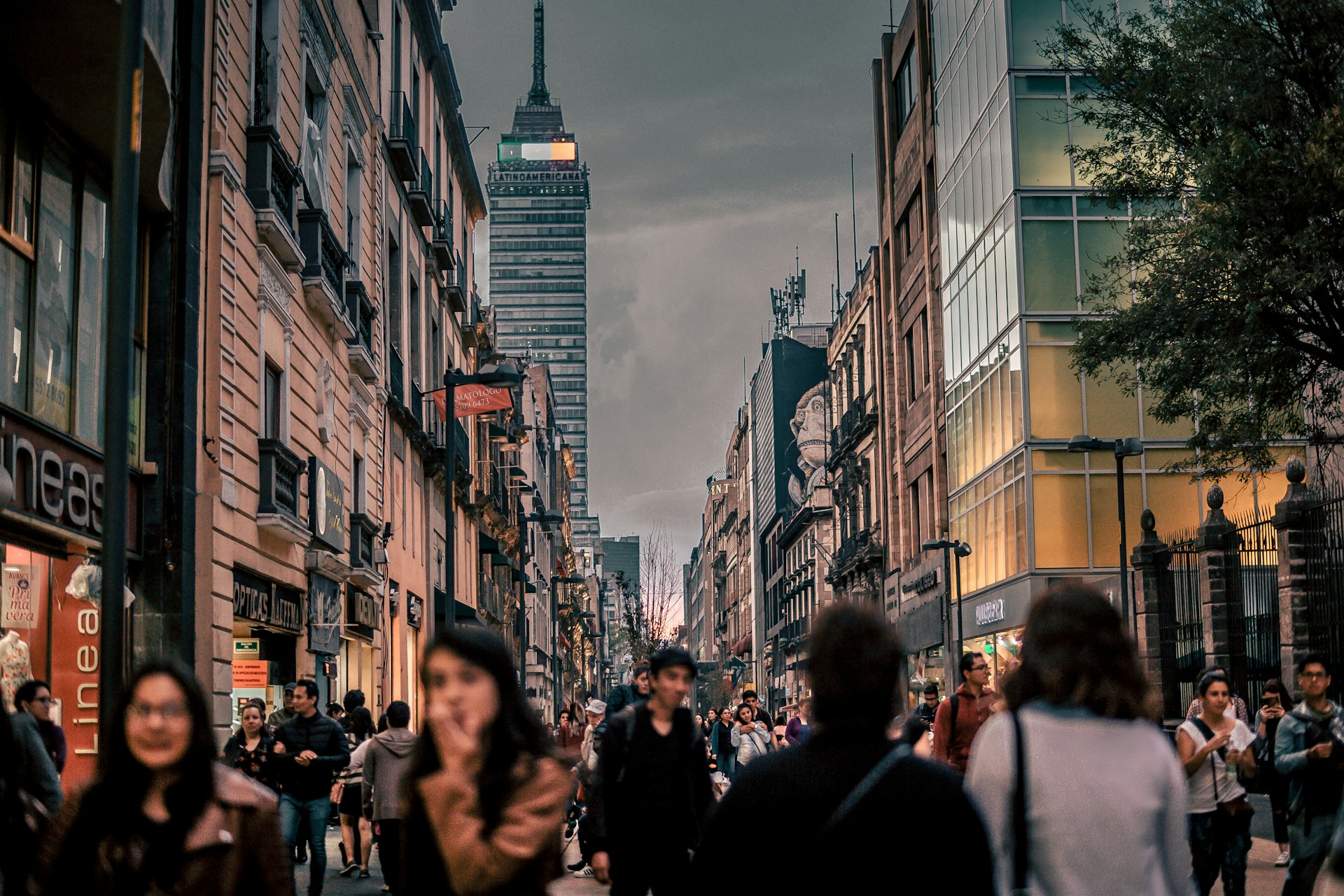
Major Mexican cities run free walking tours on a tip basis. I’ve joined these in Mexico City, Guadalajara, and Oaxaca—always a good time.
Most tours run about two or three hours. Guides share stories and little-known facts that guidebooks usually miss.
Mexico City has several tours, each showing off a different neighborhood. The Historic Center tour takes you through the Zócalo, Templo Mayor, and all those grand colonial buildings.
Oaxaca’s tours often wind through local markets and dive into indigenous culture. I even got to sample chocolate and mezcal for free.
You can book tours on GuruWalk or FreeTour.com. Just make sure to reserve ahead; meeting points are usually easy to spot.
Afterwards, tip your guide—100-200 pesos per person feels fair. It’s still way cheaper than paid tours, and you’re helping out locals.
Visiting Cenotes and Archeological Sites
Cenotes in the Yucatan are a must. Sure, Dos Ojos and the big names charge 350-400 pesos, but lesser-known spots can be as cheap as 50-150 pesos.
I found a local cenote near Valladolid and paid just 80 pesos to swim in crystal-clear water. Honestly, it was just as magical as the pricier places.
Chichén Itzá charges foreigners 533 pesos, but if you’re a Mexican resident, Sundays are free. Sometimes, they let all visitors in for free on certain days.
Arrive early at archaeological sites. I always try to get there by 8 AM—cooler, quieter, and the light is perfect for photos.
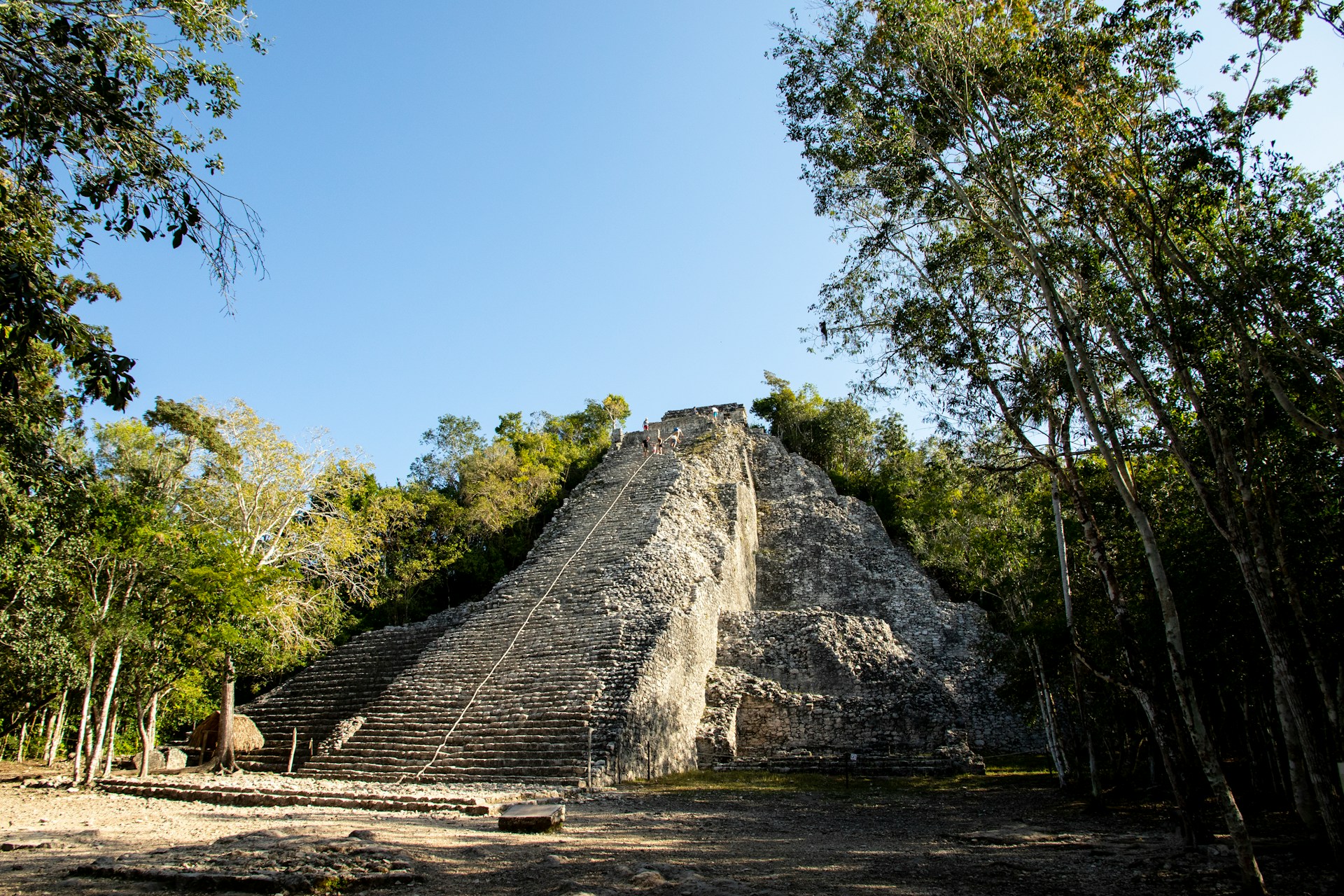
Smaller ruins like Ek Balam or Cobá charge around 75-95 pesos, way less than the big sites. You can even climb some of these ruins, which the bigger ones usually don’t allow.
State-run sites usually cost less than federal ones. Double-check who’s in charge before you go—it can save you a few bucks.
Essential Money-Saving Tips for Mexico
You can dodge a lot of unnecessary expenses in Mexico if you plan ahead. I’ve learned that smart phone plans, good insurance, and a little street smarts go a long way.
Using a Local SIM Card for Cost-Effective Connectivity
I always grab a Mexican SIM card on day one. It’s usually 50-100 pesos ($3-6 USD) and saves me a fortune compared to international roaming.
Telcel covers pretty much the whole country. You’ll spot their stores everywhere, even in airports. Movistar and AT&T Mexico are a bit cheaper and work well in cities.
Quick guide to Mexican carriers:
- Telcel: Top rural coverage, a tad pricier
- Movistar: Solid in cities, budget-friendly
- AT&T Mexico: Good prices, reliable in urban areas
I’d go for at least 5GB of data if you’re staying two weeks. That runs about 200-300 pesos ($12-18 USD) and usually includes unlimited WhatsApp and social media.
Topping up is easy at any OXXO. Just give them your number and the amount you need—takes two minutes.

Travel Insurance and Emergency Savings
I never skip travel insurance in Mexico. Medical bills can skyrocket fast if something happens.
World Nomads and SafetyWing both offer solid coverage for Mexico. Two weeks typically costs $30-50. If you’re into adventure sports, double-check your policy.
Keep an emergency cash stash, separate from your daily spending money. I recommend $300-500, hidden somewhere safe in your accommodation. ATMs sometimes run dry, especially on holidays.
Emergency savings hacks:
- Split your cash between a few hiding spots.
- Keep some USD as backup—never hurts.
- Write down emergency contacts in both English and Spanish.
- Know where the nearest hospital is, just in case.

Avoiding Unnecessary Fees and Tourist Traps
Tourist hotspots? They’ll charge you double or even triple what you’d pay elsewhere for the same things. I usually skip hotel breakfasts and wander into a local café instead—honestly, I end up saving at least half, sometimes even more.
ATMs can be sneaky. The ones planted in touristy areas often tack on extra fees. I stick to big-name bank ATMs like Santander or BBVA. They usually keep charges lower and the exchange rates don’t feel like a rip-off.
Common tourist traps I dodge:
- Airport currency exchanges (the rates hurt)
- Booking tours through hotels (hello, overpriced)
- Hopping in taxis without meters
- Restaurants in tourist zones with only English menus
Locals always know where to eat well without blowing your budget. I’ll usually ask for their favorite spots, and that’s how I find the real gems. Street food is a lifesaver—grab a meal from a busy stall and you’ll spend just 20-40 pesos, compared to 150-300 pesos at a touristy sit-down place.
Markets and taxis? I never accept the first price. In Mexico, bargaining isn’t just allowed—it’s expected. It can feel awkward at first, but after a few tries, it becomes part of the adventure.
