
Americans are itching to explore the world like never before. Travel experts recently shared their top picks for 2026, and honestly, the list is a wild ride—from ancient European gems to buzzing Asian capitals.
If Japan’s futuristic vibe or Eastern Europe’s old-world charm calls your name, you’re in the right place. Here’s a rundown of 13 international destinations that Americans just can’t stop raving about.
Some places make you fall in love with their food scenes. Others? It’s the jaw-dropping natural beauty or centuries of history. I’ll throw in practical tips and a few cultural tidbits along the way, so you’ll be ready to make the most of your adventure.
1) Tokyo, Japan
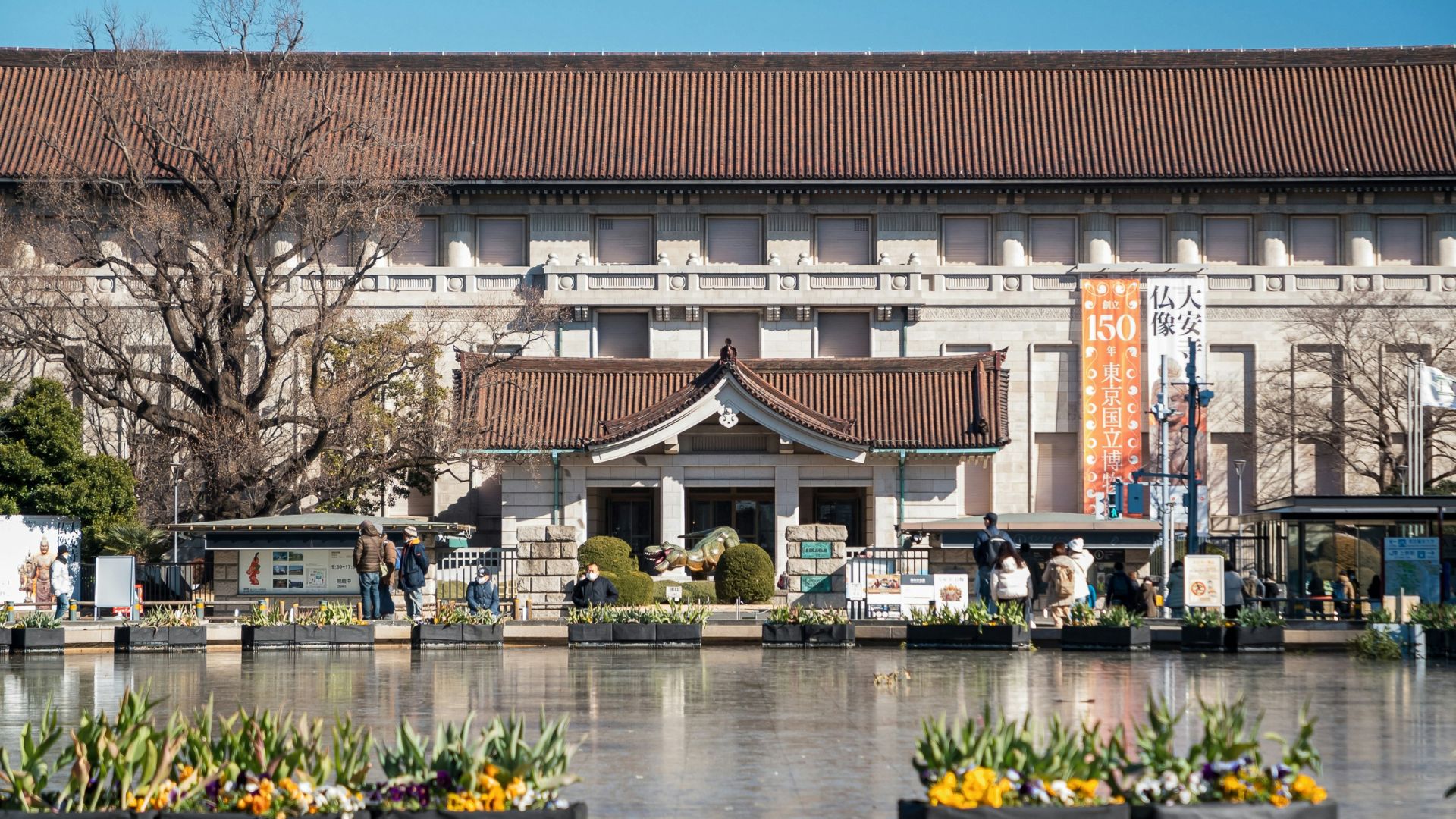
Tokyo really earns its spot as one of the most visited cities on the planet. Picture centuries-old temples just a block away from neon-lit skyscrapers—talk about a city with personality.
You can check out historic spots like traditional shrines or wander the Tokyo National Museum. That place is packed with samurai armor, Buddhist statues, and classic paintings.
If you’re more into the modern side, neighborhoods like Shibuya and Asakusa pulse with energy. Food stalls, bright lights, and sky-high buildings are everywhere you turn.
Anime fans and tech geeks? Tokyo’s your playground. The city somehow fuses pop culture with tradition on every street.
Getting around feels easy thanks to the super-efficient public transportation. You can bounce between neighborhoods and see a totally different side of Tokyo each time.
First-timers and repeat visitors both find new reasons to love this city. There’s just something magnetic about Tokyo that keeps Americans coming back.
2) Paris, France
Paris just keeps pulling Americans in. Maybe it’s the famous landmarks or that easy-going French lifestyle that you can experience without breaking the bank.
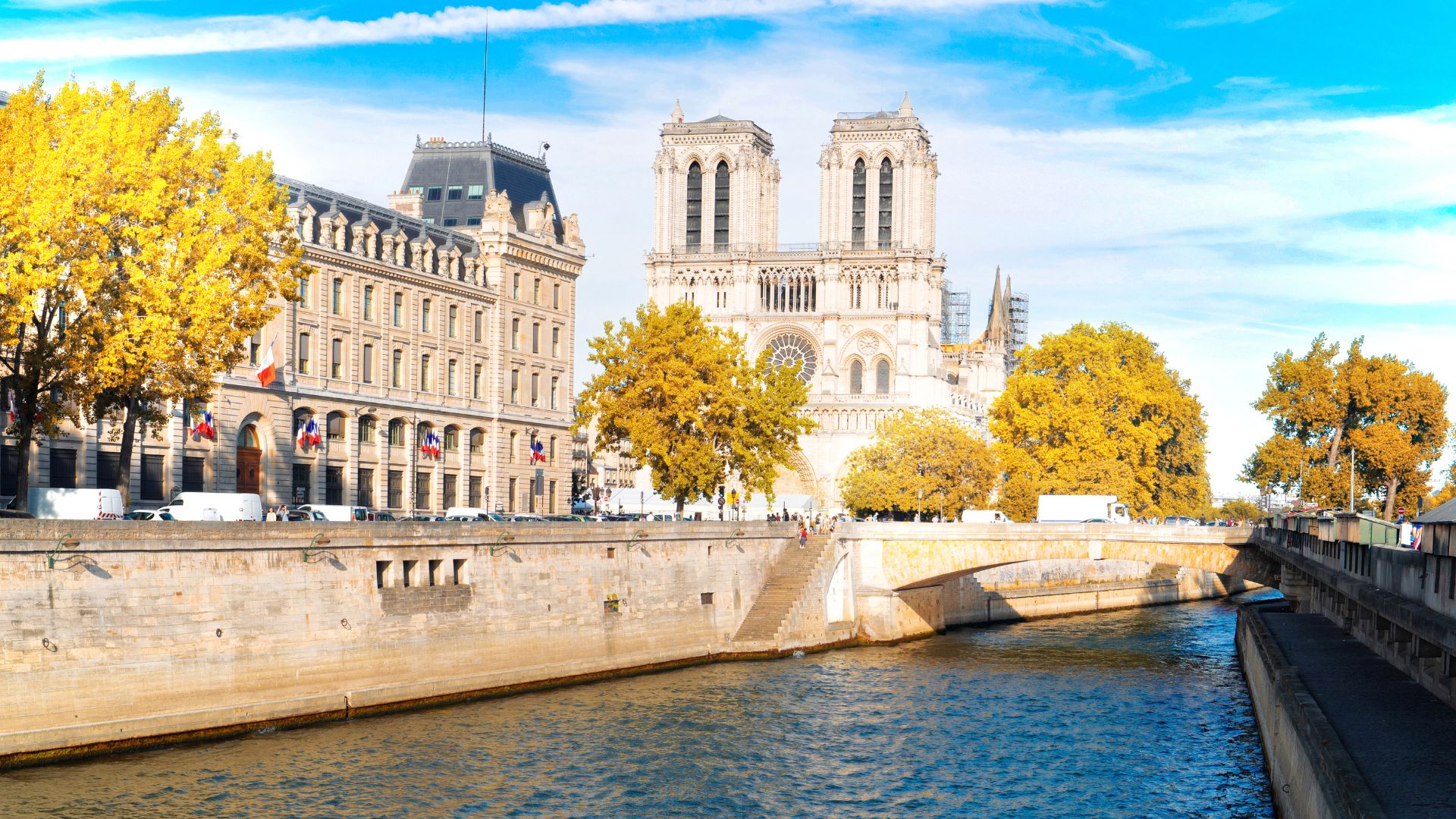
You’ll want to see the Eiffel Tower and the Louvre Museum. Even with the Notre-Dame Cathedral still under restoration, the area buzzes with visitors. But honestly, wandering through Le Marais or Montmartre gives you a real feel for local Parisian life.
Food is a whole adventure here. From cozy cafés to trendy new restaurants, there’s always something mouthwatering to try. Sometimes, just grabbing a pastry from a bakery and strolling the streets is the highlight of the day.
Paris is friendly for first-time international travelers. The metro makes it easy to get around, and you’ll find English spoken in most touristy spots.
You can squeeze the highlights into a long weekend or stretch your stay for a week. Spring and fall are my favorite times to visit—milder weather and fewer crowds.
3) Rome, Italy
Rome has this irresistible mix of ancient ruins and modern Italian flair. You can wander through thousand-year-old ruins, then grab a plate of pasta at a sidewalk café.
The Colosseum always tops the must-see list. Book your tickets early, though—they go fast. The Vatican Museums and St. Peter’s Basilica draw big crowds too, so planning ahead saves you headaches.
Rome’s piazzas and fountains are scattered everywhere. The Trevi Fountain and Spanish Steps are free, iconic, and perfect for people-watching. For a more local experience, Trastevere’s cobbled streets and lively squares won’t disappoint.
You’ll find amazing food on nearly every corner. Pizza, gelato, and fresh pasta are never far away. Staying central makes it easy to pack a lot into each day.
Rome fits perfectly as a solo trip or as part of a bigger Italian adventure. Most Americans start here before heading off to Florence or Venice.

4) Barcelona, Spain
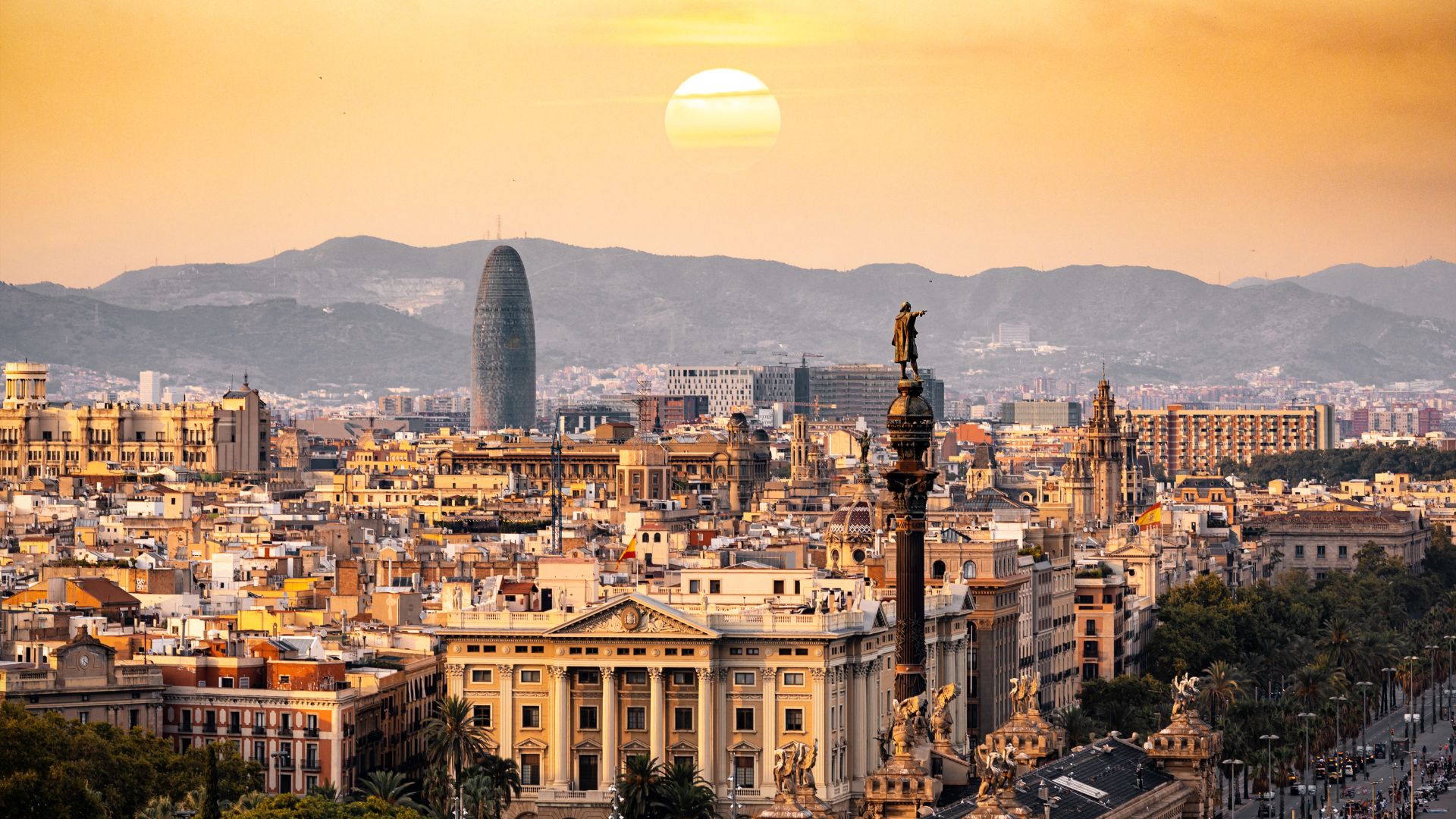
Barcelona’s got that irresistible combo of wild architecture, vibrant culture, and Mediterranean breezes. The Sagrada Familia still steals the show—Gaudí’s masterpiece is just out of this world.
You’ll spot Gaudí’s touch all over the city. His playful, colorful designs give Barcelona a look you won’t find anywhere else.
The Gothic Quarter is a maze of narrow streets and hidden squares. Wandering here feels like time travel, especially when you stumble into a local market or tapas bar.
Barcelona’s beaches are right there in the city, so you can go from museums to sunbathing in minutes. It’s the best of both worlds.
Europe’s hot spots are starting to manage crowds more strictly. Entry fees are climbing, and you’ll need to reserve some attractions in advance. Plan ahead so you don’t miss out.
You can cover the highlights in three days, but you’ll want more time for off-the-beaten-path neighborhoods or day trips out of town.
5) Bangkok, Thailand
Bangkok’s energy is like nowhere else. American travelers can’t get enough of its blend of ancient temples and modern city buzz.
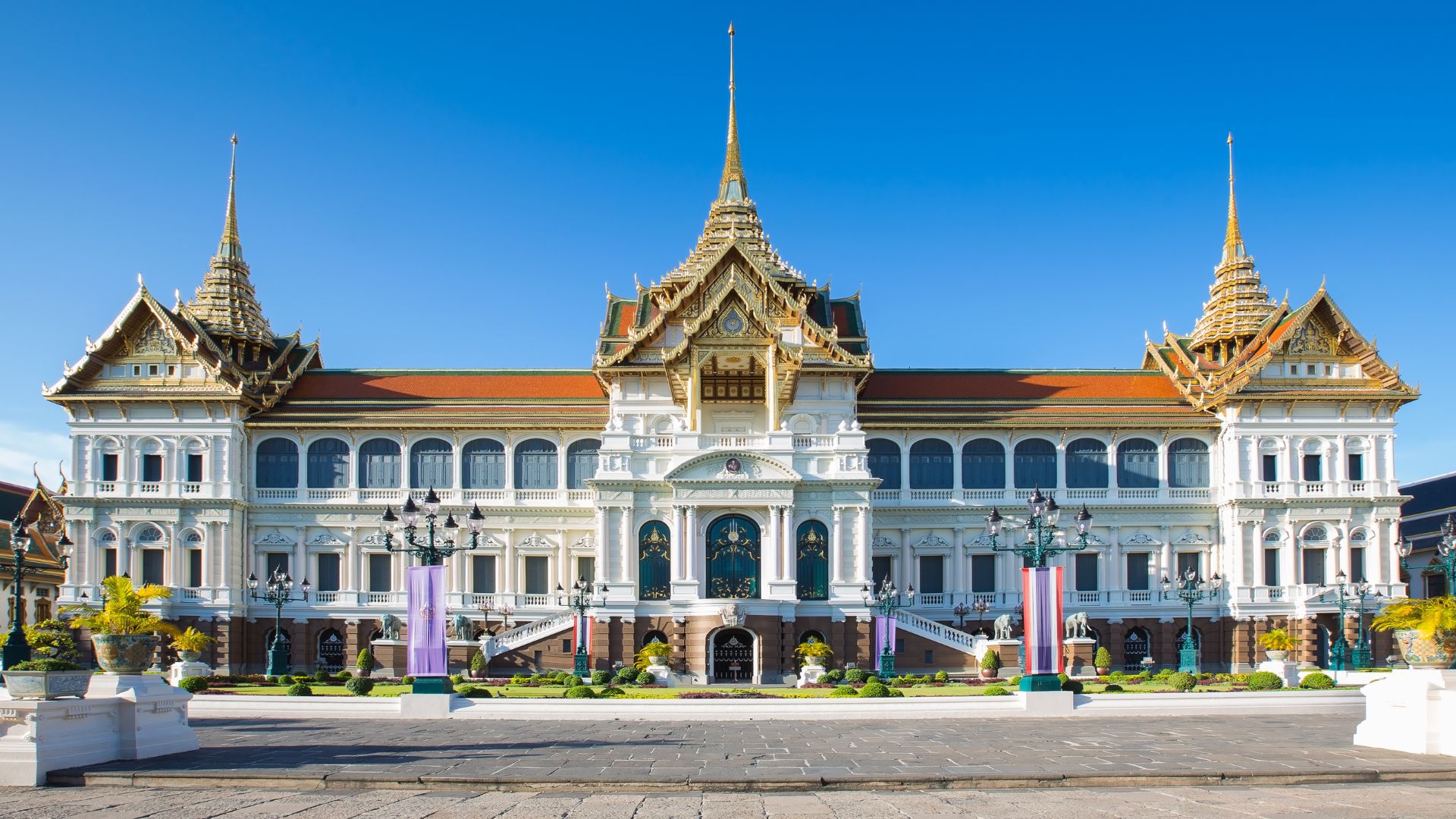
You’ll see centuries-old shrines standing next to glassy skyscrapers and mega-malls. The Grand Palace and Wat Pho showcase Thailand’s rich history, right in the heart of the action.
The street food? Unreal. You can feast for a few bucks or splurge at a fancy spot—it’s all delicious. Night markets brim with local eats and quirky souvenirs.
Getting around is a breeze with the BTS Skytrain and MRT subway. Your dollar stretches far here, which makes Bangkok a great value compared to other big cities.
The city never really sleeps. Temples, shopping, floating markets—there’s always something happening. No wonder Bangkok keeps popping up on American travel wish lists.
6) Reykjavik, Iceland
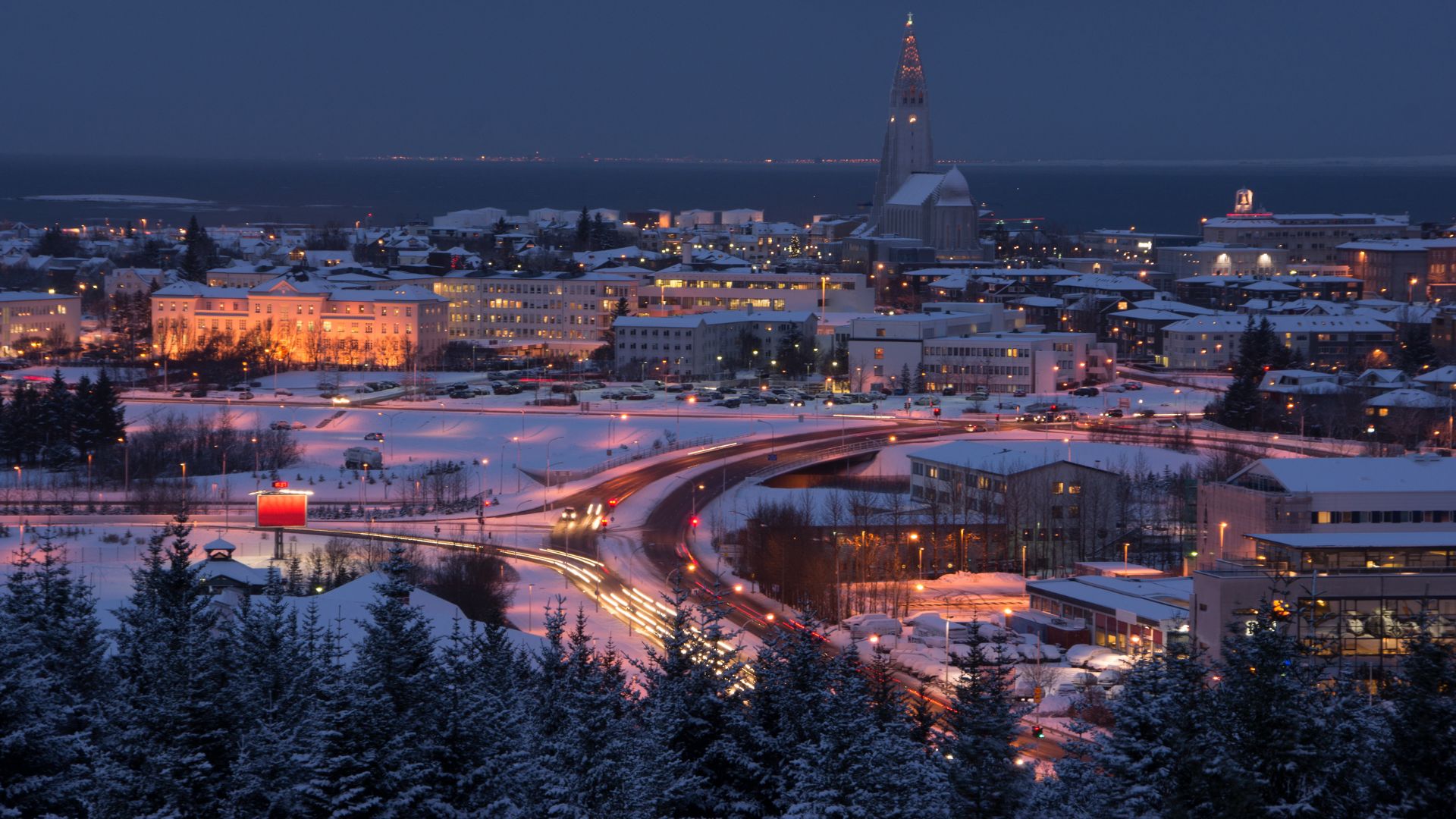
Reykjavik feels like nowhere else. It’s the world’s northernmost capital, where modern Nordic vibes meet epic natural backdrops.
The city’s compact and super walkable. You can climb Hallgrímskirkja church for panoramic views, wander colorful streets, or soak in a geothermal pool after a chilly day.
Americans love Reykjavik for its mix of city life and wild nature. You can spend the morning at a cool cafe, then drive out to waterfalls or catch the Northern Lights at night. Reykjavik makes a great base for exploring the Golden Circle.
It’s safe, friendly, and almost everyone speaks English. The maritime museum, Harpa concert hall, and Aurora Reykjavik offer a dose of culture if you need a break from the outdoors.
Winter’s best for chasing the Northern Lights. If you come in summer, you’ll get nearly 24 hours of daylight—pretty wild.
7) Kyoto, Japan
Kyoto feels like stepping into old Japan. It’s the cultural heart of the country and a magnet for Americans who crave a mix of ancient tradition and easy travel.
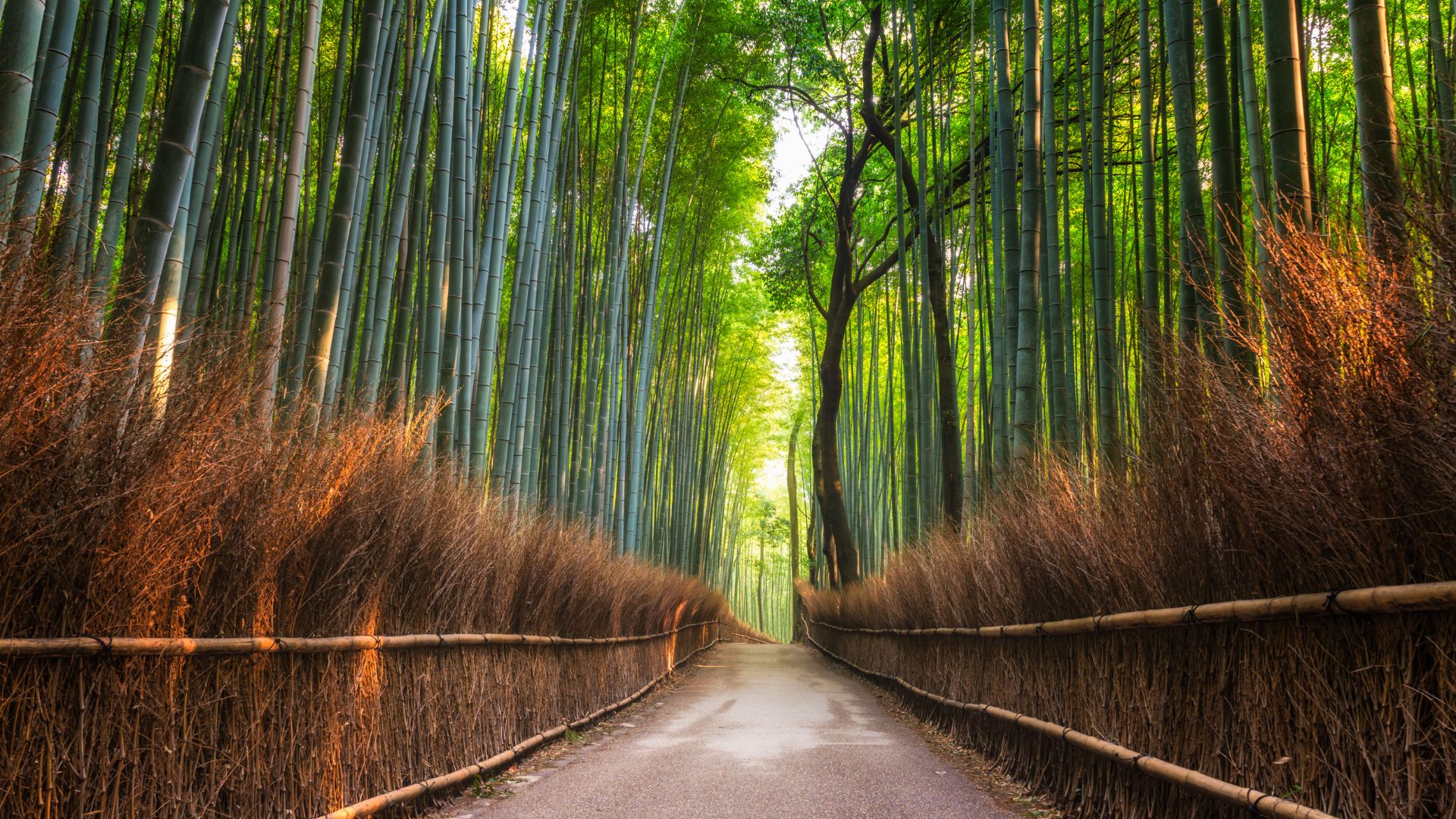
The city boasts more than a dozen UNESCO World Heritage Sites. Walking through the Arashiyama Bamboo Grove or the lantern-lit lanes of Gion, you can’t help but feel the history.
The Kyoto Imperial Palace is open for strolls and photos. Days here fill up fast—shrines, Nishiki Market, and quick trips to nearby temples keep you busy.
What’s special about Kyoto? It keeps its traditions alive but stays welcoming to visitors. Spring brings cherry blossoms, fall bursts with color, but honestly, it’s great any season.
Kyoto’s magic comes from more than just famous sites. The quiet neighborhoods, local markets, and craft shops offer a real taste of Japanese life. No wonder Americans keep circling this city on their 2026 bucket lists.
8) Santorini, Greece
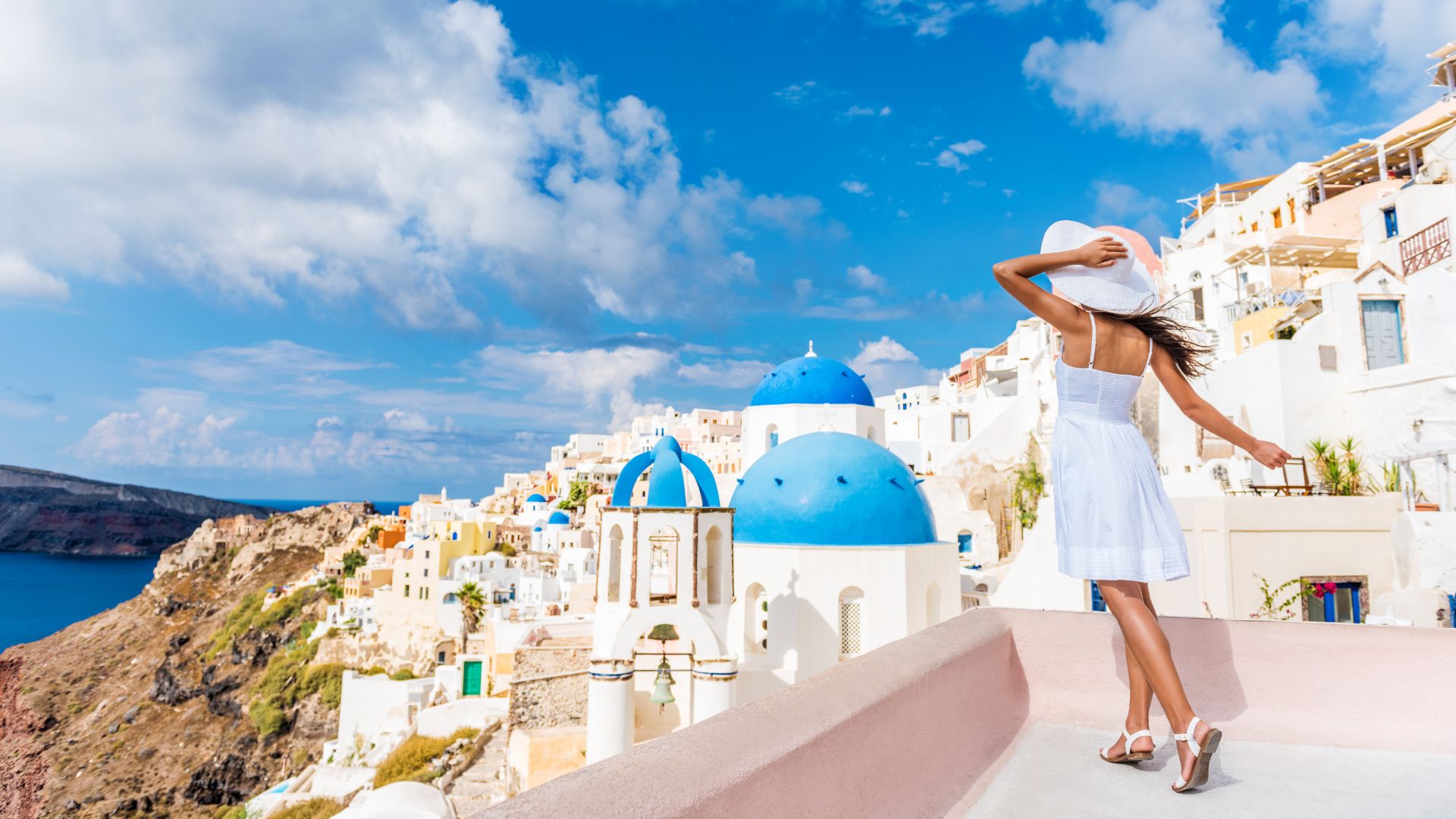
Santorini is a postcard come to life. Those whitewashed buildings on volcanic cliffs above the blue sea? They’re even better in person.
Americans keep flocking here, and it’s not hard to see why. Sunsets in Oia are legendary, and the beaches—black, red, or white sand—are nothing like what you’ll find back home.
The island hosts over 3.4 million visitors a year, yet only about 15,500 people actually live here. Want to dodge the crowds? Visit outside peak summer.
Beyond the classic views, you can hop on a boat to the volcanic islands, check out ancient ruins, or sip local wine at a cliffside vineyard. Hiking from Fira to Oia gives you those jaw-dropping caldera panoramas.
Amoudi Bay is perfect for a chilled-out seafood lunch by the water. Santorini offers everything from five-star hotels to wallet-friendly stays, so there’s something for every traveler.
9) Buenos Aires, Argentina
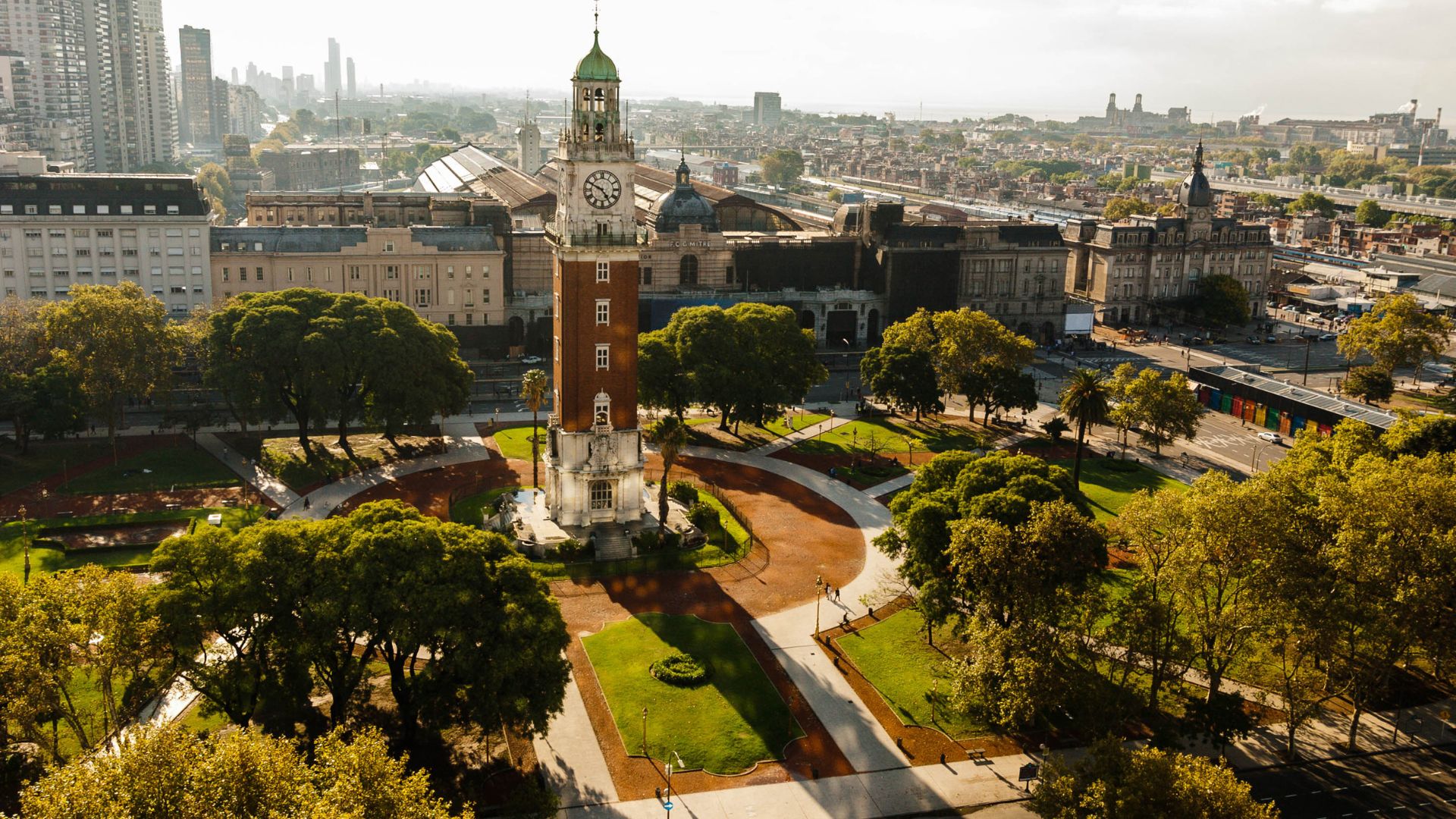
Buenos Aires is South America’s showstopper city, and Americans are catching on fast. It’s got European-style architecture, Latin American energy, and prices that go easy on your wallet.
You can lose yourself in the city’s diverse neighborhoods. El Ateneo Grand Splendid is hands-down the most beautiful bookstore I’ve ever seen, and catching a live tango show is a must.
The city’s also Argentina’s cultural and political hub. Landmarks, museums, and Eva Perón’s resting place all make the sightseeing list.
Your dollar stretches far here, thanks to a favorable exchange rate. Dining, entertainment, and hotels cost less than in most other international cities.
Buenos Aires rewards slow travel. Dig into the local food scene, wander the leafy boulevards, and soak up the city’s unique blend of old and new. Whether you’re a history buff or just want to explore somewhere different, this city stands out from the rest of South America.
10) Cape Town, South Africa
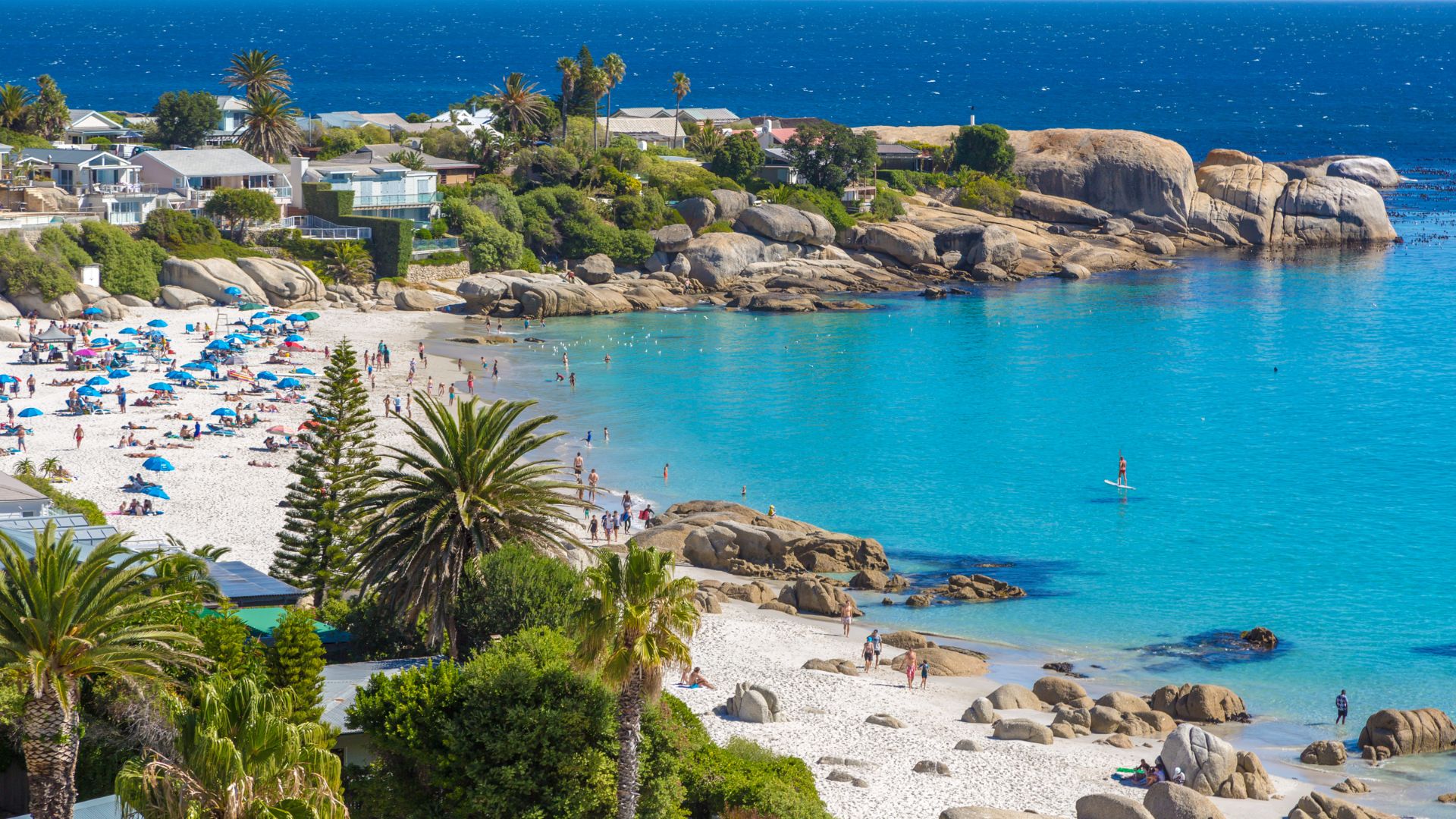
Cape Town hugs South Africa’s southwest coast, with Table Mountain towering in the background. It’s a place that grabs you with its wild scenery, vibrant neighborhoods, and endless ways to be outside.
I can’t resist the call of Table Mountain—some days I hike up, other times I just hop on the cable car for those sweeping city and ocean views. The beaches? They’re all over the map, from the quirky rainbow huts at Muizenberg to the surprise of penguins waddling around Boulders Beach.
Art lovers like me get lost in the Zeitz Museum of Contemporary Art Africa, which pulses with modern African creativity. Kirstenbosch National Botanic Garden sits right at the foot of the mountains, and it’s basically a living postcard.
Neighborhoods like the V&A Waterfront buzz with shops and restaurants, all set against the harbor’s sparkle. If you’re itching for a day trip, you can head out to Cape Point—where two oceans seem to collide—or sip your way through wine country in Stellenbosch and Franschhoek.
Robben Island stands as a reminder of the city’s complex past. You can visit and feel the weight of history firsthand.
Cape Town’s got this rare blend: adventure, culture, and those jaw-dropping landscapes. Honestly, it’s no wonder Americans keep coming back for more.
11) Sydney, Australia
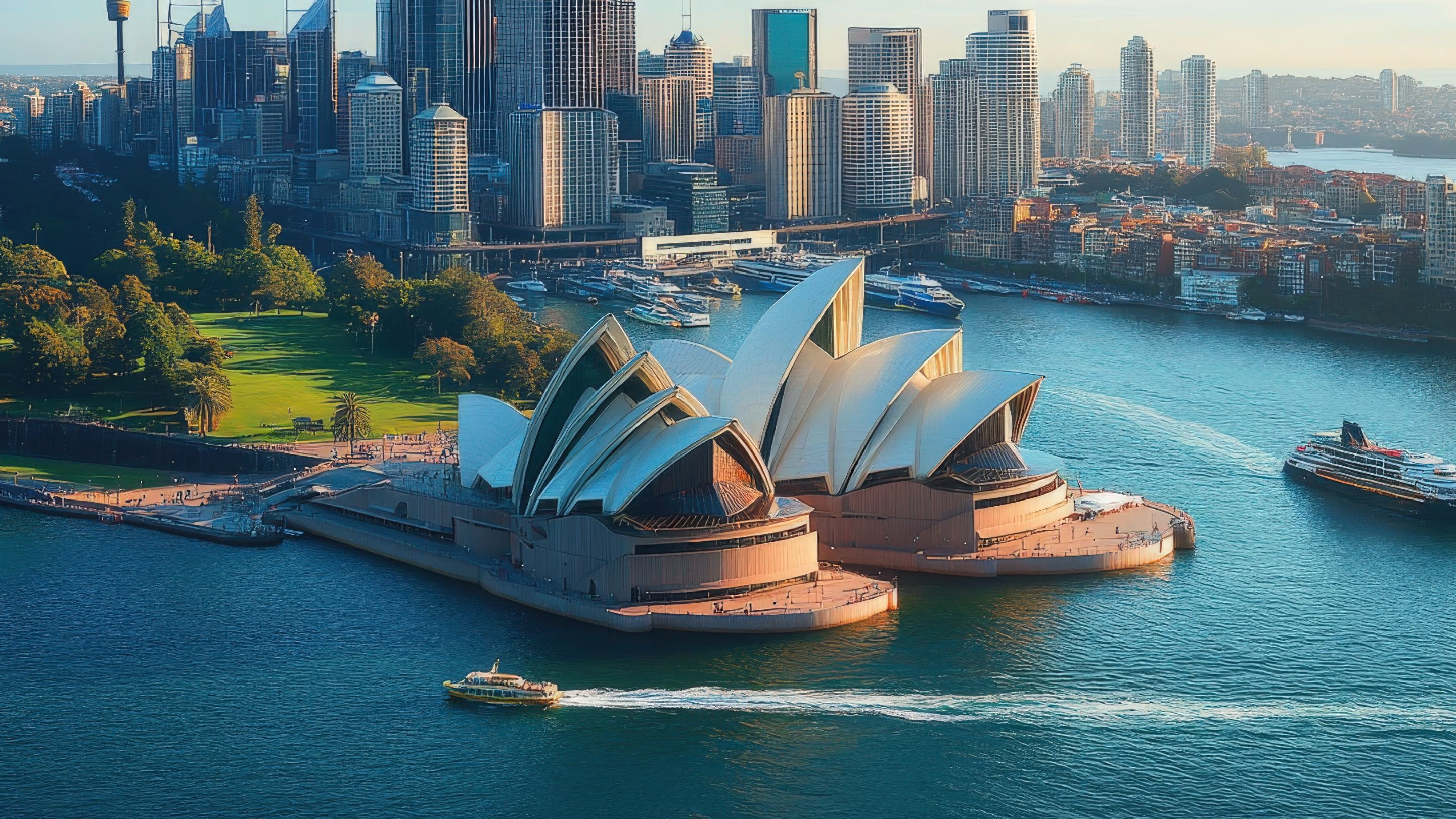
Sydney’s one of those cities that hits you with its icons the moment you arrive. The Sydney Opera House and Harbour Bridge never get old, no matter how many times you’ve seen them in photos.
The harbor itself is the city’s beating heart. You can walk along the water, hop on a ferry, or just sit with a coffee and watch the world float by.
If it’s beaches you’re after, Bondi is the classic choice. The surf scene is legendary, and people-watching here could keep you busy for hours.
Palm Beach sits up north, and it’s got its own laid-back vibe. There are plenty of smaller coves and stretches of sand if you want to escape the crowds.
Culture? Sydney’s got that too. The Royal Botanic Garden, dating back to 1816, sits right in the city center and feels like a green oasis.
Museums, restaurants, and shopping pop up everywhere you look. The city’s energy just pulls you in.
Nature lovers will find the Blue Mountains within easy reach. Australia’s oldest national park lies just south of the city, perfect for a day of hiking or even a picnic.
Sydney lets you mix adrenaline with downtime. Maybe you’ll climb the Harbour Bridge for a rush, or just linger over dinner by the water. Either way, the city never really lets you go.
12) Paris, Texas, USA
Okay, hear me out—this isn’t a typo. Paris, Texas actually belongs on your travel radar as a quirky American alternative to the French original.
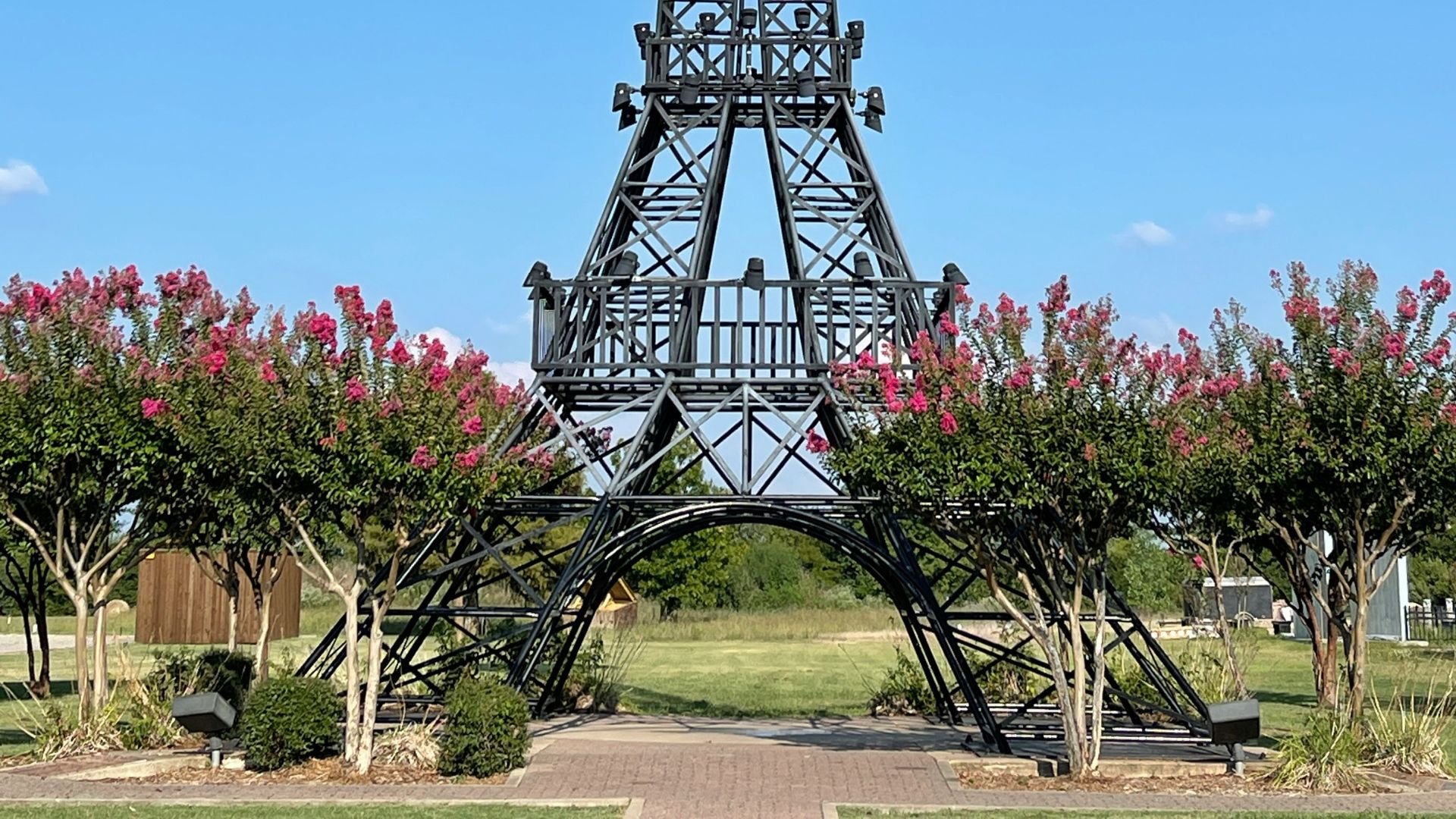
The town’s claim to fame? A 65-foot Eiffel Tower, topped with a giant red cowboy hat. You can’t make this stuff up. It sits in a public park, and at night, the lights turn it into a surprisingly fun photo spot.
Paris, Texas oozes small-town charm with a side of oddball character. You might wander into a local museum, grab lunch at a family-run diner, or just soak up the slower pace.
Festivals roll through town during the year, showing off local food and culture. It’s a slice of Americana you won’t find anywhere else.
Sure, you’re not jetting off to Europe, but Paris, Texas proves you can find global flair in unexpected corners of the U.S. The locals are friendly, prices stay reasonable, and honestly, it’s a perfect road trip detour if you’re anywhere near East Texas.
13) Dubai, United Arab Emirates
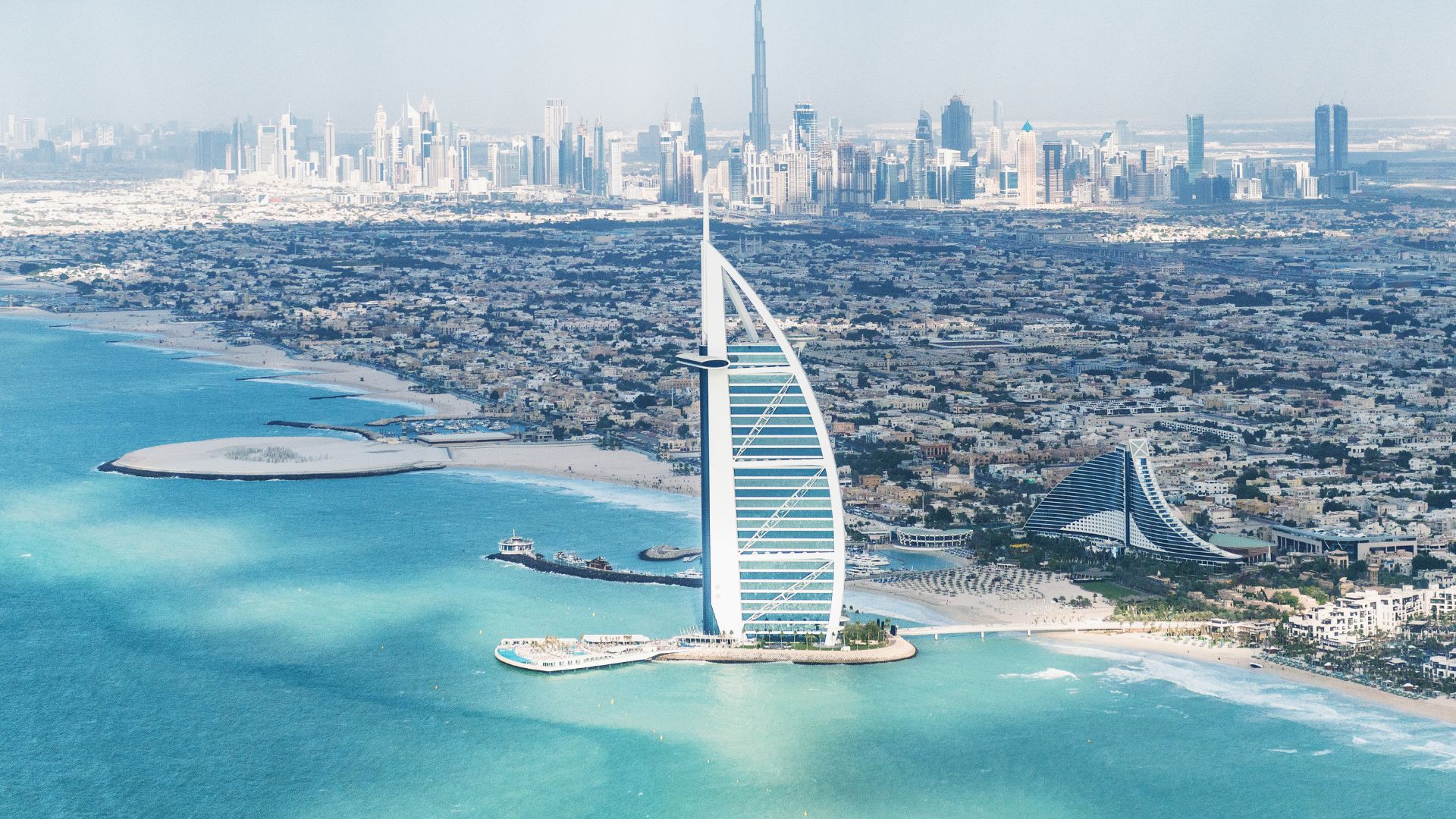
Dubai just keeps raising the bar for wow-factor cities. The Burj Khalifa dominates the skyline, reminding you that this is a place where big dreams come to life.
You can dive into the old souks, haggle for spices, or shop in mega-malls that feel like cities themselves. The beaches are pristine, and the desert calls if you’re up for a camel ride or an ATV adventure across those endless dunes.
Dubai’s a true melting pot—over 200 nationalities call it home. That means the food scene is wild, and you’ll stumble into festivals or events you didn’t even know existed.
You can catch the Dubai Fountain show, snap a photo at the Burj Al Arab, or wander through Madinat Jumeirah’s winding alleys. The Miracle Garden and Global Village both offer a surreal, only-in-Dubai vibe.
Getting around is a breeze thanks to slick public transport and taxis everywhere. You can pack your days with activities and never feel stuck in traffic.
Essential Tips for International Travel in 2026
Travel keeps changing, and the rules seem to shift every year. If you want your trip to go smoothly, a little prep goes a long way.
Visa and Entry Requirements
Always check visa rules at least three months out. Many countries now want online registration, even for quick visits.
Europe’s rolling out the ETIAS system, so Americans have to register online before most trips. It’s about $8 and takes maybe 10 minutes.
Some hot spots now cap visitors and use reservation systems. You might have to book entry slots at top sites weeks in advance—think Venice, Barcelona, or certain places in Japan.
Keep digital and paper copies of everything: passport, visas, vax records. I save them on my phone and in the cloud, but a paper backup can be a lifesaver if your phone goes missing.
Health and Safety Best Practices
Don’t skip travel insurance. U.S. health insurance rarely works abroad, and a good plan costs 4-7% of your trip.
Pack a small medical kit—painkillers, band-aids, your meds. Bring extra in case of delays. Customs can be picky, so keep pills in original bottles.
I always register with the State Department’s STEP program before heading overseas. It’s free, sends safety updates, and helps the embassy find you in a pinch.
Offline maps are a must. Download them before you go, because Wi-Fi isn’t always reliable.

Smart Packing and Travel Tech
Download key apps before you leave. Google Translate, your airline’s app, and digital wallets like Apple Pay or Google Pay make life easier. Many places, especially in Northern Europe and Asia, barely use cash now.
A universal power adapter and portable charger are non-negotiable. Your phone is your lifeline for maps, payments, and photos.
Pack light. Airlines charge $30-40 per checked bag on international flights. A solid carry-on and a personal bag can last two weeks if you plan outfits you can mix and match.
Cultural Insights for Popular Global Destinations
You get more out of travel when you understand the local vibe. A little effort goes a long way, and it helps you avoid rookie mistakes.
Language and Communication Strategies
Basic phrases in the local language can open doors. I stick to greetings, thank you, please, and numbers—it makes a difference in places like Japan, France, or Italy.
Download translation apps before you go. Google Translate works offline if you grab the language packs in advance. It’s a lifesaver in restaurants or when you’re lost.
English gets you far in Scandinavia, the Netherlands, and big German cities. In Eastern Europe, you’ll find English in tourist areas, but smaller towns can be a challenge. Sometimes, gestures and a smile do the trick.
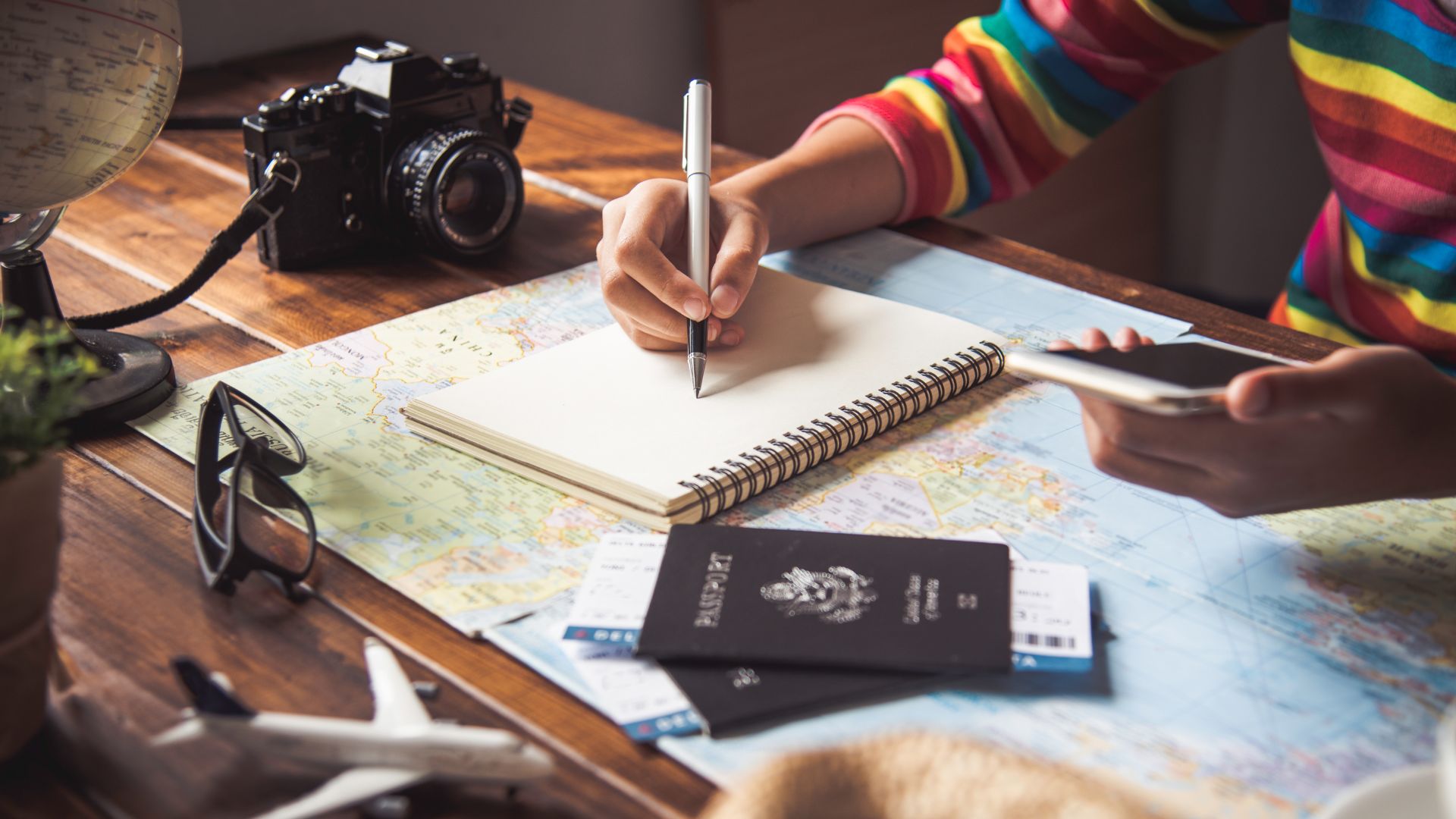
I like to carry a tiny notebook for addresses or doodled directions. Locals usually appreciate the effort, even if you fumble a bit. In Japan, simple English spoken slowly works better than complicated sentences.
Navigating Local Etiquette
Gift-giving is a big deal in Japan. Bring a small present if you’re invited to someone’s home. Always take off your shoes inside homes and some restaurants.
Tipping confuses a lot of travelers. In Japan, don’t tip—it can actually offend. Most European countries include service, but rounding up or leaving 5-10% is nice. Always double-check your bill.
Dress codes can be stricter than in the U.S. Cover your shoulders and knees for churches in Italy, Spain, and Greece. Dinners in France often call for something a bit nicer. And beachwear? Keep it at the beach.
If you eat out in Spain, don’t expect dinner before 9 PM. Locals show up late, and you’ll probably have the place to yourself if you arrive early.
Seasonal Considerations for Your Trip
Peak Season (June-August):
- Prices skyrocket and crowds swell
- Northern Europe shines with great weather
- Mediterranean spots can get uncomfortably hot
- Book hotels 3-4 months ahead
Shoulder Season (April-May, September-October):
- Lower prices, fewer tourists
- Mild weather across most of Europe
- Japan’s cherry blossoms bloom late March to April
- Some sights may have shorter hours
Winter (November-March) brings the best deals but shorter days. Christmas markets in Germany and Austria light up late November through December. Ski season peaks in Switzerland and Austria between January and March.
Japan’s rainy season runs June to July. Typhoons show up August through October, so keep an eye on the forecast.

Frequently Asked Questions
Travelers ask a lot of the same questions about planning trips for 2026. Here’s what comes up most, from trending destinations to new cultural experiences.
American Express calls out a handful of hotspots based on current trends. Tokyo tops the list—Americans can’t get enough of Japanese culture and food.
Paris and Rome still reign for their history and art. Barcelona is picking up steam for its Mediterranean vibe. Bangkok rounds out the list with its wild mix of temples and modern city life.
Americans are craving real, authentic experiences more than ever. You want to eat like a local, meet locals, and skip the cookie-cutter tours.
Sustainable travel is on the rise. More people pick destinations with good transit and eco-friendly hotels.
Budget matters, too. The strong dollar pushes more travelers toward places where money goes further—think Southeast Asia or Eastern Europe.
Poland is having a moment—Krakow and Warsaw both buzz with history and affordable eats.
Romania pulls in visitors with its castles and mountain escapes, all for less than you’d spend out west.
The Czech Republic draws people beyond Prague, and Hungary’s Budapest is hot for its baths and cool cultural mash-up.
Cultural immersion tops the list. Travelers want to learn to cook, pick up a few language skills, and join in local traditions.
Food is a huge driver now. Cities with famous street food or culinary reputations get priority.
Families travel together more, so multi-generational trips influence where people go and what they book.
Digital nomad life shapes long-term travel. Reliable Wi-Fi and co-working spaces make some destinations more appealing.
Vietnam has shot up in popularity—Hanoi and Ho Chi Minh City offer amazing food and affordable luxury.
Portugal is the new alternative to crowded European cities. You get Mediterranean charm, great value, and fewer tourists if you venture beyond Lisbon.
Croatia keeps impressing with its coastline and historic towns. Island hopping and national parks give it real variety.
Morocco attracts those who want North African culture without a long-haul flight. The architecture, markets, and desert landscapes are unforgettable.
Japanese cuisine has exploded in popularity across the U.S. lately, and honestly, who can resist the pull of real ramen or sushi? There’s just something special about tasting these dishes in the places where they were first imagined.
Anime and manga have shaped a whole generation of travelers. If you grew up watching Studio Ghibli films or reading manga after school, visiting Japan feels like stepping into your favorite stories.
The blend of old and new in Japan is pretty wild. One minute, you’re wandering through centuries-old temples; the next, you’re surrounded by neon lights and futuristic gadgets in bustling city districts.
Japanese hospitality is on another level. Hotels and restaurants pay attention to every little detail, making every guest feel genuinely welcome.
Travelers leave Japan with stories about kindness, unexpected adventures, and flavors they can’t quite replicate back home. Isn’t that what we’re all looking for in a trip?
