
Toronto doesn’t always get the spotlight when folks talk about world-class cities. But honestly? Canada’s largest metropolis quietly rivals any major urban center out there. Its wild cultural diversity and its lively arts scene? They go toe-to-toe with what you’d find in New York, London, or Paris.
Toronto’s multicultural neighborhoods, festivals like TIFF and Caribana, and a mashup of cultures all blend together to create an urban experience that puts Canada in the “world’s greatest cities” conversation. Over 200 ethnic groups and more than 140 languages? That’s not just a stat—it’s a way of life here.
Let’s dig into how Toronto’s neighborhoods, economic muscle, and cultural energy have landed it among the world’s urban elite. Here are 13 reasons Toronto deserves its spot on your bucket list.
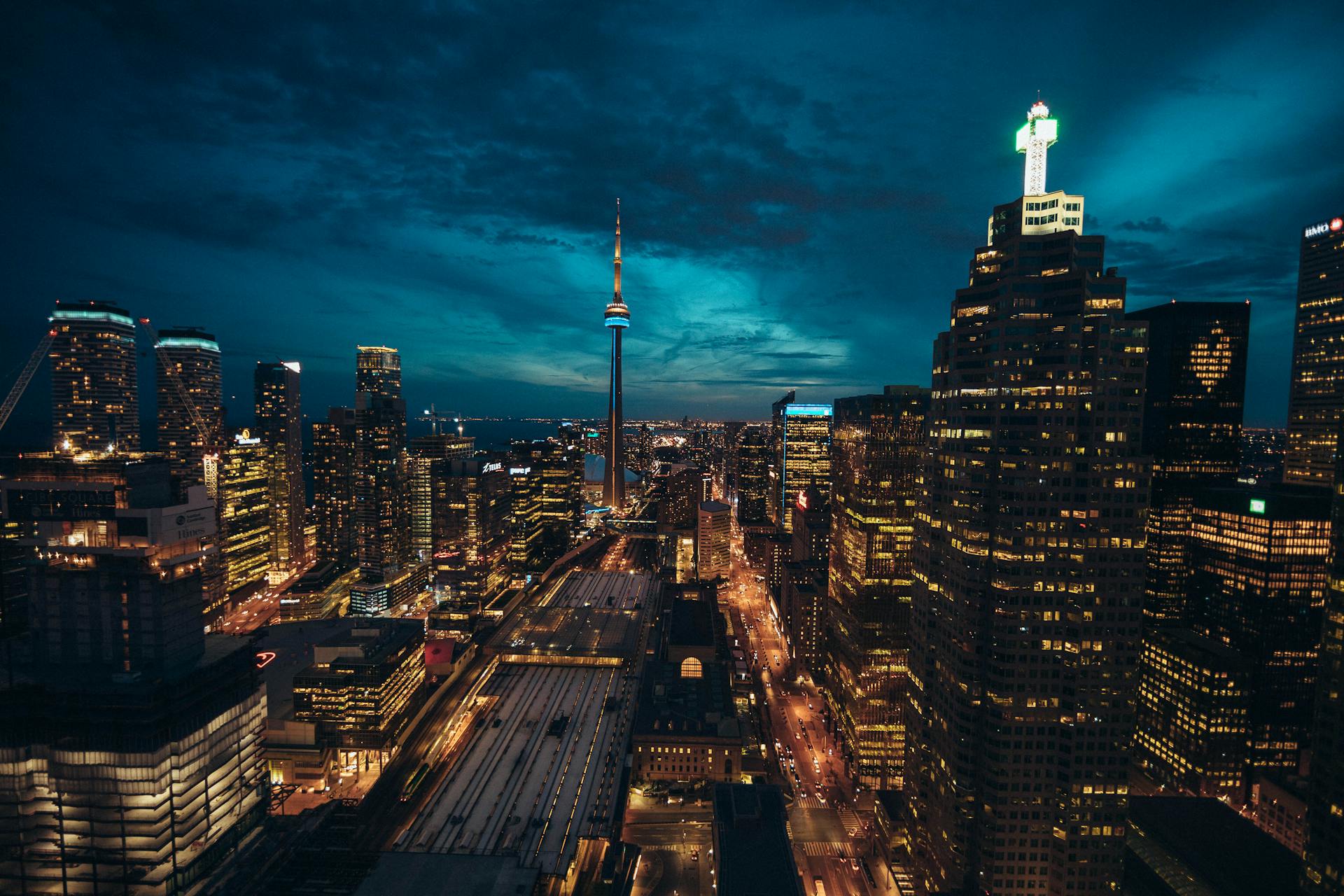
Toronto’s Unmatched Cultural Diversity
Toronto stands out as one of the most diverse cities on the planet. More than half of its residents were born outside Canada, and over 250 ethnicities have found a home here.
You can feel this diversity everywhere—at the corner bakery, in the office, or walking down any street.
A City Built by Immigrants
Toronto’s immigrant population gives the city its unique flavor. Every year, more than 128,000 new permanent residents arrive, making up 30% of all newcomers to Canada.
Unlike places like Miami, where most immigrants come from Latin America, Toronto draws people from every continent. It’s a whole world tucked into one city.
Key Immigration Numbers:
- 337,000 residents from India
- 300,000 from China
- 200,000 from the Philippines
- 170 languages spoken every day
Sixteen countries have over 50,000 people represented in Toronto. There are more folks from Asia living here than the entire population of San Francisco or Dallas. That’s wild.
The 47% foreign-born rate? It beats out London, Sydney, Melbourne, and Paris. In North America, only Miami and Miami Beach top that.
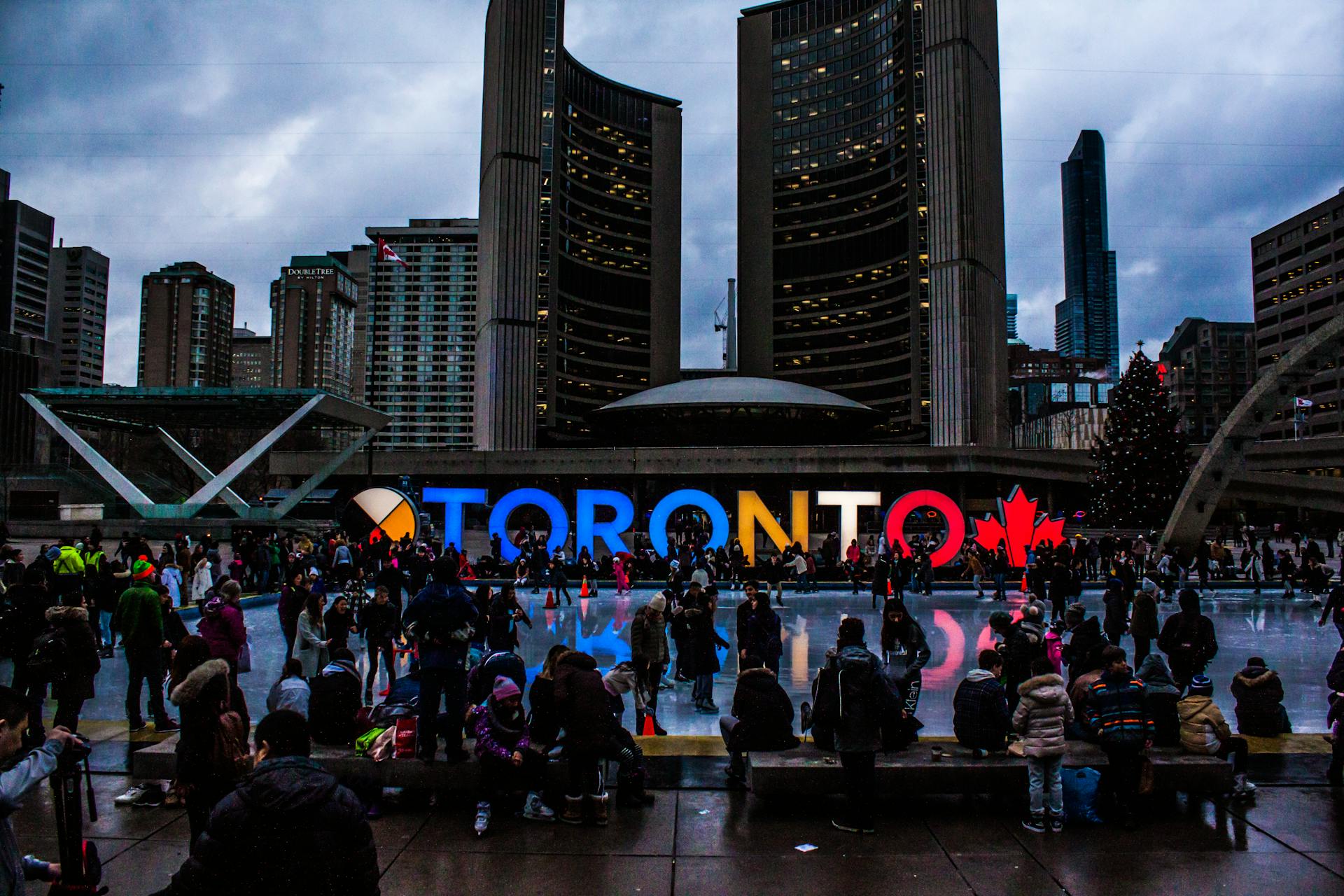
Multiculturalism in Everyday Life
You can’t miss Toronto’s diversity in daily life. Markets sell ingredients from every corner of the globe. Street signs come in more than one language. Festivals pop up all year long.
About half the population identifies as a visible minority. You’ll meet people of Asian, Black, Latin American, and Arab backgrounds in every part of the city.
Everyday Cultural Experiences:
- Restaurants from 100+ countries
- Multilingual customer service
- International grocery stores
- Community centers for every culture
- Temples, mosques, churches, and synagogues
Companies like Booking.com set up shop in Toronto for its multilingual workforce. From here, they help customers in English, French, Arabic, Mandarin, Brazilian Portuguese, and Russian.
Medical researchers love Toronto, too. The city’s multiracial population makes it a top spot for clinical trials.
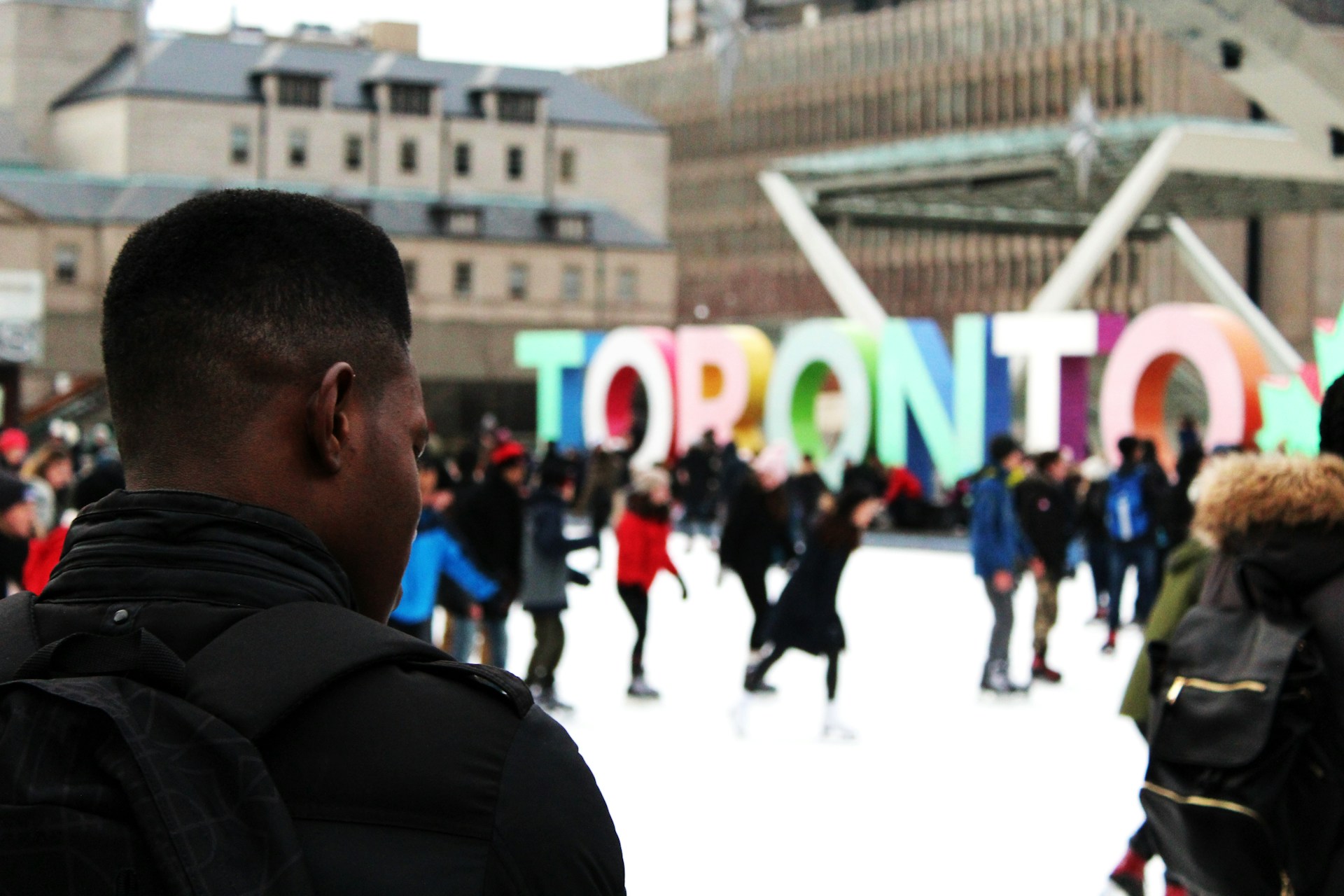
Inclusive Policies that Foster Diversity
Canada’s approach to multiculturalism sets Toronto apart. The country ranked fourth overall—and first in tolerance—on the Global Creativity Index.
Toronto’s official motto is “Diversity Our Strength.” That’s not just lip service. City policies and community programs actually support newcomers and celebrate different cultures.
Policy Highlights:
- Employment equity in big companies
- Language training for immigrants
- Cultural funding for local groups
- Anti-discrimination laws
The Martin Prosperity Institute praised Canada’s openness to ethnic and religious minorities. The country also leads the way on LGBTQ rights.
These policies help Toronto keep its talent. People from all backgrounds find communities where they can keep their culture alive and still feel Canadian.
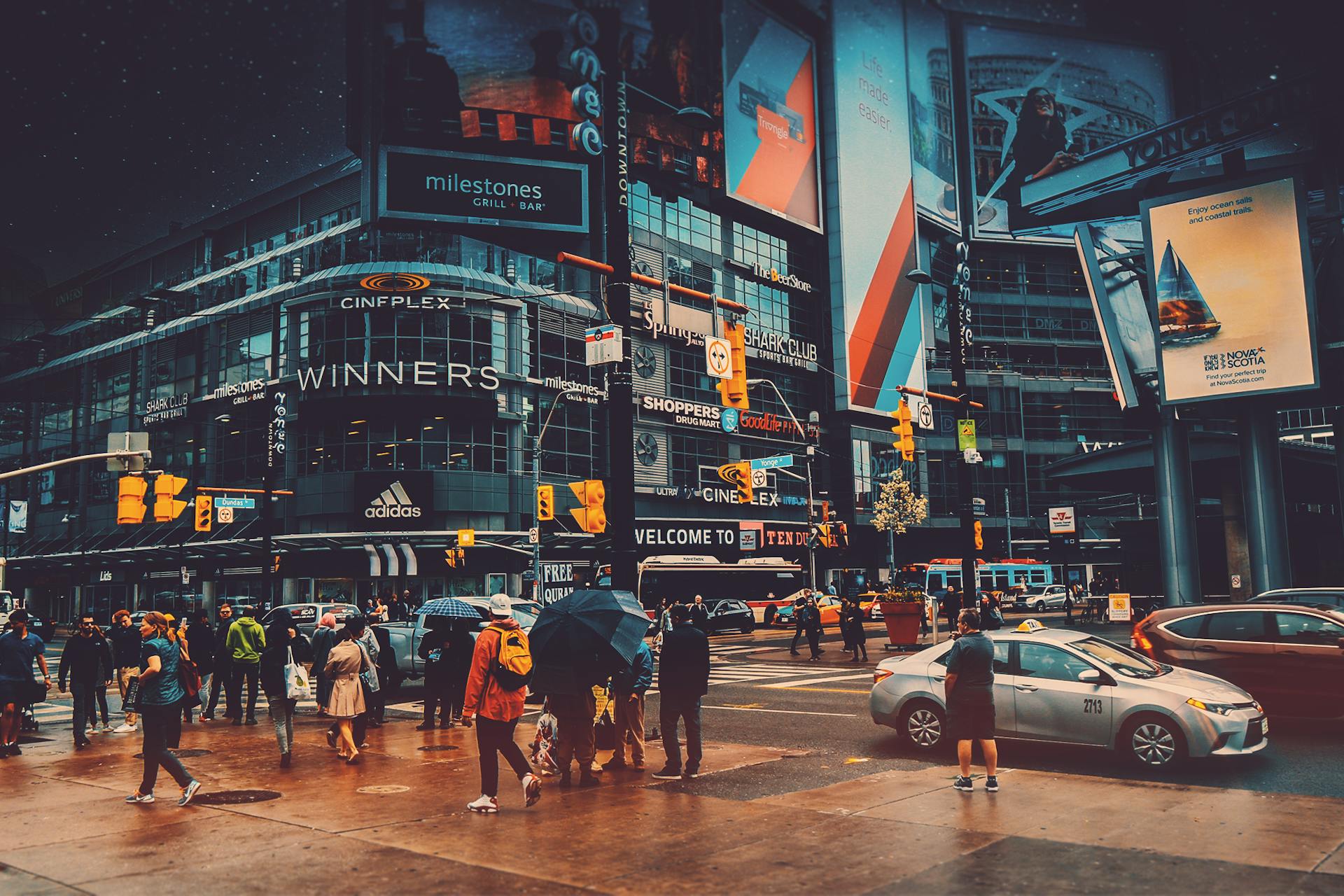
Distinctive Multicultural Neighborhoods
Toronto’s neighborhoods are living, breathing cultural hubs. Each one offers authentic food, festivals, and traditions that show just how global this city really is.
Chinatown’s Vibrant Heritage
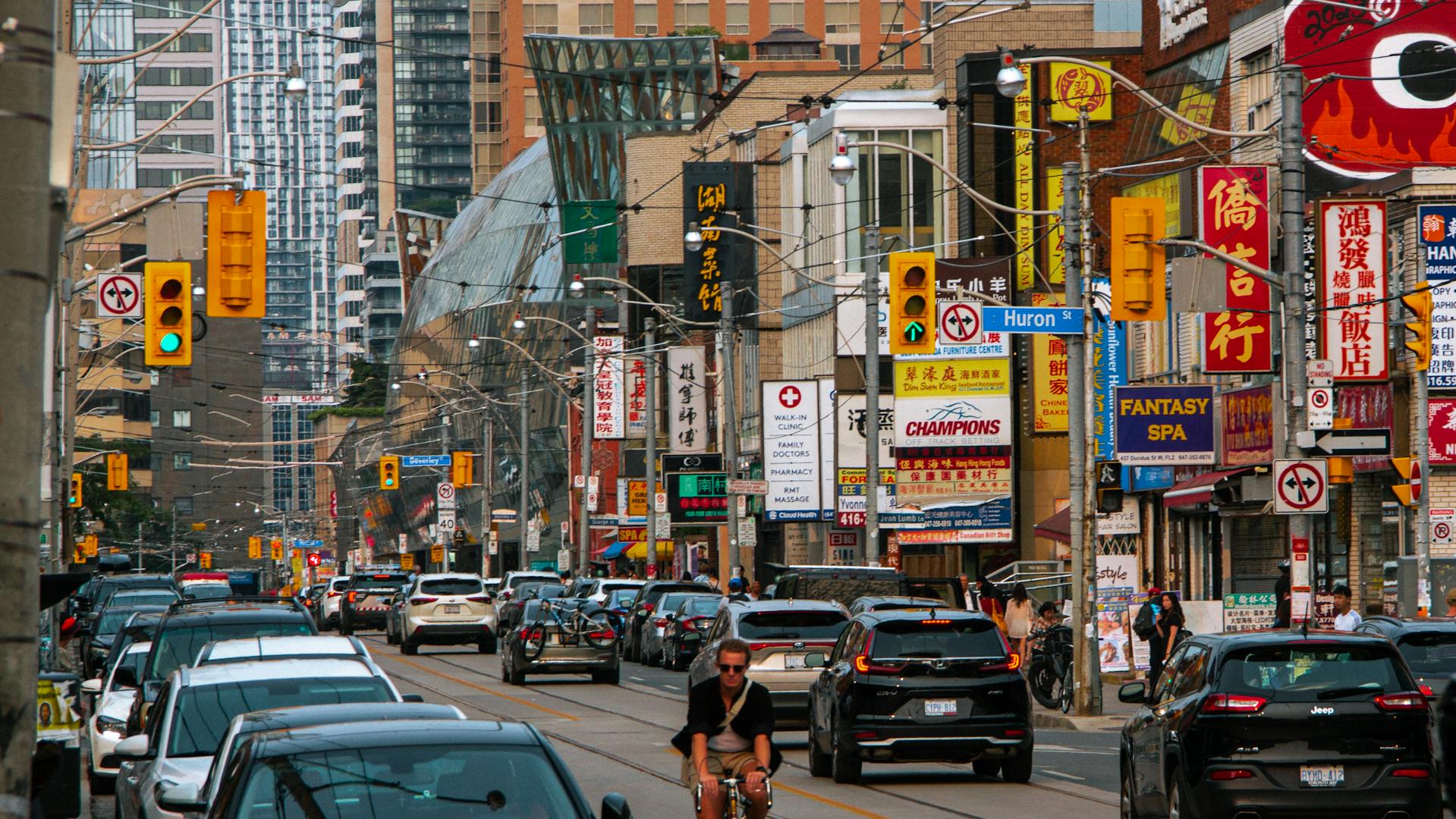
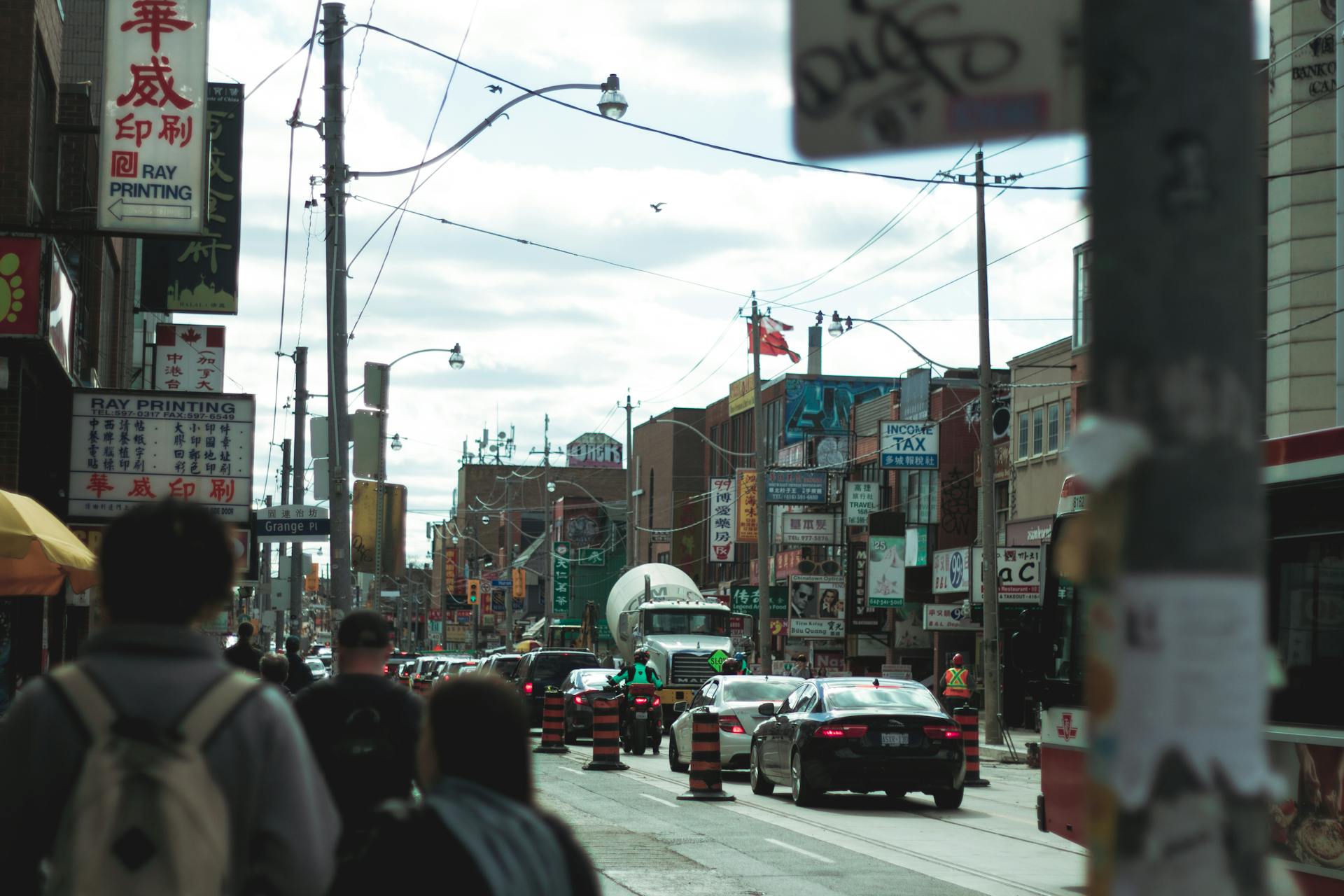
Toronto’s Chinatown is one of the biggest Chinese communities in North America. It’s centered around Spadina Avenue and Dundas Street West.
Red lanterns hang above sidewalks packed with herbal shops and dim sum joints. You can grab fresh bok choy or catch a traditional tea ceremony just steps apart.
Major celebrations fill the streets:
- Chinese New Year with dragon dances
- Mid-Autumn Festival and mooncakes
- Weekend night markets with street eats
Signs appear in both English and Chinese. The area serves Toronto’s large Cantonese and Mandarin-speaking communities.
Family businesses have been here for decades—bakeries selling egg tarts, stores packed with imports from China.
The Flavors of Little Italy and Little Portugal
Little Italy runs along College Street between Bathurst and Shaw. Italian families settled here over a century ago, building a community around real-deal restaurants and cafes.
Sidewalk patios buzz with people sipping espresso and twirling pasta. Italian flags wave above storefronts, and you’ll catch the language on street corners.
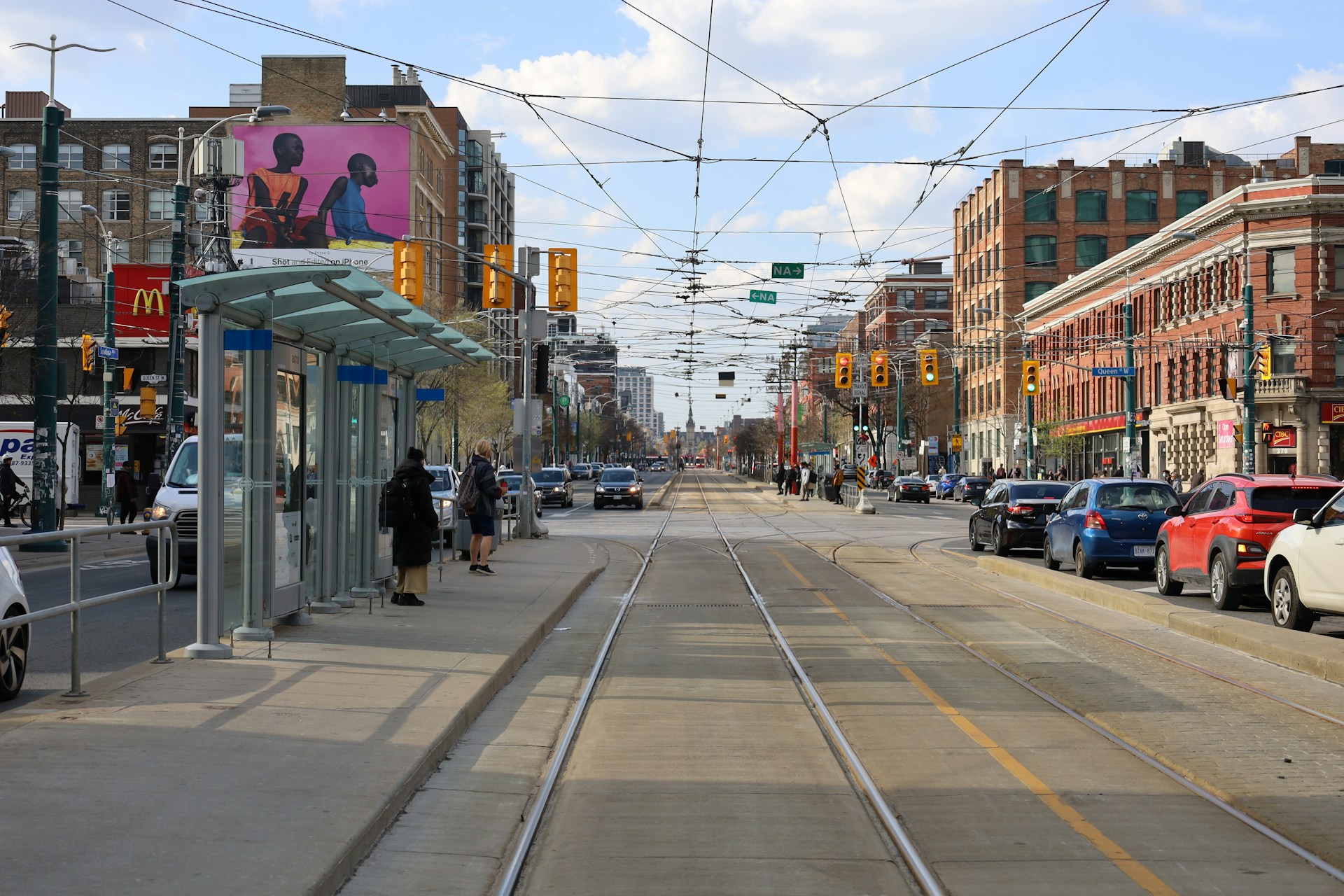
Little Portugal is just a stone’s throw away on Dundas Street West. Portuguese immigrants made it home in the 1950s.
You’ll find:
- Portuguese bakeries selling pastéis de nata
- Family-run restaurants with grilled sardines
- Community centers hosting Festa do Senhor Santo Cristo
Both areas keep their roots strong. Festivals draw thousands every summer for a taste of Europe in Toronto.

Kensington Market: The Urban Mosaic
Kensington Market is Toronto’s wildest mix. Since the early 1900s, different cultural groups have called it home.
Jewish families started it as a market district. Now, Caribbean, Latin American, and Middle Eastern communities share the same blocks.
On pedestrian Sundays, cars stay out and the streets fill with performers and outdoor vendors.
Vintage shops sit next to halal butchers and vegan cafes. It’s a jumble of cultures in a few city blocks.
Old houses turned into shops sell everything from Jamaican patties to handmade jewelry. The vibe is pure, unfiltered Toronto.

Greektown, Koreatown, and Little India Highlights
Greektown stretches along Danforth Avenue. Greek restaurants dish up souvlaki and baklava, especially during the wild Taste of the Danforth festival.
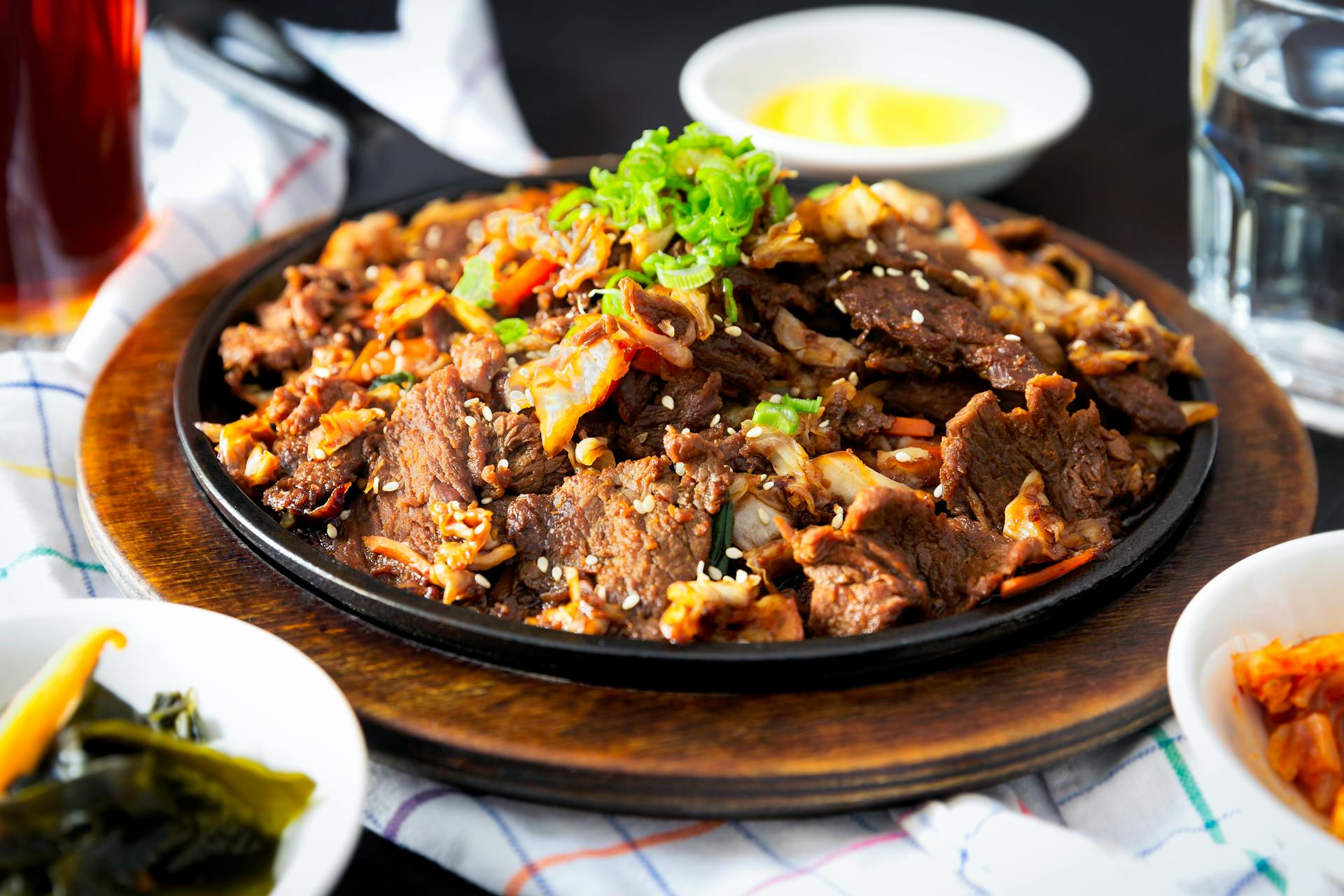
Koreatown sits on Bloor Street West near Christie Station. Korean BBQ spots and karaoke bars keep the area buzzing all night.
24-hour diners serve Korean comfort food late into the night. Grocery stores are packed with kimchi and specialties.
Little India runs along Gerrard Street East. You’ll find:
| Business Type | Examples |
|---|---|
| Restaurants | Curry houses, sweet shops |
| Shopping | Sari stores, jewelry shops |
| Services | Bollywood video rentals |
Each neighborhood hosts its own festivals and community events. These spots show how immigrant communities have shaped Toronto into a patchwork of international districts.
A Thriving Arts and Contemporary Culture Scene
Toronto’s art scene is a mashup of influences. You’ll find major museums, street art, and galleries that champion everyone from up-and-coming locals to established global names.
World-Class Art Galleries and Museums
The Art Gallery of Ontario (AGO) is Toronto’s crown jewel. It draws crowds with Canadian and international masterpieces.
The Museum of Contemporary Art Toronto pushes boundaries with experimental work. It’s a launchpad for new ideas.
Must-See Institutions:
- Art Gallery of Ontario (AGO)
- Museum of Contemporary Art Toronto
- Royal Ontario Museum
- Gardiner Museum
Commercial galleries like Daniel Faria Gallery and Odon Wagner Gallery connect artists with collectors. Exhibits rotate often, spotlighting local and global talent.
Bau-Xi Gallery, open since 1976, has always championed diversity. Artists like Erin Armstrong and Gavin Lynch have made waves beyond Canada.

Public Art and Street Art Landmarks
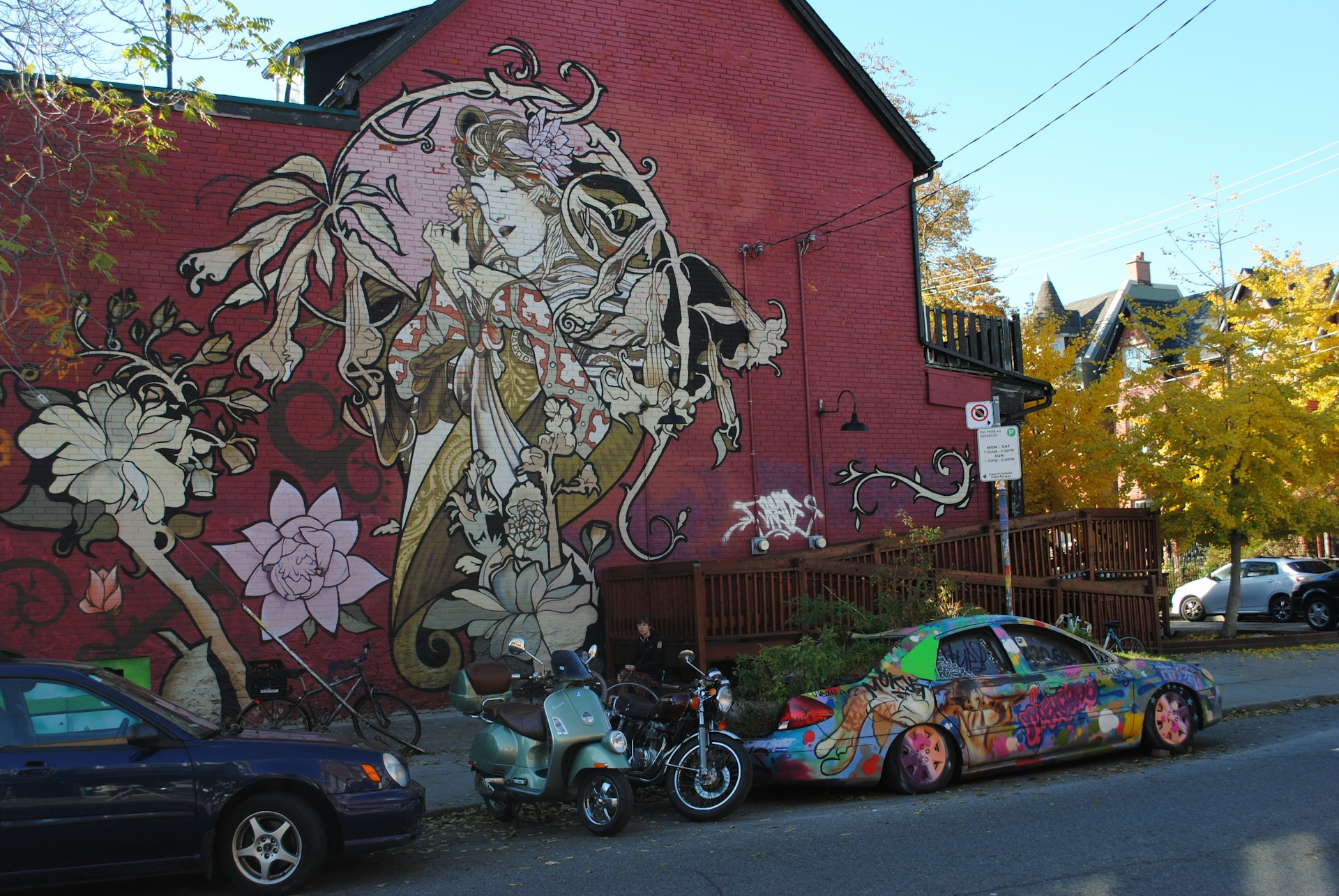
Toronto’s streets are a canvas. Murals and installations pop up everywhere—Queen Street West, Kensington Market, you name it.
The city runs programs to boost public art. These turn blank walls into landmarks worth seeking out.
Graffiti Alley is a must-see. Artists get free rein to create giant works, no red tape.
Festivals celebrate street art and public installations. These events pull in locals and visitors, all soaking up Toronto’s creative energy.
Showcasing Local and Contemporary Art
Local galleries go all-in on Canadian artists. There’s no need to move abroad to make it big—Toronto’s got the audience and the energy.
Contemporary art here reflects the city’s multicultural spirit. Artists tackle Canadian themes but with a global twist.
Artists to Watch:
- Erin Armstrong (contemporary painter)
- Gavin Lynch (digital landscapes)
- Kyle Schuermann (Northern Ontario vibes)
- Douglas Coupland (multimedia wizard)
Art Toronto, the city’s big annual fair, brings together 110 galleries and more than 20,000 visitors. It’s where local artists meet international collectors.
More and more, collectors buy local. There’s a new confidence in Toronto’s art scene, and honestly, it feels overdue.
Iconic Festivals and Major City Events
Toronto’s festival lineup never really stops. Events draw millions, putting the city’s multicultural identity front and center. From street parties to international blowouts, there’s always something happening.
Chinatown Festival and Independent Street Events
Every summer, the Chinatown Festival lights up downtown. Spadina Avenue and Dundas Street turn into a sea of color and celebration.
Streets fill with vendors selling classic foods like dumplings and bubble tea. Dragon dances and martial arts shows pull in huge crowds.
Other neighborhoods throw their own parties. Little Italy’s summer fest brings Italian music and food. Greektown’s Danforth festival is all about Greek culture, outdoor eats, and folk dancing.
These local events let each community show off their traditions. You get real-deal experiences, not just tourist stuff.
Celebrating Global Cuisine and Music
Big festivals put food and music at the heart of cultural celebration. The Toronto Caribbean Carnival is famous for steel drums and Caribbean eats—perfect for the city’s huge West Indian community.
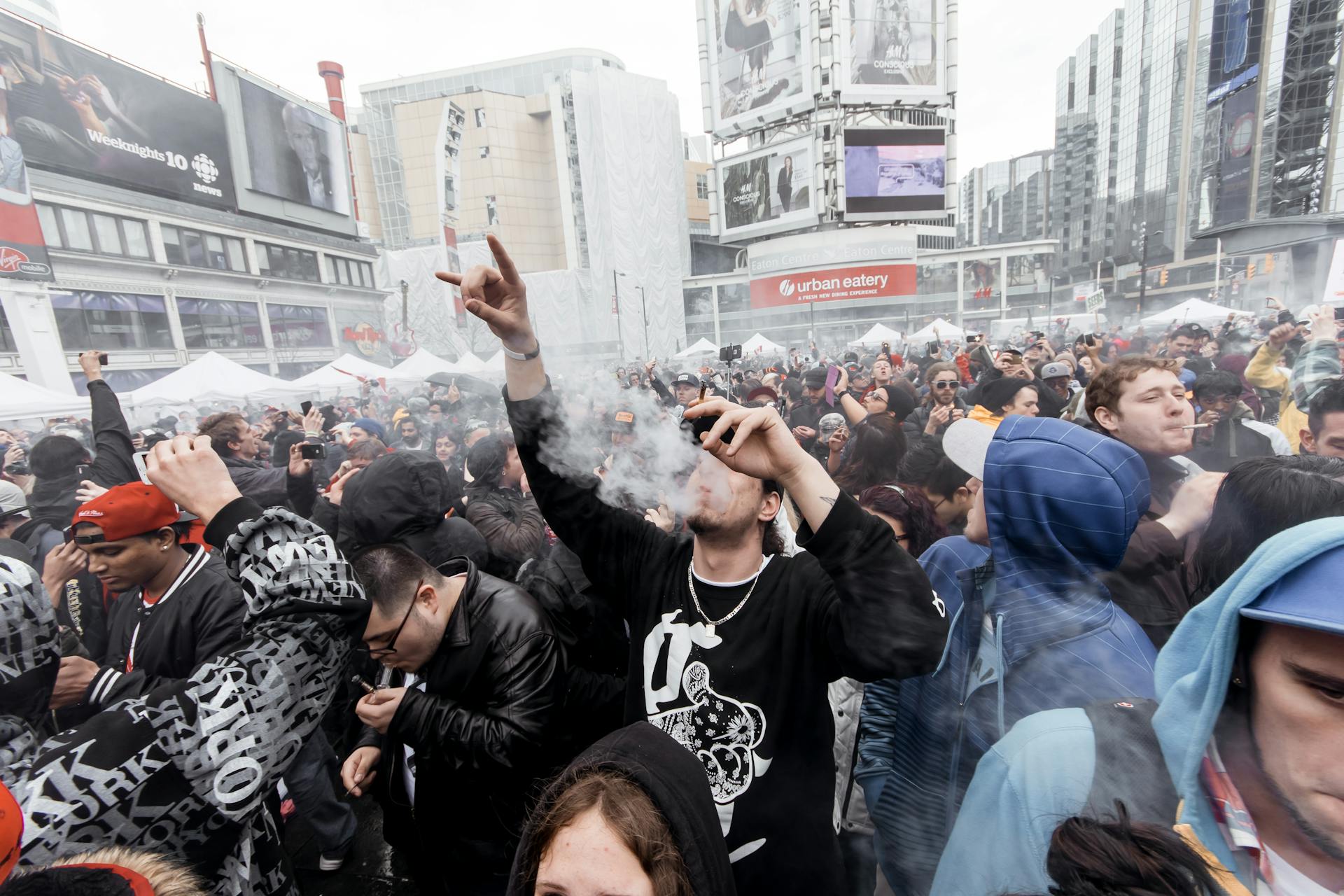
Pride Month turns the streets into a rainbow of music, food trucks, and performances. The Toronto Jazz Festival brings in top musicians from around the world.
Salsa in Toronto is a Latin American dance party with live bands, lessons, and food from across the Americas. Most events are free or super affordable, so anyone can join.
Food festivals run all year. I’ve hit up Korean food fairs, Middle Eastern feasts, and wild fusion events that mix it all together.

Events That Showcase Cultural Fusion
The Canadian National Exhibition is peak Toronto—international food vendors next to Canadian classics like beaver tails and maple treats.
You’ll spot the city’s cultural fusion most at food festivals. Dishes like Korean tacos and Indian pizza? That’s Toronto’s mashup magic.
Music festivals bring it, too. Acts play everything from folk to wild fusion, mixing instruments and styles from all over.
The Toronto International Film Festival (TIFF) is massive. Films from dozens of countries screen alongside Canadian stories, many inspired by Toronto’s mix of cultures.
Canada’s Urban Economic Powerhouse
Toronto keeps Canada’s economy humming. The city’s financial district powers over 20% of the nation’s GDP and creates opportunities for entrepreneurs in every field.
Business and Financial District
Downtown Toronto is home to Canada’s biggest financial players. The Toronto Stock Exchange ranks among the world’s top ten.
Major banks—Royal Bank of Canada, TD, Bank of Montreal—call this place home. Together, they employ over 200,000 people.
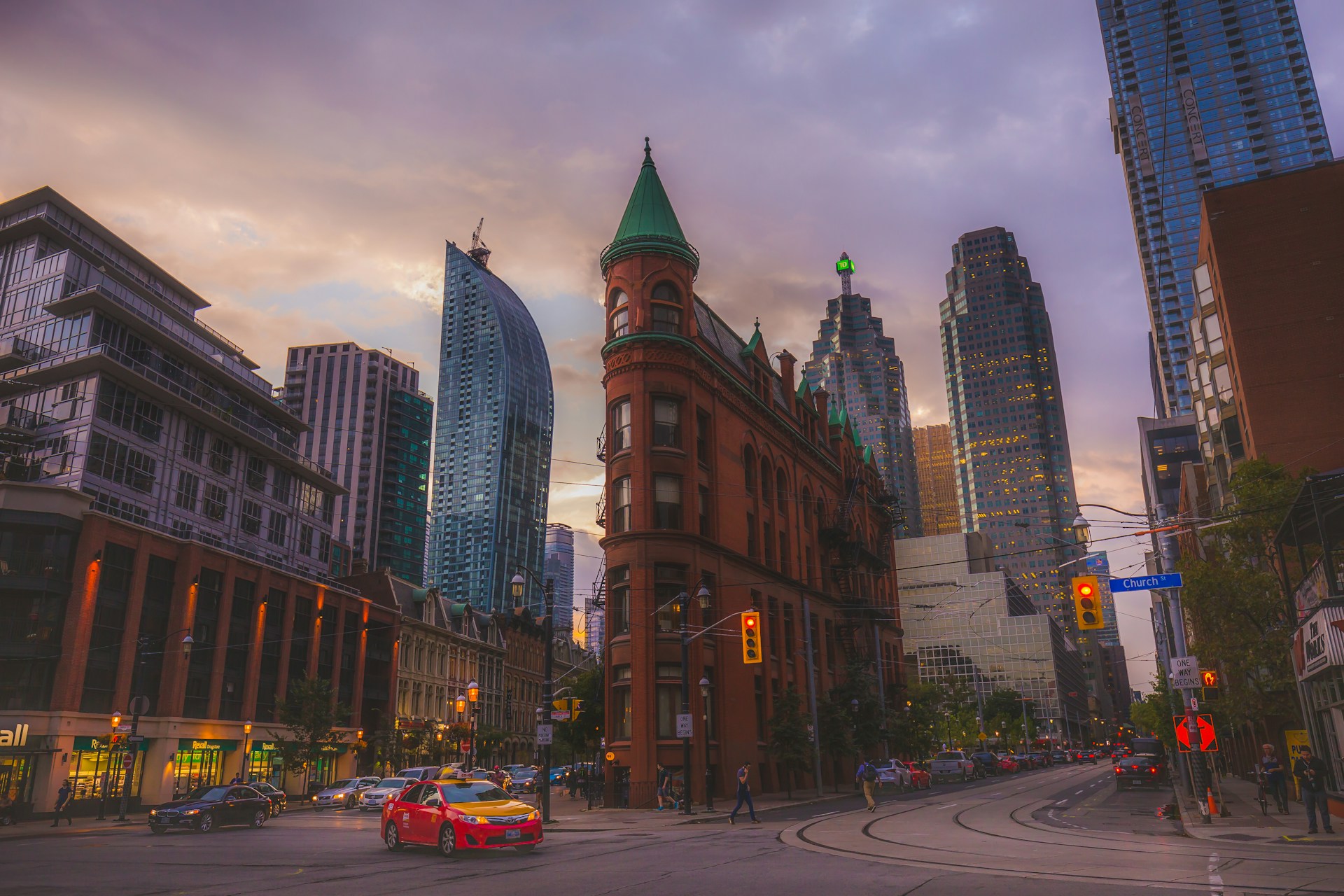
The financial district covers several downtown blocks. Glass towers house:
- Investment firms
- Insurance companies
- Corporate HQs
- Legal offices
Bay Street is Canada’s answer to Wall Street. Billions change hands here every day.
The district connects easily to the rest of Toronto and beyond. Subways and highways make commuting a breeze.
Entrepreneurial Opportunities in Toronto
Toronto really stands out for anyone itching to launch a new business. It’s buzzing with energy and, believe it or not, it’s North America’s fastest-growing tech hub after Silicon Valley. That’s no small feat.
I’ve noticed that government programs here actually step up to support entrepreneurs. They offer funding and resources, which can be a lifesaver when you’re just getting started.
Business incubators in the city make a big difference too. They hand out office space and pair you with mentors who know the ropes.
The Toronto-Waterloo corridor? It’s become this thriving tech ecosystem. Universities like the University of Toronto keep churning out talented grads—some of them dive right into founding their own startups, while others join forces with companies already on the move.
If you’re curious about which sectors are hot right now, take a look:
- Artificial intelligence
- Financial technology
- Healthcare innovation
- Clean energy
Toronto’s diversity is more than just a buzzword. It opens doors in all sorts of industries. You can connect with customers, partners, and employees from just about every background and skill set you can imagine.
And let’s not forget one more thing—Toronto puts you within reach of both Canadian and US markets. That kind of access can really kick your business growth into high gear.

