
People usually imagine national parks buzzing with activity in the summer. But honestly? Winter flips the script. Snow drapes over the landscapes, crowds vanish, and suddenly you see wildlife and natural wonders you’d never catch in the heat.
If you visit in winter, you’ll find quieter trails, snag easier reservations, and stumble into unique experiences you just can’t get during the busy season. Geysers steam against snowy hills, red rock canyons get dusted with white, and desert parks offer mild temps that make exploring actually pleasant. Some parks stay warm all year, while others become peaceful, snowy escapes.
This list? It’s all over the map—from tropical wetlands to icy peaks. Every park here brings something unexpected for winter travelers, whether you want to play in the snow or escape it for a bit of sunshine.
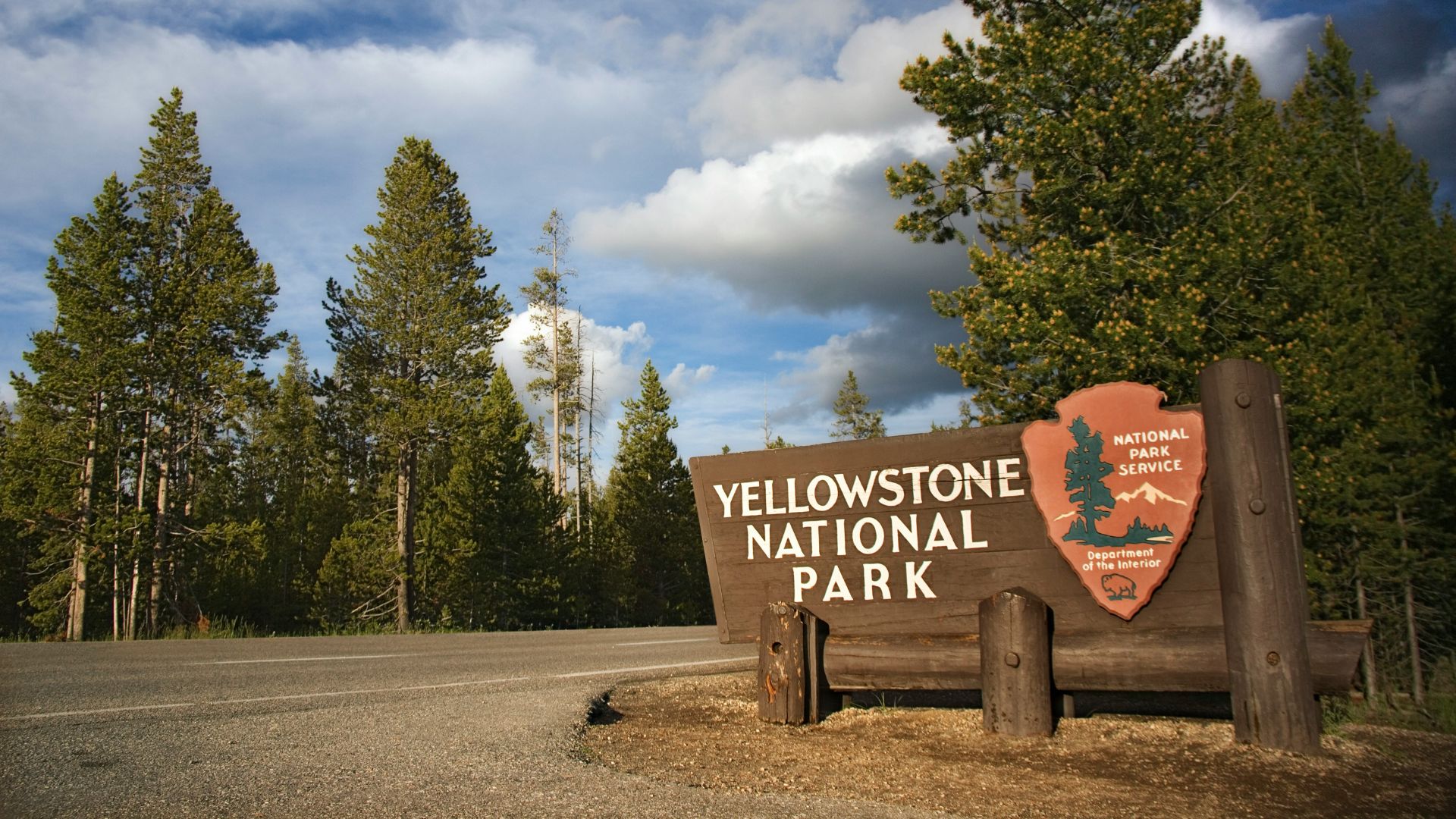
1) Yellowstone National Park, Wyoming
Yellowstone in winter feels like a secret most people never discover. The park stays open, though some roads close to regular cars after the first big snow.
Suddenly, geysers and hot springs look even more dramatic with steam billowing into the frozen air. Watching Old Faithful erupt with no crowds around? That’s a memory that sticks.
Wildlife stands out against the snow, making it easier to spot bison, elk, and even wolves. Animals tend to gather near the thermal areas where the ground is warm and the snow melts faster.
You can hop on a guided snowcoach tour or try snowmobiling on marked routes. Cross-country skiing and snowshoeing let you wander at your own pace. Sure, some areas close, but the quiet and stark beauty more than make up for it.
You’ll need to prep for very cold temps and limited services. If you bundle up and plan ahead, you’ll see a side of Yellowstone most never do.
2) Everglades National Park, Florida
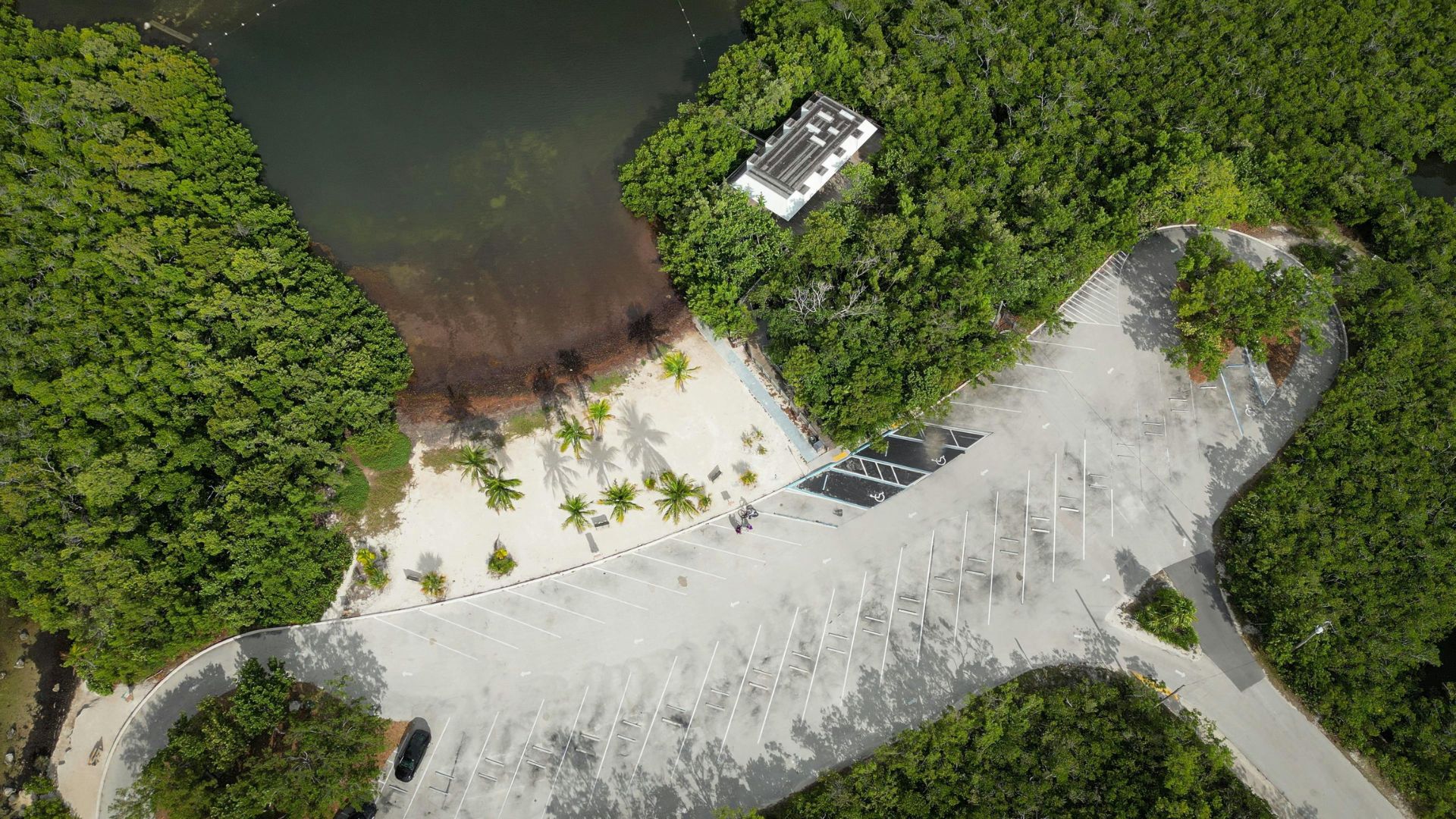
Winter is when the Everglades really shine. The weather feels just right—warm, but not sticky—and the mosquitoes? Gone, thank goodness.
There’s over 1.5 million acres of subtropical wilderness to explore. This place protects manatees, American crocodiles, and even the elusive Florida panther. If you’re into birdwatching, more than 300 species hang out here.
December through April is the dry season, which is perfect for visiting. Wildlife crowds around shrinking water holes, making alligators and birds easy to spot.
You can zip through the wetlands on an airboat or paddle a kayak through mangrove tunnels. There are plenty of walking trails if you’d rather keep your feet dry.
The park has four entrances, each with its own vibe. It can take hours to drive between them, so planning your route ahead of time is key.
3) Acadia National Park, Maine
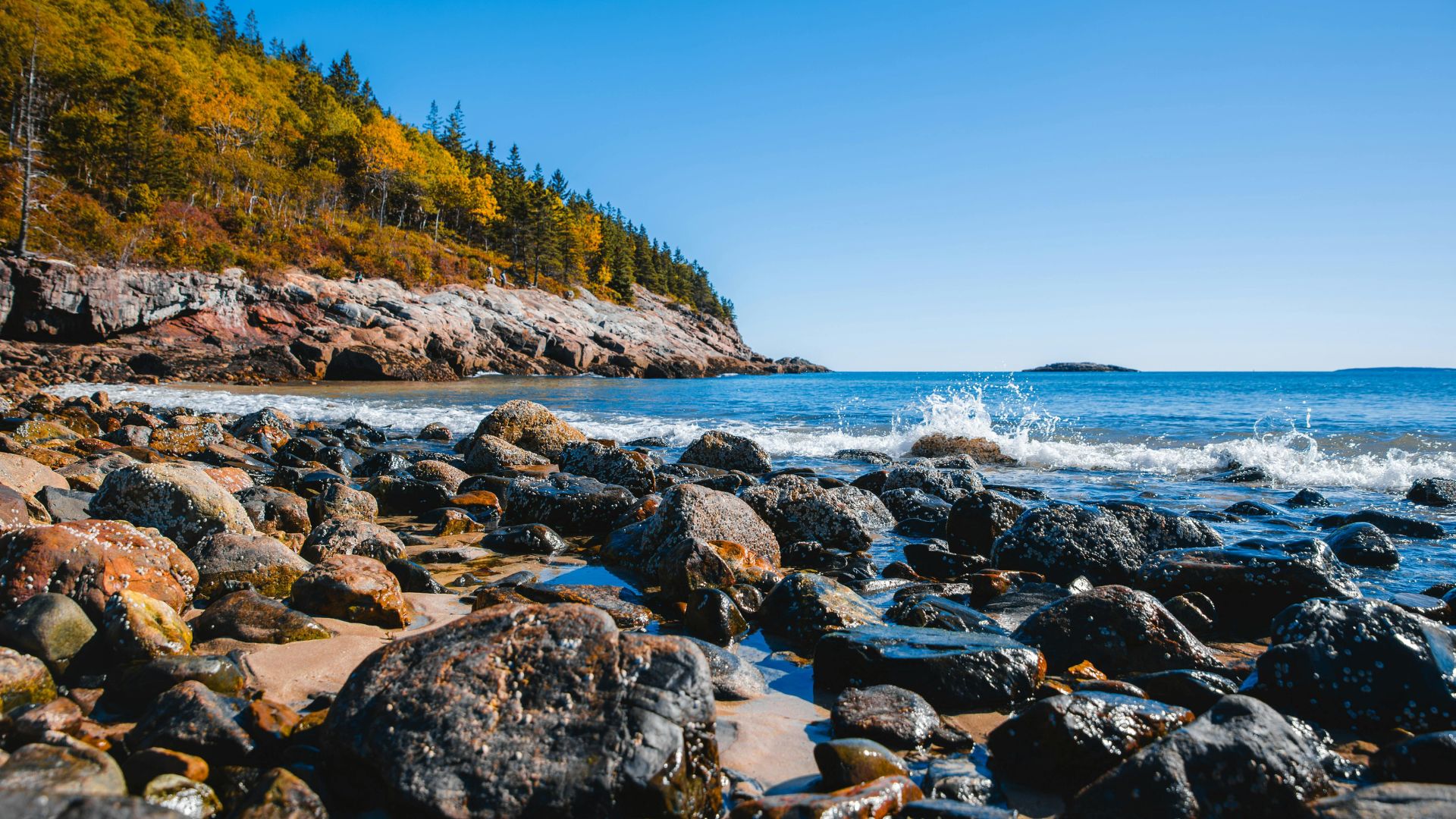
Acadia National Park is New England’s only national park, and winter turns it into a peaceful hideaway on Maine’s rugged coast. With fewer visitors braving the cold, the park’s trails and views feel almost private.
Snow covers 45 miles of carriage roads, making them perfect for snowshoeing or cross-country skiing. Cadillac Mountain, the tallest peak on the Atlantic Coast, sometimes rewards early risers with sunrise views that are just unreal.
The Park Loop Road closes to vehicles, but that just means you get quiet paths for winter hiking and snowshoeing. Thunder Hole and the icy shoreline look totally different when winter rolls in.
Bar Harbor is the place to stay, with cozy spots to eat and sleep just minutes from the park. Temps hover in the 20s and 30s, so don’t forget those layers and solid winter gear.
Acadia stays open all year, though some roads and facilities close for the season. Always check the weather—Maine’s winter can flip on a dime.
4) Zion National Park, Utah
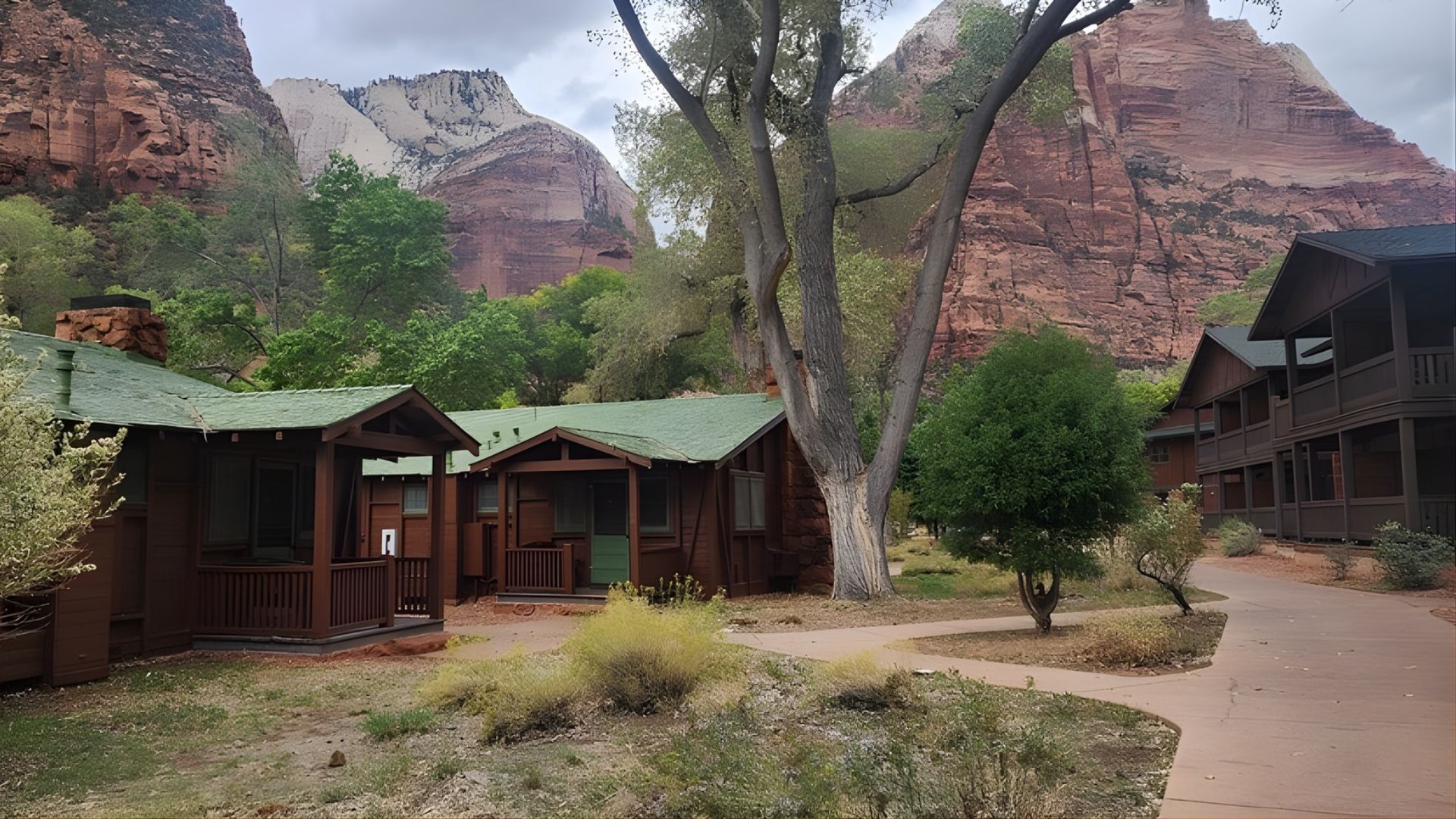
Zion in winter? It’s a whole different world. The park sits pretty low, so it stays mild while other Utah parks freeze up. You won’t find deep snow or shuttered facilities.
Fewer visitors means you can hike iconic trails like The Narrows or Angels Landing without elbowing through crowds. Sometimes the red rock walls get a dusting of snow, which makes the views even more dramatic.
Hiking in winter feels comfortable—none of that brutal summer heat. Waterfalls trickle from the cliffs, and you can tackle longer hikes without melting.
Springdale, just outside the park, stays open all year and has plenty of places to stay. Most trails and scenic drives remain accessible, so you’ve got options.
5) Grand Teton National Park, Wyoming
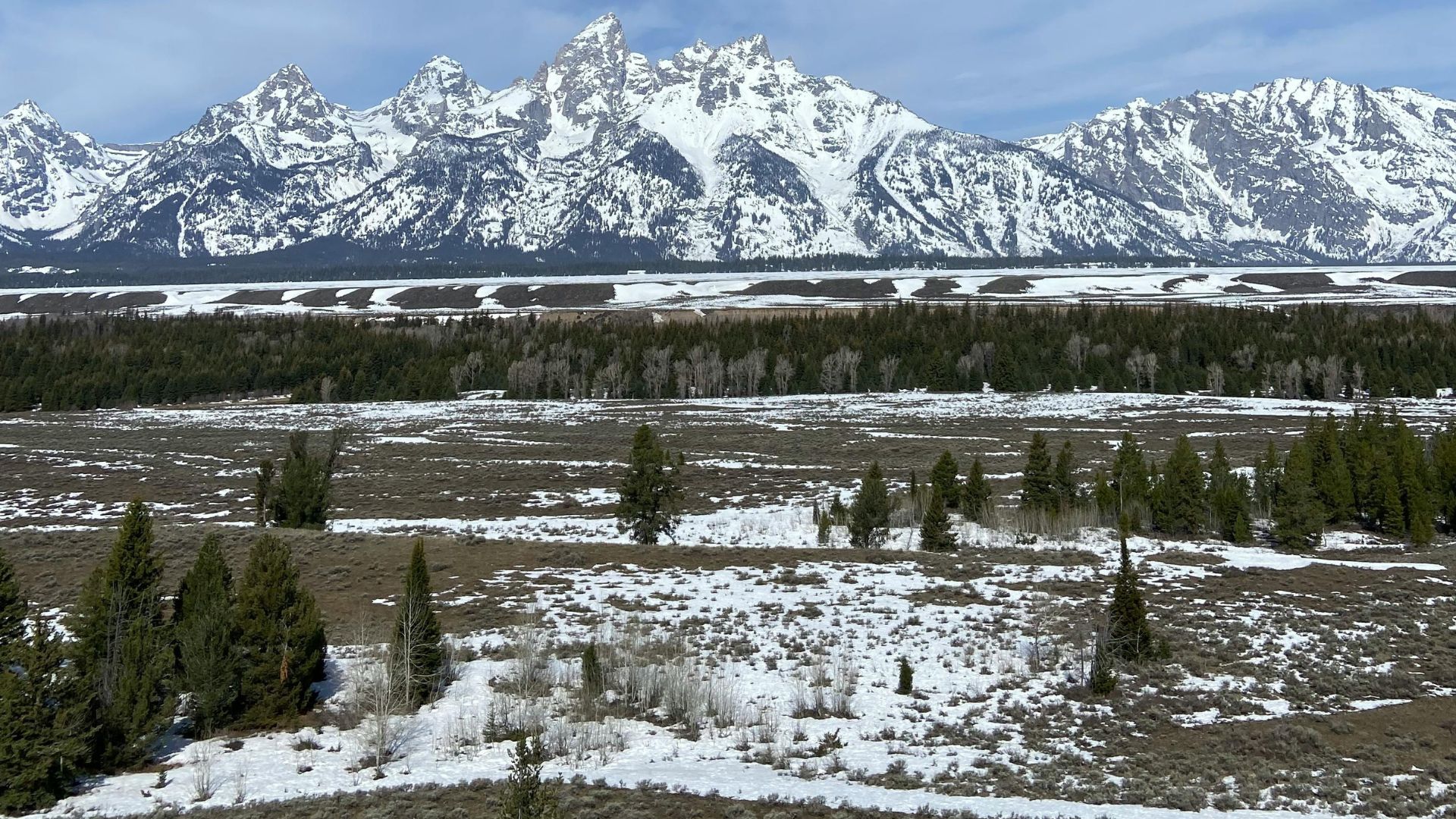
When snow covers the Tetons, Grand Teton National Park turns peaceful and almost otherworldly. The park stretches across 310,000 acres, with the jagged Teton Range running the show.
Winter brings a welcome hush. The snow-capped mountains look nothing like the busy summer scene.
You can ski on groomed trails or wander on snowshoes. Ice fishing on frozen lakes is a thing here, and wildlife stands out against the snow, making for some epic photo ops.
December to February gets seriously cold, but the park stays open. Pack your warmest gear because those temps plunge. Still, the quiet and scenery make the chill worthwhile.
Jackson Hole is just down the road, with even more winter fun and plenty of lodging. The mix of wild park and bustling resort town is tough to beat.
6) Joshua Tree National Park, California
Joshua Tree in winter? It’s not about snow, but about perfect hiking weather. The park sits where the Mojave and Colorado deserts meet, and winter means sunny days in the mid-60s.
Crowds thin out after fall, so you can actually find parking and enjoy the park’s famous rocks and twisted trees in peace.
Winter is prime time for hiking and rock climbing. Summer is just too hot, but now you can tackle longer trails without worry. Ideal conditions for outdoor adventures, honestly.
Stargazing is unreal here. The dark skies and crisp air make constellations pop. Just bring a jacket—desert nights get cold fast.
The park covers 1,235 square miles near Palm Springs. GPS can get weird and send you down sandy back roads, so double-check your route.

7) Bryce Canyon National Park, Utah
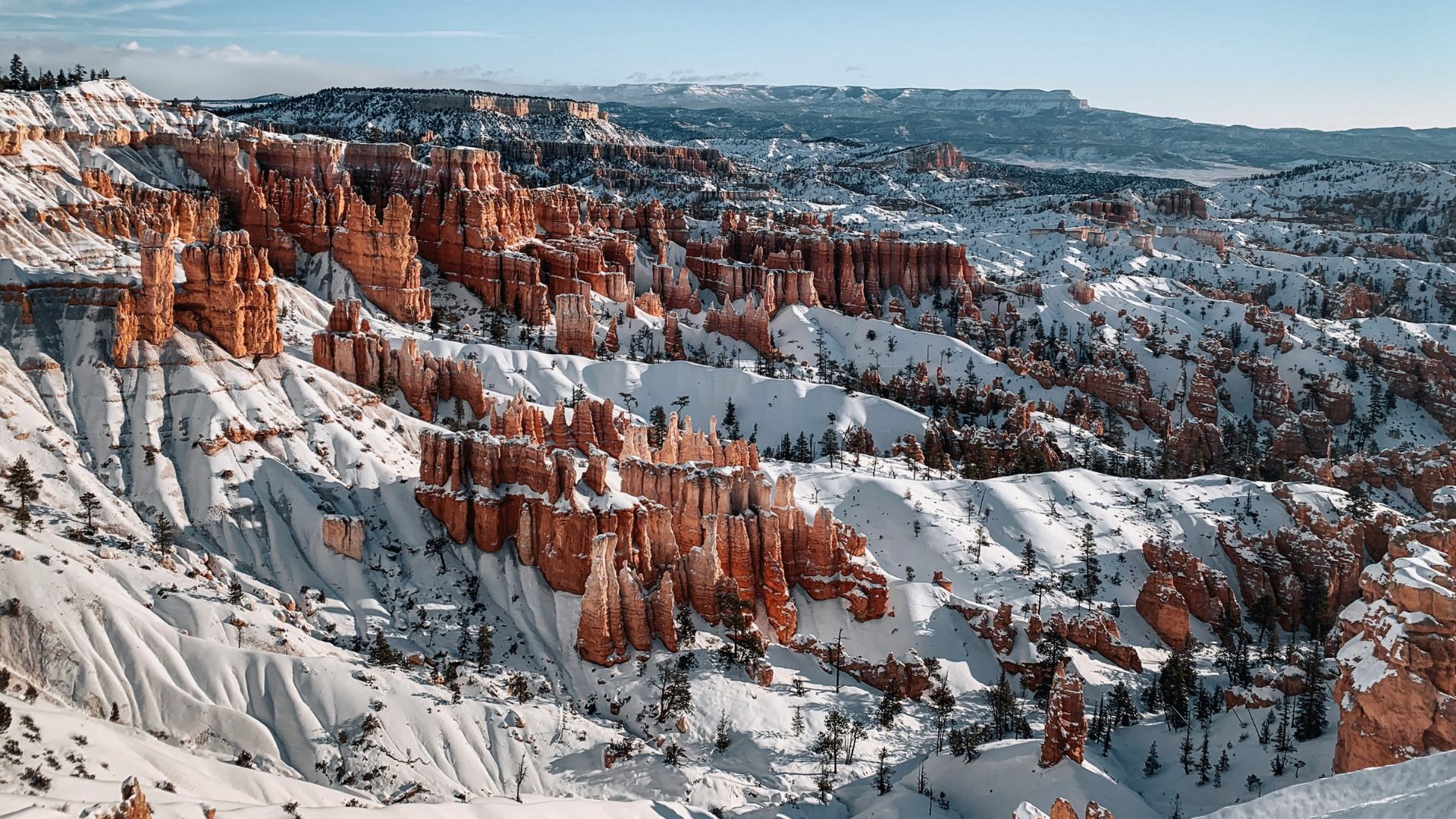
Bryce Canyon looks like a fantasy in winter. Snow settles on red hoodoos, turning the whole place into a painter’s dream.
At 8,000 feet, the park gets more snow and colder temps than its neighbors. Highs in winter usually hang in the 40s, but sometimes you’ll catch a sunny day in the 50s or 60s.
You can join ranger-led snowshoe hikes or ski along the rim. Winter festivals liven things up, and you’ll barely see the crowds that jam the park in summer.
Most main viewpoints stay open, even if some roads close after a big storm. Sunrise Point and Sunset Point look especially magical without traffic.
Pack warm layers and check the forecast. Snow can show up as early as October and stick around through May.
8) Rocky Mountain National Park, Colorado
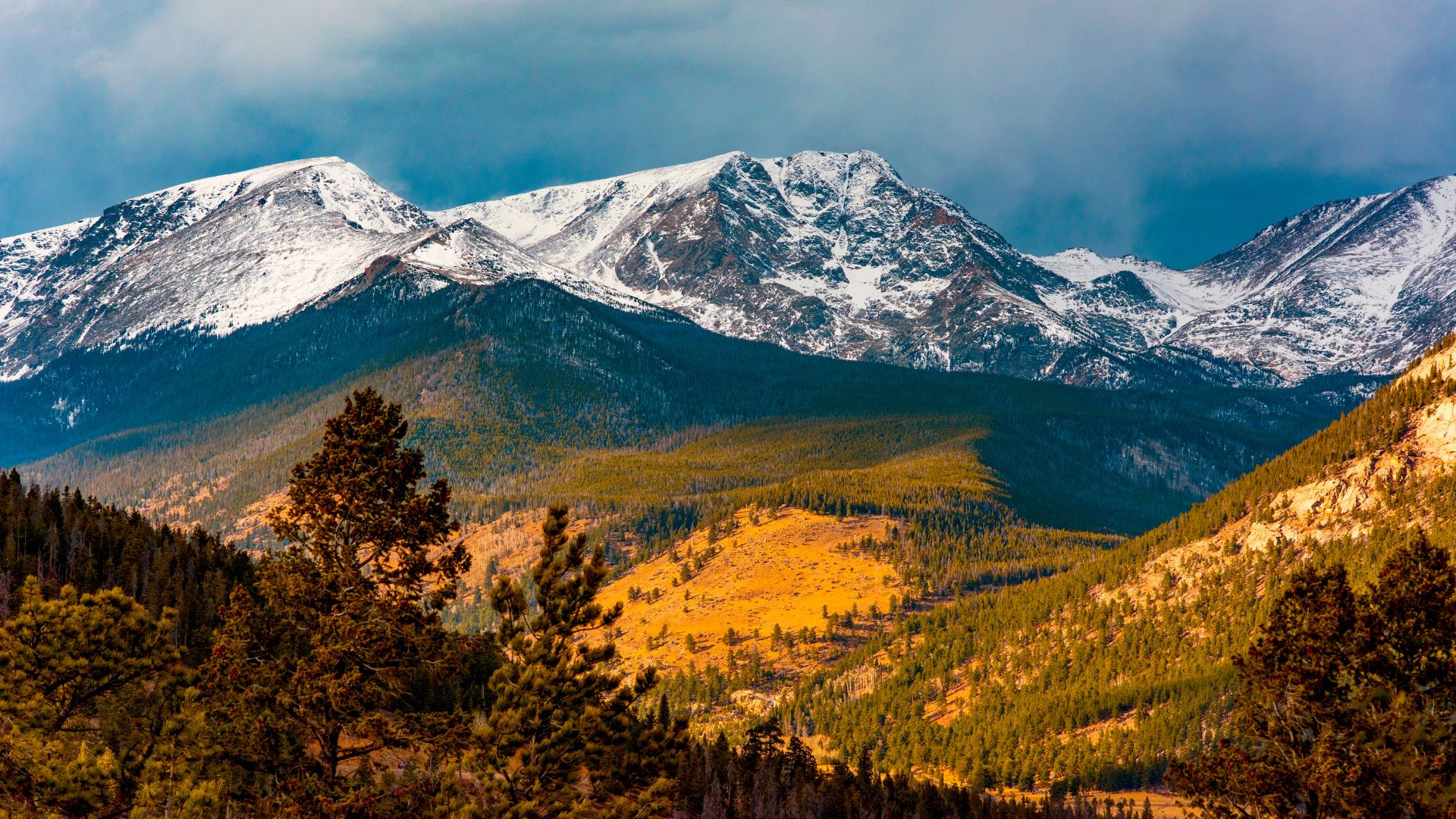
Winter in Rocky Mountain National Park feels like you’ve got the place to yourself. The park covers 415 square miles and welcomes visitors all year, but winter brings a different kind of magic.
You can snowshoe or cross-country ski on over 300 miles of trails. Ranger-led ski tours in places like Kawuneeche Valley are a blast. If you prefer hiking, some trails stay accessible even with snow.
Trail Ridge Road closes for the season, but lower areas stay open. There’s sledding, ice climbing, and wildlife watching—elk and bighorn sheep are easier to spot against the snow.
The park’s elevation ranges from 7,800 to over 14,000 feet, so conditions can change fast. Bring layers and be ready for anything. The west side is close to ski resorts if you want to mix things up.
Alpine lakes freeze over, and snowy meadows stretch below the mountain peaks. It’s a totally different vibe from summer.
9) Glacier National Park, Montana
Glacier National Park in winter is pure quiet. Most visitors disappear, leaving behind a peaceful vibe you just can’t get in July.
Going-to-the-Sun Road closes, but you can still reach certain areas for snowshoeing and skiing. Snow against the park’s rugged peaks makes for jaw-dropping views.
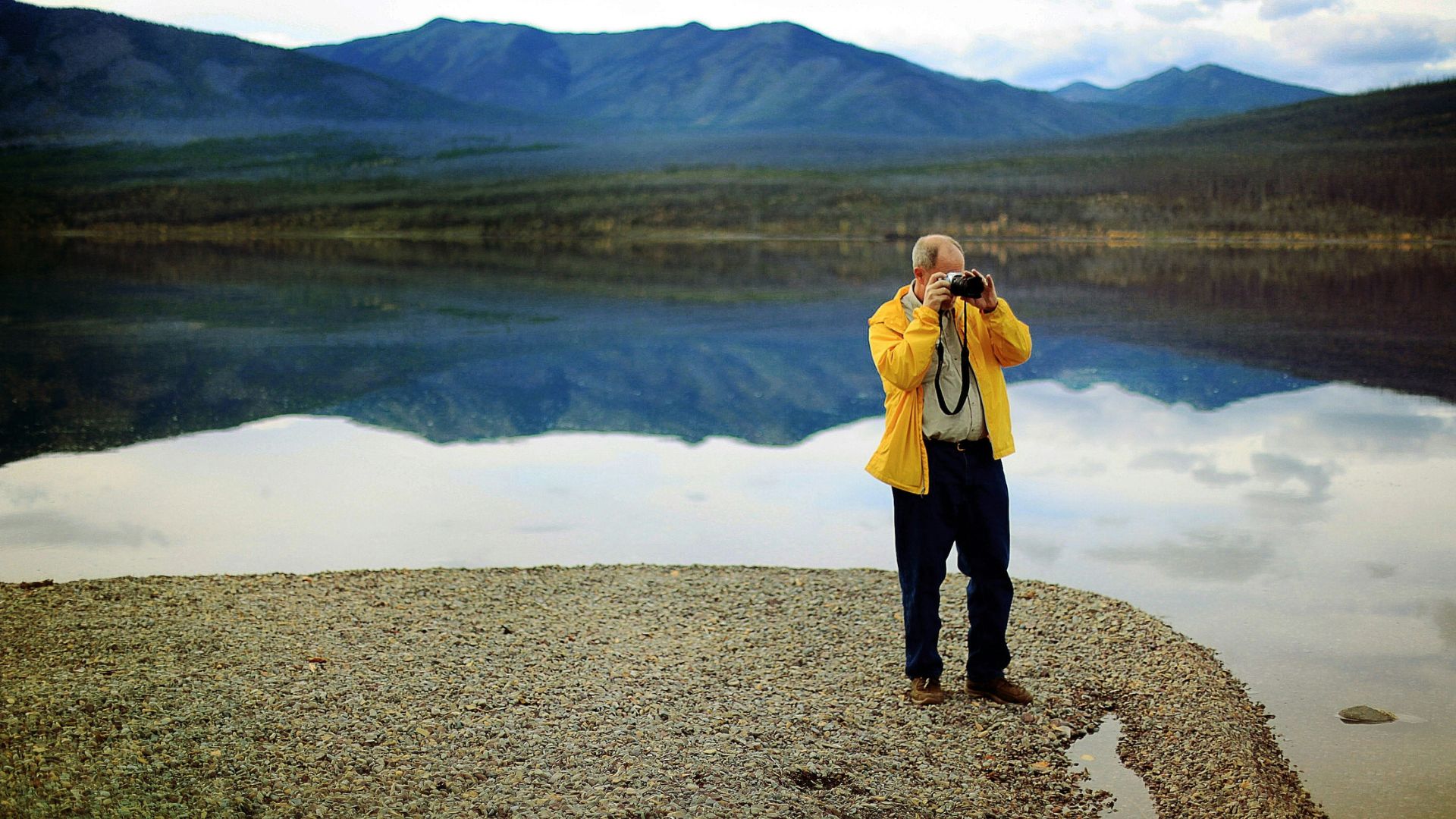
Lower elevations near Lake McDonald stay accessible. There are 700 miles of trails, and in winter, they become snowy playgrounds. Elk, deer, and mountain goats stand out against all that white.
Historic lodges and chalets feel extra cozy this time of year. Just remember: winter here is serious business. Bring the right gear and check road closures before you go.
10) Death Valley National Park, California
Death Valley in winter? It’s actually the best time to visit. Cooler months turn this extreme desert into a comfortable adventure.
The park sprawls across 3,000 square miles near the Nevada border. In winter, daytime temps land in the 60s and 70s—perfect for hiking and exploring.
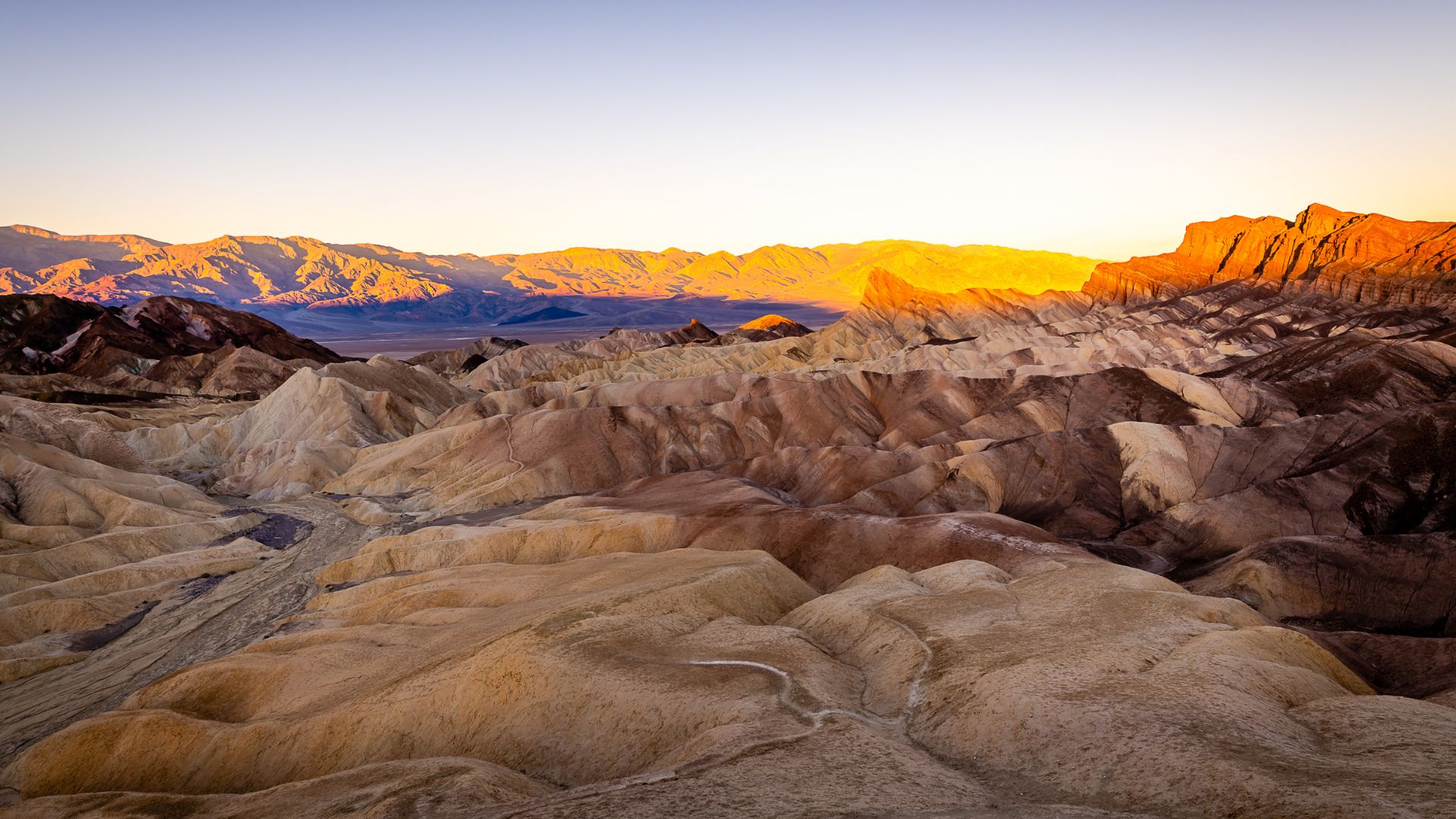
Sometimes, rare rainstorms trigger wildflower blooms that carpet the valley. You can walk the salt flats at Badwater Basin or check out the wild colors at Artist’s Palette.
The sand dunes and canyons are way more fun to explore without the dangerous heat. Sometimes you’ll even spot snow on the mountains, which feels surreal.
Wildlife gets more active, too. Animals come out during the day, and the park’s oases become hotspots for spotting all kinds of desert creatures. Winter is when Death Valley truly comes alive.
11) Olympic National Park, Washington
Olympic National Park really shines in winter. When other parks get buried in snow, you can still find plenty of accessible adventures here.
Sure, the mountain peaks stay white, but the beaches and rainforests remain open for wandering. I’ve strolled through the Hoh and Quinault rainforests in January, and the moss-draped trees feel extra magical without the summer crowds.
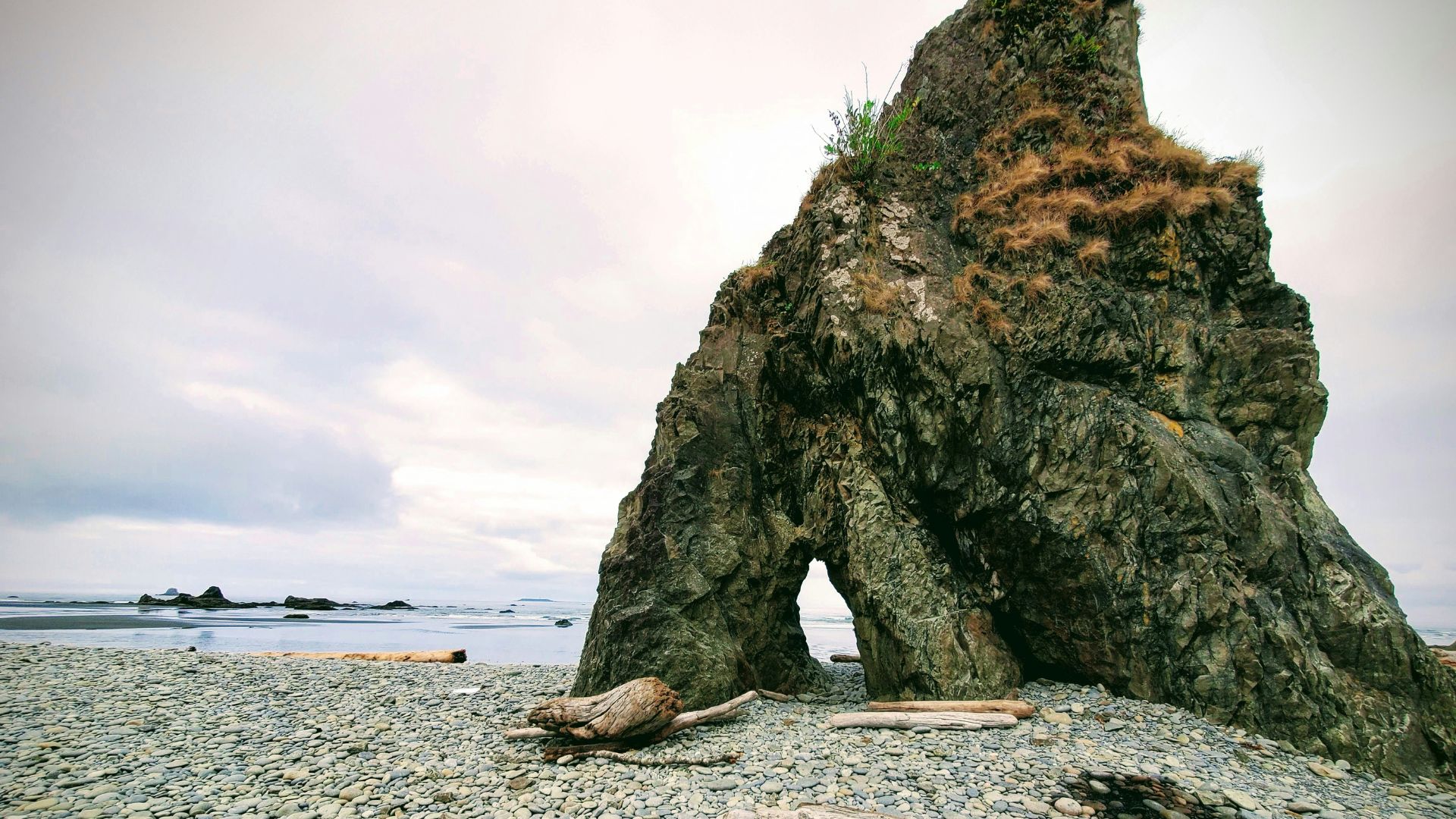
The mild temps make hiking surprisingly comfortable. If you’ve never seen the rugged coastline in winter, you’re missing out. Storm waves crash against sea stacks at Rialto or Ruby Beach, creating scenes you’ll want to photograph (or just stare at for a while).
If you’re craving snow, head up to Hurricane Ridge. You can try snowshoeing or just soak in those mountain views—weather permitting, of course.
One of the coolest things about Olympic? You can hop from a rainforest in the morning to the coast by afternoon. That kind of variety keeps things interesting, even when the air’s crisp.
And getting there’s a breeze. The park sits just about two hours from Seattle, so it makes for an easy winter escape.
12) Great Smoky Mountains National Park, Tennessee/North Carolina
Winter flips the script in the Smokies. The crowds disappear, and suddenly, America’s most visited national park feels like a peaceful retreat.
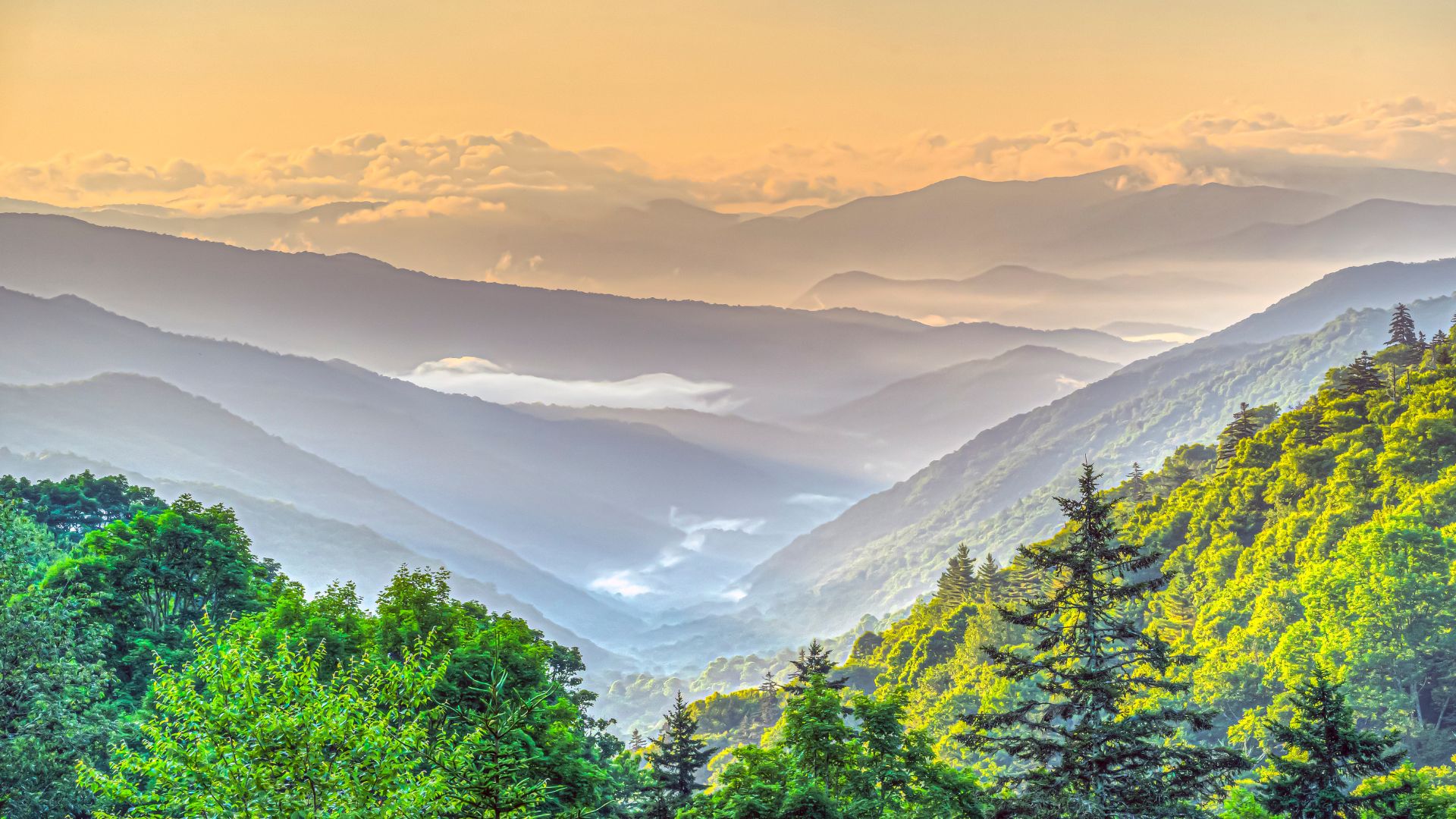
The park straddles the border between North Carolina and Tennessee, stretching across more than 522,000 acres. When the leaves drop, the mountains show off views you’d never see in summer.
Snow sometimes dusts the higher elevations, turning ridgelines and peaks into picture-worthy spots. Waterfalls partially freeze, and you might spot wildlife more easily against the bare, frosty landscape.
If you’re hiking, bundle up and check the weather—temperatures can plummet, especially up high. Some roads close for the season, like Clingmans Dome Road from December through March, so plan ahead.
The park never charges an entrance fee, which is always a win. I love wandering through historic sites like the Mountain Farm Museum in winter—no sticky summer humidity, no lines, just quiet history.
13) Hot Springs National Park, Arkansas
Hot Springs National Park delivers a winter experience you won’t find just anywhere. Tucked into central Arkansas, this little park covers just over 5,500 acres in the Ouachita Mountains.
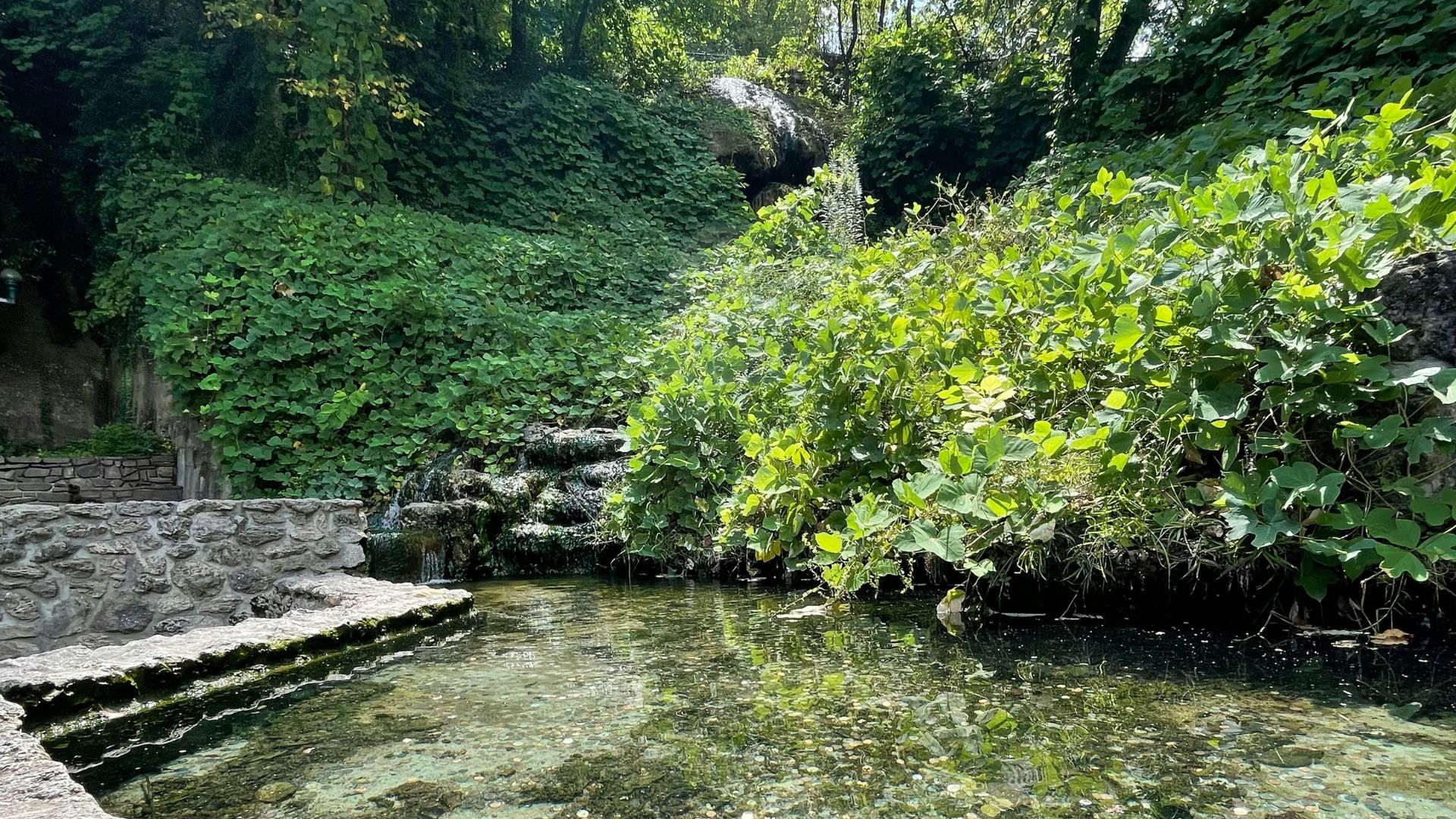
The main draw? Its 47 thermal springs flow at a toasty 143 degrees Fahrenheit all year. When it’s chilly outside, the warm waters feel like a gift.
You can wander down historic Bathhouse Row, where early 20th-century buildings line Central Avenue. I always feel like I’ve stepped back in time here.
Winter is honestly the best season for soaking—cool air, hot water, and way fewer people. The park also has 26 miles of hiking trails through peaceful forests. In winter, you’ll probably have them mostly to yourself.
Hot Springs became a national park in 1921, making it one of the oldest in the system. Since it’s right next to the city, you get easy access to restaurants and hotels. It’s the perfect blend: outdoorsy adventure and a relaxing soak to end your day.
14) Shenandoah National Park, Virginia
Shenandoah National Park sits just 75 miles from D.C., tucked into Virginia’s Blue Ridge Mountains. Nearly 200,000 acres of protected land, waterfalls, mountain views, and quiet forests await.
Winter brings a hush over the park. Frozen waterfalls sparkle along hiking trails, and snow covers the peaks, leaving the air crisp and the views wide open.
Skyline Drive cuts through the park and gives you access to trailheads, though it sometimes closes after heavy snow. I’ve driven it on a clear winter day, and the scenery is unforgettable.
The cold months come with perks—no crowds, no sticky humidity, and better chances to spot wildlife like deer and black bears. Without leaves on the trees, you’ll see vistas that summer hides away.
There are over 500 miles of trails here, including stretches of the Appalachian Trail. Even in winter, many lower-elevation hikes stay open. It’s a completely different vibe from the busy fall foliage season.

Why Visit National Parks in Winter?
Winter turns national parks into something new—landscapes most people never get to see. The crowds thin out, the air feels different, and wildlife behaves in ways you’ll only catch during the colder months.
Unique Winter Landscapes
Snow and ice reshape everything. Waterfalls freeze into towering ice sculptures, and snow blankets red rock canyons in ways that just don’t look real.
Geysers in Yellowstone? They billow out even more dramatic steam clouds when the air drops below freezing. Desert parks like Joshua Tree and Death Valley surprise you with green after winter rains.
Mountain parks show off snow-capped peaks perfect for stunning photographs. And the light—oh, the light! The low winter sun casts long shadows and keeps everything softly lit for hours, making photography a dream.
Solitude and Fewer Crowds
In winter, park visitor numbers can drop by 70 to 90 percent. Suddenly, you can stroll right up to famous viewpoints—no lines, no jostling for the perfect photo.
Trails that fill up by sunrise in summer become wide open. I’ve had entire trails to myself in places like Zion and Yosemite on a weekday in January.
Campgrounds and lodges are easier to book, and prices often drop. No need to plan months ahead or fight for a spot.
Wildlife Viewing Opportunities
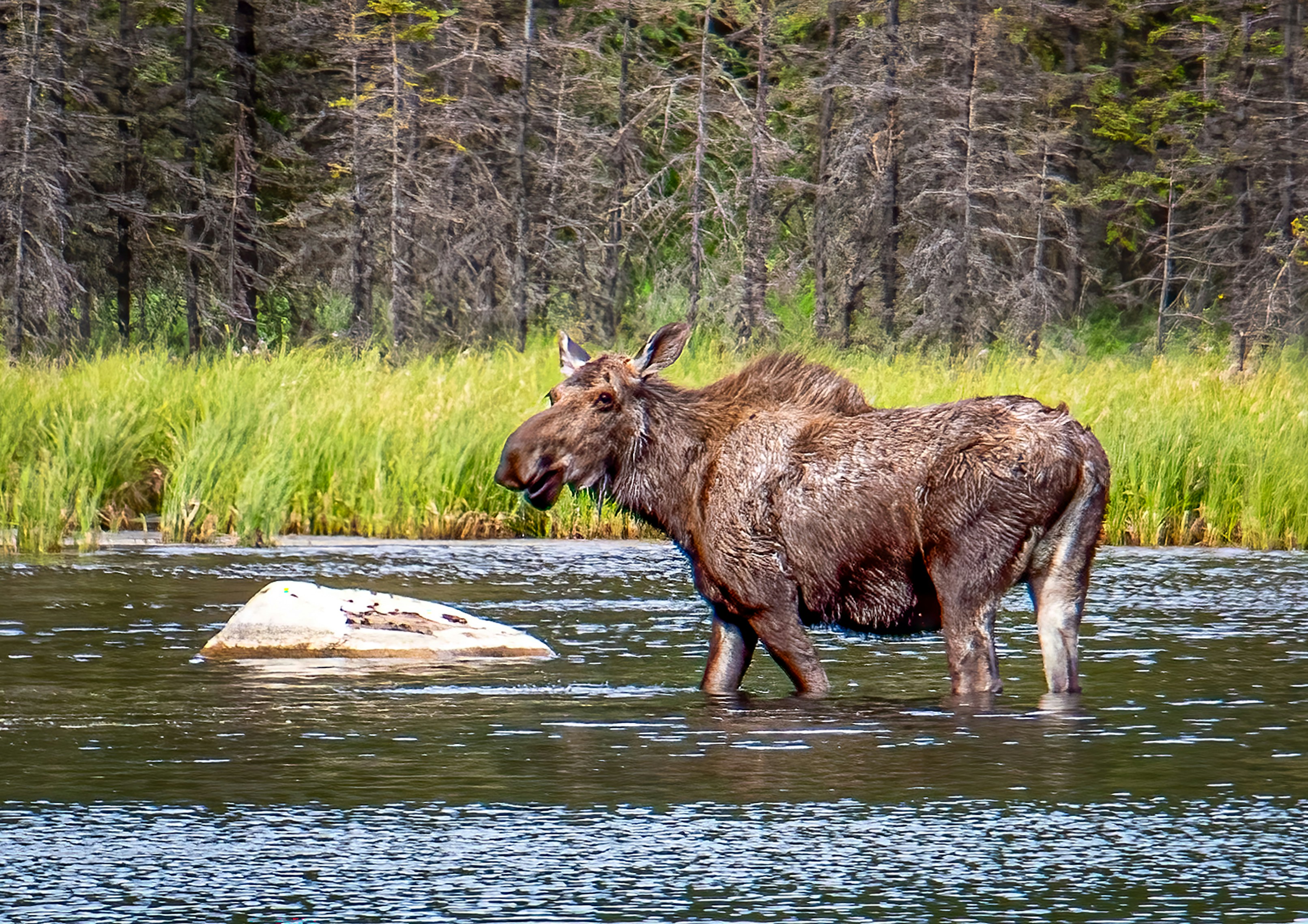
Snow makes wildlife easier to spot. Animal tracks tell stories in the fresh powder, and creatures like elk and bison move to lower ground where you can see them.
Some parks turn into winter wildlife hotspots. Bald eagles show up to fish in ice-free waters, and bighorn sheep come down for mating season. Wolves and coyotes hunt more in daylight, since their prey can’t hide as easily.
Birdwatchers, rejoice—flocks gather around the remaining water, so you’ll see species you’d miss in summer. Winter brings a whole new cast of characters.
Essential Winter Safety Tips for National Parks
Winter in the parks is magical, but you need to be prepared. Cold, short days, and unpredictable weather can make a simple hike risky if you’re not ready.
Proper Clothing and Gear
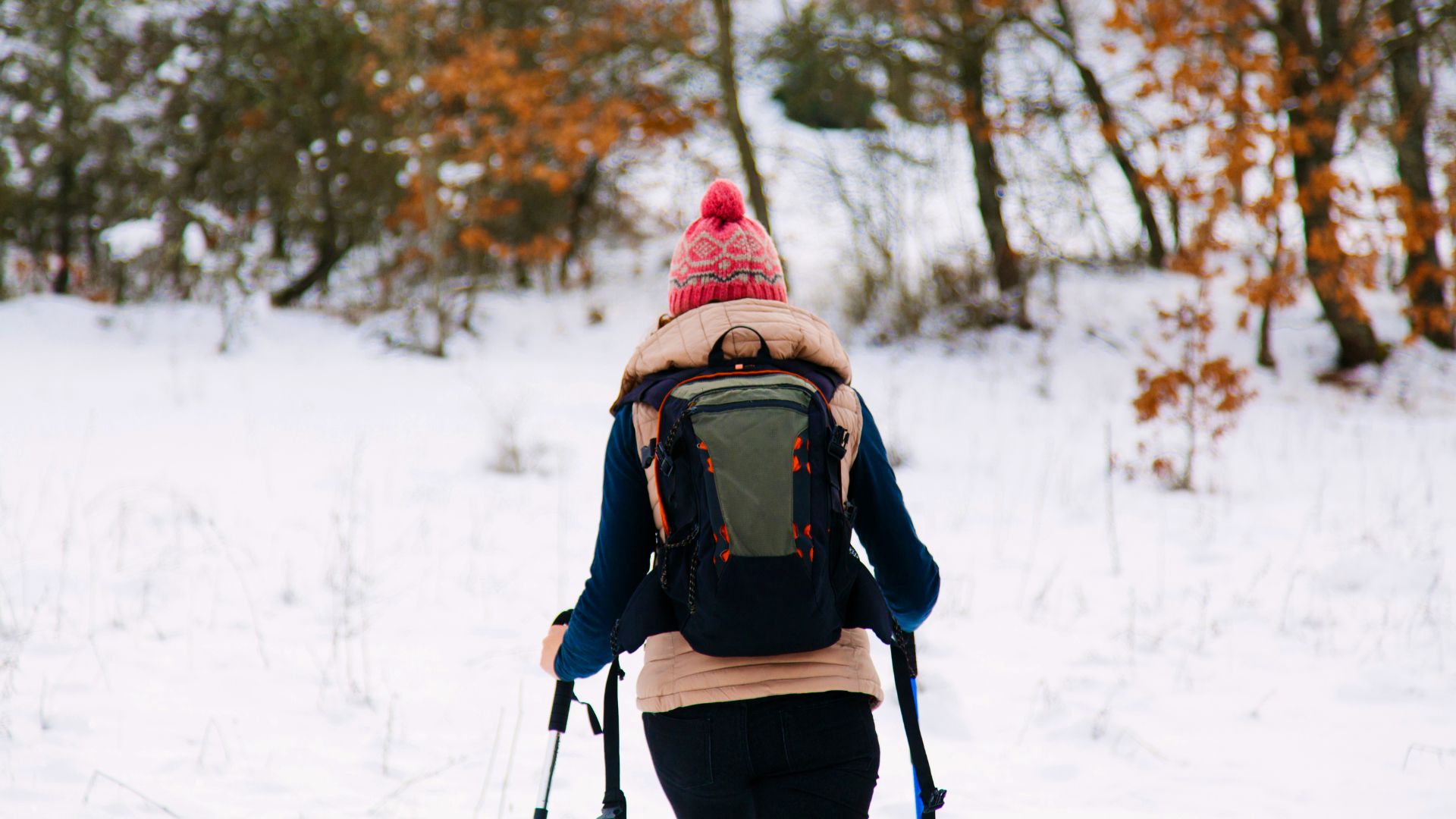
Layer up—seriously. Start with a base layer that wicks moisture, add something warm like fleece, and top it off with a waterproof shell.
Always toss extra gloves, socks, and a hat in your bag. Wet clothes lose their warmth fast, and you’ll be glad you brought spares.
Essential winter gear:
- Insulated, waterproof boots with solid traction
- Hand and toe warmers (lifesavers, honestly)
- Sunglasses and sunscreen—snow reflects sunlight like crazy
- Headlamp with extra batteries (it gets dark early)
- Trekking poles for slippery spots
Break in your boots before your trip or you’ll regret it halfway down the trail.

Navigating Snow and Ice
If you’re hiking on packed snow or ice, microspikes or crampons are a must. They slip onto your boots and make a world of difference. For deep snow, grab some snowshoes.
Always check trail conditions before you head out. Most parks post updates online, or you can call a ranger station for the latest scoop.
Take it slow and test your footing—ice hides under fresh snow, and it’s sneaky. Stick to marked trails, since snow can cover up signs and landmarks.
If you’re venturing into mountain backcountry, know your avalanche safety basics. Take a class, and carry a beacon, probe, and shovel.
Emergency Preparedness
Tell someone where you’re going and when you’ll be back. Cell service is spotty at best in many parks.
Pack for the unexpected. Bring a space blanket, fire starter, extra food, and a first aid kit with supplies for cold injuries.
Bring a paper map and compass—phones die fast in the cold. Download offline maps as a backup.
Watch yourself and your hiking buddies for hypothermia (shivering, confusion, slurred speech) and frostbite (numb, pale skin). If things start to feel off, turn back. No view is worth risking your safety.
Frequently Asked Questions
Winter park visits come with plenty of questions—timing, weather, where to go, and what to expect. Here’s a quick rundown of what I’ve learned (sometimes the hard way).
Yellowstone National Park turns into a geothermal wonderland. Steaming geysers and snowy landscapes, plus way fewer people. It’s one of the best places to spot bison and wolves in winter.
Grand Teton National Park is fantastic for wildlife watching and winter sports. Elk, moose, and bighorn sheep are easier to spot when they move down from the mountains.
Acadia National Park offers dramatic coastal views and quiet trails. The carriage roads become perfect for snowshoeing or cross-country skiing.
Zion National Park gets dusted with snow, making those red rocks really pop. The light is incredible for photography all day long.
California’s parks have something for everyone. Death Valley National Park is lovely in winter, with temps in the 60s and 70s—ideal for hiking without the summer scorch.
Joshua Tree National Park also sees mild days and cool nights. Sometimes it even gets a dusting of snow, which is a wild sight in the desert.
Yosemite National Park becomes a hub for snow sports and frozen waterfalls. The valley floor stays open, and the granite cliffs look stunning with a snowy cap.
Everglades National Park stays warm, usually in the 60s and 70s. Winter is the best time to visit—low humidity and way fewer mosquitoes.
Zion National Park often reaches the 50s during the day (though nights get chilly). Lower elevation trails stay comfortable for hiking.
Big Bend National Park in Texas is another great bet. Temperatures hover in the 60s and 70s, and it’s a popular time to visit since summer gets brutally hot.
Yellowstone National Park kicks off its winter season in mid-December. You’ll need to book a snow coach or snowmobile tour to get into the park, but it’s worth it.
Grand Teton National Park gets fresh snow in December, and some roads and facilities are still open.
Acadia National Park is in that in-between phase—sometimes snowy, sometimes just chilly. Either way, it’s quiet and beautiful.
Everglades National Park is in prime season by December. The dry air makes wildlife viewing easier and hiking more comfortable.
February is peak winter at many northern parks. Yellowstone National Park is at its best—deep snow, active geysers, and great wildlife viewing.
Grand Teton National Park is cold but perfect for skiing and snowshoeing. Trails are well-established by February.
Everglades National Park keeps its dry season rolling. Wildlife viewing is unbeatable this time of year.
Zion National Park can be hit or miss with weather—sometimes snow, sometimes sunshine. Always check trail conditions, but the park stays open and ready for adventure.
January feels like a secret season in most national parks. Fewer people show up, so you get those iconic spots almost to yourself.
It’s honestly a relief to snag a great place to stay without paying peak prices. Fewer crowds mean you can slow down, breathe, and really take in the scenery.
Winter transforms the parks into something magical. Snow drapes the trees, waterfalls freeze in mid-cascade, and everything looks fresh and new.
If you love photography, you’ll find scenes you just can’t capture any other time of year. The light hits differently, and the wildlife stands out against the snow.
Some parks roll out special winter ranger programs. You might join a snowshoe hike or learn how animals tough it out through the cold.
I’ve spotted more wildlife in January than any summer visit—tracks in the snow make it easier to find animals. Yellowstone and Grand Teton, in particular, come alive with wildlife activity this month.
Honestly, winter in the parks feels like an adventure you have to experience to believe.
