
Let’s be honest—most Americans head to the same vacation spots every year. You hear about New York, Miami, Vegas… again and again. But there’s a whole world of places out there, just waiting quietly for someone to notice.
Lesser-known destinations have the beauty, culture, and wow-factor you crave, but minus the stampedes and price hikes. Imagine stumbling onto a peaceful island, a mountain hideaway, or a desert town that feels like your own secret. Sometimes, these places even offer more value and authenticity than their famous cousins.
Lately, I’ve noticed more Americans waking up to the magic of these hidden gems. From coastal escapes to mountain retreats, these underrated spots are finally getting some love.
1) Cumberland Island, Georgia
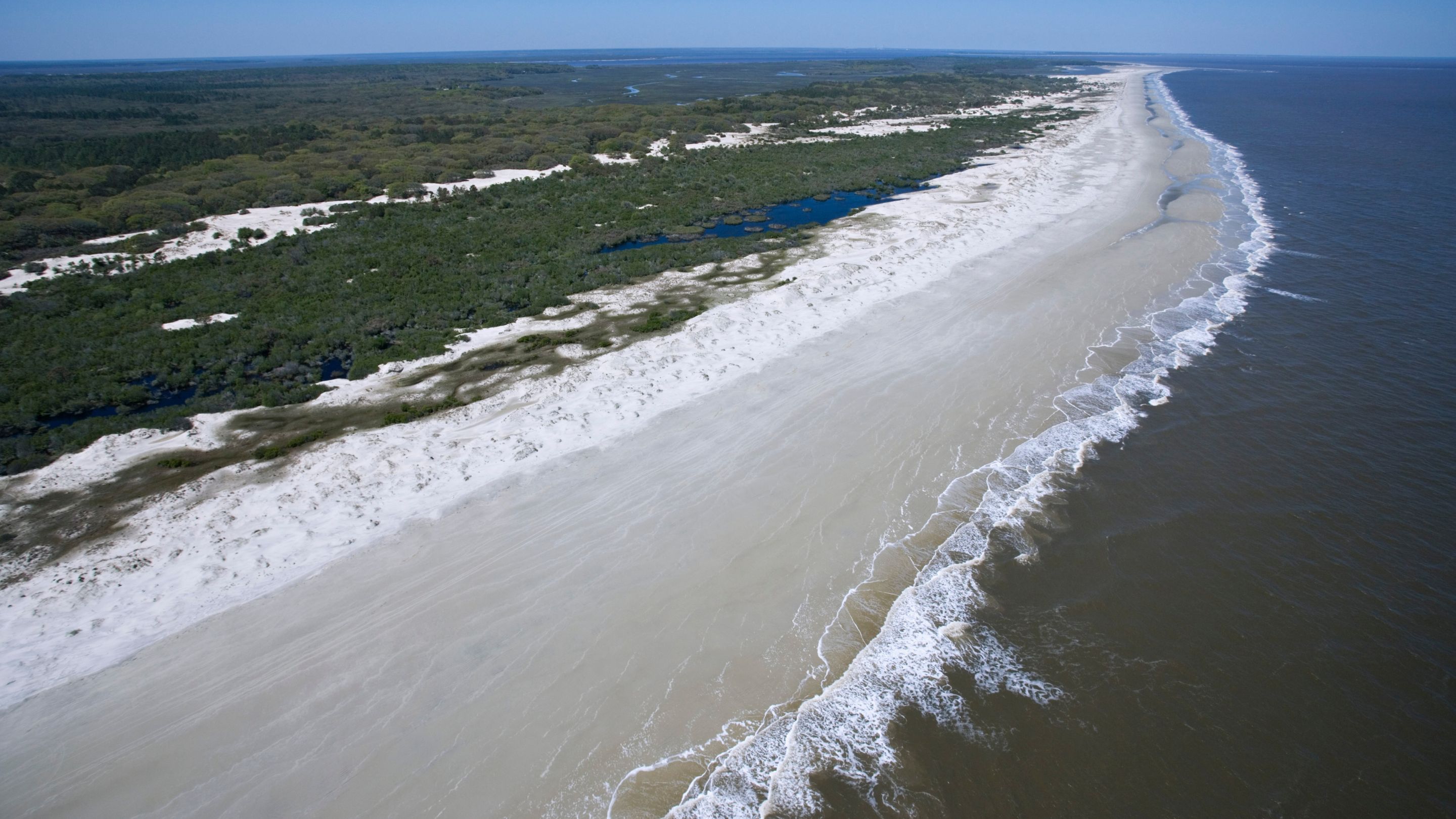
Cumberland Island, Georgia’s largest barrier island, floats just off the southern coast. You can only get there by ferry, which—let’s be real—keeps the place blissfully uncrowded.
Wild horses wander through the forests and along deserted beaches. Spanish moss drapes from ancient oaks, creating a dreamy Southern vibe.
The island stretches about 18 miles long and packs in 50 miles of hiking trails. You’ll stumble across the haunting ruins of the Carnegie family’s Dungeness mansion—nature’s been reclaiming it for years.
Pristine beaches line the coast, and honestly, you can walk for ages without bumping into anyone. The National Park Service manages everything, so you’ve got to snag ferry tickets ahead of time.
You can visit for the day, but camping overnight lets you really soak it in. No restaurants, no shops—just you, your snacks, and the wild. It’s a rare peek at Georgia’s coast, untouched and totally serene.
2) Marfa, Texas
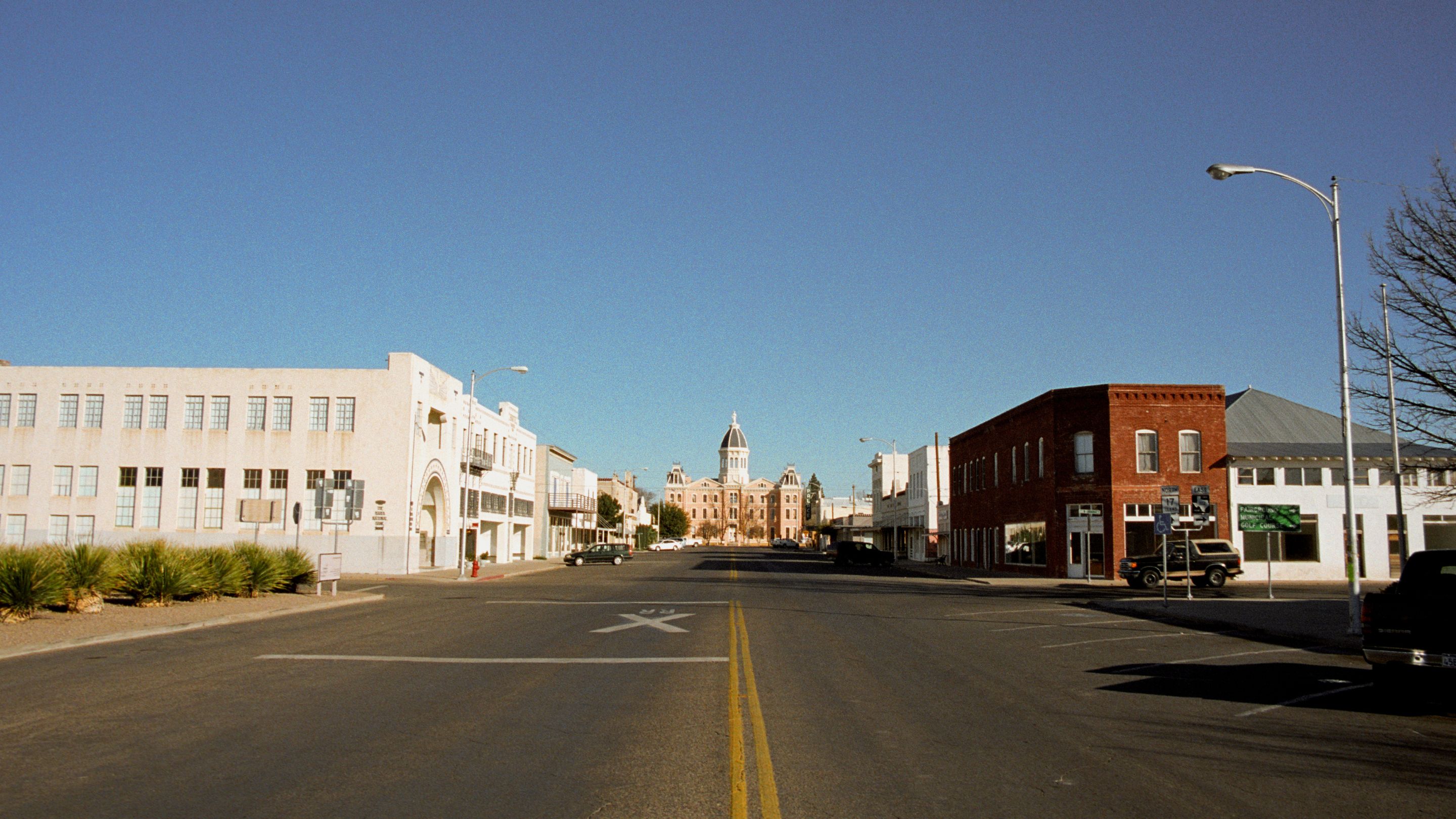
Marfa sits out in West Texas, home to less than 2,000 people—yet it’s packed with more creativity than some big cities. What started as a railroad water stop now pulls in art lovers from all over.
The town’s world-class art installations put it on the map, but it’s the quirky blend of cowboy grit and high-art energy that keeps folks coming back. You can wander galleries, check out outdoor sculptures, and maybe catch the mysterious Marfa Lights dancing on the horizon.
There’s a growing food scene here, plus those epic desert skies—perfect for stargazing. The high-desert landscape means you can hike by day and chill by night.
Marfa sits close to Big Bend National Park, so you can combine trips if you’re feeling adventurous. New spots keep popping up—restaurants, shops, even cool little hotels.
This place proves you don’t need a big city for big experiences. Marfa’s got something special going on, trust me.
3) Great Basin National Park, Nevada
Great Basin National Park rests in eastern Nevada, away from the crowds that swarm the usual parks. Only about 150,000 people visit each year, making it one of the least explored national parks you can actually drive to.
You get some wild sights here. Ancient bristlecone pines—some of the oldest living things on the planet—grow in the park. Lehman Caves, with their marble formations, feel otherworldly.
Wheeler Peak looms over everything, holding Nevada’s only glacier. Because it’s so remote, the night skies are almost pitch black—a stargazer’s dream.
Forget packed parking lots or elbow-to-elbow trails. The alpine views, desert valleys, and bursts of wildflowers set the scene for epic photos. Plenty of hiking trails let you go at your own pace.
Great Basin gives you that true backcountry vibe, without all the red tape and permits you find at the big-name parks.

4) Door County, Wisconsin
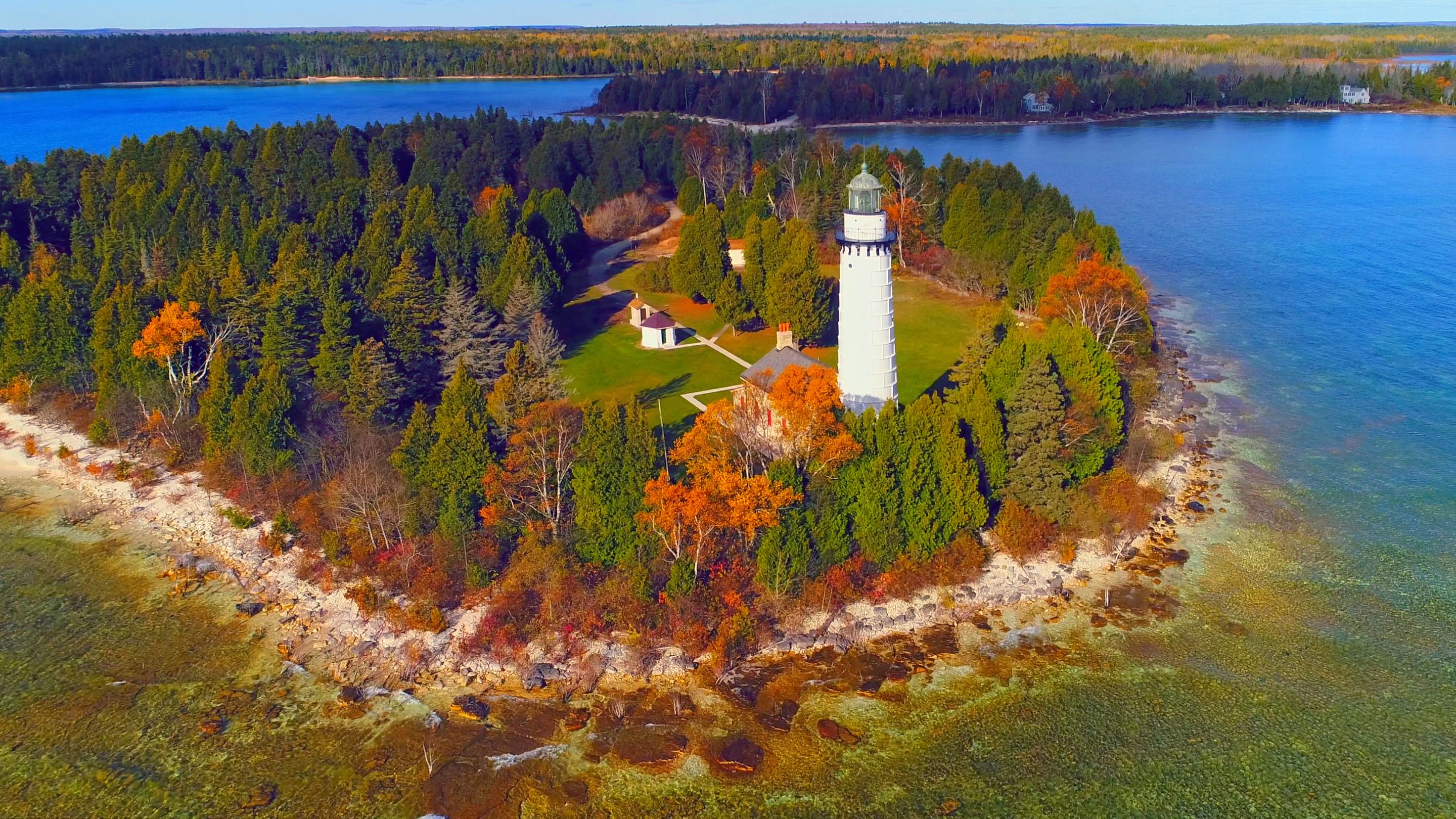
Door County juts out into Lake Michigan from Wisconsin’s east. The peninsula boasts 300 miles of coastline, offering a breath of fresh air compared to crowded Midwest spots.
U.S. News & World Report even called it an underrated gem—especially outside of summer. You’ll find small towns dotting the shoreline, each with unique personality and local flavor.
Outdoor fun runs year-round. State parks, hiking trails, and plenty of water access keep adventurers happy. Rock Island State Park takes two ferries to reach, so it’s extra quiet.
The area’s famous for cherry orchards and a vibrant food scene. Towns like Fish Creek and Ellison Bay offer shops, cozy restaurants, and culture—without the tourist crush.
Families love the beaches. Couples might lean toward low-key towns and romantic dinners. Door County’s shipwreck history adds a dash of mystery.
Winter flips the script—think snowy hikes and peaceful streets. There’s always something to do, no matter the season.
5) Asheville, North Carolina
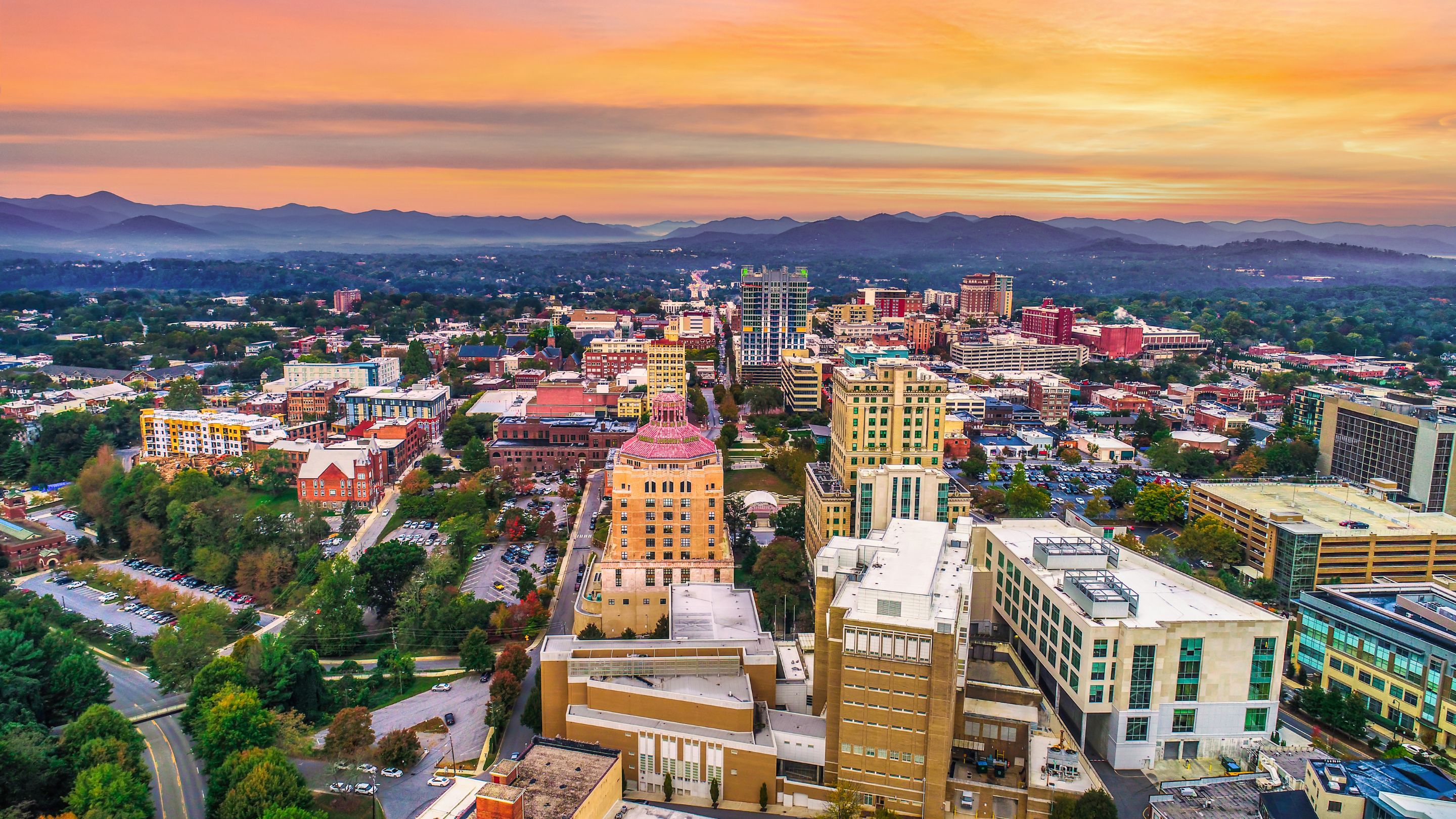
Asheville sits tucked in the Blue Ridge Mountains, and honestly, it’s one of the most underrated travel spots out there. The city offers a laid-back alternative to the usual tourist circuit.
You get a mix of natural beauty and a buzzing arts scene. Craft breweries, indie restaurants, and galleries fill downtown. The food? Mostly farm-to-table, with tons of local flavor.
Mountain air and sweeping views set the mood. Hike, chase waterfalls, or just wander—there’s no rush here.
Asheville draws travelers who want something real, not just another cookie-cutter vacation. Local shops and markets let you discover regional crafts and quirky finds.
The city keeps its character, even as more people catch on. Asheville proves you don’t have to go far for memorable adventures.
6) Sandpoint, Idaho
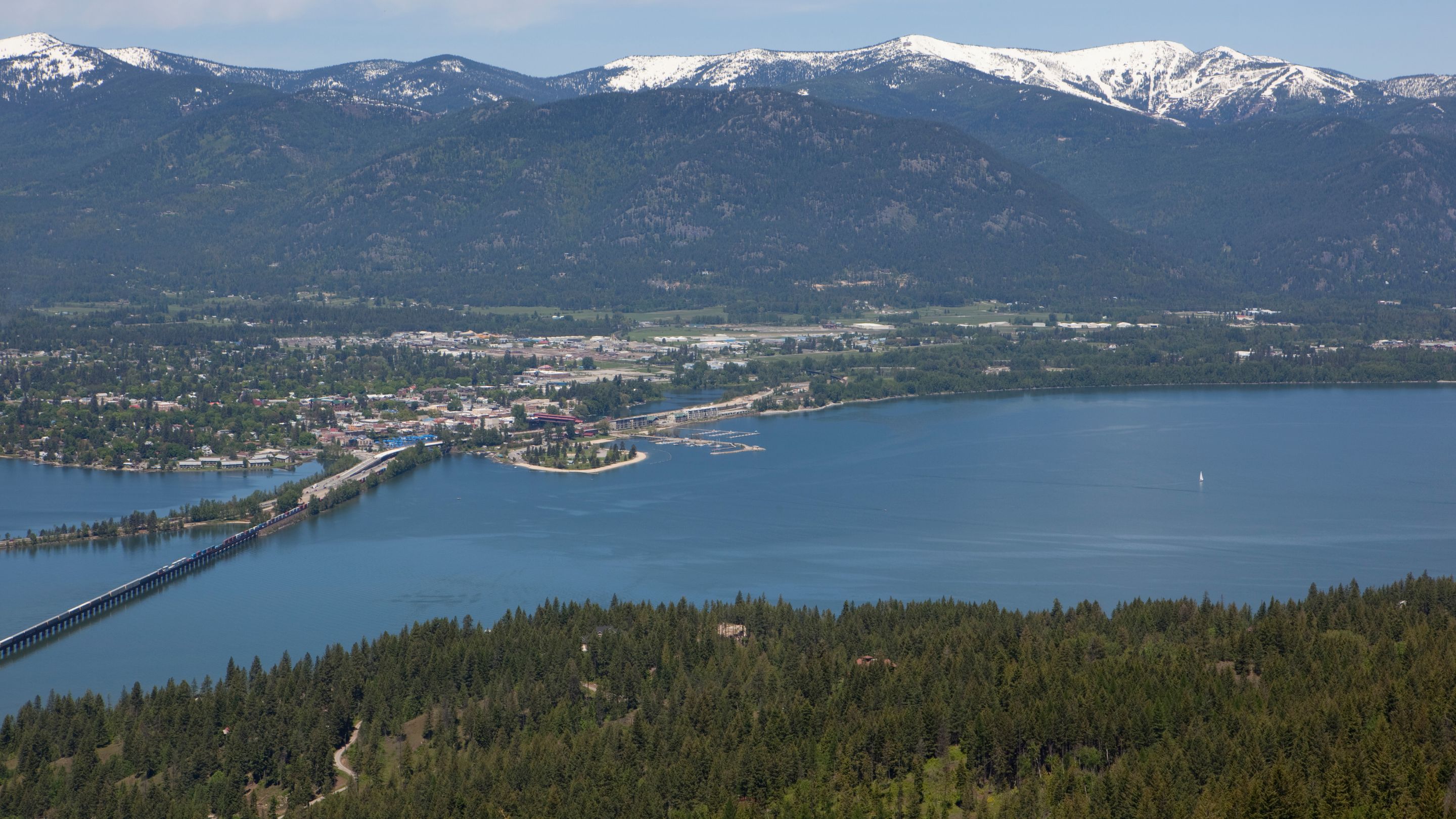
Sandpoint perches in northern Idaho’s panhandle, about 60 miles from Canada. The town hugs Lake Pend Oreille, with the Rocky Mountains rising behind.
There’s always something happening. Swim, kayak, or paddleboard in the summer. When winter hits, Schweitzer Mountain Resort draws skiers and snowboarders.
Historic downtown feels like stepping back in time—brick buildings, local shops, and friendly faces. You can stroll, grab a coffee, and soak up the mountain views.
Getting here takes a little effort. From Boise, it’s a long drive—almost eight hours. Spokane, Washington, is much closer, just 80 miles away.
Sandpoint mixes outdoor fun with small-town vibes. The lake and mountains attract anyone looking for a chill alternative to crowded resort towns.
You can hit the trails, paddle the lake, or just kick back and enjoy the scenery.
7) Taos, New Mexico
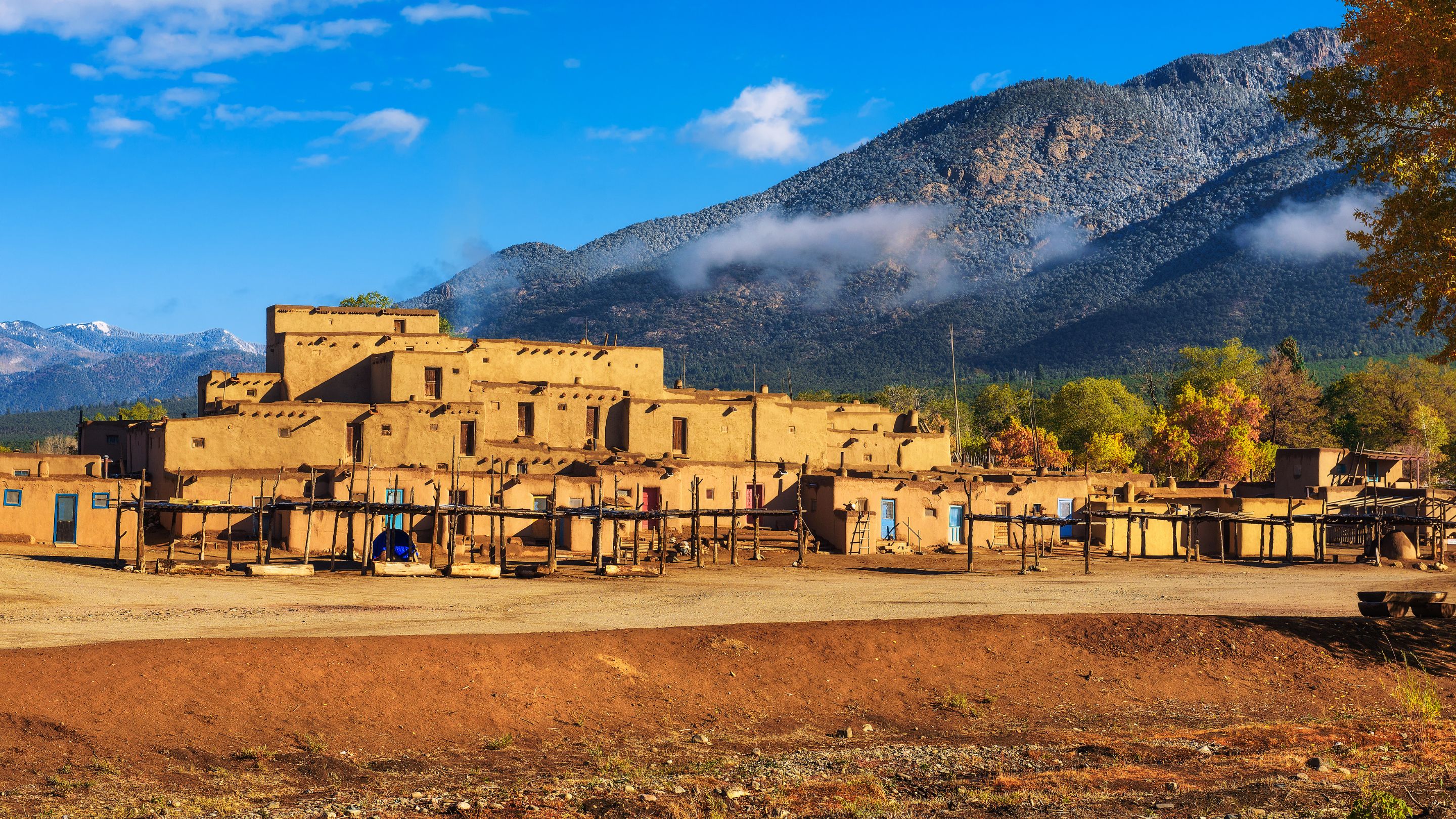
Taos sits high in the Sangre de Cristo Mountains, blending three distinct cultures into one unforgettable place. Native American roots run deep at Taos Pueblo, where the Tiwa people have lived for centuries. Spanish influences show up in the adobe buildings everywhere.
Art pulses through the town. Over 100 galleries and studios show off everything from traditional crafts to edgy modern pieces. Artists have flocked to Taos for generations.
Outdoor options? Tons. Raft the Rio Grande, hike through wild public lands, or hit the slopes at Taos Ski Valley in winter. Even mountain biking trails twist through the high desert.
The town feels compact and totally walkable. Local restaurants serve up New Mexican favorites and global eats. Shops and galleries fill the historic plaza, where you can browse handmade treasures.
Taos moves at its own pace, offering plenty to see and do—without the chaos of bigger tourist spots.
8) Saugatuck, Michigan
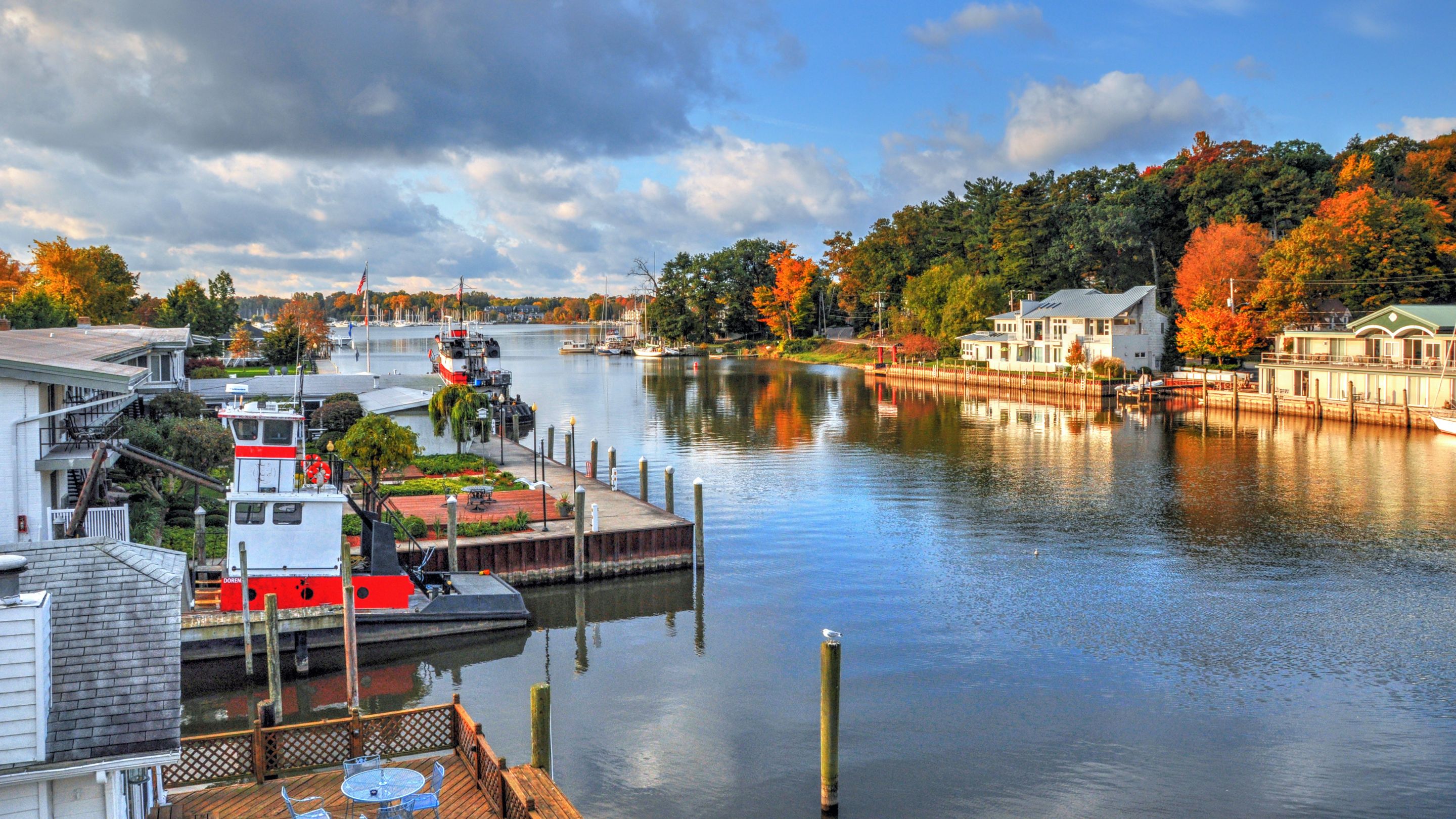
Saugatuck sits where the Kalamazoo River meets Lake Michigan, forming a natural harbor that just begs you to slow down. Around here, folks call it the “Art Coast of Michigan”—and for good reason.
Beaches stretch along the lake, perfect for swimming or catching a sunset. Downtown feels artsy but never pretentious, with galleries, shops, and restaurants that keep things local.
You can hike at Saugatuck Dunes State Park or climb Mount Baldhead for epic lake views. Take the old chain ferry or hop on a river cruise. Local wineries and breweries round out the experience.
Saugatuck suits all kinds of travelers. Couples swoon over the quiet lakeside scenes. Families love the beaches and outdoor fun. Art lovers can get lost in galleries packed with regional talent.
The town keeps its charm, no matter how many people discover it. You get Lake Michigan’s beauty and a downtown that feels like, well, somewhere you actually want to hang out.
9) Cooperstown, New York
Cooperstown pops up on most people’s radar as the home of the National Baseball Hall of Fame. But this lakeside village in upstate New York has way more going on than just baseball history.
The town hugs Otsego Lake, offering peaceful views and a downtown that oozes charm. Art museums, craft breweries, and local galleries give you plenty to explore.
Beyond the Hall of Fame, Cooperstown highlights the region’s agricultural past and cultural roots. Outdoor fun is easy to find—lake activities in summer, jaw-dropping foliage in fall.
It’s an ideal weekend escape. The compact size means you can actually walk everywhere. Spend the day at museums, then unwind with a good meal at a local spot.
Cooperstown skips the crowds of bigger destinations but still delivers on quality experiences. Whether you’re into sports, arts, or just soaking up small-town vibes, this place fits the bill.

10) Ocracoke Island, North Carolina
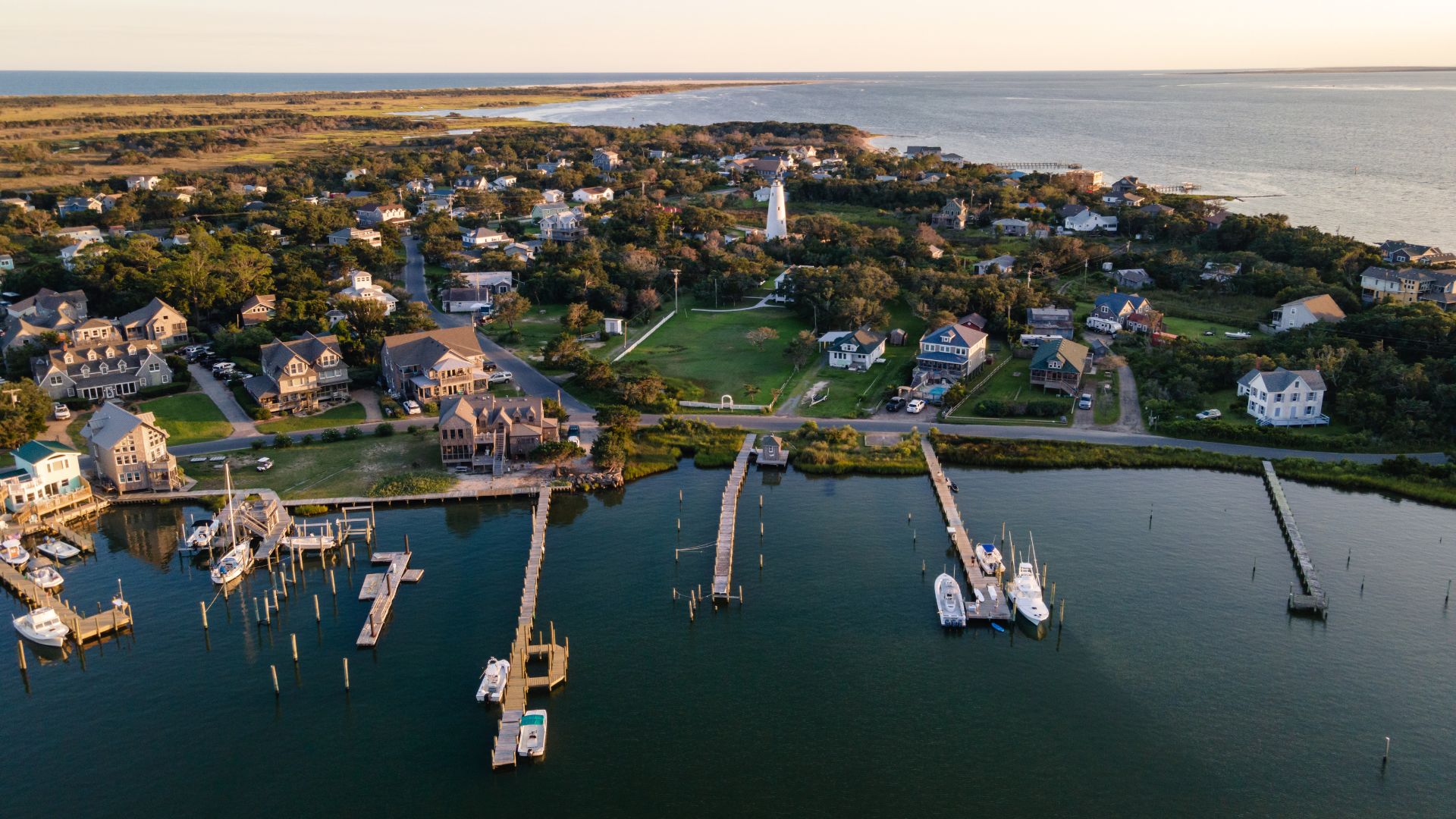
You can only get to Ocracoke Island by ferry or private boat, which keeps things low-key. This Outer Banks barrier island stretches for 16 miles, all wild and undeveloped.
Life moves slow here—speed limits top out at 25 mph, and most folks cruise around on bikes or golf carts. It’s the kind of place where you can just breathe.
Spend your days beachcombing for shells or visiting the old Ocracoke Lighthouse. Keep an eye out for the island’s wild horses, still roaming free.
The village stays small and mellow. Local shops, waterfront restaurants, and historic homes line the streets. The area’s maritime history, with tales of pirates and shipwrecks, adds a bit of intrigue.
If you’re craving a real unplug, Ocracoke delivers. No big resorts, no chain restaurants—just authentic coastal vibes. The island’s held onto its soul, even as the rest of the Outer Banks gets busier.
11) Bend, Oregon
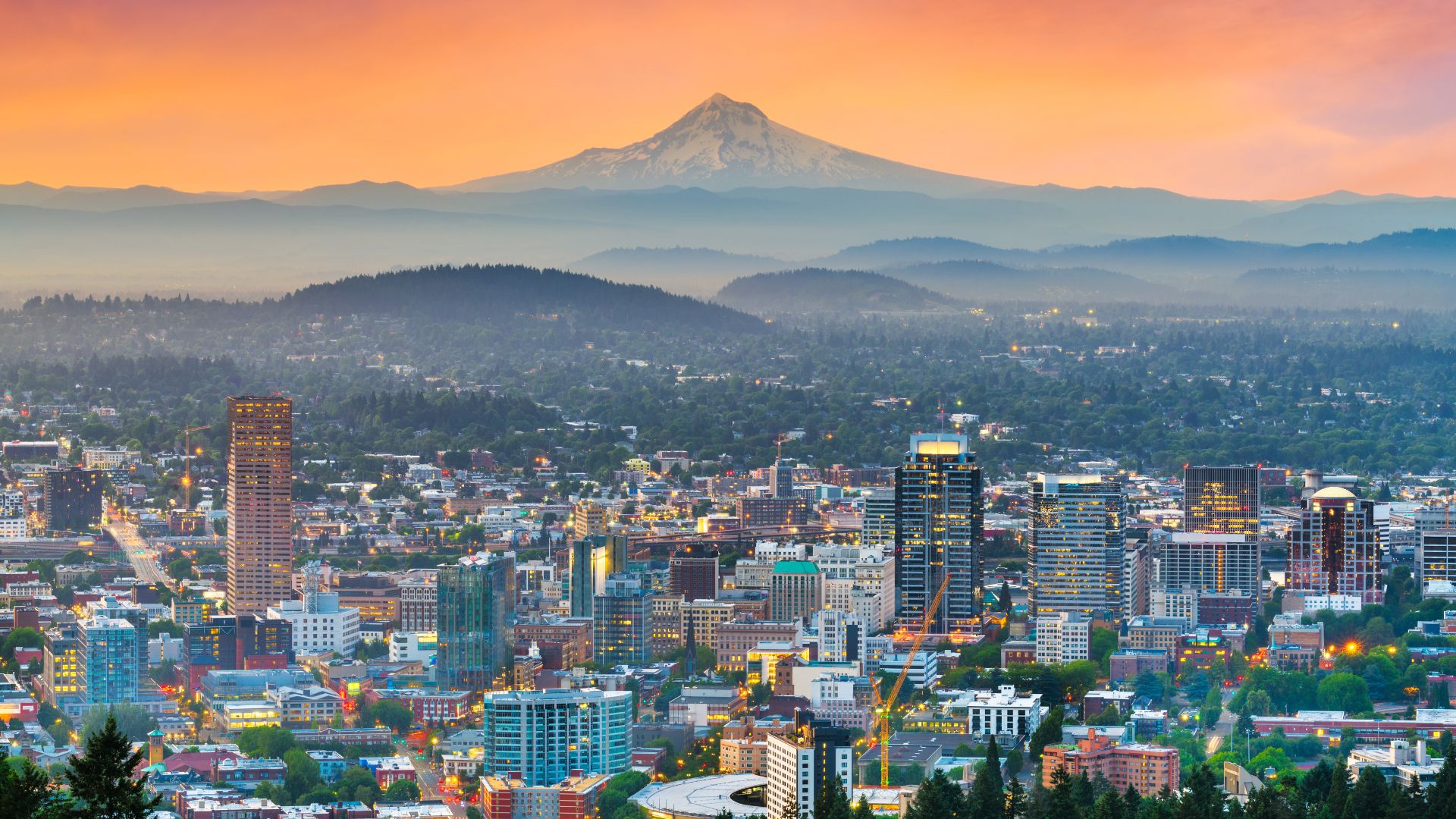
Bend sits right in the heart of central Oregon. It’s the kind of place where you’ll find volcanic landscapes, pine forests, and the Deschutes River winding through downtown.
If you’re into the outdoors, Bend’s got you covered. You can hike, mountain bike, ski, or even kayak, depending on the time of year.
The Cascade Mountains are nearby and offer year-round recreation. Adventure seekers, this is your playground.
Downtown Bend is a hub for craft breweries and local restaurants. After a day outside, grabbing a bite or a pint never feels like a chore.
The walkable streets make exploring shops and cafes super easy. I’ve spent afternoons just wandering, popping in and out of quirky boutiques.
What really sets Bend apart? It feels authentic—no pretense, just laid-back Oregon vibes. While cities like Portland and Eugene get all the press, Bend quietly keeps its cool.
Locals here genuinely care about outdoor life and protecting the environment. You can feel that energy everywhere.
Unlike western Oregon, Bend enjoys more sunny days and drier weather. The rain shadow from the Cascades makes it a haven if you’re over the coast’s endless drizzle.
12) Traverse City, Michigan
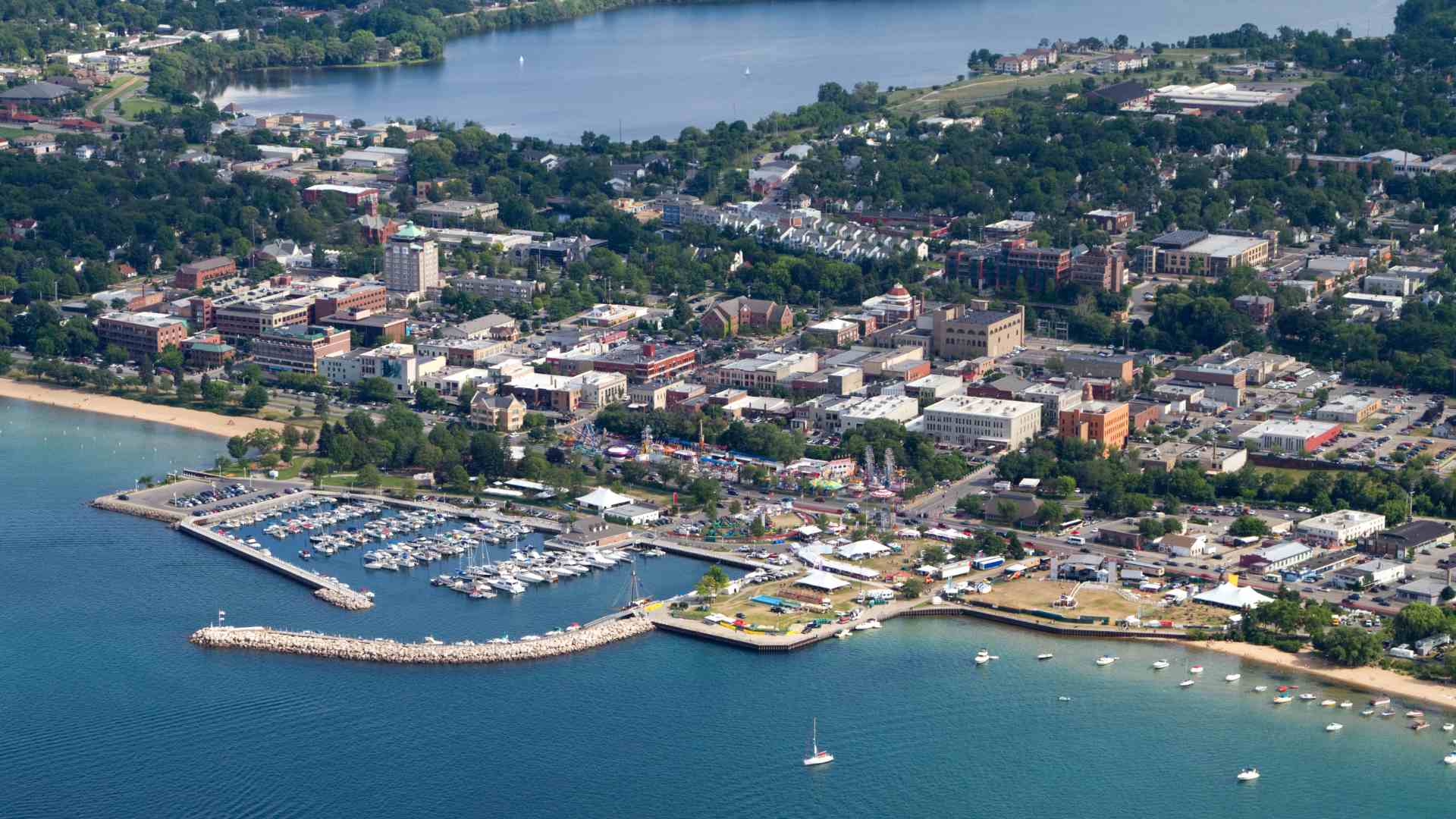
Traverse City might not be on everyone’s radar, but honestly, it should be. This northern Michigan town hugs Grand Traverse Bay and blends natural beauty with a friendly, small-town feel.
Front Street anchors downtown, lined with shops and restaurants that don’t get mobbed like bigger tourist spots. It’s easy to spend a lazy afternoon here.
The town acts as a gateway to beaches, forests, and tons of outdoor adventures. No matter the season, there’s always something to do nearby.
Wine lovers, you’re in luck—over 40 wineries dot the region. The climate and soil really work for grapes, making this a wine destination worth bragging about.
If you want an alternative to busier Great Lakes spots, Traverse City delivers. You get waterfront fun, local culture, and seasonal events—without the tourist circus.
Travel magazines have started to notice, but it still feels like a hidden gem. More people are catching on, though, so maybe don’t wait too long.
Winter brings skiing and snow sports. In summer, you’ll find water activities and festivals everywhere.
No matter the month, Traverse City holds onto its Michigan character. You get the real deal here.
13) Paducah, Kentucky
I’ll admit, I didn’t expect to find a UNESCO Creative City in western Kentucky. But Paducah made the list—one of just nine in the U.S.
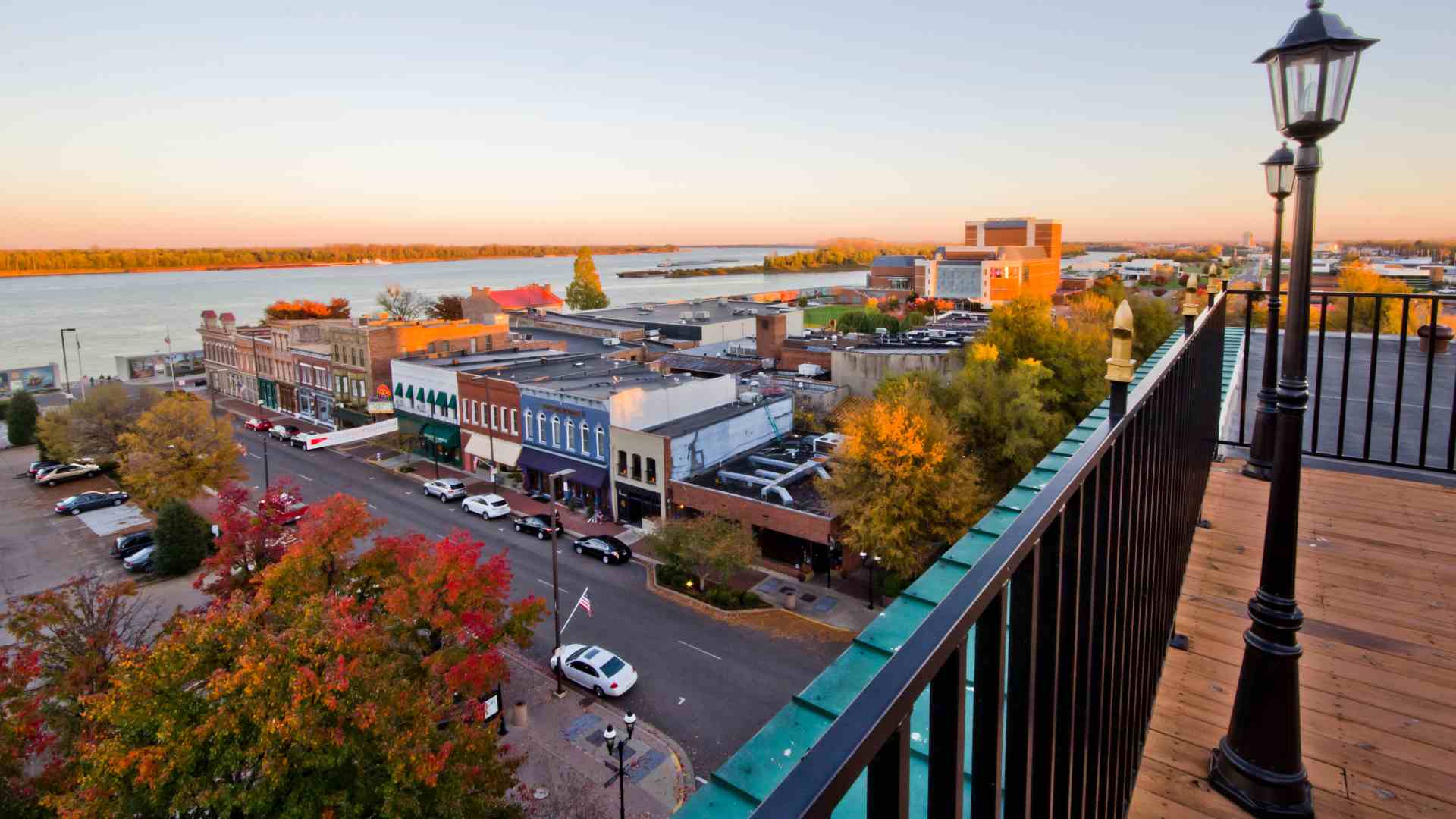
This river town sits along the Ohio River, and it’s earned a reputation for celebrating artists and craftspeople.
Paducah claims the title Quilt Capital of the World. If you’re curious, the National Quilt Museum is a must-see—textile art like you’ve never imagined.
But there’s more than quilting. The Arts District bursts with galleries, studios, and colorful murals. Local creativity is everywhere you look.
Downtown feels like a blend of historic architecture and modern attractions. In spring, the Dogwood Trail is gorgeous, or you can wander the riverfront where cruise ships like Viking now stop.
Paducah keeps things relaxed and friendly. The food scene leans into regional favorites, and you never have to elbow through crowds.
Folk arts are celebrated here, but the city still feels like a true small town. It’s easy to explore in a weekend, and you’ll leave with stories to tell.
14) Hocking Hills, Ohio
If you think Ohio is all flat farmland, Hocking Hills will surprise you. This state park, tucked in the Appalachian foothills near Logan, looks straight out of a travel magazine.
Condé Nast Traveler even called it one of America’s 50 most beautiful places. That’s a bold claim, but honestly, it lives up to the hype.
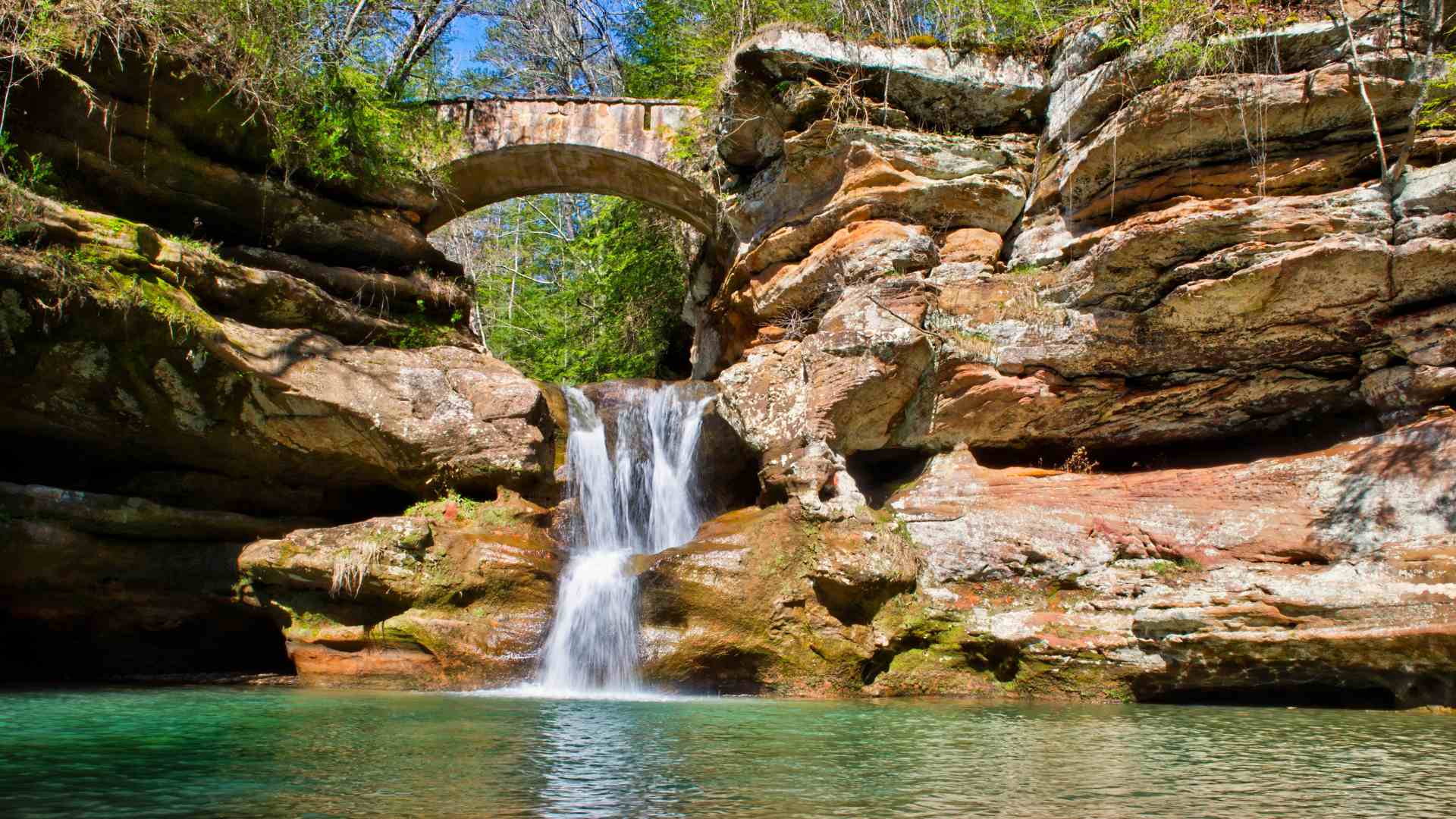
Ash Cave is the star—a massive rock recess, 700 feet wide and 100 feet deep. Trails wind past ancient forests and waterfalls, and you’ll find something new every visit.
Across nine state parks and forests, you can hike, chase waterfalls, or just wander among towering rocks and peaceful gorges.
Hocking Hills has become Ohio’s top tourist spot, and I get why. Trails range from easy strolls to challenging hikes, so there’s something for everyone.
The Allegheny Plateau gives the region its rugged beauty. And you won’t find the crowds you’d see at more famous national parks.
If you’re craving adventure or just want to escape into nature, Hocking Hills changes how you see the Midwest.
Why Travelers Are Seeking Underrated Destinations
Lately, more Americans are skipping the obvious tourist traps. They’re searching for better experiences—without the sticker shock.
People want real connections, fewer crowds, and to stretch their travel budgets a little further.
Desire for Less Crowded Experiences
Who hasn’t seen photos of jam-packed beaches or epic lines at landmarks? It’s enough to make you rethink your whole vacation.
Overcrowded places just aren’t relaxing. You end up managing crowds instead of soaking up the vibe.
Restaurant waits can drag on for hours, and snapping a decent photo feels impossible.
In lesser-known destinations, you get to move at your own pace. No tour groups pushing you along, no shouting to be heard.
You’ll find quiet beaches where the only sound is the waves. Local restaurants actually have time to chat, and the whole experience feels more personal.
It’s a world away from the Amalfi Coast or Iceland’s Golden Circle. Sometimes, the road less traveled really is better.

Authenticity and Local Culture
Tourist-heavy spots often lose what made them special. Shops sell the same souvenirs everywhere, and menus cater to outsiders, not locals.
In underrated destinations, you get to see real life. Markets sell what locals actually buy, and family-run restaurants serve up recipes passed down for generations.
Conversations with locals feel genuine. People aren’t just reciting scripts or upselling tours.
You might stumble into a festival meant for the community, not tourists. Sometimes, you’ll even get invited to join in.
Value and Affordability
Your dollar stretches so much further in these spots. Hotels that would drain your wallet in big cities might cost a fraction here.
Flights are often cheaper, too, since fewer people are booking them. Activities and attractions don’t come with inflated tourist prices.
You’ll often get more for your money—bigger rooms, heartier meals, and smaller, more personal tours.
This means you can travel longer, stay somewhere nicer, or even squeeze in a few extra trips each year.
How to Respect and Support Emerging Destinations
Visiting lesser-known places comes with responsibility. The way you travel matters—a lot.
Your choices can help keep these destinations authentic and thriving, or they can do real damage.
Sustainable Travel Practices
Pick places to stay that use renewable energy and reduce water waste. Local guesthouses usually have a lighter footprint than big hotel chains.
Bring a reusable water bottle, shopping bag, and utensils. Many places don’t have great recycling, so every bit helps.
A few sustainable actions to remember:
- Take public transport or walk when you can
- Book tours that keep group sizes small
- Skip any activities that hurt wildlife or nature
- Eat at spots that source food locally
Stick to marked trails and follow posted rules in protected areas. Leave shells, rocks, and plants where you found them.
Engaging With Local Communities
Spend your money with locals—restaurants, shops, tour guides, and markets. It makes a real difference.
Learn a few words in the local language. Even a simple “hello” or “thank you” goes a long way.
Always ask before snapping photos of people or their homes. It’s just good manners.
Hire local guides. They share stories you won’t find in any book, and your money stays in the community.

Cultural Awareness and Etiquette
Check dress codes before visiting religious or conservative spots. Sometimes, covering shoulders and knees or removing shoes is expected.
Brush up on local customs—tipping, bargaining, greetings, and general manners. What’s normal for you might not be for them.
A few etiquette basics:
- How to greet people (handshakes, bows, etc.)
- Table manners and dining customs
- What’s okay to talk about—and what’s not
- Personal space and physical contact
Watch how locals behave and follow their lead. It’s the quickest way to fit in.
Frequently Asked Questions
These underrated destinations pack in a lot for every kind of traveler. Quiet beaches, mountain escapes, charming towns—you name it.
Each spot offers something unique, minus the crowds.
Door County, Wisconsin is a hit for family-friendly activities like cherry picking, beach days, and lighthouse tours. The calm waters and small towns make it easygoing for kids.
Cumberland Island, Georgia lets families see wild horses and untouched beaches. Camping under the stars is magical, and there are nature trails and historic ruins to explore.
Asheville, North Carolina mixes outdoor adventures with kid-friendly spots. Waterfalls, parks, and museums keep everyone entertained.
Marfa, Texas is perfect for solo wanderers. Art, quirky culture, and desert landscapes—what’s not to love?
Great Basin National Park, Nevada is all about solitude. You can tour caves, stargaze, and hike mountain trails without bumping into crowds.
Asheville is also super welcoming for solo travelers. Between breweries, live music, and hiking, it’s easy to meet people or just do your own thing.
Cumberland Island is romance central—empty beaches, mossy forests, and wild horses. Walks along the shore feel like your own private escape.
Asheville gives couples mountain views, cozy B&Bs, and amazing food. Exploring the Biltmore Estate or driving the Blue Ridge Parkway makes for a memorable trip.
Door County brings charming small towns and gorgeous sunsets. Wine tastings and peaceful beaches set the mood for a perfect getaway.
Cumberland Island’s 18 miles of wild, undeveloped beaches are the real deal. Visitor numbers stay low, so it’s never packed.
Door County has 300 miles of Lake Michigan shoreline with plenty of quiet beaches. You can always find a spot to yourself.
Near Great Basin National Park, mountain lakes offer peaceful swimming—no crowds, just nature.
Marfa draws young travelers with its art scene and outdoor adventures. Camping under the desert stars is an experience you won’t forget.
Asheville is a magnet for music lovers and craft beer fans. Days are for hiking, nights are for live music and great eats.
Door County comes alive in summer with kayaking, paddleboarding, and local festivals. It’s perfect for anyone chasing adventure and good food.
Great Basin National Park barely gets 150,000 visitors a year. That’s a tiny crowd compared to the droves you’ll find at the big-name parks.
Here, you’ll wander among ancient bristlecone pines and stumble across limestone caves that feel like secret worlds. The 13,000-foot peaks? They’re just waiting for you—no lines, no noise, just wide-open space.
Cumberland Island sits off the coast and you’ll need to hop on a ferry to get there. That little bit of effort keeps the crowds away and, honestly, it’s worth it.
You’ll find untouched coastal wilderness that’s almost impossible to come by on the East Coast these days. Wild horses roam the beaches and the silence feels rare.
Marfa, tucked away in remote West Texas, doesn’t look like much at first glance. But somehow, this tiny town turned into a cultural hotspot with world-class art galleries and installations.
The desert landscape is surreal and you can’t help but feel like you’ve found a secret. Marfa manages to keep its quiet, off-the-grid vibe, even as people catch on.
These spots aren’t just off the beaten path—they’re the kind of places you’ll want to tell your friends about, but maybe not everyone. Sometimes, the best travel stories come from the places nobody expects.
