
America’s border towns? They’re something else. You can wander down a street where English and Spanish tumble together, and you’ll spot a taco stand right next to a classic American diner. Honestly, these 13 border towns offer a unique cultural experience—Mexican and American traditions don’t just coexist here, they melt into something you won’t find anywhere else.
What really grabs me about these places is how they flip the script on what a border means. Instead of dividing, these towns connect. You’ll find Texas spots where nearly everyone speaks Spanish at home, or tiny Arizona communities with only a handful of residents. Each place spins its own tale of blended cultures.
People here switch between languages without thinking. Holidays from both sides get celebrated, and the art? It’s a mashup of two worlds.
Let’s explore the neighborhoods where you’ll hear Spanglish on the breeze, peek into daily rituals that mix traditions, and taste the wildest food combinations. These aren’t just dots on a map—they’re living proof that cultures can collide and create something travelers will never forget.
What Makes American Border Towns Unique?
Border towns in America really do stand alone. Here, languages, food, traditions, and even the local economy cross-pollinate into a single, lively community.
Defining Cultural Convergence at the Border
I see these towns as living experiments. Two cultures don’t just sit side by side—they swirl together and make something new.
This mixing feels effortless. Families often straddle both sides of the border. Kids grow up speaking two or more languages at home and in school.
Shops and restaurants adapt to serve everyone. You’ll find fusion menus that combine American comfort food with Mexican favorites. Stores stock goods for all tastes.
Key signs of cultural convergence:
- Bilingual signs everywhere
- Architecture with mixed influences
- Food traditions that borrow from both sides
- Festivals that blend holidays
- Families with roots on both sides
This creates a distinct identity that’s not quite American, not quite Mexican—just something in-between.
The Importance of Cultural Exchange in Daily Life
Cultural exchange isn’t just for tourists here. It’s baked into daily routines.
Breakfast spots serve both American coffee and Mexican pan dulce. Kids learn songs from both cultures at school. Local radio stations bounce between languages.
Lots of families shop across the border every week. Some folks live in one country and work in the other. Even healthcare flows both ways.
People pick up new customs just by living here. They naturally become experts in navigating different traditions and languages.
This constant back-and-forth builds understanding. I notice it makes people more open-minded, too.
Economic Growth and Shared Prosperity
Border towns have economic perks that most places can only dream of. Their success depends on working together, not competing.
Trade goes both ways, creating jobs and opportunities. Manufacturing, retail, and service industries all thrive thanks to cross-border demand. Tourists come for the unique cultural mix.
Economic perks:
- Lower prices on goods and services
- Bigger customer bases
- More job options
- Trade advantages
- Tourism dollars from curious visitors
Some towns specialize in manufacturing that uses resources from both sides. Others become famous for a certain dish or service.
A shared economy means that when one side does well, the other usually benefits too.
Vibrant Communities and Their Unique Identities
Every border town has its own vibe, shaped by geography and history. No two are quite the same.
Some towns go all-in on celebrating both cultures with festivals. Others build reputations around food, music, or art.
The energy here comes from constant cultural exchange. Street art often weaves together symbols from both nations. Festivals invent new traditions by blending old ones.
What makes these communities vibrant:
- Architecture that mixes styles
- Bilingual arts and performances
- Restaurants serving fusion food
- Family traditions that cross borders
- Community projects that bring everyone together
These towns adapt fast. They ride out policy shifts and economic changes that hit border regions.
The end result? Places with fierce local pride, rooted in their unique spot between two worlds.
Discovering the 13 American Border Towns That Blend Cultures
These destinations act as living bridges, where life flows between languages and traditions. Travelers can dive into a cultural mashup that doesn’t exist anywhere else.
Iconic Pair: Tijuana and San Diego
The San Diego-Tijuana area might just be the world’s most fascinating border region. The blend here feels effortless.
San Diego has its beaches, museums, and craft breweries. Wander south and Tijuana bursts with street art, authentic tacos, and lively markets.
The border crossing buzzes with millions of people every year. Plenty of folks live on one side and work on the other.
Cultural gems:
- Balboa Park’s museums
- Tijuana’s Avenida Revolución
- A cross-border foodie scene
- Sports rivalries that span the fence
Food steals the show. California burritos meet Mexican street food, and craft beer flows freely on both sides.
Art scenes mix, too. Tijuana’s murals show up in San Diego galleries, and music festivals attract crowds from both cities.
Nogales: Crossroads of Tradition
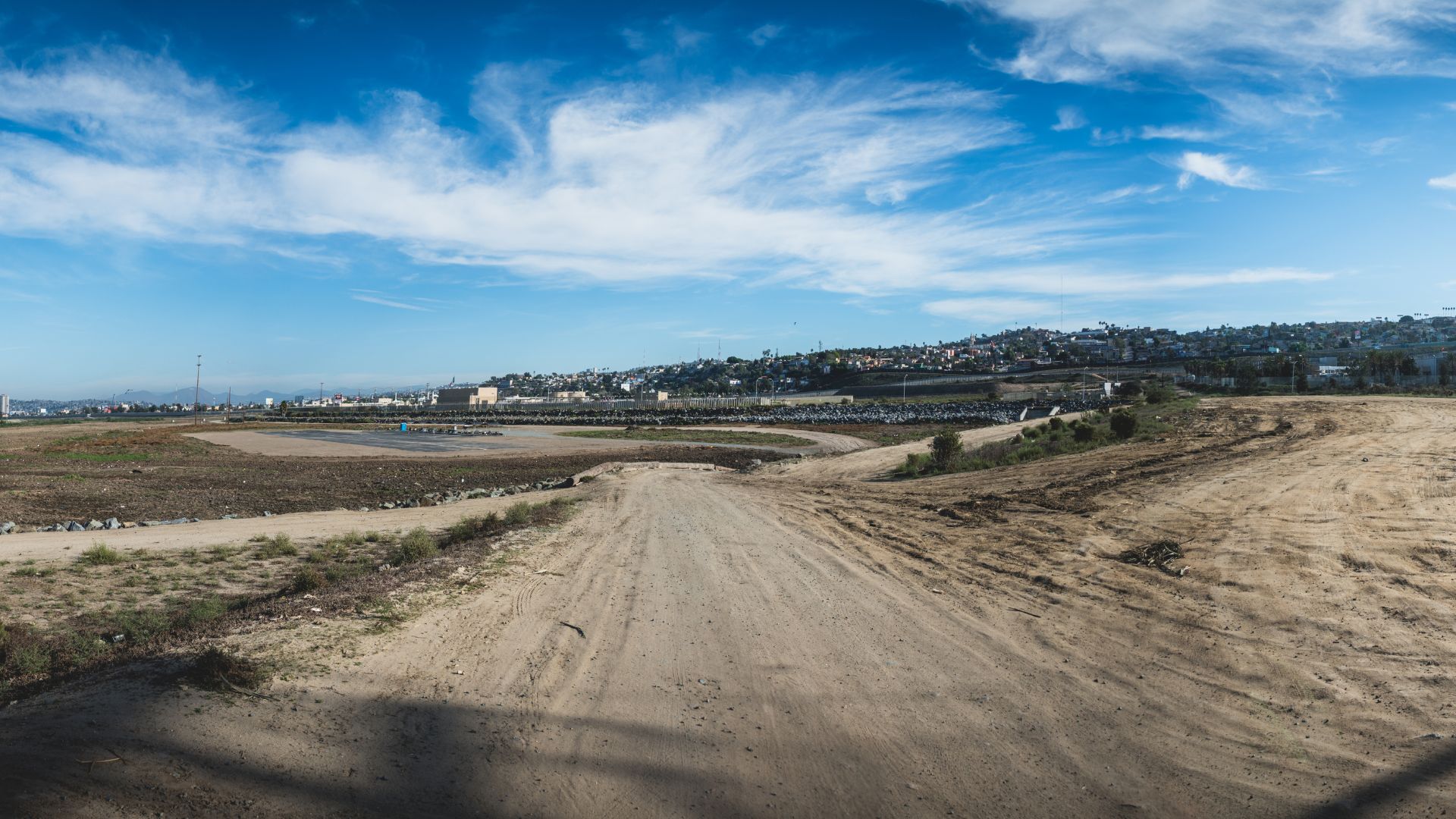
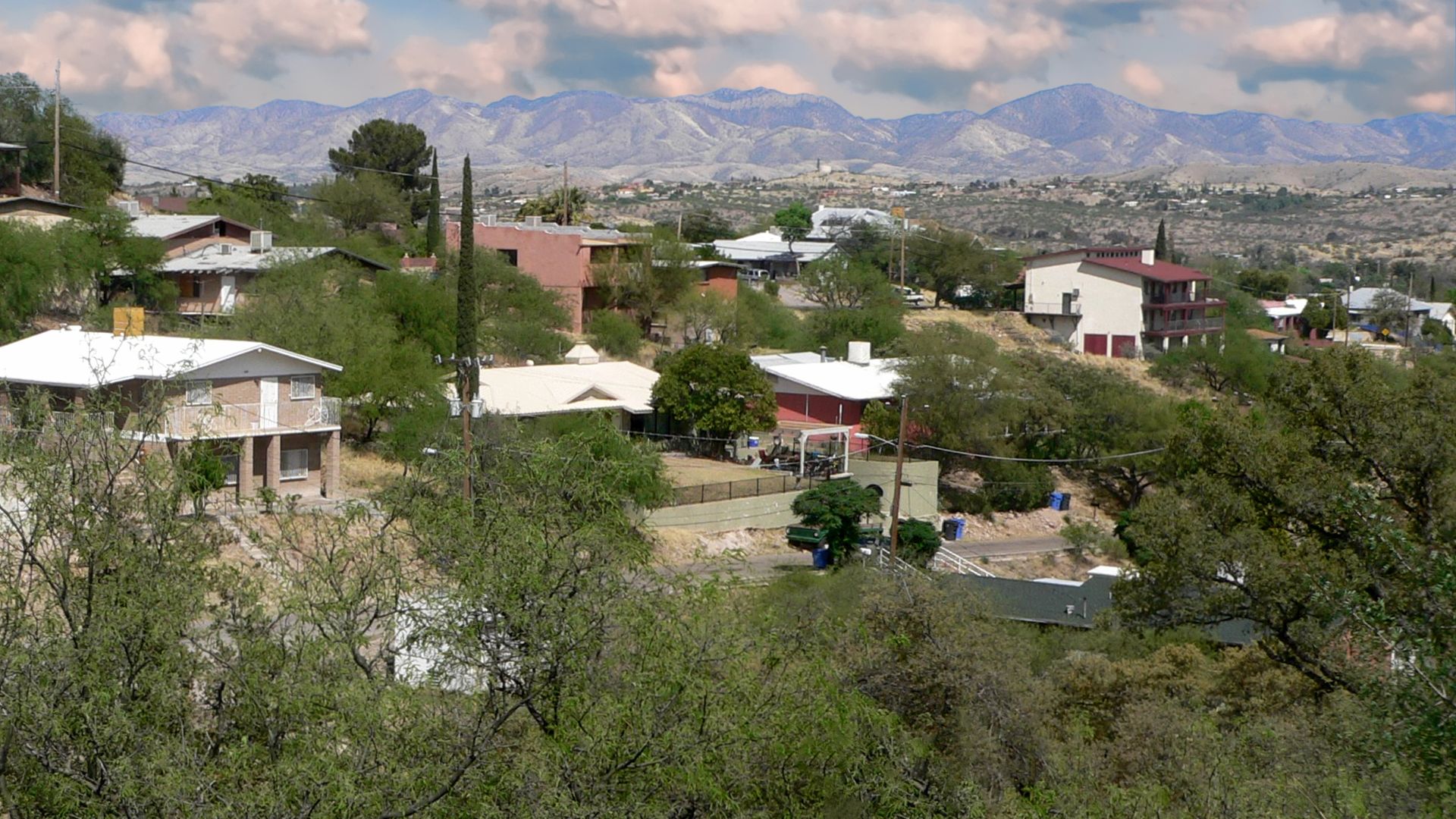
Nogales is basically two cities, one name. Nogales, Arizona sits just above Nogales, Sonora, Mexico.
I’ve walked the main drag where the border fence slices right down the middle. Families often split across the line but share meals together.
Cross-border trade keeps the economy humming. Manufacturing and agriculture connect both sides.
Highlights:
- Historic downtowns in both cities
- Bustling Mexican markets
- American-style shopping centers
- Festivals that draw crowds from both sides
Street vendors sell elote and burgers steps apart. Conversations drift between Spanish and English.
Joint holidays like Cinco de Mayo and the Fourth of July bring everyone together.
Other Unmissable Border Towns
El Paso, Texas and Juárez, Mexico form a giant binational metro area. Over 2 million people call this region home.
Brownsville, Texas and Matamoros, Mexico link up across the Rio Grande. Their old downtowns blend into each other.
Laredo, Texas and Nuevo Laredo, Mexico share deep family roots. Many folks have relatives just across the bridge.
Other spots worth exploring:
- Calexico, California & Mexicali, Mexico
- Eagle Pass, Texas & Piedras Negras, Mexico
- McAllen, Texas & Reynosa, Mexico
Each pair has its own flavor. Music, food, and festivals reflect local stories and landscapes.
Hidden Treasures Along the Border
Some of the most authentic experiences hide in smaller towns. Columbus, New Mexico connects with Puerto Palomas, Chihuahua.
Antelope Wells, New Mexico is about as quiet as crossings get. Here, old ranch culture still hangs on.
Douglas, Arizona and Agua Prieta, Sonora keep their mining history alive. The old buildings have stories to tell.
Don’t miss these gems:
- Presidio, Texas & Ojinaga, Mexico
- Roma, Texas & Miguel Alemán, Mexico
- Lukeville, Arizona & Sonoyta, Mexico
Life moves slower here. People know their neighbors—on both sides. Traditional crafts and recipes still thrive.
Festivals pull in visitors from the big cities. If you want real-deal experiences, this is where you’ll find them.
Linguistic Landscape and Communication
Border towns in the U.S. create spaces where languages mix on signs, storefronts, and in every conversation. These multilingual environments shape how people connect and build their sense of community.
A Melting Pot of Languages
Walk around a border town and you’ll spot a wild mix of languages. Spanish and English dominate, but you’ll also see Mandarin, Arabic, and Native American tongues.
Storefronts get creative. Ever seen “El Taco King” or “Casa Maria’s Kitchen”? Business owners know how to reach everyone.
Common combos:
- Spanish-English (top of the list)
- Native American-English
- French-English (up north)
- Asian languages-English
Street signs tell their own story. You’ll find “Calle Principal” right next to “Main Street.” Some places honor Native roots with original names.
Official buildings usually post signs in two or more languages. Schools, city halls, and post offices want everyone to feel welcome.
How Language Shapes Identity
Language choices run deep here. People use certain languages to show pride or feel like they belong.
Bilingual signs aren’t just practical—they send a message. A pharmacy with signs in Spanish, English, and Vietnamese says, “Everyone’s welcome.”
Identity markers I spot:
- Family businesses stick with heritage languages
- Churches post announcements in community languages
- Cultural centers celebrate linguistic diversity
Kids invent their own dialects, mixing English and Spanish into something uniquely border-town.
Shop owners pick their words carefully. A tourist shop goes heavy on English, while a local grocery leans into Spanish or another language.
Navigating Multilingual Communities
Living here means you pick up communication skills fast. Most people speak at least two languages and switch between them without a second thought.
Hospitals hire interpreters. Banks look for bilingual staff. Schools offer ESL classes. It’s all about making sure everyone gets what they need.
Handy tools:
- Translation apps on your phone
- Community language classes
- Bilingual rec centers
- Emergency services in multiple languages
Code-switching is the norm. People start in English and finish in Spanish—or vice versa.
Neighbors teach each other new words, swap recipes, and help translate paperwork. That’s just life here.
Online, local Facebook groups and apps offer posts in several languages. Everyone stays in the loop.
Customs, Traditions, and Daily Life
Border towns are where American and Mexican customs blend every single day. These communities invent their own festivals and traditions, building strong identities even as things change around them.
Festivals Celebrating Blended Heritage
Festivals here turn into full-on cultural showcases. In Laredo, you’ll see both Washington’s Birthday bashes and Cesar Chavez marches. Patriotism and Latino pride mix in the streets.
Religious festivals pull from both sides. Christmas posadas happen alongside neighborhoods decked out with lights. Dia de los Muertos altars pop up next to Halloween displays.
Music festivals blend mariachi bands with country acts. Food vendors serve barbacoa tacos and burgers. Dancers might go from folklorico to line dancing in one night.
Twin city festivals bring families across the border. These parties last for days, with everyone joining in.
Local churches often hold bilingual services during big holidays. These gatherings really tighten community bonds.
Cross-Border Customs and Traditions
Everyday life here is a mix of customs. People might speak English at work and Spanish at home. Kids know both national anthems.
Business habits reflect the blend. Stores accept dollars and pesos. Shopping hours fit both cultures. Customer service happens in whatever language works.
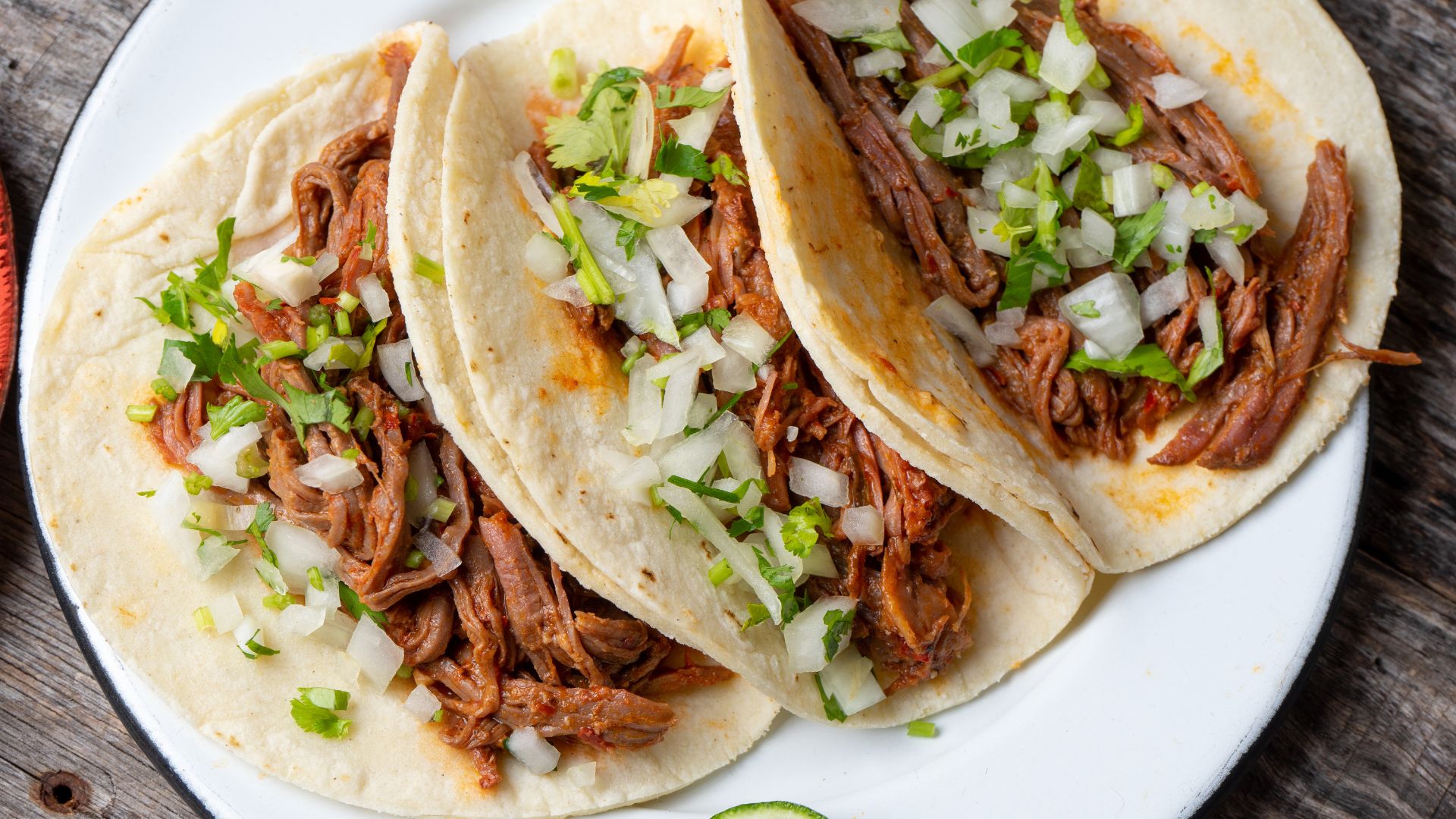
Food is the most obvious mix. Breakfast could be eggs and beans with tortillas. Family recipes get American twists.
Weddings pull from both traditions. You’ll hear mariachi and the Wedding March, and the food covers both cultures.
Homes show the blend, too. Adobe next to American suburbs. Courtyards in neighborhoods with U.S.-style streets.
Resilient Communities Amidst Change
Immigration keeps these towns in flux. Newcomers bring fresh traditions, while long-timers keep old ones alive. The result? Vibrant communities that adapt quickly.
Schools teach both countries’ histories. Many teachers have mixed backgrounds and help kids see the beauty in both cultures.
When the economy gets tough, families lean on each other, no matter their background. Local businesses serve everyone.
When border rules change, people find ways to stay connected—sometimes with tech, sometimes with old-fashioned gatherings.
These towns craft their own identity, separate from either country. Residents are proud of their blend. Kids grow up seeing the world from more than one angle.
Fusion in Art, Architecture, and Street Food
There’s something special about border towns. They’re like living art projects, always mixing and matching pieces from both sides. Walk around and you’ll spot art galleries, wild murals, quirky buildings, and food carts that just wouldn’t exist anywhere else.
These places don’t just blend cultures—they make it look easy. Somehow, two nations meet here and spark all kinds of creativity. It’s honestly one of my favorite things about visiting border towns.
Art Reflecting Cultural Exchange
Let’s talk about the art first. I always end up staring at murals in these towns. Local artists paint stories of two worlds colliding: you’ll see American eagles tangled up with Mexican serpents, or maybe a cowboy hat hanging out next to a bright red sombrero.
Art galleries in spots like El Paso or Nogales feel like a meeting point. They bring together artists from both sides, and sometimes you’ll stumble into a binational show—painters and sculptors, all sharing the same walls. It’s pretty inspiring.
The murals? Oh, they’re everywhere. Some cover entire buildings with wild colors and bold shapes. One might show a family separated by a border fence. Another celebrates Dia de los Muertos right next to a pumpkin for Halloween.
Artists here love playing with language too. They’ll mix English and Spanish in the same piece, which just feels right for these vibrant communities.
Architectural Blends and Urban Influence
Architecture doesn’t sit quietly either. You’ll see Spanish colonial buildings next to strip malls, or Mexican tiles brightening up a porch that looks straight out of the Midwest.
Sometimes, a church will blend Catholic traditions with local American building codes. I’ve never seen anything quite like it anywhere else.
Downtowns usually end up as a mashup:
- Mexican plazas, but with American-style crosswalks
- Adobe walls next to glass storefronts
- Spanish tile roofs topping off what’s basically a classic American shop
- Bold paint colors clashing (or maybe mixing?) with beige and gray
Even the houses get in on the fusion. You might walk past a home with a Mexican courtyard and an American-style garage. Some yards have prickly desert plants right next to a neat patch of lawn.
Street Food: The Taste of Two Worlds
The food? Honestly, it’s wild—in the best way. Street food here is pure fusion. I’ve grabbed tacos stuffed with hamburger meat and American cheese. Some trucks roll up burritos with french fries inside. Who even thinks of that?
Here are a few favorites I’ve tried:
- Breakfast burritos packed with both American bacon and spicy Mexican chorizo
- Tortas piled high with deli meats you’d find in a New York bodega
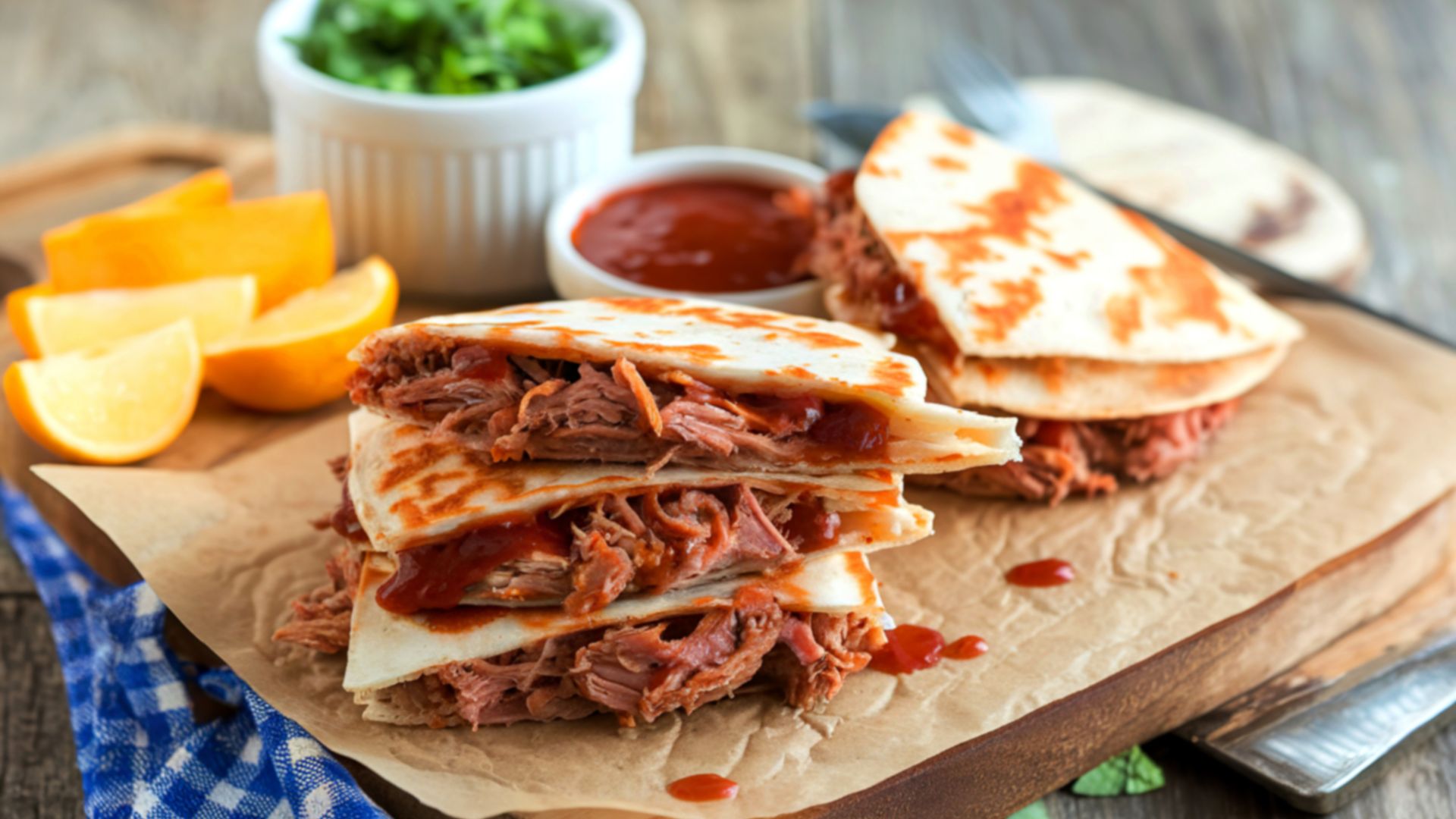
- Quesadillas oozing with BBQ pulled pork
- Elote (corn on the cob) slathered in ranch dressing instead of mayo
Vendors switch languages without missing a beat. You can pay in dollars or pesos, and menus usually list everything in both English and Spanish.
Local food festivals go all out. You might bite into apple pie at one booth and then grab a slice of tres leches cake at the next. It’s a delicious reminder that borders can bring people—and flavors—together.
Community Spaces as Cultural Hubs
Parks and plazas in border towns aren’t just green spaces—they’re lively crossroads. You’ll spot families chatting in different languages, their kids laughing together on the same playground swings.
Community centers love to throw bilingual events—think movie nights showing both English and Spanish films. Honestly, these spots feel like little secrets where you can soak up the real blend of cultures.
Markets here? Wild mix. You might wander past a Walmart, then suddenly find yourself surrounded by Mexican-style vendor stalls selling colorful, handmade crafts.
Public art pops up everywhere. Benches sometimes show off tile mosaics with American eagles right next to classic Mexican designs. It’s a visual reminder that these spaces belong to everyone.
