
Summer 2026 feels like the perfect moment to soak up America’s most jaw-dropping national parks before the big crowds roll in. Early summer usually means ideal weather, wildflowers bursting open, and trails finally free from winter’s grip.
Visiting before peak season? You get better parking, quieter trails, and a rare sense of peace. From Yellowstone’s geysers to Acadia’s rugged coast, each park brings something completely different to the table.
I’ve rounded up 15 incredible national parks for your summer 2026 adventure. Let’s dive into practical tips, smart timing, and a few personal favorites that might just inspire your next trip.
1) Yellowstone National Park, WY/MT/ID
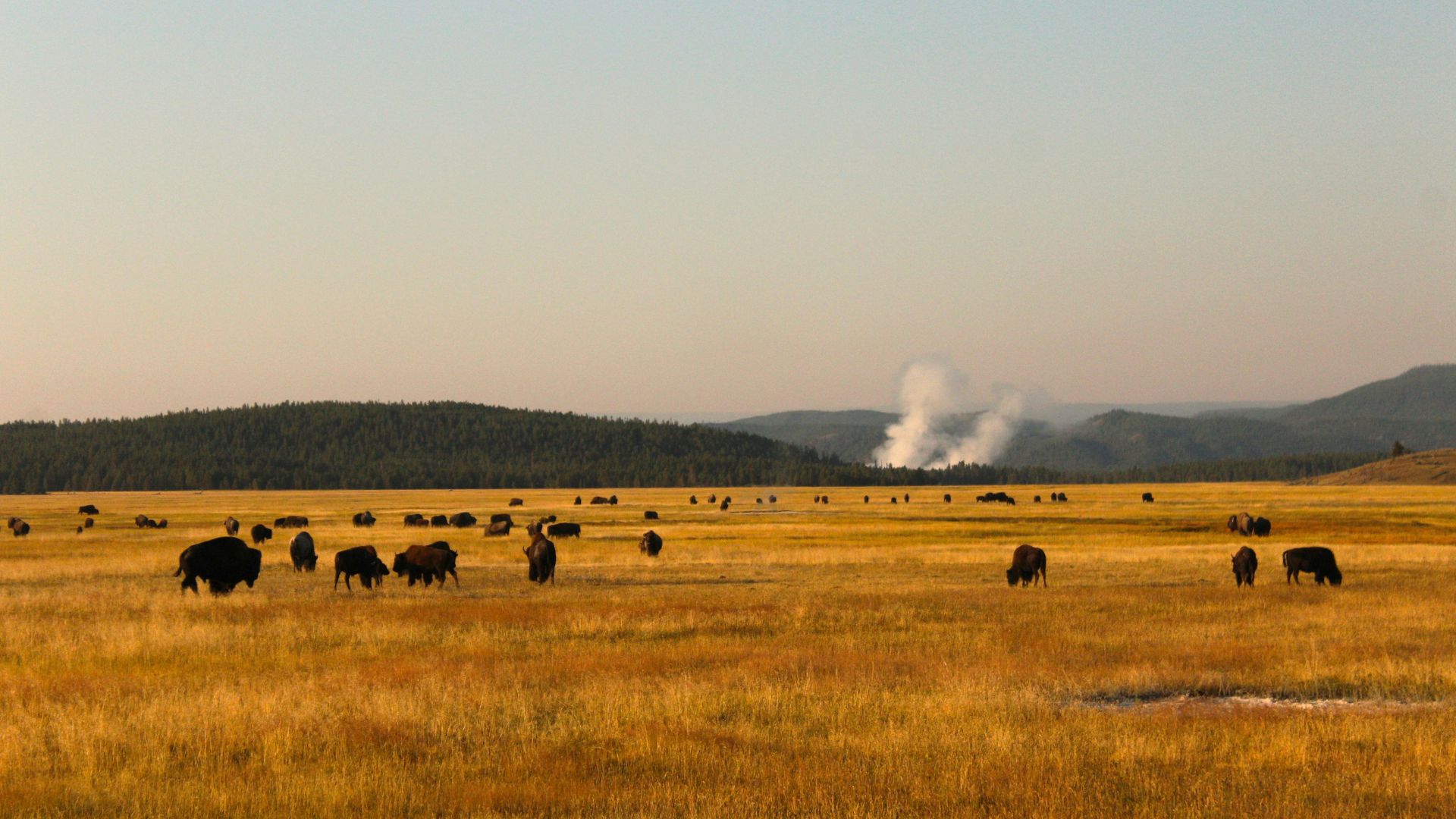
Yellowstone blew everyone’s mind back in 1872 when it became the world’s first national park. This place sprawls across Wyoming, Montana, and Idaho—over 3,000 square miles of wild country.
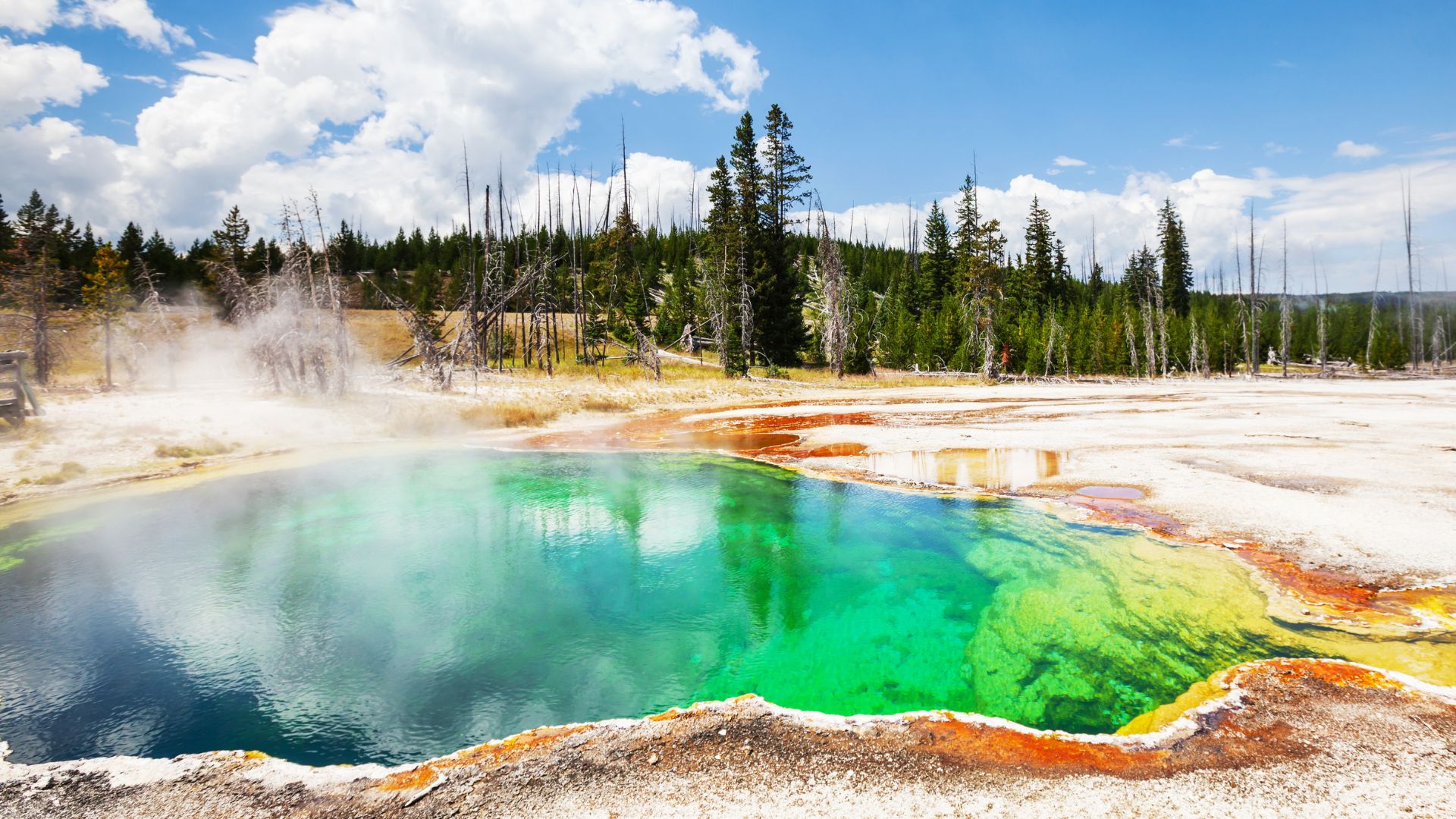
Half of the world’s active geysers bubble and burst right here. Old Faithful gets all the attention, but those rainbow-hued hot springs and bubbling mudpots are just as mesmerizing. The Grand Canyon of the Yellowstone? Unreal views.
Wildlife lovers, you’re in luck. Bison, elk, bears, wolves—all thriving in one of the last truly wild ecosystems in America.
I recommend visiting between June and August if you want warm weather, but honestly, late April or early September work wonders for dodging crowds.
With 2.2 million acres, you’ll want a loose game plan. The park’s loop roads help you hit the highlights, but don’t skip hiking, camping, or snapping a few photos.
If you’re curious about geology or wildlife, sign up for a Yellowstone Forever program. They’re fun and you’ll learn a ton.
2) Glacier National Park, Montana
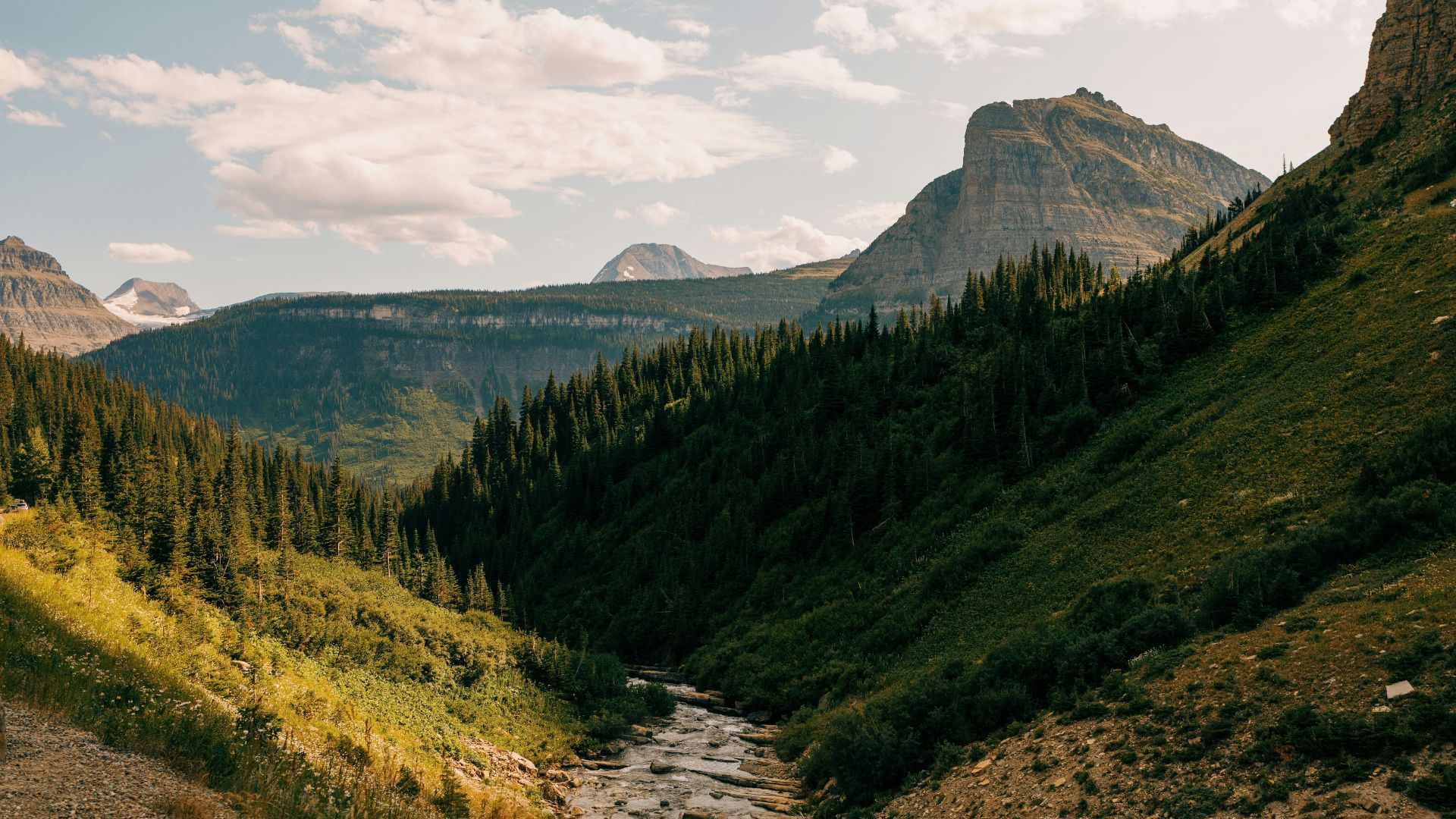
Glacier National Park hugs the Canadian border in northwestern Montana. It’s over a million acres of wild valleys, alpine meadows, and crystal-clear lakes.
There are 700+ miles of hiking trails here, ranging from easy strolls to full-on backcountry treks. Keep your eyes peeled for grizzlies, mountain goats, and elk.
Don’t miss Going-to-the-Sun Road. This 50-mile drive cuts straight across the park, climbing over the Continental Divide and serving up epic views. The road usually opens in late June or early July—just after crews finish clearing the snow.
Lake McDonald stretches for 10 miles on the west side, while Many Glacier on the east side is a hiker’s paradise. Some of the old lodges and chalets date back to the early 1900s, and they’re still welcoming guests.
Try to visit in early summer for fewer crowds and blooming wildflowers. June is especially lovely. You’ll need a vehicle reservation during the busy season, so book ahead.
3) Acadia National Park, Maine
Acadia National Park perches on Maine’s rocky Atlantic coast. Every year, about 4 million people come here, but if you arrive in early summer, you’ll beat the rush.
Acadia protects the highest rocky headlands along the entire US Atlantic coast. You can drive up Cadillac Mountain for sunrise, or wander through 158 miles of trails snaking through forest and along the ocean.
Thunder Hole is a classic stop—waves crash into a narrow inlet and send up dramatic sprays. Park Loop Road lets you hit the best spots without a long hike. June feels just right: pleasant weather, and the crowds haven’t swarmed yet.
There are loads of camping spots and plenty of cozy inns in Bar Harbor. Acadia brings together ocean views, mountain hikes, and wildlife all in one place. If the timed entry system is still going in 2026, plan your days around it.

4) Olympic National Park, Washington
Olympic National Park sprawls across almost a million acres on Washington’s Olympic Peninsula. You can walk through three totally different worlds in one visit: temperate rainforests, snow-capped mountains, and more than 70 miles of wild Pacific coastline.
On the west side, ancient rainforests drip with moss and ferns. Trails like the Hoh Rain Forest are easy to reach and feel almost prehistoric. Up in the mountains, you’ll find hikes to glaciated peaks and meadows full of wildflowers.
The coastline? Rugged, windswept beaches, tide pools, and endless driftwood. Each zone is a world of its own, so you’ll need to plan a bit—roads don’t connect everything inside the park.
Summer means more people, but if you show up in early June, you’ll have a lot more space to yourself. Parking fills up fast, so get an early start.
If things get crowded, the drier forests on the east side usually see fewer visitors. Sometimes the best spots are the ones nobody talks about.

5) Great Smoky Mountains National Park, TN/NC
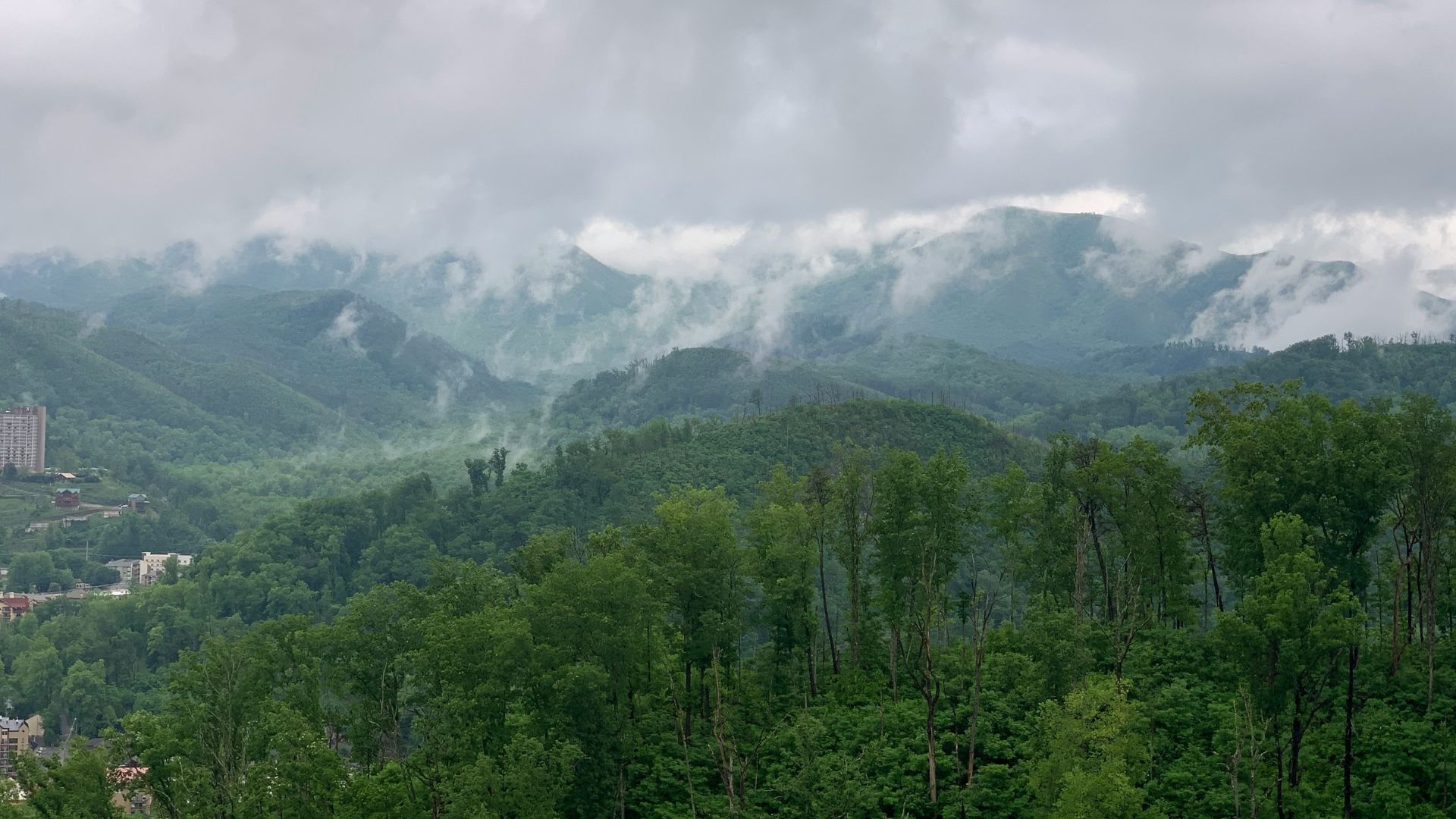
Great Smoky Mountains National Park straddles the border of North Carolina and Tennessee. It’s hands-down the most visited national park in the country.
Think endless ridges of misty mountains, waterfalls, and forests that seem to stretch forever. Wildlife is everywhere—deer, black bears, and more. Plus, there’s a deep sense of Southern Appalachian history tucked into these hills.
Summer is a classic time to visit. June and August are usually warm and beautiful, though July can get a bit crowded.
The closest airport is McGhee Tyson, about an hour and change from the Sugarlands Visitor Center. Scenic drives, wildlife watching, and hiking are all easy to fit into a short trip.
You’ll also stumble upon underground caverns and old homesteads. No entrance fee here, which makes it a great budget-friendly getaway.
6) Shenandoah National Park, Virginia
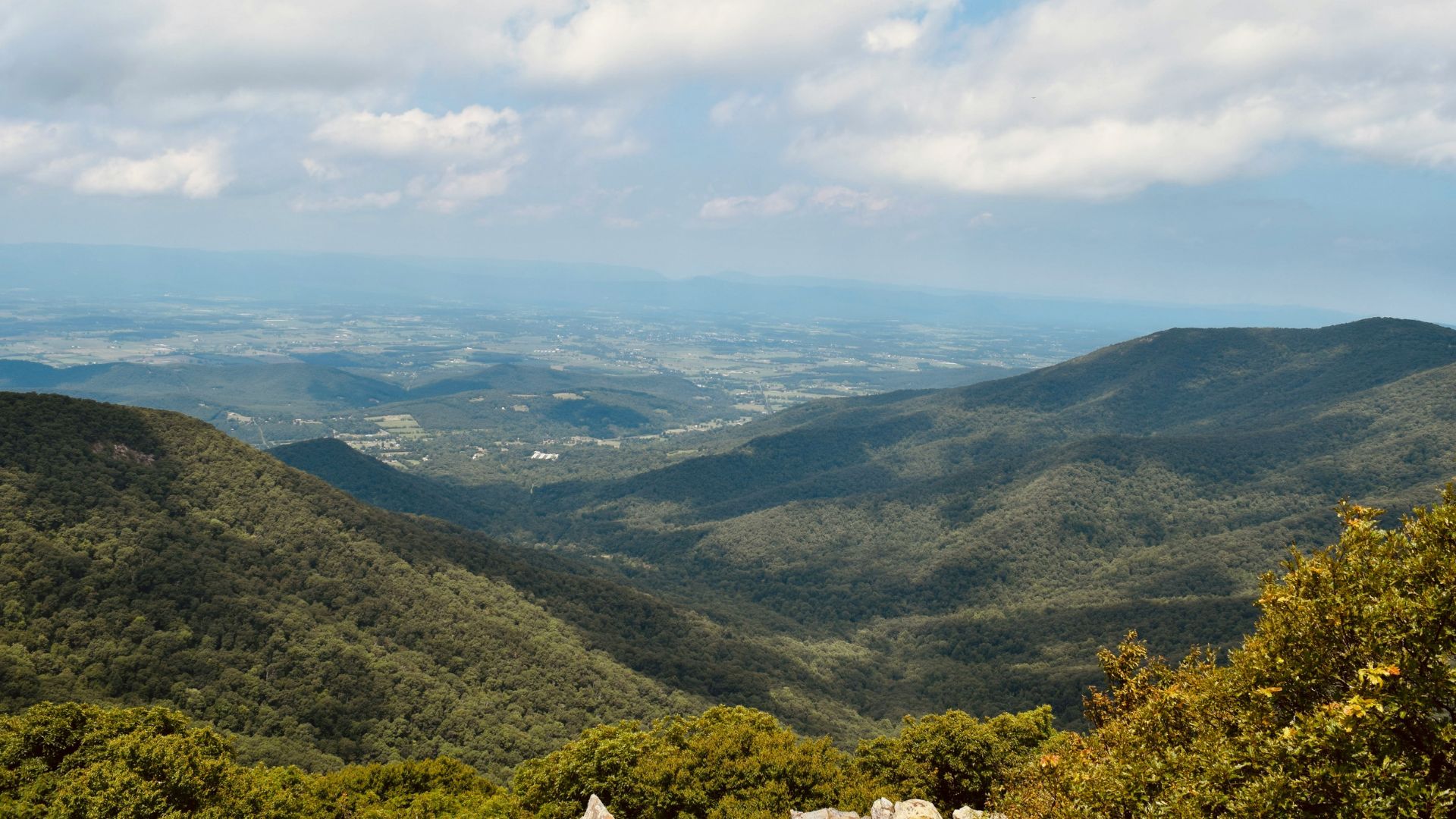
Just 75 miles from Washington, D.C., Shenandoah National Park is a quick escape into over 200,000 acres of wild Blue Ridge country. The park stretches long and skinny, hugging the mountains with the Shenandoah River valley off to the west.
Skyline Drive runs the length of the park—105 miles of overlooks and trailheads. You’ll spot deer, black bears, and songbirds in the leafy forests. Waterfalls and hundreds of hiking trails keep things interesting.
Early summer means warm weather and fewer crowds. July and August tend to get busy, so aim for June if you can.
The land has a rich backstory—settlers called it home for over a century before Virginia turned it into a park. Hike to old homesteads and imagine what life was like back then.
Arriving early gives you the best chance to spot wildlife and snag a parking spot at popular trailheads.
7) Sequoia and Kings Canyon National Parks, California
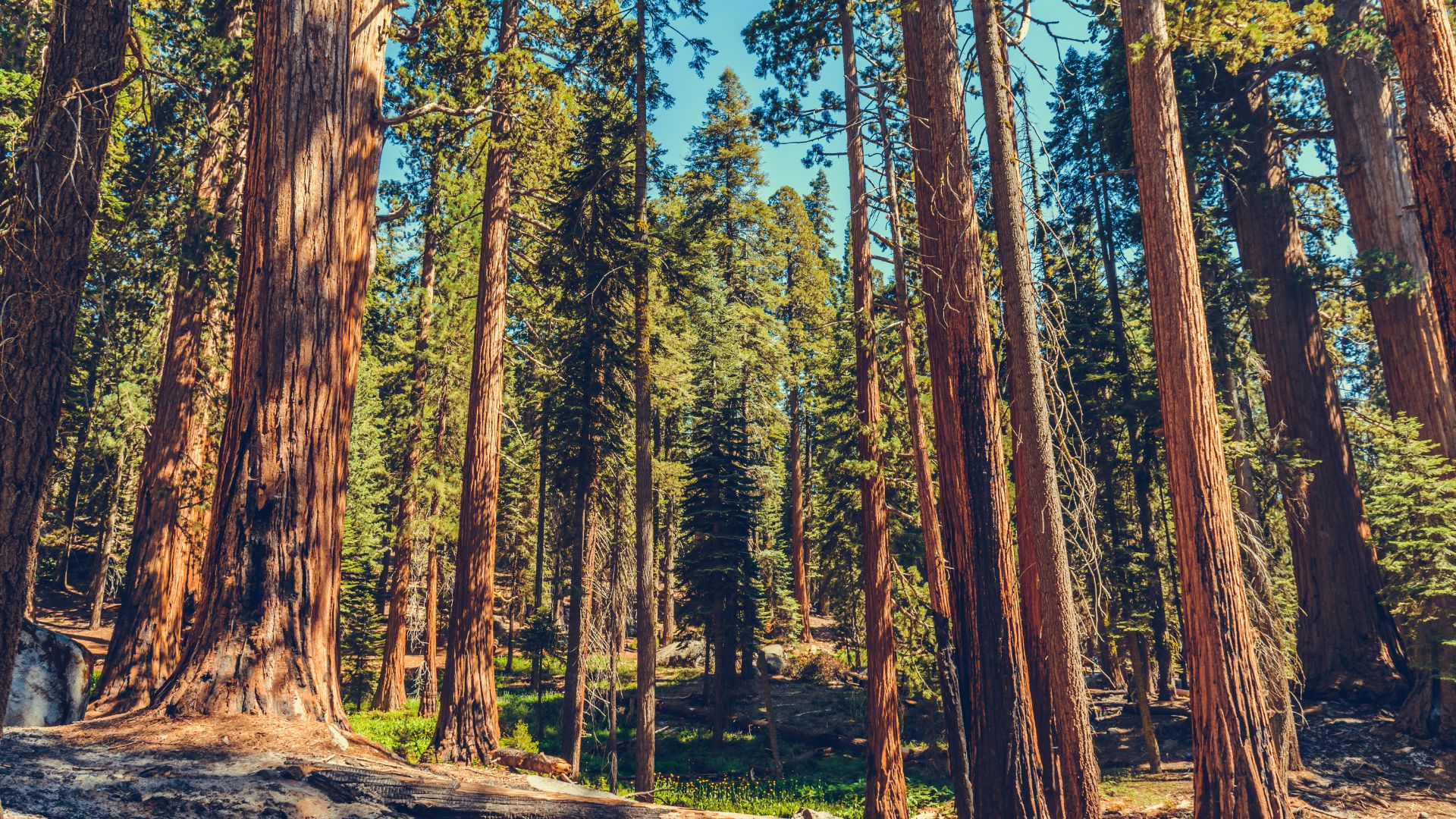
These two parks work as a team, so your entrance fee covers both. They’re tucked in the heart of California and home to the largest trees on the planet.
You’ll notice way fewer tourists compared to Yosemite, which is just up the road. Here, you’ll find giant sequoias, towering mountains, deep canyons, and fast-moving rivers. Mount Whitney, the tallest peak in the lower 48, rises right here.
Combined, the parks cover 1,353 square miles. Each has its own vibe—Sequoia’s Giant Forest, Lodgepole, and Mineral King, while Kings Canyon brings its own wild scenery.
Families flock here in summer. Walk among ancient sequoia groves, hike to waterfalls, and check out hidden caves. The foothills are rugged, and wildlife is everywhere.
Since 1943, both parks have been managed as one. You can enter from Fresno or Visalia, depending on your route.
8) Rocky Mountain National Park, Colorado
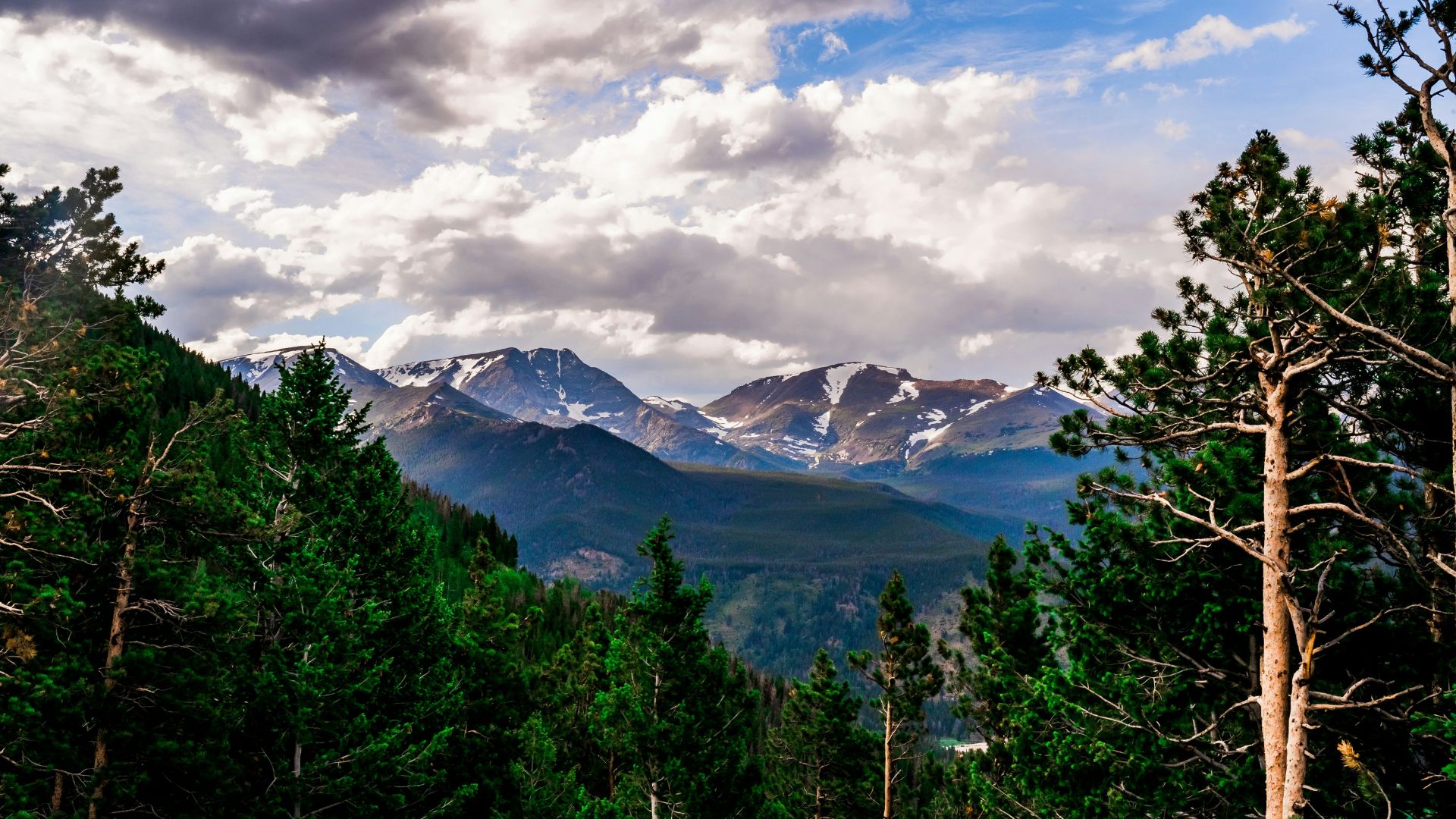
Rocky Mountain National Park sits just a short drive north of Denver and offers up 415 square miles of mountain adventure. You’ll find over 300 miles of trails, from easy lakeside strolls to tough climbs up to alpine lakes and peaks.
There’s a trail for every energy level. Families can enjoy short loops, while the ambitious can tackle high ridges for sweeping views.
With millions visiting every year, I always try to arrive early to beat the crowds. Summer temperatures feel perfect at higher elevations, making it prime hiking and wildlife watching season.
Keep an eye out for elk, moose, bighorn sheep, and even black bears. Trail Ridge Road climbs above 12,000 feet and gives you jaw-dropping views—no hiking required.
If you want to see both the hot spots and quieter corners, plan for at least two days. You’ll need a timed entry permit in peak summer, so definitely book ahead.
9) Big Bend National Park, Texas
Big Bend National Park sits way out in Far West Texas, where the Rio Grande carves a dramatic bend along the border with Mexico. This place guards over 1,200 square miles of Chihuahuan Desert wilds.
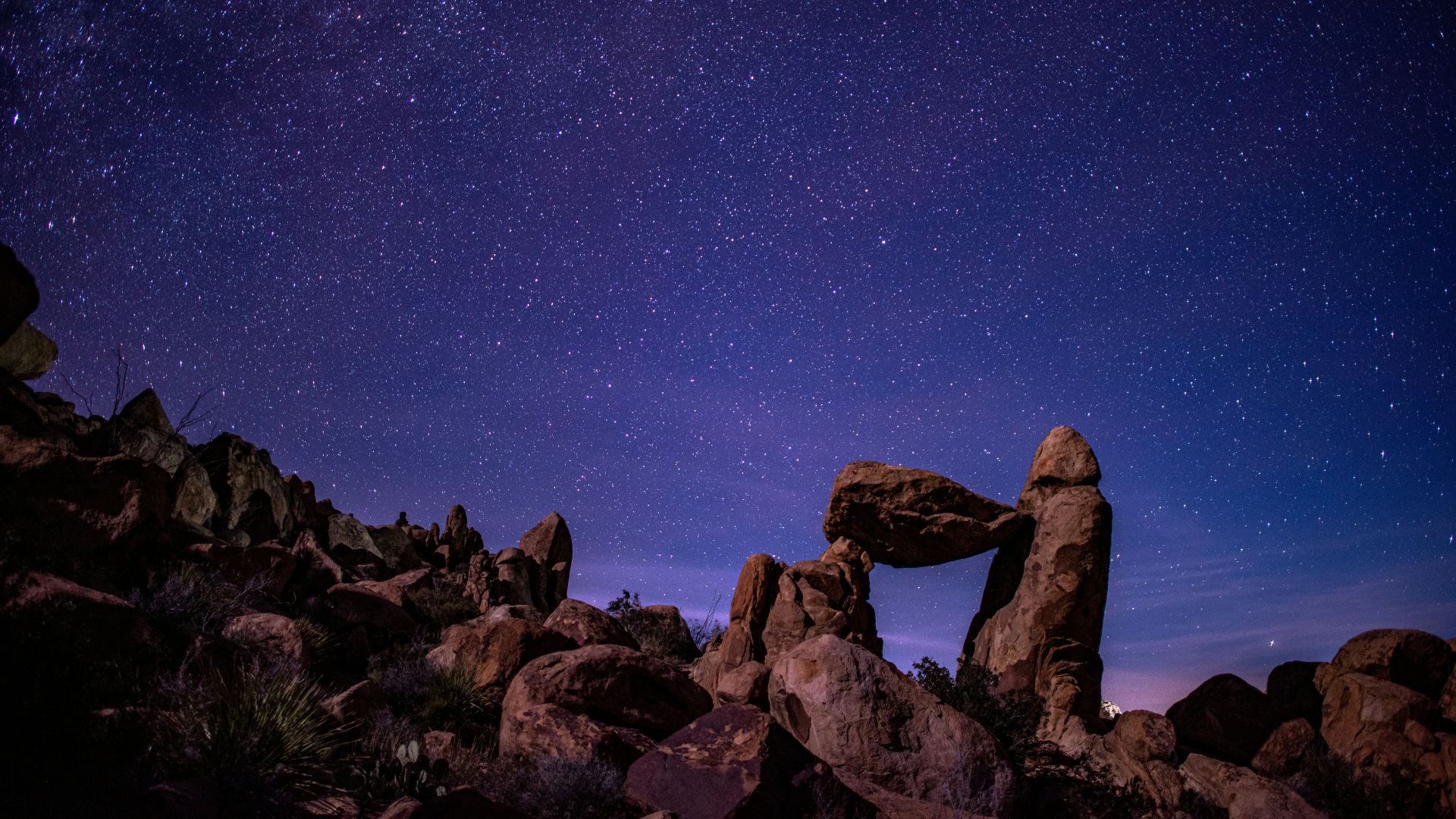
Stargazers, you’re in for a treat. The night skies here are some of the darkest in the country. Limestone canyons and the rugged Chisos Mountains rise up from the desert floor, making for a surreal landscape.
In summer, you can explore without the usual crowds. Hike mountain trails, paddle the Rio Grande, or soak in natural hot springs. The birdlife is off the charts, and the park hosts more cacti, bats, and butterflies than anywhere else in the national park system.
Big Bend’s remoteness works in your favor. Sure, it gets hot down low, but early mornings and evenings are surprisingly pleasant. If you’re feeling adventurous, you can even cross into Boquillas del Carmen, a tiny Mexican village, for a few hours.
Honestly, Big Bend stays pretty quiet year-round, which is part of its magic.
10) Bryce Canyon National Park, Utah
Bryce Canyon National Park sits in southwestern Utah and covers just over 56 square miles. The park’s claim to fame? Hoodoos—those wild, skinny rock spires shaped by centuries of wind and water.
Despite the name, Bryce isn’t really a canyon. It’s a set of giant natural amphitheaters carved into the edge of a plateau.
You can wander the maze of trails and get up close to the hoodoos. The main viewpoints are perfect for sunrise or sunset, when the rocks seem to glow.
Summer is busy, but if you show up early in the season, you’ll have more space and still catch great weather. Bryce is smaller than some other Utah parks, so you can see the highlights in a day or two.
Most folks pair Bryce with other Utah parks, but even on its own, it’s unforgettable. For info and current conditions, give the visitor center a call at 435-834-5322.

11) Zion National Park, Utah
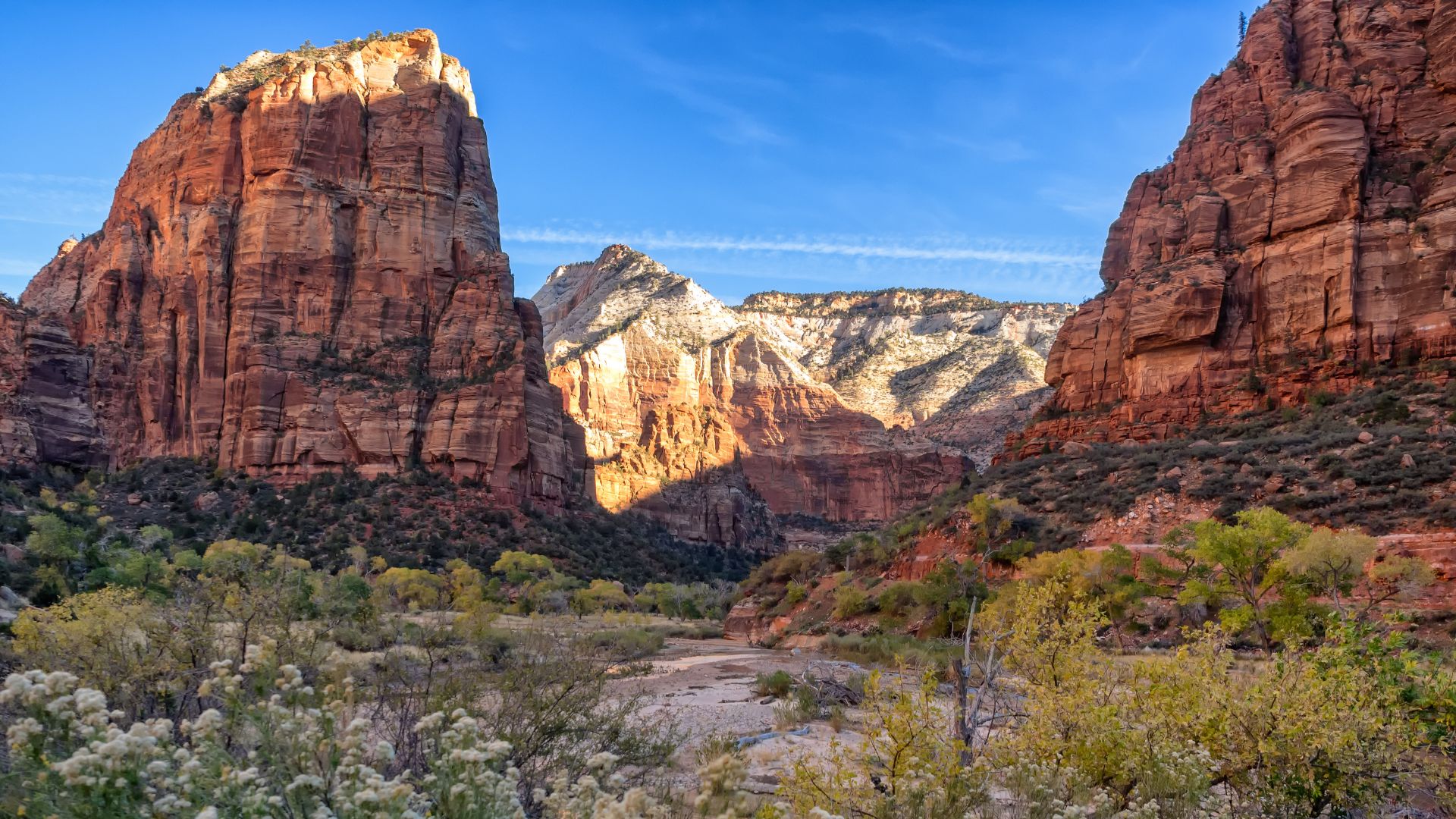
Zion National Park is just a 4.5-hour drive from Salt Lake City International Airport, tucked away in southern Utah. Here, sandstone cliffs in cream, pink, and red shoot up above deep canyons—honestly, it’s the kind of scenery that makes you stop and stare.
Some of the country’s most famous hikes wind through this park. Angels Landing and The Narrows attract hikers from all over the globe.
If you’re not up for heart-pounding climbs, don’t worry. Trails like Emerald Pools and Canyon Overlook offer gentler options with plenty of pay-off.
I love that Zion Canyon Scenic Drive lets everyone soak in the views, even without breaking a sweat. You can roll along in the shuttle, hop out for wheelchair-friendly paths, and still catch those jaw-dropping vistas.
Summer means big crowds and warm days. If you want a little peace, set your alarm early—mornings are your best bet for quiet trails.
Slot canyons, wildlife, and ancient pathways fill this place with stories. Give yourself at least a full day to hit the main attractions, though honestly, you could stay longer and not run out of things to do.
12) Mount Rainier National Park, Washington
Mount Rainier rises 14,410 feet above sea level, dominating the Washington skyline. It’s an active volcano and the most glaciated peak in the lower 48.
Back in 1899, folks established this place as the fifth national park. Now, it protects over 236,000 acres—think old-growth forests and wildflower-studded meadows.
If you’re after wildflowers, aim for July or August. The subalpine meadows burst into color, and the hiking is top-notch.
You can stroll through ancient forests or tackle tough mountain trails, depending on your mood. Five major rivers start here, fed by Rainier’s glaciers.
Scenic drives, backcountry camping, and photo ops galore—there’s a lot to love. I recommend coming early in the summer to dodge the biggest crowds.
Each entrance leads to different corners of the park, so pick your route based on what you want to see. The rainforests and mountain views never disappoint.

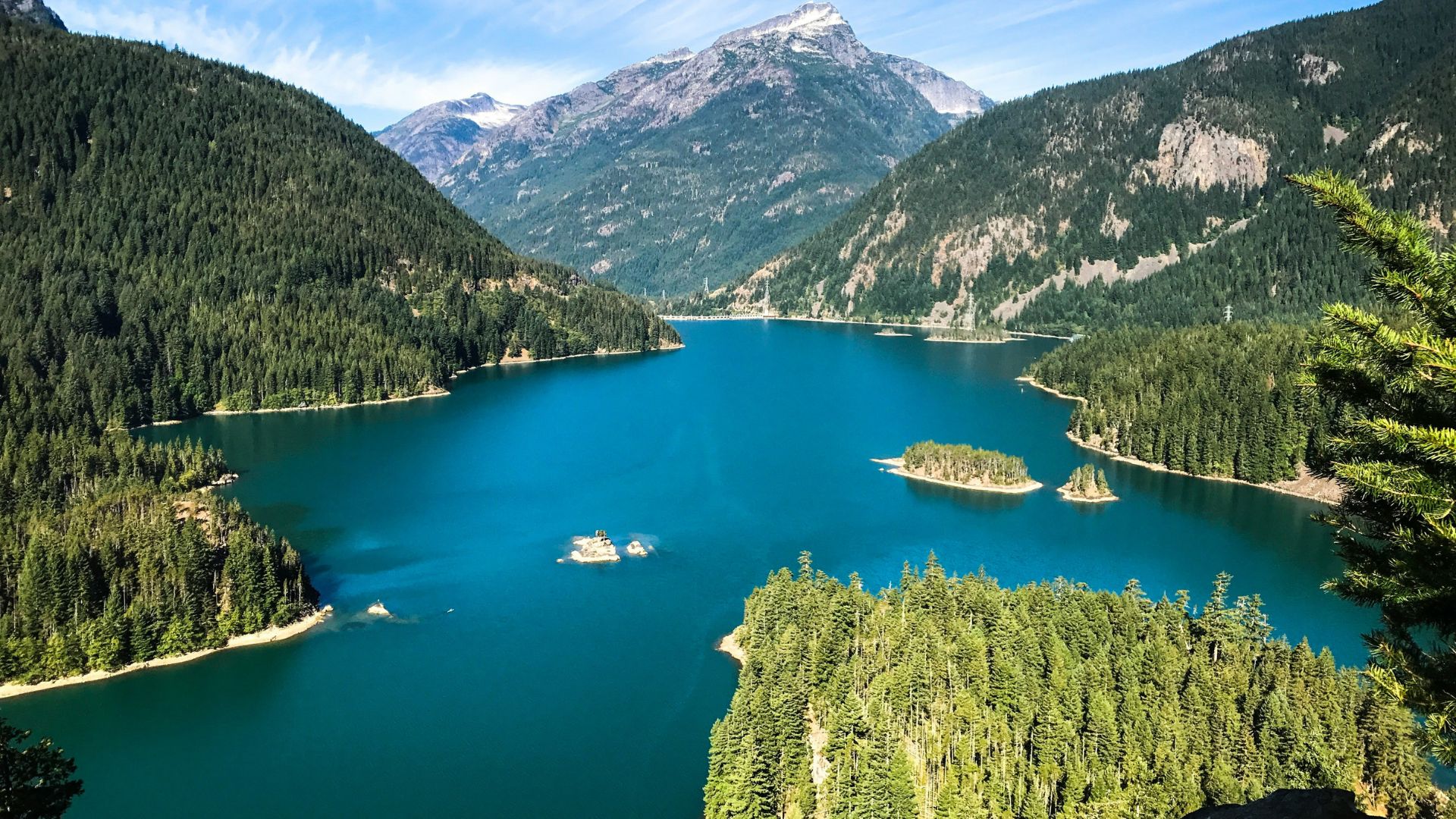
13) North Cascades National Park, Washington
North Cascades National Park hides just under three hours from Seattle, yet hardly anyone visits. This means you get wild alpine scenery without the crowds.
The park sprawls across 788 square miles, home to more than 300 glaciers. Jagged peaks, crystal lakes, and forested valleys with tumbling waterfalls fill the landscape.
Visit between mid-June and September if you want the best weather. Trails open up, temps are comfortable, and you can really get outside.
There are hikes for every skill level, from mellow forest walks to steep climbs with glacier views. Wildlife? Black bears, mountain goats, and birds keep things interesting.
The west side gets more rain, while the east side feels drier—sometimes you’ll spot areas touched by fire. If you want a hidden gem all to yourself, this is it.
14) Badlands National Park, South Dakota
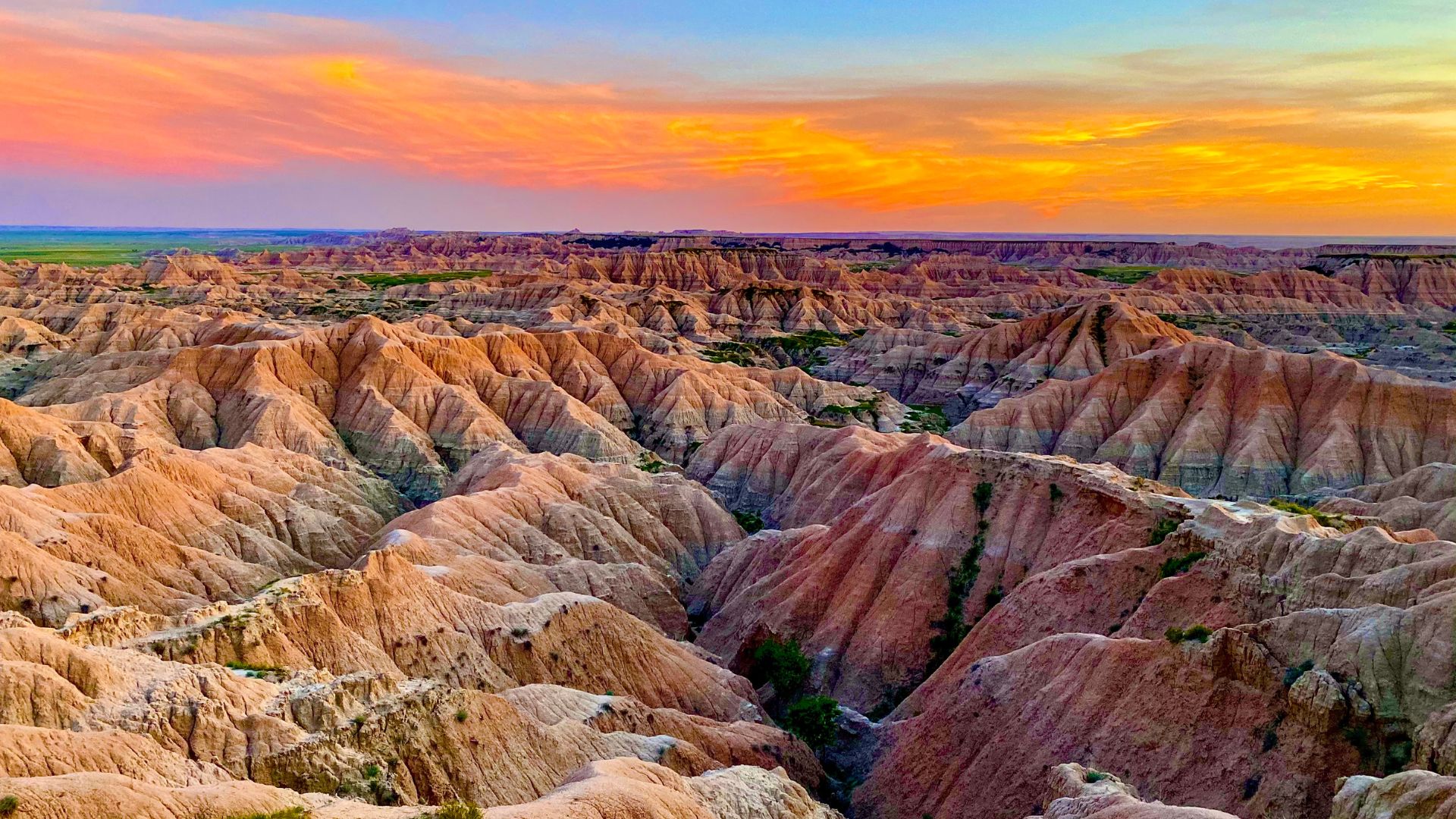
Badlands National Park stretches across 244,000 acres in southwestern South Dakota. The landscape looks almost otherworldly, with sharp rock spires, eroded buttes, and striped hills.
You can explore one of the richest fossil beds anywhere. Ancient horses and rhinos once roamed here, and their remains still hide in the layers.
Today, bison, bighorn sheep, prairie dogs, and rare black-footed ferrets call this place home. They graze and scurry through the largest undisturbed mixed-grass prairie in the country.
Warm summer weather is perfect for cruising the scenic Loop Road or hitting the hiking trails. Keep an eye out for wildlife and stop at the viewpoints—there’s always something to see.
About a million people visit each year, but the park feels spacious. Make a day of it, or tack on nearby spots like Mount Rushmore or Custer State Park for a classic South Dakota road trip.
The town of Wall is just outside the park and makes a handy base for exploring.
15) Isle Royale National Park, Michigan
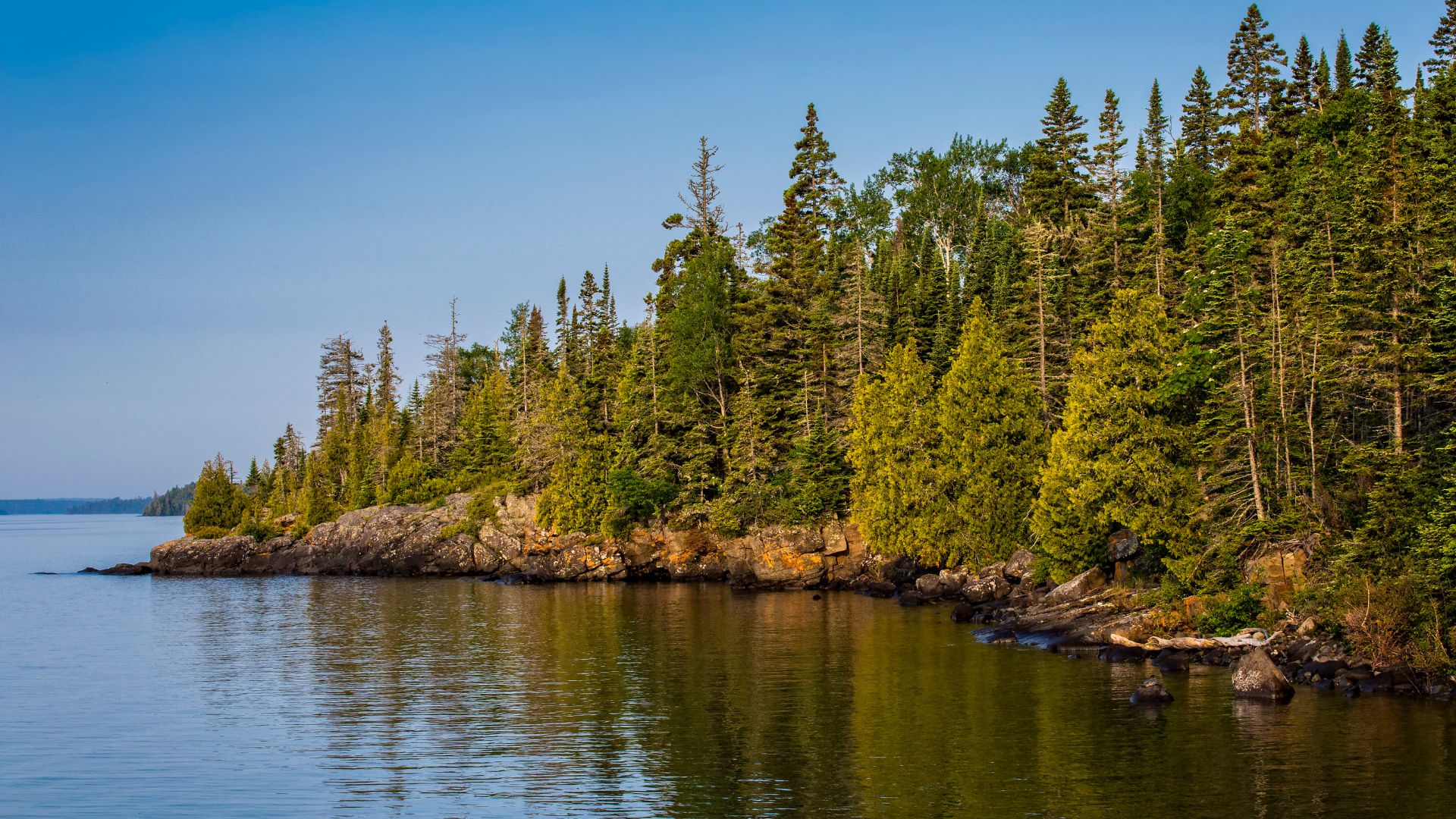
Isle Royale sits smack in the middle of Lake Superior, and it’s one of the most remote parks in the U.S. You can only get there by boat or seaplane, so crowds are never a problem—just 17,000 people visit each year.
The park covers 894 square miles, with more than 400 islands scattered across the lake. Over 165 miles of hiking trails wind through boreal forests and along rocky shores.
Moose and wolves roam here, making wildlife watching a real highlight. If you want solitude, this is the place.
Summer is the only time to visit, since the park closes from November to mid-April. Backpackers, paddlers, and even scuba divers all find something special in these clear waters.
Getting here takes some planning. Ferries run from Michigan and Minnesota in summer, and the trip takes a few hours—most folks stay a few nights to make the most of it.
The reward? Solitude and wild, untouched scenery, even in peak season.
Planning Your Summer 2026 National Park Adventure
If you’re dreaming of park adventures in summer 2026, start planning early. Permits, logistics, and smart packing will make the difference between a relaxing trip and a stressful scramble.
Best Time to Visit Each Region
Western mountain parks like Yellowstone and Glacier finally open up by mid-June when the snow melts from high-elevation roads. Your best window runs from late June to early September.
Desert parks in the Southwest? Visit in early June before things get scorching. By mid-July, places like Grand Canyon and Zion can hit 100°F, so aim for those first couple weeks if you want comfortable hikes.
The Pacific Northwest shines in July and August. Olympic and North Cascades stay cool and pleasant, even when other parks are packed or sweltering.
On the East Coast, Acadia handles crowds well and stays lovely from Memorial Day through September. June gives you long days and a bit more elbow room.
Travel Logistics and Permits
Book your stay six months ahead for the busy parks. Lodges and campgrounds inside park boundaries sell out by January for summer dates.
Many parks now use timed entry permits in summer. Rocky Mountain, Glacier, and Arches all have reservation systems, and those permits drop in early spring. Mark your calendar for March or April so you don’t miss out.
Backcountry permits? Apply as soon as the window opens, usually 3-6 months before your trip. Some trails use lotteries, so check the details early.
Airfare to park gateway cities jumps 30-40% in summer. Book flights by February if you want the best deals.
Packing Essentials for Summer Exploration
Pack layers, even in July. Mountain weather can flip fast, and it gets chilly at night.
Bring at least 3 liters of water per person for desert hikes. Wide-brimmed hats and SPF 50 sunscreen are must-haves for places like Death Valley.
In bear country—think Yellowstone and Glacier—you’ll need bear spray. Keep food in bear canisters if you’re camping off the grid.
A basic first aid kit with blister care, pain meds, and elastic bandages saves the day. Download offline maps before you go—cell service is spotty at best. A portable battery pack keeps your phone alive for photos and emergencies.

Responsible Exploration and Conservation
Keeping our national parks wild takes effort from all of us. By following a few core guidelines, you help protect wildlife, plants, and the landscapes we all love.
Leave No Trace Principles
Pack out everything you bring, from food wrappers to toilet paper. Even “natural” stuff like fruit peels can stick around for years and attract critters.
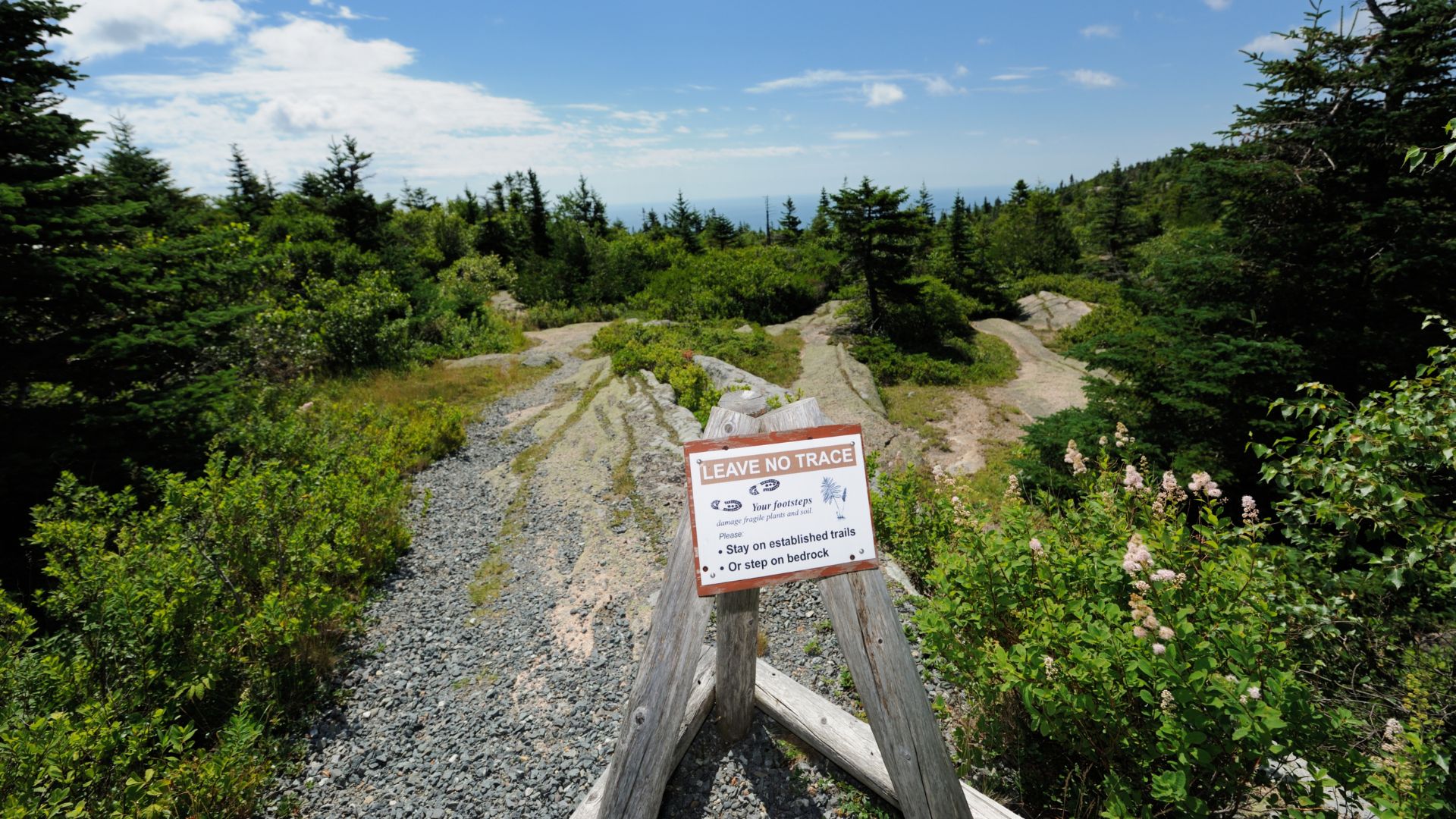
Stick to marked trails to protect fragile plants and prevent erosion. Those switchbacks? They aren’t just for fun—they keep hillsides from washing away.
Camp in designated spots and use established fire rings. Dump waste water at least 200 feet from lakes and streams. Store all food in bear-proof containers or lockers.
Quick tips:
- Snap photos, don’t pocket rocks or flowers
- Use bathrooms when you can
- Keep noise down so wildlife and other visitors can enjoy the peace
- Leave things as you find them
Wildlife Safety Guidelines
Give animals their space—25 yards for most, 100 yards for bears and wolves. Binoculars or a zoom lens let you get close without risk.
Don’t feed wildlife, even if they look cute or hungry. Human food makes them sick and leads to dangerous behavior.
Stash all scented stuff (toiletries, sunscreen, snacks) with your food. In bear country, talk or clap while hiking so you don’t surprise anyone. Keep bear spray handy on recommended trails.
If you see signs like ears back, pawing, or huffing, you’re too close. Back away slowly and don’t turn your back.Protecting Fragile Ecosystems
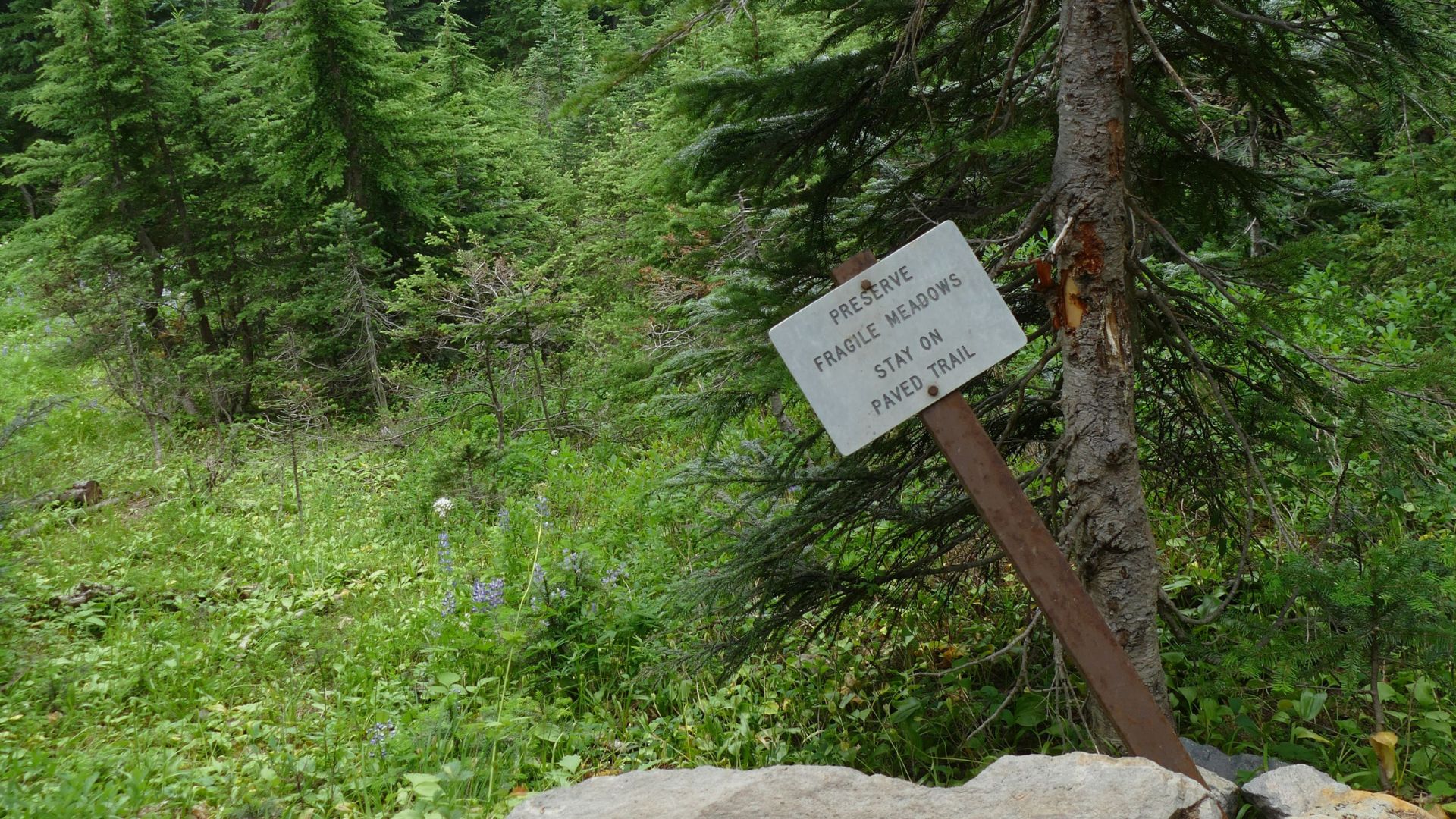
Walk only on solid surfaces—rock, gravel, or dry grass. Wet meadows and cryptobiotic soil crusts can take centuries to heal from a single step.
Stay away from thermal features and respect closures. The ground around hot springs can collapse, and the water is dangerously hot.
Don’t pick flowers or mess with archaeological sites. Many parks protect rare plants and ancient artifacts that can’t be replaced.
Dispose of human waste at least 200 feet from water and trails. Dig catholes 6 to 8 inches deep in soil (not sand), and in some busy areas, you may need to pack out all waste in special bags.
Frequently Asked Questions
Planning a summer national park trip means juggling weather, crowds, and access. Here are some quick answers to common questions about the best parks for 2026 and where to find fewer tourists during the busy season.
Yellowstone National Park is a summer classic—geysers, hot springs, and wildlife galore, with all roads open and cool mountain air even in July.
Glacier National Park opens up in summer when Going-to-the-Sun Road clears. Alpine lakes, snowfields, and epic hikes are all within reach from late June through early September.
Acadia National Park, up in Maine, stays cool and breezy. Summer hiking is comfortable, and you won’t have to deal with the heat plaguing other parks.
Olympic National Park changes things up with beaches, rainforests, and mountain trails. Summer brings dry days and clear views.
Great Smoky Mountains National Park stays lush and green, with hundreds of miles of trails winding past waterfalls and through ancient forests.
Looking for a quiet escape? North Cascades National Park in Washington might surprise you. Hardly anyone visits compared to the big names, and honestly, the rugged trails and tricky roads keep most folks away.
Voyageurs National Park in Minnesota feels like a secret. To explore its maze of lakes and wild islands, you’ll need a boat—so crowds just don’t happen here.
Great Basin National Park in Nevada sits way out in the desert, and not many people make the trek. I love wandering among the ancient bristlecone pines or ducking into Lehman Caves, and I rarely bump into anyone else. Minimal crowds mean you can really soak up the solitude.
Isle Royale National Park in Michigan feels like an adventure from the start. You have to hop on a ferry or seaplane just to get there, so only a handful of visitors make it each day. It’s real wilderness—no traffic, no noise, just you and the wild.
Congaree National Park in South Carolina doesn’t get the attention it deserves. The old-growth forest is stunning, but the heavy summer heat scares off most tourists. That means you can stroll the boardwalks or paddle the waterways in peace.
If you’re itching for trails without the crowds, these parks are absolutely worth a spot on your summer list.
