
June just might be my favorite time to hit the Canadian Rockies. Winter finally lets go, and suddenly, the mountains start to look like a hiker’s dream. Down low, the snow melts fast. Waterfalls roar with fresh runoff, and those legendary turquoise lakes begin to show off their true colors. You get accessible trails and way fewer crowds than July or August—honestly, it’s a sweet spot before the summer rush.
Every time I visit in June, I notice how the conditions keep me on my toes. Lower trails open up early, but if you’re aiming for the high alpine routes, you might still run into snow, especially in the first half of the month. And the weather? It can’t make up its mind. June brings the most rain, but that’s also when the landscape feels most alive—everything’s in flux, shifting from sleepy winter to vibrant summer.
If you’re planning a June trip, you’ll want to know what’s actually open, what to pack, and how to dodge the worst of the crowds. I’ll walk you through my favorite June hikes, what to expect from the weather, and little tips that’ll help you make the most of this wild, changing season.
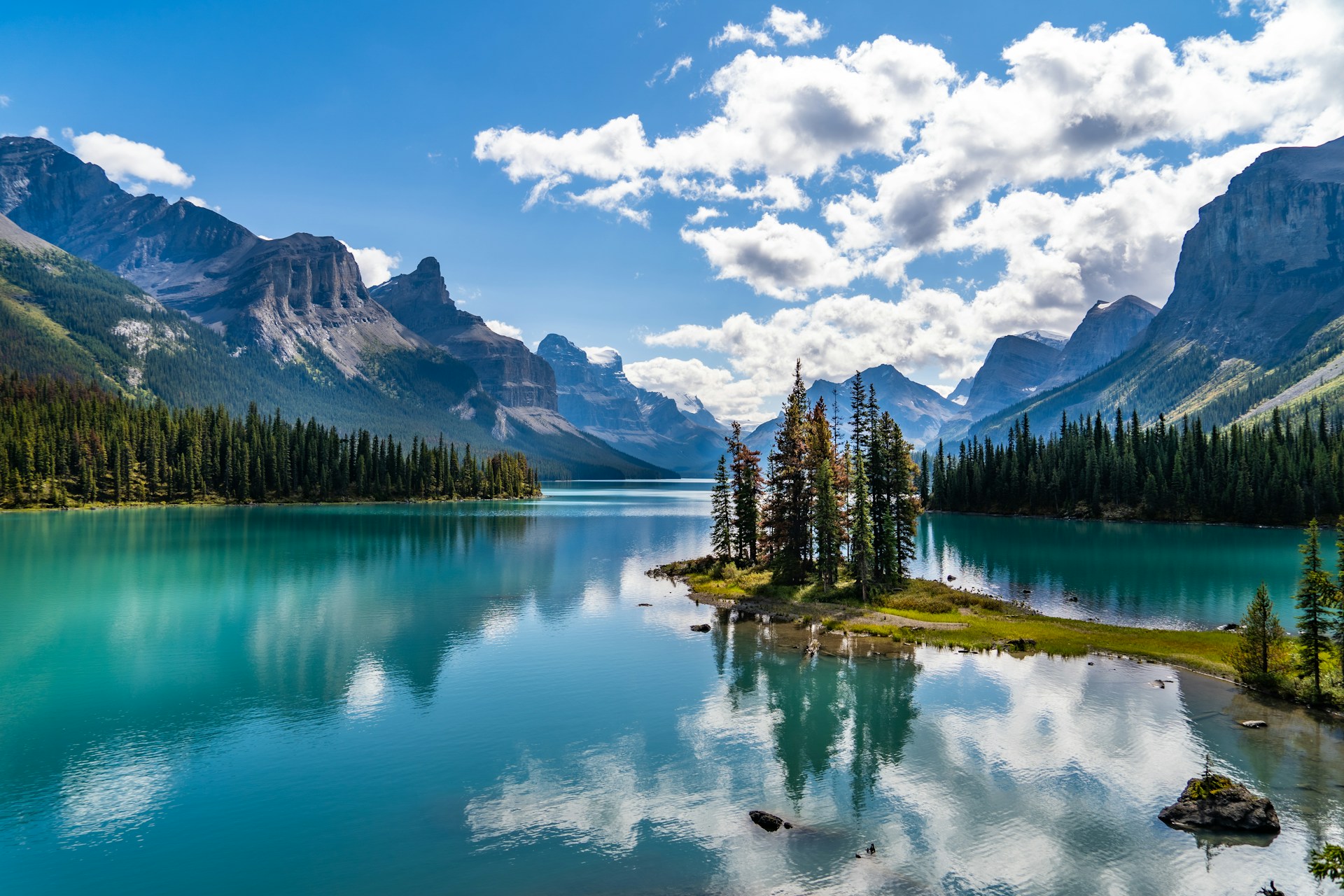
June Transformation: From Winter to Hiking Paradise
June completely changes the Rockies. Frozen lakes start to crack open, trails become walkable, and the whole place bursts into color. Wildlife wakes up, and the mountains lose their icy armor.
Melting Snow and Thawing Lakes
Every June, I watch Banff’s lakes transform. It’s dramatic. Those famous turquoise waters finally break out from under the ice.
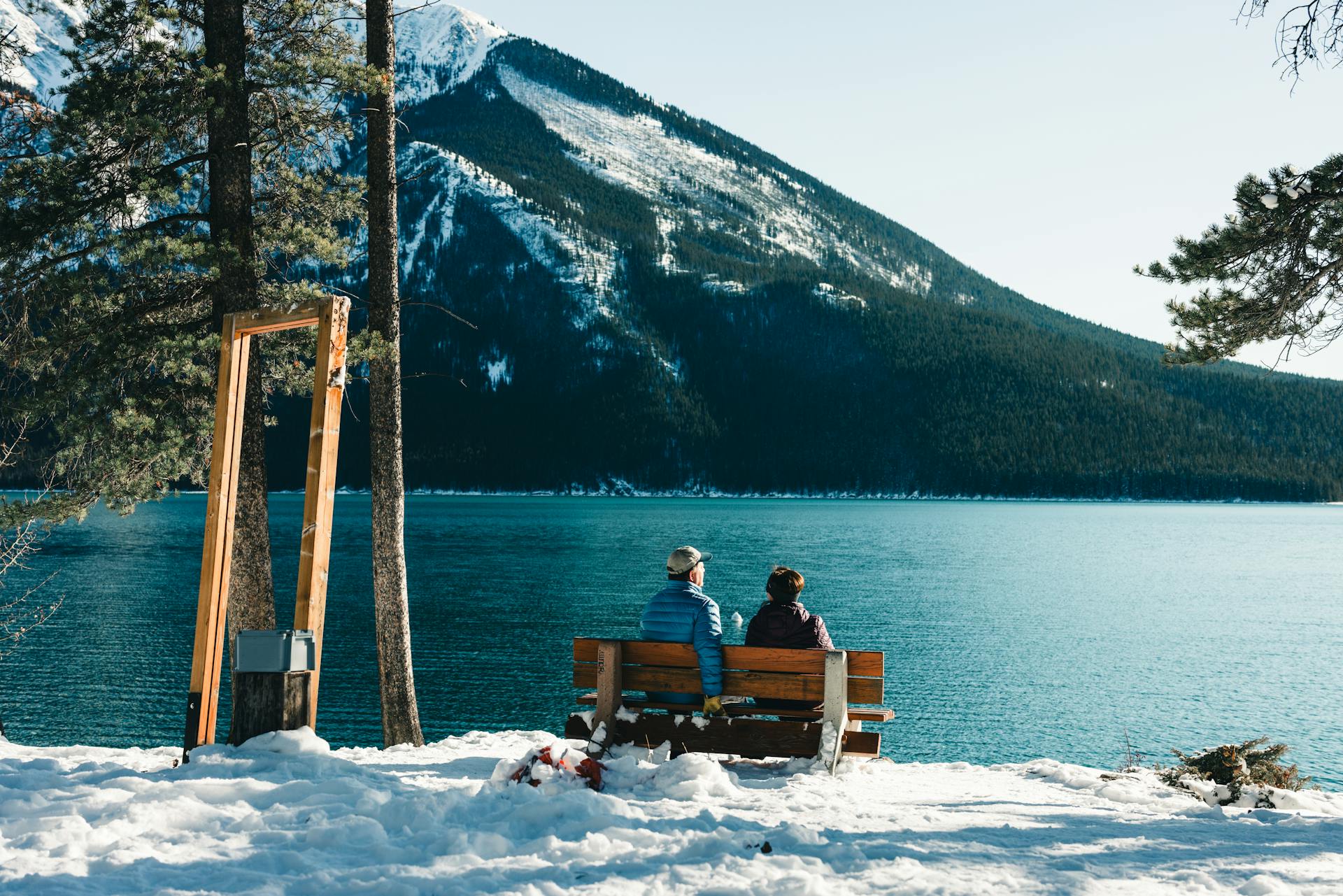
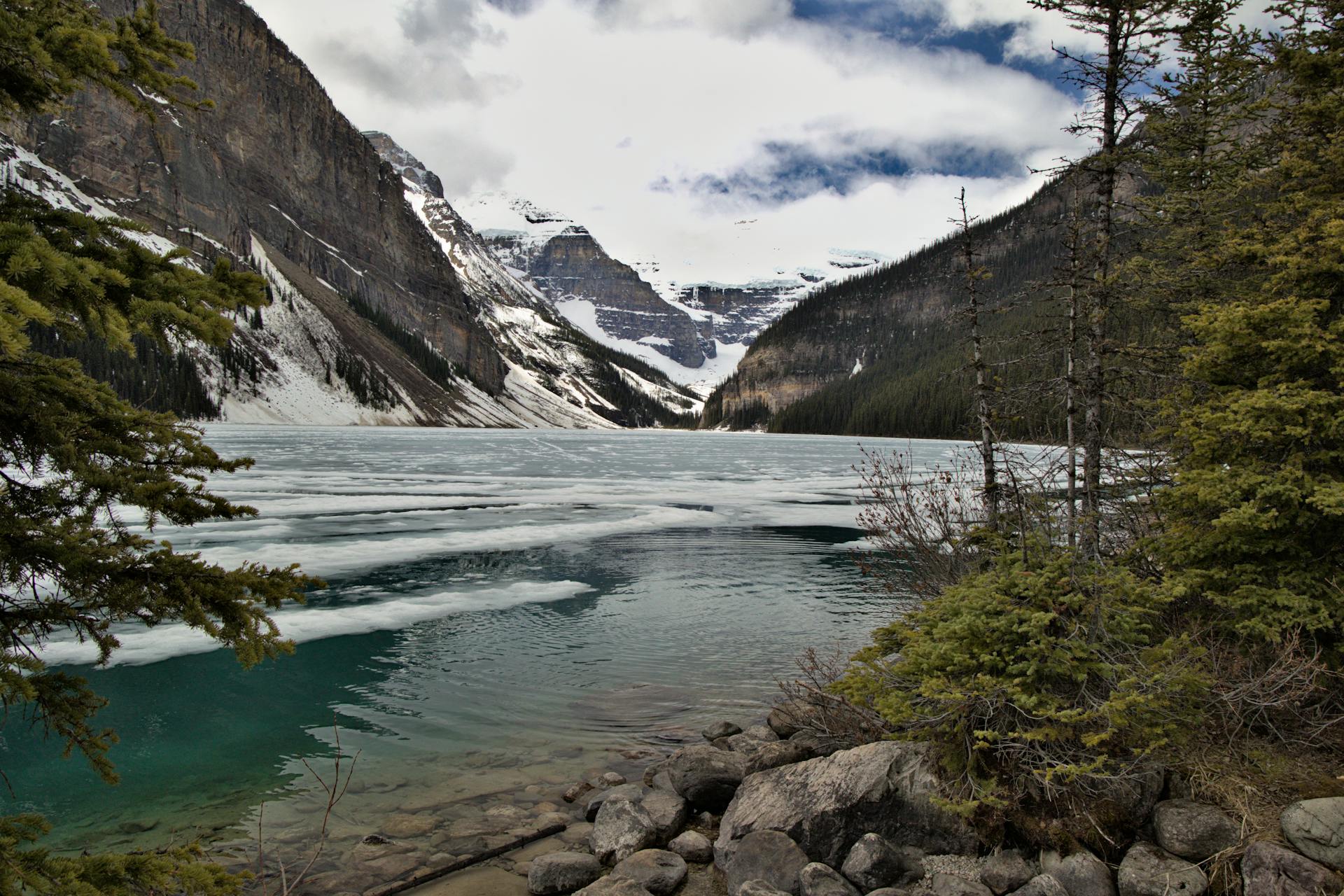
Lake Louise usually sheds its icy cap by late May or early June. The blue-green color really pops as the last ice floats away. Canoe rentals kick off around the end of May, depending on conditions.
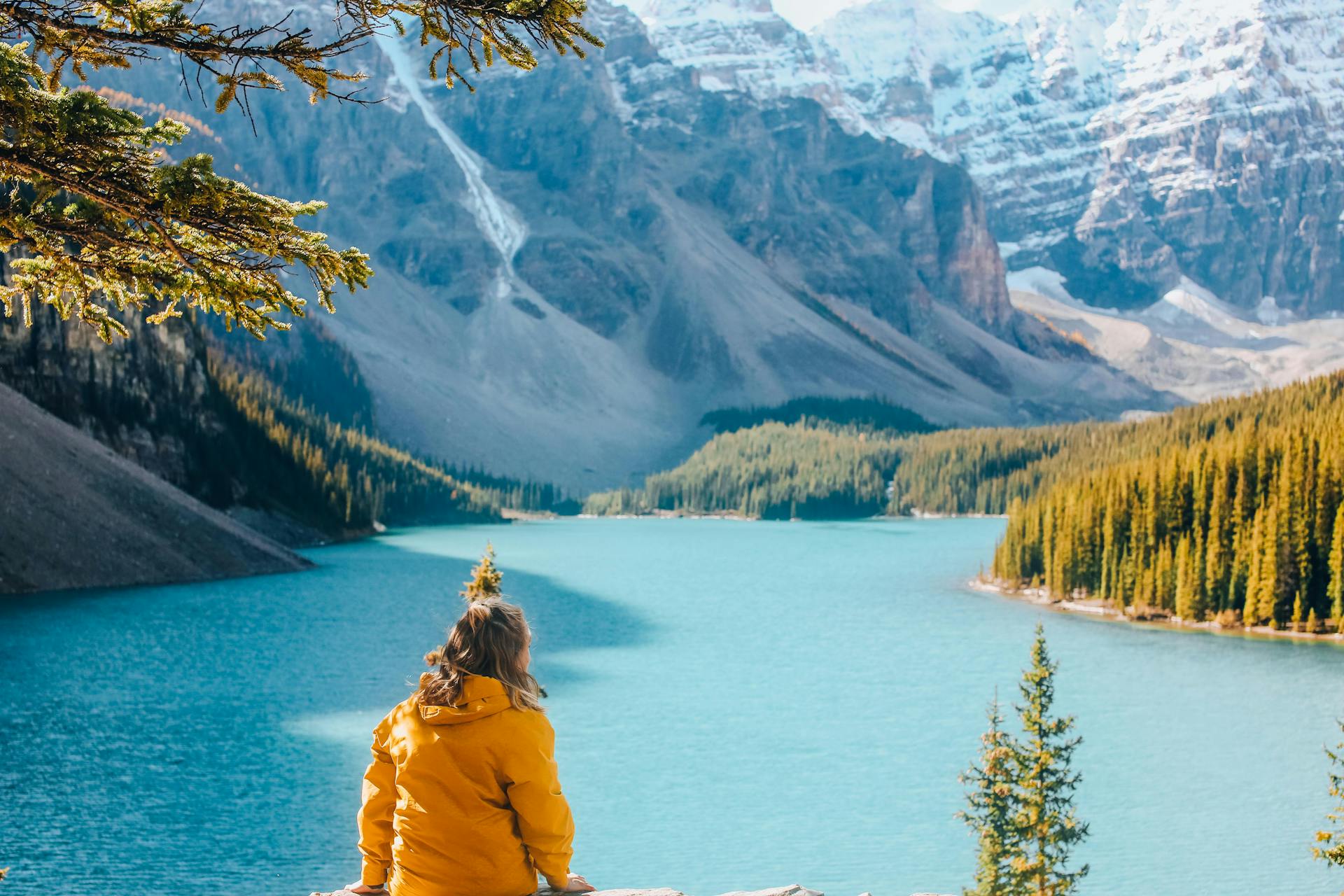
Moraine Lake takes its time:
- Road opens June 1st
- Water levels start low in early June
- Ice sometimes hugs the shore for a while
- Full thaw? Usually by mid-to-late June
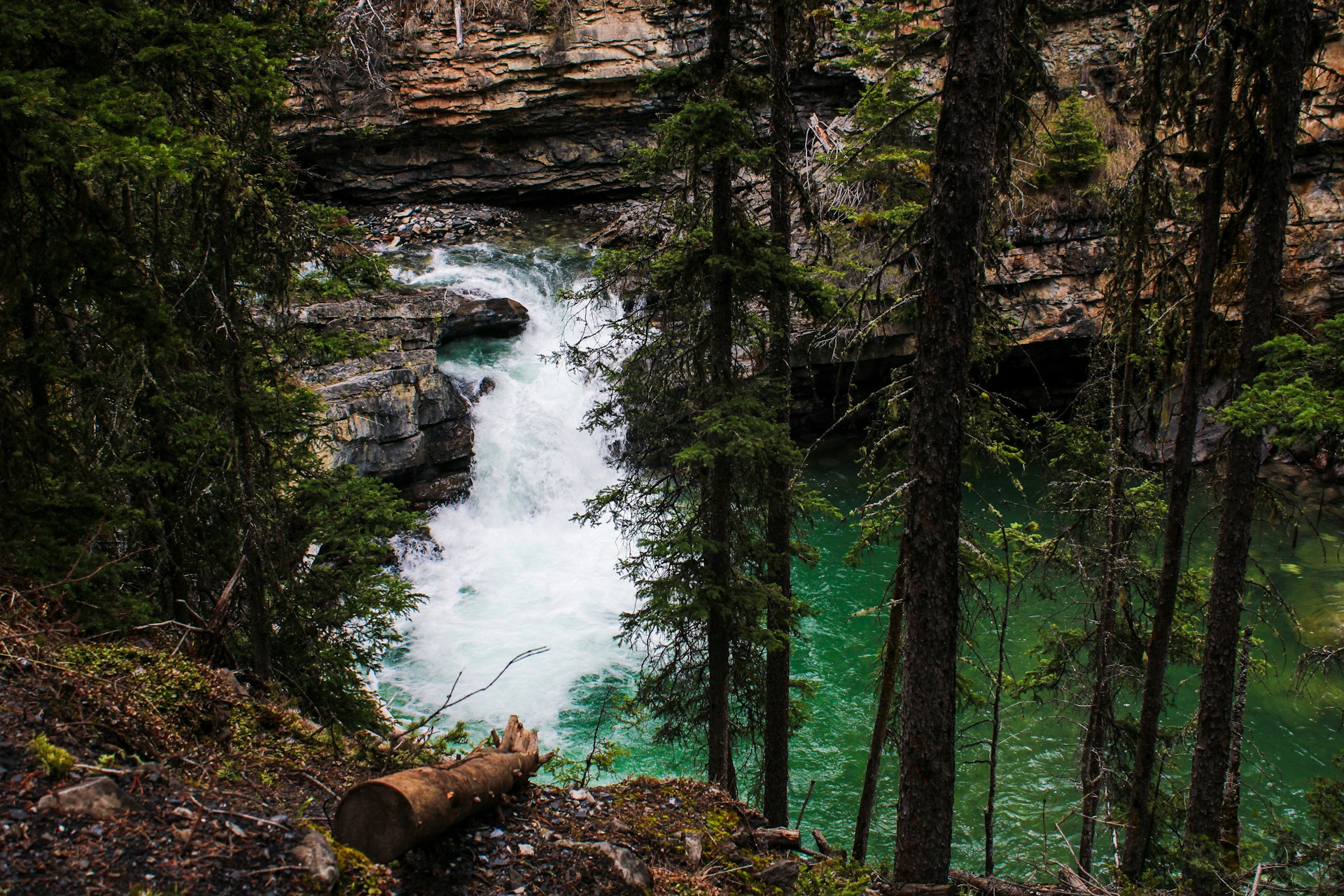
Spring runoff makes the waterfalls wild. Johnston Canyon is unreal in June. The water crashes down with way more force than later in summer. If you want to see waterfalls at their best, June is the time.
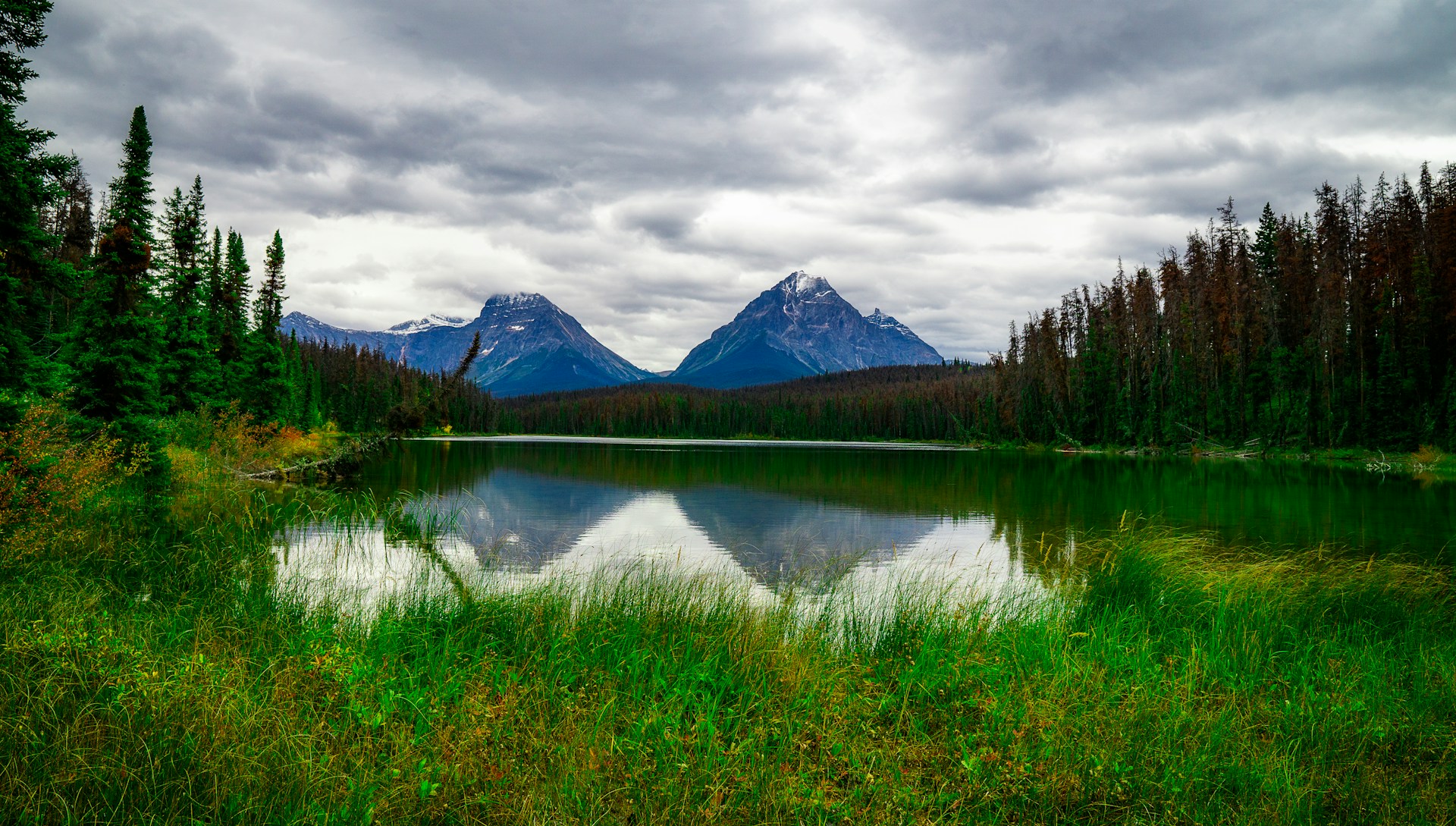
Up along the Icefields Parkway, higher lakes like Peyto can stay icy well into June. I always check trail reports before heading out—conditions change fast.
Emergence of Alpine Meadows and Wildflowers
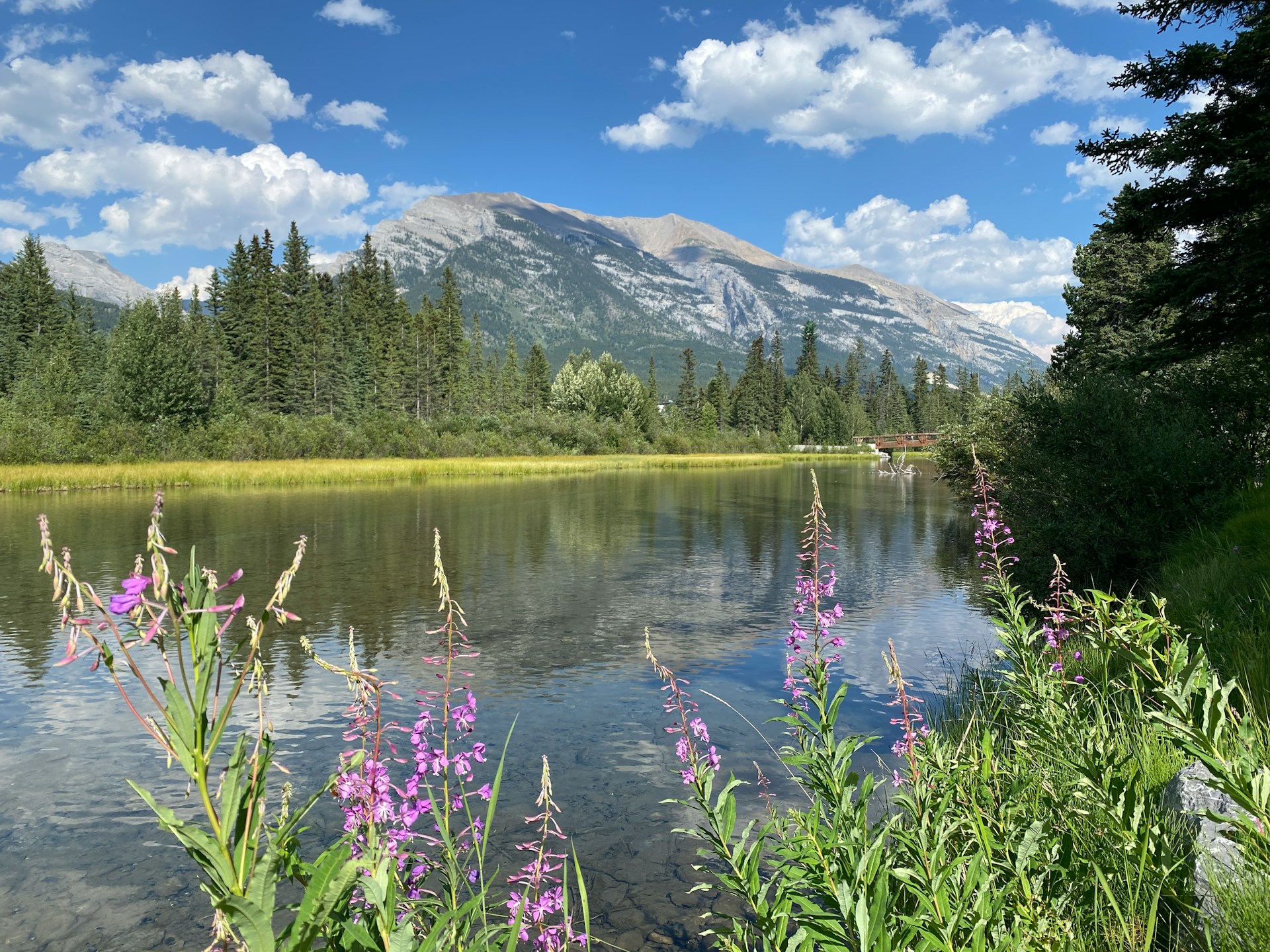
Alpine meadows start waking up in June as the snowline creeps higher. At first, it’s just the valleys, but by late June, even the subalpine meadows explode with color.
Sunshine Meadows usually opens at the end of June. That’s when Banff’s wildflower season really gets going. The meadows turn into a patchwork of blooms, each week bringing something new.
Early June can be a mixed bag on the trails. I’ve slogged through snow, mud, and even a little ice all in one hike. Higher trails often stay closed or need special gear.
It’s wild how fast the valleys turn from brown and white to bright green. Once the temperatures stay above freezing, everything changes in a matter of days.
Trail conditions just get better as June rolls on. Lower trails clear up first. Alpine routes might still be tricky until July.
Increased Wildlife Activity
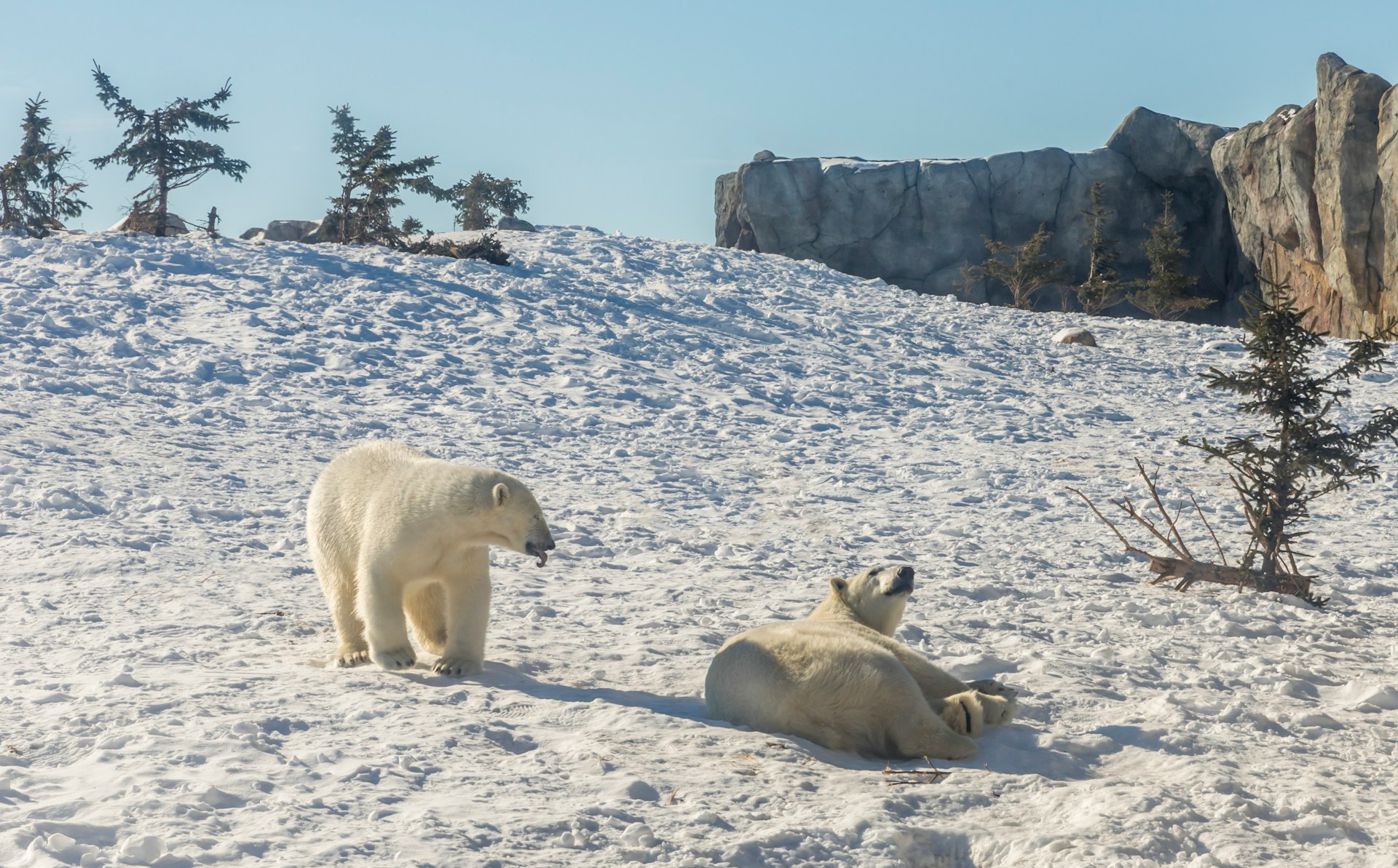
June is prime time for wildlife watching. Animals become active, and it feels like the whole ecosystem wakes up.
Elk calves are born in June. Mother elk get super protective. I always keep a good distance and never approach—even if an elk looks alone, there’s probably a calf nearby.
Bears start showing up more often, too. Both grizzlies and black bears wander near roads and trails in search of food. Bear spray isn’t optional—bring it and know how to use it.
Best times to spot wildlife:
- Dawn to 9 AM
- 6 PM to dusk
- Cloudy, mild days
Bighorn sheep love hanging out by the roads, especially along the Bow Valley Parkway and near Lake Minnewanka. Mountain goats appear more on rocky slopes as the snow melts.
Birds go nuts in June. Migratory species return and start nesting. Around lakes and meadows, the air fills with birdsong as soon as the bugs emerge.
Weather and Trail Conditions in June
Weather in June is all over the place. You might start your day in a puffy jacket and end up hiking in a t-shirt. Trail conditions can range from dry and dusty to muddy or even icy, depending on elevation.
Average Temperatures and Rainfall
Banff sees daytime highs between 15°C and 22°C (59°F to 72°F) in June. Mornings and evenings? They can dip close to freezing.
June brings lots of rain. Afternoon thunderstorms aren’t rare, especially later in the month.
I never visit without layers. Mornings call for a warm jacket, but by noon, you might want shorts.
Pack this stuff:
- Waterproof jacket and pants
- Warm layers (fleece or down)
- Waterproof hiking boots
- Rain cover for your pack
Snow can fall at higher elevations even late in June. I’ve been caught in a snow squall above treeline, so don’t get cocky with the weather.
Navigating Trail Openings and Closures
Most trails below treeline open by late June. Higher routes? Sometimes they’re still closed until July because of snow or avalanche risk.
Parks Canada posts trail updates online. I always check before heading out since things can change overnight.
Rough June trail schedule:
- Early June: Tunnel Mountain, Bow River, Fenland Loop
- Mid-June: Lake Agnes Teahouse, Johnston Canyon Upper Falls
- Late June: Plain of Six Glaciers, some Icefields Parkway hikes
Some roads stay closed for wildlife. Bow Valley Parkway is off-limits to cars until June 25th. Moraine Lake Road opens June 1st, but you’ll need a shuttle reservation.
If you see “mixed conditions” in a trail report, expect a mashup of dry dirt, mud, snow, and ice.
Dealing With Mud and Trail Safety
Spring runoff turns some trails into mud pits in June. Lower paths dry up first, but anything higher stays wet and slippery for a while.
Waterproof hiking boots with good grip are a must. I never skimp on footwear in June.
Bring this safety gear:
- Microspikes or light crampons for icy bits
- Trekking poles for balance
- Bear spray (always, always, always)
- First aid kit
Avalanche risk lingers on some trails, especially near Lake Louise and along the Icefields Parkway. Melting snow can make slopes unstable.
I try not to hike alone in June. Snow can hide trail markers, and it’s easy to lose your way—even if you know the area.
Essential Planning and Packing Tips
The Rockies in June are unpredictable. Smart prep makes all the difference. I rely on layers, solid hiking gear, and bear safety essentials every time.
Clothing for Changeable Weather
June mornings can be frosty, afternoons warm. I always layer up, starting with a moisture-wicking base (merino wool or synthetic is best—cotton is a no-go if it’s wet).
A fleece or down jacket is my go-to for insulation. Even sunny days can turn chilly at higher elevations.
My outer shell needs to be waterproof and windproof. Afternoon showers sneak up fast.
Don’t forget:
- 2-3 quick-dry t-shirts
- 1 long-sleeve hiking shirt
- Fleece or puffy jacket
- Rain jacket and pants
- Hiking pants and shorts
- Warm beanie and sun hat
- Waterproof gloves
Break in your hiking boots before you come. For walking around Banff, comfy sneakers are fine.
Must-Have Hiking Gear
Good gear keeps you safe and happy. I never skimp on the basics.
A daypack (20-30 liters) carries everything I need. Rain cover and extra pockets are a plus.
Navigation is key. I pack a map, compass, and download offline maps on my phone.
I bring at least 2-3 liters of water for day hikes. Water purification tabs let me refill from streams if needed.
Other essentials:
- Energy snacks and lunch
- First aid kit
- Headlamp (plus batteries)
- Emergency whistle
- Sunscreen (SPF 30+)
- Sunglasses
- Trekking poles
If you’re running the Banff Marathon or just training, adapt your usual gear for mountain weather.
Bear Safety and Bear Spray
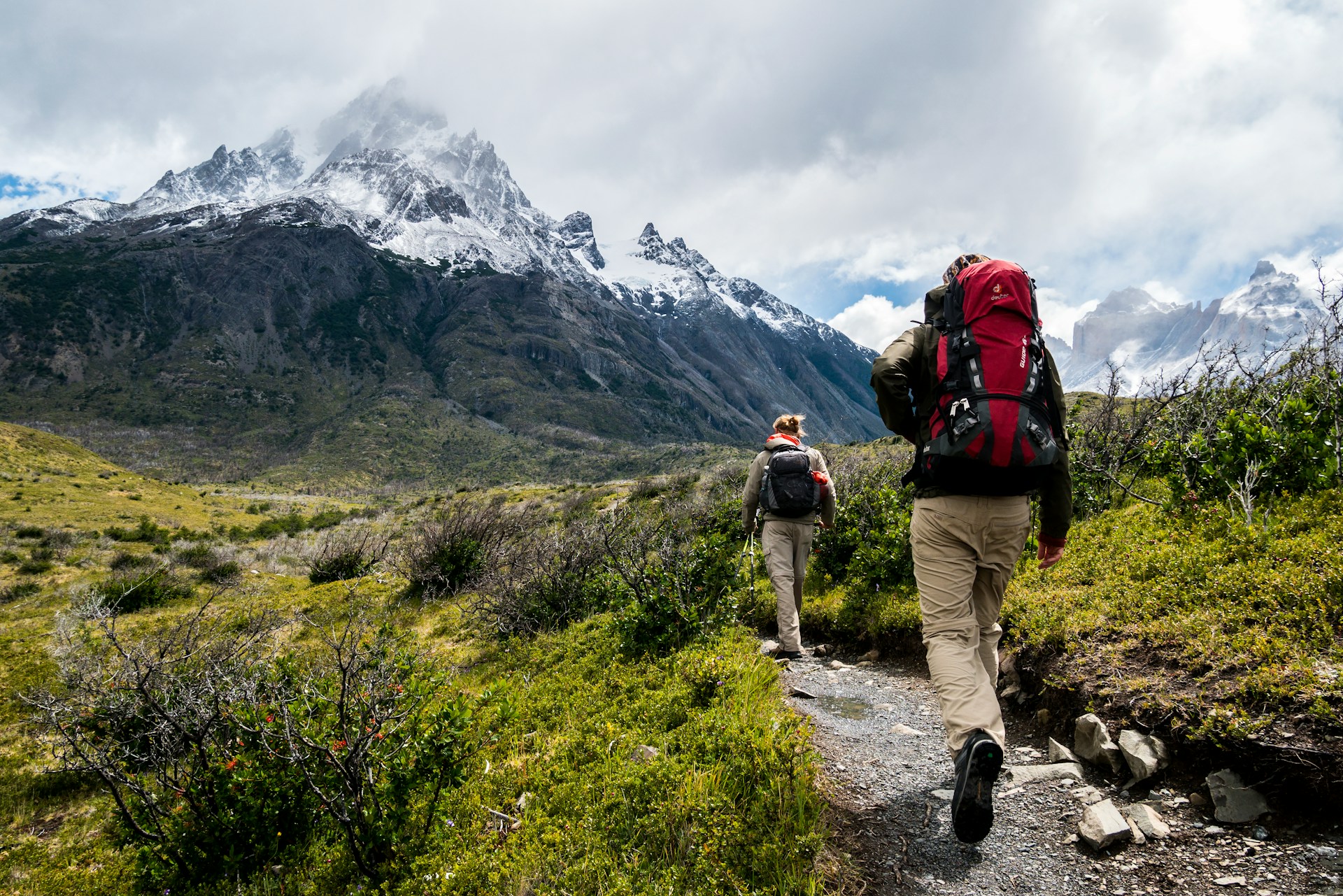
Bear encounters happen. I always carry bear spray and know how to use it.
Buy bear spray when you get to Banff or Jasper—it’s not allowed on planes. Keep it on your belt, not buried in your pack.
Look for spray with at least 7.9% capsaicin. Practice popping the safety clip off before you need it.
Bear safety basics:
- Make noise on the trail
- Hike in groups if you can
- Store food in bear-proof spots
- Never approach or feed bears
Learn to use bear spray before you need it. Aim low, spray when a bear is within 10 meters.
Keep it handy, even for short walks near camp. You never know when you’ll need it.
Iconic Trails and Outdoor Adventures
In June, Banff’s best trails and lakes start to open up. Lower elevation hikes are usually good to go, and the waterfalls? They’re at their wildest. Waterfall walks and lake paddling are at their peak.
Best June Hikes in Banff National Park
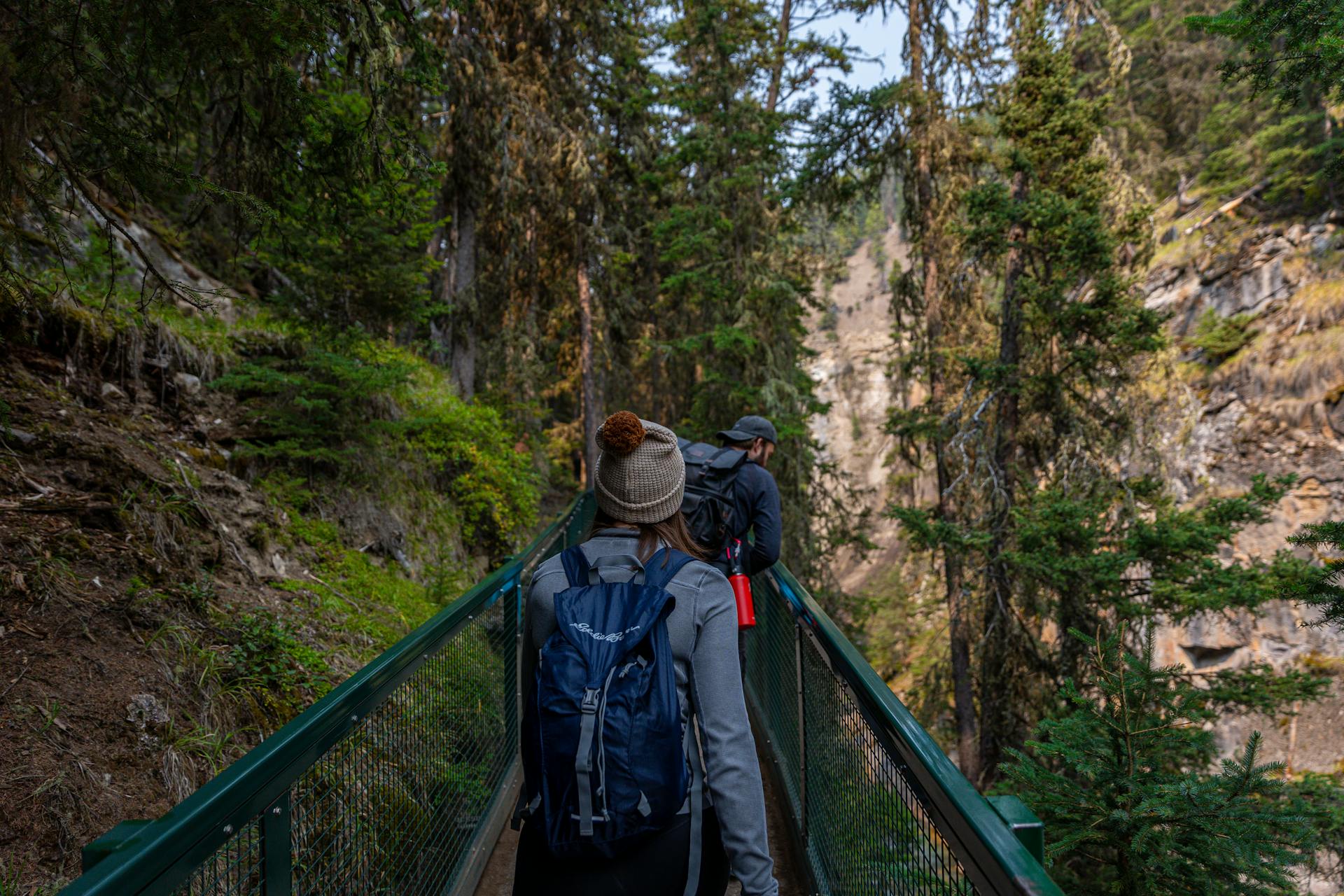
Johnston Canyon to Upper Falls is a must. The paved path makes it easy, and the waterfalls are roaring in June. Great for all levels.
Lake Agnes Tea House opens up by mid-June. The climb is worth it for tea and scones beside a gorgeous alpine lake. It’s about 400 meters up over 3.5 kilometers, so it’s a workout.
For something mellow, Tunnel Mountain gives you sweeping Bow Valley views with barely any elevation gain. It’s one of the first trails to clear of snow.
Plain of Six Glaciers usually opens late June. The views near Lake Louise are unreal, but check trail reports—snow can linger.
Always carry bear spray. June is when wildlife is most active.
Waterfall Walks and Scenic Lookouts
June is waterfall season. Snowmelt feeds the streams, and places like Johnston Canyon are at their loudest.
The Bow Valley Parkway has several roadside waterfalls. I love pulling over for a quick photo or just soaking in the sound of rushing water.
Driving the Icefields Parkway from Banff to Jasper is a highlight. Peyto Lake is a classic stop, with its bright blue water and panoramic views.
You’ll find lots of short walks to viewpoints along the parkway. Each has its own twist—glaciers, lakes, or jagged peaks.

Canoeing and Lake Activities
Lake Louise becomes a paddler’s dream once the ice is gone by mid-June. The turquoise water and glacier backdrop are unreal.
Moraine Lake opens June 1st, but parking is a nightmare. Arrive before 6 AM or grab a shuttle.
Lake Minnewanka is the biggest lake in Banff. You can rent kayaks, canoes, or even motorboats for a longer paddle.
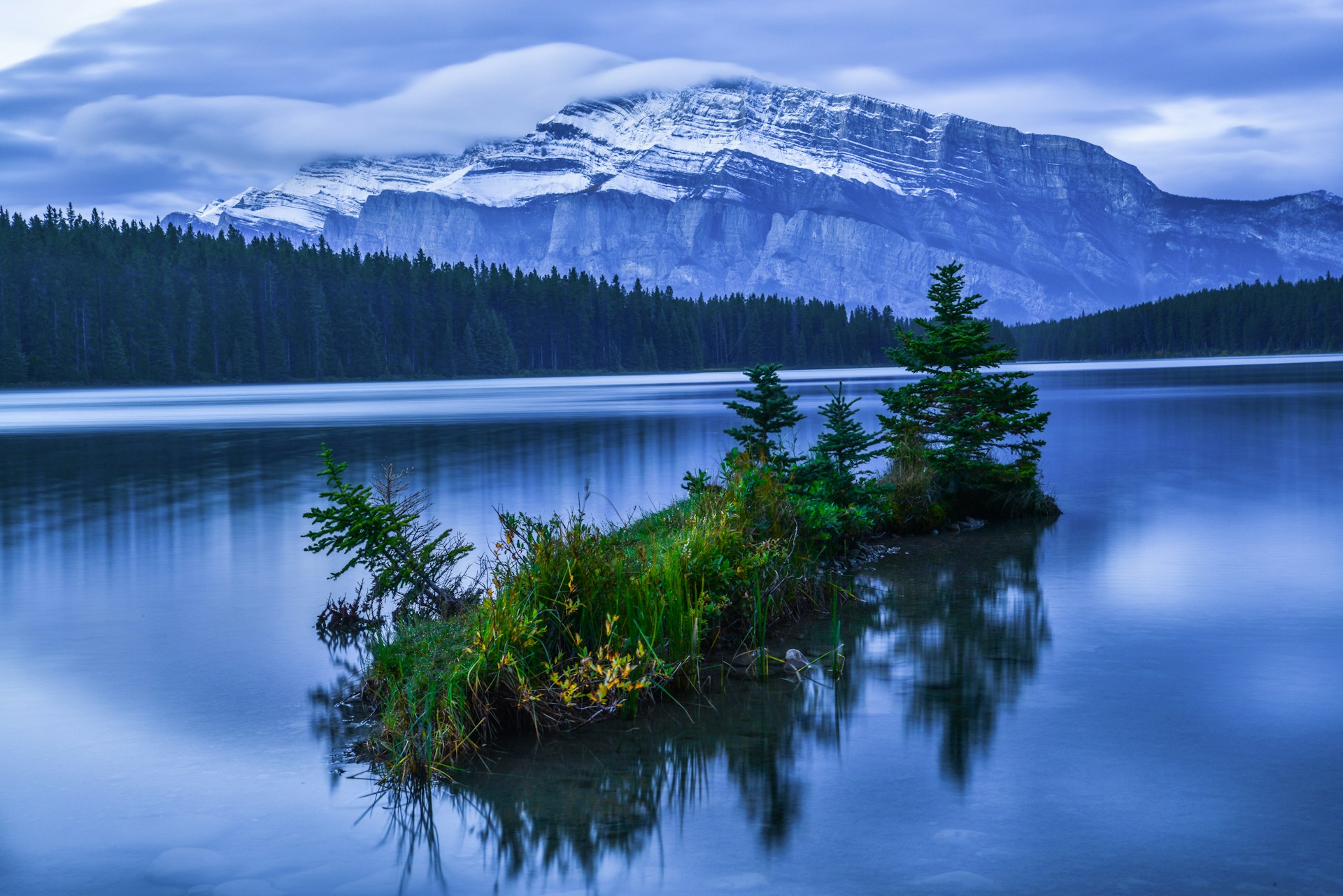
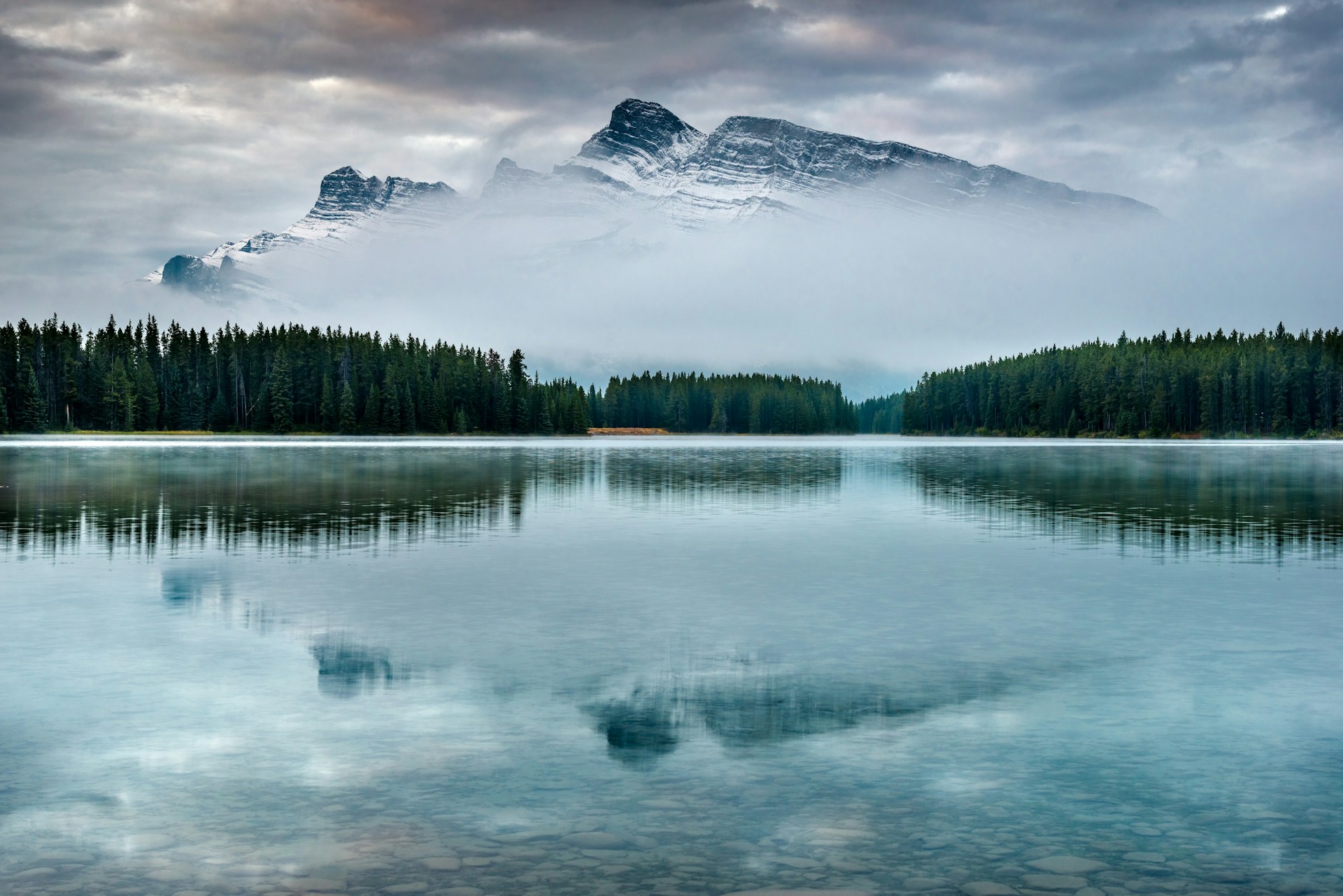
Two Jack Lake is quieter, perfect for sunrise reflections. The water is always cold, so I wear a life jacket—no matter how tempting a swim looks.
Each lake offers something unique, whether it’s a peaceful morning paddle or an afternoon of snapping photos with those iconic mountain reflections.
Lakeside Wonders: Where to Go in June
June in the Canadian Rockies feels like magic. The lakes shed their icy blankets and suddenly burst into those wild, electric turquoise shades you see in postcards. The best part? Most crowds haven’t arrived yet, so you get a little breathing room.
Exploring Lake Louise and Moraine Lake
Let’s talk about Lake Louise. By June, the trails and shoreline finally open up, though the lake’s famous color doesn’t really pop until late in the month. If you want those mirror-like reflections, you’ll want to show up early—trust me, it’s worth the alarm.
The Fairmont Chateau Lake Louise starts renting out canoes in late May or early June. Sure, it’s $140-170 per hour if you’re not a hotel guest, but honestly, gliding across that blue water is something you’ll remember for years.
Moraine Lake swings open its gates on June 1st after a long winter nap. You can’t drive your own car up anymore, so you’ll need to plan ahead:
- Reserve a shuttle spot (these fill up fast)
- Bike the 14 km road if you’re feeling ambitious
- Book a guided tour for convenience
Early June means the water’s still rising and the color looks a bit muted. By the end of the month, the turquoise really shines as glacier melt fills the basin.
Hiking fans should check out Lake Agnes and Larch Valley trails. Snow usually clears by mid-June, and the views—well, let’s just say you’ll run out of superlatives.
Tranquil Escapes at Lake Minnewanka and Two Jack Lake
If you’re craving a quieter spot, Lake Minnewanka is a solid bet. It thaws out earlier than the famous lakes and draws more wildlife than selfie sticks.
The Aylmer Lookout hike is a beast at 22 kilometers, but the view from the top? Absolutely unreal. Just be ready for a workout.
Right nearby, Two Jack Lake offers a more intimate vibe. The water warms up faster, making it tempting for a quick dip or paddle. On calm days, you get those perfect reflections of Mount Rundle.
Both lakes attract anglers hoping to hook lake trout, whitefish, or pike. Don’t forget to grab an Alberta fishing license before you cast a line.
Crowds stay manageable here, so you can actually hear the loons and the wind in the trees.
Scenic Drives: Bow Valley Parkway and Icefields Parkway
The Bow Valley Parkway winds between Banff and Lake Louise for 51 kilometers. In June, wildlife seems to be everywhere—bears, elk, and deer wander right by the road.
I always drive slow and keep my camera ready at dawn or dusk. Several pullouts let you stop for photos of the Bow River and those jagged peaks.
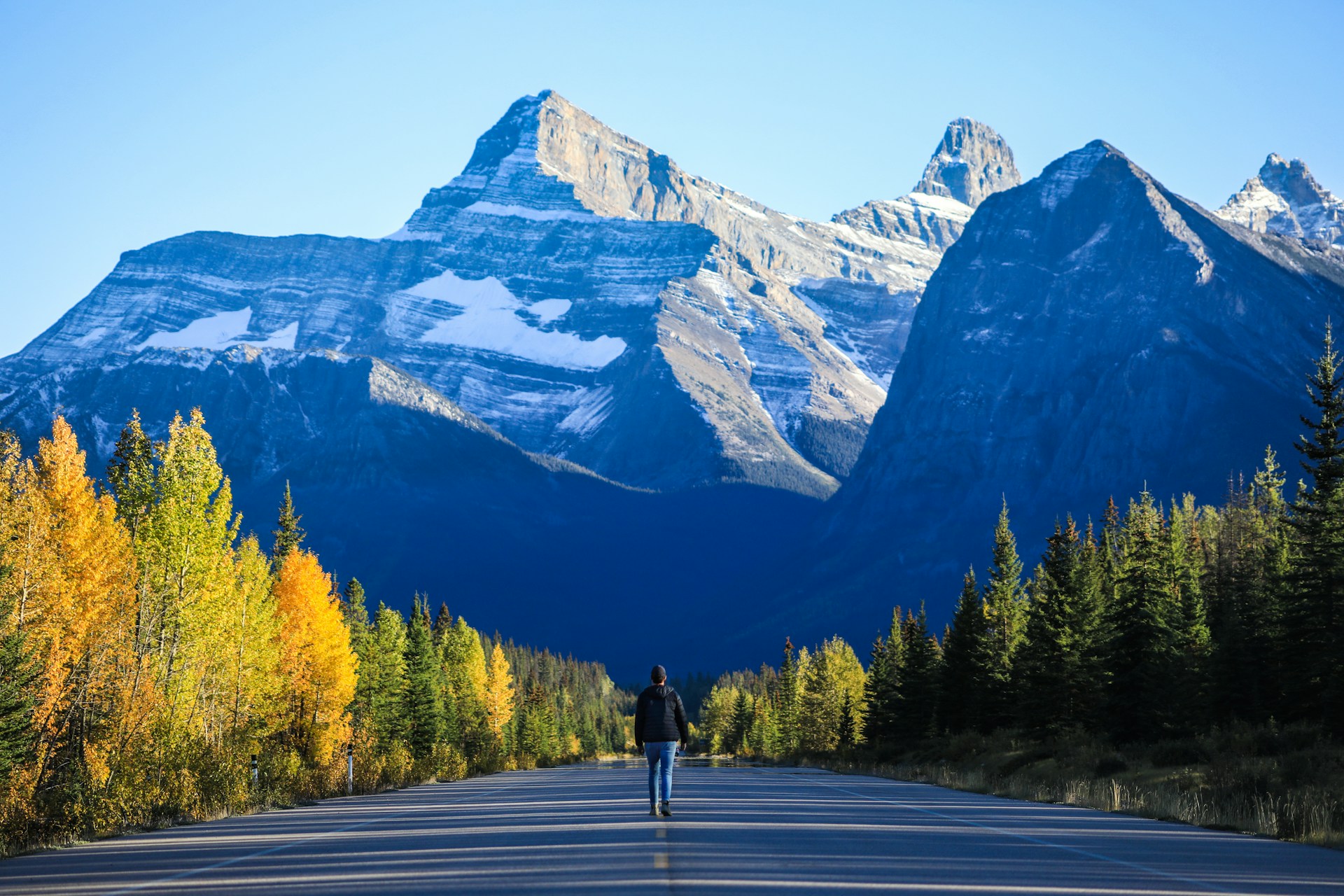
Then there’s the Icefields Parkway, running 230 kilometers from Lake Louise to Jasper. June means dry roads and snow still clinging to the mountaintops, which makes for some jaw-dropping scenery.
Don’t skip these stops:
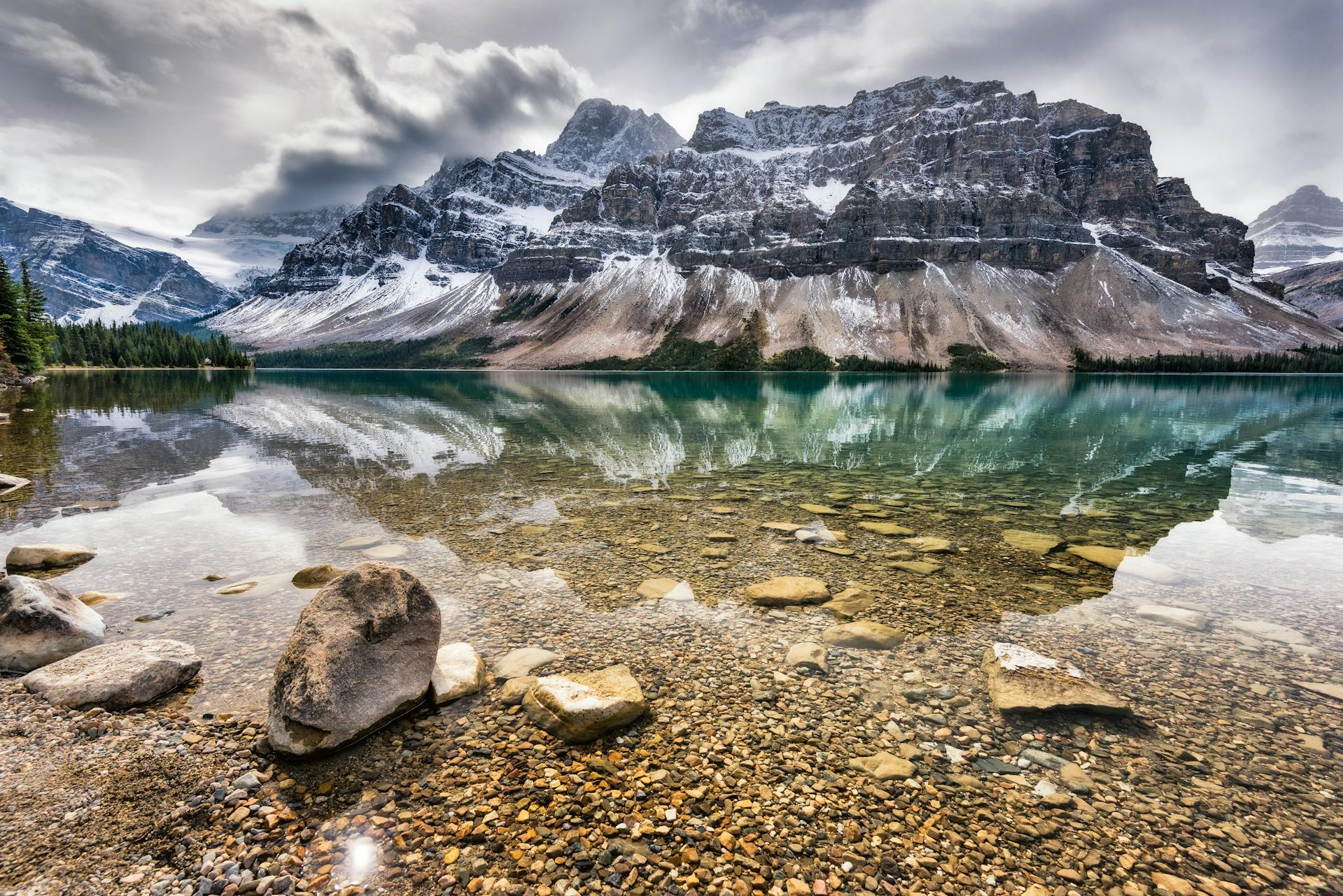
- Bow Lake – easy to reach and impossibly blue
- Peyto Lake – that famous wolf-head shape, even better in person
- Waterfowl Lakes – quiet, with picnic spots
If you’re lucky, Parker Ridge trail opens by late June. It’s a steep climb, but the glacier views are wild. Always check trail updates before you head up.
Honestly, one day on the Icefields Parkway never feels like enough. There’s just so much to see around every bend.
Unique Experiences and Local Hotspots
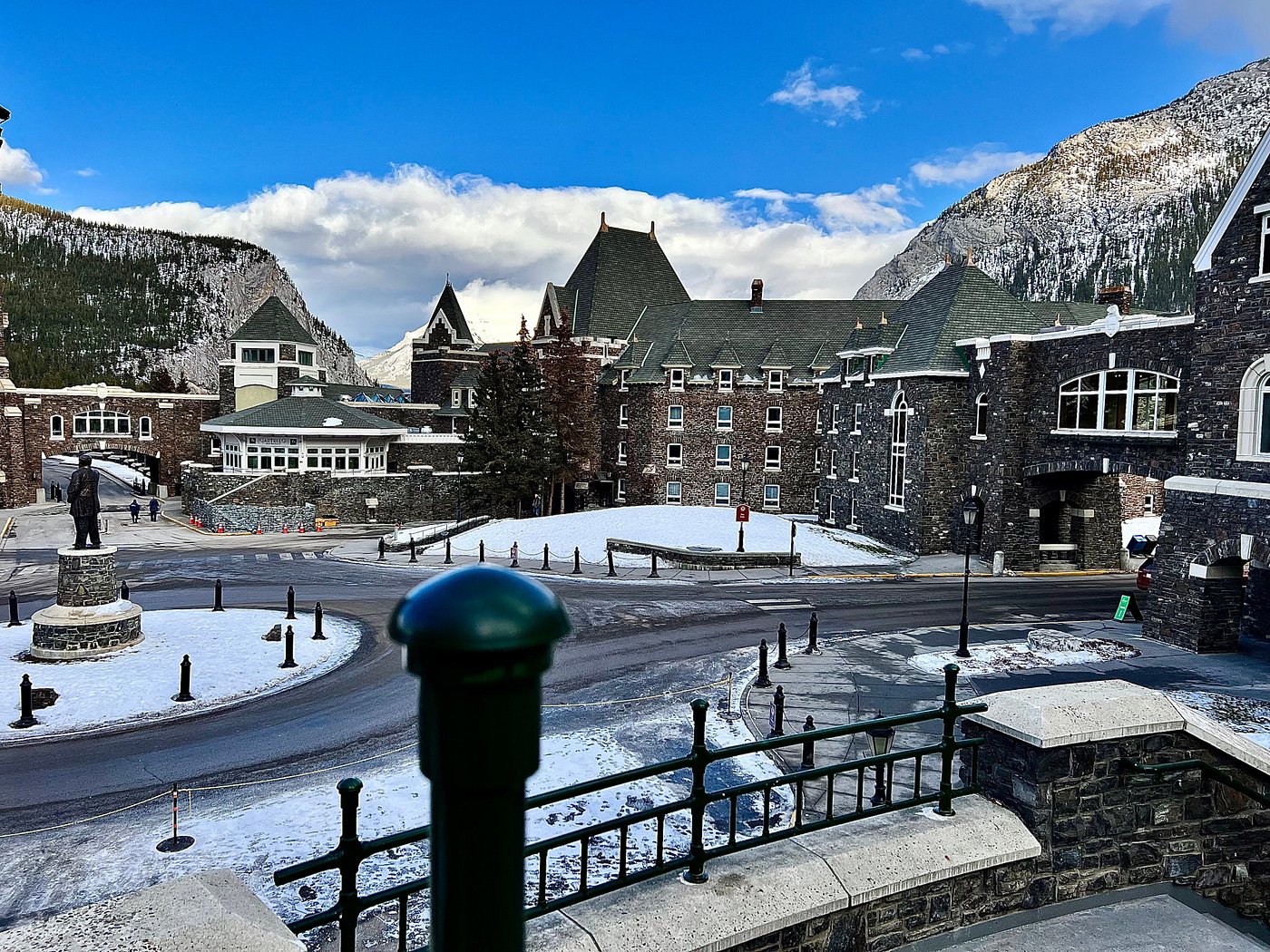
June feels like the Rockies’ secret season for culture, good eats, and local festivals. With the sun out, patios fill up and events spill into the streets. If the afternoon heat gets you, museums offer a cool escape.
Cultural Sites and Museums
The Whyte Museum in Banff digs into mountain history and art. I like to pop in during the busiest trail hours to dodge the crowds.
Inside, you’ll find rotating art shows and stories about early explorers and Indigenous communities. The photo archives are a time machine back to the Rockies’ early days.
Cave and Basin National Historic Site marks the spot where Canada’s national park system began. Warm springs bubble up here, and boardwalks wind through the steam.
Interactive exhibits tell the story of the springs and their role in Banff’s creation. The walk around the site only takes about 30 minutes, but it’s packed with history.
June’s mild weather makes it easy to stroll between museums. Some even offer combo tickets for a little extra value.
Dining and Refreshments
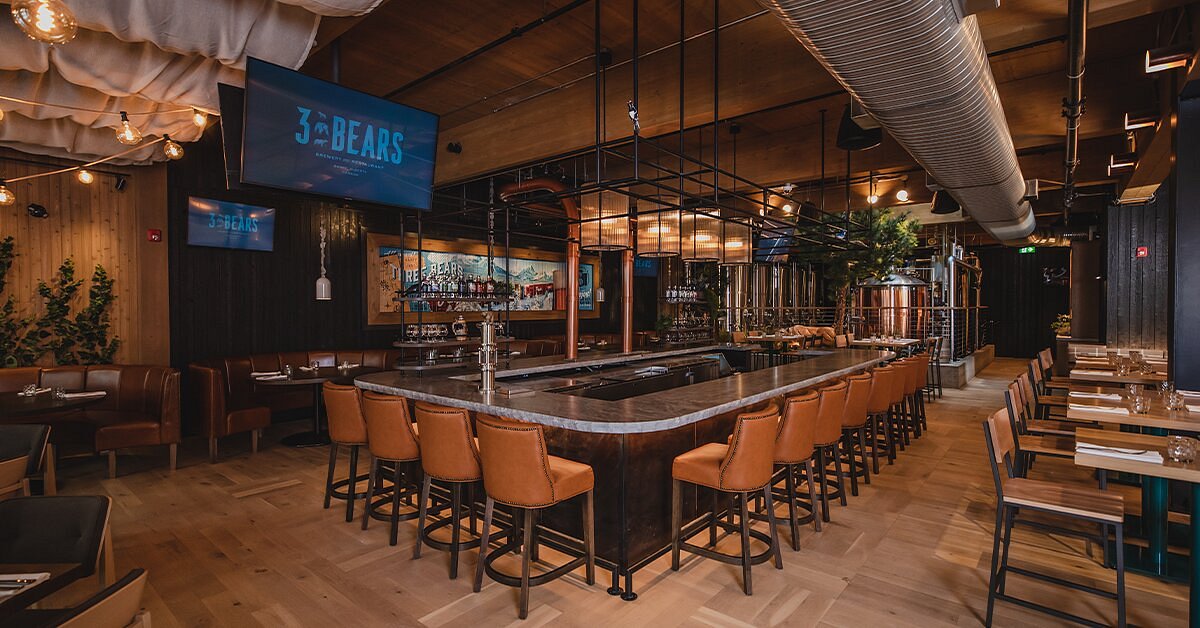
Three Bears Brewery in Canmore pours local craft beers with mountain views on tap. Their patio reopens in June, and there’s nothing like a cold pint after a day on the trails.
They rotate their ales and host food trucks outside. I usually go for the Grizzly Pale Ale, but you can’t really go wrong.
If you’re in the mood for something fancier, Cliffhouse Bistro serves up Alberta beef and BC seafood with sweeping valley views. The menu changes with the season, so there’s always something fresh.
Long daylight hours mean you can linger over dinner and catch a mountain sunset. Just a heads up: reservations are a must once summer kicks in.
Local spots focus on fresh, sustainable ingredients from nearby farms. By June, patios are buzzing again after a long winter, and that’s the best way to wrap up a day in the Rockies.
Events and Festivals in June
You’ll find the Banff Marathon rolling through mid-June, and let me tell you, runners from all over show up for this one. The course winds right alongside the Bow River, with jaw-dropping mountain views pretty much the whole way.
Even if you’re not lacing up your sneakers, you can soak up the festival vibe downtown. Shops and cafés stay open late, and lots of places run special deals for the weekend—so there’s plenty to do besides run.
If music’s more your thing, Canmore throws its Folk Music Festival in early June. Outdoor stages pop up all over, and you’ll catch Canadian and international acts playing everything from indie to roots.
The Banff World Media Festival is another big draw. You’ll spot documentary filmmakers and wildlife photographers all over town, and they host public screenings at different venues throughout June.
June also signals the kickoff for guided wildlife tours and photography workshops. Guides love this time of year since the animals are more active, and the longer days mean better chances for spotting something special.
