
Winter really flips the script on America’s highways. The crowds thin out, the landscapes shift, and suddenly you get these views that just don’t exist in July. There’s something about snow-dusted mountains and frosted forests that makes even the most familiar road feel brand new.
Winter road trips across the United States open up stunning scenery, fewer tourists, and all sorts of seasonal activities you just can’t get in summer. You’ll wind through mountain passes, hug icy coastlines, and sometimes pull over just to stare at a frozen waterfall. Some drives are quick afternoon escapes; others stretch into multi-day adventures.
These routes stretch from Alaska all the way to Hawaii, and they’re not just for daredevils. You’ll find everything from wild mountain highways to mellow scenic byways. I’ll share what makes each drive special in winter, plus a few tips for keeping your trip safe and fun.
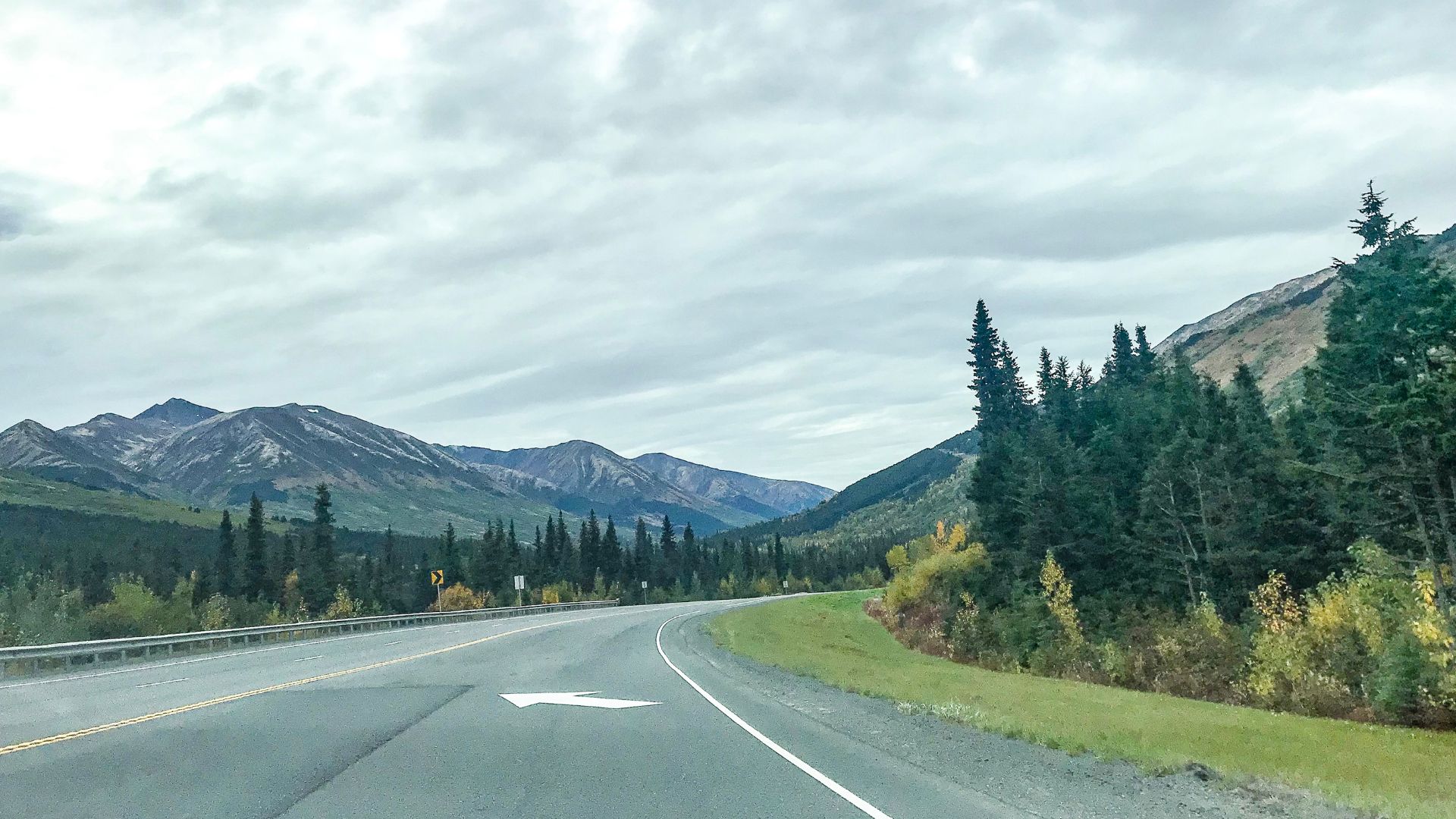
1) Seward Highway, Alaska
The Seward Highway links Anchorage to Seward over 127 miles of jaw-dropping Alaskan scenery. This route isn’t just a pretty face—it’s a USDA Forest Service Scenic Byway, Alaska Scenic Byway, and an All-American Road.
In winter, things get magical. The Chugach Mountains rise up, snow-capped and dramatic, right next to the frozen Turnagain Arm. You’ll want to pull over constantly for photos.
Sometimes you’ll spot the Alaska Railroad’s blue and yellow cars gliding through the snowy landscape. If you’re lucky, you might even see moose or dall sheep hanging out near the highway.
There are hiking trails and scenic areas along the way, but you’ll need proper winter gear. Make sure your car’s ready for winter conditions before you go. The Alaska Department of Transportation updates road conditions, so check before you head out.
Give yourself a few hours for this drive. You can go either direction, stopping wherever the views call to you. Every turn brings a new mountain panorama or frozen bay.
2) Icefields Parkway, Alberta to Jasper
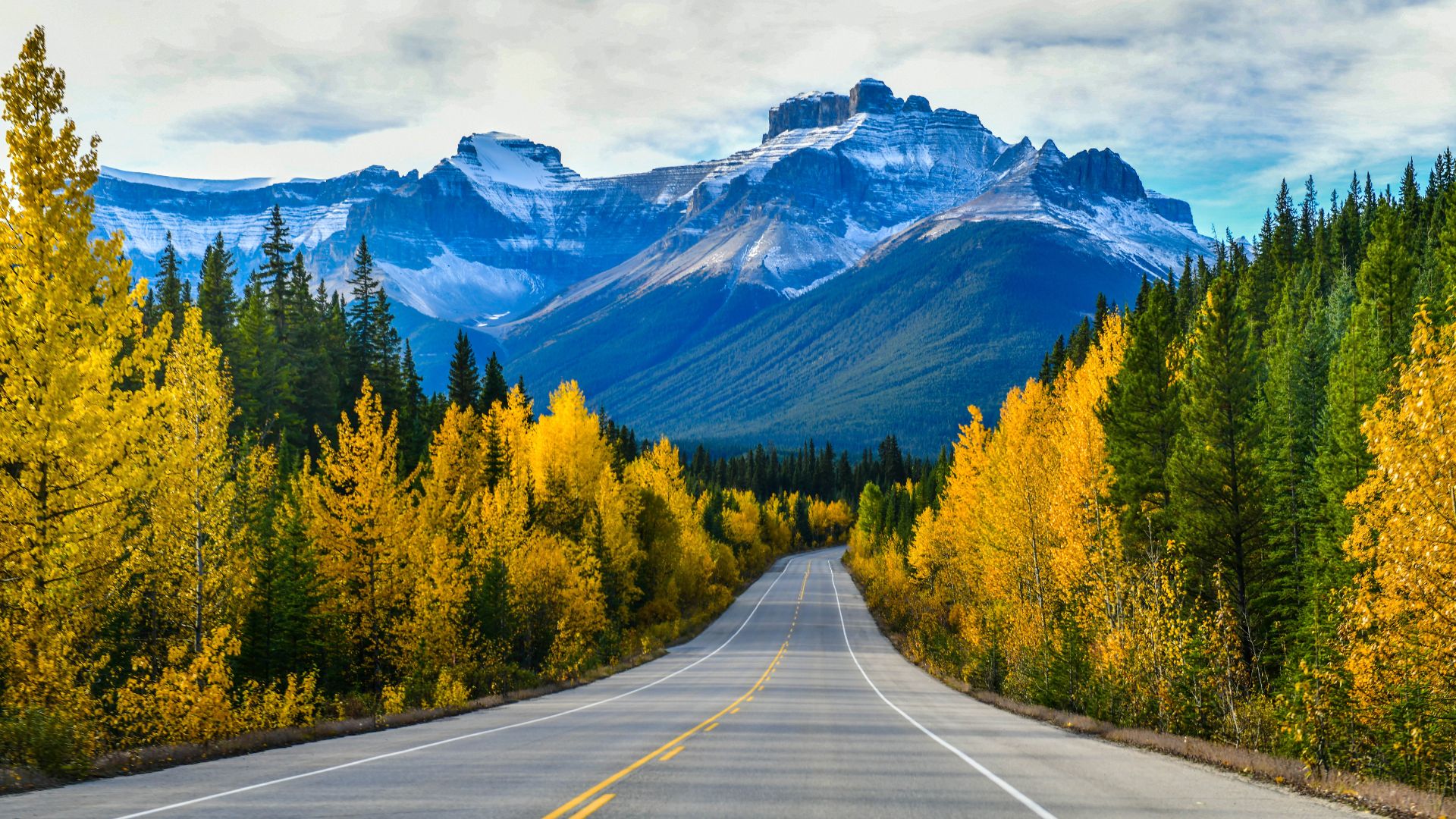
The Icefields Parkway runs 143 miles along Highway 93, connecting Lake Louise and Jasper. You’ll roll right through Banff and Jasper National Parks in the Canadian Rockies.
Winter covers everything in snow. The lakes freeze, the mountains turn into white giants, and glaciers seem to glow. The highway stays paved and plowed, but always check the latest road reports.
You’ll pass turquoise lakes (even in winter, the color is unreal) and crazy rock formations. Elk and bighorn sheep sometimes pop up by the roadside. The snowy backdrop makes every animal sighting feel a bit more epic.
You could drive the whole thing in a day, but honestly, you’ll want to stop a lot. The Columbia Icefield area and several frozen waterfalls are must-sees. Fill up your tank and bundle up—services are few and far between.
The parkway stays open all year, but winter means a little extra prep. Bring tire chains, watch the weather, and let someone know your route.
3) Blue Ridge Parkway, Virginia
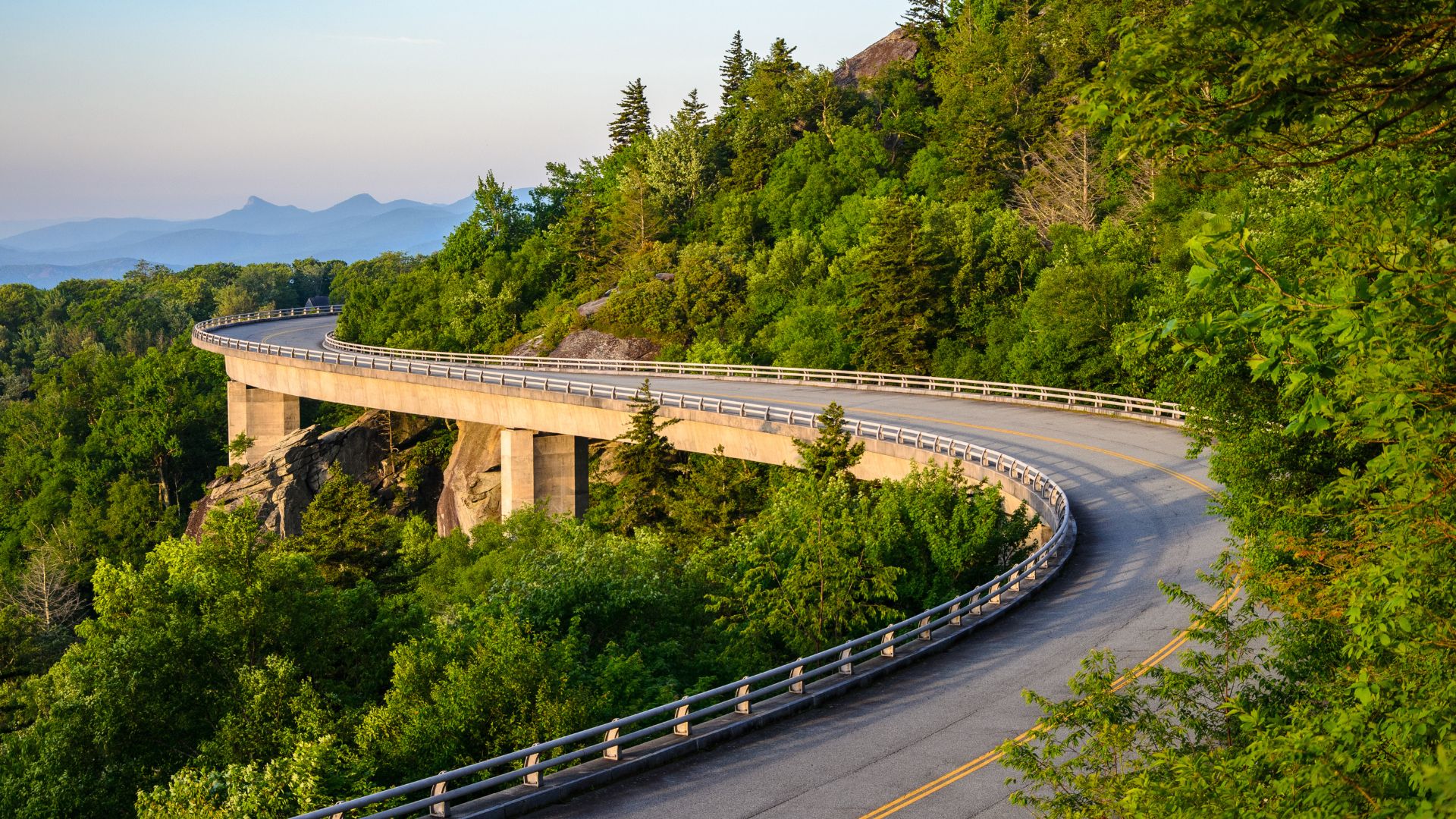
The Blue Ridge Parkway is one of those scenic winter drives you just have to experience. Once the leaves are gone, the mountains look sharper, more dramatic—almost like you’re seeing them for the first time.
The speed limit’s a leisurely 45 mph, so you can soak in the views. Ravens Roost is a favorite stop for sweeping mountain photos. Overlooks pop up constantly along the route.
Winter means fewer crowds, so you’ll have space to enjoy the peace. Bare trees open up long views across valleys and ridges. You can take your time and not worry about traffic jams.
Pack extra layers and check if any sections are closed due to weather. Sometimes storms shut down parts of the parkway. Nearby mountain towns offer cozy places to warm up and grab a bite.
4) Lake Tahoe Loop, California and Nevada
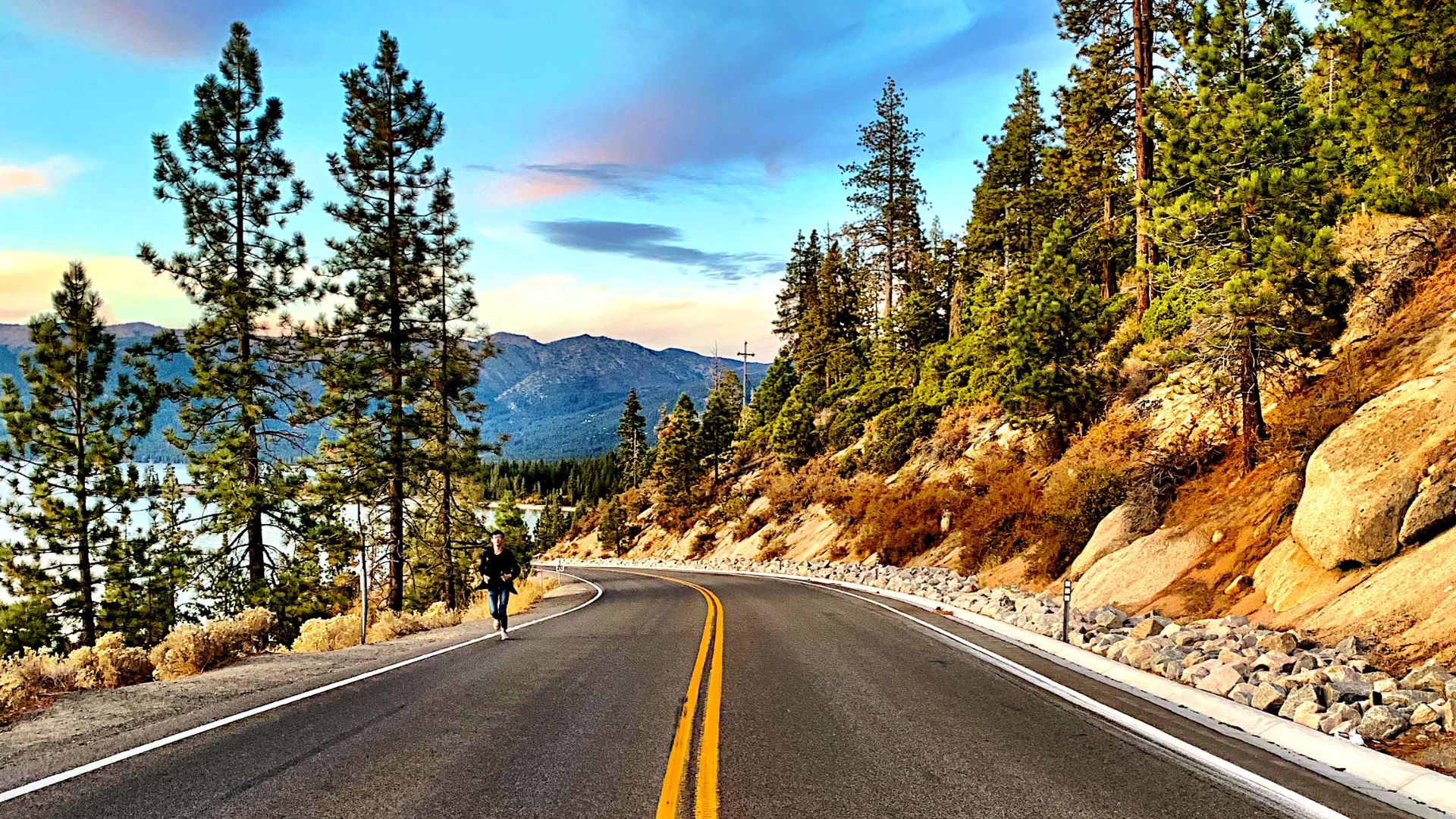
The Lake Tahoe Loop is a 68 to 72 mile trip around one of the country’s most stunning alpine lakes. You’ll cross between California and Nevada, circling the lake’s impossibly blue waters.
You’ll follow US 50, NV 28, and US 89—paved and maintained all year, but winter can throw some curveballs.
When snow hits, Lake Tahoe turns into a real-life snow globe. Sierra Nevada peaks rise above the lake, their white slopes reflected in the water. Every turn feels like a postcard.
You’ll pass through South Lake Tahoe, Tahoe City, Incline Village, and King’s Beach. Each town is a good place to stretch your legs, grab coffee, or poke around in local shops.
The Federal Highway Administration named this a National Scenic Byway. You could do the full loop in a few hours, but most folks take their time with the viewpoints and attractions.
Always check the weather and road reports before heading out. Snow chains might be required if a storm rolls in.
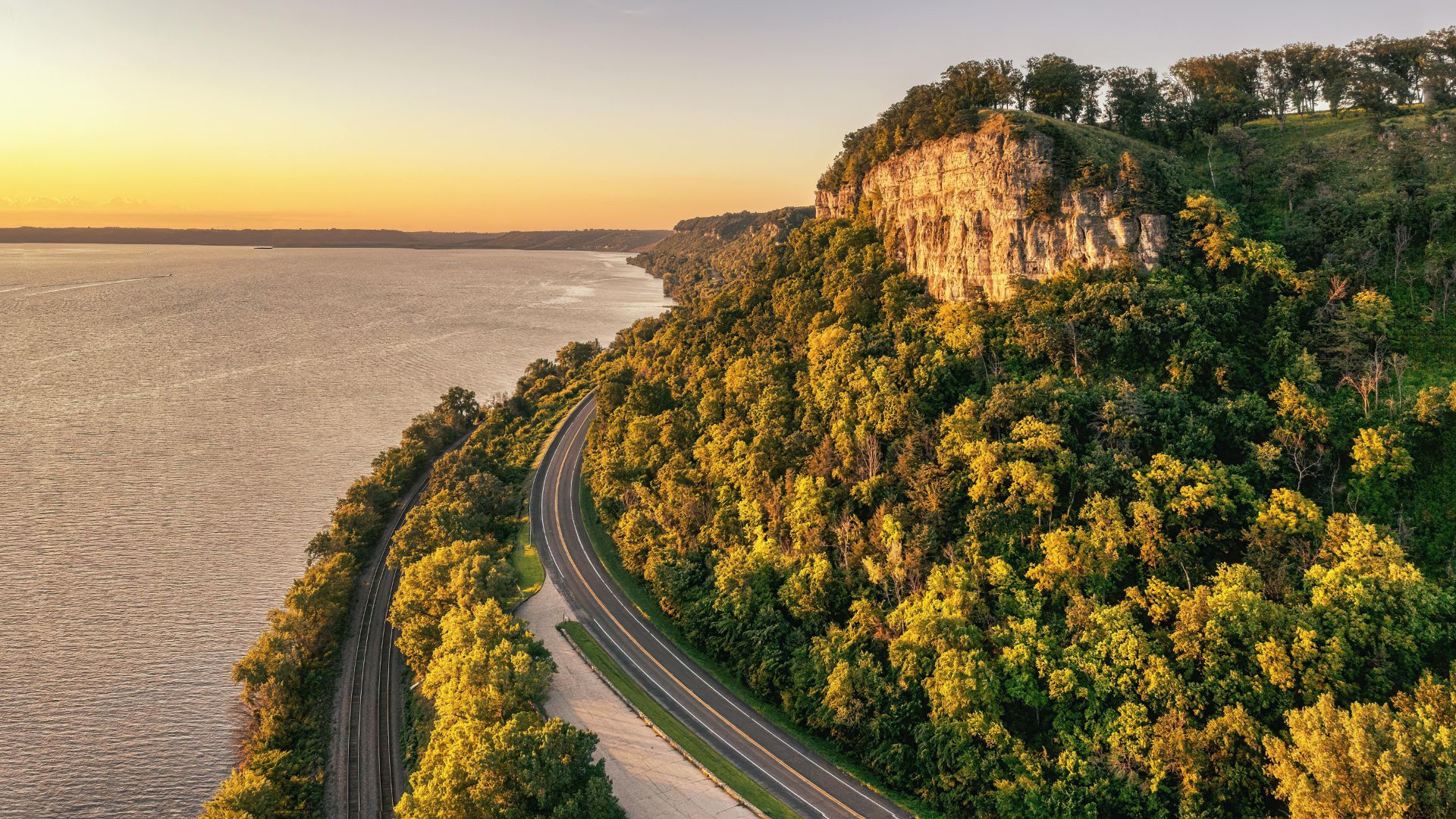
5) Great River Road, Mississippi River
The Great River Road follows the Mississippi River for nearly 3,000 miles through 10 states. It’s a different kind of winter road trip, winding through America’s heartland.
Winter quiets the river towns and landscapes. Fewer people visit historic sites this time of year, so you get more space to yourself. With the leaves gone, you’ll get clearer views of the river.
The route takes you through diverse landscapes and dozens of small towns. You can dig into local history, check out quirky attractions, or sample regional food at your own pace. Each state has its own vibe and hidden gems.
I’d suggest picking a section or two instead of tackling the whole thing. The stretch from Minnesota to Louisiana offers plenty of options for a winter road trip. You’ll find scenic overlooks, state parks, and cultural stops along the way.
Winter driving varies by state, so check the forecast and road conditions—especially up north where ice and snow are common.
6) Cascade Loop, Washington
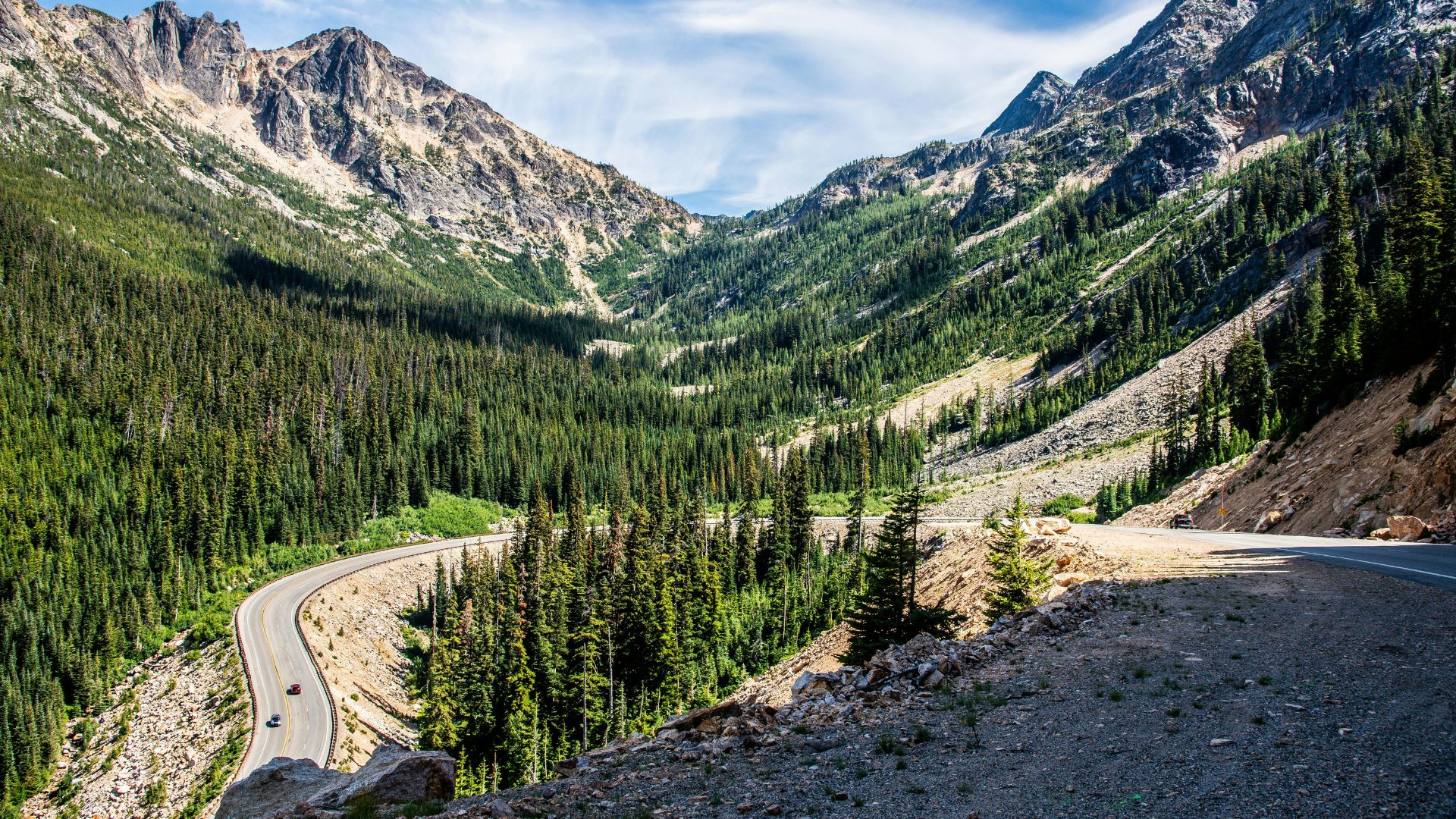
The Cascade Loop covers 400 miles through Washington, showing off snowy peaks, frozen lakes, and charming mountain towns. You’ll wind through nine regions, each with its own winter twist.
Kick things off in Seattle, then head east to Leavenworth—a Bavarian-style village that goes all out with Christmas lights. It’s basically a real-life snow globe in winter.
Along the way, you’ll pass more than 300 glaciers and forests that turn golden in the right light. If you’re into winter sports, check out ski spots like Stevens Pass, Mission Ridge, or Mount Baker. The North Cascades section is all about dramatic mountain views, but the route shifts a lot as you go.
The variety is what makes the Cascade Loop special. One hour you’re in snowy mountains; the next, you’re cruising by lakes or through tiny towns. National Geographic Traveler even called this one of the country’s best winter drives.
7) Natchez Trace Parkway, Mississippi to Tennessee
The Natchez Trace Parkway runs 444 miles from Natchez, Mississippi, to Nashville, Tennessee. You’ll follow a historic route that started as a Native American trail, winding through a slice of Alabama as well.
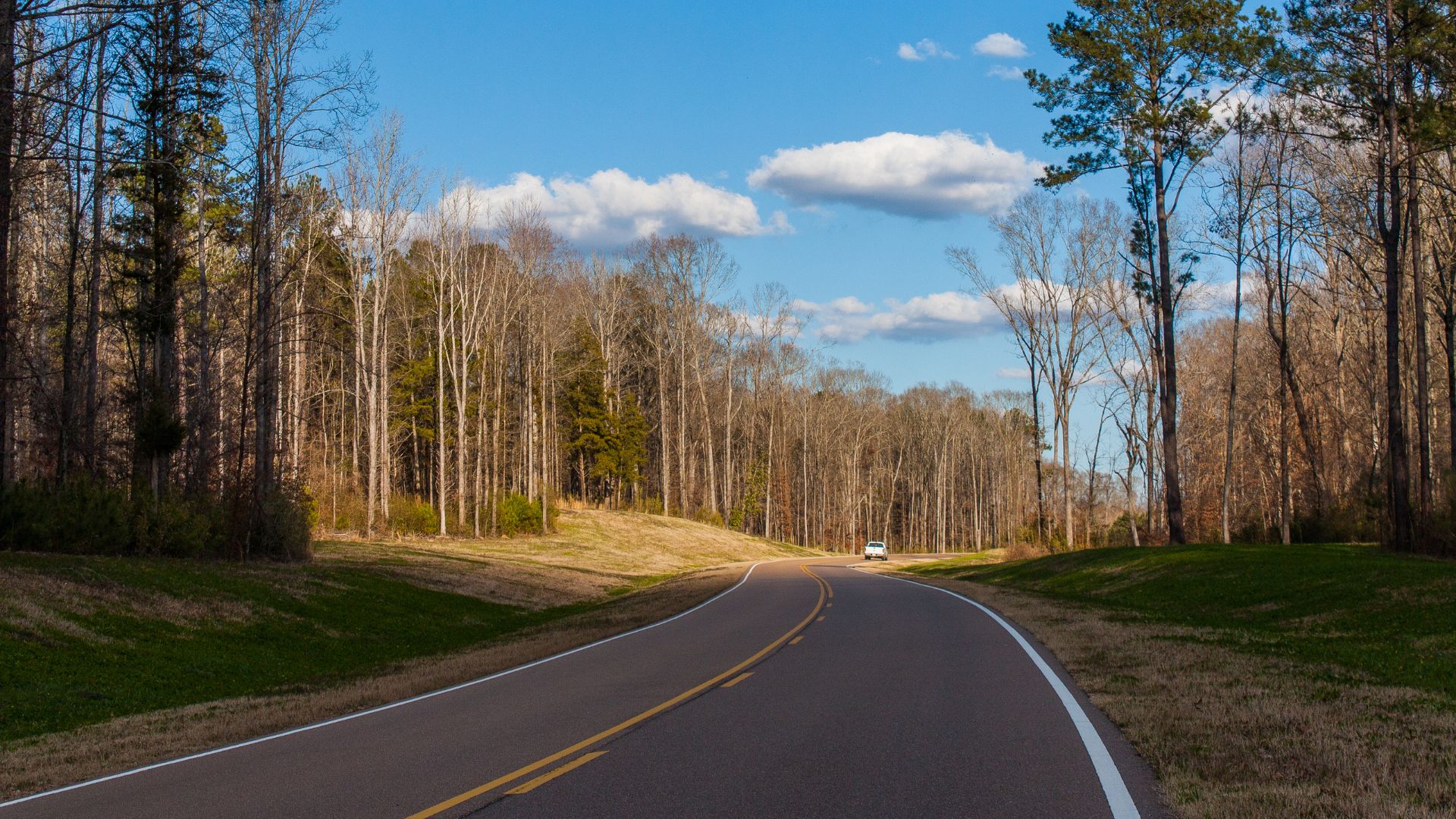
Winter brings a calm, almost hush, to this drive. Bare forests and muted colors make for peaceful scenery. No billboards, no big trucks—just you and the open road.
There are more than 100 marked stops for historic sites, hiking trails, and overlooks. You’ll see Native American mounds, Civil War spots, and nature exhibits. The speed limit is a chill 50 mph, so you don’t have to rush.
You can start at either end or hop on wherever you like. Jackson and Tupelo in Mississippi are popular stops. Without breaks, it’s about eight hours, but most people take a couple of days.
The parkway is free and open all year. Winter means fewer people and cool temps—perfect for hiking between drives.
8) Million Dollar Highway, Colorado
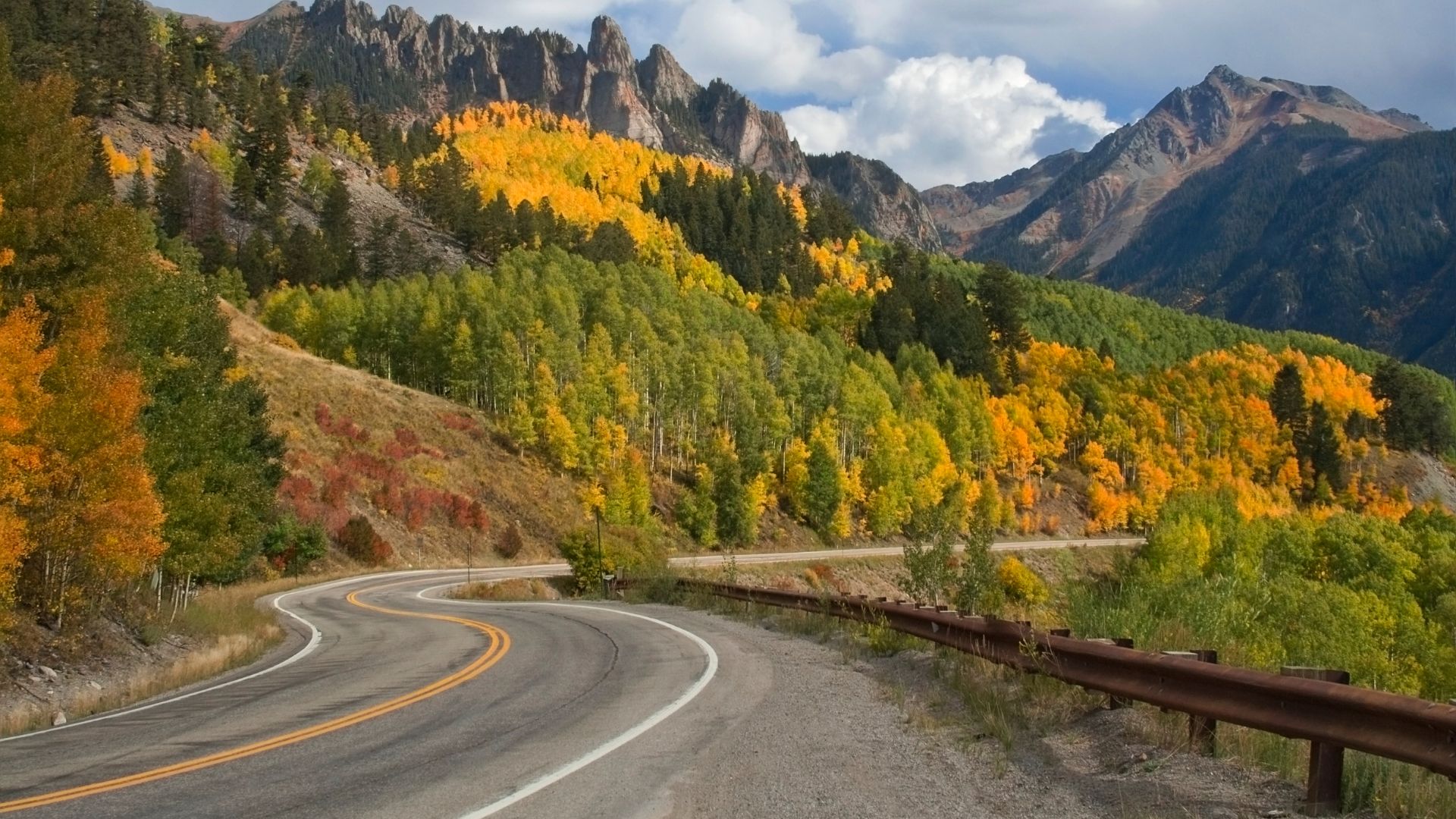
The Million Dollar Highway snakes for 25 miles along US-550 between Ouray and Silverton in Colorado’s San Juan Mountains. You’ll get some of the most dramatic winter scenery in the Rockies here.
You’ll wind past snow-blanketed peaks, frozen waterfalls, and sheer cliffs. Parts of the road have no guardrails, which definitely ups the adrenaline. Deep snow and ice make the views even more striking.
The highway links two historic mining towns. Ouray has hot springs for a quick warm-up, and Silverton still feels like the Old West with its Victorian buildings.
Be ready for winter driving conditions. The road stays open, but storms can make things tricky. Make sure your tires are up for it and you’re comfortable on mountain roads.
Views appear around every curve. Take your time, use the pullouts, and just enjoy the ride.
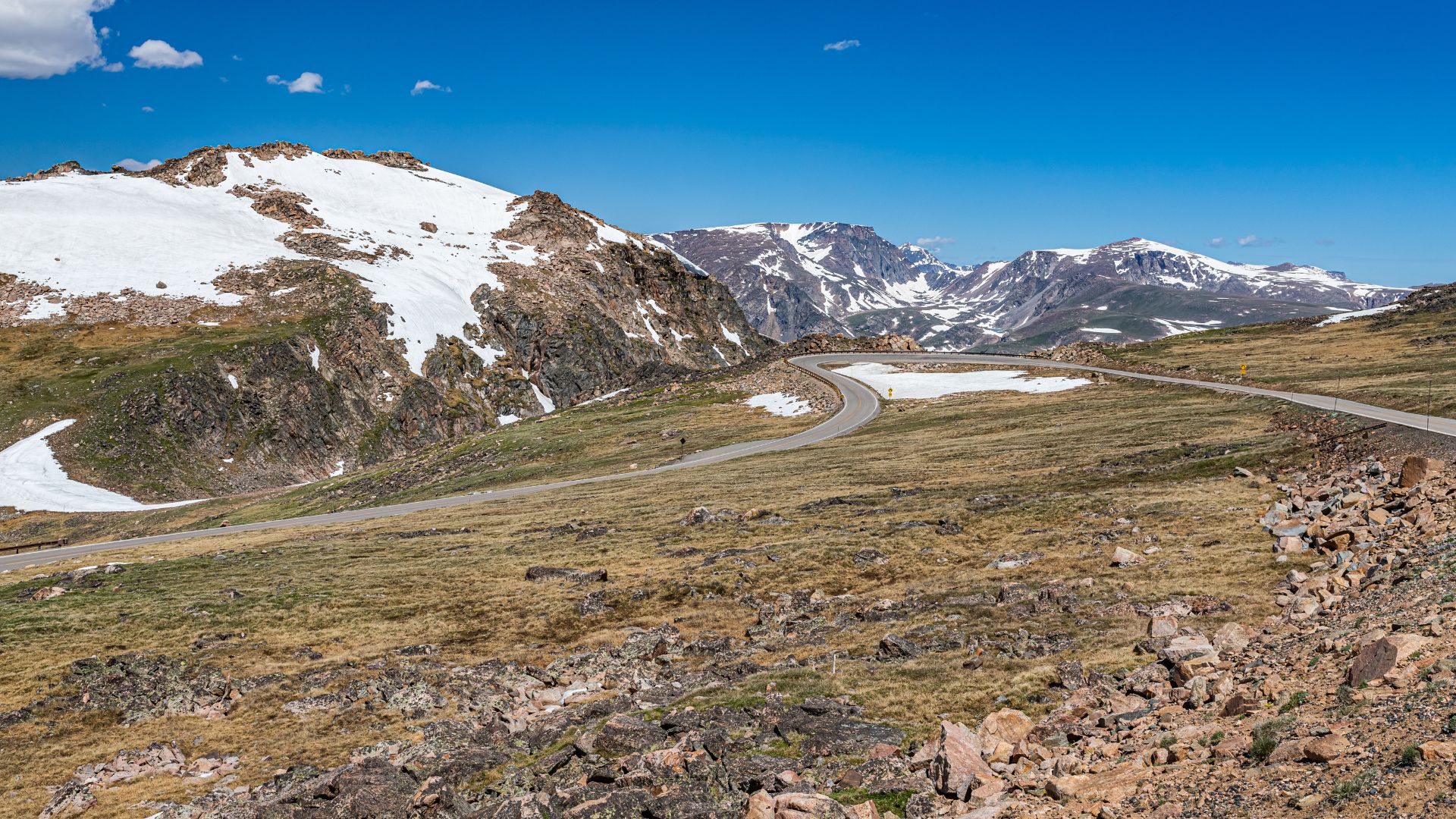
9) Beartooth Highway, Montana to Wyoming
The Beartooth Highway runs 68 miles along the Montana-Wyoming border, from Red Lodge, Montana, to Cooke City, Wyoming. At over 10,000 feet, it’s Wyoming’s highest paved road.
You’ll climb through rugged mountains, pass alpine lakes, and see Montana’s tallest peaks. The route winds through national forests before reaching Yellowstone’s northeast entrance.
Just a heads up: the road closes for winter, usually reopening around Memorial Day and staying open until mid-October. Weather calls the shots on exact dates.
There are plenty of overlooks for photos. The switchbacks mean the views change constantly as you ascend.
Wildlife is everywhere—keep your eyes peeled for animals along the way. The highway passes through a bunch of different ecosystems.
Since 1936, the Beartooth Highway has been an All-American Road and National Scenic Byway. Figure on two to three hours of driving, but you’ll probably want to stop a lot.
10) Kancamagus Highway, New Hampshire
The Kancamagus Highway stretches 34.5 miles through New Hampshire’s White Mountains, linking Lincoln and Conway. Locals just call it “The Kanc,” and it’s a National Scenic Byway for good reason.
You’ll climb to nearly 3,000 feet, with mountain overlooks and snowy forest scenery all around. The road traces old Native American trails and got its name from Kancamagus, the last chief of the Pennacook people.
Winter turns this drive into a peaceful escape. Frozen waterfalls, snow-laden trails, and quiet vistas replace the crowds of leaf-peepers. Usually, the highway stays open, but heavy snow can close it temporarily.
Plan to stop at the overlooks for classic White Mountain views. The drive itself is quick—about an hour with no stops—but you’ll want to linger. Bring warm gear and check road conditions, since mountain weather can change in a heartbeat.

11) Route 100, Vermont
Route 100 winds for over 200 miles right through Vermont, starting in Wilmington and heading north all the way to Newport, just shy of the Canadian border. I love how this road meanders past snow-blanketed mountains, frozen waterfalls, and those classic New England villages that look straight out of a postcard.
Winter turns Route 100 into something magical. You’ll pass big-name ski resorts like Killington and Stowe, and the route hugs the edge of the Green Mountain National Forest.
Forget the rush of the highway—this drive moves at its own pace. Expect winding country roads, covered bridges that beg for a photo, and maybe a farm stand or two if you’re lucky. Waterbury and the Mad River Valley are perfect for a warm meal or a bit of local shopping.
Set aside a full day, maybe even two, to really enjoy this trip. The drive itself might only take five hours without stopping, but honestly, you’ll want to linger at the villages and overlooks. Vermont’s winter weather can be unpredictable, so don’t forget to check the forecast before heading out.
You’ll catch glimpses of frozen rivers, wide snowy valleys, and mountain views that just don’t quit. They call Route 100 the “Skiers’ Highway”—and with all those resorts, it’s easy to see why.

12) Olympic Peninsula Loop, Washington
The Olympic Peninsula Loop wraps around Olympic National Park in northwest Washington, covering a huge swath of wild, varied terrain. In winter, you get the place mostly to yourself, which feels like a secret worth sharing.
You’ll drive through temperate rainforests, rugged coastlines, and take in mountain views that seem to go on forever. Much of the loop passes through remote, peaceful corners of Washington—perfect for a winter escape.
Lake Crescent sits quietly, surrounded by dense forested hills. The coast delivers dramatic beaches where waves crash into rocky shores and sea stacks, especially moody on a rainy day.
Rain is almost guaranteed, so waterproof gear is a must. Roads usually stay open year-round, but mountain passes sometimes get snow. Compared to most places, winters here are mild, but still pack layers.
Don’t miss Hurricane Ridge for snowy mountain views, Rialto Beach for wild surf, and the mossy wonderland of the Hoh Rain Forest. Give yourself three or four days if you want to really soak up the main sights without rushing.

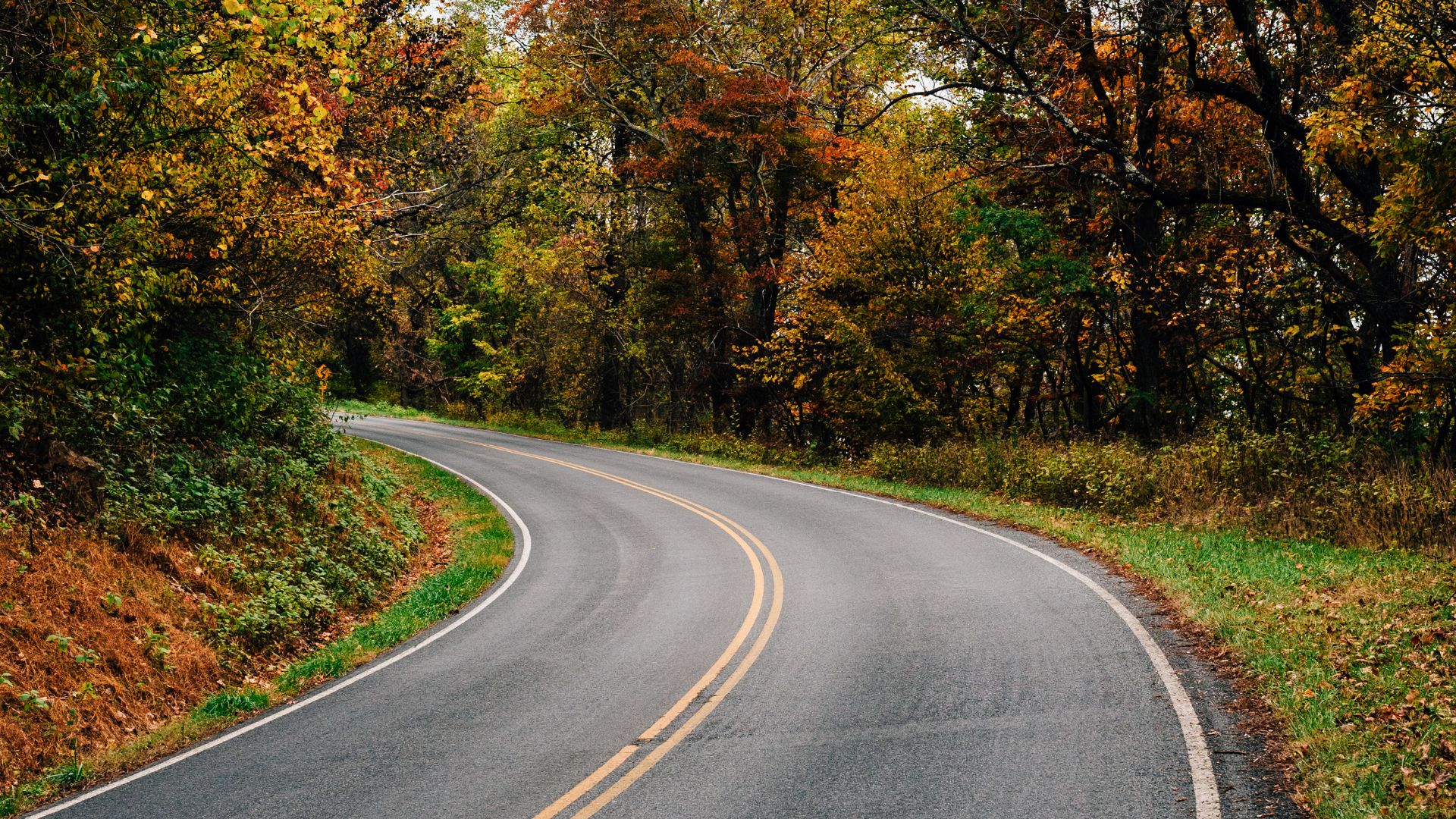
13) Skyline Drive, Shenandoah National Park, Virginia
Skyline Drive runs for 105 miles along the spine of the Blue Ridge Mountains in Shenandoah National Park. The road stretches from Front Royal down to Waynesboro.
Come winter, this route transforms into a quiet getaway. The crowds vanish, and bare trees reveal mountain views that stay hidden most of the year.
With over 70 overlooks, you’ll have plenty of chances to pull off and just take it all in. On a clear winter day, those views go for miles. Snow and ice sometimes close parts of the road, so it’s smart to check conditions before heading out.
Skyline Drive sits just 75 miles from D.C., so it’s an easy escape from the city. You’ll roll right through Virginia’s only national park, following a National Scenic Byway.
Winter makes this drive a bit more challenging, but honestly, it’s also more peaceful. Pack warm clothes if you plan to step out at the overlooks. The park’s visitor centers update road conditions and share safety tips—worth a quick stop before you start.
14) Aspen to Maroon Bells Scenic Drive, Colorado
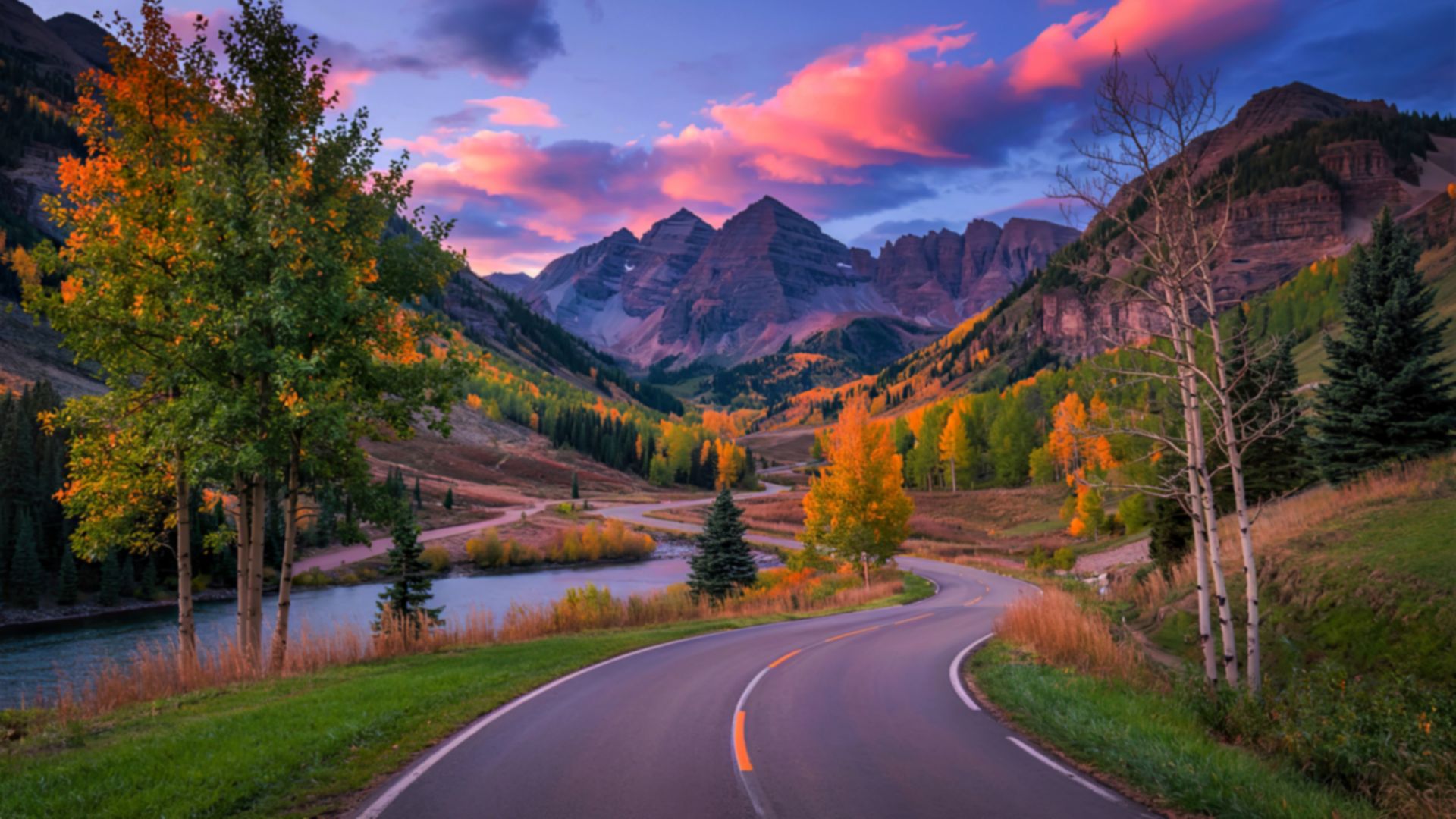
The drive from Aspen to Maroon Bells is short—just about 8 miles—but it’s absolutely packed with Colorado winter beauty. You’ll follow Maroon Creek Road from the roundabout on Highway 82, just outside Aspen.
Snowy peaks and frozen valleys line the route, and when you finally reach the Maroon Bells, you’ll see why they’re the most photographed mountains in North America.
If you’re planning this trip in winter, do your homework first. Reservations are required in the warmer months, but winter brings different access rules—always double-check what’s open and current road conditions before you go.
Driving here is half the adventure. The road winds through White River National Forest, with mountain views around every turn. At Maroon Lake, if you’re lucky, the twin peaks might reflect in the icy water.
Winter weather can close the road or make driving tricky, so always check the latest before you head out. Sometimes the area shuts down completely for safety during heavy snow.
15) Cherohala Skyway, North Carolina to Tennessee
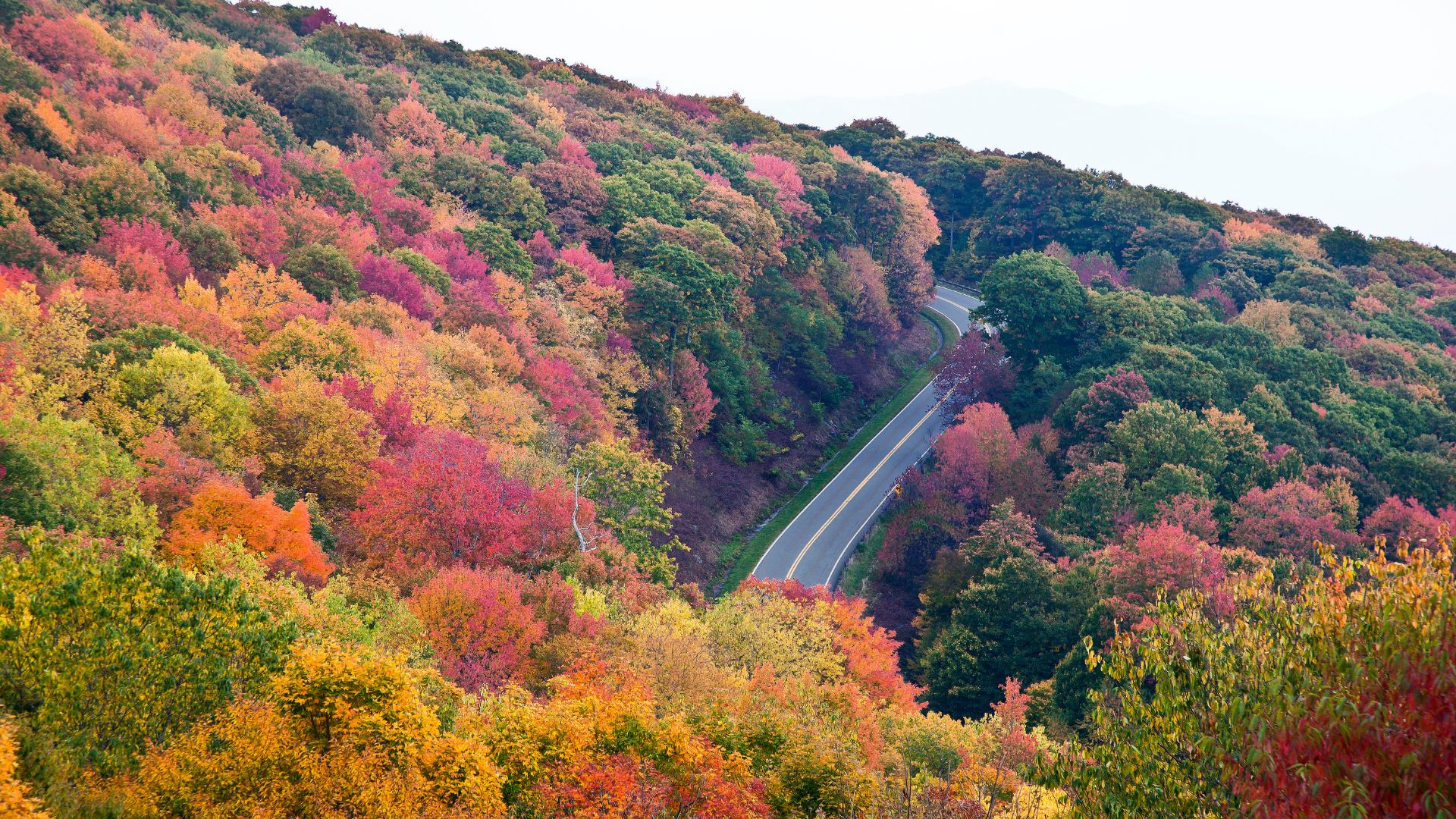
The Cherohala Skyway stretches for 43 miles, connecting Tellico Plains in Tennessee to Robbinsville, North Carolina. This National Scenic Byway climbs over mountains topping 5,400 feet, winding through the Cherokee and Nantahala National Forests.
Winter brings a rare calm to the Skyway. You’ll have overlooks mostly to yourself, making it easy to pull over and just breathe in the mountain air.
This two-lane road passes several scenic overlooks with sweeping views of the Southern Appalachians. The byway took 34 years to finish and finally opened in 1996. At $100 million, it was North Carolina’s priciest highway at the time—a fun bit of trivia.
If you’re up for it, hiking trails branch off along the route, weather permitting. The name “Cherohala” actually combines the names of the two forests it crosses.
Always check weather and road conditions before setting out. Mountain roads can get dicey in winter. The drive takes about 90 minutes without stops, but honestly, you’ll want to linger at the overlooks.
16) Mount Washington Auto Road, New Hampshire
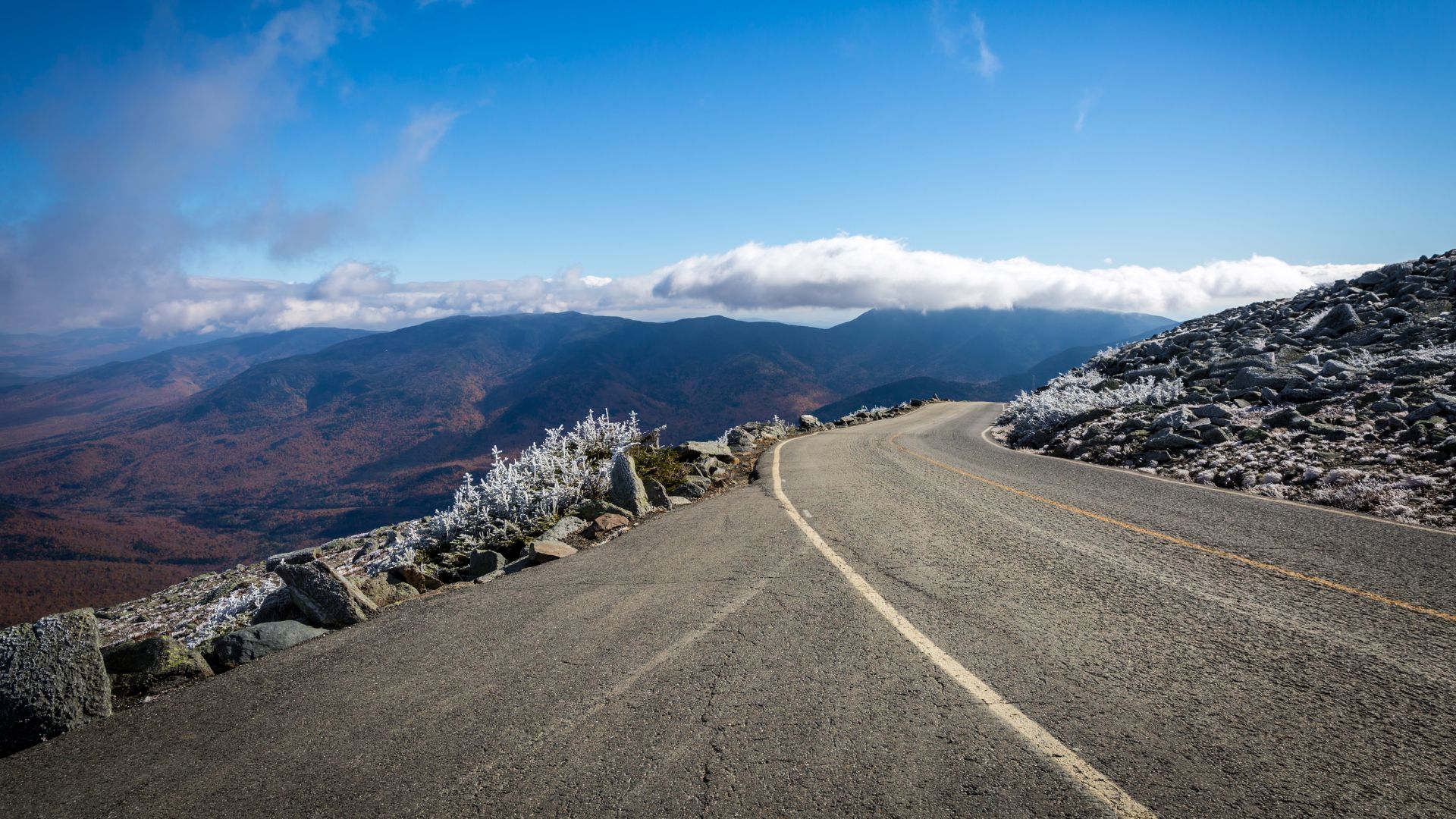
The Mount Washington Auto Road climbs to the highest summit in the Northeast—6,288 feet up. This 7.6-mile drive takes you through four different ecological zones as you make your way skyward.
Workers built this road back in the 1850s, and it opened in 1861, making it America’s oldest man-made tourist attraction. It starts at Route 16 in Pinkham Notch and climbs 4,600 feet up the mountain’s eastern slope.
Driving here isn’t for the faint of heart. The road averages a 12 percent grade, and there’s a mile-long stretch of gravel partway up. Weather changes in a blink at the top, so brace for wind and clouds.
If you’re not up for winter driving, hop on a SnowCoach tour instead. These tracked vehicles take you up to treeline at about 4,200 feet, where it feels downright sub-arctic. The guides know their stuff, and you’ll stay warm the whole way.
The Auto Road sits just 25 minutes north of North Conway. From Pinkham Notch, you’ll get jaw-dropping views of the Great Gulf Wilderness and the Presidential Range.
17) Scenic Byway 12, Utah
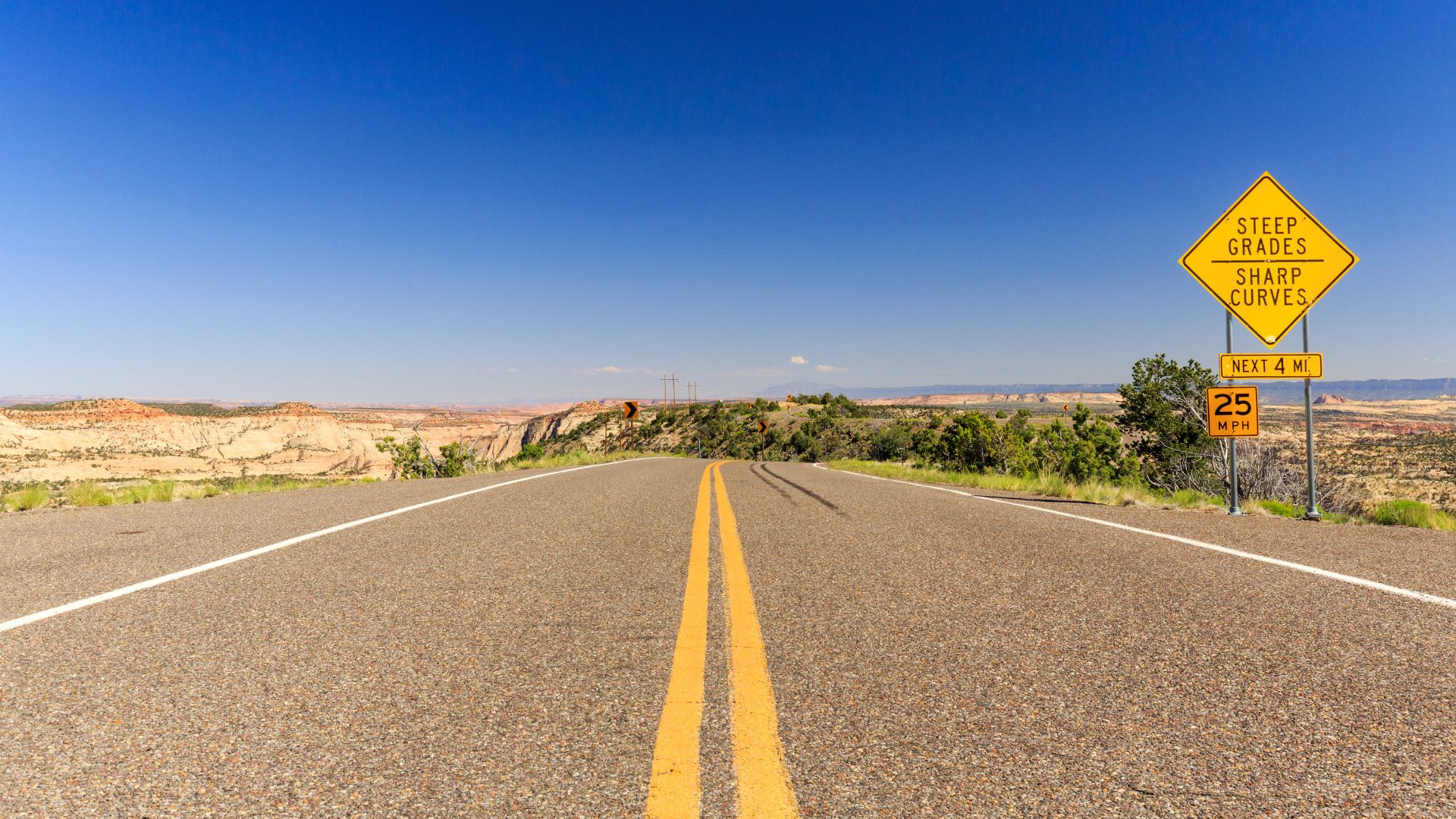
Scenic Byway 12 runs for 124 miles across southern Utah, linking Bryce Canyon National Park to Capitol Reef. This All-American Road shows off a wild mix of red rock canyons, alpine forests, and stark desert.
Driving straight through takes about three hours, but that’s if you don’t stop. And really, why rush? You’ll want to check out the small towns, state parks, and overlooks along the way.
Winter puts a new spin on this drive. Snow dusts the red rocks, and the contrast against the blue sky is unreal. Higher spots near Bryce Canyon get more snow, while lower areas often stay clear.
The Hogsback section is a real thrill—a narrow ridge with steep drop-offs on both sides. The road twists through Boulder Mountain’s pine forests and eventually drops into the desert near Capitol Reef. Always check road conditions before you go; winter can close some stretches.
You’ll pass through Escalante and Boulder, both worth a stop for food or a quick wander. Hiking trails and viewpoints pop up all along the byway.
18) Hana Highway, Maui, Hawaii
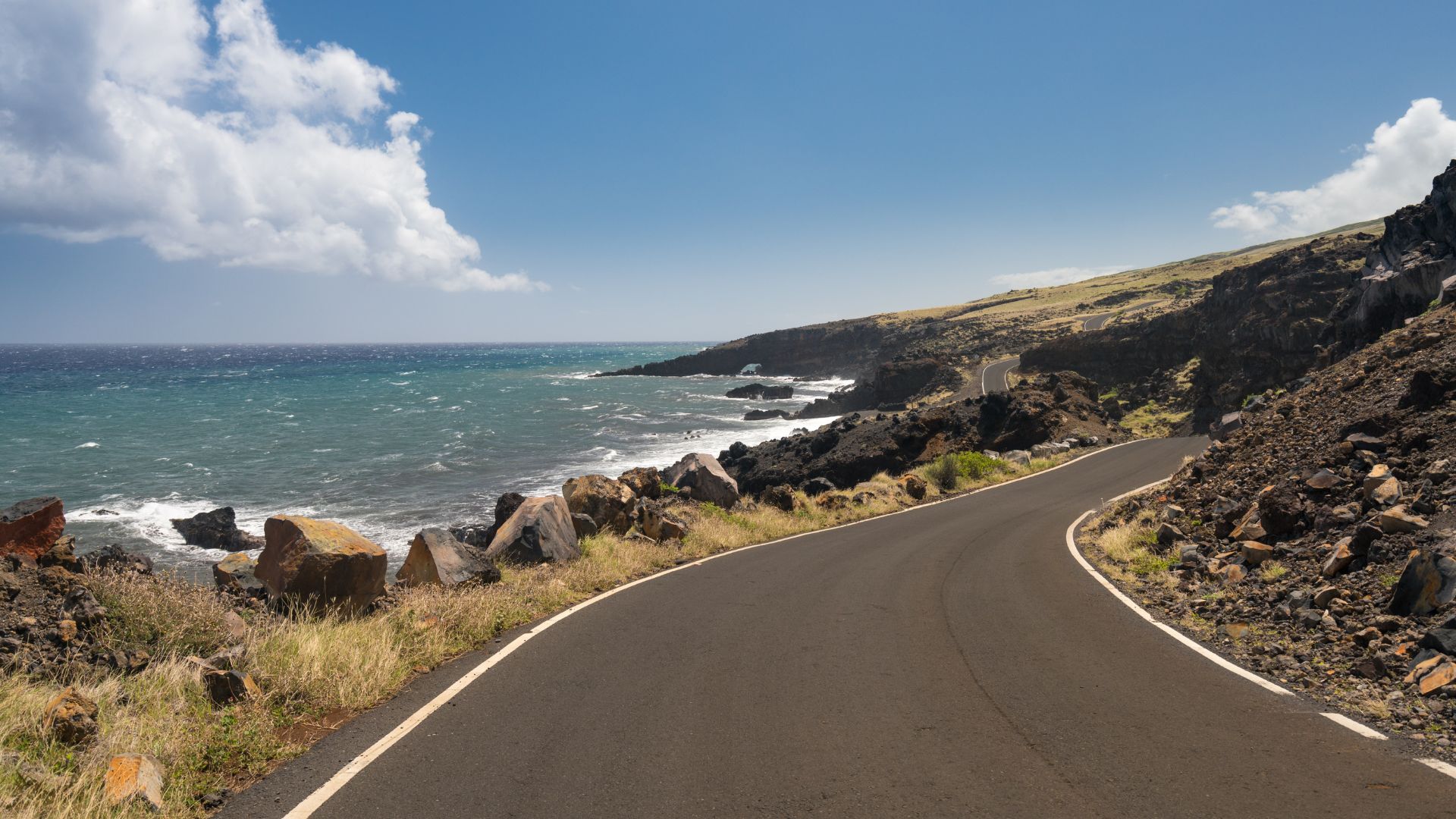
If you’re craving warmth while the mainland shivers, the Hana Highway is calling. This 64-mile stretch along Maui’s north coast winds through lush rainforest and past waterfalls that seem to appear out of nowhere.
You’ll tackle more than 600 curves and cross nearly 50 one-lane bridges on this twisting road. The drive links Paia to Hana, serving up some of Hawaii’s most jaw-dropping coastal scenery.
Give yourself a full day for this adventure. The road narrows in places, so take it slow and watch for oncoming cars at the bridges.
Black sand beaches and roadside waterfalls make for irresistible stops. Bring snacks, plenty of water, and a swimsuit if you’re tempted by a quick dip.
Start early—really early—if you want to beat the crowds. The Hana Highway’s popularity means traffic can get heavy, and an early start lets you savor the best spots at your own pace.
Essential Winter Road Trip Planning Tips
Winter road trips aren’t something to wing. A little planning goes a long way toward keeping things safe and comfortable. You’ll want to prep for shifting weather, pack smart, and stay open to changing your plans.
Weather Preparation and Safety
Always check the weather for your entire route before you leave. Keep an eye on updates daily while you’re on the road. Weather in the mountains can turn on a dime.
Throw an emergency kit in your trunk with these basics:
- Blankets and warm layers
- Flashlight and spare batteries
- First aid kit
- Non-perishable snacks and water
- Ice scraper and snow brush
- Jumper cables
- Phone charger
Get your car checked out before you go. Ask your mechanic to look at the battery, antifreeze, tire tread, and wipers. Cold weather drains batteries fast.
Let someone know your route and expected arrival times. Share updates when you can, just so people know you’re safe.
Packing the Right Gear
Pack layers instead of just one heavy coat. It’s easier to adjust as you move between your car, the outdoors, and cozy stops along the way.
Wear waterproof boots with good grip—you’ll thank yourself when you hit icy patches. Toss in extra socks, too. Wet feet are the worst in winter.
If you’re crossing mountain passes, bring tire chains. Some states require them, and it’s best to practice putting them on before you’re stuck in a snowstorm.
Keep a portable phone charger handy and charged up. Cold zaps your battery faster than you’d think.

Navigation and Route Adjustments
Download offline maps before you leave. Cell service gets spotty in remote areas—trust me, you don’t want to get lost out there.
Plan a backup route or two. Mountain passes can close suddenly in heavy snow, and it’s less stressful if you already have another plan in mind.
Check state transportation websites for real-time road updates. You’ll find info on closures, accidents, and weather hazards.
Factor in extra time for slow roads and possible delays. Winter driving just takes longer, no way around it.
Capturing Stunning Winter Landscapes
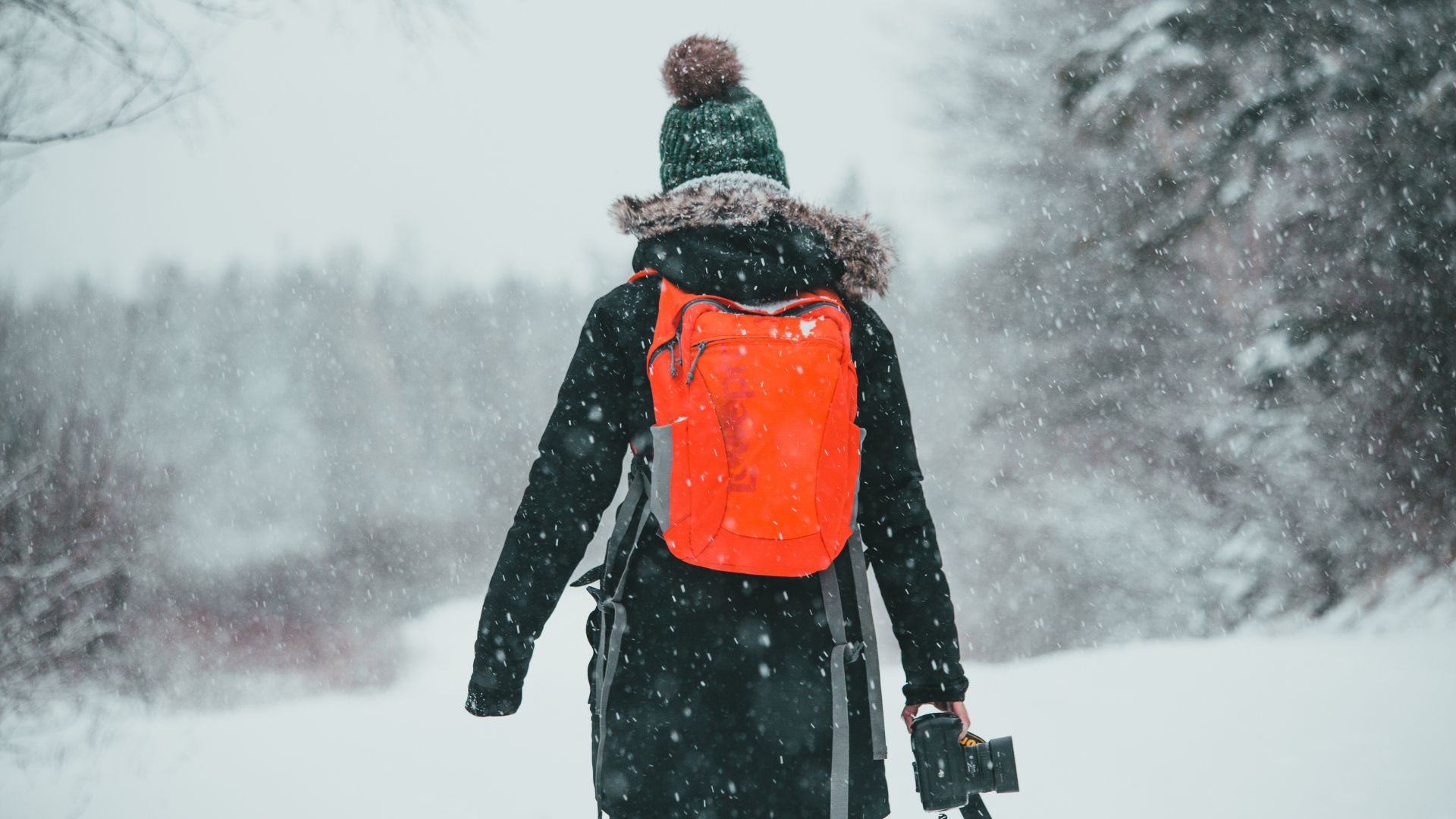
Winter road trips are a dream for photographers. Snowy peaks, frozen lakes, and that special winter light—if you’re into photos, this is your season.
Best Times for Photography
The golden hour feels extra magical in winter. Try shooting during the first hour after sunrise or just before sunset. Low sun means long shadows and gorgeous light on snow and ice. In northern states, that’s usually between 7-8 AM and 4-5 PM in December and January.
Blue hour, right before sunrise and after sunset, lasts about 20-30 minutes. The soft, blue light makes winter scenes look almost otherworldly. Snow acts like a giant reflector, so colors pop.
Don’t skip overcast days. Cloudy skies create even light, so you don’t have to worry about harsh shadows or blown-out snow. Sometimes, those moody skies make the best winter photos.
Recommended Equipment for Icy Conditions
Cold weather zaps camera batteries so much faster than you’d expect. I always stash at least three fully charged spares in my inner jacket pockets—keeps them warm and ready. When my active battery dips below 50%, I swap it out right away.
For winter photography, I rely on a weather-sealed DSLR or mirrorless camera. A polarizing filter cuts down on that blinding snow glare. I toss in lens cleaning cloths for condensation and, honestly, hand warmers are a lifesaver. Everything goes into an insulated camera bag—no exceptions.
Let your gear warm up or cool down slowly. If you’re heading indoors from the cold, seal your camera in a plastic bag for about 30 minutes. That trick saves your gear from condensation damage. And during storms, I use a UV filter to keep ice and snow off my lens.
Frequently Asked Questions
Winter road trips always come with a ton of questions—routes, budgets, timing. Here’s what I’ve learned from hitting the road in the cold.
The Seward Highway in Alaska? Absolutely breathtaking. You get snow-capped peaks and a frozen coastline on this 127-mile stretch between Anchorage and Seward. Keep your eyes peeled for wildlife along Turnagain Arm.
Icefields Parkway, running from Lake Louise to Jasper through the Canadian Rockies, is a winter wonderland. Frozen waterfalls and glacier views make every mile worth it.
Blue Ridge Parkway in Virginia feels almost empty in winter, and the mountain scenery is peaceful. You’ll find quiet overlooks and easy access to the best viewpoints.
The Lake Tahoe Loop is a favorite of mine. It circles the lake between California and Nevada—think alpine views, ski resorts, and cozy lakeside towns.
Traveling on weekdays can really save you cash. Hotel rates often drop by 20 to 40 percent compared to weekends, especially in popular winter spots.
Packing your own snacks and simple meals cuts dining costs fast. I usually hit grocery stores along the way for supplies—makes hotel nights way easier.
Look for free activities: scenic drives, short hikes, wandering through small towns. A lot of winter attractions are totally free.
Split gas and share a hotel room—easy win. Booking hotels with free breakfast helps your food budget stretch further.
Lake Tahoe is a classic—skiing, snowboarding, and those lakeside views all in one spot. Roads stay clear and open, even in winter.
Driving the Great River Road along the Mississippi River is a unique experience. I’ve spotted bald eagles during their winter migration, and the river towns are full of surprises.
National parks like Yellowstone and Yosemite take on a whole new vibe in winter. Fewer crowds, snowy landscapes, and a totally different feel than summer.
Along the Blue Ridge Parkway, small mountain towns are perfect for a quick stop. Local shops and restaurants add character and break up the drive.
For routes like Lake Tahoe or the Blue Ridge Parkway, three to five days hits the sweet spot. You get to explore without feeling rushed.
Longer journeys—think the Great River Road or multi-state trips—work best with seven to ten days. That pace lets you linger at the good spots.
If you’ve got two weeks, go big. Cross-country trips or deep dives into one region are doable, and you’ll have time for weather surprises or spontaneous detours.
Honestly, your available time and budget decide the rest. Shorter trips keep things affordable, while longer ones let you really soak it all in.
Alaska’s Seward Highway serves up dramatic coastlines and mountain scenes all winter. The road stays open, even after heavy snow.
The Lake Tahoe Loop mixes lake views with Sierra Nevada mountains. You can do it in a day or stretch it out—up to you.
Blue Ridge Parkway in Virginia offers Appalachian vistas and gentle elevation changes. Winter air is crisp, and the overlooks go on forever.
The Great River Road follows the Mississippi for over 2,000 miles, but you can pick shorter sections. It’s flexible, depending on your time and interests.
Let’s talk numbers. For a basic two-week road trip across the U.S., I usually plan on spending somewhere between $1,500 and $2,500 per person. That should cover gas, budget-friendly hotels, and simple meals on the go.
Gas can be surprisingly expensive—or not, depending on your route and the car you’re driving. I’ve seen my own fuel costs range from $400 to $700. If you’re driving through the winter, you might burn through more fuel just keeping warm.
Budget hotels typically run $60 to $100 a night. Over two weeks, that’s $840 to $1,400. If you’re traveling with friends, splitting rooms can really help your wallet.
Food is another biggie. I like to mix up grocery store runs and the occasional restaurant meal, which usually means $30 to $50 a day. So, for two weeks, you’re looking at $420 to $700 per person.
Don’t forget about activities and those little surprises along the way. I recommend setting aside an extra $200 to $400 for things like park fees or spontaneous adventures. If you’re planning on winter activities—think skiing or soaking in a hot spring—your budget will need a little extra wiggle room.
