
2026 feels like the year to finally make those travel dreams happen, doesn’t it? Maybe you’re craving adventure, a bit of culture, or just some good old-fashioned relaxation. This year’s packed with special events and celebrations that make certain places even more tempting.
Here’s a list of 21 bucket list trips you’ll want to plan for 2026, with ideas for every kind of traveler. Whether you’re into natural wonders, historic landmarks, or just want something a little different, there’s something here for you.
You could be tracking wildlife on safari, wandering ancient ruins, or sipping wine by the sea. There’s a mix of active adventures, cultural deep-dives, and pure luxury escapes. The trick? Find trips that fit your vibe and your wallet.
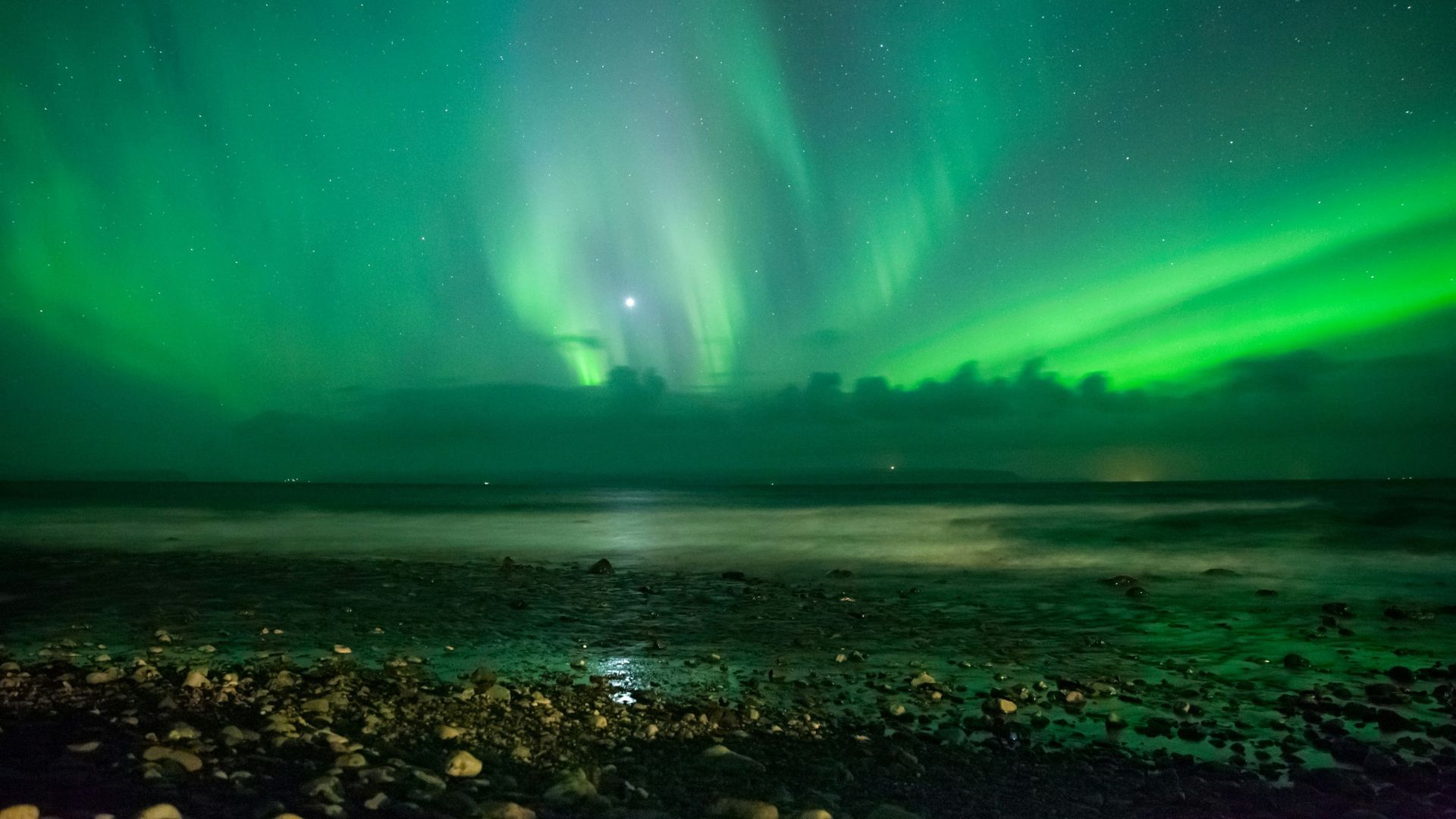
1) Northern Lights in Iceland
Let’s talk about Iceland—one of the top spots to see the aurora borealis without freezing in the middle of nowhere. Iceland sits just below the Arctic Circle, so it’s basically in the Northern Lights sweet spot.
The season runs from September to April. Honestly, you’ll want at least four or five nights to boost your chances, since the lights don’t always show up on cue. Weather and solar activity call the shots, so a longer stay helps.
Tour options? Tons. Evening bus tours whisk you out of Reykjavik’s glow, boat tours let you chase the lights from the water, and private guides can change plans if the weather’s moody.
Solar activity peaks between 2025 and 2026, making the auroras extra wild. Many tour companies will rebook your trip for free if you miss out.
And during the day, Iceland’s got waterfalls, steamy geothermal pools, and those wild national parks along the Golden Circle. You’ll never run out of things to do.
2) Safari in Kenya’s Maasai Mara
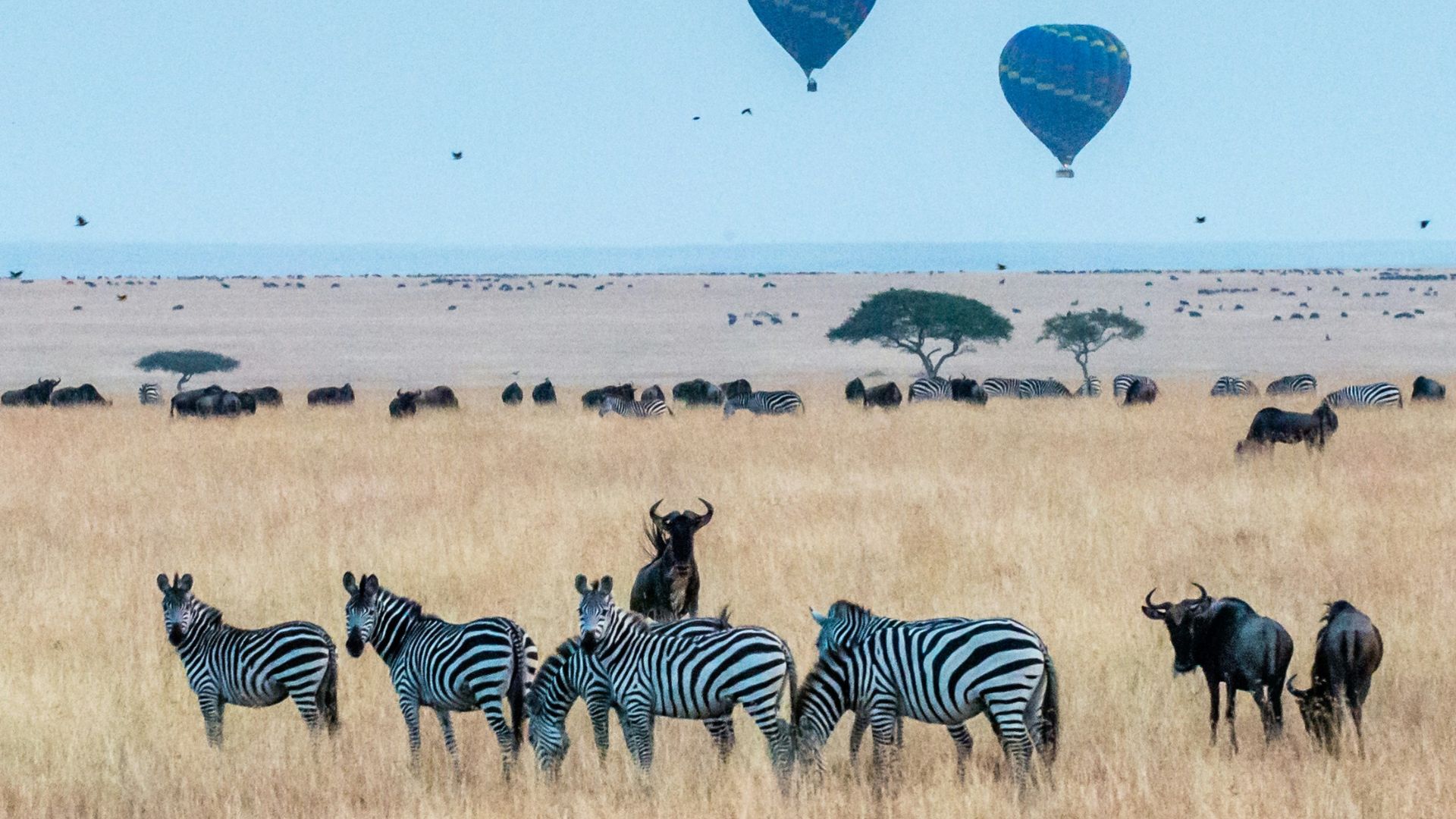
The Maasai Mara—wow. If you want Africa’s best safari, this is it. The reserve hugs Kenya’s southwest border, right next to Tanzania’s Serengeti.
You’ll spot the Big Five: lions, leopards, elephants, buffalo, and rhinos. Cheetahs, giraffes, and zebras wander everywhere. It’s a wildlife lover’s dream.
Between July and October, the Great Migration rolls in. Millions of wildebeest and zebras thunder across the Mara River. It’s absolutely jaw-dropping.
Safaris here range from quick three-day jaunts to week-long adventures. Stay in luxury lodges or cozy tented camps. Guided game drives with sharp-eyed rangers make animal tracking a breeze.
Pair the Maasai Mara with other destinations if you’re feeling ambitious. Book early for migration season—those camps fill up fast. The weather’s mild all year, so you’re set whenever you go.
3) Great Barrier Reef Diving, Australia
The Great Barrier Reef? It’s the world’s biggest coral playground. It stretches for over 2,300 kilometers along Australia’s coast and offers diving like nowhere else.
Swim through coral gardens teeming with tropical fish, sea turtles, and maybe a reef shark or two. Every dive feels different because the marine life never stops surprising you.
Most tours launch from Cairns or Port Douglas. You can pick a quick day trip or hop on a liveaboard boat for a few days of non-stop diving. Both newbies and seasoned divers will find something to love.
Dive sites suit all skill levels. Need training or want to get certified? Instructors are ready to help.
Cairns is easy to reach—fly in from Sydney, Melbourne, or even Asia. From the airport, you’ll be at the marina in minutes.
Visit during Australia’s dry season, June through October, for clear water and calm seas.

4) Hiking the Inca Trail to Machu Picchu
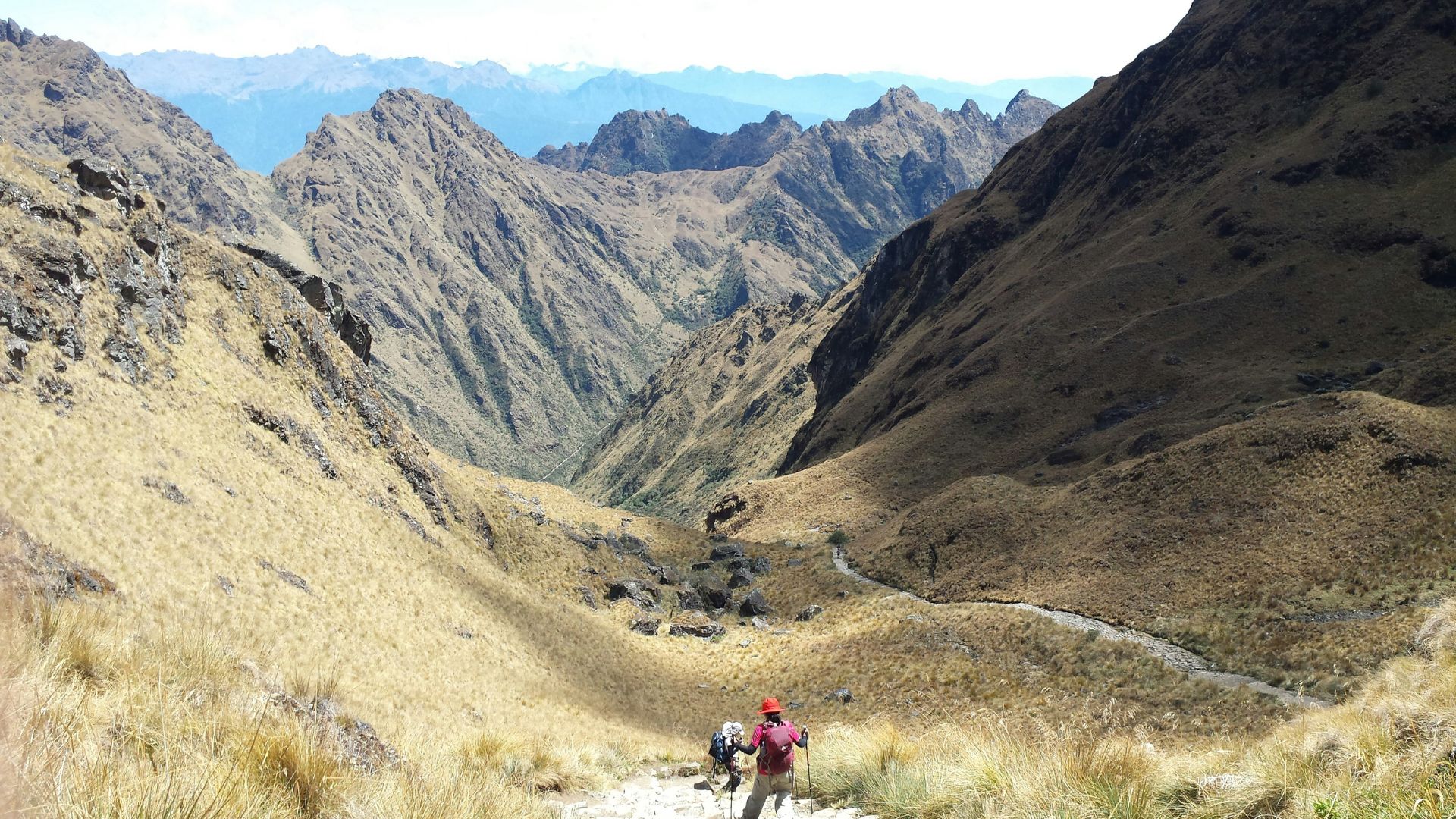
The Inca Trail pulls you along 26 miles of ancient stone steps, straight through history. You’re literally walking where the Incas did centuries ago.
You’ll need to plan ahead. The Peruvian government limits daily permits, and they sell out fast. Only authorized tour companies can take you—independent hiking isn’t allowed.
The classic trek takes four days and three nights. Expect cloud forests, mountain passes, and ancient ruins dotting the trail. The highest point? A lung-busting 13,828 feet—so get ready for altitude.
Most hikers go between May and September for dry weather. The trail shuts down every February for repairs.
Training helps, since the path gets steep and rocky. Pack layers—temperatures swing wildly. But that sunrise at Machu Picchu’s Sun Gate? Worth every step.
5) Road Trip on Route 66, USA
Route 66 turns 100 in 2026. If you’ve ever wanted to drive this iconic highway, now’s the time.
The road runs nearly 2,500 miles from Chicago to Los Angeles, crossing eight states. Every stretch brings something new.
You’ll cruise through Illinois, Missouri, Oklahoma, Texas, New Mexico, Arizona, and California. Each state offers its own flavor—historic towns, quirky roadside stops, and those classic diners.
Give yourself at least two weeks to soak it all in. That way, you can stop for natural wonders, snap photos at old neon signs, and wander through small towns.
Route 66 opened on November 11, 1926. Some sections have changed, but you can still drive most of it today.
Spring and fall bring the best weather. Summer gets scorching in the desert, and winter can mean snow up north.
Rent a car, motorcycle, or even an RV. Classic convertibles? Always a favorite for the full nostalgic vibe.

6) Cruise the Norwegian Fjords
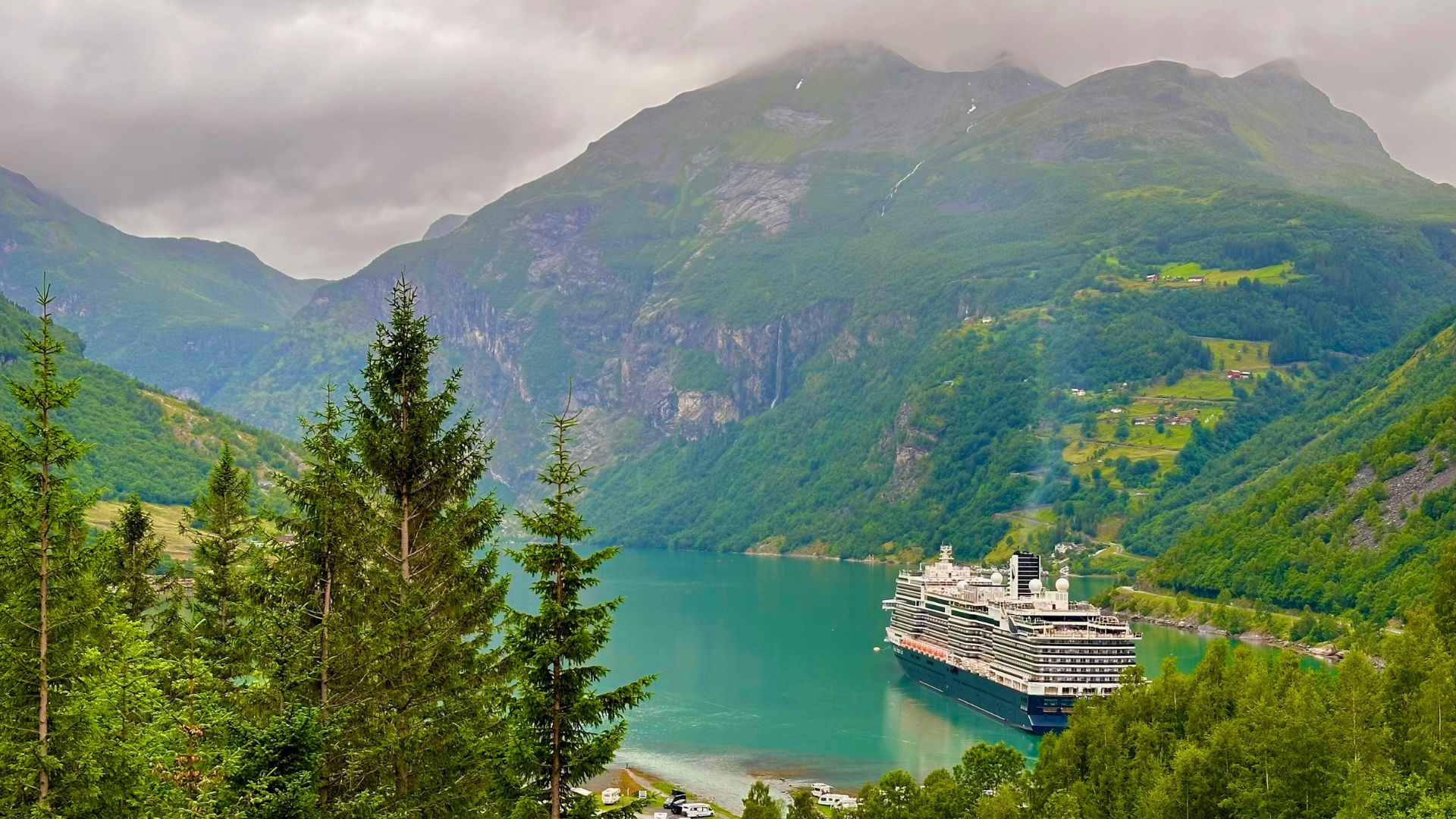
Norway’s fjords are jaw-dropping. These deep blue waterways slice between towering cliffs, creating scenes that almost don’t look real.
A cruise is the best way to see the hidden fjords and tiny fishing villages that you’d never reach by car. You’ll glide past waterfalls, snowy peaks, and thick forests tumbling right down to the water.
Cruise season runs from spring to fall. Summer means endless daylight up north, while spring and fall bring fewer crowds—and sometimes, the Northern Lights.
Trips range from 7 to 21 days. Shorter cruises stick to the southern fjords near Bergen. Longer ones head above the Arctic Circle to places like Tromsø.
You’ll dock in cities like Bergen and Stavanger, plus little coastal gems. Many itineraries hit UNESCO World Heritage sites and let you dive into Norway’s seafaring culture.
Book early—2026 cruises are already in demand.
7) Exploring the Amalfi Coast, Italy
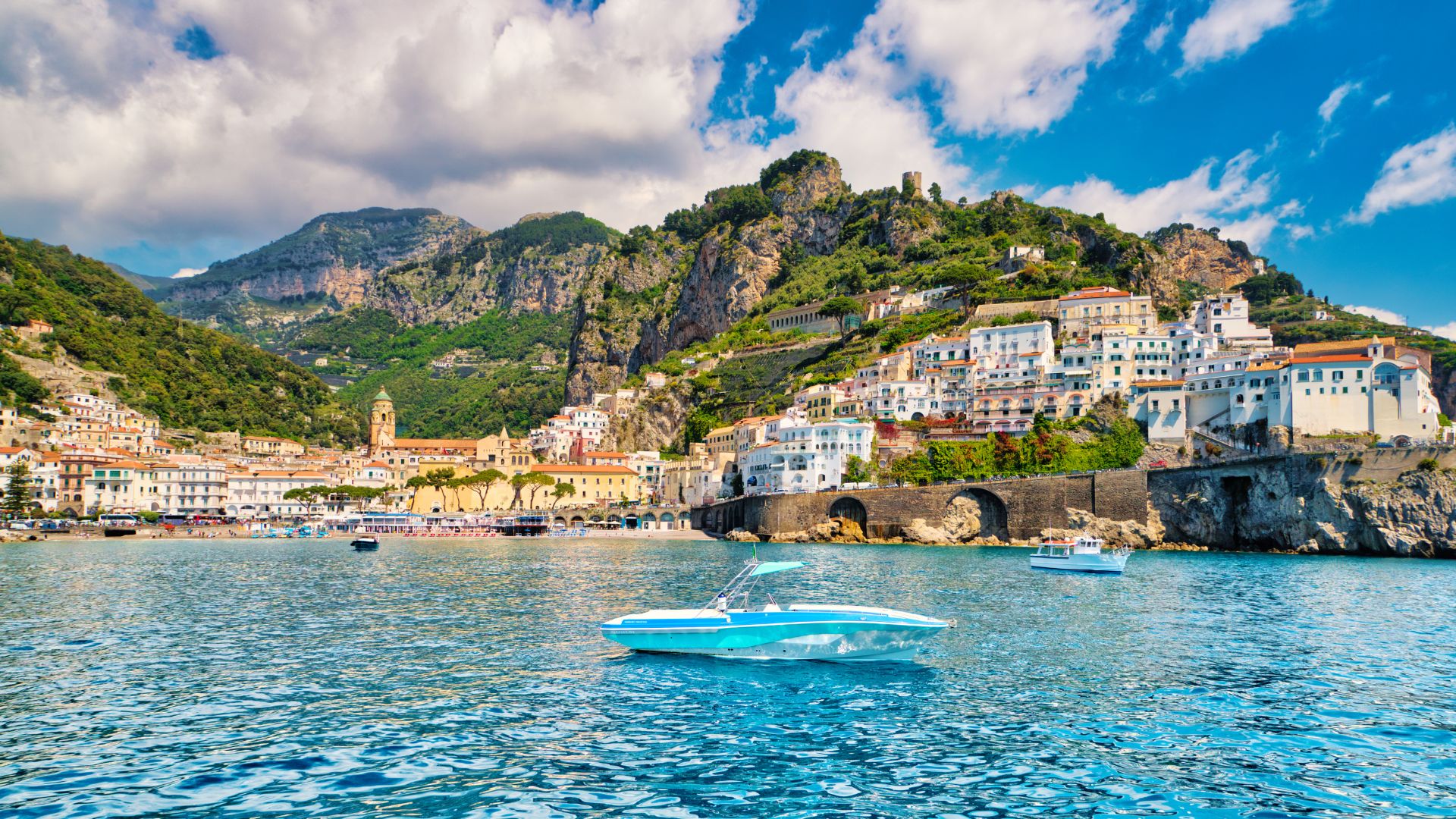
The Amalfi Coast is pure magic—cliffs, pastel villages, and that sparkling Mediterranean. Towns like Positano, Amalfi, and Ravello perch on hillsides with killer sea views.
Spend your days wandering colorful streets, sampling local dishes, and swimming at hidden beaches. Don’t skip the limoncello—it’s made from Amalfi’s famous lemons.
Getting around takes a little thought. Drive the twisty coastal roads, hop on local buses, or hire a driver. Lots of folks pick one town as a base and do day trips.
Spring or fall are the sweet spots—mild weather and fewer crowds. Summer is gorgeous but busier and pricier.
Three to five days gives you time to hit the highlights, relax on a beach, and enjoy those seaside restaurants.
8) Cycling the Danube River Trail, Europe
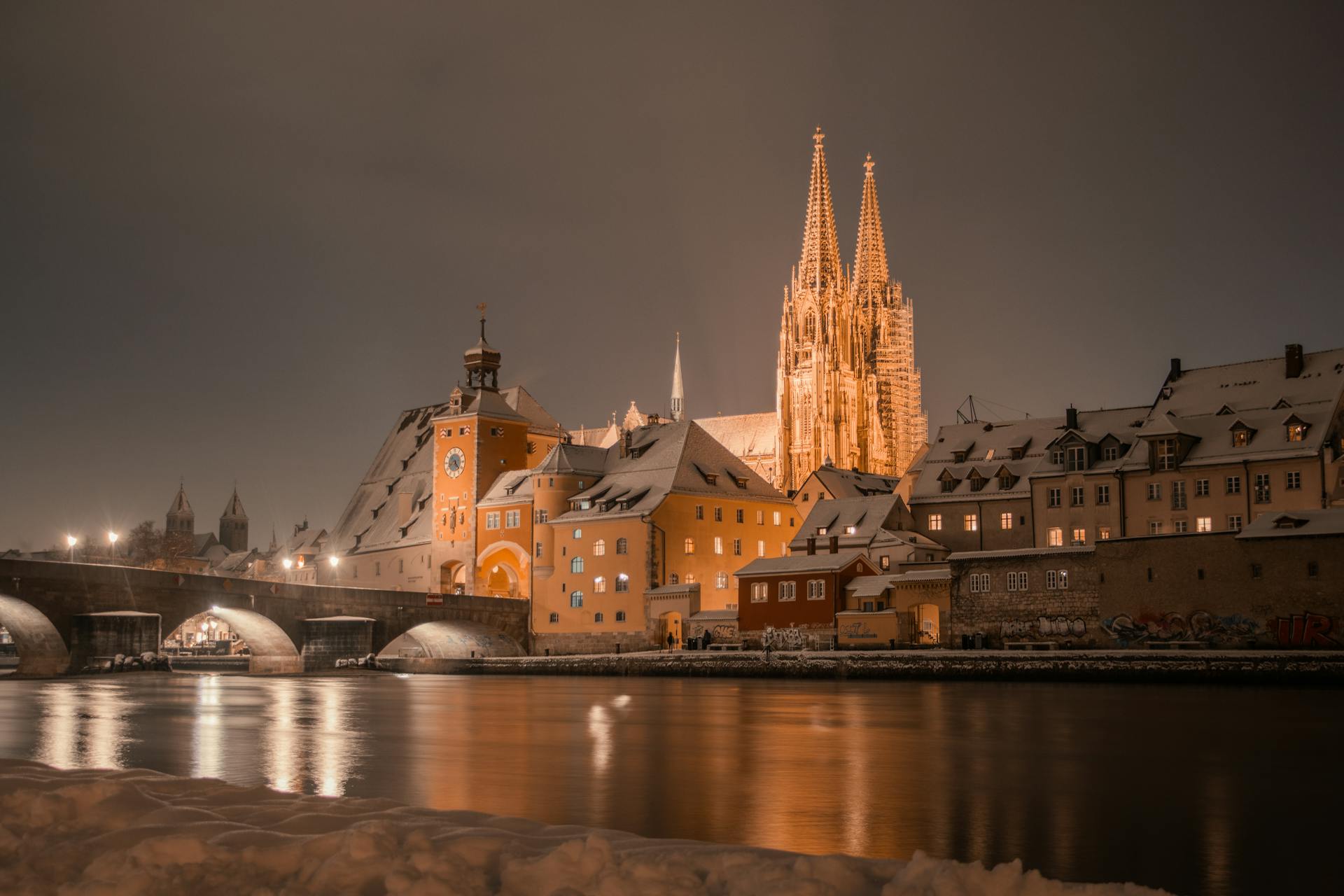
The Danube Cycle Path is a legend among European bike routes. It stretches about 1,770 miles from Germany to the Black Sea, rolling through ten countries.
You’ll pedal past Vienna, Bratislava, Budapest, and plenty of charming villages and castles. The river’s always by your side, so you get those water views all day.
Most cyclists tackle the Passau to Bratislava section. It’s flat and friendly for all levels. You can go self-guided or join a tour that handles hotels and logistics.
This was Europe’s first long-distance bike trail, and thousands ride it every year. The route’s well-marked, with lots of spots to rest and refuel.
Spring and early fall bring the best weather. Depending on your pace, you can cover the popular stretch in a week or two.
9) Visit the Pyramids of Giza, Egypt
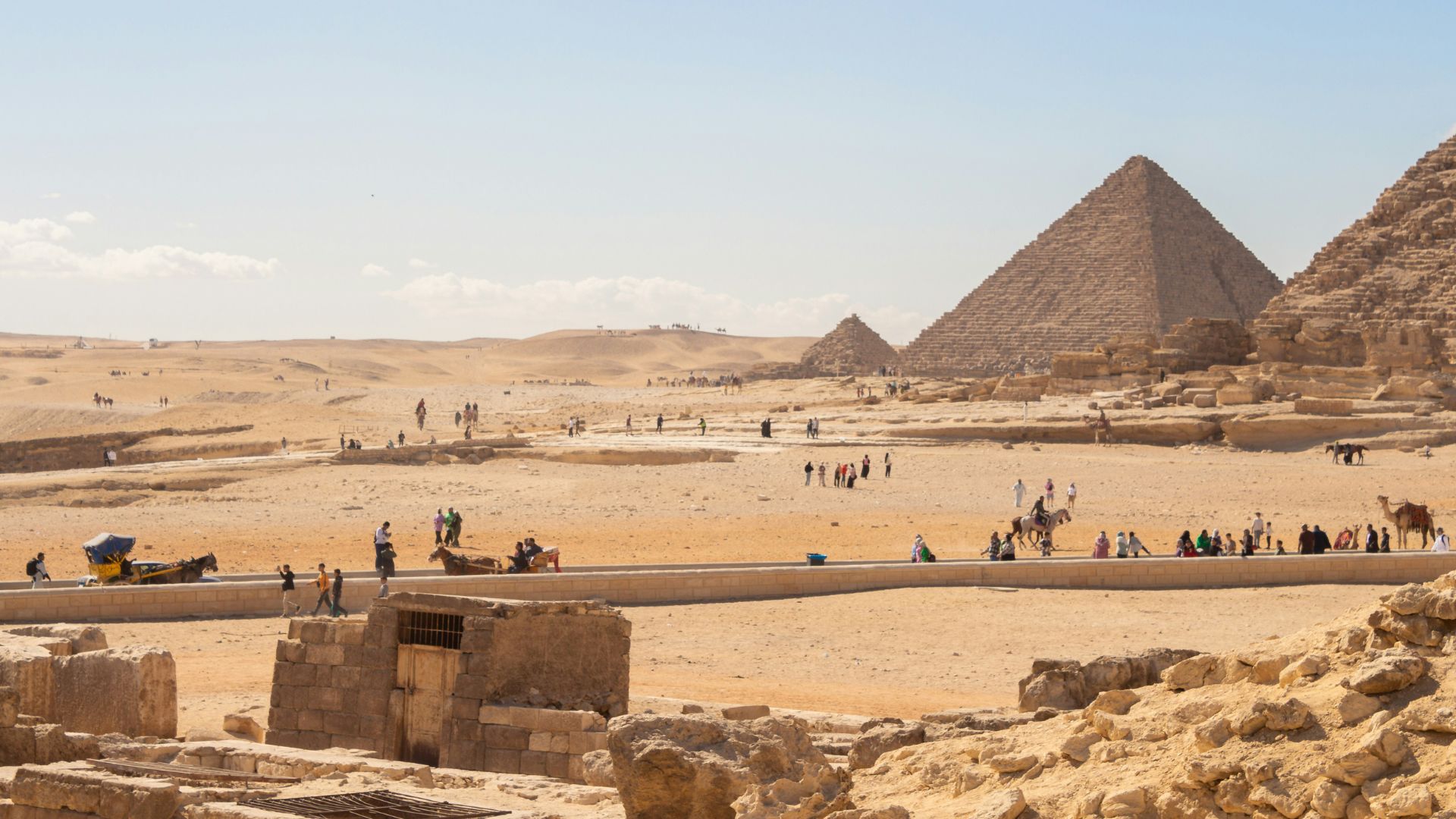
The Pyramids of Giza are just legendary. These ancient wonders have stood for thousands of years, built between 2575 and 2465 BCE.
You’ll see the three main pyramids and the Great Sphinx—a massive limestone guardian. Nearby, explore the Valley of the Kings and Queens in Luxor, filled with hieroglyphs and royal tombs.
November to March is prime time, with cooler temps for exploring the desert.
Many tours swing by the Step Pyramid of Djoser in Saqqara—the world’s first real pyramid. You can also sail the Nile, stopping at ancient temples along the way.
Most tours bundle in transport, a guide, and lunch, which makes the whole trip smoother and more fun.
10) Walking the Camino de Santiago, Spain
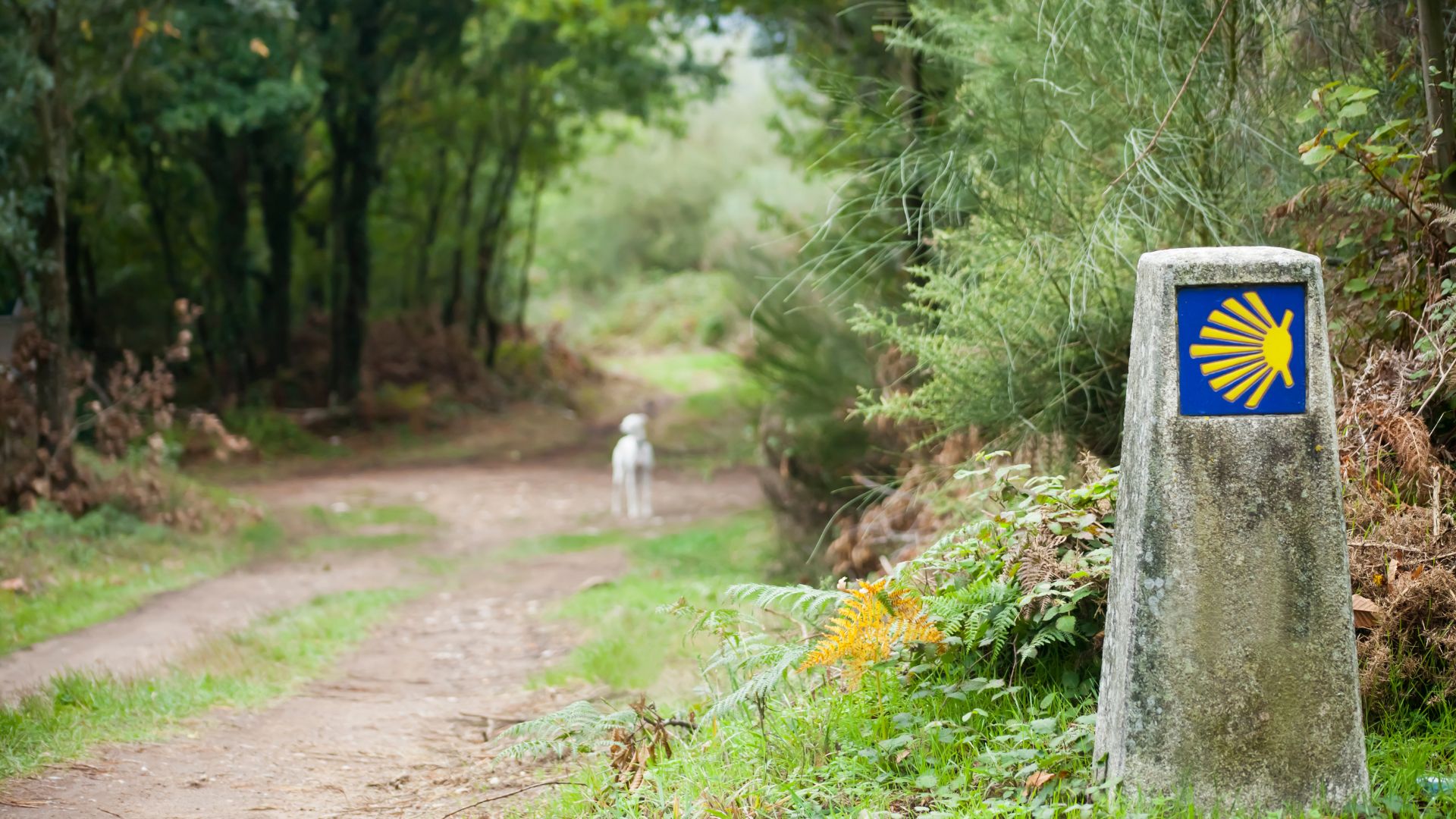
The Camino de Santiago is a web of old pilgrimage routes leading to Santiago de Compostela in northwest Spain. At the end, you’ll find the cathedral where Saint James the Apostle supposedly rests.
People walk the Camino for all sorts of reasons—spiritual, cultural, or just for the love of long hikes through gorgeous countryside.
Several routes offer different scenery and challenges. Some are short, others take weeks. You can go solo or join a group if you like a bit more structure.
Planning matters here. Pick a route that matches your fitness and schedule. Pack light, but don’t skimp on comfy shoes or weatherproof gear.
The experience mixes hiking with a bit of soul-searching. You’ll meet travelers from everywhere and pass through historic towns. If it’s been on your list, 2026 is a great year to finally do it.
11) Hot Air Balloon Ride in Cappadocia, Turkey
Floating above Cappadocia at sunrise? It’s unreal. You get a bird’s-eye view of fairy chimneys, wild volcanic valleys, and cave homes carved right into the rock.
Locals and travelers alike flock here for hot air ballooning. Hundreds of colorful balloons rise most mornings, dotting the sky in a way that feels like a dream.
Flights usually last about an hour. Most of us find ourselves up before dawn, just to catch that golden sunrise as it spills over the landscape.
Tours often include a hotel pickup, light breakfast, and a little champagne toast once you land. You’ll share a basket with a handful of other folks and a pilot who knows the region’s secrets.
Weather really matters here. If it’s too windy or rainy, flights won’t go. I always recommend building in an extra day or two, just in case. Spring and fall? That’s when you’ll have the best chance for clear skies.
Book your balloon ride ahead of time—especially during busy travel months. Prices jump around depending on the company and basket size, but honestly, I’d pay again just for those views.

12) Explore Kyoto’s Temples, Japan
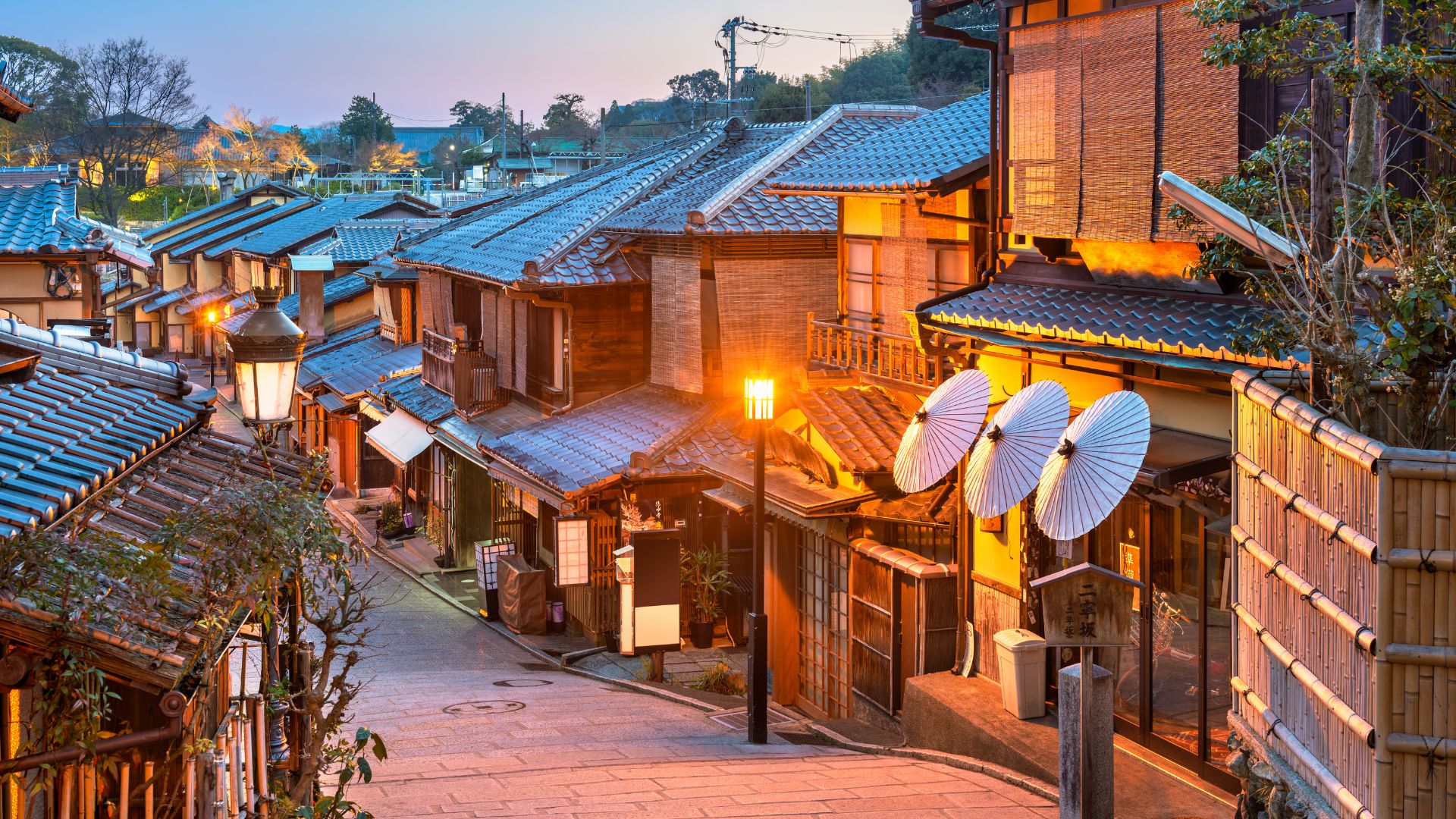
Kyoto really feels like the soul of Japan, with over 1,700 temples and shrines scattered across the city. Walking through this ancient capital is like stepping into a living museum.
Temples here come in all shapes and sizes. Some are iconic landmarks, while others hide in quiet corners of local neighborhoods.
You can lose hours wandering Zen gardens or admiring wooden gates and pagodas. Some temples perch on hillsides, offering sweeping city views.
Besides temples, Kyoto’s got bamboo forests, bustling food markets, and winding alleyways that beg you to get lost. There’s just something about the way sacred sites blend with everyday life here.
It’s impossible to see every temple, so pick a handful that stand out to you. Most travelers stay three to five days, which feels about right for soaking up the highlights.
Kyoto works as a standalone destination or as a key stop on a bigger Japan adventure. Honestly, it’s tough not to fall for this city.
13) Antarctica Expedition Cruise
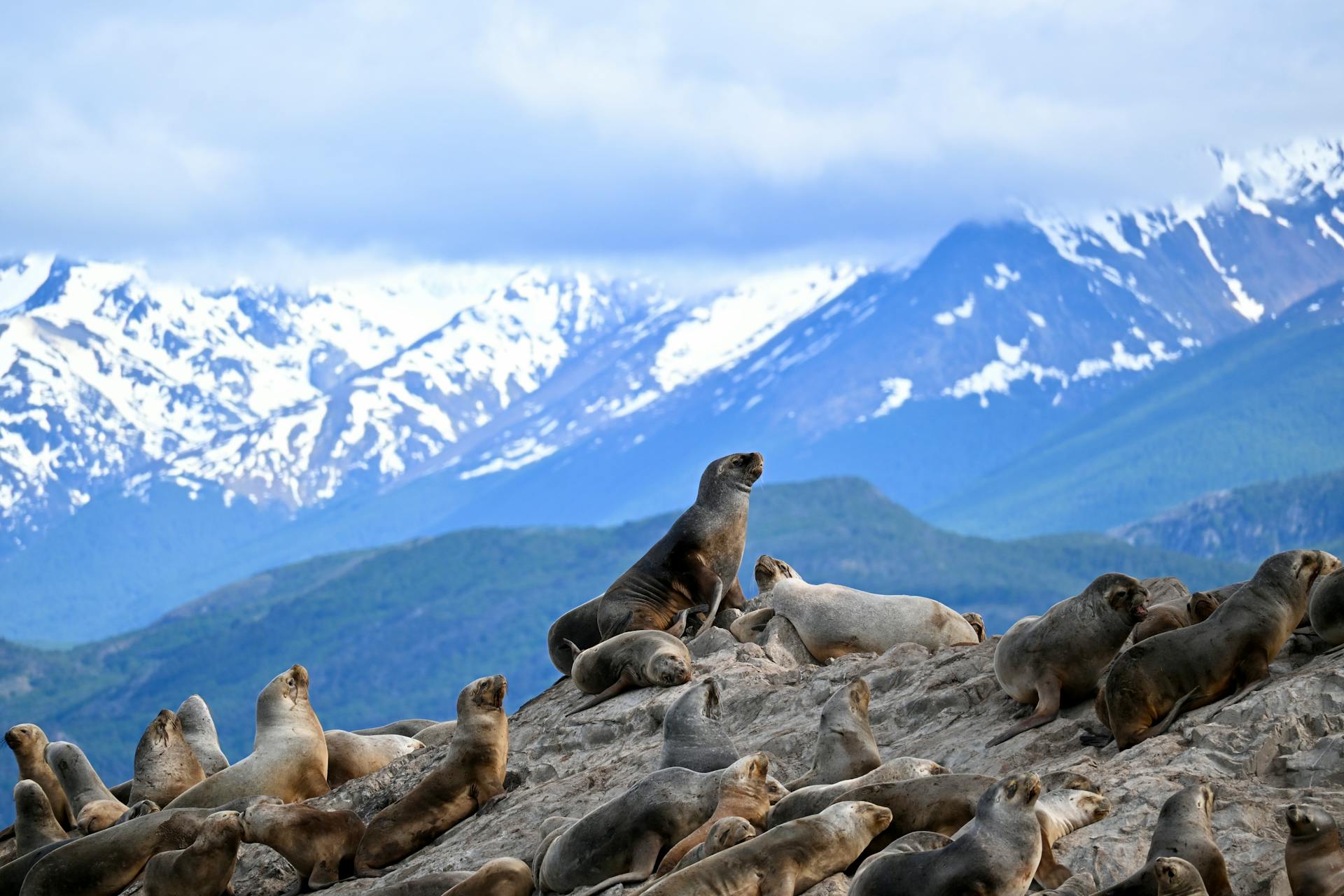
An Antarctica expedition cruise? That’s about as far from ordinary as travel gets. This is the place for true adventure, and the season runs from November through March when summer brings softer weather and endless daylight.
Ships are small—usually under 200 passengers—so you actually get to know your fellow explorers. You’ll sail past towering icebergs, watch penguins waddle by, and maybe catch whales or seals doing their thing.
Most trips start in Ushuaia, Argentina, before crossing the infamous Drake Passage to the Antarctic Peninsula. Some cruises let you skip the rough seas and fly straight to Antarctica, which is a relief for anyone with a sensitive stomach.
Itineraries range from 10 to 21 days. The longer ones sometimes swing by South Georgia or the Falklands for even more wildlife.
If you’re dreaming of this trip, book 12 to 18 months ahead. The best cabins always go first, and people are already snapping up spots for 2026 and 2027.
14) Safari in South Africa’s Kruger National Park
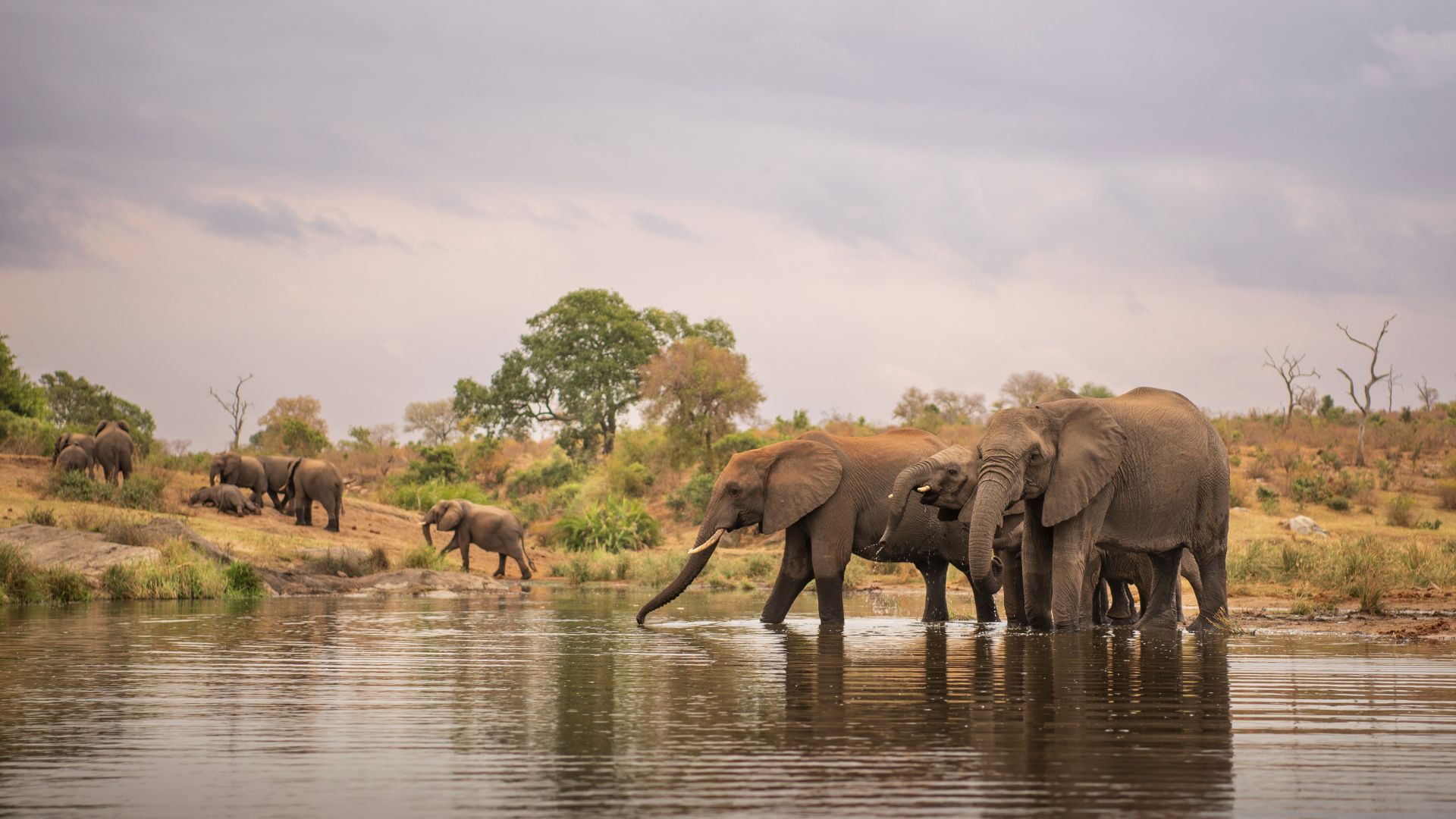
Kruger National Park is one of those bucket-list safaris you hear about for a reason. The park sprawls across nearly 7,500 square miles in South Africa’s northeast.
You can spot the Big Five here: lions, leopards, elephants, rhinos, and buffalo. There’s also a wild cast of over 150 other mammals—cheetahs, zebras, giraffes, even the elusive African wild dog.
You’ve got two main ways to explore. Some folks love self-drive safaris for the freedom, while others prefer guided tours for the expert tips and insider wildlife spots.
Accommodation runs the gamut. You can rough it in basic rest camps or splurge on luxury lodges with all the bells and whistles.
The dry season, May to September, is prime time—animals gather at waterholes and are easier to find. Book your stay and tours early if you’re aiming for peak months.
15) Island Hopping in the Greek Islands
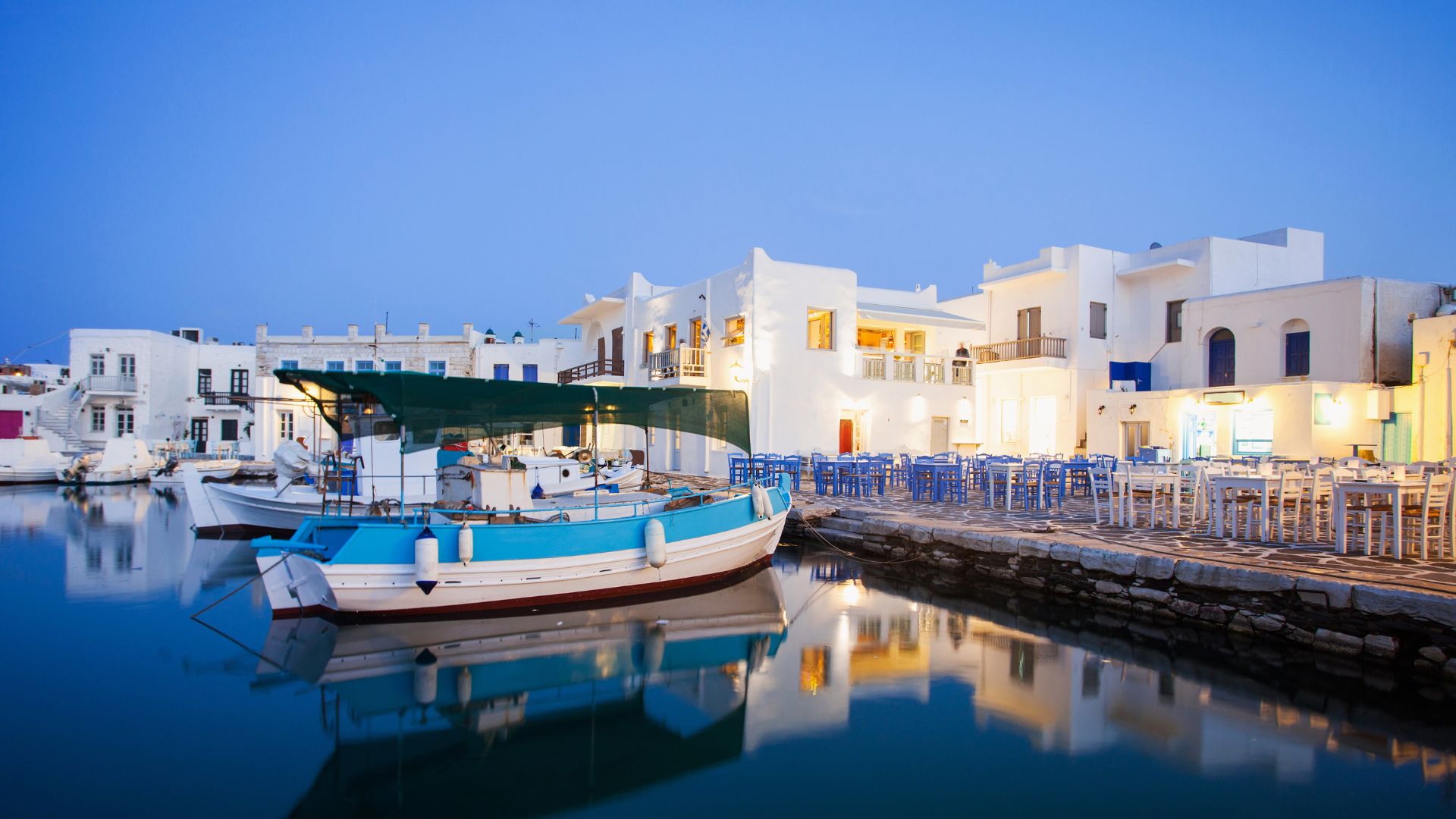
Greece’s islands are legendary—over 6,000 of them, though only a fraction are inhabited. Island hopping here means ferry rides, sun-soaked beaches, and a new adventure every day.
The Cyclades are the classic starting point. Mykonos, Santorini, Paros, Naxos—they each have their own vibe, from wild parties to serene sunsets.
You can keep it short with a week or stretch your trip for a month. Most people start in Athens, then hop ferries to their chosen islands. The ferry network is reliable, especially from May through September.
Two weeks gives you time to savor four or five islands without feeling rushed. For summer, book your ferry tickets in advance—those boats fill up fast.
Expect ancient ruins, whitewashed villages, fresh seafood, and water so blue it almost looks fake. Craft your own route, whether you’re chasing history, food, or just the perfect beach.
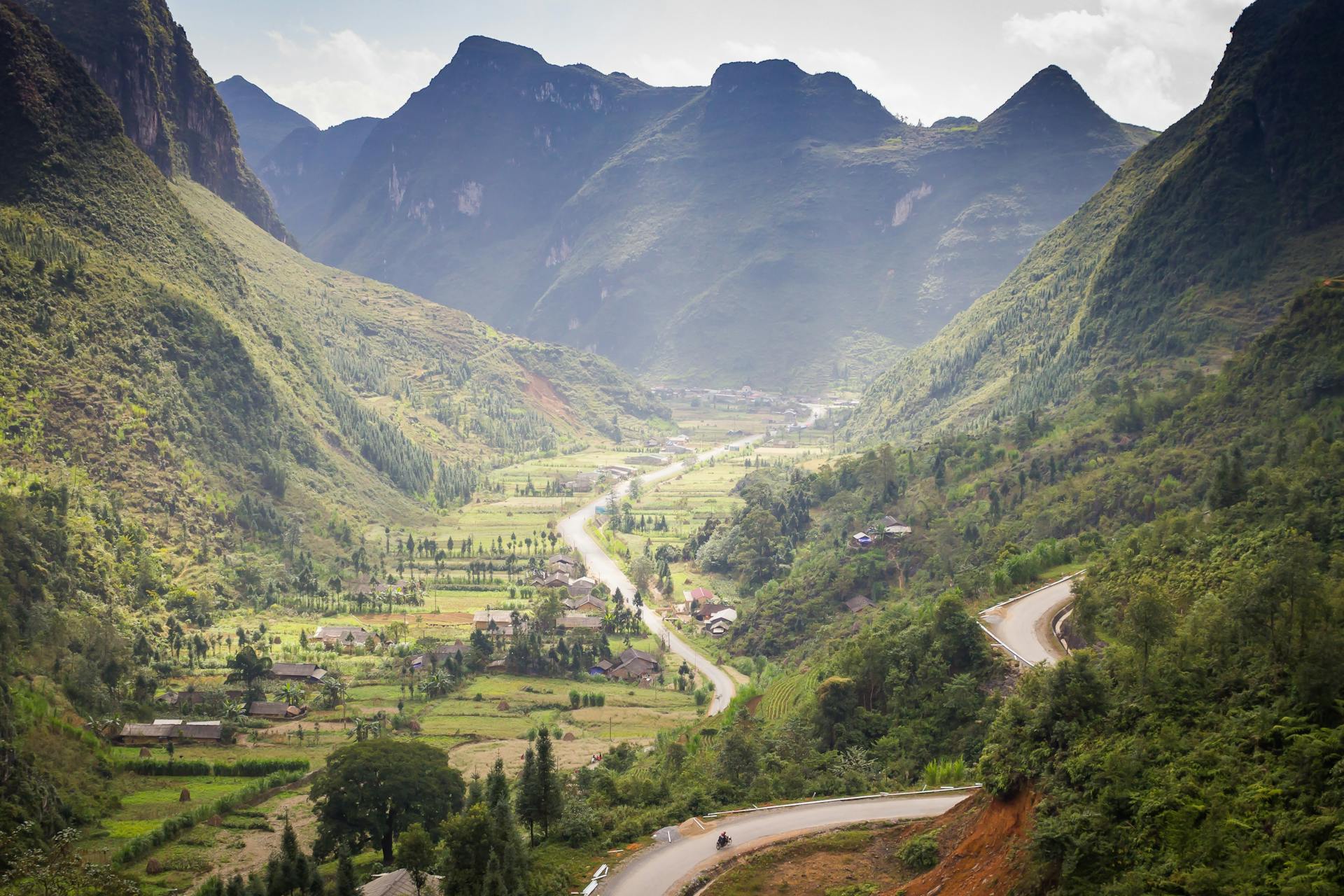
16) Northern Vietnam Motorbike Tour
Northern Vietnam is a dream for motorcycle lovers. Picture winding roads through mountains, misty valleys, and tiny villages you’d never find on a tour bus.
Routes like Ha Giang and Sapa are famous for good reason. The Northwest and Northeast loops serve up mountain passes, rice terraces, and a taste of real local life.
Most rides kick off in Hanoi, then snake through provinces like Lai Chau, Cao Bang, and Yen Bai. You can join a guided group or map out your own adventure.
Trips usually last 10 to 21 days, depending on your pace and how much you want to see.
The landscapes are wild—think switchbacks, deep valleys, and tiny hamlets where time slows down. You’ll meet ethnic minority communities and get a window into a different way of life.
Tours run all year, but spring and fall are best for weather. Bring a valid motorcycle license and some solid riding skills—these roads aren’t for total beginners.
For motorcycle fans, this trip is a rite of passage.
17) Sailing the Galápagos Islands
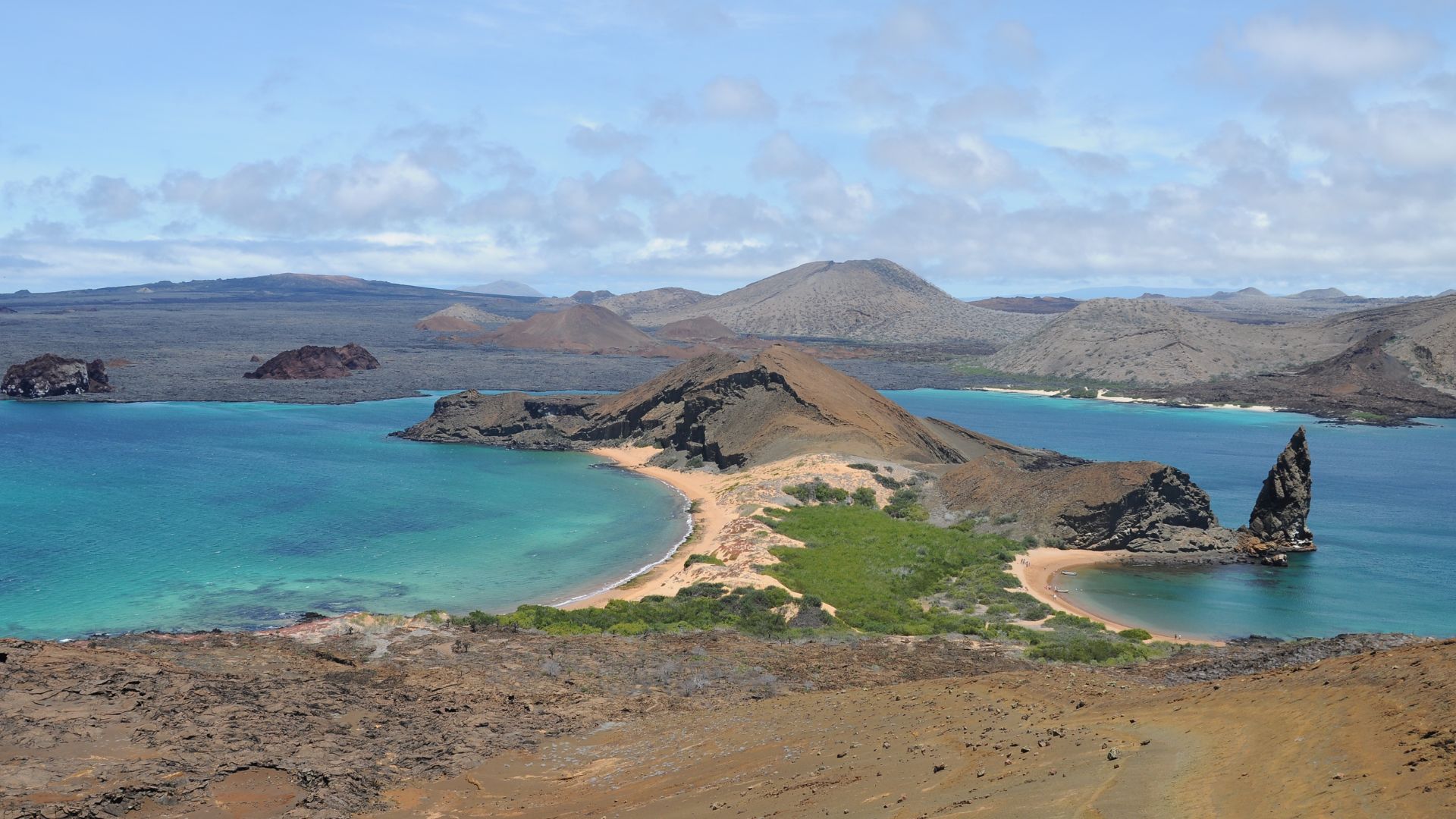
The Galápagos Islands are the ultimate wildlife playground. You’ll spot animals here that don’t exist anywhere else.
Sailing is hands-down the best way to see these islands. A cruise lets you hop between different islands and catch more wildlife action than if you just stayed put.
Giant tortoises shuffle past, blue-footed boobies dance, and sea lions swim right up to your boat. The animals barely notice humans—they’re just not afraid.
Galápagos cruises run all year, but 2026 brings some fresh itineraries and new ships. There’s something for every budget, from shared bunks to all-out luxury.
Each day means new excursions—maybe a hike across volcanic terrain, a swim with turtles, or a stroll on a deserted beach. Guides know their stuff and make the science fun.
You’ll fly in from Ecuador, landing on Baltra or San Cristóbal. Trips usually run four to eight days.
If you’re eyeing 2026, book early—prime spots get snapped up fast.
18) Walk the Great Wall of China
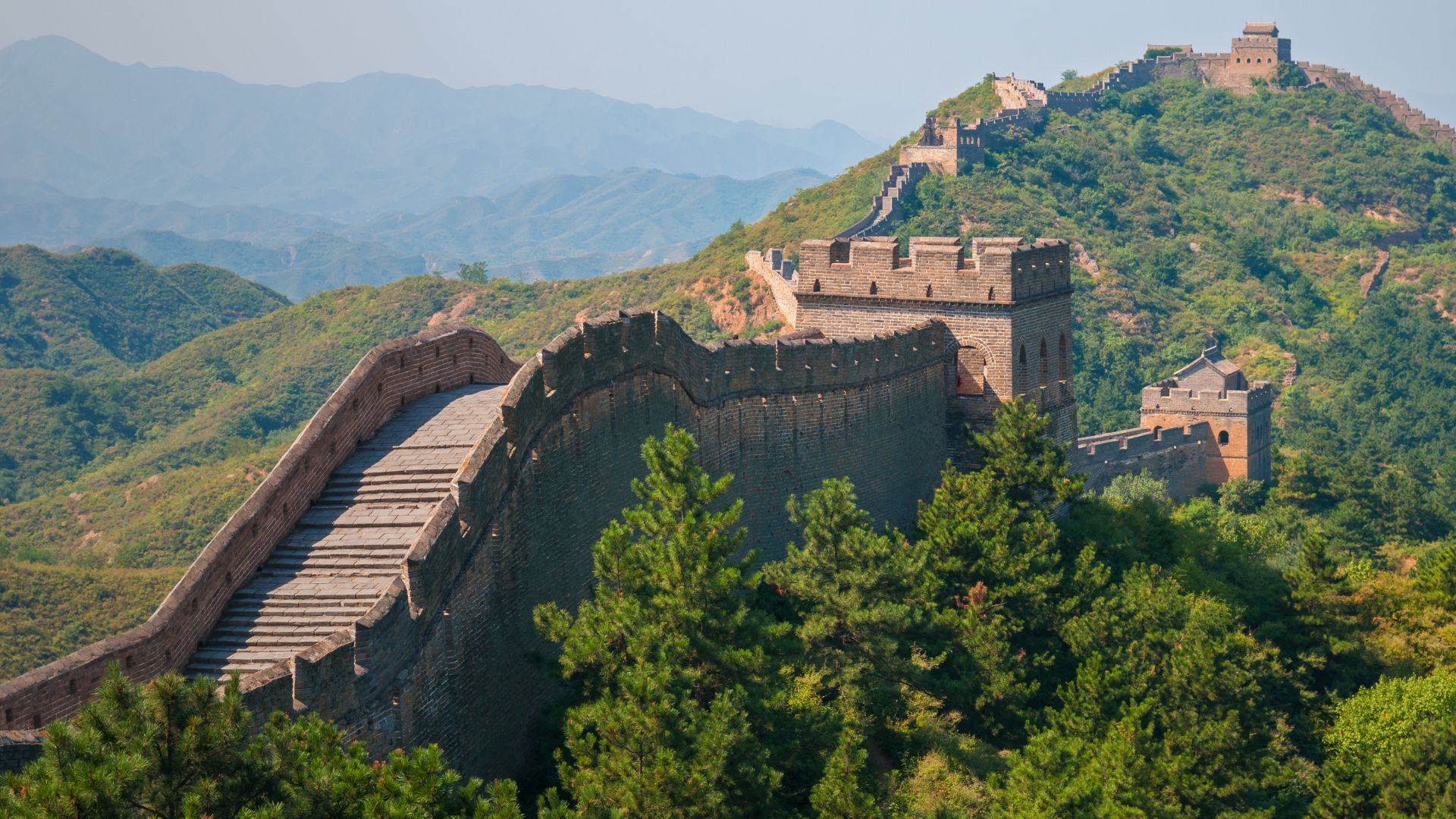
The Great Wall of China sprawls for over 8,850 kilometers, crossing 15 provinces. It’s ancient—over 2,000 years old—and stands as one of the world’s true wonders.
You can reach several sections from Beijing. Some are busy with tourists, while others feel almost deserted. Watchtowers still stand where Ming Dynasty soldiers once kept lookout.
Tours usually start from Beijing, with choices from quick day trips to multi-day hikes. The Wall twists through mountains and valleys, offering up epic views at every turn.
Millions visit each year. Walking along the Wall, you’re tracing the footsteps of history—built across six dynasties, with gaps where mountains or lakes made natural barriers.
Guided tours cover all difficulty levels. You can stroll the restored sections or challenge yourself with longer, quieter hikes. Plan ahead to match the route with your interests and fitness.
19) Luxury Train Journey on the Venice Simplon-Orient-Express
The Venice Simplon-Orient-Express isn’t just a train—it’s a rolling time machine. Step into restored 1920s carriages, all polished wood and Art Deco flair. It’s pure travel nostalgia.
The classic route runs overnight from Paris to Venice, but you can also book trips to Rome, Istanbul, and beyond. Starting in London? Just hop on the Eurostar for an easy connection.
Every detail is a nod to the golden age of travel. Vintage design, white-glove service, and dining that feels like a special occasion.
It’s perfect for big celebrations or just because you want to do something extraordinary. The train glides through jaw-dropping scenery—the Alps, rolling countryside—while you relax in style.
Prices start at about £4,690 per person for a four-day trip (flights not included). Book early—these journeys fill up fast. Schedules for 2025 and 2026 are already open.

20) Exploring Patagonia’s Torres del Paine
Torres del Paine National Park sits deep in Chilean Patagonia and might just be the most jaw-dropping place I’ve hiked. Granite spires, turquoise lakes, glaciers—this park has it all.
You can tackle multi-day treks like the famous W Trek, which takes four or five days and covers the park’s greatest hits. Short on time? Day hikes to the base of the towers or glacier viewpoints are just as rewarding.
Getting here takes some effort. Most people fly into Punta Arenas, then catch a bus or drive to the park. It’s remote, but that’s part of the magic.
Peak hiking season runs November through March—expect unpredictable weather, but that’s Patagonia for you.
Wildlife is everywhere. You might spot herds of guanacos, soaring condors, or, if luck’s on your side, a wild puma. Trails range from easy strolls to tough climbs, so choose your adventure based on your energy and experience.

21) Visit Petra, Jordan
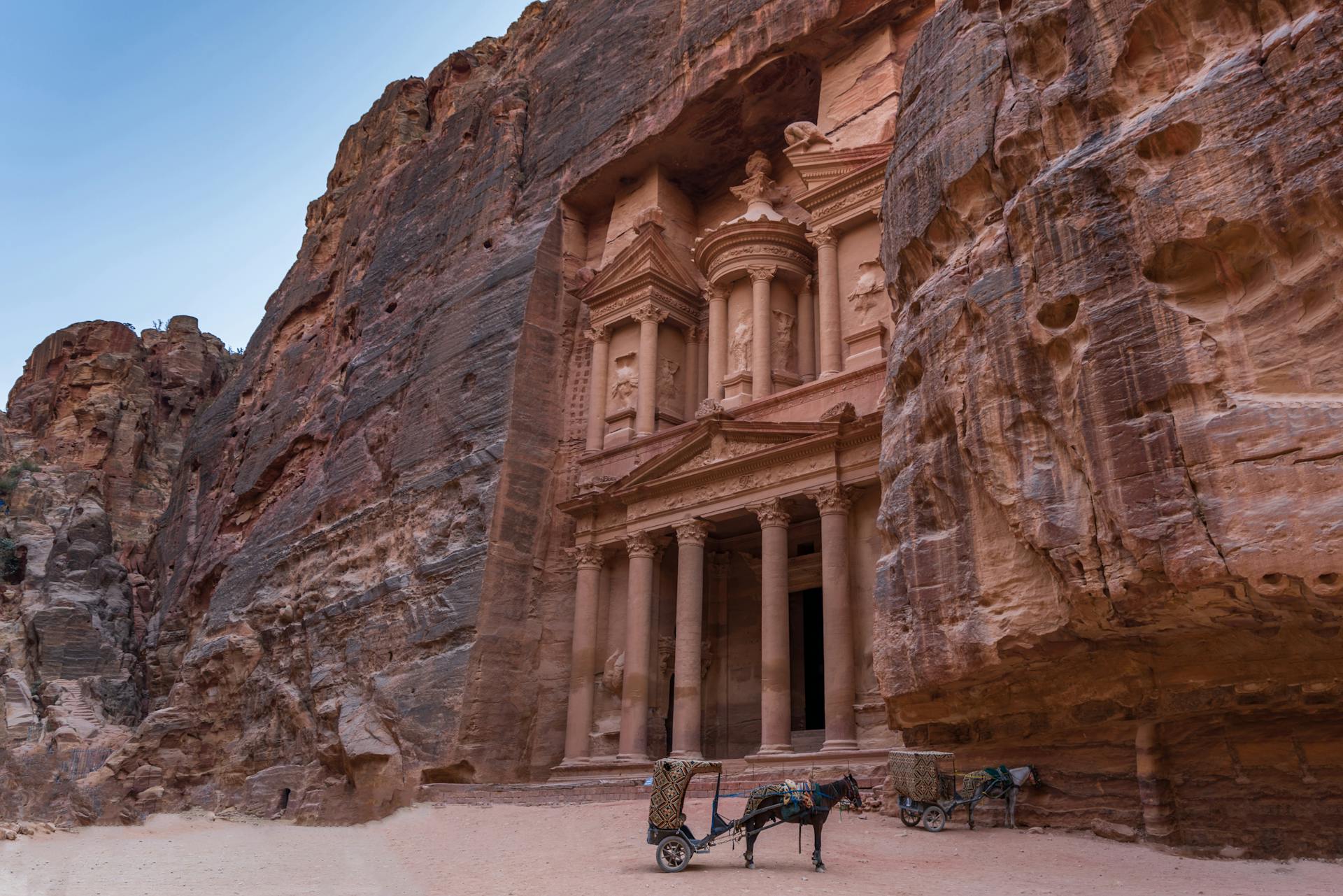
Petra is honestly one of those places that just blows your mind. Imagine wandering through a narrow canyon—the Siq—and suddenly, there it is: the Treasury, carved right into rose-red cliffs. The moment feels almost unreal.
But Petra isn’t just about the Treasury. There’s the Street of Facades, the Royal Tombs, and, if you’re feeling ambitious, the Monastery. That climb is no joke, but wow, the views at the top are worth every step.
I’d say give yourself at least a full day here. If you can, stretch it to two. That way, you get to wander off the main path, find quiet corners, and really soak it all in.
Grab the Jordan Pass before you go. It gets you into Petra and 30+ other spots around Jordan, and it even covers your visa if you’re staying four days or more.
Try to visit in spring or fall. Summer gets way too hot for all the walking, and there’s a lot of it—so trust me, bring comfy shoes and lots of water.
Petra is a wild blend of history, nature, and architecture. It’s one of those rare places that actually lives up to the hype.
How to Plan Your 2026 U.S. Bucket List Adventure
Planning a bucket list trip can feel overwhelming, but it really comes down to three things: knowing where you want to go, setting a realistic budget, and making smart bookings. These steps turn travel dreams into real adventures.
Setting Travel Goals
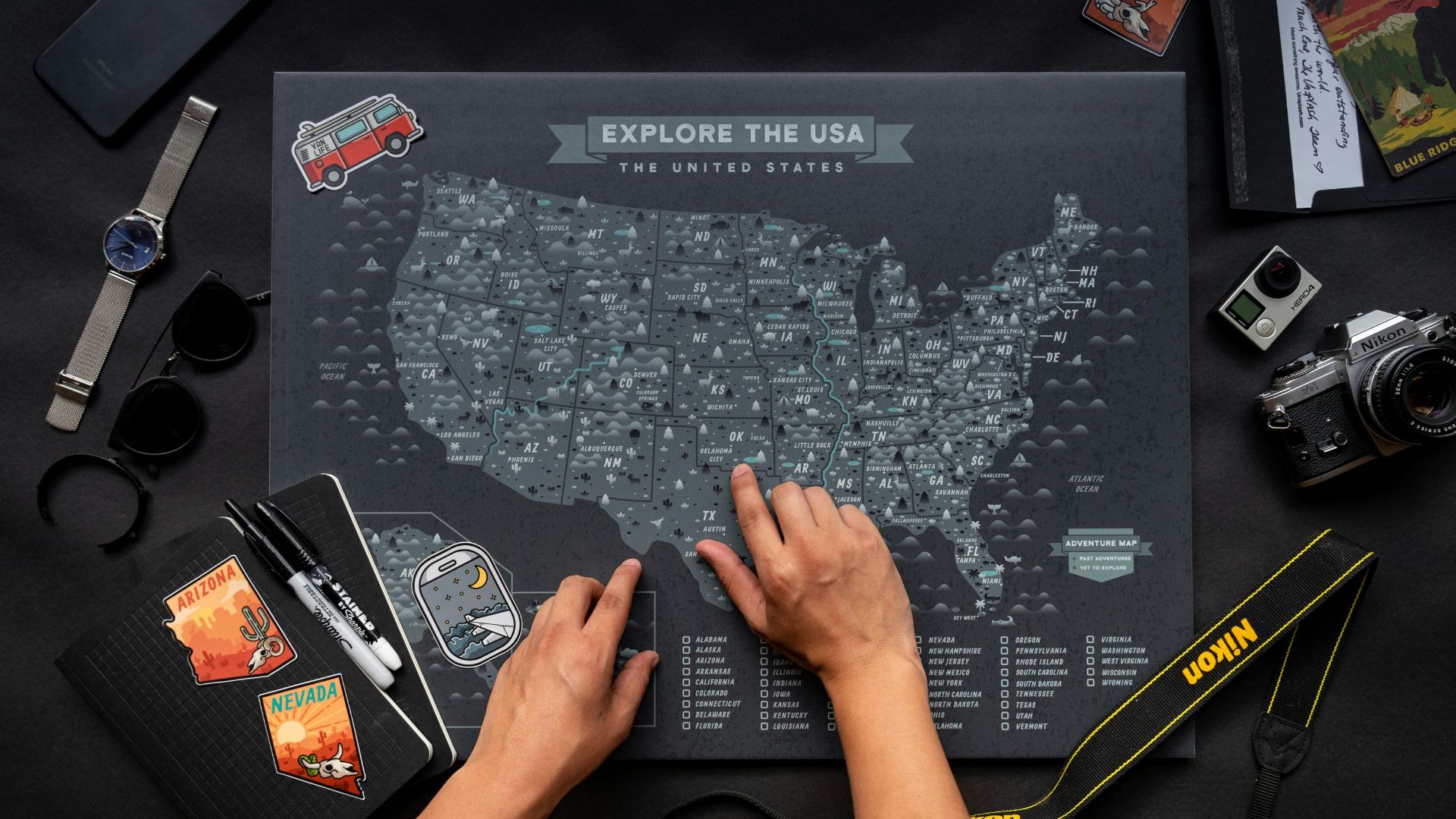
Start by writing down the exact places you want to see in 2026. Don’t just say “the West”—be specific. Maybe Yellowstone or Big Sky, Montana?
Pick your top three to five spots for the year. That way, you won’t get overwhelmed and your plans stay doable.
Think about what you want to do in each place. Are you hiking, spotting wildlife, or diving into history? Your activities will shape how long you need at each stop.
Keep these in mind as you plan:
- Best time of year for each spot
- How much hiking or walking you’ll do
- Who’s coming with you and what they enjoy
- How many vacation days you can actually take
Circle potential dates on your calendar now. Check for weather, busy seasons, and local events that could affect your trip.
Budgeting and Saving Strategies
Figure out the total cost for each trip—flights, places to stay, food, activities, and getting around.
Divide that number by the months until you go. That’s your monthly savings goal.
Here’s a quick look at big expenses:
| Category | Typical Percentage |
|---|---|
| Transportation | 30-40% |
| Accommodations | 25-35% |
| Food | 15-25% |
| Activities | 10-20% |
Set up automatic transfers into a travel savings account. It’s easier to save when you don’t have to think about it.
Cut back on little things—maybe skip a few takeout meals or cancel a subscription you’re not using. It all adds up.
Look for flights during off-peak times. Tuesdays and Wednesdays are usually cheaper than weekends.
Booking Accommodations and Transportation
Book flights three to six months ahead for domestic trips. Waiting too long? Prices usually go up.
Always compare prices on a few different booking sites. It’s wild how the same hotel room can cost more on one site than another.
Set price alerts for your flights. It’s a small thing, but those notifications can save you cash.
Where to stay? Think about:
- Hotels for comfort and convenience
- Vacation rentals if you want a kitchen or more space
- National park lodges for prime locations
- Campgrounds if you’re on a budget or love the outdoors
Book your accommodations right after you lock in flights. National parks and popular spots fill up fast, especially in summer.
Rent your car early. Rates and choices are better the sooner you book.
Double-check cancellation policies before you commit. Sometimes it’s worth paying a bit more for flexibility.

Making the Most of Your Experiences
To get the most from your bucket list adventures, you’ve got to really engage with each place. Don’t just tick boxes—make memories that stick.
Immersing in Local Cultures
Try to learn a few words of the local language before you show up. Even a simple “hello” or “thank you” goes a long way.
Skip the touristy restaurants. Ask locals—maybe your hotel staff or a guide—where they eat. That’s where the best and most authentic food usually is.
Want to connect with local communities?
- Sign up for a cooking class or a craft workshop run by locals
- Check out farmers markets and small neighborhood shops
- Take public transport when it feels safe and easy
- Stay in places owned by locals
- Go to a festival or community event if you can
When you meet people, listen more than you talk. Ask about their lives and traditions. Most folks love sharing their stories with respectful visitors.
Look up local customs—what to wear, when to take photos, how to behave at religious sites—before you travel. A little research saves a lot of awkwardness.
Capturing Memories Responsibly
Sometimes, just put your phone away. Watch the sunset with your own eyes. Those are the moments you’ll really remember.
Take photos that tell a story. Don’t just snap the obvious; get the details, the people (if they’re cool with it), and those little moments that make a place unique.
A few photo tips:
- Always ask before you photograph someone
- Skip the flash in museums and sacred places
- Don’t mess with wildlife or nature for a shot
- Leave the drone at home if it’s not allowed
Keep a simple journal—what you ate, who you met, how you felt. Those notes bring memories back years later.
Back up your photos every day. Losing your phone shouldn’t mean losing your whole trip.

Frequently Asked Questions
Travel experts are buzzing about destinations with big events and fresh attractions for 2026. More and more, people are skipping the usual tourist traps for places with real character and memorable experiences.
Experts keep pointing to places with new attractions, major events, and easy access. Rankings change depending on who you ask, but cities with exciting new developments and cultural happenings show up again and again.
They look at things like infrastructure upgrades and how well a place can handle crowds. Destinations that balance popularity with a relaxed vibe definitely stand out.
Travel professionals keep talking about cities with a strong sense of place and unique experiences. These are the spots to see before everyone else discovers them.
Look for cities with vibrant local culture and neighborhoods you can’t find anywhere else. The best picks blend easy access with one-of-a-kind adventures.
People are moving away from the big-name tourist spots and looking for more genuine, meaningful trips. It’s less about checking off landmarks, more about real connections.
There’s a lot of buzz around destinations with major sports events, festivals, and improved infrastructure. Remote work-friendly spots are also on the rise, as travelers mix business with pleasure.
Solo travel is getting more popular, especially for U.S. trips. More folks are choosing places with natural beauty and outdoor activities instead of just city breaks.
Experts usually suggest skipping places that are already packed or struggling with too many visitors. Overtourism can really take the shine off your trip and stress out locals.
Some national parks get overwhelmed in peak season, so try to visit during quieter months or check out lesser-known parks with similar vibes.
Cities hosting big events can be a hassle if you’re not there for the event itself. Prices jump, and getting around can be tricky.
Travel + Leisure’s list of 50 must-see places for 2026 is a big deal. Travelers trust their picks, so these spots often get a surge in bookings.
The list helps people narrow down choices and sometimes puts new destinations on their radar.
A lot of travelers use these recommendations as a jumping-off point for planning. After the list comes out, interest in those destinations usually spikes pretty quickly.
National Geographic loves to shine a light on places that genuinely care about conservation and cultural preservation. Honestly, I find these spots offer way more than just pretty views—they’re about meaningful travel that actually helps the environment and the people living there.
You’ll often stumble on destinations where protected lands are growing or where locals have kicked off inspiring sustainability programs. Think natural beauty, but with a purpose. It’s not just about snapping photos; it’s about making your trip count for something.
If you’re tired of the usual tourist traps, these lesser-known gems can be a breath of fresh air. You get more value for your money and, let’s face it, a much more authentic taste of local life and nature.
So, if you’re planning your next adventure, why not try one of these hidden treasures? You might just come home with better stories—and maybe even a little inspiration to travel more thoughtfully.
