
Most travel guides go on and on about the famous palaces and gardens in Potsdam, but honestly, this historic city in Germany has so much more to offer. I’m always on the lookout for places that feel a bit off the radar, and during my last trip, I stumbled into a handful of real hidden gems—spots you won’t find plastered across every guidebook.
If you want to see Potsdam through a local’s eyes, these are the places you’ll want to jot down.
Each spot has its own vibe—some are quiet corners, others are just plain surprising. Maybe you’re planning a day trip from Berlin, or maybe you’re just bored of the usual things to do in Potsdam. Either way, these discoveries might just help you see the city with fresh eyes.
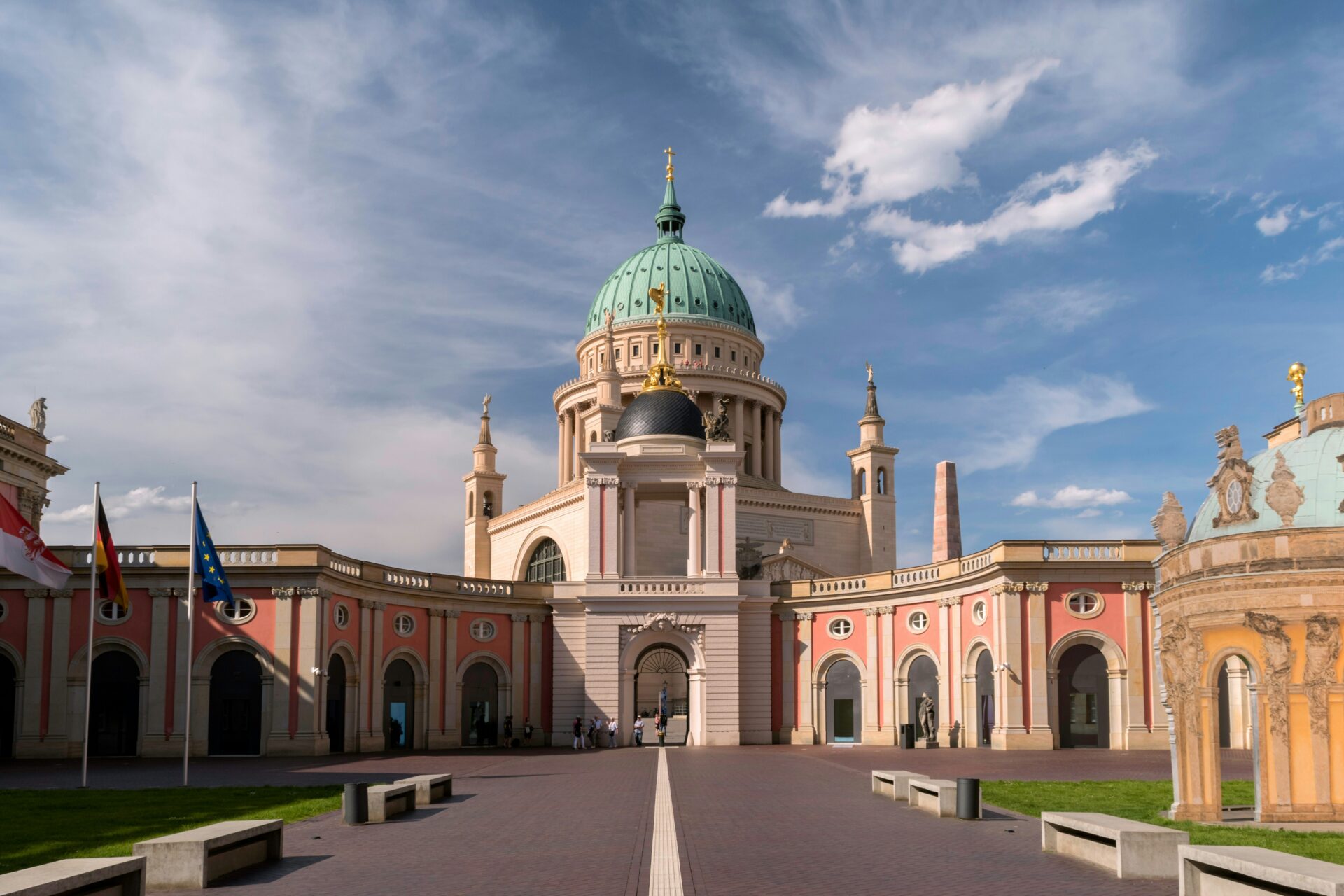
Secret Spots Beyond Sanssouci: A Local’s Perspective
Potsdam hides quiet corners far away from the tourist throngs at Sanssouci. Some of these places weave nature and history together, while others keep quirky bits of cultural heritage alive.
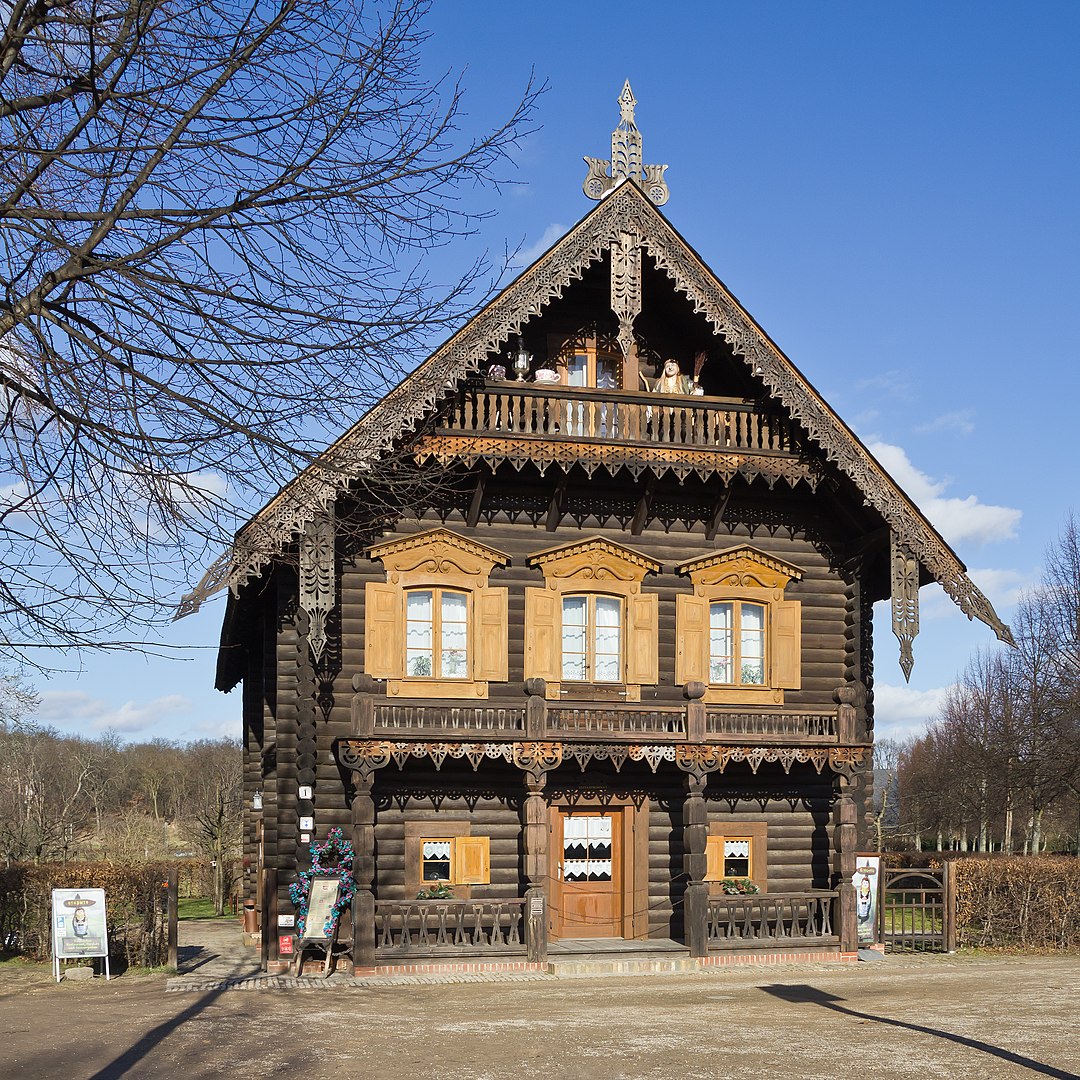
An Unexpected Retreat in Babelsberg
Babelsberg Park doesn’t attract the same crowds as Sanssouci, but I honestly find its views just as stunning. The park belongs to the UNESCO World Heritage cluster and once served as a private escape for royalty.
Winding paths lead you past old stone bridges and the fanciful Babelsberg Castle.
I always end up at the tiny lakeside beach along the Havel River. Most visitors walk right by without noticing it. In the mornings, you’ll spot local joggers and families spread out on the lawns or snoozing under ancient trees.
If you’re into photography, the castle’s towers and the reflections on the water are absolute gold.
There’s a hidden café tucked into the old gardener’s house nearby. The cakes and coffee are simple, nothing fancy, but the garden seating is so peaceful. I could easily spend half a day here, just soaking it in and dodging the crowds.
Charming Corners of Alexandrowka
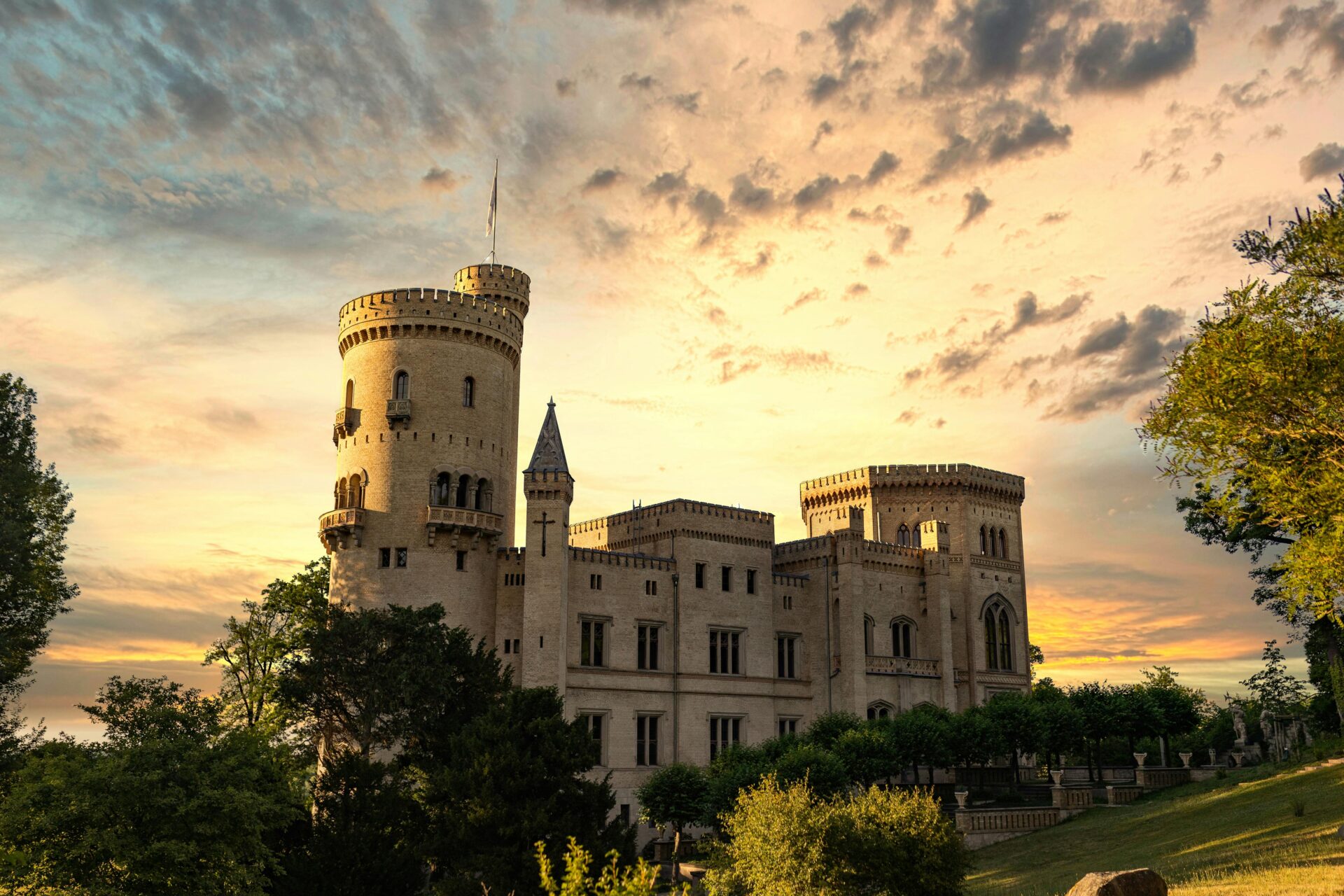
Alexandrowka is this quirky Russian colony from the early 1800s, now a UNESCO World Heritage site. The wooden houses, painted in soft blues and greens, make it feel like a tiny Russian village landed in the middle of Germany.
Walking here, I always get the sense that I’ve stepped into another era.
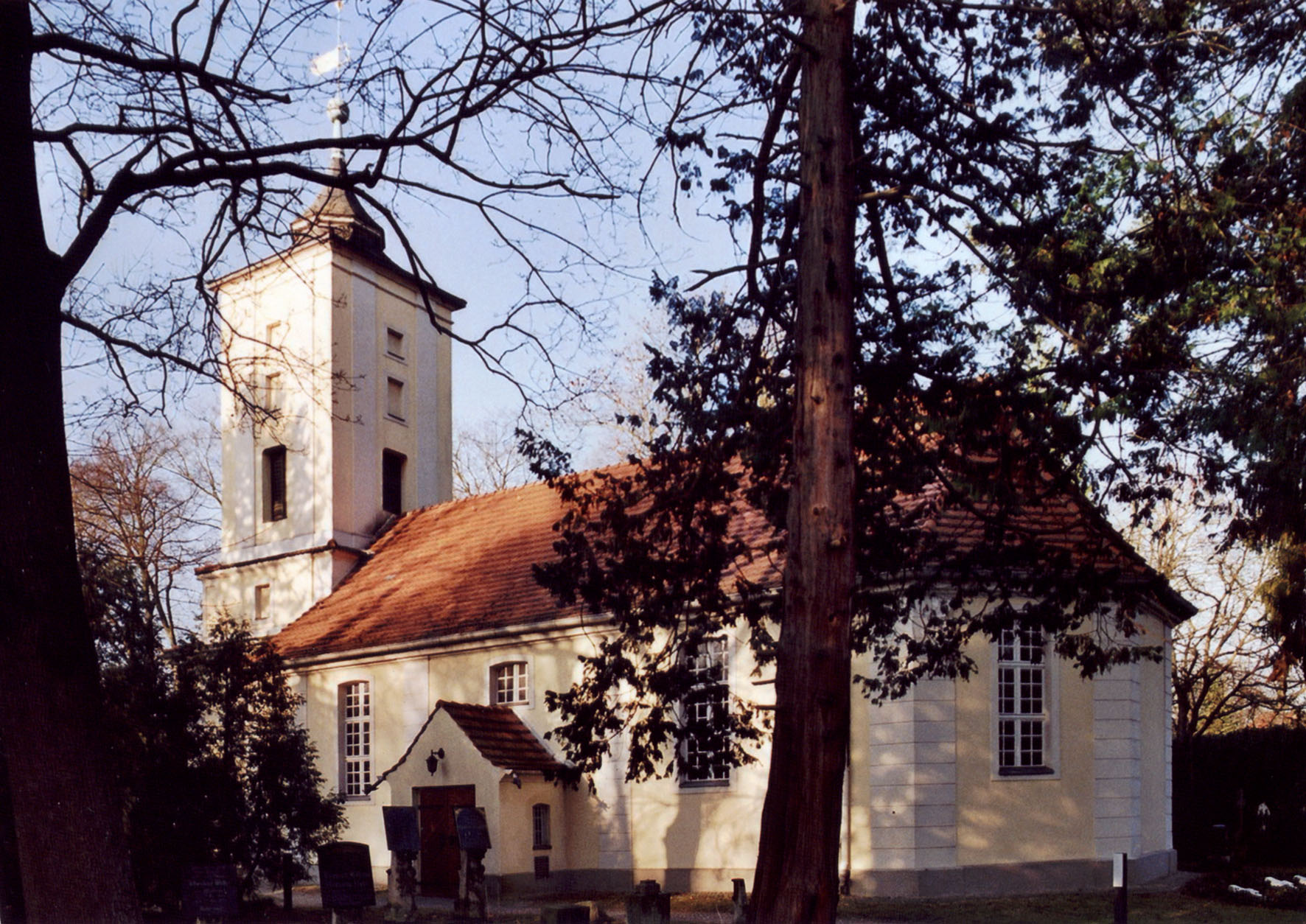
The small Russian Orthodox church at the center is my favorite spot. Its courtyard stays calm, with benches shaded by fruit trees. In spring, lilacs bloom everywhere, and sometimes you’ll catch traditional songs floating out of open windows.
A family-run tea house serves homemade pastries and loose-leaf teas. Locals come for cherry cake and sweet buns, and the pace is slow enough that you might end up chatting with the folks who keep Alexandrowka’s traditions alive.
Sometimes they post folk music afternoons near the church entrance. If you’re lucky, you’ll catch one.
Architectural Wonders Off the Beaten Path
Potsdam’s side streets and quiet parks hide plenty of surprises. When I wandered away from the main sights, I stumbled onto hidden architectural gems that show off a different side of the city’s past.
Tranquil Beauty at the Marble Palace
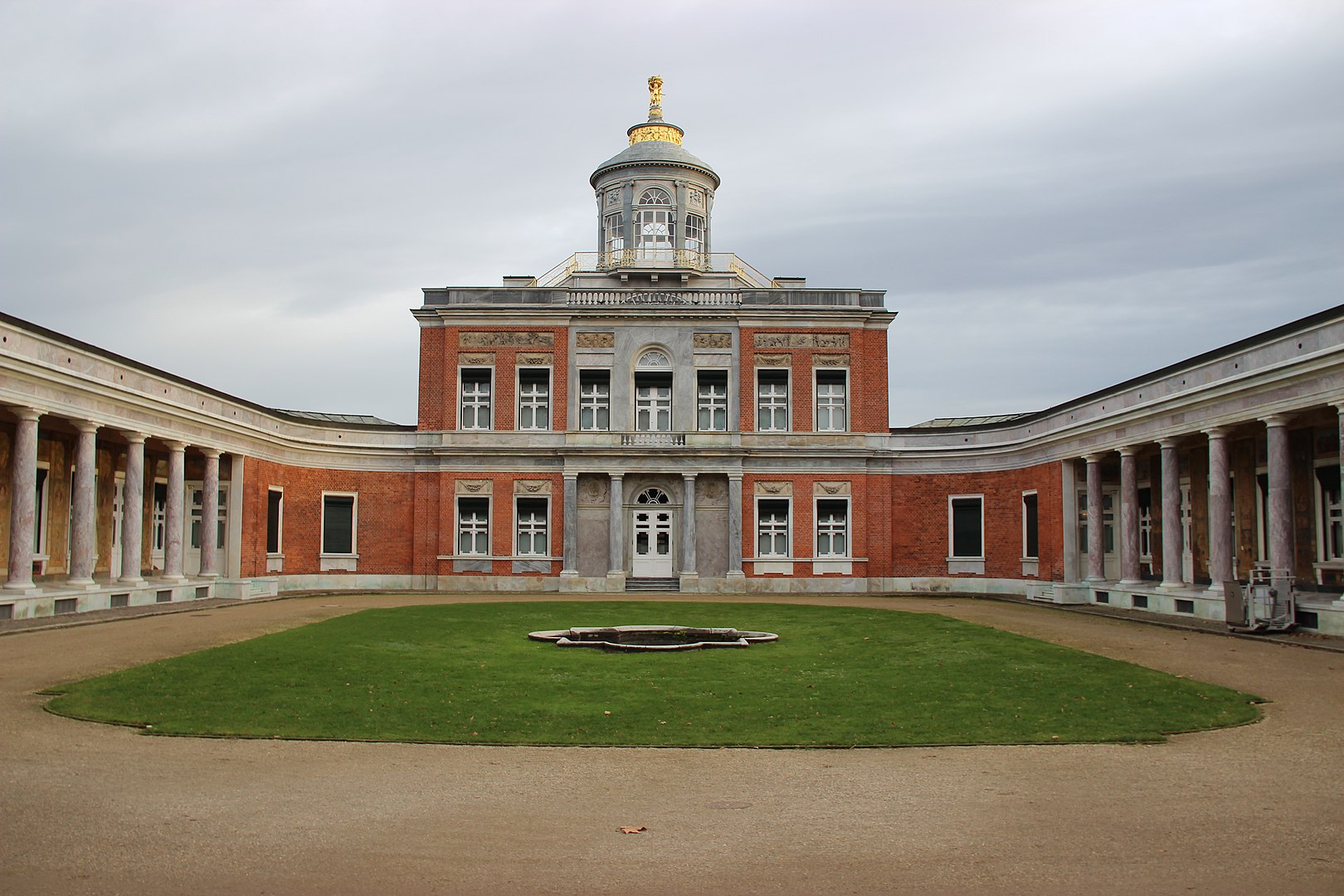
The Marble Palace sits quietly on the Havel River’s edge in the New Garden. Unlike the crowds at Sanssouci, this neoclassical palace feels peaceful and a bit secluded.
King Frederick William II had it built, and it was finished in 1797. Simple, elegant lines and pale marble columns give it a timeless look.
Being set in the New Garden, the palace feels miles away from the city bustle. The lake nearby looks untouched, and paths wind between old trees and green lawns.
Locals come here for quiet walks, and you rarely see many tourists.
Inside, the rooms glow with soft colors, original décor, and some gorgeous ceiling details. The ground floor opens up to a great water view, and when the sun sets, the palace reflects beautifully in the lake.
You can walk the grounds for free. If you take a tour inside, you’ll spot details you’d probably miss otherwise.
Hidden Baroque Courtyards in the Historic Old Town
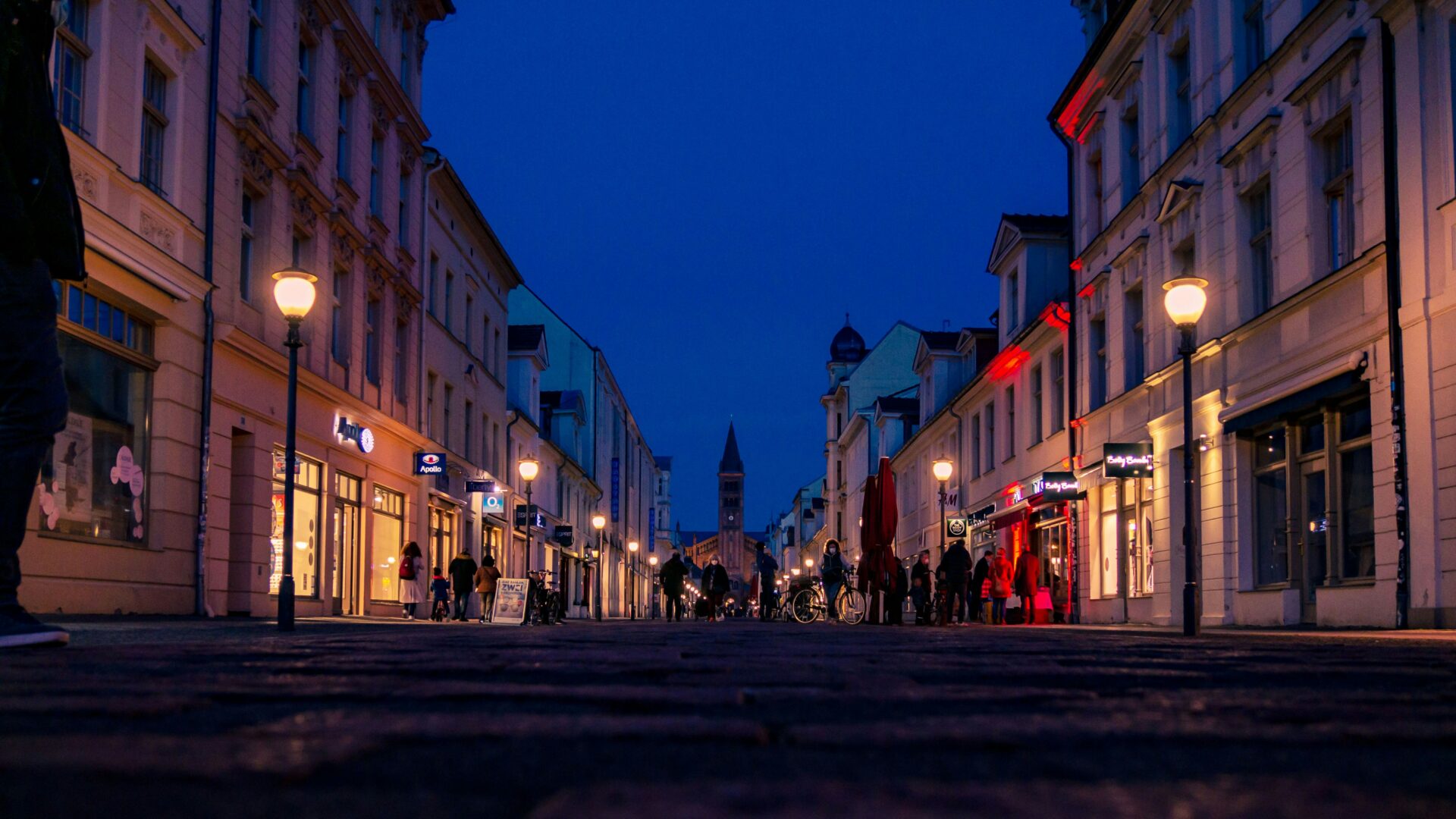
As I wandered through Potsdam’s historic old town, I found a handful of tiny baroque courtyards tucked behind plain facades. These spots sit close to the Old Market, but most people just stroll by without noticing.
It took a bit of curiosity—and maybe a little luck—to find them.
Classic baroque architecture shines here: stucco walls, arched doorways, and stone benches hidden from the street noise. Some courtyards have fountains or small monuments, and old iron gates guard the entrances.
I love how the light changes on the pastel walls throughout the day.
These courtyards belong to residential buildings or old trade houses from the 18th century. Most guidebooks only mention the main squares, but these quiet corners tell stories about how people actually lived in Potsdam centuries ago.
A couple even have small cafés or local art studios, so they’re perfect for a quick break.
Undiscovered Waterfront Escapes
Potsdam hides peaceful spots where the water and parks meet. These little corners offer calm views, historic paths, and a quiet retreat away from the usual tourist rush.
Serenity Along Jungfernsee
Jungfernsee is a long, tree-framed lake stretching north from Potsdam’s center. I usually slip in through the paths near the Neuer Garten, which feel empty if you come early.
The trails twist past ancient trees and lead to quiet coves by the water. You can grab a bench, watch sailboats drift by, or just stare out at the old Glienicke Bridge.
What really gets me about Jungfernsee is how open and fresh it feels. The air is crisp, and the views go on forever.
Sometimes I spot ducks or see locals reading quietly on the shore. The gardens along the lake are tidy but never crowded, so you get flowers and soft lawns mostly to yourself.
If you keep walking north, you’ll hit some lesser-known viewpoints near Cecilienhof Palace. Early mornings are magic here—the light makes the lake shine.
I’ve even brought a picnic and just lounged in the shade, listening to the gentle waves.
The Secluded Heiligen See Shore
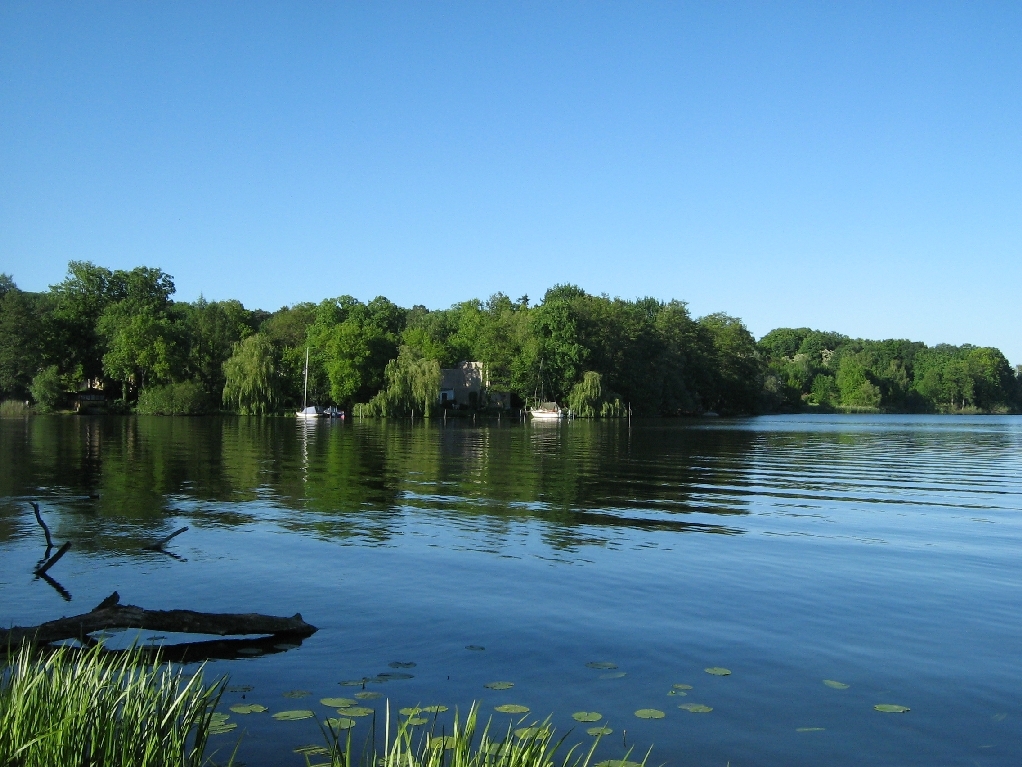
Heiligen See sits just south of the Neuer Garten. While guidebooks mention parts of it, there’s a long stretch along the eastern edge that most people miss.
I found a narrow footpath under chestnut and willow trees, perfect for a slow, thoughtful walk. The path hugs the shore and opens up to breathtaking views of the water—hardly anyone else around.
From here, you can look across to estate gardens, quiet lawns, and perfectly trimmed hedges. The water is so clear it reflects old villas and leafy branches overhead.
Sometimes herons or swans drift by, which makes it a treat for birdwatchers or anyone who just likes peaceful nature.
Benches dot the path, so you can sit and watch the clouds roll over the lake. I like to come here for photos, reading, or simply zoning out.
Unlike the city parks, this shoreline actually feels private—a rare thing in Potsdam.
Hidden Cultural Attractions and Museums
Potsdam has its share of museums and cultural spots that most visitors never hear about. Some of my best discoveries came from poking around these offbeat places, and they usually offer a much more personal take on art and history.
Museum Gems Outside the Mainstream
The Potsdam Museum really surprised me. It’s not huge or flashy, but it digs deep into Potsdam’s local stories.
The exhibits cover city history, culture, and snapshots of daily life from way back.
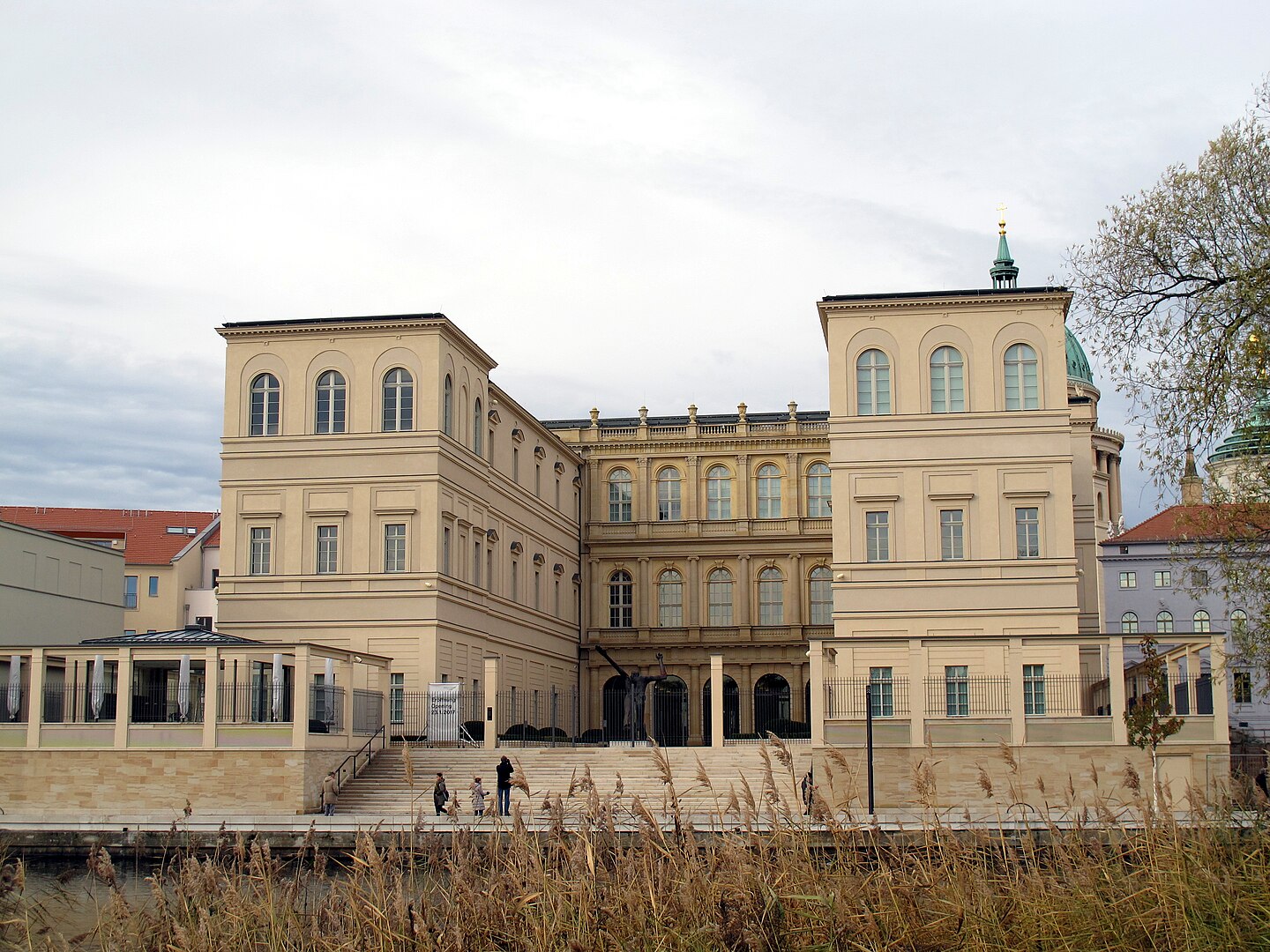
Another favorite of mine is Museum Barberini. It’s become more popular lately, but the rotating exhibits—especially the classic and modern art—always seem to pull in something unexpected.
Last time, an impressionist show had pieces I’d never seen anywhere else.
If you want something truly different, look for the tiny historical museums hidden on quiet streets. They’re never crowded, and the artifacts feel personal.
I always tell friends to check out these lesser-known spots—they make the city’s heritage come alive in a way big institutions just can’t.
Notable Spots:
| Museum Name | Focus | Why I Like It |
|---|---|---|
| Potsdam Museum | Local history, city culture | Deep stories, easy to visit |
| Museum Barberini | Classical & Modern Art | Impressive rotating exhibits |
Film History Off the Tourist Trail
Potsdam has a film history that most people overlook. The Film Museum lives in the old royal stables and digs into early cinema and Germany’s movie legacy.
The exhibits are packed with vintage cameras, costumes, and film clips. I spent way too long gawking at old posters and set designs.
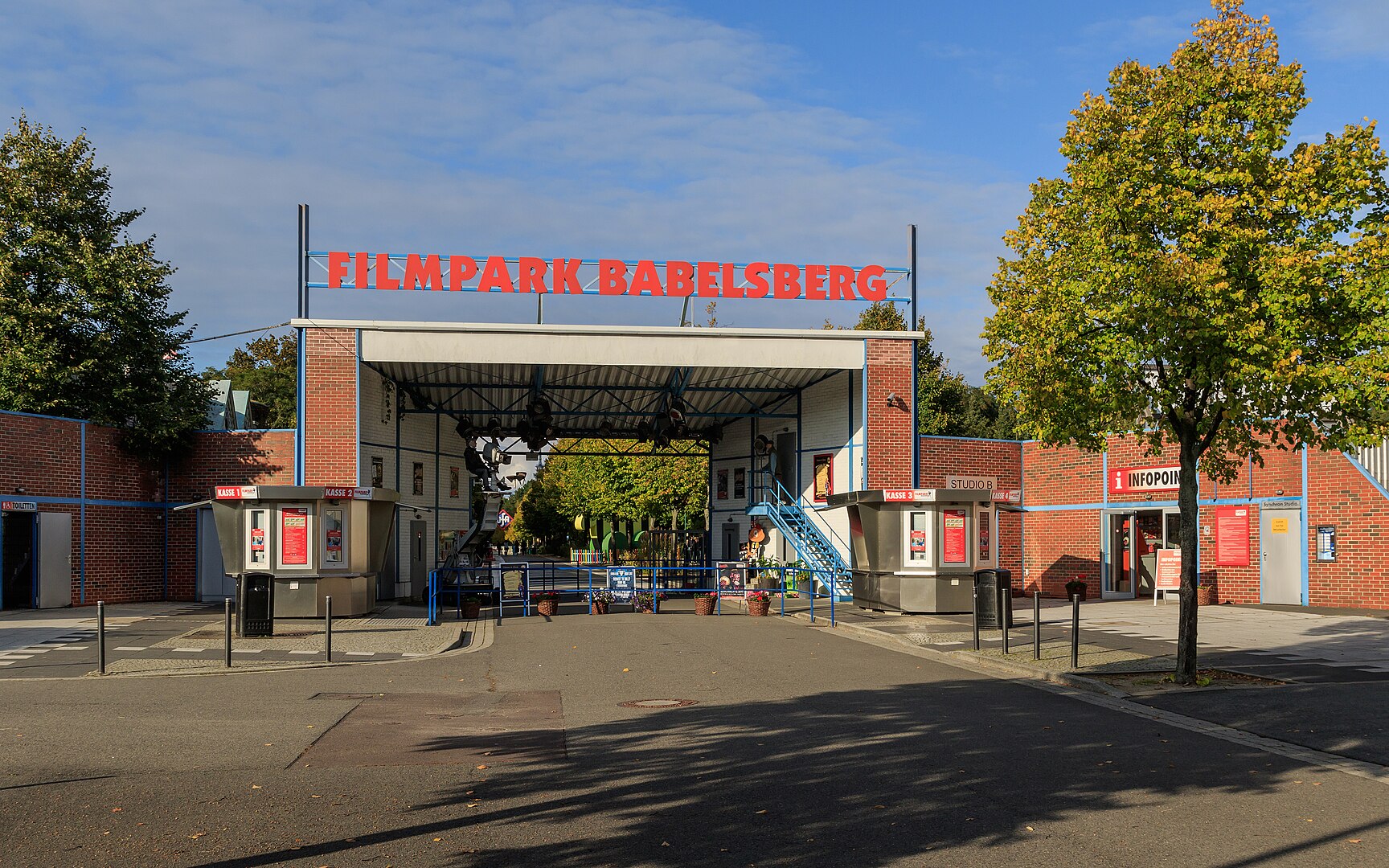
A bit further out, Filmpark Babelsberg stands out as a working film studio park. Here, you can wander through actual sets and see special effects up close.
I loved watching how classic films came together, and the live shows and guided tours gave me a behind-the-scenes peek at decades of filmmaking.
Checking out these places finally made me understand why Potsdam is called the “Heart of German Cinema.” Most people skip them if they only stick to the guidebooks, but they uncover stories that make the city unique.
Film Highlights:
- Film Museum: Historic equipment, costumes, exhibition halls
- Filmpark Babelsberg: Studio tours, behind-the-scenes movie magic
If you’re into creative stories or just love old movies, these are must-sees.
Unexpected Historical Stories and Local Experiences
Potsdam’s history isn’t all grand palaces and busy squares. I’ve found hidden stories and quiet corners that most tourists never see, and they offer a whole new perspective on the city’s past.
Lesser-Known Glienicke Bridge Stories
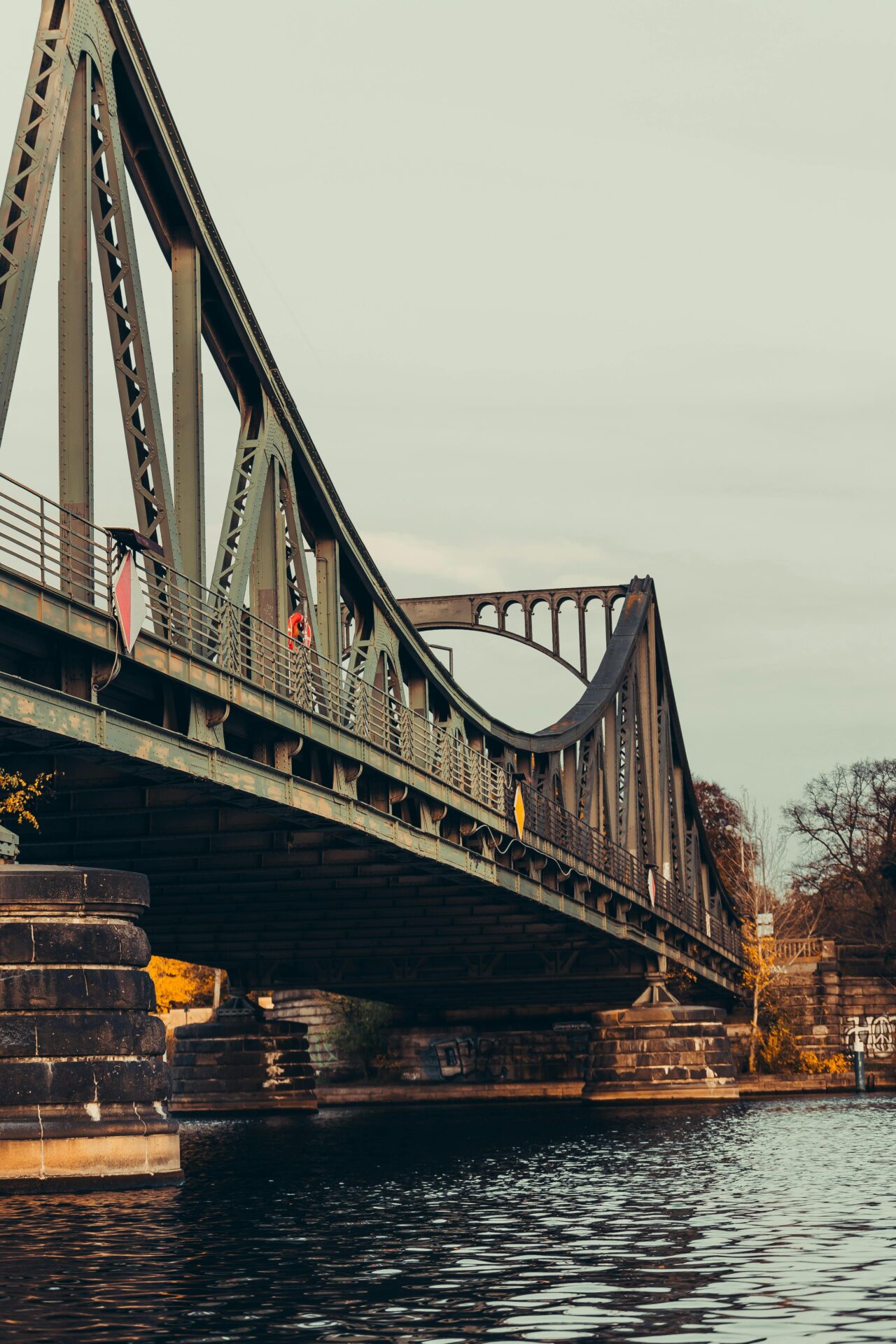
Glienicke Bridge gets famous as the “Bridge of Spies,” connecting Potsdam and Berlin. Most guides talk about Cold War exchanges, but if you wander early in the morning, you’ll find faded plaques and old border markers showing exactly where East met West.
Locals told me about patrol boats that used to glide silently on the Havel, keeping watch from both sides. Not far away, small memorials honor those who risked escape or worked in secret.
I even noticed the bridge’s ironwork still bears pockmarks from bullets—a silent witness to tense moments that most people forget.
Glienicke Bridge sits close to Cecilienhof Palace, where leaders once planned Europe’s future at the Potsdam Conference. But honestly, it’s the quieter details—the shadows and cracks—that made the bridge stick in my memory.
Forgotten Corners Near the Dutch Quarter
The Dutch Quarter in Potsdam bursts with color and energy, but honestly, the quieter side streets tell the juiciest stories. Just a block behind those famous red brick houses, I stumbled over cobblestones that have felt centuries of boots—traders, soldiers, you name it.
Someone left old graffiti on a hidden wall, and it turns out Allied soldiers scrawled it there after World War II. There’s this tiny bakery tucked away, still firing up bread in an oven that’s been around for 150 years. Locals rave about it, but hardly any tourists seem to find the place.
If you check out maps from Potsdam’s Old Market Square, you’ll notice how these little streets once tied the city to the Brandenburg Gate. They were part of everyday life, not just some backdrop.
Wandering off the main route, I bumped into neighbors who were eager to swap family stories. They shared tales about Prussian palaces, tough times, and the grit it took to rebuild after the war.
Honestly, these moments and hidden corners made Potsdam feel real to me—so much more than just another pretty postcard.

#/media/File:Potsdam_Alexandrowka_02-14_img2.jpg)


.jpg)
