
Every time I wander the Romantic Road, I stumble into towns that seem pulled from a fairy tale, but Augsburg always grabs my attention for something deeper. Augsburg isn’t just about the famous Fuggerei—it’s the layers of history, the bold architecture, and that friendly, lived-in feeling that set it apart from the rest.
As I stroll the ancient streets, I can’t help but remember that this is one of Germany’s oldest cities. Augsburg has shaped Bavarian culture in ways most people never realize.
There’s more than the guidebooks let on. Augsburg draws me in with its art, lively squares, and the gentle sound of canals weaving through the center. Each trip, I find something new—maybe a grand old merchant house that once shaped European trade, or a tiny café tucked in an alley where locals linger over coffee.
This city’s got surprises, and honestly, you’d regret skipping it if you’re exploring the Romantic Road.

Augsburg’s Enduring History and Cultural Significance
Augsburg stands as one of Germany’s oldest cities. You’ll find Roman roots, powerful families, and political turning points that shaped Europe’s story.
This history isn’t locked away in dusty museums—it’s alive in the streets, the buildings, and the local culture. You feel it as you explore.
Legacy Dating Back to Roman Times
When I wandered through Augsburg, I felt the weight of centuries pressing in. The Romans founded Augsburg in 15 BC and named it Augusta Vindelicorum. That’s more than two thousand years of stories underfoot.
I spotted signs of this Roman legacy everywhere. Archaeologists uncovered ancient settlements along the Lech and Danube, showing Augsburg’s old importance for trade and defense.
In the Roman Museum, I saw coins and carved stones—tiny pieces of a huge history. These artifacts told me how Augsburg once linked Italy and northern Europe.
Even the city’s layout hints at its Roman past. As I walked the old paths, I imagined the lives that filled these streets long before.

A Center of Power in Early Modern Germany
Augsburg really hit its stride during the Renaissance. Families like the Fuggers and Welsers built fortunes on banking, trade, and silver. Their wealth turned Augsburg into a powerhouse, shaping not just the city but all of early modern Germany.
I visited the Fuggerei, the world’s oldest social housing, built in 1521 by Jakob Fugger. Sure, everyone talks about it, but what really struck me was the spirit of independence and entrepreneurship that still lingers in the air.
Old merchant houses and bustling squares once saw deals that rippled across Europe. Standing there, I could almost hear the chatter of traders and the clink of coins.
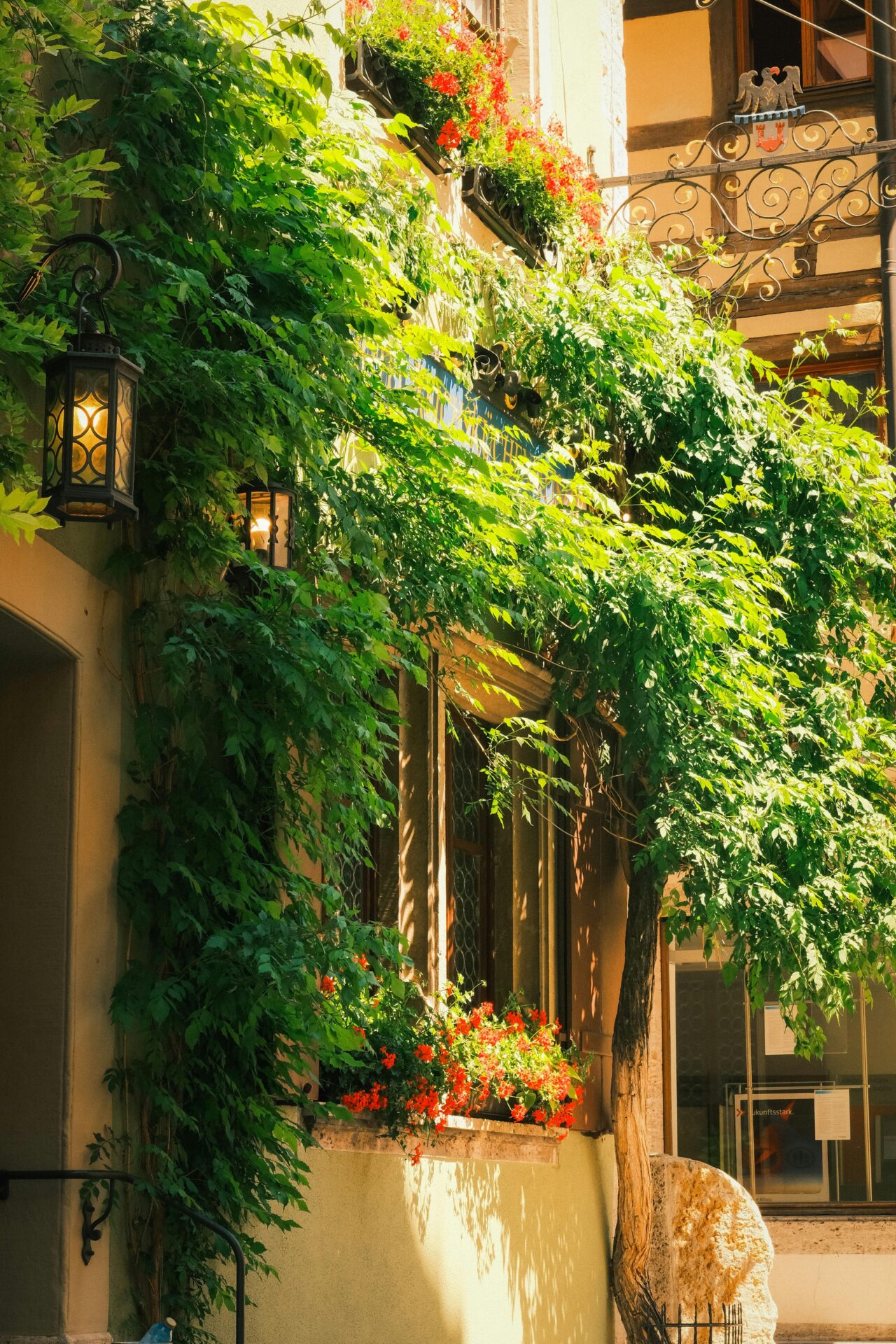
The Influence of the Reichstag and the Golden Age
Augsburg didn’t just get rich—it helped steer European politics. The Reichstag—the Imperial Diet—met here several times, especially in the 1500s. Princes and leaders gathered to hash out religious and political disputes.
I learned about the Peace of Augsburg (1555) during a city tour. This agreement, reached right here, let local rulers pick their religion. That decision changed the course of European history.
During Augsburg’s Golden Age, builders crafted stunning townhouses, Renaissance churches, and big public squares. As I wandered the markets and old halls, I could almost feel the echoes of debate and tolerance from those days.

Exploring Architectural Marvels Beyond the Fuggerei
Augsburg’s magic goes way beyond the Fuggerei. The city bursts with ancient cathedrals, bold Renaissance halls, and lively plazas. Every street feels like a new chapter in a wild European history book.
Augsburg Cathedral: The Gothic Masterpiece
The spires of Augsburg Cathedral stopped me in my tracks. Dom Mariä Heimsuchung, as it’s called, blends Romanesque and Gothic styles in a way that’s both impressive and oddly welcoming.
Those stained-glass windows—some of the oldest in Germany—catch the sun and throw color everywhere. Each corner inside hides another detail: stone carvings, frescoes, and a crypt that’s both peaceful and a little bit eerie.
The ancient mosaics down there hint at early Christian stories. This cathedral stands as proof of Augsburg’s deep roots in art and faith.
Quick Facts:
- Built: 11th century (later Gothic updates)
- Highlights: Original stained glass, medieval frescoes, crypt
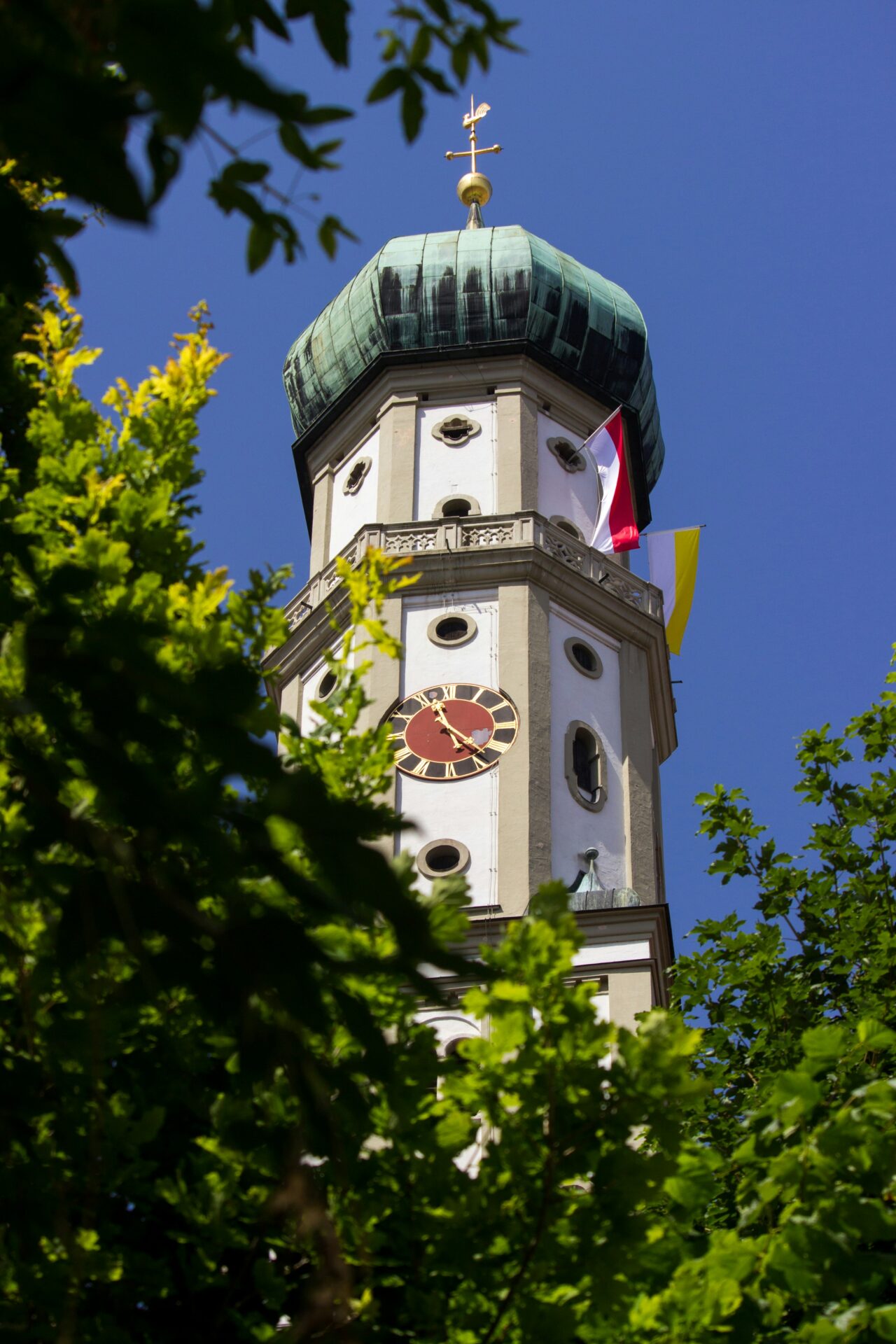
The Stunning Renaissance Town Hall and Golden Hall
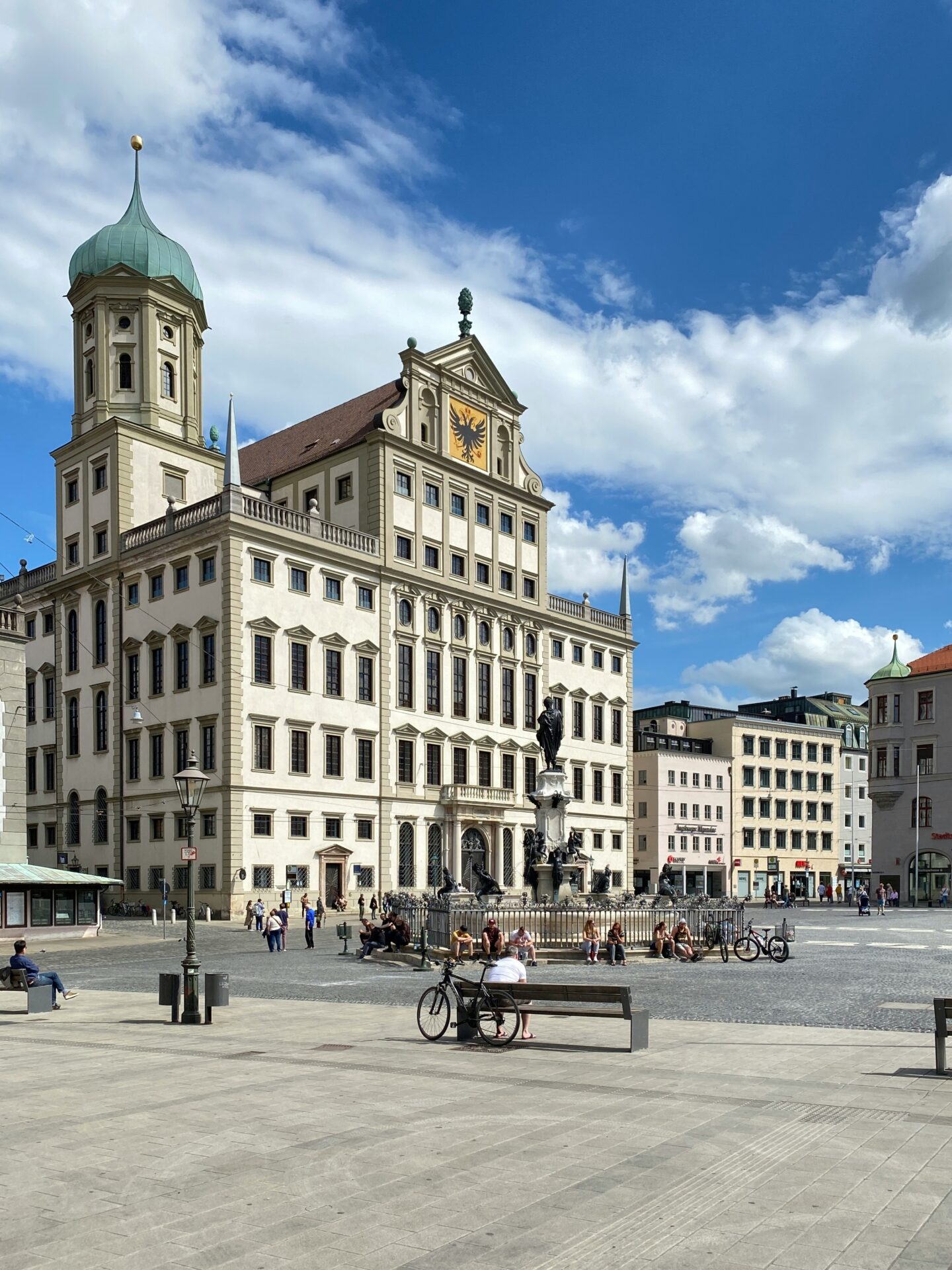
Augsburg’s Town Hall is a showstopper with its bold Renaissance front. Elias Holl built it in the 1600s, and it’s often called one of Germany’s most beautiful town halls.
But the real jaw-dropper is inside—the Golden Hall. Gold leaf, carved wood, and huge painted ceilings make it feel almost unreal.
I spent ages just staring up at the murals and sparkling chandeliers. That kind of craftsmanship from 1624? You don’t see it every day. If you’re curious about the building’s story (or just want a killer photo), book a guided tour.
- Must-See: The Golden Hall
- Photo Tip: Early mornings bring gorgeous light through the windows
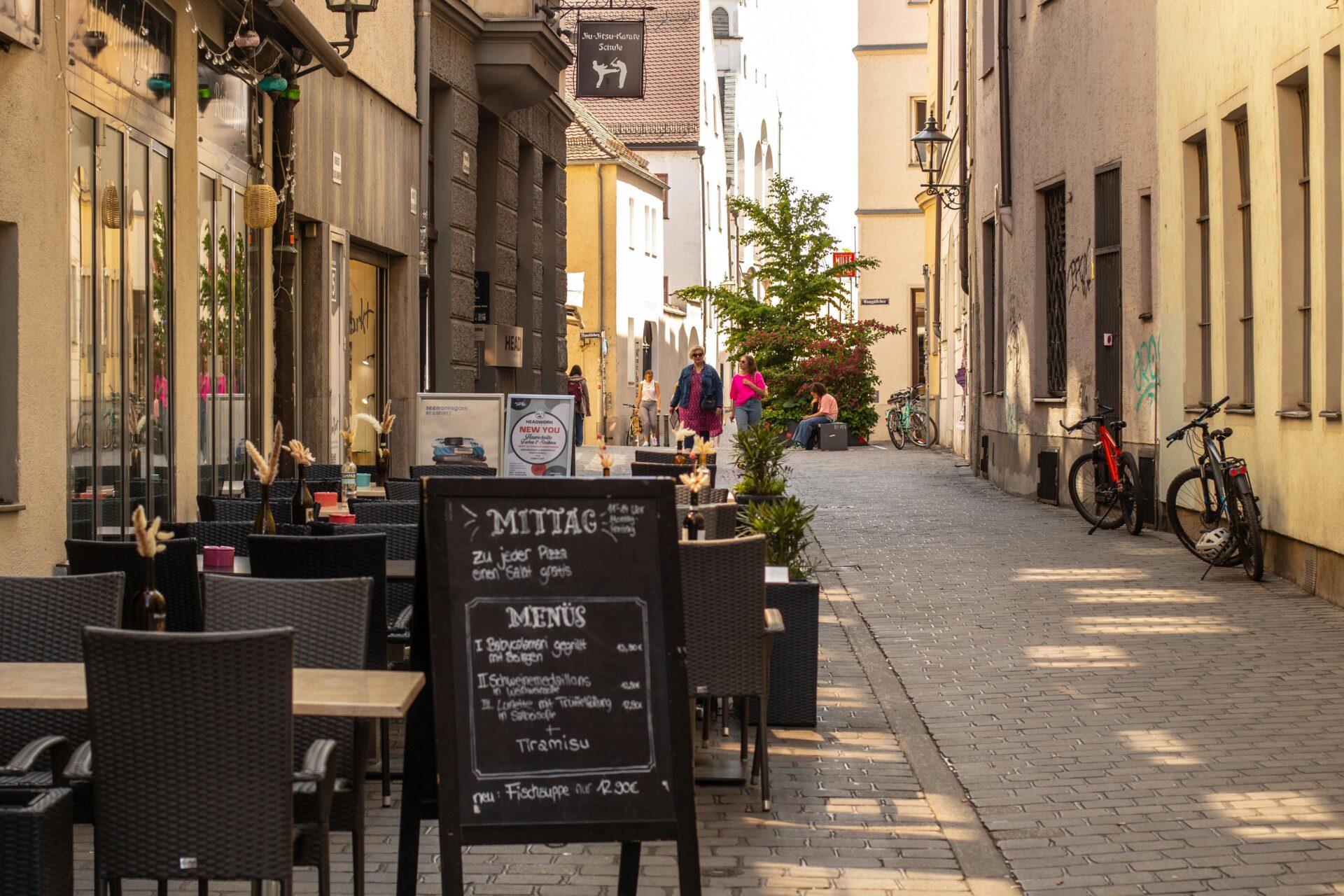
Charming Taverns and Historic Atria
Augsburg’s taverns and atria are way more than places to eat. They’re gathering spots packed with tradition and stories. I found myself unwinding in cozy corners that have hosted guests for centuries.
Many are hidden in courtyards—locals call them “atriums”—with arched walkways, painted walls, and loads of flowers. Classic dishes like Schwäbische Maultaschen and big mugs of beer land on old wooden tables, worn smooth by generations.
Each tavern feels different. Once, I sat under creaky beams where musicians used to play for passing traders. These courtyards let you escape the busy streets and soak up Augsburg’s friendly vibe.
Local Favorites Table
| Tavern Name | Specialty Dish | Location Feature |
|---|---|---|
| Zeughaus Stuben | Roast pork with dumplings | Stone atrium |
| Ratskeller Augsburg | Swabian cheese spaetzle | Arched cellar |
| Bayerischer Hof | Local wheat beer | Flower-filled patio |
Art, Myth, and Unique Attractions in Augsburg
Augsburg weaves together old art, quirky museums, and lively local traditions. I didn’t expect to find so much myth, puppetry, and creative energy shaping the city’s character.
Greek Mythology and Bacchus in Augsburg’s Art
Down Maximilianstrasse, I spotted how Augsburg celebrates Greek myths right in its architecture and fountains. The “Herkulesbrunnen” and “Augustusbrunnen” aren’t just pretty—they show off gods and heroes in bronze.
Bacchus, the Roman god of wine and fun, sits on one of the fountains and, honestly, fits the city’s mood. Inside Schaezlerpalais, I found paintings with Bacchus and other wild characters.
These old artworks tell stories about pleasure and joy—things you can still sense in Augsburg’s daily life. Local legends tie right into these myths, adding another layer to the city’s art and public spaces.
Taking the time to really look at the sculptures and murals made the whole place feel like a living storybook.

The Augsburg Puppet Theatre and Museums
I couldn’t skip the famous Augsburg Puppet Theatre, or Puppenkiste. It’s not just for kids. On that tiny wooden stage, classic fairy tales come alive with handmade puppets.
The shows are magical, and there’s a nostalgia that pulled me straight back to childhood. Next door, the Puppet Museum (Puppentheatermuseum) displays original marionettes, old scripts, and stage sets.
I learned how these puppets became a beloved part of German culture. The museum lets you get close to the careful craftsmanship behind every character. Together, the theatre and museum show off Augsburg’s playful, creative side.

Vibrant Social Life and Local Traditions
From little cafés to busy beer gardens, Augsburg’s social life feels inviting. Locals gather in open squares, swap stories over schnitzel or coffee, and fill the city calendar with festivals.
I joined a walking tour and heard stories about old guilds and fairs. Today, music nights and markets still bring everyone together. The sense of community here? It’s real.
It even echoes Bacchus—good times, friends, and celebrating life. Augsburg’s traditions made me feel like I belonged, even as a visitor.
Augsburg’s Role Within the Romantic Road’s Landscape
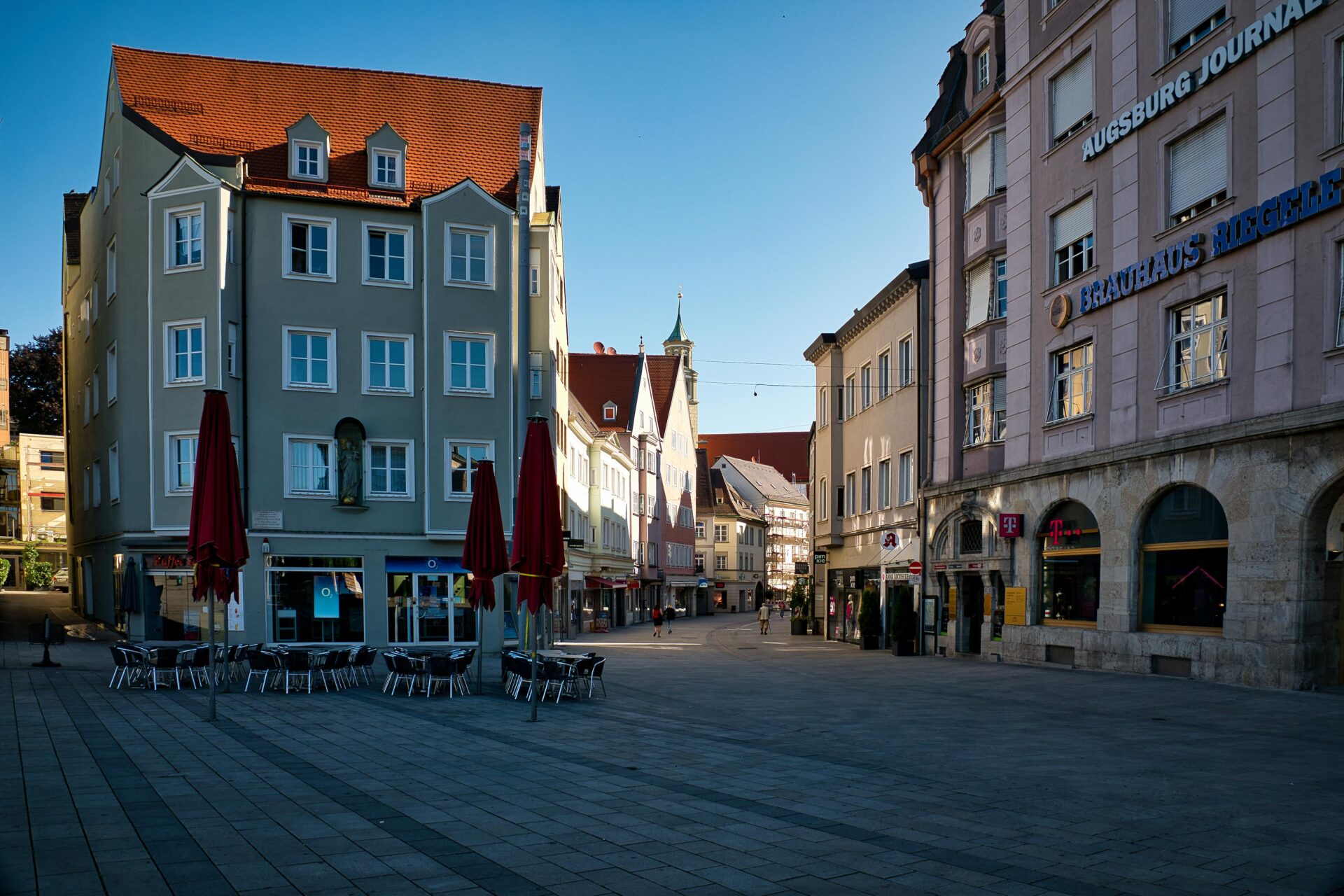
Augsburg sits smack in the middle of the Romantic Road, linking travelers with big cities and rolling countryside. Its location makes it a great base for exploring southern Germany’s best spots—lively Munich, historic Nuremberg, the magical Black Forest, and the peaceful Bodensee (Lake Constance).
Connections to Munich, Nuremberg, and Beyond
When I traveled the Romantic Road, Augsburg made it easy to see more of Bavaria and beyond. The city sits almost perfectly between Munich and Nuremberg.
Munich is just 45 minutes away by train, and Nuremberg is less than two hours northeast. I could spend my morning wandering Augsburg’s old town, have lunch in Munich, or catch the sunset at Nuremberg’s castle.
Direct trains and highways make day trips a breeze. Augsburg also connects you to other Romantic Road gems like Dinkelsbühl and Rothenburg ob der Tauber.
I liked how Augsburg gave me a cozy, small-city vibe without missing out on the buzz of bigger cities. It’s the kind of place where you can enjoy local life, but still jump on a train for a quick adventure.

Proximity to the Black Forest and Bodensee
What really surprised me was how close Augsburg is to the Black Forest and Bodensee. The Alps and lakes almost felt within arm’s reach.
By car, I reached the Black Forest in under two hours—winding roads, deep woods, and those famous cuckoo clocks. Bodensee, or Lake Constance, is an easy drive southwest. It’s perfect for boat rides or lazy afternoons by the water.
Trains from Augsburg made it simple to bounce between city sights and nature. I loved being able to wake up in a Renaissance town, eat Black Forest cake in the afternoon, and end the day by the lake—without ever feeling rushed.
Travel Tip: If you’re exploring southern Germany, Augsburg is honestly the perfect launchpad for memorable trips in every direction.

Culinary Delights and Local Experiences
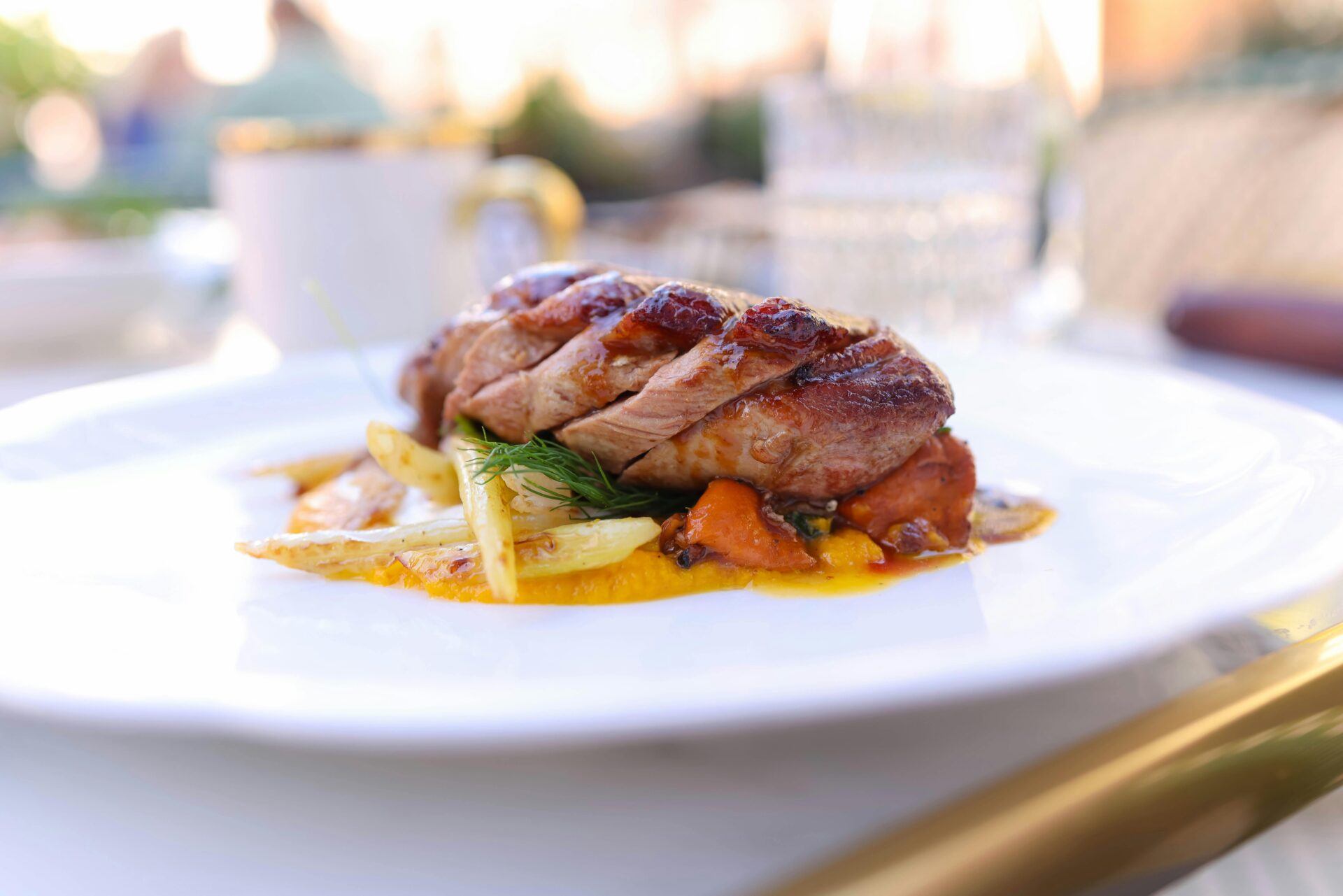
Augsburg’s food scene brings Swabian flavors to life with hearty dishes and memorable tastes. Classic meals, cozy taverns, and modern spots serve up craft beers and local wines that make every meal feel like a little celebration.
Nutrition and Traditional Swabian Cuisine
When I wander through Augsburg, I never have to search long for a good meal. Traditional Swabian cuisine has a knack for being both filling and packed with history.
You’ll spot local staples everywhere—Spätzle (soft egg noodles), Maultaschen (filled pasta), and Schupfnudeln (potato noodles) seem to pop up on menus all over the city.
People here love hearty dishes like Sauerbraten (marinated beef roast) and Leberknödel (liver dumplings), usually served up with whatever veggies are in season.
And then there’s Zwetschgendatschi, that plum cake everyone raves about. If you’ve got a sweet tooth, you probably shouldn’t skip it.
Almost every tavern in town puts its own twist on these old favorites. I’ve noticed many spots also offer salads or lighter sides, so it’s easy to enjoy Swabian comfort food without feeling weighed down.
| Dish | Description | Best Place to Try |
|---|---|---|
| Spätzle | Soft egg noodles | Traditional Augsburg taverns |
| Maultaschen | Pasta filled with meat & herbs | Family-run restaurants |
| Zwetschgendatschi | Plum cake dessert | Local bakeries and cafés |
Famous Local Alcoholic Beverages
You really can’t skip Augsburg’s drinks if you want to get the full experience. Local breweries like Riegele BrauTradition have poured craft beers for generations.
Beer isn’t just a drink here—it’s woven right into Augsburg’s cultural DNA. Some fine dining spots even suggest beer pairings that go surprisingly well with traditional dishes.
If you wander through the city’s old taverns, you’ll probably run into Weissbier (wheat beer), Dunkel (dark beer), or the stronger Bockbier (strong lager). Each one stands out with its own flavor and color.
I’ve noticed a lot of visitors don’t expect Augsburg to have its own local wines, but you’ll find crisp whites from vineyards just outside the city.
Honestly, my favorite evenings in Augsburg happen when I’m squeezed into a busy tavern, stein of beer or glass of wine in hand. The staff almost always have stories about family recipes or brewing traditions, so every drink feels like a little piece of Augsburg’s history.

