
Baden-Württemberg in southwest Germany is a real treat for anyone who loves discovering new flavors. The region’s food scene draws from rolling hills, deep forests, and a blend of German, French, and Swiss influences.
Every village or city feels like a new invitation to try something different. I wandered through Baden-Württemberg and found five unforgettable culinary delights, from cozy Maultaschen dumplings to the decadent Black Forest Gateau.
If you’re a seasoned traveler or just a curious foodie, these local dishes offer a delicious peek into the culture and warmth of this place. Sharing a meal here isn’t just about eating—it’s a huge part of the adventure.
From rustic snack boards called Vesper to world-famous desserts, exploring this food scene lets you experience Germany in a way that goes way beyond sightseeing.
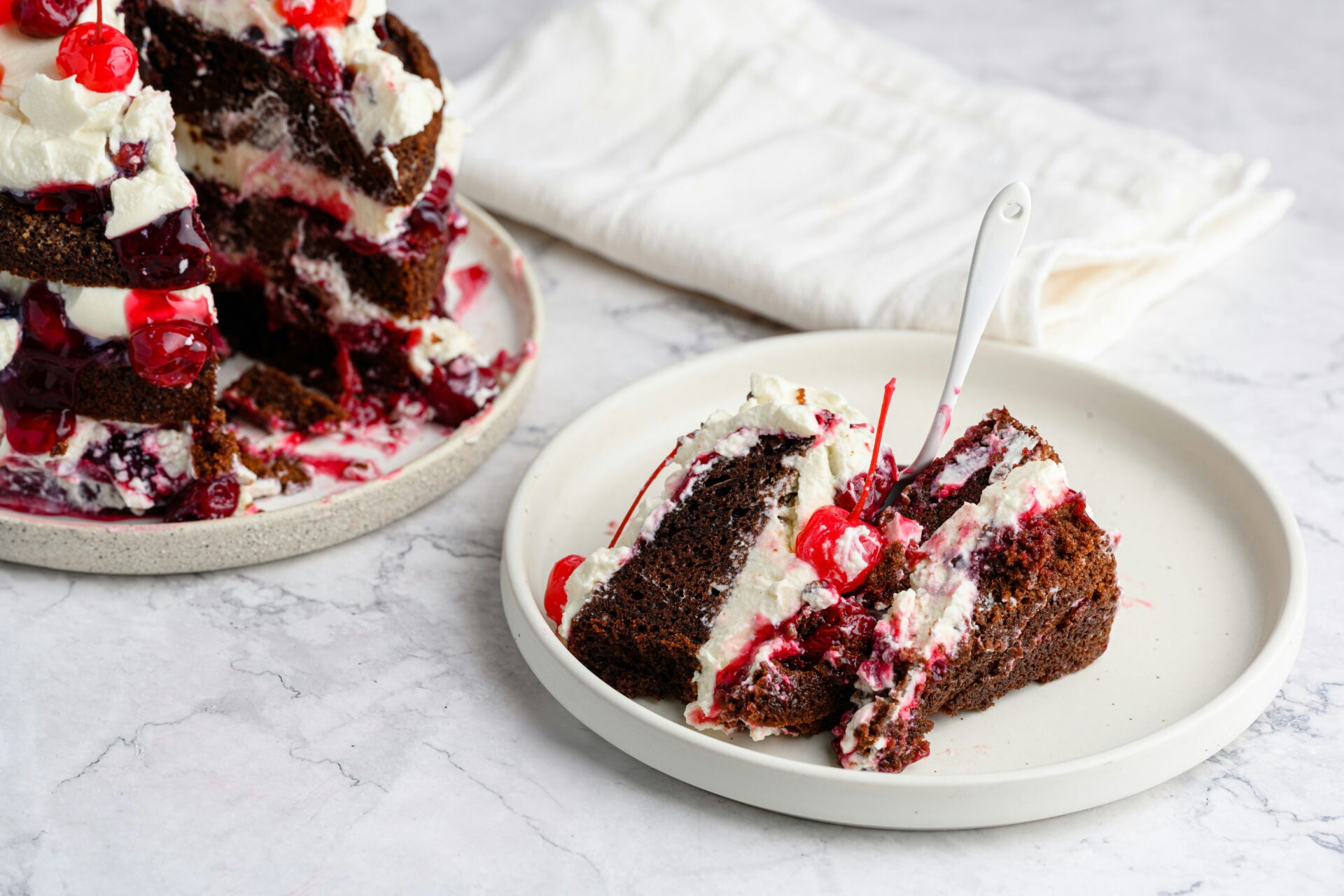
Savoring the Legendary Maultaschen
Maultaschen isn’t just another dumpling—it’s a regional favorite, deeply comforting and packed with history. Locals love it, and honestly, I get why.
The dish has roots that stretch back centuries. You’ll find it everywhere in Stuttgart and the wider Baden-Württemberg region.
Origins and Historical Significance
Trying Maultaschen kind of felt like stepping into another era. The legend traces these savory dumplings to Swabia, with stories linking their invention to the Cistercian monks at Maulbronn Abbey in the 13th century.
Apparently, monks came up with Maultaschen to hide meat during Lent. They mixed spinach, ground meat, onions, and soaked bread, wrapped it in pasta, and—well, they managed to “cheat” a little.
Over time, this clever workaround became a beloved local specialty and a symbol of Swabian ingenuity.
Now, Maultaschen stands for more than just a meal. Locals celebrate it at food festivals and serve it at home and in restaurants, especially in Stuttgart.
The dish’s story and status just ooze cultural pride and tradition in southern Germany.

Where to Try Maultaschen in Stuttgart
I found great Maultaschen in Stuttgart way easier than expected. Pretty much every traditional restaurant or Gasthaus lists it on the menu, but a few spots really stood out.
Hotel-Restaurant Ochsen in Blaubeuren served me a classic version—savory, perfectly seasoned, just right. In Stuttgart, the bustling market halls like Markthalle Stuttgart offered fresh dumplings to take away or enjoy at lunch counters with locals.
For a fancier twist, I tried a memorable Maultaschen dish at a Michelin-starred place near Schlossplatz. Chefs there love getting creative with modern versions.
During festivals or seasonal markets, I spotted Maultaschen at snack stalls, either simmered in broth or pan-fried with onions. Eating it with locals made me feel like I’d tapped into Stuttgart’s real culinary vibe.

Traditional Preparation & Tasting Tips
Making Maultaschen at home gave me a new respect for the dish. I rolled out the pasta dough thin, then stuffed it with beef, pork, spinach, onions, and old bread soaked in milk.
I seasoned everything with nutmeg, salt, pepper, and sometimes a little parsley. Traditionally, you simmer the dumplings in beef broth for 10-15 minutes.
Locals also love slicing and frying them with eggs—especially as leftovers. I was surprised at how versatile Maultaschen can be.
Sometimes they top them with crispy onions and butter, or serve them with potato salad. Here’s what I learned:
- In broth: Go for this if you want the classic taste.
- Fried: Great if you’re after something heartier.
- Toppings: Don’t miss the browned onions or a bit of butter.
Whether I grabbed them from a market stand or enjoyed them in a rustic tavern, Maultaschen quickly became my go-to whenever I needed a taste of Swabia.
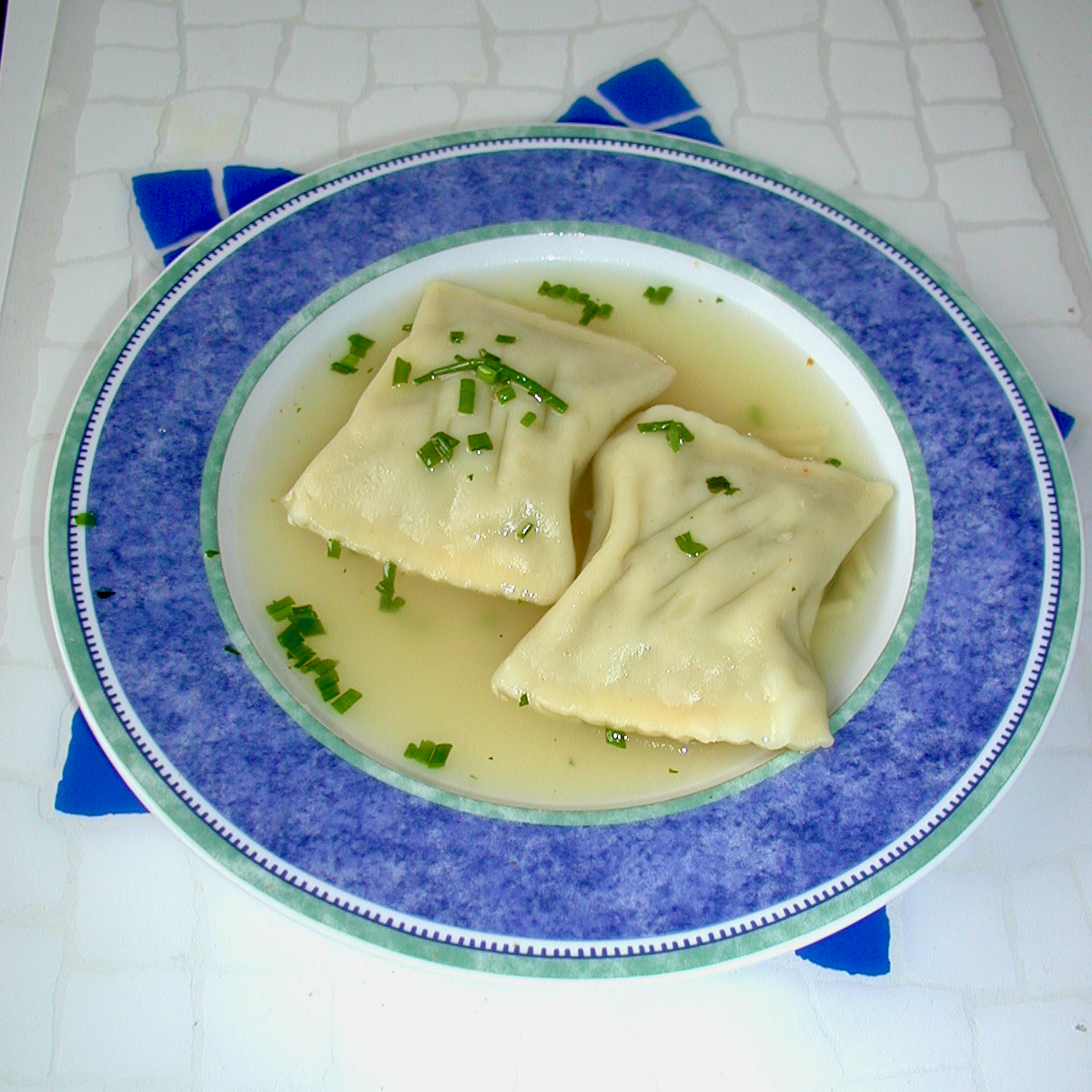
Diving into Black Forest Gateau: The Schwarzwälder Kirschtorte Experience
Schwarzwälder Kirschtorte isn’t just any cake—it’s a piece of Black Forest culture. Tasting this iconic dessert in Baden-Württemberg let me savor local history, regional flavors, and the handiwork of generations of bakers.
Black Forest Cake Versus Schwarzwälder Kirschtorte
When I ordered Black Forest cake in Freiburg, I noticed the difference right away. In its home region, Schwarzwälder Kirschtorte goes beyond chocolate, cream, and cherries.
The traditional German version always layers light chocolate sponge, rich whipped cream, and tart cherries soaked in clear cherry schnapps called Kirschwasser. That liquor? It’s what makes the original stand out. It adds a floral aroma and a bit of a kick.
Here’s a quick breakdown:
| Black Forest Cake | Schwarzwälder Kirschtorte | |
|---|---|---|
| Cherry Liqueur | Often skipped | Always has Kirschwasser |
| Cream | Single, heavy layer | Generous, between every layer |
| Cherries | Sweet | Tart, usually sour Morello |
| Sponge | Dense | Airy, light chocolate |
Locals really care about using the right Kirsch. Outside the region, cakes can get heavier, sweeter, or even skip the liqueur altogether.
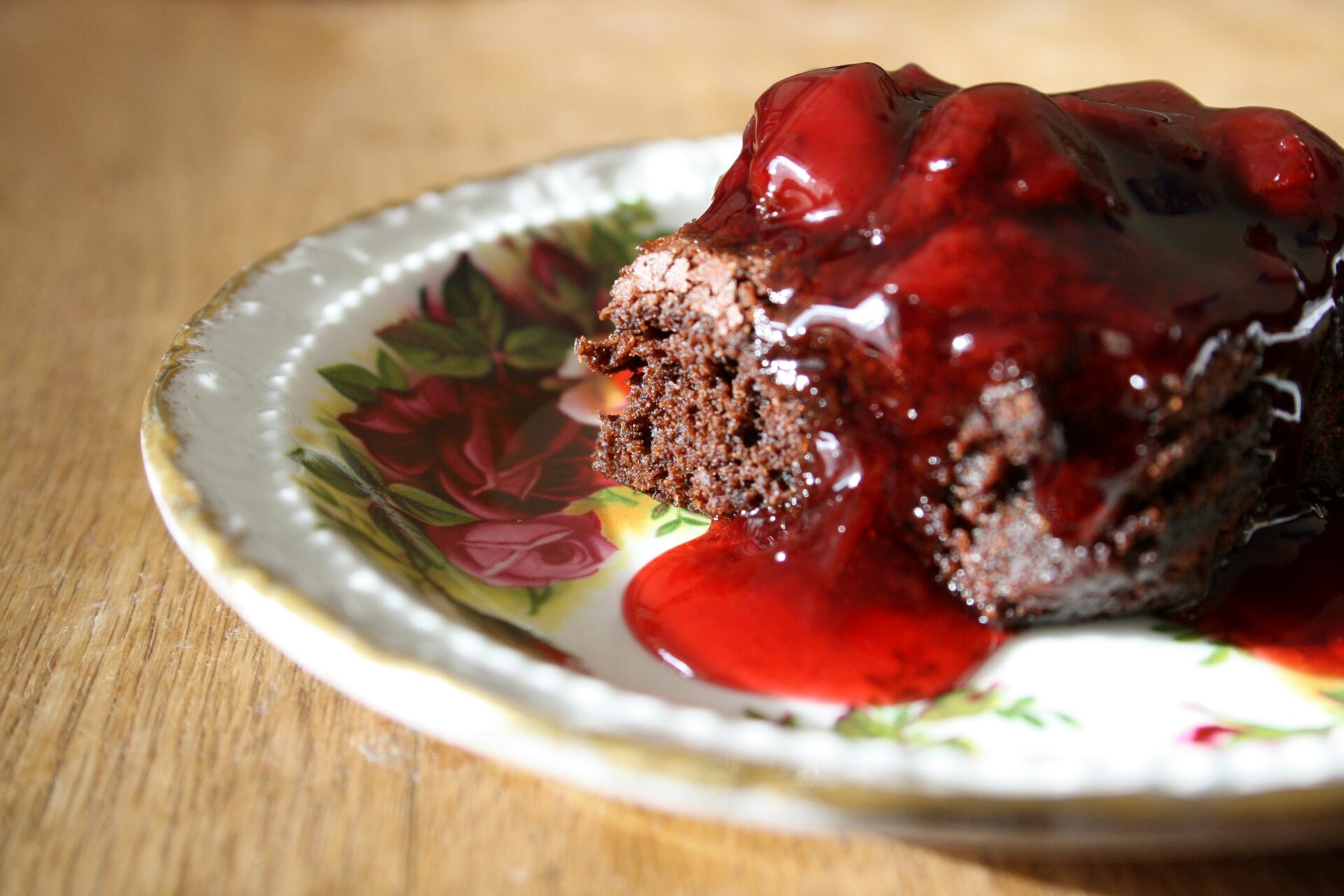
Bakeries and Cafés Across the Black Forest
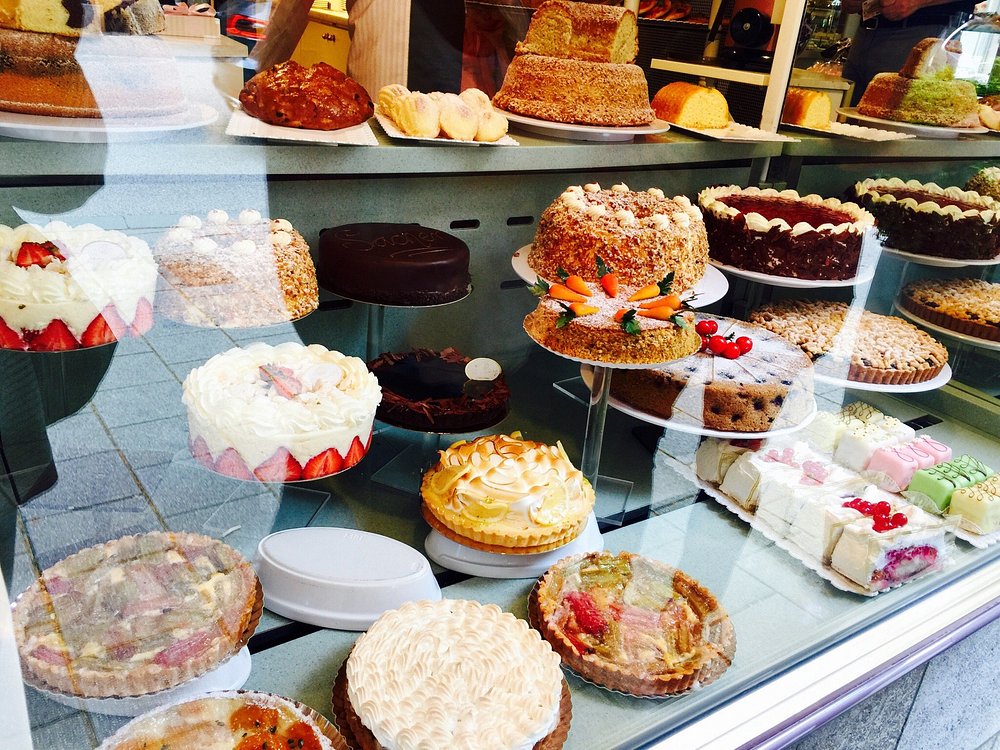
Walking through Baden-Baden and Freiburg, I spotted Schwarzwälder Kirschtorte in almost every bakery window. Each place adds its own twist, but freshness always matters.
Bakers usually whip up the cake daily, stacking the layers just hours before serving. In smaller Black Forest towns, family-run cafés serve generous slices topped with hand-whipped cream and dark chocolate curls.
Some of these places offer views of the wooded hills, which somehow makes the cake even better. A few favorites:
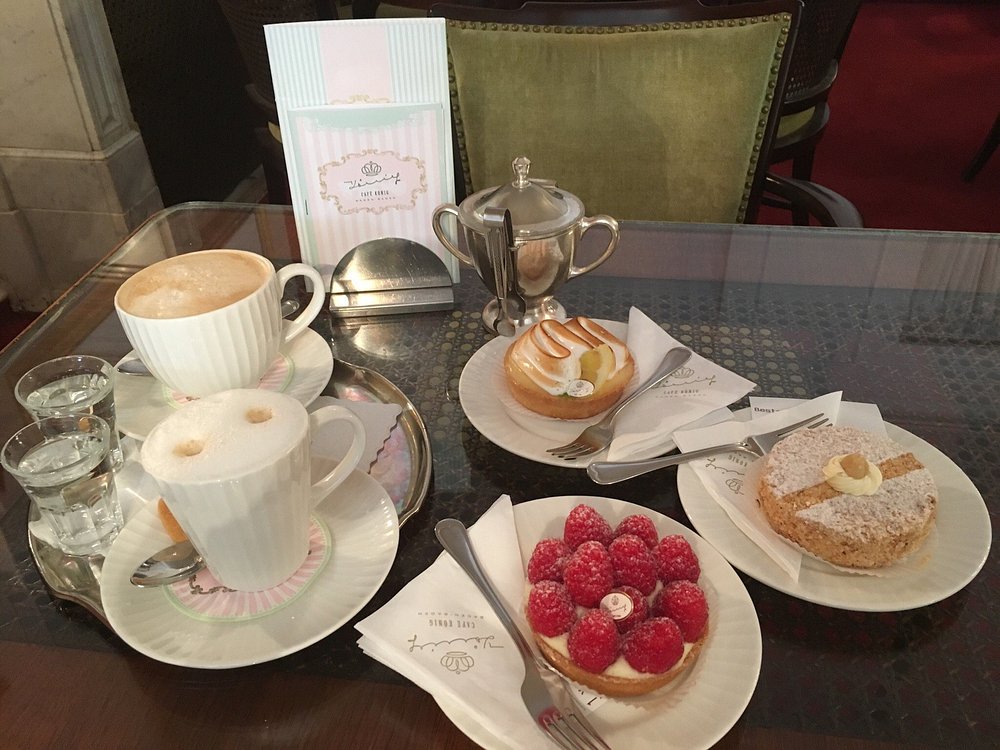
- Café König (Baden-Baden): Elegant, with beautiful slices and a cherry on top.
- Café Schmidt (Freiburg): Feels authentic, popular with locals, and perfect for people-watching.
- Village bakeries: Owners are usually happy to share their recipe stories.
I always ask for a corner slice—there’s just more chocolate shavings there!
Best Pairings with Coffee and Mineral Water
Germans take their cake with coffee pretty seriously, and Schwarzwälder Kirschtorte is no exception. A strong coffee, black or with milk, balances the cake’s creamy richness.
The bitterness cuts through the sweet and makes the cherry flavor pop. In the Black Forest, they often serve mineral water on the side.
I found that the local, sparkling mineral water was especially refreshing after a bite of sugary cake. Those bubbles help cleanse your palate, so every forkful feels fresh.
Most cafés offer a set called Kaffee und Kuchen (coffee and cake), so it’s easy to order both. Pairing tips:
- Espresso if you want a bold contrast.
- Mild filter coffee for something lighter.
- Local mineral water to refresh between bites, especially on a sunny terrace.
The Richness of Swabian Spätzle and Brezeln
Baden-Württemberg serves up some of the coziest, most down-to-earth food I’ve ever tried. Nothing says “Swabian hospitality” quite like a bowl of homemade Spätzle or a warm, golden Brezel from a local bakery.
Spätzle: Comfort Food with a Regional Twist
My first bite of Swabian Spätzle stuck with me. These soft egg noodles, unique to the region, start with a simple dough of flour, eggs, and a splash of water.
You press or scrape the dough into boiling water, making small, irregular dumplings. Most Swabians serve Spätzle with rich sauces, like creamy cheese or savory gravy.
The version to try is Käsespätzle—baked with cheese and topped with crispy onions. What makes Spätzle special isn’t just the taste, but the pride behind every batch.
Families hand down their own recipes, and at local festivals, I watched grandmothers scrape dough the old-fashioned way. It’s the humble ingredients and dedication to tradition that make Spätzle such a top comfort food here.

Brezeln & Pretzels: From Bakeries to Beer Gardens
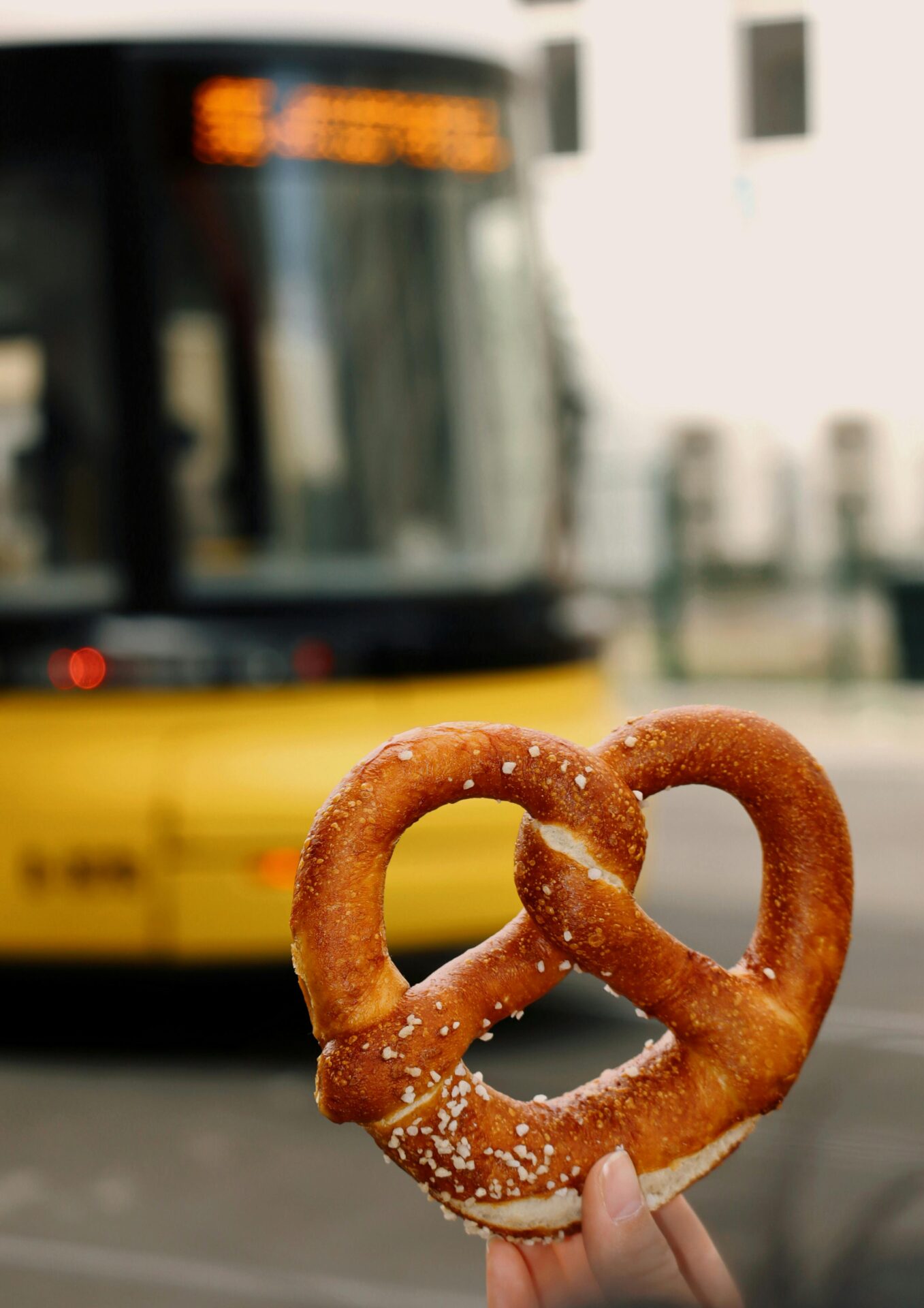
Strolling through Stuttgart’s old town, I never had to look far for Brezeln—the Swabian-style pretzels. They’re easy to spot, thanks to their glossy brown crust, chewy inside, and signature loops.
Fresh from the bakery, Brezeln are perfect with butter. Locals also pair them with cheese spreads, sausages, or dip them in beer—especially in lively beer gardens.
Here’s a quick look at Swabian Brezeln:
| Feature | Swabian Brezel |
|---|---|
| Shape | Looped, thick in the middle |
| Crust | Glossy, deep brown |
| Texture | Soft, just a bit chewy |
I found Brezeln at their best during local festivals—warm, salty, and always inviting. Around here, they’re more than a snack; they’re a staple.
Where to Enjoy Spätzle and Brezel Pairings
I kept finding Spätzle and Brezeln side by side in traditional inns and at city festivals. Old town taverns usually serve Spätzle as a main, but you can almost always grab a fresh Brezel as a side or quick snack.
The combo is especially popular during autumn festivals, like Stuttgart’s Cannstatter Volksfest. Food stalls there serve hot Käsespätzle with baskets of warm Brezeln, perfect for soaking up the festival vibe.
For a real treat, I’d hit bakeries first thing in the morning, when Brezeln come out of the oven. Pairing them with Spätzle in a cozy tavern just felt like the ultimate Baden-Württemberg experience.

Exploring Baden-Württemberg’s Vibrant Wine Landscape
Wine lovers, this place is for you. From vineyard-lined shores near Lake Constance to old wine cellars in Heidelberg, each region brings its own taste of tradition and scenery.
I discovered a variety of grapes here, like Riesling and Chardonnay. They matter just as much as the friendly wine towns themselves.
Wineries in Vineyards Surrounding Lake Constance
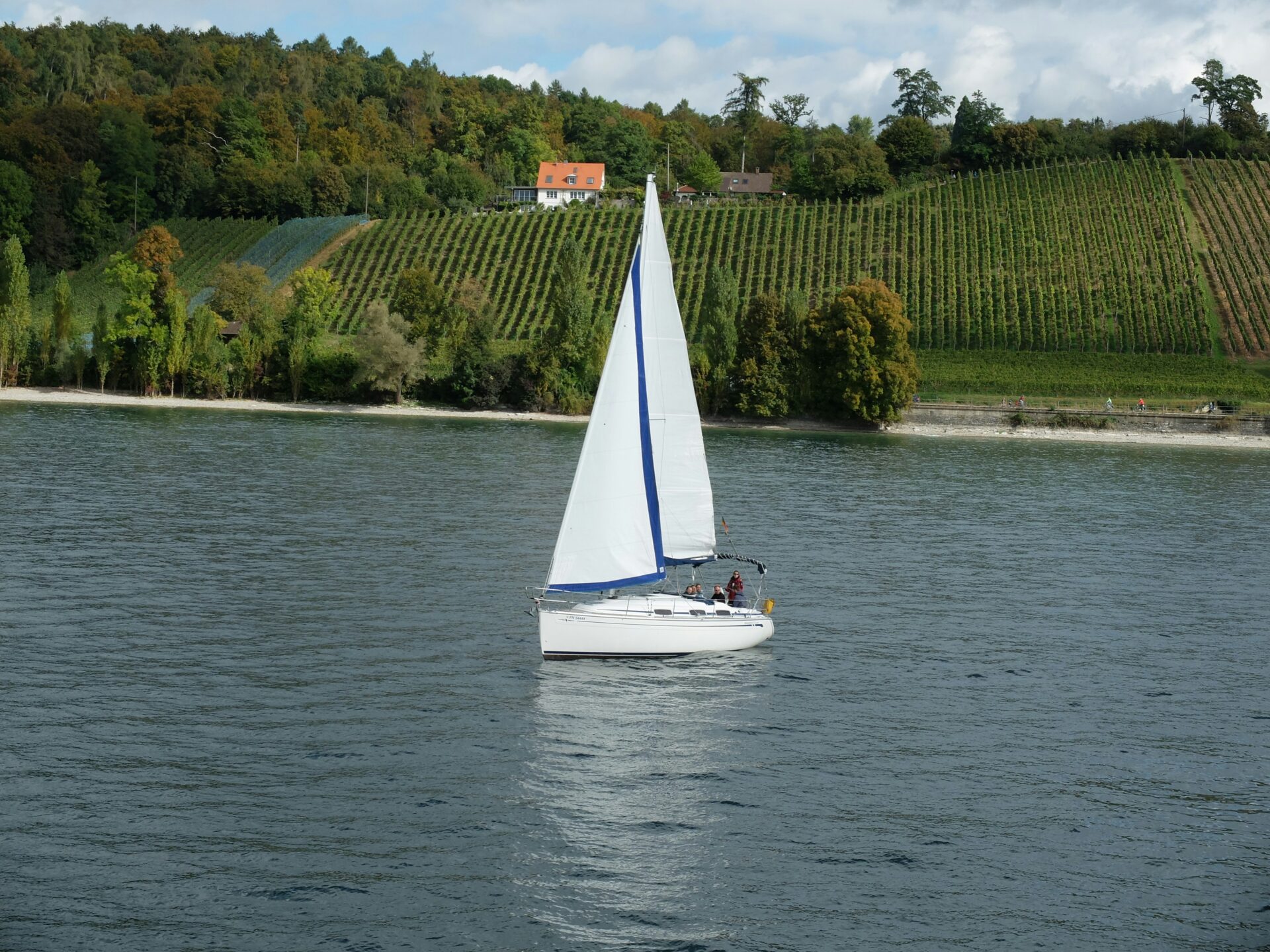
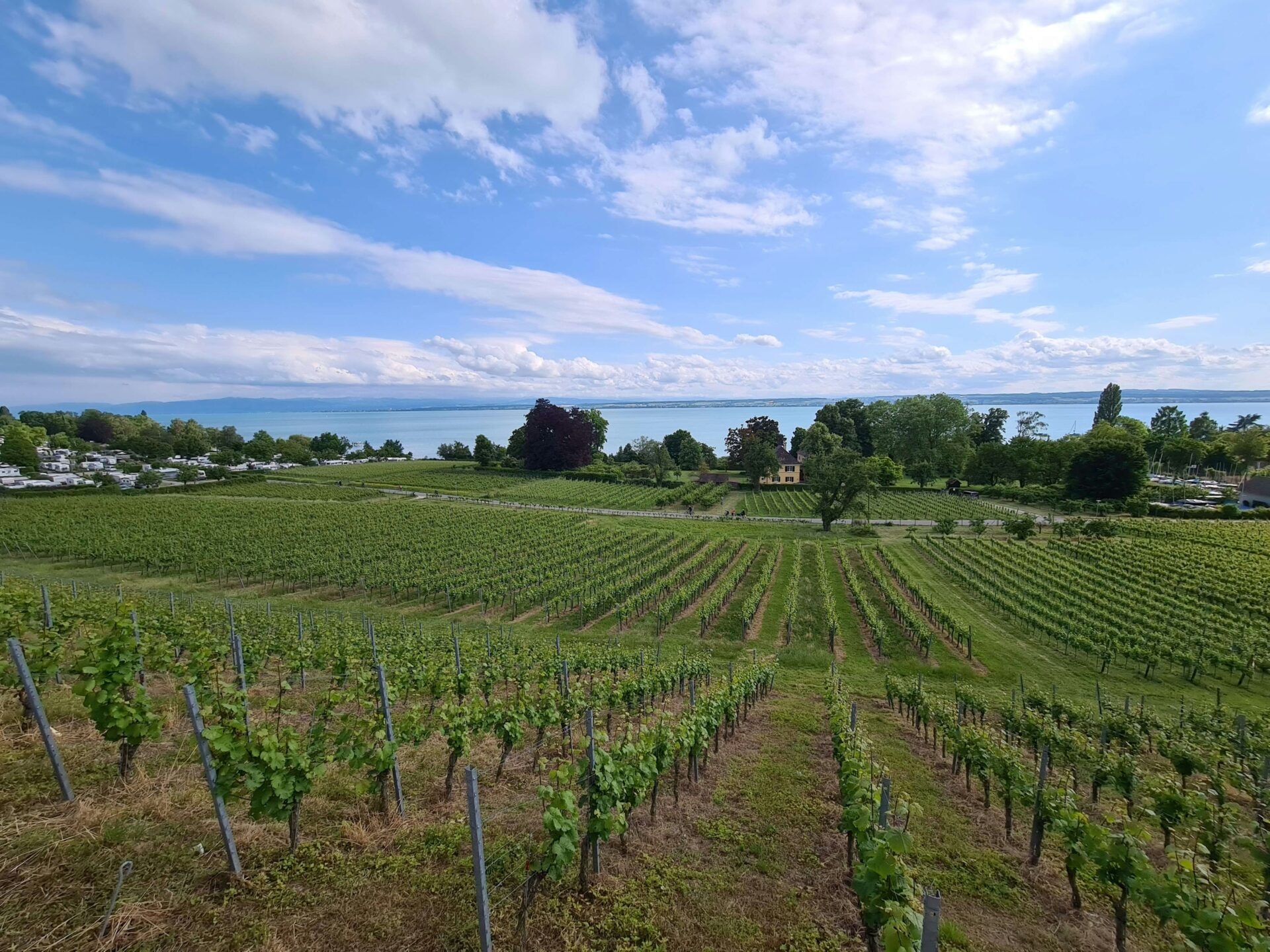
The area around Lake Constance is honestly one of the most scenic wine regions I’ve ever seen. Rolling vineyards spill down to the water’s edge, creating those postcard-perfect views.
Wineries like Weingut Schmidt and Staatsweingut Meersburg caught my eye, not just for the wine but for their stunning locations. Most offer guided tastings, and you can often meet the winemakers and sample regional cheese or bread.
Tasting rooms usually have both indoor and outdoor spots, so you can enjoy a glass of white or rosé whatever the weather. The fresh lake winds give the grapes—especially Müller-Thurgau and Pinot Gris—a crisp, refreshing character.
Many tours even offer free cancellation, which made booking super easy and stress-free.
Wine Tastings in Heidelberg’s Old Town
Heidelberg blends its deep history with a vibrant wine scene. I wandered through cobbled streets and found myself slipping into cozy wine bars tucked beneath medieval facades.
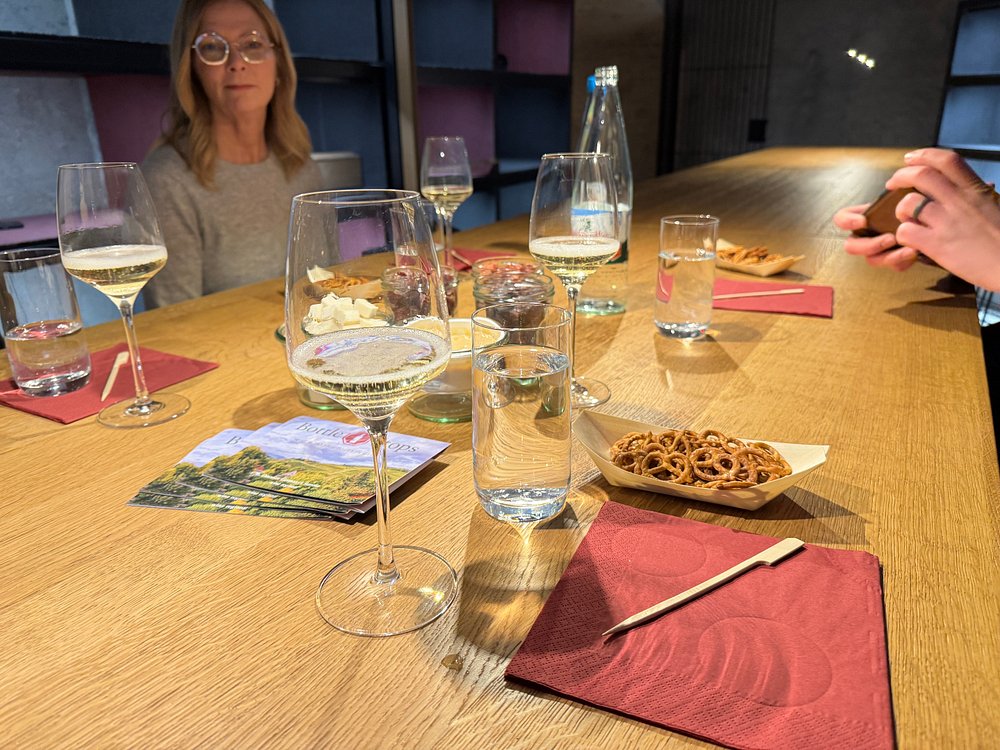
Most tasting spots sit in cellars that have seen centuries go by. You’ll probably get flights with local Rieslings and Spätburgunders—basically Pinot Noir—plus savory snacks like Flammkuchen, which is kind of like a crispy, thin pizza.
If you can, join a small group tour. I met hosts who led us into hidden cellars I’d never have found alone. They told stories about Heidelberg’s wine traditions, and honestly, those details made every glass feel more meaningful.
Iconic Varietals: Riesling, Chardonnay, and More
Baden-Württemberg grows some of Germany’s best-known grapes. Riesling stands out, always crisp and bright with stone fruit flavors, but there’s plenty more to try.
Chardonnay really surprised me. I didn’t expect it to grow so well here, but I tasted some that were fresh, sometimes even barrel-aged. Pinot Noir—locals call it Spätburgunder—and Weißburgunder (Pinot Blanc) also pop up on most lists.
Usually, I noticed flavors like green apple, citrus, or even a little herbal note. Each wine felt tied to the region’s soils and mild weather. Tasting them side by side, I started to see how the land leaves its mark on every bottle.
Unique Regional Flavors: Lange Rote and White Asparagus
Baden-Württemberg brings out some delicious surprises. You’ll find everything from the snap of grilled sausage in busy market squares to the delicate bite of white asparagus.
Savoring the Iconic Lange Rote in Freiburg
When I first strolled through Freiburg’s Münsterplatz, the smell of grilling sausages stopped me in my tracks. Lange Rote is a long, reddish sausage—about 35 cm—mildly spiced and totally unique.
Locals crowd around market stalls, grabbing sausages in crusty buns, usually with onions and mustard. It’s more than just a snack. You stand shoulder to shoulder with students, families, and folks out for some sun, everyone savoring this classic street food beneath blooming trees.
Quick facts about Lange Rote:
| Characteristic | Detail |
|---|---|
| Color | Red |
| Length | ~35 cm (very long!) |
| Common Toppings | Mustard, onions |
| Where to Eat | Freiburg’s Münsterplatz |
Eating a Lange Rote outside, surrounded by Freiburg’s energy, just feels right. For me, it’s the flavor of the city itself.

Asparagus Season: The White Asparagus Feast
Spring in Baden-Württemberg means white asparagus (Spargel) is finally here.
Farmers grow these pale spears under the soil, which keeps them extra tender. By April, local markets start overflowing with just-picked asparagus.
Honestly, I couldn’t believe how much excitement asparagus season brings. Restaurants scramble to feature it on their menus, usually with melted butter, hollandaise sauce, new potatoes, and slices of ham.
Some places even throw Spargelfeste (asparagus festivals). The whole region feels like it’s celebrating.
Tasting white asparagus here? It’s something else—delicate, a bit nutty, and honestly hard to compare to anywhere else. If you’re exploring Baden-Württemberg’s food scene, you really should join a local feast or at least try a plate at a countryside inn.
This spring tradition somehow brings together nature’s bounty and community spirit in the best possible way.