Nestled in the heart of the Italian Alps, Aosta Valley captivated me from the moment I arrived. The crisp mountain air carries whispers of ancient Roman history and Alpine traditions that blend seamlessly in this unique corner of Italy.
Immersing myself in Aosta’s local culture offered me a genuine taste of Italian mountain life that most tourists never experience.
My journey through Aosta’s cobblestone streets led me to family-owned restaurants where I savored the region’s famous Fontina cheese, melted into creamy fonduta and paired with robust local wines. The locals welcomed me with open arms, eager to share stories about the valley’s folklore and traditions that have been preserved for generations.
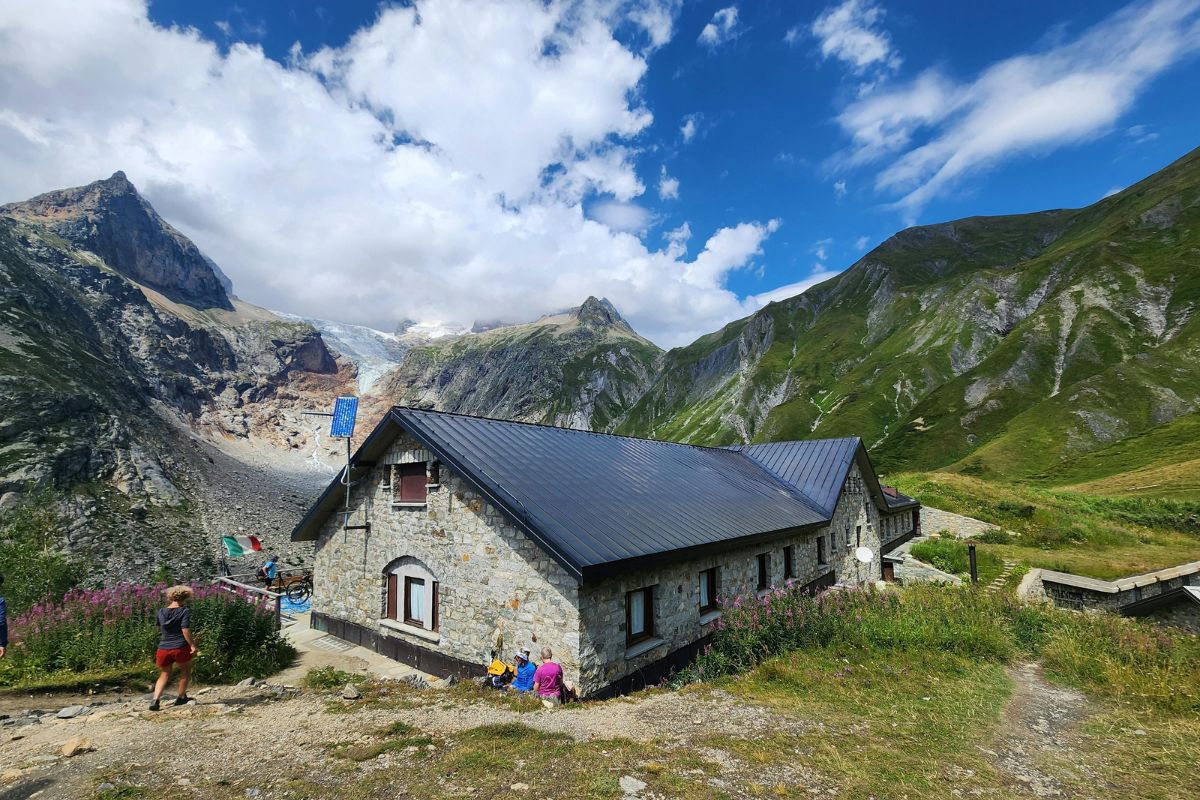
While hiking the mountain trails surrounding Courmayeur, I discovered that cultural immersion in this region extends beyond the dinner table and into the spectacular natural landscape. The Alpine environment shapes everything here—from the hearty cuisine to the multilingual heritage that makes the Aosta Valley feel distinctly different from other Italian destinations.
Exploring Aosta’s Rich History and Architecture
Aosta Valley showcases a remarkable timeline of human history etched into its alpine landscape. The region’s architecture tells the story of ancient empires, medieval nobility, and modern innovation.
Ancient Roman Footprints
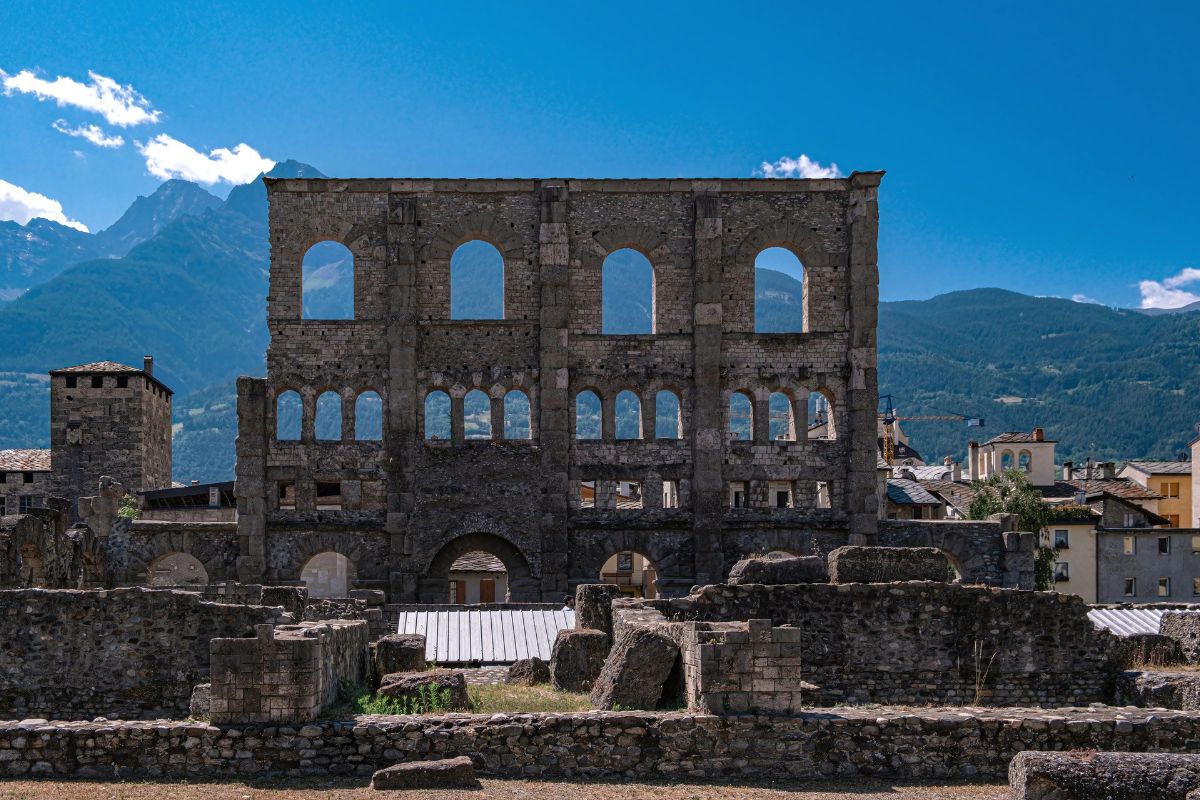
Walking through Aosta city, I was immediately transported back to Roman times. The well-preserved Arch of Augustus caught my eye first—an impressive monument dating from 25 BCE that once marked the entrance to this important Roman settlement.
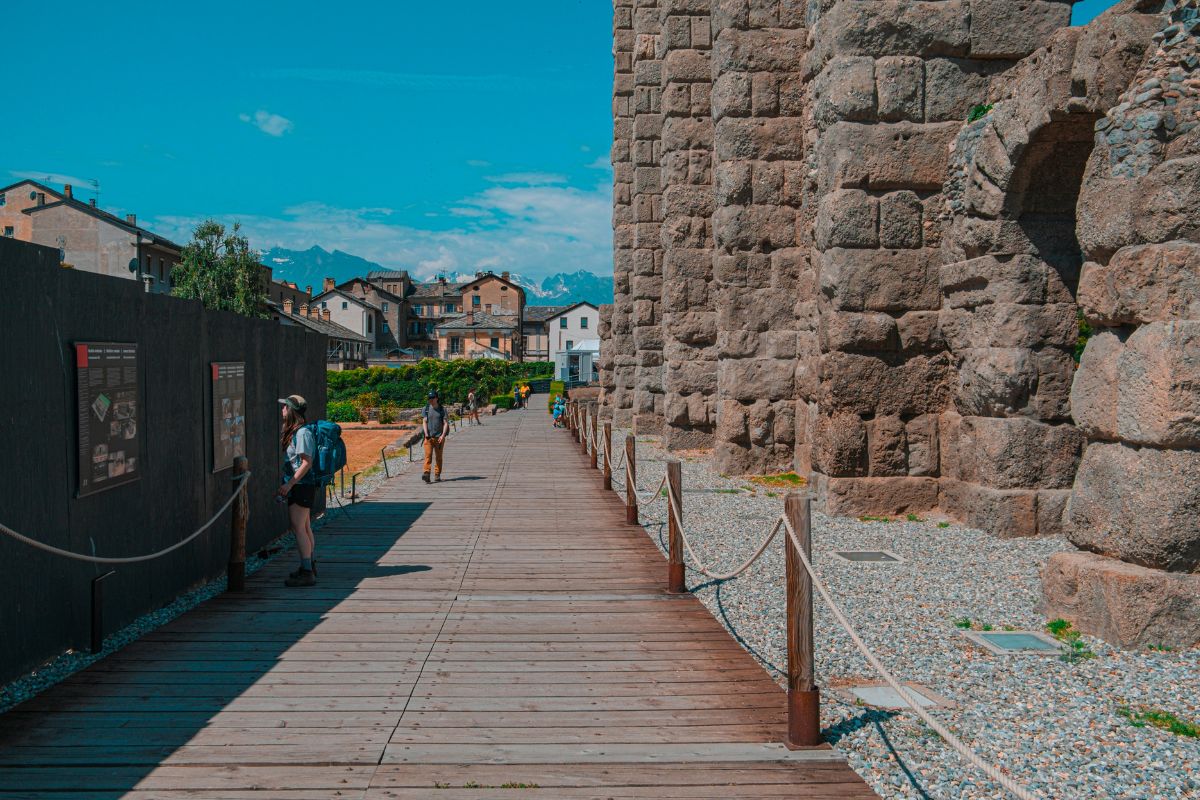
The Praetorian Gate stands as another testament to Roman engineering. I spent an hour exploring its massive stone archways and towers. What fascinated me most was the original Roman road still visible beneath my feet!
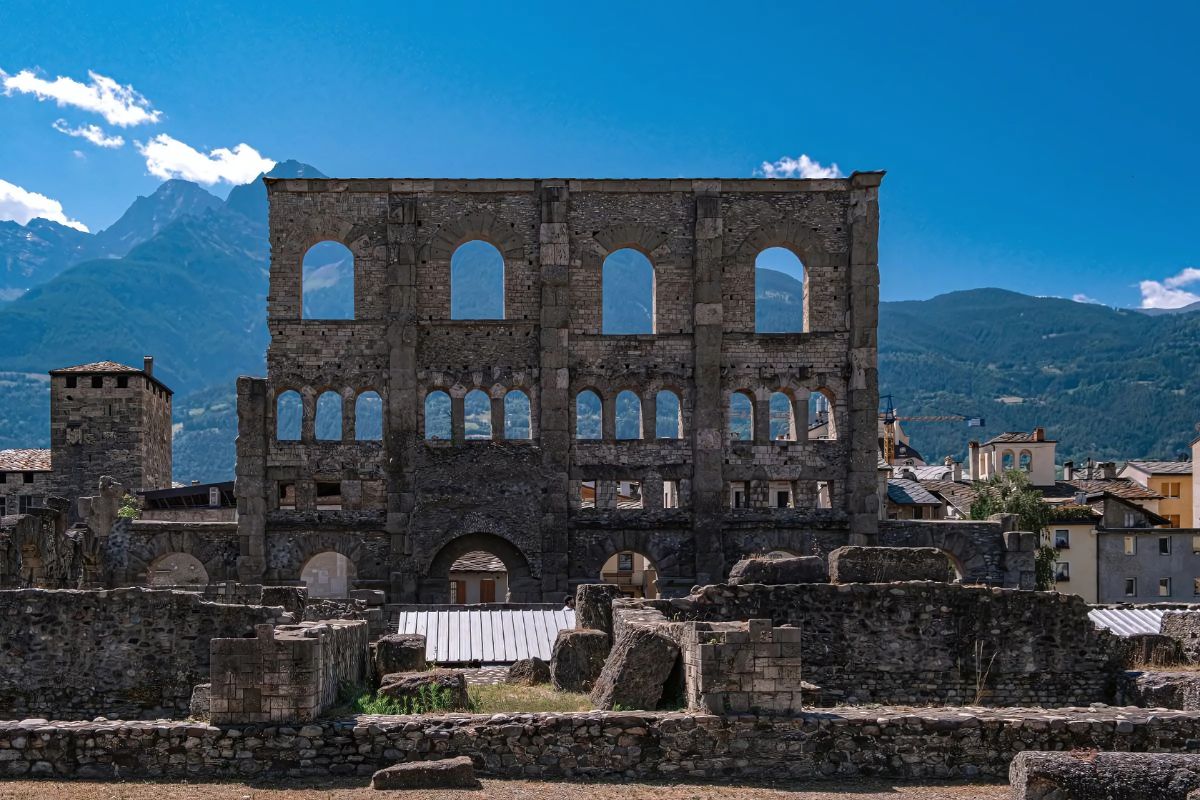
The Theater of Augusta Praetoria (Aosta’s Roman name) amazed me with its semicircular structure. Though partially ruined, its walls still rise impressively against the mountain backdrop. I could almost hear the echoes of ancient performances as I wandered through.
Medieval Marvels: Castles and Cathedrals
The valley is dotted with incredible medieval structures that tell tales of noble families and power struggles. Fénis Castle became my favorite with its stunning double-walled fortifications and watchtowers. Inside, beautiful 15th-century frescoes depict saints and knights.
The Cathedral of Aosta blends Romanesque and Gothic elements beautifully. I spent a quiet morning admiring its intricate mosaics and the ancient crypt below. The ornate choir stalls carved from walnut wood show remarkable craftsmanship.
Saint-Pierre Castle caught my attention with its fairy-tale silhouette—four cylindrical towers that seem to rise straight from a storybook. Unlike defensive fortresses, this castle was built as an elegant noble residence, showcasing the region’s prosperity.
Contemporary Aosta: Blending the Old with the New
Modern Aosta respectfully incorporates its historical elements into everyday life. The pedestrian-friendly city center features Roman ruins alongside boutique shops and cafés. I loved sipping espresso while gazing at 2,000-year-old columns!
The region’s mountain architecture fascinates with its practical design. Traditional stone and wood chalets with their steep roofs built to withstand heavy snow sit alongside modern interpretations that maintain Alpine character while incorporating sustainable technologies.
New cultural spaces like the Regional Archaeological Museum house ancient treasures in contemporary settings. The innovative design creates a striking contrast between artifacts and modern exhibition spaces. I spent hours discovering how advanced Roman engineering techniques were, displayed through interactive exhibits.
Culinary Delights: From Fontina to Fusion
The food scene in Aosta Valley captured my heart through its perfect blend of traditional flavors and innovative culinary approaches. Each meal told a story of the region’s rich heritage while surprising me with creative interpretations of classic dishes.
Indulging in Fontina: Cheese Tasting Experiences
My culinary journey through Aosta Valley began with its most famous export – Fontina cheese. This creamy, earthy treasure from the Alps became my daily indulgence.
I visited a small family-run dairy where third-generation cheesemakers showed me how they craft authentic Fontina using milk from cows grazing on Alpine meadows. The aging process in stone cellars gives it that distinctive nutty flavor I came to crave.
During a guided tasting session, I learned to detect subtle flavor differences between Fontina aged for different periods. My favorite discovery was melted Fontina in seupa à la vapelententse, a hearty bread soup that locals recommended as the ultimate comfort food on chilly mountain evenings.
Aosta’s Gastronomical Landscape
Aosta’s food scene brilliantly balances tradition with innovation. Local restaurants proudly serve centuries-old recipes alongside creative interpretations of classic dishes.
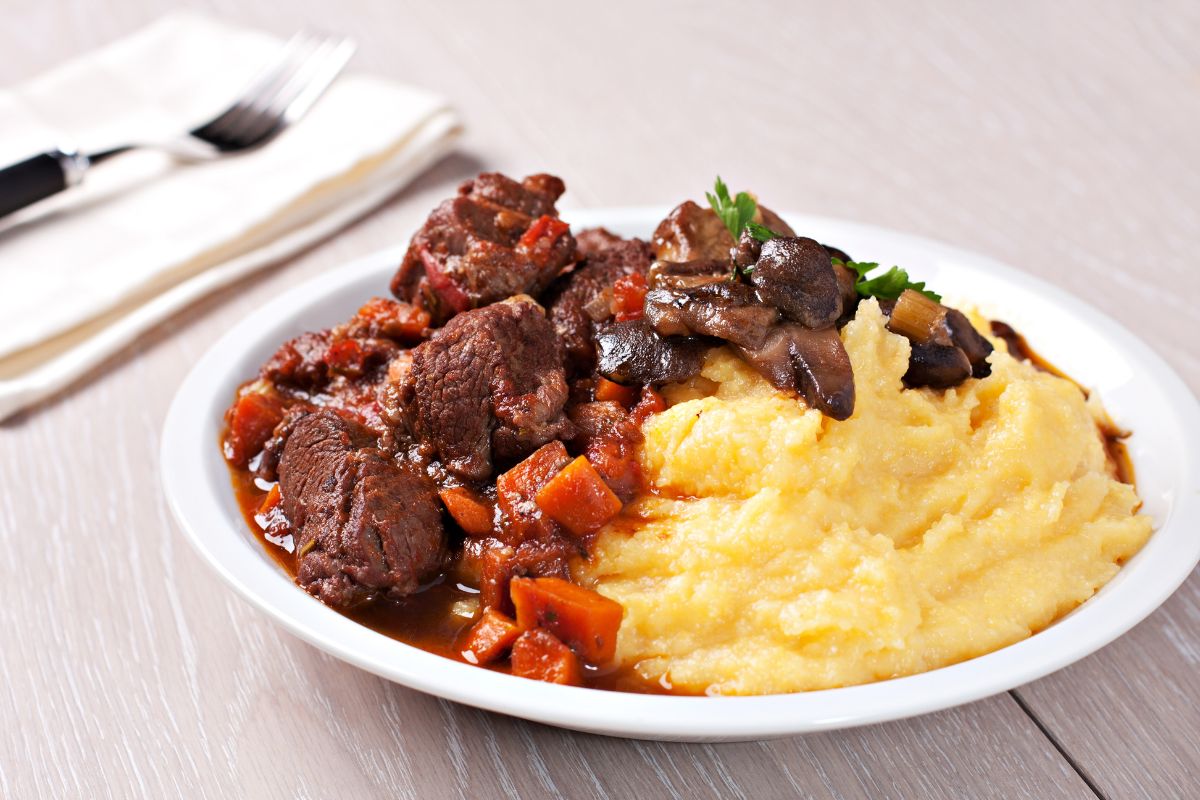
I found myself drawn to small trattorias where grandmothers still prepare polenta concia loaded with melted Fontina and butter. These humble establishments often sit beside modern bistros offering fusion dishes like risotto with Fontina foam and truffle essence.
The wine features prominently in Aosta’s culinary identity. I joined a tasting at a vineyard producing Petit Rouge, a local red variety that pairs perfectly with the region’s cheese-forward dishes. The vintner explained how the unique Alpine terroir influences their wines, creating distinctive notes you won’t find elsewhere.
Crafting Local Dishes: Insights from a Professional Chef
My understanding of Aosta’s cuisine deepened through a cooking class with Chef Marco, who runs a popular restaurant in the valley. His passion for local ingredients was infectious.
“The secret to Aostan cooking is simplicity with quality,” Marco explained while showing me how to prepare carbonada, a traditional beef stew simmered with onions, wine, and spices.
Chef Marco emphasized sustainable cooking practices, using seasonal ingredients from local farmers. Under his guidance, I learned to make fontina-stuffed pasta that honored tradition while incorporating modern techniques.
The most valuable lesson came when preparing a modern take on classic fonduta – a silky Fontina cheese sauce that Marco served with unexpected components like fermented vegetables and crispy polenta cubes.
The Fabric of Aosta: Art and Festivals
Aosta’s cultural identity weaves together stunning visual arts and vibrant festivals that celebrate its unique heritage. During my visit, I discovered how deeply art and celebration are embedded in the valley’s daily life.
Visual Art Narratives: Frescoes and More
The artistic soul of Aosta captivated me from day one. Medieval frescoes adorn many churches and buildings, telling stories of saints and local legends. The Cathedral of Aosta houses remarkable examples dating back to the 11th century.
I spent one morning admiring JMW Turner’s “Valley of Aosta: Snowstorm, Avalanche, and Thunderstorm” in a local exhibition. This 1836 Romantic painting captures the dramatic Alpine landscape that surrounds the city.
Local artisans continue traditional crafts in their workshops. I watched woodcarvers create intricate pieces inspired by the valley’s folklore. Their skilled hands transform simple materials into works that reflect Aosta’s mountain culture.
Must-See Art Locations:
- Cathedral of Aosta frescoes
- Saint-Orso Collegiate Church mosaics
- MAV (Museum of Archaeology) Roman artifacts
- Local artisan workshops in the old town
Festivals of Aosta: Celebrations of Culture
The Fiera di Sant’Orso blew me away with its 1,000-year tradition. This craft fair fills the streets every January with over 1,000 artisans showcasing woodwork, leather, and textiles. The lively atmosphere had me browsing stalls for hours.
Food plays a starring role in Aosta’s festivals. During Desarpa, I joined locals celebrating the return of cattle from summer pastures. We feasted on traditional fontina cheese and hearty polenta while watching folk dancing.
Summer brings music festivals that transform the ancient Roman theater into a magical venue. Under starry skies, I enjoyed performances ranging from classical concerts to folk music that echoed against the ancient stones.
Annual Festival Calendar:
- January: Fiera di Sant’Orso (craft fair)
- Spring: Battaglia delle Reines (cow fights)
- Summer: Aosta Classical Music Festival
- September: Desarpa (transhumance celebration)
Embracing the Natural Beauty: Vineyards and Landscapes
The Aosta Valley captured my heart with its breathtaking natural beauty, where ancient vineyards climb up mountain slopes and diverse landscapes create a patchwork of unforgettable vistas. Every turn in this Alpine paradise reveals another postcard-worthy scene.
Wine Journeys Through the Valley
The vineyards of Aosta Valley represent some of Europe’s highest-altitude wine production. Walking among these terraced vineyards, I discovered indigenous grape varieties like Petit Rouge and Fumin that thrive in this unique alpine climate.
“Our wines tell the story of our mountains,” explained Marco, a local vintner who guided me through his family’s vineyard perched at 900 meters elevation.
The wine-tasting experience here differs dramatically from other Italian regions. Small, family-run wineries welcome visitors with intimate tastings, often conducted by the winemakers themselves.
I spent an afternoon at Cantina La Vrille, where I sampled their award-winning Chambave Muscat while gazing at Mont Blanc in the distance. The crisp mountain air seems to infuse these wines with remarkable freshness and minerality.

A Panorama of Aosta’s Diverse Landscapes
Aosta’s landscapes shift dramatically as you travel through the valley. In the lower regions, Mediterranean-like conditions support olive groves alongside vineyards, creating surprisingly lush scenery.
Heading higher, alpine meadows burst with wildflowers in spring and summer. During my June visit, fields of edelweiss and mountain roses created carpets of color against snow-capped peaks.
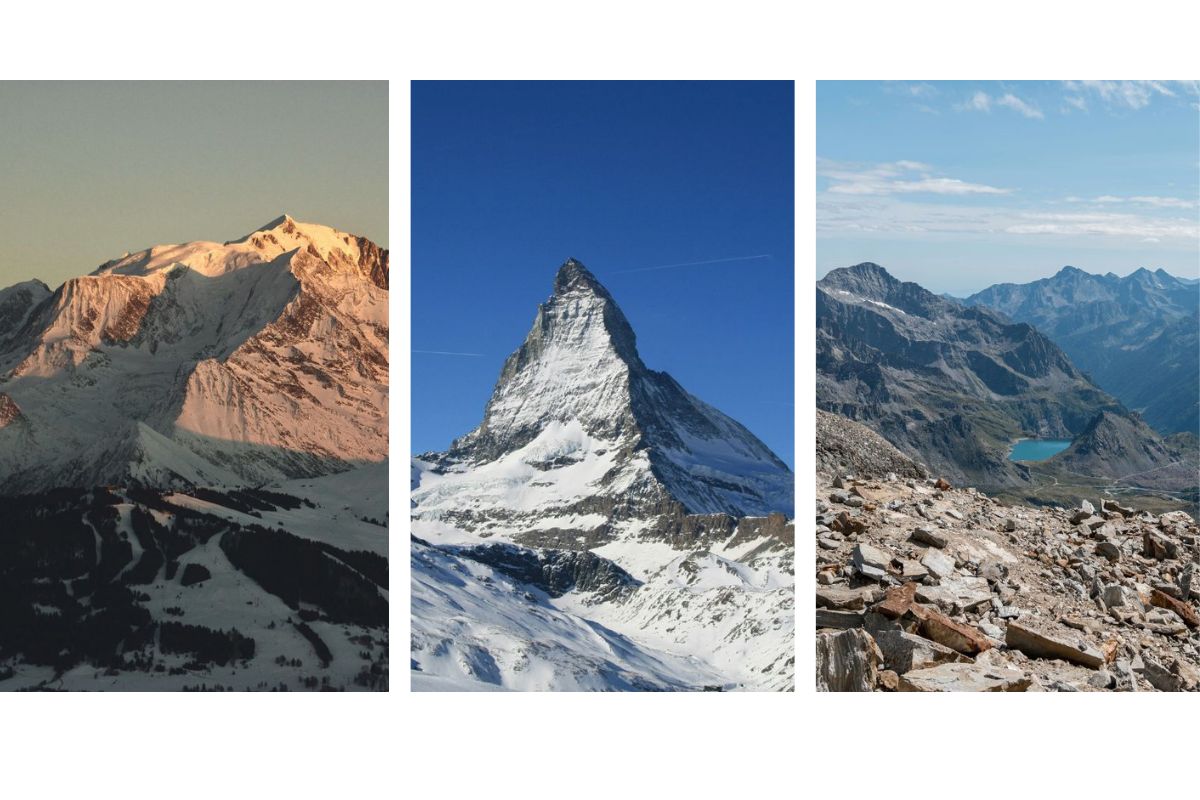
The valley is framed by Europe’s most impressive mountains – Mont Blanc, the Matterhorn, and Monte Rosa. These massive sentinels create a dramatic backdrop for every photograph.
Medieval castles dot hillsides throughout the valley, adding cultural touchpoints to natural beauty. Castello di Fénis sits surrounded by forests and meadows, creating a fairytale vision I couldn’t resist photographing.
Water features prominently too – crystal-clear alpine lakes reflect mountain peaks, while rushing streams carve paths through ancient valleys.
Connecting Through Culture: Local Life and Traditions
The heart of Aosta Valley isn’t just in its food and landscape, but in the rich cultural traditions that locals have preserved for centuries through music, celebrations, and daily customs.
Living Traditions: Music, Dance, and Storytelling
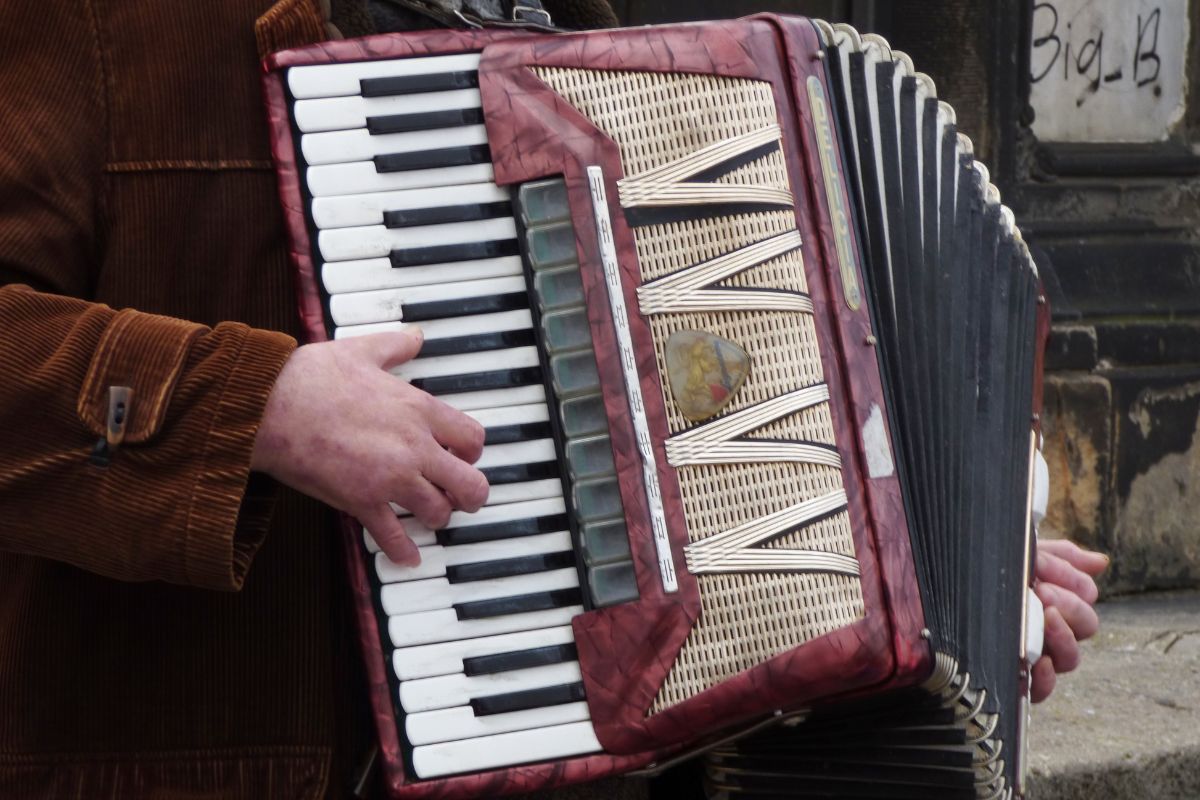
During my stay, I joined a cultural tour that showcased the valley’s living heritage. The evening began with local musicians playing the “fisarmonica” (accordion) alongside traditional string instruments, creating melodies that have echoed through these mountains for generations.
“Music tells our history,” explained Giovanni, my guide. “Each valley has its songs and stories.”
I watched, captivated, as dancers performed the “Trata,” a folk dance where couples weave complex patterns while maintaining graceful postures. The colorful traditional costumes, with intricate embroidery patterns unique to each family, caught my eye.
The highlight was the storytelling session around a fireplace, where elders shared tales of mountain spirits and ancient customs, some dating back to Roman times. These stories, passed down through generations, blend history with imagination.
Everyday Life in Aosta: A Peek Into Local Customs
Mornings in Aosta begin with locals gathering at small cafés for cappuccino and freshly baked pastries. I joined this ritual daily, slowly being recognized as a temporary “local” by the barista who remembered my order.
Market day (Tuesday and Saturday) transformed the main square into a bustling hub where farmers displayed fresh produce. I learned about seasonal cooking from Maria, who explained how different herbs and seasonings change with the mountain seasons.
The Foire d’été (summer fair) happened during my stay – a celebration where locals showcase handcrafts, regional foods, and traditional skills. I tried my hand at cheese-making, learning that proper seasoning is considered an art form.
Family meals remain sacred occasions here. I was fortunate to be invited to Sunday lunch with a local family, where three generations gathered around a table laden with dishes prepared from recipes centuries old.
Planning Your Aosta Adventure
When preparing for a trip to Aosta, thoughtful planning can transform a good vacation into an unforgettable experience. The region offers diverse accommodation options and exciting day trips that showcase the best of this Alpine wonderland.
Choosing Your Accommodations
I found that Aosta offers lodging choices for every budget and preference. In the city center, charming boutique hotels occupy historic buildings, placing you steps away from Roman ruins and cozy cafés.
For a more authentic experience, consider the family-run agriturismi (farm stays) in the surrounding countryside. These rustic retreats often serve homemade meals featuring local Fontina cheese and regional specialties.
During my winter visit, I stayed at a mountain chalet near the ski areas, which provided convenient slope access. Many accommodations offer special packages that include lift tickets or guided excursions.
If you’re traveling on a budget, several well-maintained hostels and BnBs provide comfortable rooms with mountain views at reasonable prices.
Day Trips and Excursions Beyond the City
The Aosta Valley offers incredible opportunities for exploration beyond the city limits. Mont Blanc, just a short drive away, provides breathtaking Alpine scenery. In winter, it also offers world-class skiing opportunities.
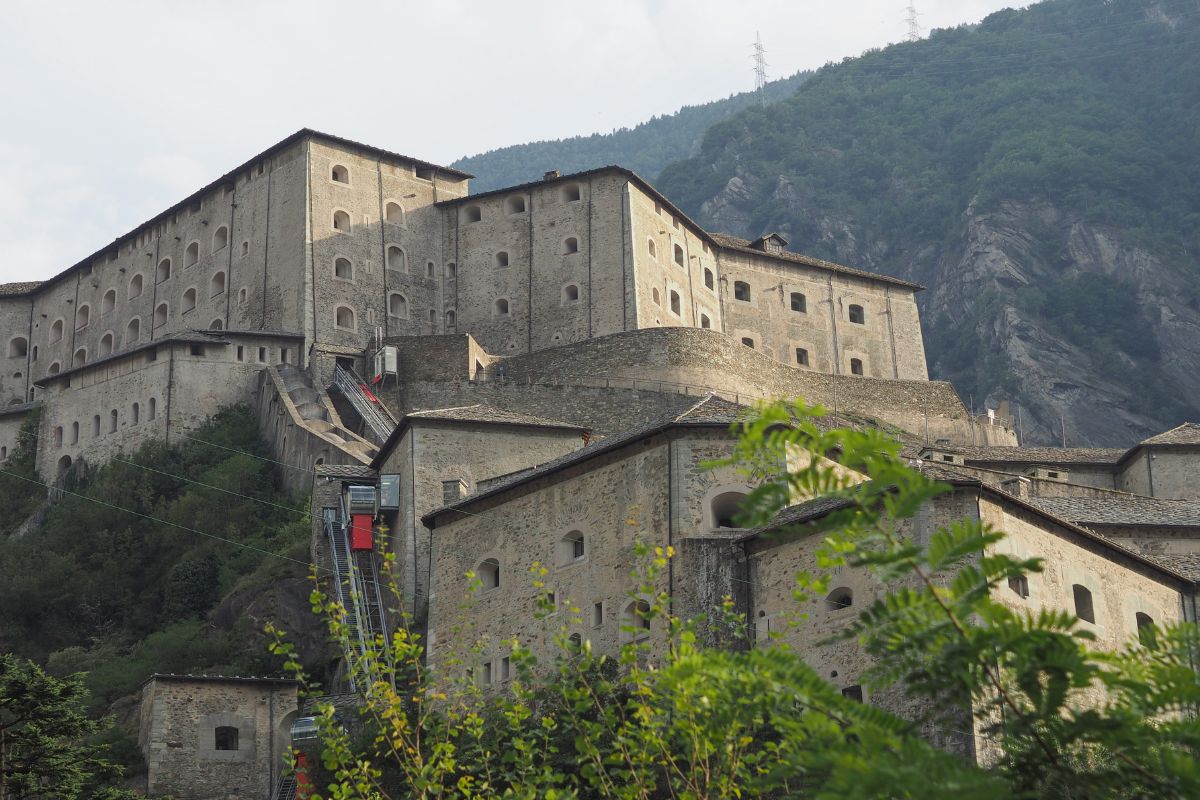
I recommend visiting the Fort of Bard, a stunning military fortress perched dramatically on a rocky outcrop. The fort houses several museums and offers panoramic views of the valley below.
Castle enthusiasts shouldn’t miss these medieval gems:
- Castello di Fénis with its impressive double walls
- Castel Savoia, once the summer residence of Queen Margherita
- Castello di Issogne with remarkable frescoes
For outdoor enthusiasts, the region delivers countless adventures:
- Summer trekking along ancient Roman paths
- Mountain biking through Alpine meadows
- Fishing in crystal-clear streams
- Rafting through dramatic gorges
During warmer months, I enjoyed visiting small mountain villages where time seemed to stand still. Many offer local festivals celebrating traditional crafts and cuisine.