
When I first set out for Cornwall, I pictured endless sandy beaches and dramatic cliffs. That’s what everyone talks about, right? But as I wandered further, Cornwall started peeling back layers I hadn’t even imagined—lush gardens, a buzzing art scene, and little hints of ancient history everywhere I turned.
Cornwall honestly surprised me in ways that had nothing to do with its coastline.
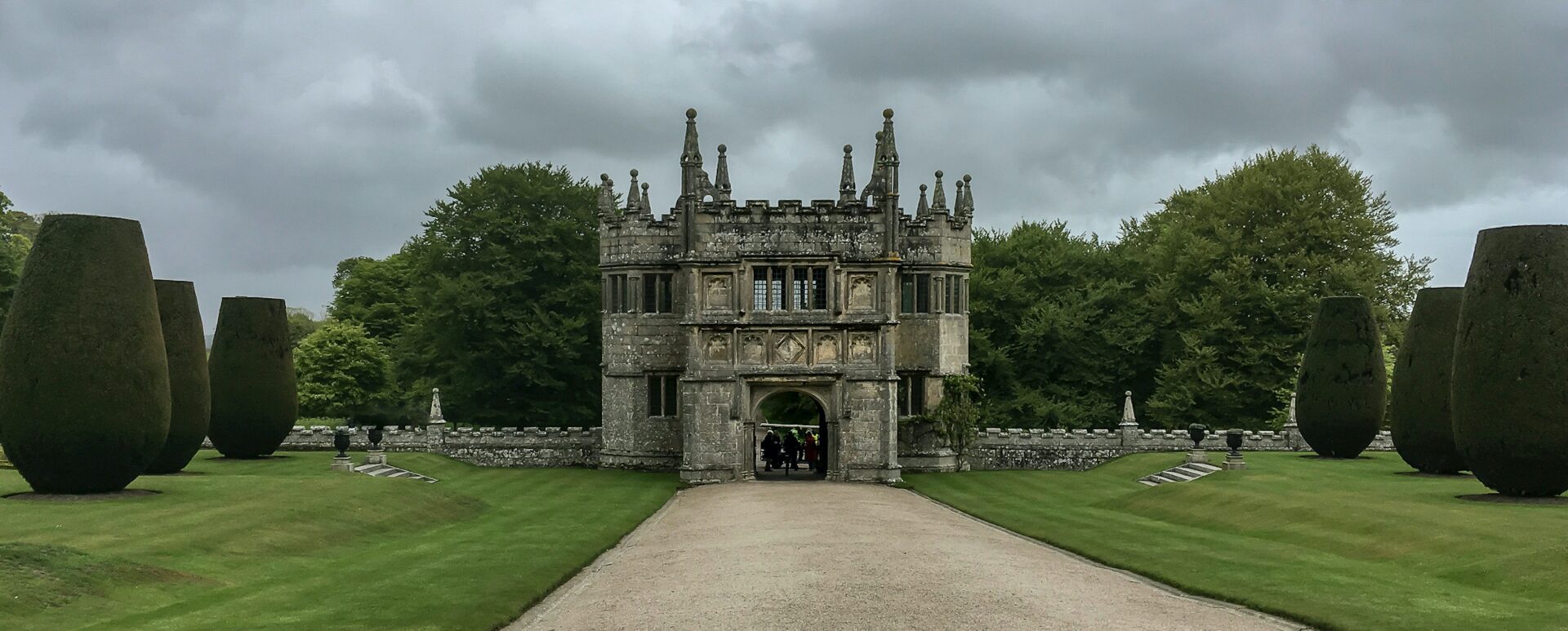
There’s this creative energy you just can’t miss, with galleries and outdoor theaters perched above the sea. I drifted through gardens stuffed with rare plants, and sometimes I’d just stumble onto a centuries-old castle or some place that felt straight out of a legend.
Every day felt different, and I began to realize there’s way more to Cornwall than just stunning beaches.
If you think you’ve got Cornwall figured out, well, I’d say think again. There’s a whole world waiting the moment you step off the sand.
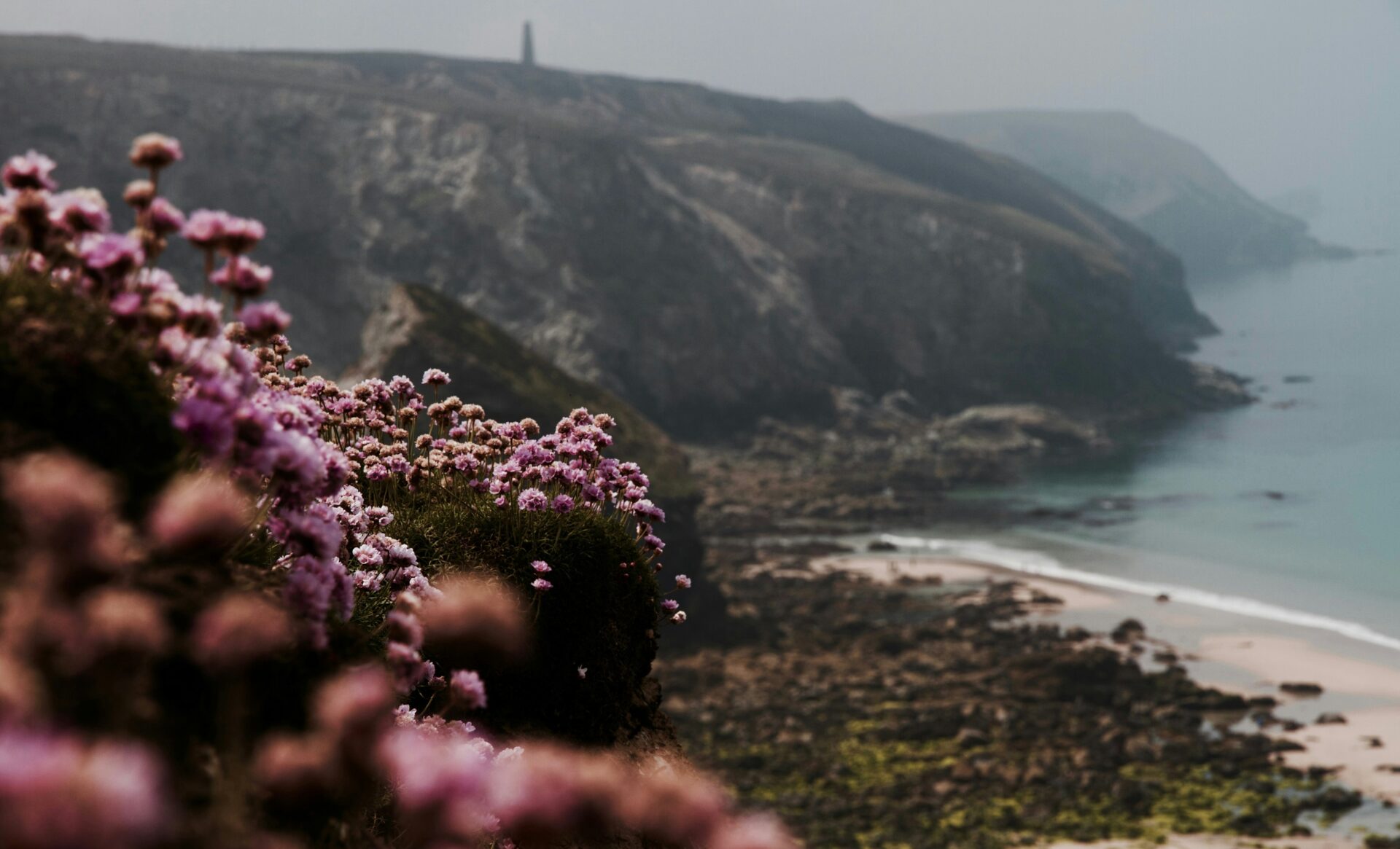
A Canvas of Creativity: Art and Culture in Cornwall
When I wandered Cornwall, it hit me quickly—this place isn’t just about beaches and pasties. The whole region buzzes with creativity, from quirky art studios and vibrant murals to world-class galleries and stories straight from novels and TV.
Art and culture seem just as much a part of Cornwall’s identity as the wild coastline.
St Ives: The Artistic Heartbeat
St Ives absolutely radiates creativity. I wandered winding lanes lined with galleries, some tiny and some surprisingly grand.
The Tate St Ives sits right above Porthmeor Beach, showing off modern art that’s clearly inspired by the wild Cornish scenery.
Artists like Barbara Hepworth and Ben Nicholson flocked here in the last century, lured by that famous Cornish light. Touring the Barbara Hepworth Museum and Sculpture Garden, I couldn’t help but be amazed by the smooth, bold shapes she carved right in her own backyard.
In St Ives, art isn’t just in museums—it spills into the streets. I saw painters perched by the harbor and sculptures tucked into whitewashed courtyards. The whole town feels shaped by generations of artists.
Every visit connects you to that ongoing story.
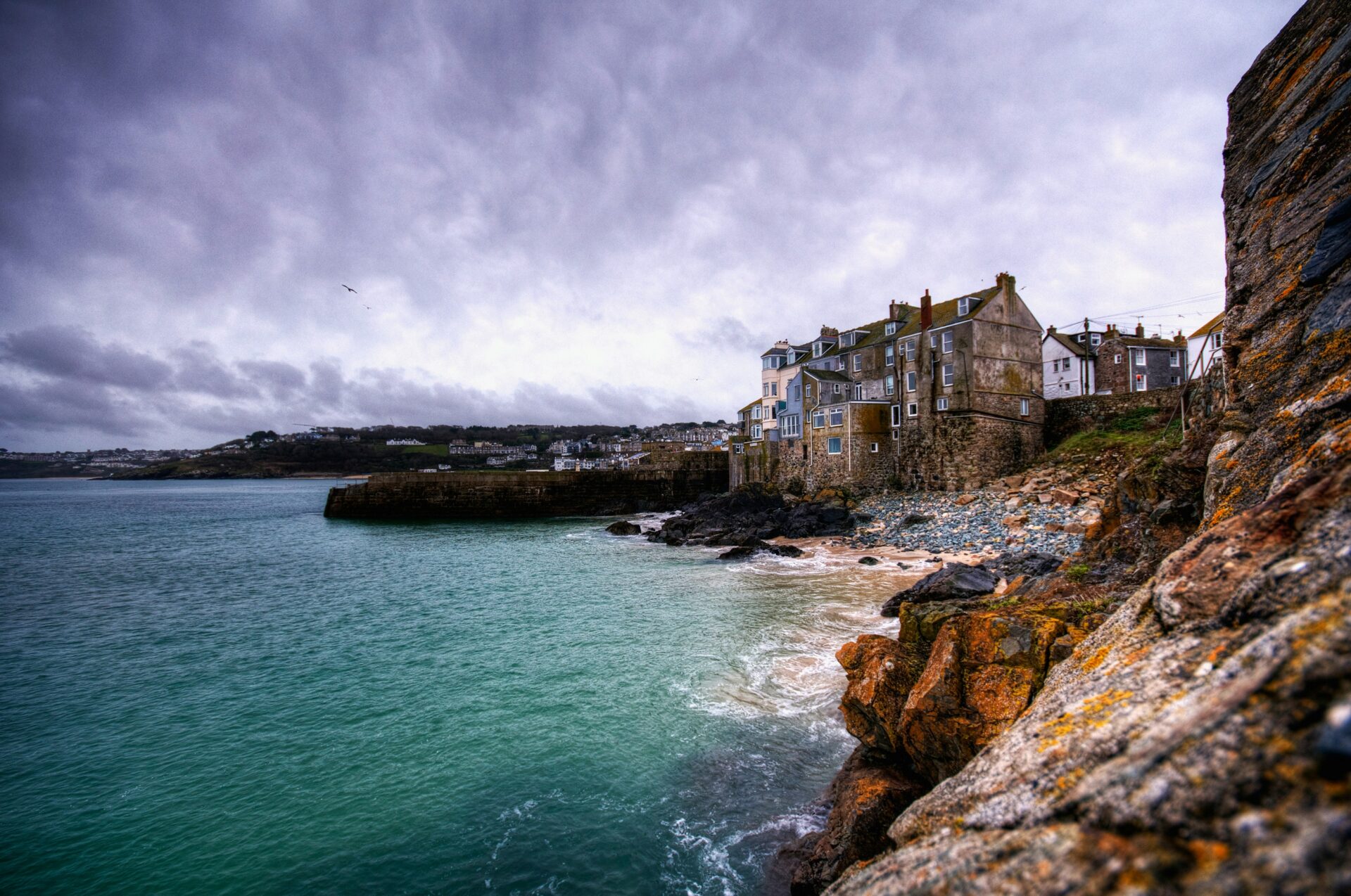
Street Art, Galleries, and Local Talent
As I explored Cornwall’s towns, I found color and creativity everywhere, not just in famous galleries. Street art brightens up alleys in Falmouth and Newquay, with murals celebrating everything from surfing to local wildlife.
Many towns have their own art trails. For example:
| Town | Known For |
|---|---|
| Falmouth | Street murals, independent galleries |
| Penzance | Contemporary art, The Exchange gallery |
| Redruth | Creative workshops, local crafts |
Independent galleries and open studios pop up all over. I loved chatting with artists about what inspires them—usually the sea, the moors, or Cornwall’s mining past.
Live music and pop-up theater keep things lively. One night it’s a folk band in a cozy bar, the next it’s an open-air show on the cliffs, or even new exhibition reviews taped up in shop windows.

Literary Legacy: Daphne du Maurier & Poldark
Cornwall’s moody cliffs and secret coves have inspired some of England’s best stories. Following in Daphne du Maurier’s footsteps made the region feel totally alive for me.
Her novel “Rebecca” is soaked in Cornish atmosphere. I visited Fowey, where she lived and wrote, and walked the estuary paths that sparked her imagination.
Cornwall is also the backdrop for “Poldark.” Fans will spot real filming locations, like Charlestown’s harbor. Museums and tours let you dive into the real mining history and those sweeping romantic tales.
Bookshops here brim with local legends and authors. Whether it’s du Maurier or old smuggling yarns, stories seem to wait around every corner.

Film & TV: Doc Martin and Beyond
Film crews love Cornwall as much as I do. The fishing village of Port Isaac becomes Portwenn in “Doc Martin.” I recognized plenty of landmarks from the show, from the doctor’s house to the tiny, bustling harbor.
Cornwall also pops up in movies and shows like Saving Grace and Fisherman’s Friends. These productions use the wild landscapes, letting visitors spot familiar scenes in real life.
You might even catch a special event celebrating local film and TV. Local cinemas and theaters host previews and reviews of Cornish productions, which is another great excuse to venture away from the beach.

Cornwall in Bloom: Unexpected Gardens and Green Escapes
Cornwall’s gardens completely threw me for a loop. I swapped salty breezes for winding garden paths and discovered palm trees and rare flowers thriving thanks to the region’s surprisingly mild weather.
Hidden Gems: Lush Historic Gardens
I found some of Cornwall’s loveliest historic gardens tucked away near Penzance and Mevagissey. Tremenheere Sculpture Gardens, just outside Penzance, felt like a secret oasis—lush woods, art installations, and exotic plants everywhere.
I wandered past streams and under towering ferns, and barely saw another soul.
In Mevagissey, The Lost Gardens of Heligan felt like stepping into another world. The paths led me through vegetable plots, ancient trees, and a wild jungle area. I spent nearly three hours exploring, and honestly, every minute was worth it.
Other travelers raved about the calm setting and short wait times, and I’d have to agree.
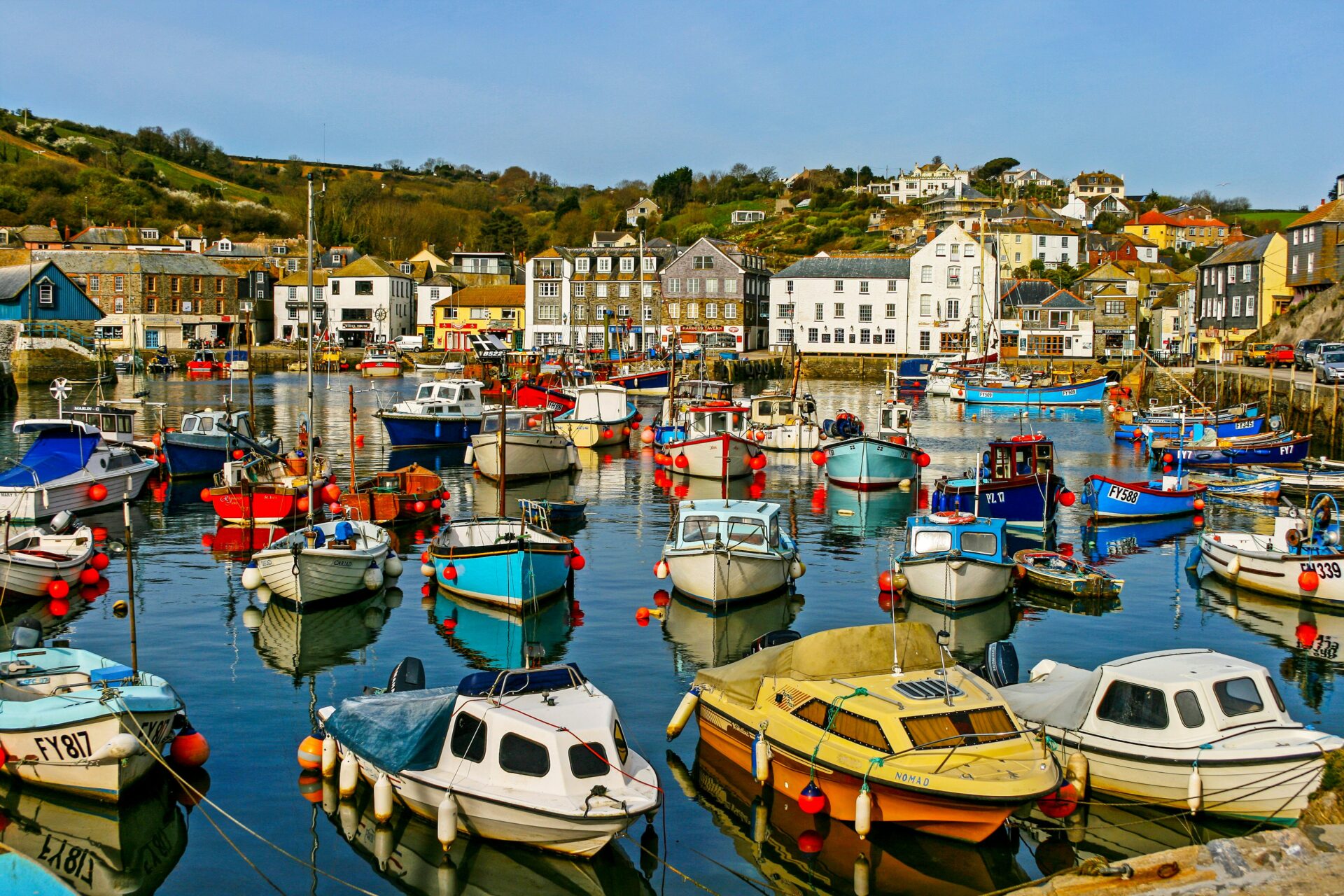
Subtropical Wonders and Rare Plant Life
I never expected to see subtropical gardens in Cornwall, but I changed my mind after visiting the Eden Project near St Austell. Inside those famous biomes, the air felt thick and humid, even on a chilly day.
I walked past banana trees, coffee bushes, and wild flowers from every continent.
Abbey Garden on the Isles of Scilly was another surprise—palms and spiky agaves shimmered right beside the sea. Cornwall’s mild climate lets plants I thought belonged in the Mediterranean thrive here.
If you plan a visit, budget at least a couple hours. The Eden Project can get packed in summer, so book ahead if you can.
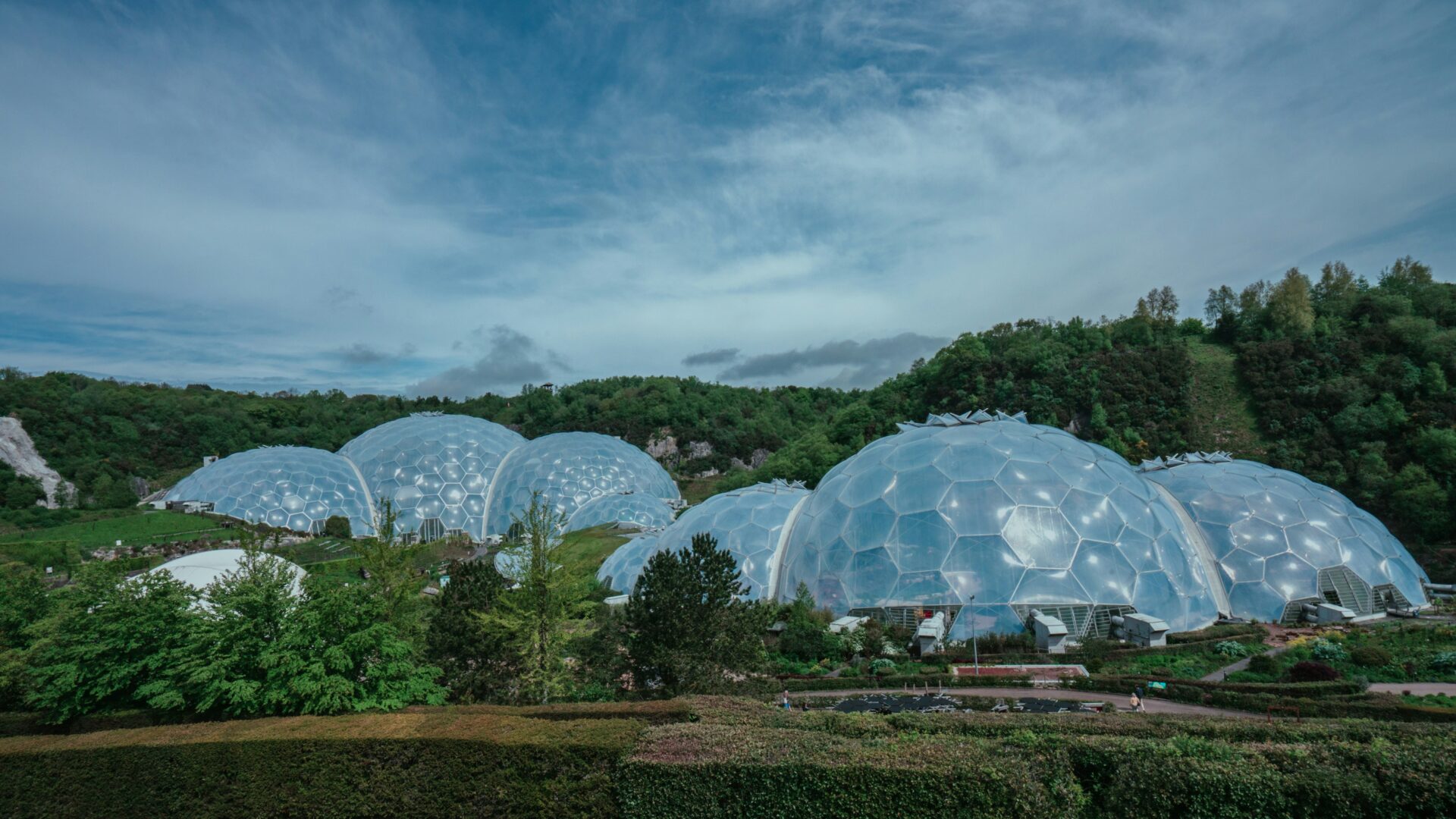
Garden Festivals and Events
Cornwall’s garden love doesn’t stop at the hedges—locals really celebrate their blooms. I timed a visit with a spring flower festival in Padstow, and the whole town exploded with rare daffodils and camellias.
Open garden days let me peek into private estates, and I picked up a few gardening tips from locals.
Seasonal events at places like Trelissick Garden and Trebah Garden were a highlight. These festivals often come with live music, workshops, and food stalls. Reviews helped me decide which ones to check out.
Most festivals welcome you for half a day or more, and each one offers something memorable for garden fans and newbies alike.

Layers of Time: Discovering Ancient History and Folklore
Cornwall’s landscapes aren’t just beautiful—they’re packed with stories, hidden in old stones, churchyards, and even family keepsakes. As I explored, I found layers of history and legend shaping every village, hinting at lives way beyond the beaches.
Ancient Sites and Churchyards
Wandering Cornwall, I kept stumbling onto ancient standing stones and mossy churchyards hidden down quiet lanes. Bodmin and Liskeard have historic churches that go back to the Norman era.
I explored churchyards where old gravestones lean at odd angles, covered in moss and lichens. Birds sang overhead, and if you looked closely, you could spot weathered carvings and ancient Cornish names.
Some churchyards still have Celtic crosses, silent witnesses to families who’ve lived here for centuries.
What really struck me were the small details: faded names, wildflowers left as offerings, and the way these places act like open-air museums. History here isn’t stuck behind glass—it’s part of everyday life.

Royalists, Civil War, and Charles I
Cornwall played a wild role in the English Civil War. While poking around Liskeard’s cobbled streets, I learned that locals sided with the Royalists, backing King Charles I.
Skirmishes broke out between Royalist and Parliamentarian forces, turning quiet towns into battlegrounds.
I visited a small museum and read a faded letter from a Royalist preparing for battle. The details felt strangely personal—not the distant history I expected.
Stories from Bodmin and Liskeard reminded me that real people lived through all this, not just kings and generals. Some buildings still show musket marks, and plaques remember those who risked everything for their beliefs.
These reminders make Cornwall’s Civil War history feel close and real.

Cornish Folklore and Legends
Cornish folklore is packed with weird and wonderful tales. Even now, locals talk about piskies (Cornish pixies), giants, and haunted churchyards.
Walking the moors, I heard stories about ghostly lights and hidden treasures that only show up on certain nights.
Bodmin’s churchyard has its own legends—some say ancient spirits still wander there after dark. People still talk about the Beast of Bodmin, a mysterious creature said to roam the countryside.
Liskeard has tales of stones that move on their own and enchanted wells.
What I loved most was how everyday places—fields, woods, even bus stops—come with their own legends. Locals gave me a list of “must-see folklore spots.” These stories usually get passed down in families, shared over pints in the pub, and they add a little magic to Cornwall’s hills.
Tracing Roots: Family Trees and Local Archives
I’m a sucker for old photos and family stories, so Cornwall was a dream for tracing roots. At the local archive in Liskeard, I found shelves of handwritten wills, parish records, and boxes of sepia photos.
Each record felt like a doorway to someone’s life.
I watched other visitors piecing together their family trees, some searching for ancestors who’d left Cornwall for far-off places. Archivists helped me find maps showing where my great-grandparents once farmed.
If you’re curious about your roots, lots of towns—especially Bodmin—have research rooms with census lists, letters, and deeds.
These archives feel almost sacred. Holding an old will or reading a heartfelt letter connects you to the real stories that built Cornwall’s communities.

Beyond the Shore: Surprising Adventures on the Cornish Coast
Cornwall’s coast isn’t just about the view. I found outdoor adventures, charming spots along the Cornish Riviera, and highlights from Land’s End all the way to Plymouth.
Climbing and Unexpected Outdoor Activities
I never thought I’d find great climbing on the Cornish coast, but places like Sennen Cove have granite sea cliffs perfect for beginners and pros alike. The salt air and roar of the waves below make it feel wild—nothing like an indoor gym.
Kayaking and stand-up paddleboarding quickly became favorites. I rented a kayak in Fowey and glided through calm water, spotting seals and seabirds in the morning light.
Guided paddleboarding groups offered lessons on safety and technique, so even as a beginner I felt confident out there.
If you’re up for these outdoor adventures, here’s what I picked up:
| Activity | Location | Tip |
|---|---|---|
| Climbing | Sennen Cove | Bring sturdy shoes |
| Kayaking | Fowey | Start early to avoid crowds |
| Paddleboarding | St Ives | Book lessons in advance |
I packed a lightweight raincoat and sturdy trainers, which kept me dry and steady no matter what the weather decided to do.
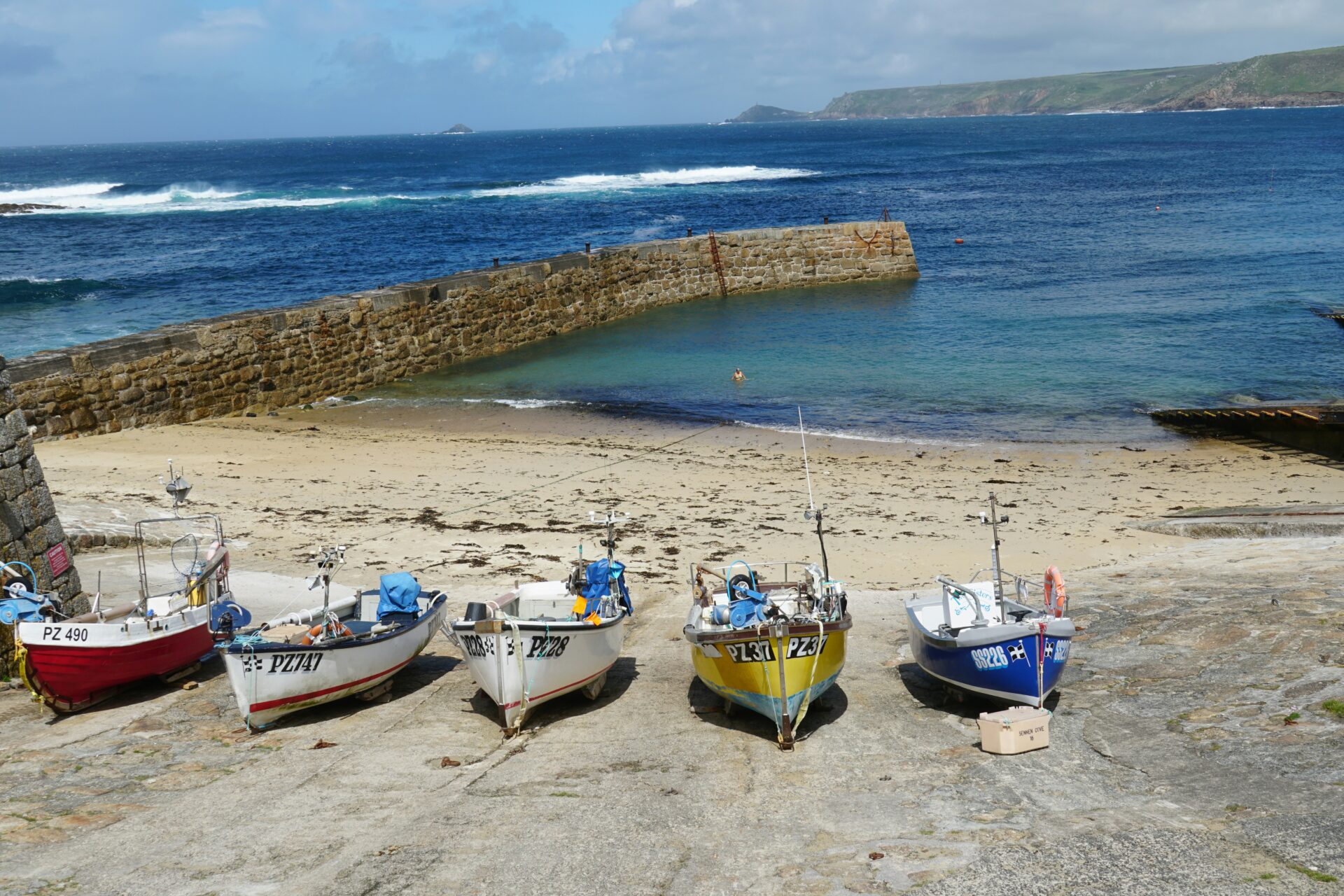
Exploring the Cornish Riviera
The Cornish Riviera runs along the southern coastline and honestly, it surprised me. I didn’t expect the subtropical feel or the lush scenery.
Towns like Falmouth and Looe show off pastel houses, palm trees, and lively harbors. I wandered through Fowey, where narrow streets dip down to the waterfront packed with cafés and bookshops.
Gardens pop up everywhere—some hide behind old stone walls, others spill out for everyone to see. I checked out the Lost Gardens of Heligan, a revived Victorian estate full of exotic plants and tucked-away statues.
If you go, bring a camera and chat with locals at the market stalls. They often share tips for secret spots you might otherwise miss.
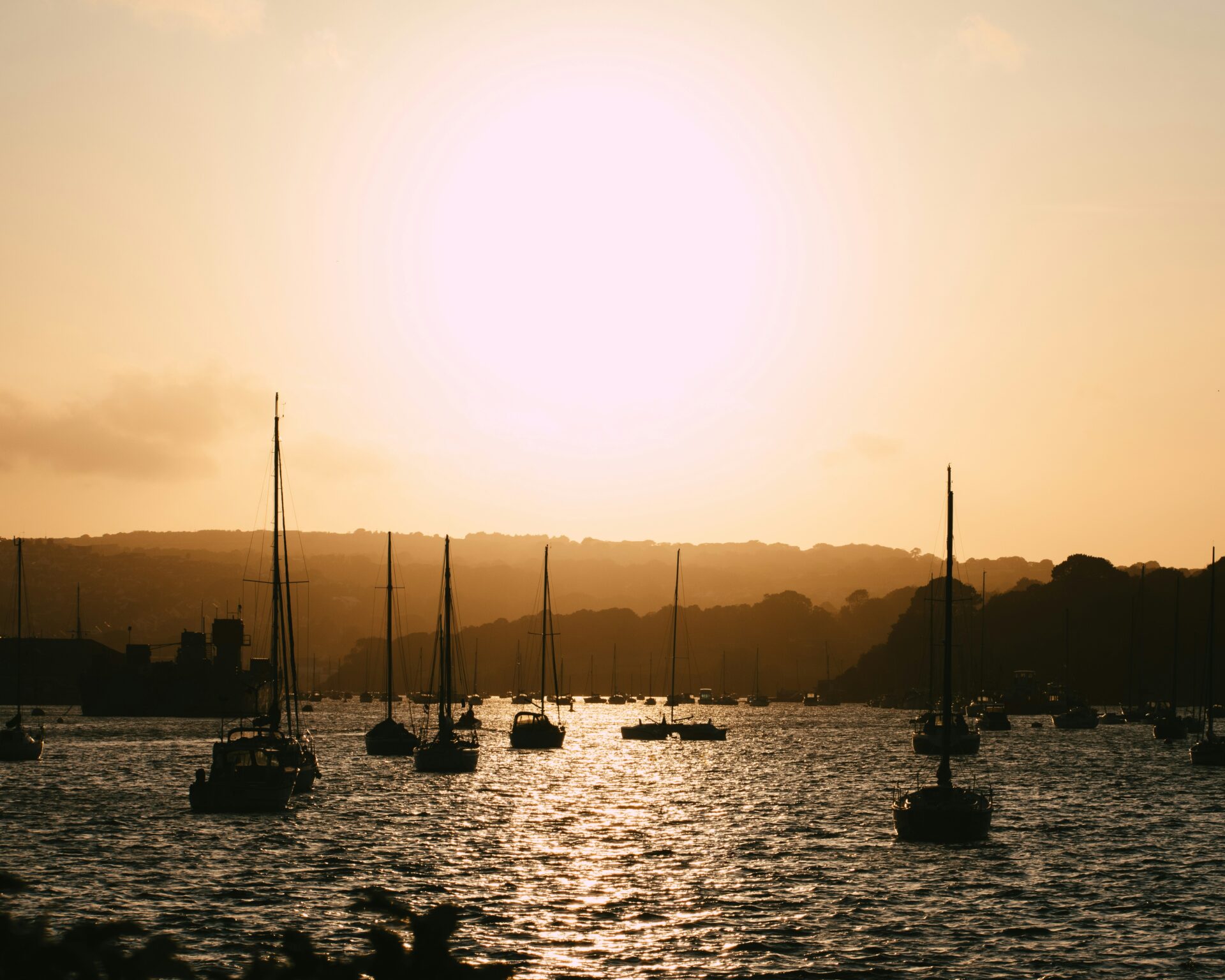
For a break, I hopped on a small ferry and drifted between villages. It’s still one of my favorite ways to catch river views and spot castles tucked along the banks.
From Land’s End to Plymouth: Journey’s Highlights
Traveling from Land’s End to Plymouth really opened my eyes to Cornwall’s wild history and jaw-dropping scenery. Land’s End draws a crowd, but if you walk past the landmark, you’ll find quiet cliffs and sweeping ocean views.
Sometimes, all you hear is the wind and the gulls, and it’s strangely calming.
I stopped at the Minack Theatre, an open-air stage carved right into granite cliffs above Porthcurno Beach. Even without a show, the views alone make the gentle climb worth it.
At the journey’s end, Plymouth greets you with museums, cobbled streets, and the famous Mayflower Steps. Standing there, I couldn’t help but think about all the travelers who left these shores so long ago.
Tip: For this route, grab comfortable shoes and a small backpack. I’d say pick up a Cornish pasty from a local bakery for an easy lunch while you explore.
Village Life, Local Flavours, and Unforgettable Evenings
Cornwall’s small towns pull you in and invite you to slow down. The pastel harbors, favorite foods, and friendly communities create a mix of charm and surprises.
Charming Cornish Villages and Towns
I spent an afternoon in Mevagissey, a fishing village with winding streets and colorful boats bobbing in the harbor.
Local shops had everything from hand-painted ceramics to old books. Friendly greetings echoed from nearly every doorway.
Padstow, known for its food scene, feels lively and a bit buzzy. Its cobbled lanes lead past waterside pubs, full of laughter and the scent of the sea.
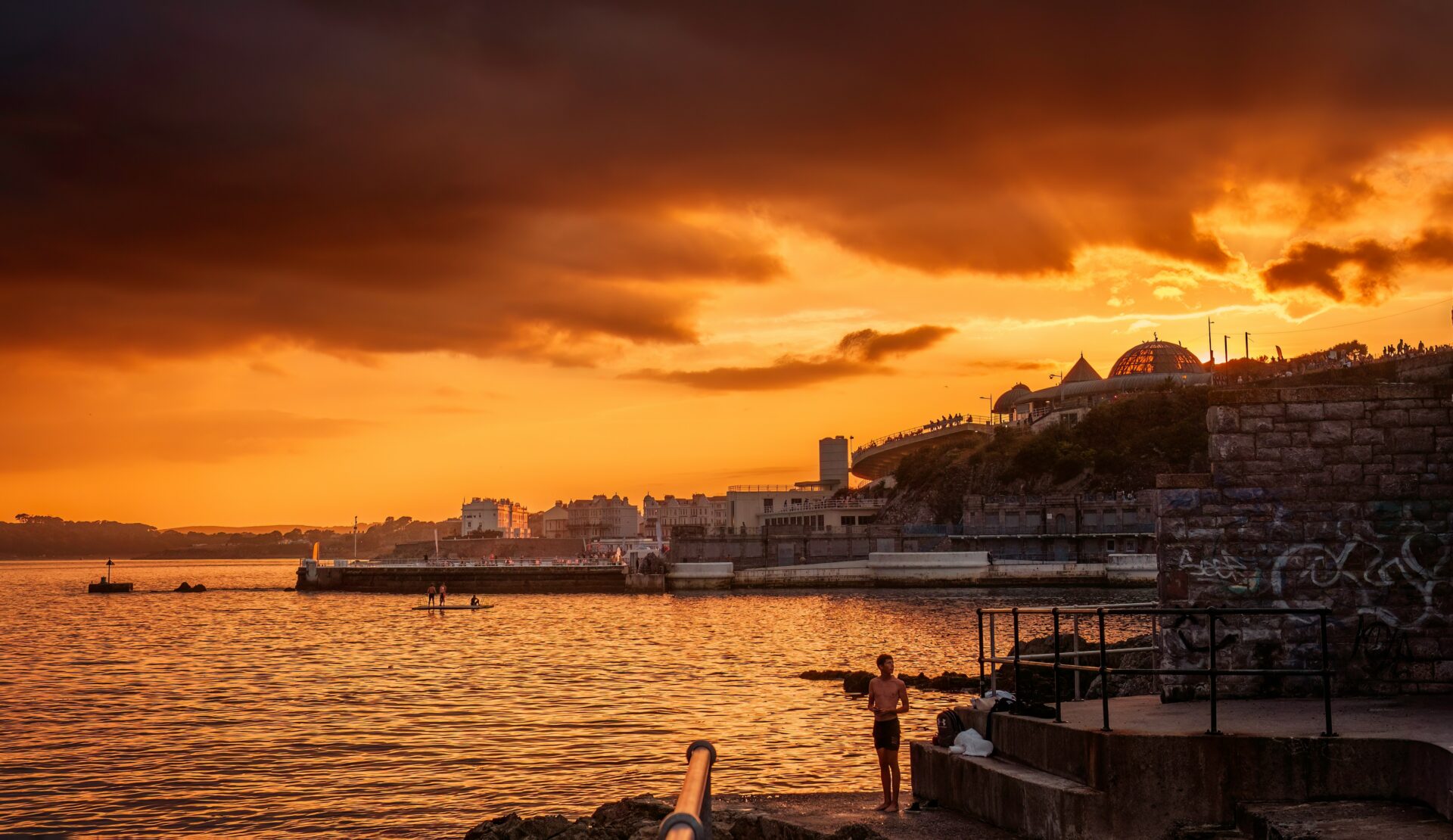
Early evening here is something special; sunsets turn the sky above stone cottages and tiny beaches into a painting.
Boscastle, on the other hand, feels almost untouched by crowds. Exploring it, I found it easy to imagine the stories behind every weathered stone and fishing net.
| Village | Main Highlight | My Favorite Memory |
|---|---|---|
| Mevagissey | Fishing harbor, shops | Watching fishermen unload the day’s catch |
| Padstow | Food scene, harbor walks | Smelling fresh bread from a bakery at dawn |
| Boscastle | Medieval charm, quietude | Listening to waves at the old harbour |
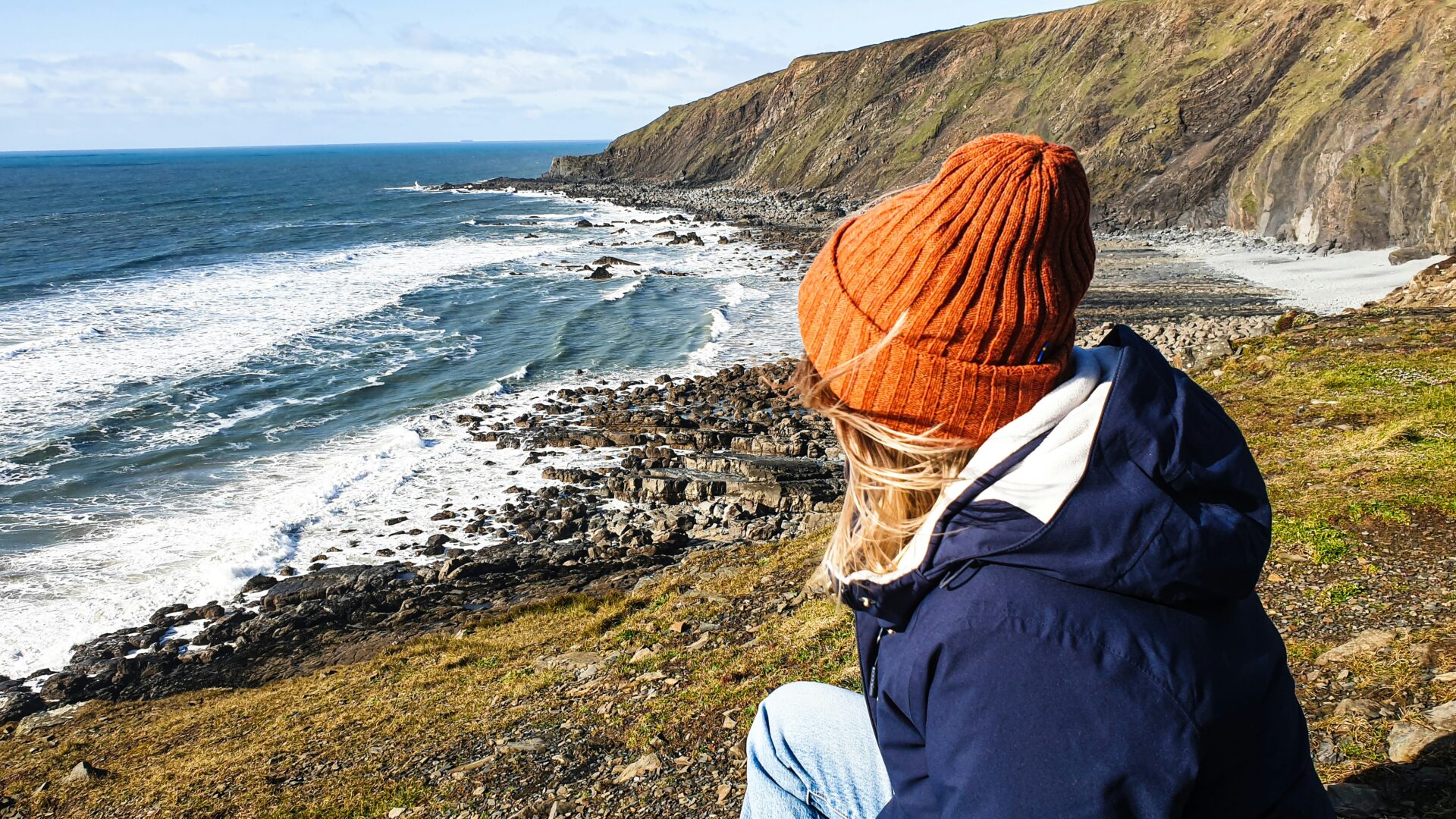
Food Surprises: Fish and Chips & Culinary Gems
Cornwall’s fish and chips really do taste fresher than anywhere else I’ve tried. In Padstow, a little dockside shop handed me thick, golden chips and flaky fish caught just hours ago.
Some spots go beyond classic salt and vinegar. One gave me a wedge of lemon, another sprinkled on fresh herbs.
Cornwall’s villages also hide a few culinary gems. Local cafés served homemade pasties stuffed with steak and savory turnip.
In Mevagissey, I found a seafood bistro making mussels in rich cider cream sauce. Bakeries tempted me with warm scones, clotted cream, and strawberry jam.
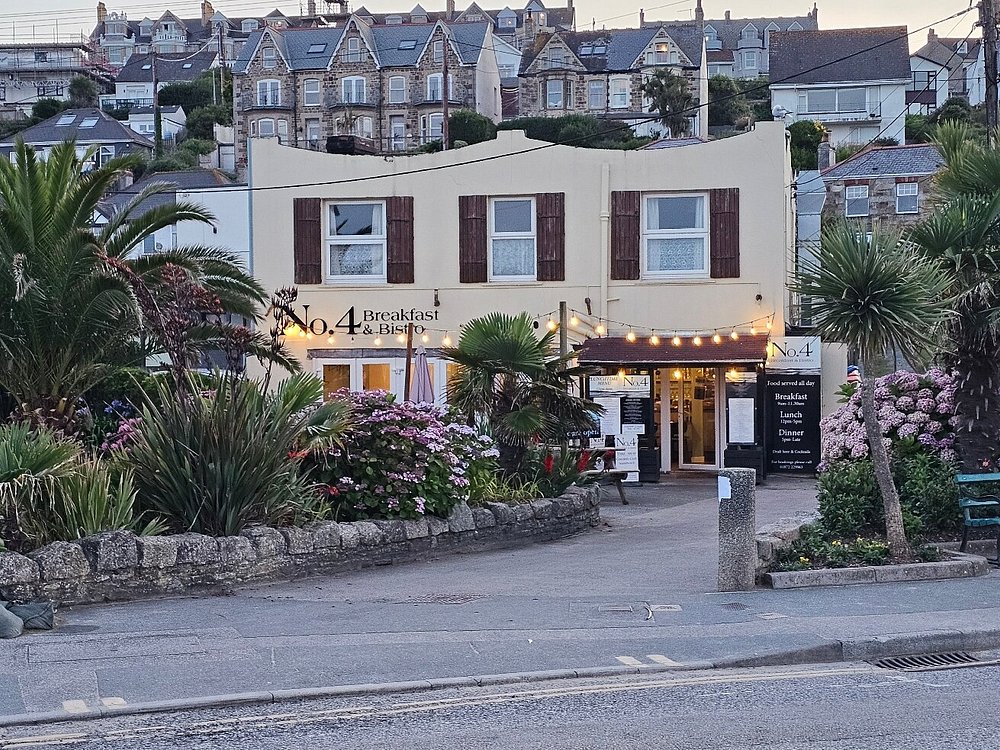
Eating these treats at sunset, with laughter drifting from nearby pubs, made those evenings feel especially memorable.
Methodism, John Wesley, and Community Spirit
Cornwall’s past runs deep with Methodism. John Wesley, who started the Methodist movement, traveled all over the region back in the 18th century. He preached in open fields and old chapels, rain or shine.
I stepped inside a Wesleyan chapel. The wooden pews felt worn smooth, shaped by countless local gatherings over the years.
Methodism’s influence still lingers. Village events—music nights, charity bake sales—happen in community halls that once held religious services.
Locals welcome visitors with genuine warmth. Even as an outsider, I found myself feeling at home.
Some evenings, I joined in with local entertainment. One night I ended up at a folk music session in a village hall. Another time, I caught an outdoor play.
Faith, tradition, and hospitality keep shaping Cornwall’s community life. You can see it, you can feel it—it’s just part of the place.
