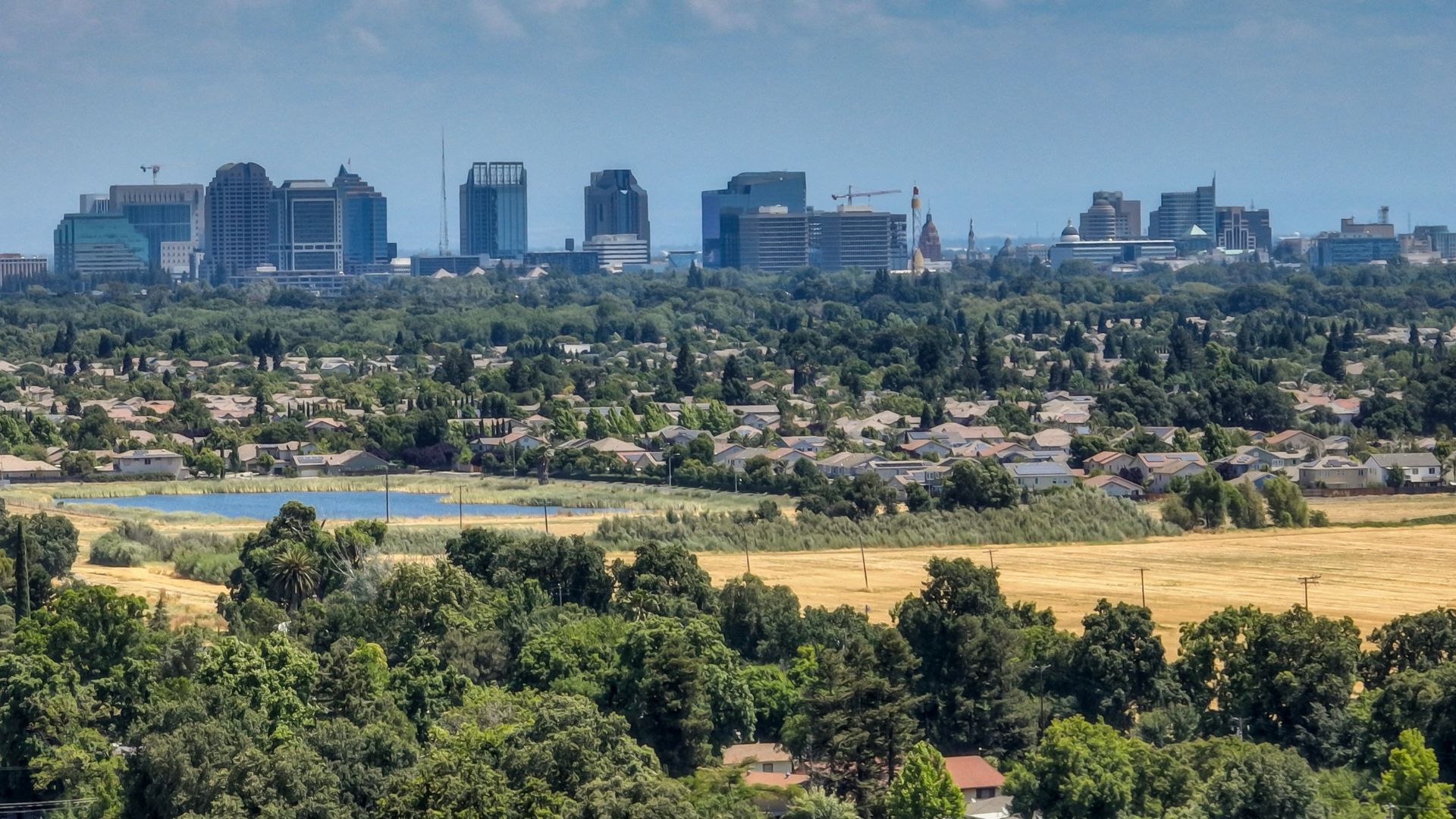
Whenever Sacramento comes up, people usually picture the State Capitol and, honestly, a lot of politicians arguing. I used to do the same—until I actually spent time here. Turns out, this city has way more going for it than government meetings and policy talk.
Sacramento built its identity on Gold Rush roots, natural beauty, a lively arts scene, die-hard sports fans, and this cool ability to grow without forgetting where it started. The rivers, the neighborhoods, the whole vibe—it kept surprising me.
When I wandered Sacramento, I found a place where pioneers struck gold, where two rivers shape the land, and where people celebrate everything from farm-fresh eats to basketball championships. I’ll never look at California’s capital the same way.
Sacramento’s Gold Rush Legacy
Sacramento didn’t start as a political powerhouse. A Swiss immigrant named John Sutter had a vision and, with a little luck, set off a chain reaction that changed American history. He built his fort, and then gold got discovered—it’s wild how much that shaped the city.
John Sutter and the Founding of Sutter’s Fort
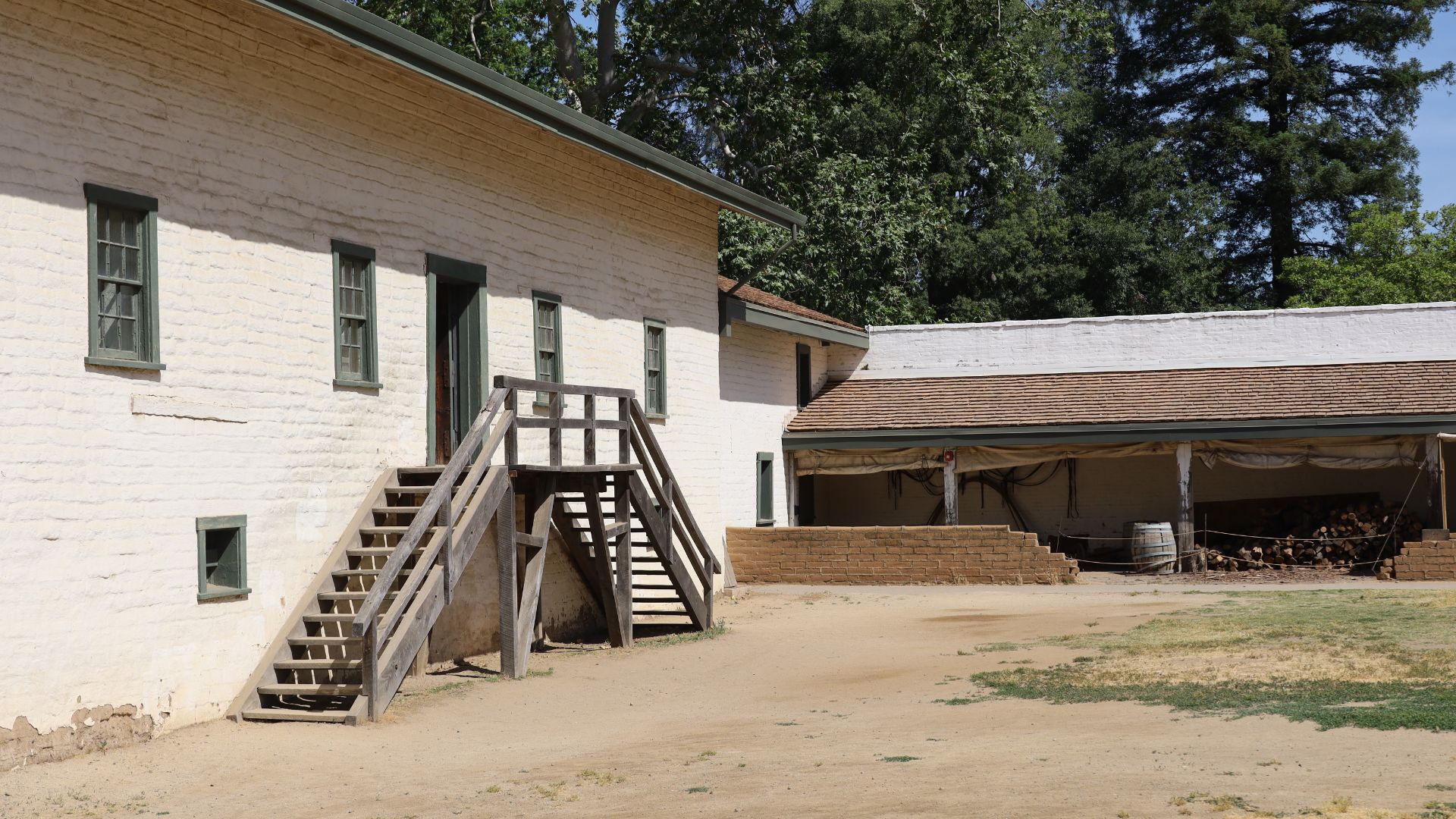
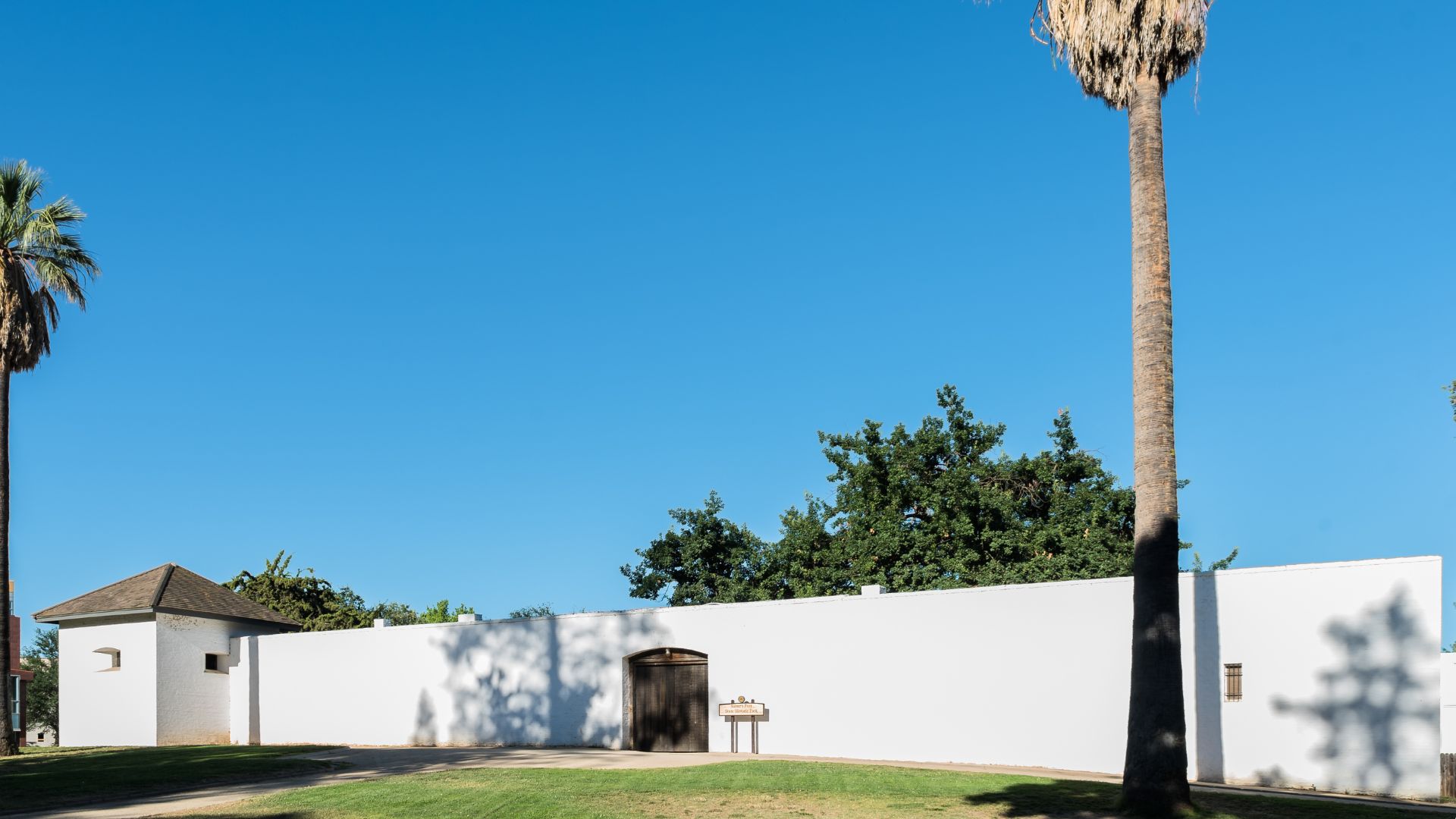
So, John Sutter, this Swiss pioneer, set up his fort in 1848 right where the Sacramento and American Rivers meet. He definitely didn’t pick that spot by accident.
He wanted river access and rich farmland. The fort became a trading post and a safe spot for people heading west. Sutter dreamed of an agricultural empire in California’s Central Valley.
Key Features of Sutter’s Fort:
- Strategic Location: Rivers made trade and travel easy
- Agricultural Base: The soil was just right for farming
- Trade Center: Settlers and Native Americans met here
- Safe Haven: Travelers and workers found protection
Before gold fever hit, Sutter already had hundreds working for him. They raised cattle, grew crops, and basically built the foundation for what would become Sacramento.
The Discovery at Sutter’s Mill
James Marshall stumbled on gold at Sutter’s Mill on January 24, 1848. I found it fascinating that this happened just weeks before California officially became part of the U.S.
Marshall was building a sawmill for Sutter when he noticed shiny flakes in the water. Sutter tried to keep it quiet, hoping to protect his farming dreams. But word got out, as it always does.
Suddenly, “forty-niners” rushed in from everywhere. The little settlement near Sutter’s Fort exploded into a city almost overnight.
That mill? It turned into the most famous spot in Gold Rush lore.
Transformation During the California Gold Rush
Sacramento went from four houses to a booming city in just a few months. By 1850, more than 6,000 people lived here.
The city became the main supply stop for gold miners heading toward the Sierra Nevada.
Sacramento’s Gold Rush Role:
- Supply Hub: Miners stocked up here
- Transportation Center: Boats brought goods up the river
- Banking: Gold got weighed and shipped to San Francisco
- Commerce: Hotels, saloons, and businesses popped up fast
Sacramento’s location made it the perfect place to move gold and supplies. Warehouses filled up with gear for mining camps. Banks handled the gold.
This wild growth set up Sacramento’s business backbone. Gold money funded roads, buildings, and the city’s early infrastructure.
Life Along the Rivers: Natural Wonders and Geography
Sacramento sits where two big rivers meet, and it’s shaped the city for over 150 years. The Sacramento River runs 447 miles through California. The American River brings its own beauty and plenty of ways to get outside.
The Confluence of the Sacramento and American Rivers
Where these two rivers meet, you get one of Northern California’s most important natural features. This confluence sits smack in the middle of Sacramento.
The Sacramento River starts in the Klamath Mountains and travels 447 miles. The American River flows down from the Sierra Nevada.
Key Features of the Confluence:
- Forms a natural harbor—super helpful for early settlers
- Creates fertile land that’s great for farming
- Provides a steady water supply
- Home to all sorts of wildlife, even salmon
I’ve walked these riverbanks more times than I can count. The views where the rivers meet are some of the best in town.
The area buzzes with wildlife—fish, birds, river otters. In winter, bald eagles nest in the tall trees. Pretty amazing for an urban spot.
The Role of the Sacramento River in City Development
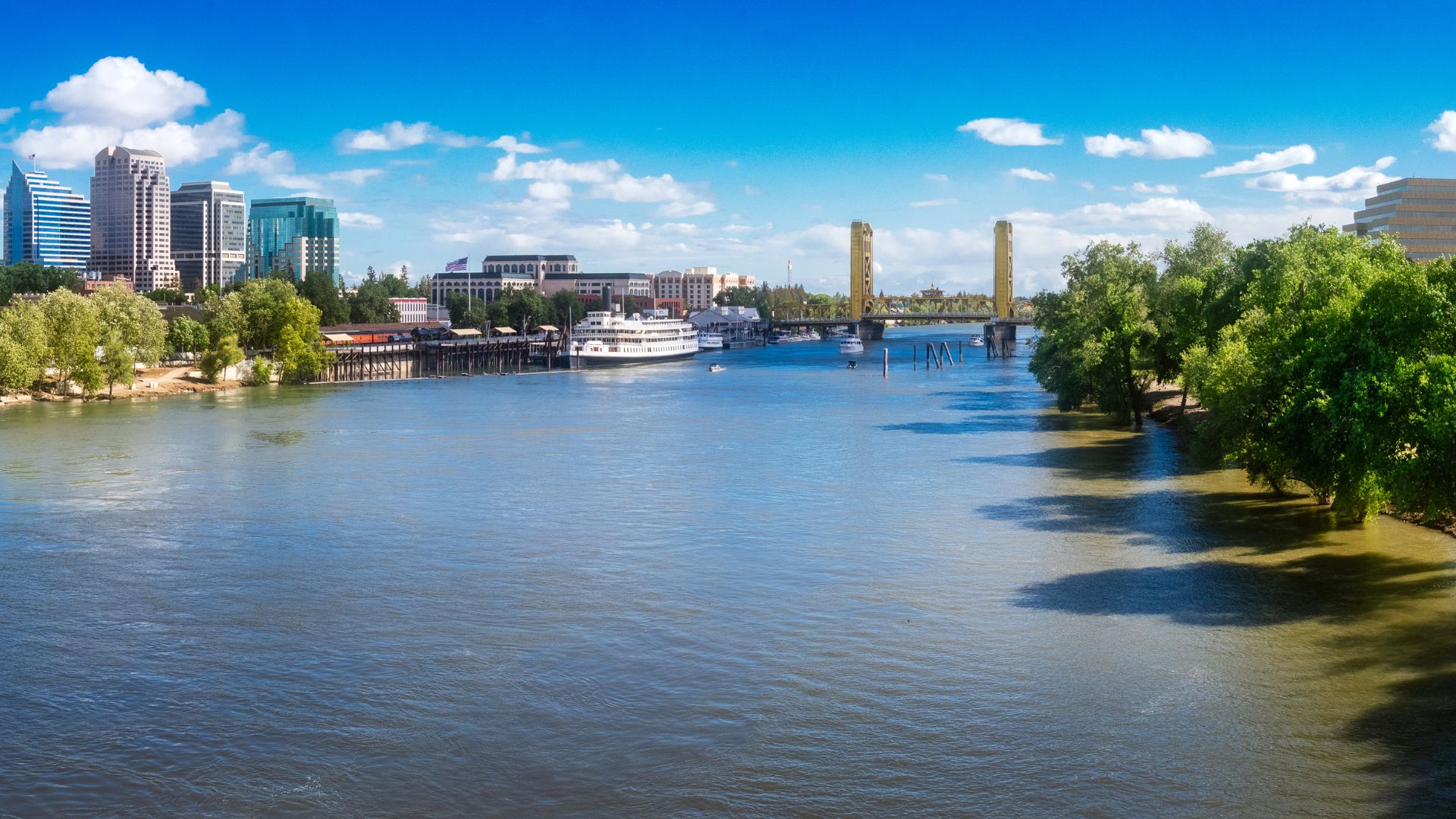
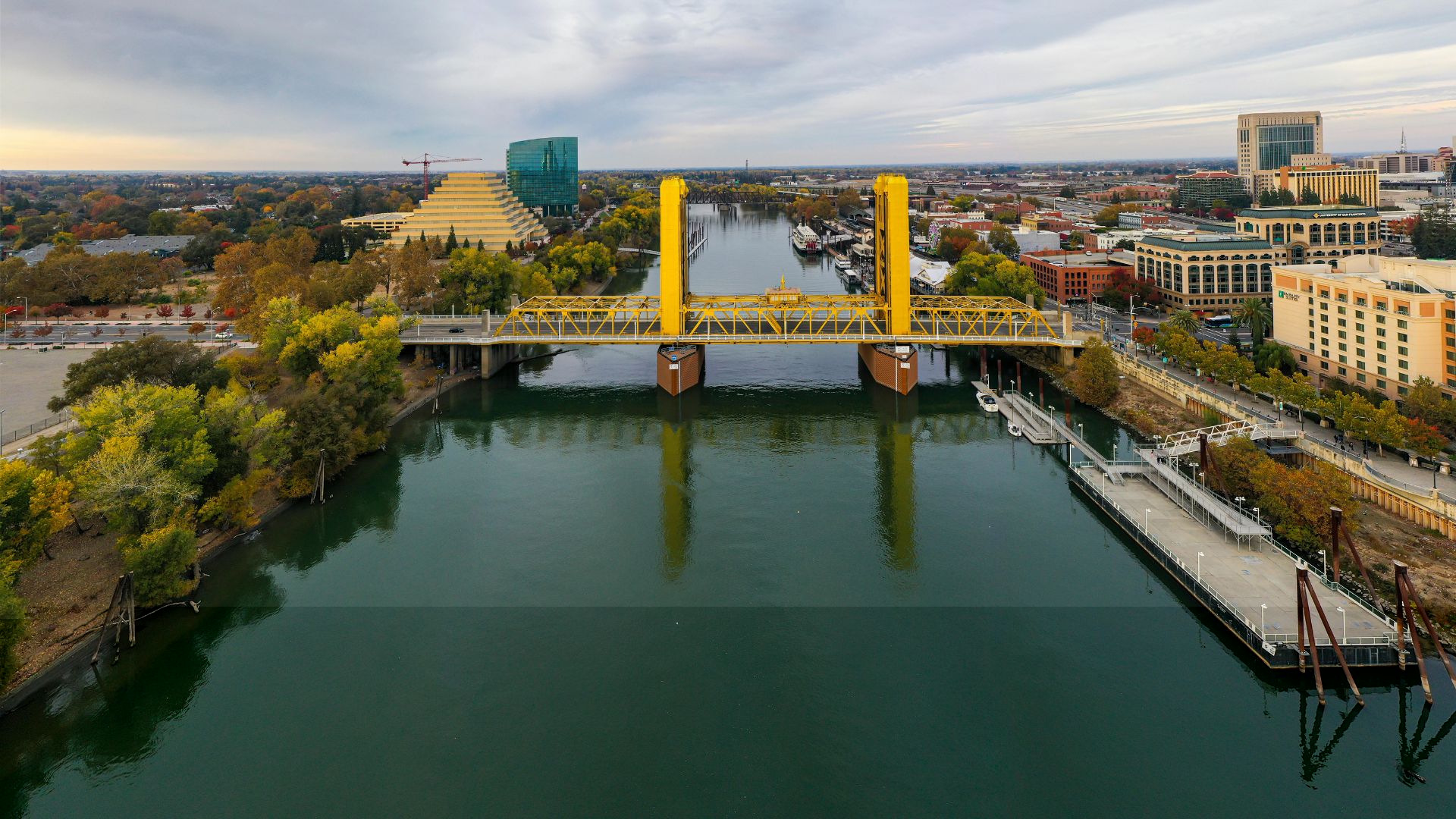
The Sacramento River is the reason the city exists. Early settlers picked this location so steamboats could come up from the Bay.
Back in the 1800s, the river was Sacramento’s main highway. Steamboats brought in supplies and people, then carried gold and farm goods back to San Francisco.
How the River Shaped Growth:
- Transportation: Steamboats kept Sacramento connected
- Trade: Easy river access turned it into a trading hub
- Agriculture: Farms relied on river water
- Industry: Hydroelectric power and water-based businesses thrived
The river still fuels the city’s economy. It provides drinking water for millions and irrigates farms all over the Central Valley.
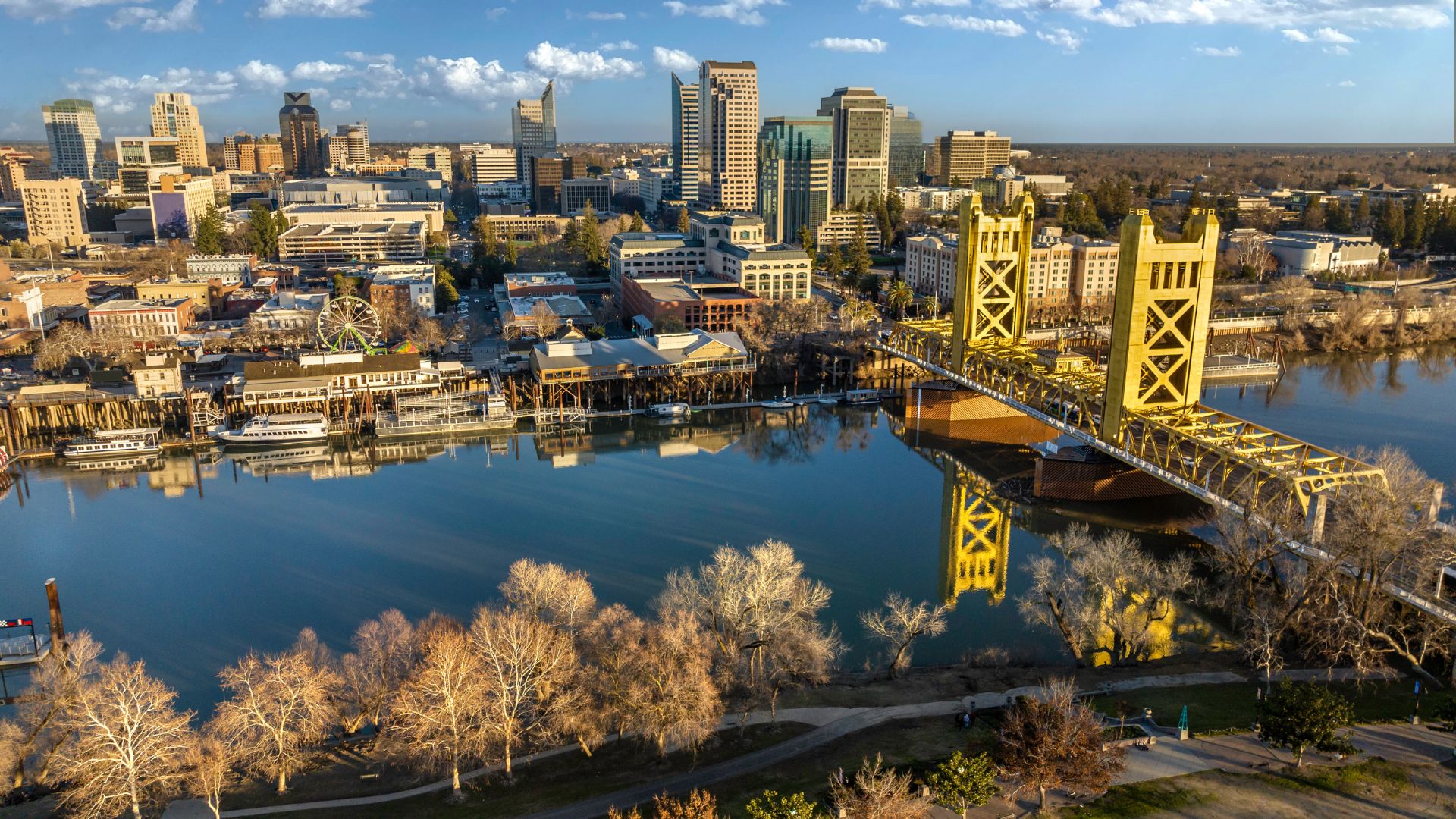
I’ve watched the waterfront change over the years. Now it’s lined with restaurants, parks, and new housing. The river just keeps pulling people in.
American River Parkway and Outdoor Activities
The American River Parkway stretches 32 miles through Sacramento, following the river’s twists and turns.
It’s honestly one of the best places for outdoor fun. I bike, walk, and run here all the time. The paved trail links downtown to Folsom Lake.
Popular Activities:
- Biking: 32 miles of smooth trails
- Rafting: Family-friendly rapids
- Fishing: Salmon and steelhead runs in fall and winter
- Swimming: Summer spots with sandy beaches
- Wildlife watching: Over 200 bird species hang out here
The American River stays cool, even when it’s roasting outside. Perfect for swimming and tubing. Local families make a day of it along the riverbanks.
Near downtown, the rapids are exciting enough for whitewater rafting but still safe. The river flows year-round, thanks to upstream dams, so there’s always something to do.
Beyond Politics: Sacramento’s Diverse Cultural Scene
Sacramento’s not just about politics—it’s a city where creativity thrives. I’ve found a buzzing arts community, a food scene that’s honestly worth traveling for, and historic places that tell stories you won’t hear in any government building.
Art and Music in the City
I didn’t expect Sacramento’s art scene to be so deep. Over 20 museums join in on Free Museum Weekend, so locals can explore art and history without spending a dime.
Local galleries show off both new and well-known artists. The music scene? Everything from cozy bars to big concert halls. Some spots even switch up their whole vibe with the seasons—think pop-up art installations and themed nights.
The LGBTQ+ community has created some of the most creative spaces in town. Drag shows, live music, art exhibits—they all add color to Sacramento’s cultural life.
Murals and street art pop up everywhere. I love how these pieces reflect the city’s diversity and personality.
Farm-to-Fork Movement and Culinary Delights
Sacramento’s food scene blew up because of its farm-to-fork approach. The Sacramento Bee’s 2024 list features 50 top restaurants, from Winters to Placerville.
There’s everything here:
- Michelin-starred spots
- Local taquerias
- Farm-driven cafes
- Craft breweries like Urban Roots Brewery
Menus change with the seasons. Local chefs team up with nearby farms, and you can taste the difference.
Food festivals and farmers markets happen all the time. It’s a great way to try local flavors and support area growers.
Historical Landmarks and Festivals
Sacramento’s history stretches way beyond its government roots. I wandered through Old City Cemetery, where Gold Rush-era graves tell stories of early settlers.
Preston Castle offers ghost tours that dive into its past as a juvenile detention center. It’s a totally different side of local history.
Old Sacramento’s waterfront throws some huge parties. On New Year’s Eve, you get live music and fireworks, and there’s even an early countdown for families.
October brings out the spooky side—haunted attractions use historic spots to combine entertainment with a bit of education.
Neighborhood festivals celebrate Sacramento’s diversity. Each one highlights the cultures and traditions that make this city feel like a true community.
Sports, Entertainment, and Community Spirit
Sacramento has become a legit entertainment destination. The NBA team brings the city together, and new venues keep popping up, adding to the cultural scene.
Sacramento Kings and Sporting Pride
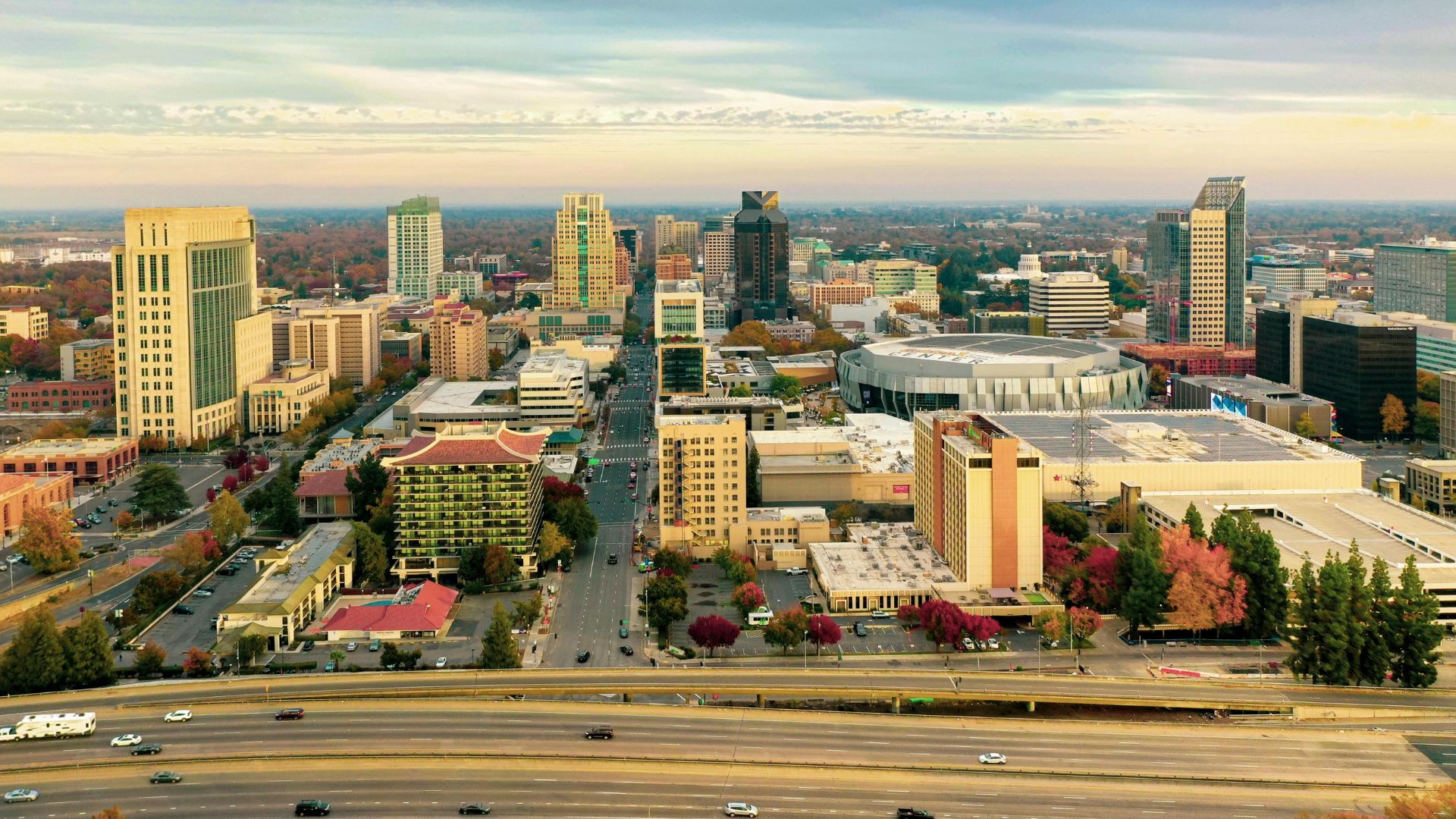
The Sacramento Kings completely changed how I see this city. On game nights, downtown turns purple—families, friends, everyone heading to Golden 1 Center with a buzz in the air.
The team’s impact goes way past basketball. Their youth programs in schools and community centers teach teamwork and leadership. It’s cool seeing kids get inspired.
Golden 1 Center brought energy to downtown. Suddenly, new restaurants, bars, and shops opened up. Neighborhoods that used to be quiet now feel alive.
The Kings gave Sacramento a real sense of unity. During playoffs, the whole city rallies. People from all walks of life come together for their team.
Entertainment Venues and Local Events
Sacramento’s entertainment options have exploded lately. Golden 1 Center hosts big concerts and events, not just basketball. I’ve seen shows here that rival anything in bigger cities.
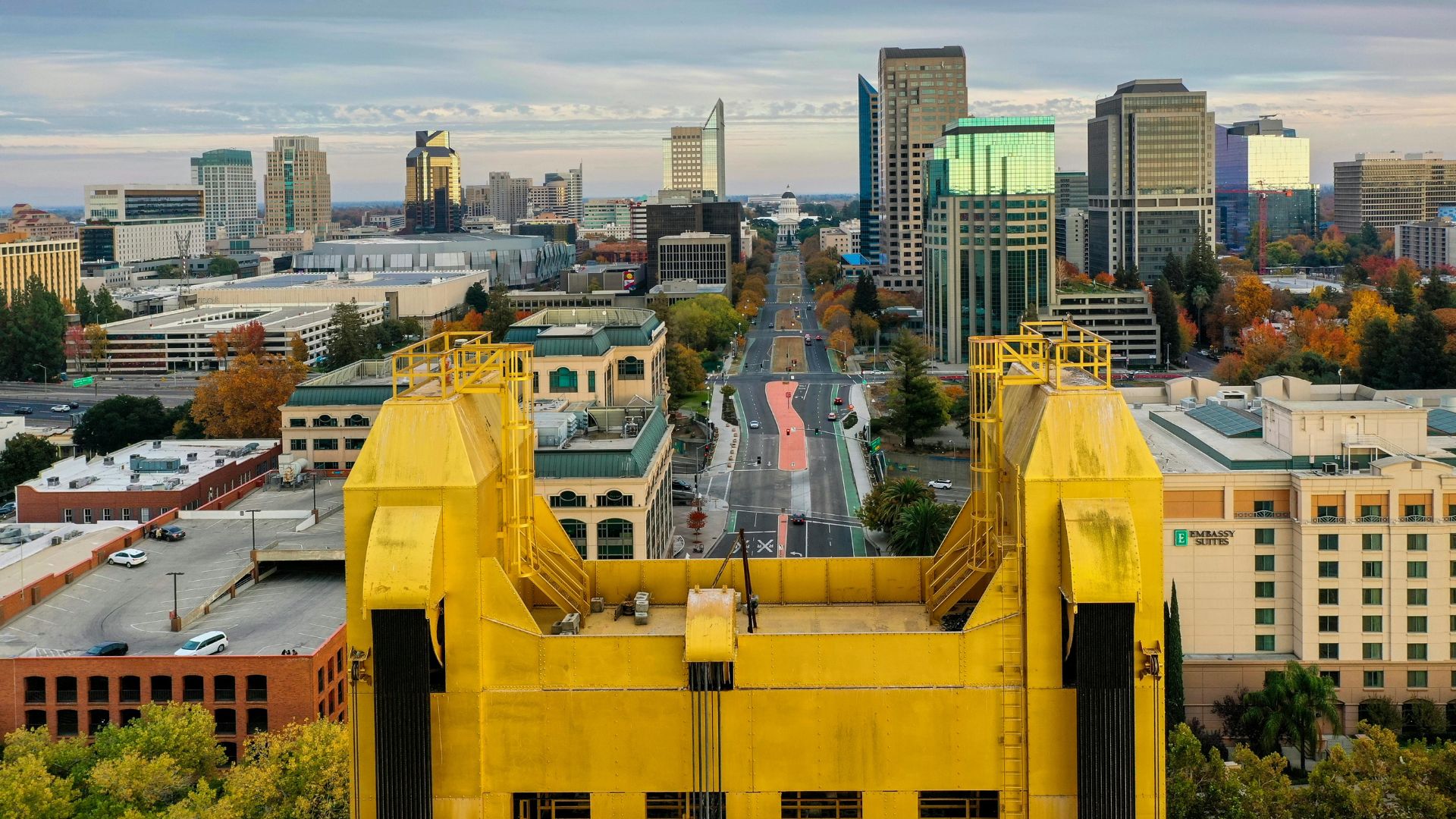
R Street turned into an arts and entertainment corridor. Now it’s packed with galleries, music venues, and creative spaces.
Downtown is a nightlife hotspot. Sacramento even got international recognition for its safe, lively evening scene. Local businesses are thriving.
K Street’s mixed-use projects blend housing and entertainment. You can live, work, and play all in the same area, which just makes life easier.
Resilience, Growth, and Modern Identity
Sacramento went from a flood-prone Gold Rush town to a thriving metro area by investing smartly and welcoming new people. The population hit 2.5 million over the last fifty years, and the city’s economy now stretches way beyond government jobs.
Adaptive Infrastructure and Urban Development
I’ve watched Sacramento face its flood problems head-on—literally building higher and stronger. The city earned its “indomitable” nickname by constantly improving flood management.
Key Infrastructure Advances:
- Stronger levee systems protect downtown areas
- Expanded public transit makes getting around easier
- Electric vehicle charging stations are everywhere
- New buildings follow green codes
Sacramento’s focus on sustainability is real. I’ve seen green tech companies set up shop here, and downtown has transformed with new developments.
The city now pushes walkability and community involvement. Bike paths and pedestrian-friendly streets connect neighborhoods, cut down on traffic, and help the air stay a little cleaner.
Modern Demographics and Economic Diversity
Sacramento’s population keeps growing, and with it comes a striking mix of cultures and backgrounds. Over the years, I’ve watched the city transform—what once felt like a government-driven town now pulses with a much broader economic heartbeat.
Economic Sectors:
- Technology: Green energy and sustainable agriculture startups keep popping up.
- Healthcare: Major medical centers and research facilities draw top talent.
- Agriculture: The farm-to-fork movement genuinely supports local farmers.
- Arts and Culture: Midtown’s creative scene? It’s thriving, and honestly, it’s hard not to get swept up in the energy.
People from all over California seem to flock here, mostly searching for a more affordable place to call home. You’ll find young professionals and families who left those pricey coastal cities, and their arrival has definitely sparked new life in local neighborhoods and businesses.
Workforce development programs here actually match up with what’s booming in the local economy. Universities and private companies team up to train folks for these growing industries.
Sacramento sits right between San Francisco and the Central Valley, and that location gives it some serious economic perks.