
California’s deserts caught me off guard with a beauty I just didn’t see coming—endless horizons, wild rock piles, and night skies that seemed to explode with stars. Wandering through these wild Southern California spaces, I watched the scenery shift from boulder fields to sandy stretches dotted with stubborn little plants.
There’s a calm and quiet here that feels totally different from anywhere else I’ve roamed.
I found out that places like Joshua Tree and Anza-Borrego have their own quirks, shaped by the meeting of different desert regions. Hiking under a sky so blue it almost hurt, or catching the sun sink over worn-down hills, I kept finding new shapes, colors, and open spaces that surprised me.
Every hour out there seemed to add a fresh layer to my sense of what “natural beauty” even means.
Discovering California’s Iconic Desert Regions
California’s deserts roll out in wide valleys, rocky mountains, and national parks that are just packed with strange sights and sounds. My trip took me from the jagged rocks of Joshua Tree to the sand dunes of Death Valley, and through less-famous (but no less striking) places like Anza-Borrego and Mojave.
The Allure of Joshua Tree National Park
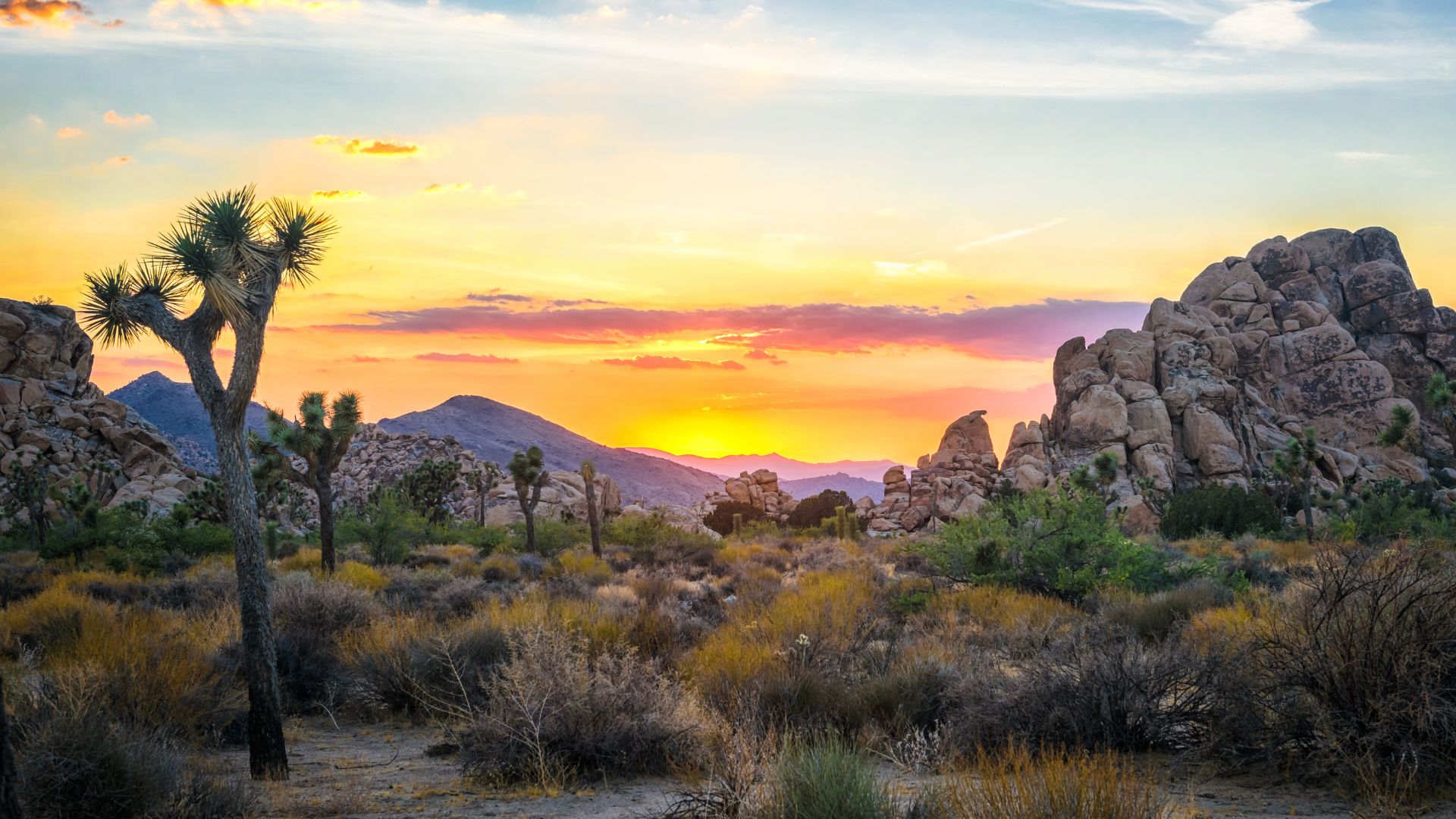
Joshua Tree National Park sits right where the Mojave and Colorado Deserts crash into each other. I couldn’t stop staring at the Joshua trees themselves—those spiky, twisty branches seem to reach out in every direction.
Granite boulders jut up from the ground, practically begging hikers, climbers, and photographers to come closer.
Sure, rock climbing is huge here, but even a quick walk took me past hidden cacti, spring wildflowers, and some rock shapes that just don’t look real. Out there, far from city buzz, I found a kind of peace that really sticks with you—especially when the sky glows orange at sunset.
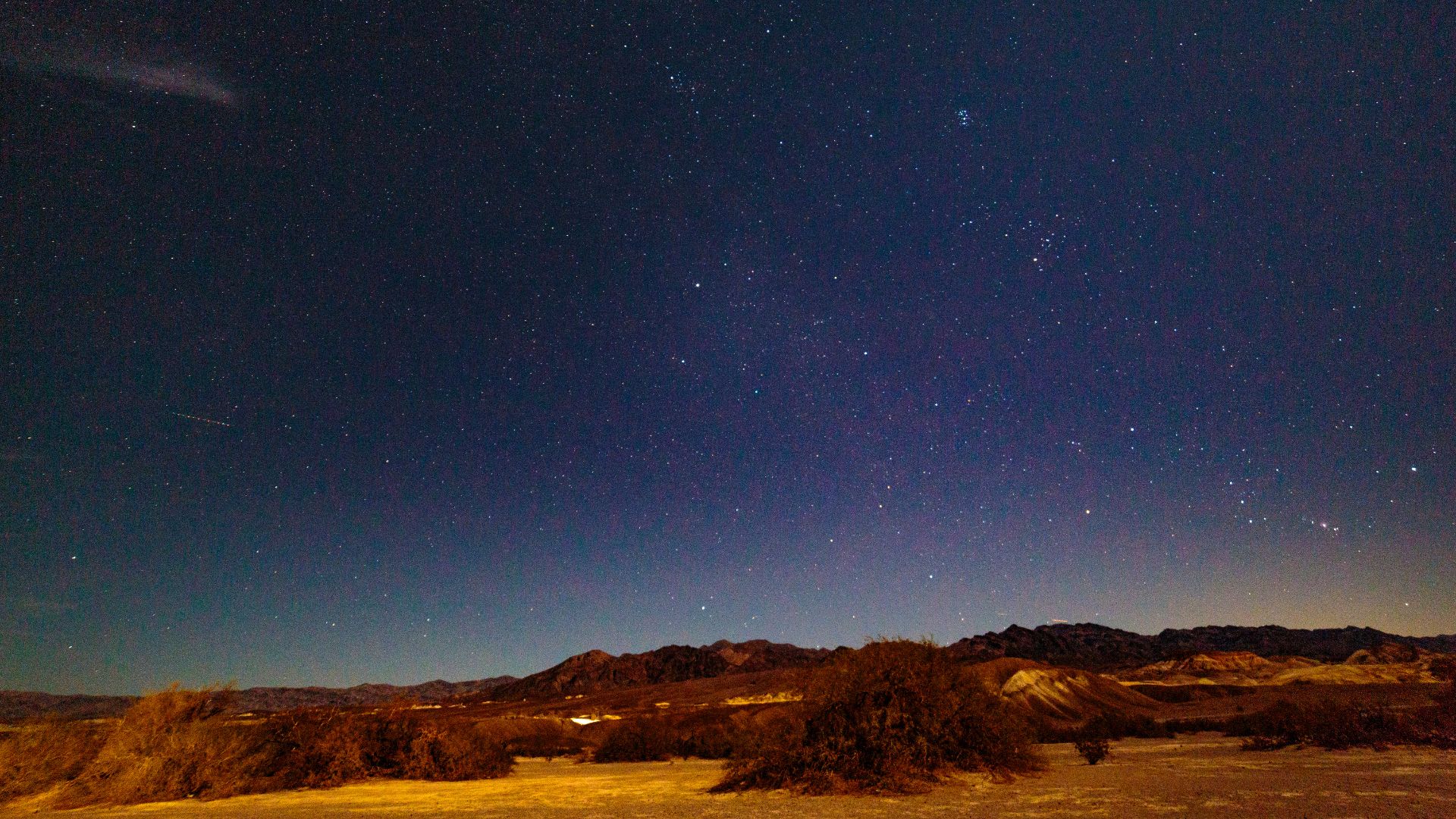
At night, the stars popped out bright and sharp. Joshua Tree’s an International Dark Sky Park, so on clear nights, I could see the Milky Way stretching overhead.
Here are a few of my favorite Joshua Tree stops:
- Hidden Valley Nature Trail
- Barker Dam
- Keys View
Camping’s pretty basic, but honestly, sunrise and sunset turn the whole place gold and pink.
Vast Expanse of Death Valley National Park
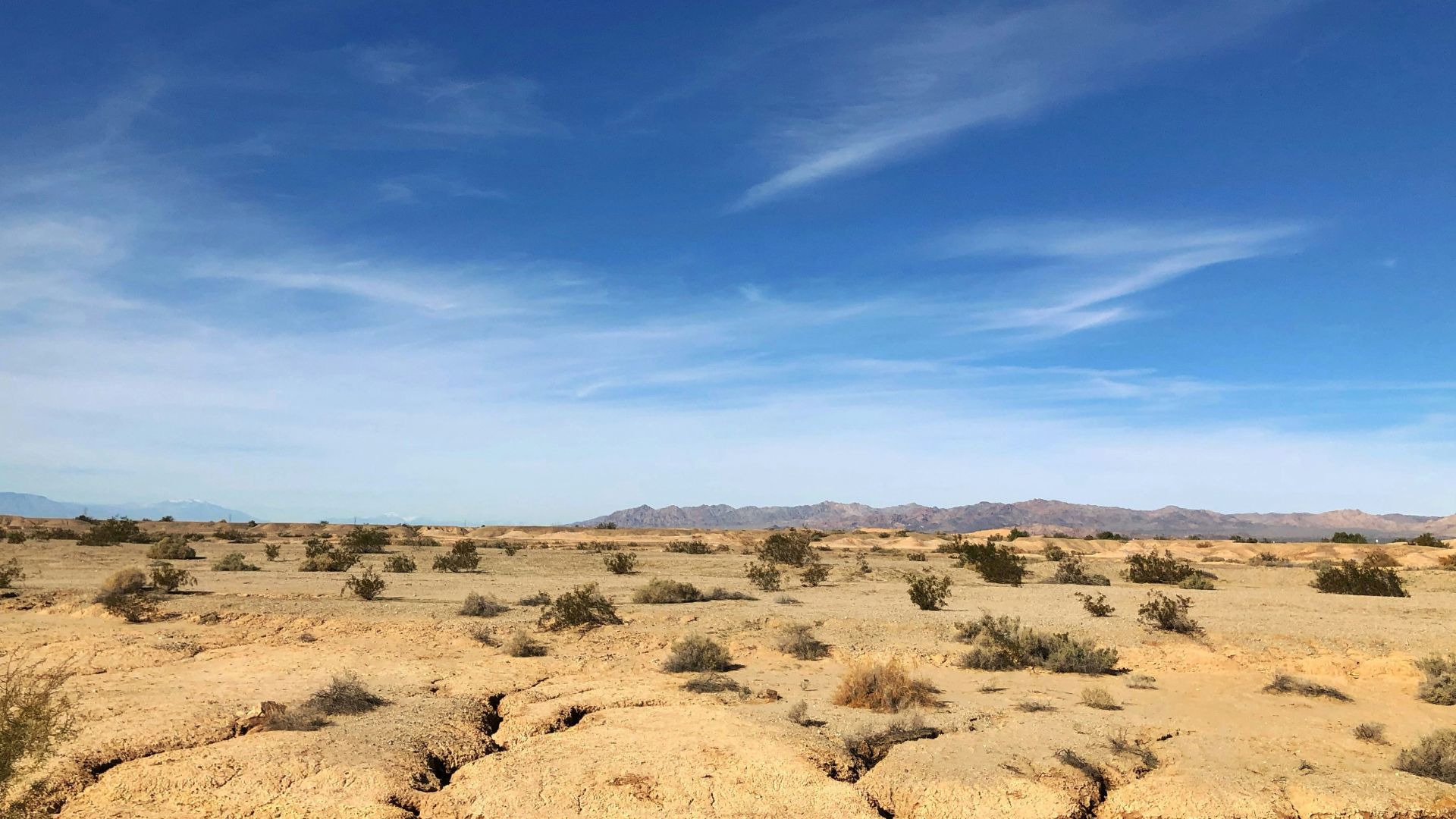
Death Valley just blew me away with its wild variety. It sprawls over 3 million acres and holds some of the hottest, driest spots in North America.
I walked out onto the salt flats at Badwater Basin and stood at the lowest point in the U.S.—282 feet below sea level.
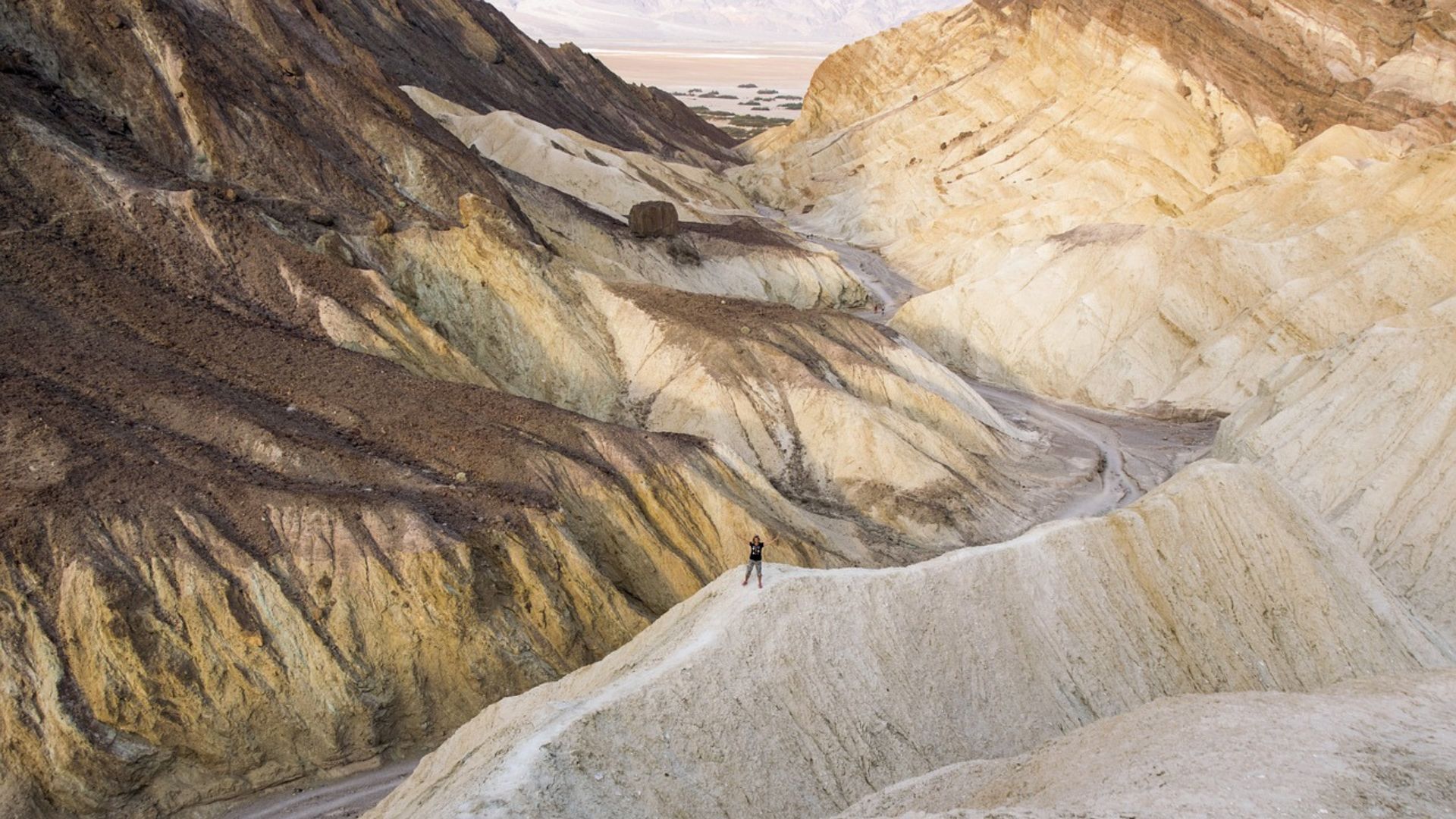
Sand dunes roll out for miles, and bare mountains climb up from the valley floor. Zabriskie Point gave me these wide-open views of rugged, colorful rocks that almost looked alien.
Summer here? Brutal, with temps soaring over 120°F. But winter and early spring? Pretty nice, actually.
I kept wondering how so much wildlife survives out here—mesquite trees, coyotes, tiny wildflowers after a rare rain. The dark, open land turns out to be perfect for both birdwatching and stargazing.

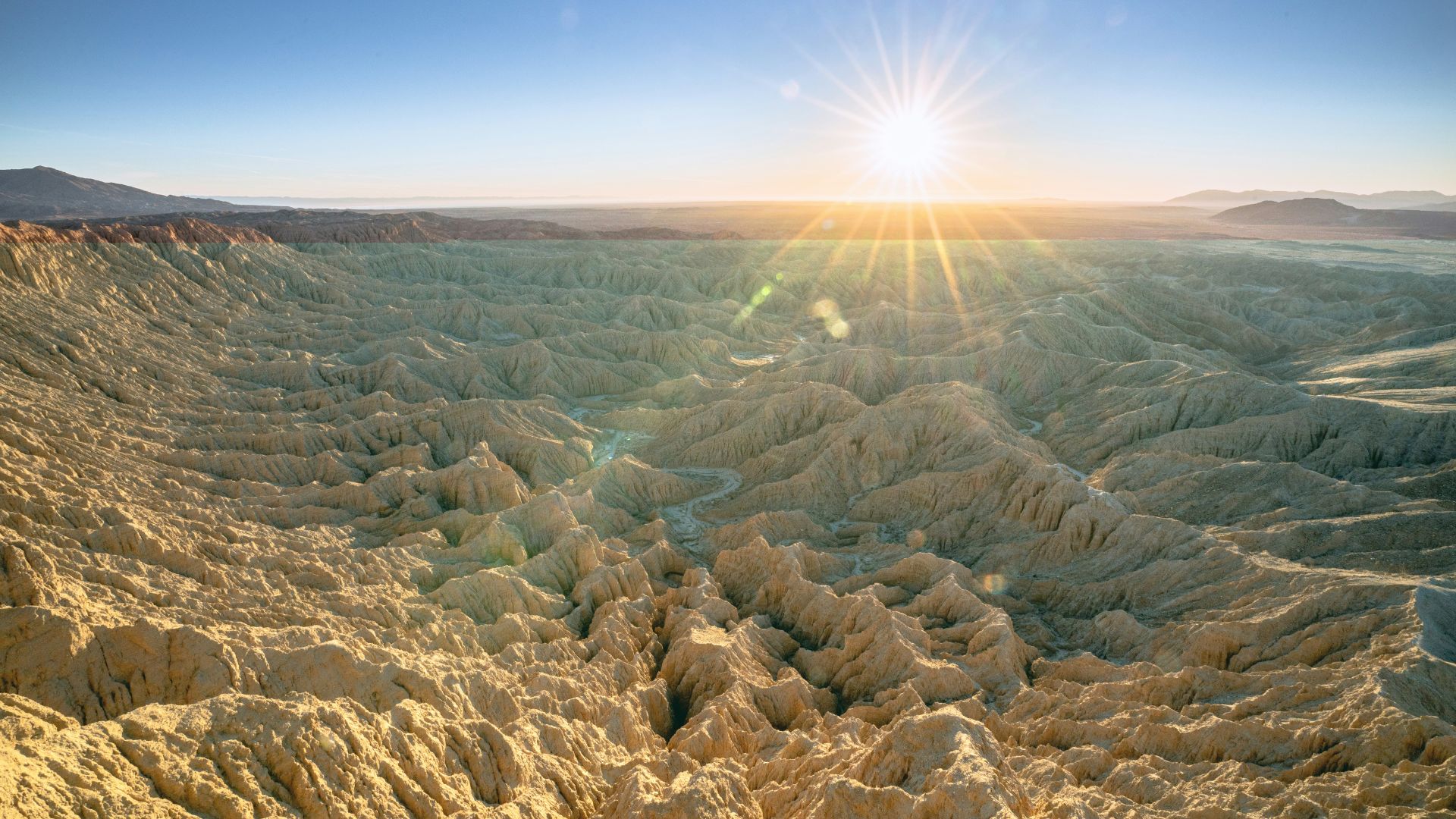
Exploring Anza-Borrego Desert State Park
Anza-Borrego Desert State Park is California’s biggest state park, and it feels endless. I wandered through dry canyons, rocky hills, and sandy washes that just keep going.
In good years, wildflowers burst out in color after winter rains, and the sight is unreal.
The desert here is also dotted with these wild metal sculptures—dinosaurs, dragons, you name it. I hiked Palm Canyon to see California fan palms, the only palms truly native to the state.
The Borrego Badlands looked so strange, I half-expected to see astronauts. Wide open spaces made it easy to spot roadrunners, jackrabbits, and even bighorn sheep.
Facilities are simple, but those sunrises and the huge night sky more than make up for it.
Anza-Borrego Facts Table
| Area | 585,930 acres |
|---|---|
| Main Attractions | Wildflowers, Badlands, Palms |
Wonders of Mojave National Preserve
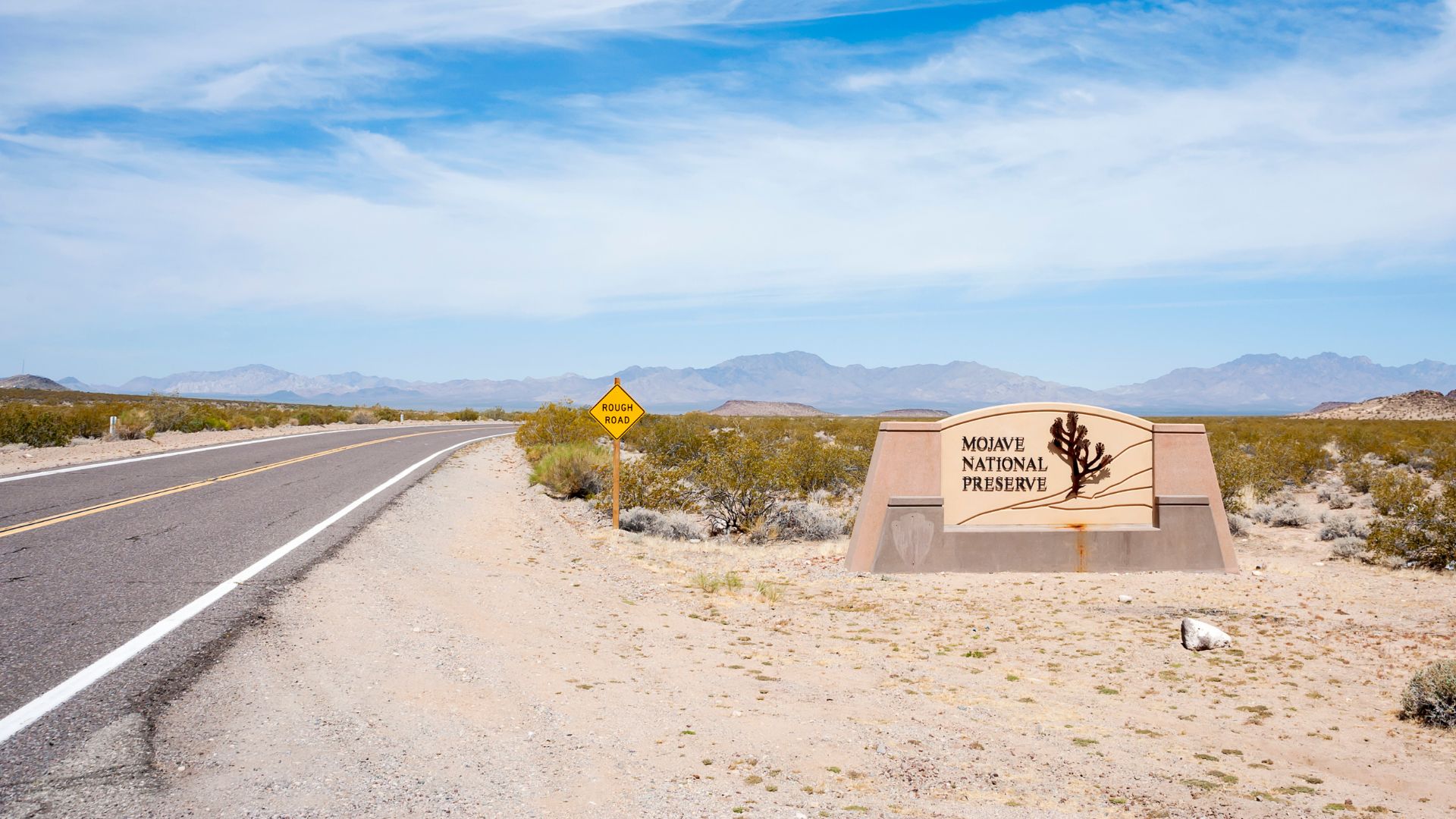
Mojave National Preserve sits between LA and Vegas, covering over 1.6 million acres. I found rolling sand dunes, old lava flows, and Joshua trees scattered everywhere.
Kelso Dunes rise up to 650 feet and even sing as the sand shifts under your feet. I stumbled across volcanic craters, abandoned mines, and weird rock shapes at places like Cima Dome and Hole-in-the-Wall.
Wildlife here? Tortoises, coyotes, and more birds than I could count. The roads are quiet, the trails even quieter.
I explored lava tubes and checked out the old Kelso Depot to get a feel for the area’s railroad history.
This preserve gets fewer crowds than the big parks, so it’s easy to find a patch of desert all to yourself.
A Journey Through Breathtaking Vistas
Open roads, rugged mountains, and wild rock formations shaped my whole adventure through California’s deserts.
Landscapes changed fast—one minute I was in rolling sand dunes, the next I was crossing dry salt flats or weaving between massive boulders.
Scenic Drives and Historic Routes
Every mile I drove brought something new. Route 66 cuts straight through some of the most iconic desert views, linking up tiny towns and giving little flashes of old-school history.
The stretch from Barstow to Needles? Full of classic motels, neon diners, and endless road disappearing into the heat shimmer.
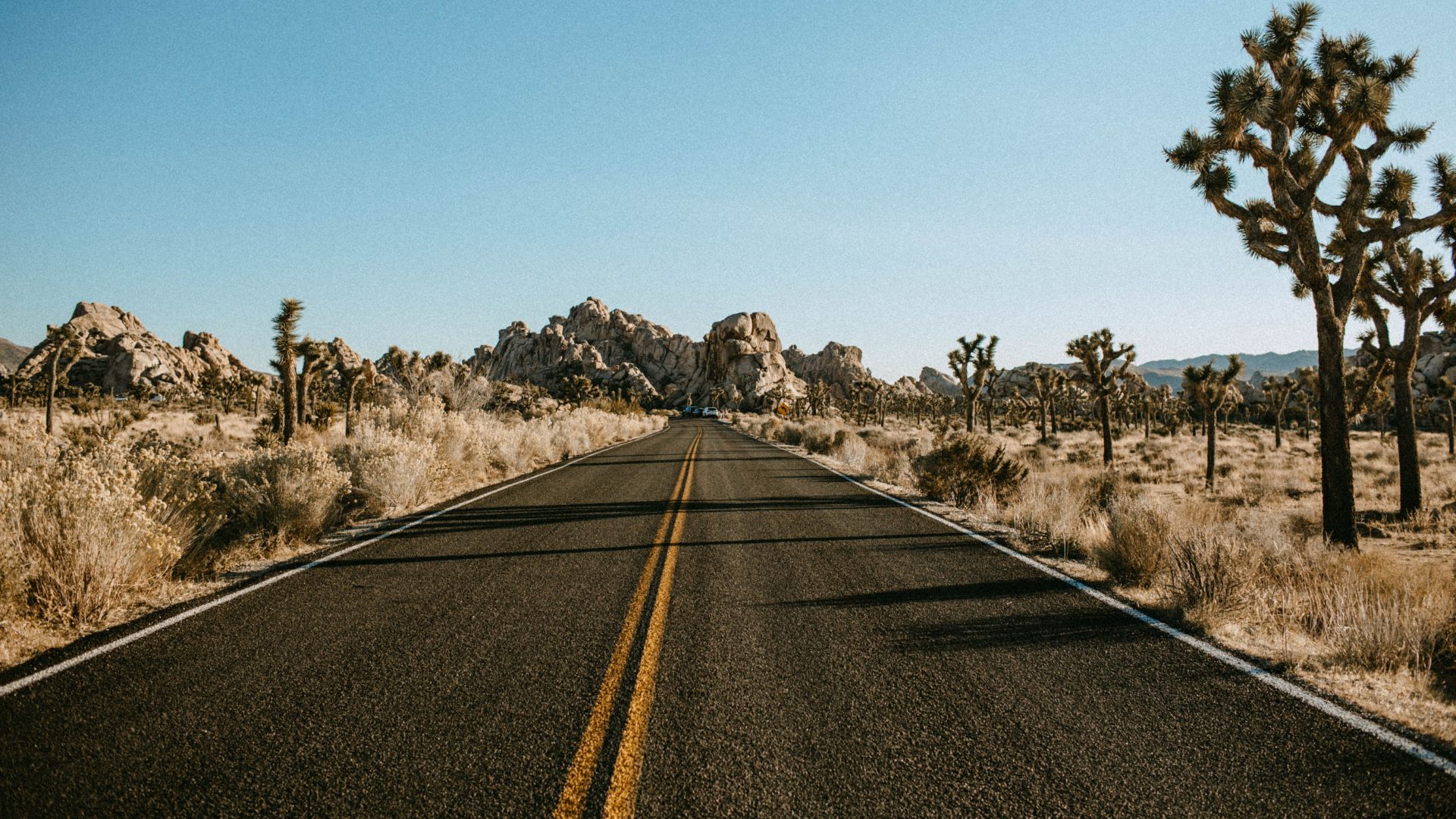
Joshua Tree’s rough roads wound past clusters of its namesake trees. I ended up in Red Rock Canyon State Park, where deep red cliffs loomed over the road.
Driving between Kelso Dunes and Mojave National Preserve, I watched the scenery shift from sandy flats to rugged rocks in what felt like minutes.
At random stops, small galleries showed off art inspired by the desert’s wild light and shadows. The drives themselves felt like a rolling museum of geology and culture.
Rock Formations and Geological Wonders
I’ve never seen rocks arranged in such wild ways. In Joshua Tree, stacks of boulders made natural playgrounds.
The climb up to Zabriskie Point paid off with gold and brown hills worn down by time. Badwater Basin’s salt flats stretched out under open sky, the cracked white surface looking almost fake.
Mesquite Flat Sand Dunes rippled with wind-blown patterns under my feet. The Artist’s Palette in Death Valley shocked me with rocks streaked pink, green, and purple.
Each spot felt like a new chapter in the earth’s story, showing off how the land has changed over millions of years.
Kelso Dunes and the Algodones Dunes went on forever—easy to get lost in, both physically and mentally.
Dramatic Desert Sunsets
Evenings in the desert? Pure magic. As the sun dropped, everything changed.
At Dante’s View above Death Valley, I watched the sky turn wild shades of orange, pink, and purple. The colors stretched over salt flats and dunes, glowing in the last light.
Shadows grew long across Joshua Tree’s rocks and Red Rock Canyon’s cliffs, the heat of the day fading away.
Photographers gathered at these spots, hoping to catch the perfect moment. But honestly, just standing there and watching the sky was enough—a memory I keep coming back to.
Adventures Under Starry Nights
Desert nights in California are something else. Once the sun sets, the world quiets down and the sky puts on a show.
The wide-open spaces turn into prime territory for stargazing and photography that you just can’t get in the city.
Stargazing and Dark Sky Parks
Some of my best nights happened in Death Valley and Joshua Tree, both recognized as International Dark Sky Parks. With almost no light pollution, the stars come out bold and bright.
On clear nights, I watched the Milky Way stretch across everything. Anza-Borrego Desert State Park is another great spot for night skies.
Borrego Springs, the nearby town, keeps its lights low so visitors can enjoy the stars. Lots of people bring telescopes, but honestly, you can see plenty with just your eyes.
If you’re new to stargazing, some parks run guided night walks or host events at the visitor centers. It’s a good way to learn the constellations.
Here are some favorite dark sky spots I checked out:
| Park | Features |
|---|---|
| Death Valley National Park | Wide views, Milky Way |
| Joshua Tree National Park | Ranger programs, open vistas |
| Anza-Borrego Desert State Park | Community stargazing events |
Astrophotography and Constellations
I set up my camera at night and tried to capture what I saw. Even with a basic setup, the results blew me away.
Long exposure photography brought out details I’d never spot with just my eyes.
Some constellations—Orion, the Big Dipper, Sagittarius—were easy to find with a little help from phone apps. A tripod and remote shutter kept my photos from turning into a blur.
Photographing the Milky Way was a real highlight. The lack of city lights meant the core stood out bright and clear.
I learned to shoot just after the moon set for the darkest skies. Some parks even offer short classes or group sessions to help beginners.
Packing extra batteries and memory cards saved me from missing out. Every night, the sky seemed to offer something new.
Experiencing Outdoor Activities and Desert Life
California’s deserts kept me moving and curious. What looked harsh at first turned out to be a playground for hiking, climbing, riding, and camping.
The desert’s tough, but it supports a simple, active way of life.
Hiking Trails and Outdoor Exploration
Hiking out here challenged me in the best ways. I followed sandy trails lined with giant Joshua trees.
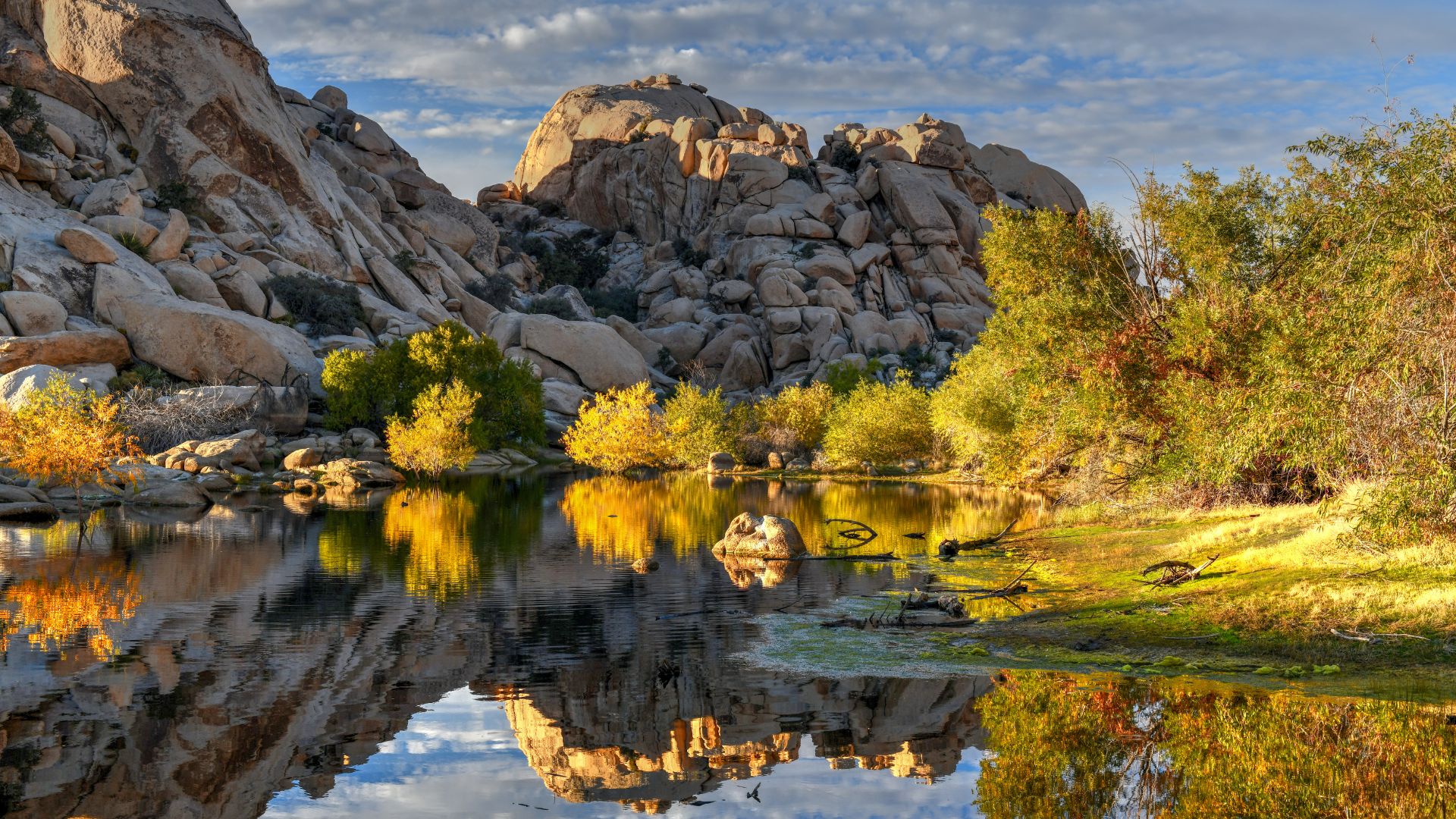
Joshua Tree National Park’s Barker Dam Trail became a favorite. I found old water reservoirs and, if I was lucky, spotted bighorn sheep.
The Pacific Crest Trail slices through dry valleys and rocky passes. I met hikers who’d been out for days, swapping advice or stories.
Shorter trails often had signs about local plants and animals, turning every walk into a mini lesson.
Some folks explored on horseback. Watching the desert from a saddle looked peaceful, the horses picking their way around rocks and shrubs.
Early mornings and late afternoons worked best for avoiding the worst heat and catching glimpses of wildlife.
Camping and Unique Campgrounds
Camping in the desert has a vibe all its own. I spent nights at both developed campgrounds and simple open sites.
Some spots had tables and toilets; others were just a patch of ground under the stars.
Joshua Tree’s campgrounds—Black Rock and Jumbo Rocks—stood out for easy hiking access and unbeatable night skies.
The air cooled fast after sunset, so I always packed a warm sleeping bag. Keeping food locked up kept the critters at bay.
RV folks and tent campers mixed together. Sometimes, people gathered around small fires to share stories, though I always checked fire restrictions since the dry grass burns so easily.
Camping out in the open meant sunrise came early and bright, whether I was ready or not.
Rock Climbing and Off-Roading
Rock climbing draws people from everywhere to California’s deserts. I watched climbers tackle Joshua Tree’s famous boulders and cracks, and even tried a few easy routes myself.
Most plan their trips for cooler months—nobody wants to grip hot rock in the summer.
Off-roading caught my curiosity, too. I joined a group in 4×4 trucks, bouncing over sandy washes and rocky trails.
Old mining roads and marked routes crisscross the desert, but you need maps and guidelines to avoid damaging the land.
The mix of climbing, off-roading, and wandering on foot or by truck kept things interesting. Each day brought a new way to connect with the desert’s challenges.
Wildlife and Unique Desert Flora
California’s deserts are full of surprises when it comes to plants and animals. As I moved through these wild spaces, I saw how each one adapts to survive tough conditions, turning the desert into a living, breathing landscape.
Cacti, Joshua Trees, and Desert Wildflowers
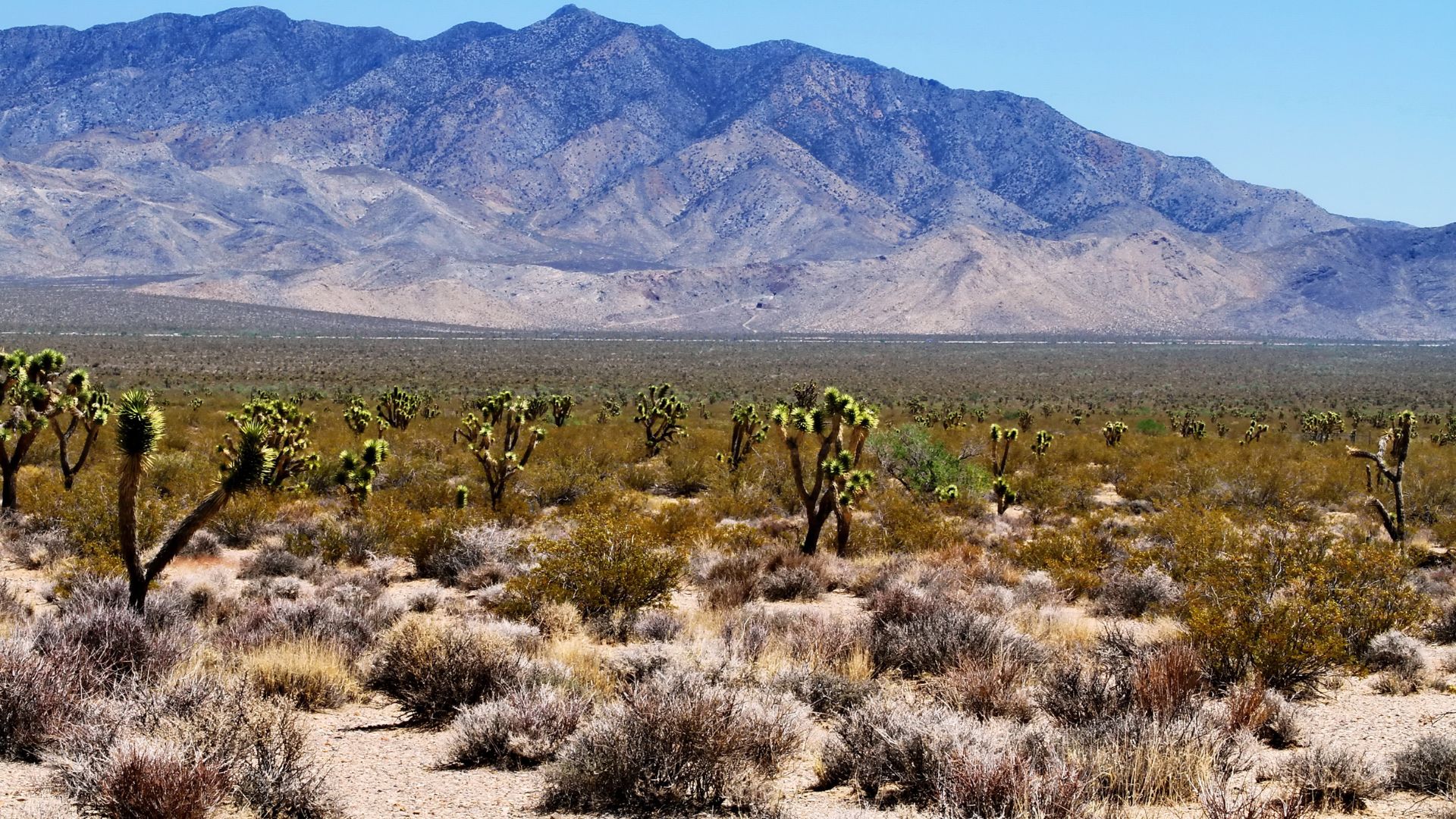
I spotted Joshua trees popping up from the dusty ground, their twisted branches stretching into the sky like something out of a dream. You’ll mostly find these quirky trees in Joshua Tree National Park.
That park sits right where the Mojave and Colorado Deserts meet, so I got to see all sorts of plants packed close together—a real treat if you’re into desert botany.
Cacti like the cholla and barrel cactus hoard water in their chunky stems. Their sharp spines? Those keep hungry critters away and even offer a bit of shade. After the spring rains, I couldn’t help but stare at the explosion of wildflowers. Creosote bushes and desert marigolds splashed bright color across the otherwise dry landscape.
Here are a few plants that really stood out:
| Plant | Features | Where I Saw It |
|---|---|---|
| Joshua Tree | Tall, spiky branches | Joshua Tree National Park |
| Cholla Cactus | Barbed, jointed stems | Mojave Desert |
| Creosote Bush | Small, waxy leaves | Throughout California |
| Desert Marigold | Yellow flowers | Valley floors |
Biodiversity and Endemic Species
At first glance, California’s deserts seem empty, but honestly, they’re full of life. Plenty of plants and animals here are endemic—they only exist in this corner of the world.
I learned that the odd mix of climate, sandy soil, and rare rain showers forces everything to adapt in creative ways.
Take the Joshua tree, for example. It only grows in the Mojave Desert, nowhere else. The desert ecosystem supports cacti, wildflowers, and shrubs you just won’t find outside this region.
Bighorn sheep and desert tortoises really make this place special. I watched bighorn sheep handle rocky slopes like pros. Desert tortoises spend most of their time hiding in burrows, dodging the worst of the heat.
Encounters With Desert Animals
One morning, I actually caught sight of a desert bighorn sheep grazing on a hillside. Those curved horns and their skill at climbing never fail to impress me.
Later, a roadrunner zipped between creosote bushes, probably chasing down a snack. Coyotes made themselves known at night, howling in the distance, or sometimes I’d spot one trotting along a trail.
The desert tortoise moves slowly and keeps to itself. I made sure to keep my distance, not wanting to bother it.
Jackrabbits, snakes, hawks, and lizards also popped up during my trip. It’s wild how all these animals manage to survive the heat and dryness out here.
Culture, Towns, and Relaxation in the Desert
California’s desert regions surprised me with their blend of lively towns, relaxing spas, and a creative, sometimes quirky energy. My journey here mixed comfort, discovery, and a few moments of awe, all set against these wide-open, quiet landscapes.
Palm Springs and the Coachella Valley
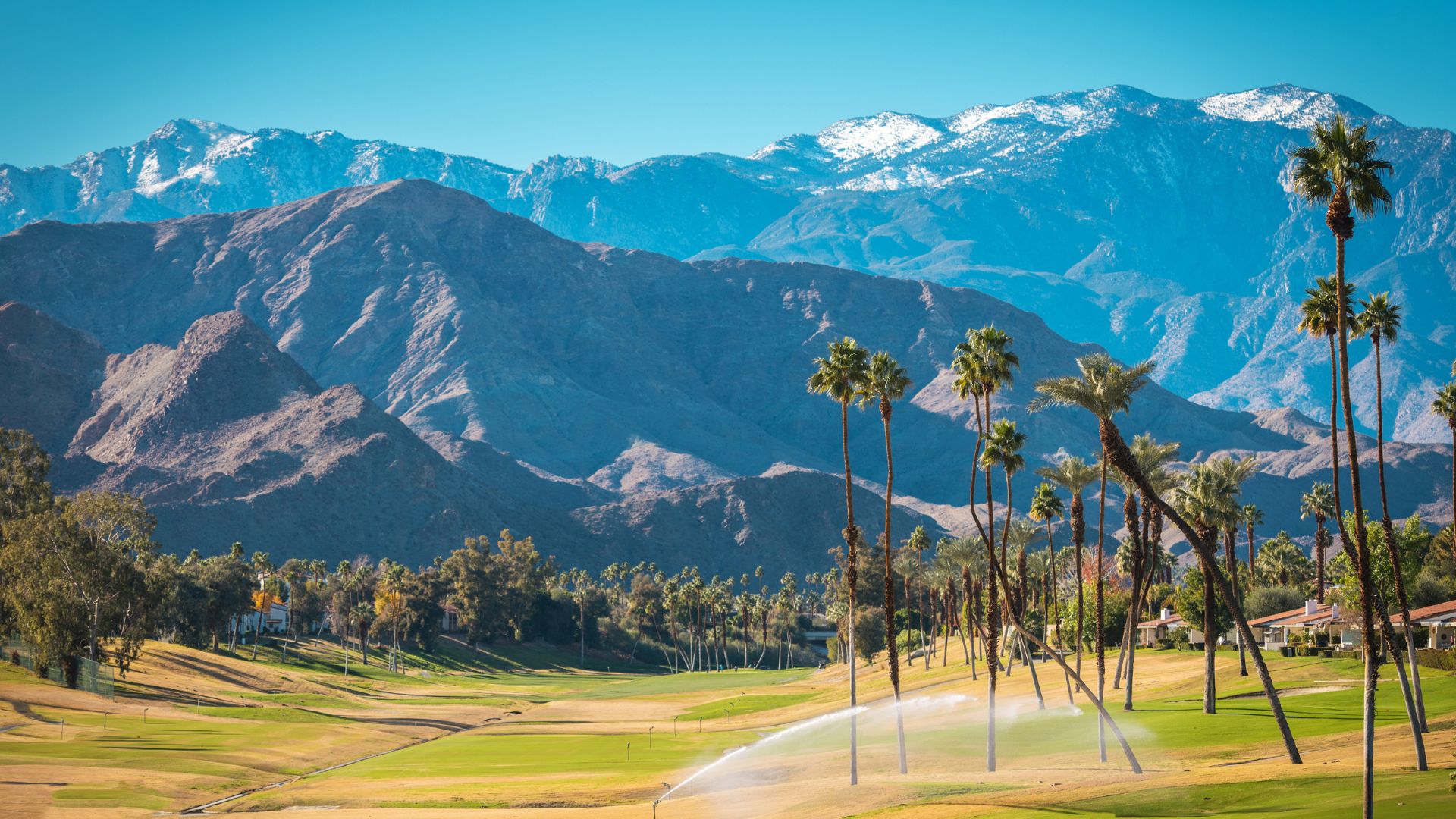
Palm Springs stands out for its palm-lined streets and that unmistakable mid-century modern vibe. Wandering downtown, I ducked into art galleries, browsed vintage shops, and even checked out the Walk of Stars.
The city buzzes with a cultural scene—think Modernism Week or the Palm Springs International Film Festival.
Taking the Palm Springs Aerial Tramway up Mount San Jacinto gave me sweeping views I won’t forget. Not far away, Indian Canyons offers scenic hikes through palm oases and rocky trails.
The Coachella Valley stretches out from there, with towns like Indio showing off their own flair, fairgrounds, and entertainment spots. Every place has its own little personality, even with that relentless desert heat.
Hot Springs, Spas, and Desert Resorts
When it comes to relaxation, the desert really delivers. I soaked in natural hot springs near Desert Hot Springs—those mineral-rich pools warmed from deep underground are just what tired muscles need.
Many local spas use that same mineral water, which folks say does wonders for your skin. Resort hotels here know how to blend vintage charm and modern luxury, while some spots just focus on peace and quiet.
If you’re more adventurous, you can find smaller inns or even campgrounds. There’s something about lying under endless blue skies that recharges you for the next road trip deeper into the California desert.
Cultural Heritage and Historic Trails
Exploring these deserts, I kept running into reminders of the region’s deep Native American roots, especially the Agua Caliente Band of Cahuilla Indians in Palm Springs. Signs all over town point out cultural sites and protected lands.
At Indian Canyons, I followed trails that people have used for centuries. Parts of the old Pacific Coast Highway and the route between Los Angeles and Barstow still cross the sands.
These roads tell stories of travelers heading between the Sierra Nevada, Hollywood, and distant city lights. The desert itself shapes the culture and stories that get passed down, generation after generation.
Art, Architecture, and Culinary Highlights
Art pops up everywhere in the California deserts. I wandered through a handful of galleries and stumbled into smaller studios tucked away on sun-bleached streets.
Outdoor installations caught my eye, too. There’s something about the open skies and shifting light that just seems to supercharge creativity out here.
The architecture—wow, it’s impossible to ignore. Mid-century modern homes and those vintage motels with their sharp, geometric lines really stand out against the landscape.
When it came to food, I didn’t expect to be so impressed. Farm-to-table spots, old-school diners, and a few upscale places all made the list.
Local flavors run the gamut, from California fusion to bold Latin American dishes. Palm Springs, along with nearby towns like Indio, keeps expanding its culinary scene, thanks to inventive chefs and fresh local produce.
Every meal felt like a new take on the desert’s ever-changing vibe.
