
Planning a weekend getaway every week? It might sound a bit wild, but honestly, it’s not as tough as it seems when you know the right spots at the right time. Here’s a guide that lays out 52 weekends of travel across the US, pairing each month with destinations that have ideal weather, lighter crowds, and those can’t-miss seasonal experiences. I’ve organized everything by month so you can match your travels to what the season actually offers.
The US offers up an amazing mix—coastal towns, epic mountains, buzzing cities. Every month brings something new. Think spring wildflowers in Texas, fiery fall colors in North Carolina, or winter festivities up in New York. I’ve thrown in some timing tips so you can dodge the crowds and skip those sky-high prices, while still catching each spot at its best.
You really don’t have to go far or blow your budget to make weekends memorable all year. This month-by-month approach helps you uncover new places close to home and plan bigger trips for those weekends when you’ve got extra time. Whether you’re into outdoor adventures, culture, or just want to chill on a beach, there’s something here for every mood and season.
Key Takeaways
- Match your weekend trips with the best months for weather and seasonal events.
- Use monthly timing to steer clear of crowds and snag better deals at popular US spots.
- Mix it up—nature, cities, culture, beaches—across your 52 weekends.
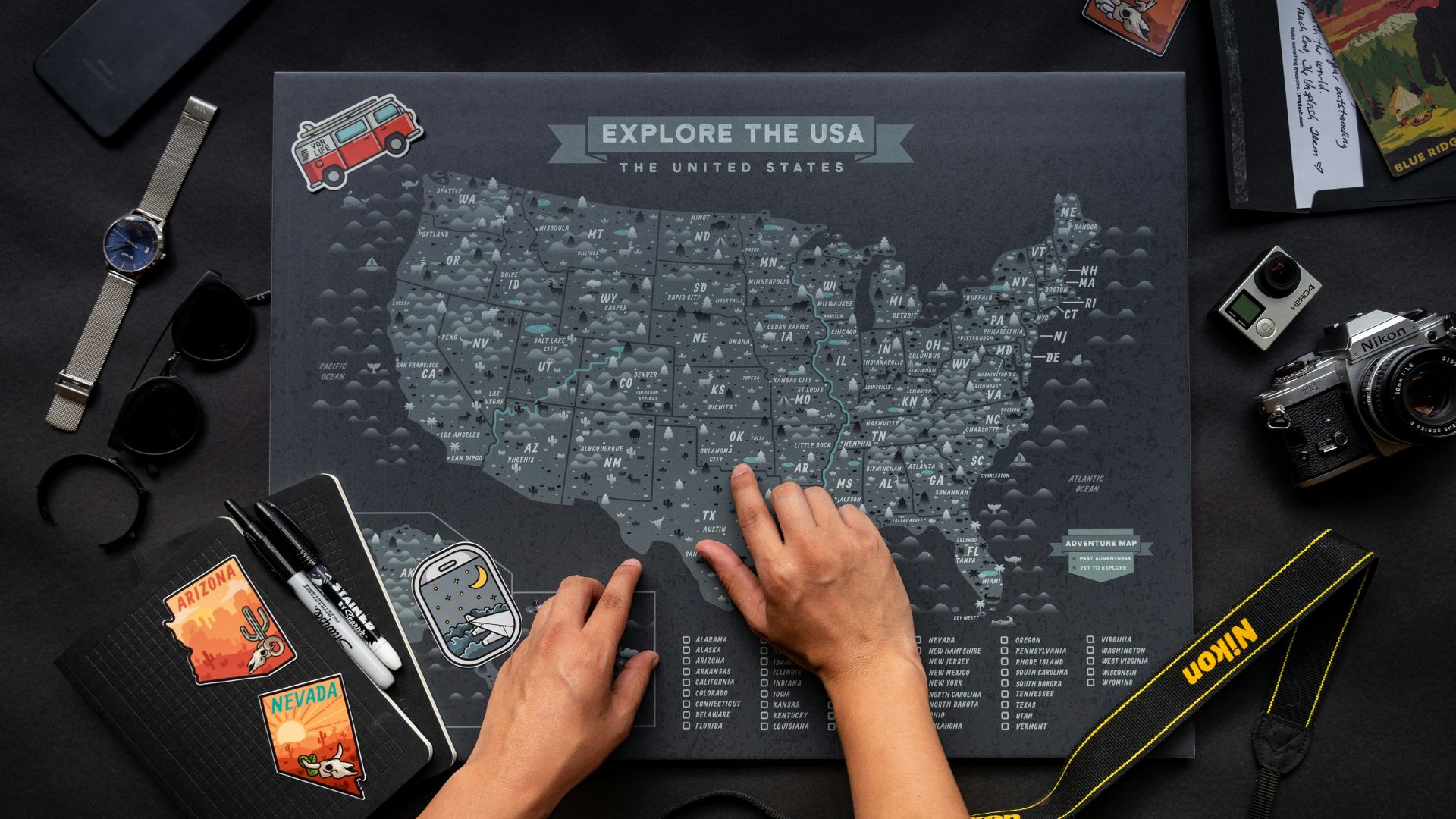
How to Use the 52 Weekends of Travel Guide
This guide breaks the year into 12 months, each packed with practical ideas for quick getaways that work with your job and wallet.
Guide Structure and Navigation
I’ve laid out the guide by month, so you can plan around weather and what’s happening in each region. Each month has 4-5 weekend picks, spread across different parts of the US.
Every weekend entry covers three things: destination highlights, rough travel costs, and the best trip length. If you’re looking ahead, browsing 2-3 months out really helps for snagging good deals.
I’ve sorted weekends into categories—outdoor adventure, city escapes, beach getaways, and cultural trips. These labels make it easy to find what fits your vibe.
Holidays and long weekends are marked throughout the year. More time to travel, sure, but expect higher prices and bigger crowds.
Tips for Maximizing Weekend Trips
Book a Friday afternoon flight or head out Thursday night if you can. I’ve noticed leaving work a bit early on Friday really stretches the weekend.
Pick places you can reach in a 3-4 hour flight or a 5-hour drive. That way, you spend more time exploring and less time stuck in transit.
Skip the checked bag if possible. I always cram everything into a carry-on—no waiting at baggage claim, no lost luggage drama.
Stay near your main activities. Yeah, central spots cost more, but you’ll save a ton of time zipping around.
If you’re eyeing a popular spot, go during off-peak months. October weekends, for example, usually mean better prices and fewer tourists almost everywhere.
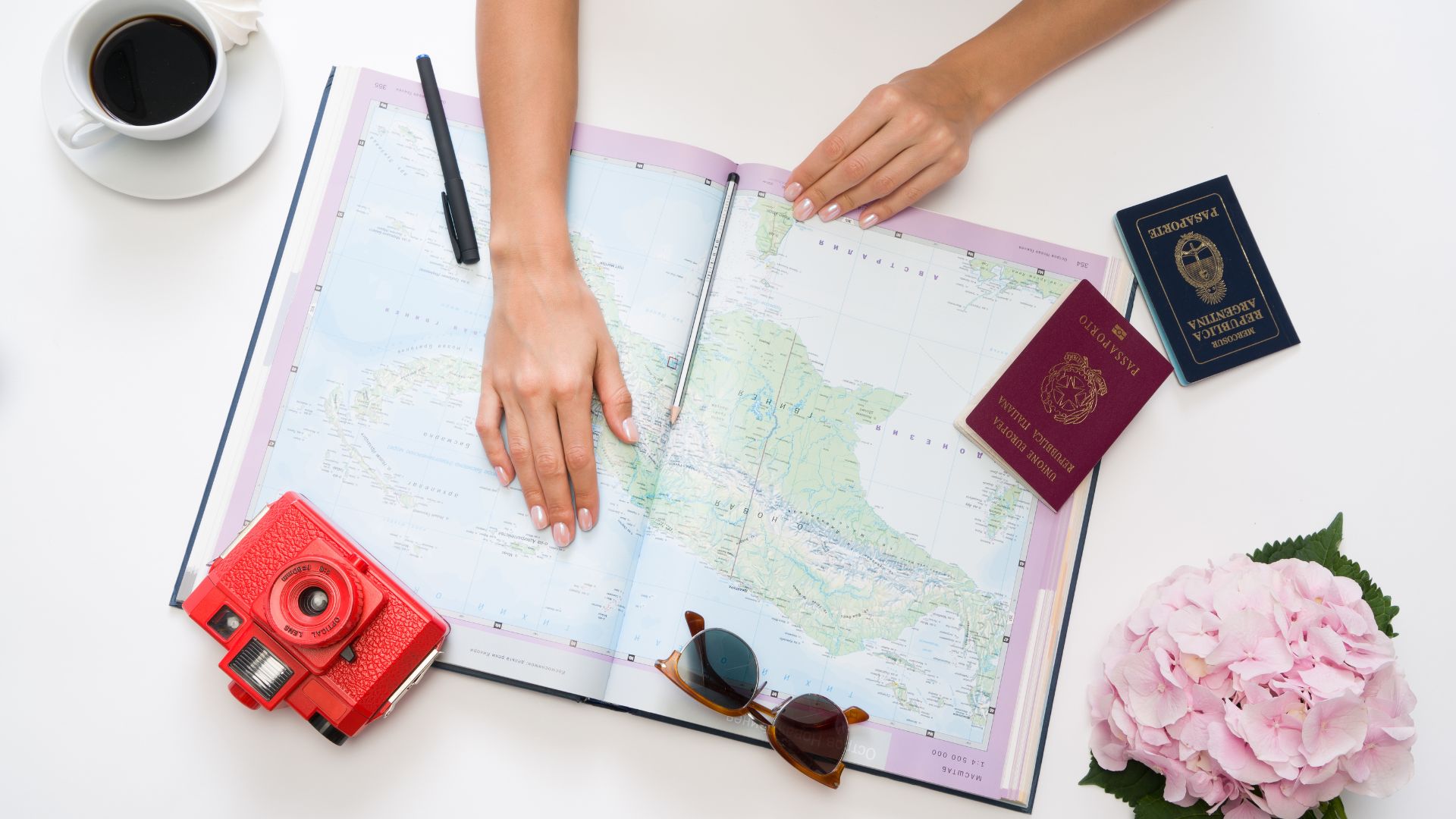
Packing and Planning Essentials
I keep a weekend bag ready to go—just the basics, toiletries, chargers, a couple outfits. It’s a lifesaver for last-minute trips.
My go-to packing list looks like this:
- Clothes: 2 changes, PJs, and weather-appropriate layers
- Tech: Charger, portable battery, headphones
- Essentials: Meds, ID, credit cards, sunscreen
- Comfort: Water bottle, snacks, tiny first-aid kit
Download offline maps before you leave. I save restaurant reservations and screenshot hotel and rental car confirmations—just in case.
Set up travel alerts with your credit card and let your bank know about your trip dates. It helps avoid awkward card declines and unlocks some travel perks.
Check the weather 3-5 days out and pack layers that work for different temps. I never regret bringing a light jacket.
Best Destinations for Each Month in the US
Let’s dive into the first four months of 2026. Each brings its own flavor—warm winter escapes, spring blooms, and more. Here’s where to go and what to do.
January Getaways: Winter Escapes and Mild Climates
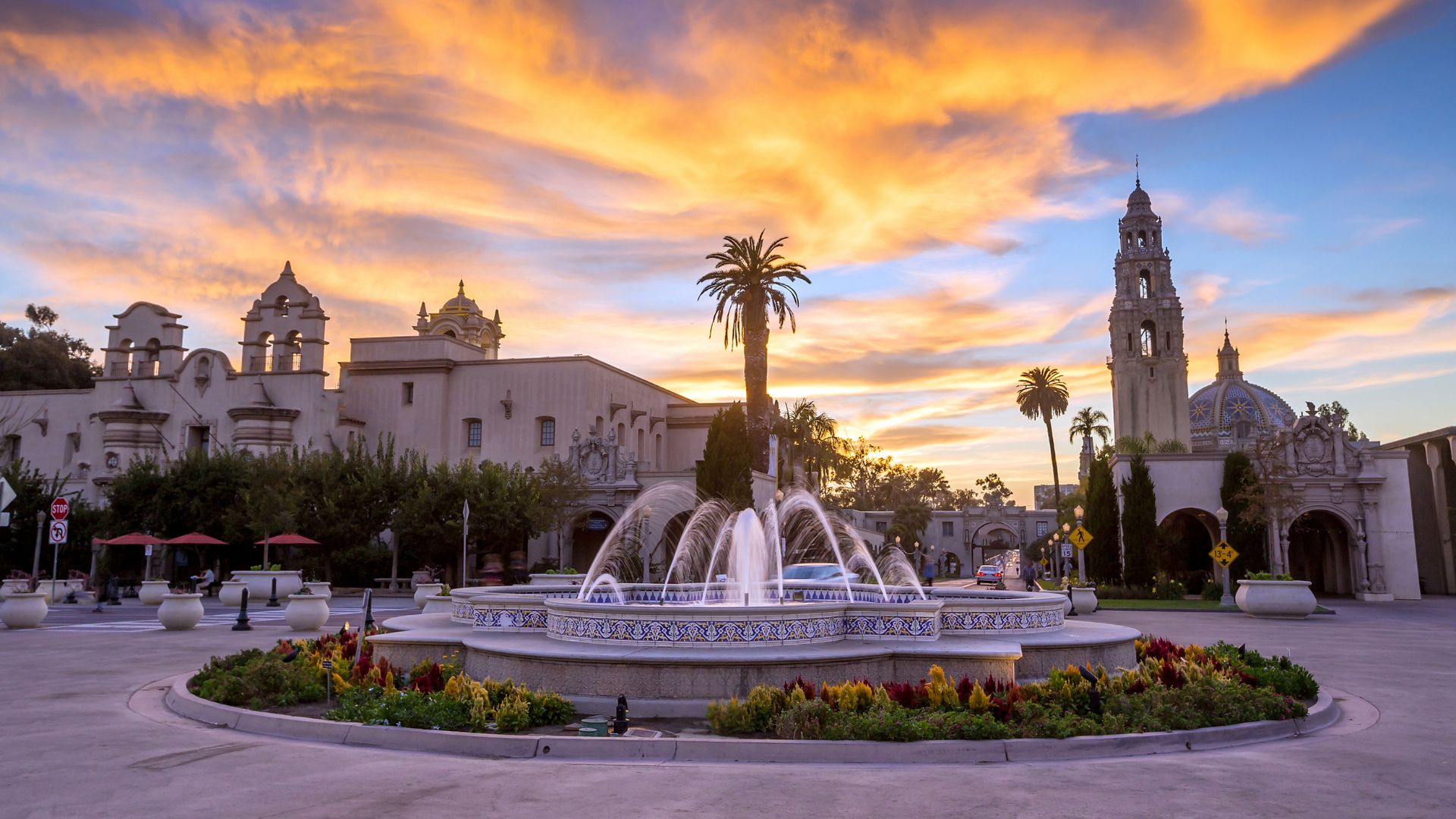
San Diego, California, tops my list for January travel. While much of the country shivers, San Diego stays comfy around 65°F.
Top January Activities in San Diego:
- Explore Balboa Park’s museums minus the summer lines.
- Walk La Jolla’s beaches in perfect weather.
- Dive into San Diego Restaurant Week for great food deals.
- Hit the San Diego Zoo—shorter waits, more animal time.
Hotel prices drop a lot compared to peak season. January feels like a sweet spot for budget travelers who want to play outside without freezing.
Phoenix, Arizona, is another solid pick. The desert sun means perfect hiking weather—try Camelback Mountain or the Desert Botanical Garden. It’s peak season, so prices jump a bit, but honestly, the weather makes it worth it.
South Florida—think Miami and the Keys—also shines in January. You’ll get beach weather and skip that brutal summer humidity.
February Adventures: Festivals and Nature
New Orleans completely transforms for Mardi Gras. The city comes alive with parades, music, and wild celebrations, usually peaking in late February.
Arrive a few days before Fat Tuesday to soak in the build-up. You’ll catch beads, see crazy floats, and eat more King Cake than you thought possible. Jazz clubs and restaurants buzz with energy.
What to Expect:
- Crowds: Absolutely packed, especially in the French Quarter.
- Prices: Sky-high hotel rates.
- Weather: Mild, usually 60-70°F.
Book your place months ahead for Mardi Gras. I usually stay just outside the Quarter—it saves cash and still keeps you close to the action.
Florida’s weather is still perfect in February. Beaches, theme parks, and outdoor adventures are all in play, minus the sticky heat.
March Highlights: Spring Blooms and Events
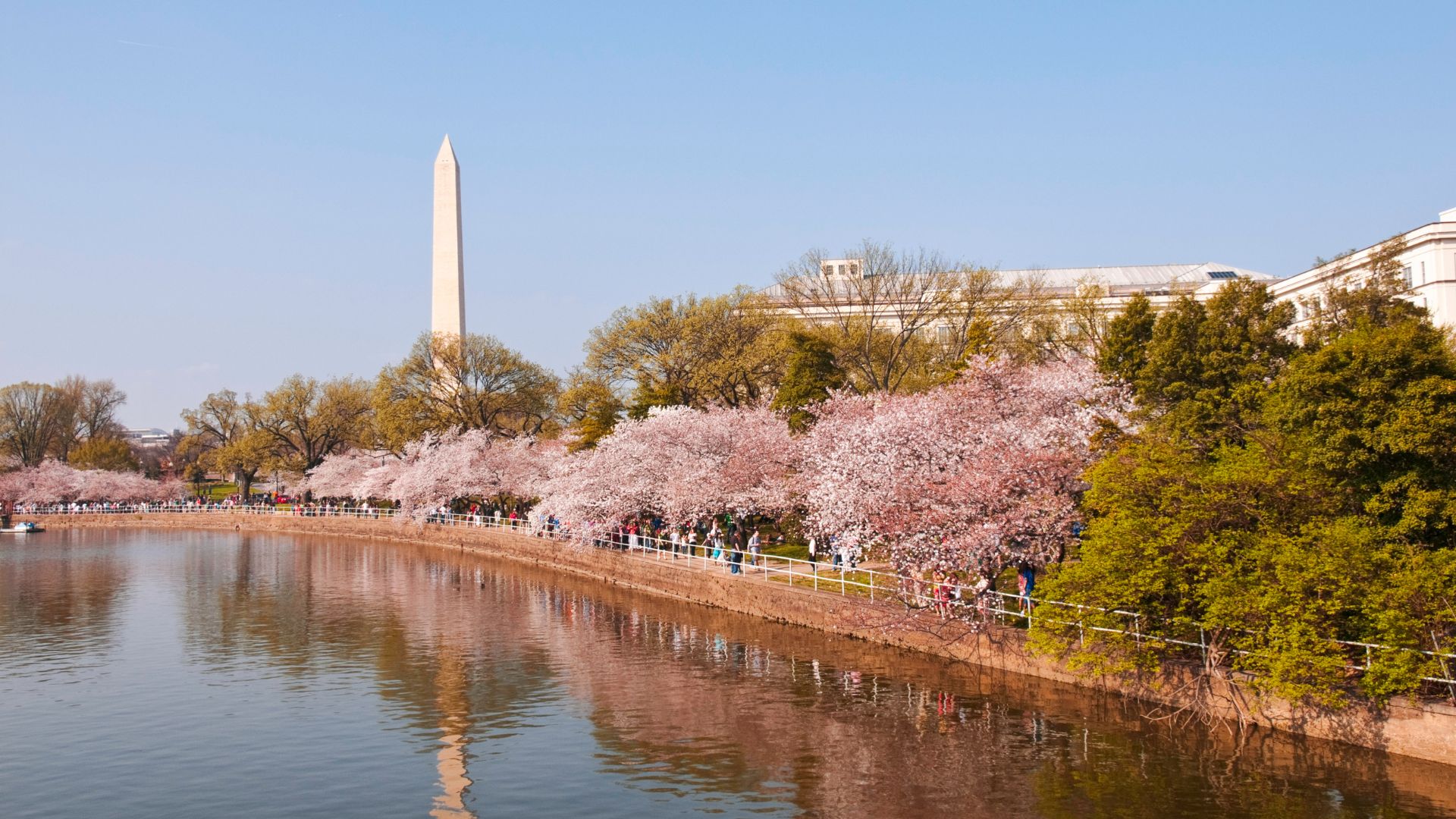
Washington, D.C. bursts into color with the National Cherry Blossom Festival. The Japanese cherry trees around the Tidal Basin usually hit peak bloom in late March or early April.
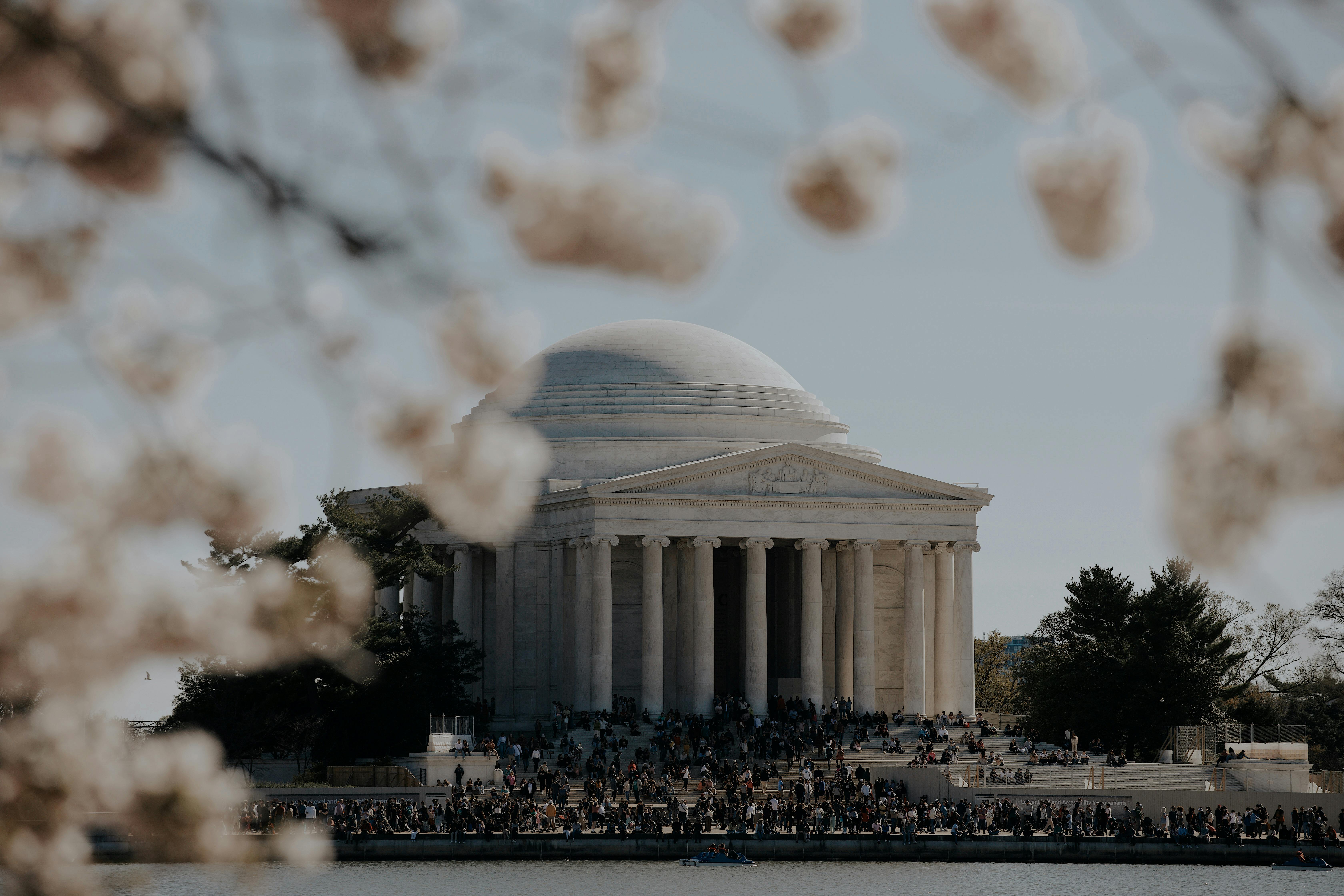
I love walking the Tidal Basin loop—those pink and white blossoms with the Jefferson Memorial in the background just feel magical. If the weather turns, the Smithsonian museums offer a solid backup plan.
Festival Activities:
- Opening ceremony and parade
- Cultural shows
- Fireworks
- Art exhibits
Crowds get intense during peak bloom. I head out early for the best light and fewer people. Metro makes it easy to get around.
Austin, Texas, brings the South by Southwest festival in March. Even if you don’t have a badge, the city’s energy is infectious—music everywhere, cool pop-up events, and a buzzing downtown.
April Explorer’s Picks: Wildflowers and National Parks
Texas Hill Country goes wild with bluebonnets and flowers all April. I love driving the Bluebonnet Trail between Austin and Fredericksburg—fields of color, small-town stops, and great local eats.
Fredericksburg mixes wildflowers with wine. The town’s German roots show up in food and architecture, and the weather’s just right for patio tastings.
Glacier National Park in Montana starts to wake up in April, though snow still lingers higher up. The Going-to-the-Sun Road opens bit by bit through June. Late April is great for spotting wildlife waking up, but hiking is still limited.
April National Park Perks:
- Way fewer visitors than summer.
- Cheaper places to stay.
- Wildlife is active.
- Waterfalls roar from snowmelt.
Great Smoky Mountains National Park is another April favorite. Spring wildflowers pop all over, and you’ll dodge the summer crowds. Weather can be unpredictable, so I always pack for a range of temps.

Unmissable Experiences by Season
The US changes so much with each season. Here are some standout experiences by season to help you line up your trips with the best weather, scenery, and events in 2026.
Spring Events and Natural Wonders
Spring delivers some of the most jaw-dropping natural displays. The National Cherry Blossom Festival in D.C. runs late March to early April. Those 3,000 cherry trees from Japan? They’re spectacular—try to catch them in peak bloom, usually early April.
Wildflowers steal the show in Texas Hill Country (March-April), and California’s Anza-Borrego Desert State Park sometimes erupts in colorful blooms after good winter rains. The Great Smoky Mountains light up with thousands of wildflower species from March through May.
Spring is also prime for national parks before the summer rush. Yosemite’s waterfalls are at their best April-June. Zion National Park serves up perfect hiking temps and flowing streams in April and May.
Summer Outdoor Activities
Summer unlocks high-elevation parks that stay closed most of the year. Glacier National Park in Montana finally opens the full Going-to-the-Sun Road by late June or July. July and August are just right for hiking and spotting wildlife.
Denali National Park in Alaska gives you up to 20 hours of daylight. June through August is really the only time you can count on road access and a shot at seeing the peak. The midnight sun? It’s a photographer’s dream.
Coastal spots shine in summer. Maine’s rocky shores mean whale watching and lobster feasts. Oregon’s coast has tide pools and dramatic rocks, minus the heat. The Great Lakes beaches offer freshwater swimming and usually fewer crowds than the ocean.

Autumn Foliage and Fall Festivals
Fall colors are unreal across the northern US. New England peaks late September to mid-October, depending on elevation and latitude. Vermont’s Green Mountains and New Hampshire’s Whites are especially stunning.
The Biltmore Estate in Asheville, North Carolina, puts on a show with its 8,000 acres surrounded by the Blue Ridge Mountains. Late October is best—holiday decorations go up and the leaves are at their brightest.
Harvest festivals and Oktoberfests pop up everywhere in September and October. Wine regions like Napa, the Finger Lakes, and Willamette Valley celebrate crush season. Apple orchards in the Northeast and Midwest open for picking and cider sipping.
Winter Festivals and Cozy Retreats
Winter turns mountain towns into snow playgrounds. Colorado ski resorts open by Thanksgiving and run through April. Park City, Utah, and Lake Tahoe have great skiing and charming downtowns.
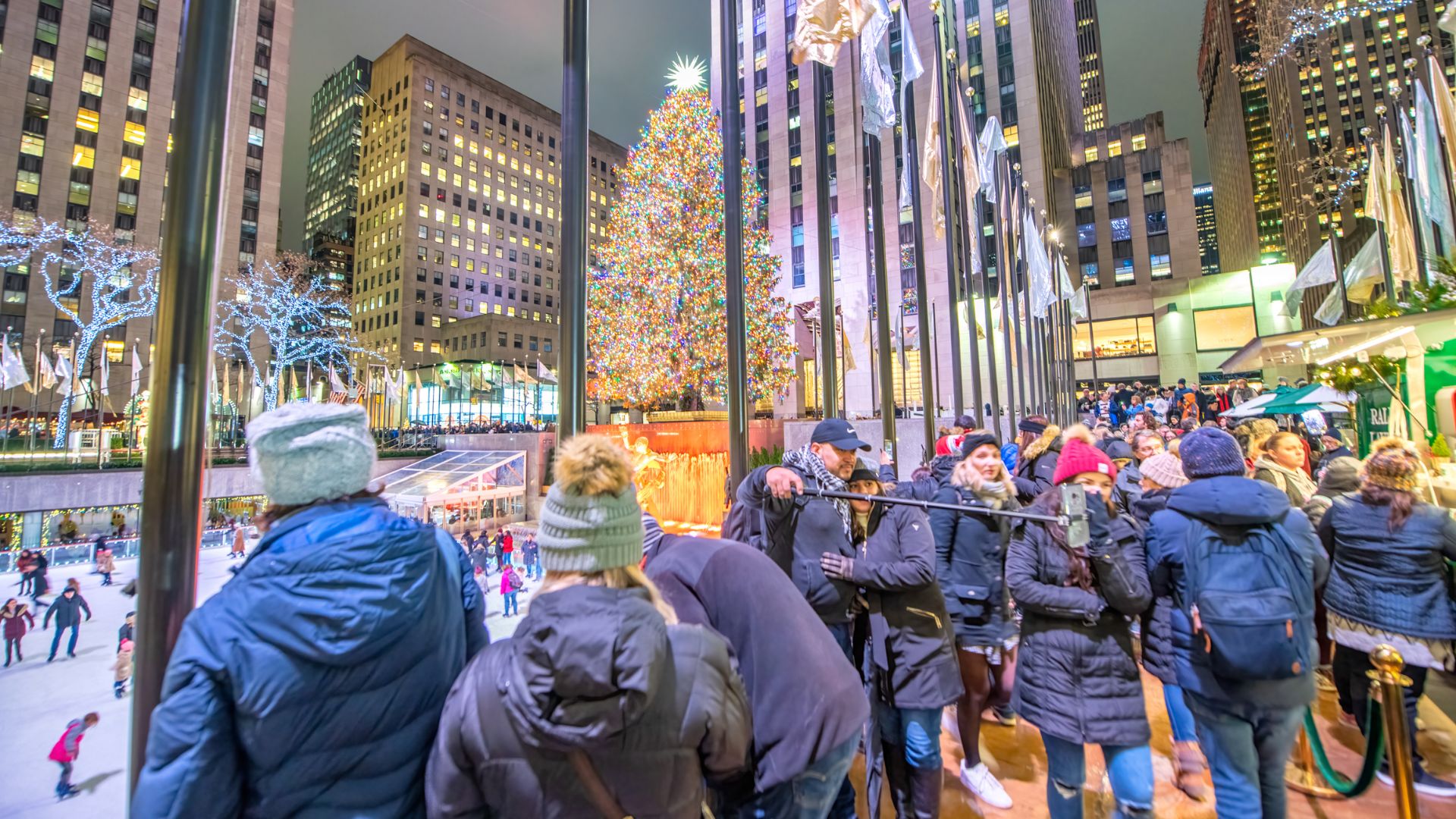
Holiday markets and light displays make December extra festive. New York City’s holiday windows and the Rockefeller Center tree are iconic. Santa Fe’s Canyon Road glows with luminarias on Christmas Eve. Leavenworth, Washington, goes all-in on Bavarian Christmas vibes.
Winter is also a secret weapon for wildlife viewing. Yellowstone becomes a snowy wonderland with bison and steamy geysers. Alaska’s Northern Lights season runs September to March, but December and January are the sweet spot.
Iconic US Road Trips and Scenic Routes
The best road trips in the US aren’t just about the destination—they’re about the wild landscapes and quirky stops along the way. These routes take you through mountains, canyons, and forests that really show off what America’s all about.
The Blue Ridge Parkway Journey
The Blue Ridge Parkway winds for 469 miles through Virginia and North Carolina, linking Shenandoah National Park with the Great Smoky Mountains. I’d set aside three or four days for the whole drive so you can stop at overlooks and hit a few trails.
The road climbs through the Appalachians, sometimes topping 6,000 feet. Along the way, you’ll spot limestone caverns, clear springs, and more than 150 bird species. Favorites of mine include Mabry Mill, Linville Falls, and the Folk Art Center near Asheville.
Best time to visit: Late September to October for fall colors, or late spring for wildflowers. You can drive it year-round, but some sections close if winter weather hits.
Start early in the morning to beat the crowds at the best viewpoints. I always pack snacks and water—services are few and far between out there.
Colorado River Adventures
The Colorado River has shaped some of the most jaw-dropping landscapes in America. If you love road trips, following this river takes you through national parks and deserts in Utah, Arizona, and Nevada.
I’ve cruised down Highway 128 near Moab, Utah, where the Colorado River winds through red rock canyons. This 44-mile stretch gets you close to Arches National Park and a bunch of river rafting outfitters. The drive? It’s all about towering sandstone cliffs and cottonwood trees lining the water.
Further south, the river slices through Grand Canyon National Park. The South Rim’s Desert View Drive is a classic—25 miles with one overlook after another. Trust me, sunrise or sunset here is unforgettable; the canyon walls glow with color you just can’t believe until you see it.
In Nevada, Route 95 hugs the river through Lake Mead National Recreation Area. The water’s calmer here, so you can rent a kayak or paddleboard and drift for hours.

West to East National Park Circuits
If you want a real adventure, try a west-to-east circuit that links Alaska’s wild spaces to the mountain parks of the lower 48. Denali National Park sits about 240 miles north of Anchorage, up the Parks Highway. I drove the park’s 92-mile road and caught glimpses of Denali itself—plus grizzlies, caribou, and, if you’re lucky, a wolf or two.
From Denali, the Alaska Highway rolls south through Canada and eventually into Montana. Glacier National Park’s Going-to-the-Sun Road is a must—it climbs over the Continental Divide at 6,646 feet and passes glacial lakes and open meadows dotted with wildflowers.
Keep heading east and you’ll hit South Dakota’s Badlands National Park via Interstate 90. The Badlands Loop Road twists through striped rock formations and ancient fossil beds. Plan for two to three weeks if you want to do this 3,500-mile route justice.
Essential gear: You’ll need bear spray in Alaska and Montana, layers for wild mountain weather, and a National Parks Pass to save on entry fees.
Top Cultural, Historical, and Nature Attractions
The U.S. is packed with world-class museums, historic landmarks, and natural wonders—perfect for a weekend escape. Here’s a look at some free cultural treasures in Washington, D.C., and a few grand estates that bring American history to life.
Smithsonian Museums and National Memorials
The National Mall in D.C. is heaven for museum lovers. You can wander from one Smithsonian museum to the next without spending a dime. The National Museum of Natural History has those iconic dinosaur fossils and the Hope Diamond, while the National Air and Space Museum features the original Wright Brothers plane and Apollo 11’s command module.
The Jefferson Memorial sits by the Tidal Basin, framed by cherry blossoms in the spring. The Lincoln Memorial stands at the Mall’s western edge, and you’ll spot the Washington Monument from almost anywhere nearby. The Vietnam Veterans Memorial and World War II Memorial are moving tributes—worth a slow walk.
Most Smithsonian museums open at 10 a.m. and close by early evening. If you want to dodge the crowds, show up right when they open on weekends.
Famous Estates and American Landmarks
The Biltmore Estate in Asheville, North Carolina—wow, what a place. George Vanderbilt built this 250-room mansion back in the 1890s. You can tour the house, stroll the gardens, and even check out the winery on the 8,000-acre property. Honestly, you need at least half a day to take it all in.
Mount Vernon, just outside D.C., preserves George Washington’s home with views over the Potomac River. The tour covers the main house, slave quarters, and Washington’s tomb. Colonial Williamsburg in Virginia? It’s like stepping into the 1700s, with actors in period dress and craftspeople showing off colonial trades.
Frequently Asked Questions
Planning weekend travel in 2026 is all about matching holidays with your PTO, picking spots that fit the season, and timing your trips to get the most out of every break.
January? Perfect for winter sports. Lake Tahoe and Aspen are at their snowiest—prime time for skiing and snowboarding.
In February, I usually chase the sun to Arizona or Southern California. Phoenix and San Diego feel like a warm hug when the rest of the country’s freezing.
March brings gentle weather to the Southeast. Charleston and Savannah are ideal for strolls and outdoor exploring—no sticky humidity yet.
April is when the Southwest shines. Utah’s national parks—Zion and Arches—have the best hiking weather before the heat kicks in.
May opens up the Pacific Northwest. Seattle and Portland get some of their driest days, so it’s great for city sights and hiking nearby trails.
June? Head for coastal New England. Cape Cod and Maine beaches warm up, but you still get comfy temps for swimming and exploring.
July calls for the mountains. Colorado’s Rockies are cool, with wildflowers everywhere at higher elevations.
August is Alaska’s time to shine. The days are long and warm, wildlife is out, and glacier tours are in full swing.
September brings you to the Northern Rockies. Montana and Wyoming have fewer crowds and the weather’s just right for outdoor adventures.
October is all about New England’s fall foliage. Vermont and New Hampshire hit peak color, making every road trip a postcard.
November takes you back to the Southwest. Arizona and New Mexico are pleasant for hiking and soaking up local culture.
December? Florida’s the answer. Miami and the Keys stay warm while most of the country bundles up.
I always scan the calendar for federal holidays that fall on Fridays or Mondays. Those are your golden tickets for three-day weekends.
Snagging one PTO day before or after a holiday stretches a three-day weekend into four. Memorial Day, Labor Day, and Independence Day are perfect for this.
When holidays land mid-week, I sometimes use two PTO days to bridge to the weekend—suddenly, I’ve got five days off.
I try to save PTO for shoulder seasons—April, May, September, and October—when prices drop and crowds thin out.
Avoiding peak summer travel saves money and headaches. Planning around less busy times means cheaper flights and more relaxed trips.
New Year’s Day falls on Thursday, January 1, 2026. If you take Friday off, you’ll kick off the year with a four-day weekend.
Martin Luther King Jr. Day lands on Monday, January 19, 2026. No PTO needed—just enjoy the long weekend.
Presidents Day is Monday, February 16, 2026. I love using this for a quick winter getaway somewhere sunny.
Memorial Day comes on Monday, May 25, 2026. It’s the unofficial start of summer and a built-in long weekend.
Independence Day, Saturday, July 4, 2026, gets observed on Monday, so there’s another three-day weekend right there.
Labor Day is Monday, September 7, 2026. That’s the classic end-of-summer weekend—always a travel favorite.
Thanksgiving falls on Thursday, November 26, 2026. Take Friday off for four days, or add Wednesday for a five-day break.
Christmas Day is Friday, December 25, 2026. That’s a built-in long weekend—perfect for holiday adventures.
I start by circling the events I care about and the regions I want to explore. Booking early is key—better rates, better choices.
Mardi Gras in New Orleans usually hits in late February or early March. I always check the date and book months ahead.
The Cherry Blossom Festival in D.C. peaks late March to early April. I keep an eye on the National Park Service’s bloom predictions to time it right.
Kentucky Derby? First Saturday in May at Churchill Downs. Hotels fill up fast, so I lock in a spot at least three months before.
The Albuquerque International Balloon Fiesta takes over early October. It’s a nine-day spectacle—definitely book early.
Austin City Limits Music Festival runs two weekends in October. I pick based on which lineup I like and how big a crowd I’m up for.
New Year’s Eve is different everywhere. Whether it’s Vegas, NYC, or Nashville, I always book months in advance for the big parties.
I love using connecting flights to sneak in a bonus city. Even a long layover turns into a mini adventure.
Red-eye flights get me to my destination by sunrise. I hit the ground running and don’t pay for an extra hotel night.
Whenever I travel for work, I tack on a weekend to explore somewhere new—no extra PTO needed.
Short train rides between cities are underrated. Amtrak from Seattle to Portland or Boston to New York lets you see the scenery while you travel.
I always book with flexible cancellation policies, just in case plans change or something better pops up.
Joining airline and hotel loyalty programs pays off. Upgrades and free nights make those quick trips even sweeter.
First things first—I pull up a calendar and plug in all the 2026 federal holidays. Honestly, it’s kind of satisfying to see which ones naturally land on a Friday or Monday, creating those perfect long weekends without even dipping into PTO.
Then, I scan the calendar for weekends that bump right up against a holiday. These are the golden opportunities—just one or two PTO days can suddenly stretch into a four- or five-day escape. Why not make the most of them?
Next, I jot down how many PTO days each potential trip would actually need. Laying out the options side by side helps me pick the smartest way to use my precious vacation days.
Throughout the year, I keep an eye on my PTO balance. It’s easy to get carried away, but I’d rather not run out when something unexpected pops up.
Sometimes, I go back and forth—should I spread my days out for a bunch of mini-adventures, or splurge on one epic week away? Honestly, stringing together a few three-day weekends can pack in way more variety than you’d expect.