
The Nice Carnival in February stands out as one of the most famous and colorful winter festivals anywhere, turning the city into a wild mix of music, flowers, and lively parades. People always told me stories about its grand floats and the legendary “Bataille de Fleurs,” but honestly, nothing really prepared me for the energy and beauty that took over every street.
When I wandered through Nice during carnival, I kept bumping into bursts of mimosa, roses, tulips, and crowds that seemed impossibly cheerful. The whole place buzzed with a celebration that just felt different. The blend of tradition, creativity, and pure joy made it obvious why people travel from all over for this.
If you’ve ever wondered what it’s like to throw yourself into the heart of one of France’s most iconic and flower-filled parties, well, you’re in the right spot.
Origins and Evolution of the Nice Carnival
When I first joined the Nice Carnival, I felt surrounded by centuries of history, enduring traditions, and echoes from celebrations long gone. The festival’s identity has shifted with the city’s culture and the big events that shaped it, stretching from medieval times to today’s modern parades.
Ancient Roots and Early Rituals
From what I learned, the Nice Carnival goes all the way back to 1294. Charles of Anjou, Count of Provence, wrote about the “joyous days” he spent joining in the city’s winter festivities.
Back then, Carnival meant pressing pause before Lent. Everyone—nobles and regular folks—celebrated with feasting, music, masks, and rituals that let them break free from daily life and social rules.
Those early carnivals weren’t polished affairs. Instead, they exploded onto the streets as wild, spontaneous gatherings. I can almost picture the old town filling up with laughter, odd costumes, and splashes of color in the middle of winter.
Influences from Literature and Civil Movements
Over the centuries, Carnival picked up ideas from local and European literature. Stories, legends, and plays inspired costumes and processions. Satirical characters and big personalities started stealing the show, poking fun at authority or whatever was trending.
Political changes left their mark too. When France faced civil unrest or big shifts, Carnival reflected that tension. During the French Revolution and other wild times, the festival sometimes disappeared or took on new meaning—sometimes hopeful, sometimes defiant.
Even in quieter years, the parade floats and masquerades borrowed ideas from popular books or plays. Carnival turned into a living story that anyone could join.
Transformations Throughout European History
Big changes hit the Nice Carnival in 1873. A formal committee took over that year, shaping Carnival into the organized, dazzling festival I know today.
They brought in parades, official programs, and the iconic “Battle of Flowers,” which turned out to be a real highlight. This new style made Nice’s celebration famous across Europe and pulled in visitors from far and wide.
Through wars and rapid changes—including the World Wars and shifts in French society—Carnival adapted. Sometimes it stopped. Other times it came roaring back, brighter and bolder, weaving new influences into old rituals.
Over time, Carnival became a huge part of local identity, mixing ancient customs with modern energy. Every February, I sense both the deep roots and the vibrant renewal at every turn.
Signature Events and Flower Battles
Every February, Nice explodes with color as Carnival brings parades, lively performances, and thousands of flowers. The scent of fresh blooms floats everywhere. Illuminated floats and unique art displays turn the streets into a living gallery.
The Iconic Parades and Their Themes
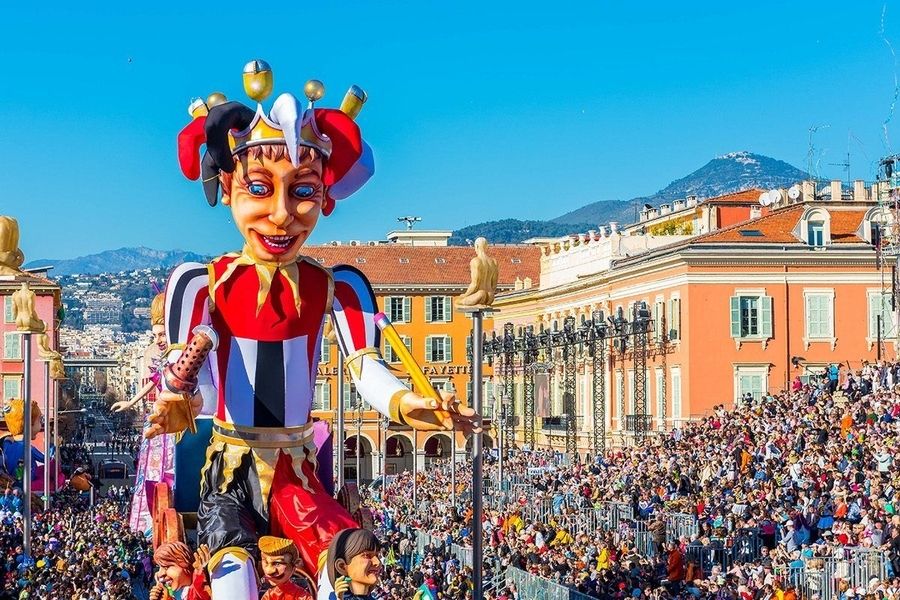
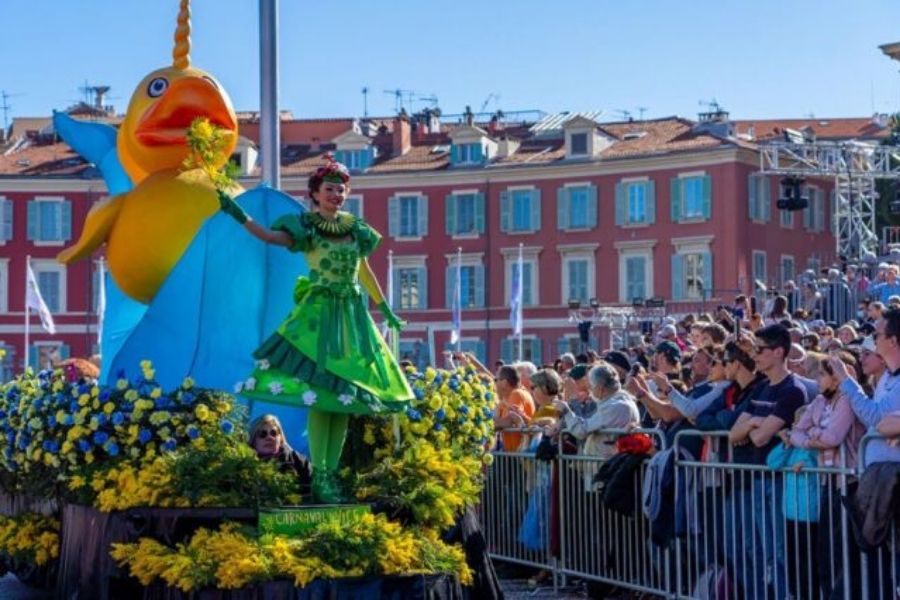
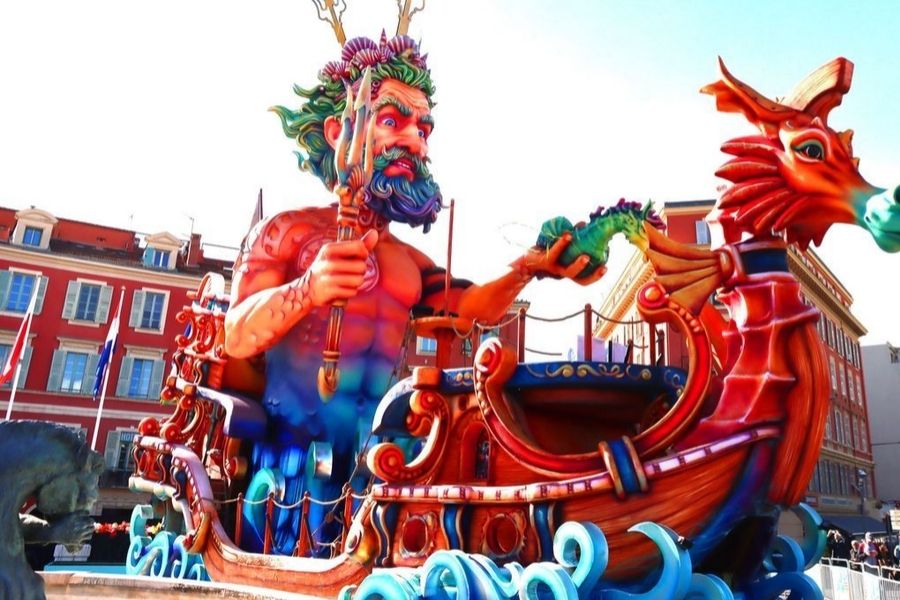
The heart of Nice Carnival? The wild parades, or “Corsi.” They wind through the city, each built around a new theme every year. I’ve seen themes like world cinema and exotic travel, and every float bursts with color and playful details.
Those big-headed papier-mâché figures, the “grosses têtes,” tower over the crowd and always get a laugh. Performers in clever costumes march beside the floats, tossing confetti or dancing to pounding music. I couldn’t help but join the cheering as the parade rolled through Place Masséna—the real heart of the party.
La Bataille de Fleurs: The Dazzling Flower Parade
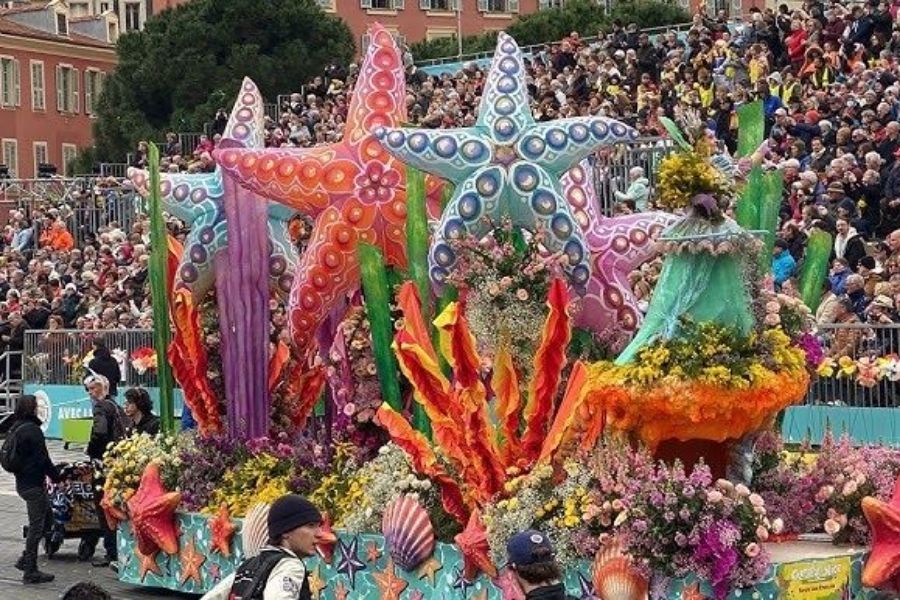
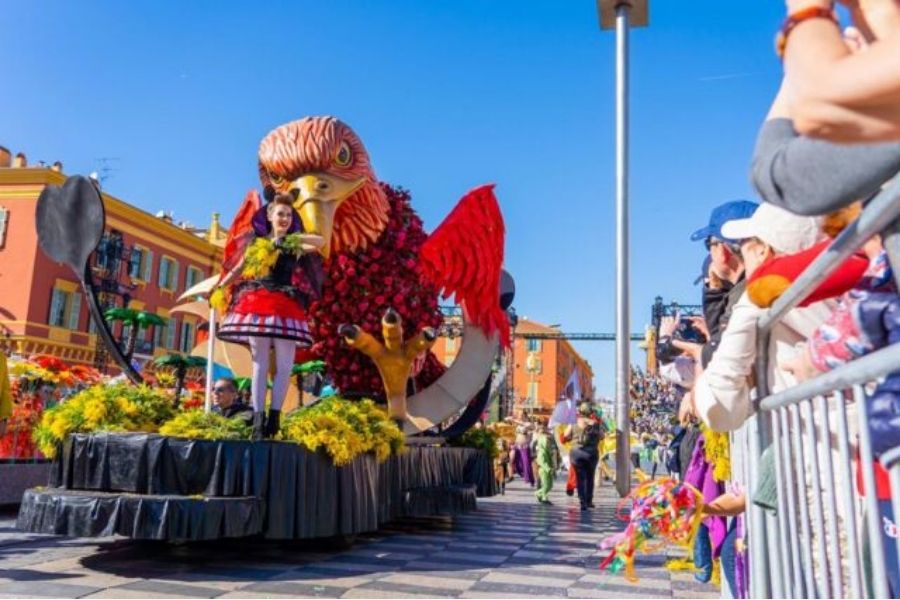
The “Bataille de Fleurs,” or Battle of Flowers, is something you only see in Nice. It’s easily my favorite event. Floats covered in fresh flowers—especially mimosa, roses, and tulips—glide down the Promenade des Anglais. Performers in bright costumes toss flowers into the crowd.

This tradition started in 1876, making it one of the oldest. Every float looks like a rolling garden, and if you catch a bouquet, you feel pulled right into the celebration. I saw families and groups of friends compete for the most blossoms. The scent of thousands of flowers drifting on the breeze still sticks with me.
Main features of the Bataille de Fleurs:
- Floats lined with real, fragrant flowers
- Costumed dancers and musicians
- Flowers tossed to crowds: everyone participates
- Local blooms take center stage, especially yellow mimosa
Nighttime Illuminated Floats and Spectacles
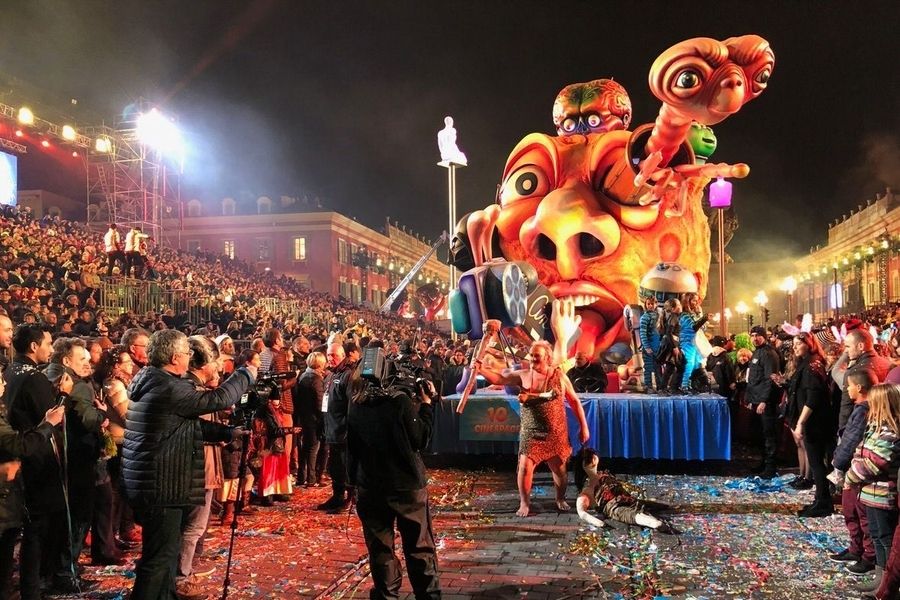
Once the sun goes down, Carnival shifts gears. The nighttime “Corso Carnavalesque Illuminé” is a must-see—glowing floats, neon lights, and wild spectacles everywhere. Parades feel totally different at night, with LED lighting and lasers creating a dreamlike vibe.
Dancers and acrobats perform under the lights, while music pulses along the parade route. I loved seeing historic buildings become part of the show as colorful projections lit up their facades. The evening parades felt like a festival inside a festival, and even after hours on my feet, I didn’t want it to end.
Highlights:
- Illuminated floats and sculptures
- Live performances with light effects
- Music and confetti showers
- Crowds celebrating late into the night
Artistic Illustrations, Maps, and Photographs
Art pops up everywhere during Carnival. Detailed illustrations decorate posters, tickets, and programs. Local artists often design special maps to guide visitors along the parade routes, showing the best spots to watch or sneak a peek behind the scenes.
Along the streets and in galleries, I found exhibits of past carnival photos—some showing floats and crowds from decades ago. It’s fun to see how the festival has changed. Of course, I snapped my own photos, hoping to catch memories as lively as those in the old images.
What to look for:
- Colorful event maps at visitor centers
- Artistic posters with the year’s theme
- Photo ops on Place Masséna and the Promenade
- Small exhibitions of carnival history and art in local museums
Experiencing the Nice Carnival: A Personal Account
The moment I arrived in Nice for Carnival, the city’s colors, parades, and old customs swept me away. What really struck me was the blend of tradition and community spirit. It made the whole thing feel like it belonged to everyone.
First Impressions and Local Traditions
Right in the heart of Nice, the city felt transformed. Crowds packed the streets, floats lined up in rows, each one more detailed than the last. The famous “Flower Parades” grabbed my attention. Performers in bright costumes tossed mimosas and lilies into the crowd, filling the air with perfume and laughter.
Locals wore masks or costumes and either joined the parade or cheered from the sidelines. Kids and grandparents got involved too, making it clear this event is for all ages. Food stalls served socca and beignets, blending local flavors with the buzz of Carnival.
A few customs really stood out:
- Crowning the Carnival King, whose giant figure watched over everything
- Night parades with music and lights
- Confetti battles that turned the main squares into a riot of color
Community Life and Cultural Identity
Living Carnival from inside the community showed me how deep these traditions run. Neighbors gathered on balconies, chatting and waving as floats passed by. It honestly felt like Nice hit pause so everyone could come together.
The social ties felt strong. Schools closed for special activities and festivals, so families could join in. Local musicians and artists showed off their talents, proud to represent their heritage in the heart of town.

People talked openly about what Carnival meant to them—more than just fun, it’s a way to remember shared history and celebrate identity. It brought everyone together, locals and visitors, and new friendships seemed to pop up everywhere.
Personal Anecdotes and Memoir Moments
One night, I joined a group of locals in the old town. We followed the sound of drums and laughter to a square packed with dancers. Someone handed me a paper flower and pulled me into a folk dance. That small gesture made me feel like part of the celebration.
Later, I found myself next to a grandmother and her granddaughter on the promenade. They explained the meaning behind the costumes and floats, pointing out details I’d have missed. The little girl shared homemade chocolates, smiling like she was letting me in on a secret. Those moments—the friendly chats, invitations into tradition, and shared snacks—turned my visit into something more like a memoir.
Now, when I think of Nice Carnival, I remember not just the sights and sounds, but the kindness of the people. Their warmth and pride shaped my whole experience, making Carnival feel less like a tourist event and more like a gathering of old friends.
Cultural Significance and Social Impact
Nice Carnival isn’t just a colorful parade; it shapes how people see themselves and their city. Every year, the event brings together folks from all walks of life, boosting tourism, strengthening community bonds, and sparking conversations in writing and research.
The Nice Carnival as a Mecca for Tourism
As soon as I arrived during Carnival, I realized Nice transforms into a major destination for travelers. The event stands out as the top winter festival in France and draws thousands to the French Riviera. Hotels fill up fast, and people from all over Europe (and beyond) come to see the giant floats, fireworks, and themed parades.
Tourism gives a big boost to local businesses. Restaurants, markets, and even tiny shops thrive during Carnival. Visitors don’t just watch—they try local foods, explore historic streets, and join special tours. Carnival connects guests to both the traditions and the modern life of Nice.
The event puts Nice right up there with Rio and Venice. All that international attention shapes the city’s image as a “mecca” for culture lovers, history fans, and anyone chasing lively winter fun.
Celebrating Social Diversity and Community
The real heart of Nice Carnival is the people it brings together. I saw crowds full of local families, tourists, performers, and students all mixing and having fun. The blend of cultures was everywhere, from costumes to the music in the streets.
At the flower battles, locals tossed blooms to each other and waved at visitors. The tradition feels like a celebration of unity and friendship, even among strangers. Kids laughed next to older folks, proving the event includes everyone.
Community groups, schools, and artists get involved every year, building floats or joining parades. This teamwork builds city pride and keeps traditions alive. Carnival isn’t just for spectators—it needs the energy and commitment of the whole community.
Representations in Writing and Social Science
Writers and social scientists often use Nice Carnival to explore identity, culture, and social change. Walking through the crowds, I spotted journalists scribbling notes and students with cameras trying to catch the excitement. The festival pops up in books and articles as a symbol of how public spaces can unite all kinds of people.
Social researchers see Carnival as a mirror for life in Nice. They write about how the event brings out social dynamics—like how people from different neighborhoods interact along the parade route. Some ethnographic studies even focus on how festival traditions tie into the city’s unique identity.
In travel writing, Nice Carnival is often described as a place where daily life pauses and everyone becomes part of something bigger. It’s a living case study, showing how shared celebrations help build community and lasting memories.
Practical Tips and Insider Advice for Visitors
Heading to the Nice Carnival? You’re about to jump into a whirlwind of color, music, and local flair. Planning ahead really pays off—trust me, it’s the difference between feeling lost in the crowd and catching those can’t-miss moments.
Navigating the Carnival Season
Nice gets packed in February. I realized pretty quickly that if I wanted a good spot for the Corsos or the Battle of Flowers, I had to show up early—sometimes an hour ahead or more. Otherwise, people crowd in and you’ll end up straining to see anything.
Key time-savers:
- Snag your tickets online before you go
- Double-check parade times on the official site
- Hop on public transport; parking’s a nightmare
The city flips its main streets into full-blown performance spaces. I’ve found the best views at Place Masséna or along Promenade du Paillon. Grandstand seats cost more, but for a big event, they’re actually worth it. And don’t forget to layer up—the weather here can turn on a dime.
Accommodation and Local Experiences
Hotel rooms vanish fast during Carnival, and prices shoot up. I made sure to book months ahead, just to be safe. Staying near the city center let me walk everywhere and not miss out on the late-night buzz.
Locals always seem to have the inside scoop, whether it’s a tiny bakery or a quiet overlook. I signed up for a group walking tour, and honestly, it led to stories and places I’d never have found alone.
Accommodation checklist:
- Book early—think four to six months out
- Pick a spot central or right by a tram stop
- Hunt for “carnival package” deals that throw in tickets
With the whole city in party mode, I’d ask hotel staff for up-to-date tips. They usually know about last-minute transit changes or the best places to catch the fireworks.
Capturing Memories: From Photography to eBooks
I packed my camera, hoping I’d catch the confetti showers, the dancers, and those grand floats. The early mornings brought softer light and way fewer crowds.
That made it easier to snap vivid photos for my travel memoir. I even started thinking about turning the whole experience into an ebook for anyone dreaming of their own carnival adventure.
Tips for great photos:
- Get up early for crowd-free shots
- Switch to burst mode for moving parades
- Focus on details—flowers, costumes, smiles
I kept a little notebook close to jot down whatever stood out—music drifting by, strange scents, snippets of conversation. These notes helped a ton later when I started shaping my memoir.
If you’re into travel writing or want to publish an ebook about your trip, keep your photos and notes organized. Sharing these memories lets others feel the energy of the Nice Carnival, even if they’re just reading from home.
